AEWA PLAN OF ACTION FOR AFRICA 2019-2027
←
→
Page content transcription
If your browser does not render page correctly, please read the page content below
AGREEMENT ON THE CONSERVATION OF               Doc AEWA/TC Inf. 15.4
           AFRICAN-EURASIAN MIGRATORY WATERBIRDS                  Agenda item 9.8
                                                                   8 March 2019

      15th MEETING OF THE TECHNICAL COMMITTEE
                  09–11 April 2019, Bonn, Germany

AEWA PLAN OF ACTION FOR AFRICA 2019-2027

      Adopted by the 7th Session of the Meeting of the Parties
            (04-08 December, Durban, South Africa)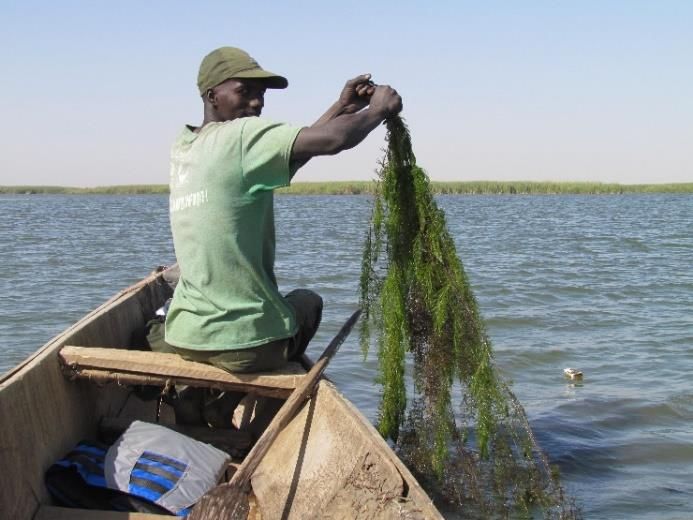
AEWA
              Plan of Action for Africa
                            2019-2027
              A guide to the implementation of the
AEWA Strategic Plan 2019-2027 in the African region

                                                      2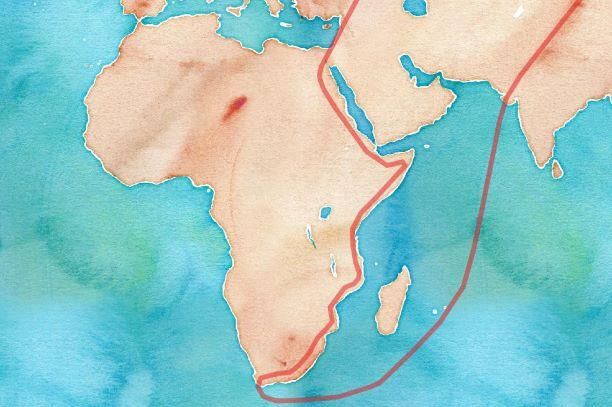
Table of Contents
Table of Contents ................................................................................................................................................................. 2
List of Tables ........................................................................................................................................................................ 3
List of Figures ....................................................................................................................................................................... 3
List of Acronyms ................................................................................................................................................................... 4
1.      Introduction .................................................................................................................................................................. 6
2.      AEWA Plan of Action for Africa 2019-2027 ................................................................................................................. 7
3.      Implementation of the Plan of Action for Africa ......................................................................................................... 10
4.      Actions for implementing the AEWA Strategic Plan 2019-2027 in Africa ................................................................. 12
       SPECIES CONSERVATION ...................................................................................................................................... 13
       SUSTAINABLE MANAGEMENT ................................................................................................................................ 20
       FLYWAY NETWORK OF SITES ................................................................................................................................ 27
       HABITAT IN THE WIDER ENVIRONMENT ............................................................................................................... 33
       SECURE RESOURCES ............................................................................................................................................. 38
5.      Implementation and collaboration along the flyways ................................................................................................. 45

List of Tables
Table 1: Objectives of the AEWA Strategic Plan 2019-2027 ............................................................................................... 7
Table 2: AEWA geographic regions in Africa ....................................................................................................................... 7
Table 3: Key to budget ....................................................................................................................................................... 12
Table 4: Key to priorities .................................................................................................................................................... 12

List of Figures
Figure 1: AEWA Range Map showing the African sub-regions ........................................................................................... 8

Picture credits
pp. 3 and 28: Lesser Flamingo (Phoeniconaias minor) © Mark D. Anderson
p. 14: Grey Crowned-crane (Balearica regulorum) © John Birch, www.johnbirchphotography.com
p. 21: SGF project / RNC de Tocc Tocc © Direction of National Parks of Senegal (DPN)
p. 34: Shoebill (Balaeniceps rex) © Mathias Putze
p. 39: AEWA ToT in Kenya, 2013 © Tim Dodman

                                                                                                                                                                                       3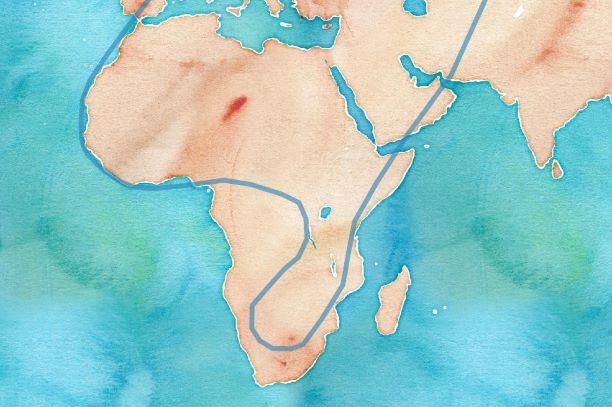
List of Acronyms and Abbreviations
 AEMLAP          African-Eurasian Migratory Landbirds Action Plan
 AEWMP           African-Eurasian Waterbird Monitoring Partnership
 AEWA            Agreement on the Conservation of African-Eurasian Migratory Waterbirds / African-
                 Eurasian Migratory Waterbird Agreement
 AI              (AEWA) African Initiative
 AFRING          African Bird Ringing Scheme
 AMBI            Arctic Migratory Birds Initiative
 AMCEN           African Ministerial Conference on the Environment
 ARC-WH          Arabic Regional Centre for World Heritage
 AU              African Union
 BBI             Bio-Bridge Initiative
 BirdLife        BirdLife International
 BirdLife EAFI   BirdLife East Atlantic Flyway Initiative
 BIMP            BirdLife International Marine Programme
 CBD             Convention on Biological Diversity
 CBNRM           Community based natural resource management
 CEMAC           Economic and Monetary Community for Central Africa
 CEPA            Communication, Education and Public Awareness
 CEPA FP         (AEWA) CEPA Focal Point
 CIRAD           Agricultural Research Centre for International Development (France)
 CITES           Convention on International Trade in Endangered Species
 CMS             Convention on the Conservation of Migratory Species of Wild Animals
 COP             Conference of the Parties
 CP              Contracting Party
 CPW             Collaborative Partnership on Sustainable Wildlife Management
 CSN             Critical Sites Network
 CSO             Civil Society Organisations
 CSR             (AEWA) Conservation Status Review
 ECOWAS          Economic Community of West African States
 EIA             Environmental Impact Assessment
 ESA             European Space Agency
 FAO             Food and Agriculture Organisation
 FFEM            Fonds français pour l’environnement Mondial / French Facility for Global
                 Environment
 FP              Focal Point
 FTK             Flyway Training Kit
 GIS             Geographic Information System
 GITES           Initiative Gestion Intégrée des Territoires En Zones Sèches / Initiative on Integrated
                 Management of Dryland Territories
 IBA             Important Bird and Biodiversity Area
 IKI             International Climate Change Initiative
 IMSAP           International Multi-Species Action Plan
 IPBES           Intergovernmental Science-Policy Platform on Biodiversity and Ecosystem Services
 IRP             Implementation Review Process
 ISEG            International Species Expert Group
 ISR             International Site Review
 ISWG            International Species Working Group
 ISSAP           International Single Species Action Plan
 IUCN            International Union for the Conservation of Nature
 IWC             International Waterbird Census
 m               months
 MAB             Man and Biosphere the Programme
 MBP             Migratory Birds for People
 MEA             Multilateral Environmental Agreement
 MIKT            (CMS) Intergovernmental Task Force on Illegal Killing, Taking and Trade of Migratory
                 Birds in the Mediterranean
 MOP             Meeting of the Parties
 NBA             Niger Basin Authority
 NBSAP           National Biodiversity Strategic Action Plan
 NC              National Coordinator
 NFP             (AEWA) National Focal Point
 NGO             Non-Governmental Organisation
 OMPO            Migratory Birds of the Western Palearctic - European institute for the management of
                 wild birds and their habitats
 OMVS            Organisation pour la mise en valeur du fleuve Sénégal / Organisation for the
 ONCFS           Development of the Senegal River
                                                                                                          4
Office National de la Chasse et de la Faune Sauvage (France)
PoAA             (AEWA) Plan of Action for Africa
Ramsar           The Convention on Wetlands (Ramsar Convention)
RESSOURCE        “Strengthening expertise in Sub -Saharan Africa on birds and their rational use for
                 communities and their environment” Project
REC              Regional Economic Community
RFMO             Regional Fisheries Management Organisation
SABAP2           The Second Southern African Bird Atlas Project
SADC             Southern African Development Community
SAP              Species Action Plan
SDG              Sustainable Development Goal
SEA              Strategic Environmental Assessment
SGF              (AEWA) Small Grants Fund
SP               (AEWA) Strategic Plan
SPMS             (CMS) Strategic Plan for Migratory Species
SrFPC            Sub-regional Focal Point Coordinator
StC              (AEWA) Standing Committee
SWM              Sustainable Wildlife Management Programme (EU)
TC               (AEWA) Technical Committee
TFP              (AEWA) Technical Focal Point
ToT              Training of Trainers
TSU              Technical Support Unit (to support the implementation of the AEWA Plan of Action
                 for Africa
UNCCD            United Nations Convention to Combat Desertification
UN Environment   United Nations Environment Programme
UNEP             United Nations Environment Programme
UNEP-WCMC        UN Environment World Conservation Monitoring Centre
UNFCCC           United Nations Framework Convention on Climate Change
WG               Working Group
WHC              World Heritage Convention
WHS              World Heritage Site
WIOMSA           Western Indian Ocean Marine Science Association
WLI              Wetland Link International
WMBD             World Migratory Bird Day
WSFI             Wadden Sea Flyway Initiative
WWT              Wildfowl and Wetlands Trust
UNWTO            World Tourism Organisation

                                                                                                       5
1. Introduction

African-Eurasian Migratory Waterbird Agreement (AEWA)
The Agreement on the Conservation of African-Eurasian Migratory Waterbirds (AEWA) is an intergovernmental treaty
dedicated to the conservation of migratory waterbirds and their habitats in the African-Eurasian region. Developed under
the framework of the Convention on Migratory Species of Wild Animals (CMS) and administered by the United Nations
Environment Programme (UN Environment), AEWA brings together countries and the wider international conservation
community in an effort to establish coordinated and concerted actions at flyway level for the conservation of migratory
waterbirds and their habitats.

AEWA covers 255 species of migratory waterbirds that are ecologically dependent on wetlands for at least part of their
annual cycle, which cross international boundaries during their migration and require good quality habitat for breeding, as
well as a network of suitable sites to support their annual journeys. International cooperation across their entire migratory
range, as provided by AEWA, is therefore essential for their effective conservation and management.

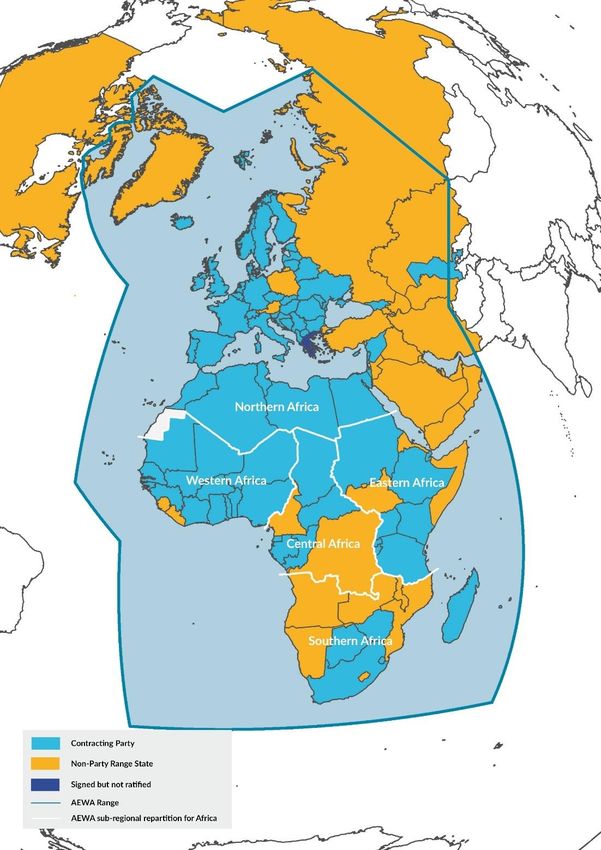
The Agreement area stretches from the northern reaches of Canada and the Russian Federation to the southernmost tip
of Africa, covering 119 Range States from Africa, Europe, the Middle East and parts of Asia and Canada. As at 1 October
2018, AEWA has 77 Contracting Parties (CPs), with 41 from Eurasia (including the European Union) and 36 from Africa.
AEWA provides for coordinated and concerted action to be taken by the Range States throughout the migration systems
of waterbirds to which it applies.

The Agreement has three main bodies:

    •   Meeting of the Parties (MOP), the governing body of AEWA
    •   Standing Committee (StC), responsible for steering the operations between sessions of the MOP
    •   Technical Committee (TC), responsible for providing scientific and technical advice

The Agreement’s Secretariat (UNEP/AEWA) Secretariat based in Bonn, Germany supports the Parties and services the
bodies of the Agreement.

The AEWA Action Plan
The AEWA Action Plan, which constitutes an integral part of the Agreement (Annex 3), is legally binding for all Contracting
Parties. It specifies different measures to be undertaken by Parties to warrant the conservation of migratory waterbirds
within their national boundaries. These include measures for species and habitat conservation and the management of
human activities through various means including legal provisions, promoting sustainable use or addressing emergency
measures. The Action Plan also identifies measures to promote research and monitoring, education and improved
information and awareness on migratory waterbirds and their habitats in the Agreement area. Priority is given to those
waterbird populations of particular conservation concern, listed in Column A of Table 1 of the AEWA Action Plan in Annex
3 to the Agreement which indicates the status of the populations of migratory waterbirds covered under AEWA.

The AEWA Strategic Plan 2019-2027
The AEWA Strategic Plan (SP) 2019-2027 provides the framework for implementation of the Agreement by the
Contracting Parties, Standing Committee, Technical Committee, UNEP/AEWA Secretariat and Partners. The goal of the
AEWA Strategic Plan is to “maintain migratory waterbird species and their populations in a favourable conservation status
or to restore them to such a status throughout their flyways”. Implementation of the AEWA Strategic Plan will contribute
to the implementation of provisions under key global frameworks for environmental conservation, including the
Sustainable Development Goals (SDGs), Aichi Biodiversity Targets, Strategic Plan for Migratory Species (SPMS) and the
4th Ramsar Strategic Plan 2016-2024, as clearly indicated in the AEWA SP. AEWA’s first Strategic Plan covered the
period 2009–2017, and was later extended to 2018, in line with the schedule for the 7 th Meeting of the Parties (MOP7) to
AEWA. The current Strategic Plan is for the years 2019 – 2027 (three AEWA triennia).

The AEWA Strategic Plan 2019-2027 describes five objectives, including four substantive conservation objectives (1-4)
and one enabling objective (5), as indicated in Table 1 below:

                                                                                                                           6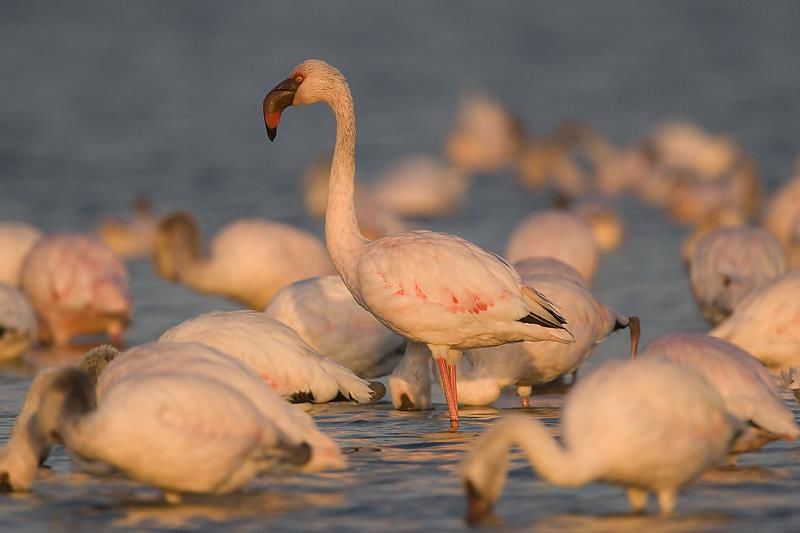
Table 1: Objectives of the AEWA Strategic Plan 2019-2027

 Objective 1       To strengthen species conservation and recovery and reduce causes of unnecessary mortality

                   To ensure that any use and management of AEWA-listed migratory waterbird populations is sustainable
 Objective 2
                   across their flyways

                   To establish and sustain a coherent and comprehensive flyway network of protected areas and other
 Objective 3       sites, managed to maintain – and where necessary restore – their national and international importance
                   for migratory waterbird populations

                   To ensure there is sufficient quantity and quality of habitat in the wider environment for achieving and
 Objective 4
                   maintaining favourable conservation status for migratory waterbird populations

                   To secure and strengthen the knowledge, capacity, recognition, awareness and resources required for
 Objective 5
                   the Agreement to achieve its conservation objectives

For each objective, between four to six Targets to be achieved by 2027 have been identified, each accompanied by
specific indicators with means of verification and corresponding activities.

The AEWA African Initiative and Plan of Action for Africa (PoAA)
The African region constitutes a significant part of the AEWA range and supports populations of migratory waterbirds in
unfavourable conservation status, including for globally threatened species, as well as populations of quarry species. The
region also has a wide range of key habitats essential for the survival of these species. Recognising that additional efforts
were needed for the implementation of the Agreement in Africa, the AEWA Parties in 2008 unanimously supported the
establishment of the African Initiative for the Conservation of Migratory Waterbirds and their Habitats in Africa by adopting
resolution 4.9 of MOP4. The African Initiative aims to promote the implementation of AEWA in Africa and thus help
conserve migratory waterbird populations that use the region. Resolution 4.9 also suggested the development of a Plan
of Action for Africa as one of the key activities under the initiative.

The AEWA Plan of Action for Africa (PoAA) is the operational guideline for implementation of the AEWA Strategic Plan in
Africa. The first PoAA, adopted through Resolution 5.9 of the AEWA MOP5 (France, 2012) for the period 2012-2017, was
later extended to 2018, alongside the AEWA Strategic Plan. Like the new AEWA Strategic Plan, the new AEWA PoAA
covers the period of 2019-2027.

2. AEWA Plan of Action for Africa 2019-2027

This plan aims to provide practical guidance to Parties, the bodies of the Agreement, the UNEP/AEWA Secretariat, and
partners to assist the enhanced implementation of the AEWA Strategic Plan in Africa.

The AEWA Plan of Action for Africa 2019-2027 follows the structure and operational period of the current AEWA Strategic
Plan 2019-2027. It provides a series of prioritised actions to be conducted for the prescribed activities under each SP
Objective and Target. The SP indicators are therefore also applicable for assessing implementation of the AEWA PoAA.
The PoAA also suggests project ideas, which should be considered for the development of flyway-level project concepts
and proposals that address issues specific to four principal flyway systems in Africa.

Geographical Region
The PoAA covers the entire African region (Figure 1), comprising the following African Range States as outlined in Table
2 (Contracting Parties as at 1 October 2018 are shown in upper case, non-Party Range States in lower case):

Table 2: AEWA geographic regions in Africa
 Northern Africa      ALGERIA, EGYPT, LIBYA, MOROCCO and TUNISIA
 Eastern Africa       BURUNDI, DJIBOUTI, Eritrea, ETHIOPIA, KENYA, RWANDA, Somalia, South Sudan, SUDAN,
                      UGANDA and TANZANIA
 Southern Africa      Angola, BOTSWANA, Comoros, ESWATINI, Lesotho, MADAGASCAR, Malawi, MAURITIUS,
                      Mozambique, Namibia, Seychelles, SOUTH AFRICA, Zambia and ZIMBABWE
 Western Africa       BENIN, BURKINA FASO, Cabo Verde, CÔTE D'IVOIRE, THE GAMBIA, GHANA, GUINEA, GUINEA-
                      BISSAU, Liberia, MALI, MAURITANIA, NIGER, NIGERIA, SENEGAL, Sierra Leone and TOGO
 Central Africa       Cameroon, CENTRAL AFRICAN REPUBLIC, CHAD, CONGO, Democratic Republic of the Congo,
                      EQUATORIAL GUINEA, GABON and São Tomé and Príncipe

                                                                                                                              7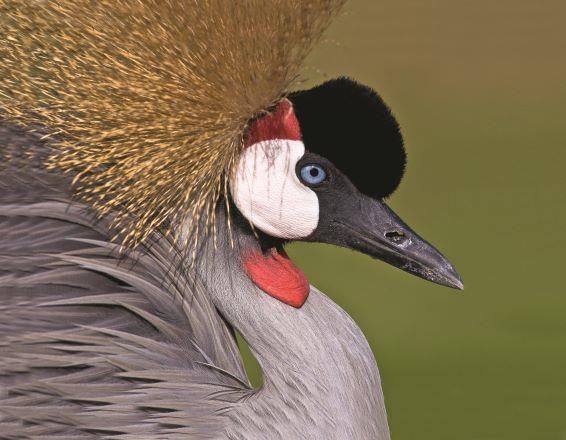
Figure 1: AEWA Range Map showing the African sub-regions (as at 1 March 2019)

Challenges and issues to implementing the AEWA Strategic Plan in Africa
Effective implementation of the PoAA requires commitment, good planning, proper coordination, resources and time. This
invariably presents a wide range of challenges, in common with almost all conservation plans. Some of the challenges
identified during the Workshop of the Working Group for the Development of the AEWA PoAA are listed below; these
have been largely addressed through the actions identified in the plan.

Limited awareness
Despite past and ongoing efforts, there remains a generally low level of awareness of migratory waterbirds and their
conservation needs, and a poor understanding of the value of waterbirds and wetlands, including among policy and
decision makers and natural resource users. This restricts wider interest in waterbirds and enthusiasm for their
conservation. This limitation emphasises the need for AEWA to develop momentum in actions that increase awareness,
through establishing an effective network of CEPA FPs and using mechanisms such as the World Migratory Bird Day
(WMBD - https://www.worldmigratorybirdday.org). With all stakeholders, AEWA also needs to demonstrate its relevance
to global issues such as climate change. The Agreement should also highlight its role in contributing to the broader
sustainable development agenda as well as the fact that many AEWA obligations are shared, cross-cutting with those
under other MEAs. Range states thereby also satisfy their commitments under these conservation treaties through
implementing AEWA.

                                                                                                                    8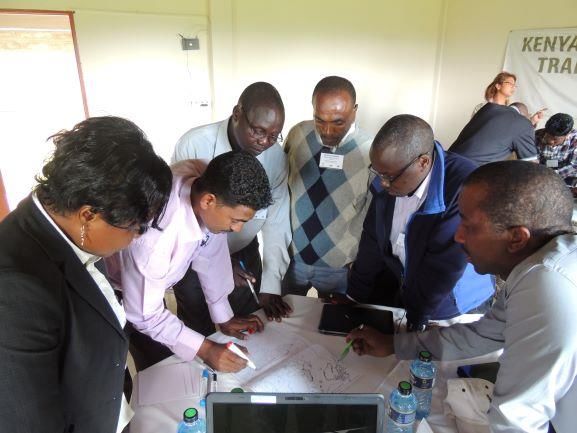
Limited capacity
Knowledge and capacity required for effective conservation and management of migratory waterbirds and their habitats
is limited. Constant effort is required in order to build a greater understanding for good management of natural resources,
as well as institutional capacity. A wide range of technical, administrative, institutional and resource mobilisation skills are
needed for effective implementation of the PoAA, including for:

    •   Ornithology / bird study
    •   Bird monitoring, census and surveys
    •   Data management, analysis and GIS
    •   Reporting on implementation of AEWA
    •   Policy development and application, law enforcement and good governance
    •   Communication, facilitation and negotiation
    •   Site and habitat management
    •   Scientific research (e.g. biologists, veterinarians, limnologists)
    •   Fundraising and donor liaison
    •   Advocacy and campaigning (e.g. through ‘AEWA champions’)

In some countries, the number of people with such skills, including ornithologists or other experts, is very low and naturally
presents a barrier to implementation progress. On a regional level, strong networks are also important. Weak flyway-scale
partnerships are likely to be ineffective, and AEWA needs to develop its own capacity for sub-regional integration. These
issues underpin the need for AEWA to continue to address capacity building through Training of Trainers (ToT) events,
promoting the use of relevant existing toolkits and other means, including traditional and local knowledge. It is also crucial
to strengthen the network of National Focal Points (NFPs), Technical Focal Points (TFPs) and Communication, Education
and Public Awareness Focal Points (CEPA FPs), all of whom need to be dedicated and proactive, and work in
collaboration in order to constitute a solid pillar for guiding, promoting and advancing national implementation of AEWA.

Low perceived value of waterbirds
The value of waterbirds are often not fully appreciated, despite their contribution to various social, cultural and economic
activities, such as ecotourism and sustaining livelihoods. On a wider level, trade-offs are inevitable between the impacts
of issues such as population growth and conservation of the wider environment. In all scenarios, putting a realistic value
to natural resources, including migratory waterbirds and their habitats, is of benefit, noting the importance of cultural value,
which are hard to measure.

Weak governance, legislation and coordination
Effective conservation requires good governance and decision-making as well as good coordination, especially between
government departments and focal points of the different MEAs. Some actions, e.g. related to illegal trade and hunting or
formal conservation and management of protected areas, require dynamic legislative systems that permit timely legislative
modifications and/or enforcement of laws. However, in many countries there are numerous branches of legislation with
responsibilities of different Ministries, resulting in cumbersome and time-consuming procedures for amendment and
presenting political hurdles to revision and enforcement of laws.

Limited financial resources
The availability of funds for conservation action is an issue that cuts across all sectors and in almost all parts of the world.
There are many competing biodiversity conservation priorities and limited resources to address them, requiring
prioritisation. In some countries, waterbird conservation may be a rather low priority compared, for instance, to conserving
megafauna or to other national issues such as security and poverty alleviation. Furthermore, waterbirds may not be a
focus for some major funding agencies. AEWA has some valued traditional supporting partners, including a number of
Parties, but further partnerships need to be secured with other Parties, other funding agencies, the private sector and
sub-regional organisations. Financing habitat protection along flyways is essential for long-term survival of migratory
waterbirds and will require innovative means of financing, including proposing incentives measures, promoting natural
resource-based alternative livelihoods options and promoting / developing synergies with partners and stakeholders to
maximise the limited resources available for biodiversity conservation.

Limited human resources
High staff turnover is an issue in many countries and can present difficulties, especially when key personnel, such as FPs
or IWC NCs, are moved on from a role in AEWA or waterbird conservation. Quite often, there are more generalists and a
limited number of specialists, and incentives for young people to develop an advanced interest in nature conservation
may be limited. In general, the number of personnel allocated for waterbird and wetlands conservation is limited, compared
to the attributed workload.

                                                                                                                              9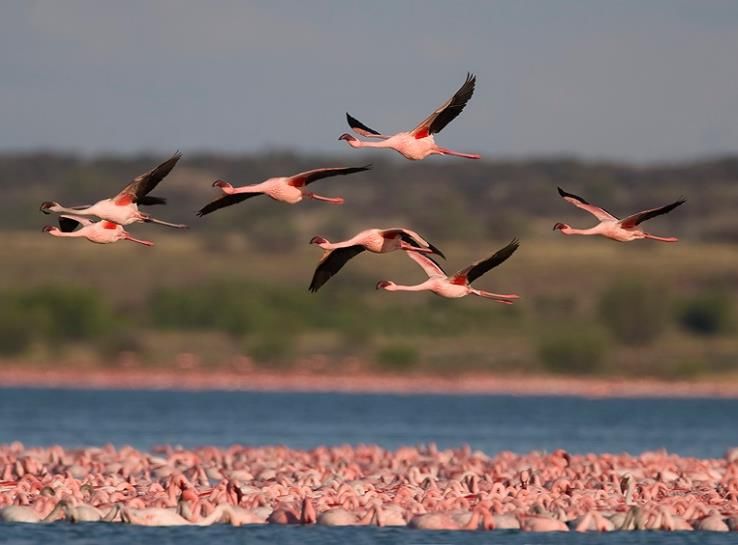
Development of the PoAA 2019-2027
This Plan of Action for Africa has been developed through a consultative process with CPs and AEWA partners. The main
body responsible for guiding the development of the Plan is the Working Group for the development of the AEWA
Plan of Action for Africa 2019-2027. A workshop of this Working Group took place in Dakar, Senegal from 10-12 October
2017, initiating the process for developing the draft plan. Three facilitators as well as representatives of the UNEP/AEWA
Secretariat supported the workshop and assumed the task of drafting the plan based on the workshop outputs as well as
inputs from further consultation with the Working Group, Parties and partners. The workshop identified a number of issues
related to each SP objective, as summarised below, which were then used to develop prioritised actions to be addressed
in the region. The draft PoAA 2019-2027 was circulated to the PoAA Working Group and subsequently all African CPs
and AEWA Partners for comments and input. These were taken into consideration to produce the final draft document
submitted to the AEWA MOP7 for consideration.

3. Implementation of the Plan of Action for Africa

Partnership and collaboration
For the effective implementation of the PoAA, a wide range of actors should be involved at all stages. In general, one set
of actions (highlighted in green) should be addressed at the flyway or Agreement level and should be led by the
UNEP/AEWA Secretariat with input of the Technical Committee and/or the Standing Committee and key partners. A
second set of actions (highlighted in blue) should be addressed at the national level and should be led by the AEWA
African Parties. All actions should be carried out in full collaboration with relevant partners or stakeholders, both
governmental and non-governmental. Depending on the action, partners should include the following, among others:

    •   AEWA African Contracting Parties;
    •   National governmental departments, e.g. energy, agriculture and fisheries sectors;
    •   Academic / research institutions, educational / training institutes at different levels;
    •   National NGOs / Civil Society Organisations (CSOs);
    •   Focal points and coordinators of relevant schemes, e.g. International Waterbird Census National Coordinators
        (IWC NCs);
    •   Local communities, especially those living in or utilising key sites;
    •   Experts / consultants;
    •   Non-African AEWA Contracting Parties (as appropriate);
    •   AEWA African Non-Party Range States;
    •   Other Multilateral Environmental Agreements (MEAs), especially CMS and Ramsar, as well as relevant regional
        agreements;
    •   International NGOs;
    •   International and regional initiatives, especially flyway initiatives;
    •   Regional authorities, including fisheries and river basin authorities;
    •   The donor community;
    •   The private sector, including international, national and local businesses;
    •   Interested individuals.

The PoAA does not generally specify named partners, projects, programmes or initiatives, because circumstances and
modes of implementation will vary significantly between countries. However, attention should be given to promoting
collaboration with partners and stakeholders at the national, transboundary and flyway levels, by seeking opportunities
for joint implementation and sharing of experiences and expertise. Such international collaboration is imperative for the
effective conservation of migratory waterbirds as a shared natural resource. Depending on the specific action and the
concerned flyways, collaboration should be strengthened or initiated with ongoing projects, programmes or initiatives,
including, among others the:

    •   CMS Task Forces and Working Groups particularly the Intergovernmental Task Force on Illegal Killing, Taking
        and Trade of Migratory Birds in the Mediterranean (MIKT), Energy Task Force, Working Group on Preventing
        Poisoning of Migratory Birds, Working Group on Migratory Landbirds in the African-Eurasian Region and Working
        Group on Flyways;
    •   Ramsar Regional Initiatives relevant for Africa, including the Mediterranean Wetlands Initiative (MedWet), Niger
        River Basin Network (NIGERWET), Ramsar Centre For Eastern Africa (RAMCEA), SenegalWet, West African
        Coastal Zone Wetlands Network (WACOWet);
    •   CBD Bio-Bridge Initiative (BBI);
    •   International Waterbird Census Programme;
    •   Collaborative Partnership on Sustainable Wildlife Management (CPW);
                                                                                                                       10
• Wadden Sea Flyway Initiative (WSFI);
• Arctic Migratory Birds Initiative (AMBI);
• African-Eurasian Waterbird Monitoring Partnership (AEWMP);
• East Atlantic Flyway Initiative of BirdLife International (BirdLife EAFI);
• BirdLife International Marine Programme;
• Migratory Birds for People (MBP) Programme and Wetland Link International (WLI), led by the Wildfowl and
Wetlands Trust (WWT), UK;
• Sustainable Wildlife Management (SWM) Programme, of the EU;
• Project “Strengthening expertise in sub-Saharan Africa on birds and their rational use for communities and their
environment” (RESSOURCE);
• Project on Climate Resilient Site Network in the African-Eurasian Flyway, led by Wetlands International and spon-
sored by the International Climate Change Initiative (IKI);
• Tunis Action Plan (TAP) 2013-2020 of the Bern Convention;
• African Strategy on Combating Illegal Exploitation and Illegal Trade in Wild Fauna and Flora in Africa 2016-2025,
of Agenda 2063 of the African Union;
• EU Initiative, ‘Larger than Elephants’: Inputs for an EU Strategic Approach to Wildlife Conservation in Africa.
AEWA Resolution 5.9 also approved the establishment of the Technical Support Unit (TSU), while the 9 th Meeting of the
AEWA Standing Committee (Trondheim, Norway, 2013) approved the Terms of Reference for the functioning of the TSU.
The TSU constitutes a team of experts in various domains, offered by the Governments of France and Senegal, to support
the implementation of the AEWA Plan of Action for Africa on the ground. The TSU works in collaboration with the African
Parties, the UNEP/AEWA Secretariat and other partners, to ensure coordination of activities conducted in Africa towards
the implementation of the PoAA.
Timeframe
Many actions require implementation on a rolling basis and integration into regular national level operations, procedures
and policies. Other actions are linked closely to the AEWA MOP cycles or to a specific AEWA MOP session and thereof
to the AEWA National Reporting cycle, given that the MOP is the governing body of AEWA and presents the best
opportunity for Parties to jointly review achievements, results and issues with input from key partners and direct the way
forward for future action. A few actions have more specific timeframes, usually when a specific outcome needs to be
realised.
Prioritisation
Three levels of priority (essential, high and medium) have been indicated for each action in the plan, to serve as guidance,
especially when resources (human, financial) are limited. However, some priorities will no doubt vary between Parties,
especially at the site level.
Budget
Given that budget requirements vary widely per country and over time, no precise budget has been set for implementation
of the plan; instead, budget thresholds have been suggested. Budget thresholds for actions addressed at the national
level are indicated as estimates per country. These will vary significantly depending on the size and scale of issues to be
addressed in each Party (e.g. number of priority populations and key sites for migratory birds in a given Party). It is highly
recommended that Parties draw up their own specific budget requirements as part of their national AEWA PoAA
implementation plans.
Monitoring Implementation of the AEWA Plan of Action for Africa 2019-2027
Considering that the AEWA PoAA 2019-2027 is aligned to the AEWA Strategic Plan 2019-2027, a module for reporting
on the implementation of the AEWA PoAA will be developed under the National Reporting Format for the AEWA MOPs.
The AEWA PoAA implementation reporting module should be available on time for reporting to the AEWA MOP8 and
subsequent MOPs. The timeframe for the PoAA implementation reporting process should be aligned to that for the MOP.
The UNEP/AEWA Secretariat (at the international level) and AEWA Parties (at the national level) should actively
collaborate with other MEAs and frameworks for implementing relevant ongoing and new initiatives and projects that
promote synergies in harmonizing national reporting under MEAs.
114. Actions for implementing the AEWA Strategic Plan 2019-2027 in Africa
KEY TO COLOUR CODE SHADING AND SYMBOLS
2027 Target of the AEWA Strategic Plan 2019-2027
Actions to be led at the national level.
Parties: National AEWA implementing agencies in African Contracting Parties
NFPs / others: Specific actors on behalf of Parties
Note that Parties should work with appropriate partners for all actions
Actions to be led at the Agreement level, including by the UNEP/AEWA Secretariat with input from the TC, StC and
partners as appropriate
TABLE 3: KEY TO BUDGET
Symbol Description
Regular internal cost, e.g. staff time (may be covered by existing mechanisms, but will vary, e.g. between
Z
countries)
Actions for which additional funds are needed
€ < €1,000
€€ €1,000 - €10,000
€€€ €10,000 - €50,000
€€€€ €50,000 - €100,000
€€€€€ > €100,000
Cost estimates for African Parties are 'per Party'
TABLE 4: KEY TO PRIORITIES
Symbol Description
* Medium
** High
*** Essential
12SPECIES CONSERVATION
Objective 1: To strengthen species conservation and recovery and reduce causes of
unnecessary mortality
Aichi targets to which this objective contributes: SDGs to which this objective contributes:
SP TARGET 1.1:
The legal measures required by the AEWA Action Plan (for species conservation) are transposed into all Parties’ domestic legislation and enforced
effectively [link to actions under target 2.2].
Concise SP Activity (SP Target 1.1) PoAA Action Parties / NFPs (blue) Secretariat (green) Timeframe Priority Budget
Parties establish and conduct a collaborative workflow to review and update domestic
1.1.a) Review existing domestic
legislation relevant for AEWA species conservation based on the latest AEWA text and 6 m after MOP *** Z
MOP amendments
legislation
NFPs/TFPs prepare formal submissions to relevant national institutions for updating
existing or developing new legislation
9 m after MOP *** Z
NFPs coordinate submission of formal requests to relevant national institutions to
1.1.b) Align domestic law with AEWA amend existing or develop and adopt new legislative measures
12 m after MOP *** Z
requirements Parties build latest AEWA requirements into domestic law and policy, regulations and
guidelines
18 m after MOP *** Z - €€
Develop guidelines for Parties on how to review and report on enforcement of and
1.1.c) Review and strengthen
compliance with the legal measures required by the AEWA Action Plan for species by end 2020 ** €€
conservation
compliance with and enforcement of
legislation
Parties review enforcement of and compliance with relevant domestic legislation and
establish national mechanisms to ensure compliance therewith
by 2021 ** Z
Species Conservation __________________________________________________13Concise SP Activity (SP Target 1.1) PoAA Action Parties / NFPs (blue) Secretariat (green) Timeframe Priority Budget
12 m before
Parties develop measures to strengthen compliance with relevant domestic legislation,
in response to the outcomes of the national legislative review
MOP8 and next ** Z
MOPs
Parties implement established measures to strengthen compliance with relevant
domestic legislation and undertake regular review of compliance thereof
on rolling basis ** Z
18 m after
NFPs ensure wide awareness within relevant stakeholder groups of the latest AEWA-
related legal updates and arising obligations, and their link to other MEAs
MOP, then on a ** Z
rolling basis
Apply the AEWA IRP, jointly with relevant MEAs (e.g. CMS, Ramsar, WHC), for priority
cases where non-compliance with domestic AEWA-relevant legislation negatively
affects or has the potential to negatively affect AEWA species and/or their sites and
on rolling basis ** €€ - €€€
habitats
Parties provide updates on the degree of compliance and enforcements in their before MOPs /
National Reports to MOP on rolling basis ** Z
1.1.d) Share experience and
exchange best practice Facilitate sharing of experience / best practice between Parties concerning the review
and enforcement of, and measures to strengthen compliance with, the legal on rolling basis * Z
requirements under the AEWA Action Plan for species conservation
SP TARGET 1.2:
All priority species/populations are covered by effectively implemented Species Action Plans at flyway level.
Concise SP Activity (SP Target 1.2) PoAA Action Parties / NFPs (blue) Secretariat (green) Timeframe Priority Budget
Review and update the list of species / populations requiring new, revised or retired
1.2.a) Review / update list of ISSAPs ISSAPs based on the MOP amendments to AEWA Table 1
6 m after MOP ** €
required (list new plans and changes Based on the updated AEWA ISSAP/IMSAP list, NFPs maintain and update a list of
to existing plans) species / populations requiring ISSAPs in their country, and inform national 9 m after MOP * Z
stakeholders accordingly
Establish a prioritized AEWA work plan for development, revision or retiring of
ISSAPs/IMSAPs
6 m after MOP ** €€
1.2.b) Develop ISSAP work plan
including for drafting of new ISSAPs Implement the AEWA ISSAP/IMSAP work plan for development, revision or retiring of
€€ -
ISSAPs/IMSAPs relevant for Africa, with close engagement of Parties and technical on rolling basis ** €€€€€
partners in all Range States
Species Conservation __________________________________________________14Concise SP Activity (SP Target 1.2) PoAA Action Parties / NFPs (blue) Secretariat (green) Timeframe Priority Budget
African Range States actively contribute to ISSAP/IMSAP revision or drafting through
hosting or participation in workshops and communication
on rolling basis ** €€ - €€€€
Convene AEWA ISWGs for 'Africa ISSAPs/IMSAPs' and identify lead coordinating
organisations within 6 months after adoption of each ISSAP
6 m after MOP ** Z
1.2.c) Convene AEWA ISWGs/ISEGs
to coordinate implementation of
ISSAPs
NFPs designate national representatives and experts to the ISWGs on rolling basis ** Z
AEWA ISWGs coordinate implementation with back-up from the UNEP/AEWA
Secretariat
on rolling basis ** €€
NFPs elevate prioritisation of AEWA ISSAPs/IMSAPs at national level and
incorporate into NBSAPs, with guidance from the UNEP/AEWA Secretariat
on rolling basis ** Z
Principal Range States as defined in the respective ISSAPs/IMSAPs develop and
1.2.d) Implement ISSAPs at national
adopt national SAPs based on ISSAPs/IMSAPs and secure resources for their on rolling basis ** € - €€€€
implementation
level and report
Parties that are principal Range States establish national WGs to coordinate
implementation of AEWA ISSAPs/IMSAPs in their countries
12 m after MOP ** € - €€
NFPs provide regular feedback on implementation of ISSAPs/IMSAPs to the AEWA
ISWG as well as to the MOP through National Reports
on rolling basis * Z
1.2.e) Review status of International and National WGs for each ‘African’ ISSAP/IMSAP contribute the
implementation of ISSAPs necessary information for flyway level assessment of the implementation of the plans
on rolling basis ** Z
ISWG Coordinators develop project portfolios for specific 'Africa ISSAPs' and IMSAPs
with input of the UNEP/AEWA Secretariat, Parties and other partners
on rolling basis ** € - €€
AEWA international partners coordinate the development of flyway projects for the
1.2.f) Develop flyway-scale projects
East Atlantic Flyway, Western Indian Ocean Flyway, Intra-African Flyways and on rolling basis ** €€
Mediterranean / trans-Saharan Flyways (see section 5)
for selected SAPs
Strengthen partnerships with flyway initiatives, such as WSFI, AMBI, BirdLife EAFI
and MBP Programme, for project development and fundraising
on rolling basis ** Z
€€€ -
Implement flyway projects for which resources are secured on rolling basis ** €€€€€
1.2.g) Develop resource mobilisation Develop budgets and fundraising portfolios for 'Africa ISSAPs' and IMSAPs within the
plan for SAPs international AEWA resource mobilisation plan (see activity 5.6.a)
by MOP8 ** €€
Species Conservation __________________________________________________15Concise SP Activity (SP Target 1.2) PoAA Action Parties / NFPs (blue) Secretariat (green) Timeframe Priority Budget
Parties allocate resources to and raise funds for implementation of ISSAPs and
IMSAPs at national level through national fundraising strategies
on rolling basis ** Z
Parties along flyways identify flagship species and twinning opportunities as a basis
for fundraising
on rolling basis ** Z
SP TARGET 1.3:
For all other populations in unfavourable conservation status, science-based conservation and management guidance is made available by AEWA
and/or its Partners and is applied by Parties and other stakeholders.
Concise SP Activity (SP Target 1.3) PoAA Action Parties / NFPs (blue) Secretariat (green) Timeframe Priority Budget
1.3.a) Identify populations requiring
Identify waterbird populations in Africa in unfavourable conservation status
conservation and management
requiring conservation and management guidance, and their ranges
6 m after MOP ** Z
guidance
1.3.b) Update / prepare / disseminate Prepare guidance for these waterbird populations with input of experts from Africa
guidance and elsewhere and disseminate to concerned Range States
12 m after MOP ** €€
Based on the outcome of activity 1.3.a, NFPs/TFPs produce a list of populations in
18 months after
their country in need of conservation action for which they support >1% of their
MOP ** Z
population
Parties use guidance to establish procedures / national work plans to implement
1.3.c) Implement conservation actions
in countries supporting >1% of a conservation actions for identified populations
on rolling basis ** Z
population Parties include actions for priority waterbird populations in national funding priorities
and budgets
on rolling basis ** Z
Parties implement conservation actions aimed at improving the status of identified
populations
on rolling basis ** €€ - €€€€
Species Conservation __________________________________________________16SP TARGET 1.4:
The quality of waterbird population status assessments, including information on drivers of population trends, is improved so that at least two-
thirds of all AEWA waterbird populations are being assessed on the basis of the most complete and up-to-date monitoring information available.
Concise SP Activity (SP Target 1.4) PoAA Action Parties / NFPs (blue) Secretariat (green) Timeframe Priority Budget
Work with partners at the national and flyway level, in consultation with Wetlands
International and the Waterbird Monitoring Partnership to improve data collection on rolling basis *** €€
and management
Establish a schedule for Parties to include population status and supporting data in
their National Reports to MOP
12 m after MOP * Z
Assess priorities for training needs in data collection and analysis by 2021 *** Z
Organise training courses to enhance national capacity for data collection and
analysis in priority countries based on outcomes
on rolling basis *** €€ - €€€€
Parties define and update national waterbird monitoring schemes and align scope
1.4.a) Improve collection, quality and to site management and national and international priorities
12 m after MOP7 *** Z
availability of monitoring data Parties activate existing national committees or facilitate the establishment of new
ones to coordinate waterbird monitoring activities implemented by different
stakeholders (e.g. government agencies, research institutes and NGOs) and
by MOP8 ** Z
facilitate implementation of national monitoring schemes
Parties work together to improve coordinated sub-regional, transboundary and
flyway level monitoring, and collaborate with relevant initiatives (e.g. WSFI), on rolling basis *** € - €€
programmes and projects (e.g. BIMP and SABAP2)
Parties define time-bound plans to resource and implement schemes, then allocate
financial, material and human resources (including effective national waterbird 12 m after MOP/
monitoring coordinators and data managers) for active coordination of waterbird on rolling basis *** Z - €€€
and site monitoring, and facilitate availability of monitoring data to partners
Support partners to analyse drivers of trends for African waterbirds and promote
collaboration with research institutes/agencies and universities
on rolling basis ** €€€
1.4.b) Collect / analyse information on
drivers of population trends Parties establish mechanisms to collect relevant comparable data, in collaboration
with existing schemes (e.g. IWC and IBA monitoring)
on rolling basis *** Z
Species Conservation __________________________________________________17Concise SP Activity (SP Target 1.4) PoAA Action Parties / NFPs (blue) Secretariat (green) Timeframe Priority Budget
Produce a plan on monitoring drivers of population trends building on synergies
with key partners including UN Environment, BirdLife International, Wetlands
International and Ramsar (linking to the ESA-Ramsar GlobWetland Africa project
by 2021 ** €€
and on Ramsar Sites data analysis from Section 5 of the Ramsar National Reports)
Enhance CSR and CSN Tool capability as key tools to contribute to analyses on rolling basis ** €€€
Parties incorporate monitoring drivers of waterbird population trends into their
national biodiversity monitoring programmes
on rolling basis ** €€
SP TARGET 1.5:
Decision-making for national and flyway-level conservation and management of waterbird populations is based on the best-available monitoring
data.
Concise SP Activity (SP Target 1.5) PoAA Action Parties / NFPs (blue) Secretariat (green) Timeframe Priority Budget
Develop flyway-level recommendations through the CSR process based on data immediately after
updates (e.g. AEWA Table 1 population listing) and communicate these to African MOP / on rolling ** Z
1.5.a) Use data to inform decision- Parties for consideration in national decision-making basis
making and conservation at flyway
Parties contribute data to existing platforms and share data at the flyway level,
level
especially through active participation in relevant regional and flyway initiatives, on rolling basis ** Z
e.g. WSFI, BirdLife EAFI
Produce guidelines for African Parties about the different uses of monitoring data
for implementing AEWA
by MOP8 *** €€
NFPs/TFPs retrieve national data analyses from national waterbird monitoring
1.5.b) Use data to inform AEWA coordinators after each CSR and develop recommendations based on IWC and 6 m after MOP / on
implementation at national level other monitoring data for improving national AEWA implementation for rolling basis ** €
dissemination to decision-makers and other partners
TFPs coordinate analysis of national waterbird data and the preparation and
by end of each
dissemination of an annual report with conclusions, and promote
year * Z
recommendations for action
Species Conservation __________________________________________________18SP TARGET 1.6:
AEWA priorities relating to four causes of unnecessary additional mortality and other key threats to migratory waterbirds and their habitats are inte-
grated in key multilateral processes.
Concise SP Activity (SP Target 1.6) PoAA Action Parties / NFPs (blue) Secretariat (green) Timeframe Priority Budget
Identify relevant international and regional processes that can contribute to
1.6.a) Identify multilateral processes to progressing AEWA priorities related to mortality of and threats to waterbirds in
progress AEWA priorities related to Africa e.g. under UN Environment, CBD, Ramsar and CMS and its instruments; on rolling basis ** Z
mortality and threats regularly disseminate an updated list of these to relevant Parties and stakeholders
for action
Secure input of African Parties and partners to identify opportunities to influence
processes identified in activity 1.6.a, e.g. meetings and events in Africa
on rolling basis ** Z
Parties / NFPs use these opportunities to advance AEWA's agenda on rolling basis * Z
Parties collaborate among themselves and with other MEAs or partners to
1.6.b) Identify strategic opportunities
implement existing or new Action Plans that contribute to reducing migratory bird
to influence processes and ensure
mortality, e.g. the existing CMS Sub-Regional Implementation Plan to Prevent
on rolling basis * €€ - €€€€
AEWA representation
Poisoning of Migratory Birds in Southern Africa
The UNEP/AEWA Secretariat and international partners use identified
international opportunities to advance the Agreement’s agenda on mortality and
threats to migratory waterbirds, including through direct or indirect participation in
on rolling basis * € - €€
relevant forums
Parties / NFPs communicate AEWA priorities on preventing migratory waterbird
1.6.c) Communicate and advocate for mortality, in a coordinated manner at identified international and regional forums
on rolling basis ** Z
AEWA priorities clearly and in a timely NFPs input AEWA priorities on preventing mortality of migratory waterbirds during
manner the development of national negotiation mandates and positions in preparation for on rolling basis ** Z
relevant MEA meetings and forums
Parties align AEWA priorities relating to waterbird mortality and threats with other
MEAs and policies, e.g. fisheries, agriculture, water, energy, transport and on rolling basis ** Z
infrastructure via inter-agency forums (link to actions under targets 5.4 and 5.5)
AEWA SrFPCs and StC representatives coordinate and align CP input in
promoting AEWA priorities at relevant MEA forums
on rolling basis ** Z
1.6.d) AEWA Parties align positions
under MEAs AEWA NFPs meet with other MEA focal points and collaborate with them,
especially towards preparation for relevant COPs / MOPs
on rolling basis ** Z
AEWA NFPs actively participate in coordinating national positions prior to relevant
COPs/MOPs of other MEAs
on rolling basis ** Z
Parties provide comprehensive feedback after each relevant COP/MOP to the
UNEP/AEWA Secretariat and in National Reports to MOPs
on rolling basis * Z
Species Conservation __________________________________________________19SUSTAINABLE MANAGEMENT
Objective 2: To ensure that any use and management of migratory waterbird populations is
sustainable across their flyways
Aichi targets to which this objective contributes: SDGs to which this objective contributes:
SP TARGET 2.1:
Harvest levels are monitored and readily available at flyway level to support sustainable harvest of all prioritised quarry species.
Concise SP Activity (SP Target 2.1) PoAA Action Parties / NFPs (blue) Secretariat (green) Timeframe Priority Budget
Develop specific criteria for prioritising quarry species for management in Africa
2.1.a) Propose list of quarry species
requiring harvest data
requiring harvest data, including from harvest for livelihood and subsistence by 2019 ** Z
purposes
Develop simple guidelines to direct and harmonize estimating and collecting of
harvest data at the national level and make available to Parties
by 2019 ** € - €€
Develop sampling protocols for waterbird harvest levels in selected major
wetlands in Africa, in collaboration with existing or new networks, programmes or by 2021 ** € - €€€
projects, e.g. the RESSOURCE project.
Parties establish national mechanisms to estimate harvest from different modes of
2.1.b) Establish systems to estimate and motivations for taking / hunting (e.g. subsistence, livelihood, commercial, by 2020 *** Z
waterbird harvesting at national level cultural, recreational and management)
NFPs develop practical procedures to estimate harvest using the established
national mechanisms
by MOP8 ** €
Parties enhance national capacity (organisational and technical) in waterbird by 2022, then on a
harvest sampling methodology rolling basis ** € - €€
Parties conduct inventories of waterbird harvest at markets, production and supply
chains and recreational hunting agencies
on rolling basis ** € - €€€
2.1.c) Provide waterbird harvest data Parties provide waterbird harvest data in National Reports to MOP9, then routinely by MOP9 /
in National Reports include harvest data in subsequent National Reports for next MOPs ** Z
Sustainable Management __________________________________________________20Concise SP Activity (SP Target 2.1) PoAA Action Parties / NFPs (blue) Secretariat (green) Timeframe Priority Budget
Work with African non-Party Range States to produce harvest estimates with by MOP9 /
support of relevant partners and Parties for next MOPs * €€
2.1.d) Establish informed estimates of
harvest in non-Party Range States Based on harvest estimates from Parties (including through National Reports) and
by MOP9 /
non-Party Range States, develop harvest estimates at the flyway level for key
for next MOPs * €€
populations
SP TARGET 2.2:
The provisions of the AEWA Action Plan that relate to the use and management of migratory waterbirds, including harvesting, are transposed into
all Parties’ domestic legislation and enforced effectively [link to actions under 1.1].
Concise SP Activity (SP Target 2.2) PoAA Action Parties / NFPs (blue) Secretariat (green) Timeframe Priority Budget
NFPs facilitate and coordinate the review of relevant domestic legislation relating
2.2.a) Review existing domestic to waterbird use and management, according to the latest AEWA Action Plan and 6 m after MOP *** Z
legislation relating to use and MOP amendments
management of waterbirds (see target
1.1) NFPs submit legislative reviews to their governments and promote subsequent
action, (noting that government legislative actions can be lengthy)
9 m after MOP *** Z
Based on the reviews (activity 2.2.a), NFPs coordinate submission of formal
requests to relevant national institutions to amend existing or develop and adopt
new legislative measures, especially for harvest limits and the list of the quarry
12 m after MOP *** Z
waterbird species
2.2.b) Align domestic law with AEWA
requirements, especially in relation to
Parties build latest AEWA requirements relating to waterbird use into domestic law
waterbird harvest and policy
24 m after MOP *** Z
NFPs ensure wide awareness of the legal updates and obligations, especially
relating to harvest limits and the list of the quarry waterbird species
on rolling basis ** Z
Parties review the enforcement of and compliance with relevant domestic
2.2.c) Review and strengthen
compliance with and enforcement of
legislation relating to waterbird use, harvest limits and the list of quarry waterbird 6 m after MOP ** Z
species
legislation, especially for waterbird
harvest limits and the list of quarry Parties coordinate the application of compliance mechanisms for waterbird use,
waterbirds species harvest limits and quarry waterbird species
on rolling basis ** Z
Sustainable Management __________________________________________________21Concise SP Activity (SP Target 2.2) PoAA Action Parties / NFPs (blue) Secretariat (green) Timeframe Priority Budget
Parties develop and implement measures to strengthen compliance with and
enforcement of domestic legislation relating to waterbird use and harvest limits
on rolling basis ** Z
Parties build on opportunities such as the Sustainable Wildlife Management
(SWM) Programme and RESSOURCE project
on rolling basis ** Z
Identify African countries where lead shot is used in wetlands and develop
recommendations to phase out its use
by 2019 ** €€
2.2.d) Phase out the use of lead shot Parties identified in this review develop work plans and timetables to phase out
in wetlands the use of lead shot, with guidance from the UNEP/AEWA Secretariat
by 2020 ** € - €€
Concerned Parties implement their work plans to phase out the use of lead shot in by MOP8 /
wetlands agreed timetables ** €€ - €€€
Promote consideration for migratory waterbird issues in the framework of the
Collaborative Partnership on Sustainable Wildlife Management (CPW)
by 2022 ** Z-€
Parties work with stakeholders to identify issues relating to illegal taking of
waterbirds, recommend measures to reduce it (alongside Activities 1.1.c and
2.1.c), and promote the consideration of migratory waterbirds in the national
by end 2022 *** €€
2.2.e) Reduce / eliminate illegal taking implementation of other relevant MEA processes
NFPs coordinate actions to increase awareness about illegal taking and benefits
of controlling it
by MOP9 *** €€
Parties develop and launch specific projects and actions for key areas and
species that are impacted by illegal taking
by MOP9 *** €€ - €€€€
Organise events and communications to share best practice on waterbird use and
management in Africa
on rolling basis ** €€
2.2.f) Share experience and exchange
Promote use of the CMS Family E-community for exchange of experience on best
best practice on waterbird use and
practices that contribute to limiting illegal use of waterbirds
on rolling basis * Z
management
NFPs actively contribute best practice news and information to the CMS Family e-
Community and other forums
on rolling basis * Z
Parties and stakeholders promptly submit necessary information to the
2.2.g) Apply AEWA Implementation
Review Process
UNEP/AEWA Secretariat on priority cases of waterbird use that could benefit from on rolling basis * Z
AEWA IRP intervention
Sustainable Management __________________________________________________22You can also read


