AGRITOURISM IN NEW ZEALAND - A guide to successful operation - Post Quake Farming
←
→
Page content transcription
If your browser does not render page correctly, please read the page content below
AGRITOURISM IN
NEW ZEALAND
A guide to successful operation

                                  Agritourism in NZ: A guide to successful operation   1
2 Agritourism in NZ: A guide to successful operation
INTRODUCTION
This guide and set of accompanying templates was created for a wide range of people
with a common interest in the intersection between agriculture, and other forms of
primary production, and tourism. So whether you’re a farmer, food or wine producer,
have a tourism business that works with farmers or primary producers, or are a
budding entrepreneur with an agritourism idea, this document is for you.
If you’re just starting out, you may want to work through the information in the order of
the Table of Contents shown on the next page. If you have an existing operation, just
focus on the sections that seem most relevant to you.
This document will be regularly updated and enhanced. If you’d like to see or
contribute additional information, please contact joanna.fountain@lincoln.ac.nz or
craig@qualitytourism.co.nz
This resource guide has been produced with the support of Beef + Lamb New Zealand,
the Ministry for Primary Industries and Environment Canterbury through the Post Quake
Farming Project.

                                                                     Photo: Canopy Camping at Tawanui Farm

                                                                                          QUALITY
                                                                                          TOUR ISM
                                                                                          DEVELOPMENT

                                                           Agritourism in NZ: A guide to successful operation   3
Table of Contents

Introduction                                              2   5. Marketing     GO TO                             34
                                                              Developing a marketing plan                        34
1. Getting Started      GO TO                            5
                                                              Products and pricing (and commissions)             34
Defining agritourism                                      6
                                                              Promotional activity                               35
Benefits and challenges of agritourism                    6
                                                              Place (or Distribution)                            37
Assessing your farm for agritourism                       8
                                                              Sample calendar of marketing activities            38
Key decisions and success factors                         9
Start-up checklist                                       12   6. Health, Safety and Risk Management      GO TO   40
Types of agritourism in New Zealand                      13   Safety management systems                          41
                                                              Risk assessment and management                     41
2. Who Wants What We Have to Offer?              GO TO   15
                                                              Regulations and consents                           42
Understanding the changing visitor market                16
Determining your primary target market segments          18   7. Financial Planning and Management       GO TO   43
Is there a customer base for what you plan to offer?     22   Realistic income estimates                         44
Channels to reach our visitor segments                   23   Break even analysis                                44
                                                              Records and budgeting                              45
3. Delivering a Great Visitor Experience         GO TO   25
                                                              Business planning                                  48
Delivering the basics                                    26
                                                              Case study: Middle Hill’s Genevieve King           49
Customer service excellence                              27
Creating memorable experiences                           27   Other Resources        GO TO                       50
Creating remarkable experiences                          28
Awards and recognition                                   29
Helpful Hints                                            30

4. Collaboration and Partnerships        GO TO           31
The benefits of collaboration                            31
Organisations to work with                               31
Productive partnerships – examples of organisations
working together                                    31
Working with Iwi                                         32
Case study: Tawanui Farm & Energy Jet                    33
1. STARTED GETTING
    “For me it’s all about sharing our way of life.
    Travellers more than ever want more meaning ful
     experiences & that’s what we aim to share.”
      Scott Bamford, Scotty B Tours

Photo: Scotty B Tours                 Agritourism in NZ: A guide to successful operation   5
DEFINING AGRITOURISM                                                      •   It can also add value to agri-food products by
                                                                                  retaining margin via direct sales activity.
    Before we start let’s double check our focus is aligned and
    we are not talking about different concepts. One problem                  •   Builds future brand loyalty and sense of connection
    with defining “agritourism” is that there have been many                      with the consumers through meeting face-to-
    definitions created and used around the world, with little                    face; once they return home, they may order more
    agreement on what it means. A simple definition can be                        product from you and tell their friends about you.
    sourced from the Merriam-Webster Dictionary:                              •   Expands your market with returning visitors as well
                                                                                  as repeat purchasers of food or other produce.
    the practice of touring agricultural areas to see
    farms and often to participate in farm activities.                        Generate more value from existing assets
    This definition would benefit from being extended so                      •   Offers a way to increase revenue without
    that the touring / visiting can extend to rural areas in                      increasing land area or investment in plant and
    general, given New Zealand’s plentiful natural areas                          machinery, by taking advantage of the amenity
    adjacent to farming areas and the scenic roads that                           value your property.
    connect them, and other primary producers, beyond                         •   Provides an opportunity to build a new business
    the traditional sense of a ‘farm’. Agritourism is not                         with resources that already exist and taking
    synonymous with farm tourism, although the latter forms                       advantage of underused buildings, land and talent.
    an important part of the agritourism product. While the                   •   Can build additional physical infrastructure that has
    term ‘farm’ will be used in many places in this document,                     value in the long term.
    recognise that any location that produces agri-food or
                                                                              •   Can create an enduring ‘lifetime value’ when
    fibre products is subsumed into this category.
                                                                                  visitors gain a better sense of place and purpose of
    Please refer to the TYPES OF AGRITOURISM IN                                   your operation
    NEW ZEALAND at the end of this section for a
    comprehensive list of agritourism options.                                Strengthened opportunities for families
                                                                              •   Provides an alternative way to include future
    BENEFITS AND CHALLENGES OF                                                    generations on the farm and keep the land in the
    AGRITOURISM1                                                                  family.
                                                                              •   Creates new working opportunities for a spouse,
    While agritourism began as a strategy for developing
                                                                                  children and family members that tap into varied
    supplemental farm income, many agritourism
                                                                                  skills, interests and strengths.
    operators today are as interested in sharing their
    passion for food production, land stewardship, rural                      •   Can provide more strands to a succession strategy
    lifestyles and authentic agricultural experience as                           for family interests in the property outside of farming.
    they are in generating income. There are many other                       Sharing your way of life and promotion of the
    associated benefits you can realise, but also some                        value of agriculture and food production, and of
    challenges to consider.                                                   sustainable environmental practices

    BENEFITS                                                                  •   Gives you the chance to educate people about rural
                                                                                  living, nature and the primary sector, which can
    Increased and more diversified farm income
                                                                                  lead to improved local policies.
    •      Provides an opportunity to generate more income.
                                                                              •   Can build bridges between farmers and consumers,
           This will probably not take the place of core farming
                                                                                  and between rural and urban populations, including
           activity, but it can add a new income stream to the
                                                                                  the possibility of collaborations in the restoration of
           current operation.
                                                                                  land.
    •      Can be a small, part-time focus to supplement farm
                                                                              •   Demonstrates and showcases how producers
           operations, or a main featured activity and income
                                                                                  protect and care for the land and natural resources.
           generator.
                                                                              •   Improves people’s understanding of local food
    •      Can extend the season for income generation
                                                                                  systems and modern methods of farming.
           beyond the normal seasonal income flows.

    1
        Adapted from the Oregon Agritourism Handbook, Travel Oregon (2017).

6   Agritourism in NZ: A guide to successful operation
Contribution to the economic and social vitality of            (summertime) and can be impacted by market and
your community                                                 other fluctuations (eg COVID-19).
•   The multiplier effect - spending beyond the ‘farm      •   Is hard work for you and family members.
    gate’ on other businesses in your local area           •   May require developing new skills.
•   Increases demand for locally grown farm products.      •   Risk Management Protocols need to be in place,
•   Keeps youth and entrepreneurial activities in the          to keep people safe who are not used to this
    local community.                                           environment.
•   Addresses the shortage of lodging and hospitality      •   It can be time-consuming and complicated to learn
    venues in rural areas (through farm stays, winery          about and comply with a host of applicable laws
    restaurants etc).                                          and regulations e.g. food safety and signage.
•   Presents an opportunity to organize itineraries
                                                           More risk
    related to agritourism and other experiences that
                                                           •   Presents more regulatory and liability risks.
    together draw more visitors to your community.
                                                           •   Often requires you to spend money upfront to
A social and rewarding experience                              improve facilities for visitors and meet regulatory
•   Allows you to meet visitors from other walks of            requirements.
    life, cultures and backgrounds. For children living    •   Depends on travellers having discretionary income
    on the farm, this is a great opportunity to expand         to spend, and thus is sensitive to economic
    horizons.                                                  downturns.
•   Is personally rewarding and provides social            •   Potentially creates conflict with neighbours as
    interaction.                                               business ramps up and traffic flows increase.
CHALLENGES                                                 Less down time
More work                                                  •   Depending on the activity - there can be greater
•   May provide low financial return, at least at first.       demands placed on your time and this can
•   Is not a familiar term for most travellers, and thus       interfere with family time and activities.
    the market is not well-defined. There is a need for    •   Requires that you are always “on” — upbeat and
    education to make visitors aware of agritourism            available.
    experiences as a viable option.                        •   May involve a loss of privacy.
•   The international tourist season is limited

Photo: Scotty B Tours

                                                                         Agritourism in NZ: A guide to successful operation   7
ASSESSING YOUR FARM FOR AGRITOURISM
    The first question most farmers and food producers ponder: “Is agritourism right for us?”
    Here are a few further questions to help answer this overarching question:

    Yes / No

                  Do you enjoy entertaining guests or having visitors on your property?

                  Do you have the time and/or energy at your current life stage to give 100% to something new?

                  Do all partners in the farming operations want to do this? And have you discussed this with them?

                  Can you create a warm, safe, and inviting atmosphere for people visiting your property?

                  Can you manage the additional business responsibilities associated with an agritourism operation
                  (including marketing, staff management, and customer relations)?

                  Have you thought about what “success” will look like for you and your agritourism offerings?

                  Are you willing to work and “entertain” visitors on weekends, evenings, and holidays, when they are
                  most often available to engage in agritourism?

                  Can you take the time to look at your property from an outsider’s perspective and make changes so
                  that it is more accommodating of guests?

                  Can you get help during likely busy times of the year from staff, family, friends, or neighbours who
                  are able to work in your agritourism business?

                  Are you willing to keep detailed income and expense records for each type of product or event
                  offered?

                  Are you interested in exploring new marketing techniques and resources to help you communicate
                  your agritourism offerings?

                  Are you willing to work with other farmers and food producers and your regional tourism
                  organisation to promote a cluster or set of farm-based visitor experiences?

    If you answered “no” to many of these questions, perhaps an agritourism enterprise does not fit your personality
    type. If you answered “yes” to many of them, agritourism may be a viable option for your farm or property.

8     Agritourism in NZ: A guide to successful operation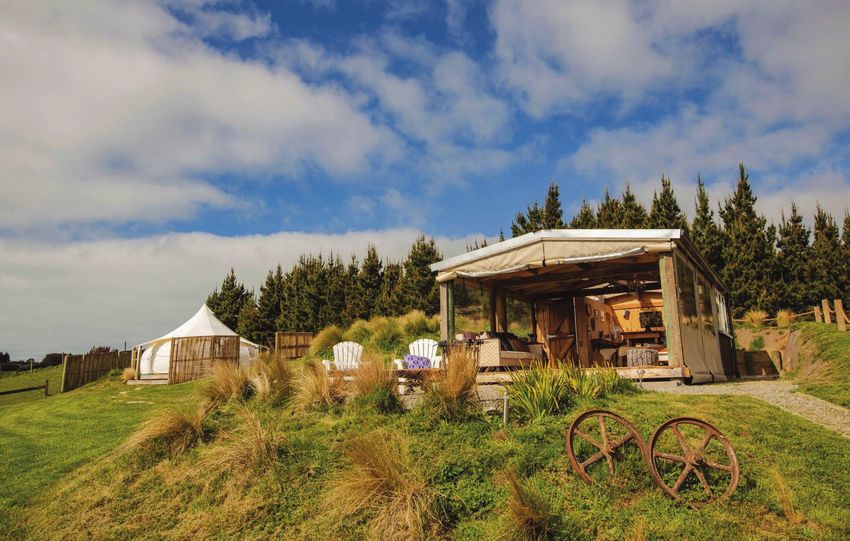
KEY DECISIONS AND SUCCESS FACTORS
Answering yes to most of the questions above means you’re keen! Now let’s address a few other important
considerations before taking the next step.

Q1. Is your property suitable for agritourism?

  Location                              Natural Assets                                 Built Assets

  • Easy to find location or at          • Scenery & view points                       • Residential buildings
    least some landmarks that will         (e.g. agricultural/pastoral,                • Non-residential buildings
    reassure visitors                      mountain vistas, coastal                    • Structures with other
  • Access from the road to the            views)                                        functions (e.g. windmill,
    property’s main arrival point        • Water features & resources                    open-air pavilion, etc.)
  • Land area is adequate to               (river access, pond, stream,                • Trails around the property
    have visitors moving around            beach access)                                 (for motorised vehicles,
    while other operations are in        • Wildlife & insects, including                 walking, cycling, horses,
    progress                               special habitat areas                         etc.)
  • On-property roads & tracks           • Productive agricultural land                • Other appealing or useful
    that are safe for visitors to use    • Vegetation (plant life, crops,                spaces (e.g. campsites,
                                           special crops)                                sports fields, etc.)

                                         • Other natural assets (e.g.
                                           stand of native forest)

Q2. Do you have time?                                      Q3. Is agritourism a good fit for your family?
What months of the year are you either too busy to         Are you clear about the main objectives for your
host visitors or you plan to be on annual holidays         agritourism venture e.g.
and therefore unavailable? Careful attention may
                                                           •   Earning additional revenue from the amenity value
be required to manage offering experiences in the
                                                               of your property or ‘farm gate’ sales
traditional summer peak season from December to
                                                           •   Reducing time commuting to other work in town
March and especially during the school holidays.
                                                           •   Starting a new career
It may be possible to consider a ‘proof of concept
                                                           •   Expanding opportunities for family members to
event’ or a limited season in the first few years
                                                               work and live on the farm
of operation so you can refine the offering and
understand the time needed to prepare for, then host,      •   Educating the community?
visitors. Perhaps your ‘proof of concept’ event could      And do members of your family agree with these
take the form of a charity event to support the local      objectives?
school or community? This can be a useful way to
introduce your product to a supportive audience.

                                                                            Agritourism in NZ: A guide to successful operation   9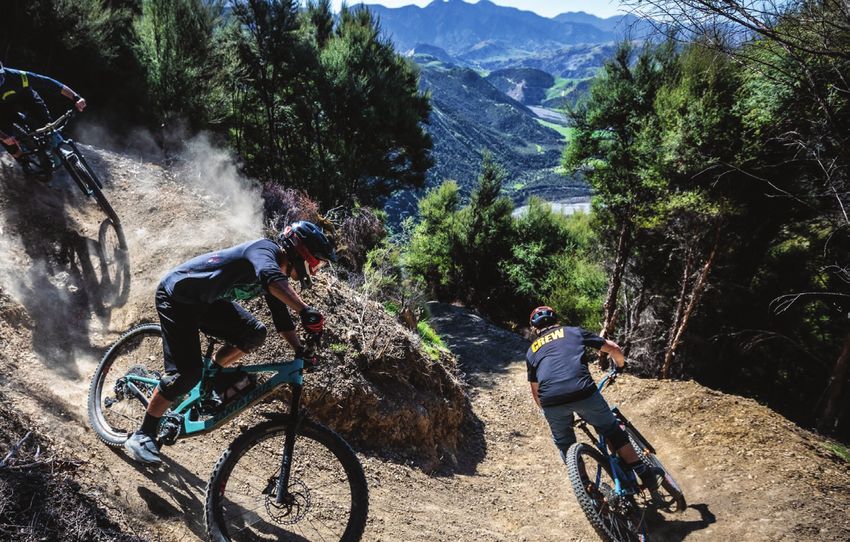
Q4. What connections and relationships will be important to your success?

       Your family and staff
        • Is everyone on board?
        • Do they have the opportunity to contribute according to their skills, experience and interests?

       Your bank
        • Do you need to borrow more?
        • What financial information will the bank need?

       Your insurance agent
        • What new insurances are needed?
        • What disclosures are required for other business policies?

       Your lawyer / accountant
        • What’s the optimal legal structure for your new agritourism business?

       Your neighbours
        • Have you discussed your idea with them to seek input, ideas and support?
        • Are there any issues that need to be carefully managed to ensure they’re happy for you to proceed?

       Your local council
        • What consents or licences are needed?
        • Do influential councillors understand and support your proposed business?

       Your regional tourism organisation
        • Are they aware of your proposed business and how it can complement other businesses in the area?
        • Have you registered to promote with them or joined a marketing group?
        • Have you hosted them on a familiarisation visit?

       Your chamber of commerce or business association
        • What networking opportunities exist?
        • What training and other support services are available?

10   Agritourism in NZ: A guide to successful operation
KEYS TO AGRITOURISM SUCCESS
Getting Started
Choose something you love to do and share your enthusiasm with visitors
Track relevant trends affecting your business, and network with your peers
Offer a high-quality product or service that delivers on what visitors are seeking: fun, education and/or
relaxation
Planning
Don’t go it alone. Involve family members, partners and trusted advisors to tap different skills and talents.
Look for opportunities to connect with your community
Create a realistic business plan for the future, but also stay open to exploring unanticipated opportunities that
emerge as you move forward
Secure adequate capital, either through your cash reserves or better still by creating a new business that
uses assets you already have without much additional investment
Delivering Your Visitor Experience
Be responsive to what customers want.
Deliver on what visitors are seeking: fun, education or relaxation
Nurture a loyal customer base and encourage referral or repeat visits
Record Keeping
Keep good records (production, financial, regulatory, marketing)
Continually monitor and evaluate your business against your goals and make adjustments as you learn
Don’t Give Up — ideas take a long time to become reality
Start small and grow naturally.
“Some experiences are just so good that it seems wrong not to share them.”
Shaun Monk, Island Hills Station
Agritourism in NZ: A guide to successful operation 11START-UP CHECKLIST2
Here are 10 steps that will guide the growth of your 6. Research the market, your competitors and potential
agritourism business. Consider moving from collaborators. Set up a system for tracking customer
1 to 10 over a period of 1 to 2 years. responses to your new offering, and performance
indicators that will tell you if you’re meeting your
1. Take stock of your resources – especially existing
goals. Watch agritourism hashtags on Instagram and
assets that could be enjoyed by visitors without
Twitter to keep a pulse on what others are doing.
needing to make large investments e.g. to upgrade
buildings. 7. Network. Join your region’s tourism groups or
associations, and look at what overseas agritourism
2. Get informed. Attend conferences and workshops,
businesses offer, too.
talk with farmers and food producers nearby,
and check out websites, such as https://www. 8. Connect with, and potentially join, your regional
agritourism.nz/ tourism organisation (RTO) plus gain insights
from Tourism New Zealand https://www.
3. Find out what other leaders in agritourism are
tourismnewzealand.com/markets-stats/research/
doing. Talk to neighbours and other entrepreneurs
or MBIE https://www.mbie.govt.nz/immigration-
about their businesses.
and-tourism/tourism-research-and-data/
Visit businesses in your own and
neighbouring areas. 9. Develop a business and marketing plan. Get
tips on agritourism business planning from the
4. Consult potential customers. Ask relatives, friends,
“Business and Financial Planning” chapter in this
and neighbours about the products or services
guide, and seek expert help via tourism advisors or
you are thinking of providing through your new
the Regional Business Partnership https://www.
enterprise. Are they interested in getting involved?
regionalbusinesspartners.co.nz/
Are they interesting in attending a ‘proof of concept’
event or trial? 10. Start small, and stay thrifty at first. Learn from your
experiences, adapt, and expand only when you
5. Talk with your insurance provider to determine
know your new agritourism enterprise is meeting
what type of coverage you have already when it
your goals and your measures of success that you
comes to having guests on the property, what
determined from the outset.
additional coverage you need, and what it will
cost.
Photo: Tawanui Farm
Adapted from ‘A Guide to Successful Agritourism Enterprises’ The Farm-Based Education Network, Shelburne Farms, University of Vermont Extension.
2
12 Agritourism in NZ: A guide to successful operationTYPES OF AGRITOURISM IN NEW ZEALAND
There are many experiences that can be classed as Agritourism, and this list is likely to grow over time as further
activities and experiences are developed. Many of these experiences can be listed in multiple categories e.g.
garden tours could be a learning experience, an event and a demonstration or display.
Stay Taste
Overnight accommodation Farm produce
Camping Pick your own
Self-contained cottages Roadside stall
Glamping in furnished / fixed tents Retail shop
Lodge / luxury accommodation Farmers market
Shearers quarters (bunk style) Foraging for food e.g. mushrooms berries, plants,
Bed and breakfast flowers, rocks / gems
Homestay / farmstay (in-home) Sale of handcrafted products
Preserving seasonal produce
Play
Culinary experiences
Active recreation
Functions / conference centre
Hiking
Weddings
Mountain biking
Food & beverage preparation - wine, cheese, beer,
Horse riding bread making
Off-road driving Paddock to plate
Hunting
Learn
Fishing
Rock Climbing Tours
Shooting range Farm tour
Guided hunts e.g. pheasant shoot Heritage buildings / trails
Rafting / kayaking Vineyard, winery, brewery tour
Swimming area Foraging tours - guided
Elder hostels or U3A
Easy recreation
School or tertiary groups
Scenic viewpoints
Ecological restoration projects
Mustering, herding animals
Wildlife / birdlife viewing Demonstrations & displays
Self-guided farm loops / tours e.g. cheese trail, Conservation demonstration of new or latest
honey trail etc practices
Maze walks or other playground experiences Farming practices e.g. harvesting, shearing,
Stargazing / night sky experiences pruning, fencing
Musterers Ball, dance events Food preparation - cheese, bread making
Agritourism in NZ: A guide to successful operation 13Learn (Continued)
Paddock to plate Classes in farming skills
Historic display or museum Classes in recreational activities e.g. fishing,
hunting, motorbike riding
Traditional crafts e.g. quilting, wool spinning, soap
making, weaving etc. Classes in crafts e.g. make your own toys, fishing
fly, knives etc
Functions & events
Classes in medicinal herbs, honey, volcanic soil /
Weddings mud etc
Meetings, small conferences Classes in photography / night sky photography
Outdoor concerts, music events, outdoor plays Cutting flowers / Christmas trees
Garden tours or walks
Entertainment
Craft fairs
Wine / beer / food festival
Art events, crop art
Fruit / berry harvest festival
Sculpture walks
Food trucks / stalls
Interactive experiences Contests and outdoor games
Caring for animals e.g. feeding young animals Outdoor cinema / drive in movies
Working farm stay Visiting writers / artists
Children’s camps Family events
Photo: Puhi Peaks Station
BACK TO CONTENTS
14 Agritourism in NZ: A guide to successful operation2. WHO WANTS
WHAT WE HAVE TO
OFFER?
“The majority of visitors to the Island Hills Station
self guided walking track are groups of semi-retired
or retired women. They want to enjoy the outdoors
with added comforts and confidence, especially
around guaranteed bed space, privacy, hot showers,
luggage transport and regular communications.”
Shaun Monk, Island Hills Station
Photo: Island Hills Station Agritourism in NZ: A guide to successful operation 15UNDERSTANDING THE CHANGING There are four broad sets of information available to
VISITOR MARKET businesses in the visitor sector that can inform New
Zealand wide, regional or local plans:
The tourism sector in New Zealand has grown
rapidly over the past two decades until the recent 1. Tourism data from the Ministry for Business
DOMESTIC AUDIENCE UNDERSTANDING
border closures and uncertainty due to the Covid-19 Innovation and Employment: https://www.mbie.
pandemic. The visitor sector generated economic govt.nz/immigration-and-tourism/tourism-
contribution of $41b in the year ended March 2019 research-and-data/
including $23.7b from domestic tourism – the 2. Tourism New Zealand markets and stats: https://
ience mainstay of the sector while international borders
remain closed.
Previously reliable statistics on travel patterns have
www.tourismnewzealand.com/markets-stats/
3. Figure.nz Tourism Data Hub: https://figure.nz/
business/
ng not kept up with the significant changes since March
2020, with international visitor flows stalling and
domestic visitors changing the way they travel in
4. The Domestic Growth Insights Tool (DGiT):
https://www.dgit.nz/
The Domestic Growth Insights Tool (DGiT) offers
encourage response to the uncertain economic conditions. information on the likely demand for Kiwis to travel to
ce all that
International visitors will return as borders reopen; various regions domestically, their interests, how they
however it may take many years until there’s intend to travel and how to reach them. This online tool
anything like the 3.8m in annual visitor arrivals is a great way to understand potential target markets
welcomed in 2019. and further refine market segments as they might relate
to your new agritourism venture.
72% 90%
of New Zealanders of domestic leisure
travelled for leisure travel in New Zealand
d, pre Covid-19 purposes in 2019 is via car
$5.8B
BUSINESS
61% 45M
domestic trips
39%
DAY TRIPS OVERNIGHT
per year
ome rentals which are not
ess, Innovation and Employment Source: Domestic Growth Insights Tool (DGiT)
Figure 1: Domestic Growth Insights Tool (DGiT) 1
It’s important to gain a local view on visitor travel nationwide data sets with valuable real-world, and
patterns and behaviours talking to regional tourism local, experience.
organisations https://rtnz.org.nz/destinations and There are some more recent pieces of research that
visitor information centres along with nearby tourism highlight want domestic visitors are looking for when
businesses so that you can balance the learnings from they embark on a NZ holiday.
16 Agritourism in NZ: A guide to successful operationPlace I have never been before 64%
Spectacular natural landscapes and scenery 63%
Accommodation options to suit my budget 61%
Opportunities to relax and refresh 55%
Good local food & beverage experiences 52%
Iconic attractions and landmarks 47%
Ideal for having fun and enjoying yourself 41%
It’s easy to travel around to see and do things 39%
Opportunities to see local wildlife 39%
Good hiking / walking tracks 35%
Wide variety of things to see and do for adults 35%
Amazing beaches 31%
Good entertainment, exhibitions & events 28%
Interesting arts & culture experiences 26%
Good camping options 21%
Near where my family / friends live 18%
Wide variety of things to see and do for children 16%
Driving distance from where I live 16%
Where I can fly to 15%
Figure 2: Aspect New Zealanders are looking for in the NZ Holiday (% of NZers planning a holiday), Tourism New Zealand (2020)
While we don’t have research specific to agritourism • Specific:
there is significant interest in places that New - Outdoor recreationists, families with children,
Zealanders have never been to before as well as education-oriented visitors, foodies, nostalgia
spectacular natural landscapes and scenery – two seekers
things that many farms can offer. Farm based
experiences can deliver on many of the interests in - Local residents from urban and rural areas who
Figure 2 above, from accommodation and local food to want to consume farm-fresh products
hiking, viewing local wildlife or just relaxing. - Local groups (e.g. schools, scouts, church
Colorado in the USA has some interesting visitor profile groups) for hay rides, horseback riding, picking
information for those considering agritourism – it would and planting
be great to have similar information developed for NZ.
- Local families who want to get away from towns
Who Are Agritourists & Culinary Tourists (in Colorado)? and cities to enjoy the countryside and rural
• Many are older and middle-age baby boomers… lifestyles
grandparents with grandchildren. - Tourists (foreign and domestic) may visit to see
• But there is increasing demand from younger production processes, learn about, and taste
adults who are more affluent than many other local specialty items, and to see what rural
tourist segments. This is particularly the case with American life is all about.
culinary tourism specifically, as this group is often
willing to pay more for unique food experiences, Visit: https://industry.colorado.com/agritourism-
especially when they feel like they are contributing culinary-tourism-part-2-who-wants-what-you-have-
to sustainability, ecosystems or food equality. offer for more information.
• Day-trippers from cities within a 40-mile radius.
• Well-educated with moderate to high income levels.
Agritourism in NZ: A guide to successful operation 17DETERMINING YOUR PRIMARY cost effective to be communicating to a smaller set
TARGET MARKET SEGMENTS of audiences where databases and direct marketing
can be used rather than larger audiences where
It’s critical to have a clear idea of who your main
mainstream media advertising would be required.
customers are likely to be so that your agritourism
offering is designed to suit their wants and needs. You may find it useful to start by referencing the eight
Defining your desired portfolio of primary target broad domestic market segments available here:
markets, ideally a good mix of domestic and https://www.dgit.nz/domestic-traveller-segments/.
international visitors, will help in understanding A user-friendly infographic has been provided by
how you can reach these potential visitors in your Tourism New Zealand that shows a summary of
communications and marketing activity. And it’s more characteristics for each segment.
Average number Average number of
of overnight trips day trips intending
Proportion in intending to take in to take in next 12
Population next 12 months months
FAMILY & FRIENDS 20 %
5.0 6.1
FAMILY FUN 15 %
5.9 8.9
RELAXATION & WELLBEING 15 %
3.7 7.2
EXPLORE NATURE 12 %
7.7 10.2
TREAT MYSELF 11 %
7.5 8.8
WINE, FOOD & SCENERY 10 %
6.4 8.4
SHOPPING 9 %
6.4 7.7
? KNOWLEDGE SEEKING 5 %
6.9 8.9
SPORTS & EVENTS 3 %
8.0 8.9
Figure 3: Eight Domestic Leisure Visitor Segments (dgit.nz)
18 Agritourism in NZ: A guide to successful operationThe “Explore Nature” segment indicates potential for farm based experiences, including short walks.
EXPLORE
NATURE 12
%
7.7 10.2
Of domestic Overnight Day trips
This segment wants to get holiday market trips per year per year
outdoors to explore the natural H
environment in an active way
A ha
(most commonly walking). They Age Household (mo
love exploring the outdoors to 1
discover new places and as a 1 A
way to relax.
18-29 Couple, no kids
2 2
30-39 Household, school aged
or younger kids only
(e.g.
A mult
3
40-49 3 one o
Group flatting An
4
50-59 m
C
N
Travel for overnight trips 2
Visit a
(a
N
enda
Cyc
plac
Paid Accommodation Trav
37 %
Motel 1 Che
30 %
Free camping or doc campground/hut 2 Che
24 %
AirBNB or similar
3 Seei
Privately owned campground
24 4
%
Che
Lake Pukaki, Mackenzie
Figure 4: Example of One Domestic Leisure Visitor Segments (dgit.nz)
An activity category called ‘visit a real working farm’ travellers interested in this visiting farms. It even shows
has been added to the Domestic Growth Insights the high proportion of people in large cities interested
Tool (dgit.nz) so you can view the potential number of in this activity – especially Aucklanders at around 45%
trips and the profile of the types of domestic leisure of the total market.
Agritourism in NZ: A guide to successful operation 19Figure 5: Visitor Profile for Domestic Travellers Interested in the Visit a Real Farm Activity
The profile information above is useful in gaining be seeking? Demonstration and guidance?
an understanding of age and gender, likely mode of Relaxation? Entertainment? Action or physical
travel, household composition and even household activities? Other?
income. Some other questions worth considering are: Visitor experiences based on farms, vineyards,
• Where are your customers most likely to come orchards and so on have also been popular with
from? international visitors wanting to get off the beaten
track to learn more about New Zealand and to enjoy
• In what type of group is most suited to your
staying in spectacular remote settings where they can
property? Will visitors travel in their own car as
relax in quiet and comfort.
solo, couples or families? Will visitors prefer to
travel as groups of friends, as a club or organisation International visitors, once they’re able to travel to
or part of an organised tour? New Zealand again, will also be important for many
• What magazines, newspapers, books and internet agritourism businesses. Tourism New Zealand provides
media appeal to them? a wealth of information on international visitors from
our previous top 10 origin markets: https://www.
• What are their hobbies and interests?
tourismnewzealand.com/markets-stats/markets/
• How much time do they have for the activities
international/ Within these top 10 international visitor
you offer?
markets, Australia is by far the largest market with 1.5
• How much time will they want to spend in your million annual arrivals in the year to February 2020.
community when they visit? However, it might be that a different market segment
• What types of experiences will your visitors finds what you offer more appealing.
20 Agritourism in NZ: A guide to successful operationA useful guide to past visitors from Australia that can be downloaded from:
https://www.tourismnewzealand.com/markets-stats/markets/australia/
AUSTRALIA | PAST VISITORS
Australia
VISITOR SNAPSHOT
24% of Australian holiday arrivals are aged 25-34 Over 80% of Australian holiday visitors are from
Queensland, NSW or Victoria
AGE PROFILE OF HOLIDAY VISITORS HOLIDAY ARRIVALS BY STATE
10% 50% 23%
QUEENSLAND
1%
25%
18-24 25-54 55-74 6%
4%
NEW
15000
38% SOUTH
WALES
NUMBER OF VISITORS
12000
2%
9000 23% ACT
VICTORIA
6000
3000 1%
0
10 20 30 40 50 60 70 80
AGE
Source: Stats NZ international visitor arrivals Feb 2020
3
Figure 6: Visitor Snapshot for Australia (based on visitor arrival figures for the year ended February 2020), Tourism New Zealand
“Fundamentally agritourism ticks a lot of boxes in the tourism industry.
The landscape and the vistas are fantastic, what happens in an agritourism
opportunity is that it’s a hands-on experience… e.g. to touch a sheep and pat a
dog, from a tourism perspective is very important. More and more customers
are wanting a real experience, to understand what makes an area tick and what’s
important to the people.”
27th June 2020 Factum-Agri Audio RNZ Graeme Abbott from Visit Hurunui
Agritourism in NZ: A guide to successful operation 21IS THERE A CUSTOMER BASE FOR There will also be an international visitor base once
WHAT YOU PLAN TO OFFER? borders have fully reopened although it is likely
to take some time to rebuild given the changes in
Drawing on various sources of research and inputs
airline capacity.
from experienced contacts will enable you to form a
picture of the likely size of your market and potential It will be essential to balance country-wide or
share of that market. One example of useful and macro statistics and profiles with more meaningful
relatively up to date research has been shown above comparisons from similar providers of accommodation
in the visitor profile for Kiwis interested in the activity or other experiences so that you don’t overestimate
called “Visit a real working farm” in the Domestic the size of the potential market that’s available to your
Growth Insights Tool (dgit.nz). The number of potential new offering. There are also considerable differences in
trips by domestic leisure visitors appears very high market segments attracted to the different regions of
in Figure 5 above. However this is less than 2% of New Zealand. Making contact with established local
the total potential trips by New Zealanders across tourism experts at your Regional Tourism Organisation
all activities and these numbers get smaller when or via the Regional Business Partner Network can
focusing on only one or two source regions. It is also provide another valuable perspective on potential
important to note that most of these potential trips target markets and how to reach them.
appear to be day trips so remote farms may simply be
too far away for the majority of urban based visitors to
reach them easily.
Tour companies
and promoters of
Regional Tourism farm-based Similar farm-based
Organisations (RTOs) experiences businesses in other
and visitor parts of NZ
information centres
Domestic and Neighbouring
international visitor Assessing businesses already
statistics and established
customer
research
base
Figure 5: Visitor Profile for Domestic Travellers Interested in the Visit a Real Farm Activity
The Tourism Export Council of New Zealand New Zealand Inbound Tour Operators” as a
(TECNZ) offer a great set of resources for businesses resource for members and other industry to help
considering offering their products to international understand how travel distribution works: https://
visitors. There’s a user-friendly manual called www.tourismexportcouncil.org.nz/resources-tools/
“Planning for Inbound Success – A Guide to distribution-system-toolkit/
Understanding and Working With
22 Agritourism in NZ: A guide to successful operationOnline Travel Agent Overseas Overseas
& Wholesaler Travel Agent Travel Agent
Commission Commission Commission
Overseas
Wholesaler
Commission
NZ Product Supplier
Airline Packages
Accommodation, Transport,
Commission
Attraction, Activity Operators NZ Inbound
Operator
Commission
Hotel & Event RTO & i-SITE Overseas Visitor
Packages Packages Direct
Commission Commission - no commission
Figure 8: Diagram of International Travel Distribution Tourism Export Council New Zealand (TECNZ)
There’s an important section titled: “Is Your Product newspapers or media stories that make it to
Export Ready?” It lists a set of questions to ask television or online travel media. Generally speaking,
relating to your understanding of international visitor the more direct the channel of communication to
markets, pricing and commissions, quality assurance your potential visitor, the more cost effective the
and working with key agencies such as regional promotion or communication will be; that is, there
tourism organisations, the Tourism Export Council is less media spend being ‘wasted’ due to reaching
and Tourism New Zealand. or communicating with people who may not be
interested in your experience.
Finally, starting small or hosting special ‘proof of
concept’ events to cater for pre-booked groups offer The diagram of international travel distribution in
ways for you to test the market in your first one or two Figure 8 above summarises the many channels of
seasons. Working with an established tour operator distribution available in the visitor sector. However,
may also be a good opportunity to learn from them as channels change with technological developments
well as benefit from their relationships within tourism and environmental effect, as witnessed in the current
distribution channels – both domestic and international. upheaval in the travel industry due to border closures.
Understanding the key messages most likely to
CHANNELS TO REACH OUR VISITOR motivate potential visitors and the likely triggers for
SEGMENTS them to book will help with the way you promote your
The channels to reach these key influencers / bookers experiences in order to generate greater appeal and
of travel may be direct e.g. emailing a database of interest – information on these is also provided in the
clubs, or indirectly via advertising in community Domestic Growth Insights Tool (dgit.nz).
Agritourism in NZ: A guide to successful operation 23Figure 9: Key Messages, Triggers and Barriers for Potential Domestic Travelers Interested in Visiting a Real Farm Activity
There will generally be one person who takes the lead for booking their family or group so there’s often a need
to sell to this lead person in a way that they can then convince their family members, friends or members of their
club or group to join in the activity, experience, tour or holiday.
Please refer to the Marketing section for more information on channels to reach your target markets.
BACK TO CONTENTS
24 Agritourism in NZ: A guide to successful operation3. DELIVERING A GREAT VISITOR EXPERIENCE Tourists are increasingly wanting highly personalised experiences in destination and the more they can be involved in the design and delivery of these experiences, the greater the value of the experience in terms of the visitor’s satisfaction and willingness to pay a premium price. Professor Terry Stevens, Stevens & Associates, Wales UK Photo: Terrace Edge Syrah Slope Agritourism in NZ: A guide to successful operation 25
DELIVERING THE BASICS                                                           a required condition of your consent. For special
                                                                                     events or seasonal needs, portable toilets are
     Farms, wineries, orchards and so on are in the food
                                                                                     acceptable if they are cleaned and maintained
     production business – but agritourism is a people
                                                                                     regularly and there is a handwashing station.
     business. In the past, it was presumed that if you
                                                                                     Facilities that recognise visitors with mobility issues
     provided excellent customer service, this would
                                                                                     when designing new buildings is mandatory; this
     represent an excellent visitor experience. While
                                                                                     includes paths, ramps and bathrooms.
     excellent customer service is critical, consumers today
     are seeking memorable – and often transformative                             • Minimise Risk – see Module 6
     – visitor experiences. Crafting a memorable                                  • Permits, Regulations, Licences & Consents are
     experience takes careful consideration. Furthermore,                           held as required
     your customers will be your co-producers for the                             • The Welcome - Meet and greet every customer
     experience/service they receive. If they like what they                        with a smile and hello. Welcome them using the
     see and do – they become your brand ambassadors                                property’s name.
     and provide another channel for sales.                                       • Clear and Consistent Hours of Operation, Tour
     However, it is still important to get the basics right.                        Departures – stick to the hours you have made
                                                                                    public in your marketing material. Avoid changing
     Preparing your property to welcome visitors:4
                                                                                    your hours of operation frequently or posting
     •   Signage – good clear visible signage – starting at                         hours that vary greatly from day-to-day, which
         the road gate. It is not uncommon that visitors stray                      can confuse even dedicated regular customers, or
         on their own so clear signage or fencing may be                            agents booking on behalf of your visitors.
         needed.
                                                                                  • Taking Payment onsite or online - Many
     •   First Impressions – clean, free of rubbish, disused                        tourists will expect your farm retail operation to
         machinery out of sight, doing what’s reasonably                            accept major credit cards for farm product sales,
         practical (dogs under control – although a loyal                           admission and activity fees. For these travellers, it
         farm dog can be quite the star attraction; stock                           is a matter of convenience. For the farm, it usually
         fenced etc)                                                                leads to much greater sales.
     •   Adequate Parking - Visitors, who are unfamiliar                          A model developed by Google is often used
         with the layout of a farmyard, need clearly                              to understand the different stages of a visitor
         designated parking areas. Attempt to use positive                        experience. It illustrates that a visitor experience
         messaging ‘Park Here’ signs, however “No Parking”                        starts earlier than most people think; you may
         signs may also be required for safety reasons.                           have experienced yourself an occasion when the
     • Handwashing Station – any interaction with                                 anticipation of a holiday may be as enjoyable – or
       animals particularly requires multiple handwashing                         even better – than the experience itself. Think of
       stations.                                                                  ways that you can connect with your visitors in the
     •   Bathroom Facilities – these can be expensive                             period between booking and travel, so that they arrive
         but if you are looking to attract larger groups or                       prepared and excited for the experience ahead.
         a lengthy activity they are necessary, and often

         D     ream                  P       lan             B       ook             E      xperience              S     hare

     Figure 10: Google’s Five Stages of Travel

     https://www.mbie.govt.nz/assets/destination-management-guidelines-2020.pdf
     3

     http://ccetompkins.org/resources/getting-started-in-agritourism
     4

26   Agritourism in NZ: A guide to successful operation
CUSTOMER SERVICE EXCELLENCE memorable experiences. Much has been written about
what makes an experience memorable, and what works
Many of the key concepts presented above in ‘Preparing
for you will depend on what product you are offering,
your property to welcome visitors’ will go a long way in
but consider the extent to which you might incorporate
ensuring that your customers are more than satisfied with
some of the following into the product you offer.
the experience they have participated in.
• Tell a story that connects – to you and to them:
Technology makes it easier than ever for businesses
Visitors are seeking agritourism experiences that
to survey their visitors so they can understand and
reconnects them with the land, food and farmers.
track customer satisfaction over time. Having satisfied
Farmers and food producers are held in high esteem
customers may not mean that your visitors are
by urban New Zealanders (and International visitors)
recommending you, so measuring how likely a customer – and these visitors are looking for an authentic
is to recommend will also be important. Measuring your opportunity to see behind the farm gate and meet
Net Promoter Score® uses the results to the question: the people who live and work there.5 You have
How likely is it that you would recommend [your a captive audience – they are there to learn and
business] to a friend or colleague? The percentage of listen. But there are many stories to tell, and telling
‘promoters’ (scoring 9 or 10 out of 10) is calculated with a story that resonates with the specific audience
the proportion considered ‘detractors’ (scoring 6 or is important. Tell a good story, that is ordered and
below) being deducted. clearly themed. As some examples:
Some other thoughts to consider: - The impact of COVID-19 means that more
• Visitor expectations need to be met at all stages people are interested in where their food, fibre
of the process from planning the trip, ease of and foliage comes from. Your produce ends
booking, the experience itself & sharing photos up on the shelves in the supermarket – so
and recommendations with friends and family incorporate that process into your narrative.
after travel. - For some people, the COVID-19 lockdown
• Being interested in your customers and prepared resulted in a renewed interest in nature, and
to answer questions about your farm is essential – or growing and making one’s own food – what
doing it with a smile when you have answered that stories could you tell about the local flora and
same question literally hundreds of times is a skill fauna, the history of the area, gardening hints.
worth acquiring! - Are there interesting stories in your property’s
• Feedback forms or short online surveys are good past? Or connected to regional history?
way of gaining insight into what your visitors
- The rural sector can engage the urban sector
enjoyed and what could be improved. It’s also a
around measures they are implementing, as
good place to have an opt-in to join your database
the consumer is starting to care more about
to stay in touch via email newsletters.
eating local and sustainably, rather than just the
• Finally, understanding when and how you should traditional concerns about price and food safety.6
encourage social media interaction through – for an appropriate audience, include where
hashtags and reviews of your business can and how your farm meets sustainability targets
optimise how visitors share their experience and / carbon footprints etc.
make recommendations to others.
• Get to know your visitors: Who are they? Why
CREATING MEMORABLE EXPERIENCES are they here? For many visitors, this may be their
first time on a farm or vineyard. Don’t presume
In 1998, B. Joseph Pine II and James H. Gilmore knowledge. When designing elements of a visitor
announced in an article that the ‘service economy’ experience, bear in mind that the adult attention
was coming to an end, and society was moving into span is about 10 mins, and less for children. Plan
a new ‘experience’ economy. While great service and test the programme you are offering, make sure
remains critical, visitors seek more than this; they want it is realistic for the type of visitor you are attracting.
5
https://www.openfarms.co.nz/host-an-event/
6
https://www.agribusiness.school.nz/pluginfile.php/1352/mod_resource/content/0/Agribusiness-Green-Paper-Sustain.
pdf
Agritourism in NZ: A guide to successful operation 27Also think about physical capabilities of your There are many touchpoints or ‘moments of truth’ that
visitors – not everyone is used to marching up hills. occur over time starting well before a visitor arrives at,
• Your everyday is their exceptional: Don’t and after they leave, the experience itself.
underestimate how effective simple day to day The design and delivery of your visitor experience
activities can be for first time visitors. Simply should include consideration of:
walking in paddocks, viewing grape vines up close
and tasting the grapes, watching stock move 1. Who your primary visitor segments will be (refer
through yards or interacting with farm animals may section 2) and what will motivate them to visit
all be unique experiences. places like yours
• Provide opportunities for participation: Wherever 2. How your brand stands out from the crowd – what
possible, give visitors the chance to interact and is your point of difference
get hands-on with activities. Seek to engage all the 3. How you can combine a sense of place for your
senses – taste, touch, smell, see hear – think about farm with the stories from the area and the unique
the way to incorporate these senses as props in nature and style of your production
your story. 4. How to deliver your experience consistently well and
• Include a ‘wow’ factor: an element of surprise can how to gain feedback from your visitors
create a highly memorable experience. Is there 5. Identifying and acting on improvement
something on your farm or property that is likely opportunities highlighted by your visitors.
to make your visitors go ‘wow’? Perhaps a view, a
Elements of the visitor experience fall into three broad
story, a building. Consider holding this back from
types of quality that combine to make up the overall
the promotional material.
offering. ‘Must be right’ quality is similar to a warrant
In all of this, what you are aiming to do is to Create of fitness for a car – everything must be safe and in
a sense of place – through stories, sights and good working order before a car can be driven on
experiences, you can craft a genuine and authentic the road. The second layer of quality is where tourism
sense of place in the hearts and minds of visitors. businesses can offer their visitors more space, more
This story may not just relate to your farm or property, comfort, more menu options or more time learn
but can connect in a synergistic way with your about a place. The third level of quality is where
neighbours, your community and your region. elements of uniqueness and experience combine to
provide visitors with a ‘wow factor’ where they are so
REMARKABLE EXPERIENCES impressed, they will reflect these in their comments
As highlighted in the section above, a visitor experience and recommendations following their visit.
is generally much broader than most people think.
Delightful quality or
‘wow factors’
‘More is better’ quality
‘Must be right’ quality
Figure 11: Three Types of Quality in a Visitor Experience
28 Agritourism in NZ: A guide to successful operationAWARDS AND RECOGNITION • The Qualmark rating system provides independent
assurance of the quality of an experience,
To create excitement and free media attention -
Qualmark helps businesses to be sustainable from
entering award programmes can give your profile a
a people, planet and profit perspective. There is a
boost. Here are some awards for you to consider:
framework that needs to be adhered to and your
• There are general business awards based on business will be assessed as part of the licensing
company size which would have a category process. As mentioned, Tourism New Zealand gives
applicable for agritourism. An example is the higher ranking to businesses with high Qualmark
Westpac Business Awards. These are run regionally recognition.
and can be a good place to gain visibility in your
• Qualmark also runs an awards programme.
community.
https://www.qualmark.co.nz/en/member-area/
http://www.westpacchampionawards.co.nz/
qualmark-100-pure-new-zealand-experience-
• Tourism specific awards are also worth entering as awards/
the process of applying often helps harness greater
• Travel Magazines will often profile tourism awards
understanding of what you are doing well – and
in an annual publication – these can also be a good
where there is room for improvement.
to gain profile both domestically and internationally.
https://nztourismawards.org.nz/
https://www.straytravel.com/travel-guide/new-
https://taanz.org.nz/ntia/ zealand/stray-magazine/
https://www.tourismexportcouncil.org.nz/ https://www.outsideonline.com/1926611/apply-
updates/awards/ win-outside-travel-award
“The story is already written; you know it off by heart. Transfer that enthusiasm
into an audible presentable form and then you have the key.
Scott Bamford, Scotty B Tours
Agritourism in NZ: A guide to successful operation 29HELPFUL HINTS
Guests may come to your farm as part of a wider tour • Are there shops or cafes on the way to the next
of the area or their own multi-day holiday. Here are some town?
questions to make sure you and your staff know the • What other agritourism experiences can customers
answers to so that your visitors will appreciate their time visit?
with you even more:
And ensure these questions about your farm or
• What other attractions should I visit while in the property can also be answered:
area?
• History of the property
• What is it like living in this community?
• Property size
• What accommodation is available nearby?
• Farming or food production practices, new
• Are there any good places to eat nearby?
technologies being used or trialled
• Where is the nearest service station or charging
• Organic practices
station?
• Use of pesticides, GMOs or antibiotics
• Are there any special events happening in town?
Photo: Scotty B Tours
Your guests are inspiring people who have their own amazing stories, take the
time to listen.
Shaun Monk, Island Hills Station
BACK TO CONTENTS
30 Agritourism in NZ: A guide to successful operation4. COLLABORATION
& PARTNERSHIPS
THE BENEFITS OF COLLABORATION • RTO’s play an invaluable role in the development
of their regions, they are the organisation tasked
Working collectively with other operations can
with managing tourism and its opportunities and
have a beneficial impact for your business and your
impacts for the benefit of their communities, and
region – having visitors stay longer in the area and
marketing the destination to build the visitation
spending more.
and the experiences available to visitors (and
Collaboration can generate cost savings, improved locals) in that region in a sustainable way.
profits, and efficiencies in marketing and customer • Local Chamber of Commerce. Chambers enjoy
acquisition. More than 85% of tourism businesses close relationships with industry bodies within
are small-to-medium enterprises (SMEs) and the local and national business communities
many have fewer than five staff, so this is a great including government, institutions, other
way to harness limited resources in terms of time associations and the media.
and expertise. There are a range of benefits from
• Tourism Industry Aotearoa (TIA) is the peak
collaborating:
industry body, representing all aspects of the
• Enhances flow of information (e.g. market tourism industry in New Zealand.
research) & tourists • Local media & freelance journalists.
• Strengthens core competencies through
economies of scale (e.g. sharing resources) PRODUCTIVE PARTNERSHIPS –
• Reduces cost of entry for new businesses EXAMPLES OF ORGANISATIONS
• Reduces cost of entry to new markets WORKING TOGETHER
• Aids in the development of infrastructure (e.g. • There are a number of well-known and successful
wine trails, signage) collaborations between farmers to create multi day
• Enables unified promotional strategies hiking product – eg Tora Coastal Walk, Kaikoura
(agritourism websites, apps. etc) Coast Track and Banks Peninsula’s Banks Track.
Reach out to other local businesses to explore how to • Agritourism New Zealand offers a selection of
tie your product or experience with theirs. Incorporate quality farm based tourism businesses: https://
these joint activities into your plan. For example, if www.agritourism.nz/
you have accommodation, you could use local food • In Taupo you will see independently operated
producers produce, coffee etc and create guest Tourism Businesses collaborating to offer ‘combos’
packages with other niche experiences like a restaurant of accommodation and activities
or outdoor tour. By mobilising collective resources, you https://www.lovetaupo.com/en/plan/deals/
can reach, and bring in, a wider audience that supports activity-tour-deals/
each of the businesses in the area.7 • Rural Tours and Farmstays have used booking
platform ‘Grabone’ to offer Farm Tour, Farm Stay
ORGANISATIONS TO WORK WITH and Meal combo packages with locations in both
• Your local Regional Tourism Organisation (RTO) the North and South Islands.
will provide a lot of the necessary information
regarding marketing efforts in your region.
Oregon_Agritourism-Handbook_3-6_web-original.pdf
7
Agritourism in NZ: A guide to successful operation 31You can also read


