An Examination of the factors which may affect the duration of admission to the hospital of panic diagnosed patients during and pre-COVID-19 ...
←
→
Page content transcription
If your browser does not render page correctly, please read the page content below
Posted on Authorea 3 Apr 2021 | The copyright holder is the author/funder. All rights reserved. No reuse without permission. | https://doi.org/10.22541/au.161743124.43367596/v1 | This a preprint and has not been peer reviewed. Data may be preliminary.
An Examination of the factors which may affect the duration of
admission to the hospital of panic diagnosed patients during and
pre-COVID-19 pandemic
gizem ISSIN1 , Mehmet Gamsizkan2 , Ersin Tural3 , Diren Cagatay1 , and Ferda Keskin
Çimen1
1
Erzincan Binali Yildirim University, Mengucek Gazi Training and Research Hospital
2
Duzce University, School of Medicine, Düzce, Turkey
3
Sultan Abdülhamid Han Training and Research Hospital
April 3, 2021
Abstract
Background: The present study aimed to determine the duration of hospital admission of the panic diagnosed patients, examine
the factors that may influence hospital admission time, and identify the impact of the COVID-19 pandemic on hospital admission
time. Materials and methods: In this study, the panic diagnosed patients between January 2018 and January 2021 were
determined. These patients’ demographic, clinical, and panic diagnosis form data were documented. The duration of hospital
admission of patients during and pre-COVID-19 pandemic period was determined. Results: There were 65 panic diagnosed
cases, of which one One patient had leukocytoclastic vasculitis, 10 patients had uterine contents without villi or trophoblasts,
and 54 patients had unexpected malignancy. The mean time of admission to the hospital of verbally informed and not verbally
informed cases were five days and 156 days, respectively in the pre-COVID group. All cases in the COVID pandemic group were
verbally informed about panic diagnosis by phone call. The mean time (day) of admission to the hospital was 18.3 days (1-40).
Admission times were on mean about 13.3 days longer in verbally informed cases in the COVID pandemic group compared
to verbally informed cases in the pre-COVID group. Conclusion: We determined a dramatic decrease in the number of panic
diagnosed cases during the COVID pandemic and patients who are verbally informed admitted to the hospital in a shorter
time. Integrations of hospital panic diagnosis notification systems to health application programs and primary responsible
family physician’s systems may be useful for preventing unwanted delays.
An Examination of the factors which may affect the duration of admission to the hospital of
panic diagnosed patients during and pre-COVID-19 pandemic
Running title: hospital admission time of panic diagnosed patient
Abstract
Aim/Background: The present study aimed to determine the duration of hospital admission of the panic
diagnosed patients, examine the factors that may influence hospital admission time, and identify the impact
of the COVID-19 pandemic on hospital admission time.
Materials and methods: In this study, the panic diagnosed patients between January 2018 and January
2021 were determined. These patients’ demographic, clinical, and panic diagnosis form data were docu-
mented. The duration of hospital admission of patients during and pre-COVID-19 pandemic period was
determined.
1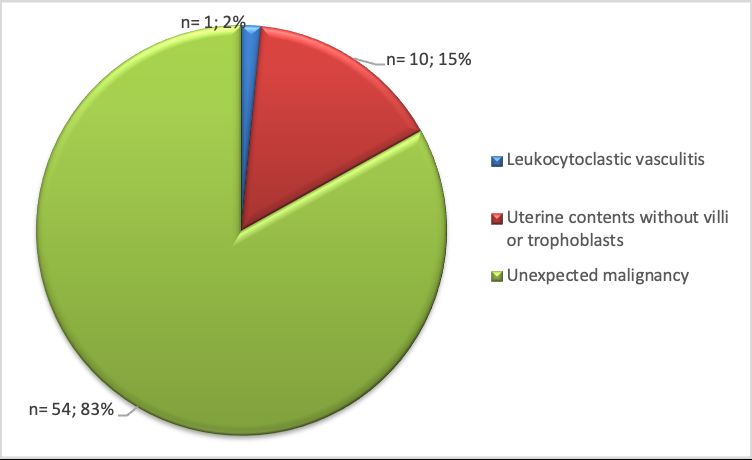
Results: There were 65 panic diagnosed cases, of which one patient had leukocytoclastic vasculitis, 10
patients had uterine contents without villi or trophoblasts, and 54 patients had unexpected malignancy. The
mean time of admission to the hospital of verbally informed and not verbally informed cases were five days
Posted on Authorea 3 Apr 2021 | The copyright holder is the author/funder. All rights reserved. No reuse without permission. | https://doi.org/10.22541/au.161743124.43367596/v1 | This a preprint and has not been peer reviewed. Data may be preliminary.
and 156 days, respectively in the pre-COVID group. All cases in the COVID pandemic group were verbally
informed about panic diagnosis by phone call. The mean time (day) of admission to the hospital was 18.3
days (1-40). Admission times were on mean about 13.3 days longer in verbally informed cases in the COVID
pandemic group compared to verbally informed cases in the pre-COVID group.
Conclusion: We determined a dramatic decrease in the number of panic diagnosed cases during the COVID
pandemic and patients who are verbally informed admitted to the hospital in a shorter time. Integrations of
hospital panic diagnosis notification systems to health application programs and primary responsible family
physician’s systems may be useful for preventing unwanted delays.
Keywords: Panic diagnosis, unexpected diagnosis, significant diagnosis, critical value
What’s already known about this topic?
Same pathology reports contain critical information about life-threatening changes that need immediate
treatment.
Failure to follow up on the results of these reports or lack of appropriate communication of these reports
results may lead to a delay in diagnosis that may cause severe or irreparable harm and may affect the patient
outcome
What does this article add?
We observed that even if communication between the clinician and the pathologist is established in a brief
time, in some cases, reaching the patient may take longer.
Most of the patients did not follow their pathology reports that may lead to delayed treatment and worsening
of prognosis.
Our results revealed that receiving verbal phone notification was significantly associated with patients’
admission to the hospital time.
To improve patient safety; informing patients verbally should be included in panic diagnosis policies, patients
should be informed about the follow-up of the pathology report and their contact information should be kept
up to date.
Introduction
Pathology reports are a crucial medical document that contains critical information about diagnosis, prog-
nosis, and treatment. Although all pathology reports contain important information, some of them contain
critical information about life-threatening changes that need immediate treatment.1 These diagnoses are
considered panic diagnoses in surgical pathology.2 Failure to follow up on the results of these reports or
lack of appropriate communication of these reports results may lead to a delay in diagnosis that may cause
severe or irreparable harm and may affect the patient outcome.3 To ensure patient safety and prevent this
delay, national pathology societies recommend that each pathology department should identify potential
panic (unexpected) diagnosis lists and draw up a communication policy.2
The College of American Pathologists (CAP) evaluates panic (unexpected) diagnoses under Urgent Di-
agnoses and Significant, Unexpected Diagnoses titles. CAP defines urgent diagnoses as an important or
life-threatening medical condition that requires urgent intervention and recommends that direct verbal com-
munication occurs on the day of diagnosis. They also define Significant, Unexpected Diagnoses as a clinically
unusual or unpredictable medical condition that needs to be addressed at some point in the patient’s course
and recommends that communication occurs as soon as possible.2 The Federation of Turkish pathology
society considers Urgent, Significant, and unexpected diagnoses under a single title as a panic diagnosis.
2Several studies indicated that immediately effective verbal communication had a beneficial impact on pa-
tient’s outcome and treatment management.4,5 Although communication between the clinician and the
Posted on Authorea 3 Apr 2021 — The copyright holder is the author/funder. All rights reserved. No reuse without permission. — https://doi.org/10.22541/au.161743124.43367596/v1 — This a preprint and has not been peer reviewed. Data may be preliminary.
pathologist is established in a brief time, in some cases, reaching the patient may take longer. In the
case of patients with an unexpected malignancy, prolonged hospital admission time may result in delayed
treatment and worsening of prognosis.
The severe acute respiratory syndrome coronavirus-2 (SARS-CoV-2) that causes coronavirus disease 2019
(COVID-19), first appeared in Wuhan (China) and the COVID-19 pandemic spread rapidly around the
world.6-8 The first case in Turkey was recorded on 11 March and following this many hospitals have been
turned into the COVID-19 pandemic hospitals and elective surgical procedures and non-critical health care
services are limited. The lockdown has also made it difficult for patients to access healthcare services for non-
COVID-19 conditions in addition to healthcare limitations. Many studies revealed that hospital admission
for acute medical illnesses, including stroke and acute myocardial infarction, fell dramatically with the onset
of the COVID-19 pandemic.9-11
In this study, we aimed to determine the duration of hospital admission of the patients with panic diagnosis
pre-COVID-19 and during the COVID-19 pandemic, to examine the factors that may influence hospital
admission time, and to identify the impact of the COVID-19 pandemic on hospital admission time.
Material and Methods
This study was conducted according to the Declaration of Helsinki’s principles. The medical ethics commit-
tee (Approval No. 22.09.2020/09/09/01) approved this study. We evaluated the Erzincan Mengücek Gazi
Training and Research Hospital (EMGTRH), Pathology Department records and determined the patients
with a panic diagnosis between January 2018 and January 2021. Patients who had inappropriate contact
information in the hospital information processing system were excluded from the study. We reviewed pati-
ents’ records and documented demographic, clinical, and panic diagnoses from data. We divided the cases
into two groups according to the date of their panic diagnosis. Cases diagnosed before 11 Mach 2020 were
included in the pre-COVID group and the cases diagnosed afterward 11 Mach 2020 were included in the
COVID pandemic group.
We determined the date of admission to the hospital of the patients after receiving panic diagnosis notification
through the hospital system and then compared notification and admission date to determine the patients’
admission to the hospital time.
Patients were divided into two groups according to the median of the patient’s admission time. The applicants
within five business days after receiving notification were assigned to a fast group (FG), whereas later
application was considered as in slow group (SG). We evaluated the variables (age, gender, the distance of
the patient home to hospital, and verbal notification status) that we considered likely to affect the hospital
admission time in these groups.
Statistical analysis was performed using SPSS version 15. Descriptive statistics were presented as mean and
standard deviation, median, and distribution width. Comparison of continuous variables between groups was
conducted using Student’s t-test and Mann-Whitney U test according to their distribution. Also, a chi-square
test was used for risk estimation. The confidence level for statistical significance was defined as 95 percent
(α=0.05).
Panic (unexpected) diagnosis lists of our department that determined according to the national pathology
societies recommend, were presented in Table 1.
Results
There were 74 cases reported as a panic diagnosis in EMGTRH between January 2018-2021. 9 patients who
had inappropriate contact information were excluded from this study. A total of 65 patients were included
in this study (Figure 1). The distribution of panic diagnosis of the 65 cases, demographic data, verbally
notification status, and reaction time were presented in supplement data 1.
3Of these 65 cases, 23 were males, and 42 were females; the median age was 52 years [range, 10-85]. One
Posted on Authorea 3 Apr 2021 — The copyright holder is the author/funder. All rights reserved. No reuse without permission. — https://doi.org/10.22541/au.161743124.43367596/v1 — This a preprint and has not been peer reviewed. Data may be preliminary.
patient had leukocytoclastic vasculitis, 10 patients had uterine contents without villi or trophoblasts, and 54
patients had unexpected malignancy. The distribution of cases that had unexpected malignancy according
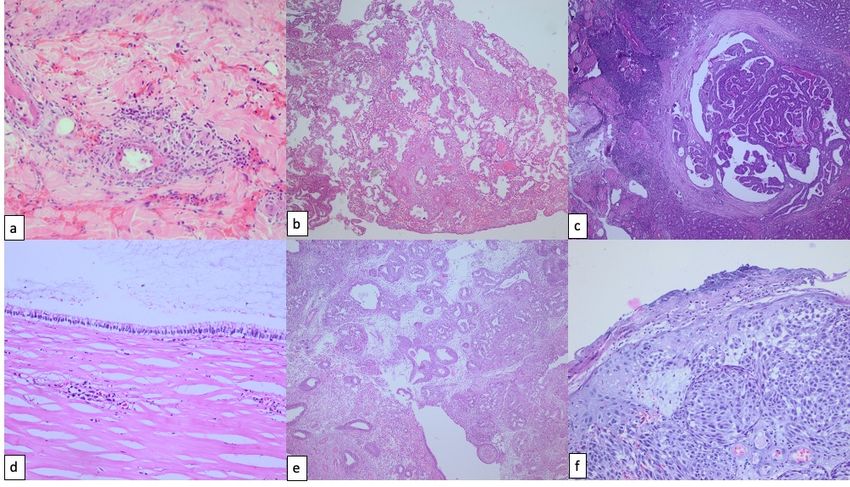
to diagnosis was presented in Figures 2-3.
There were 55 cases in the pre-COVID group. Thirty cases’ hospital admission times were five days or fewer
when cases were recruited into FG, and 25 cases’ hospital admission time was longer than five days when
cases were recruited into SG. The average length of admission to the hospital was 2.2 days in FG and was
99 days in SG (7-360). The average age was 47 years in FG and 59 years in SG. The average distance of the
patient’s living area to the hospital was 11 km (1-52) in the FG and 59 km in SG (4-390 km).
There was a statistically significant difference in the average distance of the patient’s living area to the
hospital, age, and notification status between FG and SG in the pre-COVID group. There was no statistically
significant difference in gender between FG and SG. The summary of distribution and statistical comparison
of age and distance between patient home and hospital among FG and SG are presented in Table 2.
Among pre-pandemic group cases, forty were verbally informed about panic diagnosis by phone call, 15 were
not able to inform due to wrong phone number records. The mean time (day) of admission to the hospital
of verbally informed and not verbally informed cases were five days and 156 days, respectively. Our results
revealed that receiving verbal phone notification was significantly associated with patients’ admission to the
hospital time (Table 3). Admission times were on mean about 151 days longer in a patient in the not verbally
informed cases compared to verbally informed cases in pre-COVID group.
There were 10 cases in the COVID pandemic group. Four cases admission times were five days or fewer
(1-5) and six cases admission time was longer than five days (16-40). We ascertained that four cases in the
COVID pandemic group were receiving treatment in the home due to COVID-19 infection at the time of
diagnosis.
All cases in the COVID pandemic group were verbally informed about panic diagnosis by phone call. The
mean time (day) of admission to the hospital was 18.3 days (1-40). Admission times were on mean about
13.3 days longer in verbally informed cases in the COVID pandemic group compared to verbally informed
cases in the pre-COVID group.
Discussion
The concept of critical value in clinical pathology was first described by Lundberg in 1972 as “Pathophys-
iological derangements at such variance with normal as to be life-threatening if therapy is not instituted
immediately.”.12 The critical values in surgical pathology handled by Pereira et al. approximately thirty
years from this, and they described possible surgical pathology critical value cases that need immediate
communication.1 Over the years, the concept of critical diagnosis has been adopted by pathologists, and
communication checklists have been added to Laboratory Accreditation Programs by National Pathology
Societies.2 National pathology societies recommend that each pathology department should identify potential
panic (unexpected) diagnosis lists and draw up a communication policy.2
Our panic diagnosis policy has been created according to the national pathology societies recommend; when
a panic diagnosis is detected, verbal communication provides with the patient’s responsible clinicians as
soon as possible. The information of the clinicians and the notification time are noted on the panic diagnosis
form. When we sign-out a panic diagnosis report, we indicate the patient as a panic diagnosed patient over
the hospital information processing system (HIPS). Subsequently, the HIPS sends a notification message
to the system and cell phone of the responsible clinician. The HIPS also sends an information message to
the patient’s phone. We attach importance to informing the responsible clinicians as well as informing the
patients verbally in the panic diagnosis notification. The patient is only informed about the pathology report
is ready and to admission to the hospital as soon as possible. No information is given about the diagnosis.
Most of the panic diagnosis cases were detected in materials sent from the surgical services department and
these clinicians devote most of their employment period to surgical procedures. If clinicians receive the panic
4diagnosis notification during surgical procedures, reaching a patient’s contact information may take a long
Posted on Authorea 3 Apr 2021 — The copyright holder is the author/funder. All rights reserved. No reuse without permission. — https://doi.org/10.22541/au.161743124.43367596/v1 — This a preprint and has not been peer reviewed. Data may be preliminary.
time. For this reason, we prefer to provide verbal information to the patient.
The annual average number of cases in our department was approximately 12000 and panic diagnosis cases
accounted for approximately 0.25% of them. We recorded a significant decrease in the number of cases during
the COVID pandemic. Studies showed that panic diagnosis rates accounted for 0.5-20% of all cases.13,14
This rate may differ according to the specific institutional factors, such as the bed capacity, the organ
transplantation unit, and case types. Informing patients verbally about the diagnosis can cause a serious
increase in the daily workload in centers with a high panic diagnosis reporting rate.
Several studies indicated that well-timed effective verbal communication had a beneficial impact on patient’s
outcome and treatment management.5,13 Staats et al. revealed that pathology laboratories had different
approaches to time limitation, such as within 1-hour, same day, or no specific time frame, for communicating
with the clinician.15 We do not have a strict time frame policy. Most of our cases had unexpected malignancy
diagnoses and the information content is more important than the time of communication. Therefore, we
provide communication between clinicians and pathologists as soon as possible. Our findings showed that
the duration of admission to the hospital of panic diagnosed patients varied between 1 and 360 days. The
prolonged admission time indicates that patients are not adequately informed about following up pathology
reports, even if only indirectly.
The most important findings of our study were taking a phone notification has a beneficial impact on
admission time. Admission times were on mean about 151 days longer in the patient in the not verbally
informed group compared to the verbally informed group in the pre-COVID period. We observed that even
if the patients were verbally informed during the COVID pandemic, they applied to the hospital for a longer
period compared to the pre-pandemic period, five days and 18.3 days, respectively.
We could not make a notification to fifteen patients since the contact information in HIPS belonged to
different people or was not up to date. We believe that Informing patients about the process of pathology
reports and reminding them to keep their phone numbers in hospital records up to date to communicate in
possible panic diagnosis situations may help shorten the admission time.
Many studies revealed that hospital admission for acute medical illnesses, including stroke and acute my-
ocardial infarction, fell dramatically with the onset of the COVID-19 pandemic.9-11 The most reasonable
explanation for patients’ attitude is that the limitation of elective surgical procedures and non-critical health
care services and quarantine procedure made it difficult for patients to access healthcare services for non-
COVID-19 conditions or patients avoided seeking hospital care, perhaps in response to the fear of COVID-
19 infection. Transportation of patients with COVID-19 to the hospital is provided only through the 112
Emergency Ambulance Service (EAS) in Turkey. EAS evaluates the patient’s complaints related to infection
and decides for the transportation of patients with COVID-19 to the hospital. Informing the EAS about the
provision of transportation to the hospital in cases of COVID-19 positive panic diagnosed patients may be
effective in shortening the admission time.
In Turkey, doctors and patients can access health data collected from the health institution, regardless of
where the examinations and treatments are held, via e-nabız that is an application developed by the Ministry
of Health. Cell phone applications such as e-nabız that provide communication between patients and the
health care system, contribute positively to the country’s health care system. In our country, primary care
can also reach patients in a brief time via e-nabız. Therefore, we believe that sending automatic messages
to family medicine units, which are primarily responsible for patients with applications such as e-nabız, can
increase the chance of success in reaching the patient in cases of panic diagnosis. Our hospital has been
integrated into this system in 2020. Due to the small sample size, the effect of this system on the application
period cannot be evaluated clearly.
So far, a limited number of studies have been published on panic diagnosis. Most of the previous studies
focused on the general recommendation of critical value policy, effective communication of critical diagnosis,
or documentation of possible diagnostic list considered a critical diagnosis by pathologist or clinician.13,14,16-20
5To the best of our knowledge, this study is the first attempt at a comprehensive evaluation of factors that
Posted on Authorea 3 Apr 2021 — The copyright holder is the author/funder. All rights reserved. No reuse without permission. — https://doi.org/10.22541/au.161743124.43367596/v1 — This a preprint and has not been peer reviewed. Data may be preliminary.
may affect the time of admission to the hospital who reach a panic diagnosis. Our study has some limitations.
This study has retrospective character in one single center and only provides information about the duration
of hospital admission and trends of patients living around Erzincan. Therefore, our findings cannot be
generalized to the other population. Nevertheless, we believe that the findings of this study may be helpful
to review the panic diagnosis communication policies of pathology laboratories. Further research with well-
planned multi-centric studies in larger patient groups may be helpful to contribute to the development of
panic diagnosis policy.
Conclusion
Several studies indicated that well-timed effective verbal communication had a beneficial impact on patient
outcomes and treatment management. Our findings revealed that patients who were verbally informed about
panic diagnosis were admitted to the hospital in a shorter time. Therefore, we believe that informing patients
verbally should be included in panic diagnosis policies, patients should be informed about the follow-up of
the pathology report and their contact information should be kept up to date. Besides, integrations of
hospital panic diagnosis notification systems to health application programs and primary responsible family
physician’s systems may be useful for preventing unwanted delays.
Notes
Conflict of interest: None of the authors received any type of financial support that could be considered
potential conflict of interest regarding the manuscript or its submission.
Funding : The author(s) received no financial support for the research, authorship, and/or publication of
this article.
References
1. Pereira TC, Liu Y, Silverman JF. Critical values in surgical pathology. Am J Clin Pathol. 2004; 122:
201-5. doi: 10.1309/7NRW-7G68-4VEP-WPMR.
2. Nakhleh RE, Myers JL, Allen TC, et al. Consensus statement on effective communication of urgent
diagnoses and significant, unexpected diagnoses in surgical pathology and cytopathology from the
College of American Pathologists and Association of Directors of Anatomic and Surgical Pathology.
Arch Pathol Lab Med. 2012; 136: 148-54. doi: 10.5858/arpa.2011-0400-SA.
3. LiVolsi VA. Critical values in anatomic pathology: how do we communicate? Am J Clin Pathol. 2004;
122: 171-2. doi: 10.1309/G1C5-1DYV-MPDJ-3DD7.
4. Jackson C, Macdonald M, Anderson M, Stevens P, Gordon P, Laxer R. Improving communication of
critical test results in a pediatric academic setting: key lessons in achieving and sustaining positive
outcomes. Healthc Q. 2009; 12: 116-22. doi: 10.12927/hcq.2009.20978.
5. Georgiou A, Li J, Thomas J, Dahm MR, Westbrook JI. The impact of health information technology
on the management and follow-up of test results - a systematic review. J Am Med Inform Assoc. 2019;
26: 678-88. doi: 10.1093/jamia/ocz032.
6. Hui DS, I Azhar E, Madani TA, et al. The continuing 2019-nCoV epidemic threat of novel coronaviruses
to global health - The latest 2019 novel coronavirus outbreak in Wuhan, China. Int J Infect Dis. 2020;
91: 264-6. doi: 10.1016/j.ijid.2020.01.009.
7. Zhu N, Zhang D, Wang W, et al. China Novel Coronavirus Investigating and Research Team. A Novel
Coronavirus from Patients with Pneumonia in China, 2019. N Engl J Med. 2020; 382: 727-33. doi:
10.1056/NEJMoa2001017.
8. Coronaviridae Study Group of the International Committee on Taxonomy of Viruses. The species
Severe acute respiratory syndrome-related coronavirus: classifying 2019-nCoV and naming it SARS-
CoV-2. Nat Microbiol. 2020; 5: 536-44. doi: 10.1038/s41564-020-0695-z.
9. Birkmeyer JD, Barnato A, Birkmeyer N, Bessler R, Skinner J. The Impact Of The COVID-19 Pan-
demic On Hospital Admissions In The United States. Health Aff (Millwood). 2020; 39: 2010-7. doi:
10.1377/hlthaff.2020.00980.
610. Siegler JE, Heslin ME, Thau L, Smith A, Jovin TG. Falling stroke rates during COVID-19 pan-
Posted on Authorea 3 Apr 2021 — The copyright holder is the author/funder. All rights reserved. No reuse without permission. — https://doi.org/10.22541/au.161743124.43367596/v1 — This a preprint and has not been peer reviewed. Data may be preliminary.
demic at a comprehensive stroke center. J Stroke Cerebrovasc Dis. 2020; 29: 104953. doi:
10.1016/j.jstrokecerebrovasdis.2020.104953.
11. Solomon MD, McNulty EJ, Rana JS, et al. The Covid-19 Pandemic and the Incidence of Acute
Myocardial Infarction. N Engl J Med. 2020; 383 (7): 691-3. doi: 10.1056/NEJMc2015630.
12. Lundberg GD. Panic values: five years later. MLO Med Lab Obs. 1977; 9: 27-34
13. Association of Directors of Anatomic and Surgical Pathology. Critical diagnoses (critical values) in
anatomic pathology. Am J Surg Pathol. 2006; 30: 897-9. doi: 10.1097/01.pas.0000213287.73530.0a.
14. Huang EC, Kuo FC, Fletcher CD, Nosé V. Critical diagnoses in surgical pathology: a retrospective
single-institution study to monitor guidelines for communication of urgent results. Am J Surg Pathol.
2009; 33: 1098-102. doi: 10.1097/PAS.0b013e3181a05ea9.
15. Staats PN, Parkash V, Otis CN, Sharma P, Ioffe O, Bracamonte ER. The Current State of Commu-
nication of Urgent and Significant, Unexpected Diagnoses in Anatomic Pathology. Arch Pathol Lab
Med. 2020; 144: 1067-74. doi: 10.5858/arpa.2019-0436-OA.
16. Pereira TC, Clayton AC, Tazelaar HD, Liu Y, Leon M, Silverman JF. Critical values in cytology. Diagn
Cytopathol. 2006; 34: 447-51. doi: 10.1002/dc.20443.
17. Pereira TC, Silverman JF, LiVolsi V, et al. A multi-institutional survey of critical diagnoses (critical
values) in surgical pathology and cytology. Am J Clin Pathol. 2008; 130: 731-5. doi: 10.1309/AJCPEH-
GNFGBEJZ7H.
18. Nakhleh RE, Souers R, Brown RW. Significant and unexpected, and critical diagnoses in surgical
pathology: a College of American Pathologists’ survey of 1130 laboratories. Arch Pathol Lab Med.
2009; 133: 1375-8. doi: 10.1043/1543-2165-133.9.1375.
19. Dighe AS, Rao A, Coakley AB, Lewandrowski KB. Analysis of laboratory critical value reporting at a
large academic medical center. Am J Clin Pathol. 2006; 125: 758-64. doi: 10.1309/R53X-VC2U-5CH6-
TNG8.
20. Etchells E, Adhikari NK, Cheung C, et al. Real-time clinical alerting: effect of an automated paging
system on response time to critical laboratory values–a randomised controlled trial. Qual Saf Health
Care. 2010; 19: 99-102. doi: 10.1136/qshc.2008.028407.
Table 1 Panic diagnosis List of EMG TARH pathology department
Cases with immediate clinical consequences Leukocytoclastic vasculitis
Uterine contents without villi or trophoblast
Fat in an endometrial curettage specimen
Fat in colonic endoscopic polypectomy specimens
Unexpected or discrepant findings Unexpected or discrepant findings
Significant disagreement between frozen section and final
diagnoses
Significant disagreement between immediate interpretation
and final FNA diagnosis
Unexpected malignancy
Significant disagreement and/or change between diagnoses
of primary pathologist and outside pathologist consultation
(at the original or consulting institution)
7Cases with immediate clinical consequences Leukocytoclastic vasculitis
Posted on Authorea 3 Apr 2021 — The copyright holder is the author/funder. All rights reserved. No reuse without permission. — https://doi.org/10.22541/au.161743124.43367596/v1 — This a preprint and has not been peer reviewed. Data may be preliminary.
Uterine contents without villi or trophoblast
Fat in an endometrial curettage specimen
Fat in colonic endoscopic polypectomy specimens
Infections Bacteria or fungi in cerebrospinal fluid cytology in immunocompromise
Pneumocystis organisms, fungi, or viral cytopathic changes
in bronchoalveolar lavage, bronchial washing, or brushing
cytology specimens in immunocompromised or immunocompetent patie
Acid-fast bacilli in immunocompromised or immunocompetent patients
Fungi in FNA specimen of immunocompromised patients
Bacteria in heart valve or bone marrow
Herpes in Papanicolaou smears of near-term pregnant patients
Any invasive organism in surgical pathology specimens of
immunocompromised patients
Fast Admitted Group Fast Admitted Group Slow Adm
Mean±SD Median (Min-Max) Mean±S
Age 46,83±17,86 48,50 (10,00-79,00) 59±16,05
The distance between patient home and hospital 10,03±13,02 5,00 (1,00-52,00) 59,36±80,
SD: Standard deviation
1
Student’s t test, statistically significant at 0.95 confidence level
2
Mann-Whitney U test, Statistically significant at 0.999 confidence level
Table 2 The distribution and statistical comparison of age and distance between patient home and hospital
among groups in pre- COVID period.
FG SG p OR (95%CI)
Gender Male/Female 7/23 12/13 0,138* 0,431(0,140-1,326)
Notification Status Not Verbally informed /Verbally informed 0/30 15/10 0.05)
**Statistically significant at 0.999 confidence level
OR: Odds ratio, FG: Fast admitted Group, SG: Slow Admitted Group
Table 3 Chi-square test results between study groups in pre-COVID period, notification status, and gender.
Panic Diagnosed Patient pre-COVID period
No Gender Age Preliminary diagnosis Procedure Pathological diagnosis
1 M 64 Vertebra fracture Vertebral bone curettage Multiple myeloma
2 W 38 Multinodular goiter Thyroidectomy Papillary microcarcinoma
3 M 78 Benign prostate hyperplasia Transurethral resection Prostatic adenocarcinoma
4 W 60 Leukoclastic vasculitis Punch biopsy Leukoclastic vasculitis
5 M 61 Pangastritis Endoscopic biopsy Adenocarcinoma
6 W 44 Acute appendicitis Appendectomy Neuroendocrine neoplasm
7 W 40 Menorrhagia, Polyp Curettage Squamous cell carcinoma
88 W 52 Screen test SMEAR HSIL
Posted on Authorea 3 Apr 2021 — The copyright holder is the author/funder. All rights reserved. No reuse without permission. — https://doi.org/10.22541/au.161743124.43367596/v1 — This a preprint and has not been peer reviewed. Data may be preliminary.
9 W 55 Menorrhagia, Polyp Curettage Endometrial carcinoma
10 W 59 Myoma uteri TAH+BSO Serous carcinoma of tuba uterine
11 W 79 Menorrhagia, Polyp Curettage Squamous cell carcinoma
12 W 10 Pyogenic granuloma Lesion excision Atypical spitz nevus
13 W 22 Suspicious of an ectopic pregnancy Curettage Uterine contents without villi
14 W 25 Suspicious of an ectopic pregnancy Curettage Uterine contents without villi
15 M 64 Benign prostate hyperplasia Transurethral resection Prostatic adenocarcinoma
16 W 32 Suspicious of an ectopic pregnancy Curettage Uterine contents without villi
17 W 28 Suspicious of an ectopic pregnancy Curettage Uterine contents without villi
18 W 26 Suspicious of an ectopic pregnancy Curettage Uterine contents without villi
19 W 30 Suspicious of an ectopic pregnancy Curettage Uterine contents without villi
20 W 27 Suspicious of an ectopic pregnancy Curettage Uterine contents without villi
21 W 29 Suspicious of an ectopic pregnancy Curettage Uterine contents without villi
22 W 50 Multinodular goiter Thyroidectomy Papillary microcarcinoma
23 W 42 Multinodular goiter Thyroidectomy Papillary microcarcinoma
24 M 73 Multinodular goiter Thyroidectomy Papillary microcarcinoma
25 W 66 Multinodular goiter Thyroidectomy Papillary microcarcinoma
26 M 49 Multinodular goiter Thyroidectomy Papillary microcarcinoma
27 W 54 Myoma uteri TAH+BSO Endometrial carcinoma
28 W 48 Myoma uteri TAH+BSO Endometrial carcinoma
29 M 62 Acute appendicitis Appendectomy Neuroendocrine neoplasm
30 W 38 Acute appendicitis Appendectomy Low-grade mucinous neoplasm
31 M 67 Lipoma Lesion excision Metastatic Squamous cell carcinoma
32 W 81 Vaginitis SMEAR HSIL
33 W 85 Pangastritis Endoscopic biopsy Adenocarcinoma
34 M 61 Pangastritis Endoscopic biopsy Adenocarcinoma
35 W 64 Myoma uteri TAH+BSO Squamous cell carcinoma
36 W 41 Myoma uteri TAH+BSO Endometrial carcinoma
37 W 65 Multinodular goiter Thyroidectomy Papillary microcarcinoma
38 W 73 Pyogenic granuloma Lesion excision Malign Melanoma
39 M 65 Benign prostate hyperplasia Transurethral resection Prostatic adenocarcinoma
40 M 67 Benign prostate hyperplasia Transurethral resection Prostatic adenocarcinoma
41 M 70 Benign prostate hyperplasia Transurethral resection Prostatic adenocarcinoma
42 M 66 Benign prostate hyperplasia Transurethral resection Prostatic adenocarcinoma
43 W 58 Multinodular goiter Thyroidectomy Papillary microcarcinoma
44 W 43 Multinodular goiter Thyroidectomy Papillary microcarcinoma
45 M 60 Pangastritis Endoscopic biopsy Neuroendocrine neoplasm
46 W 69 Multinodular goiter Thyroidectomy Papillary microcarcinoma
47 M 50 Pilonidal cyst Lesion excision Malign Melanoma
48 W 56 Screen test SMEAR HSIL
49 M 36 Acute appendicitis Appendectomy Low-grade mucinous neoplasm
50 M 70 Acute appendicitis Appendectomy Metastatic Adenocarcinoma
51 W 80 Acute appendicitis Appendectomy Low-grade mucinous neoplasm
52 M 29 Acute appendicitis Appendectomy Low-grade mucinous neoplasm
53 W 40 Acute appendicitis Appendectomy Low-grade mucinous neoplasm
54 W 23 Acute appendicitis Appendectomy Neuroendocrine neoplasm
55 M 56 Acute appendicitis Appendectomy Mucinous Adenocarcinoma
Panic diagnosed patient during COVID pandemic
9No Gender Age Preliminary diagnosis Procedure Pathological diagnosis Adm
Posted on Authorea 3 Apr 2021 — The copyright holder is the author/funder. All rights reserved. No reuse without permission. — https://doi.org/10.22541/au.161743124.43367596/v1 — This a preprint and has not been peer reviewed. Data may be preliminary.
1 W 55 Multi nodular goiter Thyroidectomy Papillary microcarcinoma 30 da
2 W 53 Vaginitis SMEAR Atypical glandular cells 16 da
3 W 29 Suspicious of an ectopic pregnancy Curettage Uterine contents without villi 3 day
4 W 27 Suspicious of an ectopic pregnancy Curettage Uterine contents without villi 2 day
5 M 71 Benign prostate hyperplasia Transurethral resection Prostatic adenocarcinoma 36 da
6 w 53 Menorrhagia, Polyp Curettage Squamous cell carcinoma 1 day
7 M 45 Multi nodular goiter Thyroidectomy Papillary microcarcinoma 25 da
8 W 40 Acute appendicitis Appendectomy Low-grade mucinous neoplasm 40 da
9 M 55 Viral pneumonia Thoracentesis Lung Adenocarcinoma 5 day
10 M 70 Orchitis Orchiectomy Lymphoma 25 da
W: Woman; M; Man; TAH+BSO: Total abdominal hysterectomy with bilateral salpingo-oophorectomy; FG:
Fast Group; SG: Slow Group; P: verbally informed; N: not verbally informed.
Supplement data-1 Demographic data, verbally notification status, admission to the hospital time and clin-
icopathological characteristic of the patients.
Figure 1 Flowchart demonstrating excluded cases and distribution of included cases according to hospital
admission time.
Figure 2 Distribution of cases according to causes of panic diagnosis (a) Distribution of cases with unexpected
malignancy (b).
Figure 3 a; Leukocytoclastic vasculitis (H&E x100), b; Uterine contents without villi or trophoblasts (H&E
x40), c; Papillary microcarcinoma (H&E x40), d; Low-grade mucinous neoplasm (H&E x200), e; Endometrial
polyp and endometrial carcinoma (H&E x100), f; Malign melanoma (H&E x200).
10Posted on Authorea 3 Apr 2021 — The copyright holder is the author/funder. All rights reserved. No reuse without permission. — https://doi.org/10.22541/au.161743124.43367596/v1 — This a preprint and has not been peer reviewed. Data may be preliminary. 11
You can also read


