Art. Culture. Antiquities. Natural history. Issue 25 May 2020 - The University of Sydney
←
→
Page content transcription
If your browser does not render page correctly, please read the page content below
Art. Culture.      Issue 25
Antiquities.       May 2020
Natural history.
The old and the new
A word from the Director, David Ellis

It seems hard to believe that the         you will soon enjoy – Egyptian
next issue of Muse after this one will    mummies en masse in the Mummy
be delivered when the new museum          Room; Natural Selections from our
is completed.                             Macleay Collections; art exploring
                                          our coastline; and The Business of
We reached a significant milestone        Photography transporting us to 19th
in that journey with the reveal of the    century NSW. Also, in this issue, we            1880s of two lighthouses at South
museum’s crisp exterior fabric and        introduce several details of the                Head. They represent an evolution
voluminous interior gallery spaces.       content, such as the historic cedar             of the old into the new, wholly
Most excitingly, it is the filling of     cases made specifically for the                 appropriate at a time when we
those spaces with exhibitions that is     Macleay Museum in 1890, now given               have just farewelled the Nicholson
consuming our time from now until         the opportunity for a spruce up and             Museum in the Quadrangle to
the opening.                              a new lease on life in the Chau Chak            prepare for the unveiling of our new
                                          Wing Museum.                                    museum across from the Great Hall.
Preparators are making plinths and
fabricating internal joinery to receive   More insights see us witness                    As we go to press on this issue
display cases; mounts are being           the transformation of a painting,               of Muse, the COVID-19 virus is
prepared to support objects; painters     depicting what used to be known                 presenting many challenges that
are transforming spaces with colour;      as an ‘Old sea dog’ into what we                have impacted our personal and
curators are finalising label texts       are now referring more reverently               working lives. Keep up to date with
and publications; conservators are        to as a glamorous Dutch explorer                developments of the Chau Chak
continuing treatments; and collection     or seafarer. Painstaking cleaning is            Wing Museum through Muse Extra,
managers are preparing for the            literally illuminating lace and other           our email newsletter.
movement of thousands of objects          details, as well as revealing the ghostly
for installation. At our opening to       palimpsest of process and technique.            I hope you enjoy this issue of
the public, no doubt it will all appear   Science may yet bring to light an               Muse as a harbinger of our next
effortless – at least that is what        inscription and identity of the subject.        exciting phase.
we hope!
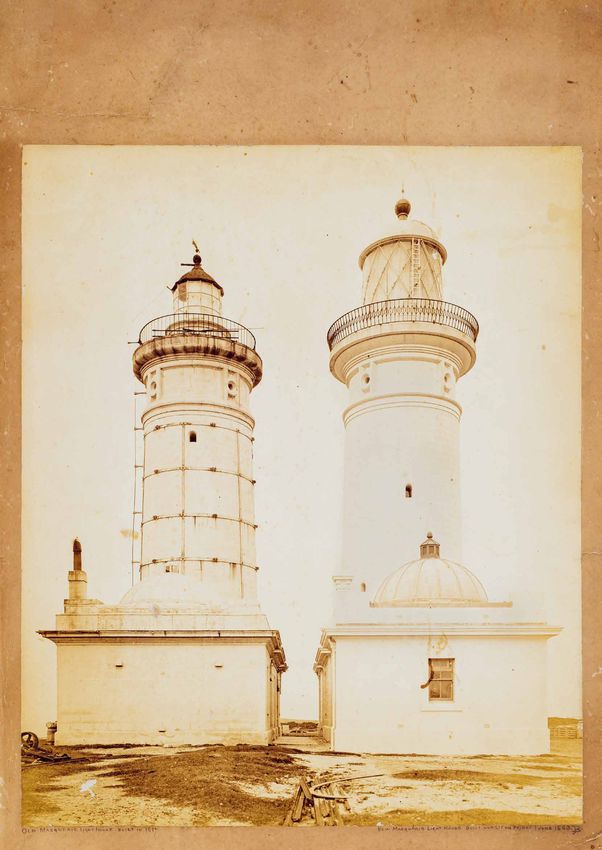
                                          The cover image, drawn from our                 David Ellis
In this issue of Muse, we present a       historic photograph collection,                 Director, Museums and
teaser of some of the 18 exhibitions      features the short overlap in the               Cultural Engagement

Sydney University Museums                 Chau Chak Wing Museum                           Muse is edited by Luke Parker.
Chau Chak Wing Museum                     Corner University Avenue and Parramatta Road,
Opening 2020                              opposite the Quadrangle and Fisher Library      This issue contains names and images of people
                                          Camperdown Campus                               who have died. We acknowledge that, for some
+61 2 9351 2812                           The University of Sydney                        people and communities, these may cause distress
+61 2 9351 2881 (fax)                                                                     and sadness. Where possible, cultural permission
university.museums@sydney.edu.au          The Chau Chak Wing Museum comprises:            to publish has been sought.
sydney.edu.au/museums                     – Nicholson Collection:
                                            antiquities and archaeology                   Produced by Marketing and Communications,
Education and Public Programs             – Macleay Collections:                          the University of Sydney, March 2020. 20/8170
Book a school excursion,                    natural history, ethnography and science      ISSN 1449‑0420 ABN 15 211 513 464
education or heritage tour.               – University Art Collection.                    CRICOS 00026A
+61 2 9351 8746
museums.education@sydney.edu.au                                                           Subscribe to our new monthly newsletter:
                                                                                          Muse Extra, for more stories, latest news,
Follow us online                                                                          opportunities and upcoming events.
Facebook: /ccwm.sydney                                                                    sydney.edu.au/museum/subscribe
Instagram: @ccwm_sydney
Twitter: @ccwm_sydney
#ccwmuseum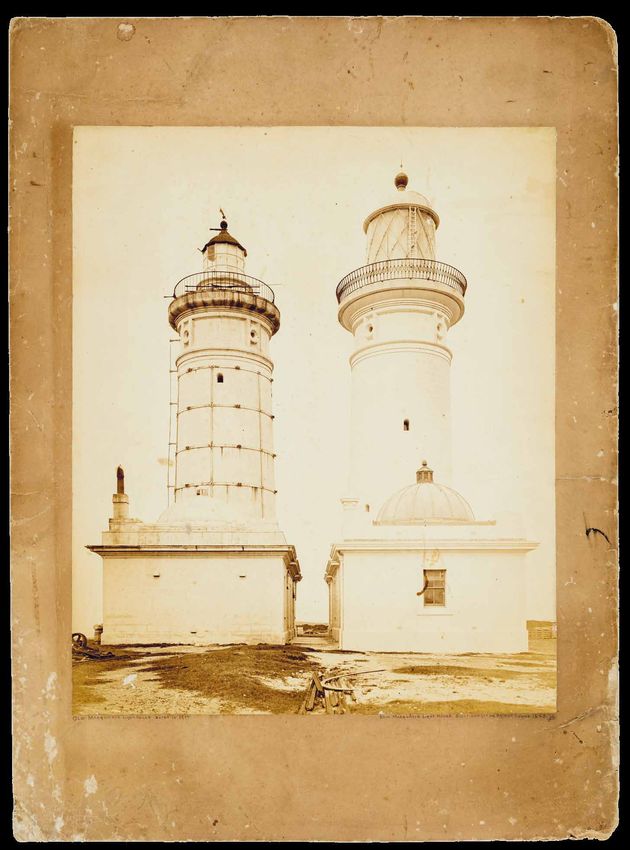
In this issue

2   News                                   8   One chapter closes: farewell         18 The old and the new
    Following in the steps of Hongi            to the Nicholson Museum                 A striking 1883 photograph tells
    Hika. Introducing our new                  Our space in the Quadrangle may         the tale of two lighthouses on
    Academic Engagement Curators               have closed, but the Nicholson          South Head in Sydney.
                                               Collection will live on.
3   Case by case                                                                    20 Sneak peek
    Historic cabinets from the             12 What lies beneath                        A preview of some of the
    Macleay are being prepared for            An original 17th century painting        exhibitions on display when the
    use in the new museum.                    from the Dutch Golden Age is             Chau Chak Wing Museum opens.
                                              emerging from centuries of grime.
5   Underpinning history                                                            22 Donor Honour Roll, 2019
    Taking a closer look at the            14 Vale Alexander Cambitoglou               Our sincere thanks to all of our
    Macleay’s entomology cabinets.            A tribute to Emeritus Professor          generous donors and volunteers.
                                              Cambitoglou, former curator of
6   Chau Chak Wing Museum update              the Nicholson Museum.                 24 Making history
    Now unwrapped of its scaffold,                                                     See what our guests and staff
    the building is really taking shape.   16 The art of Jeffrey Samuels               have been up to.
                                              The work of an artist and
                                              Aboriginal elder, assisting with
                                              displays of First Nations heritage.

                                               Clockwise from top:
                                               Bichrome IV Ware jug, Cyprus, 750–600 BC,
                                               Cypro-Archaic I period, Nicholson Collection, NM47.28

                                               Students from Great Lake College, Tuncurry,
                                               learn about mummies on the last school education
                                               tour of the Nicholson Museum, February 2020

                                               Hellenistic gold earrings, Greece,
                                               late 4th century BC, Nicholson Collection, NM49.8.1-2

                                               On the cover: [Macquarie Lighthouses – old and new],
                                               c.1883, photograph by Charles Bayliss,
                                               Macleay Collections, HP2012.57.1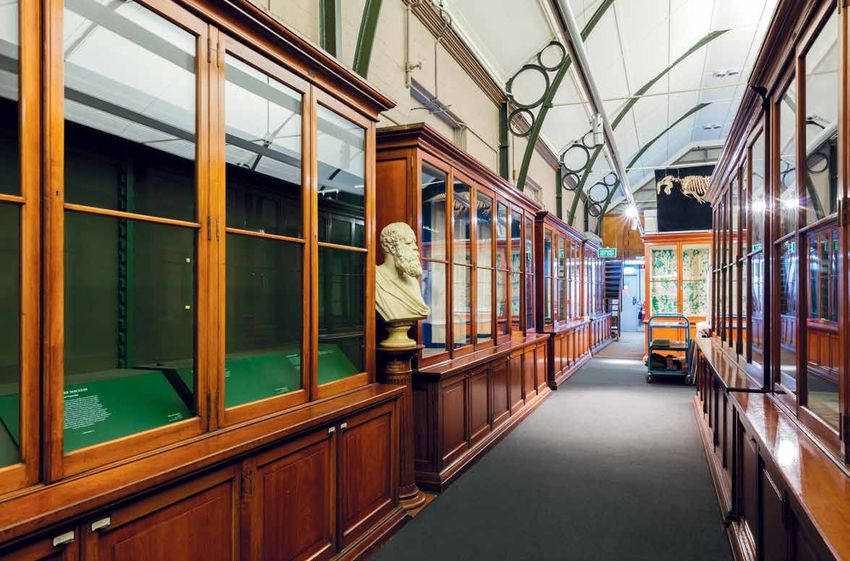
News

Hongi Hika’s world tour
In 1820, Hongi Hika, of the Ngāpuhi iwi (people) in
Aotearoa/New Zealand’s Bay of Islands, set out with his
friend Thomas Kendall and the young chief Waikato on a
journey to England. Kendall, an Anglican missionary, was
key to Hongi Hika’s political ambitions, just as Hika was
crucial to Kendall’s hopes to convert him and his iwi.

While in England, Hongi Hika met with King George IV and
the three men worked at the University of Cambridge with
Professor Samuel Lee on a comprehensive Māori-English
dictionary. Hongi Hika exploited his Pākehā (non-Māori
New Zealander) connections on his return to Aotearoa,
introducing foreign agricultural products and techniques
and wreaking terrible devastation upon many Māori thanks
to the use of British muskets and his military skills.

This year, Brent Kerehona, a relative of Hongi Hika, will
be retracing the journey from Britain to Sydney and New
Zealand. The journey will reunite, for the first time, three
self-likenesses said to have been carved by Hongi Hika’s
own hand.
                                                                             Brent Kerehona with one of the carved
                                                                             portraits of Hongi Hika, in the Macleay
                                                                             Collections stores, December 2019

                                                                   Introducing our new curators
                                                                   We welcome our new Academic Engagement Curators,
                                                                   Jane Thogersen and Dr Eve Guerry. They will act as the
                                                                   main liaison point between the Chau Chak Wing Museum
                                                                   and the University’s academic community, facilitating
                                                                   teaching use of the collections and coordinating use of
                                                                   the three object-based learning (OBL) studios.

                                                                   Eve has a PhD in Egyptology (Macquarie University, 2010)
                                                                   and was the Head of Education Programs at Macquarie’s
                                                                   Museum of Ancient Cultures, linking artefacts to primary,
                                                                   secondary and tertiary curricula.

                                                                   Jane has an undergraduate degree in ancient history and
                                                                   a Master of Museum Studies, and has spent more than a
                                                                   decade working with art, social history and ethnographic
                                                                   collections. Her previous role as Manager of the Australian
                                                                   History Museum (Macquarie University) linked collections
                                                                   to the university curriculum across five faculties.

Dr Eve Guerry (left) and Jane Thogersen
                                                                   Their work will ensure that our current academic
                                                                   stakeholders, as well as new ones, will have access to the
                                                                   collections for cutting-edge teaching opportunities.

                                                               2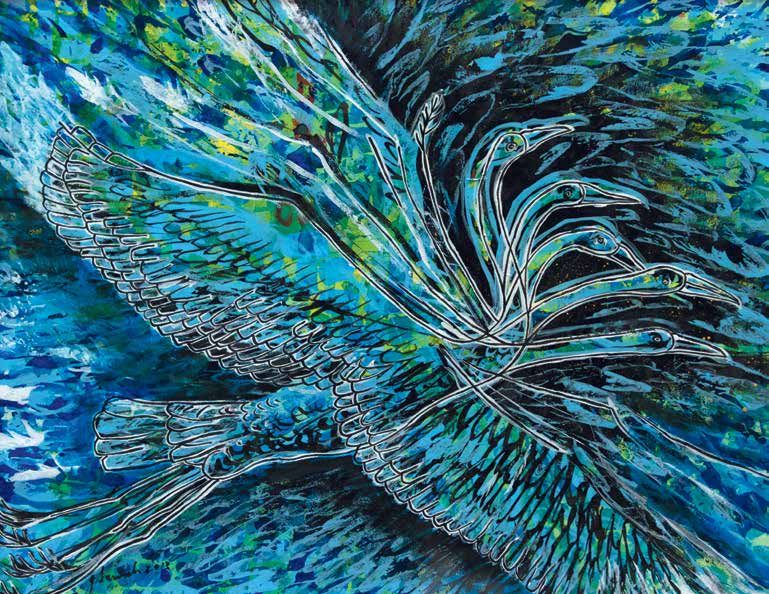
Case by case
                                 _
           Collections aside, museum furniture can have its
         own historical significance. That’s why cabinets from
         the former Macleay Museum are being restored and
                  repurposed for a new lease on life.

                                        By Chris Jones

Many of the historic wooden display cabinets        The Macleay Building has seen many changes
from the Macleay Museum are being relocated         since it opened to the public in 1890. When
for use in the new Chau Chak Wing Museum,           two concrete floors were inserted in 1918, the
including in the galleries, education rooms,        Macleay Collections were moved to the top
boardroom and offices.                              floor, along with the cabinets.

The cabinets pictured above are made of solid       Most visitors to the Macleay will remember the
Australian red cedar (Toona ciliata), except        cabinets from their use to show exhibits. They
for the top of the cornice, which is made of        were also used for the storage of collections
California redwood, a cheaper wood. They were       not on display. More than 20,000 objects were
made in March 1890 by what appears to be a          housed; small labels and a variety of curatorial
government cabinet shop; each is stamped            numbering processes remain, detailing the
with an image of a crown, and the letters           variety of collections.
VR MAR 1890 (ie, Victoria Regina March 1890).

                                                3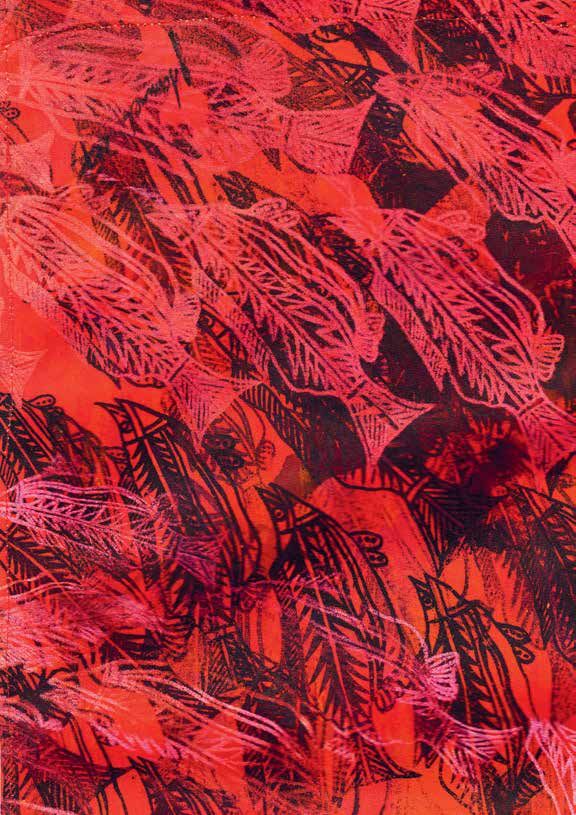
When installed in the new museum,
the cabinets will once again fulfil their
role as fine, purpose-built exhibition
furniture for a new generation
of visitors.

The contents are now being rehoused ahead
of the move into the Chau Chak Wing Museum,
and are as varied as the Macleay collections
themselves – mounted birds, crustaceans,
corals, fossils, scientific equipment and more.
These items will be stored elsewhere in the new
museum, as the Macleay cabinets will no longer
be used for storage.

As each cabinet is emptied, it is also being
restored. Layers of paint from a century of
exhibitions are being stripped back. Some
                                                          Previous page: the Macleay cabinets
cabinets will be refurbished as shelves to house          Above: collections stored in the cabinets
historic book and resource collections. The
cabinets being used for public display will be
transformed internally, with LED lighting systems
installed and exciting new display designs.

Antique specialists and cabinetmakers Ian
Thompson and Francis Boutry have helped
prepare the cabinets for the move. Too large
to be moved as a single unit, each cabinet was
designed to be dismantled. Screws, rather than
glue, were used in the construction; even in
the beading holding in the glass. Ian estimates
each cabinet contains around 450 screws.
Even disassembled, the cabinet components
are very large. To move the long sections, a pane
of glass from the stairwell leading to the gallery
in the Macleay Building had to be removed.

When installed in the new museum, the                     Gymea Removals carefully move the cabinet
                                                          sections through a hole made in the staircase
cabinets will once again fulfil their role as fine,
purpose-built exhibition furniture for a new
generation of visitors.

Chris Jones is Collections
Manager, Documentation.

                                                      4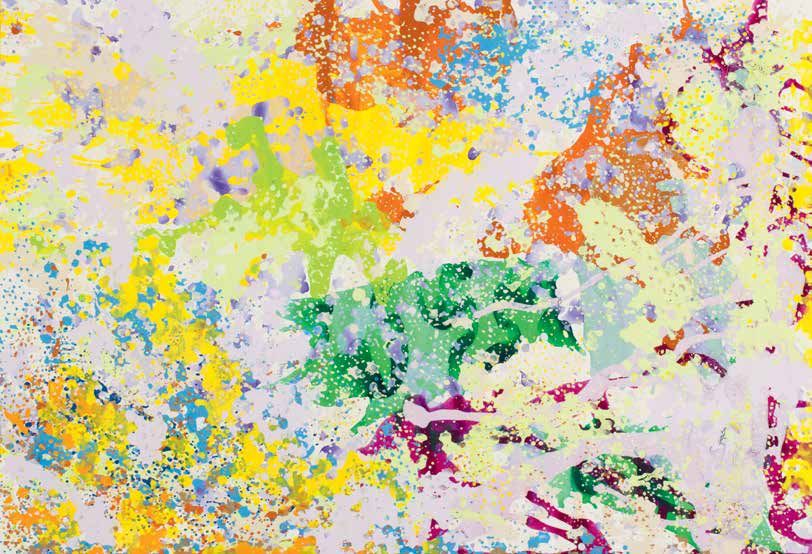
Underpinning history
                                 _
            The Macleay Collections include extraordinary survivors of past
             eras. Among these are many items of furniture that have been
              used over the centuries to store and catalogue hundreds of
                         thousands of specimens and objects.

                                                      By Jude Philp

The Macleay’s wooden storage items
include index card drawers of the
mid-20th century, fine microscope
slide cabinets made in the late-19th
century for the (then) new science
of microscopy, and the glorious
exhibition cases of the old Macleay
Gallery. Of all the specialist storage
systems, however, the fine cabinetry
and creative purposefulness of           Left: Cabinetmaker Ian Thompson revealing the use of Australian
the early-19th century entomology        red cedar for the frame and doors.
                                         Right: Photograph of the Macleay entomology collection, c.1900,
cabinets stand out.                      with the same cabinet visible in the far‑left corner.

These are carefully detailed to hold     veneered with a different timber.          Such furniture was usually signed,
the precious specimens, ensuring         This detail is mimicked in a different     but we won’t know where or whose
there is very little space for hungry    style of cabinet in the Macleay            signature is shown until the cabinet
carpet beetles and other terrors         entomology collections that most           goes for conservation to restore and
of collections to creep in. Each         likely belonged to Alexander’s son         revive it for exhibition in the Chau
drawer has a fitted glass lid, and       William Sharp Macleay. This late           Chak Wing Museum.
a deterrent smell of camphor or          Georgian piece has no rococo
naphthalene within carpentered           pretensions but is elegantly (and          In the meantime, there is more
wells on the sides. Each cabinet is      probably expensively) plain. Not even      than enough work for part-time
fitted with external doors to further    a drawer pull interferes with its strict   entomology curator Matt Huan who
protect the specimens.                   lines; a restrained wooden band            is patiently and delicately taking out
                                         serves for a handle. This feature also     the contents to maintain the numbers
A number of the Chippendale-             acts to steady a drawer on a table         in the historic pinnings before
style 1790s cabinets were brought        surface by ‘hooking’ over the edge.        temporarily relocating the specimens
to Australia by Alexander Macleay                                                   while the cabinet is on display.
when he and his large family             The cabinet’s most ornate feature          Featured with the cabinet will be a
emigrated in 1826. These are             is the veneer of the drawers, which        re-curated drawer with specimens
currently exhibited at Elizabeth         gives away its probable Australian         drawn from the Macleay’s historic
Bay House, the original Macleay          origin. Each drawer is made of a           collection, arranged in the manner
family home and now part of Sydney       different wood; inside is a faint pencil   of the Macleay’s early-19th century
Living Museums. One is a splendidly      annotation detailing the type. Not all     taxonomic order.
ornate cabinet with a swan-neck          are Australian, and some are hard to
pediment and ornate glazing for          make out, with their curious Anglo         Dr Jude Philp is Senior Curator,
the doors. Inside is more finery,        names such as ‘feather bark’ or            Macleay Collections.
with a multitude of drawers, each        ‘cabbage tree’ and ‘grass’.

                                                             5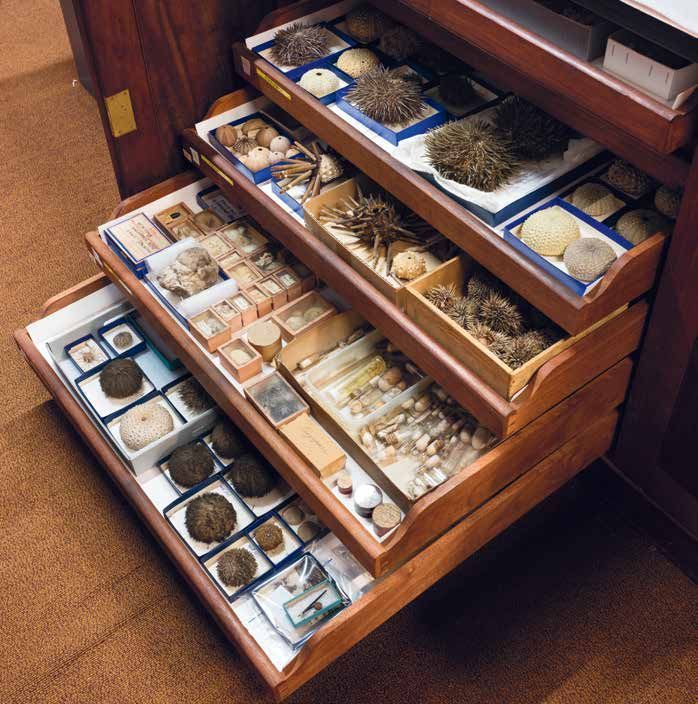
Chau Chak Wing Museum
   exterior revealed
           _
  Work is moving quickly on the construction
       and fit out of our new museum.

                 By Paul Donnelly

                        6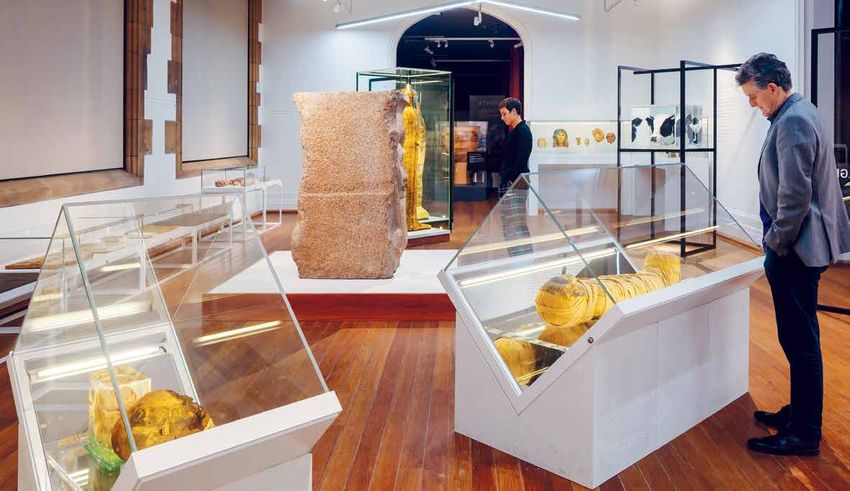
Progress on the Chau Chak Wing Museum took                The period leading to the opening will be
an appropriately seasonal turn at Christmas –             intense, as we coordinate a maelstrom of
the exterior was ‘unwrapped’, revealing for the           scheduled activities including the installation of
first time the distinctive cantilevered concrete          joinery, assembling and preparation of objects
box structure. Among other elements, the box              and mounts, ongoing conservation, marketing
contains the 6.5m high ceilings of the 420sqm             campaigns, graphic and label production, and
temporary gallery. The removal of the external            showcase deliveries and install.
scaffolding and fabric screening is one the most
profound moments in the building’s progress               The final and most exciting stage will be the
to date, as we saw, for the first time, the crisp         installation of objects, ranging from the nearly
proportions nestled within the frame of the               4-tonne Hathor capital to delicate mounted
existing trees.                                           birds and multi-element artworks. Four
                                                          installation teams will begin work in June,
Similarly, the removal of the internal forest             across the four gallery levels, to deliver, place,
of metal propping revealed the impressive                 identify and contextualise each object within
volume of the internal galleries, with plywood-           the 18 exhibitions. We are expecting long weeks,
reinforced plasterboard walls that will provide           extended nights and multiple pizza deliveries!
the strength to hang art and attach internal
exhibition joinery and cases. Double-height               We look forward to welcoming you to the
floor-to-ceiling glass is being installed on              Chau Chak Wing Museum in a few months, by
the eastern spaces and around the western                 which time the long journey of erecting the
entrance foyer and shop. Recent tours of the              building and installing the exhibitions will be
building site have been met with enthusiasm and           eclipsed by the thrill of hosting visitors in a
delight by architecturally informed benefactors           new cultural institution in the landscape of
such as Dr Chau and Penelope Seidler AM.                  Sydney. We are optimistic that this raised profile,
                                                          combined with additional staffing, weekend
Another milestone these past few months                   opening, and free entry, will allow us to share
has been the engagement of the exhibition                 the 160-year-old collections of the University
construction fabricators, who will build the              in ways and numbers beyond the dreams and
display fit out, including partition walls, bespoke       hopes of its original, and ongoing, benefactors.
case joinery, and plinths. The successful
tenderer, Art Services NSW, comes with                    Dr Paul Donnelly is Deputy Director,
excellent credentials and experience at other             Chau Chak Wing Museum.
institutions including the White Rabbit Gallery
in Chippendale.

Above and opposite: the eastern facade of the building after unwrapping.
Right: Dr Paul Donnelly, Tania Rhodes-Taylor, Penelope Seidler and
David Ellis, on a site tour in February 2020.

                                                      7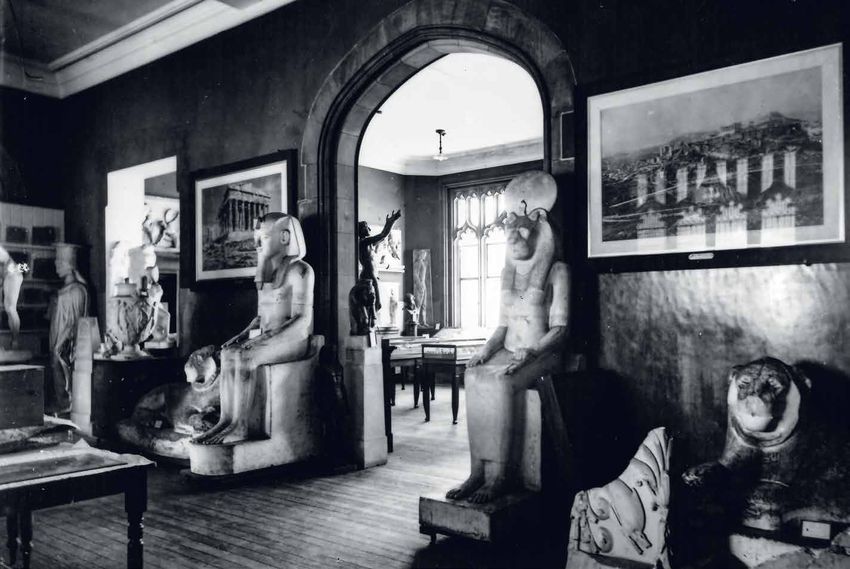
A chapter closes                              On Friday 28 February 2020, the

_
                                              Nicholson Museum closed its glass
                                              doors in the Quadrangle to the public
                                              for the last time. The Museum’s
                                              Collection Management team is
                                              now using the space for preparation
As we say goodbye to the Nicholson            and storage as items are readied
Museum, we also say hello to a new            for the move to the new Chau Chak
                                              Wing Museum.
home for the Nicholson Collection.
Here, we remember the rich history            Two nights before closing the
                                              museum, we hosted a grand party to
of Australia’s first university museum.       send the Nicholson Museum out in
                                              style, just as we did for the Macleay
                                              Museum and University Art Gallery
By Craig Barker
                                              at the end of 2016. More than 200
                                              people attended an evening gala
                                              event with speeches by Matthew
                                              Gibbs, President of the Friends of the
                                              Nicholson Museum and Tania Rhodes-
                                              Taylor, Vice Principal, External
                                              Relations. Champagne flowed and
                                              the famous Nicholson Museum pies
                                              were served to an audience eager to
                                              share their memories of time spent
                                              in the museum galleries as students,
                                              visitors, alumni and/or Friends of the
                                              Nicholson Museum.

                                          8
Left, above and right: the Nicholson Museum
in 1934
The Nicholson Museum has a long and distinguished
history. It is also a story of continual evolution and
adaptation – to teaching requirements, available
gallery space and the will of individual curators.
The farewell was a fun and fitting collected in Egypt and Italy in the outgrown its space, and newer
send-off for a much-loved venue late 1850s, specifically to establish premises were required to house
on campus, and marked the start a teaching collection. From the late the expanding collection.
of exciting new opportunities for 1880s, the rooms of the museum were
teaching, research and public guarded by the gigantic capital of the In the first decade of the new century,
engagement that the Chau Chak Egyptian goddess Hathor, a collection a new wing of the Quadrangle was
Wing Museum will offer the Nicholson item that would not be relocated constructed for the Fisher Library
and other historic collections at the until 2009, decades after the rest of (now MacLaurin Hall), with the
University of Sydney. the museum. Nicholson given prime residence on
the ground floor over three rooms.
The Nicholson Museum has a long and It was Australia’s first university From 1909, the museum gradually
distinguished history. It is also a story museum, officially known as the moved into its current location,
of continual evolution and adaptation Museum of Antiquities, but known although delays were caused by the
– to teaching requirements, available colloquially as the ‘Nicholsonian’ for First World War and the Faculty of
gallery space and the will of individual many years. It would not formally Architecture also taking up residence.
curators. Many people are unaware adopt the name of Nicholson
that the museum has already Museum until 1904, a year after In 1926, the new Nicholson Museum
relocated once before. In 1860, the Sir Charles’ death. opened. The spaces enabled greater
University of Sydney opened its expansion of the collection, with
Museum of Antiquities to the student As the decades of the 19th century Egyptian, Greek, Cypriot and Middle
body and broader public of the passed, the collection continued Eastern material added, along with
colony of New South Wales. to grow through donations and a large collection of plaster casts
through the University of Sydney’s under the curation of WJ Woodhouse.
Based out of three rooms in the active sponsorship of the Egyptian Photographs from the pre-war period
original wing of the Quadrangle, Exploration Fund (later Society) show a bustling museum with wooden
including what is now the Oriental conducting new excavations in Egypt. cabinets full of material.
Studies Room, the museum housed Photographs of the original museum
the original donation of antiquities rooms show cases cluttered with The Nicholson Collection was packed
that Sir Charles Nicholson had antiquities; the museum had clearly into storage during the Second
9World War to protect it from risk of chronologically and thematically. The Key events
enemy attack, but the old displays replicas and teaching aids collected in
were back in place by 1945 to enable previous generations, particularly the 1860
curator AD Trendall to publish the extensive collection of plaster casts, Sir Charles Nicholson
Handbook of the Nicholson Museum. were donated to schools and other establishes the Museum of
A second edition of the Handbook, educational institutions to create Antiquities at the University
co-written with Trendall’s eventual space for the display of genuine of Sydney through a major
successor JRB Stewart in 1948, ancient material culture. donation of artefacts.
shows how rapidly the collection was
expanding in the post-war period, By the early 21st century, the museum 1904
with purchases of a large number of was again to transform under the The museum formally adopts
Greek and South Italian vases from supervision of Michael Turner, and the name of Nicholson Museum.
the European art market and from later Dr James Fraser. Temporary
sponsorship arrangements with a exhibitions would highlight aspects 1909
series of archaeological excavations of the collection and general visitors The museum moves into
in the Middle East and Cyprus. were encouraged to visit. The success the southwest corner of
of these endeavours only highlighted the Quadrangle.
Museum activities also expanded the inadequacies of the space: limits
rapidly in this period; the Friends of on lighting, restrictions as a result of 1926
the Nicholson Museum was founded case sizes, and the inability to cope The refurbished Nicholson
in 1945 and an active school outreach with increasing numbers of visitors, Museum opens.
program was in operation. By the undergraduate student and school
1950s, the gallery space was again education needs. 1945
overcrowded, and stories abound Founding of the Friends of
of students from the Department of The calls for increased space first the Nicholson Museum.
Archaeology being given free range articulated by Stewart, and responded
to remove objects from cases for to by the Cambitoglou renovations, 1962
closer study. were one of the driving forces for The Nicholson is closed
the realisation of the new Chau Chak for remodelling.
Stewart spent much of the late Wing Museum development. The
1950s and the period celebrating closure of the Nicholson Museum is 1966
the Nicholson’s centenary in 1960, not an end, but rather a beginning. The museum reopens
trying unsuccessfully to push the to the public.
University administration for new 2020 marks 160 years since Sir
premises and increased support staff. Charles Nicholson donated his 2020
Stewart’s untimely death in 1962 saw acquisitions to the University of The Nicholson Museum closes,
the honorary curatorship pass to Sydney. It also represents the most in preparation for the Nicholson
Alexander Cambitoglou (see page 14) significant development of the Collection to be rehoused in the
who oversaw a massive stocktake collection’s history, with the Chau Chau Chak Wing Museum.
of the collection and a complete Chak Wing Museum presenting
refurbishment of the galleries. the opportunity to highlight the
remarkable collections of antiquities
After three years of closure, from the Mediterranean, Egypt and
the Nicholson reopened in 1966 the Middle East, now alongside the
at a grand evening where the University’s Macleay and University
collection’s importance to Australia Art collections. We look forward to
was highlighted. The remodelled welcoming you to the extraordinary
museum displayed all the hallmarks next stage in the life of the
of contemporary theories of new Nicholson Collection.
museology of the 1960s. The cluttered
Victoriana of the wooden cabinets Dr Craig Barker is Manager,
were replaced with new glass Education and Public Programs,
cases, and artefacts were displayed Chau Chak Wing Museum.
10Left and above: The Nicholson Museum in 1934
Plaster casts in the Nicholson, date unknown
The main gallery of the Nicholson in 1914
as featured in Robert A. Dallen’s History
of the University of Sydney (1914)
Then-curator
Michael Turner
surveys the
Egyptian Death
Magic exhibition
in 2015
11What lies beneath
_
Obscured by centuries of dirt and lacquer,
a gem from the Dutch Golden Age is slowly
emerging from beneath the grime.
By Ann Stephen
Around 155 years ago, the University’s the new Chau Chak Wing Museum, the two‑metre high canvas was
first Chancellor, Sir Charles Nicholson, the painting was brought out from delivered to the conservation firm,
left us a great legacy of precious the racks and studied closely. The David Stein & Co. in Alexandria, and
objects, including magnificent crucial question was whether it its Conservation Manager Julia Sharp
Renaissance tapestries (one of which was a 19th century copy of a Dutch began work. Sharp was trained as a
hangs in the Great Hall), ceremonial Golden Age painting or an actual conservator at the Courtauld Institute
silverware and several large oil 17th century original? in London and has been restoring 16th
paintings. Among these was a portrait and 17th century paintings for more
of a sea captain, on a large canvas The University’s Power Professor, Mark than 30 years.
that had been varnished so many Ledbury was consulted and was most
times, its surface appeared reptilian. encouraging. “When I first looked at As she began to work on the portrait,
Coupled with the accumulated grime this grimy canvas, I felt there was a she become convinced that it was a
of centuries, the painting had become quality work straining to emerge,” he genuine 17th century piece, on the
almost impossible to see. explains. “It somehow felt ‘right’.” basis of the paint and technique.
Two years ago, when the subject Though it was a risk, Director David The painting now reveals the seafarer
of the sea and seafaring became Ellis agreed to commit funding dressed in a magnificent grey cloth
the theme for the University Art to the lengthy process of the fringed with elaborate lace and
Collection’s opening exhibition in painting’s conservation. Last year, patterned stockings. Beside him,
12Left: Julia Sharp working on
the painting [Sea Captain],
c.1610–50, artist unknown,
oil on canvas, University Art
Collection, UA1865.16
Right: Details of the
conservation work in progress.
Below: The painting barely
visible under darkened varnish,
before conservation began
highlighted on a deep red tablecloth We visited the conservation studio in early March to speak to Julia
is a Jansson globe of Mar del Zvr when she was midway through the treatment. Here are her comments:
(Sea of the South), dated c.1650. It was
the earliest Dutch chart of the Pacific, As soon as it arrived in the studio, the painting was thoroughly
though the coastline of Australia documented and examined under ultraviolet light. This technique
is invisible. quickly and clearly shows old varnish layers and restorations on the
surface. However, the ‘Sea Captain’ was obscured by such a thick
While more of the mystery remains darkened old varnish, any detail was very difficult to read.
to be revealed, as Professor Ledbury
observes, “It’s very exciting to The first step was cleaning centuries of atmospheric pollution and
watch, bit by bit, as a fascinating dust from the surface of the painting and the back of the canvas and
work emerges from beneath stretcher, followed by removal of the varnish layer. The tree resin
discoloured varnish and unfortunate varnish on the painting was probably at least 100 years old; this
overpainting. It’s always good when finish has been used for many hundreds of years and is often found
the technical brilliance and patience on pre‑20th century paintings. Due to its propensity to darken and
of conservation practice confirms oxidise, resin has been largely replaced with synthetic varnishes.
your hunch.”
We tested the solubility of the varnish in a range of organic solvents, so
Dr Ann Stephen is Senior Curator, we could safely remove it without damaging the paint film underneath.
University Art Collection. We then began the laborious task of gently removing the varnish. As
cleaning proceeded, I saw there was a lot going on, including remnants
of very old overpaint, and evidence of pentimenti where the artist
had changed the composition, now visible because of the increased
transparency of oil paint as it ages.
We can now see the artist changed the position of the sword, and that
the background composition included a curtain where there is now sea.
Wonderful details emerged which have been obscured for so long, for
instance on the globe, the sword’s scabbard and the painted lace on the
costume, as well as another ship on the horizon.
The dark varnish layer has now been completely removed. We can
see the painting has been restored several times and there are some
remaining areas of overpaint and an older varnish in the background,
foreground and tablecloth. A suggestion of an inscription is covered
in old overpaint in the sky at the top left which will require infrared or
x-ray imaging to decipher. This may give us a clue to the identity of the
‘Sea Captain’.
I anticipate that microscopic samples of the paint layers taken recently
will confirm that the painting was executed in the 17th century. The
subject is clearly a significant individual who has merited a large
full‑length portrait at a time when this was reserved for kings, queens,
the aristocracy and the noteworthy.
13Vale We mark with sadness the death
of Emeritus Professor Alexander
Cambitoglou swiftly enacted an
ambitious vision to transform the
Alexander
Cambitoglou AO on 29 November antiquarian collection into a modern
2019. With his passing, we lose the teaching collection. Closing the
most influential figure to have shaped museum from 1962–66, he sealed
Cambitoglou the study of Classical antiquity the long rows of Gothic windows and
_
in Australia. lowered the ceiling of its open halls;
distributed grimy plaster casts to high
Born in 1922, Cambitoglou obtained schools to declutter the galleries; and
a Bachelor of Arts at the University introduced new glass cases to arrange
of Thessaloniki, a Master of Arts from the collection by time and place. The
Curator of the the University of Manchester, and two result fundamentally shaped the
Nicholson Museum, doctorates from the universities of layout and tone of the museum for
London and Oxford. As Professor at the next 50 years.
1963–2000 the University of Mississippi (1954–56)
and Bryn Mawr College (1956–61), The revitalised Nicholson Museum
By Paul Donnelly and James Fraser Cambitoglou began corresponding was unveiled on 23 September 1966.
about South Italian vase painting Cambitoglou’s opening speech –
with AD Trendall, curator of the the transcript of which lies in the
Nicholson Museum. These early museum’s archives – resonates
communications flourished into a with his vision to create something
celebrated collaboration, culminating beyond itself:
in his appointment in 1961 as Senior
Lecturer at the University of Sydney. It is only because of our faith that
we were contributing something
With the untimely death of Trendall’s important to our University, to the city
successor, Professor James Stewart, of Sydney, and indeed to Australia that
in 1962, Cambitoglou was thrust we had the strength to carry out our
into the role of curator of the task … Since there is no other Museum
Nicholson Museum, a position he of Antiquities of this magnitude in
held until 2000. the country, the Nicholson Museum’s
14importance extends beyond this In 1998, the Hellenic Republic
University’s grounds; it is the bestowed one of its highest honours
Australian National Museum upon him: the Order of the Phoenix.
of Antiquities. In 2000, he became an Honorary
Fellow of the Powerhouse Museum
As Professor of Classical Archaeology in recognition of his efforts to help
from 1963 to 1989, Cambitoglou secure the exhibition 1000 Years of
enthusiastically promoted Australian the Olympic Games: Treasures from
research in Greece, beginning Ancient Greece to coincide with the
excavations in 1967 at the Geometric Sydney Olympics.
settlement at Zagora on Andros and in
the 1970s at Torone in the Chalkidiki. Integral to Cambitoglou’s success This felicitous occasion was the last
In 1980, he founded the Australian was his lifelong partner, Professor time that Alexander Cambitoglou
Archaeological Institute at Athens John Young AO, who helped visited the museum – a fitting farewell
(AAIA). While sitting one day in his contribute to events such as the for a luminary figure.
AAIA office, asked what he considered annual Nicholson Museum music
his greatest legacy, Cambitoglou concerts held between 1971–95. Dr Paul Donnelly is Deputy Director,
simply smiled and gestured at the Generous donations and bequests Chau Chak Wing Museum.
institute around him. followed, allowing Cambitoglou to
expand the collection through the Dr James Fraser was Senior Curator,
Through grace, tenacity and skill, purchase of key objects such as a Nicholson Museum until April 2020.
Cambitoglou created an academic marble bust of Claudius, a Cycladic
environment that positioned figurine, and a black-figure amphora
the study of Classical antiquity by the Antimenes Painter depicting
in Australia at the forefront of one of the Labours of Herikles.
the discipline across the world.
In acknowledgement of these The Nicholson Museum recently Opposite, left: Neil Moore,
Professor Alexander Cambitoglou
achievements, he was elected Fellow acquired a second Antimenes vase, AO, 2002–03, purchased with
of the Academy of the Humanities depicting Ajax carrying Achilles from funds from Professor John Young,
UA2003.25 (Cambitoglou is shown
in Australia in 1968, and was made the battlefield at Troy. On 17 October with the Lucanian red-figure
amphora, NM82.32)
Officer of the Order of Australia in 2018, we unveiled this acquisition as
1987. In 1991, he became the fourth the ‘Cambitoglou Amphora’, named Opposite, right: Cambitoglou
with Gough Whitlam, photo
person in the University of Sydney’s to honour the Professor’s service to courtesy of the AAIA
history to receive the title ‘Doctor the Nicholson Museum.
Above: Cambitoglou and the
of the University’. Nicholson Hermes, photo courtesy
of AAIA
Left: unveiling of the Cambitoglou Amphora, 2018
Right: the refurbished Nicholson Museum, 1966
15The art of
Jeffrey Samuels
_
Artist and Aboriginal elder, Jeffrey
Samuels, has consulted on the display
of Aboriginal cultural heritage for the
new Chau Chak Wing Museum.
By Matt Poll
One of the highlights of the opening For the 2000 Olympics in Sydney, is a part of the Board of Studies
suite of exhibitions in the Chau Chak millions of people around the world NSW art history curriculum. For the
Wing Museum is Ambassadors, a set saw a 3D transformation of one of past eight months, in his spare time,
of displays showcasing Australian Jeffrey’s paintings, the leitmotif for he has been volunteering with the
Aboriginal cultural heritage. Artist a vibrant living tableau of Australian Macleay and Nicholson Collections,
Jeffrey Samuels has been involved native flora which was performed having previously apprenticed at
in developing the concept for the for the Nature Segment of the the Australian Museum in the early
exhibition, and has provided maps Opening Ceremony. 1990s, assisting with painting the
that will feature in the displays. scenic backgrounds of the natural
As a member of the Stolen history dioramas.
Ambassadors gives a voice to the Generations, Jeffrey has spent
many generations of artists, activists many years piecing together the Jeffrey has exhibited alongside some
and community representatives who story of his own family’s separation of Australia’s greatest artists, and
have engaged with the University’s and dislocation across New South his work is held in the collections
tangible cultural heritage of Aboriginal Wales. He is a founding member of the National Gallery of Australia,
Australia. The exhibition offers a of the Boomalli Aboriginal Artists the Art Gallery of New South Wales,
reflective, interpretive layer that has Cooperative, established in 1987 in Cambridge University, the Australian
included Aboriginal involvement in as Sydney. Today, Boomalli is one of Museum Sydney and the National
many aspects of the decision-making Australia’s foremost Aboriginal-owned Museum of Australia. In 2006 and
process as possible. and operated arts enterprises. 2007, he was the lead artist on two
delegations of Aboriginal artists
Jeffrey immersed himself in painting The fight for justice for Aboriginal who participated in the Guangzhou
and drawing from an early age, and people in NSW has underpinned the International Art Fair in China.
began his art education as a student subject matter of much of Jeffrey’s
in 1974 with an Aboriginal Study Grant, work. He participated in the Sydney Jeffrey’s hand-drawn map graphics
provided by the then Commonwealth Mardi Gras satellite exhibition held for the Ambassadors exhibition is a
Department of Education. Though at Boomalli annually since 1991, special tribute to the generosity of
not everyone may be familiar with established by artists and curators spirit demonstrated in his life’s work,
Jeffrey’s career, which incorporates Brook Andrew and r e a in 1991. In as an artist and elder statesman of
painting, public art, drawing and 2011, Jeffrey entered a portrait of the NSW Aboriginal community.
printmaking, anyone with a New Linda Burney for the Archibald Prize
South Wales driver’s licence has a at the Art Gallery of New South Wales. Matt Poll is Curator, Indigenous
little piece of his work in their purse Heritage and Repatriation Project,
or wallet; Jeffrey’s waratah design is Beyond the canvas, Jeffrey has Macleay Collections.
the NSW state logo. worked in arts education; his work
16“… from that period on, my
teacher [Sydney Ball, artist
and lecturer at Alexander
Mackie College, Sydney]
allowed me to experiment
like that, and … I just sort
of developed my own style
from then on.”
Jeffrey Samuels
Message Stick, ABC TV, 2011
All artworks by
Jeffrey Samuels
1718
The old and the new
                           _
         For a short period in the early 1880s, two lighthouses
          stood on South Head in Sydney. The photographer
            Charles Bayliss captured their overlap in time.

                                            By Jan Brazier

In the historic photographs section of                 The new structure was based on the design
the Macleay Collections, a large mounted               of the old. As the Sydney Daily Telegraph
photographic print shows two lighthouses               reported on 27 February 1880, it was a “good,
standing together. The photographer’s name,            well-balanced and effective design; and
barely visible in its impression in the bottom         possessing a bold and striking outline it affords
left corner, reads “C Bayliss Photo Sydney”.           in itself an excellent land-mark by day”.

Charles Bayliss (1850–97) was a commercial             After Bayliss’ death in 1897, the
landscape photographer in New South Wales.             Australasian Photo-Review wrote of him:
After an early career working for Beaufoy              “As a landscape photographer he had few
Merlin and Bernhardt Holtermann, he set up             equals and no superiors.”
his own studio. At a time when photography
was out of reach of most people, scenic views          This rare image will be featured in the new
were sold at the photographer’s studio and             exhibition The Business of Photography, the
through agents such as stationers. They could          opening show in a gallery dedicated to historic
be assembled into an album, mounted or                 photography in the Chau Chak Wing Museum.
framed. Views of Sydney, the Blue Mountains
and the Jenolan Caves were popular subjects.           Jan Brazier is Curator, History,
                                                       Macleay Collections.
Bayliss’s photograph captures a brief
moment in Sydney’s past when the old
and new Macquarie lighthouses on South
Head stood closely together. The original
lighthouse, designed by Francis Greenway,
had commenced operations in 1818. By the
1870s, the tower was dilapidated and there
was a need for a larger light, too big for the
existing building.                                                                     Opposite: [Macquarie
                                                                                       Lighthouses – old and
                                                                                       new], c.1883, photograph
A new lighthouse, designed by colonial                                                 by Charles Bayliss,
                                                                                       Macleay Collections,
architect James Barnett, was constructed                                               HP2012.57.1
from November 1879, commencing operations
                                                                                       Left: [The new Macquarie
on 1 June 1883. The original building was                                              lighthouse] c.1883,
                                                                                       photograph by Charles
demolished soon after.                                                                 Bayliss, Macleay
                                                                                       Collections, HP2012.57.2

                                                  19
Sydney University Museums
Donor Honour Roll, 2019
_
We extend a huge thank you to all our generous donors
and volunteers who have made a significant difference
to what we have been able to achieve.
Principal benefactors Contributors ($100–$999)
(Over $1,000,000) Helen-Lea Alexopoulos Susan Gabriel Helen Nicholson
Dr Chau Chak Wing Lucy Bantermalis Gloria Gallaher Geoffrey O’Donnell
The Ian Potter Foundation Ian Barnett Lesley Gent OAM Douglas Paisley
Margaret Bickle AO Sandra Gordon Sophia Raven
Key benefactors
($100,000–$999,999) DE Boesel History Teachers Joseph Rooney
Nelson Meers Foundation Emmeline Boothroyd Association of NSW Dr Jim Specht
Penelope Seidler AM Ian Bowie Rosita Hohlenberg- Ann Sutherland
Gibson
Gregory Bowman Alan Taylor
Principal supporters Patricia Howard
Maree Browne Kevin Taylor
($5000–$49,999) Monica Jackson
Estate of the late Nicholas Aroney Fiona Bush OAM Annalise Thomas
Peter Larcombe
Julia Drew Rhonda Buskell Dianne Truss
Geoff LeMarseny
The Hon. David Levine AO, RFD, QC Lydia Bushell Evelyn Tsavalas
Peter Letts
Frederick Penney Susan Clarke Deanne Whittleston
Jennifer Manton
J Permsew Foundation Peter Clarke Arthur Witten
Jack McBride
Rocco Criscitelli Dr Andrew Wright
Supporters Amrit MacIntyre
Trevor Danos AM Amy Young
($1000–$4999) Professor Warwick
Paul Dressler Anonymous
Roderick Best PSM Majcher
Chris Flynn
Emeritus Professor Susan Myatt
John Chalmers AC Dr Christine Furedy
Dr Paul Donnelly
Contributors (under $100)
David Ellis Chris Baghos Graeme Bartram; Patricia Biggers; Danny Blackman; Peter
Dorothy Hoddinott AO Campbell; Nicholas Canadus-Luque; Elizabeth Carter; Elizabeth Clarke; Clissold
Adrian Morris Matched Funds; Anne Cruickshank; Pauline Dellow; Helen Fletcher; Rachel
Forbes; Dr James Fraser; Jane Harris; Therese Harrison; Deborah Hindley;
The Hon. John Murray
Graham Hoskin; Patricia Howard; Lily Huschtscha-Holliday; Astrid Lodens;
Maisy Stapleton Margaret Mashford; John McLaughlin AM; Diana Modesto; Geoffrey Moore;
Mark Sutherland Tayla Newland; Patricia Priestley; Diana Sandrejko; Julie Thompson-Moltzen;
Matt Thompson-Moltzen; Reza Samangouei; Victor Solomons; Trevor Tryphon;
Barbra Wagner; Wendy Whittaker; Beau Winter; Simon Wyatt-Spratt and
numerous donors who wish to remain anonymous.
22Left: George
Sponsors and grants Johnson, [Untitled,
Academy Travel dark circle], 1985,
synthetic polymer
Australian Research Council (ARC) paint on canvas,
University Art
Discovery Project Grants: Collection, UA2019.72
Excavating MacGregor (DP150103518) Right: ‘Souvenir
of Cairo’, Cairo
(2015-2018) Postcard Trust, early
20th century, Macleay
Bauhaus Australia (DP160103820) Collections, HP91.1.19
Reclaiming indigenous performance Below: Wombat,
Vombatus ursinus
in southeast Australia, 1935-75 (Shaw, 1800),
collected Tasmania,
(DP180100938) Macleay Collections,
NHM.373
ARC Linkage Project Grants:
Reconstructing museum specimen
data through the pathways of global
commerce (LP160101761).
Collection gifts Volunteers
Professor Linda Barwick Andries Armes-Venter Amy Hing Katerina Mesterovic
Barbara and Duncan Campbell Alison Babbage Anna Hohne Eleanor Munro
Emeritus Professor Richard Nerida Bergan Genevieve Ingham Ayaka Nguyen
Christopherson AM Sarah Blencowe India Jackson Olivia Panetta
Estate of KDG Edwards Tawny Bomley Allanah Jarman Laura Pierini
Geoffrey Fitzhardinge Anna Bosman Roslyn Jehne Chantal Powell
Dr Valerie Havyatt Madeleine Bower Katherine Johns Stella Quast
Maria T Hooke Leah Bruce Emma Jones Sasha Radan
Allanah Jarman Elizabeth Cameron Sarah Judd John Rankin
Helen McCullough Julie Campbell Irene Katakis Joyce Robinson
Dr Diana Modesto Zijie Chen Blanche Kennedy Frances Robson
Adrian Morris Al-aabid Chowdhury Mardi Kennedy Madeline Roche
Roger Paton and Patricia Hayward Claire Chu Greg Kenny Veronica Ryan
Dr Jude Philp Clare Compton Mary Kumvaj Jeffrey Samuels
Emeritus Professor Janice Reid AC Alicja Dabrowska Rebecca Kuper Shifaaz Sarif
Susan and Isaac Wakil Foundation Sharon Dowley Shana Lee Nicole Schwirtlich
University of Sydney Union Julie Drew Alana Leslie Lauren Scott
Ellen Waugh Kira Drysdale Mure Lilje Jacinta Simmons
Hannah Duckhs Shirley Lomas Alex Slucky
Natasha Duckitt Darrienne Louise Alexander Staats
Nicole Duncan Wyndham Jade Symons
Eleonora Feretti Matt (Shenghao) Ma Irene Theodore
Matthew Fisher Finlay Mackenzie Julie Thompson-
Paul Fletcher Raymond Maio Moltzen
Sunni Fritz Lilith Malcolm Fayette Veermer
Sebastian Gerber Hood Eleanor Megna Kyle Venerussi
Ella Gibbs Nadia Mencinsky Nathalie Vermeer
Lachlan Grant Aiyah Merheb Beatrix Ye
Geraldine Higginson Mark Merriman Theodora Zourkas
23Making history
See what our guests and staff have been up to.
Events
As we go to print, all of our upcoming public events
are postponed until further notice. To keep up to
date, subscribe to our newsletter, Muse Extra:
sydney.edu.au/museum/subscribe
Follow us online:
Facebook: /ccwm.sydney
Instagram: @ccwm_sydney
Twitter: @ccwm_sydney 1.
1. I
n March 2020, principal
benefactor Dr Chau Chak Wing
toured the site of the Museum,
and met with the builders,
FDC, as well as members of the
project team from University
Infrastructure.
2. T
ania Rhodes-Taylor, Dr Chau and
David Ellis on the site tour.
3. A
t the Nicholson Museum closing
event in February 2020; guests
included David Ellis, Patricia
Priestley and Matthew Gibbs.
2. 3.
4. 5.
6.
4. R
oy MacLeod, Lydia Bushell and
Mary-Lynne Taylor
5. C
andace Richards, Yvonne Inall,
Anthoulla Vassiliades, Ted Robinson,
Camilla Norman, Julie‑Ann Robson, 7.
Katherine Welch, Amanda Dusting (front)
6. D
r James Fraser and Matthew Gibbs
7.
Students from Great Lake College,
Tuncurry, the last school education
group to tour the Nicholson Museum,
in February 2020.
24Help us to conserve and grow
Since the establishment of the
University collections through
the Nicholson donation 160
years ago, personal benefaction
has continued to be crucial to
their growth. Whether through
donations of objects and artworks,
funds to assist with conservation
and care, or support for specific
projects, our benefactors have had
an extraordinary impact.
A recent example includes
a bequest of 63 important
Australian impressionist and
post-impressionist paintings from
Neville Holmes Grace, a graduate
of the University whose generosity
was motivated by his confidence
Roy De Maistre, On the beach, St Jean de Luz, 1922,
in the enhanced profile the Chau oil on canvas, Neville Holmes Grace bequest 2018,
University Art Collection UA2018.36
Chak Wing Museum would bring to
the University’s collections.
Thanks to the new museum’s opportunity to inspire and inform To support the Chau Chak Wing
tripled capacity, object learning students and the broader public. Museum and its collections of art,
studios, temporary gallery and Many of the Grace bequest artworks culture and antiquities, please
expanded opening hours to include will feature in our opening suite of use the form below. Alternatively,
weekends, this new cultural exhibitions, including Roy de Maistre’s contact us to discuss your
destination will have greater On the beach, St Jean de Luz (above). benefaction ideas in person.
Please help us to conserve and grow
Name �������������������������������������������������������������������������������������������������������������������� Please accept my:
Address���������������������������������������������������������������������������������������������������������������� £ Cheque £ Money order £ Credit card
(Please make payable to The University of Sydney)
�������������������������������������������������������������������������������������������������������������������������������
Credit card details
Phone �������������������������������������������������������������������������������������������������������������������
£ Visa £ MasterCard £ American Express £ Diners Club
Email ���������������������������������������������������������������������������������������������������������������������
Card number ������������������������������������������������������������������������������������������������������
Please accept my gift of: Cardholder’s name �������������������������������������������������������������������������������������������
£ $50 £ $100 £ $250 £ Other $ ��������������������������������������������������������� Company name (if using a corporate card) ������������������������������������������������������
(Donations of $2 or more are tax deductible) (A receipt will be issued in the name of the cardholder)
Expiry ........................... Signature ���������������������������������������������������������������������
I would like to allocate my donation to:
£ Macleay Collections £ Acquisitions £ Please send me information about how I can remember the
£ Nicholson Collection £ Conservation University of Sydney in my will.
£ University Art Collection £ Director’s priorities £ I confirm that I have included the University of Sydney in my will.
Advancement Services The information you provide on this form is collected by the University of Sydney to
Level 2, Corner of Eastern Avenue and City Road maintain contact and keep you up to date with information about the University, its
Administration Building (F23) services, events and achievements. It may be passed on to groups affiliated with the
University, such as alumni organisations and foundations (local and overseas), Sydney
The University of Sydney, NSW 2006 Australia
Uni Sport & Fitness, and residential colleges. Your name may be published in the annual
+61 2 8627 8807 honour roll. If you wish to remain anonymous or do not wish to receive information,
+61 2 8627 8819 (fax) please contact Advancement Services via email (alumni.updates@sydney.edu.au) or
advancement-services.gifts@sydney.edu.au fax (+61 2 8627 8819). The University abides by the Privacy and Personal Information
sydney.edu.au/museums Protection Act 1998 (NSW).
25Don’t miss a thing Stay up to date with the latest announcements as we move towards opening the Chau Chak Wing Museum. Subscribe to our new monthly newsletter: Muse Extra. Featuring more of the collection stories you know and love plus our latest news, opportunities and upcoming events. sydney.edu.au/museum/subscribe Follow us on social media: /ccwm.sydney @ccwm_sydney @ccwm_sydney #ccwmuseum
You can also read


