Attracting Pollinators to Your Garden Using Native Plants
←
→
Page content transcription
If your browser does not render page correctly, please read the page content below
Attracting Pollinators
to Your Garden Using
Native Plants

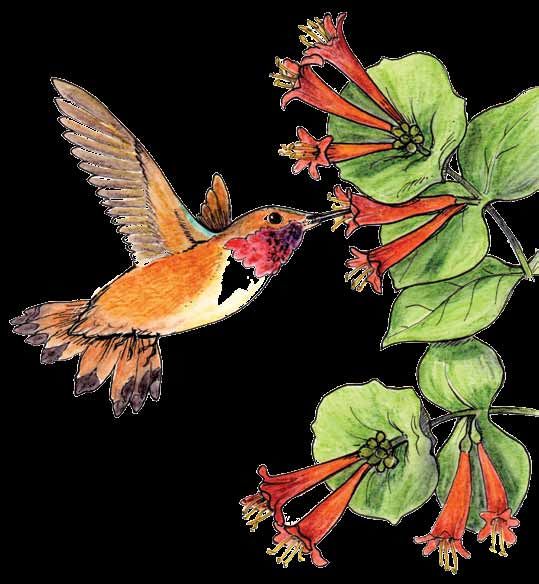
Rufous Hummingbird
feeding on Orange Honeysuckle
(Lonicera ciliosa)
Native Plant and Pollinator                                       Why Should We Care?
                     Gardening Guide
                         Many of us enjoy the beauty of flowers in our                 Keystone Species
                     backyard and community gardens. Growing native                        When a bumble bee feeds on the nectar and pollen of
                     plants adds beauty and important habitats for                     huckleberry flowers, it pollinates the flowers, which will
                     wildlife, especially for pollinators. Even a small                produce fruit eaten by songbirds, grizzly bears, and
                     backyard garden can make a big difference. Gardening              dozens of other animals, including humans. We call
                     connects us to nature and helps us better understand              the bumble bee and other pollinators keystone species
                     how nature works. This guide will help you create a               because they are species upon which others depend.              Insects and other
                     pollinator-friendly garden.                                                                                                       animals pollinate
                                                                                           Pollinators are vital to maintaining healthy
                                                                                       ecosystems. They are essential for plant reproduction,          one-third of the
                     What is pollination?                                                                                                              food we eat – all
What do                                                                                and produce genetic diversity in the plants they pollinate.     kinds of fruits,
                          Pollination is the process of moving pollen from one
hummingbirds,                                                                          The more diverse plants are, the better they can weather        vegetables, grains,
butterflies and      flower to another of the same species, which produces
                                                                                       changes in the environment.                                     nuts, and beans.
bees have in         fertile seeds. Almost all flowering plants need to be                                                                             Even coffee and
common?              pollinated. Some plants are pollinated by wind or water,              Best of all, pollinators such as hummingbirds, bees,        chocolate! The
They all pollinate   and some are even self-pollinating. However, most                 and butterflies are beautiful and fascinating.                  economic value of
flowering plants.                                                                                                                                      insect pollination
                                         flowering plants depend on bees,                                                                              worldwide has
                                                                                       Pollinators need our help.
                                         butterflies, and other animals                                                                                been estimated at
                                         for pollination.                                   Biologists fear several butterfly and bumble bee           $217 billion.
                                                                                       species have disappeared from parts of their range,
                                     Why use native plants in your garden?             including the once common western bumble bee.
                                     Pollinators have evolved with native              Why are pollinators in trouble? It appears
                                 plants, which are best adapted to the local           that habitat loss and pesticide
                                       growing season, climate, and soils. Most        poisoning account for much of
                                        pollinators feed on specific plant species —   the population declines.
                                         hummingbirds sip nectar from long,            We can do our part to
                                    tubular honeysuckle flowers, while green           support pollinators by
                            sweat bees prefer more open-faced sunflowers.              creating pollinator-
                          Non-native plants may not provide pollinators with           friendly gardens and
                          enough nectar or pollen, or may be inedible to               protecting wildlife
                          butterfly or moth caterpillars.                              habitat.

                                                                                       Western Bumble Bee on
                                                                                       Maximilian Sunflower
                                                                                       (Helianthus maximiliani)
                     Half-black Bumble Bee
                     and penstemon flower
1                                                                                                                                                                       2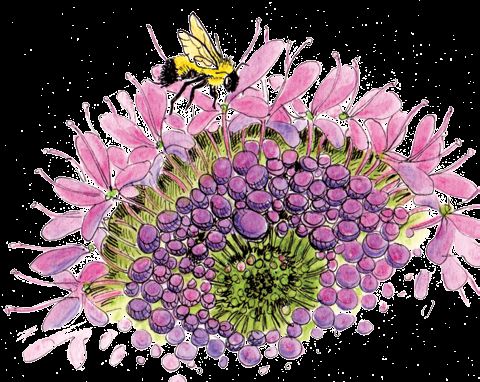
Native Plant and Pollinator                                       Why Should We Care?
                     Gardening Guide
                         Many of us enjoy the beauty of flowers in our                 Keystone Species
                     backyard and community gardens. Growing native                        When a bumble bee feeds on the nectar and pollen of
                     plants adds beauty and important habitats for                     huckleberry flowers, it pollinates the flowers, which will
                     wildlife, especially for pollinators. Even a small                produce fruit eaten by songbirds, grizzly bears, and
                     backyard garden can make a big difference. Gardening              dozens of other animals, including humans. We call
                     connects us to nature and helps us better understand              the bumble bee and other pollinators keystone species
                     how nature works. This guide will help you create a               because they are species upon which others depend.              Insects and other
                     pollinator-friendly garden.                                                                                                       animals pollinate
                                                                                           Pollinators are vital to maintaining healthy
                                                                                       ecosystems. They are essential for plant reproduction,          one-third of the
                     What is pollination?                                                                                                              food we eat – all
What do                                                                                and produce genetic diversity in the plants they pollinate.     kinds of fruits,
                          Pollination is the process of moving pollen from one
hummingbirds,                                                                          The more diverse plants are, the better they can weather        vegetables, grains,
butterflies and      flower to another of the same species, which produces
                                                                                       changes in the environment.                                     nuts, and beans.
bees have in         fertile seeds. Almost all flowering plants need to be                                                                             Even coffee and
common?              pollinated. Some plants are pollinated by wind or water,              Best of all, pollinators such as hummingbirds, bees,        chocolate! The
They all pollinate   and some are even self-pollinating. However, most                 and butterflies are beautiful and fascinating.                  economic value of
flowering plants.                                                                                                                                      insect pollination
                                         flowering plants depend on bees,                                                                              worldwide has
                                                                                       Pollinators need our help.
                                         butterflies, and other animals                                                                                been estimated at
                                         for pollination.                                   Biologists fear several butterfly and bumble bee           $217 billion.
                                                                                       species have disappeared from parts of their range,
                                     Why use native plants in your garden?             including the once common western bumble bee.
                                     Pollinators have evolved with native              Why are pollinators in trouble? It appears
                                 plants, which are best adapted to the local           that habitat loss and pesticide
                                       growing season, climate, and soils. Most        poisoning account for much of
                                        pollinators feed on specific plant species —   the population declines.
                                         hummingbirds sip nectar from long,            We can do our part to
                                    tubular honeysuckle flowers, while green           support pollinators by
                            sweat bees prefer more open-faced sunflowers.              creating pollinator-
                          Non-native plants may not provide pollinators with           friendly gardens and
                          enough nectar or pollen, or may be inedible to               protecting wildlife
                          butterfly or moth caterpillars.                              habitat.

                                                                                       Western Bumble Bee on
                                                                                       Maximilian Sunflower
                                                                                       (Helianthus maximiliani)
                     Half-black Bumble Bee
                     and penstemon flower
1                                                                                                                                                                       2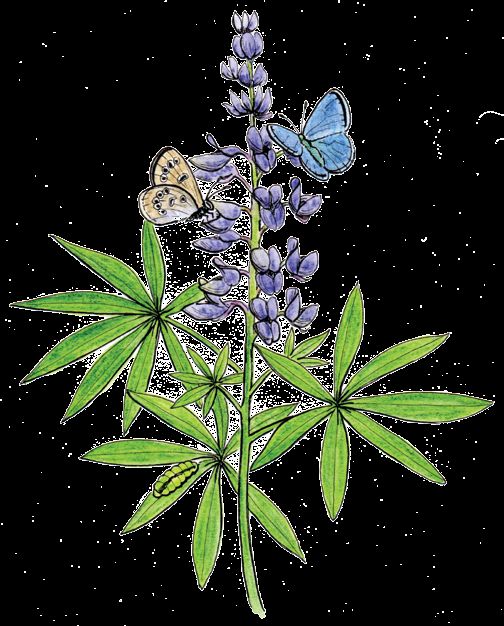
Who Are Our Pollinators?                                          Social Bees

                          Bees, butterflies, moths, hummingbirds, beetles,              Bumble Bee (Bombus)
                      wasps and even flies pollinate flowers, but bee species                There are forty-seven species of bumble bees in
Tongue lengths        pollinate flowers more often than any other group,
vary in bee                                                                             North America. Bumble bees are the B-1 bombers of bees.
species. Long         including birds and butterflies.                                  Because of their chunky size, they can fly in cooler
tongues fit long,                                                                                                                                                 Pollen
                                                                                        temperatures and at lower light levels than many other                    basket
tubular flowers       Busy as a Bee
                                                                                        bees including the honeybee. Thus, queen bumble bees
like penstemons            Bees are by far the most effective pollinators because
and short tongues                                                                       are the earliest to emerge in spring in search of the first
fit short-tubed
                      they feed only on flowers. Flowers attract and reward bees        flowers of the season.
                      for their pollination service. Bees gather two kinds of foods                                                                    Bumble bees groom
flowers like                                                                                                                                           pollen from their
sunflowers.
                                                                                        Lifestyle: An individual queen starts a colony in the spring
                      from flowers: sugar-rich nectar to fuel their flight and                                                                         body hairs into
                                                                                        after she wakes from hibernation. She produces wax from
                      protein-rich pollen, or bee bread, to feed their young brood.                                                                    “pollen baskets,”
                                                                                        glands in her body to make pot-like cells in which to lay      or corbicula, for
                      Bees use their tongues to lap or lick up nectar from flowers.
                                                                                        her eggs and to store nectar and pollen for her brood.         transport to the
                           Bees are a diverse group of insects that include four        The young emerge in a few weeks as female worker bees.         nest.
                      thousand species native to North America. They can be             As fall arrives, most bees die and only newly-mated queens
                      organized into two groups based on their nesting lifestyle:       overwinter to establish new colonies.
                      solitary or social. About three-quarters of native bees in
The European
                      North America are solitary nest builders.
Honeybee                                                                                  GARDENING        Golden currant, serviceberry, and
(Apis mellifera)                                                                        chokecherry flower early in March and attract bumble
is a social bee.                                                                        bees and mason bees.
                                           Nesting Lifestyles

                                                                                        Half-black Bumble Bee
                                                                                        (Bombus vagans) on
Tomatoes,
                                                                                        Rocky Mountain Bee Plant
peppers, and
                                                                                        (Cleome serrulata)
cranberries require
a special bumble
bee behavior
called “buzz            Solitary leaf-cutter        Social nesting
pollination”, in       bee (Megachile) nest         bumble bee (Bombus)
which the bumble
bee grabs the
flower in her jaws
and vibrates her       GARDENING          Bees prefer blue, purple, and yellow
wings to dislodge       flowers, and sweet fragrances. They see ultraviolet
pollen trapped
                        colors – found on the flowers such as buttercups and
in the flower’s
anthers.                black-eyed Susans.

3                                                                                                                                                                    4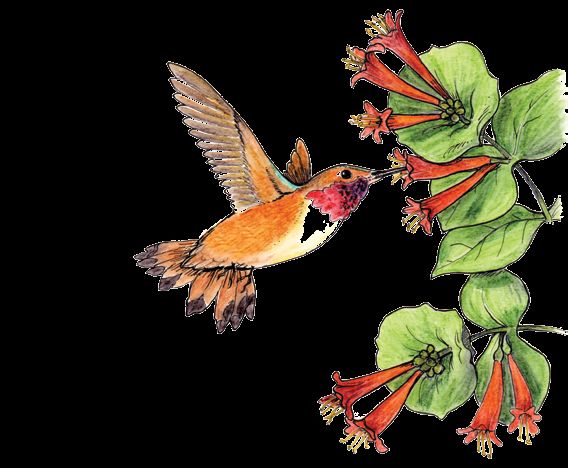
Who Are Our Pollinators?                                          Social Bees

                          Bees, butterflies, moths, hummingbirds, beetles,              Bumble Bee (Bombus)
                      wasps and even flies pollinate flowers, but bee species                There are forty-seven species of bumble bees in
Tongue lengths        pollinate flowers more often than any other group,
vary in bee                                                                             North America. Bumble bees are the B-1 bombers of bees.
species. Long         including birds and butterflies.                                  Because of their chunky size, they can fly in cooler
tongues fit long,                                                                                                                                                 Pollen
                                                                                        temperatures and at lower light levels than many other                    basket
tubular flowers       Busy as a Bee
                                                                                        bees including the honeybee. Thus, queen bumble bees
like penstemons            Bees are by far the most effective pollinators because
and short tongues                                                                       are the earliest to emerge in spring in search of the first
fit short-tubed
                      they feed only on flowers. Flowers attract and reward bees        flowers of the season.
                      for their pollination service. Bees gather two kinds of foods                                                                    Bumble bees groom
flowers like                                                                                                                                           pollen from their
sunflowers.
                                                                                        Lifestyle: An individual queen starts a colony in the spring
                      from flowers: sugar-rich nectar to fuel their flight and                                                                         body hairs into
                                                                                        after she wakes from hibernation. She produces wax from
                      protein-rich pollen, or bee bread, to feed their young brood.                                                                    “pollen baskets,”
                                                                                        glands in her body to make pot-like cells in which to lay      or corbicula, for
                      Bees use their tongues to lap or lick up nectar from flowers.
                                                                                        her eggs and to store nectar and pollen for her brood.         transport to the
                           Bees are a diverse group of insects that include four        The young emerge in a few weeks as female worker bees.         nest.
                      thousand species native to North America. They can be             As fall arrives, most bees die and only newly-mated queens
                      organized into two groups based on their nesting lifestyle:       overwinter to establish new colonies.
                      solitary or social. About three-quarters of native bees in
The European
                      North America are solitary nest builders.
Honeybee                                                                                  GARDENING        Golden currant, serviceberry, and
(Apis mellifera)                                                                        chokecherry flower early in March and attract bumble
is a social bee.                                                                        bees and mason bees.
                                           Nesting Lifestyles

                                                                                        Half-black Bumble Bee
                                                                                        (Bombus vagans) on
Tomatoes,
                                                                                        Rocky Mountain Bee Plant
peppers, and
                                                                                        (Cleome serrulata)
cranberries require
a special bumble
bee behavior
called “buzz            Solitary leaf-cutter        Social nesting
pollination”, in       bee (Megachile) nest         bumble bee (Bombus)
which the bumble
bee grabs the
flower in her jaws
and vibrates her       GARDENING          Bees prefer blue, purple, and yellow
wings to dislodge       flowers, and sweet fragrances. They see ultraviolet
pollen trapped
                        colors – found on the flowers such as buttercups and
in the flower’s
anthers.                black-eyed Susans.

3                                                                                                                                                                    4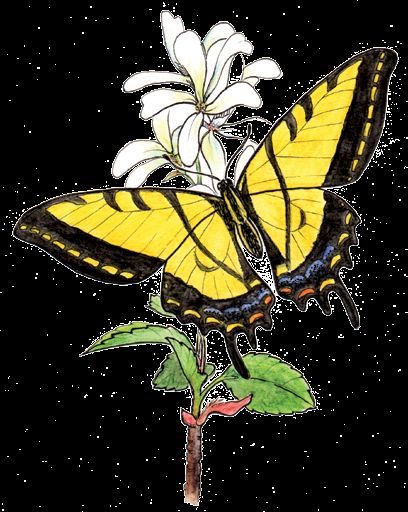
Solitary Bees                                                      Solitary Bees

                      Green Sweat Bee                                                    Orchard Mason Bee (Osmia lignaria)
                      (Agapostemon)                                                         These robust, metallic blue bees most commonly
Green Sweat Bee
(Agapostemon)              These small,                                                  appear early in spring when trees and shrubs flower.
                      brilliantly                                                        Females carry pollen on the undersides of their abdomens.
                      colored, metallic                                                  Lifestyle: Orchard Mason bees build nest cells in
                      green bees are hard                                                pre-existing narrow tunnels such as beetle burrows in
Leaf-cutter Bee       to miss in a garden.                                               trees, crevices between stones, hollow centers of plant
(Megachile)           They’re commonly                                                   stems and abandoned wasp or bee nests. In the nest
                      called sweat bees because they land on                             tunnel, the female builds a series of horizontal chambers        Mason bee houses
                      people to lick up salty human sweat.      Green Sweat Bee                                    provisioning each with pollen,         like this are used
                                                                (Agapostemon)                                                                             to attract these
                      Lifestyle: Some sweat bees nest socially, on Gaillardia                                        nectar, and an egg and then
                                                                                                                                                          important pol-
                      but most are solitary ground-nesters.     (Gaillardia aristata)                                   seals the chamber with mud.       linators. (need
                      Much of what we know about the social                                                              By the end of summer, the        caption)
                      behavior among insects has been learned from sweat bees                                            bee will transform into an
        A female      because they show different degrees of sociality. In some                                          adult in its cocoon and
Leaf-cutter Bee
will cut circular     species, females build and nest alone; in others, females                                       overwinter in the chamber
leaf pieces to line   nest communally and share a common nest entrance but                                             until it emerges in spring.
                                                                                                                                                          Orchard Mason Bee
her nesting           construct individual nest cells (like apartment buildings.)                                                                         (Osmia lignaria)
chambers.
                                                                                                                                                          If you see a bee
                                       Leaf-cutter Bee (Megachile)                                                                                        carrying pollen on
                                        These pugnacious bees carry pollen on                                                                             its belly or hind
                                                                                                                          GARDENING                       legs, it’s a female
                                       their tummies. Leaf-cutter bees and other                                          Important pollinators of        bee.
                                      solitary bees seldom sting.                                                         fruit trees, just 250 mason
                                              Lifestyle: They construct their nests                                       bees can pollinate an acre
                                                   in tunnels in the ground, under                                        of apple trees. It would take
                                                       stones, or in existing holes                                       10,000-250,000 honeybees
                                                         in dead wood. A female                                           to do the same work.
                                                         bee cuts circular leaf pieces                                    Mason bees like Penstemon,
                                                         to line her nest chambers,                                       Astragalus, and native
                                                                                                                          flowering trees such as
                                                        which are shaped like
                                                                                                                          chokecherry, hawthorn,
Leaf-cutter Bee                                    thimbles end to end. In each,
                                                                                                                          and serviceberry.
(Megachile) on                               she lays an egg and provisions it with
Hairy Golden                              pollen and nectar for her eggs.
Aster (Chrysopsis
villosa)
                                                                                                            Orchard Mason Bees (Osmia lignaria)
                        GARDENING          Green sweat bees and leaf-cutter bees
                                                                                                            on Wilcox’s Penstemon (Penstemon Wilcoxii)
5                     like composites – Erigeron, Gaillardia, sunflowers, and asters.                                                                                       6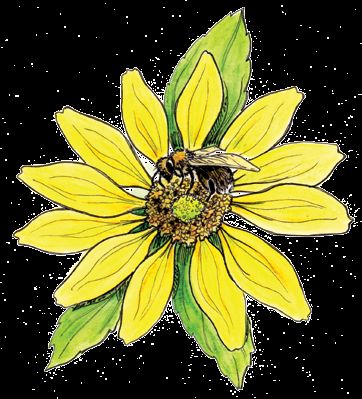
Solitary Bees                                                      Solitary Bees

                      Green Sweat Bee                                                    Orchard Mason Bee (Osmia lignaria)
                      (Agapostemon)                                                         These robust, metallic blue bees most commonly
Green Sweat Bee
(Agapostemon)              These small,                                                  appear early in spring when trees and shrubs flower.
                      brilliantly                                                        Females carry pollen on the undersides of their abdomens.
                      colored, metallic                                                  Lifestyle: Orchard Mason bees build nest cells in
                      green bees are hard                                                pre-existing narrow tunnels such as beetle burrows in
Leaf-cutter Bee       to miss in a garden.                                               trees, crevices between stones, hollow centers of plant
(Megachile)           They’re commonly                                                   stems and abandoned wasp or bee nests. In the nest
                      called sweat bees because they land on                             tunnel, the female builds a series of horizontal chambers        Mason bee houses
                      people to lick up salty human sweat.      Green Sweat Bee                                    provisioning each with pollen,         like this are used
                                                                (Agapostemon)                                                                             to attract these
                      Lifestyle: Some sweat bees nest socially, on Gaillardia                                        nectar, and an egg and then
                                                                                                                                                          important pol-
                      but most are solitary ground-nesters.     (Gaillardia aristata)                                   seals the chamber with mud.       linators. (need
                      Much of what we know about the social                                                              By the end of summer, the        caption)
                      behavior among insects has been learned from sweat bees                                            bee will transform into an
        A female      because they show different degrees of sociality. In some                                          adult in its cocoon and
Leaf-cutter Bee
will cut circular     species, females build and nest alone; in others, females                                       overwinter in the chamber
leaf pieces to line   nest communally and share a common nest entrance but                                             until it emerges in spring.
                                                                                                                                                          Orchard Mason Bee
her nesting           construct individual nest cells (like apartment buildings.)                                                                         (Osmia lignaria)
chambers.
                                                                                                                                                          If you see a bee
                                       Leaf-cutter Bee (Megachile)                                                                                        carrying pollen on
                                        These pugnacious bees carry pollen on                                                                             its belly or hind
                                                                                                                          GARDENING                       legs, it’s a female
                                       their tummies. Leaf-cutter bees and other                                          Important pollinators of        bee.
                                      solitary bees seldom sting.                                                         fruit trees, just 250 mason
                                              Lifestyle: They construct their nests                                       bees can pollinate an acre
                                                   in tunnels in the ground, under                                        of apple trees. It would take
                                                       stones, or in existing holes                                       10,000-250,000 honeybees
                                                         in dead wood. A female                                           to do the same work.
                                                         bee cuts circular leaf pieces                                    Mason bees like Penstemon,
                                                         to line her nest chambers,                                       Astragalus, and native
                                                                                                                          flowering trees such as
                                                        which are shaped like
                                                                                                                          chokecherry, hawthorn,
Leaf-cutter Bee                                    thimbles end to end. In each,
                                                                                                                          and serviceberry.
(Megachile) on                               she lays an egg and provisions it with
Hairy Golden                              pollen and nectar for her eggs.
Aster (Chrysopsis
villosa)
                                                                                                            Orchard Mason Bees (Osmia lignaria)
                        GARDENING          Green sweat bees and leaf-cutter bees
                                                                                                            on Wilcox’s Penstemon (Penstemon Wilcoxii)
5                     like composites – Erigeron, Gaillardia, sunflowers, and asters.                                                                                       6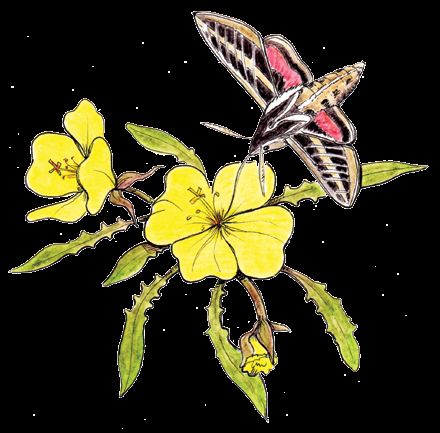
Planning your garden –                                                       Bee Patient. It takes time for native
                                                                                                                            Bee Gentle. Most bees will avoid
                                                                                                                            stinging and use that behavior only in
                                                                                                                            self-defense. Male bees do not sting.
     think like a pollinator.
                                                                             plants to grow and for pollinators to find
                                                                             your garden, especially if you live far from
                                                                             wild lands.

    Go Native. Pollinators are
    “best” adapted to local, native          Bee Bountiful. Plant big
    plants, which often need less            patches of each plant species
    water than ornamentals.                  (better foraging efficiency.)

Bee Showy. Flowers should bloom in your
garden throughout the growing season.
Plant willow, currant, and Oregon grape
for spring and aster, rabbit
brush and goldenrod
for fall flowers.

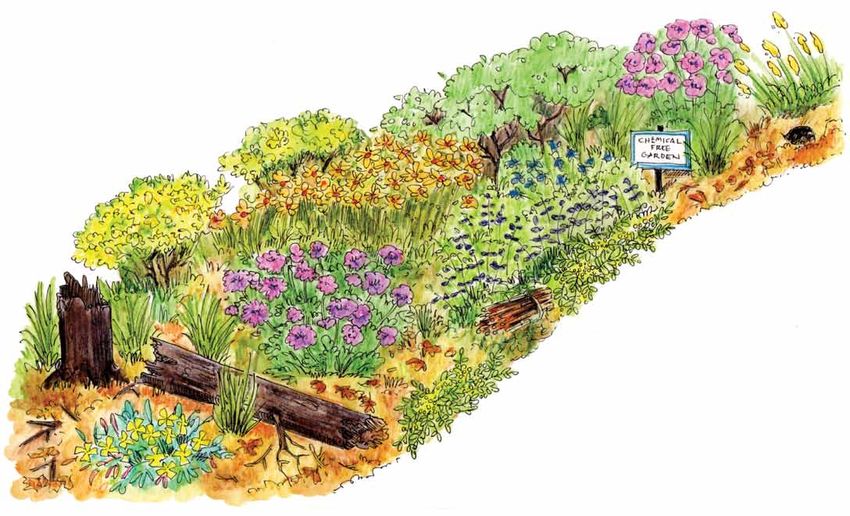
                                                                                                                                        Bee Chemical Free.
                                                                                                                                  Pesticides and herbicides kill
                                                                                                                               pollinators.

                                                                                                                                           Bee Sunny.
                                                                                                             Bee Homey. Make               Provide areas with
                                                                                                            small piles of branches        sunny, bare soil that’s
                                                                                                      to attach chrysalis or cocoons.      dry and well-drained,
                                                                                                   Provide hollow twigs, rotten logs       preferably with
                                                                                               with wood-boring beetle holes and           south-facing slopes.
                                                                                             bunchgrasses and leave stumps, old
                                                                                          rodent burrows, and fallen plant
                                                                                       material for nesting bees. Leave dead                    Bee Friendly.
                                                                                   or dying trees for woodpeckers.                              Create pollinator-
                                                                                                                                                friendly gardens
                                                                                                               Bee Aware. Observe               both at home, at
                                                                                                               pollinators when you walk        schools and in public
                                                                             Bee a little messy. Most          outside in nature. Notice        parks. Help people
                                                                             of our native bee species         which flowers attract            learn more about
                                                                             (70%) nest underground so         bumble bees or solitary          pollinators and
                                                                                                               bees, and which attract          native plants.
          Bee Diverse. Plant a diversity of flowering species with           avoid using weed cloth or
          abundant pollen and nectar and specific plants for feeding         heavy mulch.                      butterflies.
          butterfly and moth caterpillars.
7                                                                                                                                                                    8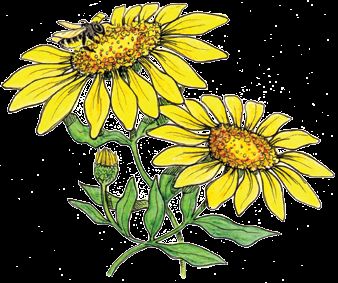
Planning your garden –                                                       Bee Patient. It takes time for native
                                                                                                                            Bee Gentle. Most bees will avoid
                                                                                                                            stinging and use that behavior only in
                                                                                                                            self-defense. Male bees do not sting.
     think like a pollinator.
                                                                             plants to grow and for pollinators to find
                                                                             your garden, especially if you live far from
                                                                             wild lands.

    Go Native. Pollinators are
    “best” adapted to local, native          Bee Bountiful. Plant big
    plants, which often need less            patches of each plant species
    water than ornamentals.                  (better foraging efficiency.)

Bee Showy. Flowers should bloom in your
garden throughout the growing season.
Plant willow, currant, and Oregon grape
for spring and aster, rabbit
brush and goldenrod
for fall flowers.

                                                                                                                                        Bee Chemical Free.
                                                                                                                                  Pesticides and herbicides kill
                                                                                                                               pollinators.

                                                                                                                                           Bee Sunny.
                                                                                                             Bee Homey. Make               Provide areas with
                                                                                                            small piles of branches        sunny, bare soil that’s
                                                                                                      to attach chrysalis or cocoons.      dry and well-drained,
                                                                                                   Provide hollow twigs, rotten logs       preferably with
                                                                                               with wood-boring beetle holes and           south-facing slopes.
                                                                                             bunchgrasses and leave stumps, old
                                                                                          rodent burrows, and fallen plant
                                                                                       material for nesting bees. Leave dead                    Bee Friendly.
                                                                                   or dying trees for woodpeckers.                              Create pollinator-
                                                                                                                                                friendly gardens
                                                                                                               Bee Aware. Observe               both at home, at
                                                                                                               pollinators when you walk        schools and in public
                                                                             Bee a little messy. Most          outside in nature. Notice        parks. Help people
                                                                             of our native bee species         which flowers attract            learn more about
                                                                             (70%) nest underground so         bumble bees or solitary          pollinators and
                                                                                                               bees, and which attract          native plants.
          Bee Diverse. Plant a diversity of flowering species with           avoid using weed cloth or
          abundant pollen and nectar and specific plants for feeding         heavy mulch.                      butterflies.
          butterfly and moth caterpillars.
7                                                                                                                                                                    8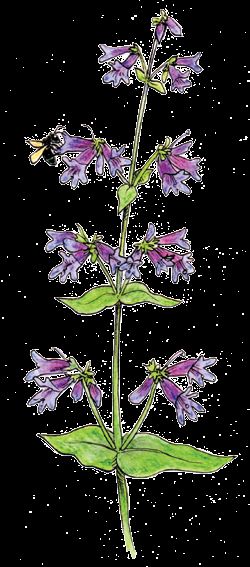
Butterflies                                                     Butterflies

                                               By growing a bounty of native       Silvery Blue (Glaucopsyche lygdamus) Butterfly
                                             flowering plants in your garden,         Adult Silvery Blue butterflies appear from the end of
                                                you can attract a variety of the   April to September. Male butterflies can often be seen
                                                 more than 220 butterfly           puddling, which is sipping up soil salts and minerals in
                                                 species found in Montana.         mud puddles.
                                             Two-tailed Tiger Swallowtail          Lifestyle: Female blue butterflies
                                              (Papilio multicaudata)               lay eggs only on lupine and once                           Ants tend and
                                                       This large butterfly (up    they hatch, the caterpillars eat                           protect Silvery
                                                     to 6” wingspan) can be        the leaves, flowers, and seedpods.                         Blue caterpillars,
                                                         found from May            They produce a sugary secretion,                           which reward
                                                                                                                                              them with
                                                           through August.         or honeydew, which is eaten                                honeydew.
                                                            Males can often be     by ants.
                                                           seen patrolling for
                                                   females along streams,
                                               canyons and narrow roadways.
                                         Lifestyle: A good pollinator garden                                                                  Silvery Blue
                                                                                                                                              (Glaucopsyche
                                          contains food not just for adult                                                                    lygdamus)
                           butterflies, but for their caterpillars too.                                                                       Butterflies and
Two-tailed Tiger                                                                                                                              larva feeding on
Swallowtail
                     Female butterflies select specific plants on which to lay
                                                                                                                                              Silvery Lupine
(Papilio           their eggs; this ensures that when their eggs hatch, the                                                                   (Lupinus
multicaudata)      caterpillars will be able to eat the plant’s leaves while                                                                  argenteus)
on Western         growing into adult butterflies. Two-tailed Tiger
Serviceberry
(Amelanchier       Swallowtails lay their eggs on ash and
alnifolia), its    chokecherry leaves.
larval plant.
                     GARDENING Butterflies favor platform-shaped
                   sunflowers and asters, but will feed on a diversity of
                   nectar-rich flowers from violets to serviceberry shrubs.
                   They prefer red, purple, or yellow flowers with sweet scents.
                   Butterflies love warm, sunny, and windless weather.              GARDENING
                                                                                   Blue butterflies feed
                                                                                   on nectar from
                                                                                   red-osier dogwood,
                   When disturbed, a swallowtail caterpillar rears
                   up and extends two red horns (osmeteria) from                   chokecherry and other flowers.
                   its head to frighten off potential predators.                   The larvae feed on lupine.
9                                                                                                                                                             10
Butterflies Butterflies
By growing a bounty of native Silvery Blue (Glaucopsyche lygdamus) Butterfly
flowering plants in your garden, Adult Silvery Blue butterflies appear from the end of
you can attract a variety of the April to September. Male butterflies can often be seen
more than 220 butterfly puddling, which is sipping up soil salts and minerals in
species found in Montana. mud puddles.
Two-tailed Tiger Swallowtail Lifestyle: Female blue butterflies
(Papilio multicaudata) lay eggs only on lupine and once Ants tend and
This large butterfly (up they hatch, the caterpillars eat protect Silvery
to 6” wingspan) can be the leaves, flowers, and seedpods. Blue caterpillars,
found from May They produce a sugary secretion, which reward
them with
through August. or honeydew, which is eaten honeydew.
Males can often be by ants.
seen patrolling for
females along streams,
canyons and narrow roadways.
Lifestyle: A good pollinator garden Silvery Blue
(Glaucopsyche
contains food not just for adult lygdamus)
butterflies, but for their caterpillars too. Butterflies and
Two-tailed Tiger larva feeding on
Swallowtail
Female butterflies select specific plants on which to lay
Silvery Lupine
(Papilio their eggs; this ensures that when their eggs hatch, the (Lupinus
multicaudata) caterpillars will be able to eat the plant’s leaves while argenteus)
on Western growing into adult butterflies. Two-tailed Tiger
Serviceberry
(Amelanchier Swallowtails lay their eggs on ash and
alnifolia), its chokecherry leaves.
larval plant.
GARDENING Butterflies favor platform-shaped
sunflowers and asters, but will feed on a diversity of
nectar-rich flowers from violets to serviceberry shrubs.
They prefer red, purple, or yellow flowers with sweet scents.
Butterflies love warm, sunny, and windless weather. GARDENING
Blue butterflies feed
on nectar from
red-osier dogwood,
When disturbed, a swallowtail caterpillar rears
up and extends two red horns (osmeteria) from chokecherry and other flowers.
its head to frighten off potential predators. The larvae feed on lupine.
9 10Moths Hummingbirds
Can you tell a Montana may have as many as 1,800 species of Because hummingbirds specialize on nectar feeding, Rufous, Calliope,
butterfly from moths. The exact number is unknown because these they play an important role in pollination. These and Black-chinned
a moth? hummingbirds
night-flying pollinators often evade detection. colorful, migratory birds serve as a link between breed in Montana.
Butterflies are
brightly colored plant populations by visiting flowers and
White-lined Sphinx Moth (Hyles lineata) moving pollen over great distances.
and moths are more
often colored in Although many moth species pollinate flowers, the
muted grays and sphinx or hawk moth is probably the one most familiar Rufous
browns. Hummingbird
because it’s active by day.
Lifestyle: They’re great flyers and some have tongues A tiny jewel of
longer than their bodies. These large moths fly upwind, a bird, the Rufous
tracking the airborne fragrance trail to a cluster of flowers. Hummingbird fiercely
Their caterpillars, called defends its feeding areas
tobacco and tomato and will attack much
hornworms, are well larger birds including
A butterfly Great Horned
known to gardeners.
antenna (top)is
a single filament
Owls.
with a club at the Lifestyle:
tip, while a moth Rufous
antenna (bottom)
can be broad Hummingbirds nest
and feathery or in willow-dominated
tapered to a point. areas within forested habitats.
GARDENING To attract hummingbirds
White-lined to your garden, provide them with nectar
Sphinx Moth
and larvae starting in early spring. It’s thought that Male Rufous
(Hyles lineata) hummingbirds prefer red-colored flowers; Hummingbird on
feeding on however, they will feed on any flower Honeysuckle
Yellow Evening that produces abundant nectar. (Lonicera ciliosa)
Primrose
(Oenothera flava)
GARDENING
Sphinx moths, also called
“Hummingbird” moths, prefer pale or white flowers that Sap wells created by Red-naped Sapsuckers
open in the evening and that have a strong, sweet smell. supply many animals with a quick energy boost.
They pick up pollen on their legs and wings. Adults nectar Hummingbirds need lots of insects (protein) in
on columbine and honeysuckle. Caterpillars feed on their diet, and will nab insects stuck in sap wells.
11 evening primrose. 12Moths Hummingbirds
Can you tell a Montana may have as many as 1,800 species of Because hummingbirds specialize on nectar feeding, Rufous, Calliope,
butterfly from moths. The exact number is unknown because these they play an important role in pollination. These and Black-chinned
a moth? hummingbirds
night-flying pollinators often evade detection. colorful, migratory birds serve as a link between breed in Montana.
Butterflies are
brightly colored plant populations by visiting flowers and
White-lined Sphinx Moth (Hyles lineata) moving pollen over great distances.
and moths are more
often colored in Although many moth species pollinate flowers, the
muted grays and sphinx or hawk moth is probably the one most familiar Rufous
browns. Hummingbird
because it’s active by day.
Lifestyle: They’re great flyers and some have tongues A tiny jewel of
longer than their bodies. These large moths fly upwind, a bird, the Rufous
tracking the airborne fragrance trail to a cluster of flowers. Hummingbird fiercely
Their caterpillars, called defends its feeding areas
tobacco and tomato and will attack much
hornworms, are well larger birds including
A butterfly Great Horned
known to gardeners.
antenna (top)is
a single filament
Owls.
with a club at the Lifestyle:
tip, while a moth Rufous
antenna (bottom)
can be broad Hummingbirds nest
and feathery or in willow-dominated
tapered to a point. areas within forested habitats.
GARDENING To attract hummingbirds
White-lined to your garden, provide them with nectar
Sphinx Moth
and larvae starting in early spring. It’s thought that Male Rufous
(Hyles lineata) hummingbirds prefer red-colored flowers; Hummingbird on
feeding on however, they will feed on any flower Honeysuckle
Yellow Evening that produces abundant nectar. (Lonicera ciliosa)
Primrose
(Oenothera flava)
GARDENING
Sphinx moths, also called
“Hummingbird” moths, prefer pale or white flowers that Sap wells created by Red-naped Sapsuckers
open in the evening and that have a strong, sweet smell. supply many animals with a quick energy boost.
They pick up pollen on their legs and wings. Adults nectar Hummingbirds need lots of insects (protein) in
on columbine and honeysuckle. Caterpillars feed on their diet, and will nab insects stuck in sap wells.
11 evening primrose. 12Beetles, Flies and Wasps Attract Pollinators with these
Native Plants
Flower Beetle (Typocerus) Here’s a sample of the garden-hardy native plants in our
Beetles present the greatest diversity of insects and region that attract pollinators.
pollinators. Regular flower visitors include soldier beetles
and flower beetles. They feed on pollen and even chew on Common Name Scientific Name
flowers, but in this mess and soil pollination process they Common Chokecherry.......... Prunus virginiana
pick up pollen and carry it to other flowers. Golden Currant................... Ribes aureum
Flower Beetle Red Osier Dogwood............. Cornus stolonifera
(Typocerus) GARDENING These beetles are commonly
seen on yarrow and sunflowers. Blue Elderberry................... Sambucus cerulea
Lewis’ Mock Orange............ Philadelphus lewisii
Rubber Rabbitbrush.............Chrysothamnus nauseosus
Flower or Hover Fly (Syrphid)
Western Serviceberry........... Amelanchier alnifolia
Because they’re so abundant, flies are important
Oregon Grape..................... Mahonia repens
pollinators even though they transport less pollen than
bees. Hover flies mimic bees and wasps in coloration Orange Honeysuckle............ Lonicera ciliosa
and behavior to avoid predators. Beebalm............................. Monarda fistulosa
Flower or
Hover Fly Bluebunch Wheatgrass........ Pseudoroegneria spicata
(Syrphid) GARDENING Hover flies feed on the same flowers Blanket Flower.................... Gaillardia aristata
preferred by bees, such as golden currant, rabbitbrush,
Yellow Buckwheat................ Erigonum flavum
and sunflowers.
Clarkia............................... Clarkia pulchella
Blue Columbine................... Aquilegia coerulea
Pollen Wasp (Pseudomasaris) Coneflower.......................... Echinacea angustifolia
Don’t be frightened if you see this wasp, it doesn’t Showy Fleabane.................. Erigeron speciosus
eat insects or bite humans, but seeks out flowers for
Missouri Goldenrod............. Solidago missouriensis
pollen. A yellow-jacket look-a-like, pollen wasps can be
identified from other wasps by their clubbed antennae. Scarlet Globemallow............ Sphaeralcea coccinea
Pollen Wasp They’re solitary nesters and you might find their hard Hairy False Goldenaster....... Chrysopsis villosa
(Pseudomasaris) mud nests attached to rocks or twigs. Dotted Blazing Star.............Liatris punctata
Threadleaf Phacelia............. Phacelia linearis
GARDENING Pollen wasps pollinate
Scarlet Gilia........................ Gilia aggregata
penstemons and phacelias.
Maximilian Sunflower......... Helianthus maximiliani
Wilcox’s Penstemon............. Penstemon wilcoxii
Common Yarrow................. Achillea millefolium
13 14Beetles, Flies and Wasps Attract Pollinators with these
Native Plants
Flower Beetle (Typocerus) Here’s a sample of the garden-hardy native plants in our
Beetles present the greatest diversity of insects and region that attract pollinators.
pollinators. Regular flower visitors include soldier beetles
and flower beetles. They feed on pollen and even chew on Common Name Scientific Name
flowers, but in this mess and soil pollination process they Common Chokecherry.......... Prunus virginiana
pick up pollen and carry it to other flowers. Golden Currant................... Ribes aureum
Flower Beetle Red Osier Dogwood............. Cornus stolonifera
(Typocerus) GARDENING These beetles are commonly
seen on yarrow and sunflowers. Blue Elderberry................... Sambucus cerulea
Lewis’ Mock Orange............ Philadelphus lewisii
Rubber Rabbitbrush.............Chrysothamnus nauseosus
Flower or Hover Fly (Syrphid)
Western Serviceberry........... Amelanchier alnifolia
Because they’re so abundant, flies are important
Oregon Grape..................... Mahonia repens
pollinators even though they transport less pollen than
bees. Hover flies mimic bees and wasps in coloration Orange Honeysuckle............ Lonicera ciliosa
and behavior to avoid predators. Beebalm............................. Monarda fistulosa
Flower or
Hover Fly Bluebunch Wheatgrass........ Pseudoroegneria spicata
(Syrphid) GARDENING Hover flies feed on the same flowers Blanket Flower.................... Gaillardia aristata
preferred by bees, such as golden currant, rabbitbrush,
Yellow Buckwheat................ Erigonum flavum
and sunflowers.
Clarkia............................... Clarkia pulchella
Blue Columbine................... Aquilegia coerulea
Pollen Wasp (Pseudomasaris) Coneflower.......................... Echinacea angustifolia
Don’t be frightened if you see this wasp, it doesn’t Showy Fleabane.................. Erigeron speciosus
eat insects or bite humans, but seeks out flowers for
Missouri Goldenrod............. Solidago missouriensis
pollen. A yellow-jacket look-a-like, pollen wasps can be
identified from other wasps by their clubbed antennae. Scarlet Globemallow............ Sphaeralcea coccinea
Pollen Wasp They’re solitary nesters and you might find their hard Hairy False Goldenaster....... Chrysopsis villosa
(Pseudomasaris) mud nests attached to rocks or twigs. Dotted Blazing Star.............Liatris punctata
Threadleaf Phacelia............. Phacelia linearis
GARDENING Pollen wasps pollinate
Scarlet Gilia........................ Gilia aggregata
penstemons and phacelias.
Maximilian Sunflower......... Helianthus maximiliani
Wilcox’s Penstemon............. Penstemon wilcoxii
Common Yarrow................. Achillea millefolium
13 14Mourning Cloak
(Nymphalis antiopa)
How do butterflies survive the winter?
Mourning Cloak, Milbert’s Tortoiseshell, and
Anglewing spend the winter as adults, but
most butterflies overwinter as eggs, caterpillars
or pupae. In your garden, tree cavities, leaf
litter and branch piles shelter over-wintering
butterflies from predators and cold weather.
Lolo National Forest
Building 24, Fort Missoula
Missoula, MT 59804
Text: Susan Reel • Design and Illustrations: Nancy Seiler
The U.S. Department of Agriculture (USDA) prohibits discrimination in all its programs and activities
on the basis of race, color, national origin, gender, religion, age, disability, political beliefs, sexual orientation,
and marital or family status. (Not all prohibited bases apply to all programs.) Persons with disabilities who
require alternative means for communication of program information (Braille, large print, audiotape, etc.)
should contact USDA’s TARGET Center at (202) 720-2600 (voice and TDD).
To file a complaint of discrimination, write USDA, Director, Office of Civil Rights, Room 326-W, Whitten
Building, 14th and Independence Avenue, SW, Washington, DC 20250-9410 or call (202) 720-5964 (voice or
TDD). USDA is an equal opportunity provider and employer.
Printed on recycled paper. R1-10 -5You can also read


