Aurizon Network Maintenance and Renewal Strategy and Budget - 21 January 2020
←
→
Page content transcription
If your browser does not render page correctly, please read the page content below
`
                                                                                    21 January 2020

Aurizon Network Maintenance and
Renewal Strategy and Budget

Aurizon Network Maintenance and Asset Renewal Strategy and Budget / Commercial-in
Confidence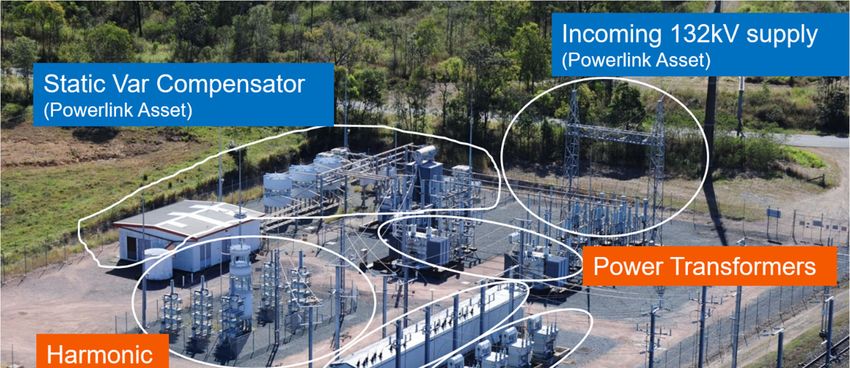
Confidentiality
                                                      and Disclaimer

Communications regarding this document                   This document is the Maintenance Strategy and
should be forwarded to:                                  Budget and Renewals Strategy and Budget as
                                                         such terms are defined in Aurizon Network’s
Rebecca Landon                                           UT5 Access Undertaking dated 19 December
Manager Network Customers                                2019 (Undertaking) and has been prepared for
Network Customers                                        the purposes set out in the Undertaking. It is
                                                         only to be used for those purposes and is
Level 4, 900 Ann Street                                  otherwise commercial in confidence.
Fortitude Valley
                                                         While all reasonable endeavours have been
Qld 4006
                                                         exercised to ensure that all information used for
                                                         the purpose of the preparation of, and contained
T 0439590080
                                                         in, this document is true and accurate, Aurizon
E rebecca.landon@aurizon.com.au
                                                         Network will not be liable to, or owe any duty to
                                                         any third party, whether in contract or tort or
                                                         under statute or otherwise (including in respect
                                                         of any implied representations or otherwise),
                                                         with respect to or in connection with the
                                                         accuracy, completeness, or reliability of any of
                                                         the information contained in this document.

Aurizon Network Maintenance and Asset Renewal Strategy and Budget / Commercial-in
Confidence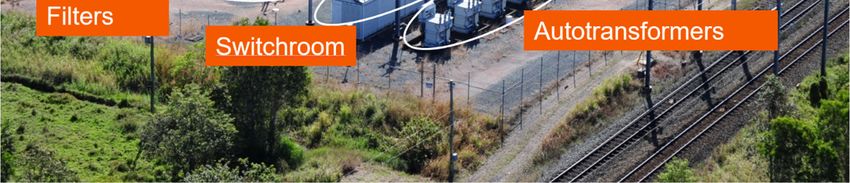
Table of Contents

GUIDING PRINCIPLES............................................................................................................... 5

COMMITMENTS FOR FUTURE RIG ENGAGEMENT ............................................................... 6

INTRODUCTION ......................................................................................................................... 7

EXECUTIVE SUMMARY............................................................................................................. 7

ASSET MANAGEMENT CONTEXT ........................................................................................... 9

MAINTENANCE AND RENEWAL STRATEGY ........................................................................ 11

PROPOSED FORECAST SCOPE AND COST BUDGET ........................................................ 21

INTEGRATED CLOSURE HOURS IMPACT ............................................................................ 34

MAINTENANCE AND RENEWAL IMPACTS TO SUPPLY CHAIN OUTSIDE
INTEGRATED CLOSURES ...................................................................................................... 37

PROCUREMENT ...................................................................................................................... 39

KEY THEMES AND NEXT STEPS ........................................................................................... 41

APPENDIX 1 – Goonyella Maintenance Budget ....................................................................... 42

APPENDIX 2 – Goonyella Renewal Budget ............................................................................. 46

APPENDIX 3 – Blackwater Maintenance Budget ..................................................................... 49

APPENDIX 4 – Blackwater Renewal Budget ............................................................................ 53

APPENDIX 5 – Newlands Maintenance Budget ....................................................................... 55

APPENDIX 6 – Newlands Renewal Budget .............................................................................. 58

APPENDIX 7 – Moura Maintenance Budget ............................................................................ 60

APPENDIX 8 – Moura Renewal Budget ................................................................................... 63

APPENDIX 9 – Detailed Asset Maintenance and Renewal Strategies ..................................... 65

APPENDIX 10 – Response to QCA UT5 Draft Decision on Maintenance ................................ 89

APPENDIX 11 – Information provided to RIG post Nov 29 2019 Submission.......................... 91

Aurizon Network Maintenance and Renewal Strategy / Aurizon / Commercial-in Confidence
                                                                                                                                           4
GUIDING PRINCIPLES
Our operations are designed and managed to appropriately balance cost, reliability and rail infrastructure
performance (each in the long and short term) to ensure customers’ contracted positions are delivered in
a safe and sustainable way through the following three principles:

1. Coordinated and Integrated Closures

Required maintenance and renewal works are coordinated with ports and mines to
minimise impacts on the supply chain. The strategy is aimed at fewer, but longer
duration, closures and maximising maintenance and renewal works during those
closures. Planned maintenance activities outside of closures are designed to minimise
impacts on the supply chain.

2. Asset Reliability

Assets will be renewed based on condition and will be inspected, maintained and
replaced to minimise unplanned failures and to be fit for purpose.

3. Cost Effective

Maintenance activities are carried out in a way which balances cost, reliability and
performance (each in the long and short term) each in respect of the Rail Infrastructure.

Aurizon Network Maintenance and Renewal Strategy / Aurizon / Commercial-in Confidence
                                                                                                             5
COMMITMENTS FOR FUTURE RIG ENGAGEMENT
Through the development and consultation of the initial FY21 RIG process both Aurizon Network and RIG
members have identified opportunities to improve the engagement and information for consideration of
future year submissions.
Aurzion Network makes the following commitments to the RIG;
To work collaboratively with the RIG in developing a quarterly reporting framework that provides
relevant information on the actual performance of scope delivery and costs incurred against plan
across the maintenance and renewals task
To develop and negotiate with the RIG agreed performance metrics that provide indication of the
effect of the application of the approved strategies on the performance of the rail networks.
To Provide additional information on the scope development of the ballast undercutting project
and options for determining the efficient delivery of the defined scope
To provide information of on the value drivers and underlying cost assumptions that drive the
maintenance and renewal forecasts
Aurizon Network will work through the above commitments in the period post the FY21 Strategy approval
process and prior to the lodgement of the FY22 RIG submission.
Aurizon Network Maintenance and Renewal Strategy / Aurizon / Commercial-in Confidence
6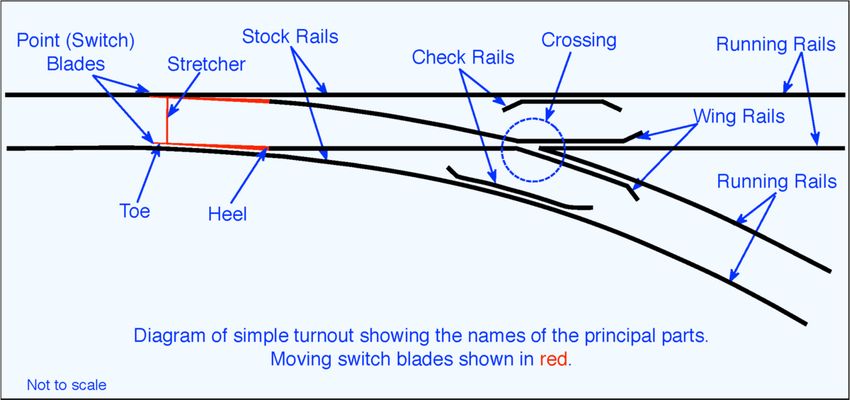
INTRODUCTION

Alignment to 2017 Access Undertaking test
(UT5, Draft Amended Access Undertaking approved by the Queensland Competition Authority (QCA) on
19 December 2019)

This paper has been developed by Aurizon Network to provide the Rail Industry Group (RIG) Aurizon
Network’s Maintenance and Renewal Strategy and Budget for each rail system in the Central Queensland
Coal Network (CQCN).

This paper has considered and actioned RIG proposed inclusions and amendments arising from RIG
review of the draft strategy submitted to RIG November 29, 2019.

The RIG will consider the proposed Maintenance and Renewal Strategy and Budget and request RIG
members to approve via the voting process outlined in Section7A.11 of UT5.

Deliverables of the Maintenance and Renewal Strategy

This paper consists of:

    -   The maintenance scope and budget for each system for Financial Year (FY) 2021 and a forward
        forecast of spend FY22-25

    -   The renewal scope and budget for each system for FY21 and a forward forecast of spend FY22-
        25

    -   Detail of the application of the maintenance and renewal strategy on each asset class

    -   Detail of historical unit rate performance for the largest asset renewal and maintenance products

    -   Additional information communicated to the RIG post the submission of the Draft Maintenance
        and Renewal Strategies (Appendix 11)

EXECUTIVE SUMMARY

The application of the maintenance and renewal strategies across the coal systems drives a scope
requirement which is translated into a budget. Historic and forecast data provide an estimate of cost,
scope and required track access.

The estimated forecast cost for maintenance and renewal scope for each of the four coal systems are
detailed in Appendices 1 to 8.

Maintenance and renewal costs against prior years and the UT5 Final Decision are summarised in the
tables below.

There has been no change to the maintenance and renewals scope or forecast from the draft Strategy
presented by Aurizon Network in November 2019

Aurizon Network Maintenance and Renewal Strategy / Aurizon / Commercial-in Confidence
                                                                                                            7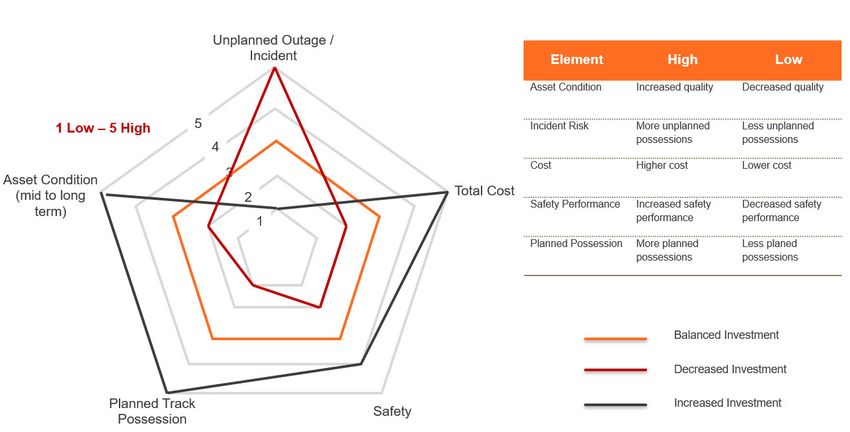
Maintenance Budget

       System                               FY20      FY21
                     FY18       FY19                              FY21
                                            UT5       UT5
                     Actual     Actual                           Budget
        ($m)                                 FD        FD

    Newlands2         $12.2     $13.8       $13.6     $14.4       $13.7

    Goonyella         $52.2     $57.0       $60.1     $61.1       $56.9

    Blackwater        $61.3     $64.0       $62.2     $62.8       $59.1

    Moura             $14.7     $11.8       $11.2     $11.6       $12.5

    TOTAL            $140.4     $146.7     $147.2    $149.8      $142.2

    Depreciation      $5.8       $5.0       $8.1       $8.0       $6.5
    on Ballast
    Cleaning3

    Table 1. Maintenance cost budget per system FY21

To compare across years, the Maintenance Budget table excludes Ballast Undercutting which is a
renewal activity from FY20 onwards however the depreciation on Ballast Undercutting plant is set out at
the bottom of the table as this amount forms part of the Maintenance Cost allowance under the UT5
DAAU

Renewal Budget

           System              FY18 Actual[HD(1]              FY19 Actual            FY20 Forecast              FY21 Budget
             ($M)

    Newlands                            $17.0                    $15.3                    $20.5                     $21.4

    Goonyella                           $96.9                    $74.9                    $115.3                    $113.5

    Blackwater                          $98.4                    $87.4                    $91.3                     $116.1

    Moura                               $15.8                    $20.5                    $15.9                     $15.4

    TOTAL                            $228.1                     $198.1                    $243.0                    $266.4

2
    While the UT5 DAAU contains individual Reference Tariffs and Allowable Revenues for the Goonyella to Abbot Point Expansion
     (GAPE) it is not a geographically distinct coal system. The scope of the GAPE project included significant infrastructure
     upgrades to Rail Infrastructure in the Newlands system and this infrastructure is utilised by all GAPE and Newlands Train
     Services. Similarly, all GAPE Train Services utilise all existing Newlands system infrastructure. As a result, Newlands and GAPE
     are treated as a single system for this report. From a pricing perspective, GAPE Train Services continue to pay for the QCA-
     approved cost of GAPE Project infrastructure within the Regulated Asset Base (RAB) whereas forecast maintenance costs will
     be allocated between GAPE and Newlands users
3
    Under the UT5 DAAU, Aurizon Network recovers the depreciation of ballast undercutting plant within the maintenance cost budget

Aurizon Network Maintenance and Renewal Strategy / Aurizon / Commercial-in Confidence
                                                                                                                                   8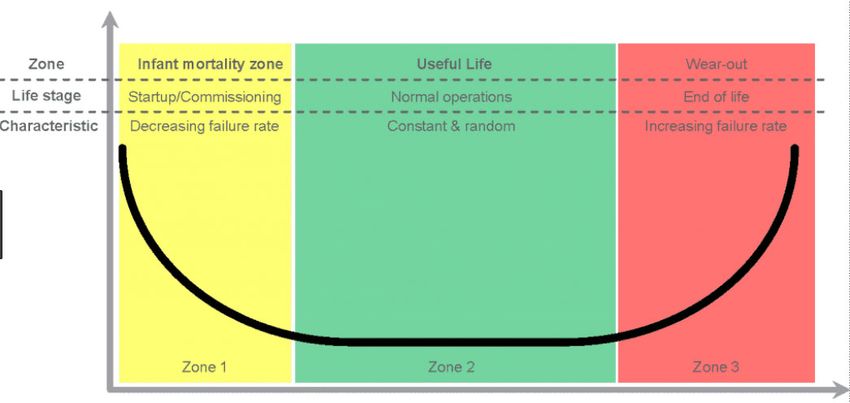
Table 2. Asset renewal cost budget per system FY21

For presentation purposes Ballast Undercutting is represented in the asset renewal table for the period
FY18 forward. Prior to FY20 this product was treated as a maintenance activity.

It should be noted, the value of asset renewal activities represented in table 2 reflects the capital
expenditure Aurizon Network expects to incur in a given year. By comparison, capital expenditure
submitted for inclusion in the Regulated Asset Base (RAB) as per Schedule E of the 2017 Access
Undertaking is on an ‘as commissioned’ basis. As a consequence, the value of capital expenditure
reflected in the Renewal Strategy and Budget may vary from the annual capital expenditure claim
submitted to the QCA in line with Clause 7A.11.6 of the Access Undertaking

ASSET MANAGEMENT CONTEXT

Aurizon Network is the Asset Manager and Rail Infrastructure Manager (RIM) of the Central Queensland
Coal Network (CQCN). The CQCN comprises the Newlands, Goonyella, Blackwater and Moura rail
systems. As outlined in footnote [2] for the purpose of this report, all GAPE infrastructure is considered
part of the Newlands system.

In the role of RIM, Aurizon Network is legally required to provide effective management of the rail
infrastructure for which it has statutory or contractual rights to use and provide access. Aurizon Network is
required to maintain RIM accreditation and apply a Safety Management System (SMS) that is approved
by the Rail Safety Regulator.

The role of asset management is to manage assets through their lifecycle balancing key variables,
principally:

    o   Safety – maintaining assets to meet the requirements of the SMS and ensure the safety of
        workers (both internal and external), rail operations and public interfaces;

    o   Customer – maintaining and operating a safe and fit for purpose rail network capable of meeting
        the contracted Access Rights;

    o   Track Occupancy (Planned Track Possessions) – managing time required on track to deliver
        required works;

    o   Cost – managing expenditure required to undertake maintenance and renewal activities;

    o   Incident Risk – managing asset condition to mitigate the risk of rail incidents such as derailment
        or collision that could result in serious injuries or fatality or cause significant throughput disruption
        and recovery cost; and

Aurizon Network Maintenance and Renewal Strategy / Aurizon / Commercial-in Confidence
                                                                                                                9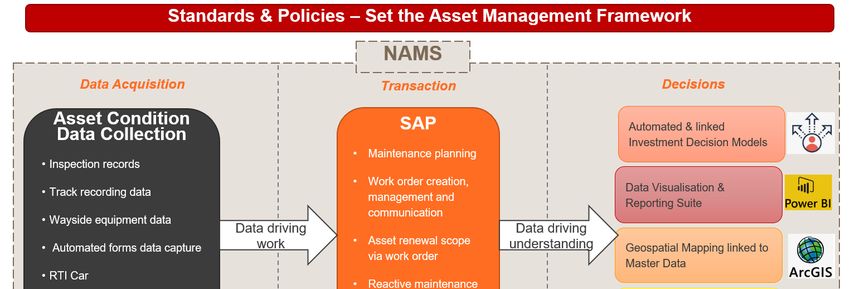
o     Mid and Long-term asset condition – investing to deliver sustained performance of the rail
          infrastructure. The consequence of condition change is an increase or decrease in unplanned
          delays caused by non-performance of the rail infrastructure.

These variables are interrelated, movement of one variable will affect one or more of the other variables.
Aurizon Network’s maintenance and renewal strategies seek to maintain a balanced approach across the
variables.

This interrelationship of moving the level of investment variable is represented in the graphic and table
below:

        Figure 1: Trade off’s to be considered in Asset Management while delivering capacity of Access Rights

Aurizon Network Maintenance and Renewal Strategy / Aurizon / Commercial-in Confidence
                                                                                                                10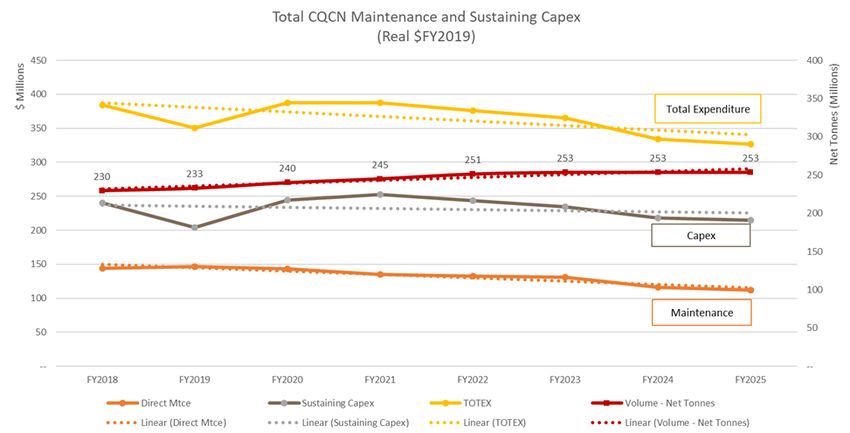
MAINTENANCE AND RENEWAL STRATEGY

The detailed application of Aurizon Network’s maintenance and renewal strategies is provided at
Appendix 9. This includes the triggers for intervention, inspection and renewal as well as details of the
latent condition of the rail infrastructure driving the strategies.

Maintenance Strategy
Maintenance of rail infrastructure is the inspection, testing, recording of faults and subsequent adjustment
or repair of the asset.

There are a wide variety of assets that make up the rail infrastructure. These assets wear through use or
movement, such as tonnage amounts over a rail section, movements of mechanical parts, or through
obsolescence, either as a result of operating systems no longer being supported, a reduction in
availability of spare parts or advances in alternate technologies.

Assets degrade at differing rates due to their construction materials and their location.

To manage this variability Aurizon Network applies several maintenance approaches to inspect, measure
deterioration and respond to issues or disruption due to asset condition.

  Maintenance                                 Assets
                      Description                                            Maintenance Activity
   Approach                                  Applied to

 Condition or     Maintenance             Rail, turnouts      Rail grinding - of both track and turnouts to return
 Tonnage based    programmed to           and ballast,        the rail profile to design and remove any miro faults
 intervention     occur once a usage
                  threshold is met.                           Track Resurfacing - of both track and turnouts to
                                                              maintain track to the design geometry and ensure
                  Maintenance can be                          track alignment
                  programmed ahead
                  of time due to
                  forecast traffic
                  movements

 Planned          Periodic inspection    Rail, sleepers,      Track Geometry Recording – specialised track
 Inspection and   of assets to           turnouts, ballast,   vehicles to measure geometric characteristics of
 Service          understand             formation,           track alignment
 (Preventative    condition and          culverts and
 Maintenance)     identify items that    bridges              Ultrasonic Rail Testing – non-destructive testing to
                  may cause a future                          identify internal rail faults
                  fault
                                                              On Track Inspection – road rail vehicle inspection of
                  Period of inspection                        the rail corridor
                  is known and can
                  be planned                                  Structures inspection – inspection and testing of
                                                              critical elements of the structures to measure and
                                                              track condition

                                         Signals,             Control Systems planed periodic inspection and
                                         interlockings,       minor servicing . Includes function testing, signal
                                         level crossing       alignment testing, battery testing, cleaning and
                                         protection, optic    security check.
                                         fibre, standby
                                         power system,

Aurizon Network Maintenance and Renewal Strategy / Aurizon / Commercial-in Confidence
                                                                                                                      11
Maintenance Assets
Description Maintenance Activity
Approach Applied to
SCADA system,
radio system
Switching Electrical planed periodic inspections and minor
transformers, servicing. Includes condition testing, oil sampling,
overhead line switch testing and wire wear measurement
equipment
Planned Planned rectification Rail, sleepers, Rail joint maintenance – rail welding. Rail plating
Corrective of faults found from turnouts, and lifting and lining rail joints
Maintenance inspections or ballast,
remote monitoring formation, Maintenance Ballast – small section ballast repair /
culverts and replacement, removal of mud holes and squats
Period to rectify is bridges
dependent on the Sleeper cluster management – spot insertion of
severity of the fault sleepers to repair damaged sleepers, sleeper
or risk to operations testing, fastening repairs and sleeper respacing
Rail stress adjustment – rail stress testing and
adjustment to manage compression and expansion
of the rail
Top and line resurfacing – hand track tamping and
small machinery tamping
Structures repairs – minor concreting works, kerb
repair, walkway repair, bridge drain cleaning
General earthworks maintenance – embankments
and cutting repair, drain cleaning and access road
maintenance
Signals, Control Systems general maintenance and
interlockings, component repair.
level crossing
protection,
optic fibre,
standby power
system,
SCADA
system, radio
system
Switching Electrical general maintenance and component
transformers, repair
overhead line
equipment
Reactive Immediate remedy Rail, sleepers, Rail repairs – immediate repair of broken rails or
Maintenance of faults that have turnouts, failed welds
disrupted operation ballast,
of the rail network formation, Derailment and collision repair – infrastructure
culverts and requiring replacement as a result of a train
bridges derailment or collision
Aurizon Network Maintenance and Renewal Strategy / Aurizon / Commercial-in Confidence
12Maintenance Assets
Description Maintenance Activity
Approach Applied to
Formation repair – rectification of track formation
that has failed due to a slip or shear.
Mud Hole Removal – saturated formation sections
dug out and repaired to maintain track alignment
Signals, Communication failure response – rectification of a
interlockings, brake in the telecommunication chain across the
level crossing CQCN. This can be a fibre optic breakage,
protection, microwave radio fault or digital radio issue
optic fibre,
standby power Wayside equipment alarm response - investigation
system, as to the trigger of an alarm such as a dragging
SCADA equipment detector or bearing acoustic detector
system, radio
system Power failure response – rectification of mains
power to signalling and wayside equipment. Solar
and generator provide immediate power but for
limited periods
Switching Dewirement repair –infrastructure requiring
transformers, replacement as a result of a Dewirement
overhead line
equipment Trip investigation – to understand the cause of
electrical trips and to remedy fault ahead of re-
energisation
Transformer replacement – in the event of a
transformer letting go or failing it is switched out to
maintain the integrity of the electrical network
Table 3. Asset maintenance approaches
To the extent possible, Aurizon Network seeks to deliver the required maintenance tasks in a manner that
is consistent with the Maintenance Objectives.
The maintenance plan for assets is set as per the relevant Asset Policy but can be altered dependant on
its performance or position in the asset lifecycle.
The maintenance strategy is utilised to identify the preventative maintenance requirements. It is based on
achieving the appropriate level of asset availability at the most efficient cost of ownership, through the
asset life cycle, which will best meet the business requirements of the customers using the assets. This is
the concept of Reliability Centred Maintenance where unplanned response or intervention is kept to the
minimum, balancing cost and Deliverable Network Capacity.
The maintenance strategy applied is a standard, widely accepted approach to the maintenance of both
fixed and linear assets.
Aurizon Network Maintenance and Renewal Strategy / Aurizon / Commercial-in Confidence
13Identify need
Renew or Plan /
retire Design
Manage /
Aquire
Maintain
Build /
Commission
Figure 2. The asset lifecycle
Renewal Strategy
Renewal of railway infrastructure is the removal of an asset from service that is life expired or obsolete
and replaced or reconfigured with the modern-day equivalent asset.
Through maintenance inspections and targeted condition reviews, Aurizon Network determines the
condition of assets across the CQCN. This condition is ranked on a spectrum from new asset through to
an asset no longer performing its design function.
The location of an asset and its criticality to system operations differs across each system and each track
section within a system. As such, each track section is assigned a location criticality ranking. This ranking
is a combination of parameters, including the proportion of total of system tonnes railed across each track
section and the required lead time for executing asset renewals in the event of a failure.
By understanding asset condition and asset criticality, all identified scope can be ranked and prioritised to
target those assets that are most in need of renewal. This process, as identified in figure 3 below, of
prioritisation is completed in Aurizon Network’s Scope Priority Model (SPM).
Figure 3. Asset Renewal Prioritisation Approach
Once scope is identified and prioritised through the SPM, Aurizon Network will undertake the following
activities:
Ascertain the scope that must be completed to adhere to the safety and regulatory requirements
for railway operations. Scope and cost are assessed in balance with consideration for capacity
requirements and alignment with port closures and other outages;
Aurizon Network Maintenance and Renewal Strategy / Aurizon / Commercial-in Confidence
14 Consider renewals that are aligned to long term asset strategies and are necessary to avoid
asset failures;
Consider scope that could potentially be deferred but can be delivered within the closure plan
defined by the scope identified in paragraphs 1 and 2 and provides benefit in renewing over
deferring; and
Consider the additional maintenance holding costs of deferring scope identified through the SPM
(including additional inspections or temporary speed restrictions), risk of failure and consequential
impacts of failure if deferred to balance the cost, reliability and performance and impact to the
Deliverable Network Capacity determine when the renewal should be completed.
The use of the SPM allows Aurizon Network to compare all assets against common parameters. This
ensures that the assigned capital funding is allocated to the assets that most require renewal.
Interrelationship between Maintenance and Renewal Strategies
The asset management approach manages assets through the lifecycle, from defined requirements
through design, build, maintain and renew/dispose.
The maintenance and renewal strategies identified above are interrelated and support each other.
Figure 4 below illustrates the relationship between capital and maintenance costs, asset condition and the
risk of asset failure. This is a typical pattern for an asset that wears through usage, e.g. turnouts.
Figure 4. Maintenance and renewal activity effect on asset condition and failure risk.
Aurizon Network Maintenance and Renewal Strategy / Aurizon / Commercial-in Confidence
15Track Possession Strategy
Aurizon Network’s intent is to adopt an integrated approach to planning asset renewal and maintenance
activities coordinated with other parts of the supply chain.
Maintenance and renewal works are conducted using a variety of track possession approaches including
the following:
As part of an integrated possession – where renewal and maintenance works are required in a
section or across a system. These are combined into an integrated closure to enable maximum
works to be completed. The timing of these closures is coordinated where possible with other
supply chain participants.
In-between train services – smaller tasks undertaken in a safe and controlled manner on track
whilst no trains are present or by utilising unused train paths.
In the shadow of other activities – activity is completed in sections by taking advantage of trains
not operating in that section due to renewal or maintenance activity that is occurring in another
sections.
In a single line possession – work completed on one track in a duplicated section whilst the other
track is kept operational.
As a dedicated possession – rail section closed to all traffic and works undertaken to conduct
renewal activities or maintenance. This is coordinated to have the minimum impact on the
operation of train services.
As a scheduled rail service – track recording car, high rail inspections, movement of rail plant.
As nil access required – works completed outside the danger zone whilst the railway is operating,
for example culvert inspection, fencing, vegetation control etc.
Asset Management and Planning Systems
The application of maintenance and renewal strategies is managed via several established technology
systems that are proposed to be further enhanced to better inform investment and access decisions.
NAMS
The Network Asset Management System (NAMS) is a series of interrelated systems and activities that
work together to provide a digital representation of the asset life cycle. NAMS has and continues to be
developed and delivered across four main stages, to support the delivery of the maintenance and asset
renewal strategies:
Data Acquisition - Condition data through planned maintenance inspections and service and
automated data capture via track recording, rail grinding survey, wayside equipment readings and
rail ultrasound recordings
Transaction – Data gathered drives work requirements for planned corrective maintenance and
scheduled renewal works. Work is transacted via a SAP interface.
Decision – the data flowing from inspections and other data collection is utilised to analyse asset
condition trend, prioritise renewal scope requirements and review interventions under the planned
inspection and tonnage-based maintenance.
Aurizon Network Maintenance and Renewal Strategy / Aurizon / Commercial-in Confidence
16 Application and Feedback – Information derived from analysis of data and completion of works is
fed back into the data acquisition processes. The insights gained from analysis drive better
condition knowledge and allows for advanced planning and resource management.
The system is guided by the Asset Standards and Polices and underpinned by a complete master data
suite across all assets, as highlighted in Figure 5 below.
Agreed tonnage forecast, intervention rates from standards and calculated expected asset engineering
life are analysed against the actual asset condition trend to develop the long-term maintenance and
renewal requirements across each system.
Figure 5. Network Asset Management System (NAMS)
In this proposed FY21 strategy a further investment in NAMS is highlighted. Currently the NAMS system
is operating as a maintenance work management system, planning and assigning identified and planned
works. The final investment in NAMS is introducing treatment of renewal expenditure works to NAMS so
that renewal and maintenance works are in the one works management system. This will allow for
analytics on NAMS master data to drive better investment decisions and complete the alignment of all
works managed in a single system with visibility to the asset manager, possession planer and works
executor.
The completion of the NAMS system will address a number of data and historical cost tracking issues
raised by the QCA’s consultant GHD, in the UT5 submission process. Further detail is provided in
Appendix 10. Aurizon Network has invested in NAMS to capture and manage cost and scope data.
Advanced Planning and Scheduling
Aurizon Network is implementing an Advanced Planning and Scheduling system (APS) to modernise the
planning and scheduling of access on the CQCN.
Aurizon Network Maintenance and Renewal Strategy / Aurizon / Commercial-in Confidence
17APS is transforming the way Aurizon Network undertakes planning and scheduling by modernising the
way we plan and schedule onto a single platform that interfaces with NAMS. APS is critical for enabling
the Network planning and scheduling teams to deal with the modern complexities of increasing traffic
volumes over an expanding and interconnected CQCN. APS will enable forecasting, planning and
scheduling by utilising statistical algorithms to determine scheduling solutions based on the constraints
determined by business processes and deliver optimised planning and scheduling solutions for our
customers.
APS enables quicker and more effective and efficient responses to customers’ needs, through:
Increased capability to deal with growing operational complexity and traffic volumes
Timely updates to customers across various operational and planning horizons with up-to-
date reporting to assist with train service allocations
Scenario capability to quickly develop multiple plans and work with customers to agree on
implementing the best plan
Asset Management Innovations
Aurizon Network is at various stages of developing further innovations to better understand asset
performance in real time, informing the maintenance and renewal strategies, including through:
Esri GIS – visual representation of the network on a Geographic Information System (GIS)
mapping tool to allow for desktop site analysis and works planning reducing the need for field-
based inspections
Automated Track Inspection – mounted track recording equipment on rail operators’ trains
lessoning the reliance on dedicated track runs which will free up train paths for coal carrying
services in addition to increasing the data points available for analysis
Rail profile review – changes to the wheel and rail profiles to prolong the life of rail in curves and
reduce grinding frequency
Digital forms – transferring of data captured via asset inspections seamlessly into the
management systems and live linking data to assets removing the administrative burden of data
entry
Remote Temperature Monitoring – measurement of rail and ambient temperatures across the
network in real time allowing for more targeted application of heat related speed restrictions
during summer months
Identification and verification of location via GPS – Using differential GPS to confirm location of
track workers to most accurately position them for track protection Plant and people separation –
use of sensors and AI to reduce probability of serious injury or fatality through failure to maintain
separation of track workers and plant in the rail corridor
Targeted advancement in management and decision and safety systems will allow Aurizon Network to
further monitor the condition and performance and safety of the rail infrastructure to adapt maintenance
and renewal strategies to manage for total expenditure efficiency within available possessions.
Aurizon Network Maintenance and Renewal Strategy / Aurizon / Commercial-in Confidence
18System Characteristics and Effect on Maintenance and Renewal
Scope
Each of the four coal system in the CQCN have individual characteristics that have some effect on the
maintenance and renewal works required in these systems.
Goonyella System
Civil Assets – The civil assets in the Goonyella system see the highest tonnage of the four coal
systems and the highest train density. The Great Dividing Range crossing at Black Mountain is a
significant rail crossing with high grades and tight cures resulting in significant train dynamics and
inertia forces applied to the rail, sleeper and formation assets.
Control System Assets – A significant amount of the control system assets in the Goonyella
system are the original 1980’s infrastructure from initial installation. These assets are beyond
their nominal service life and are reaching a point where they will not meet their safety function of
train separation.
Electrical Assets – Like the control system assets, the majority of electrical assets are from the
original installation during the Goonyella Electrification project. The assets nearest the ports see
significant corrosion due to the costal environment. The Goonyella system has more overhead
line equipment than the Blackwater system.
Total tonnage and train density, along with the significant range crossing, result in maintenance and
renewal activity in the Goonyella system being very similar to that in the Blackwater system, even
though it is a smaller system by distance. Due to the concentration of train movements, the Goonyella
system has the highest volume of activities triggered by tonnage.
Blackwater System
Civil Assets – Unlike the Goonyella system, the Blackwater system was not built as a heavy haul
coal network. As a result, there are sections of formation and structures that date back to the late
1800’s. In addition to this change of purpose, the rail alignment traverses significant sections of
low-lying floodplains and black soil which result in formation and track alignment issues during
periods of wet and very dry weather.
Control System Assets – The completion of the Wiggins Island Rail Projects and the Blackwater
Duplications in the early 2010’s has resulted in a significant upgrade of the telecommunications,
wayside and train protection systems throughout the system. However, there are some aged
control system assets particularly west of Tunnel. The interlockings in Callemondah yard were
installed in the 1970’s and train detection track circuits where installed in the 1980’s and are
nearing end of life.
Electrical Assets – The condition of these assets are comparable to those in the Goonyella
system as they were installed during the 1980’s Main Line Electrification Project. There were 4
new feeder stations installed in 2012.
Blackwater is the largest system by track distance and is also the oldest system. These conditions,
combined with variable sub soils conditions, result in the higher track resurfacing and formation
renewal activity than other coal systems.
Aurizon Network Maintenance and Renewal Strategy / Aurizon / Commercial-in Confidence
19Newlands
Civil Assets – The GAPE project built a 65km greenfield connection between the Goonyella and
existing Newlands Systems in 2012. This project also upgraded the pre-existing Newlands
system from 20 tone axle load to 26.5 tonne. These upgrades included rail replacements,
formation strengthening and structure renewal. Current activity is centred around the sections
that were not upgraded in 2012.
Control Systems Assets – This asset class was also modernised during the GAPE project and is
the only fully digitised control system. Like the civil assets, these upgrades are intermixed with
aged assets. For control systems, these aged assets include the section of non Remote
Controlled Signalling (RCS) controlled track between the Newlands Junction section and
Collinsville.
The non-upgraded sections of the Newlands system attract the majority of the maintenance and
renewal activity given these assets are aged and there are sections of 53kg rail and fist fastener
sleepers associated with the original 20 tone axle load operations.
Moura System
Civil Assets – Like the Blackwater system, sections of the Moura system are located on black
soils leading to formation and alignment issues when wet or very dry. The system has tight radius
curves on Mount Rainbow and several large sized original constructed corrugated metal pipe
culverts inside large embankments.
Control System Assets – Processor based interlockings installed in the 1990’s are now life
expired and, whilst operating, will require attention in the coming years. There is no optic fibre
linkage in the Moura system with telecommunications carried by the microwave radio system, as
a result there is limited back up communication paths in the event of microwave failures.
The Moura System is the smallest of the systems with regard to both tonnage and distance. The system
has some geographical challenges with track access and alignment. It traverses black soil plains, a large
range crossing and has poor drainage on the plateau west of Mt Rainbow. The system has been
managed fit for purpose given the tonnage and as such has seen suppressed investment in recent years.
Aurizon Network Maintenance and Renewal Strategy / Aurizon / Commercial-in Confidence
20PROPOSED FORECAST SCOPE AND COST BUDGET
Network maintenance and renewal asset scope is driven by the guiding principles of the proposed Asset
Maintenance and Renewal Strategy, to employ integrated planning and focus on cost effective asset
reliability. This section will outline key maintenance and renewal scope considerations and provide FY21
forecast scope and budgeted cost as well as a 4-year outlook for investment.
The application of the maintenance and renewal strategies across the coal systems drives a forecast
scope requirement that is cost budgeted using historic and forecast data. This provides a forward budget
of cost, scope and required track access. The scope is not driven by or designed to fit a prescribed
budget.
The maintenance and renewal scope for each of the four coal systems and associated budget are
detailed in Appendices 1 to 8.
A detailed review of the application of the maintenance and renewal strategies to each asset type is
provided in Appendix 9
Maintenance and renewal costs against prior years and the UT5 Final Decision are summarised in the
tables below.
Maintenance Budget
System
FY18 Actual FY19 Actual FY20 UT5 FD FY21 UT5 FD FY21 Budget
($m)
Newlands $12.2 $13.8 $13.6 $14.4 $13.7
Goonyella $52.2 $57.0 $60.1 $61.1 $56.9
Blackwater $61.3 $64.0 $62.2 $62.8 $59.1
Moura $14.7 $11.8 $11.2 $11.6 $12.5
TOTAL $140.4 $146.7 $147.2 $149.8 $142.2
Depreciation on Ballast $5.8 $5.0 $8.1 $8.0 $6.5
Cleaning
Table 3. Maintenance cost budget per system FY21
Aurizon Network Maintenance and Renewal Strategy / Aurizon / Commercial-in Confidence
21Renewal Budget
Table 2. Asset renewal cost budget per system FY21
System FY18 FY19 Actual FY20 Forecast FY21 Budget
($M) Actual[HD(1]
Newlands $17.0 $15.3 $20.5 $21.4
Goonyella $96.9 $74.9 $115.3 $113.5
Blackwater $98.4 $87.4 $91.3 $116.1
Moura $15.8 $20.5 $15.9 $15.4
TOTAL $228.1 $198.1 $243.0 $266.4
Table 4: FY21 Cost budget per system
The following graphic shows actual and forecast maintenance and renewals budget spend against actual
and forecast tonnage across the CQCN for the period FY18 to FY25. Over this period total expenditure is
decreasing as a trend at a rate of c.1% year on year whilst tonnage across the CQCN is increasing at a
trend of c.1% to 1.5% a year
Figure 6: Total CQCN Maintenance and Sustaining CAPEX (Real $FY19)
Aurizon Network Maintenance and Renewal Strategy / Aurizon / Commercial-in Confidence
22Major maintenance and renewal categories
This section provides a description of the key maintenance and renewal categories (in terms of proposed budgeted spend), identifies benefits of completing the
works, the risks mitigated and the maintenance or renewal trigger.
Maintenance Categories Products
Key maintenance categories include:
Categories Description Benefits and Risks Managed Maintenance Trigger FY21 Budget
Resurfacing Fleet of plant used to restore the Triggered by tonnage over a rail $20.9m
geometry of the track and turnouts by Maintaining track alignment section
lifting and lining to the appropriate mitigates the need for temporary
level and alignment and compacting speed restrictions applied as a risk Track resurfacing: 50 million gross
the ballast underneath the sleeper control prior to component renewal tonnes (MGT)
or full asset renewal.
Turnout resurfacing: 80 MGT
This fleet is also utilised to complete
tasks within the renewal program and Also applied to remedy geometry
ballast undercutting program, these faults identified through rail
costs are assigned to those activities inspections and track recording car
and not in the FY21 budget
Rail Grinding Specific plant that grinds rail in track Triggered by tonnage over a rail $17.5m
and turnouts to remove micro cracks Removes micro and small faults in section or curve
and small surface faults from the rail, the rail surface that if not treated
restoring a profile that spreads the can result in rail failure or Straights: 40 MGT
contact band, and positions it for breakage.
Curves 1001m to 2500m radius:
better wheel set tracking around the Prolongs the life of the rail (further 20 MGT
curves. extended through use of rail
lubricants) Curves less than 1000m radius: 10
MGT
Turnouts: 40 MGT
General Track Encompasses the planned corrective $49.2
Maintenance maintenance effort, responding to Faults managed via the NAMS Planned corrective dependant on
faults identified by drivers, track system to align required works to fault severity and time to remedy
inspection, specific asset inspection, minimise impact on capacity
and Track Recording and Rail Flaw
Aurizon Network Maintenance and Renewal Strategy / Aurizon / Commercial-in Confidence
23Categories Description Benefits and Risks Managed Maintenance Trigger FY21 Budget
Detection inspections. Activity can be Faults managed to mitigate Planned rectification works on
planned according to the severity and against infrastructure failure identified faults to return
the time period for fault/fault remedy leading to unplanned outages equipment to working condition
of the identified fault.
Fault severity ranges from : Localised depots responding to Blackwater North Coast Line
infrastructure faults to reinstate (NCL) – 4 times per year
Immediate - Track closed until operability of the network in a
repair completed controlled manner Blackwater – Central Line
Mainline, Branches, Balloons and
Y1 – repair required within 1 year Passing Loops – 2 times per year
of identification
Goonyella – Mainline, Branches,
Balloons and Passing Loops– 2
times per year
Moura and Newlands mainline,
passing loops and branches – 2
times per year
Ultrasonic Testing Track every
10MGT
Rail Flaw Detection Manual -
Track and Turnouts
Other Civil Ballast Undercutting Minor Activities $6.9m
Maintenance on Track and Turnouts. Ballast Identification of faults not visible corrective ballast undercutting
Undercutting Minor Track is a via person inspections allows for activities dependant on defect
corrective maintenance activity to fault rectification in a controlled severity and time to remedy
replace the fouled ballast and mud manner prior to the fault resulting
holes from beneath the sleepers for a in a failure
length of track up to approximately Undercutting Minor Activities Spot
equal or less than 40 sleeper bays (as repair mudholes and small areas
a guide). of ballast fouling which cause track
defects and increase the risk of
derailment and remove TSRs.
Structures and Periodic inspection of bridge and $5.6m
Facilities culvert structures to monito asset Trend of condition allows for Ground based bridge decks –
Maintenance condition and performance component or renewal works to be every 2 years
forward programmed given the
wear rate of the assets Scaffolded inspection – every 10
years
Aurizon Network Maintenance and Renewal Strategy / Aurizon / Commercial-in Confidence
24Categories Description Benefits and Risks Managed Maintenance Trigger FY21 Budget
Faults managed to mitigate Under group pile exam – every 10
against infrastructure failure years
leading to unplanned outages
Underwater Inspection – every 4
years
Signalling and Inspection and maintenance that is $23.3m
Telecommunication regularly performed on the signalling Faults managed to mitigate Time based – planned periodic
Maintenance asset to lessen the likelihood of it against infrastructure failure inspection and repair activities
failing. Performed whist the asset is in leading to unplanned outages
Planned rectification works on
place and working so that it does not identified faults to return
break down unexpectedly. equipment to working condition
Trackside Systems Inspection and maintenance that is $2.1
Maintenance regularly performed on the wayside Faults managed to mitigate Time based – planned periodic
equipment assets to lessen the against infrastructure failure inspection, servicing and repair
likelihood of it failing. Performed whist leading to unplanned outages activities
the asset is in place and working so Planned rectification works on
that it does not break down identified faults to return
unexpectedly. equipment to working condition
Electrical Overhead Inspection and maintenance that is $9.0m
Maintenance regularly performed on the electrical Faults managed to mitigate Time based – planned periodic
substation and overhead line assets to against infrastructure failure inspection and repair activities
lessen the likelihood of it failure. leading to unplanned outages
Planned rectification works on
Performed whist the asset is in place identified faults to return
and working so that it does not break equipment to working condition
down unexpectedly.
Other General Asset Management and Inventory Inventory is held and managed at Critical spares determined by lead $7.7m
Maintenance Management specific location across the time to obtain parts, level of
network so as materials required supplier support and availability of
for recitation works are available materials / component
Table 5: FY21 maintenance products by budgeted spend
Aurizon Network Maintenance and Renewal Strategy / Aurizon / Commercial-in Confidence
25General track maintenance and corrective signalling maintenance encompasses most of the planned corrective maintenance effort, responding to faults fault
identified by track inspection, specific asset inspection and rollingstock operators. Activity can be planned according to the severity and the time period for fault
remedy of the identified fault. Possessions required to remedy faults may be:
Emergency Possession: A Possession required to rectify a serious fault with the Rail Infrastructure that Aurizon Network (acting reasonably) considers
dangerous to any person, or where severe speed restrictions have been imposed affecting the scheduled Train Services of Railway Operators and that
Aurizon Network, complying with the Possession Protocols, will use reasonable endeavours to carry out within seven days after the detection of the fault
giving rise to the need for that Possession.
Urgent Possession: a possession
o required to correct problems that Aurizon Network (acting reasonably) considers potentially dangerous to any person, or property;
o notified to Access Holders less than twenty-one (21) days in advance of taking effect; and
o that Aurizon Network, complying with the Possession Protocols, will use reasonable endeavours to carry out between seven (7) days and three
(3) Months after the detection of the fault giving rise to the need for that Possession.
Planned Possession: A Possession that may adversely impact upon the operation of Train Services and is notified to Access Holders at least twenty-one
(21) days prior to taking effect and, for clarity, includes Maintenance Work.
Due the variability of the actual maintenance task for other activities, a clear definition ahead of the fact is not possible to assign a scope measure prior to a year,
similarly the definition of a unit rate in the absence of scope is also problematic. As such no scope or unit rate is shown against these products. The estimated
forecast is typical with prior years budgets for these products taking into account tonnages across the network compared to prior years, general cost increases
and efficiency and productivity improvements.
Aurizon Network Maintenance and Renewal Strategy / Aurizon / Commercial-in Confidence
26Maintenance Unit Rates
Aurzion Network tracks unit rate performance for products that are repeatable and scoped to review performance and set forward forecasts.
Category Historical and Forecast Unit Rate Commentary
Track
FY18 FY19 FY20F FY21
Resurfacing FY18 unit rates were lower due to new fleet with a reduced component charge out required in that year.
($ per Km) $6,725 $7,615 $7,759 $7,854
Turnout
Resurfacing FY18 FY19 FY20F FY21
Increased rate since FY18 due to increased spend on components.
($ per $7,778 $8,208 $8,783 $8,983
location)
Rail
Grinding FY18 FY19 FY20 FY21
FY19 rate was higher on lower mainline kilometres due to a reduction in track time leading to 6% higher cost.
$3,595 $3,844 $3,668 $3794
($ per Km)
Turnout
Grinding FY18 FY19 FY20 FY21
The unit rate is expected to remain steady following achievement of efficiency gains in FY19.
($ per $5,765 $5,309 $5,320 $5,350
location)
Table 6: FY21 maintenance products, historical unit rate
The maintenance unit rates in the table above represent total category costs against total CQCN scope. Unit rates do vary between systems, for example, the
FY21 rate per unit in Blackwater for turnout resurfacing is $8,127 for 173 turnouts opposed to $14,970 for 21 turnouts in Newlands. These fluctuations are
attributable to:
The number of assets being maintained per system – mechanised plant has a significant fixed cost and the unit rate is a function of these fixed costs
against the number of work task being completed in a system
Travel requirements – variable costs related to machine travel time requirements from home station to system of work or when moving between
systems.
Aurizon Network Maintenance and Renewal Strategy / Aurizon / Commercial-in Confidence
27Asset Renewal Categories
Key renewal categories:
FY21
Category Description Benefits and Risks Managed Renewal Trigger
Budget
Ballast Over time ballast becomes fouled Restores the drainage and load Ground Penetrating Radar (GPR) $67.1m
through degradation, sub soil management properties of the ballast provides a measure of ballast fouling
contamination and coal dust. moving water away from the formation severity comparative to prior GPR runs.
Ballast undercutting removes these and spreading loads across the track This provides both degradation rate and
contaminants from the ballast to restore structure to reduce the risk of formation level of fouling.
drainage and load distribution issues leading to track geometry faults
requirements. Scope is determined based on the most
Ballast fouling is managed via the fouled locations or those showing the
following approaches dependant on the greatest degradation matched to the
location of the fouling: production of the Undercutting fleet.
Ballast Undercutting Machine -
excavating the fouled ballast
from beneath the sleepers by a
dedicated ballast cleaning
consist,
Ballast Replacement as part of
a formation repair or track
upgrade – ballast can be
replaced as part of the formation
repair or track upgrade activity.
Ballast Undercutting Turnouts -
excavating the fouled ballast
and mud holes from beneath a
turnout by minor mechanised
equipment such as an excavator
Bridge Ballast Roll Out – due to
the width, height and
environmental constraints on
bridges fouled ballast on bridges
is completely removed and new
ballast added.
Aurizon Network Maintenance and Renewal Strategy / Aurizon / Commercial-in Confidence
28FY21
Category Description Benefits and Risks Managed Renewal Trigger
Budget
Rail Replacement of rail in a section of track The timing of renewal is dependent on $60.7m
Renewal due to rail fatigue (increased fault rates) Renewing rail in a planned way the weight of the rail, its location in track
and/or wear outside of Aurzion reduces rail breaks and rail faults (loaded / unloaded, on straights or
engineering standard. that would otherwise lead to curves) and rail compassion (head
Rail renewal includes rail stressing to unplanned delays hardened, standard carbon on through
match the tension of the track with the Reduces derailment risk related to hardened)
surrounding railway reducing risk of rail rail break or rail misalignments
misalignment (buckles) and rail breaks Network utilises a rail wear data base to
identify future years renewal
requirements based on rail wear against
standard to determine the required
renewal intervention
Turnouts Turnouts (sometimes called Switches) Renewal - Condition and location of $17.2m
and allow trains to move between tracks in Component renewal extends the life assets and degradation rate
Component duplicated sections, as well to allow of the turnout
Renewal entry and exit from passing loops and to Full renewal re-life’s assets and Component – items within the turnout
move from the main line into spurs and maintains operability of turnout that require renewals based on asset
balloon loops. A turnout is a combination providing operational flexibility component condition
of civil assets being the steel rail and
sleepers and Control Systems Assets
being the points motors, rodding and
electronics
Sleeper Sleepers (or ties), along with sleeper Sleepers are condition scored based on $11.7m
Renewal clips, hold the rails to gauge and Reduction is track alignment issues weight, material and condition. The
alignment. There is a variety of sleeper relating to gauge and rail twist sleeper renewal program is renewing
types across the CQCN with most being leading to temporary speed aged underweight sleepers with the
60kg concrete. Other sleepers are restrictions or unplanned delays. 60kg concrete standard
lower Kg’s or apply older styles of Reduces derailment risk cause by
sleeper and rail fastening (clips). In loss of gauge or rail twist
sidings and older track sections there
are both timber and steel sleepers.
Structures Structures are bridges and culverts that Structures are inspected and assigned a $22.9m
Renewal allow for the flow of water through the Renewal of assets prior to failure to condition rating and allotted a location
rail formation or for access under the reduce unplanned delays or safety criticality.
track risks associated with structure Structures are then ranked based on
Bridges are located at large hydrological failures condition and location scores
water flows (rivers, creeks etc) Culverts Strategy to review hydrology in
are located at low points allowing renewal locations to reduce number
overland flows through the track of culverts.
infrastructure.
Aurizon Network Maintenance and Renewal Strategy / Aurizon / Commercial-in Confidence
29FY21
Category Description Benefits and Risks Managed Renewal Trigger
Budget
Control Control Systems assets are the physical Train control: Unlike Civil assets, the trigger for the Train
Systems and digital assets that provide, train renewal of Control System assets is Control
Renewals control, telecommunications and Ensure the continuity of the train predominantly driven by the age of the $2.3m
wayside monitoring systems. These control systems and provides asset along its life cycle.
assets provide the capacity multiplier for incremental improvement to the Telecoms
the track assets, that is they allow for operability of the system These assets do not necessarily wear $22.6m
the safe movement of more train Telecommunications: with tonnage, and often don’t show
services over the track structure. The degradation until the point of failure. Wayside
main classes with in the control systems Reduce telecommunication outages Assets
grouping are: due to fibre faults and data flow Obsolescence of data systems or $19.7m
interruptions components is also a key trigger for
- Train control Systems: signalling
Ensure the integrity of the safe asset renewal.
system, level crossing active
protection, interlockings and point working systems
motors Ensure the track side equipment
- Telecommunications: the data faults are being reported for cation
network required to connect assets Wayside systems:
to train control, includes the optic
fibre network, digital radio and Allows for real time monitoring
microwave radio systems across the 2600 km network to
identify out of tolerance or non-
- Wayside Systems: assets in the rail controlled rollingstock interface
corridor that provide a level of issues and stop or reduce the
monitoring and alarming to protect impacts
track and overhead assets
Electrical Blackwater and Goonyella systems are OHLE Like Control systems assets renewal is OHLE
Renewals electrified, enabling the operation of driven by the age of the assets against $5.5m
Renewal of components cross the their lifecycle, they do not wear with the
electric rollingstock. The traction system 2000km of OHLE to reduce the
comprises two main asset groups, passage of trains and don’t show high Power
instances of faults causing levels of degradation ahead of failure Systems
disruptions and cancelations. (Traction
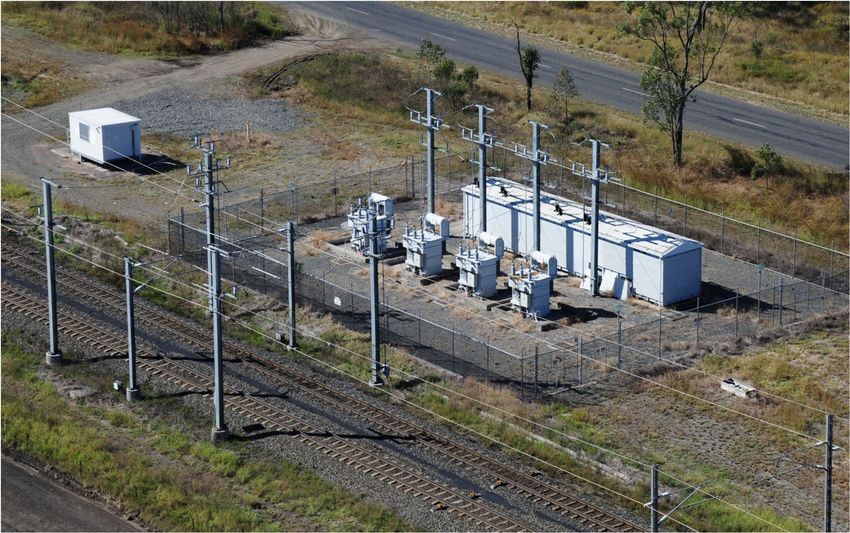
- Overhead Line Equipment (OHLE) -
infrastructure distributes traction Traction substations Major renewals of traction substation Substation)
power to trains on the system assets will be required in line with the Subs)
Managing the risks associated with downstream renewals by the 132kv $6.3m
- Traction Substations - stations the control of high voltage electricity suppliers. Aurizon Network is working
provide a means of connecting to the closely with these third parties to
high voltage transmission network
(Powerlink or Ergon) and converting
Aurizon Network Maintenance and Renewal Strategy / Aurizon / Commercial-in Confidence
30You can also read


