TASTE 2020 A strategy for food and wine tourism in Western Australia for the next five years & beyond - Tourism WA
←
→
Page content transcription
If your browser does not render page correctly, please read the page content below
TASTE 2020
A strategy for food and wine
tourism in Western Australia
for the next five years & beyond
2015 – 2020
2   TASTE 2020 | A STRATEGY FOR FOOD AND WINE TOURISM
    Tourism Western Australia
The purpose of
THIS STRATEGY
is to strengthen Western Australia’s position as an
internationally-recognised destination where you can
savour gourmet produce, fresh seafood, premium wines
and boutique beverages (e.g. craft beers, cider and spirits).

 Western Australia is a gourmet    This strategy provides a            The Margaret River Gourmet
 traveller destination because     cohesive framework to align         Escape, the State’s flagship
 the State has exceptional         the State’s tourism, wine,          food and wine event
 produce, and its natural          agricultural and fishing            that showcases Western
 beauty and culture provides       industries, enabling Western        Australia as a world-class
 the perfect setting for an all-   Australia to deliver on visitors’   culinary destination, already
 encompassing, extraordinary       demands to taste authentic          demonstrates the success of
 tourism experience.               local produce in spectacular        a coordinated approach.
                                   surroundings.

                                                     TASTE 2020 | A STRATEGY FOR FOOD AND WINE TOURISM        3
                                                                                  Tourism Western Australia
“WA’s food and                                              “Western Australia
  wine tourism                                               has such a diverse
  should be based on                                         range of experiences
  its ‘hard to replicate’                                    and culinary tourism
  Western Australian                                         is one of the many
  experiences, mostly                                        great ways of
  determined by our                                          exploring the unique
  local environment                                          character of the
  and locations.”                                            State’s extraordinary
                                                             regional destinations.”
    ROB DELANE
    Director General                                         STEPHANIE BUCKLAND
    Department of Agriculture and Food                       Chief Executive Officer
                                                             Tourism Western Australia

4        TASTE 2020 | A STRATEGY FOR FOOD AND WINE TOURISM             Picking Tamarillos in Pemberton
         Tourism Western Australia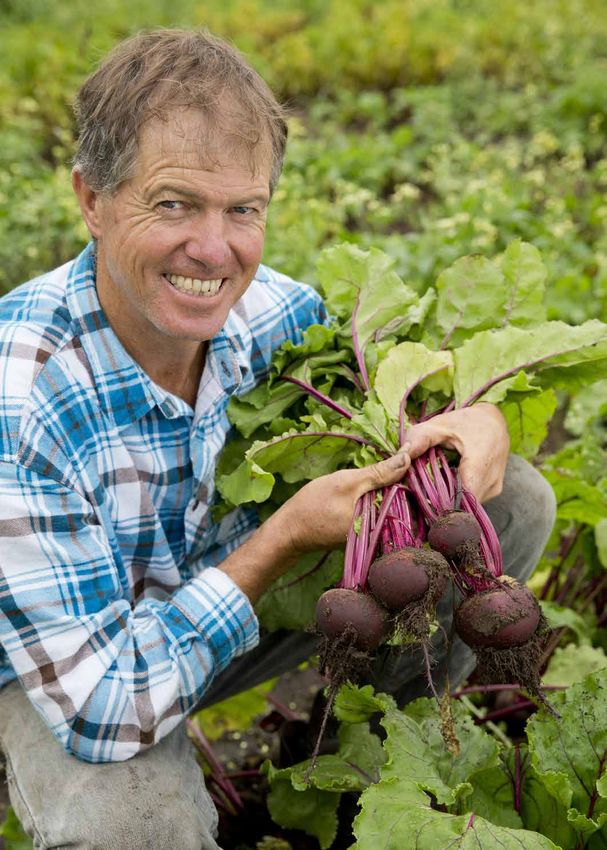
Ministers’ Foreword
                                                                                            Determining the fundamentals of this
                                         We are pleased to                                  strategy took a tremendous State-wide
                                         present Taste 2020:                                effort, but the hard work doesn’t stop with
                                         A strategy for food and                            the production of this document.

                                         wine tourism in                                    For Taste 2020 to be a success, it will
                                         Western Australia                                  require the continued backing of a range of
                                         for the next five years                            non-tourism industry sectors and regulatory
                                         and beyond.                                        bodies.

                                                                                            With this ongoing support, the strategy
DR KIM HAMES MLA                         Culinary tourism is one of the fastest growing
                                                                                            will play a major role in helping increase
Deputy Premier;                          sectors of the tourism industry.
                                                                                            tourism spend in Western Australia to $12
Minister for Tourism
                                                                                            billion by 2020.
                                         With our well-established hospitality,
                                         viticulture, agriculture and fishing industries,
                                                                                            On a regional level, culinary tourism will
                                         Western Australia has the potential to be
                                                                                            encourage visitors to travel throughout the
                                         one of the world’s foremost culinary tourism
                                                                                            State, generating direct economic and social
                                         destinations.
                                                                                            benefits for these communities.
                                         Taste 2020 provides the blueprint for
                                                                                            The Margaret River Gourmet Escape event
                                         Western Australia to cement its reputation as
                                                                                            has been successful in showcasing WA’s
                                         an extraordinary destination to experience
                                                                                            food and wine offerings to the world, and
                                         delicious gourmet produce, succulent fresh
                                                                                            is the flagship event in a rich and diverse
                                         seafood, premium wines and boutique
                                                                                            calendar of culinary tourism attractions
                                         beverages such as craft beer and cider.
                                                                                            across this vast State.

KEN BASTON MLC                           Extensive market research and a significant
                                                                                            We look forward to seeing the results of the
Minister for Agriculture and Food;       amount of consultation were undertaken
                                                                                            Taste 2020 Strategy in years to come.
Fisheries.                               to develop this strategy, with consultation
                                         sessions in late 2013 stretching from Perth
                                         to Kalgoorlie, north to Kununurra and south
                                         to Albany.

TERRY REDMAN MLA
Minister for Regional Development;
Lands; Minister Assisting the Minister
for State Development

                                                                TASTE 2020 | A STRATEGY FOR FOOD AND WINE TOURISM                         5
                                                                                                  Tourism Western Australia
exceptional
                        produce                +        spectacular
                                                          scenery     =
       EXPERIENCE
                 extraordinary

6   TASTE 2020 | A STRATEGY FOR FOOD AND WINE TOURISM                     Margaret River winery
    Tourism Western Australia
Contents

        09
    The Digested Read
    {EXECUTIVE SUMMARY}
                                               48
                                          The Regional Flavour
                                          {REGIONAL OBJECTIVES}

         11
      The Ingredients
         {BACKGROUND}
                                               55  The Chefs
                                              {IMPLEMENTATION}

                                               59
            Introduction - 11

        Historical Overview - 13

   Food and Wine Tourism Market - 15

        Consumer Insights - 21

                                                 Nutritional

        22
                                                Information
                                                   {APPENDIX}

                                             Sampling Plates
           The Recipe
                                                   Restaurants - 18
     {STRATEGIC THEMES}
                                              Aboriginal Experiences - 28

  Appropriate Regulatory Settings - 23               Wineries - 36

  Improving Standards and Quality - 26

Developing New Tourism Experiences - 30

       Festivals and Events - 34

     Promotion and Marketing - 40

    Strategic Priorities Overview - 47

            TASTE 2020 | A STRATEGY FOR FOOD AND WINE TOURISM               7
                                          Tourism Western Australia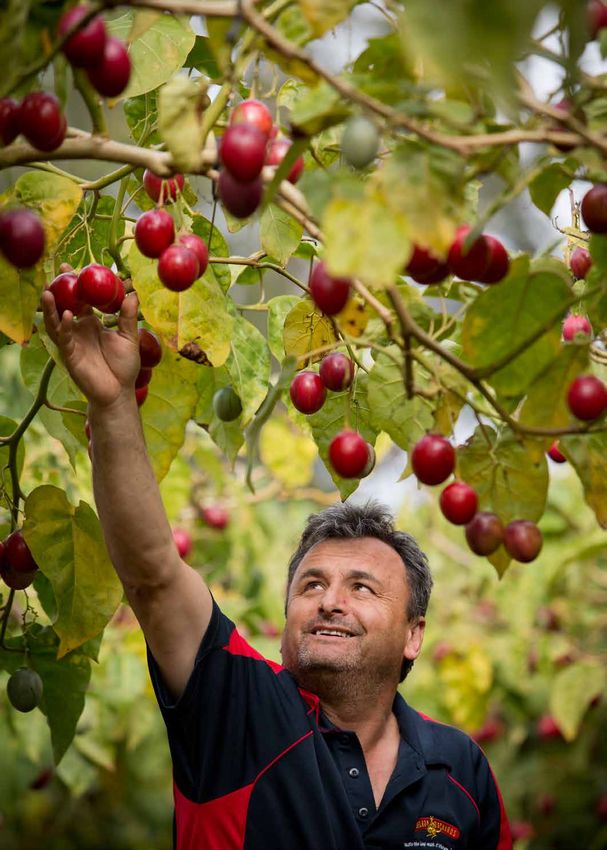
The Digested Read      {EXECUTIVE SUMMARY}

      OMG I LOVE WA...
          “It’s a mixture of the land, the climate, the passion of the
            farmers and growers. I love the Abrolhos Island scallops,
            the White Rocks veal, the WA octopus is amazing and the
            truffles are world class. It’s hard to choose what bits are
            my favourite but, for me, it’s Smiths Beach. I think it’s
            one of the best beaches in Australia.”
                                                                GEORGE CALOMBARIS
                                                                        Celebrity Chef

8   TASTE 2020 | A STRATEGY FOR FOOD AND WINE TOURISM   George Calombaris at Margaret River Gourmet Escape
    Tourism Western Australia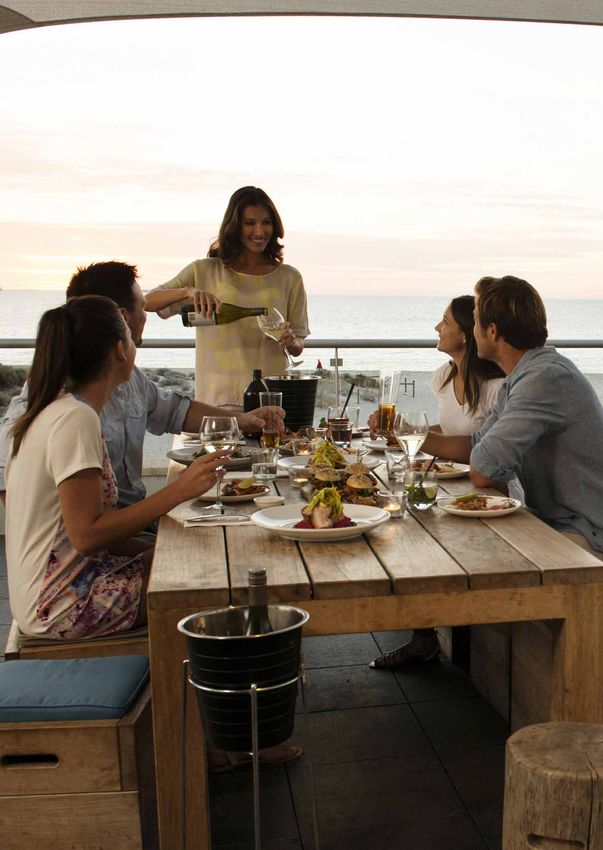
The Digested Read                                    {EXECUTIVE SUMMARY}

                                                   In addition, it aligns with Tourism Australia’s    will also enable agricultural and Aboriginal
Western Australia                                  food and wine tourism campaign,                    businesses to diversify into the culinary
has a strong history                               Restaurant Australia, and with the State’s         tourism market.
and rich heritage in                               tourism brand, Experience Extraordinary. It
                                                   also supports various Royalties for Regions        New tourism experiences and a strong
viticulture, agriculture                           funded initiatives, such as the Seizing the        culinary events calendar provides Tourism
and fishing, so it is                              Opportunity Agriculture program that aims          Western Australia and Regional Tourism
well-placed to deliver                             to strengthen the production and export            Organisations with significant prospects
culinary experiences                               capacity of Western Australia’s agricultural       for marketing the State’s food and wine
                                                   and food sector, and the development of            offering nationally and internationally. It also
that grow its tourism                              Regional Investment Blueprints.                    creates an opportunity for economic growth
appeal nationally and                                                                                 and diversification across Western Australia
internationally.                                   Extensive research undertaken for the              that enhances the tourism brand while also
                                                   strategy verified the importance of food           supporting regional and local economies.
In order to capitalise on our culinary offering,   and wine to the overall tourism offering in
Tourism Western Australia has developed            Western Australia, and confirmed it as one         This is important because many visitors to
Taste 2020: A strategy for food and wine           of the fastest growing drivers of tourism          Western Australia already show a strong
tourism in Western Australia for the next five     worldwide. It was found that almost all tourists   interest in the State’s culinary tourism
years and beyond. The strategy provides            want to try regional specialties and authentic     experiences, especially the diversity and
a framework that will help to better align         local produce, and they want to experience         quality available in the South West region.
and develop new initiatives to elevate the         these in spectacular surroundings, such as         While State marketing initiatives should
State’s tourism, wine, agricultural and            a beach or by the waterfront. It also found        capitalise on the strong recognition of this
fishing industries.                                that consumer demands of food and wine             region, all areas of Western Australia show
                                                   experiences can be broken down into the            potential for development in this sector.
Improving the food and wine tourism                following five categories:                         Accordingly, the State-wide strategic
offering in the State, providing unique dining       • natural beauty;                                priorities are supported by a series of
experiences, and marketing them in the                                                                regional objectives which have been
                                                     • casual dining;
context of extraordinary and impressive                                                               identified for each Regional Development
                                                     • provenance;
locations, will encourage people to visit WA,                                                         Commission area, highlighting key
                                                     • value for money; and
stay longer and spend more money.                                                                     experiences, events and produce. This
                                                     • accessibility.                                 will help to align regional and State-wide
Consideration of trade and export                  By considering these key consumer demands          marketing initiatives and, most importantly,
opportunities as part of the strategy will         and evaluating the State’s current food and        identify areas for future development and
also offer economic benefits for the State,        wine tourism offering, a number of strategic       diversification of food and wine tourism.
and an increase in tourism experiences and         priorities are identified that broadly fit under
events add social vibrancy to the Western          five distinct themes:                              As food and wine tourism cuts across
Australian community. This will create further                                                        a broad range of industry sectors and
                                                     • Appropriate regulatory settings;
opportunities for regional investment and                                                             government agencies, a partnership
                                                     • Improving standards and quality;
support growth in our food, wine, agricultural                                                        approach to implement Taste 2020 will
                                                     • Creating new tourism experiences;
and fishing industries.                                                                               be required to ensure its success. All
                                                     • Festivals and events; and                      stakeholders must work together to
Most importantly, the strategy supports              • Promotion and marketing.                       deliver the strategic priorities and regional
the State Government Strategy for Tourism                                                             objectives so that Western Australia can
in Western Australia 2020, and will help to        These priorities ensure that industry is able      enhance its culinary experiences.
increase the value of tourism in Western           to deliver the kind of culinary experiences
Australia to $12 billion by 2020.                  visitors want, while preserving biosecurity
                                                   and quarantine measures that protect the
                                                   integrity of the State’s products. Establishing
                                                   the right environment that supports the
                                                   creation of new tourism experiences that
                                                   meet consumer demands, and delivering on
                                                   training programs and services for industry,

                                                                           TASTE 2020 | A STRATEGY FOR FOOD AND WINE TOURISM                          9
                                                                                                              Tourism Western Australia
The Ingredients { B A C K G R O U N D }

     food and
       wine                  + world-class
                                beauty

     KEY FACTORS
     when it comes to holiday decision making

10    TASTE 2020 | A STRATEGY FOR FOOD AND WINE TOURISM
      Tourism Western Australia
The Ingredients {BACKGROUND}
INTRODUCTION
Tasting food and wine For the purpose of this strategy, food and The purpose of this strategy is to enhance
wine tourism – or culinary tourism – is loosely the positioning of Western Australia as an
has always been a part
defined as any experience that provides extraordinary destination to experience
of the tourism experience the visitor with an opportunity to sample the gourmet produce, fresh seafood, premium
and recent research destination’s food, wine and other beverages, wines and boutique beverages (e.g. craft
suggests that it is one local cuisine and produce. beers, cider and spirits). It will also provide
a cohesive framework that will help to align
of the fastest growing Whether a broad or narrow definition is taken, and develop new initiatives to elevate the
drivers of tourism it is certain that food and wine tourism as a State’s tourism, wine, agricultural and
worldwide. visitor experience is growing, and the benefits fishing industries.
of it are made clear in the Organisation for
In 2012, Tourism Australia conducted a Economic Co-operation and Development Food and wine tourism requires the support
Consumer Demand Research Project in 15 report, Food and the Tourism Experience, of a broad range of non-tourism industry
of Australia’s key tourism markets, which which identified that food tourism accounts sectors and regulatory bodies. A holistic
identified that food and wine is a key factor in for at least 30 per cent of visitor expenditure. policy approach is therefore needed to
holiday decision making and the next most ensure all sectors are working together to
important emotive trigger after world-class An additional benefit of food tourism is the support the broader aims and objectives and
natural beauty. direct economic and social benefit it delivers regulators can play their part.
to regional communities by increasing
In the same year, the United Nations World spend at businesses that are often locally 1 Hall, C.M & Sharples, L (2003) Food Tourism Around
owned. Food tourism encourages regional the World. Elsevier Butterworth-Heinemann, Oxford
Tourism Organisation (UNWTO) published
pp1-24
its Global Report on Food Tourism, which dispersal and encourages visitors to stop,
2 UNWTO (2012) Global Report on Food Tourism -
identified that food tourism is rapidly spend more and stay longer. By becoming
AM Reports Volume Four, UNWTO Madrid
becoming a central part of the overall tourism part of a culinary trail regional areas that have
experience. In this report, the term ‘food extensive farming and crop production but
tourism’ can be used interchangeably with a few natural attractions can participate in, and
number of other terms which refer to tourism benefit from, food tourism.
that is focused around the food, wine and
other beverages produced by a particular Food and wine tourism therefore aligns with The State Government Strategy for
region. These include: food and wine tourism, the State Government Strategy for Tourism Tourism in Western Australia 2020
culinary tourism, gourmet tourism, tasting in Western Australia 2020. It will assist with identifies a key goal for Tourism WA,
tourism and gastronomic tourism. meeting the State’s objective of increasing other government agencies (State
the value of tourism in Western Australia and Local) and the broader tourism
The UNWTO report uses the definition put to $12 billion in 2020. The broad appeal of industry to double the value of tourism
forward by C.M Hall and L Sharples (2003):1 culinary tourism for all visitors ensures that it in Western Australia by 2020.
is applicable to every one of the seven key
Food tourism is an experiential trip to a strategic pillars identified in the State tourism
gastronomic region, for recreational or strategy: Brand, Infrastructure, Business
entertainment purposes, which includes Travel, Asian Markets, Events, Regional Travel
visits to primary and secondary producers and Indigenous Tourism.
of food, gastronomic festivals, food fairs,
events, farmer’s markets, cooking shows
6 } $12
and demonstrations, tastings of quality food
products or any tourism activity related to food.2
$
billion billion
- IN 2010 - - IN 2020 -
TASTE 2020 | A STRATEGY FOR FOOD AND WINE TOURISM 11
Tourism Western AustraliaTheThe
Ingredients
Ingredients
{ B A{CBKAGCRKOGURNODU}N D }
Western Australia has
internationally recognised,
HIGH-QUALITY
PRODUCE
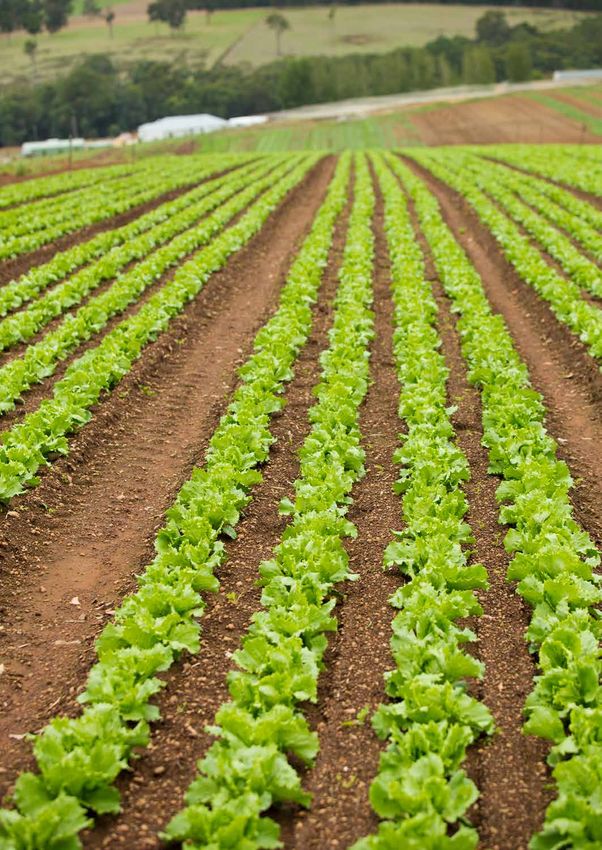
12 TASTE 2020 | A STRATEGY FOR FOOD AND WINE TOURISM Lettuce rows, Manjimup
Tourism Western AustraliaThe Ingredients { B A C K G R O U N D }
HISTORICAL OVERVIEW
Western Australia This emphasis on quality is reflected in Western Australia is a major world supplier
all other areas of agricultural production. of lobsters and prawns, and – with a decline
has a rich heritage in
Western Australia is one of the most pest and in fish stocks in other parts of the world – the
agriculture and fishing, disease-free agricultural production areas steadily growing aquaculture industry is
and is well-placed to in the world. Strict quarantine requirements successfully providing high-value products to
deliver on food and wine and stringent standards in production specialist markets.
systems ensure that this safety and quality is
tourism experiences Importantly, the high-quality of the products
maintained for the benefit of local producers
through its production of and consumers. in each of these industries is internationally
a diverse range of high- recognised, creating strong interstate and
quality edible products. Western Australia’s vast geographic span international export demand. Western
provides diverse soils and climates that are Australia exports up to 80 per cent of its
suited to a variety of agricultural production. agricultural production.
Traditionally, food and wine tourism strategies
In the Ord River Irrigation Area in the north
in Western Australia have focused on wine,
there are mangoes and other tropical crops, The food and wine product aligns with
which has a strong cultural significance
on the coastal sands near Perth market the State’s tourism brand promise:
for the State as vines were first planted
gardens produce vegetables, and from Perth Experience Extraordinary, and any culinary
in Western Australia in the Swan District
into the south west fruit crops are made into strategy for Western Australia must take
in 1829 – the same year that Perth was
outstanding wines and cider. into account the extraordinary diversity of
founded by Captain James Stirling as the
quality food and wine on offer. This brand is
administrative centre of the Swan River
Along the State’s 12,500km coastline there built on the insight that it takes time, money
Colony. While Western Australia currently
are also a great number of commercial and effort to visit Western Australia, but the
produces less than 5 per cent of the total
fisheries, which include rock lobster, investment is worth it because the visitor
wine crush in Australia, the State accounts
pearling, prawns, scallops, abalone, will be rewarded with an enriching and
for approximately 20 per cent of the ultra-
oysters and finfish (e.g. barramundi). life-changing experience. As such there is a
premium segment of Australian wine sales.
need for this Strategy to incorporate all of the
strengths of the food and wine offer within
the overall tourism experience.
Western Australia
STRATEGY TIMELINE
1999 2001 2000 to 2015
WA WINE
TOURISM
WA WINE AND
FOOD TOURISM 2014 TASTE WESTERN
AUSTRALIA
Primarily focused on Acknowledgement of the links Increased focus on food and Food and wine considered
wine and wine regions. between food and wine and wine festivals and events. central to regional identity and
introduction of lifestyle component. culture, and promotion
of tourism destinations.
TASTE 2020 | A STRATEGY FOR FOOD AND WINE TOURISM 13
Tourism Western AustraliaThe Ingredients { B A C K G R O U N D }
ALMOST to be able to eat or drink
regional specialties and
authentic local produce,
EVERYBODY and they want to experience
this in spectacular
WANTS surroundings, such as a
beach or by the waterfront.
14 TASTE 2020 | A STRATEGY FOR FOOD AND WINE TOURISM Gourmet dining by the Swan River
Tourism Western AustraliaThe Ingredients { B A C K G R O U N D }
FOOD AND WINE TOURISM MARKET
Gourmet travellers tend to be younger While gourmet travellers might engage with
Recent consumer research
couples, between 18-34 years old, who are more niche culinary experiences, research
shows that four out of five yet to have a family, and over 55s whose has shown that no matter where the visitor
people who had visited children have left home. For these segments, comes from (intrastate, interstate, or
Western Australia said interaction and education is very important. international) and no matter what their level of
They desire memorable experiences that interest in food and wine tourism (dedicated,
that they were interested
increase their understanding of how to cook interested or accidental), there are some
in culinary tourism and prepare food, knowledge of how to culinary tourism experiences which have
experiences beyond the appreciate good wine, and experiences that universal appeal. Almost everybody wants
basic necessities of eating help them learn more about the history and to be able to eat or drink regional specialties
culture of the place where the food and wine and authentic local produce, and they want to
and drinking.
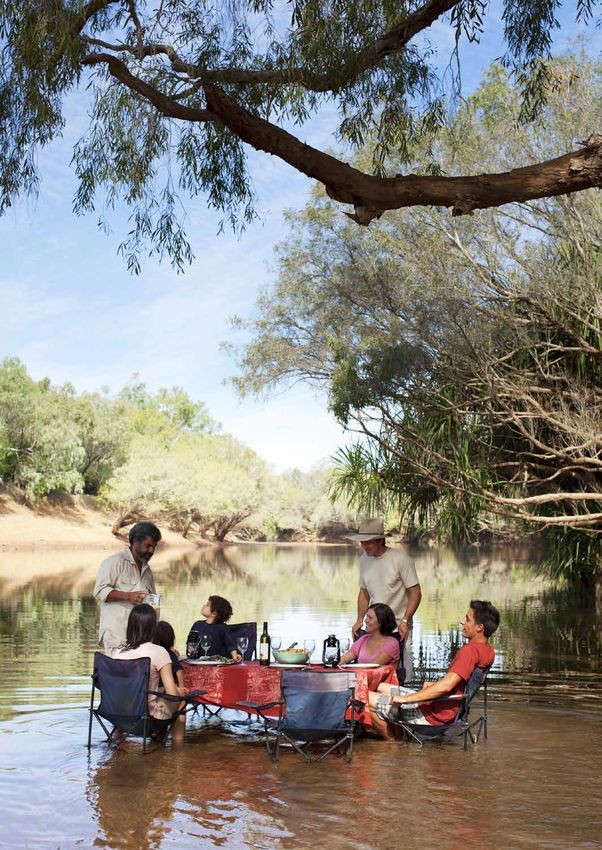
is produced. experience this in spectacular surroundings,
such as a beach or by the waterfront.
Of these people who are interested in
The Strategy needs to acknowledge the
culinary tourism experiences, approximately
much larger group of visitors to Western
one in 10 can be classified as dedicated
Australia who show a general interest in
food and wine tourists. Sometimes referred
culinary tourism, or who might be considered
to as ‘gourmet travellers’, these are visitors
accidental food and wine tourists – that is,
who would say that the types of culinary
they do not deliberately seek out culinary
tourism experiences offered by a destination
tourism experiences, but they enjoy them if
is an important factor in, or the main reason
they happen upon them. These visitors tend
for, their decision to visit. The gourmet
to be families with young children, or singles.
traveller is therefore an important market,
They are not particularly interested in fine
accounting for almost 400,000 visitors to
dining, cooking classes, and food and wine
Western Australia each year.
specific tours and trails. Instead of engaging
with the heritage of the culinary culture, they
experience it more incidentally at events,
attractions, or as part of an overall tour. Their
primary way of experiencing food and wine
will be at restaurants and cafés.
ACCIDENTAL INTERESTED DEDICATED
58%
UK 35%
visitors 7%
Singaporean 49%
visitors
31% 20%
62%
}
Level of interest in culinary
tourism experiences from Interstate 28%
Western Australia’s key
visitor markets.
visitors 10%
TASTE 2020 | A STRATEGY FOR FOOD AND WINE TOURISM 15
Tourism Western AustraliaTheThe
Ingredients
Ingredients
{ B A{CBKAGCRKOGURNODU}N D }
FOOD AND WINE TOURISM MARKET (continued)
Visitor interest in different types of culinary
TOURISM EXPERIENCES
Research identified distinct groups of travellers seeking different types of culinary tourism experiences along the following lines:
Interested in Interested in
Not Really Food & Wine Local Produce Interested in Interested in
Interested Experiences & Surrounding Experiences Everything
39%
23% 23%
10% 6%
When respondents Many or majority of Many or majority of Many or majority of No one group of
where provided high scores given for: high scores given for: high scores given for: culinary experiences
a list of culinary Heritage of food and Authentic local Hands-on experiences, accounts for more than
activities and asked wine culture, Fine dining produce, Street food, Cooking courses, 50% of high scores
to score them in restaurants, Wineries, Local & farmers Locally caught
terms of their level Food/wine tours, markets, seafood,
of interest, few high Food/wine trails, Regional specialities, Indigenous
scores were given Events/festivals, Eating/drinking food experiences
Breweries etc. in spectacular
surroundings,
Places to eat/drink
on beach/waterfront
16 TASTE 2020 | A STRATEGY FOR FOOD AND WINE TOURISM
Tourism Western AustraliaThe Ingredients { B A C K G R O U N D }
WESTERN AUSTRALIA’S CULINARY OFFERING
In developing this strategy, Tourism WA undertook extensive consultation to ascertain the strengths, weaknesses, opportunities
and threats for the industry and the key business areas where efforts of Government and industry should be focused in order to
realise the potential of food and wine tourism for the State.
The findings from the consultations are summarised as follows:
STRENGTHS WEAKNESSES
• Relaxed lifestyle • Quality of service is inconsistent
• Safe • Cost; perceptions of value for money
• Fresh, quality product compared to other destinations
• Diverse product • Blurred lines between tourism and food
• Clean air and water production; farmers don’t see themselves
as being in tourism
• Protected from disease
• Environment and place – impressive • Operators have a lack of awareness about
settings for dining experiences what customers are looking for
• Authenticity • Remoteness and large distances between
• Seafood population centres; lack of critical mass in
some places
• Premium wine
• Availability of skilled labour and associated
costs; inconsistent customer experience
OPPORTUNITIES THREATS
• Increase diversity of offering; encourage • Legislation that impedes a relaxing
innovation and exploration and authentic culinary experience
• Increased marketing focus and • Lack of agreed industry framework to
promotion of open spaces, purity, guide strategic actions
authenticity and integrity
• Negative perceptions of the State –
• Strong growth of Asian markets
e.g. mining at odds with ‘clean and
• Links and cross-promotion of all food fresh’ image
and wine events
• Global competition
• More indigenous culinary experiences
• Culinary trails
• Map identifying ‘hero’ products/
experiences in each tourism region
TASTE 2020 | A STRATEGY FOR FOOD AND WINE TOURISM 17
Tourism Western AustraliaRestaurants {SAMPLING PLATE}
For many visitors, restaurants are the first
POINT OF CONTACT
18 TASTE 2020 | A STRATEGY FOR FOOD AND WINE TOURISM Casual dining by the beach
Tourism Western AustraliaRestaurants {SAMPLING PLATE}
Restaurants should not be undervalued as a
Going to a restaurant tool for showcasing local produce, and as a
may not be the most worthwhile experience in itself.
unique way of engaging
This does not necessarily mean that the
with the food and wine
restaurant should be themed, offer a
heritage of a destination, signature dish, or provide visitors with the
but for many visitors it option of buying gifts and merchandise.
will be the first point of Visitor satisfaction research has shown that
top priorities are that the restaurant provides
contact with the cuisine
very good service, has a good range of
of a particular region. dishes, and has a good atmosphere.
Most tourists want • Makes use of locally-sourced,
fresh ingredients
a restaurant that
• Is in beautiful or spectacular
surroundings
• Provides very good service
• Has a good range of dishes
• Has a good atmosphere/
ambiance
It is considered nice • Specialises in fresh local
seafood
if a restaurant
• Offers local dishes not
available in many other places
Dedicated food and • A good wine/drinks list
• A signature dish
wine tourists want
TASTE 2020 | A STRATEGY FOR FOOD AND WINE TOURISM 19
Tourism Western AustraliaThe Ingredients { B A C K G R O U N D }
Natural
Beauty
5
Key
Value for
Accessibility Money
Consumer
DEMANDS
of food and wine experiences
Casual
Provenance
Dining
20 TASTE 2020 | A STRATEGY FOR FOOD AND WINE TOURISM Longtable lunch setting, Margaret River Gourmet Escape
Tourism Western AustraliaThe Ingredients { B A C K G R O U N D }
CONSUMER INSIGHTS
Recent research Casual Dining Accessibility
projects undertaken by Many visitors on holiday prefer experiences Despite strong interest in bush tucker and
Tourism WA and others that are informal and laid back. Potential food and wine trails, research found that
international visitors to Australia are most visitors had little knowledge of where it was
across domestic and
encouraged by casual experiences in possible to have these experiences. The
international markets, uniquely Australian locations, and feel food and wine tourism industry within the
indicate that consumers that food and wine experiences should State also identified that a key opportunity
have five key demands of embrace their locality by incorporating for Western Australia is the introduction of
the atmosphere of the surrounding area. more culinary trails. When deciding what to
food and wine experiences.
Western Australia’s food and wine tourism do on a holiday, visitors like to be provided
industry identifies one of the State’s key with suggested itineraries as a guide,
Natural Beauty strengths as its ability to deliver on a relaxed and the opportunity to pick and choose
lifestyle and impressive settings for casual preferred activities from these suggestions.
Domestic travellers consider the opportunity
dining. People considering a holiday in Western
to see unique and extraordinary sights as
Australia also rate the ability to explore by
the most important factor when choosing
car as an important factor when choosing
a location for their next holiday. ‘World Provenance
their destination.
class beauty and natural environments’ is
International visitors find ‘fresh, local
also in the top five most important factors
produce grown or raised in pristine natural
when selecting a holiday destination for
environments’ the most appealing element
international visitors (along with good food,
of a food and wine experience. Compared
wine, local cuisine and produce). Both
with other culinary experiences, domestic
international and domestic visitors agree
visitors are most interested in trying regional
that Western Australia offers the opportunity
specialties and authentic regional produce.
to experience food or wine in spectacular
There is a strong desire for experiences that
surroundings, finding the most appealing
offer something unique, true to Australia’s
way to experience the State’s restaurants and
heritage and culture, and supportive of
produce is to dine overlooking the beach or
local producers/growers. People who visit
coastline. Consuming fresh seafood on these
Western Australia find it a great place to
occasions is particularly desirable.
find high-quality, locally-made produce,
and think it is a key strength of the State’s
Value for Money culinary tourism offering.
‘A destination that offers value for money’
was rated as the second most important
factor when choosing a holiday destination
by potential visitors. When considering
taking a trip in Australia centred on food
and wine, the impression that Australia is
poor value for money was identified as the
most significant barrier. Across all regions
in Western Australia, ‘value for money’ and
‘quality of culinary experiences’ were the
attributes most likely to be put forward for
improvement. It is important to note that this
does not mean that visitors are necessarily
after cheaper experiences. If the visitor is
rewarded with an enriching or life changing
experience, and expectations have been met
or exceeded, then a high level of investment
will be perceived to be worth it.
TASTE 2020 | A STRATEGY FOR FOOD AND WINE TOURISM 21
Tourism Western AustraliaThe Recipe { S T R A T E G I C THEMES}
Appropriate
Regulatory
Settings
Promotion & Strategic Improving
Standards &
THEMES
Marketing Quality
From an analysis of Western Australia’s
current offering, against consumer
demands, five strategic themes have been
identified. Each strategic theme must
be considered when developing the
priorities of the State culinary strategy.
Developing
Festivals & New Tourism
Events Experiences
22 TASTE 2020 | A STRATEGY FOR FOOD AND WINE TOURISM Cable Beach sunset, Broome
Tourism Western AustraliaThe Recipe
{STRATEGIC THEMES}
APPROPRIATE REGULATORY SETTINGS
All visitors, from the and that business systems are put into In 2013 an independent committee was
place so that they can be managed properly. appointed to review the Act and submissions
dedicated food and wine
It is about creating the right regulatory were provided by key stakeholders. The
tourist to those who environment for industry to prosper while Government response to the review
simply appreciate a good managing risks. recommendations was delivered on 18
meal between seeing the November 2014. The response has a
In the Perth metropolitan area, in particular, number of positive outcomes for food and
sights, indicate that a part of the vibrancy and excitement around wine tourism, which are to be implemented
key priority for them is the culinary environment is that it is constantly as part of proposed changes to the
that they are given the changing (for example, there has been legislation including:
opportunity to sample a recent surge in the small bar scene). • support for changes to the Act to enable
There is also a growing interest in pop up
and purchase authentic shops, restaurants and bars, which provide
producers to meet the requirements of
consumers on site including:
local produce. opportunities to engage with new culinary
-- authorising beer producers to sell
trends. The requirements and timeframes
liquor for consumption on part of a
involved in liquor licensing and planning
licensed premises approved for the
applications needs to be appropriately
purpose by the Director between the
communicated to the owners so they are able
hours of 10am and 10pm
to incorporate them into their plans.
-- allowing wine producers to establish
a collective cellar door retail outlet
Information relating to application processes
with the same wine region as their
is available to applicants on the Department
production facilities
of Racing, Gaming and Liquor’s website -
www.rgl.wa.gov.au - and officers from the -- allowing producers to sell liquor
department are able to provide assistance other than their own, if sold ancillary
to individuals or groups either through to a meal in a designated dining
education seminars, which are offered on a area, which forms part of their
regular basis, or via one on one meetings. licensed premises or an area the
subject of an extended trading
It should be noted that in some regional permit or for the purpose of
Local produce can be locally caught
towns liquor restrictions are in place as a comparative tastings
seafood, regional specialties (such as
Manjimup black truffles), or locally made response to socio-economic issues, and • removing the requirement for liquor
cheese and wine. There is also a desire to must be observed by residents and to be supplied ancillary to a meal
have casual dining experiences – which visitors alike. supplied by the licensee (Monday to
involve eating and drinking in a relaxing Saturday between the hours of 6.00am
outdoor environment, such as on the beach Liquor Control Act Review – 12.00 midnight and Sunday from
or by the waterfront. Any regulations that 10.00am to 10.00pm) for restaurants
Western Australia’s liquor laws are defined in up to 120 patrons
impede consumers from partaking in these
the Liquor Control Act 1988, which regulates
activities will limit the scope of culinary • enabling movement of patrons
the sale, supply and consumption of liquor,
experiences that food and wine tourism crossing footpaths to alfresco areas
the use of premises on which liquor is sold,
businesses can make available to visitors. and between cellar doors and
and the services and facilities provided in
restaurant areas with separate licences
conjunction with the sale of liquor.
• increase in Sunday trading hours from
Creating the Right
10pm to 12pm midnight for hotel,
Regulatory Environment This legislation offers flexibility in regards to
tavern, and small bar licences
where and when liquor can be supplied and
While red-tape reduction initiatives can • introducing a new class of licence for
consumed in accordance with the ever-
limit the regulatory burden for tourism small bars.
changing demands of a modern and diverse
operators and reviews on legislation are
community, and the requirements of the
necessary, what is more important is that
tourism industry, consistent with the principles
when regulations are established they are
of harm-minimisation.
communicated to key stakeholders effectively
TASTE 2020 | A STRATEGY FOR FOOD AND WINE TOURISM 23
Tourism Western AustraliaThe Recipe { S T R A T E G I C THEMES}
APPROPRIATE REGULATORY SETTINGS (continued)
Facilitate Access to Fresh, These parks and reserves correspond At a more local level, identifying the
Local Produce to some of the State’s premier tourism provenance of food on menus can assist in
destinations and maintaining fishing establishing an understanding of where food
There are many cases in Western Australia opportunities while protecting conservation comes from, as well as assisting in building
where the visitor’s demand for local produce values is an integral element of these local food brands. If a restaurant in Perth, for
is not being met, and where products are management plans. example, clearly identifies where the primary
shipped to Perth to a central processing ingredients in its recipes are sourced (e.g.
area before travelling back to the region from Margaret River marron, Albany oysters,
where it was sourced. In these instances, the Maintain Bio-security
Manjimup black truffles, Exmouth prawns),
food producer and the restaurant have the There is a need to maintain bio-security it can promote regional dispersal. This
convenience of dealing with one supplier, and quarantine regulations that protect the practice of identifying where the product has
but the length of the supply chain can make integrity of the Western Australian product. come from has been utilised successfully by
the produce more expensive and ultimately wineries for many years, and can be applied
less fresh for the consumer. In addition, by What makes Western to other products.
using this distribution model, much of the
Australian produce so
high-grade produce may be exported. While
exporting high-grade products is an effective sought after is the high These brand ideas could be better integrated
through communications around provenance
marketing tool, it should not be done to the standards that the State and quality.
extent that there is too little left for the region sets on its processes to
which produced it to be able to meet the
ensure all consumables The Food Act
demand from visitors.
are safe and pest-free.
The Food Act 2008 (and associated
The objective should be to shorten the supply This also contributes regulations) is the principal piece of
chain and bring the consumer as close to the to the State’s success legislation regulating the production and sale
producer as possible. Farmers markets and
in the export market, of food in Western Australia. This legislation
seafood hubs, for example, bring producers provides food safety regulation over the entire
into direct contact with the consumer, and are particularly in Asia.
food supply chain – from paddock to plate.
popular activities with visitors and locals alike.
Regional processing and production Previously Western Australia had a number of
Provide a Brand Framework
facilities may be required in some cases, different pieces of legislation that related to
which will necessitate long term planning Food labelling is an appropriate method
various aspects of food safety. The Food Act
and investment. for educating consumers of the necessity
2008 replaced them, making it clearer and
for bio-security that also serves as a
simpler for food businesses to understand
There has been a recent success in this area marketing tool, highlighting where the
what is required when it comes to food safety.
after the Department of Fisheries undertook produce is sourced. On a State-wide
a review of the management arrangements level, Buy West Eat Best is a food labelling
Local governments are responsible for
and licensing framework for the aquatic tour program managed by the Department of
administering the Food Act and are the
industry in Western Australia. Agriculture and Food. It provides Western
enforcement agencies for the majority of food
Australian consumers and the local food
businesses within their districts.
As a result of the review, the State industry with a food-specific brand to clearly
Government introduced new measures to identify Western Australian grown, farmed, There are no specific regulations limiting
simplify and deregulate some management fished and produced food products. More tour operators from offering catch and
arrangements for the charter industry. than 100 food producers, manufacturers, cook experiences, or incorporating a food
People will no longer require a licence to retailers and restaurants support the and wine element to their tourism offering.
conduct land-based fisheries tour activities. Buy West Eat Best Program. However, local businesses should liaise
This increases the opportunity for visitors with their local government to confirm their
to catch their own seafood as part of This kind of recognition can also be provided
responsibilities and to find out whether or not
organised tours, such as mud crabs in by international regulators. The Western
they are required to register themselves as a
the north of the State. Australian fishing industry has recently
food business.
embraced the Marine Stewardship Council
Management plans prepared by the as the world’s leading certification and eco
Department of Parks and Wildlife for the labelling program for sustainable seafood.
State’s marine parks and reserves facilitate The West Coast Rock Lobster between Shark
access for recreational and commercial Bay and Cape Leeuwin is the first fishery in
fishing in identified zones. the world to be certified as sustainable for a
third time.
24 TASTE 2020 | A STRATEGY FOR FOOD AND WINE TOURISM
Tourism Western AustraliaThe Recipe { S T R A T E G I C THEMES}
Strategic Priority:
Appropriate
Regulatory Settings
{ INITIATIVES }
• Create the right regulatory
environment for the food
and wine tourism industry,
including appropriate
business systems and
stakeholder communication.
• Facilitate visitor access to
fresh, local produce and
ability to consume it in
nature-based locations.
• Maintain biosecurity and
quarantine measures that
protect the environment and
Western Australia’s product.
• Explore ways of branding
food with a focus on
provenance and food
quality.
01
Beetroots in Manjimup TASTE 2020 | A STRATEGY FOR FOOD AND WINE TOURISM 25
Tourism Western AustraliaThe Recipe { S T R A T E G I C THEMES}
IMPROVING STANDARDS AND QUALITY
The Department, through FutureNow, develops businesses to meet industry
Visitors’ overall works in partnership with Government, the standards for tourism quality. It also delivers
community, industry leaders, registered the Customer Service WAy, which enables
satisfaction with their
training organisations and unions to enhance tourism operators to drive business and
Western Australian workforce competitiveness and productivity of revenue through improved customer service
culinary experiences has the creative and leisure industries (including and sales techniques.
been high, with 70 per cent tourism and hospitality) by ensuring It is important that these services continue to
businesses and people have the right skills, in
indicating they were ‘very’ be available, and are operators encouraged
the right place at the right time. to participate in them.
or ‘quite’ satisfied with
An example of this in practice is its Hospitality
experiences during their Ambassador Program, which brings young, Awards
stay. The top priorities for qualified, successful chefs from the kitchens of Awards are a useful tool for promoting
improvement were value some of Perth’s best restaurants into classrooms standards and quality in the sector, and
across the State. By sharing career highlights provide something for tourism businesses
for money and the overall to aspire to. In recognition of this, in 2013
and demonstrating their skills acquired through
quality of the offering. training, they inspire secondary school students Tourism WA sponsored a new category
to take up careers in hospitality. in the Perth Airport WA Tourism Awards
These two priorities are linked and, in line with
Australian Hotels Association WA – Excellence in Food Tourism. This new
the State’s Experience Extraordinary branding,
The Service with a Smile Customer category was open to food producers,
the focus should be on providing a quality
Service Online Training is free and covers providores, tour operators, cooking schools,
product that justifies the expense, rather than
the fundamental principles of delivering food attractions, farm gate experiences,
reducing the cost.
excellent customer service. It also serves as farmers markets, trails and other food
Develop Service Capability a marketing tool to recognise and promote tourism experiences featuring local WA
existing customer service training and produce as the main component.
Complaints about customer service will
always be inevitable in the food and wine initiatives that have already been implemented The Australian Hotels Association WA and
industry, but there is a strongly held opinion at businesses, and for that work to be Restaurant and Catering WA should also
that customer service in Western Australia recognised in an industry-wide program. continue to run awards which promote
does not meet the high standards of other Australian Hotels Association WA also excellence in their areas of the hospitality
major tourism destinations. This may be provides responsible service of alcohol industry.
symptomatic of an ongoing need to build training, which is mandatory for all staff
Role of Accreditation
on the existing skills base in wine and food involved in the sale, service or supply of liquor.
tourism and provide educational and training The State Government has made a
Restaurant and Catering WA
opportunities throughout the State. considerable financial investment to encourage
Members benefit from many services,
all Western Australian tourism operators to
It should be acknowledged that Western including support, industry news and
become accredited through the Australian
Australia is working in a difficult environment information, education and training,
Tourism Accreditation Program, administered
as there are high costs of doing business, accreditation and awards programs,
by Tourism Council Western Australia.
particularly labour costs. However, there are networking opportunities, workplace relations
Accredited tourism businesses are recognised
a number of Western Australian agencies advice, and marketing and promotion.
as being professional, ethical and reliable,
and voluntary programs that help business Tourism Council Western Australia delivering high quality tourism experiences.
owners to improve standards and quality in Administers the Tourism Advantage range
this area, including: There are already ‘modules’ as part of this
of programs and services which assist
program which acknowledge organisations
Department of Training and businesses to continuously improve their
in specialised areas of tourism. For example,
Workforce Development tourism marketing, customer service and
the EcoPlus accreditation recognises a
The Department of Training and Workforce product quality. It provides a pathway for agri-
business’ commitment to environmental
Development, in addition to its vital training businesses, food experiences and established
management, and an Eco-Marine standard
role, now has a much broader responsibility tourism operators to diversify into the food
is currently under development for marine
which includes a focus on workforce tourism market. This starts with the Tourism
tourism operators (such as charter fishing
development. Workforce development aims BOOST program – which offers advice on
companies).
to build, attract and retain a skilled workforce understanding the tourism industry; pricing
to meet the economic needs of Western A Cellar Door module has already been
tools, checklists and templates; and marketing
Australia, to minimise skill shortages and developed by the Tourism Council in South
tips and tricks to ensure business success.
maximise the State’s ability to respond to Australia and Victoria. A new module could be
As part of Tourism Advantage, Tourism
new opportunities. developed for Western Australia based on this,
Council WA manages a number of
but which also establishes quality standards for
accreditation programs, including the
food tourism and includes authentic Western
Australian Tourism Accreditation Program
Australian produce and culture.
and China Ready Accreditation which
26 TASTE 2020 | A STRATEGY FOR FOOD AND WINE TOURISM
Tourism Western AustraliaThe Recipe { S T R A T E G I C THEMES}
Strategic Priority:
Improving Industry
Standards and Quality
{ INITIATIVES }
• Deliver hospitality
workforce development
programs and educational/
school programs (such as
the Hospitality Ambassador
Program) to improve
the overall quality of
service, emphasising the
importance of value for
money to customers.
• Encourage uptake of
tourism accreditation and
develop a new module
focused on food and wine
tourism.
02
Cellar door tasting TASTE 2020 | A STRATEGY FOR FOOD AND WINE TOURISM 27
Tourism Western AustraliaAboriginal
The Recipe {Experiences
STRATEGIC TH
{SEA
MMEP
S L} I N G PLATE}
28 TASTE 2020 | A STRATEGY FOR FOOD AND WINE TOURISM Outback dining in the Kimberley
Tourism Western AustraliaAboriginal
Experiences {SAMPLING PLATE}
Aboriginal tourism is one of the seven key Western Australia has an environment
pillars of the State tourism strategy, and conducive to achieving this, and the Western
the Aboriginal Tourism Strategy for Western Australian Indigenous Tourism Operators
Australia 2011-2015 makes it clear that ‘it Council (WAITOC) has identified product
is important that Aboriginal experiences development as a major focus in the coming
are woven into the development and years. This is excellent news for food and
promotion of the State to ensure it becomes wine tourists, particularly those looking for a
an integral part of what makes Western more special or unique experience.
Australia special’. Food and wine tourism
should be no exception. WAITOC’s ‘Gourmet Experiences in WA’ is
an example of how new experiences can
Aboriginal tours can be created which match Aboriginal culture
with culinary tourism. Highlighting unique
effectively cater for a
food, drink and cultural experiences in
‘new’ trend in the culinary Western Australia, this campaign – which
world. Many Aboriginal features 10 Aboriginal tourism operators –
tours provide visitors showcases these complementary aspects
of tourism and the variety of opportunities
with the opportunity to
available throughout the State. Significantly,
forage for bush tucker it demonstrates how tourism value can
– or at least identify be added to an event or natural setting
food that is edible – by enabling an exchange of culture and
combining a broader experience or tour
and place this in the
with a culinary activity.
context of a broader
cultural experience.
These activities will be of
particular interest to the
‘gourmet traveller’.
An Aboriginal culinary experience is also an
opportunity to appeal to a broader audience.
An Aboriginal tour which provides authentic,
local produce, and also allows the visitor
to experience it in-situ (i.e. the spectacular
surroundings in which the food is caught/
gathered), is one which aligns with all of the
key demands of a food and wine traveller.
TASTE 2020 | A STRATEGY FOR FOOD AND WINE TOURISM 29
Tourism Western AustraliaThe Recipe { S T R A T E G I C THEMES}
DEVELOPING NEW TOURISM EXPERIENCES
Critical mass is Agribusiness Development Calls for culinary trails are reflective of a
broader change in the way consumers
essential to any culinary Another way to facilitate the development
choose to research and book elements of
destination’s tourism of new experiences is to approach food
their holiday. While traditional methods of
producers and agribusinesses that often
offering. It is the communication (word of mouth, television)
do not see themselves in tourism and
customer’s prerogative educate them on how to access tourism
are most effective when marketing specific
food and wine products, potential visitors to
to want a variety of distribution channels. If these producers
tourism destinations research opportunities
experiences to choose are in a position to offer a tourism element
by comparing various set itineraries and
(such as a farm gate purchasing opportunity,
from within a limited package deals, and then booking selected
or a tour of operations) on top of their core
distance from where production activities, there is an opportunity
individual elements that appeal.
they are staying. to increase critical mass in certain regions,
With tourists increasingly doing this research
and link the regions by increasing the number
online and on-the-go via apps accessible on
A broad range of options encourages of attractions along routes which might
a number of handheld devices, connectivity
competition and results in lower costs. otherwise have little else to offer tourists.
to mobile networks and broadband is
However, a State that is more than ten times
required to allow people to choose and
larger than the United Kingdom, but has Consultations undertaken to develop this
navigate themselves to the next point on the
only four per cent of the population spread strategy highlighted that Western Australian
food and wine trail.
across its entire area, is bound to have farmers and fishing businesses are looking
some critical mass issues. to diversify, but that they require help with
developing, delivering and distributing Infrastructure
Currently, Perth and the South West are experiences for the tourism market.
There is strong evidence that both
the only regions in Western Australia that Agribusiness diversification programs, with
international and domestic travellers find
have a broad enough range of products to specific tourism modules, would assist in
driving to their food and wine destinations
satisfy customer requirements. There are turning some of the State’s many edible
important (rather than going as part of
fewer culinary experiences available in the commodities into worthwhile tourism
an organised bus tour). This means that
Golden Outback and the Coral Coast, and experiences, adding value in the process.
infrastructure in the form of sealed roads is
even though visitor expectation research
a priority, along with appropriate signage.
has shown that food and wine experiences
Culinary Trails This does not apply in areas such as the
are less important to them when they go to
Kimberley and the Gibb River Road where
these regions, they still demand a reasonable A key component when establishing any new
four wheel driving or a helicopter ride to a
choice of options when they reach a major tourism business is making it easy to find
remote destination is part of the experience.
population centre. and access, which makes culinary trails a key
element of a successful food tourism offering.
This preference for a self-guided, driving
The way to resolve the issue of critical mass
experience also means that culinary trails
is to create new tourism experiences. While Creating culinary trails that link together
need to accommodate a broad mix of
the tourism, food and wine industries will disparate food and wine offerings provide the
activities that are not primarily focused on the
identify gaps in the market and seek to fill ability to showcase a region and encourage
consumption of alcohol.
them, the State Government has a role to play greater dispersal. They can involve signage
in creating the right regulatory environment led tours, or virtual tours that rely more on
to allow new products to develop quickly smart phone applications than on physical
enough for consumer demand (as discussed signage. The Harvest Highway culinary trail,
in the Appropriate Regulatory Settings which covers a large proportion of the South
section). West, has been partially developed for some
years. This trail provides an opportunity to link
a number of locations across both different
local government areas and regional produce
and food experiences.
30 TASTE 2020 | A STRATEGY FOR FOOD AND WINE TOURISM
Tourism Western AustraliaThe Recipe { S T R A T E G I C THEMES}
MARKET READY PRODUCTS
Before effective marketing
can take place, especially in Start Up Market Ready Accredited Export Ready
international markets, accessible
Not yet available Stable tourism Market ready and Well established
and bookable products must exist.
to the general business with meeting industry businesses equipped
A company’s journey to becoming
public or through experiences standards in to welcome both
an ‘export ready’ product can be
tourism distribution regularly available business domestic and
mapped as follows:
systems. and delivered to operations. international visitors
visitors. with a consistent
and high quality
experience.
TASTE 2020 | A STRATEGY FOR FOOD AND WINE TOURISM 31
Tourism Western AustraliaYou can also read


