Australian Wildlife Australia has lots of unique wildlife. Some cannot be found naturally anywhere else in the world! These include koalas ...
←
→
Page content transcription
If your browser does not render page correctly, please read the page content below
Australian Wildlife
Australia has lots of unique wildlife.
Some cannot be found naturally
anywhere else in the world!

These include koalas, kangaroos,
kookaburras, emus and platypuses.
Australian Wildlife
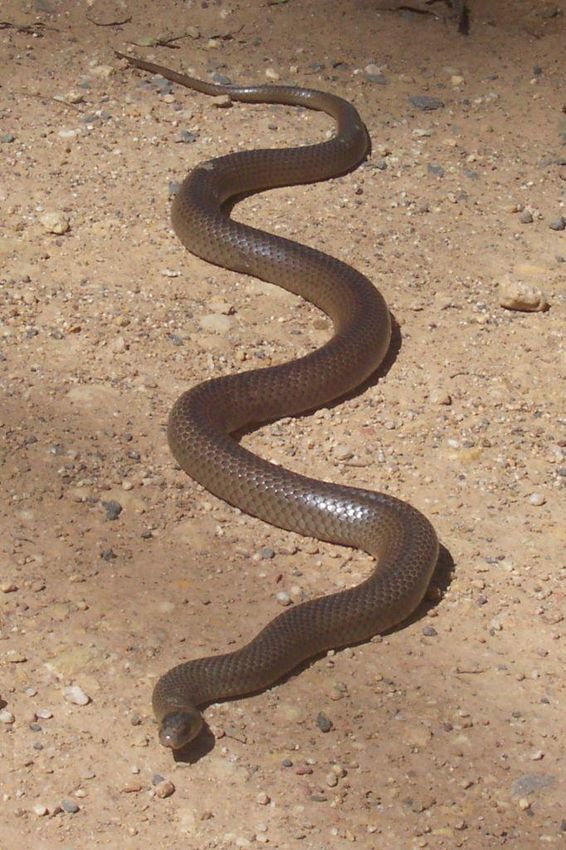
Australia is also home to lots
of dangerous creatures, such as
venomous snakes and spiders!

      Sydney funnel web spider

 Photo courtesy of Alan Couch (@flickr.com) - granted under creative commons licence – attribution
                                                                                                     eastern brown snake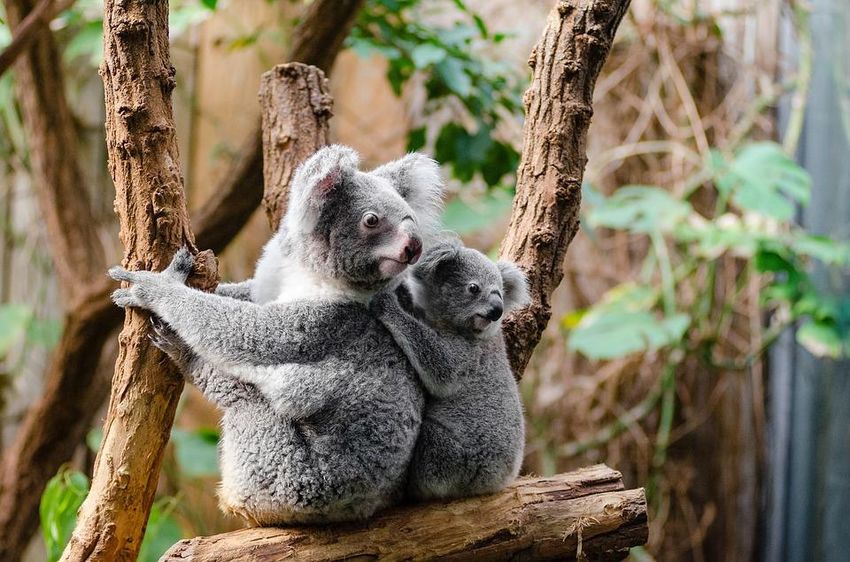
Kangaroo
Kangaroos are also marsupials.
Their babies are called joeys. Like
koalas, kangaroos carry their babies
in their pouches.

                  Kangaroos are also strong swimmers.

                  Kangaroos have very powerful legs. They
                  use these legs to hop or walk around.
                  Kangaroos can jump really high.

                  Photo courtesy of Subhash Chandra (@flickr.com) - granted under creative commons licence – attribution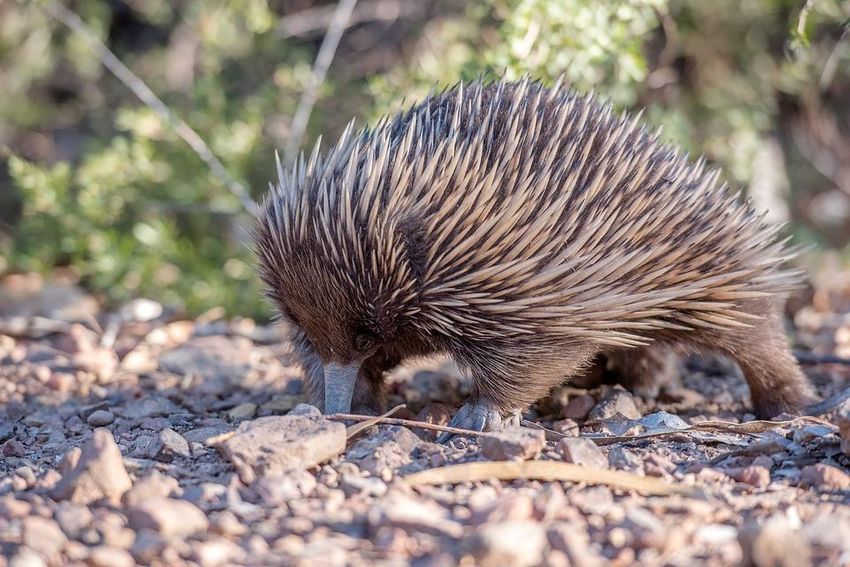
Kangaroo
Kangaroos are mammals and belong to a group called marsupials.
This means that the mother carries her young in a pouch.
Kangaroos have large, strong legs with big feet. This makes them
great jumpers!
They also have a long tail (to keep them balanced) and a small head.

                             Kangaroos live in groups called mobs.

                             They are herbivores. This means that they
                             eat plants, leaves and different grasses.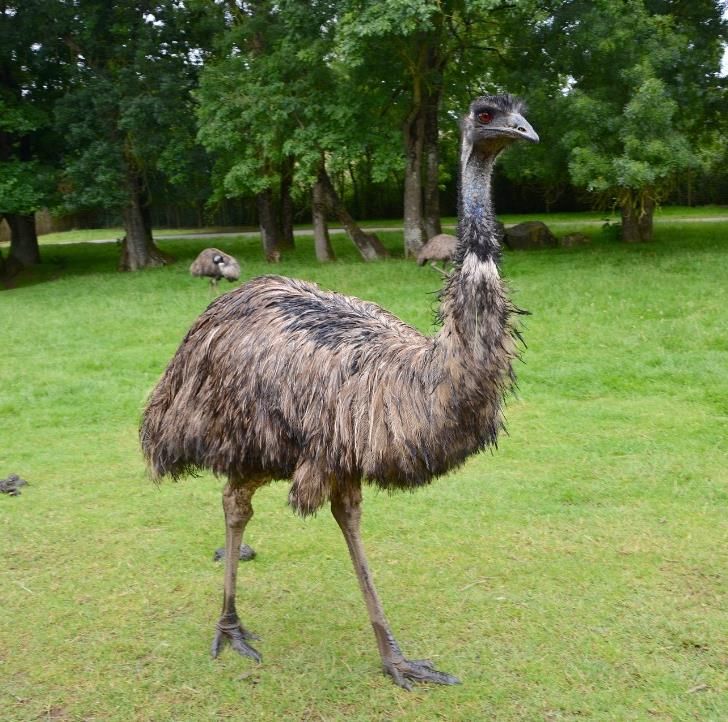
Kangaroo
A baby kangaroo is known as a joey.

The red kangaroo is the largest marsupial
in the world.

                    Did You Know?
                    Kangaroos cannot move backwards.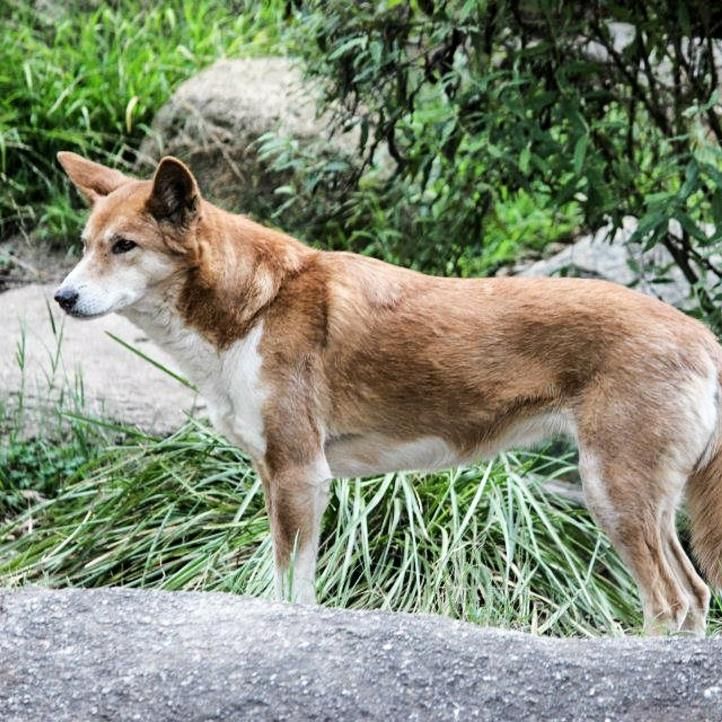
Echidna
The echidna can be found all over Australia and is the most common Australian
mammal.

The echidna looks a bit like a hedgehog with a long, thin snout. It has very
sharp spines (along its back and sides) as well as a long tongue, which they flick
out to catch insects with.

When an echidna is scared, it curls up into a spiky
ball, to protect itself from predators.

Echidna
An echidna eats
minibeasts, such as
worms and ants. They
use their sharp claws to
break open rotting logs to
collect tiny bugs.

                              Did You Know?
                              Echidnas have no teeth.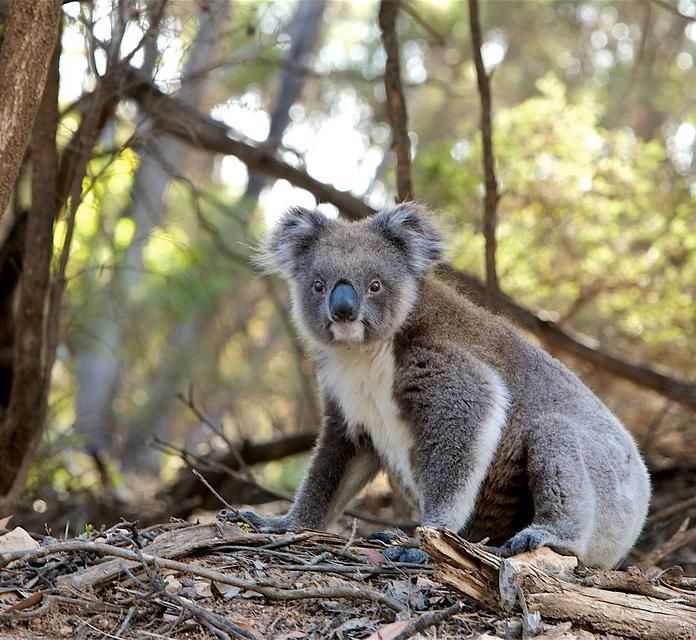
Emu
Emus are the second largest bird in
the world (the ostrich is the biggest).

       Although emus are birds and
       have wings, they cannot fly.

                   Emus use their wings to
                   cool themselves down.

                         They can run really fast (sometimes
                         as fast as a car at 30mph!)

                         Emus eat grass and insects, such as
                         grasshoppers and beetles.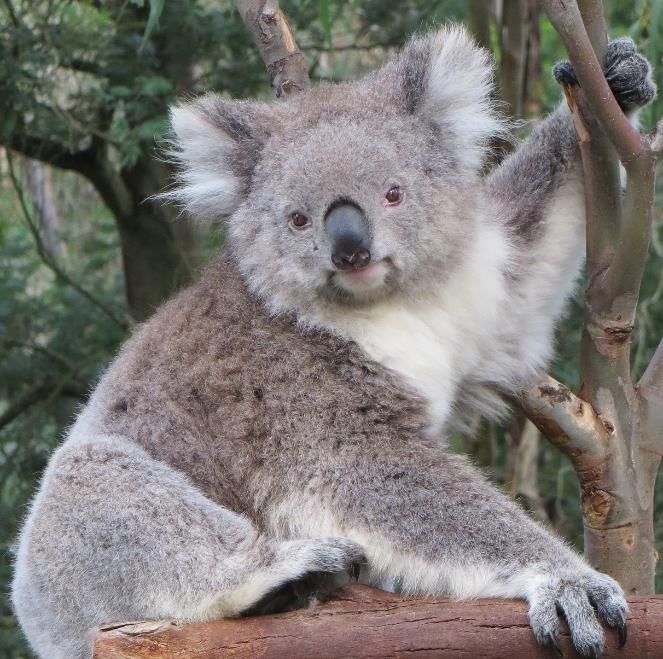
Emu
The emu is the largest bird in Australia and the second largest bird in the world!

Emus have long necks, sharp beaks and small ears.
They have two sets of eyelids. One set is for blinking and the other is to keep the
dust out.

                                                They have three toes on each foot.

                                                One toe on each foot has a long
                                                claw- this is used for fighting.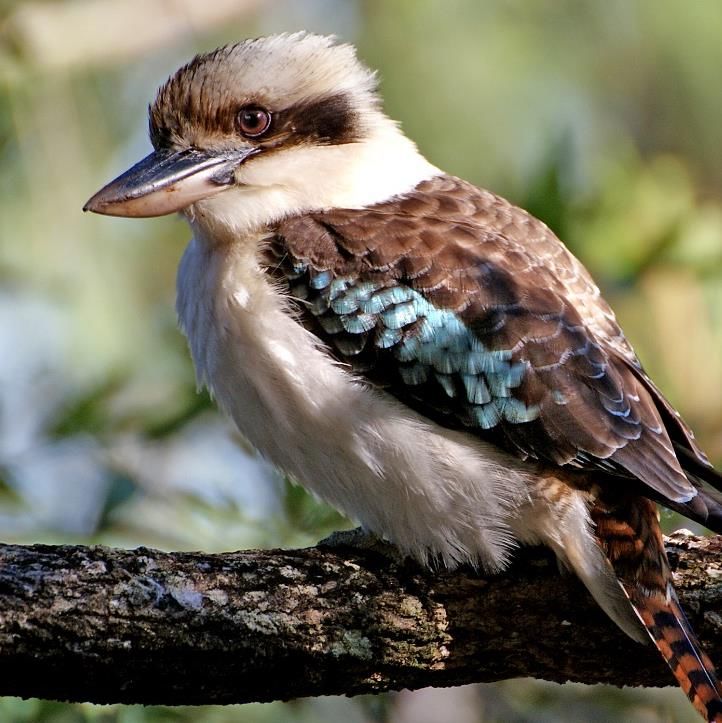
Emu
Emus like to eat grains, flowers, berries, insects
and anything else they can find.

Emus can live in flocks or pairs.

                                    Did You Know?
                                    Emus cannot fly.
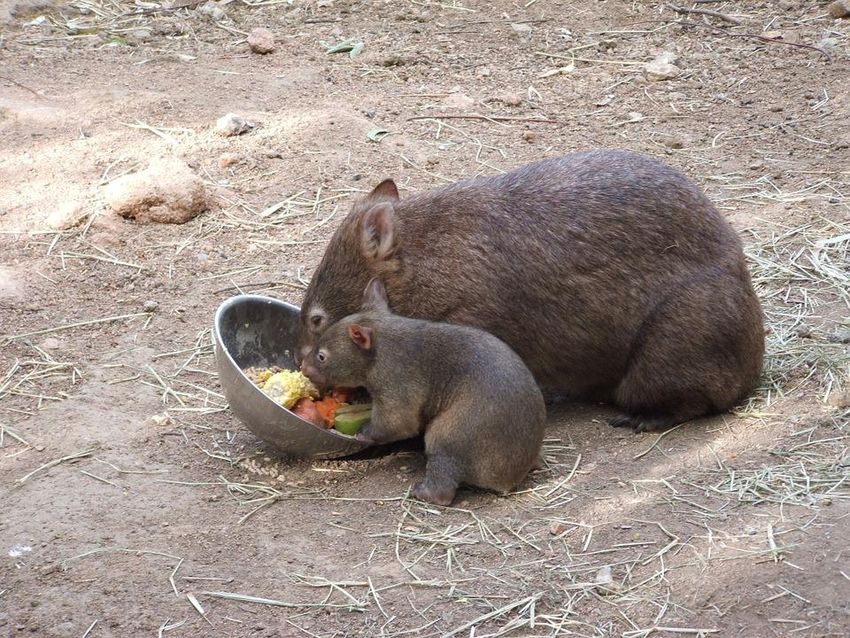
Wombat
Wombats are marsupials too. They
are only found in Australia.
They are nocturnal, which means
that they come out at night-time.
Wombats eat grasses,
herbs, roots and bark.
Wombats like to dig. They live in large tunnels
(burrows) underground. They have powerful
claws and large front teeth. They have a
backwards-facing pouch so they don’t flick dirt
on their babies when they are digging!
Photo courtesy of Steve Bittinger (@flickr.com) - granted under creative commons licence – attributionWombat Wombats are only found in the wild in Australia. They are mammals and marsupials. Wombats have short legs, a small head, wide feet and strong claws. They are great at digging! They live in underground dens called burrows. The burrows are made from roots of fallen trees, soil, leaves and rocks.
Wombat
Wombats can be sandy coloured, brown, black
or grey.

Wombats are nocturnal, which means they are
awake at night and asleep during the day.

They go out at night time to feed on grass
and roots.

                     Did You Know?
                     A wombat’s pouch is backwards.
Possum
Possums are marsupials.
Most possums live in hollow tree trunks, but some build nests known as dreys in
bushes or trees.
Possums are also nocturnal.
Possums are mainly herbivores.
However, they have been known to
eat insects and bird eggs. They eat
eucalyptus and other leaves. They
also love flowers and fruit.Possum
Most possums live alone,
except when they have a
young family. The ringtail
possums tend to live in family
groups of three or more.
Did You Know?
Possums love eating nectar.Koala
Koalas like to eat eucalyptus leaves.
They have very sharp claws which they
use to climb trees.
Koalas have large noses which
are either pink or black.
Baby koalas are called joeys. Joeys live in a
pouch on their mummy's tummy until they are
about six months old.
Koalas (sometimes called ‘koala bears’) are not
actually bears. They are actually marsupials –
the same type of animal as a kangaroo.Koala Koalas are found in the wild in Australia. Although they are often called ‘koala bears’, they are not bears. They are actually marsupials, like wombats, possums and kangaroos. A baby koala is called a joey. Joeys live in their mother’s pouch for about six months.
Koala
Koalas are good at climbing trees. They
use the sharp claws on their front paws
to hold on to the branches and to grip
their food.

They are herbivores and their favourite
tasty treats are eucalyptus leaves.

                      Did You Know?
                      Koalas can sleep for up to 18 hours a day.
Platypus
Platypuses can only be found
in Australia. They live in rivers
and streams.
They have a duck bill (like a beak), a tail
like a beaver and webbed feet.
Platypuses are one of only five mammals
that lay eggs.
They come out to feed at night. They eat
creatures like insects and worms.
Photo courtesy of Brisbane City Council (@flickr.com) - granted under creative commons licence – attributionPlatypus
Platypuses are mammals that lives on land and in the water. They are only
found in eastern Australia and Tasmania, in small rivers and streams.
They have a bill (or beak), a tail, fur and webbed feet.
Although they are mammals, platypuses
lay eggs instead of having babies.
Platypuses are nocturnal. They close
their eyes and ears when they dive
underwater and dig up the river beds
with their bills to find worms, insects
and shrimp.Platypus
The platypus is an excellent swimmer. It can
stay under water for around 30 seconds before
coming up for air.
Did You Know?
They are hunted by snakes, water rats, hawks, owls, eagles
and sometimes crocodiles.
TheEggplantTasmanian Devil The Wild Tasmanian devil can only be found in the wild in Tasmania. The Tasmanian devil is a marsupial. Tasmanian devils are mostly black, but often have white markings on their chest. Tasmanian devils are carnivores, which means they only eat meat. They eat lizards, frogs, insects and any animal meat they can find.
Tasmanian Devil
Tasmanian devils are good at spotting things
that are moving, but if things are still they
probably won’t see it as clearly.

                    Did You Know?
                    Tasmanian Devils store fat in their tail and use this
                    when they can’t find food.

                               scottliddle
Dingo
A dingo is an Australian wild dog.
They don’t bark
like a dog but
howl instead.
Dingoes are related
to wolves.
They have excellent hearing and live in groups,
called packs.
Dingoes are sometimes seen as pests because
they attack farm animals.Kookaburra
Kookaburras have a loud call that
sounds like a human laughing.
They are part of the kingfisher family.
Kookaburras have a long bill (beak)
which can grow to 10cm long.
They live in forests and eat insects,
small mammals, lizards and snakes.You can also read


