AUTUMN 2021 YOUR WATERAID MAGAZINE - HIGHLIGHTS
←
→
Page content transcription
If your browser does not render page correctly, please read the page content below
Autumn
Your WaterAid Magazine               2021

                                              WaterAid/ Nana Kofi Acquah

Highlights
 • The COVID-19 response continues
 • Toilets and Climate Change
 • A Day in the Life in Cambodia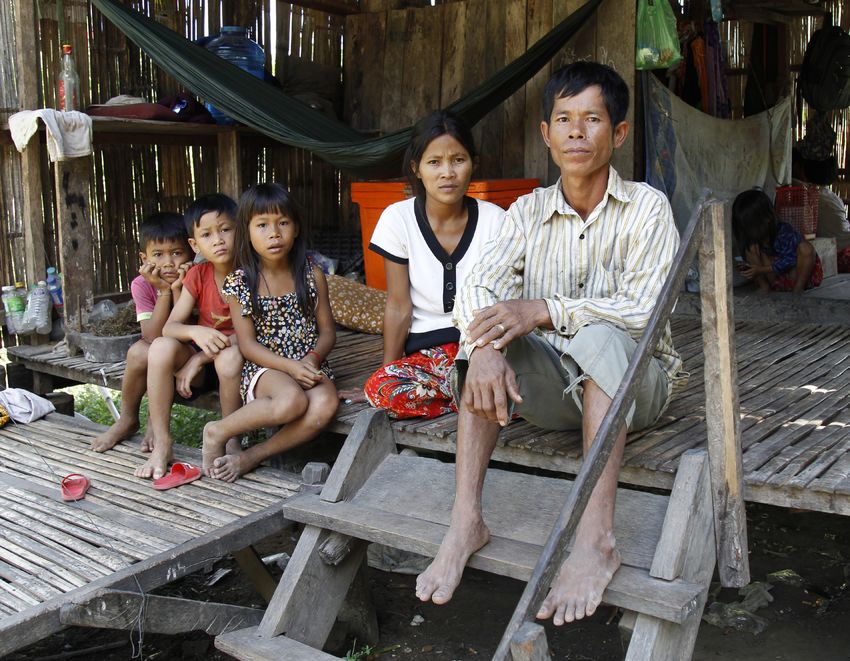
The crisis
                                            Two in five households globally lack
                                            handwashing facilities with soap and water.

                                            785 million people in the world – one in ten –
                                            do not have clean water close to home.

                                            Two billion people in the world – one in four –
                                            do not have a decent toilet of their own.

    About WaterAid                          Fast facts on handwashing
    WaterAid is an international
    not-for-profit, determined to                         Only 1 in 5 (19%) people globally
    make clean water, decent toilets                      wash their hands with soap after
    and good hygiene normal for                           using the toilet.
    everyone, everywhere within a
    generation.                             1 in 3 primary schools
                                            worldwide do not have
    Find out more: wateraid.org.au          handwashing facilities.

    Cover photo: Kokoyeh, 8, Nancy,
    6, and Lucy, 5, play with the clean                   Around 310,000 children die each
    water as their way of celebrating the                 year from diarrheal diseases caused
    new water pump, in Tombohuaun,                        by dirty water and poor sanitation.
    Kailahun District, Sierra Leone.                      That’s over 800 children each day, or
                                                          one child every two minutes.
    Credit: WaterAid/ Nana Kofi Acquah

    This copy of Oasis was edited           443 million school days are lost
    and written by Tegan Dunne and          every year because of water-related
    the WaterAid Australia team. For        illnesses.
    feedback or article suggestions,
    please email info@wateraid.org.au
                                                         Handwashing with soap reduces the
    Stay informed at: wateraid.org.au                    risk of diarrheal diseases by up to
                                                         47%.
           Visit wateraid.org.au/
           subscribe to sign up for our
           regular e-newsletter             Lack of access to sanitation and poor
                                            hygiene contribute to approximately
                    WaterAidAustralia
                                            88% of childhood deaths caused by
                    WaterAidAus             diarrheal diseases.

2     |   Oasis Autumn 2021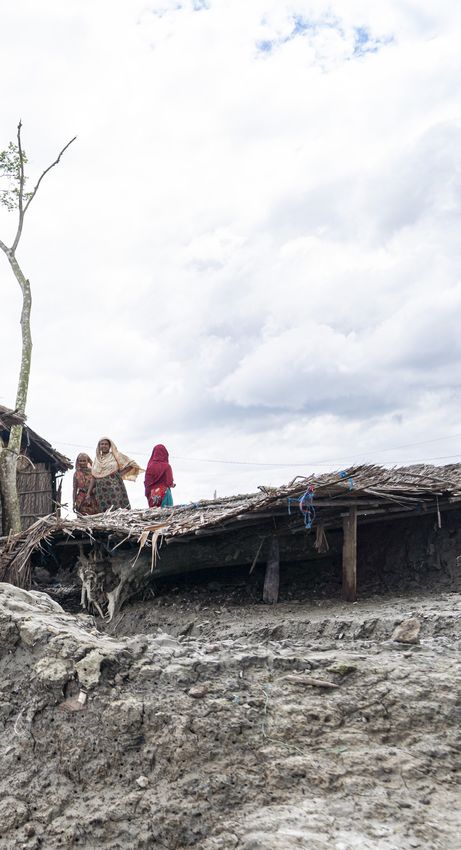
From our Chief
                   Executive

Did you know toilets can help fight
climate change? Yes, you read that right,
toilets! To celebrate World Toilet Day in
November, WaterAid released a report
about toilets and their important role
in the fight against climate change and
infectious diseases. But as important as
they are, one in four people still do not
have one. You can read more about this
on pages eight and nine.

In the challenging year that was 2020,
we saw communities come together in
incredible ways to protect each other and    These and many more stories are inside
help slow the spread of COVID-19. Take       this edition of our Autumn Oasis. I hope
a trip with me to several of our country     you enjoy catching up on WaterAid’s
programs around the world, to check in       work and feel inspired by the positive
on our continued COVID-19 prevention         change happening globally.
and hygiene work.
                                             Continue to take care of yourself and
Closer to home, we visit Cambodia,           those around you.
where we spoke to Sokmal and his family
about a day in his life, discussing where
he collects water, what it is like working
in the rice fields and his hopes for the     Rosie Wheen
future.                                      Chief Executive – WaterAid Australia

                                                               Oasis Autumn 2021    |   3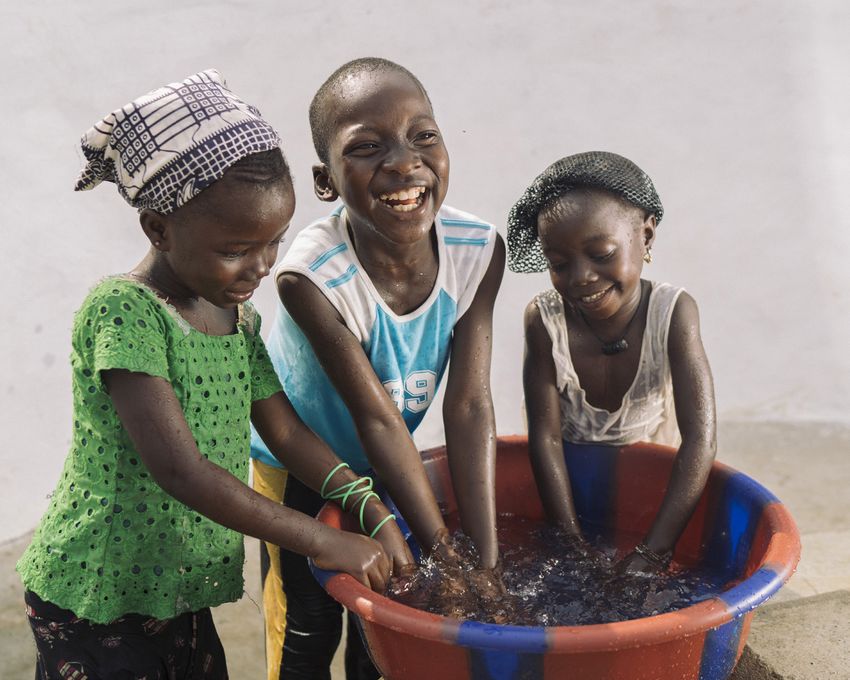
Around the
                                                                  What has WaterAid been up to
                                          world                   recently? Here are some of the
                                                                  things you've helped us achieve
                                                                  with our local partners.

Rwanda
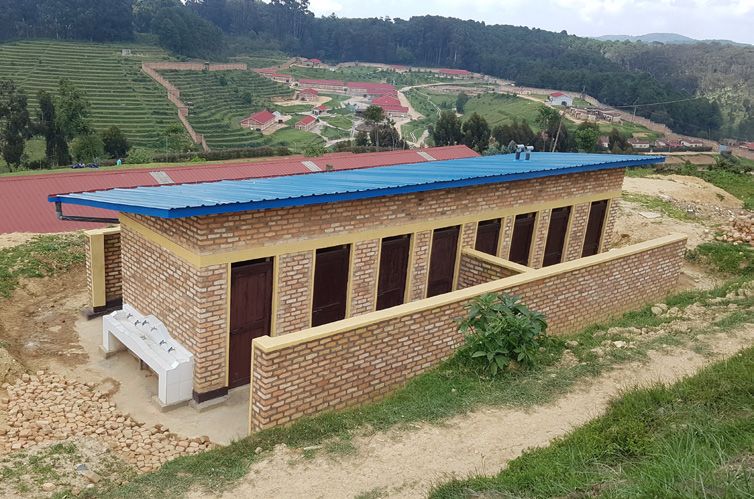
WaterAid Rwanda and partners in the
Nyamagabe district recently visited
the new water and sanitation facilities
constructed in schools under the
Nyamagabe Alba project, supported
by WaterAid. The facilities include an

                                                                                               WaterAid
inclusive school toilet and a menstrual
health management room, in an effort to
keep girls in school.
WaterAid/ Basile Ouedraogo

                                                  Mali
                                                  WaterAid Mali is working in the districts of
                                                  Bla and Kati to improve the living conditions
                                                  of local people through improved water,
                                                  sanitation and hygiene (WASH). Part of
                                                  this is improved WASH infrastructures in
                                                  communities, schools and health facilities,
                                                  such as this new handwashing station installed
                                                  outside the Bogoni Health Centre.

Tanzania
International artist and WaterAid Tanzania’s
Sanitation and Hygiene Ambassador, Mrisho
Mpoto, continues to advocate for Clean Hands for
All. Through the hygiene and behaviour change
campaign in Tanzania. Mrisho’s main message
                                                                                                   WaterAid

is about balancing our daily activities with
                                                                                               WaterAid

handwashing because, ‘life has to go on.’

4                   |        Oasis Autumn 2021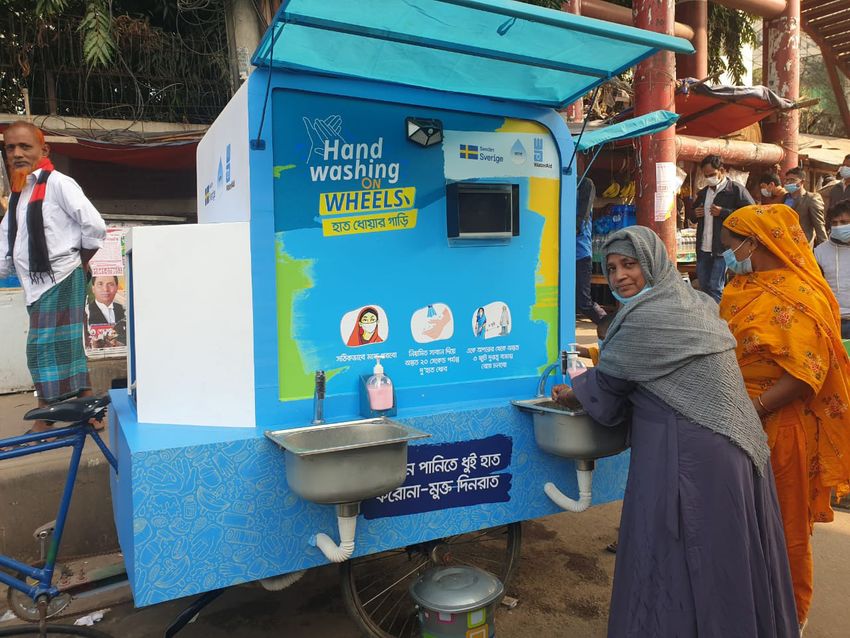
WaterAid Corporate
                   Spotlight – Cristiano
                   Carvalho, Aqwest
What does Aqwest        Aqwest supplies potable water to
do?                     17,000 residential, commercial and
                        light industrial customers in the City
                        of Bunbury and surrounding areas.
Why did Aqwest          The WaterAid membership delivers excellent alignment with
choose to support       Aqwest’s environmental sustainability strategic priorities. It
WaterAid?               also offers a unique opportunity to engage our staff, customers
                        and stakeholders with WaterAid’s work and increase their
                        understanding of the challenges facing communities without
                        access to clean water, sanitation and good hygiene.
Why do you think        It plays a pivotal role in supporting communities and societies.
water, sanitation       Many advances in public health are due to improved sanitation
and hygiene (WASH)      conditions, and nowadays, the relationship between education
are important?          and WASH is well understood, documented and proven to be a
                        pillar for change.
Tell us about your      This has been by far, the highlight of my working life. I had
trip to Vietnam with    the opportunity and privilege to work with a team of WaterAid
WaterAid, who did       water professionals in Vietnam on a Water Utility Improvement
you meet and what       Program coordinated by the Australian Water Association and
did you learn?          the Vietnam Water Sewerage Association. Over three years,
                        our team partnered with a Vietnamese water utility team on a
                        multidisciplinary capacity building program which included staff
                        exchanges, workshops and site visits.
What were the           I was told by a senior Vietnamese official that if potable water
most memorable          wasn’t provided to the province, people would defer to bottled
part of your trips to   water or soft drinks, which would create a larger and longer
Vietnam?                lasting problem in the community and country. This stuck with
                        me, and really underscored how water, sanitation and hygiene is
                        the overarching purpose of a water utility.
What would              They would be supporting a credible and legitimate organisation
you say to any          that is making a difference in many parts of the world. Further,
other companies         WaterAid supports the UN Sustainable Development Goals. This
considering             is a blueprint to achieve a better and more sustainable future for
supporting              all. Finally, supporting WaterAid offers valuable opportunities
WaterAid?               for staff development, particularly in areas which they would not
                        normally work in or know about.

                                                                   Oasis Autumn 2021   |     5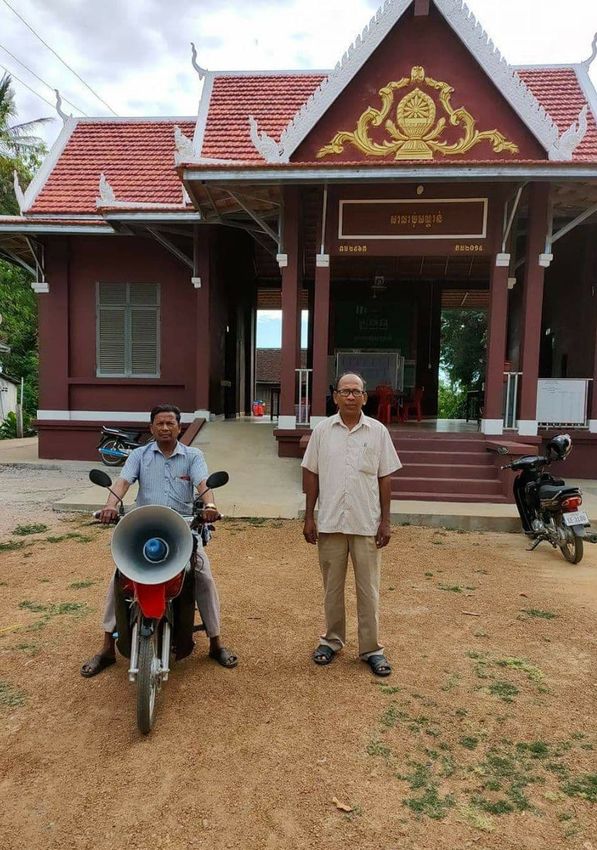
WaterAid’s COVID-19
                            Response Update

         Preventing the spread of COVID-19 requires strong and urgent action to protect
         the most vulnerable and was at the forefront of WaterAid’s work in 2020. But it is
         not over. Right now, our teams around the world continue to install handwashing
         facilities in areas where people need them most and run public awareness
         campaigns making sure that everyone knows how important it is to wash
         their hands with soap, when to do it and how to do it correctly. Here are some
         highlights of WaterAid’s ongoing global COVID-19 response.

                                                           Cambodia

                                                           Following a new outbreak of
                                                           COVID-19 in Cambodia, the team
                                                           worked with the Sambor District
                                                           Administration to continue
                                                           their COVID-19 prevention
                                                           campaign. This included
                                                           mobile broadcasting through
                                                           loudspeakers on motorbikes,
                                                           education on WHO standard
                                                           guidelines and delivering masks
                                                           and hand sanitiser.
    WaterAid

6        |     Oasis Autumn 2021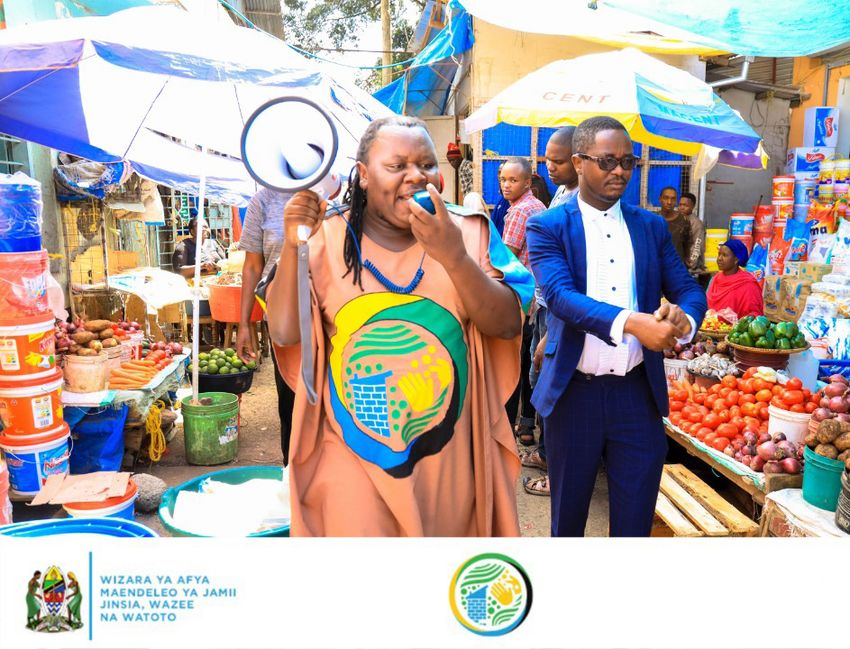
Bangladesh

To respond to the second
wave of COVID-19, WaterAid
Bangladesh created
‘Handwashing on Wheels’,
a mobile handwashing unit
which follows commuters in
the city's most populated areas,
aiding them with easy access
to handwashing with soap. The

                                                                                        WaterAid
units encourage people to wash
their hands frequently and are
equipped with multiple inclusive
sinks, liquid soap, water-tanks and digital tablets which display
handwashing awareness messages through songs!

Nepal

Over 3.5 million people in Nepal
still do not have access to basic
water, with just over 25% of the
existing water supply systems
classed as functional. On top of
this, 57% of the population of
Nepal do not have handwashing
                                                                                        WaterAid

facilities with soap and water on
premises, and 36% of Healthcare
Facilities (HCF) do not have basic
water supply. To help slow the spread of COVID-19, WaterAid Nepal
worked with the government on a large-scale hygiene promotion
campaign, including education on how to properly wash hands,
installation of handwashing infrastructure and supporting local
entrepreneurs to produce masks and liquid soap.

                                                                    Oasis Autumn 2021   |      7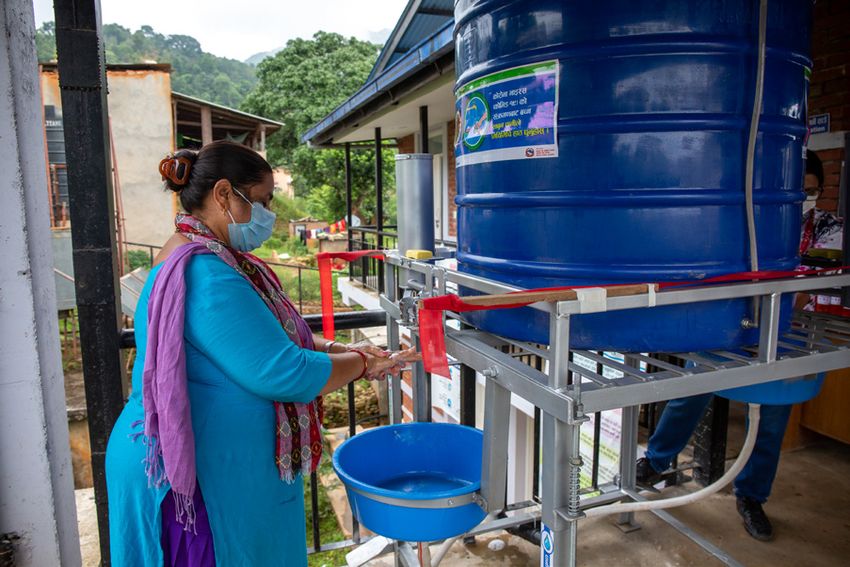
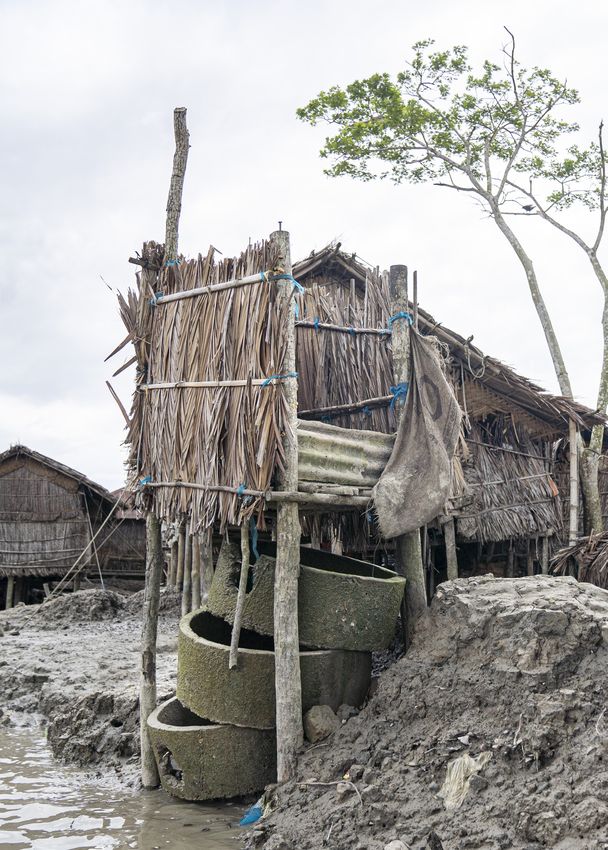
WaterAid/Habibul Haque
An open-air
hanging toilet.
Kalabogi,
Dacope, Khulna,
Bangladesh

8   |   Oasis Autumn 2021
WaterAid/Habibul Haque

                          How do toilets fight
                          climate change?

                                                                                                              WaterAid/Habibul Haque
                         On World Toilet Day 2020, we asked the
                         question, how do toilets fight climate change?
                         Toilets are vital in fighting the impact of
                         climate change, as they help limit the spread of
                         infectious diseases, many of which are being
                         exacerbated by climate change. Unfortunately,
                         one in four people still don't have a toilet.          Anita Das (40) now has a hygienic
                                                                                toilet which she regularly cleans.
                         That’s why we released our report, on the
                                                                                Following WaterAid awareness
                         impact of climate change on the sanitation             program most people are now
                         crisis, to highlight that living without a toilet      conscious about good hygienic
                         endangers the health and livelihoods of the            practices in this area
                         world’s most vulnerable people. Only 45% of the
                                                    world’s population can rely on safely managed sanitation. A
                                                    staggering two billion people do not have access to a private
                                                    toilet, and more than 600 million people have no choice but to
                                                    practise open defecation.

                                                 A lack of clean water, decent toilets and hygiene claims the
                                                 lives of around 800 children under five every day and in
                                                 total, around 829,000 lives every year. Now climate change
                                                 is aggravating the sanitation crisis. Extreme weather –
                                                 floods, powerful cyclones, rising temperatures, prolonged
                                                 droughts – are causing irreparable damage to weak
                                                 sanitation systems and causing illnesses to spread further
                                                 in vulnerable communities. An estimated 250,000 additional
                                                 deaths per year are predicted between 2030 and 2050 due
                                                 to climate change and many of these deaths will be linked to
                                                 poor sanitation. So, what is WaterAid doing about?

                                                 With the release of our report, we called for urgent action
                                                 from governments and the international community to
                                                 increase investment in climate resilient sanitation services.
                                                 Safe, reliable, and inclusive sanitation services help prevent
                                                 the spread of infectious diseases. We are encouraging and
                                                 working with governments to include sanitation plans in their
                                                 climate change adaptation strategies so communities are
                                                 better prepared to withstand the impacts of climate change.

                                                                                          Oasis Autumn 2021   |                        9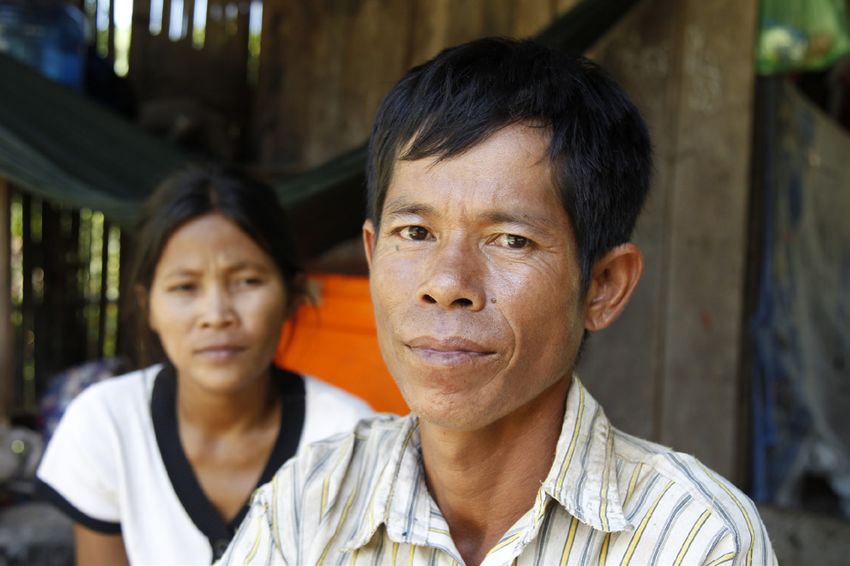
A Day in The Life

                                                                                       WaterAid/ Remissa Mak
     Name: Sokmal

     Lives: Kratie Province,
     alongside the Mekong River

     Shares: A house with his wife
     Soeymom and five children

     Occupation: Works in the           Sokmal and his family are part of
     rice fields                        WaterAid’s Healthy People, Healthy Place
                                        project, which aims to bring clean water
                                        and hygiene behaviour change to the
                                        Sambour district, as well as championing
                                        inclusive water, sanitation and hygiene
                                        for marginalised groups.

 What is your job?            I work in the rice fields and I grow corn. I also work in
                              construction seasonally and also works for other people.
                              My wife comes with me to dig the cassava, pick cashew
                              nuts fruits. We bring the smaller child and we keep the
                              bigger children with their grandparents. We wake up
                              4am and go to sleep by 9pm.
 What do you like             We have land that we can grow rice, corn, vegetable and
 about living here?           other food.
 Where do you get your        The river. The water from the river we have to boil it. We
 water from?                  boil it here. Before, this village had a water filter from
                              another organisation. Now it’s broken so we have to boil
                              water again. The walk to the river is steep and we slip
                              because the water is heavy.

10    |   Oasis Autumn 2021
Sokmal 39 and
Seoymom,
WaterAid/ Remissa Mak
35 with their
children.
Kratie Province
How long does boiling Five litres takes about half an hour. Sometimes when we
take? are in a rush we don’t boil the water and the children get
sick. When we drink the raw water, we sometimes get a
stomach ache. When children are sick, I bring the child to
the medical centre. I feel afraid for their lives.
Do you have any hopes I didn’t because I don’t have any money. But now I work
for children? hard so that I can buy them the books for them to learn.
Three are in school. I have not asked them what they
want to do when they grow up. I don’t know, I just want
them to have knowledge.
What facilities I want the hospital the most. The health centre is far
would you like in from this village. We have to pay for transportation for
community? the patient, or we have to borrow the motorbike. We
would like to have road, clean water, well, hospital and
we would like them to help people.
Oasis Autumn 2021 | 11Your support makes a difference
You can help provide clean water, Please return to:
decent toilets and good hygiene to the WaterAid Australia
Reply Paid 83992
world’s poorest communities.
East Melbourne VIC 3002
Simply complete this form. Thank you.
Or call 1300 858 022 or visit www.wateraid.org/au
Title First Name Last Name
Address
Suburb State Postcode
Email
Email receipt Date of Birth / /
Phone ( ) Mobile
I will give $ please make the amount indicated
AND
via the payment method below. a monthly gift until further notice.
Credit Card Visa MasterCard AMEX Diners
Card No.
Card Holder’s Name Expiry Date /
Signature Today’s Date / /
Direct Debit (monthly giving only)
I/We (Surname/Company) Given Name/ABN
Name of Financial Institution
Address of Financial Institution
BSB Account No.
Signature Today’s Date / /
Cheque/Money Order (enclosed) payable to WaterAid Australia.
Donations of $2 or more are tax-deductible.
Please send me information about including a gift for WaterAid in my Will.
Please send me information about Workplace Giving.
Please note that all donations are used to support programs PRINTED ON
RECYCLED
including, but not restricted to, the ones described in this mailing. PAPER
WaterAid Australia (ABN 99 700 687 141) uses your information to process donations and communicate with you about your
support and our work. We will only disclose this information with service providers to fulfil activities relating to our fundraising or
if required by the law. To update your information or subscription, please call 1300 858 022 or to view our privacy policy visit our
website at wateraid.org.au
Level 9, 176 Wellington Parade, East Melbourne VIC 3002
info@wateraid.org.au Fax: 03 9001 8260 ABN 99 700 687 141You can also read


