Basel, 19 March 2021 Roche Analyst Audio Webcast - Muscular Dystrophy Association - 2021 MDA virtual
←
→
Page content transcription
If your browser does not render page correctly, please read the page content below
Muscular Dystrophy Association – 2021 MDA virtual

Roche Analyst Audio Webcast
Basel, 19 March 2021
This presentation contains certain forward-looking statements. These forward-looking statements may be identified by words
such as ‘believes’, ‘expects’, ‘anticipates’, ‘projects’, ‘intends’, ‘should’, ‘seeks’, ‘estimates’, ‘future’ or similar expressions or by
discussion of, among other things, strategy, goals, plans or intentions. Various factors may cause actual results to differ
materially in the future from those reflected in forward-looking statements contained in this presentation, among others:

1    pricing and product initiatives of competitors;
2    legislative and regulatory developments and economic conditions;
3    delay or inability in obtaining regulatory approvals or bringing products to market;
4    fluctuations in currency exchange rates and general financial market conditions;
5    uncertainties in the discovery, development or marketing of new products or new uses of existing products, including without limitation
     negative results of clinical trials or research projects, unexpected side-effects of pipeline or marketed products;
6    increased government pricing pressures;
7    interruptions in production;
8    loss of or inability to obtain adequate protection for intellectual property rights;
9    litigation;
10   loss of key executives or other employees; and
11   adverse publicity and news coverage.

Any statements regarding earnings per share growth is not a profit forecast and should not be interpreted to mean that Roche’s earnings or
earnings per share for this year or any subsequent period will necessarily match or exceed the historical published earnings or earnings per share
of Roche.
For marketed products discussed in this presentation, please see full prescribing information on our website www.roche.com
All mentioned trademarks are legally protected.
                                                                                                                                                     2
Agenda

Welcome
Karl Mahler, Head of Investor Relations and Group Business Planning

Phase II/III SUNFISH part 2: 24-month efficacy and safety of risdiplam in patients with Type 2 or
non-ambulant Type 3 spinal muscular atrophy (SMA)
Paulo Fontoura, M.D. Ph.D., Global Head Neuroscience and Rare Diseases Clinical Development

Roche Neuroscience and Rare Disease franchise update
Simona Skerjanec, Therapeutic Area Head Neuroscience and Rare Diseases, Global Product Strategy

Q&A
Karl Mahler, Head of Investor Relations and Group Business Planning

                                                                                                    3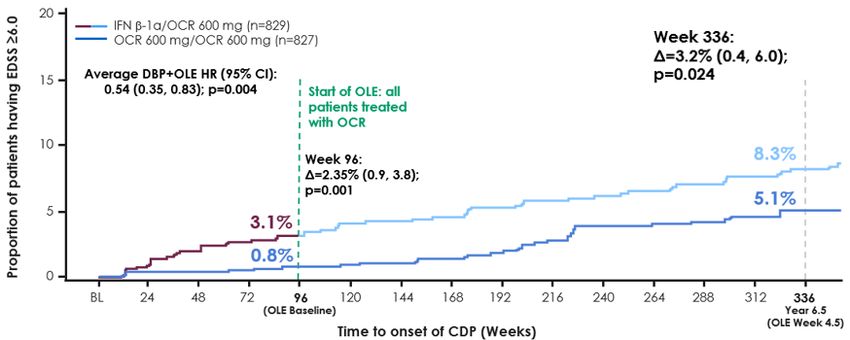
Welcome
Karl Mahler
Head of Investor Relations and Group Business Planning
Rich newsflow ahead - expect mostly virtual analyst events in 2021

                                  Compound                            Indication                                                          Milestone
                                  faricimab                           nAMD                                                                Ph III TENAYA/LUCERNE
                                  casirivimab/imdevimab               SARS-CoV-2 Outpatient                                               Ph III Study 2067
                                  casirivimab/imdevimab               SARS-CoV-2 Post-exposure prophylaxis                                Ph III Study 2069
                                  Tecentriq                           Adjuvant NSCLC                                                      Ph III IMpower010
   Phase III / pivotal                                                SMA type 1/2/3 in previously treated patients                       Ph II JEWELFISH
                                  Evrysdi
      readouts*
                                  Polivy + R-CHP                      1L DLBCL                                                            Ph III POLARIX
                                  Tecentriq + chemo                   Adjuvant SCCHN                                                      Ph III IMvoke010
                                  mosunetuzumab                       3L+ FL                                                              Ph Ib GO29781
                                  glofitamab                          3L+ DLBCL                                                           Ph Ib NP30179

  Virtual Event                Virtual Event               Virtual Event               ASCO IR Event              Roche Pharma Day
    Virtual Event
  gRED                         AANVirtual Event                Virtual Event
                                                           Digitalisation                  Virtual Event             Roche Pharma Day
    Angiogenesis                  MDA                          Diagnostics Day             ASCO
  Tuesday, 18 February         Monday, 4 May               Thursday, 7 May             May 30/June 1 TBC          Monday, 14 September
    Tuesday,
  15:30        16 February
        to 17:00  CEST            Friday,
                               15:00      19 March
                                     to 16:30 CEST             Tuesday,
                                                           15:00  to 16:3023CEST
                                                                             March     live event                 live event
    16:30 to 17:30 CEST           14:00 to 15:00 CEST          14:00 to 16:00 CEST         8 June, TBC                14 September, TBC

                                                                                                                                                                  5

* Outcome studies are event-driven: timelines may change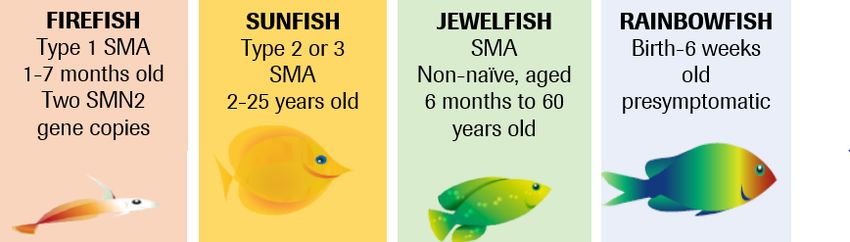
Roche commitment in neuroscience and rare diseases

                                                                                    The challenge

             >600 diseases of the                                      700 million cases of neurological   $789B annual cost of HC in
             nervous system                                            disorders each year                 the US*, €800B in Europe

                                                                                   Our commitment

            - 3 recently launched                                      60 years in neuroscience -          >4,000 scientists dedicated
            first in class medicines                                   from Valium and Madopar to          to discovery and development
            - 14 pipeline assets                                       Ocrevus, Enspryng and Evrysdi
            - 115 clinical trials

                                                                                                                                          6
*Contribution of nine of the most common neurological disorders to annual cost of healthcare in 2017
SUNFISH part 2 data: 24 month efficacy and safety of risdiplam in
patients with type 2 or type 3 SMA

Paulo Fontoura, M.D. Ph.D.
Global Head Neuroscience and Rare Diseases Clinical Development
SUNFISH Part 2: 24-month efficacy and safety of risdiplam in
       patients with Type 2 or non-ambulant Type 3 spinal muscular
       atrophy (SMA)
Maryam Oskoui,1* John W Day,2 Nicolas Deconinck,3,4 Elena Mazzone,5 Andres Nascimento,6 Kayoko Saito,7 Carole Vuillerot,8,9
Giovanni Baranello,10,11 Odile Boespflug-Tanguy,12,13 Nathalie Goemans,14 Janbernd Kirschner,15,16 Anna Kostera- Pruszczyk,17 Laurent
Servais,12,18,19 Marianne Gerber,20 Ksenija Gorni,21 Heidemarie Kletzl,22 Carmen Martin,23 Renata S Scalco,24 Hannah Staunton,23 Wai
Yin Yeung,23 Eugenio Mercuri;5 on behalf of the SUNFISH Working Group
1Departments     of Pediatrics and Neurology Neurosurgery, McGill University, Montreal, Canada; 2Department of Neurology, Stanford University, Palo Alto, CA, USA;
3Neuromuscular Reference Center, UZ Gent, Ghent, Belgium; 4Queen Fabiola Children’s University Hospital, ULB, Brussels, Belgium; 5Pediatric Neurology Institute,

Catholic University and Nemo Pediatrico, Fondazione Policlinico Gemelli IRCCS, Rome; 6Neuromuscular Unit, Neuropaediatrics Department, Hospital Sant Joan de Déu,
Fundacion Sant Joan de Deu, CIBERER – ISC III, Barcelona, Spain; 7Institute of Medical Genetics, Tokyo Women’s Medical University, Tokyo, Japan; 8Department of
Pediatric Physical Medicine and Rehabilitation, Hôpital Mère Enfant, CHU-Lyon, Lyon, France; 9Neuromyogen institute, CNRS UMR 5310 - INSERM U1217, Université de
Lyon, Lyon, France; 10The Dubowitz Neuromuscular Centre, NIHR Great Ormond Street Hospital Biomedical Research Centre, Great Ormond Street Institute of Child Health
University College London, & Great Ormond Street Hospital Trust, London, UK; 11Developmental Neurology Unit, Fondazione IRCCS Istituto Neurologico Carlo Besta,
Milan, Italy; 12I-Motion - Hôpital Armand Trousseau, Paris, France; 13Université de Paris, UMR 1141, NeuroDiderot, Paris, France; 14Neuromuscular Reference Centre,
Department of Paediatrics and Child Neurology, University Hospitals Leuven, Leuven, Belgium; 15Department of Neuropediatrics and Muscle Disorders, Medical Center-
University of Freiburg, Freiburg, Germany; 16Division of Neuropediatrics, University Hospital Bonn, Faculty of Medicine, Bonn, Germany; 17Department of Neurology, Medical
University of Warsaw, Poland; 18MDUK Oxford Neuromuscular Centre, Department of Paediatrics, University of Oxford, Oxford, UK; 19Division of Child Neurology, Centre de
Références des Maladies Neuromusculaires, Department of Pediatrics, University Hospital Liège & University of Liège, Belgium; 20Pharma Development, Safety, F.
Hoffmann-La Roche Ltd, Basel, Switzerland; 21PDMA Neuroscience and Rare Disease, F. Hoffmann-La Roche Ltd, Basel, Switzerland; 22Roche Pharmaceutical Research
and Early Development, Roche Innovation Center Basel, Basel, Switzerland; 23Roche Products Ltd, Welwyn Garden City, UK; 24Pharma Development Neurology, F.
Hoffmann-La Roche Ltd, Basel, Switzerland.
*maryam.oskoui@mcgill.ca                                                                                                                   © 2021 F. Hoffmann-La Roche Ltd. All rights reserved.
Disclosures
     •   MO is a PI of SMA studies for F. Hoffmann-La Roche and Biogen
     •   JWD reports grants from: AMO Pharmaceuticals, aTyr, AveXis, Biogen, Bristol Meyers Squibb, Cytokinetics, Ionis Pharmaceuticals, Roche Pharmaceuticals, Sanofi-
         Genzyme, and Sarepta Therapeutics; He has served as a consultant for: AMO Pharmaceuticals, AveXis, Biogen, Cytokinetics, Ionis Pharmaceuticals, Roche
         Pharmaceuticals, Pfizer, Sarepta Therapeutics, Santhera Pharmaceuticals; He has patents licensed to Athena Diagnostics for genetic testing of myotonic dystrophy type 2
         (US patent 7442782) and spinocerebellar ataxia type 5 (US patent 7527931)
     •   ND is a PI of SMA studies for F. Hoffmann-La Roche, Novartis, Biogen and AveXis. He has received consultancy fees from F. Hoffmann-La Roche, Biogen and AveXis
     •   EMa is a Master trainer for SMA studies and receives consultancy fees from Avexis, Biogen, F. Hoffmann-La Roche and Scholar Rock
     •   AN is a PI of SMA studies for F. Hoffmann-La Roche, Biogen and Scholar Rock. He has received consultancy fees from F. Hoffmann-La Roche, Biogen, Scholar
         Rock and AveXis
     •   KS has attended advisory boards for Biogen, Novartis Pharma, and Roche/Chugai. She is a consultant for AveXis and has received research funding from AveXis/Novartis,
         Biogen, and Roche/Chugai for research consultation for execution of clinical trial projects, and from Ionis Pharmaceuticals for execution of clinical trial projects
     •   CV is a PI of SMA studies for F. Hoffmann-La Roche. She has attended SAB of Roche, Biogen and AveXis and received consultancy fees from F. Hoffmann-La Roche
     •   GB has received speaker and consultancy honoraria from AveXis, Inc., Roche, PTC, and Sarepta Therapeutics
     •   OBT is a PI of studies for F. Hoffmann-La Roche, AveXis, Santhera, Italfarmaco, Ultragenyx and Metfora. She is a DSMB member for Inventiva and Minoryx Therapeutics
     •   NG is a PI of SMA studies for F. Hoffmann-La Roche. She has received consultancy fees from F. Hoffmann-La Roche, Biogen and AveXis
     •   JK has received honoraria for clinical research and/or consultancy activities from Biogen, Novartis Gene Therapies, Roche, and Scholar Rock
     •   AKP is a PI of SMA studies for F. Hoffmann-La Roche. She has attended advisory boards of Biogen, PTC Therapeutics and AveXis, received speaker honoraria from Biogen
         and PTC Therapeutics and grant support from Biogen
     •   LS is a principal investigator of SMA studies for F. Hoffmann-La Roche Ltd, Biogen, and AveXis; he has attended SAB of F. Hoffmann-La Roche Ltd, Biogen, and AveXis and
         received consultancy fees from Biogen; he serves on the board for Cytokinetics. He is co-inventor in the patent 20190029605 (Method for estimating physical activity of the
         upper limb) from which he has not perceived any financial interest.
     •   MG, KG, HK, CM, RSS, HS and WYY are employees of, and hold shares in, F. Hoffmann-La Roche
     •   EM receives fees from AveXis, Biogen and F. Hoffmann-La Roche

9                                                                                                                                                 © 2021 F. Hoffmann-La Roche Ltd. All rights reserved.
A randomized, placebo-controlled, double-blind study
       with broad inclusion criteria and a large dataset
                                                                                                                                Month                                          Month
                                                                                                                                 12                                             24

                                                                                   Risdiplam:placebo
                                                                                   Risdiplam:placebo 2:1                                                    Risdiplam                             Extension

                                     Part 21                                                                                     N=180

                                                                                Primary endpoint:                                   Key exploratory endpoints:
                           Age 2–25 years
                                                                                • change from baseline in                                •       change from baseline in MFM32 total score at Month 24
                                                                                  MFM32 total score at                                   •       proportion of patients who achieve stabilization or improvement (≥0)
                                                                                  Month 12                                                       or a change of ≥3 from baseline in MFM32 total score at Month 24
                Type 2/non-ambulant                                                                                                      •       change from baseline in RULM total score at Month 24
                       Type 3 SMA*                                                                                                       •       change from baseline in HFMSE total score at Month 24
                                                                                                                                         •       change from baseline in SMAIS patient and caregiver upper limb
     Ability to sit independently†                                                                                                               total score at Month 24
      Scoliosis and surgery for                                                                                                     Safety:

                    scoliosis or hip                                                                                                     •     percentage of participants with AEs and SAEs from baseline to
                fixation accepted‡                                                                                                             Month 24

     *Non-ambulant is defined as not having the ability to walk unassisted for ≥10m; †RULM entry item A (Brooke score) ≥2; ability to sit independently (≥1 on item 9 of the
     MFM32). ‡Except in the 1 year preceding screening or planned within the next 18 months.
     AE, adverse event; HFMSE; Hammersmith Functional Motor Score – Expanded; MFM32, 32-item Motor Function Measure; RULM, Revised Upper Limb Module; SAE,
     serious AE; SMA, spinal muscular atrophy; SMAIS; SMA Independence Scale.
     1. Clinicaltrials.gov. NCT02908685 (Accessed Mar 2021).
10                                                                                                                                                                                        © 2021 F. Hoffmann-La Roche Ltd. All rights reserved.
Overall baseline demographics were balanced between
risdiplam and placebo/risdiplam groups
Risdiplam Placebo/risdiplam* Total
(n=120) (n=60) (N=180)
Age at screening, years, median (range) 9 (2–25) 9 (2–24) 9 (2–25)
Age group, years, n (%)
2–5 37 (30.8) 18 (30.0) 55 (30.6)
6–11 39 (32.5) 18 (30.0) 57 (31.7)
12–17 30 (25.0) 16 (26.7) 46 (25.6)
18–25 14 (11.7) 8 (13.3) 22 (12.2)
Gender, n (%)
Female 61 (50.8) 30 (50.0) 91 (50.6)
Male 59 (49.2) 30 (50.0) 89 (49.4)
SMA type, n (%)
2 84 (70.0) 44 (73.3) 128 (71.1)
3 36 (30.0) 16 (26.7) 52 (28.9)
SMN2 copy number, n (%)
2 3 (2.5) 1 (1.7) 4 (2.2)
3 107 (89.2) 51 (85.0) 158 (87.8)
4 10 (8.3) 8 (13.3) 18 (10)
*Patientsin the placebo arm received placebo for 12 months followed by risdiplam treatment for 12 months.
Based on enrollment criteria, at least 56% of patients in SUNFISH Part 2 would have been ineligible for the CHERISH trial (CHERISH inclusion criteria included: age 2 to 12
years, baseline HFMSE score ≥10; and exclusion criteria included: severe scoliosis [>40 degrees curvature]). This percentage does not take into consideration patients with
severe contractures [CHERISH exclusion criteria included any contracture that, according to the investigator, could interfere with HFMSE])1 Intent to treat patients. Data cut-off:
30 Sep 2020.
HFMSE, Expanded Hammersmith Functional Motor Scale – Expanded; SMA, spinal muscular atrophy; SMN, survival of motor neuron.
11 1. Mercuri E, et al. N Engl J Med 2018; 378:625–635. © 2021 F. Hoffmann-La Roche Ltd. All rights reserved.Overall baseline disease characteristics were balanced
between risdiplam and placebo/risdiplam groups
Risdiplam Placebo/risdiplam* Total
(n=120) (n=60) (N=180)
Age at onset of symptoms, months, mean
14.1 (8.4) 18.5 (21.1) 15.5 (14.1)
(SD)
Scoliosis, n (%)
Yes 76 (63.3) 44 (73.3) 120 (66.7)
>40 degrees curvature 34 (28.3) 23 (38.3) 57 (31.7)
Surgery for scoliosis before screening, n (%)†
Yes 29 (24.2) 17 (28.3) 46 (25.6)
No 63 (52.5) 33 (55.0) 96 (53.3)
Not recorded 28 (23.3) 10 (16.7) 38 (21.1)
MFM32 total score, mean (SD) 45.48 (12.09)‡ 47.35 (10.12)§ 46.11 (11.46)ǁ
RULM total score, mean (SD) 19.65 (7.22)¶ 20.91 (6.41)** 20.06 (6.97)††
HFMSE total score, mean (SD) 16.10 (12.46) 16.62 (12.09) 16.27 (12.30)
*Patients in the placebo arm received placebo for 12 months followed by risdiplam treatment for 12 months. †Surgery before screening is not a compulsory question and
therefore some data are not available. ‡n=115. §n=59. ║n=174. ¶n=119. **n=58. ††n=177.
Based on enrollment criteria, at least 56% of patients in SUNFISH Part 2 would have been ineligible for the CHERISH trial (CHERISH inclusion criteria included: age 2 to 12
years, baseline HFMSE score ≥10; and exclusion criteria included: severe scoliosis [>40 degrees curvature]). This percentage does not take into consideration patients with
severe contractures [CHERISH exclusion criteria included any contracture that, according to the investigator, could interfere with HFMSE]).1 Intent to treat patients. Data cut-
off: 30 Sep 2020.
HFMSE, Hammersmith Functional Motor Scale – Expanded; MFM32, 32-item Motor Function Measure; RULM, Revised Upper Limb Module; SD, standard deviation.
1. Mercuri E, et al. N Engl J Med 2018; 378:625–635.
12 © 2021 F. Hoffmann-La Roche Ltd. All rights reserved.The increase in MFM32 total score from baseline was maintained
between Month 12 and 24 in the risdiplam treatment arm; an overall
decline was seen in natural history
SUNFISH Part 2: Patients treated with risdiplam over 24 months versus patients in NatHis-SMA††: Natural history study in sitters with Type 2 SMA and patients with non-
placebo arm who received placebo for 12 months ambulant Type 3 SMA over 24 months1
Risdiplam arm* (Months 0–24) Placebo arm/placebo†‡ (Months 0–12) Sitters with Type 2 SMA and non-ambulant patients with Type 3 SMA
Overall population 2–25 years old§ Subgroup population 6–30 years old‡‡
3 3
Mean change from baseline
Mean change from baseline
2
in MFM32 total score║
2
in MFM32 total score║¶
1
0
1
-1
0 -2
-3
-1 -4
-5
-2 -6
-7
-3 -8
0 2 4 6 8 10 12 14 16 18 20 22 24 0 2 4 6 8 10 12 14 16 18 20 22 24
Visit (months) Visit (months)
Risdiplam (n)** 115 113 113 112 107 103 Sitters with Type
2 SMA and
Placebo arm/
59 57 58 58 patients with 20 15 9
placebo (n)**
non-ambulant
Type 3 SMA (n)**
*Data cut-off: 30 Sep 2020. †Data cut-off: 6 Sep 2019. ‡Patients in the placebo arm received placebo for 12 months followed by risdiplam treatment for 12 months. Risdiplam
period not shown in this graph. §31% (55/180) of the SUNFISH intent-to-treat population were 2–5 years old at baseline. ║+/- 95% CI. ¶Baseline is the last measurement prior to
the first dose of risdiplam or placebo. **Number of patients with valid results = number of patients with an available total score (result) at respective time points. Intent to treat
patients. ††The NatHis-SMA study (NCT02391831) included nine study sites in Europe and 81 patients aged 2–30 years with Types 2 and 3 SMA.‡‡Patients aged 2–5 years old
in the NatHis-SMA study were assessed using the MFM20 and were therefore not included in the data shown.
AIM, Association Institut de Myology; CI, confidence interval; MFM32, 32-item Motor Function Measure; NatHis, natural history; SMA, spinal muscular atrophy.
13 1. Roche data on file; courtesy of AIM. © 2021 F. Hoffmann-La Roche Ltd. All rights reserved.The percentage of patients improving or stabilizing from
baseline in MFM32 score was similar between Month 12 and 24
Risdiplam arm* (Month 12)
Risdiplam arm† (Month 24)
Overall population 2–25 years old
100
with change from baseline
90
Percentage of patients
in MFM32 total score‡
80
70
60
50
40
30
20
10
0
≥3 ≥0
Change in MFM32 total score
Patients (n)§ 112 103 112 103
*Data cut-off: 6 Sep 2019. †Data cut-off: 30 Sep 2020. ‡+/- 95% CI. The percentage of patients is calculated by using the number of valid total scores at baseline as a
denominator. §Number of patients with valid results = number of patients with an available total score (result) at respective time points. Intent to treat patients.
CI, confidence interval; MFM32, 32-item Motor Function Measure.
14 © 2021 F. Hoffmann-La Roche Ltd. All rights reserved.RULM and HFMSE total score change from baseline
increased in patients receiving risdiplam for 24 months
Without treatment, patients with Types 2 and 3 SMA show a decline in RULM and HFMSE scores over time 1,2
Risdiplam arm* (Months 0–24) Placebo arm/placebo†‡ (Months 0–12)
4
RULM 4
HFMSE
Overall population 2–25 years old Overall population 2–25 years old
baseline in HFMSE total score§
baseline in RULM total score§
3 3
Mean change from
Mean change from
2 2
1 1
0 0
-1 -1
0 2 4 6 8 10 12 14 16 18 20 22 24 0 2 4 6 8 10 12 14 16 18 20 22 24
Visit (months) Visit (months)
Risdiplam (n)║ 119 119 117 116 108 105 Risdiplam (n)║ 120 120 119 117 109 106
Placebo arm/ Placebo arm/
58 57 56 56 60 60 58 58
placebo (n)║ placebo (n)║
*Data cut-off: 30 Sep 2020. †Data cut-off: 6 Sep 2019. ‡Patients in the placebo arm received placebo for 12 months followed by risdiplam treatment for 12 months. Risdiplam
period not shown in this graph. §+/- 95% CI. Baseline is the last measurement prior to the first dose of risdiplam or placebo. ║Number of patients with valid results = number of
patients with an available total score (result) at respective time points. Intent to treat patients.
CI, confidence interval; HFMSE, Expanded Hammersmith Functional Motor Scale – Expanded; RULM, Revised Upper Limb Module; SMA, spinal muscular atrophy.
15 1. Pera MC, et al. Muscle Nerve. 2019; 59:426–430; 2. Kaufmann P, et al. Neurology. 2012; 79:1889–1897. © 2021 F. Hoffmann-La Roche Ltd. All rights reserved.The SMAIS was developed to measure self-reported and
caregiver-reported independence
• The SMAIS is a scale developed with patients by The scale has been developed to incorporate both
self‐reported and caregiver-reported independence
Roche that measures the level of help patients
with SMA need to carry out daily activities
Self reporting Caregiver reporting on
• The SMAIS measures 29 items of daily living for individuals
with SMA aged
behalf of individuals
with SMA aged ≥2
– The upper limb total score includes 22 of ≥12 years years
these items
For each item of the 22-item upper limb total score, individuals/caregivers rated the level of help on a 0–4 scale, which was
rescored to a 0–2 scale based on validation analyses
0 1 2 3 4
The SMAIS total score
combines the 22 items into a
0 1 2 single summary score
Individual not able to Individual needs help a Individual only needs a ranging from 0–44
put on a shirt/jacket lot or a moderate small amount of help
without help from amount of help (e.g. (e.g. with buttons) or no
another person putting arms into shirt help
jacket
SMA, spinal muscular atrophy; SMAIS, SMA Independence Scale.
Trundell D, et al. J Neurol Sci 2020.
16 © 2021 F. Hoffmann-La Roche Ltd. All rights reserved.Caregivers and patients reported continuous improvements
or stabilization in the SMAIS upper limb total score change
from baseline with risdiplam treatment over 24 months Additional information on the
SMAIS and how it is scored can
Risdiplam arm* (Months 0–24) Placebo arm/placebo†‡ (Months 0–12) be found using the QR code at
the end of this presentation
4 Caregiver (for all patients) 4 Patient (≥12 years old)
baseline in SMAIS upper
baseline in SMAIS upper
3 3
Mean change from
Mean change from
limb total score§
limb total score§
eating a meal
2 using eating a meal using
2
hands, fork or spoon hands, fork or spoon
1 1
0 0
-1
brushing teeth brushing teeth -1
-2 -2
-3 -3
0 2 4 6 8 10 12 14 16 18 20 22 24 0 2 4 6 8 10 12 14 16 18 20 22 24
writing/using a pen Visit (months)
writing/using a pen Visit (months)
Risdiplam (n)║ 116 114 114 112 108 103 Risdiplam (n)║ 43 42 41 43 39 39
Placebo arm/ Placebo arm/
60 60 59 58 23 23 23 23
placebo (n)║ placebo (n)║
*Data cut-off: 30 Sep 2020. †Data cut-off: 6 Sep 2019. ‡Patients in the placebo arm received placebo for 12 months followed by risdiplam treatment for 12 months. Risdiplam
period not shown in this graph. §+/- 95% CI. Baseline is the last measurement prior to the first dose of risdiplam or placebo. ║Number of patients with valid results = number of
patients with an available total score (result) at respective time points. Intent to treat patients.
CI, confidence interval; SMA, spinal muscular atrophy; SMAIS, SMA Independence Scale.
17 © 2021 F. Hoffmann-La Roche Ltd. All rights reserved.MFM32, RULM and HFMSE total score change from adjusted
baseline was stable over 12 months in patients who
switched from placebo to risdiplam
Without treatment, patients with Types 2 and 3 SMA show a decline in MFM, RULM and HFMSE scores over time 1-3
Placebo arm switched to risdiplam, Months 12–24*
MFM32 RULM HFMSE
3 Overall population 2–25 years old 4 Overall population 2–25 years old 4 Overall population 2–25 years old
baseline in HFMSE total score†
baseline in MFM32 total score†
baseline in RULM total score†
Mean change from adjusted
Mean change from adjusted
Mean change from adjusted
2 3 3
1 2 2
0 1 1
-1
0 0
-2
-1 -1
-3
0 2 4 6 8 10 12 0 2 4 6 8 10 12 0 2 4 6 8 10 12
Months of treatment Months of treatment Months of treatment
Patients (n)‡ 59 59 53 59 59 53 59 57 49
*Patients in the placebo arm received placebo for 12 months followed by risdiplam treatment for 12 months. Placebo period not shown in this graph. †+/- 95% CI. Baseline is
the last measurement prior to the first dose of risdiplam. ‡Number of patients with valid results = number of patients with an available total score (result) at respective time
points. Intent to treat patients. Data cut-off: 30 Sep 2020.
CI, confidence interval; HFMSE, Expanded Hammersmith Functional Motor Scale – Expanded; MFM32, 32-item motor function measure; RULM, Revised Upper Limb Module;
SMA, spinal muscular atrophy.
1. Annoussamy M, et al. Ann Clin Transl Neurol 2020; 8:359–373; 2. Pera MC, et al. Muscle Nerve. 2019; 59:426–430; 3. Kaufmann P, et al. Neurology. 2012; 79:1889–1897.
18 © 2021 F. Hoffmann-La Roche Ltd. All rights reserved.SMAIS upper limb total score change from adjusted baseline
increased or stabilized over 12 months in patients who
switched from placebo to risdiplam
Placebo arm switched to risdiplam, Months 12–24*
4 Caregiver (for all patients) 4 Patient (≥12 years old)
Mean change from adjusted
3 3
Mean change from adjusted
baseline in SMAIS upper
baseline in SMAIS upper
eating a meal
2 using eating a meal using
2
limb total score†
limb total score†
hands, fork or spoon hands, fork or spoon
1 1
0 0
-1
brushing teeth brushing teeth -1
-2 -2
-3 -3
0 2 4 6 8 10 12 0 2 4 6 8 10 12
writing/using a pen Months of treatment
writing/using a pen Months of treatment
Patients (n)‡ 59 59 53 Patients (n)‡ 24 24 24
*Patients in the placebo arm received placebo for 12 months followed by risdiplam treatment for 12 months. Placebo period not shown in this graph. †+/- 95% CI. Baseline is
the last measurement prior to the first dose of risdiplam. ‡Number of patients with valid results = number of patients with an available total score (result) at respective time
points. Intent to treat patients. SMA, spinal muscular atrophy; SMAIS, SMA Independence Scale. Data cut-off: 30 Sep 2020.
19 © 2021 F. Hoffmann-La Roche Ltd. All rights reserved.The observed AE profile was reflective of underlying
disease
Risdiplam arm Risdiplam arm Placebo arm/placebo Placebo arm/risdiplam
0–12 months 12–24 months 0–12 months 12–24 months
(n=120)* (n=120)† (n=60)*‡ (n=60)†‡
Upper respiratory tract infection 38 (31.7) 19 (15.8) 18 (30.0) 6 (10.0)
Nasopharyngitis 31 (25.8) 26 (21.7) 15 (25.0) 10 (16.7)
Pyrexia 25 (20.8) 16 (13.3) 10 (16.7) 6 (10.0)
Most common AEs, Headache 24 (20.0) 12 (10.0) 10 (16.7) 10 (16.7)
n (number of patients [%])
Diarrhea 20 (16.7) 9 (7.5) 5 (8.3) 6 (10.0)
Vomiting 17 (14.2) 14 (11.7) 14 (23.3) 8 (13.3)
Cough 17 (14.2) 12 (10.0) 12 (20.0) 5 (8.3)
Most common SAEs, Pneumonia 9 (7.5) 8 (6.7) 1 (1.7) 0 (0)
n (number of patients [%]) Influenza 2 (1.7) 1 (0.8) 0 (0) 0 (0)
• Decreases in AEs, Grade 3–5 AEs, and treatment-related AEs were observed in both arms during 12–24 months compared
with 0–12 months§
• There have been no treatment-related AEs leading to withdrawal or treatment discontinuation
• Ophthalmologic monitoring has not shown any evidence in humans of the retinal findings seen in preclinical monkey studies
• Hematologic parameters have remained stable over time and no drug-induced skin findings have been observed
*Data cut-off: 6 Sep 2019. †Data cut-off: 30 Sep 2020. ‡Patients in the placebo arm received placebo for 12 months followed by risdiplam treatment for 12 months.. §One
patient withdrew from treatment after the CCOD due to an AE of transaminitis initially reported as related to risdiplam, which was reassessed after discontinuation as unrelated
to risdiplam. Safety-evaluable patients.
AE, adverse event; CCOD, clinical cut-off date; SAE, serious AE. © 2021 F. Hoffmann-La Roche Ltd. All rights reserved.
20Conclusions from SUNFISH Part 2 at 24 months
Motor function was Continuous MFM32, RULM, A decrease in AEs
stable or showed improvement or HFMSE and SMAIS was observed
continued improvement stabilization in the change was stable during the second
during the second year level of help needed over 12 months in year in both
of treatment with for activities in daily patients who risdiplam and
risdiplam (as measured living beyond the first switched from placebo/risdiplam
by change in MFM32, year was reported placebo to arms
RULM and HFMSE) using the SMAIS risdiplam
measure treatment
The gains observed with risdiplam treatment at Month 12 were maintained or
improved upon at Month 24
These results are an important milestone confirming longer-term efficacy and
safety of risdiplam in a broad population of individuals with Type 2 and
non-ambulant Type 3 SMA
AE, adverse event; HFMSE, Expanded Hammersmith Functional Motor Scale – Expanded; MFM32, 32-item Motor Function Measure;
RULM, Revised Upper Limb Module; SAE, serious AE; SMA, spinal muscular atrophy; SMAIS, SMA Independence Scale.
Please scan using your QR reader application to access the graphs and data presented in this presentation.
NB: there may be associated costs for downloading data. These costs may be high if you are using your smartphone abroad. Plea se
check your mobile data tariff or contact your service provider for more details. Alternatively this can be accessed at: https://bit.ly/3pdYfyI.
21 © 2021 F. Hoffmann-La Roche Ltd. All rights reserved.Acknowledgments
Many thanks to all the patients
who participate in these studies
and their families, healthcare
professionals and the support
of patient groups throughout the world
22 © 2021 F. Hoffmann-La Roche Ltd. All rights reserved.Roche Neuroscience and Rare Disease franchise update
Simona Skerjanec
Therapeutic Area Head Neuroscience and Rare Diseases, Global Product
Strategy
23Roche: Broad pipeline leading the way to first in class medicines in
neuroscience and rare diseases
NeuroImmunology NeuroDegeneration NeuroMuscular NeuroDevelopment
& Psychiatry
Multiple Sclerosis Alzheimer disease SMA Angelman syndrome
Ocrevus gantenerumab Evrysdi UBE3A LNA
First anti-Aβ mAb, SC convenience First and only oral DMT in SMA First in class antisense
First B-cell targeted therapy T1/2/3 oligonucleotide activating paternal
gene to produce functional protein
Huntington’s disease
HTT-ASO
First
antisense drug to reduce toxic mHTT
NMOSD DMD Schizophrenia
Enspryng SRP-9001 ralmitaront
Parkinsons’s disease (Sarepta)
prasinezumab First state-dependent modulator of
First recycable IL6-mAb, SC q4w First micro-dystrophin gene therapy monoaminergic neurotransmission
dosing to express potentially functional
First mAB targeting pathogenic α-
protein
synuclein
24Roche: Strong momentum with successful launches in MS, SMA
and NMOSD
Phase 2 and 3 (7 NMEs) Phase 1 (6 NMEs)
UBE3A LNA
RG6091
First and only high-efficacy DMT First and only q4w subcut RD Angelman synd.
approved for both RMS and PPMS IL-6 inh. DMT for AQP4+ NMOSD
ralmitaront NME
RG7906 RG6182
schizophrenia neurodeg. dis.
microdystrophin gantenerumab,
RG6356 RG6102
RD SRP-9001, DMD brain shuttle, AD
semorinemab NME
RG6100 RG6237
Tau MAb, AD neuromusc. dis.
First and only at home DMT in
gantenerumab fenebrutinib NME
SMA T1/2/3 for adults, children and RG1450
Alzheimer’s
RG7845 RG7637
neurodev. dis.
PPMS
infants two months and older
tominersenRD prasinezumab GABA Aa5
RG6042 RG7935 RG7816
Huntington’s Parkinson’s PAM, autism
2017 2020 2022 2023 and beyond
launched expected filing
Neuro-immunologic disorders Neuro-degenerative disorders Neuro-developmental disorders Neuro-muscular disorders Psychiatric disorders RD = Rare Diseases 25Roche: Better decision making using digital technology
Continuous and longitudinal measurements to capture episodic and rare
events
Duchenne muscular dystrophy: First-of-its-kind endpoint* Launch of Floodlight MS: Seeing beyond the surface
for digital health tech qualified by EMA of living with MS
• Traditional outcome measures for • Captures impact on function between
DMD limited by patient motivation clinic visits that might otherwise go
unobserved
• First wearable qualified by EMA as a
• Collects objective data across 3 key
sensitive, precise, and objective
neurological domains; app easily
measure of a patient’s ability to
accessible on a smartphone
ambulate at home
• Complements the clinical interview with
• Disease-agnostic technology allows objective documentation and may inform
for broad portfolio deployment HCP decisions
• Partnership with SYSNAV • 2021 launch in 10+ countries
26
*Stride Velocity 95th Centile (SV95C): qualified novel endpoint for remote real-world monitoring of how well a patient can ambulate.MS franchise: Ocrevus shifting the standard of care
>200,000 patients treated globally
Robust, consistent, sustained impact on slowing disability 2020 global sales: CHF 4,326m
progression
RMS: Ph III (OPERA) 6.5-year follow-up CHFbn
Global sales CER growth Regional sales
5.0
+24%
Time to 48 week CDP-EDSS
4.0
3.0
2.0
1.0
Reaching EDSS score
0.0
≥6.0, a key clinical
Time to 48 week CDP-EDSS FY 17 FY 18 FY 19 FY 20
disability milestone
representing the
requirement of a walking • Ocrevus with 25% total US market share
aid, which is associated
with increased patient and • US new patient share remains ~40%
societal burden • Q4 growth despite COVID-19 and carry over from Q2 (1 st
wave)
• Expect growth to continue in 2021
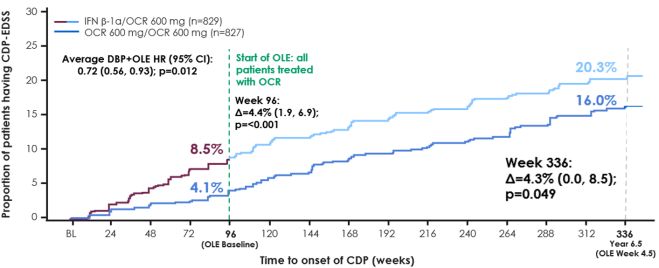
• RMS patients on Ocrevus over 6.5 yrs had a 46% reduction in the risk of needing • Launches in EU and International ongoing
a walking aid vs those who switched over from IFN β-1α treatment at the end of
the double-blind period (p=0.004)
27MS franchise: Changing the course of the disease
Extensive clinical development ongoing in RMS and PPMS
Ocrevus Ph III higher-dose studies in RMS and PPMS Fenebrutinib Ph III program in RMS and PPMS
• Exposure/response analysis suggests a higher dose could further • Highly differentiated and potentially best-in-class BTKi in MS
lower the risk of disability progression without compromising safety • Ph III FENtrepid in PPMS FPI Q4 2020
• Two double-blind, randomized Ph III studies MUSETTE in RMS and • Ph III studies FENHance I & II in RMS FPI expected Q1 2021
GAVOTTE in PPMS started in 2020
• Primary endpoint is composite Confirmed Disability Progression 12
(cCDP12); co-primary endpoint in RMS is ARR
Hauser S.L. et al, ACTRIMS-ECTRIMS 2020; 24W-CDP=24 week confirmed disability progression; AAR=annual relapse rate; MRI=magnetic resonance imaging; RMS=relapsing multiple 28
sclerosis; PPMS=primary progressive MS; OLE=open label extensionNMOSD: Enyspryng launched in 16 countries to date
Differentiated profile for a rare and debilitating autoimmune CNS disease
ENSPRYNG is the first and only approved treatment designed to target and inhibit the IL-6 receptor activity
Highly effective US Launch performance to date
Robust efficacy, significant reduction of the
risk of relapse across a broad patient population
• US launch ongoing as planned with over
Flexible and convenient >130 patient enrollments* to date
Q4w SC dosing at home
Studied as monotherapy or combination with • Favorable payer coverage with ~60% of
immunosuppressants lives covered 1L
Per 100,000
Well tolerated safety profile
No black box warning; lower rate of infections • ENSPRYNG efficacy and flexible SC dosing
1/2 Blind within 5 years
Require wheelchair incl. serious infections than placebo group garners positive feedback from advocates
and patients ratings: 4.5/5 or better**
Competitively priced
9/1 Female/male
prevalence Priced 72% below eculizumab and 27% below
inebilizumab after first year (US)
IL-6 is a key driver in the
pathogenesis of NMOSD
AQP4=aquaporin 4; MOA=mechanism of action, *Genentech Access Solutions enrollments, **Genentech internal data on file
29SMA: Leading genetic cause of death and disability in children
Majority of patients untreated today despite treatment options
• Autosomal recessive neuromuscular disorder (SMN1 gene)
• ~1:11,000 live births; ~18,000 patients in EU & US*
• Prevalence likely to increase as treatments become available
Type I: highest incidence. Type II & III: >90% of overall prevalence. Adults: >60% of patients
Type I 0-2 yrs
Type II 3-17 yrs
Type III Adults
SMA incidence by Type SMA prevalence by Type SMA incidence by Age
30
*Incidence and prevalence data from Verhaart et al. Orphanet Journal of Rare Diseases (2017) 12:124.SMA: Significant unmet needs remain despite current treatments
Key barriers to treatment most pronounced in adults
Evrysdi in Type 1/2/3 SMA
2mo -2 years
0-2 3-17 18+ Clinically meaningful efficacy 3-17 years
Population
years years years
18+ years
Disease severity Breadth of data
Heterogenous population studied
Sustained benefit
Body of evidence Sustainable elevation of SMN protein
Access to SMN protein increased
throughout CNS and in peripheral tissues
treatment
At home administration
High unmet need Medium unmet need Low unmet need Low burden on patients, caregivers and
health care system
Evrysdi has demonstrated a compelling benefit/risk profile in infants, children and adults
31
Source: Roche internal estimatesTwo thirds of neurologists believe in the importance of targeting
SMN protein throughout the CNS as well as the periphery
Evrysdi durably increases SMN protein throughout the CNS and in peripheral tissues
Neurologist attitudes toward need for SMA treatment to impact SMN in periphery EU5
SMN protein deficits have an impact
that extends beyond the CNS, to the
peripheral tissues of people with SMA
2 2 30 68
It is essential to treat SMA by targeting
both the CNS and the peripheral tissues
rather than targeting the CNS alone
1 1 38 61
Percent of Total
Disagree Neutral Agree
Source: Q1 2021 SMA Partnership & Perception Monitor Study, n = 237 neurologists in US, EU5, Brazil, Canada and China
32
Question: To what extent do you agree with the following statements?Evrysdi – potential to be preferred SMA treatment option for patients,
doctors and payers
Patients Doctors (neurologists, HCPs) Payers
Appropriate for a broad range of SMA Compelling benefit / risk profile Clear value proposition
patients Proven across SMA Types, varying disease Shown across broad patient segments
Clinical studies included Types 1, 2 and 3 severity & ages
Broad range of ages Real-world spectrum of SMA patients Responsible pricing
2m old infants to 70+ year old adults Including severe scoliosis, contractures, etc. Supporting broad access
Oral (liquid) at home formulation Well tolerated across trials No administration costs
Easy at-home administration from first dose No treatment-related safety findings have Oral administration, no need for in hospital
led to withdrawal in any study administration, anesthesia or hospitalization
33Launches on track and moving at pace around the globe
Important data milestones to be presented throughout 2021
• FDA approved since Aug 2020; >1000 SMA patients treated, i.e. >10% total share within first 6 months
• Patients treated with all SMA types - 25% type 1, 50% type 2, 25% type 3
• Fastest uptake of a DMT in SMA
• >2500 patients treated worldwide between clinical trials, commercial, and compassionate use program
• CHMP positive opinion received 25 Feb 2021; on track for EMA approval H1 2021
• China approval expected H1 2021
Upcoming data presentations:
• Sunfish part 2 2 yr data: MDA
• Firefish part 2 2yr data: AAN
• Jewelfish primary data: Cure SMA
34Doing now what patients need next
35Multiple motor function endpoints included in SUNFISH Part 2
MFM32: selected as primary endpoint due to its expected RULM (Revised Upper Limb Module): Secondary EP
sensitivity for a broad SMA population
• Next most important endpoint in SUNFISH SAP (after MFM32) due to
• Validated, reliable, and easy-to-conduct test to measure motor its focus on upper limb function – especially relevant for a non-
function in SMA. ambulant population.
• 32 items classified into 3 domains with a total score of 0–100; higher • 19 items scored in a total score of 0-37; higher scores indicate
scores indicate greater motor function. greater upper limb function.
• Items assessed include moving hands from lap to table, bringing a
cup to the mouth, as well as items involving weighted objects.
Domain 1:
standing, transfers and
ambulation
HFMSE (Expanded Hammersmith Functional Motor Scale):
Secondary EP
Domain 2:
axial and proximal motor
function
• Third ranked endpoint in SUNFISH SAP due to its anticipated lower
sensitivity in weaker patients.
Domain 3:
• 33 items resulting in a total score of 0 – 66; higher scores indicate
distal motor function greater motor function.
• Items assessed include sitting, rolling, crawling, standing, walking,
squatting, jumping and going up and down stairs.
EP= End Point; SAP=statistical analysis plan
36The SMAIS was developed to measure self-reported and
caregiver-reported independence
Bathing and hygiene Dressing
e.g. brushing your teeth e.g. putting on a shirt or a jacket
The SMAIS total
score comprises 22 Chores
Hand dexterity
items related to e.g. cleaning the house, washing
e.g. using a computer keyboard or
mouse or television remote activities of daily the dishes
living involving upper
limbs
Eating and drinking
Picking up and moving small objects
e.g. eating a meal using hands, fork or
e.g. coins or a pencil
spoon
SMA, spinal muscular atrophy; SMAIS, SMA Independence Scale.You can also read


