BIRDCONSERVATION - American Bird Conservancy
←
→
Page content transcription
If your browser does not render page correctly, please read the page content below
BIRDCONSERVATION
The Magazine of American Bird Conservancy   SUMMER/FALL 2018
BIRD’S EYE VIEW
Completing the Jigsaw of ABC is dedicated to conserving
birds and their habitats throughout
Endangered Bird Conservation the Americas. With an emphasis on
achieving results and working in
partnership, we take on the greatest
I
was worried about the direction better-protected, single-site endemic problems facing birds today, innovating
of international conservation. species that AZE highlights. and building on rapid advancements
The year was 2000, and a race in science to halt extinctions, protect
That’s where ABC’s new “gap
seemed to be on to see who could
habitats, eliminate threats, and build
Summer/Fall 2018
protect the largest area for the analysis” comes in. (See article,
BIRDCONSERVATION
p. 16.) In this story, you will see capacity for bird conservation.
least amount of money. Priority
areas were getting bigger and how ABC is working to build on
bigger, from the Amazon to the AZE and complete the jigsaw of
conservation for all Endangered
Coral Triangle, Yellowstone to the
Yukon. birds in the Americas. We’re
A copy of the current financial statement and
registration filed by the organization may be 10 Saving the Reddish Egret,
All were vitally important efforts
trying to identify and conserve
sufficient sites to save populations
obtained by contacting: ABC, P.O. Box 249,
The Plains, VA 20198. 540-253-5780, or by
contacting the following state agencies:
a Seashore Sentinel
for biodiversity conservation, but of each and every Endangered or Florida: Division of Consumer Services,
what worried me as a birder and
conservationist was that there’s
Critically Endangered bird species
in the Western Hemisphere.
toll-free number within the state:
800-435-7352. 16 Closing the Gap: Helping
always that one place. The best Once this work is complete, we
Maryland: For the cost of copies and postage:
Office of the Secretary of State, Statehouse, Under-Protected Bird Species
We’re trying to identify and Annapolis, MD 21401.
place — and often a small place — will have created a robust line New Jersey: Attorney General, State
to see whichever rare species you
are seeking. Those sorts of places,
conserve sufficient sites to of defense against the most
imminent and predictable bird
of New Jersey: 201-504-6259.
New York: Office of the Attorney General, 21 From Birkenstock to NASA, a Push
Department of Law, Charities Bureau,
whether they’re on a particular save populations of each and extinctions. I believe these barriers 120 Broadway, New York, NY 10271. to Make Windows Safer for Birds
slope of a mountain in Colombia against extinction can hold for a Pennsylvania: Department of State,
or a certain patch of wetland
every Endangered or Critically generation or more as we adapt
toll-free number within the state:
24 Hope for a Blue-eyed
800-732-0999.
in Brazil, aren’t well conserved Endangered bird species in the to a changing planet and develop Virginia: State Division of Consumer Affairs,
Dept. of Agriculture and Consumer Services,
by large-scale approaches. They new conservation technology and
need very specific site-based Western Hemisphere. delivery mechanisms.
P.O. Box 1163, Richmond, VA 23209.
West Virginia: Secretary of State, State Capitol,
Brazilian Rarity
conservation. Charleston, WV 25305.
ABC continues to chair the At ABC, we are constantly Registration does not imply endorsement,
Fortunately, I wasn’t the only one initiative, and it has accomplished balancing “going deep” to sustain approval, or recommendation by any state.
DEPARTMENTS
thinking along these lines. Thanks great things. For example, the the protection of areas where we are Bird Conservation is the magazine of ABC and
to the encouragement of then-ABC
Board Chair, Ken Berlin, a group
Millerbird was removed from already active, and “going wide” to
conserve new places that desperately
is published three times yearly for members.
Senior Editor: Libby Sander
2 Bird’s Eye View
the AZE list in 2018 following its
of us came together to map out
such sites across the Earth’s surface.
successful establishment on need help. With your support we
can do both more effectively —
VP of Communications: Clare Nielsen
Graphic Design: Gemma Radko 4 On the Wire
a second Hawaiian island. Contributors: Jane Fitzgerald, Bennett
This group included Tom Brooks
and John Lamoreux in particular, I’m very proud of what ABC and
and we can all worry less about
the future of our rarest birds!
Hennessey, Steve Holmer, Brad Keitt, Daniel
Lebbin, Jack Morrison, Merrie Morrison,
9 Species Profile
Hannah Nevins, Mike Parr, Chris Sheppard,
AZE have accomplished. But I’m
who were then working with
Conservation International and still worried. That’s because AZE
With sincere thanks, Grant Sizemore, David Wiedenfeld 31 Final Glimpse
World Wildlife Fund respectively. focuses exclusively on Endangered For more information contact:
Black-capped Vireo chicks. This species has shown
This initiative morphed into and Critically Endangered species American Bird Conservancy encouraging signs of recovery and was removed
the Alliance for Zero Extinction found only at single sites. But what 4249 Loudoun Avenue, P.O. Box 249 from the Endangered Species list in April 2018.
The Plains, VA 20198 Photo by Cameron Rutt
(AZE), which has since gained about the unprotected Endangered 540-253-5780 • info@abcbirds.org
international prominence as a species found at two, three, or
means of identifying and protecting a handful of sites? The threats
Join us online! TOP: Yellow-headed Brushfinch, an Endangered species, is found only in
irreplaceable sites for the most these species face may be even a small area of Colombia and is in urgent need of conservation attention.
endangered species worldwide. more urgent than some of the Michael J. Parr, President Photo by Fundación ProAves, www.proaves.org
American Bird Conservancy
abcbirds.org
COVER: Blue-eyed Ground-Dove by Ciro Albano, NE Brazil Birding B I R D CON SE R VAT IO N | S U M M ER /FA LL 2018 3
TOP: Nihoa Millerbird by Robby Kohley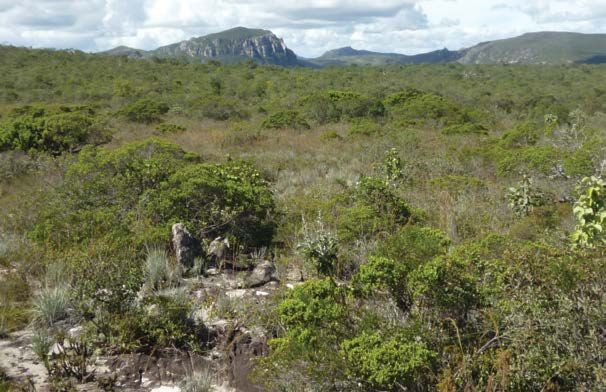
ON the WIRE
Twenty-first Century Cat Care Benefits Cats and Birds
Keen Sense of Smell Leads to Black-capped Petrel Discovery
W
e all know people who a leash or in a backpack, and more
let their cats wander, recently, stroller rides.
N
esting storm-petrels are handful of feathers at the burrow’s perhaps unaware of
Tazio Taveres
notoriously difficult to lo- entrance. Trail cameras revealed the impact of free-roaming fe- “Many people think it’s not fair
cate, and the Endangered that a non-native mongoose — a lines on wildlife. This summer, for them to not be free outside,”
Black-capped Petrel is no excep- known predator of the petrel — ABC launched the Happy Cats, Viscusi continues. “But I think it’s
tion. Like similar species such as had raided the burrow. Despite Healthy Birds Campaign to help not fair to put them in harm’s way.
the Hawaiian Petrel, this Caribbean this setback, the team hopes to pet owners make the transition Louie’s safety is my priority.”
endemic is nocturnal at its colony find other nests in the area and to a lifestyle that’s better for both
The campaign features stories
sites. Known locally as diablotín, or will continue to work with Valle cats and birds. (Visit: abcbirds.org/
and tips on ABC’s Bird Calls blog
“little devil,” for its eerie nocturnal Nuevo National Park to develop a catio-solutions-cats.) Louie safely explores the great outdoors.
Photo by Christiana Viscusi (abcbirds.org/birdcalls) and social
calls, the bird nests underground protection strategy for the site.
ABC supporters and their cats (or media accounts. (You can easily
in well-hidden burrows, usually on
In other news, additional nesting Feline Ambassadors, as we’re calling “Responsible cat care means some- find us on Facebook, Twitter, and
steep hillsides amid heavy vegeta-
sites may soon be found elsewhere: them) are helping us spread the thing different than it did in our Instagram.)
tive cover. Finding a Black-capped
Recent radar surveys by EPIC show word. One of these duos, Christiana parents’ generation,” says Viscusi.
Petrel nest is like searching for a We’re also asking pet owners to
Led by Ernst Rupp of Grupo what appear to be petrels flying Viscusi and her cat, Louie, are “Now we know how unsafe it is for
needle in a haystack. take action by signing our pledge
Jaragua, the field team also included into Morne Diablotín, the highest demonstrating new products — cat cats to roam unsupervised. And we
biologists José Luis Castillo, Gersón to keep cats and birds safe.
Despite these challenges, biolo- peak on the island of Dominica. strollers, harnesses, backpacks, and also know that they can harm na-
gists in the Dominican Republic, Feliz, Jairo Isaa Arache, and Manuel more — to illustrate what being tive wildlife at the same time. All Please sign and share our pledge:
with support from ABC, continue Alejandro Doleo. The discovery was The International Black-capped Petrel of my cats have been indoor cats
a cat owner looks like in the 21st abcbirds.org/action/cats-pledge
to discover nest sites and learn the result of several years of effort Working Group, coordinated by Birds- that go on outdoor adventures on
century.
more about what needs to be done and was guided by prior radar and Caribbean, has been a key partner
to protect the species. One step acoustic surveys by Environmental in guiding conservation actions for
JOIN OUR QUEST
forward took place in May 2017, Protection in the Caribbean (EPIC). this species. This work was supported
when researchers discovered a new But ultimately, it was Gersón’s keen in part by the Disney Conservation
nesting site in Valle Nuevo Nation- sense of smell that led the group to Fund, the Mohamed bin Zayed Species
to SAVE the RAREST
al Park in the Dominican Republic, the musky-smelling seabird burrow. Conservation Fund, and the U.S. Fish
which represents the easternmost and Wildlife Service.
In early 2018, biologists returned
confirmed nesting location for
to the nesting site to find a
Black-capped Petrels on the island.
Preventing bird extinctions is at do it alone. Will you join our quest
“We were very excited to have the heart of our mission. With our to save the hemisphere’s most
Gray-bellied Comet by Björn Anderson
finally found an active nest in international partners in Latin America threatened birds by donating today?
Valle Nuevo,” says Yolanda León, and the Caribbean, we’ve made
President of Grupo Jaragua, one of We know that with strong
great strides, protecting 60 species
ABC’s partner organizations in the partnerships, sufficient resources,
of highly threatened birds by creating
Dominican Republic. “Cordillera reserves, establishing easements, and
and political will, we can stabilize and
Central is a vast mountain range recover the populations of the rarest
restoring habitats across more than a
with a number of large protected birds. The increase in numbers of
million acres.
areas, and the petrels’ presence Rusty-faced Parrots in Colombia and
there, even in low numbers, could We need to do more. Hundreds Lear’s Macaws in Brazil attest to that.
greatly improve their conservation of bird species in the Americas are Still, the conservation needs of so Lilacine Amazon in Ecuador and the
outlook in Hispaniola.”
threatened with extinction, and in many other bird species are great. Gray-bellied Comet in Peru.
the coming year ABC is committing
Please give today. You will help ABC Please use the enclosed envelope
Discovery of the first nest in Valle Nuevo, an additional $1 million or more to
Dominican Republic by José Luis Castillo (left) fill in those gaps and help us protect to make an additional gift, or give
projects to protect their habitats and
and Gersón Feliz (right), who followed his nose other threatened birds, including the online: abcbirds.org/donate
to the burrow entrance. Photo by Grupo Jaragua address other threats. But we can’t
4 B I R D CO N S E R V A TI ON | SU M M ER/ FA L L 2018 B I R D CON SE R V A T IO N | S U M M ER /FA LL 2018 5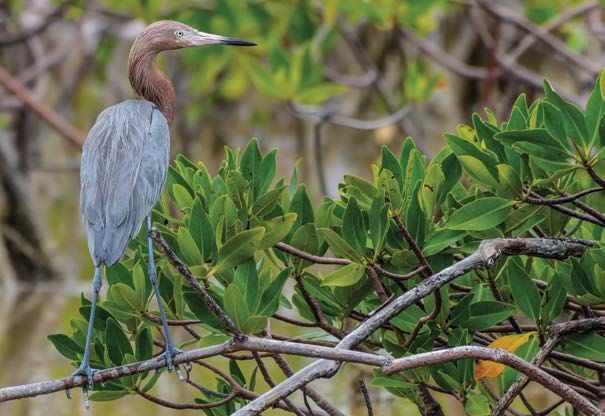
ON the WIRE
Endangered Species Act Rollbacks ABC, Other Conservation Groups Federation, and the Natural
Resources Defense Council, filed
Take Aim at Threatened Species Sue to Protect Migratory Birds a lawsuit challenging this move
to eliminate longstanding legal
I ABC
n the latest in a string of envi- likely result in some Threatened and a coalition of credited with bringing hundreds protections for birds.
ronmental rollbacks, the U.S. species continuing to decline conservation organi- of species back from the brink of
zations have sued the U.S. Depart- extinction, including the Wood “The Administration’s new policy
Department of the Interior toward endangerment instead of
ment of the Interior over an abrupt Duck, Eastern Bluebird, and makes it much harder to protect
proposed changes to the Endan- recovery.”
policy reversal concerning one of Sandhill Crane. birds from threats like oil pits,
gered Species Act on July 18,
Another change would allow for the nation’s most important envi- wind turbines, and communication
establishing a 60-day period for Maintaining the existing
economic analyses to be included ronmental laws. The lawsuit, filed In December 2017, the current towers in migration hotspots,”
comments. Among the changes are
in decisions about listing species science-based listing on May 24 in U.S. District Court Administration reversed decades says Mike Parr, President of ABC.
elimination of blanket protection
under the ESA, while the current in New York, alleges that Interior of policy and practice — imple- “Leaving these threats unattended
— known as the “4d rule” — for
species listed as “Threatened.” process strictly adheres to science process is crucial to violated the Migratory Bird Treaty mented under both Democratic is like leaving manhole covers off
and explicitly forbids inclusion of Act, Administrative Procedures Act, and Republican administrations — the sidewalk during rush hour —
“Under these changes, birds and economic considerations.
conserve declining bird that determine how the MBTA is it’s negligent, irresponsible, and
and National Environmental Policy
other species listed as Threatened implemented and enforced. Under guaranteed to cause harm.”
“We’re concerned that the
populations. Act by issuing a legal opinion late
in the coming years would not last year that effectively releases in- the new interpretation, the MBTA’s
inclusion of economic factors protections will apply only to ac- The risk of liability under the
be protected from all threats and dustries from any liability under the
will invite political interference,” of birds were listed under the ESA. tivities that purposefully kill birds. MBTA has long provided industries
could be killed or harmed,” says Migratory Bird Treaty Act related to
says Holmer. “Unfortunately, the If slanted economic analysis were Companies whose industrial ac- with an incentive to work with
Steve Holmer, ABC’s Vice President “incidental take” — bird deaths that
benefits of wildlife conservation — included, it is likely that some tivities cause unintentional deaths the U.S. Fish and Wildlife Service
for Policy. “Several birds listed as are not deliberate but nevertheless
which provide billions of dollars of these species — such as the — birds that perish in uncovered to minimize bird deaths. The
Threatened under the ESA — the are predictable and preventable.
to the economy in the form of Western Yellow-billed Cuckoo, Red toxic oil pits, for instance — are Administration’s new policy
Marbled Murrelet and Northern
birdwatching and other activities Knot, and Gunnison Sage-Grouse The Migratory Bird Treaty Act no longer liable under the law, no eliminates this incentive, putting
Spotted Owl in particular — owe
that depend on healthy landscapes — would not have been granted (MBTA), enacted in 1918, is an matter how inevitable or devastat- already-declining populations of
their current existence in large
— are often undervalued. ESA protection due to political essential component of U.S. bird ing the impact on birds. songbirds and other migratory
part to the ESA’s blanket 4d
interference. We’re urging that conservation. Its prohibition on birds at additional risk.
rule. The change will mean that
“Maintaining the existing the existing science-based listing In response, ABC and several other
species listed as Threatened under the killing of migratory birds has
science-based listing process is process be retained.” environmental groups, including Please help protect the Migratory
the Act will not automatically long been understood to extend
crucial to conserve declining bird the Center for Biological Diversity, Bird Treaty Act by signing ABC’s
receive the same protection as beyond illegal hunting to include
populations,” Holmer adds. “Just Defenders of Wildlife, National petition: abcbirds.org/action/
Endangered species. This will TOP: Marbled Murrelets by Tim Zurowski, industrial activities. The law is
this decade, seven new populations Shutterstock Audubon Society, National Wildlife petition-mbta
Sandhill Cranes by Sumikophoto, Shutterstock
Icebreaker Battle Continues on Lake Erie Under the new interpretation, the MBTA’s protections will apply only to activities that
ABC and Black Swamp
Bird Observatory
(BSBO) continue to raise concerns
“We reject the EA’s claim that this
wind energy facility would have
‘little to no impact’” on birds, says
“foot in the door” strategy that
could set the stage for a far larger
1,000-turbine project on Lake Erie
purposefully kill birds. Companies whose industrial activities cause accidental deaths are no
longer liable under the law, no matter how inevitable or devastating the impact.
about the potential for Lake Erie’s Kimberly Kaufman, BSBO’s Execu- in the future.
first proposed offshore wind tive Director, citing the critical im-
project, “Icebreaker,” to have portance of Lake Erie to migratory “We support Bird-Smart Wind
a devastating impact on birds. birds such as the Endangered Kirt- Energy, which is all about putting
BSBO’s Don Bauman and Mark land’s Warbler. Millions of birds turbines in the places where impact
Shieldcastle spoke at a public pass through the Lake Erie area on birds can be minimized,”
hearing before the Cleveland City on their way north to breeding Holmer says. “But choosing Lake
Council on July 19, pointing out grounds in the boreal forest. Erie as a place for turbines is
deficiencies in the project’s draft about as bad as it gets from a bird
environmental assessment (EA). ABC’s Steve Holmer calls the conservation perspective.”
six-turbine Icebreaker project a
6 B I R D CO N S E R VATI ON | SU M M ER/ FA L L 2018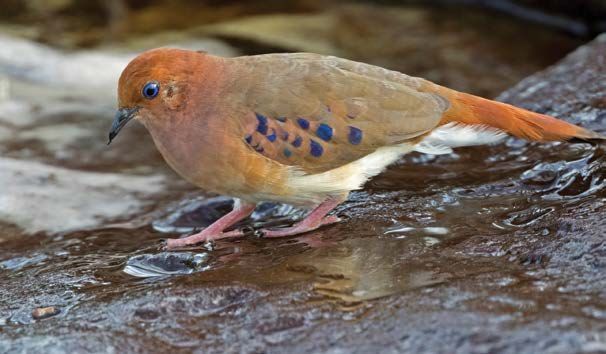
SPECIES PROFILE
Speak out in support of restric- Equal Opportunity
Greater Sage-Grouse by Kerry Hargrove, Shutterstock
BIRDS in BRIEF tions on neonicotinoid use in
the U.S.: abcbirds.org/action/
Courtship
Rediscovery of Belem Unusual for birds, both male and
petition-neonics
Agami Heron by Glenn Bartley, www.glennbartley.com
female Agami Herons flaunt col-
Curassow
Improved Conservation orful plumage during the breed-
After a 40-year absence, Brazilian ing season. Both sexes also show
researchers rediscovered the
Status for Two Endangered
heightened color in the lores (the
Critically Endangered Belem
Birds
fleshy area between the base of the
Curassow. The research team, Two birds listed under the bill and front of the eyes), which
searching in the Gurupi Biological Endangered Species Act have turn an intense red during court-
Reserve in northeastern Brazil, shown such encouraging signs of ship. Males and females “dance”
found the bird in the wild in recovery that one species has been together in a spectacular plume-
December 2017. The turkey-sized delisted and another may shortly shaking, bill-snapping display.
activity on about 10 million acres
black bird, formerly considered a follow. Black-capped Vireo was
of prime sage-grouse habitat while
subspecies of Bare-faced Curassow, removed from the Endangered Recent fieldwork has found that
expanding oil and gas leasing
was last seen in the wild in 1978. Species list in April. Kirtland's Agami Herons, like Reddish Egrets
across the declining species’ range.
Warbler, whose population has and many other waterbirds, nest in
increased fivefold since the early Speak out for continued colonies. The birds hide their nests,
Captive Belem Curassow by Emanuel Barreto
1950s, was proposed for delisting protection for the Greater Sage- a loose platform of sticks, within
in April. A final decision could Grouse: abcbirds.org/action/ the forest canopy.
come later this year. (See story, petition-sage-grouse
p. 30.) Conserving Agami Herons
Bobwhite Recovery Efforts in Costa Rica
Proving Successful The Agami Heron is listed as
New Jersey Audubon and partners Vulnerable by the International
have reached a milestone in efforts Union for the Conservation of
to restore Northern Bobwhite to Nature, based on predictions of
T
he Agami Heron is a coveted Undercover Fisherman future habitat loss in lowland
the New Jersey Pinelands, where
this species was once common. sighting for birders visiting This heron specializes in fishing forests, particularly throughout
European Union Bans flooded lowland forests and
Since 2015, 320 quail have been from river banks or branches over- the Amazon region.
Neonics slow-moving waterways of Central hanging the water. Its long neck
Black-capped Vireo by Greg Lavaty
released and 39 nests have been
The European Union has and South America. This long- and dagger-like bill — the longest of In Costa Rica, ABC partner Osa
found, with the first confirmed
banned nearly all uses of three billed, medium-sized heron is so any New World heron's — gives the Conservation protects several
nesting of bobwhite recorded in
neonicotinoid pesticides due to distinctive that it occupies its own Agami a significant striking range, properties in the Osa Peninsula
the Pinelands since the 1980s.
their buildup in the environment genus, Agamia. Its species name, while proportionally short legs where this shy, spectacular heron
and devastating effect on bees "Agami," comes from a Cayenne confine the bird to shallow water. can be seen, along with more than
and other pollinators. The ban, Indian word for a forest bird. Agami Herons rarely wade in the 450 other species of birds, including
approved in April, is set to go into open, preferring to forage for small the Endangered Black-cheeked Ant-
In Brazil, the Agami is sometimes Tanager and Yellow-billed Cotinga.
effect by the end of this year. fish, snails, and insects while stalk-
Greater Sage-Grouse Risk called Soco beija-flor, "humming-
ing along under dense cover.
“ABC’s report on the impact of Intensifies — Again bird heron," for its vivid plumage. Agami Heron by Greg Homel,
Northern Bobwhite by Larry Thompson
neonics on birds found that a It's also commonly known as the Natural Elements Productions
The Bureau of Land Management’s Chestnut-bellied Heron.
single coated seed is enough to
2015 Greater Sage-Grouse
kill a songbird. We call on the U.S.
conservation plans, recognized as Threats to the Agami Heron are
Environmental Protection Agency
an essential means of protecting poorly understood, but habitat loss
to follow suit and restrict the use of
this species and its habitat, are is probably one of the most signifi-
the most dangerous neonicotinoid
now at risk from federal proposals cant factors affecting this heron
pesticides to protect birds and
to revise them. These revisions and other birds that share its low-
insects," says ABC’s Steve Holmer.
would cancel plans to ban mining land habitat, including Mangrove
Hummingbird, Great Curassow,
and Harpy Eagle.
8 B I R D CO N S E R V A TI ON | SU M M ER/ FA L L 2018 B I R D CON SE R VAT IO N | S U M M ER /FA LL 2018 9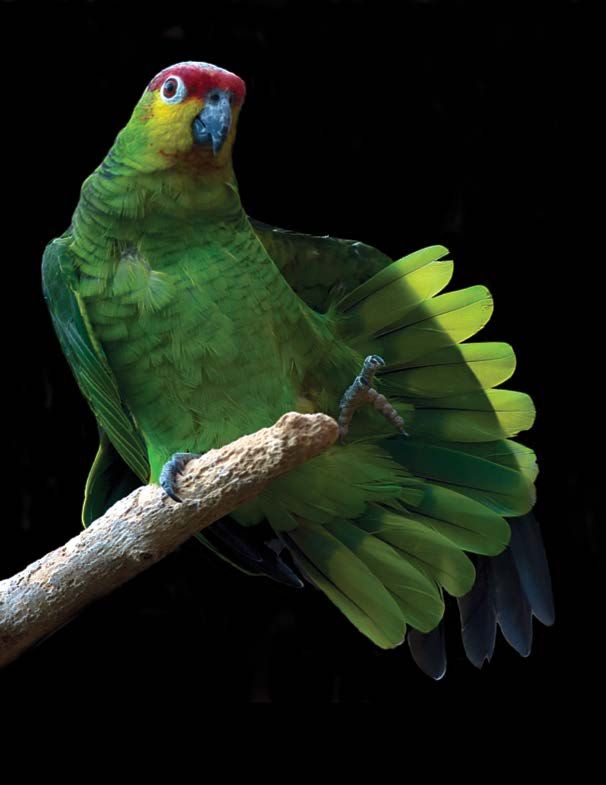
SAVING
                                              a     Seashore
                                                    Sentinel
                                          Efforts to help the Reddish Egret may
                                              conserve an entire ecosystem
                                                                       By Erica Cirino

I
  t’s a warm, humid spring eve-         southern latitudes to their summer       and slender, with the distinctive
  ning on South Padre Island, a         breeding grounds farther north.          shape of an egret, but with a dark
  thin, 34-mile-long barrier island                                              belly and a rusty-colored neck. But
sheltering the southernmost tip of      As Hooded Warblers, Painted              the most notable thing about this
Texas. The skies are filling with the   Buntings, Peregrine Falcons, and         bird is how it moves.
sharp silhouettes of birds — wings,     a suite of other migratory bird
beaks, tails of all shapes and sizes    species stop at South Padre to rest      Zig-zagging back and forth on
— as they make their way from           and refuel, a solitary bird wades        long black legs, running in crazy
their wintering grounds in the          through the shallow water. It’s tall     circles, the Reddish Egret suddenly

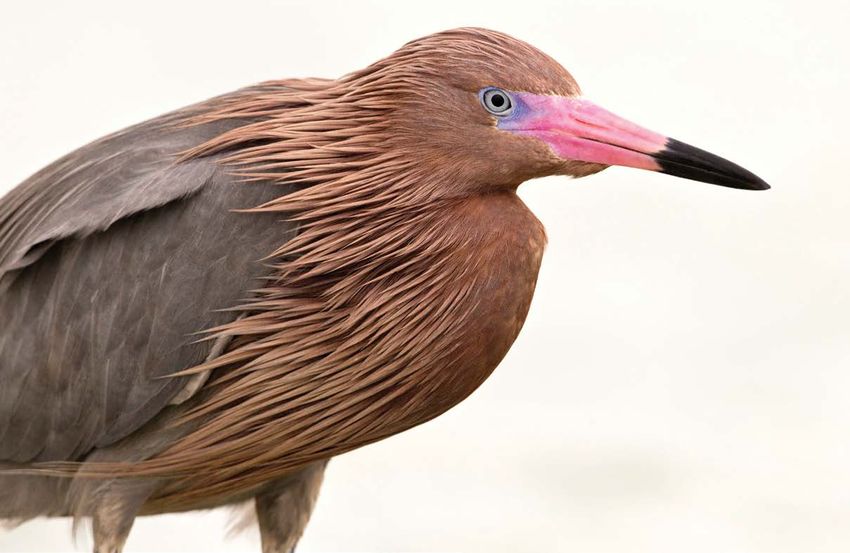
Reddish Egret by Jeff Dyck
                                                                          B I R D CON SE R VAT IO N | S U M M ER /FA LL 2018   11
breeding sites, and they are also their wings over their heads, and
tucks in its head and raises smooth
charcoal wings over itself like an trying to refine their head counts
The most notable peering at the water as they forage
umbrella. With a sudden, precisely of Reddish Egrets at these loca- for small fish such as the sheeps-
timed jab at a passing fish, the bird tions. Better population estimates
thing about this bird head minnow and sometimes for
plunges its sharp pink-and-black can help them track progress once tiny crustaceans, like shrimp. This
beak into the water — and emerges conservation measures are put is how it moves. shadow-casting strategy reduces
with dinner. into place. Their blueprint is the glare and helps the egret more ac-
Reddish Egret Conservation Ac- curately sight and spear its prey.
New Focus on a tion Plan, developed in 2014, to
increase the world’s Reddish Egret The Reddish Egret may suffer
Mysterious Bird
population to 7,500 breeding pairs from the consequences of being a
In spite of the Reddish Egret’s habitat specialist, says Kelli Stone,
in about five years.
many notable characteristics, their Migratory Bird Biologist with the
lives haven’t been well studied or To meet this goal, the group will U.S. Fish and Wildlife Service’s
understood by scientists. Where do work on several fronts. It will man- Southwest Region. But if the appro-
they go when they migrate? How age the factors that directly affect priate conditions exist, says Stone,
far? Where are they most concen- Reddish Egret populations; ensure who leads the working group, they
trated, if at all? long-term stewardship and man- appear to weather natural stressors
agement of priority breeding and such as hurricanes and decreases
What scientists do know about the
foraging areas; implement long- in prey abundance quite well. Re-
rarest North American egret spe-
term monitoring of egret popula- search by Ken Meyer and scientists
cies is that its population is declin-
tions; and identify ways to better at Florida’s Avian Research and
ing — an estimated 4,250 breeding
protect areas that are important to Conservation Institute during Hur-
pairs exist today, down from at
Reddish Egrets. ricane Irma in 2017, for instance,
least twice that number in the
found that five GPS-tagged egrets
1930s — and that the saline coastal For a bird whose basic biology is Reddish Egret on the prowl. Photo by Wilfred survived the storm by roosting in
habitat it relies on for survival is at still surprisingly poorly known, Marissen, Shutterstock
“On both their breeding and feed- All of these factors make life dif- mangrove forests.
major risk of destruction by human this sort of expansive, long-term
made it illegal for hunters to shoot ing grounds, the Reddish Egret oc- ficult for a bird that needs a very
activities. vision is vital. But that resilience applies only if
the birds, but by the time the En- cupies a fringe of coastal habitat, specific kind of habitat to thrive.
Reddish Egrets have an “appropri-
An international coalition “If you have healthy habitat for a vironmental Protection Agency and there is a lot of human activity
“The species is a coastal specialist,” ate amount and quality of habi-
of local and federal agencies, waterbird like the Reddish Egret, banned DDT in 1972, the entire in these areas,” Franco says. One of
explains Clay Green, professor of tat” in which to live, Stone says.
nongovernmental organizations, you will have healthy habitat for U.S. Reddish Egret population had the most serious factors reducing
biology at Texas State University in “When those habitats are drasti-
and universities spread across the other aquatic species,” says Jesús nearly vanished. Reddish Egret survival is habitat
San Marcos, and a founding mem- cally altered, limited, or gone, this
bird’s geographic range is turning Franco, ABC’s Assistant Coordina- loss caused by poorly planned tour-
ber of the working group. While species — like other wildlife species
new scientific attention to this tor of the Rio Grande Joint Ven- Legal protections have allowed the ism and residential development.
Reddish Egrets can nest in a variety — is much more vulnerable.”
striking species: from Laguna ture, one of the partners involved species to rebound a bit in recent Coastal engineering projects —
decades. But the bird’s population such as energy development and of settings — including bare rock,
Madre further south into Mexico in the international working
and Central America, throughout numbers are still below historic dredging — and shrimp aquacul- cacti, and mangrove — they forage Unraveling the Mysteries
group. “It’s a species we shouldn’t
levels, Franco says. And it now ap- ture are also playing a role. only in shallow, sparsely vegetated
the Caribbean, and all along the lose, and we have to work together Back in Laguna Madre in
pears even this modest recovery is saline coastal habitats.
Gulf of Mexico to Florida. These to make sure that doesn’t happen.” Tamaulipas, Mexico, just across
slowing down, and the species is Sea level rise from climate change
partners, known collectively as Their dependence on this specific the water from South Padre Island,
once again in decline. is another serious threat, Franco
the Reddish Egret Working Group, A True Survivor type of habitat likely influences Salvador Narváez, a biologist
says. It is difficult to predict and
are collaborating to unlock the their distinctive hunting behavior, and site leader with ABC partner
Hunted during the 19th century However, it’s no longer poisons perhaps even more difficult to
Reddish Egret’s secrets and ensure too. Reddish Egrets are well known Pronatura Noreste, says the
for their handsome feathers, Red- and hunting to blame. Humans control, resulting in significant
its survival. in the birding world for their organization is working with
dish Egrets have witnessed the edge are again the culprits, but it’s new, flooding and loss of Reddish Egret
elaborate prey-stalking behavior — scientists in the U.S. to survey
Scientists aim to pinpoint im- of existence. The passage of the modern stressors that are at the habitat in some areas. Invasive
what Franco calls the Reddish Egret and track Reddish Egrets outfitted
portant foraging, stopover, and Migratory Bird Treaty Act in 1918 root of the problem. plants and non-native predators
“crazy dance” — hopping, raising with GPS transmitters.
also threaten the species’ survival.
12 B I R D CO N S E R VATI ON | SU M M ER/ FA L L 2018 B I R D CON SE R VAT IO N | S U M M ER /FA LL 2018 13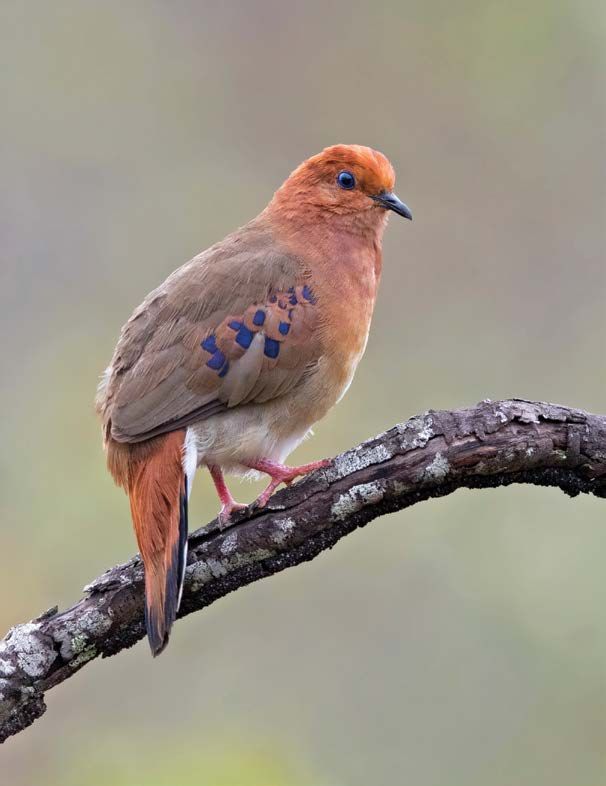
These small, solar-powered devices reproduction, and foraging. The revealed that not all Reddish Egrets The Reddish Egret is a survivor, along parts of Laguna Madre and
enable researchers to follow the monitoring has already helped migrate. But those who do have a elsewhere in Reddish Egret habitats,
birds’ movements throughout the Pronatura identify five important fairly large range — from Louisiana
a specialist, and a living barometer mangroves have been destroyed
year. Scientists strap lightweight Reddish Egret habitat regions in to Guatemala, for example. of humanity’s impacts on shallow to make way for manmade
GPS transmitters onto the egrets Mexico so far, shown on the map infrastructure such as coastal
like tiny high-tech backpacks. So on page 15. Each has its own Efforts to understand where these coastal ecosystems. shrimp farms. More mangroves
far, the researchers have outfitted threats that will require conserva- birds travel are just the latest re- will mean more habitat for Reddish
Photo by Jeff Dyck
more than three dozen egrets with tionists to respond with specific sults of the multinational research. Egrets and greater protection for
the devices, on Florida’s Sanibel strategies. (Pronatura recently About a decade ago, the working Egret offers conservationists an humans from hurricanes, storm
particularly in the Caribbean,
Island and along Laguna Madre. received additional funds from group completed a genetic study opportunity to preserve the shallow surges, and flooding.
where less research has been done.
The transmitters feed location data the U.S. Fish and Wildlife Service that revealed differences in the coastal ecosystems that are so vital
The Caribbean islands might be
back to researchers in real time. through the Neotropical Migratory DNA of individuals across the to the bird’s survival. “With its Although birders thrill to the
an important key to Reddish Egret
Bird Conservation Act to continue extremes of the birds’ range. This strict habitat requirements, the bird sight of this majestic and rare
conservation.
Narváez says the research will work on this species in Mexico.) research helped confirm the move- is what scientists call an indicator species, Reddish Egrets represent
identify key sites for the conserva- ments — or lack of movements — “The idea is that Cuba may be a species, signaling the health or so much more than visual
tion of Reddish Egrets and provide The ongoing research also aims to of certain populations of Reddish bridge or stepping stone between frailty of a very specific kind of splendor. The Reddish Egret is a
greater certainty about the birds’ explore the birds’ migratory pat- Egrets, says Texas State University’s eastern populations in Florida and coastal habitat,” Rothman says. survivor, a specialist, and a living
priority habitats for wintering, terns. Along with the GPS trans- Clay Green. the Bahamas and central populations barometer of humanity’s impacts
mitter work, visual surveys and in Texas and Mexico,” says Green. Consider the mangrove. In an on shallow coastal ecosystems.
color banding in the U.S., Central But he stresses that scientists need attempt to shore up Reddish That’s why Franco, Rothman, and
Reddish Egret in mangrove Only research can say for sure.
by Foto Request, Shutterstock America, and the Caribbean have more data to get a clearer picture, Egret habitat in Laguna Madre, their counterparts in the U.S.,
A Bellwether for ABC’s Rio Grande Joint Venture’s Mexico, Central America, and the
many partners are working Caribbean are devoting an immense
Coastal Habitats
together — and with Pronatura amount of time and effort to fully
Why have scientists become so keen — to restore valuable mangrove understand this bird, and protect it.
to protect Reddish Egrets in the past forests. Mangroves grow in flooded
decade? Andrew Rothman, ABC’s coastal swamps, protect coastlines Kelli Stone acknowledges the coali-
Migratory Bird Program Director, from flood damage and erosion, tion has its work cut out, but she’s
says the plight of the Reddish and shelter fish and crabs. But hopeful. By working collaboratively,
scientists and habitat managers may
be able to minimize the impact of
these threats to levels that will al-
low the Reddish Egret population to
persist — and even increase.
“If we can save it,” she says,
“we will also be saving a whole
ecosystem.”
Learn more about the Reddish
Egret Working Group at:
reddishegret.org.
Erica Cirino is a free-
lance science writer
and artist working
in New York and
internationally.
14 B I R D CO N S E R VATI ON | SU M M ER/ FA L L 2018 B I R D CON SE R VAT IO N | S U M M ER /FA LL 2018 15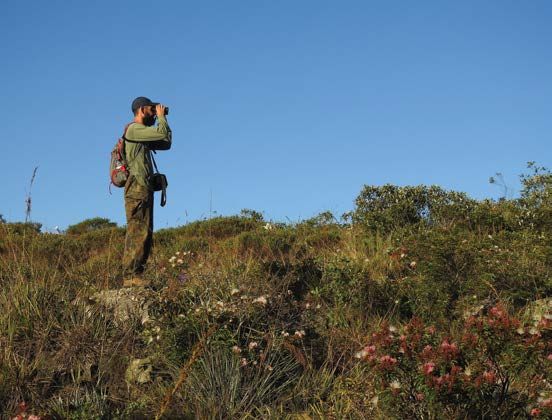
CLOSING Conservationists aim to identify which
rare species still lack protected areas.
the
GAP ABC
has always
made
preventing
bird extinctions a top priority.
We’ve made great strides
overlooked. We are asking two key
questions: Which bird species are
on the brink of extinction due to
habitat threats, but occur mainly
outside protected areas? And where
toward this goal with the help are the most important sites that
of our partners and other require protection to safeguard
conservationists, and to date, these overlooked species?
we’ve supported the establishment
of protected areas for 60 species of According to preliminary results
highly threatened birds. gathered by ABC researchers We can enable populations
and international partners, 317
In one example, the Rusty- Endangered, Critically Endangered, of the Americas’ rarest birds
faced Parrot was downlisted and Data Deficient bird species
are found within ABC’s focal
to stabilize and recover.
from Critically Endangered to
Vulnerable, due in part to creation geography (North America,
of the Colibrí del Sol Reserve in Central America, South America, greatest need,” says ABC President
Colombia. Our progress proves the Caribbean, Hawai’i, and U.S. Mike Parr. “We don’t want to
that with sufficient resources and territories in the Pacific). overlook any critical species. It’s
political will, we can reduce the hard to see the ‘holes’ when you’re
threats that drive species toward Roughly 11 percent of these 317
species have not been seen in looking at a list of birds, so we’re
extinction. We can enable the trying fill in those gaps with this
populations of the Americas’ rarest recent years or are likely to be
extinct, and 2 percent are species analysis.”
birds to stabilize and recover.
of swifts and storm-petrels that we These “gap species” can be found
But our work is hardly finished. know little about — so little, in from the marshy outskirts of a
The International Union for the fact, that it is hard to determine Brazilian megacity to the dry
Conservation of Nature (IUCN) their primary threats or even forests of western Mexico. Since
Red List of Threatened Species confirm their status as Endangered. the majority are clearly threatened
still includes hundreds of bird That leaves 87 percent, or 276 by habitat loss, one key strategy
species in the Americas that are species, needing conservation is to protect more of their habitat
classified as Endangered, Critically action to address the threats — at least enough to safeguard
Endangered, or so poorly known driving them toward extinction. a potentially viable population
— “Data Deficient,” in scientific of 500 individuals. If the total
terms — that they may well be By far, the most common threat to
these species is habitat loss (79 per- population is less than 500, we’ll
Endangered too. Some of these protect as many of the surviving
species are at least partially cent), followed by invasive species
(16 percent). Wildlife trafficking, birds as possible. Depending on
protected in reserves or benefit the species and threats, 500 may
from ongoing conservation efforts; hunting, bycatch in fisheries, per-
secution, or combinations of other be more than is needed to secure
others are not. the population from the threat of
threats make up the remainder
To address this disparity, ABC (5 percent). immediate extinction (both the
is conducting an analysis to California Condor and Whooping
determine which species are being “It’s important that we know Crane recovered from low double-
which species are the ones in digit populations), but this can also
LEFT: Lilacine Amazon by Steve Wilson
By Daniel Lebbin and David Wiedenfeld TOP: Rusty-faced Parrot by Wim de Groot
16 B I R D CO N S E R VATI ON | SU M M ER/ FA L L 2018 B I R D CON SE R VAT IO N | S U M M ER /FA LL 2018 17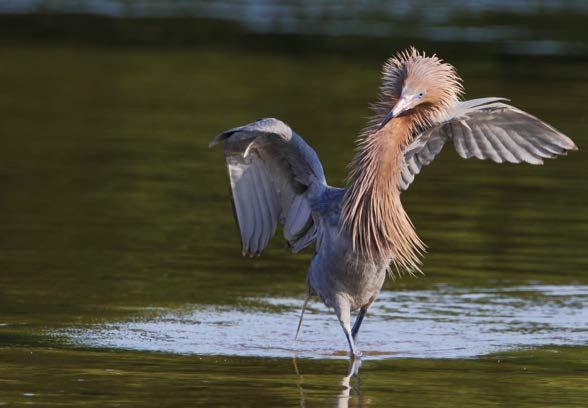
By working to establish new reserves for some of these gap species, we will help their populations stabilize and thrive.
LILACINE AMAZON
This parrot was recently recognized as its own species, split from
the more widespread Red-lored Amazon; Lilacine has a less striking
head pattern and a dark (not two-toned) bill. Lilacine Amazons
live only in western Ecuador, congregating at communal roosts at
night and fanning out to forage during the day.
Pale-headed Brushfinch at nest. Photo by Fundación Jocotoco and local researchers, with support from the
Aldo Sornoza
U.K.-based Chester Zoo, have been studying this species to learn
act as a medium-term population how we might best conserve it. They have identified the foraging
goal for the recovery of species and roosting areas of what is likely the bird’s largest population.
with smaller current populations. Because the dry forest roosts are unprotected and under pressure
for agriculture, ABC and Jocotoco are fundraising to acquire these
Protecting habitat for the rarest areas. We’re starting with critical roosting sites and aim to create
birds has been at the center of the first reserve for this unique and colorful amazon.
ABC’s international efforts for
decades. With our partners in Photo by Steve Wilson
Latin America and the Caribbean,
we’ve enhanced habitat protection
across more than one million acres
by creating reserves, establishing
easements, and restoring the
GRAY-BELLIED COMET
forests and wetlands these rare SÃO PAULO MARSH ANTWREN The Gray-bellied Comet is one of several spectacular threatened
birds need to survive. hummingbirds that live in small enclaves in northern Peru.
The reclusive São Paulo Marsh Antwren skulks around wetlands on
(The others are the Royal Sunangel, Purple-backed Sunbeam,
A perfect example is the Yunguilla the outskirts of Brazil’s largest city. The antwren was described by
and Marvelous Spatuletail.) A bird of arid mountain slopes and
Reserve in Ecuador, managed by scientists as a new species in 2013, and IUCN evaluated the species as
canyons, the comet is an important pollinator of cacti, shrubs,
our partner, Fundación Jocotoco. Critically Endangered in 2016. Research suggests it has likely lost more
and trees. All four of these hummingbirds are threatened by
Before the reserve was established than 74,000 acres of its historic habitat as a result of the conversion
habitat loss, and the comet and sunbeam occur exclusively
in 2004, the Pale-headed of wetlands to agriculture and other uses. The current population
outside protected areas.
Brushfinch occurred entirely estimate is 250 to 300 individuals.
outside protected areas, numbered Working with our Peruvian partner ECOAN, ABC helped to
In 2017, ABC and our partner SAVE Brasil launched an effort with
only 30 individuals, and was establish the world’s only reserve for the spatuletail and engaged
Brazil’s Guararema municipality and other local conservationists to
considered Critically Endangered. local residents in a more widespread habitat restoration effort
establish the first protected area for a population of this species. Given
The reserve — established with and awareness campaign. We also supported creation of the Abra
enthusiastic local support for the effort, we hope that Guararema will
ABC support — now protects Patricia Reserve, which includes important habitat for the Royal
establish a series of reserves that will protect this bird throughout much
almost the entire population of the Sunangel. Now, we are exploring how to create additional reserves
of its small range.
brushfinch, which now numbers for these species — with an eye to establishing the first Gray-
more than 200 individuals. The Photo by Rick Elis Simpson bellied Comet reserve later this year or next, along with engaging
species has been downlisted to local communities in habitat restoration.
Endangered as a result of this
Photo by Jacques Erard
continues p. 20
18 B I R D CO N S E R VATI ON | SU M M ER/ FA L L 2018 B I R D CON SE R VAT IO N | S U M M ER /FA LL 2018 19From Birkenstock to NASA,
YELLOW-HEADED BRUSHFINCH and
TOLIMA DOVE A Push to
These two threatened species occur in the mountains of southern
Colombia and can sometimes be found in the same forests. The
Yellow-headed Brushfinch was known well into the 20th century
Make Windows
as the Olive-headed Brushfinch; in the 1980s, additional research
and field work led to its more-colorful common name. The Tolima
Dove spends much of its time on or near the ground, searching
the forest floor for seeds, fruits, and insects, and playing a key SAFER for
BIRDS
seed dispersal role that contributes to reforestation efforts. It is
best distinguished from other closely related species by its voice
and tail pattern.
Most of the populations of both the brushfinch and the dove
occur outside existing protected areas; in the case of Tolima By Meredith Swett Walker
Dove, the Colombian organization SELVA estimates that no more
than 2 percent of the dove’s range is currently within existing
protected areas. Working with SELVA, we are creating improved
maps of the dove’s range and habitat, and identifying the most
important places to protect. We’ll next hold workshops with
local communities and experts to determine the best options for
Most of us know the signs: a dull thump, a powdery smudge, or a few
creating protected areas for these birds. It’s a great opportunity:
tiny breast feathers stuck on the glass. A bird has hit the window.
While many of the birds in our analysis are isolated and require
separate reserves to protect stronghold populations, these two
may offer a rare opportunity to create one reserve for two species.
S
cientists estimate that up to 1 Birkenstock USA
a billion birds die every year Headquarters, California
TOP: Yellow-headed Brushfinch by Bob Lewis in the United States after
BOTTOM: Tolima Dove by Fundación ProAves At Birkenstock USA, the effort to
colliding with window glass.
reduce window strikes began with
The threat is real, says ABC’s an employee named Kerry Burke.
We aim to use this analysis to fill in the protection gap Christine Sheppard, Bird Collisions Burke, who passed away in 2016,
Campaign Director, but so is the was an accounting manager at the
for the birds that need it most.
progress we’re making to minimize Novato, Calif., office for more than
the risk. “We’re starting to see a 30 years and described herself as
sustained conservation action and analysis to fill in the protection gap help us engage governments and real response to our efforts to make its “official bird nerd.” The office
Nancy Moock
continues to recover its range and for the birds that need it most. other stakeholders in protecting people aware of the dangers that sits on 88 mostly undeveloped
population. more birds. But we cannot do it
1
glass can pose to birds,” she says. acres adjacent to a state park. Burke
It’s an exciting evolution in our alone. Join our quest to save the enjoyed photographing wildlife on
“People are realizing that with
As our “gap analysis” continues, 20-year effort to “safeguard the hemisphere’s most threatened birds. the property, but she was alarmed
minimal effort, they can make With Burke’s encouragement,
ABC and collaborators plan to rarest” — and one that we feel sure by the number of birds hitting the
their buildings and homes much Birkenstock put BirdSavers up
publish a complete list of the will bring many more species back building’s many windows.
safer for birds. There is much on most of the windows in the
under-protected bird species of the from the brink.
more to do, of course, but we are 22,000-square-foot building. The
Americas, along with maps that In looking for a solution, Burke
ABC is committing matching definitely making progress.” modification has been nearly 100
show areas in need of protection discovered Acopian BirdSavers.
funds of at least $1 million percent effective, says office man-
as a first line of defense against The following are five facilities Also known as a “Zen wind cur-
toward projects that aim to ager Nancy Moock. People do ask
extinction. Working with scientific across the country where simple tain,” Acopian BirdSavers consist
prevent extinctions of the most about the strings, she says. “When
and conservation partners and modifications have made of lengths of parachute cord hung
threatened birds in the Americas by I tell them they’re to keep birds
governments across the Western windows safer for songbirds. vertically and spaced four inches
protecting habitat and addressing David Wiedenfeld (left) is Senior Conservation from hitting the window, they say,
Hemisphere, we aim to use this apart in front of a window.
other threats. This analysis will
Scientist at ABC; Daniel Lebbin (right) is Vice ‘Oh! That’s great.’”
President of Threatened Species at ABC.
TOP: Rose-breasted Grosbeak, one of the many bird species that collide with
20 B I R D CO N S E R VATI ON | SU M M ER/ FA L L 2018 glass — often with fatal results. Photo by valleyboi63, Shutterstock B I R D CON SE R VAT IO N | S U M M ER /FA LL 2018 21
Tom Ryon
2 Key West International cost. Sweets, meanwhile, says Are you a homeowner, architect, developer, or just
Airport, Florida he has not received any calls interested in preventing bird collisions? Visit birdsmartglass.org
about birds colliding with the
At Key West International Air-
overpasses since the modification
port, the push began with taxicab
was completed in 2016, and on of dots or lines, fused into it. Frit- Matt Strausser, a wildlife biologist
drivers. Cabs wait for passengers
his periodic checks of the roadway ting is an ancient technique that employed at the Space Center, says
FloridaKeysWindowTinting.com
underneath two glass pedestrian
below he hasn’t found any dead is regaining popularity because it that event was a wake-up call for
overpasses. During migration,
birds. can be used to create aesthetically NASA. It wasn’t only about the wel-
many birds, especially neotropical
migrants such as Northern Parulas pleasing effects, and the reduced fare of wildlife; the collisions also
and Prairie Warblers, would hit
3 Walter E. Washington transparency of the glass helps had an effect on worker morale.
the glass on the overpass and fall
Convention Center, keep buildings cool.
Washington, D.C. 2 4 “People are walking into their
into the roadway below, where cars
In other areas of NREL’s campus, offices where they’re supposed to
would flatten them. This sprawling structure in the
the team got creative with their do good quality work, and if they
heart of the nation’s capital had a
Sandy Parker
“The cab drivers would come in bird-friendly designs. They have to step over five or six dead
similar problem with a glass-walled
extremely upset because they’d see employed a product called wild animals that they care about,
pedestrian overpass. Volunteers
it happening,” says Tom Sweets CollideEscape that can incorporate it’s not a great way to start the
with local organization City
of the Key West Wildlife Center, a graphics or text into window day,” Strausser says.
Wildlife regularly walk several
local wildlife rehabilitation center. treatments. NREL used it to
miles around downtown to collect The Space Center took a number
“Most of the time when we got decorate their bus shelters with
and record birds killed in window of steps to mitigate collisions. In
there [to rescue the birds], they mountain scenes and text about
collisions and rescue stunned birds. some buildings where transparency
were already run over.” living with birds. NREL was even
They soon discovered that the seems to be the main problem,
able to retrofit some buildings
Staff from the Wildlife Center 2.3 million-square-foot facility’s workers are asked to close their
that proved problematic for birds,
teamed up with the Florida Keys L Street pedestrian overpass alone blinds during migration season.
in one instance using a product
killed an average of about 11 (Although this doesn’t reduce re-
Anne Lewis
Audubon Society to approach called Feather Friendly, featuring a
the airport’s management about birds per year, including Veeries, 3 5 pattern of adhesive dots applied to flections, it does help prevent some
the problem and find a solution. American Redstarts, and Yellow- collisions.) On other buildings with
the exterior of the glass.
“Thanks to ABC’s Bird-friendly bellied Sapsuckers. newer, more-reflective glass, the
Building Design booklet, we had a of 2016, there has been an 82 4 National Renewable Ryon monitored bird strikes at the center has applied vinyl cutouts to
document in hand to show which Thanks to ABC's Bird- percent reduction in bird strikes
at the overpass, says City Wildlife
Energy Laboratory,
Colorado
windows before they were retro-
fitted and for two migration sea-
break up the reflections.
techniques would not work (ve-
netian blinds) and which would
friendly Building Design President Anne Lewis, but no sons afterward. He found that the The efforts have paid off. Strausser
When the National Renewable has conducted detailed monitor-
(striping on the glass),” says Mark change in frequency of strikes number of birds killed each season
booklet, we had a document Energy Laboratory (NREL) cam- ing of bird strikes, and since 2012,
Hedden, Executive Director of the on other, untreated parts of the dropped from 15 to 20 fatalities
pus in Golden, Colo., saw a surge they’ve decreased by about 85
Florida Keys Audubon Society. in hand to show which building. down to one, or sometimes none.
of construction roughly a decade percent.
techniques would work. The film is surprisingly unobtru- ago, Tom Ryon, the facility’s se-
Eventually they settled on Solyx 5 Johnson Space Center,
sive. Soon after the Convention nior wildlife biologist, played an Closing blinds and applying bird-
Horizontal Bird Safety Film. The Texas
City Wildlife, which provides Center decided to purchase the active role. Ryon anticipated that deterrent patterns to windows was
durable film, applied to the outside
wildlife rescue and rehabilitation Solyx film, Lewis, an architect, bird strikes would be a problem for With its 1,600 acres of mostly inexpensive and “really doesn’t
of windows, has unobtrusive gray
in the Washington area and runs was attending an American Insti- some of the planned labs, bus shel- undeveloped land near the Gulf impact our operations,” Strausser
lines that are visible to birds. Tests
the Lights Out DC program, shared tute of Architects convention at ters, and other structures, which of Mexico, NASA’s Johnson Space says. “It was a clear win for us.”
performed by ABC and reports
the findings with the Convention the facility. Solyx had a vendor’s featured large amounts of reflective Center is prime habitat for neo- And also for the birds.
from the field show that the film is
Center management. The group booth there, and Lewis asked the glass. So he advocated for bird- tropical migrants. A handful of the
highly effective at preventing win-
urged the management to apply a company’s representative when the friendly designs to be incorporated. center’s buildings had problems
dow collisions. Meredith Swett
glass treatment to remediate the Convention Center planned to ap- with bird strikes. Some have been
For instance, a “fritted” glass made Walker is a science
The airport applied the film to problem. ply the film to the overpass. significant: In 2012, dozens of writer based in
by Viracon was used in some new
the glass on both pedestrian Indigo Buntings died in one night western Colorado.
The Convention Center chose It was already installed, he told structures. Fritted glass has a ce-
overpasses. Airport Director Don when an entire flock struck
Solyx Vertical Bird Safety Film. her. “I had been walking by it and ramic pattern, usually consisting
DeGraw reports that the Bird a window.
Safety Film was “well worth” its Since it was applied in the fall not even noticing it,” Lewis says.
22 B I R D CO N S E R VATI ON | SU M M ER/ FA L L 2018 B I R D CON SE R VAT IO N | S U M M ER /FA LL 2018 23Into the Cerrado Where there are plants, there tend
to be birds, and the Cerrado is no
Thirty of the region’s
Named for its dense vegetation —
exception: 850 or more bird species bird species are found
the word cerrado literally means
inhabit these tropical grasslands
“closed” — the Cerrado stretches
and scattered forests. The Blue- nowhere else on Earth,
across 1.2 million square miles of
eyed Ground-Dove is just one of
central Brazil, an area three times
the rarities. Thirty of the region’s
including the Cinereous
the size of Texas. It’s one of the
bird species are found nowhere else Warbling-Finch.
most biologically rich savannas in
on Earth, including the Cinereous
the world. Visualize giant anteaters
Warbling-Finch.
Photo by Fabio Rage
ambling through the grasslands,
Greater Rheas chasing each other This place is important to people as
across the plains, and noisy groups well as to wildlife — for example,
of Toco Toucans following one as a source of water. The vast ma-
another from tree to tree, and jority of Brazilians use electricity
you’ll just skim the surface of this generated by water originating in
astounding place. the Cerrado.
The Cerrado’s botanical life is It’s a vital region for agricul-
one measure of its greatness, with ture too. Since the 1960s, huge
11,000 species of plants, half swaths of the Cerrado have been
found nowhere else in the world. plowed for large-scale agricultural
BLUE-EYED HOPE:
Second Chance for a Brazilian Rarity
By Clare Nielsen
A
t first glance, it may not appear to be appealing bird habitat. The newly
established Botumirim State Park is 80 percent barren rock outcrops. But
tucked into small pockets of the park’s tropical savanna, or Cerrado, habitat
are the world’s only known populations of Blue-eyed Ground-Dove. This blue-spotted,
azure-eyed bird is thought to number only 20 individuals — granted, a small number,
but one that signifies much better prospects for the species than even the most
optimistic conservationist could have hoped for a few years ago.
TOP: Blue-eyed Ground-Doves by João Sérgio Barros Freitas de Souza
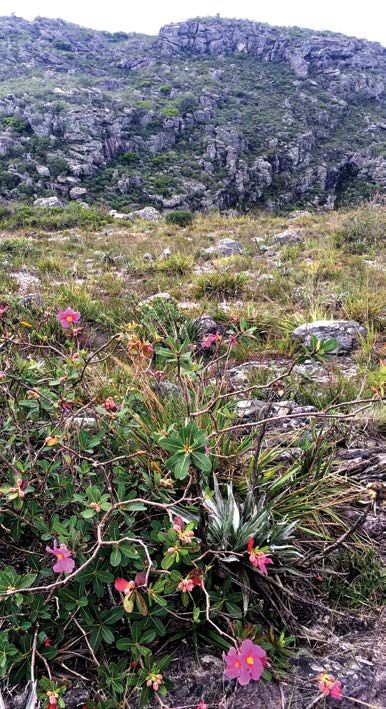
RIGHT: Rocky terrain in the new park where the ground-dove
was rediscovered. Photo by SAVE Brasil
24 B I R D CO N S E R VATI ON | SU M M ER/ FA L L 2018 B I R D CON SE R VAT IO N | S U M M ER /FA LL 2018 25You can also read


