BLACK 2022 - Trainers of School Psychologists
←
→
Page content transcription
If your browser does not render page correctly, please read the page content below
BLACK
LEADERS IN SCHOOL
   PSYCHOLOGY

          2022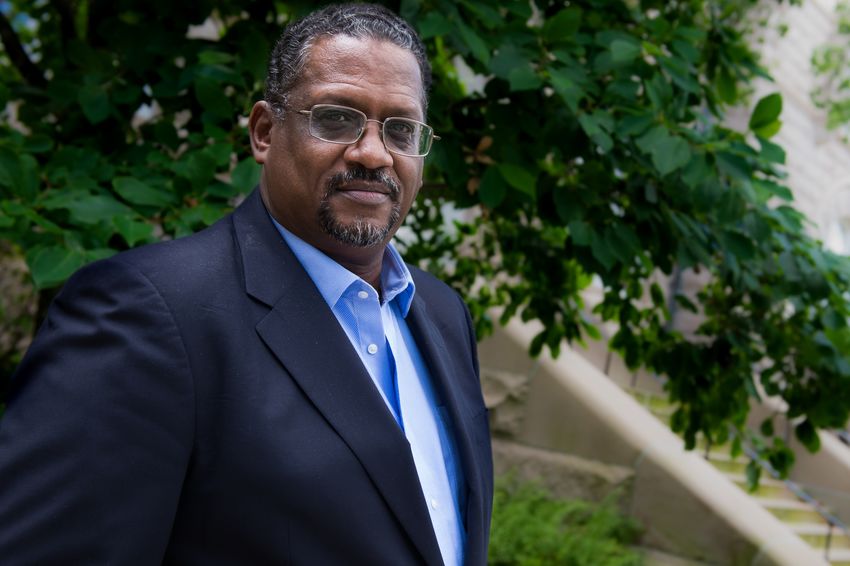
The Social Justice Committee of the Trainers of School Psychologists started the Black Excellence in
School Psychology Project in 2021 as a way to increase awareness of Black leaders in school
psychology through the dissemination of a flyer within graduate preparation programs. In response to
positive feedback received from the school psychology training community, the project was expanded
to honor leaders from other historically marginalized groups. In 2021, the Committee created and
disseminated flyers for Black History Month (Feb), AAPI Heritage Month (May), Latinx/Hispanic Heritage
Month (Sep 15 - Oct 15) and Indigenous Peoples/Native American Heritage Month (Nov). In 2022, the
Committee is looking to expand this work further by inviting diverse scholar leaders to serve on
advisory boards to guide the nomination and creative processes in culturally affirming ways, and to
feature additional leaders in school psychology outside of academia. School psychology faculty
members and school psychologists are asked to share the flyers within their professional networks to
increase representation within our field and highlight the important contributions of minoritized
leaders in school psychology. We recognize that honoring the contributions of diverse leaders is not
confined to one month of the year and that ongoing support and celebration of the countless
contributions of unrepresented groups in school psychology must occur everyday. We welcome your
feedback about the project.

                    Representation matters and this is one small step forward for our field.

 Please cite as: Trainers of School Psychologists. (2022). (Cooper, J. M., Writing Committee Chair). Black Leaders in
 School Psychology. Honoring Diverse Leaders in School Psychology Project. We would also like to express our
 gratitude to our advisory panel, Drs. Celeste Malone and Stacy Williams, and project assistants, Rebeka Dinnall-
 Fuentes and Jillian Weinberg.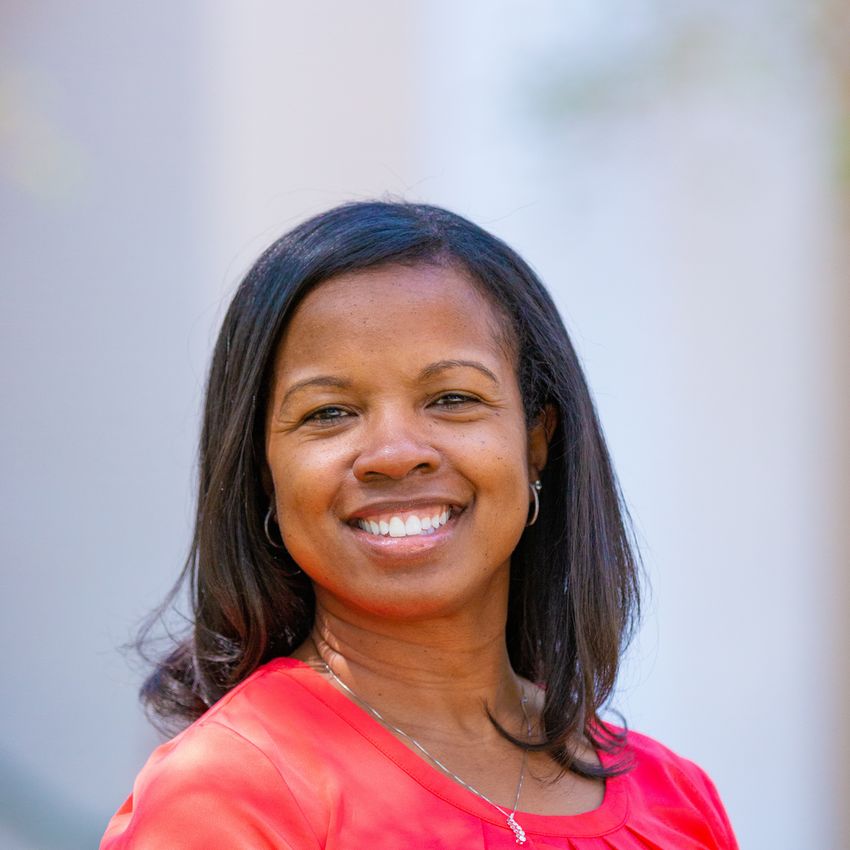
Black Leaders in School Psychology
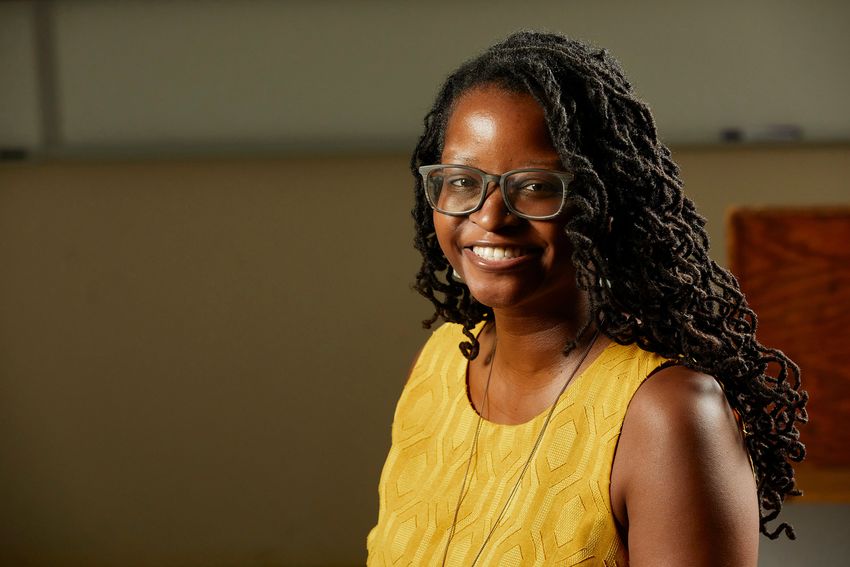
                            Kizzy Albritton, Ph.D.
         Kizzy Albritton is an Associate Professor of School Psychology at
         The University of Texas at Austin. She earned her PhD in School
         Psychology from Georgia State University. She also holds a
         Master of Education degree in Behavior and Learning
         Disabilities from Georgia State University. Her primary line of
         research inquiry examines ways to improve academic, social-
         emotional, and behavioral outcomes for preschool-age children
         from racially minoritized and economically marginalized
         backgrounds. Her research seeks to address these challenges
         through the implementation of academic and social-emotional
         interventions and the effective implementation of multi-tiered
         frameworks in early childhood settings. Additionally, Dr.
         Albritton's research calls for the expansion of the role of school
         psychologists in early childhood settings to include
         comprehensive services that seek to increase equitable
         outcomes for racially minoritized and economically marginalized
         young children. Prior to completing her PhD, she worked as an
         elementary and middle school special education teacher.

         Learn more about Dr. Albritton here.

                        cANDICE nICOLE aSTON, pH.d.
         Dr. Aston is an Assistant Professor of School Psychology at
         Towson University. Prior to earning her PhD from Duquesne
         University, she obtained a master’s degree in both Child
         Psychology and Elementary Education. Dr. Aston has years of
         experience working with urban populations in school and
         clinical settings. She completed her doctoral internship at Sarah
         Reed Children’s Center, which provides intensive psychiatric
         services for children with significant trauma and mental health
         concerns. The focal point of her research has centered around
         the design and implementation of culturally centered
         interventions for Black girls. She has also published several
         journal articles nondiscriminatory testing practices and most
         recently examined the schooling experiences of Black graduate
         students enrolled in school psychology training programs. Dr.
         Aston is also a licensed psychologist in the state of Maryland
         and strives to promote mental health awareness within
         underrepresented communities.

         Learn more about Dr. Aston here.
         Follow Dr. Aston on Twitter!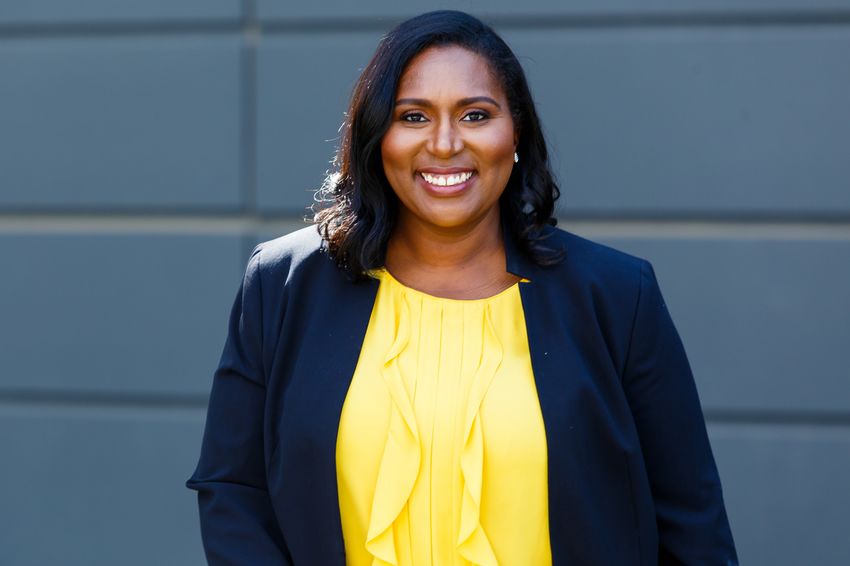
Black Leaders in School Psychology
                                                         Brea Banks, Ph.D.
                                 Brea M. Banks, Ph.D. (she/her) is an Assistant Professor of
                                 Psychology and co-director of the African American Studies
                                 Program at Illinois State University, where she also earned her
                                 Ph.D. specializing in school psychology. She is a Licensed Clinical
                                 Psychologist in the state of Illinois. Prior to her current position,
                                 she worked in private practice conducting psychological
                                 assessments and providing family therapy. She also previously
                                 served as the lead counseling liaison at a university counseling
                                 center, providing direct and indirect services to college students
                                 holding marginalized identities. Dr. Banks' primary research
                                 interest surrounds minoritized students' experiences with
                                 microaggressions, and she is particularly interested in how
                                 children and adolescents experience these transgressions. She
                                 has also published material about autism spectrum disorder,
                                 literacy in refugee children, and behavioral treatment integrity.
                                 Her teaching interests surround culturally responsive
                                 psychological service provision, specifically relevant to
counseling and assessment. Dr. Banks especially enjoys mentoring, advising, and co-authoring
publications with graduate students.

Learn more about Dr. Banks here.
Follow Dr.Banks on Twitter!

                                                   Charles A. Barrett, Ph.D.
                                   Charles A. Barrett, PhD, NCSP is a Coordinator for Diagnostic
                                   and Psychological Services with Loudoun County Public Schools.
                                   Additionally, he is an Adjunct Lecturer at Northern Virginia
                                   Community College, the Graduate School of Education at
                                   Howard University, the College of Education and Human
                                   Development at George Mason University, and the Department
                                   of Psychology at Millersville University. An award-winning
                                   educator for his commitment to students, families, schools, and
                                   communities, Charles has held various leadership positions with
                                   the National Association of School Psychologists (NASP) and
                                   frequently speaks to a variety of professional and lay audiences
                                   about promoting positive outcomes for children.

                                   To learn more about Charles, including his books on a variety of topics
                                   that are relevant to educators and communicate hope and wholeness,
                                   visit www.charlesbarrett.org!
                                   Follow Dr. Barrett on Instagram and Twitter!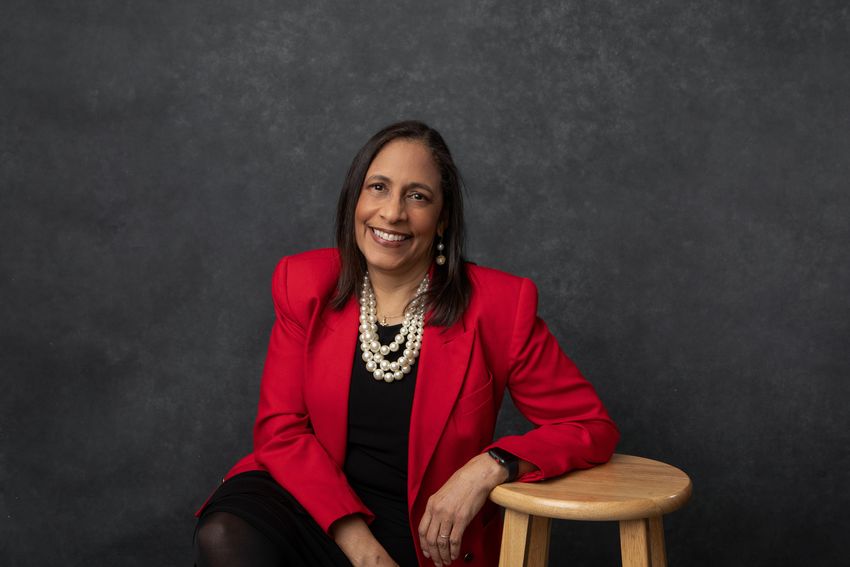
Black Leaders in School Psychology
                                                                    Jamilia Blake, Ph.D.
                                   Jamilia Blake, Ph.D. is an award-winning and published licensed
                                   psychologist and a Professor at Texas A&M University. Dr.
                                   Blake’s research examines the developmental trajectory of peer-
                                   directed aggression, bullying, and victimization in socially
                                   marginalized youth and racial/ethnic disparities in school
                                   discipline. Notably, she has published studies examining the
                                   social and psychological consequences of aggression and
                                   victimization for African-American girls and students with
                                   disabilities and the disparate impact of school discipline for
                                   African-American girls. Her work on the inequitable discipline
                                   experiences of Black girls has been featured in the New York
                                   Times, Huffington Post, on NPR, and CBS. She is creator of the
                                   adultification bias construct, serving as the lead researcher for
                                   the Girlhood Interrupted: The Erasure of Black Girls’ Childhood
                                   policy report that highlights this research. She is also the lead
                                   author for the follow-up policy report Listening to Black Women
and Girls: Lived Experiences of Adultification Bias. She is author to more than 50 publications, a
Division 16 and Division 45 fellow of the American Psychological Association, and has graduated
over 10 doctoral psychologists who are trail blazers in culturally competent clinical service delivery
and educational and health disparity research.
Follow Dr. Blake on Twitter!
Check out some of Dr. Blake's recent publications:
Blake, J.J., Jackson, L., Ruffin, N. , Salter, P., Li, H., Banks, C. & Solari Williams, K. (in press). Black Girls and School
Discipline: The Role of Teacher Race, Pubertal Development, and Discipline Philosophy on Discipline Decisions.
Journal of Emotional and Behavioral Disorders.
Blake, J. J., Smith, D., Unni, A., Marchbanks, M. P., Eason, J., & Wood, S. (2020). Behind the eight ball: The effects
of race and number of infractions on the severity of exclusionary discipline sanctions issued in schools. Journal
of Emotional and Behavioral Disorders. https://doi.org/10.1177/1063426620937698
Blake, J. J., Keith, V. M., Luo, W., Le, H., & Salter, P. (2017). The role of colorism in explaining African American
females’ suspension risk. School Psychology Quarterly, 32, 118-130.

                                                                     Tai Collins, Ph.D.
                                           Tai A. Collins, PhD, BCBA-D is an Associate Professor and
                                           Coordinator of the School Psychology Program at the University
                                           of Cincinnati. Dr. Collins' research focuses on interventions to
                                           support Black students in schools. Utilizing a Critical Race Theory
                                           framework to develop interventions and supports, Dr. Collins
                                           has published on peer-mediated interventions, group
                                           contingencies, behavioral interventions, and Black students'
                                           school-based experiences (e.g., school climate and safety). Dr.
                                           Collins is also interested in social justice training and research in
                                           school psychology.

                                           Learn more about Dr. Collins here.
                                           Follow Dr. Collins on Twitter!
Black Leaders in School Psychology
                      Michael Cunningham, Ph.D.
         Dr. Edwards is a Full Professor of school psychology with UCF.
         He is currently serving as Chair of the Department of Counselor
         Education & School Psychology. Dr. Edwards practiced as a
         School Psychologist with the School Board of Broward County,
         Florida for several years. He later became an administrator with
         the district, supervising roughly 65 School Psychologists and
         School Social Workers in their work with 65 schools and some
         75,000 students. Dr. Edwards' early research addressed
         theories of intelligence testing of racial/ethnic minorities and
         the psychosocial development of children raised by
         grandparents. Currently, he is researching social support
         networks as well as health disparities and their impact on
         ethnic minority school children.

         Learn more about Dr. Cunningham here.
         Follow Dr. Cunningham on Twitter!

             Oliver W. Edwards, Ph.D., NCSP, BCBA-D
         Dr. Edwards is a Full Professor of school psychology with UCF.
         He is currently serving as Chair of the Department of Counselor
         Education & School Psychology. Dr. Edwards practiced as a
         School Psychologist with the School Board of Broward County,
         Florida for several years. He later became an administrator with
         the district, supervising roughly 65 School Psychologists and
         School Social Workers in their work with 65 schools and some
         75,000 students. Dr. Edwards' early research addressed
         theories of intelligence testing of racial/ethnic minorities and
         the psychosocial development of children raised by
         grandparents. Currently, he is researching social support
         networks as well as health disparities and their impact on
         ethnic minority school children.

         Learn more about Dr. Edwards here.
         Follow Dr. Edwards on Twitter!
Black Leaders in School Psychology
                                                            Sycarah Fisher, Ph.D.
                                        Sycarah Fisher, PhD is an Associate Professor of School
                                        Psychology at the University of Georgia. She received her doctoral
                                        training at Michigan State University with an emphasis on working
                                        with culturally diverse populations. She completed her APPIC
                                        internship in New Orleans, Louisiana focusing on Response to
                                        Intervention within urban school systems. After the completion of
                                        her degree, she served as a School Psychologist for 3 years at an
                                        urban charter school in Washington, DC. Dr. Fisher's research
                                        focuses on improving outcomes for diverse populations. This
                                        manifests itself in two distinct lines of research. The first involves
                                        investigating culturally specific risk and protective factors related
                                        to mental health and substance use outcomes for minority youth.
                                        The second line of research focuses on the implementation of
                                        culturally relevant school-based mental health and substance use
                                        interventions. Dr. Fisher's work has been published in journals
                                        such as the Journal of Youth and Adolescence, School Psychology
                                        Review, and Addictive Behaviors and has been funded by the
                                        National Institute on Drug Abuse.

                                        Learn more about Dr. Fisher here.

                                        Follow Dr. Fisher on Twitter & Instagram!

                                                        Tonika Duren Green, Ph.D.
                                        Dr. Tonika Green is a Professor at San Diego State University in
                                        Department of Counseling and School Psychology. She is a
                                        Nationally Certified School Psychologist who is committed to
                                        preparing school psychologists who are multicultural thinkers
                                        and actors, who understand how racial, ethnic and sociocultural
                                        factors influence student performance. Dr. Green publishes in
                                        the areas of social justice within education, recruitment and
                                        mentorship, and improving outcomes for youth in foster care.
                                        She has been awarded over 3 million dollars in grants designed
                                        to train school professionals to improve outcomes for
                                        marginalized and minoritized youth. Her leadership roles
                                        include, 19 years of experience as a faculty member at SDSU,
                                        School Psychology Program Director, Grant Director, university
                                        chairships, and Director of the African American Mentoring
                                        Program. In her newest leadership position, she is the Associate
                                        Vice President for Campus Community Affairs in the Division of
                                        Student Affairs and Campus Diversity.
Learn more about Dr. Green here.
What are 7 things you don’t know about Dr. Green? Find out here.
Check out Dr. Green featured on CBS 8 here!
Read The Daily Aztec's statement on Dr. Green here!
Check Out the Daily Aztec’s Weekly Digital Edition featuring Dr. Green here!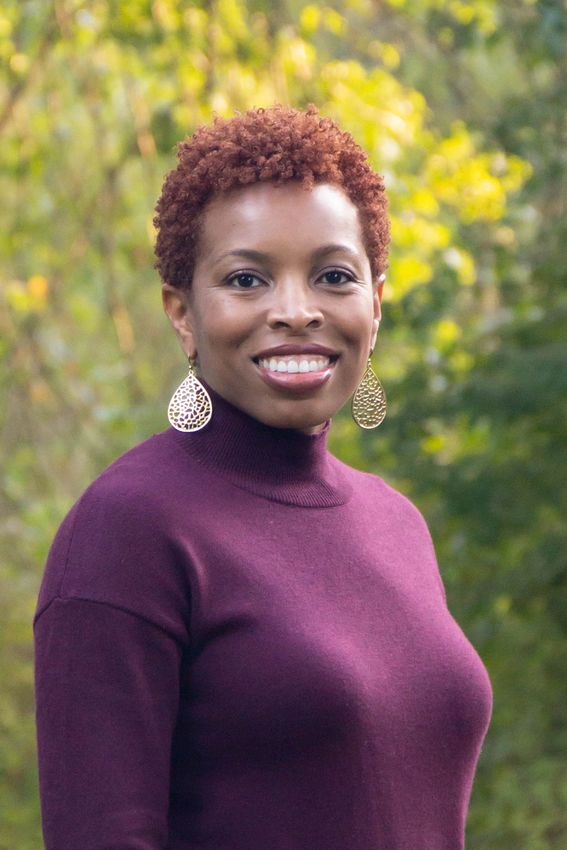
Black Leaders in School Psychology
                                                  Charity Brown Griffin, Ph.D.
                                     Dr. Charity Brown Griffin is an Associate Professor in the
                                     Department of Psychological Sciences at Winston-Salem State
                                     University and the Director of the Minority Academic
                                     Achievement and Development (MAAD) Lab. She earned a B.A. in
                                     Psychology from the University of North Carolina, Chapel Hill and
                                     a M.A. and Ph.D. in School Psychology from the University of
                                     South Carolina. After completing her graduate training, Dr. Griffin
                                     served children and families through her practice in K-12 public
                                     schools as a Nationally Certified School Psychologist. She is also
                                     Licensed as a Psychologist by the North Carolina Psychology
                                     Board. Dr. Griffin's research program examines cultural and
                                     contextual factors that contribute to Black youth's development.
                                     Her work integrates principles from multiple disciplines (school
                                     psychology; developmental psychology; education) to elucidate
                                     how Black youth's experiences with race-related processes in
                                     schools and communities, influence educational and
                                     psychological outcomes. Her research on topics, including racial
identity, racial socialization, racial discrimination, school racial climate, race-related stress and
trauma, school engagement and youth participatory action research, has been published in popular
media outlets and peer-reviewed journals. Dr. Griffin has also served as an advisor and consultant
for local and national organizations, programs, and media outlets.
Learn more about Dr. Griffin here.
Follow Dr. Griffin on Twitter!

                                                           eRIN hARPER, pH.d.
                                     Dr. Erin Harper is a Nationally Certified School Psychologist,
                                     Associate Professor of School Psychology, and Coordinator of
                                     the School Psychology Program at Texas A&M University-
                                     Commerce. She has provided educational and psychological
                                     services in school and community settings for over 17 years.
                                     Erin’s research focuses on co-creating school-based and
                                     community-based systems of support with youth and families.
                                     Most of her research to date has focused on collaboratively
                                     creating youth development programs with Black adolescent
                                     girls and school-based prevention of commercial sexual
                                     exploitation of children (CSEC).

                                     Learn more about Dr.Harper here.
                                     Follow Dr. Harper on Twitter!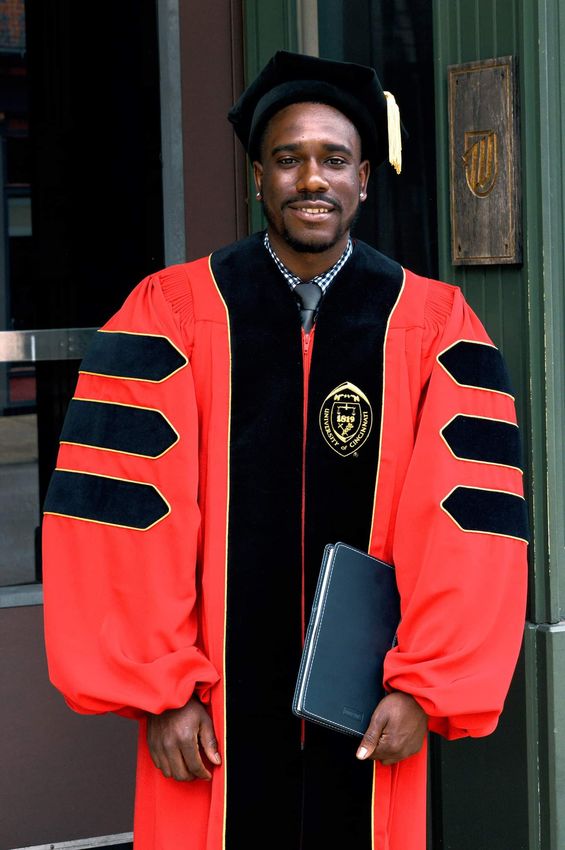
Black Leaders in School Psychology
                                                     Kamontá Heidelburg, Ph.D.
                                     Kamontá Heidelburg, Ph.D., NCSP, is a native of Cincinnati, Ohio,
                                     and a proud triple alumnus of the University of Cincinnati (UC).
                                     Currently, Dr. Heidelburg is an Assistant Professor at the
                                     University at Buffalo (UB) and conducts research focusing on
                                     cultural adaptations to evidence-based individualized and
                                     systems-level interventions to support the positive social-
                                     emotional and academic development of Black students in
                                     schools. Dr. Heidelburg developed a national-reviewed, evidence-
                                     based, culturally-enriched social skills program for Black
                                     adolescents males titled Black to Success (B2S). B2S has been
                                     implemented with numerous Black adolescent males, and
                                     findings suggest that the culturally enriched social skill program
                                       with Afroncentrism and mentoring may increase prosocial
                                     behaviors while reducing problem behaviors for Black adolescent
                                     males in schools. Furthermore, Dr. Heidelburg conducts
                                     professional development and trainings regarding cultural
                                     awareness and teaching, implicit bias, problem-solving
 approaches to discipline, School-Wide Positive Behavior Interventions and Supports (SWPBIS) with
 cultural responsiveness at the core, and inclusion of students, families, and communities' voices as
 solutions to increase cultural competency among educators to support equitable outcomes for
 racially/ethnically minoritized students.

 Learn more about Dr. Heidelberg here.

 Follow Dr. Heidelberg on Twitter!

                                                   Stacy-Ann A. January, Ph.D.
                                     Dr. January is an Assistant Professor in the School Psychology
                                     Program at the University of South Florida. Her research is
                                     grounded within an ecological problem-solving framework and
                                     focuses on promoting student success within a multi-tiered
                                     system of support. Her specific interests include improving
                                     equity in data-based decision making in schools, evaluating
                                     preventive academic interventions, and understanding
                                     contextual factors that promote student success in school. Dr.
                                     January was a co-recipient of the 2021 Lightner Witmer Award
                                     from APA Division 16. She is currently an Associate Editor of
                                     School Psychology Review and has been recognized as Reviewer
                                     of the Year (2016) and Outstanding Associate Editor (2020) for
                                     the journal. Dr. January is Co-Chair of the planning committee for
                                     the 2022 School Psychology Research Collaboration Conference
                                     (SPRCC) and is Research Committee Chair of the Florida
                                     Association of School Psychologists. Dr. January identifies as
                                     Black and Jamaican-American.
Learn more about Dr. January here.
Follow Dr. January on Twitter!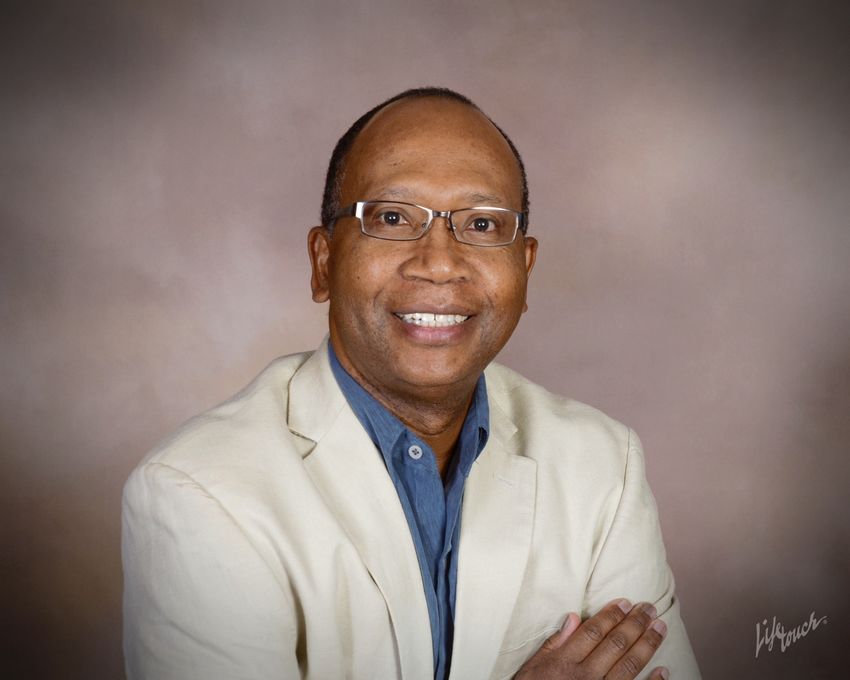
Black Leaders in School Psychology
                                                  Janine M. Jones, Ph.D., nCsp, lp
                                  Janine M. Jones, PhD, NCSP, LP (she/her) is a Professor of School
                                  Psychology and Associate Dean for Academic Affairs in the
                                  College of Education at the University of Washington. She is a
                                  Licensed Psychologist and a Nationally Certified School
                                  Psychologist. Dr. Jones has served in school psychology
                                  leadership including as Chair of the NASP publications board
                                  and receiving a NASP presidential award as leader of the year.
                                    She also serves as Vice President for Professional Affairs for
                                  Division 16 of the American Psychological Association. Dr. Jones
                                  is an author and the editor of               The Psychology of
                                  Multiculturalism in the Schools: A primer for practice, training,
                                  and research. Her research focuses on providing culturally
                                  responsive school-based interventions that address the socio-
                                  emotional health of students of color. Specifically, she integrates
                                  the cultural factors that are associated with resilience in racially
                                  diverse youth including the study of racial identity and belonging
                                  as critical elements in school engagement for youth of color. For
 this work, Dr. Jones was selected to be the Distinguished Lecturer for the NASP 50th Anniversary
Annual convention and was named a pioneer by the Robert Wood Johnson Foundation/Ashoka
Changemakers Children's Wellbeing Initiative. Dr. Jones' work is framed around the belief that
providing culturally responsive services and promoting resilience within the cultural context
creates the path toward serving the whole child. Her research and teaching bridges the gap
between research and practice by developing culturally responsive and innovative approaches to
emotional and behavioral intervention for all children.
Learn more about Dr. Jones here.

Follow Dr. Jones on Twitter!

                                                      Tamika P. La Salle, ph.d.
                                   Dr. La Salle is an Associate Professor of School Psychology at
                                   University of Connecticut. She is also a Research Scientist with
                                   the Center for Behavioral Education and Research. Dr. La Salle's
                                   research focuses on school climate and cultural responsiveness
                                   with a specific focus on identifying mechanisms to establish and
                                   maintain positive school climates for minoritized and
                                   marginalized students. Dr. La Salle developed the Georgia
                                   School Climate Survey, used nationally and internationally, and
                                   has published numerous peer-reviewed journal articles and
                                   book chapters.
                                   Learn more about Dr. La Salle here.
                                   Follow Dr. La Salle on Twitter!
Black Leaders in School Psychology
Patrice Leverett, Ph.D., NCSP
Dr. Patrice Leverett, NCSP, is an African American female, Assistant
Professor at the University of Nevada - Las Vegas in the School
Psychology program. She serves as the practicum supervisor and
teaches courses on the impact of culture and diversity on practice.
She received her Master's Degree in Education at Queens College of
New York and her Ph.D. in Educational Psychology at the University
of Wisconsin - Madison. Her research is two-fold, examining the
impact of implicit bias on the decision-making of school-based
personnel on disciplinary practices to reduce the impact of racial
disproportionality, particularly for African American male students.
Her second line of inquiry examines the student perspective of
disciplinary practices and incorporates those perceptions into the
training of equitable school psychologists. Dr. Leverett is an active
member of her community, serving with organizations like My
Brother's Keeper of Las Vegas to address issues of trauma-informed
practice, specifically around racialized trauma. She also conducts in-
house evaluations to determine the effectiveness of the school
psychology programs in producing socially just clinicians.
Learn more about Dr. Leverett here.
Follow Dr. Leverett on Twitter & Instagram!
Anna Long, ph.d.
Dr. Anna C. J. Long is an Associate Professor and Program
Director of School Psychology at Louisiana State University and a
Licensed Psychologist. She is currently a member of the
American Psychological Association Division 16 Committee on
Ethnic Minority Affairs. She received the 2020 Diversity
Committee Excellence in Teaching Award and the 2021 Brij
Mohan Distinguished Professor Award. The latter award
recognizes a faculty member who serves as a model for the
community in the demonstration of a commitment to peace,
equality, and social justice. Her broad research focus is
implementation science and its application to addressing
educational and mental health disparities. Central aims of her
research include: (a) closing the gap between what we know
works and what we do in schools; (b) expanding behavioral
health research in high-need schools and with ethnically diverse
and low-income populations; and (c) expanding knowledge on
culturally responsive and relevant practice. Given her passion for
issues, she deliberately partners with marginalized communities and schools that are
understudied and frequently apprehensive or mistrusting of the research process. She views
service to the field, university, and community as central to her professional identity. Therefore, she
makes every effort to conduct ecologically valid research.
Learn more about Dr. Long here.Black Leaders in School Psychology
Celeste Malone, M.S., PH.D.
Celeste Malone, PhD, MS, is an Associate Professor and
Coordinator of the School Psychology program at Howard
University. She received her MS in school counseling from Johns
Hopkins University, her PhD in school psychology from Temple
University, and completed a postdoctoral fellowship in child
clinical and pediatric psychology at the Johns Hopkins University
School of Medicine. Prior to obtaining her doctorate, Dr. Malone
received her master’s in school counseling from Johns Hopkins
University. Her primary research interest relates to multicultural
and diversity issues embedded in the training and practice of
school psychology. Specifically, Dr. Malone addresses
development of multicultural competence through education
and training, diversification of the profession of school
psychology, and the relationship between culturally responsive
practice and PK-12 student outcomes. Dr. Malone serves on the
National Association of School Psychologists Board of Directors
as the strategic liaison for the social justice strategic goal and is an elected member of the
American Psychological Association Commission for the Recognition of Specialties and
Subspecialties in Psychology. Dr. Malone is currently NASP President-Elect and will serve as the
2022-2023 NASP President. Notably, she is the second person of color to ever serve in this role.
Learn more about Dr. Malone here
Follow Dr. Malone on Twitter!
Listen to Dr. Malone's episode of Healing Centered Conversations (Dr. McClure's podcast).
Byron McClure, D.Ed.
Dr. Byron McClure is a National Certified School Psychologist
and currently the Founder of Lessons For SEL. He was previously
the Assistant Director of Redesign for DC Public Schools. His
work centers around influencing systemic change and ensuring
students from high-poverty communities have access to a
quality education. Dr. McClure has extensive knowledge and
expertise in mental health, social emotional learning, and
behavior. Dr. McClure has done considerable work advocating
for fair and equitable discipline practices for all students,
particularly, for African-American boys. Dr. McClure has
presented across the country as a panelist, featured, and
keynote speaker. He believes in maximizing everyones limitless
potential.
Learn more about Dr. McClure here.
Follow Dr. McClure on Twitter!
Follow Dr. McClure on Instagram!
Listen to Dr. McClure's podcast, @healingconvopod, across all of social media!Black Leaders in School Psychology
Antoinette Halsell Miranda, Ph.D.
Antoinette Halsell Miranda, Ph.D. earned her Bachelor of Arts
degree in Psychology and her MEd and PhD in School
Psychology from the University of Cincinnati. She is currently
the Chair of the Department of Teaching and Learning at The
Ohio State University and a Professor of School Psychology.
She has been at Ohio State for 34 years. She has been in the
education field for over 40 years including as a school
psychology practitioner in NYC Public schools, Ohio, and
Kentucky. During her tenure at Ohio State, Dr. Miranda has
collaborated with many school districts in central Ohio,
providing diversity training to educators and training schools in
Multi-Tiered Systems of Support. Her research interests
include developing effective interventions in urban settings,
consultation services in urban settings, early childhood
services and advocating for socially just practices. She has
been a champion of public education and has been supportive
of practices that work to close the opportunity gap.
As an elected state school board member in Ohio she has worked to promote practices that
provide equitable services to the children of Ohio. Her most cherished moments in academia
have been teaching and mentoring young adults to be school psychologists.
Follow Dr. Miranda on Twitter!
Janise s. Parker, ph.d.
Janise Parker, Ph.D., is an Assistant Professor of School
Psychology at William & Mary. She is also a licensed psychologist
and Nationally Certified School Psychologist. Dr. Parker provides
and supervises school-based mental health services to youth in
the Hampton Roads area of Virginia. Her research focuses on (a)
culturally responsive mental and behavioral health services, (b)
sociocultural contexts and positive Black youth development,
and (c) social-emotional and behavioral health implications for
serving religiously and spiritually diverse youth from
marginalized backgrounds. Dr. Parker has published several
peer reviewed articles and book chapters on these topics.
Currently, Dr. Parker is (a) co-developing a support program for
early-career Women of Color in school mental health fields, and
(b) co-leading a community-based intervention that involves
school mental health trainees providing academic, social,
emotional, and behavioral support for K-12 youth
(predominantly Black) through virtual services and faith-based
partnerships. Women of Color in school mental health fields, and (b) co-leading a community-based
intervention that involves school mental health trainees providing academic, social, emotional, and
behavioral support for K-12 youth (predominantly Black) through virtual services and faith-based
partnerships.
Learn more about Dr. Parker here.
Follow Dr. Parker on Twitter!Black Leaders in School Psychology
Sherrie L. Proctor, Ph.d.
Sherrie L. Proctor, Ph.D. is a Professor of School Psychology at
Queens College, City University of New York (CUNY). She
received her doctorate in school psychology from Georgia State
University. She also holds a specialist degree in school
psychology from the University of South Florida. Prior to
becoming a graduate educator, she was a School Psychologist in
the School District of Philadelphia and Atlanta Public Schools.
Her research is grounded in social justice and critical
perspectives and explores issues related to Black students in K-
12 and higher education. She is the past Chair of the NASP
Social Justice Committee and Co-Editor of Best Practices in
School Psychology-7th Edition and Critical Theories for School-
Based Practice: A Foundation for Equity and Inclusion in School
Psychology and Counseling. She is a member of the Society of
the Study of School Psychology.
Learn more about Dr. Proctor here.
Follow Dr. Proctor on Twitter!
Kisha M. Radliff, ph.d.
Dr. Radliff is an Associate Professor, the Program Chair of the
School Psychology program, and served as the Chair of the
Council of Directors of School Psychology Programs 2020-2021.
She completed her internship at the Children's Hospital of
Philadelphia and a post-doctoral residency in a private practice
setting working with children, adolescents, and their families,
providing assessment and counseling services. She is a licensed
psychologist in the state of Ohio and teaches courses related to
mental health and supervises practicum courses. Her research
and scholarship center around mental health and social justice.
She is committed to social justice issues, particularly in the
context of mental health and school psychology training. Dr.
Radliff has published two books, the first as co-editor, School
Psychology and Social Justice: Conceptual Foundations and Tools
for Practice (2013), and the more recent one as third author,
School Psychology in a Global Society: Roles and Functions
(2019). She identifies as a biracial Black/white , heterosexual,
cisgender female whose views are shaped by her experiences with privilege and discrimination,
growing up in a military family, witnessing traumatic events, a deep familial value of education, and a
commitment to helping youth feel seen and valued.
Follow Dr. Radliff on Twitter!Black Leaders in School Psychology
Tara C. Raines, Ph.d.
Dr. Raines is a Visiting Professor in the Clinical Psychology
program at UNLV. She is a former Associate Professor and
Director of Clinical Training for the Child, Family, and School
Psychology program at University of Denver. Dr. Raines received
an undergraduate and M.A. degree in Special Education from
Florida State University, a subsequent M.A. and specialist degree
in School Psychology from Nova Southeastern University, and
she ultimately her Ph.D. in School Psychology from Georgia State
University. Her research centers equity and access as it relates
to school discipline practices. Specifically, as early identification
of risk relates to the carcel continuum or school-based pathways
to incarceration. In addition to her passion for research, Dr.
Raines is also dedicated to the proliferation of cultural humility
and increase of bilingual practitioners in the fields of mental
health and education. In 2008, she developed a Spanish
language immersion program specifically for mental health and
education professionals, which she hosts annually in Quito, Ecuador. This program offers the
opportunity for participants to expand their knowledge of Latin American culture and systems while
increasing language proficiency. Outside of academia, Dr. Raines is an advocate for equity and
access to reproductive rights along the continuum from abortion to parenthood. She partnered
with lawmakers in Nevada to promote legislation that passed in the 2021 session to allow for
Freestanding birth centers in Nevada.
Amanda l. sullivan, ph.d.
Dr. Sullivan is faculty and coordinator in the School Psychology
Program at the University of Minnesota and a mother, daughter,
sister, and friend with family and community predominantly in
Arizona and Minnesota, as well as the South. The overarching
goal of her professional activities is to improve the educational
experiences and outcomes of children and youth from
minoritized backgrounds. She concentrates on issues of equity
and social justice in education, particularly those affecting
children and youth with or at-risk for identification of
educational disabilities and the intersections of ethics, law, and
effectiveness of psychoeducational or special education services.
She has also worked with several federally-funded technical
assistance centers that helped school systems and states
support more equitable educational practices and policy, most
recently the Midwest and Plains Equity Assistance Center. She
was the 2013 recipient of the American Psychological
Association's Lightner Witmer Award for scholarly contributions
that have significantly nourished school psychology as a discipline and profession. In addition, she
has held a variety of elected and appointed positions within APA/Division 16, TSP, CDSPP, NASP,
and SSSP, often focusing on efforts to advance social justice, diversification, and early career
supports within school psychology.
Learn more about Dr. Sullivan here.
Follow Dr. Sullivan on Twitter!Black Leaders in School Psychology
April d. turner, ph.d.
Dr. April D. Turner (she/her) is currently the School Psychological
Services Supervisor at the Maryland State Department of
Education. She received her PhD in school psychology from the
University of Nebraska-Lincoln. Dr. Turner served as a school
psychologist in Baltimore City Public Schools (BCPS) for 9 years.
In both her practitioner and administrative leadership roles, Dr.
Turner's focus has been on evidence-based service delivery and
effective use of data-based decision-making to support student
success. She has worked in schools to address the individual
and systemic barriers to student success through academic and
behavioral health interventions. Dr. Turner's commitment to
professional advocacy has helped to build and strengthen
sustainable pathways to leadership for school psychologists. In
the face of the dual struggles of COVID-19 and racial injustice,
Dr. Turner was instrumental in organizing an affinity support
group for school psychologists of color to navigate working
virtually and managing racial inequalities and stressors. Dr. Turner serves as the NASP Delegate for
Maryland and was recently awarded the NASP 2022 School Psychologist of the Year. Dr. Turner's
contributions to the profession, engagement in leadership development, and advocacy for the
success of all children is evident in her overall practice of school psychology.
Follow Dr. Turner on Twitter!
Desireé Vega, Ph.d.
Dr. Desireé Vega is an Associate Professor in the School
Psychology program in the College of Education. She is also a
Licensed Psychologist and Nationally Certified School
Psychologist. She completed her BA in psychology at SUNY-
Binghamton University and MA and Ph.D. in school psychology at
The Ohio State University. Her research, teaching, and service
intersect to focus on advancing the academic outcomes of
culturally and linguistically minoritized students and preparing
future school psychologists and researchers to engage in
advocacy and implement culturally responsive and socially just
practices. As a critical scholar of educational research, through
primarily qualitative inquiry, Dr. Vega's research focuses on three
main areas: 1) identifying best practices in the training of bilingual
school psychologists; 2) preparing culturally competent school
psychologists; and 3) advancing the educational success of African
American, Latinx, and emergent bilingual youth. In 2021, Dr. Vega
was awarded the Excellence in Graduate Teaching and Mentoring
Award from the Graduate College at the University of Arizona, in which she was nominated by
several of her doctoral students. She was also the recipient of the New Leader Award from The Ohio
State University as nominated by her doctoral advisor, Dr. Antoinette Miranda.
Learn more about Dr. Vega here.
Follow Dr. Vega on Twitter!Black Leaders in School Psychology
Stacy A. S. Williams, Ph.d.
Dr. Stacy Williams is an Associate Professor at Marist College, a
Licensed Psychologist and Certified School Psychologist in New
York State. Dr. Williams serves on the Trainers of School
Psychologists (TSP) executive board as President-Elect. At the
state level, Dr. Williams is the Treasurer of the New York
Association of School Psychologists (NYASP). A practitioner
scholar, Dr. Williams' years of working with groups of K-12 at-risk
learners in both urban and rural communities have given her
clear insights into the frustrations, challenges, and joys of
working as a school psychologist. She has consulted with
Instructional Support Teams (IST) working closely with key
stakeholders integrating multi-tiered systems of supports (MTSS)
at the IST level. Dr. Williams has also consulted internationally,
bringing MTSS strategies to rural classrooms in Jamaica, her
home country. Dr. Williams researches and provides training in
social justice, creating inclusive classrooms, academic and
behavioral interventions, data-based decision-making for
teachers, and university/school partnerships.
Learn more about Dr. Williams here.
Check out Dr. Williams website here.
Follow Dr. Williams on Twitter!
Isaac Woods Jr., Ph.d.
Dr. Woods is a native of Durham, NC. He completed his
undergraduate training at the University of North Carolina at
Greensboro, graduate training at the University of Memphis, and
postdoctoral training at Boston Children's Hospital/Harvard
Medical School. Prior to his current position as an assistant
professor at the University of Kentucky he completed a Fulbright
Scholar grant in Southeast Asia. His Psychoeducational,
Evaluation, Assessment, and Collaboration for Equity (P.E.A.C.E)
research lab is inspired by a servant-leadership model. His recent
work has focused on assessment practices for Black youth, school
and community capacity-building, and the role of professional
associations in advancing social justice.
Learn more about Dr. Woods here.
Follow Dr. Woods on Twitter & Instagram!Black Leaders in School Psychology
Frank C. Worrell, Ph.d.
Frank C. Worrell, Ph.D., is a Distinguished Professor of Education
and Director of the School Psychology in the Graduate School of
Education at the University of California, Berkeley, where he is
also an Affiliate Professor in the Social and Personality Area in the
Department of Psychology. A Certified School Psychologist and a
Licensed Psychologist, his areas of expertise include at-risk
youth, cultural identities, gifted education and talent
development, psychosocial development, scale development and
validation, time perspective, and the translation of psychological
research findings into practice. Dr. Worrell is a former Editor of
Review of Educational Research and a Fellow of the American
Educational Research Association, the Association for
Psychological Science, and five Divisions of the American
Psychological Association. Author of over 200 scholarly works, Dr.
Worrell is a recipient of the Distinguished Contributions to
Research Award from Division 45 of APA, the Outstanding
International Psychologist Award from Division 52 of APA, the
Distinguished Contributions to Research Award from Division 45 APA, the Outstanding International
Psychologist Award from Division 52 of APA, the Distinguished Scholar Award from the National
Association for Gifted Children, and the Palmarium Award in Gifted Education. He is an elected
member of the Society for the Study of School Psychology and the National Academy of Education
and the 2021 President-Elect of the American Psychological Association.
Learn more about Dr. Worrell here.RESOURCES TSP Race and Diversity Resources NASP Equity, Diversity, and Inclusion (EDI) Podcast NASP Understanding Race and Privilege NASP Resolution Committing to Antiracism Action NASP Exposure Project (NASP-EP) APA Public Interest Celebrates Black History Month APA’s commitment to addressing systemic racism APA's Psychologists featured for Black History Month Apology to People of Color for APA’s Role in Promoting, Perpetuating, and Failing to Challenge Racism, Racial Discrimination, and Human Hierarchy in U.S. The Association of Black Psychologists Black History Month Black Mental Health Alliance Black Emotional and Mental Health (BEAM) A Century of Stigma for Black America and Mental Health (HISTORY podcast episode)
You can also read


