BLING - Blockchain and Government in Europe INTERVIEWS & USE-CASES - North Sea Region ...
←
→
Page content transcription
If your browser does not render page correctly, please read the page content below
BLING

Blockchain and
                         Blockchain in Government BLING

Government in Europe
INTERVIEWS & USE-CASES
                         1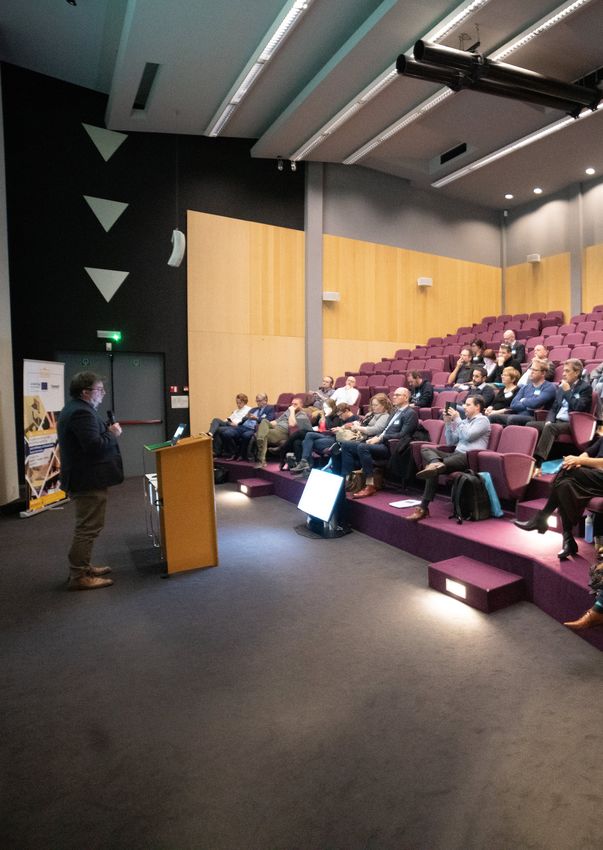
Colophon
CONTENTS
BLING! Project – Blockchain IN Government
(an Interreg Vb North Sea Region project).
LEAD BENEFICIARY
Municipality of Groningen
5 Forward: Blockchain and Government in 50 BLING Blockchain use-case: Healthy on
PRODUCERS Europe the blockchain (HoB) – How using
Renske Stumpel 6 About The BLING Project blockchain enables citizens to stay in
renske.stumpel@groningen.nl
Evite van Winkoop
7 Blockchain and Government in Europe: control of their health and their health
evite.van.winkoop@groningen.nl The BLING Conference data
9 BLOCKCHAIN BASICS 54 Diplomas and Credentials – Building
AUTHOR/EXTERNAL EXPERT
10 Introducing the BLING Partnership a European Blockchain Use-Case
Dave Fitch
dave@dere-street.com 14 Developing and implementing blockchain Hennie Bulstra, European Blockchain
technologies for governments Partnership
DESIGNER
Jetta Post
David Magård, Swedish Ministry 58 BLING Blockchain use-case: Using
jettapost@gmail.com of Infrastructure Blockchain in the ‘Smart Procurement
16 Understanding Innovation in Blockchain Tool’ – City of Antwerp/Digipolis Antwerp
MAGAZINE CONTRIBUTORS
in Government 62 How the Triple Helix supports Blockchain
Adri Wischmann, BlockchainLab Drenthe, Netherlands
Ali Amin Rezaei, University of Oldenburg, Germany Juho Lindman and Livia Norström, in Government
Andreas Hartl, German Federal Ministry for Economic University of Gothenburg, Sweden Peter Verkoulen, Dutch Blockchain
Affairs and Energy
Bram Scholtens, Gemeente Groningen, Netherlands
22 BLING use-case: BRAT – Introducing the Coalition
Daniël du Seuil, European Blockchain Partnership Blockchain Readiness Assessment Tool 64 BLING Blockchain use-case:
BLING Blockchain and Government in Europe - 2021 BLING Conference
Dave Murray-Rust, TU Delft, Netherlands 26 Delivering Germany’s Blockchain Strategy The financial emergency brake –
David Magård, Swedish Ministry of Infrastructure
Ella Tallyn, University of Edinburgh, Scotland
Andreas Hartl, German Federal Ministry for CJIB – Dutch Centraal Justitieel
Gert Ridder - CJIB (Dutch Centraal Justitieel Economic Affairs and Energy Incassobureau
Incassobureau), Netherlands 30 BLING Blockchain use-case: GeoPact – 68 Data security and blockchain solutions –
Hennie Bulstra, European Blockchain Partnership,
Netherlands
connecting virtual blockchains with lessons from Estonia
Henry Rõigas, Guardchain, Estonia real places Henry Rõigas, Guardtime
Juho Lindman, University of Gothenburg, Sweden 34 Bringing design, blockchain, and 72 BLING Blockchain use-case: Blockchain
Karin Goedheid, Digipolis Antwerp, Belgium
Kimberley van Luchem, City of Roeselare, Belgium
computer science together for maritime ports – How can document
Kris Van Berendoncks, City of Antwerp, Belgium Dave Murray Rust, TU Delft, Netherlands handling be improved?
Livia Norström, University of Gothenburg, Sweden 38 The Token Project – Using Decentralized 74 Groninger Stadjerspas, a blockchain-based
Nena Dokuzov, Slovenian Government
Blockchain in Government BLING
Ledger Technologies to create a more service for low income citizens
Paul Spoelstra, Gemeente Groningen, Netherlands
Peter Verkoulen, Dutch Blockchain Consortium, open, transparent, trusted and efficient Paul Spoelstra and Bram Scholtens,
Netherlands government Gemeente Groningen
Sergey Tsiulin, Aalborg University, Denmark
Tom Kettels, Infrachain, Luxemburg
Tom Kettels, Infrachain 76 BLING Blockchain use-case: Using
42 BLING Blockchain use-case: Generating Self-Sovereign Identity to Record Event
health certificates in Oldenburg, Attendance – BlockchainLab Drenthe
FOLLOW US
BlingNSRproject@groningen.nl
Germany. 80 Slovenia’s bottom-up approach
www.northsearegion.eu/bling 46 Introducing the European Blockchain to blockchain innovation
twitter.com/BLINGprojectNSR Partnership Nena Dokuzov, Slovenian Government
Iinkedin.com/company/blockchain-in-government/
Daniël du Seuil, European Blockchain 82 Blockchain In Government –
Find out more about BLING at our website:
www.northsearegion.eu/bling Partnership additional resources
3
2
Forward: Blockchain
                                                                    and Government
                                                                    in Europe
                                                                    How blockchain is enabling the next
                                                                    generation of government services

                                                                    Welcome to the magazine for the 2021 BLING
                                                                    Conference.

                                                                    BLING – Blockchain in Government – was set up in
                                                                    2018 to accelerate and de-risk the deployment of
                                                                    blockchain-enabled services in government.
BLING Blockchain and Government in Europe - 2021 BLING Conference

                                                                    This magazine brings together interviews from
                                                                    blockchain practitioners, developers, and policy
                                                                    makers from across Europe to identify the key
                                                                    lessons learned so far from officials, policy makers
                                                                    and developers as they enable the adoption of
                                                                    blockchain in government. This learning is
                                                                    complemented by the introduction of 8 use
                                                                    cases from BLING, highlighting how BLING
                                                                    partners are innovating, designing and building

                                                                                                                           Blockchain in Government BLING
                                                                    blockchain-enabled services.

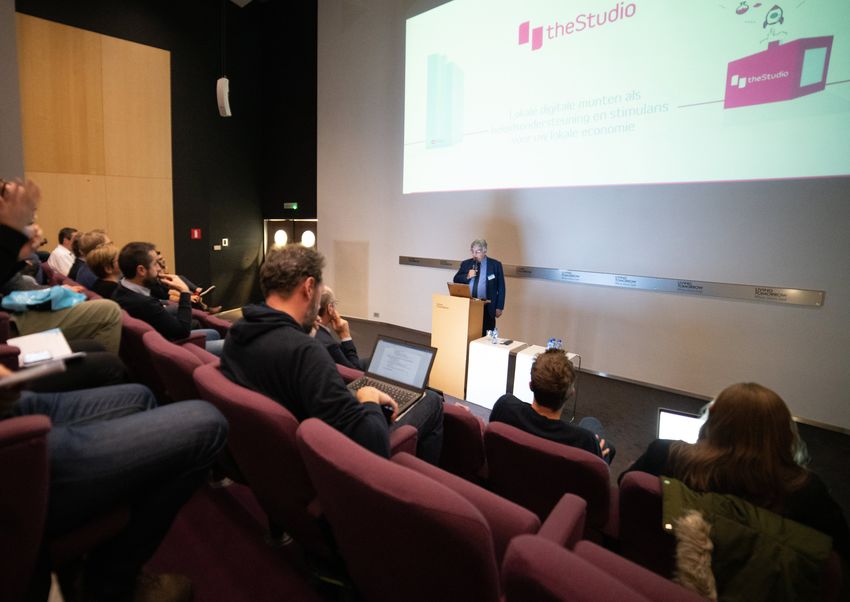
                                                                    BLING’s 2021 online conference will provide an
                                                                    opportunity for practitioners and governments
                                                                    to review the state of play for Blockchain in
                                                                    Government, with contributions from key EU
                                                                    stakeholders and government partners from
                                                                    across Europe and the chance to discuss BLING’s
                                                                    pilots with our innovators.

                                                                                                                           5
     4
Blockchain and Government in
Europe: The BLING Conference
How blockchain enables the next generation of government services
About The BLING Project BLING’s 2021 online conference will provide an opportunity for practitioners and
governments to review the state of play for Blockchain in Government and hear speakers
from BLING, from the EU Blockchain Partnership and from European Blockchain Service Infra-
structure (EBSI) to review where we are and chart the future direction of blockchain
in government.
This will be followed by a pair of online sessions introducing BLING’s 8 new pilots which are
working to deliver blockchain in government and showing the wide range of sectors and
13 government and academic partners working together
approaches where blockchain-enabled services can help to deliver the next generation of
to develop innovative blockchain-enabled service solutions
e-services and e-government.
Can government services be improved by using this technology?
BLING – Blockchain in Government – is a €5M project set up in 2018
to help governments in the North Sea Region accelerate the adoption
of blockchain in government, as part of a wider move towards the
development of the next generation of e-services and e-government.
BLING isn’t a tech project: it uses an explore/enable/deliver approach BLING’s Blockchain in Government Pilots:
to accelerate the adoption and deployment of blockchain to enable
the creation and delivery of the next generation of smart services 1. BRAT – The Blockchain Readiness Assessment Tool
University of Gothenburg, Sweden
BLING Blockchain and Government in Europe - 2021 BLING Conference
for citizens, governments and SMEs.
BLING’s partners are moving beyond proof of concepts to deliver 2. GeoPact – Connecting virtual blockchains with real places
real services in real live governmental settings: this will allow BLING University of Edinburgh, Scotland
to accelerate and de-risk the development and deployment of
blockchain-enabled services across the North Sea Region of 3. Using blockchain to manage health certificates
Europe – and beyond. University of Oldenburg, Germany
BLING brings together domain specific expertise; leading academic 4. Healthy on the blockchain
“Can blockchain
institutions; local blockchain groups; local, regional and national City of Roeselare/HOWEST
government authorities; and SMEs to develop and deploy technology help
blockchain-enabled public services. BLING builds upon the 5. Using Blockchain in the ‘Smart Procurement Tool’
provide a solution
City of Antwerp/Digipolis Antwerp, Belgium
Blockchain in Government BLING
substantial investments by the EU, national governments,
academic institutions, corporations, SMEs and wider networks to governmental
in blockchain to provide one of the first dedicated platforms to 6. The financial emergency brake
problems?” CJIB (Dutch Centraal Justitieel Incassobureau)
bring these tools and approaches into local and regional services.
BLING is currently scheduled to finish at the end of 2022.
7. Blockchain for maritime ports: How can document handling
Want to find out more about BLING? You can contact us at: be improved?
https://northsearegion.eu/bling/contact/ Aalborg University, Denmark
8. Using Self-Sovereign Identity to Record Event Attendance
BlockchainLab Drenthe, Netherlands
7
6
“Blockchain is a key

                                                                                                                                          enabling technology

                                                                                                                                          that will underpin

                                                                                                                                          government efforts

                                                                    BLOCKCHAIN BASICS
                                                                                                                                          to deliver the next

                                                                                                                                          generation of

                                                                                                                                          innovative e-services
                                                                    Modern life relies on the exchange of information. We have seen
                                                                    widespread digitisation of local, regional and national government    and e-government.”
                                                                    services, but in many cases we have not significantly progressed
                                                                    from the deployment of electronic versions of paper processes.

                                                                    Blockchain is a combination of existing technologies that are
                                                                    integrated and deployed across a network. Blockchain uses a
BLING Blockchain and Government in Europe - 2021 BLING Conference

                                                                    distributed ledger to record transactions in a verifiable, secure
                                                                    and permanent way that can be shared with other systems and
                                                                    services. This enables new forms of service integration and
                                                                    provides the foundations for services that allow new types
                                                                    of interactions – these have the potential to redefine the
                                                                    relationship between governments, citizens and SMEs in
                                                                    terms of transparency, trust and data-sharing.

                                                                    How blockchain works
                                                                    Blockchain is a form of ‘distributed ledger technology’ (DLT).
                                                                    A blockchain is a chain of cryptographically linked blocks of data,

                                                                                                                                                                  Blockchain in Government BLING
                                                                    which are stored in a distributed database. Individual pieces of
                                                                    data are combined into blocks of information: each block keeps
                                                                    a history of finished transactions or changes, and all transactions
                                                                    are time-stamped and verified by the participants in the system.
                                                                    Once a block is completed, it is cryptographically ‘chained’ to the
                                                                    previous one, and algorithms can identify unauthorised changes
                                                                    to data in the chain, minimising the risk of tampering or
                                                                    unauthorised changes. Data in the blocks are permanently
                                                                    synchronised across decentralized storage systems, which
                                                                    can be public or private.

                                                                                                                                                                  9
     8
City of Antwerp – Belgium
Antwerp has already developed 4 proof of concepts (POCs) that use blockchain
technology to support service delivery. In BLING, Antwerp will develop services
that utilize ‘self-sovereign identity’, which provides a platform for users to create
a verifiable identity – that they control – which services can use in transactions.
Antwerp wants its citizens to take ownership of their personal data in a GDPR
compliant way, including giving them autonomy in deciding which personal data to
share. Antwerp is working with the Flemish agency Informatie Vlaanderen and the
Flemish ICT organization for local governments.
Central Judicial Collection Agency (CJIB) – Netherlands
The Central Judicial Collection Agency is part of the Ministry of Justice and Safety
in the Netherlands. It is responsible for collecting a range of fines and penalties,
and is the designated authority for the EU’s Cross Border Enforcement Directive
Introducing in the Netherlands. CJIB provides the national coordination service for custodial
sentences, arrest warrants, community service orders, and probation services –
the BLING Partnership
it also provides a Victims Information Service.
CJIB will build a system using blockchain technology and a ‘zero knowledge proof’
to allow citizens to directly flag to the CJIB if they are unable to pay fines while
maintaining their privacy, and to link this declaration with certification from local
Municipality of Groningen – The Netherlands services that they are providing debt support. Through participation in BLING, CJIB
Groningen is at the forefront of open data, innovation and the digital delivery can transfer knowledge about this multi-stakeholder approach and can pilot with
of services. The city is an innovation centre, and runner up in the 2014 European other beneficiaries and work together on joint solutions.
Smart Cities Competition. Groningen’s ICT companies are among the leading
blockchain pioneers in the Netherlands, and Groningen has a healthy blockchain
BLING Blockchain and Government in Europe - 2021 BLING Conference
eco-system for BLING to build upon. Our ambition is to use the BLING project to Design Informatics, University of Edinburgh – Scotland
create the right enabling environment for blockchain in the North Sea Region. Design Informatics at the University of Edinburgh has significant expertise in the
development of blockchain and blockchain-related systems, including linking
Groningen is co-initiator of this project and Lead Beneficiary. Groningen is one of fintech and distributed ledgers with the Internet of Things via the PETRAS IoT Hub.
the few local governments in the Netherlands which has experience developing and Design Informatics (DI) is closely linked with the University’s Informatics Department,
deploying blockchain-enabled services. Groningen seeks to learn what the potential which is Europe’s largest computer science department and a world-class research centre.
impact of blockchain technology will be for the organization, its citizens, and SMEs.
We expect that BLING will provide us with the knowledge, the networks and the Design Informatics is developing a proof of concept blockchain based location system,
experience to deliver blockchain-enabled services and to deploy innovative new that allows 1) decentralised storage of verified locations and 2) smart contracts to be
services that leverage this technology. written based on location information. The team will move our academic tools and
proof of concepts into local government environments. We will leverage our existing
work on blockchain and location to support Sestran’s pilot on logistics and delivery.
Blockchain in Government BLING
Aalborg University – Denmark
Aalborg University’s Department of the Built Environment is leading research on
intelligent transport, tracking data analysis, big data analysis, and freight transport Province of Drenthe – Netherlands
studies - from transport, business and logistics perspectives. The University’s Freight The Province of Drenthe is a regional authority in the north-east of the Netherlands.
Transport Research Group focuses on analyzing business models behind new Our aim is to develop our region by utilizing technological advances and cutting-edge
technological solutions in transportation, and studying the potential impact of new research, leveraging the Province’s innovative businesses, knowledge institutes, and
technologies in transport and logistics. public authorities to create smarter services and an innovative business environment.
Aalborg will contribute to the identification and development of the new ways of Drenthe will create a Blockchain Lab that will support the blockchain ecosystem in the
using blockchain to optimize freight transport through better service provision from Northern Netherlands, bringing together commercial and non-commercial networks
‘Government to Businesses’, which will help create better government services for and organising regular meetups. Drenthe will deliver a pilot that leverages blockchain
maritime ports in the freight industry. This is an important complement to the other technologies as part of a solution to administer the Province’s Waste Management
10
BLING pilots which focus on ‘Government to Citizen’ (G2C) services. programme and reduce fraud and the need for inspections.
11
Municipality of Emmen – The Netherlands City of Roeselare – Belgium
Emmen is the fourth largest municipality in the Netherlands, and is in the Province of Roeselare is a municipality in West Flanders in Belgium. The development and
Drenthe. Emmen wants to promote the uptake of blockchain and is very interested in improvement of public services has been a strategic priority for the city since 2013 –
platform development. We will appoint a technology evangelist who is ready to explain the city has created a new organizational structure, merged departments, and has
the possibilities of blockchain technology, and to respond to feedback from both project worked hard to develop new concepts for services. The city wants to focus even more
partners and potential users. Trust in government and local democracy are important on technologies that ensure that employees can focus on the quality of their
areas; in 2016, Emmen ran several projects that resulted in a proof of concept for voting engagement with customers, and on providing innovative ways for the city to function.
in general elections, which could possibly also be used for opinion gathering on local
issues. Roeselare is at the start of our Blockchain journey, and will use learning from BLING
to develop a vision and strategy for new blockchain-enabled services. Starting from
our earlier work on e-government, we will increase awareness of the possibilities of
Gothenburg University (GU-Blab) – Sweden blockchain in government, and prototype new blockchain-enabled services for staff
The Gothenburg University Blockchain Lab (GU-Blab, www.scdi.se/initiatives/blab) and citizens.
is a part of the Swedish Center for Digital Innovation (SCDI, www.scdi.se) located at
the department of Applied Information Technology (www.ait.gu.se), University of
Gothenburg. GU-Blab brings extensive knowledge about the use of Distributed The County Administrative Board of Skåne – Sweden
Ledger Technologies (DLT) in public services. The County Administrative Board is a government authority that links the people and
the municipal authorities with the Swedish national government, Parliament, and central
GU-Blab will lead work to review progress in delivery and local capacity for authorities. We are a knowledge-based organization which works on many different
blockchain-enabled services, and will enable BLING to bring together knowledge cross-sectoral issues, from rural development and biodiversity to integration and the
of activities across relevant domains in the NSR, mapping deployment and skills, protection of cultural environments.
and producing a blockchain readiness assessment scorecard.
One of The County Administrative Board’s tasks is to coordinate public elections and to
work to support the development of democracy and dialogue with citizens. We are one
Howest University of Applied Science – Belgium of the authorities that ensures that the elections are held properly, and that voting is
The Security and Privacy Research Group of the Applied Computer Science Department done correctly. In BLING we intend to run local democracy pilot that is enabled by
at Howest, University College West Flanders has a long history of collaboration with large blockchain-enabled identity services.
BLING Blockchain and Government in Europe - 2021 BLING Conference
international corporations and local SMEs, and works on cybersecurity, blockchain, inno-
vative web platforms and artificial intelligence. Thanks to current and previous research
projects and collaborations with companies and institutions inside and outside Flanders, South East of Scotland Transport Partnership (SEStran) – Scotland
the Security and Privacy Research Group has established a wide international network of SEStran is a Regional Transport Partnership comprised of eight local councils in
practitioners, institutions and enterprises. south-east Scotland. SEStran’s Regional Transport Strategy focuses on sustainability
and reducing greenhouse gas emissions, and seeks to develop a comprehensive,
Our role is to explore through 3 or 4 pilots (initially with Roeselare, and then with other sustainable transportation system for the region.
partners) how blockchain technologies can be used by local governments. We can
define the functional and technical analysis of pilots and develop proof of concepts. SEStran is interested in looking at the potential of blockchain in the logistics space.
We will transfer these competences to other BLING partners through workshops and We see the challenge to understand and manage the (open) sharing of freight information
training. (flows, amounts, value) and to enable SMEs to improve their logistics management (and
costs) whilst reducing the number of light goods vehicles on the roads as key to the
Blockchain in Government BLING
development of the next stage of our transport strategy. We will be working with a local
Oldenburg University (UOL) – Germany council and with Design Informatics at the University of Edinburgh to develop this pilot.
The University of Oldenburg brings experience in data analysis, data processing and
blockchain technology; combined with extensive experience with management
information systems in our Very Large Business Applications Department (VLBA).
UOL has the skills to build blockchain-based solutions.
Through BLING, UOL will build additional capacity in blockchain technology research,
researching heterogenous blockchain technology approaches to assess their applicability
for government processes. The University will develop use cases for the application of
blockchain in local government, as well as supporting the implementation of a local
blockchain lab in Oldenburg. UOL will develop a blockchain pilot based on our
12
collaborative work with the City of Oldenburg.
13
In June 2019 you were one of the speakers at ‘The Future of Do you have any advice for civil servants that are
Blockchain in the Public Sector’ conference. You were fairly experimenting or working with blockchain?
critical of many blockchain applications. What kind of Blockchain is hard for a government – especially open blockchain –
opportunities do you see for blockchain? because government is usually in completely in control of all of the
I’m not critical of the technology itself, I actually see a lot of processes. That’s the job of government.
possibilities. But I do think it’s important, especially on these kinds
of conferences, to ask the difficult questions. I’m not critical about I personally think that if technology is available to help you work
the technology, but I am critical about people who think that it is better or more efficiently, then we should try it. Of course there is
easy to implement. still the question of trust: if we trust the blockchain, who do you
NTERVIE Developing and implementing
blockchain technologies for governments
David Magård, Swedish Ministry of Infrastructure
I also often see that they don’t ask the difficult questions when
they start – and then the project often fails, because there is no
(structural) funding, or because there are legal issues, or
governance issues.
You hit the difficult questions sooner or later.
Governance is an especially important but difficult issue –
really trust? Blockchain is written by humans – at the end of the day
there are people writing the code. And from that understanding
we need to have a quite big discussion about accountability. I think
that sometimes people forget that when something goes wrong in
a big way, then there are going to be repercussions and the people
affected and the government are going to be looking for people to
hold accountable.
It is good to try these sorts of technologies and innovations. But
particularly from a public sector perspective – and particularly for not all use cases will succeed, and I don’t think every proof of
open blockchain. Because we need to ask who will ‘manage’ the concept should be taken into production. I see many use cases that
blockchain services we are going to use? Who will fund it, and who are basically database solutions. Blockchain is redundant in those
David Magård works for the Swedish Ministry of Infrastructure, will feel – or be – legally responsible for it? For example, who will cases, usually. But it is good to learn from them.
decide what technology will be required to host the blockchain,
and focuses on the digitisation of the public sector. He gives us his
and who will do any ongoing maintenance that’s required to keep
thoughts on developing and implementing blockchain technologies the blockchain system online, etc? In Sweden we tested a We talk about the Stadjerspas, a blockchain use case from
for governments. blockchain application for the Land Registry. This project took the city of Groningen. Low income citizens get a pass which
almost three years, in part because we got stuck in the legal they can scan at certain places, such as a swimming pool –
issues and it is still not ‘live’ – as it was an innovation ‘proof of or they can buy tickets at a discount at the web portal.
What is your current job and what kind of work does it entail? concept’ project. Transactions are saved to a blockchain. At the end of the
Currently I work as an adviser for the Swedish Ministry of Infrastructure – I’m a lawyer. month, the municipality receives a bill with all the
BLING Blockchain and Government in Europe - 2021 BLING Conference
My focus is on the digitisation of the public sector – so that covers issues such as AI, When you’re developing these services it is probably easier to work transactions and pays them. David responds:
datafication, open data, open source in the public sector, and new technologies. One of on a national level, because you can have some influence on the It’s an interesting application for blockchain. But I don’t think
these technologies is blockchain, and Sweden is part of the EU Blockchain Partnership. law writing process and on the wider things that can enable this you necessarily need blockchain for this, you could do this with a
In this case, we are trying to help the Swedish public sector understand the possibilities type of innovation. This is a lot harder on the EU level. So you need different solution as well. In Finland they are experimenting with
of these technologies: helping them with fieldwork, getting them in touch with relevant to know the legal side of things when you start. something similar. I think they also looked at the use case from
partners, and looking at the (im)possibilities ofexisting laws. It also means we are looking Groningen when they designed their pilot. There they do it a bit
at the laws that are being written right now, and how they can affect the use of these So I’m still optimistic about the tech. Implementing it is just going differently: they use digital money, which is programmed to valid
technologies. to take a lot of time. But that is the case with all digital changes. in certain places, so you don’t need to send any bills afterwards.
I’m also involved with blockchain in a different way, through the EU Blockchain
Observatory and Forum. This is separate from my work for the Ministry of Infrastructure, What do you think blockchain is going to do in the future?
but it has a nice synergy. It is different from the Blockchain Partnership: the Blockchain I think blockchain is going to change many things – but not in the
Blockchain in Government BLING
Partnership is focussed on advancing blockchain within the EU and seeing how the public “I’m not critical about the way we think. You have to look through the hype and then look
sector can benefit from blockchain. The Blockchain Observatory and Forum is more of an for the interesting parts.
expert forum and keeps track of the developments around blockchain technology. technology, but I am
critical about people Great! Any last advice?
What kind of use cases do you see for blockchain on an EU level? Yes. When you start a blockchain experiment, you need to have a
Currently, there are four that the Blockchain Partnership is looking at through the who think that it is easy diverse team. You need to think about the governance questions,
European Blockchain Services Infrastructure. The first is looking for a way to audit bills the legal questions, those kinds of things.
and spending. A second one is for diplomas and educational qualifications. Self-Sovereign to implement.”
Identity is an important third. We are also looking into data sharing: how can we share Don’t call it an IT development project, because then it is going to fail.
data between different customs agencies.
14
15
Hello Juho and Livia! Let’s start with the big question – Many of this novel system’s benefits and efficiencies came from
where do you see blockchain in government right now digitizing the existing analogue processes that recorded the
in the EU? transfer of land ownership, resulting in increased transaction
Juho: Blockchain in government at the EU level is very much speed which should lead to cost savings. The benefits of using a
arranged around the European Blockchain Service Infrastructure blockchain-based system included the fact that the actors running
(EBSI), which is a joint initiative of the European Commission the network could share the cost of running the service, and
and the member states (who are operating collectively as the increased transparency of the transfer process, which increased
NTERVIE European Blockchain Partnership). The aim is to deliver EU-wide
cross-border public services that leverage blockchain technology.
EBSI is fully compliant with EU law in terms of privacy,
cybersecurity, interoperability, and energy efficiency.
EBSI is organized into a network of distributed nodes, with
applications focused on specific use cases. ESBI selected their
first four blockchain in government use cases in 2019 –
notarization, diplomas, self-sovereign identity, and data sharing –
the technical trust in the recording of transactions on the chain.
However, the ‘disruptive’ nature of the new service was likely one
of the reasons the project encountered obstacles and scaling
difficulties, as it required new ways of working – like legally
enforceable digital signatures.
Livia: Another real-world example in Sweden that has users is
the digitizing of the unemployment certificate process. AXA –
the insurance company - wanted to digitize the payments of
and different prototypes were built to address each case. employment insurance. One of the prerequisites is that the person
needs to be registered as an unemployed jobseeker with the State
#1 The Notarization use case is focused on creating audit trails, Employment Agency. The transaction process is very simple,
automatic compliance checks and proving data integrity. but the legal framework is bureaucratic. In the pre-digital process,
a person needed to visit the employment office to get their
#2 The Diplomas use case is about consent management for unemployment certificate (after an identity check), and the paper
to access to educational credentials, cost reduction for certificate that is produced can then be sent to the insurance
document verification, and increasing diploma credibility. company. The current legal framework prevents the State
Employment Agency from sharing a jobseeker’s status with a third
Understanding Innovation in Blockchain in Government #3 The European self-sovereign identity use case gives users party. So the system requires an in-person visit to the employment
the ability to create and control their own identity credentials. agency every month – which is not an efficient process.
BLING Blockchain and Government in Europe - 2021 BLING Conference
Juho Lindman and Livia Norström, University of Gothenburg, Sweden #4 The Trusted Data sharing use case provides a means for
secure data sharing among customs and tax authorities Can you give us a quick comparison between the EU
(esp. related to VAT identification and imports). approach and how blockchain in government is developing
in the rest of the world?
Juho Lindman is an Associate Professor of Informatics at the Livia: Three further three use cases were selected in 2020 – Juho: We can see differences in approaches across the world –
University of Gothenburg in Sweden, and the Director of the a European Social identification Number, SME Financing, for example China and US have their own models – the US with
and Asylum Process management. a private-sector model, while China is focused on building a
University of Gothenburg’s Blockchain Lab. Livia Norström
blockchain infrastructure. The US relies more on innovation from
is a post-doctoral scholar at the Department ofApplied IT at private companies than EU does, and most of the large international
You’re both from Sweden – so what’s been happening platform companies are from the US. This platform position allows
University of Gothenburg. They are both working in close
with blockchain in government in Sweden? US companies to explore interesting innovation opportunities that
collaboration with European municipalities that are Juho: We have some early pilots in Sweden – most notably leverage blockchains – for example the Facebook Diem (formerly
Blockchain in Government BLING
Lantmäteriet – Land Registry digital asset transfer, and a pilot Libra) cryptocurrency that is now facing opposition in Europe.
exploring blockchain through the Blockchain Lab. In this
from the Swedish Unemployment Agency. The Lantmäteriet land
interview they tell us about some of the work the Blockchain registry is an example of using blockchain to enable a relatively Globally, there are several infrastructural projects that aim to build
Lab has done to understand the challenges facing ‘disruptive’ public service change. Lantmäteriet trialled a new capacity, connect relevant stakeholders and ultimately support
electronic system built on a private blockchain that used smart public services. These initiatives include, for example, the
governments as they work on blockchain-enabled services,
contracts and digital signatures to automate the processing and Chinese Beijing Municipal Blockchain Blueprint initiative
and some of the factors which are driving this change. recording of land transactions. (https://link.medium.com/hMYZHDgnR8) which aims to improve
16
17
government processes and services by assembling previously                 Gartner Insight has suggested that 90% of blockchain projects are
                                                                    scattered expertise in the relevant areas on how to provide services       either driven by a fear of missing out, do not actually need
                                                                    and produce portions of the distributed core infrastructure.               blockchain to meet their requirements, or result in solutions
                                                                                                                                               that are unsuitable for the organisation’s current IT infrastructure.

                                                                    Where is government in terms of blockchain adoption,                       #2 Technology
                                                                    vs. the private sector?                                                    The second success factor is the project’s appropriateness.
                                                                    Juho: The government is behind the private sector, but the use             Specific technology benefits that come from blockchain
                                                                    cases are also different, so they’re not necessarily comparable in         deployments include increased trust, auditability, and information
                                                                    that sense.                                                                security. (The earlier use cases we analysed for this include land
                                                                                                                                               title registration, immigration-related registrations, and banking
                                                                    We have a technology that clearly has disruptive potential, a series       fraud reduction.) On a more technical level, researchers have
                                                                    of proven use cases which are mainly from the private sector (many         found that blockchain can be deployed in different ways using
                                                                    of which are linked to cryptocurrencies, fintech and other financial       various methods and configurations. Therefore, the relevant
                                                                    services, areas in which blockchain’s benefits seem different from         design space and design trade-offs in developing a blockchain
                                                                    most potential public sector use cases ), and anecdotal evidence           solution are not trivial, and should not be underestimated.
                                                                    from a number of early technology projects showing that blockchain
                                                                    can be used in interesting new approaches or services that match           #3 Stakeholders
                                                                    public sector requirements.                                                Identifying and engaging relevant stakeholders is important for any
                                                                                                                                               development project, but especially so for a blockchain project due
                                                                    Livia: As the use of digital technologies evolves in the private sector,   to its technical novelty and the frequent need to onboard whole
                                                                    citizens’ service expectations have changed, and they are calling          networks of stakeholders. Usually, there is a public sector customer
                                                                    on governments to follow suit. In the context of increased                 and one or more blockchain start-ups or other companies that
                                                                    dissatisfaction with traditional public institutions, governments may      provide the technology.
                                                                    find using digital technologies and data provides an opportunity to
                                                                    transform internal processes, policies and services, which will allow      #4 Users
                                                                    them to better respond to the real needs of citizens.                      Most current software approaches highlight the importance of
BLING Blockchain and Government in Europe - 2021 BLING Conference

                                                                                                                                               customers and users as active participants in the design and
                                                                                                                                               development process. Many early blockchain projects began as
                                                                    Based on your work in the Blockchain Lab, what do you                      technology processes aimed at implementing a specific idea for
                                                                    think are the main drivers for the adoption of blockchain                  a service. However, putting the customer in control and acquiring
                                                                    by governments?                                                            end-user input are very important for service design.
                                                                    Juho: We can identify a couple of early themes that seem to be             When the technology has matured, blockchain services should not
                                                                    driving adoption, but it’s still early in the process to be definitive     be primarily seen as technology-driven projects, and therefore user
                                                                    about this. I can speculate though – here are 5 of the things that         focus is going to be a critical success factor.
                                                                    I think are driving blockchain adoption.
                                                                                                                                               #5 Willingness to experiment
                                                                    #1 Value                                                                   Studies have highlighted the need for blockchain experimentation.
                                                                    You can identify a range of potential benefits that                        The purpose of this experimentation is to build in some flexibility

                                                                                                                                                                                                                       Blockchain in Government BLING
                                                                    blockchain-enabled services might bring to the public sector,              and variation for a specific innovation process, so that various
                                                                    including improved transparency, fraud avoidance,                          attributes of the technology can be tested to learn about their
                                                                    reducedcorruption, increased trust, auditability, resilience, better       potential real-world outcomes. This means testing various potential
                                                                    data quality, and security. Current blockchain proposals are often         approaches/concepts during the pilot/project, and learning about
                                                                    linked to aims such as decreasing transaction costs,                       their constraints.
                                                                    disintermediating trusted third parties, increasing transaction
                                                                    transparency, and mitigating processing risk using an irrevocable          This can also be done in a blockchain-agnostic way – it might not
                                                                    shared account of earlier transactions.                                    be necessary to decide before a project or pilot begins that the
                                                                                                                                               implementation must incorporate blockchain. Instead, blockchain
                                                                    The most critical part of setting blockchain project goals is clearly      can be one of the potential technologies the project investigates as
                                                                    identifying the business benefit the project is expected to deliver.       part of a service design or redesign.
     18

                                                                                                                                                                                                                       19
That’s quite a varied set of drivers! Why do you think that is? #3 Legal uncertainty Juho: Early results from our reviews show that the hype and the government innovate – which means laws are sometimes
Juho: The reasons why public sector agents want to use blockchain In what is sometimes referred to as a “reality feed”, there are legal pressure to jump on the ‘blockchain bandwagon’ could have contradictory and may hinder public sector innovation.
to digitally transform services and organization combine external points when a blockchain and the physical world intersect. This is a hampered the possibility of scaling of some pilots. Often pilot
and internal drivers and outside and inside factors. Studies of potential risk if the project is looking to change a service and there engagement was restricted to one or a few enthusiasts in the
public sector managers’ views on digital transformation show is legal uncertainty or ongoing regulatory developments. One organization, with no long-term plans for scaling and user Have you identified any common approaches to innovation
that more than 80% felt there were external pressures for service example of these legal issues in Europe is the question of GDPR involvement, and with little experience of digital innovation as governments look to adopt blockchain?
transformation. These outside factors could include pressure from compliance. Different countries are now building legal sandboxes transformation projects. Project leaders did also put quite a lot of Livia: Early results from our research on blockchain in the public
citizens, from businesses, and from political actors. External agents to test what would be legally possible for their blockchain services. trust in external developers to develop blockchain solutions quite sector have identified three approaches to collaboration/innovation
are used to – and inspired by – the effects of digital transformation independently from the host public organization. The complexity, as part of wider public sector digital transformation efforts. In some
in the private sector and expect public institutions to also be jurisdiction and culture of public sector organizations were thus of these blockchain’s technological promises and public sector logic
efficient and innovative in their service delivery. External drivers What have you learned from looking at BLING’s blockchain pilots? not fully taken into account. The pilots and concepts were primarily align, and sometimes they may not.
reflect technological change in society as a whole. Juho: While we don’t have many blockchain applications in the technology driven rather than need and context driven.
public sector that we can refer to or study to identify and However, even though these efforts at a first glance may seem to A key argument for using blockchain is to decrease costs by
Livia: Blockchain has been widely hyped for the last few years, understand barriers to the adoption of blockchain, however be naive or technologically led, they also create knowledge and increasing efficiency – as blockchain is believed to spur process
which has definitely affected design decisions on the use of we do have access to several pilots and proof of concepts within legitimize blockchain innovation both internally and externally – re-design which reduces service delivery costs. This view of
blockchain (for good and for bad) in the public sector. Internal the BLING project that we have been able to study. by extending the network of the public organization beyond blockchain’s transformative capacity aligns with a new public
drivers of change are often managerial, through business organizational borders, by supporting local tech start-ups, and management (NPM) paradigm of making internal operations more
processes renewal and business/service model updates. Livia: In our analyses of BLING’s blockchain work we are looking at through getting knowledge about their activities out to a wider efficient and measuring performance. However, we doubt how
how the design processes of these pilots worked out, how different audience. innovative this rationale is in practice, since NPM is not believed
actors involved in planning and development reflect over the design to drive innovation.
What are the main barriers for blockchain adoption decisions they made (both from a technological and organizational If we take a broader view of the pilots and look beyond the start
in government? point of view), and why they think some things worked out and and end of a specific project, then their efforts and the lessons Blockchain technology is also thought to provide a path to better
Juho: We can’t give a definitive answer yet – as we are still in the some things didn’t. learnt could be seen as the beginning of blockchain service delivery to citizens, providing an improved way to support
early stages of adoption. But we can highlight three types of implementation in the public sector. We see that most of the approaches like providing economic support to fragile groups,
challenges pilots seem to face – disruptiveness, limited scalability, development and implementation barriers were only identified increasing the transparency of democratic processes, and
and legal uncertainty. when organisations started experimenting with blockchain – decentralizing services to neighborhoods and communities. These
so they weren’t factors that were already known or to be efforts to use blockchain for transformation towards more
BLING Blockchain and Government in Europe - 2021 BLING Conference
#1Disruptiveness expected or predicted. These pilots should never be seen as transparent, accountable and secure services are a promising
The more a development project has the potential to disrupt “To understand blockchain failures, since the knowledge they gained is immensely valuable approach to delivering innovation.
current public services (i.e. by significantly changing how it is for future blockchain efforts.
designed or delivered), or to affect existing markets, the more implementation in the public A third dimension of blockchain engagement is collaboration
complex it will be to implement. Our review of the field revealed Another barrier to adoption is the tension between technological between municipalities and industry – with firms and
hundreds of inactive projects that were previously self-marketed sector we think that it is promises and organizational culture – it is important to make the entrepreneurs. In this approach one reason for introducing
and/or reported in other publications, but of course, many were distinction between technological functionality (what is potentially blockchain in a municipality is to support local entrepreneurs
small-scale proofs of concept or pilots that were aimed at testing important to see digital possible) and how the technology actually ‘plays out’ when it is by offering collaboration opportunities. A lack of internal
the technology and learning. There was no lack of project ambition, used in an unique organizational context. We think this is especially technological skills is also an argument for external collaboration.
and the high number of inactive projects is not surprising. What is transformation (change through important for blockchain implementation, due to the hype Opening up an organization for collaboration and innovation is
a bit more surprising is that successes in this space seemed surrounding this technology. It is also important for public sector part of a participatory public sector logic of co-production. In this
relatively rare. technology) as a process of organizations since they differ from private organizations – where dimension blockchain is engaged to collaborate beyond
Blockchain in Government BLING
most of the literature and discussions of blockchain usually take organizational boundaries, inspired by an open innovation
#2 Limited scalability constant revision of outcomes, place. paradigm and entrepreneurial organization.
Many early blockchain projects were small-scale pilots intended to
facilitate learning about the technology and then to potentially scale and not as a series of projects or While the private sector is primarily driven by economic advantages To really understand how adoption is going, more research is
up. Some design decisions made during these early pilots did not and competition – which may restrict the sharing of good ideas needed on what happens after pilots finish. How were the barriers
scale well, such as the number of nodes or load in the network or pilots with clear ends. Identifying – the public sector is more motivated by the need to build of misalignment tackled? Even if a blockchain pilot was not scaled
the number of transactions. Projects like this can deliver learning organisational and delivery capacity and to increase service up or deployed, did the work to setup and deliver the pilot lead
through experimentation, but they will probably not deliver new barriers (to adoption) is part of effectiveness – so the public sector may be a better place for to a transformation of ideas and thoughts and perspectives (leading
services. innovation. On the other hand, the public sector is less flexible to a changed organizational culture)? And what lessons do
the process.” than the private sector. Legislation, policy and services are usually managers and staff bring with them about innovation and barriers
designed to help business innovate – but not necessarily to help the from the pilots to future innovation projects?
20
21PILOT
BLING use-case:
BRAT – Introducing the Blockchain
Readiness Assessment Tool
Juho Lindman is an Associate Professor Measuring blockchain readiness in public sector explored in more detail below, and each discussion is followed Question 2: As an organization we have a clear understanding
organizations by a question prompt, which should lead the organisation’s of the roles required in our application and who should fill
of Informatics at the University of
Despite the public sector interest in blockchain technology, few internal discussions on blockchain exploration/adoption. those roles.
Gothenburg in Sweden, and the blockchain projects have gone beyond a concept or pilot stage.
This means we have limited knowledge of how the particular
Director of the University of Gothenburg’s
characteristics and properties of blockchain play out when The Blockchain Readiness Assessment Tool 3. Blockchain Architecture
BLING Blockchain and Government in Europe - 2021 BLING Conference
Blockchain Lab. Livia Norström is a implemented in public sector services at scale. Organizations When creating a blockchain application, there are a range
post-doctoral scholar at the Department which are starting to engage with blockchain technology thus 1. Business need of architectural design choices that need to be made about
have less evidence to draw from than they might like. Using blockchain to store and manage data can be slower the blockchain. These range from determining how open the
of Applied IT at the University of and less private than conventional solutions, but it removes blockchain should be, to choosing a consensus mechanism,
Gothenburg. Against this backdrop, BLING is developing a tool for the need for trust between parties, and is tamper- and to deciding on a transaction model. These choices should be
organizations who want to explore the development and use censor-proof in ways that conventional solutions may not made to fit the particular needs and requirements of the
of blockchain-enabled services - even at this early stage of the be. Before spending a lot of money and effort to create a particular use case.
technology. The Blockchain Readiness Assessment Tool (BRAT) blockchain solution, the organisation considering this
is a survey instrument that can be used by organizations to approach should determine whether there is an actual need Question 3: As an organization we have a thought-out
facilitate discussions about their readiness to adopt blockchain for a blockchain solution – that their problem cannot be sol- strategy for making design choices about the architecture
and their organization’s capacity and capability. BRAT should ved by other approaches, and whether the adoption of our blockchain solution.
make the target organization more aware of their capacity to of blockchain fits into their overall strategy.
Blockchain in Government BLING
explore/adopt blockchain enabled services, and will identify
areas where improvements can be made and where capacity Question 1: As an organization we have identified/captured 4. Legal requirements
can be developed. a need that can only be effectively addressed by using a There will be legal ‘entry points’ at the intersection of the
blockchain application blockchain and the physical world, and it follows that the
The tool is designed as a set of simple questions that supports blockchain solution which organisations develop will have to
discussions around the key aspects that make up an comply with relevant national legislation if it is going to be
organisation’s blockchain maturity. It covers the six main 2. Organizational roles and participants useful in the physical world. Public sector organizations often
domains for public sector actors: business need, organization Before building a blockchain application, you should have have specific sets of legislation regulating their activities, as
roles and participants, blockchain architecture, legal an understanding of who the participants of the blockchain well as more general regulations such as the GDPR. Public
requirements, data handling, and the more philosophical solution will be, and what the trust relationships are between sector organizations are representatives of the state, and
aspects which we call ‘mandate’. These characteristics are these participants. therefore must be careful to create systems that comply
with applicable laws.
22
23Question 4: As an organization we have identified which area 6. Mandate High scores from the BRAT indicate that an organization can
of legislation our blockchain solution must comply with. One of the fundamental ideas motivating the adoption of feel confident about moving forward and implementing
blockchain is to replace intermediaries and third parties in blockchain based applications in their organization – these
processes where possible – in finance, in organizations, in scores would indicate that the organization is ‘mature’ enough
5. Data handling governance, etc. – through the use of approaches like to use and take advantage of the technology and has a good
When considering what data an organisation’s solution self-sovereign identity. These technologies allow organisations understanding of the particular challenges and risks involved.
needs to store, and where it will store this data, it is important to work directly with clients/citizens without requiring other
to consider the regulatory restrictions or possibilities of the organisations (such as identity providers, certificate providers) Low scores indicate that the organization should work to
blockchain application, and how this aligns with the to participate in or support the exchange or service. An develop the capacities that they don’t yet have, and to address
architecture that the organisation has proposed for their organization considering a blockchain solution should think the self-identified capacity gaps in the domains where their
blockchain solution. For example, some data may be better about how their operating model and their offer may be scores were low. Organisations with relatively low scores
suited for storage off-chain, due to legal requirements (such shaped by the ways in which blockchain can be used as should develop their capacity in these areas and then re-take
as GDPR compliance) or scalability, whereas other types of way to disintermediate processes and reduce the need for the assessment before beginning a program of blockchain
data should be stored on-chain or for purposes of intermediary partners. application development.
transparency and immutability/permanence.
Question 6: As an organization we have discussing if/how The Blockchain Readiness Asessment Tool has already been
Question 5: As an organization we have a clear understanding blockchain-based government services can change the role, tested as part of a research project with high-level blockchain
of what kind of data we should store on the blockchain and need and mandate of the public sector. expert stakeholder groups. The Blockchain Research Group
what to store off-chain. in Gothenburg is continuously developing the tool and will
implement the tooling and development of a maturity
assessment model in 2021. The BRG will continue to iterate
the questions in the BRAT, and work with different
stakeholders and carry out individual follow-up interviews
with municipal stakeholders to gain a better understanding
of how the public sector is engaging with blockchain
SCORING THE BRAT technology.
BLING Blockchain and Government in Europe - 2021 BLING Conference
QUESTIONS ANSWER The research group will also monitor successful cases and
pilots that are able to garner user acceptance. At the
for blockchain applications. On a numeric scale of: moment public sector blockchain pilots are relatively small
As an organization, we are/have… 1 Strongly Disagree – and struggling to attract any users. However, several promising
6 Strongly Agree public sector deployments offer potential for dramatic change,
so it will be interesting to monitor their success. Finding some
1 identified/captured a need that can be effectively solved by using “killer applications” for the public sector will also make it easier
a blockchain application. to discuss blockchain benefits and readiness.
2 a clear understanding of the roles required in our application and
who should fill those roles.
Blockchain in Government BLING
3 a thought-out strategy for making design choices about
the architecture of our blockchain solution.
4 identified which area of legislation our blockchain solution must
comply with.
5 a clear understanding of what kind of data we should store on the
blockchain and what to store off-chain.
6 discussing if/how blockchain-based government services can
change the role, need and mandate of the public sector.
24
25You can also read


