California State Lands Commission 2021 - 2025 Strategic Plan
←
→
Page content transcription
If your browser does not render page correctly, please read the page content below
California State Lands Commission
    2021 – 2025 Strategic Plan
LETTER FROM THE COMMISSIONERS
A Message to Residents of the Golden State
The State Lands Commission is pleased to offer our 2021-2025 Strategic Plan, guiding us in a
time that calls for being open, flexible, and forward-thinking.
This plan takes stock of the world as it presents itself in this new decade and is the result of both
reflection and a focused action: listening. We sought out diverse and varied voices from across
our state to help us understand, consider, and interpret issues throughout our immense and
varied landscape. We listened, then brought the initial findings together and asked for more
feedback during public meetings and in further listening sessions with California Tribal
Governments, Commission staff, key stakeholders, and trustees. The result is a plan offered by
the Commission but reflecting the voices and input from community and industry sectors
statewide.

   Through its actions, the Commission secures and
    safeguards the public’s access rights to natural
      navigable waterways and the coastline and
  preserves irreplaceable natural habitats for wildlife,
        vegetation, and biological communities.

This plan directs us in our need to address issues such as climate change and the resulting sea-
level rise, environmental justice, sustainability and opportunities with renewable resources, social
justice and equity, and the promotion and educational opportunities surrounding public access.
The plan leverages technology for innovation, invites incorporation of blue and green economies,
and outlines contemporary strategies that are future-oriented. Every part of this plan has been
shaped with the knowledge that our state is immense, representing many different thoughts and
needs, and that the Commission’s role is to be a connection point and to provide collaborative
leadership.
This plan enables the Commission to adapt to emerging challenges, while creating a meaningful
framework to prompt state policy goals, promote public access, and enforce the protections of the
Public Trust Doctrine. The Commission and its staff are committed to implementing the goals and
strategies in this strategic plan, continuing to be a model of effective, nimble government,
providing the highest levels of stewardship and transparency, and embracing opportunities for
inclusiveness and representation in all aspects of our public engagement.

CSLC Strategic Plan 2021–2025                                                                      i
The challenges that we have experienced with the COVID-19 pandemic—the impacts on our
economy, and the changing nature of our industries and communities—mean we will need to work
together as we navigate upcoming challenges and additional opportunities. Through partnerships,
communication, and with the help of our guiding principles and values, we can develop solutions
and a way forward for Californians, our public lands, and our collective future.
We hope you will continue to stay engaged with the Commission and to lend your voice to the
work we do on behalf of all Californians. We want to hear from you!

Best Regards,
California State Lands Commission

          Betty T. Yee                    Eleni Kounalakis                     Keely Bosler
  State Controller, Member             Lieutenant Governor,             Director of Department of
                                              Chair                         Finance, Member

There are many ways for you to connect with the Commission, to participate in the decision-
making process, and to stay up-to-date on Commission activities.
  •    Attend public meetings, which are held throughout the year and in accordance with the
       Bagley-Keene Open Meeting Act
  •    Submit a written comment before a public meeting
  •    Read staff reports—which are posted to our website regularly—from the public meetings
  •    Send us an email
  •    Subscribe to our e-lists
  •    Contact a representative in any of our field offices
We look forward to hearing from you!

CSLC Strategic Plan 2021–2025                                                                  ii
TABLE OF CONTENTS
MISSION ................................................................................................................................................ 1
EXECUTIVE HIGHLIGHTS ................................................................................................................ 2
ABOUT THE STATE LANDS COMMISSION ................................................................................ 4
  History ................................................................................................................................................ 4
  Public Trust ....................................................................................................................................... 4
  California State Lands Commission Jurisdictional Map ................................................... 5
  Revenue ............................................................................................................................................. 6
  Integrity ............................................................................................................................................. 6
  Activities ............................................................................................................................................ 6
  Vision .................................................................................................................................................. 6
  Values ................................................................................................................................................. 6
  Guiding Principles........................................................................................................................... 7
REFLECTING ON ACCOMPLISHMENTS ..................................................................................... 10
DRIVERS OF CHANGE..................................................................................................................... 12
  Climate Change and Sea-Level Rise ..................................................................................... 12
  Environmental, Economic, and Social Injustice ............................................................... 13
  Support of Tribal Self-Governance and Self-Determination ....................................... 15
  Evolving Public Trust Principles and Values....................................................................... 16
  Post-Petroleum Era ..................................................................................................................... 16
  Renewable Economies and Sustainability .......................................................................... 17
  Policy Configuration .................................................................................................................... 17
  Technological Advancements .................................................................................................. 18
  Workforce Investment ............................................................................................................... 19
CALL TO ACTION .............................................................................................................................. 20
STRATEGIC FOCUS AREAS AND GOALS ................................................................................. 21
  Leading Climate Activism .......................................................................................................... 21
  Prioritizing Social, Economic, and Environmental Justice ............................................ 21
  Partnering with Sovereign Tribal Governments and Communities .......................... 22
  Meeting Evolving Public Trust Needs ................................................................................... 22
  Leveraging Technology .............................................................................................................. 24
  Committing to Collaborative Leadership............................................................................. 24
  Building a Reimagined Workforce.......................................................................................... 25
ADDITIONAL RESOURCES ............................................................................................................ 26
PHOTO CREDITS............................................................................................................................... 27

CSLC Strategic Plan 2021–2025                                                                                                                              i
MISSION

 The California State Lands Commission provides the
 people of California with effective stewardship of the
lands, waterways, and resources entrusted to its care
 based on the principles of equity, sustainability, and
    resiliency, through preservation, restoration,
  enhancement, responsible economic development,
          and the promotion of public access.

CSLC Strategic Plan 2021-2025                             1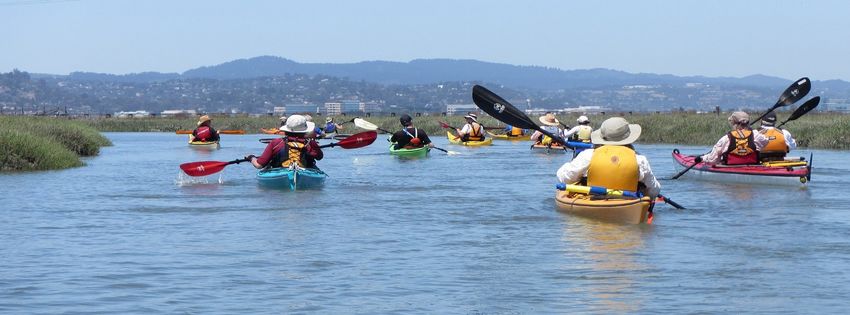
EXECUTIVE HIGHLIGHTS
This document was developed in 2020—a year              •   Providing, in partnership with the
defined by change and challenge. Created in the             California Department of Justice, a legal
midst of a global pandemic and a time when                  guide detailing the public’s rights to
California was experiencing the emerging                    access and use California’s navigable
consequences of climate change, the 2021-2025               waterways
California State Lands Commission Strategic Plan
                                                        •   Launching the 2019 OSCAR system
Update (Update) reflects the need to rapidly
                                                            (Online System for Customer Applications
adjust and evolve to meet the challenges of
                                                            and Records) to streamline and automate
today and tomorrow. The Update reflects an
                                                            application and permitting processes
array of insights garnered from the public, staff,
sovereign tribal partners, and a range of               •   Implementing, through the Marine
stakeholders as they viewed the future from their           Invasive Species Program, the first of
altered way of life in an increasingly virtual              their kind in the U.S., and one of the first
world.                                                      in the world, biofouling management
                                                            regulations to better protect California
Change is inevitable, but how the Commission
                                                            waters from species introductions
responds to the challenges that change brings,
and how it adapts and embraces the                      •   Offering full virtual access and on-demand
opportunities that come from it, has a profound             replays for all Commission meetings
effect on the results. For the Commission, this         •   Adopting a meaningful and mutually
means that strategic planning is not just an                beneficial Tribal Consultation Policy
exercise completed once every five years. The
Commission’s strategic planning is dynamic and          •   Returning over 16,000 acres of land to the
responsive, driving deliberative action every day           California Coastal Sanctuary to never be
in all that it does.                                        developed for offshore oil or gas
                                                            production
In many ways, this Update was well-timed. In
2020, the state and nation collectively began to        •   Generating revenue for the State of
review, analyze, plan, and look ahead to how we             California general fund and California’s
can do better, be more inclusive, and make                  State Teachers Retirement System
decisions that protect our environment as climate           through leasing activities
change accelerates. Inclusivity, accessibility,         •   Expanding oil spill prevention activities
equity, sustainability, and environmental justice           and staff-led monitoring programs
serve as foundational values and intersectional
lenses through which to view each application,       Just as important as those results were how they
process, issue, and decision. The Commission         were achieved. By working together,
keeps these values top-of-mind as it approaches      collaborating, and strengthening partnerships,
all activities and statewide responsibilities.       the Commission achieved more meaningful and
                                                     effective outcomes.
As an Update, the plan considers the
Commission’s historic roles, accomplishments,        This Update also attempts to address the
and results it has achieved during the five years    challenges and opportunities of the unsettling
of the previous Strategic Plan. The work             time the Commission now encounters. These
completed over these years took many forms,          include the need to:
including:                                              •   Proactively address climate change and
   •   Adopting an extensive Environmental                  sea-level rise
       Justice Policy and Implementation Plan           •   Justly transition to a post-petroleum
   •   Establishing annual operations plans that            economy
       align with our overall Strategic Plan
CSLC Strategic Plan 2021-2025                                                                  2
EXECUTIVE HIGHLIGHTS

   •   Ensure environmental and social justice        benefits. The plan sets forth actions to unify state
       through our decisions, actions, and            agencies for environmental protections that
       activities                                     provide coastal resiliency grounded in science,
                                                      partnerships, communication, and local support.
   •   Exercise leadership as conveners and
                                                      By working with partners; listening to the people
       builders of consensus on vexing cross-
                                                      of California; looking for new and innovative
       sector issues and to establish policy
                                                      ways to manage lands, natural resources, and
       alignment
                                                      businesses in California; and prioritizing actions
   •   Explore the evolving Public Trust              and activities that put all people at the center of
       principles to reflect the values and needs     the conversation, the Commission achieves
       of a changing society to ensure Public         better results. These results must be shared
       Trust lands and resources are protected        equitably and enjoyed by all people of California,
       and accessible for all people of California    both now and in the future.
   •   Embrace and safeguard multi-benefit            In addition to affirming its ongoing commitments,
       School Lands and resource management           the Update includes new strategic focus areas,
       stewardship that equitably balances            goals, and actions. Many actions will yield near-
       responsible local and regional economic        term results, while others represent investments
       development, supports living wages,            in a series of steps to be taken to achieve long-
       environmental protection, and revenue          term outcomes. The featured strategies are:
       generation
                                                         1. Leading Climate Activism
   •   Redouble technological advancement and
                                                         2. Prioritizing Social, Economic, and
       innovation efforts to better serve the
       people of California                                 Environmental Justice
                                                         3. Partnering with Sovereign Tribal
As is the case with many complex issues, the
                                                            Governments and Communities
necessary responses to each one often intersect
with other drivers. For example, strategic goals         4. Meeting Evolving Public Trust Needs
and actions addressing climate change and
                                                         5. Leveraging Technology
transitioning to a post-petroleum economy will
involve revisiting appropriate uses of Public Trust      6. Committing to Collaborative Leadership
lands and protection of Public Trust resources.
                                                         7. Building a Reimagined Workforce
The Commission’s values and guiding principles
                                                      For more information on the strategies, we
provide the overarching foundation for every
                                                      encourage you to explore this full Strategic Plan
strategy and action. Working with the values and
                                                      Update.
guiding principles in mind will support decision-
making that provides sustainable, equitable

CSLC Strategic Plan 2021-2025                                                                    3
ABOUT THE STATE LANDS COMMISSION
Strategic plans consider four basic things:          Lands are each subject to specific statutory and
                                                     common law trust responsibilities that the
   •   Where an organization has been and
                                                     Commission carries out on behalf of the state.
       where it is now
                                                     For more detail on the types of lands managed by
   •   The drivers of change the organization        the Commission, please see the Additional
       must navigate and leverage to be              Resources section and map at the end of this
       successful in the future                      Update.
   •   The optimal responses to those drivers of     Since its creation, 20 Lieutenant Governors, 11
       change                                        State Controllers, and 32 Finance Directors have
   •   The strategies and actions needed to          led the Commission. Notably, 2019 marked the
       achieve the desired results                   first year in its 81-year history that the
                                                     Commission was led entirely by women:
The Commission is committed to performing all        Lieutenant Governor Eleni Kounalakis, State
the necessary duties required to achieve its         Controller Betty Yee, and Department of Finance
mission. This plan focuses on the strategies         Director Keely Bosler, along with the Executive
required to successfully meet the demands of the     Officer of the Commission, Jennifer Lucchesi.
future.
The following establishes the foundation for the     Public Trust
strategies. It considers the rich history of the
Commission, its vision for the future, the values    The Commission is passionate about its role as a
and principles driving its culture and decisions,    steward of the Public Trust. The public’s right to
and its success in achieving goals outlined in the   use California’s waterways for commerce,
previous 2016-2020 California State Lands            navigation, fishing, boating, natural habitat
Commission Strategic Plan (Strategic Plan).          protection, and other water-oriented activities is
                                                     protected by the Commission under the common
History                                              law Public Trust Doctrine (Doctrine). Historically,
                                                     the Public Trust has referred to the public’s
Established in 1938 by the California Legislature,   fundamental right to use its waterways to engage
the Commission manages four million acres of         in “commerce, navigation, and fisheries.” Public
tide and submerged lands and the beds of natural     Trust principles have legal roots in the Justinian
and navigable rivers, streams, lakes, bays,          Code laws of Rome and the 1215 Magna Carta.
estuaries, inlets, and straits. These are often      Under this ancient Doctrine, monarchies
referred to as sovereign lands or Public Trust       (sovereigns) granted the right of use of the
lands and stretch from the Klamath River and         waterways. It is remarkable, as it established a
Goose Lake in the north to the Tijuana Estuary in    right of common people that has endured
the south and the Colorado River in the east, and    throughout centuries, when many people had
from the Pacific Coast three miles offshore in the   very few rights. More recently, the common law
west to world-famous Lake Tahoe in the east;         Doctrine has evolved to reflect the modern era
and includes California’s two longest rivers, the    and the values and needs of an evolving society.
Sacramento and San Joaquin. The Commission is        The Commission also oversees the management
also the trustee of approximately a half-million     of sovereign Public Trust lands and resources
acres of land, known as School Lands, that were      granted in trust by the California Legislature to
granted to the state by the U.S. Government in       approximately 70 local jurisdictions. The lands
1853, and which are managed for the benefit of       generally consist of prime waterfront lands and
the State Teachers Retirement System. The            coastal waters, including the state’s major ports
Commission’s Public Trust lands and School           and harbor districts.

CSLC Strategic Plan 2021-2025                                                                 4
ABOUT THE STATE LANDS COMMISSION

California State Lands Commission Jurisdictional Map

CSLC Strategic Plan 2021-2025                          5

ABOUT THE STATE LANDS COMMISSION

Revenue                                               environmentally responsible judgments in the
                                                      best interest of the state’s beneficiaries—the
Over the nine decades it has been in service, the     people of California.
Commission has generated over $11.8 billion for
                                                      Through its actions, the Commission secures and
the State of California. In the last full calendar
                                                      safeguards the public’s access rights to natural
year of 2019, with 234 staff positions, the $164
                                                      navigable waterways and the coastline, and
million revenue and net profits generated by the
                                                      preserves irreplaceable natural habitats for
Commission equated to a $638,461 return in
                                                      wildlife, vegetation, and biological communities.
revenue per position. The Commission actively
continues to streamline processes; work across        It also protects state waters from marine invasive
departments; collaborate with other agencies;         species introductions and prevents oil spills by
coordinate with applicants and lessees; and           providing the best achievable protection of the
inclusively engage communities, stakeholders,         marine environment at all marine oil terminals in
and tribal partners to operate more efficiently.      California and at offshore oil platforms and
                                                      production facilities.
Integrity
                                                      Vision
When forming the Commission, the Legislature
sought to ensure fiscal integrity and                 The California State Lands Commission is a
accountability by selecting as Commissioners two      recognized leader that champions equitable and
constitutional officers of the state who answer       sustainable public land management and
directly to the statewide electorate, the             balanced resource protection for the benefit and
Lieutenant Governor, and the State Controller,        enjoyment of all current and future generations
and the two principal financial officers of the       of the people of California.
state—the State Controller and the Governor’s
Director of Finance. The Commission faithfully        Values
executes these responsibilities. Transparency
through public engagement is assured by all           The California State Lands Commission embraces
Commission actions and decisions being made at        the following core values that shape and define
properly noticed public meetings.                     all our activities and outcomes.
                                                         •   Inclusivity – We value diversity at all
Activities                                                   levels and are committed to fostering an
                                                             inclusive environment where people with
The Commission is fully committed to its roles as            different backgrounds, cultures, and
land and resource trust managers. It is vigilant in          experiences are able to lend their
the preservation and protection of its assets and            strengths and unique insights to further
dedicated to making sound policy, economic, and              the Commission’s mission and progress.
CSLC Strategic Plan 2021-2025                                                                  6
ABOUT THE STATE LANDS COMMISSION
• Accessibility – We strive to provide environmentally conscious practices that
access to our lands and resources, all support inclusive job growth, living wages,
Commission materials, staff, and public healthy communities, and a resilient
meetings by addressing physical barriers economy.
and continually considering technology,
• Integrate Native American
educational opportunities, and
Perspectives – We are committed to
communication pathways to benefit
respecting and recognizing the sovereign
people of California of all abilities.
rights and heritage of tribal governments,
• Equity – We commit to practices and learning from, and collaborating with them
activities that prioritize racial justice, to integrate their unique and valuable
visibility, and representation, ensuring knowledges and practices, including
that all voices are heard, all communities traditional ecological knowledges, 1 into
0F
are treated fairly and equitably, and the land management decisions. We are
burdens and benefits stemming from our committed to working cooperatively to
actions are equitably distributed. protect tribal cultural resources and to
identify opportunities for co-management
• Environmental Justice – We are
of and access to natural lands that are
committed to advancing environmental
within Tribes’ ancestral territories and
justice through more inclusive decision-
under the ownership or control of the
making that addresses the
Commission.
disproportionate burdens of past decisions
and practices on disadvantaged
communities and Native Nations.
Guiding Principles
• Sustainability – We understand the The Commission protects the lands and resources
multi-generational impacts of our entrusted to its care through balanced
decisions. We seek opportunities and management, marine protection and pollution
commit to actions that responsibly grow prevention, adaptation to climate change, and
our economy, facilitate a just transition to ensuring public access to these lands and waters.
a carbon neutral economy, support living The principles serve as the foundation of this
wages, protect the environment and work and are the standards that inform decision-
biodiversity, and that prioritize sustainable making and shape the culture. The Commission is
practices and outcomes for current and committed to:
future generations.
• Public Health and Safety – Prioritizing
• Visionary – We are forward-thinking and and embedding public health and safety in
continuously seek new and innovative every decision and action, including
ways to be more effective public land and reducing and mitigating adverse impacts
resources stewards. on vulnerable communities, to the extent
• Responsible Economic Growth – We feasible.
support our grantees, lessees, • Stewardship – Seeking balance among
stakeholders, and partners in their efforts competing uses and the long-term
to balance sustainability and equity with protection of lands and resources,
economic growth. We strive to seek out consistent with constitutional, statutory,
opportunities to help our grantees and and common law provisions.
lessees implement and execute
1 Traditional Ecological Knowledges (TEK), or Indigenous Knowledges (IK), refers to the “…evolving knowledge[s]
acquired by indigenous and local peoples over hundreds or thousands of years through direct contact with the
environment, is location–specific, and includes relationships between plants, animals, natural phenomena, landscapes
and timing of events used for lifeways, including but not limited to hunting, fishing, trapping, agriculture, and
forestry” (USFWS 2011).
CSLC Strategic Plan 2021-2025 7ABOUT THE STATE LANDS COMMISSION
• Accountability – Responsibly and • Quality – Providing superior public
meaningfully explaining decisions and service through our expansive and unique
actions and being responsive to public professional staff expertise.
input.
• Solution-Oriented – Addressing
• Integrity – Adhering to the highest complex, multifaceted problems through
ethical standards in all aspects of our work collaborative decision-making centered in
and service to the public. science, inclusive public input, and
informed by traditional ecological
• Engagement – Ensuring robust,
knowledges.
transparent, and meaningful public
outreach and engagement that is inclusive
and accessible.
Values
Inclusivity Guiding Principles
Accessibility Public Health and Safety
Equity Stewardship
Environmental Justice Accountability
Sustainability Integrity
Visionary Engagement
Responsible Economic Quality
Growth
Solution-Oriented
Integrate Native American
Perspectives
CSLC Strategic Plan 2021-2025 8ABOUT THE STATE LANDS COMMISSION CSLC Strategic Plan 2021-2025 9
REFLECTING ON ACCOMPLISHMENTS
The 2016-2020 Commission Strategic Plan focused on performing responsible land and resource
management of more than four million acres of sovereign lands, consistent with the Public Trust Doctrine,
as well as almost a half million acres of School Lands, while addressing future challenges. The Commission
actively engaged people in California and other government agencies by integrating technology for
effective operations and transparent communications.
Despite unforeseen external events (including the bankruptcies of two oil and gas lessees and the
subsequent plugging and abandonment activities of their operations, major wildfires, and the COVID-19
pandemic and ensuing economic crisis), the Commission met all major goals and high-level strategies.
However, some of the detailed targeted outcomes in the implementation work plan had to be deferred or
were not completed in order to address unplanned events. Notable Commission accomplishments during
the past five years include:
   •   Use of inclusive processes, including convening an Environmental Justice Working Group that
       crafted a formal Environmental Justice Policy and Implementation Plan.
   •   Dedicated more than 16,000 acres to the California Coastal Sanctuary, protecting offshore lands
       and resources that can no longer be used for oil and gas production.
   •   Plugged and abandoned all 50 wells on Rincon Island and all 24 state onshore production wells as
       part of the Rincon Well Abandonment Project, plugged and abandoned the Piers 421 production
       well, and plugged and abandoned three legacy wells at Summerland Beach, all ahead of schedule
       and under budget.
   •   Sponsored Assembly Bill 585 (Limón, Ch. 123/19) that minimizes the state’s future financial
       liability for decommissioning oil and gas infrastructure and ensures all lessees fulfill their
       decommissioning obligations.
   •   Approved the decommissioning of Units 2 and 3 of the San Onofre Nuclear Generating Station.
   •   Entered into a landmark collaboration agreement with the California Coastal Commission, California
       Department of Parks and Recreation, and the California Coastal Conservancy for public
       engagement and a planning process to inform the development of a contemporary coastal access
       program at Hollister Ranch in Santa Barbara County.
   •   Approved a landmark boundary line and easement agreement with more than 180 shoreline
       property owners at Donner Lake that clarifies public/private property ownership and secures public
       access rights to the lake.
   •   Approved a patent transferring an approximately 38.75-acre parcel of state-owned School Lands
       possessing significant cultural value and history to the Lone Pine Paiute-Shoshone Reservation in
       Inyo County.
   •   Investigated the Cemex coastal sand mining operation and reached a settlement, in partnership
       with the Coastal Commission and the city of Marina, with Cemex in 2017 to cease active sand
       mining by December 31, 2020. Cemex stopped its mining operations ahead of schedule.
   •   Launched a new online system that allows the public to access, submit, and track lease and permit
       applications. With this new tool, the Commission can preserve and make publicly available digital
       copies of historical records that provide insight into its lands and resources.
   •   Launched a new web-mapping application for state waters offshore in San Diego, designed to help
       users better understand the dynamic ocean space and ocean-related data offshore in San Diego
       County.

CSLC Strategic Plan 2021-2025                                                                    10
• Transitioned information technology tools and services to be more secure and to support remote
work models.
• Automated several business and communications processes, including the Marine Invasive Species
Program web entry, eDiscovery, website content, and digitization.
• Hosted Prevention First Symposiums in 2016 and 2018.
• Adopted a meaningful Tribal Consultation Policy in 2016.
• Approved a lease for the use of state lands for the Mavericks Surfing Challenge that ensured equal
compensation for each category of the Women’s Division and Men’s Division competitions.
The next five-year strategic planning cycle and beyond will bring rapid advancements along with
environmental and social changes that will offer new opportunities for innovation in the Commission’s
management of its lands and resources. The Drivers of Change section highlights issues and topics heard
during stakeholder interviews, tribal roundtable discussions, and individual consultations conducted during
2020, from Commission staff, and from public input gathered during Commission meetings. You are also
invited to share your thoughts over the coming years on ways to embrace change and more effectively
and meaningfully manage the Commission’s lands and resources. We welcome your feedback during
Commission public meetings, via email or postal mail, or via a phone call—whatever way is easiest for
you.
CSLC Strategic Plan 2021-2025 11DRIVERS OF CHANGE
This Strategic Plan Update responds to new
imperatives to adjust and evolve. With a vast
Climate Change and Sea-Level
amount of land and resources under the Rise
Commission’s charge, changes and challenges
are an inevitable part of its work. While the The over four million acres of lands and resources
responses to these challenges may at times be under the Commission’s jurisdiction are
difficult, they are rooted in creating new experiencing and will experience disproportionate
opportunities. impacts from climate change. As a state with a
Listening to California’s tribal partners, historically variable climate, California is
stakeholders, leaders, businesses, community considered one of the most “climate-challenged”
groups, members of the public and the regions of North America, as climate change
Commission staff, afforded an opportunity to makes extreme conditions more frequent and
understand the drivers of change from varied severe. California is already experiencing among
points of view. Gathering this information helped the most extreme series of natural events in its
identify emerging issues, drivers, stressors, and recorded history: warmest average
challenges that are urgent, far-reaching, and will temperatures, intense fire activity, rapid sea-
require future-focused actions. They are a level rise, and flood and drought events occurring
collection of what California is experiencing and in the same water year. California will continue to
likely to experience as we navigate the coming experience increasing temperatures, rising sea
decade. The following drivers of change were levels, declining snowpack, frequent droughts,
frequently mentioned by stakeholders severe wildfires, and heavy precipitation events—
representing a range of sectors and tribal impacting the state’s lands and resources.
partners. As greenhouse gas emissions trap energy from
• Climate Change and Sea-Level Rise the sun, the oceans absorb more heat and sea
temperatures increase. From 1900 to 2016,
• Environmental, Economic, and Social California’s coastal waters have warmed 1.26°F.
Injustice Exceedingly warm ocean temperatures (as
• Support of Tribal Self-Governance and occurred off the Coast of California from 2013-
Self-Determination 2016) can produce unprecedented events,
including the mass abandonment of sea lion pups
• Evolving Public Trust Principles and Values
and California’s record-setting drought.
• Post-Petroleum Era Additionally, rising air temperatures and number
of dry days associated with climate change
• Renewable Economies and Sustainability
increases California’s risk for extreme fire
• Policy Configuration activity. The risk of frequent and intense wildfires
threatens the Commission’s forested and School
• Technological Advancements
Lands.
• Workforce Investment
California is one of 25 global biodiversity
Following is more about each of the drivers of hotspots, largely due to the state’s varying
change. climatic conditions. Climate change is expected to
result in habitat shifts and declines in
biodiversity, on land and along the coast.
Warming temperatures will also facilitate the
spread of invasive species, pests, pathogens, and
disease.
CSLC Strategic Plan 2021-2025 12DRIVERS OF CHANGE
Along the coast, California’s 2018 Fourth Climate continuous rainfall event from December 1861-
Change Assessment 2 outlines a stark future.
1F January 1862, indicate an extreme storm would
From that report, “The coastal region, which overwhelm and potentially alter historic river
stretches over the Commission’s 1,200 miles of systems and devastate much of California,
shoreline, is an economic powerhouse that disproportionately impacting the Central Valley,
contributes nearly a half-billion dollars a year to and affecting a quarter of California's homes.
the state’s GDP, 3 billions in wages and salaries,
2F Climate change and sea-level rise are and will
and pre-pandemic over a half million jobs in continue to challenge how the Commission
2013. Rising sea levels, warming ocean waters, manages its lands and resources. The
increasing acidity, and decreasing dissolved Commission must work with communities, tribal
oxygen levels will have effects that ripple far governments, and stakeholders to equitably
beyond the three-quarters of Californians who respond, adapt, and mitigate the impacts of
live in coastal counties. Under mid to high sea- climate change.
level rise scenarios, 31 to 67 percent of Southern
California beaches may completely erode by 2100 Environmental, Economic, and
without large-scale human interventions.
Damages in the state’s major population areas Social Injustice
would total in the billions from inundation of
residential and commercial buildings under 20 Extreme climate change driven events coupled
inches of sea-level rise, which is close to the 95th with a global pandemic have exacerbated the
percentile of potential sea-level rise by the physical risks and financial insecurity of California
middle of this century. A 100-year coastal flood, workers and families. As the fifth-largest world
on top of this level of sea-level rise, would almost economy, California was already home to the
double the costs.” 4 Sea-level rise, and associated highest effective rate of poverty among the 50
states. Growing income inequality, inequities in
3F
flooding and coastal erosion, also pose a risk to
tribal cultural resources and heritage, as public access to natural spaces, and a dramatic
important plants may get inundated, fishing sites re-emergence of the worst of the nation’s
may be lost, coastal village sites would be sometimes ugly past has created an urgent need
submerged, and erosion could expose previously to address structural racism and implicit bias.
buried materials. Beach loss due to rising seas In the year 2020, injustice became more visible
and erosion would also result in the loss of and vocalized than ever before. Unequal
important coastal gathering areas that Native vulnerabilities can no longer be ignored; as they
people have used for ceremony for millennia. threaten individual lives, our shared health, our
Inland waterways are also likely to experience public lands, and our collective prosperity. Both
variations of extreme flood events and impaired the climate and vulnerable communities have
flows. Models developed by the United States been harmed by fossil fuel and other forms of
Geological Survey, based on California’s historic
2
https://www.energy.ca.gov/sites/default/files/2019-11/20180827_Summary_Brochure_ADA.pdf, pgs. 13 and 15.
Referenced October 15, 2020.
3 Gross Domestic Product
4 https://www.energy.ca.gov/sites/default/files/2019-11/20180827_Summary_Brochure_ADA.pdf pg. 15.
CSLC Strategic Plan 2021-2025 13DRIVERS OF CHANGE
resource extraction, which result in negative decisions that will impact them, and where
impacts on both the land and people. extractive harms to communities in the name of
profit are curtailed.
The updates in this 2021-2025 Strategic Plan
build on the framework established by the
Commission’s 2016 Tribal Consultation Policy,
2018 Environmental Justice Policy and
Implementation Plan, and Government Alliance
on Race and Equity work, and it makes justice
central to all the Commission’s efforts and
decisions going forward. The Commission has a
long-standing commitment to addressing
injustices, particularly those faced by California’s
Native Americans and people unjustly burdened
by pollution of all kinds. Collaborating and
“The Commission seeks to
partnering with tribal governments and be a part of the needed
communities allows the Commission to make land
and resource management decisions that are transformation to build
rooted in respect and reciprocity.
and support community
Conservation and ecosystem stewardship require
holistic approaches that invite and incorporate
capacity to respond to
traditional ecological knowledges, rely on best present and future
available science, and ensure multidisciplinary
collaboration across the state with tribal challenges. It is
governments and communities, agencies, and important that all people
other entities. Looking at state lands
management from these multiple perspectives and communities have an
allows for more informed, equitable, and
meaningful outcomes.
early and active voice in
More than equity is being demanded of decisions that will impact
government. Communities facing unjust burdens them, and where
from historic and ongoing marginalization must
be included in decision-making and provided the extractive harms to
tools and resources needed to thrive on their own
terms. Extractive harms to communities in the
communities in the name
name of profit must be curtailed and where of profit are curtailed.”
economic value is created by Commission
actions, an opportunity to benefit from that
value, by those impacted, should be evaluated.
Opportunities may include a focus on local
employment, investment in community economic
development enterprises, and participation in the
community’s cultural and educational social
infrastructure.
The Commission seeks to be a part of the needed
transformation to build and support community
capacity to respond to present and future
challenges. It is important that all people and
communities have an early and active voice in
CSLC Strategic Plan 2021-2025 14DRIVERS OF CHANGE
Support of Tribal Self- viewpoints that need to be incorporated into
specific project decisions.
Governance and Self- Since time immemorial, California Native
Determination American Tribes have stewarded and managed
the lands and resources in the region. Prior to the
On June 18, 2019, Governor Gavin Newsom western contact that resulted in their decimation,
issued Executive Order N-15-19, which tribal people existed in sophisticated societies
acknowledges and apologizes on behalf of the throughout the state, implementing complex land
state for historical “violence, exploitation, and resource management practices as diverse
dispossession and the attempted destruction of as California’s myriad landscapes and
tribal communities” which dislocated California ecosystems. These knowledges, acquired through
Native Americans from their ancestral land and direct experience and contact with the
sacred practices. This Executive Order environment, and passed down through
established the California Truth and Healing generations of elders, are foundational to
Council, which bears witness to, records, sustainable and equitable management of
examines existing documentation of, and California’s lands and resources. These
receives California Native American narratives knowledges are often referred to as traditional
regarding the historical relationship between the ecological knowledge. When the Commission
State of California and California Native refers to incorporating traditional ecological
Americans. knowledges in its land and resource management
practices and decisions, it means that the
Commission will learn from and collaborate
formally with California Native American Tribes
on ways to integrate traditional ecological
knowledges. In making these commitments, the
Commission recognizes that acknowledging the
indigenous peoples of the land it now manages
must be more than a token gesture; that there
must be intention and meaningful practice that
seeks to undo the erasure and trauma
experienced by indigenous people throughout
colonial history and into the current day.
Through the framework of the 2016 Tribal
Consultation Policy and 2018 Environmental
Justice Policy, the Commission supports tribal
This Update builds on the framework of mutual self-determination and self-governance through
respect and meaningful partnership established formal consultation and meaningful engagement
by the Commission’s 2016 Tribal Consultation while also seeking opportunities for co-
Policy, and additionally draws on recent statewide stewardship. For example, at its June 23, 2020
initiatives to address and reverse the destructive meeting, the Commission authorized issuance of
impacts from the historical violence, exploitation, a patent to the Lone Pine Paiute-Shoshone
dispossession, and the attempted destruction of Reservation of approximately 38.75 acres of
Native people and culture. Supporting tribal self- state-owned School Lands located north of
determination, among other things, means the Cartago, Inyo County. This action was the
Commission commits to a continuous culmination of a successful government-to-
relationship; incorporating a Native American government consultation and returned to tribal
perspective component throughout its programs ownership land possessing significant cultural
and activities that is both comprehensive enough value to the Lone Pine Paiute-Shoshone
to address most Native concerns into planning Reservation. Currently, the Lone Pine Paiute-
activities, and flexible enough to consider Shoshone Reservation relies on this site, and
CSLC Strategic Plan 2021-2025 15DRIVERS OF CHANGE
many others in its ancestral territory, to remain waterways and between competing Public Trust
connected to the Tribe’s ancestral and cultural uses and private or non-trust consistent uses.
history. Governor Newsom’s subsequently issued
The Commission’s stated values and principles
Statement of Administration Policy on Native
inform all its decisions; however, the values to be
American Ancestral Lands 5 provides further
considered in weighing competing demands on
4F
momentum to continue to pursue opportunities
the trust are not prescribed. The Commission
for: agreements or memoranda to allow for
must be prepared to respond to explicit requests
access and co-management of natural lands;
to articulate how these values will be exercised.
grantmaking for protection and management of
natural lands; purchase or transfer of land to
tribal ownership; and development of policies and
practices to ensure preferential tribal access and
use of ancestral lands. Taking actions like these
increase equity and result in enhanced
stewardship of Commission lands by improving
tribal access to sacred sites and cultural
resources; facilitating protected access for
sustenance gathering, hunting, and fishing;
providing increased opportunities for education,
community and economic development, and
investment in public health and infrastructure;
and increasing the use of traditional ecological
knowledges for effective land and resource
management.
Evolving Public Trust Principles Post-Petroleum Era
and Values California is in the midst of a climate crisis due to
the use of fossil fuels. The state has an abundant
The Commission provides stewardship of the supply of crude oil and accounts for
state’s sovereign lands in service to the people. approximately 10 percent of the U.S. crude oil
This foundational responsibility includes refining capacity. California’s most valuable oil
requirements to protect Public Trust lands, and gas resources are primarily located in and
access, the waters, and the integrity of the adjacent to some of the state’s most spectacular
ecosystem for current and future generations. In waterways, beaches, and coastline. The
practice, this means that before the Commission Commission administers much of this land, and
and its grantees make any decision to approve or the controversy over how best to manage these
deny any request for a lease, permit, or other lands has been ongoing since 1921, when the
action, this duty is preeminent and must satisfy first oil and gas development was permitted.
the solemn and perpetual trust responsibility. To this day, non-tax revenues from oil and gas-
While it has always been the rule, climate change related leases and trustee arrangements benefit
is likely to amplify demands to balance two or the state’s general fund by multi-millions of
more competing Public Trust uses and mitigate dollars annually. Commission staff have been
cumulative impacts so that the Public Trust and successful in both managing production leases
public uses are not impaired or subordinated to and regulating various oil and gas transportation
private or non-trust public uses. Climate change and processing facilities to prevent oil from
and the attendant frequency of extreme events entering California's marine environment.
will amplify stressors on both coastal and inland
5
Issued on California Native American Day, September 25, 2020; https://www.gov.ca.gov/wp-content/uploads/2020/09/9.25.20-
Native-Ancestral-Lands-Policy.pdf
CSLC Strategic Plan 2021-2025 16DRIVERS OF CHANGE
Heightened concerns about potential
environmental damage resulting from an oil spill,
and the desire to avoid marring the coast with
unsightly development, eventually outweighed
the desire to generate revenue from new offshore
development. In 1969, the Commission placed a
moratorium on new oil and gas leases. Since that
time, the Commission, over many
administrations, has affirmed the need to
discontinue oil and gas operations in California’s
offshore areas. More recently, it has taken strong
stances on moving the state towards the just
transition from fossil fuel dependence.
Meanwhile, leases issued prior to 1969, and
ancillary leases related to operations on federally
administered offshore lands, continue to generate
significant revenue. Some of those revenues are
specifically allocated to oil spill prevention and
monitoring for the existing operations.
Annual income to the state from oil and gas
revenues already swings widely—by more than
$50 million in just the last three years—as
revenues mirror the rise and fall of oil and gas
prices. Furthermore, as oil and gas wells diminish
in number, the costs of extraction continue to
rise. The industry itself has long-term plans to The state has aggressively sought opportunities
discontinue California operations as they become to utilize alternative energy sources and leads the
unprofitable. nation as a top producer of renewable energy.
The charge to the Commission in the coming Advancements in wind- and wave-energy, solar
decade is complex. Leveraging its vast land power, and battery storage capabilities have
resources, it has the potential to repurpose made green economy and blue economy
existing infrastructure, advance green and blue possibilities more viable and productive.
sustainable energy opportunities, and to ensure The Commission-managed lands are working
environmental stewardship and fiscal integrity of lands that under the Public Trust and the School
any remaining oil and gas enterprises. Lands Trust provide multiple benefits to the
people of California. While the Commission’s
Renewable Economies and revenue generation historically constitutes just a
Sustainability small percentage of California’s overall general
fund, adequate funding is essential to its
operations and the programs that it supports.
The state actively seeks to reduce the world’s
Implementing equitable revenue replacement
dependency on fossil fuels. California has focused
sources—transitioning from fossil fuels to
efforts to increase energy efficiency and
renewable and sustainable options—will help fund
implement alternative technologies. This
the Commission’s vital work well into the future.
combination has slowed the state’s growth in
energy demand. Remarkably, even as the world's
fifth-largest economy and with many energy-
Policy Configuration
intensive industries, California remains one of the
lowest per capita energy consumers. The Commission is among many government
bodies that share authority over a significant
CSLC Strategic Plan 2021-2025 17DRIVERS OF CHANGE
portfolio of working lands in California. The
fragmented and overlapping authority shared
between federal, tribal, state, and local
governments—not to mention multiple agencies
within each of these governments—is often a
barrier to more sustainable activities.
Businesses and organizations seeking
authorization to use public lands must navigate a
series of approval processes that can be
unnecessarily complex, and in some cases,
contradictory. These applicants seek better
coordination among the agencies to improve
efficiencies, reduce conflicting directives, and
change practices to allow more effective and
efficient use of resources. The Commission
realizes that supporting and encouraging positive Technological Advancements
change is an underused regulatory approach that
could drive remediation, justice, and climate Technology has advanced rapidly in the last
resilience. decade, exemplified by evolving smart devices
and their widespread use and enhanced cloud
Many stakeholders see an opportunity for the services. Adopting information technology at the
Commission, with its vast landholdings and the Commission has focused on reducing IT-related
extraordinary statewide stature of its members security risks, enabling mobile work models,
and its professional staff, to address conflicts. creating and managing digital content,
These stakeholders express a desire for the automating business processes, providing useful
Commission to increase its policy influence on decision support tools, and facilitating
issues that are fragmented and are hopeful that collaboration. The adoption of technology has
the Commission has the reach and visibility to been good, but has been limited by funding,
call for more effective outcomes. Stakeholders internal technical expertise, and user acceptance.
cite the need for collaboration across all levels of
government and disciplines related to climate The Commission must continue to support the
change, biodiversity, ocean health, forest same fundamental areas as in the past. Because
management, green energy, water-dependent everything the Commission does associates to a
blue commerce, and other policy topics. point on the ground, continued Geographic
Information System (GIS)-based maps are vital
The Commission has long viewed collaboration to communicating visual information internally
and successful partnerships as a foundation for and to the public. Another technological area of
serving the people of California and achieving focus includes continuously deliver tools,
strategic goals. The Commission is a member of processes, and training to reduce information
multiple state boards, commissions, and security risk as threats become more
conservancies and a signatory to significant sophisticated and costly. An emphasis is put on
cooperative interagency agreements with state mobility and the need to continue the transition
and federal agencies. The Commission is uniquely to more reusable “build-to-order” cloud services,
suited to serve as a convener and moderator of and to accelerate solutions for staff and public
important alignment initiatives to improve the consumption that are accessible anytime and
integration of policies and practices and how they anywhere.
are implemented.
Another focus includes digital content to enhance
the creation, storage, and usefulness of digitized
content. Storage costs need to be managed,
useful metadata implemented, richer search
capabilities enabled, and more content created.
CSLC Strategic Plan 2021-2025 18DRIVERS OF CHANGE
Sources of content will come from the digitization essential. These two factors together, while
of paper, photo, and video content from drones organizationally challenging, will also create new
and smart mobile devices. The Commission will opportunities, including an opportunity to help
continue to enhance automated processes to existing, valued staff professionally grow and
continuously identify, document, improve, and acquire new skills and diversify the workforce to
automate time-consuming and error-prone better reflect California’s population.
business processes. Both internal and public
The Commission will be called upon to reimagine
business processes need to be prioritized by
the workplace and organizational structures will
value and costs. And technological focus will
need to be adjusted to respond to new realities.
include decision support systems to continue
implementing new business intelligence
capabilities and GIS visual/modeling tools while
emphasizing collaboration to continue
implementing new tools, processes, and the
adoption of collaboration tools.
Workforce Investment
Few expect the workplace of the last decade to
be the same in 2021-2025. Traditional
interactions and relationship building among staff
and with partners, lessees, and stakeholders
have been reconfigured in a time when
affiliations and partnering may be more critical
than ever. Staff will be called upon to create new
forms of interactions and trust-building.
The skills and expertise of Commission staff are
widely acknowledged. As one stakeholder put it,
the Commission and its relatively small staff have
always “punched above their weight.” As the
Commission’s work and priorities change, its
workforce will also be required to adapt and
acquire new skills. Furthermore, longtime
Commission staff are expected to retire during
the next five years. Succession planning and
transfer of knowledge for these personnel will be
CSLC Strategic Plan 2021-2025 19You can also read


