CaneCONNECTION Spring 2018 - 8 Chopper test rig: an x-ray view of a harvester - Sugar Research Australia
←
→
Page content transcription
If your browser does not render page correctly, please read the page content below
CaneCONNECTION
Spring 2018

8	Chopper test rig: an x-ray
   view of a harvester

10	CaneStalker: Innovation
    in harvesting tech

14    he buzz on soldier fly
     T
     research

19	Inside the sugarcane
    microbiome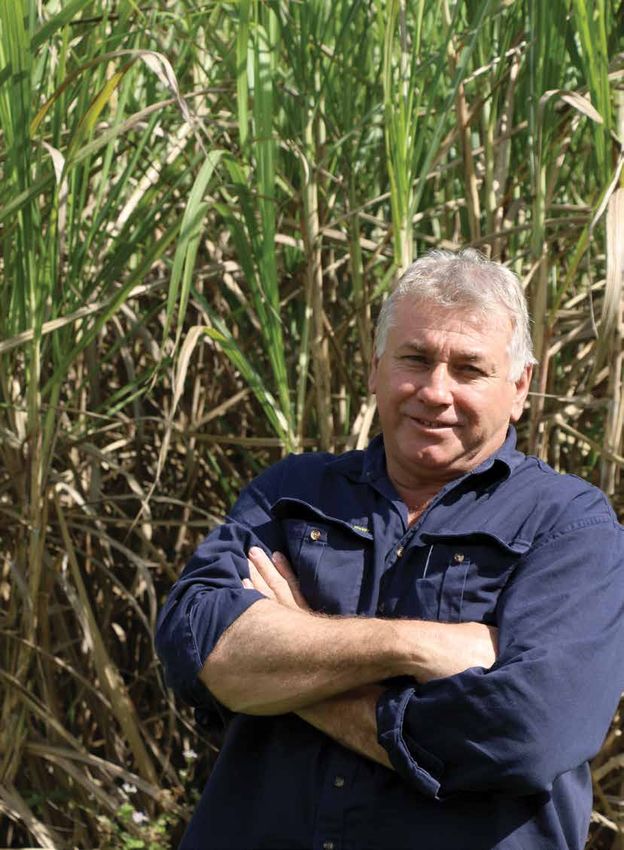
3
$78 1000
The improvement in The number of frames
operating return, per per second captured
hectare, that has come for by the high-speed
Contents Welcome to the Spring 2018 Chris Bosworth through camera attached to the
Smartcane BMP adoption chopper test rig
3 By the numbers edition of Page 6 Page 8
4 BMP adoption: Saving time,
increasing efficiency
6 BMP journey delivers economic
outcomes In this edition, we have a diverse spread of articles to highlight research,
3
By the
development and adoption investments occurring through your Industry-Owned
8 Rig gives an ‘x-ray’ view of harvest Company, SRA.
mechanics The number of augers on a
Inside, you’ll find a mix of articles on topics including soldier fly, yellow canopy
new design of spirals by EHS
numbers
10 Innovation in harvesting fronts syndrome, soil health, and harvesting best practice.
Manufacturing, attached to
being put to the test With harvesting, we talk to Vince Russo at Ingham about yield monitors and
three SRA harvesters
mapping, and we also look at new fronts (spirals) made by EHS Manufacturing
12 Knowing and understanding Page 10
that have been fitted to three SRA harvesters. We also show you the newly rebuilt
our soils
chopper test rig at Ingham.
14 What's the buzz This edition highlights innovative research into the varied living community of
on soldier fly research microorganisms that live within sugarcane. This research is discovering what
microbes have been lost within sugarcane after many years of domestication and
16 Trial involvement helps
information flow on varieties
cultivation, and then learn if some of the microbes that reside within wild relatives
can be put to use to help improve productivity, profitability and sustainability in 14 20
the modern farming system. You can read more about this research on page 19.
18 Knowledge bank building The number of different The number of tonnes per
on yellow canopy syndrome Soldier fly research is also making notable progress as you can read on page 14, plant species used as hectare, approximately,
as is the YCS research program, on page 18.
19 io-prospecting for beneficial
B a fallow cover crop – that Walter Giordani has
endophytes of sugarcane We also hear from a number of growers in this edition and talk to them about for future grazing – lifted his yield above the
their farming practices. We hear from Herbert growers Chris Bosworth and Walter by Simon Mattsson productivity zone average
20 Piecing together a soil health Giordani regarding an economic assessment of Smartcane BMP adoption, and we
jigsaw puzzle also talk to growers in the Central Region Peter Hackett and Simon Mattsson about Page 20 Page 4
varieties and soil health respectively.
22 SRA Woodford: 21 years
of delivering outcomes for We hope you find this issue informative. If you have comments or suggestions,
the industry please let us know at communications@sugarresearch.com.au.
24 Electric vs Diesel pumps:
is there a clear winner? HOT OFF THE PRESS
Brad Pfeffer
25 ollaborative effort delivers
C
Executive Manager, Communications Email or call to get your free copy!
new sugarcane variety for
Burdekin region
26 Yield monitoring a useful tool A brand new manual provides sugarcane growers,
to inform harvest best practice millers, and advisors with a complete run-down on the
latest research and information for growing a healthy
28 Total Research Investment
sugarcane crop.
ISSN 2203-1111 (Print) ISSN 2203-112X (Online) © Copyright 2018 by Sugar Research Australia Limited. All rights
reserved. No part of CaneConnection (this publication), may be reproduced, stored in a retrieval system, or transmitted
in any form or by any means, electronic, mechanical, photocopying, recording, or otherwise, without the prior permission Called the Australian Sugarcane Nutrition Manual,
of Sugar Research Australia Limited. Sugar Research Australia Limited acknowledges and thanks its funding providers, it is available free to growers, millers, and stakeholders
including levy payers (sugarcane growers and millers), the Commonwealth Government, and the Queensland Government
(Department of Agriculture and Fisheries). Disclaimer: In this disclaimer a reference to ‘SRA’, ‘we’, ‘us’ or ‘our’ means Sugar through SRA in hardcopy and electronic formats.
Research Australia Limited and our directors, officers, agents and employees. Although we do our very best to present
information that is correct and accurate, we make no warranties, guarantees or representations about the suitability,
reliability, currency or accuracy of the information we present in this publication, for any purposes. Subject to any terms
implied by law and which cannot be excluded, we accept no responsibility for any loss, damage, cost or expense incurred
by you as a result of the use of, or reliance on, any materials and information appearing in this publication. You, the user,
To receive your copy of the manual,
accept sole responsibility and risk associated with the use and results of the information appearing in this publication,
and you agree that we will not be liable for any loss or damage whatsoever (including through negligence) arising out contact Samantha Ryalls on
(Cover page) Soldier fly larvae and adults. of, or in connection with the use of this publication. We recommend that you contact our staff before acting on any
information provided in this publication. Warning: Our tests, inspections and recommendations should not be relied on E sryalls@sugarresearch.com.au
Picture by Manda Khudhir.
without further, independent inquiries. They may not be accurate, complete or applicable for your particular needs for T 07 3331 3308
many reasons, including (for example) SRA being unaware of other matters relevant to individual crops, the analysis of
Design: Catherine Jorissen, SRA.
unrepresentative samples or the influence of environmental, managerial or other factors on production.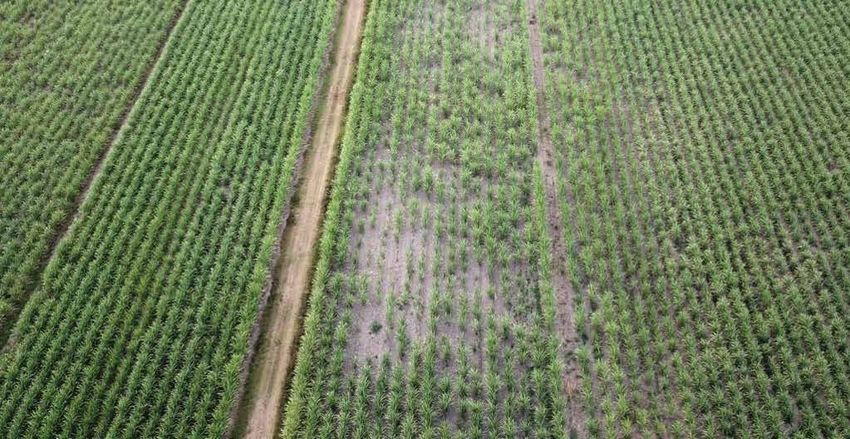
4 5
BMP adoption: Saving time,
increasing efficiency
The adoption of BMP has helped Walter Giordani lift his “The analysis indicated an improvement He added that with the recent sugar price
in annual farm operating return of $429/ in the dumps, it was critical to maintain DAF’s Farm Economic Analysis Tool
productivity above the zone average, something that he says hectare, or about $38,000 per year in productivity. (FEAT) is available to help growers
total, after making the practice changes."
is especially critical when sugar prices are depressed. “The price has forced us to put some plans consider the economics of their
The accompanying environmental on hold, but at the same time we aren’t farming business. To access FEAT
assessment by senior lifecycles scientist, cutting back on inputs that would impact and explanatory resources,
Walter Giordani has always had a strong assistance as I could from the likes of According to DAF economist, Caleb Margeurite Renouf, indicates that the our viability. In my view there would be visit www.daf.qld.gov.au/
connection to sugarcane growing and Herbert Cane Productivity Services Connolly, the economic analysis changes on Walter’s farm have resulted in nothing worse than low sugar price and plants/field-crops-and-pastures/
milling in the Herbert. Limited and (SRA-predecessor) BSES,” he identified cost savings from lower less fertiliser application and a reduction a low crop at the same time.” sugar/farm-economic-analysis-tool.
said. “I attended many functions and had fuel and chemical use, reduced labour in the potential for water quality impacts
His father had grown tobacco in the Growers are encouraged to consider
a keen interest in all the new technology requirements and less repairs and from nutrient loss.
region and worked in a local mill, their own circumstances and seek
coming out, always with the goal of maintenance. The six project case studies can
and Walter also did his electrician’s “There has also been the added bonus of independent advice before making
increasing production.” be downloaded from
apprenticeship at one of the mills. “These cost savings were balanced against reduced fossil fuel use and greenhouse changes.
Major areas of improvement included some additional costs from laser levelling, gas emissions per tonne of cane.” www.publications.qld.gov.au/
So when the opportunity arose in 2009 laser levelling, regular soil testing, dataset/best-management-practices-
applying lime as a soil ameliorant and
to purchase a cane farm about 20km legume fallow cropping, GPS guidance Since the case study, Walter continues for-sugarcane.
planting legumes as well as higher
south of Ingham, he jumped at the and mound planting, minimum tillage to introduce innovations. He has started
depreciation costs from new machinery
opportunity to get a foothold into and wider row spacings to 1.8 metres. EM mapping at the farm and also brought
purchases,” Mr Connolly explained.
cane growing. his own mud spreader, which has been SRA acknowledges the funding
“I have an off-farm job, so I was also “Overall, the analysis showed the adapted to variable rate control and also
The journey since then has involved a contribution from DAF Queensland
looking to introduce things to make adoption of various BMP and improved used to apply gypsum.
series of on-farm practice changes and towards this research activity.
farming easier. My time is critical.” practices has been worthwhile for Walter.
accreditation to the Smartcane Best
Management Practice (BMP) program. Through achieving substantial gains in “Our analysis examined a yield
the early years, he was encouraged to improvement of 27 percent based on the
When he bought the farm, its cane yield purchase another farm in 2013 where he farm’s yield improvement in comparison
was about 12 tonnes of cane per hectare is also implementing BMP.
to the productivity zone average. Even
(TCH) below the productivity zone. He
has now shifted this to greater than Much of this work has been the subject if the improvement had been only 11
percent, the investments made by Walter
"The analysis indicated an
of an SRA-funded project where the
20 TCH above the productivity zone
average in recent years.
Queensland Department of Agriculture in laser levelling, GPS guidance, a stool improvement in annual farm
and Fisheries (DAF) analysed the splitter, bed renovator, legume planter,
“When we first brought the farm, it was economic impact of Smartcane BMP widening machinery and modifying a operating return of $429/ha, (Over page) Walter Giordani has successfully
implemented Smartcane BMP at his Herbert district
fairly run-down, so I was very keen adoption across six different farms in the tractor for hi-rise spraying would have
or about $38,000 total."
properties. (Above) Investing in equipment that delivers
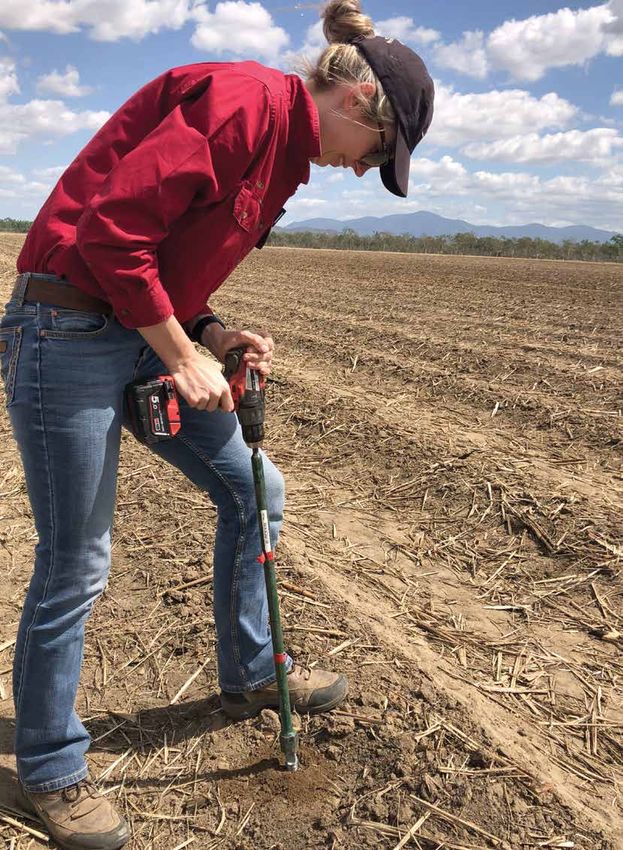
from the start to get as much agronomic Herbert and Wet Tropics. been profitable. efficiency is critical for Walter, who also works off-farm.
CaneCONNECTION / Spring 2018
6 7
BMP journey delivers
economic outcomes
Adoption and accreditation of improved practices is delivering “There’s a lot of scope for economy of
scale, and it also proved to be a more
“It’s quite simple. I’m paying for nutrients,
whether it is in fertiliser or in mill mud. So DAF’s Farm Economic Analysis Tool
sustainability and profitability outcomes for Chris Bosworth. efficient use of a government grant. why would I want it getting off the farm?” (FEAT) is available to help growers
“However, it was important that the case The adoption of management practices consider the economics of their
study showed to people that while grants that have been scientifically validated, farming business. To access FEAT
Herbert region farmer Chris Bosworth has • Annual fossil fuel use (over the cycle ratooning discs converted to a bed-former,
can help, you also don’t have to have such as BMP, means that an adverse and explanatory resources,
been on the journey towards improved of sugarcane growing) reduced by GPS guidance, and variable rate controller.
them to make it viable, which was the impact on production is unlikely. visit www.daf.qld.gov.au/
farm practices for more than 10 years, so 14 percent
“Results of the investment analysis case for me.” However, results of a production risk plants/field-crops-and-pastures/
he saw the next step to Smartcane Best
• Greenhouse gas emissions reduced (includes capital expenditure costs) analysis did show that in this case sugar/farm-economic-analysis-tool.
Management Practice (BMP) accreditation Overall, Chris says he is glad for his work
by 15 percent annually. show that BMP adoption was worthwhile study profitability was highly sensitive
as a logical progression for his business. on BMP, not only because it has made him
for Chris and has added value to his to maintaining yield. Growers are
Chris’s main changes included widening more profitable and sustainable, but it
For Chris, who farms 150 hectares farming business,” said DAF Agricultural encouraged to consider their own The six project case studies can
his row spacing to 1.8m to match the has made him a better farmer generally.
supplying the Victoria Mill, he felt Economist Caleb Connolly. circumstances and seek independent be downloaded from
wheel tracks on his contractor’s harvester
strongly that there would be profitability “Environmentally, it is also important that advice before making changes. www.publications.qld.gov.au/
(to reduce compaction and improve soil As part of Chris’s previous work improving
and sustainability outcomes in improving we continue to reduce our footprint,” dataset/best-management-practices-
health), moving from conventional to farm practices, he had historically been
and recording his farm practices. he said.
zonal tillage, planting in preformed beds, partnering with a neighbour to invest for-sugarcane.
With BMP accreditation now achieved, his adopting the SIX EASY STEPS nutrient in gear and together they also bought “The Great Barrier Reef is a critical part
adoption of the program and additional guidelines, adopting banded mill mud equipment through the (then-called) of our coast and we want to continue to
practices has been the subject of an application in ratoon cane, and using a Reef Rescue program. This Reef Rescue SRA acknowledges the funding
protect it.
economic analysis conducted by the variable rate spray controller installed funding was not factored into the contribution from DAF Queensland
Department of Agriculture and Fisheries on his high rise sprayer to improve the economic analysis, as the project team towards this research activity.
(DAF) as part of a project funded by SRA. accuracy of his spray rate. wanted to consider if the investments
stood on their own two feet.
Economists at DAF found that, since The economic study showed that some
2008, Chris’s transition has resulted in an of the biggest savings came from the “I firmly believe there is scope for smaller “I believe there is scope for smaller
annual improvement in farm operating adoption of SIX EASY STEPS nutrient farmers to partner together with like-
return of $78/ha ($11,305/yr total). An program and using banded mill mud minded farmers to improve efficiency farmers to partner together with
environmental assessment completed on (saving about $92/ha). Wider row spacing, of their investment,” Chris explained.
Chris’s farm by senior Lifecycles scientist which reduced tractor hours, as well as
“In our case, both my neighbour and I
likeminded farmers to improve
efficiency of their investment.”
Marguerite Renouf also indicated: zonal tillage, contributed cost savings in
don’t both need three-row stool splitters
fuel, oil and labour of about $35/ha. (Above) An economic analysis of Smartcane BMP
• Less nitrogen, phosphorous and sitting in our sheds for 49 weeks of the
adoption has shown Chris Bosworth’s transition to
pesticide active ingredients being Investments included a stool splitter, year, and nor could we both justify the
potentially lost to waterways modifying a spray rig, purchase of roughly $65,000 investment. CHRIS BOSWORTH BMP has resulted in an annual improvement in farm
operating return of $78/ha.
CaneCONNECTION / Spring 2018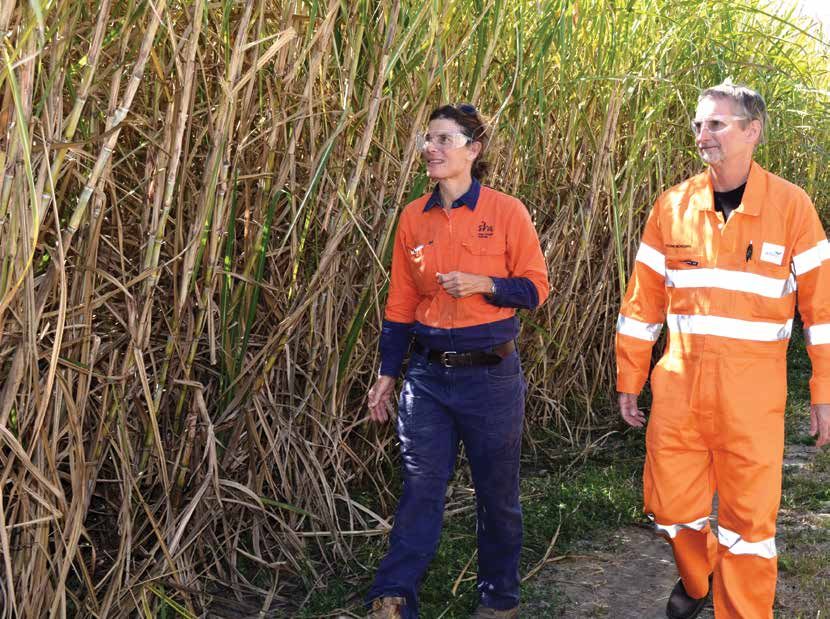
8 9
It is known as the chopper test rig. which is called Increased harvest recovery: shaking the foundations. It is an accurate
reducing sugar loss and stool damage. representation of just how tough a real
Chances are that you have seen all the
harvester is.
components of this machine before – just “Everything is hydraulically driven as is
not in this arrangement – as it is an exact the case on a standard harvester, but “We have received good feedback from
replica of the feedtrain and chopper with multiple circuits driven off different people who have seen it, with people who
drums of a modern sugarcane harvester. pumps so that we can jump between what have been able to see it up close in a safe
comes standard out of the factory and environment. It is a good discussion point
The key difference with the chopper test
what past research has demonstrated to to see how sticky everything is and to look
rig is that it is stationary, in a shed, with
be optimised, and anywhere in between. at the damaged and variable billets.”
all the technology attached for replicating
and analysing in-field conditions of the “When new designs or templates come Further trials this season will also look
internal mechanics of harvesting. out we can test them to see if different at issues comparing optimised and
settings suit these designs better, reduce un-optimised feedtrains as well as dirt
The chopper test rig is not new. It was first
losses and improve how the machine runs.” retention.
put together about 20 years ago by BSES
and played an important role for research Trials this season are looking at Joseph said that trials in the past had
in the industry at a time when harvesters different types of chopper drums and shown that feedtrain and chopper losses
were still manufactured in Australia. blade configurations such as four, five ranged from 2 percent to 8 percent, which
or six blades. presented a valuable opportunity for the
Fast forward to 2016, and harvester
manufacturing had long since moved Each trial involves a number of replicates Australian industry to recapture value and
offshore, and the chopper test rig was totalling about 2.5 tonnes of whole- improve its understanding through tools
gathering dust – and rust – at the SRA stalks and trash presented to the test rig such as the chopper test rig.
Burdekin station. such that it replicates in-field conditions.
The set-up allows he team to precisely
Under the leadership of SRA Agricultural
measure how much weight is lost from
Engineer Joseph Bonassi, SRA then To see a video on the rig,
the cane's passage through the rig,
resurrected the chopper test rig and has
eliminating any variables that come with visit www.sugarresearch.com.au/
now put it to use as a valuable research and
conducting trials in the field. sra-information/media/
adoption tool for the Australian industry.
They also analyse billet quality,
Rig gives an ‘x-ray’
“We knew that it was too valuable of an
variability, and length, counting sound,
asset to not utilise, particularly with the Contact Joseph Bonassi on
damaged, and mutilated billets. Multiple
industry’s profit margins under such E jbonassi@sugarresearch.com.au
sensors and cameras monitor the cane
pressure and the strong collaborative
view of harvest
as it passes through the machine.
effort occurring across the value-chain
to reduce cane and juice loss,” Joseph This includes a high-speed camera SRA acknowledges the funding
explained. “It was a big process putting capturing video at 1000 frames per contribution from the Queensland
mechanics
the jigsaw back together and working second, showing each cut in extreme Department of Agriculture and
with a local Ingham manufacturer to get slow motion and allowing the team to Fisheries towards this research
the rig back up and running, this time get a feel for losses that the human activity.
with modern equipment and sensors.” eye could never appreciate. This adds
a visual demonstration to the data
The machine has now been running
The recently rebuilt chopper test rig is being put to for about 12 months and is used for a
collected through the sensors and
weight measurements. (Over page) Agricultural Engineer Joseph Bonassi with
work as a research and adoption tool to help understand range of demonstrations for growers, the chopper test rig. (Above left) The rig in action.
contractors, and millers, as well as for “Photos and video don’t do it justice (Above) The rig has been fitted with a range of sensors
sugar loss as cane makes its way through a harvester. research under the project Joseph leads, until you stand here and feel the rig and cameras to precisely measure losses.
CaneCONNECTION / Spring 2018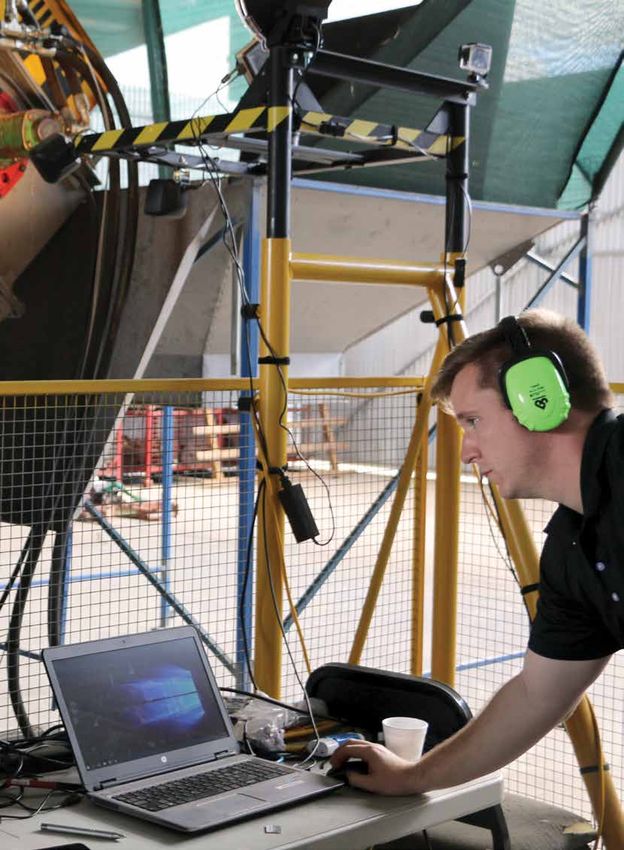
10 11
He said that when they initially began
looking to reduce losses at the front-
end of the harvester, he had thought an
answer would come with the basecutters.
“But a lot of our simulation work showed
that the problem was the crop dividers,
not the basecutters, including split billets
and damage to the stool.
“We haven’t done any official testing,
but the visuals look promising. In green
cane crops in the Burdekin, where you
would normally cut at say 4-5km/hour,
they have been able to push faster and
the CaneStalker is sorting the crop out
without the need for side trim knives.
“We are hoping the feed is more uniform,
which should stop glut feeding and
improve cleaning. There is evidence of
this already with very uniform chopper
pressure. This should also assist in
Innovation in harvesting
reducing losses at the choppers and
extractor.”
He said the small middle auger travelled
fronts being put to the test
at ground speed and its purpose was to
lift the crop up, and not move it in either
direction. Before the cane leaves the top
of the middle pickup auger a 1 metre
diameter three-point arc is created over
the three augers to begin the separation.
The other two augers can then lift the
cane up and present it correctly for the
base cutters and then feeding.
A significant new innovation in cane harvesting is a relatively rare occurrence,
Phil Patane said it was exciting to see
but a new design of harvester fronts is being put to the test at SRA. innovation on sugarcane harvesters.
BY BRAD PFEFFER “For any new innovation, it is critically
important that SRA investigate this and
assess what the gains may be. Perhaps in
Steve Lawn and the team at EHS After extensive development and testing The team at EHS have consulted with Norris coming years they may become common
manufacturing knew there had to be by EHS, independent of SRA, the fronts ECT on their work on the CaneStalker, and on harvesters, but the first step is that we
a better way. have recently been fitted to three SRA indicated that matching forward speed and have to investigate.”
Case IH harvesters in 2018, located at spiral speed was critical.
Through years of experience and after
Mackay, Burdekin, and Gordonvale.
trawling through a back catalogue of “The front end of the harvester hasn’t
industry research, they understood that SRA Adoption Officer for harvesting, changed much over the years, and it is
pick-up losses from mechanical harvesting Phil Patane, said that the machines were also quite poorly matched to groundspeed
could be anywhere from 1 percent to 10 currently being used to harvest SRA trials a lot of the time,” Steve Lawn said.
percent. They also knew that the first and had a received a thumbs-up from
the crew on the ground for their feeding “On most machines, the spiral
moment the harvester touches the cane Contact Adoption Officer,
performance. performance is limited to 4km/hour
has a cascade affect for the rest of the Phil Patane on
groundspeed in really lodged crops.
harvesting process, and for future ratoons. “Feeding-wise they are performing E ppatane@sugarresearch.com.au
well, but we don’t yet know how much “Anything faster than that and damage T 07 4776 8202
They had seen previous innovations in
of a reduced percentage of loss is is occurring, so based on existing crop
front-end components such as old-design
occurring,” Phil said. “The next step will dividers the only way to cut really lodged
BSES fronts. To see a video of the CaneStalker
be to investigate this and, after that, cane is to slow right down.
But, in consultation with SRA, they potentially link with existing research visit www.sugarresearch.com.au/
“With our design, we wanted to be able to
wanted to take this further. into the front-end components of the sra-information/media/
keep the groundspeed to at least 6km/
harvester.”
This led to the development of their hour for the economics of harvesting,
innovation called the CaneStalker, a new A current research project is underway without seeing the damage that could be
design with three crop lifters on each led by Norris ECT through the Rural occurring with existing crop dividers. We (Over page) Steve Lawn from EHS Manufacturing
checking out one of the CaneStalkers that have been
side of the cane row and with the aim R&D for Profit program looking to match also want to be able to eliminate the use
fitted to three SRA harvesters. (Right) The fronts fitted
of improving cane feeding through the front-end harvester components to of side trim knives as these also cause to the SRA Mackay harvester and at work harvesting an
machine. groundspeed. some losses.” introgression trial.
CaneCONNECTION / Spring 2018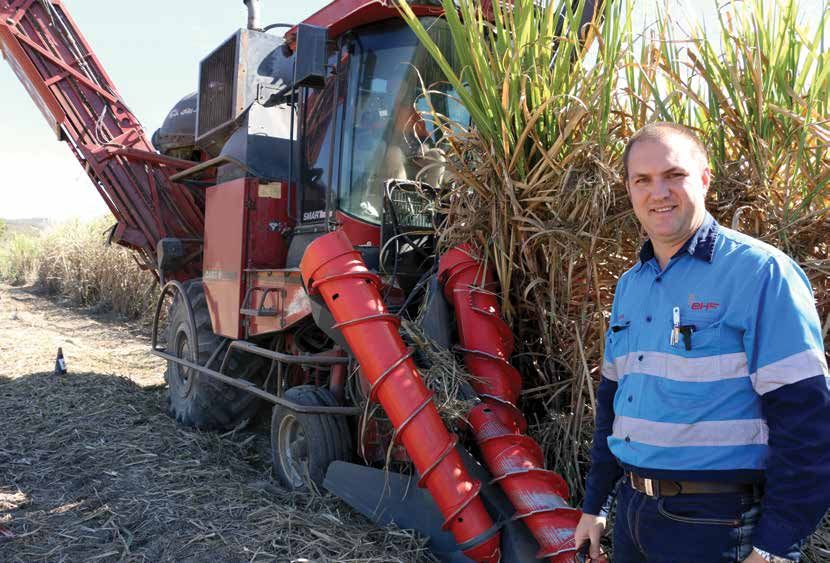
12 13
The end of the crushing is approaching, but before blocks are ploughed-out,
it’s recommended to take soil samples directly after harvest while the beds
are still intact. It might be the last thing on the to-do list, but getting in early
has benefits. Knowing and understanding our soils, and soil testing regularly,
are two of the SIX EASY STEPS.
There are various tools available SOIL TESTING REGULARLY Importance of sampling
to improve our knowledge and a representative soil
Why is soil testing important?
understanding of our soils to make more
As shown in the diagram below, only
informed management decisions. Soil Soil sampling is key to:
10g of soil is used for analysis by the lab.
data is one of these tools which is key
• Identifying soil nutrients or soil Correct sampling is therefore critical in
in understanding variability within a
chemical factors that are limiting crop achieving a representative sample, and
paddock.
growth furthermore results of the paddock.
Soil surveys that identify soil zones can
• Improving productivity and profitably The use of the previously mentioned
be accessed via Queensland Globe or
by putting fertiliser dollars where EC/EM generated maps can reveal the
by downloading the dataset from the
they are most beneficial in-field variability which can assist in
Queensland Spatial Catalogue. However,
determining representative sample
resolution is dependent on the existing • Increasing fertiliser use efficiency locations within in-field zones. Taking
dataset for the area. For example, the
by determining appropriate nutrient separate soil samples from these zones
Jardine area in the Burdekin is considered
application rates allows for variable rate ameliorant
high resolution at 1:25,000 scale as
shown below which was published in • Informing decisions and management application, and in some cases nutrients.
1988. In comparison to the Burdekin tools for your whole farm nutrient Geo-referencing soil test locations allows
delta that is at a 1:50,000 scale which is plan the monitoring of specific sites over time.
deemed medium resolution. Additionally, the GPS position remains
• Using effective ameliorants to
Electrical Conductivity (EC) or improve possible physical and constant even if the block number
electromagnetic (EM) mapping, can chemical imbalances changes in the future.
provide a higher resolution to soil As part of the RP161, growers will have
• Measuring changes in soil fertility
maps. As part of the RP161 program all their historical soil samples recorded
and record trends over time
currently running in the Central and spatially and displayed in Google Earth
Burdekin regions, participants can take • Improving environmental protection along with any EC/EM data. This data
advantage of EC/EM mapping offered by preventing over fertilising. is used to make informed decisions
through the project. These maps show regarding nutrient management
the differences in electrical conductivity When to soil sample? plans based off the SIX EASY STEPS
within blocks which is influenced by soil methodology.
The recommended timing for soil
Knowing and
type, moisture and soil salinity. With
effective ground-truthing through GPS sampling is directly after final harvest Article supplied by Farmacist.
referenced soil tests, areas of sodicity prior to any cultivation. This will give you
can be determined and prescription the most accurate determination of the
understanding
application of ameliorants such as soil status and will also provide ample
gypsum can be produced to ensure cost time for test results to be received by the
effective applications of ameliorants. lab, and interpreted prior to planting. In
our soils
Files are produced and loaded into addition, if any ameliorants are required (Over page) Farmacist agronomist Heidi Hatch soil
application equipment to allow the (specifically lime and gypsum) these can sampling in the Burdekin. (Below left) Example of a
spreader to automatically change rates be applied prior to the wet season for soil survey. Scale 1:25,000. (Below) The process for
collecting a soil sample.
once it crosses zones. maximum utilisation.
For more information about
RP161 and what’s included,
contact Farmacist –
Burdekin 07 4782 2300 or
Mackay 07 4959 7075.
Soil
sample
The RP161 project is funded
through the Department of
5-10 KG SOIL COLLECTED 500 G SOIL SENT TO LAB 10 G SOIL
Environment and Science (DES) FOR ANALYSIS IN FOR ANALYSIS USED BY LAB
and the Australian Government SUBSAMPLES
Reef Trust, and partnered with
Farmacist and SRA.
CaneCONNECTION / Spring 2018
14                                                                                                                                                                15

     What's the buzz
     on soldier fly research
     Researchers are examining solider fly in new ways,
     including whether the pest is creating a toxic effect on the cane,
     and if there are multiple different species of soldier fly.
     BY BRAD PFEFFER

     The above picture shows how                    recent varieties like Q250 A , Q251 A ,          Through this research, he has analysed
     devastating soldier fly can be. Taken          Q252A , and SRA9A .                              the salivary glands of soldier fly larvae
     from a drone at Jeff Hamblin’s property                                                         that have been feeding on cane. He
                                                    The chemical trials are refining some
     at Hay Point, this photo shows an area                                                          found genes for venom proteins had
                                                    treatments that have shown some
     not previously known for soldier fly, but                                                       been expressed.
                                                    promise in early trials.
     it has recently become an example of
                                                                                                     “The venom proteins that we discovered
     how severe an infestation can become.          In addition, Dr Kathy Braithwaite in SRA’s
                                                                                                      are similar to those previously reported
                                                    Brisbane laboratories is sequencing
     With the edge rows of the crop still in a                                                        in plant parasitic nematodes and in other
                                                    the CO1 gene from different soldier
     reasonable condition, the picture also                                                           insects, where they have been shown to
                                                    fly populations to determine whether
     shows how difficult it can be to spot a                                                          facilitate the invasion of host plants. We
                                                    individuals from different regions belong
     problem until the harvester gets into the                                                        are currently further investigating the
                                                    to the same species or different species.
     paddock.                                                                                         venom proteins identified,” he said.
                                                    Dr Bryan Lessard from CSIRO is a soldier
     It is also an example of where the best        fly taxonomic expert and will formally           “In addition to the venom proteins, we
     option for management is to fallow the         identify adult specimens collected in May         have detected sequences with high
     block for at least a year to break the         from the same soldier fly populations.            levels of similarity to viruses and
     soldier fly life cycle.                        Populations have been collected from              bacteria in soldier fly salivary glands.
                                                    the Atherton Tableland, Burdekin, Central
     With other growers in parts of the             and Southern Regions.                            “These include plant pathogenic bacteria,
     industry facing similar battles with                                                             insect borne bacteria and insect specific
     soldier fly, SRA has recently embarked on      SRA is also investing in fundamental basic        viruses. Further work is required to
     several projects to look at this insect pest   research about soldier fly, being led by          determine if soldier fly larvae can transfer
     from new angles.                               Post-Doctoral Researcher at the University        these microbes to sugarcane plants when
                                                    of Queensland, Dr Kayvan Etebari.                 they feed on them.”
     Soldier fly have long been the subject
     of research at SRA and its predecessor         For example, there have been theories
     organisations, although many aspects of        that the larvae may be causing a toxic
     their biology and management are not           effect on the plants whose roots they
     fully understood.                              feed upon.
                                                                                                         For more information,
                                                    After all, the damage from the larvae is
     SRA Mackay-based entomologist                                                                       contact Dr Karel Lindsay
                                                    relatively small when compared to cane
     Dr Karel Lindsay is working on soldier                                                              E klindsay@sugarresearch.com.au
                                                    grubs, but the impact can be more severe
     fly including research looking at the                                                               T 07 4963 6821.
                                                    than that caused by grubs.
     differences in variety response and also
     chemical treatments.                           The theory is that if the damage is less,
                                                    but the impact so severe, there may be
     These trials are occurring across the                                                           (Above) Aerial shot of soldier fly damage at Hay
                                                    something more going on.
     Southern and Central Regions, with                                                              Point. (Over page - top left) A soldier fly larvae eating
     the variety trials in each area looking        “Previous research has suggested that            sugarcane roots. Picture by Kayvan Etebari.
     at cultivars specific for each region.          the larvae introduce a toxic or growth          (Top right) A close-up of soldier fly larval mouth parts.
                                                                                                     Picture by Kayvan Etebari. (Middle right) Hay Point
     For example, the Central trials are             inhibiting compounds into roots when            Male. (Bottom) SRA Researcher, Dr Karel Lindsay,
     using established canes such as Q240 A          feeding, but no such compounds have             inspecting soldier fly damage at Hay Point in the
     KQ228 A , and Q208 A , as well as more          been identified previously,” Dr Etebari said.   Central Region. (Middle left) An adult female soldier fly.

     CaneCONNECTION / Spring 2018
16                                                                                                                                                                                                        17

     Trial involvement helps
     information flow on varieties

     Plane Creek grower Peter Hackett says open                                                                                                “It’s important to give it a go, although we
                                                                                                                                                also feel we are better off doing these
     communication between industry and SRA is helping                                                                                          things in a year when the sugar price
                                                                                                                                                is reasonable so that we aren’t losing
     to improve the variety development process.                                                                                                money in a year that we can’t afford it.

                                                                                                                                               “At the moment we are just trying to ride
     Central Region grower Peter Hackett            at a neighbour’s property. At the meeting,    looking good. But then it forgot to rain      out the current price slump.”
     has always had a keen interest in new          SRA Leader for Crossing and Selection,        until we had about 100mm in one day
                                                                                                                                               He is a third generation grower
     varieties making their way through the         Dr George Piperidis, spoke about new          late in the summer, but so far we’re about
                                                                                                                                               and has also been supplying liquid
     development pipeline.                          varieties for the Central Region such as      500mm below where we should be for
                                                                                                                                               fertiliser to other growers from Wilmar
                                                    SRA9A , SRA12, and SRA13 as well as the       the year.”
     Farming near Koumala, south of Plane                                                                                                      Sugar for the last 32 years, which has
                                                    selection process and how the team work
     Creek, Peter is also passionate about                                                        While Peter has supplementary irrigation     been an important part of the farm’s
                                                    with growers such as Peter across the
     working with SRA’s plant breeding                                                            with hard hose irrigators supplied from      diversification. This has expanded this
                                                    region through on-farm FATs.
     team, and the local industry, to achieve                                                     a small on-farm dam, it isn’t enough         year to the purchase of a rubber-tracked
     improved outcomes for everyone.                Peter’s current variety mix mostly consists   to keep up with the peak of the dry          machine to add to the existing three
                                                    of Q208A , Q240A , Q183A and KQ228A , and     conditions.                                  trucks that he, his son-in-law and an
     That’s why he has held Final Assessment
                                                    an increasing amount of Q252A .                                                            employee work with.
     Trials (FATs) on his property for the last                                                   He farms 150 hectares of his own country,
     12 years.                                      When CaneConnection visited in July,          plus an additional 35ha of lease country.    It will allow greater flexibility of nutrient
                                                    he had completed his first cut. Blocks        He farms on 1.7 metre row spacings, with     application in wet conditions.
     “This farm is a fairly average soil type
                                                    affected by yellow canopy syndrome (YCS)      all farm work – except for harvesting –
      for the district and it was unirrigated                                                                                                  “The trucks have their limitations when it
                                                    were disappointing, but other blocks were     done themselves.
      at the time I started with the trials, so I                                                                                               rains. Getting bogged is one thing, but we
                                                    reasonable given the season, although
      thought the information coming from this                                                    They green cane trash blanket as much         are also very mindful of compaction as
                                                    he added that it may be a struggle to hold
      trial would be useful for the rest of the                                                   as possible and aim for a legume crop         we don’t want to be negatively impacting
                                                    tonnage as the season moved on.
      growers in the Plane Creek area,” he said.                                                  at the end of the crop cycle, although        the soil in that process of getting the
     “12 years later and we are still going and     In the region, last year’s crush ran late     this hasn’t been possible in the last few     fertiliser on.”
      it continues to be interesting to observe     and then led directly into a drought          years because conditions were too wet
      the trials from the high rise spray tractor   across most of the summer, which stalled      (summer 2017) or too dry (summer 2018).
      and see how much variation there is           the growing season.
                                                                                                  “We have dabbled in those crops with an
      between different clones.”                                                                                                               (Over page) Peter with the recently-purchased tracked
                                                    “In 2017 we had a good crush until the         eye on soil health, and even though it      rig for liquid fertiliser application. (Above) Peter and
     This was one of the topics under                middle of October, and then it rained         hasn’t always been successful it has been   his high-rise sprayer. (Right) Peter pictured with this
     discussion at a recent local shed meeting       and sparked the crop off and it started       a good learning curve,” he said.            year’s crop.

     CaneCONNECTION / Spring 2018
04
10
18 05
11
19
Bio-prospecting for beneficial
endophytes of sugarcane
Knowledge bank building
on yellow canopy syndrome
Ask someone what the most valuable With bio-prospecting, scientists are of exposure. The next step would be to
thing is inside a sugarcane plant and the seeking out that valuable and elusive assess if these microbes have the same
obvious answer is sugar. nugget of ‘gold’, but are doing so using inhibitory effect when present within the
advanced techniques such as DNA plant, as they did in the petri dish.
But if you ask what other valuable things
sequencing.
SRA continues to invest in research to unravel the yellow are inside sugarcane, the answer is far
less obvious. In the first part of the project, researchers
“This testing of promising microbes has
begun at the SRA Woodford research
canopy syndrome (YCS) mystery through an integrated research However, new research is examining the
isolated DNA from leaf, stalk and roots of station, with the hope that we will see
commercial sugarcane varieties and wild the same beneficial effect,” Priya said.
program. This program spanned four major projects in 2017/18, vast array of microscopic organisms within
relatives, and compared the microbiome Encouragingly, preliminary data suggests
sugarcane to discover if some of these
which have made the following observations and progress. microbes can be used to create improved
between the two. By looking at more than that the first of these isolates can effectively
15 wild relative species, they found that control pineapple sett rot under glasshouse
productivity, profitability and sustainability
the microbial communities varied between conditions, and further experiments are
outcomes for growers and millers.
tissue type, geographical location and to a underway to confirm this result.
This research is part of an SRA-funded lesser extent by host species.
They are also assessing variations
project called Bio-prospecting for The research team has also discovered between regions and ecological factors
1. YCS CAN NOW BE DIAGNOSED expressed. Experimental work is focused 6. THIS OPTION IS ENABLING beneficial endophytes of sugarcane, that the microbiome of modern such as soil type.
WITH (A HIGH LEVEL OF) CERTAINTY. on identifying the key factors so that US TO QUANTIFY THE IMPACT where researchers from SRA and sugarcane varieties is significantly
management options can be progressed. OF YCS ON YIELD AND IDENTIFY AgResearch are analysing the living different to the microbiome of SRA Postdoctoral Researcher, Dr Stephen
There are many causes of leaf yellowing communities of organisms within the Mudge, said that the research could lead
POTENTIAL CAUSES. wild sugarcane. Over time, through
in sugarcane. YCS is a specific pattern of sugarcane plant. to a positive control mechanism without
4. AN INDICATOR TOOL KIT FOR modern breeding and cultivation, our
leaf yellowing accompanied by abnormal This means that researchers now have the chemicals or genetic modification.
SRA, PRODUCTIVITY SERVICE This living community – called a sugarcane varieties have lost parts of
and lethal accumulation of sucrose and capacity to manipulate YCS symptoms.
ORGANISATIONS AND INDUSTRY microbiome – consists of organisms such their microbiome. Some of these “lost “We hope that this research will translate
starch in leaves.
ADVISORS FOR IDENTIFYING YCS as fungi and bacteria. microbes” are likely to confer beneficial into ecologically sustainable solutions for
IS AT AN ADVANCED STAGE OF traits to their host plants. challenges faced by the sugar industry,”
2. ADDITIONAL MAGNESIUM Just like there are good and bad bacteria
DEVELOPMENT. “Therefore, there is an opportunity to he said.
APPLICATION ABOVE LEVELS within the human body, there are also
RECOMMENDED FOR GOOD CROP This is a significant step as any approach, good and bad micro-organisms living isolate beneficial microbes from wild Once beneficial microbes are confirmed,
MANAGEMENT HAS NO IMPACT ON experimental or commercial, needs to within sugarcane. relatives and introduce them into
future work will focus on optimal
YCS EXPRESSION. correctly identify the problem so that commercial varieties,” Priya said.
formulations for commercial delivery
researchers and industry can respond “We have known for many years that
Magnesium deficiency in sugarcane The early results are promising. From the of this technology to growers.
appropriately. plants can harbour pathogenic micro-
can lead to yellowing of leaves. organisms, but in the last few years it has large pool of fungi and bacteria that they
Experiments now confirm that addition become clear that plants contain large have isolated, they have already seen
of magnesium does not prevent or 5. A CHEMICAL OPTION IS UNDER some that may have a positive impact. For more information,
populations of both pathogenic and
alleviate YCS symptoms. Plants with INVESTIGATION WHICH IN MOST contact Dr Priya Joyce on
If you have questions in relation beneficial microbes,” explained Dr Priya A large collection of these bacteria and
YCS usually have adequate levels of CASES PREVENTS YCS SYMPTOM E pjoyce@sugarresearch.com.au
to the above, contact the SRA Joyce, SRA Leader for Molecular Genetics. fungi from sugarcane plants has been
magnesium so magnesium deficiency EXPRESSION UNDER EXPERIMENTAL T 07 3331 3375
YCS Strategic Initiative Program “The beneficial microbes could help with screened against common fungal diseases
is not a cause of YCS. CONDITIONS.
Leader, Dr Frikkie Botha at productivity constraints by improving such as red rot and pineapple sett rot.
This is a vital step if researchers are FBotha@sugarresearch.com.au. disease resistance, nutrient uptake, or Of those screened, just over 12 percent
3. THE ROLE OF INSECTS, to develop management options for promoting plant growth.” inhibited the growth of at least one of the (Above left) An example of a fungal isolate that inhibits
the growth of a sugarcane pathogen. In the Petri dish
PHYTOPLASMAS, OTHER industry. These trials have used a broad- pathogens. Furthermore, some of these
This research is investigating the on the right the sugarcane pathogen Colletotrichum
BACTERIA IN COMBINATION WITH spectrum insecticide at high doses as an SRA acknowledges the funding selected isolates also showed potent
microbiome of sugarcane (to go falcatum (which causes red rot) has grown enough to
ENVIRONMENTAL TRIGGERS ARE experimental tool to confirm or eliminate contribution of the Queensland inhibitory activity against both root knot completely cover the plate. The dish on the left, however,
‘prospecting’ to have a look what is
BEING INVESTIGATED. the role of an insect in YCS. This is not a Department of Agriculture and nematodes and root lesion nematodes. contains an endophytic fungus from sugarcane which
inside), and then determine if these
test of the suitability of these chemicals Fisheries towards this research is inhibiting the growth of the pathogen. A zone of
Experimental work does not support beneficial organisms can be exploited In particular, some of these fungi were
as a management option. activity. inhibition can be seen between the two fungi.
a single cause of YCS. A number of to help the industry. able to completely inhibit activity of both (Above right) Harvesting wild relatives of sugarcane in
factors need to be present for YCS to be parasitic nematodes within 10 minutes PNG, from which endophytic microbes were isolated.
CaneCONNECTION / Spring 201820 21
The fallow is about 26 hectares and the He’d seen the effects of a monoculture yield; confirm that intercropping improves
cattle are in a section of about 80 square for himself. soil carbon levels; and fully evaluate its
metres for each graze. The idea is that effects on soil biodiversity,” they wrote.
“This place has ground that has been
they will go over a section three times,
farmed for over 100 years and was Some of the work in this trial through
and after the third round the biomass will
some of the earliest to be opened up Dr Graham Stirling was supported
be almost fully grazed before the ground
for the Marian Mill. It also has country through an SRA-funded research project.
goes back to cane in the spring. Using
that I opened up 30 years ago. That new
a small area ensures even grazing and In summary, Simon says improving soil
country grew good cane at first, but it has
spread of manure. health is a long-term equation that involves
now become pretty much as bad as the
complex factors all working together.
The cattle are moved generally every day, country growing cane for 100 years.”
but may be left a little longer on the third He cites an example for some of his
This has been a topic of discussion at
round to ensure the cover crop is grazed country moving from 5.5-6 pH to now
recent Soil Health Masterclasses, which
down. The grazing starts in March, and 6.5 pH, as well as organic carbons
were funded by SRA across the industry,
finishes around July/August, which was between 0.8 and 1.5, whereas previously
and Simon presented at, along with
when CaneConnection visited. they were less than 1.
others including Dr Graham Stirling, Dr
Including the solar, batteries, fencing, and Anthony Young, Dr Jay Anderson, and There is also current work underway
Piecing together other equipment, the investment was southern region growers, Mr Ashley between SRA and the NSW Department
in the order of $30,000. He also has a Peterson and Mr Tony Chapman. of Primary Industries working with
portable water source that is moved with mixed species fallows and looking at
The Masterclasses discussed topics
a soil health
the cattle so that they aren’t creating pads. the impacts on soil indicators: chemical,
that Simon is passionate about, digging
physical and biological.
He said that it was a way of capturing value, deeper into the biology, chemistry and
and helped avoid some of the seasonal risk physical properties of a healthy soil. NSW-DPI will be measuring soil carbon
jigsaw puzzle
that came with a single crop of legumes. pools to try and understand what is
Similar work, separate to that which
happening at different sites.
There are 14 different species in the Simon has undertaken on his farm, is
fallow crop in the paddock, plus some continuing under an integrated soil Also, SRA is investing in a project with
volunteer cane. “I am looking for plants health research program at SRA, spanning CSIRO on a diagnostic for root health
that are palatable and also serve a across multiple research projects. This to measure the size and functional root
includes research that will examine issues systems in sugarcane associated with
biological function with soil health.
such as companion cropping and mixed- soil health/cover cropping sites, and
“Sunflowers aren’t as palatable as other species fallow crops, as well as looking SRA Researcher Dr Rob Magarey will be
Marian cane grower Simon Mattsson is looking to plant diversity – species, but they are definitely in the for strategies to reduce the competition using the PreDicta platform to look at soil
mix because they are a very good host of effects that may reduce cane yield. health issues.
and now animal diversity – to improve soil health on his farm. mycorrhizal fungi, which help their host
For Simon, he is continuing with his “Yes, I am making a difference, but it is
plant take up phosphorous.”
BY BRAD PFEFFER mixed species fallow crops, and also also difficult to clearly demonstrate
intercropping with sunflowers to continue that it has reliably translated into yield
PLANT DIVERSITY with the diversity into the crop cycle, in the increases,” Simon said.
It was 15 years ago when Simon He was on a grain farm and talking to the He’d grown up with cattle and had seen We’ve all seen the spectacular quest to improve soil biology and health.
Mattsson started to seriously question farmer about both plant diversity and the process at work overseas, but had However, he is particularly proud of one
photographs in farming magazines: arrow In a paper that Simon co-authored with
his soil’s organic carbon levels. animal diversity, and he quickly realised also considered other options such as example in 2017, where a crop of plant
straight rows, not a weed in sight, and a Dr Graham Stirling for the Australian
that the principle applied all the way pigs, sheep and goats. cane Q240 A on single-row two metre
He had been green cane trash blanketing bright-green crop that looks like the top Society of Sugarcane Technologists
back home to Marian. centres yielded 171 tonnes per hectare
(GCTB) for a decade and remembered He decided on cattle for ease of of a billiard table. (ASSCT) conference this year, they at 12.2 PRS cut in early July, marking his
the initial promises with GCTB: it would “In talking to farmers overseas, I saw the management and processing, and for this For Simon Mattson, he knows that those found that three years of eight-species best ever crop.
retain moisture, suppress weeds, and power and necessity of plant diversity,” same reason opted to breed for the store crops look impressive, but they don’t intercropping increased soil carbon
increase organic carbon. he said. “Without plant diversity you market. levels by about 15 percent, although this “We are starting from a low base in
necessarily pay off the mortgage in the
will not have biological diversity, which effect was not statistically significant. the sugar industry and some of what
“We had been an early adopter of green “If I were to buy weaners and fatten long term.
enables nutrient cycling. I am doing is controversial, but I am
cane trash blanketing, starting in 1986, them, most of the time I would be He is much more worried about what “The nematode and carbon results suggest truly passionate that plant diversity to
but there was nothing happening with “In the sugar industry, there is a big focus buying animals that have never seen looks good under the surface with a that long-term benefits are likely to be influence soil biology is the key and
our soil,” he said. “If anything, our soil on compost, mill mud and ameliorants, an electric fence,” he said. “So I’d be microscope than what looks good on top. obtained by incorporating multi-species offers huge potential for our industry.”
carbon levels were going backwards.” which work if you can afford them, retraining animals all the time, and good intercropping into the sugarcane farming
but I saw live roots as the answer for neighbours might quickly turn into cranky Getting things right underneath will lead system,” they wrote in their paper.
Striving for the answer to this question, to getting things right on top, he says.
addressing biological function.” neighbours if my cattle escape into their For more information,
and to find a better way to run the They also found that where sunflower
paddocks.
family’s Central Region cane farm, has In 2015, that led to multi-species fallow When he points to the hills overlooking was the intercrop species, DNA tests on contact Simon Mattsson
led to a long journey that involved a crops (eight) and intercropping with crops “The cattle – Droughtmaster cross – have his property, he makes the point that the soil showed the soil was more heavily E mattsson@mcs.net.au
Nuffield Scholarship, travel to about such as sunflowers. developed a good respect for the electric nowhere in nature do plants look like colonised with a more diverse range of
a dozen countries, countless trials, fence and respect it far more than they they do on the cover of a farm journal. mycorrhizal fungi.
Having worked on that process for a few
scientific publications and collaborations, would barbed wire. I’ve only had one
years, he is now taking the next step that “After my Nuffield Scholarship, I started “Collectively, these results suggest that (Over page - left) Not something you see often on
and an ongoing passion for sharing the escape, and she just waited on the other a cane farm – high intensity cell grazing in fallow
he saw overseas. In 2018, his fallow had an with adding plant diversity and I knew intercropping improves the biological
message on soil health. side for me the next morning.” paddocks. (Over page - top right) All this work is
electric fence around it, and inside were 33 that in the sugar industry it is now health of sugarcane soils. However,
in the interest of improving soil health. (Middle)
One of the major turning points came grown cattle and five calves going through The electric fence is also much easier to common to find agricultural soils with long-term field trials are required to Intercropping of sunflowers with cane. (Bottom right)
when he was thousands of kilometres high-intensity rotational grazing and put up and take down for the cane cycle. less than one percent carbon content.” substantiate the benefits obtained; assess The electric fencing, including solar and batteries,
from home, in a field in North Dakota. enjoying the mixed-species fallow crop. the impact of intercropping on sugarcane cost about $30,000.
CaneCONNECTION / Spring 201822 23
SRA Woodford:
21 years of delivering
outcomes for the industry
SRA’s Woodford Research Station celebrates 21 years in operation this year. since the smut incursion in 2006) was
moved to Woodford which saw Shamsul
In September they begin the field
planting. The trials have different designs (Over page) Technician Lucy Gibbs and Principal
Work undertaken here gives the industry a much better understanding of Bhuiyan bring his expertise to Woodford and replicates, depending on the disease Researcher Nicole Thompson in the field.
(Above left) Principal Researcher Nicole Thompson
and brought their staff numbers to five. being assessed. Assessment for disease
disease resistance ratings of new varieties and it provides a critical function Nicole Thompson moved to Woodford resistance also varies for each different
inspecting samples in the germination chamber.
(Top right) Technician Lucy Gibbs collecting punch
in the overall biosecurity and plant breeding picture. in October 2017, after 11 years at disease, but they try to be as efficient samples.(Bottom right) Stephen Houtsma cutting
Indooroopilly, and she now lives on site. as possible and produce results for the cane into one-eye-setts.
BY SAMANTHA RYALLS The longest standing staff member at
the plant breeding team to use in their
selection programs.
Woodford is Principal Technician Andrew
Greet, who has been at this site since Best wishes to the team at Woodford
Our Woodford site was purchased in July a much better understanding of disease cycle. This strategy is designed to
it first opened. He has been with our as they celebrate their 21st year in
1997 and this year celebrates 21 years resistance ratings of new varieties, maximise the number of clones promoted
organisation for 26 years, commencing operation.
in operation. information that is presented within our to Final Assessment Trials (FATs) that
in Tully in 1992, transferring to Eight Mile
annual variety guide publications and meet minimum disease standards, which
The site was purchased specifically for in turn allows greater selection pressure Plains in 1997 and to Woodford in 1999.
online via QCANESelect ®. Woodford
use as a pathology farm, with the primary provides a critical function in the overall and genetic progress for yield and CCS The other full time staff are Chris Watson
purpose being to screen potential new biosecurity / plant breeding picture. (commercial cane sugar). Woodford, (Farm Technician) and Kylie Garlick
sugarcane varieties for resistance to along with Pachymetra screening at SRA (Technician). It is currently their busy time
diseases. The first disease-resistance Pathology testing to develop disease Tully, is a critical component of this work. of year (May – late October during trials)
screening trials started there in 1998. resistance ratings is a carefully controlled
Our Woodford site is also occasionally so there are also up to four casual staff
The site was chosen because it was a and resource intensive process, and
used as a teaching centre by our leading helping. The team have some regular
reasonable distance from existing cane therefore has been focussed upon the
researchers including courses for both casuals who have several years’ experience
late stages of the breeding program.
farms, reducing the risk that disease
may spread from the station to
However, following recent improvements
that SRA has made to the breeding
introductory and advanced diseases
workshops, allowing the learnings to
assisting with the processes required.
"Woodford provides a critical
From about mid-May to mid-August,
commercial crops.
Work undertaken at the Woodford
process, SRA is also working towards
happen in a hands-on environment.
they receive around 400-600 clones function in the overall biosecurity /
discovering more detail about disease- every two weeks for processing and
plant breeding picture."
In 2012/13, the smut resistance
Research Station gives our researchers resistance earlier in the plant breeding screening (previously in Bundaberg preparation for disease resistance trials.
CaneCONNECTION / Spring 2018You can also read


