Case for Endorsement MSF Furnishing Training Package (Release 5.0)
←
→
Page content transcription
If your browser does not render page correctly, please read the page content below

Case for Endorsement
MSF Furnishing Training Package
(Release 5.0)
Submitted by IBSA Manufacturing on behalf of the
Furnishing Industry Reference Committee
(January 2020)

www.ibsa.org.au
manufacturing@ibsa.org.au

(03) 9815 7099

Level 3, 289 Wellington Parade South

East Melbourne, Victoria, 3002

Prepared on behalf of the Furnishing IRC for the Australian Industry Skills Committee (AISC)
Furnishing Industry Reference Committee
MSF Furnishing Training Package Release 5.0 Case for Endorsement (January 2020)

This Furnishing Industry Reference Committee Case for Endorsement has been produced with the
assistance of funding provided by the Commonwealth Government through the Department of
Education and Training.
Contents
Sect i on A: Adm i ni st rat iv e det ai l s . . . . . . . . . . . . . . . . . . . . . . . . . . . . . . . . . . . . . . . . . . . . . . . . . . . . . . . . . . . . . . . . . . . . . . . . . . . 4
   A1 Name of Industry Reference Committee..........................................................................................4
   A2 Name of Skills Service Organisation (SSO) .....................................................................................4
   A3 Title and code of training package components submitted for approval ...........................................4
               A3.1 Non-Endorsable components ................................................................................................................. 5
         A4 Case for Change information ..........................................................................................................7
               A4.1 Reference number................................................................................................................................. 7
               A4.2 Date approved ...................................................................................................................................... 7
               A4.3 Requirements set by the AISC ............................................................................................................... 7

Sect i on B: Descri pt i on of work and r equ e st f or approv al . . . . . . . . . . . . . . . . . . . . . . . . . . . . . . . . . . . . . . . . . . . 9
   B1 Description of work undertaken and why .........................................................................................9
   B2 Deci sion being sought from AISC.............................................................................................. 15
Sect i on C: Ev i dence of i ndust ry sup port . . . . . . . . . . . . . . . . . . . . . . . . . . . . . . . . . . . . . . . . . . . . . . . . . . . . . . . . . . . . . . . 16
   C1 Written evidence of support .......................................................................................................... 16
   C2 Evidence of consultation with relevant stakeholders ...................................................................... 19
   C3 Evidence of engagement with and advice from States and Territories ........................................... 19
   C4 Competing views .......................................................................................................................... 19
   C5 Report by Exception ..................................................................................................................... 20
   C6 Evidence of key stakeholder awareness of expected impact of changes ........................... 27
Sect i on D: I ndust ry ex pect at i on s ab out t rai ni ng del iv ery . . . . . . . . . . . . . . . . . . . . . . . . . . . . . . . . . . . . . . . . . 28
   D1 Industry expectations of training delivery....................................................................................... 28
   D2 Traineeship or apprenticeship advice ............................................................................................ 28
Sect i on E: Im pl em ent at i on of MSF Versi on 5 com ponent s . . . . . . . . . . . . . . . . . . . . . . . . . . . . . . . . . . . . . . . 28
   E1 Occupational and licensing requirements ................................................................................... 28
   E2 Implementation issues .................................................................................................................. 28
Sect i on F : Q uali t y assur ance re port s . . . . . . . . . . . . . . . . . . . . . . . . . . . . . . . . . . . . . . . . . . . . . . . . . . . . . . . . . . . . . . . . . . . . 30
   F1 Independent Quality Report .......................................................................................................... 30
   F2 SSO Declaration ........................................................................................................................... 30
   F3 MSF Version 5 Companion Volume Implementation Guide confirmation ........................................ 30
   F4 Statement of evidence against the Training Package Quality Principles......................................... 30
Sect i on G : Im pl em ent at i on of CO AG I SC t raini ng packa ge ref orm s . . . . . . . . . . . . . . . . . . . . . . . . . . . 32
   G1 Support of COAG ISC reforms to training packages...................................................................... 32
   G2 Evidence of completion of work assigned ..................................................................................... 33
   G3 Publication-ready training package components ........................................................................... 33
Sect i on H: F ull cont ent of t he propo se d t rai ni ng packa ge com pone nt (s) . . . . . . . . . . . . . . . . . . . . 33

Appen di ces . . . . . . . . . . . . . . . . . . . . . . . . . . . . . . . . . . . . . . . . . . . . . . . . . . . . . . . . . . . . . . . . . . . . . . . . . . . . . . . . . . . . . . . . . . . . . . . . . . . . . . . 34
   Appendix 1.1 Furnishing Industry Reference Committee (IRC) Members (Former) ............................. 34
   Appendix 1.2 Furnishing Industry Reference Committee (IRC) Members (Current) ............................. 35
   Appendix 2: Technical Advisory Committee (TAC) Members .............................................................. 36
   Appendix 3: MSF Training Package components submitted for endorsement ..................................... 38
   Appendix 4: IRC Letter of Support ...................................................................................................... 43
   Appendix 5: MSF Development and Consultation Process ................................................................. 44
   Appendix 6: Stakeholders consulted................................................................................................... 45
               6.1 State and Territory Authorities and Advisory Bodies ................................................................................ 45
               6.2 Engagement with Blind Manufacturers’ Association of Australia (BMAA).................................................. 45
               6.3 MSF Wider Industry Engagement ........................................................................................................... 48
         Appendix 7: Credit Arrangement template .......................................................................................... 50
         Appendix 8: Quality Report ................................................................................................................ 51

Fu r n i s h i n g I RC Ca s e f o r En d or s em en t ( J a n u ar y 20 2 0 )
MSF Fu r n i s h i n g Tr a i ni n g Pa c k a g e Rel ea s e 5 . 0
4
Section A: Administrative details
A1 Na me of Industry Reference Co mmi ttee
Furnishing Industry Reference Committee (IRC). Refer Appendix 1 .
A2 Na me of Skills Service Organisation (SSO)
Innovation and Business Skills Australia (IBSA) Manufacturing.
A3 Title and code of training package co mponents sub mitted for approval
MSF Furnishing Training Package (Version 5) components submitted for approval are:
• One (1) revised non-equivalent qualification:
◦ MSF30919 Certificate III in Blinds, Awnings, Security Screens and Grilles
• Five (5) new units of competency:
◦ MSFBA3011 Assemble awnings
◦
MSFBA3012 Assemble interior blinds
◦
MSFBA3019 Assemble roller shutters
◦
MSFBA3020 Install roller shutters
◦
MMSFFDT3001 Install low-voltage technology, automation, and intelligent management systems
in furnishing
• Fourteen (14) revised units of competency:
◦ Five (5) revised equivalent units of competency:
◦ MSFBA2011 Select and apply hardware and fixings for blinds, awnings, screens and grilles
◦ MSFBA3014 Assemble pelmets
◦ MSFBA3017 Install interior blinds
◦ MSFGN3004 Resolve quality and compliance issues
◦ MSFSF2015 Cut single layer fabrics
◦ Nine (9) revised non-equivalent units of competency:
◦ MSFBA3015 Install louvre shutters
◦ MSFBA3016 Install awnings
◦ MSFBA3018 Assess suitability of blinds and awnings
◦ MSFBA3021 Assemble louvre shutters
◦ MSFGN2003 Organise Australian Standards testing of products, materials, and their design
◦ MSFGN3003 Advise customers on products and services
◦ MSFSF3014 Construct Roman-style blinds
◦ MSFSS3004 Install non-security and security screens and grilles
◦ MSFSS3005 Assemble non-security and security screens and grilles
• Five (5) deleted units of competency:
◦ MSFBA3004 Construct folding-arm style awnings
◦ MSFBA3005 Construct framework for canopy-style awnings
◦ MSFBA3006 Construct pleated-style blinds
◦ MSFBA3007 Construct wood-weave style blinds
◦ MSFSS3002 Apply patterns and designs to security screens and grilles.
Fu r n i s h i n g I RC Ca s e f o r En d or s em en t ( J a n u ar y 20 2 0 )
MSF Fu r n i s h i n g Tr a i ni n g Pa c k a g e Rel ea s e 5 . 05
A3.1 Non -Endorsable components
Generic (GN) Units
The IRC agreed to make some minor variations to the following four listed generic (‘GN’) units to ensure
they were ‘fit for purpose’ without warranting a code change. The changes were based on the need to
minimise the impact of change across many other qualifications in the MSF Training Package containing
these units. Refer also Table 1: AISC-approved scope of work for MSF Version pg 11
• MSFGN2001 Make measurements and calculations
• MSFGN2002 Move and store materials and products
• MSFGN3001 Read and interpret work documents
• MSFGN3002 Estimate and cost job
Three (3) units removed from the core and qualification
• MSFBA2001 Use blinds, awnings, security screens and grilles sector hand and power tools
• MSMENV272 Participate in environmentally sustainable work practices
• MSMSUP102 Communicate in the workplace
Two (2) units removed from the core and added to elective bank
• MSFGN2002 Move and store materials and products
• MSFGN3002 Estimate and cost job
Twenty-nine (29) units added to elective bank
MSF units:
• MSFBA2011 Select and apply hardware and fixings for blinds, awnings, screens and grilles
• MSFDN4003 Produce patterns and templates
• MSFFM2010* Set up and operate basic static machines
• MSFFM3010 Prepare cutting list from plans and job specifications
• MSFFM3021 Set up, operate and maintain computer numerically controlled (CNC) sizing
machines
• MSFFM3022 Set up, operate and maintain computer numerically controlled (CNC) machining
and processing centers
• MSFGG2016 Assemble glazing products
• MSFGG3028 Select, cut and process materials for glazing products
• MSFGG3034 Install residential windows and doors
• MSFGN4001 Research and meet ethical and compliance requirements
* MSFFM2010 Set up and operate basic static machines replaces MSFBA2002 Set up, operate and
maintain blinds and awnings sector static machines
Imported units:
• CPCCCA3010A Install and replace windows and doors
• CPCCSH2003A Apply and install sealant and sealant devices
• CPPSEC2022 Install electronic locks and locking systems
• MEM18001 Use hand tools
• MEM18002 Use power tools/hand held operations
• MEM20003 Install and upgrade locks and hardware
• MEM20005 Install and maintain door control devices/systems
• MSS402081 Contribute to the application of a proactive maintenance strategy
• MSS403087 Mistake proof an operational process
• MSTGN2005 Perform minor maintenance
• MSTGN3005 Plan tasks to assist production operation
• MSTTF2002 Cut, bend and shape metal
• MSTTF2005 Translate information into measurements or diagrams
• MSTTF2014 Weld plastic materials
• MSTTF2015 Install products on and off-site
• MSTTF3001 Identify client and site requirements for installation of fabricated textile products
• MSTTF3002 Gain customer acceptance of service proposal
Fu r n i s h i n g I RC Ca s e f o r En d or s em en t ( J a n u ar y 20 2 0 )
MSF Fu r n i s h i n g Tr a i ni n g Pa c k a g e Rel ea s e 5 . 06
• MSTTF3004 Perform advanced welding of plastic materials
• MSTTX2009* Perform industrial sewing on textile products
* MSTTX2009 Perform industrial sewing on textile products replaces MSFSF2002 Machine sew
materials
Twelve (12) units removed from the elective bank
MSF units:
• MSFBA2004 Construct roll-up and pull-down style blinds and awnings
• MSFBA2005 Construct vertical-style blinds
• MSFBA2006 Construct textiles for canopy-style awnings
• MSFBA2007 Construct plastic and timber Venetian-style blinds
• MSFBA2008 Construct aluminum Venetian-style blinds
• MSFBA2009 Construct metal louvre and canopy-hooded style awnings
• MSFBA2010 Construct aluminum roll-up style awnings
• MSFGG2011 Glaze and reglaze residential windows and doors
• MSFSS2003 Undertake surface preparation
Imported units:
• HLTAID003 Apply first aid
• TLID1002 Shift a load using manually operated equipment
• TLILIC0003 License to operate a forklift truck
Two (2) units withdrawn as a result of MSF Version 4 Training Package Release 4 review
• MSFGG2001 Use glass and glazing sector hand and power tools
• MSFGG2008 Glaze and reglaze residential windows and doors
Fu r n i s h i n g I RC Ca s e f o r En d or s em en t ( J a n u ar y 20 2 0 )
MSF Fu r n i s h i n g Tr a i ni n g Pa c k a g e Rel ea s e 5 . 07
A4 Case for Change infor mation
A4.1 Reference number
This Case for Endorsement (CfE) was prepared by IBSA Manufacturing on behalf of the Furnishing IRC.
It builds on work proposed in the related November 2017 ‘MSF Furnishing Case for Change’ and
associated Activity Order reference: IBSA/TPD/2017-18/001
A4.2 Date approved
The Case for Change was approved by the AISC on 20th February 2018.
A4.3 Requirements set by the AISC
1 Develop four (4) new MSF units of competency to address skill gaps in the qualification:
• Install roller shutters
• New products, such as louvre shutters (timber, aluminium and synthetic)
• New materials and their associated energy ratings and fire-retardant attributes
• Low voltage equipment, automation and intelligent management systems
2 Revise twenty-seven (27) units of competency to ensure compliance with government Training
Package policy and industry requirements:
• MSFBA2001 Use blinds, awnings, security screens and grilles hand and power tools
• MSFBA2002 Set up, operate and maintain blinds and awnings sector static machines
• MSFBA2003 Select and apply blinds and awnings hardware and fixings
• MSFBA2004 Construct roll-up and pull-down style blinds and awnings
• MSFBA2005 Construct vertical-style blinds
• MSFBA2006 Construct textiles for canopy-style awnings
• MSFBA3001 Install interior blinds
• MSFSF2001 Cut single layer fabrics
• MSFSF2002 Machine sew materials
• MSFSS2002 Prepare product for Australian Standards testing
• MSFSS2003 Undertake surface preparation
• MSFSS3001 Install security screens and grilles
• MSFSS3002 Apply patterns and designs to security screens and grilles
• MSFSS3003 Resolve quality and compliance issues
• MSFBA3002 Install exterior blinds and awnings
• MSFBA2007 Construct plastic and timber Venetian-style blinds
• MSFBA2008 Construct aluminium Venetian-style blinds
• MSFBA2010 Construct aluminium roll-up style awnings
• MSFBA3003 Install timber shutters
• MSFBA3004 Construct folding-arm style awnings
• MSFBA3005 Construct framework for canopy-style awnings
• MSFBA3006 Construct pleated-style blinds
• MSFBA3007 Construct wood-weave style blinds
• MSFBA3008 Construct pelmets
• MSFBA3010 Assess suitability of blinds or awnings
• MSFSF3004 Construct Roman-style blinds
• MSFFM2010 Set up and operate basic static machines
Fu r n i s h i n g I RC Ca s e f o r En d or s em en t ( J a n u ar y 20 2 0 )
MSF Fu r n i s h i n g Tr a i ni n g Pa c k a g e Rel ea s e 5 . 08
Nine (9) Units of Competency (to be assessed against job role requirements)
• MSFBA2009 Construct metal louvre and canopy-hooded style awnings
• MSFBA3009 Provide advice to customers on blinds and awnings
• MSFGG2001 Use glass and glazing sector hand and power tools
• MSFGG2008 Glaze and re-glaze residential windows and doors
• MSFGG2010 Fabricate and install insect and security screens
• MSFGN2001 Make measurements and calculations
• MSFGN2002 Move and store materials and products
• MSFGN3001 Read and interpret work documents
• MSFGN3002 Estimate and cost job
3 Develop four new skill sets relating to:
• Roller shutter design, production and installation
• Using energy efficient and fire-retardant materials
• Automation
• Compliance, standards, licensing
The following material, originally proposed in the November 2017 Case for Change, was not developed
based on instructions from the Furnishing IRC. This was supported by the project Technical Advisory
Committee (TAC) (Appendix 2), which comprises industry experts in blinds, awnings, shutters, security
screens and grilles:
• two originally proposed new units of competency (although a further 5 different new units were created)
• four new skill sets.
Fu r n i s h i n g I RC Ca s e f o r En d or s em en t ( J a n u ar y 20 2 0 )
MSF Fu r n i s h i n g Tr a i ni n g Pa c k a g e Rel ea s e 5 . 09
Section B: Description of work and request for approval
B1 Description of work undertaken and why
Overall, the draft components submitted for endorsement mostly reflect activities listed in the Activity
Order. In some cases, IRC decisions, TAC expert input, and further stakeholder consultations led to
adjustments in the scope of work. Those adjustments are summarised in Table 1 below. In some cases,
work undertaken in the earlier and recently endorsed (3 Dec 2018) Version 4 of MSF Furnishing Training
Package, also impacted on the approved scope of work.
Ta b le 1: AISC-app ro ved sc op e o f wo rk fo r M SF Versio n
Acti on ar i si ng
✓ Devel oped ,
review ed or
revis ed ?
Com ponent Detai l n ot d ev el op ed
Com m entar y
N e w m a t e r i al t o b e d ev el o p e d
New units: MSFBA3019 Assemble roller shutters
Roller Shutter Installation
and MSFBA3020 Install roller shutters
Low voltage equipment, New unit: MSFFDT3001 Install low-voltage
automation and intelligent technology, automation, and intelligent
management systems management systems in furnishing
Develop four New materials and their Units not developed based on IRC and TAC
new units of associated energy ratings instructions that integrating reference to new
competency and fire-retardant material and associated energy ratings and fire-
attributes retardant attributes and new products throughout
the new and revised unit work would better serve
New products such as industry skill needs. As a result, reference to this
louvre shutters (timber, information is included in units and knowledge
aluminium and synthetic) evidence where relevant.
It is noted that while two of the approved new units above were not developed, a further 5 new units (7 in total) were
developed in Version 5 in response to industry feedback on requirements.
Draft skill set developed but IRC and TAC
instructions not to progress, given inclusion of
reference to energy efficient and fire-retardant
materials in new and revised units and absence of
Using energy efficient and
fire-retardant materials industry support of draft.
IBSA Manufacturing notes that priorities in the
Furnishing Industry Skills Forecast will ensure that
industry as a whole develop knowledge of new
materials on an as-needs basis.
Draft skill set developed but IRC and TAC
instructions not to progress given that requirement
is now sufficiently and suitably addressed by the
Develop four newly developed technology unit (MSFFDT3001)
new skill sets Automation and absence of industry support of drafted. IRC
recommended that ongoing future MSF review work
monitor sufficiency of coverage of automation in
MSF.
Not developed as part of Version 5, as developed
instead in Version 4: MSFSS00008 Furnishing
Industry Compliance Skill Set endorsed 3
Compliance, Standards, December 2018.
Licensing In addition, on the advice of TAC members:
• reference to compliance, standards, and
licensing, was strengthened in new and revised
units
Fu r n i s h i n g I RC Ca s e f o r En d or s em en t ( J a n u ar y 20 2 0 )
MSF Fu r n i s h i n g Tr a i ni n g Pa c k a g e Rel ea s e 5 . 010
Ta b le 1: AISC-app ro ved sc op e o f wo rk fo r M SF Versio n
Acti on ar i si ng
✓ Devel oped ,
review ed or
revis ed ?
Com ponent Detai l n ot d ev el op ed
Com m entar y
• the newly developed compliance unit
MSFGN4001 Research and meet ethical and
compliance requirements (endorsed 3
December 2018 MSF Version 4) was added to
the elective unit bank in revised Certificate III.
Draft skill set developed but IRC and TAC
instructions not to progress as, given the
restructure of MSF30919 Certificate III in Blinds,
Roller shutter design, Awnings, Security Screens and Grilles, the skills
production and installation
and knowledge relating to this work are now more
suitably covered as part of the qualification.
Absence of industry support of draft skill set also
noted.
E x i st i n g m a t e ri a l t o b e r ev i se d
Qualification, including packaging rules and listed
Certificate III in Blinds,
Revise core and elective units, revised.
MSF30913
Awnings, Security Core units reduced from 10 to 5, electives from 15
Screens and Grilles
to 13.
Unit reviewed and removed from MSF30919 to
better reflect functionality principle. Reference to
hand and power tools strengthened in all units and
their assessment requirements.
25.6.18 TAC meeting minutes state: “Other MSF project work
had led to the conclusion that it would lead to more useful and
specific training in the use of hand and power tools if content
regarding tools was built into specific technical units, rather
than it being a standalone unit (MSFBA2001 Use blinds,
MSFBA2001 Use blinds, awnings, security screens and grilles hand and power tools). It
awnings, security screens was felt this would strengthen the focus on the tools specific to
and grilles hand and specific functions – using the tool while doing the job.
power tools Discussion of the implications of removing MSFBA2001 from
Review units the qualification (and hence core) took place. TAC members
to align to agreed on its removal in favour of stronger and unit-specific
current job reference to the use of hand and power tools being built in
roles and technical units as appropriate. It was agreed that: Tools must
COAG be relevant to the skills being taught at the time, so tool-
Industry and related content needs to be integrated into technical units and
Skills Council their associated assessment requirements, and MSFBA2001
(CISC) reform Use blinds, awnings, security screens and grilles hand and
requirements power tools removed from core.”
Unit reviewed and removed from MSF30919 to
better reflect portability principle. Replaced with
generic unit MSFFM2010 Set up and operate basic
static machines.
MSFBA2002 Set up, 31.7.18 TAC meeting minutes state: “TAC agreed that this unit
operate and maintain be removed as there is an existing duplicate MSF unit
blinds and awnings sector (MSFFM2010 Set up and operate basic static machines) that
static machines could be imported and revised at a later stage. Gary Dunshea
advised that for industry this would mean that a worker in the
industry will be able to use that unit as credit for any MSF
static machine unit, rather than needing to meet a different
unit requirement.”
Fu r n i s h i n g I RC Ca s e f o r En d or s em en t ( J a n u ar y 20 2 0 )
MSF Fu r n i s h i n g Tr a i ni n g Pa c k a g e Rel ea s e 5 . 011
Ta b le 1: AISC-app ro ved sc op e o f wo rk fo r M SF Versio n
Acti on ar i si ng
✓ Devel oped ,
review ed or
revis ed ?
Com ponent Detai l n ot d ev el op ed
Com m entar y
MSFBA2003 Select and Unit reviewed and revised to better reflect current
job roles and CISC reform requirements:
apply blinds and awnings MSFBA2011 Select and apply hardware and fixings
hardware and fixings
for blinds, awnings, screens and grilles
Unit reviewed and removed from MSF30919 to
better reflect current job roles. Skills and knowledge
required to assemble blinds are described in newly
developed unit: MSFBA3012 Assemble interior
blinds; unit with content aligned to AQF level 3.
MSFBA2004 Construct Skills and knowledge required to assemble awnings
roll-up and pull-down style are described in newly developed MSFBA3011
blinds and awnings Assemble awnings; with content also aligned to
AQF level 3. Titles changed to ‘Assemble’ on the
basis of TAC expert advice. Explicit reference to
‘roll-up and pull-down style blinds’ covered in
assessment requirements of the more general
units.
Unit reviewed and removed from MSF30919 to
better reflect current job roles that do not
differentiate between styles of blinds, but rather
between interior and exterior. Skills and knowledge
Review units
required to assemble blinds are described in newly
to align to MSFBA2005 Construct developed unit: MSFBA3012 Assemble interior
current job vertical-style blinds
roles and blinds; unit with content aligned to AQF level 3.
COAG Explicit reference to ‘vertical-style blinds’ covered in
assessment requirements of the more general
Industry and
units.
Skills Council
(CISC) reform MSFBA2006 Construct Unit reviewed and removed from MSF30919 based
requirements textiles for canopy-style on IRC instructions and TAC expert advice.
awnings
Unit reviewed and revised to better reflect current
MSFBA3001 Install job roles and CISC reform requirements:
interior blinds MSFBA3017 Install interior blinds.
Unit reviewed and revised to better reflect current
MSFSF2001 Cut single job roles and CISC reform requirements:
layer fabrics MSFSF2015 Cut single layer fabrics.
Unit reviewed and removed from MSF30919 to
better reflect portability principle. Replaced with
MSFSF2002 Machine generic unit MSTTX2009 Perform industrial sewing
sew materials
on textile products.
Unit reviewed and revised to better reflect current
MSFSS2002 Prepare job roles and CISC reform requirements:
product for Australian MSFGN2003 Organise Australian Standards testing
Standards testing of products, materials, and their design.
Unit reviewed and removed from MSF30919 on the
advice of the National Security Screen Association
MSFSS2003 Undertake (NSSA) Board: “MSFSS2003 Undertake surface
surface preparation preparation describes work processes no longer
used or relevant to the industry.”
Review units MSFSS3001 Install Unit reviewed and revised to better reflect current
to align to job roles and CISC reform requirements:
current job
security screens and MSFSS3004 Install non-security and security
grilles
roles and screens and grilles.
Fu r n i s h i n g I RC Ca s e f o r En d or s em en t ( J a n u ar y 20 2 0 )
MSF Fu r n i s h i n g Tr a i ni n g Pa c k a g e Rel ea s e 5 . 012
Ta b le 1: AISC-app ro ved sc op e o f wo rk fo r M SF Versio n
Acti on ar i si ng
✓ Devel oped ,
review ed or
revis ed ?
Com ponent Detai l n ot d ev el op ed
Com m entar y
COAG Unit reviewed and deleted from MSF on the advice
Industry and MSFSS3002 Apply of the National Security Screen Association (NSSA)
Skills Council patterns and designs to Board: “MSFSS3002 Apply patterns and designs to
(CISC) reform security screens and security screens and grilles describes work
requirements grilles processes no longer used or relevant to the
industry.”
MSFSS3003 Resolve Unit reviewed and revised to better reflect current
job roles and CISC reform requirements:
quality and compliance MSFGN3004 Resolve quality and compliance
issues
issues.
MSFBA3002 Install Unit reviewed and revised to better reflect current
exterior blinds and job roles and CISC reform requirements:
awnings MSFBA3016 Install awnings.
Unit reviewed and removed from MSF30919 to
better reflect current job roles that do not
differentiate between styles of blinds, but rather
MSFBA2007 Construct between interior and exterior. Skills and knowledge
required to assemble blinds are described in newly
plastic and timber developed unit: MSFBA3012 Assemble interior
Venetian-style blinds
blinds; unit with content aligned to AQF level 3.
Explicit reference to ‘aluminium, plastic or timber
Venetian blinds’ covered in assessment
requirements of the more general units.
Unit reviewed and removed from MSF30919 to
better reflect current job roles that do not
differentiate between styles of blinds, but rather
MSFBA2008 Construct between interior and exterior. Skills and knowledge
required to assemble blinds are described in newly
aluminium Venetian-style developed unit: MSFBA3012 Assemble interior
blinds
blinds; unit with content aligned to AQF level 3.
Explicit reference to ‘aluminium, plastic or timber
Venetian blinds’ covered in assessment
requirements of the more general units.
Unit reviewed and removed from MSF30919. Skills
Review 27 MSFBA2010 Construct and knowledge required to assemble awnings in
units to align aluminium roll-up style general are described in newly developed
to current job awnings MSFBA3011 Assemble awnings; a unit with content
roles and aligned to AQF level 3.
COAG Unit reviewed and revised to better reflect current
Industry and job roles and CISC reform requirements, covered
Skills Council MSFBA3003 Install timber
(CISC) reform shutters by two non-equivalent units: MSFBA3015 Install
louvre shutters and MSFBA3021 Assemble louvre
requirements shutters
MSFBA3004 Construct Unit reviewed against current job roles and deleted
folding-arm style awnings from MSF.
MSFBA3005 Construct
Unit reviewed against current job roles and deleted
framework for canopy- from MSF.
style awnings
MSFBA3006 Construct Unit reviewed against current job roles and deleted
pleated-style blinds from MSF.
MSFBA3007 Construct Unit reviewed against current job roles and deleted
wood weave-style blinds from MSF.
Fu r n i s h i n g I RC Ca s e f o r En d or s em en t ( J a n u ar y 20 2 0 )
MSF Fu r n i s h i n g Tr a i ni n g Pa c k a g e Rel ea s e 5 . 013
Ta b le 1: AISC-app ro ved sc op e o f wo rk fo r M SF Versio n
Acti on ar i si ng
✓ Devel oped ,
review ed or
revis ed ?
Com ponent Detai l n ot d ev el op ed
Com m entar y
MSFBA3008 Construct Unit reviewed and revised to better reflect current
pelmets job roles and CISC reform requirements:
MSFBA3014 Assemble pelmets.
MSFBA3010 Assess Unit reviewed and revised to better reflect current
job roles and CISC reform requirements:
suitability of blinds or MSFBA3018 Assess suitability of blinds and
awnings
awnings.
MSFBA2002 Set up,
operate and maintain
blinds and awnings sector Withdrawn from Version 5 on instructions from IRC.
static machines
MSFSF3004 Construct Unit reviewed and revised to better reflect current
Roman-style blinds job roles and CISC reform requirements:
MSFSF3014 Construct Roman-style blinds.
Unit reviewed and removed from MSF30919. Skills
MSFBA2009 Construct and knowledge required to assemble awnings in
metal louvre and canopy- general are described in newly developed
hooded style awnings MSFBA3011 Assemble awnings; a unit with content
aligned to AQF level 3.
Unit reviewed and revised to better reflect current
MSFBA3009 Provide job roles and CISC reform requirements; code and
advice to customers on title updated from BA to GN to reflect general
blinds and awnings application across sector: MSFGN3003 Advise
customers on products and services
MSFGG2001 Use glass
and glazing hand and Unit deleted from MSF (and from TGA 13.6.17).
power tools
MSFGG2008 Glaze and This unit was revised as part of MSF Version 4
Assess 9
reglaze residential work endorsed 3 December 2018 (see recently
units of
windows and doors released revised version: MSFGG2011 Glaze and
competency
re-glaze residential windows and doors)
against job
role This unit was assessed against job requirements,
requirements MSFGG2010 Fabricate updated, and re-coded to MSFSS, as its coverage
and install insect and relates to the security screens sector: MSFSS3005
security screens Assemble non-security and security screens and
grilles
MSFGN2001 Make
measurements and
calculations The IRC agreed to make some minor variations to
these four listed generic (‘GN’) units to ensure they
MSFGN2002 Move and were ‘fit for purpose’ without warranting a code
store materials and change. The changes were based on the need to
products minimise the impact of change across many other
MSFGN3001 Read and qualifications in the MSF Training Package
interpret work documents containing these units.
Refer A3.1 Non Endorsable components pg 5
MSFGN3002 Estimate
and cost job
Table 1 AISC-approved scope of work for MSF Version
Fu r n i s h i n g I RC Ca s e f o r En d or s em en t ( J a n u ar y 20 2 0 )
MSF Fu r n i s h i n g Tr a i ni n g Pa c k a g e Rel ea s e 5 . 014
B 1 .1 W o r k u nd e r ta ke n o n d r af t e nd o r se d c o m po ne nt s
This Case for Endorsement seeks AISC approval of changes to MSF Furnishing Training Package, now
validated by stakeholders, as set out in approved MSF Activity Order1, and detailed below.
The work was undertaken to respond to industry trends and skill requirements in the furnishing industry.
The Furnishing IRC took the opportunity of this review to implement a range of changes to the draft MSF
training product so that it better aligned to current training package policy requirements set out in the
Standards for Training Packages 2012 and associated templates and policy documentation.
Qualification: MSF30919 Certificate III in Blinds, Awnings, Security Screens and Grilles
The IRC and project TAC restructured the qualification and many of the units therein to better reflect
current job role:
• core units required were reduced from 10 to 5, electives from 15 to 13, resulting in an overall reduction
of the total number of required units from 25 to 18.
• the specialisation groups in the elective unit bank were restructured, renamed, and expanded from 3
to 5
• the number and type of elective units were expanded to increase credit transfer and pathways within
the industry.
While the Furnishing IRC and project TAC supported the nature and scope of the above changes to the
qualification, there were diverging stakeholder views put forward at a very late stage in a joint letter from
the BMAA, Frontline Group, Australian Blind Industry Training and Employment Initiative (following the
close of Round 2 public consultation). There was significant IRC and TAC discussion about this late
feedback, and while some feedback was indeed integrated into the final draft, the qualification’s revised
structure remained unchanged. Refer Appendix 6.2 Engagement with Blind Manufacturers’
Association of Australia (BMAA)
Four (4) new units of competency
Two of the originally approved units of competency were developed, with the IRC instructing a further two
units not to progress. Table 1: AISC-approved scope of work for MSF Version (pg8 – 12) provides detailed
rationale for this. An additional three new units of competency were developed in response to industry
feedback.
Twenty-seven (27) revised units of competency
All 27 units of competency listed for review in the Case for Change have been revised, with 28 units
resulting from the review:
• MSFFM2010 Set up and operate basic static machines, was withdrawn from the Version 5 scope of
work on instructions from the IRC.
• MSFBA2003 Install timber shutters was revised and split into two units: MSFBA3015 Install louvre
shutters and MSFBA2021 Assemble louvre shutters
Nine (9) assessed units of competency
Seven of the 9 units listed in the table above were assessed.
MSFGG2001 Use glass and glazing sector hand and power tools was not assessed as it had been deleted
from MSF in 2017. MSFGG2008 Glaze and reglaze residential windows and doors was not assessed as
it had been reviewed in recent Version 4 review work (endorsed 3 December 2018).
1 The scope of work associated with MSF Version 5 was detailed in Attachment A of the Department’s Activity Order relating to MSF Furnishing Training
Package (Order reference: IBSA/TPD/2017-18/001
Fu r n i s h i n g I RC Ca s e f o r En d or s em en t ( J a n u ar y 20 2 0 )
MSF Fu r n i s h i n g Tr a i ni n g Pa c k a g e Rel ea s e 5 . 015
Four (4) new skill sets
Under the instructions of the IRC, in response to unit development work and the absence of industry
support for the four draft skill sets, these four skill sets were not progressed.
Table 1 on page 7 provides detailed rationale for this.
The final qualification and units of competency will be uploaded on training.gov.au (TGA) upon
endorsement.
B2 Decision being sought f rom AISC
Endorsement of:
• One (1) updated non-equivalent qualification:
o MSF30919 Certificate III in Blinds, Awnings, Security Screens and Grilles
• Five (5) new units of competency:
o MSFBA3011 Assemble awnings
o MSFBA3012 Assemble interior blinds
o MSFBA3019 Assemble roller shutters
o MSFBA3020 Install roller shutters
o MSFFDT3001 Install low-voltage technology, automation, and intelligent management systems in
furnishing
• Five (5) revised equivalent units of competency:
o MSFBA2011 Select and apply hardware and fixings for blinds, awnings, screens and grilles
o MSFBA3014 Assemble pelmets
o MSFBA3017 Install interior blinds
o MSFGN3004 Resolve quality and compliance issues
o MSFSF2015 Cut single layer fabrics
• Nine (9) revised non-equivalent units of competency:
o MSFBA3015 Install louvre shutters
o MSFBA3016 Install awnings
o MSFBA3018 Assess suitability of blinds and awnings
o MSFBA3021 Assemble louvre shutters
o MSFGN2003 Organise Australian Standards testing of products, materials, and their design
o MSFGN3003 Advise customers on products and services
o MSFSF3014 Construct Roman-style blinds
o MSFSS3004 Install non-security and security screens and grilles
o MSFSS3005 Assemble non-security and security screens and grilles
• Five (5) deleted units of competency:
o MSFBA3004 Construct folding-arm style awnings
o MSFBA3005 Construct framework for canopy-style awnings
o MSFBA3006 Construct pleated-style blinds
o MSFBA3007 Construct wood weave-style blinds
o MSFSS3002 Apply patterns and designs to security screens and grilles.
Fu r n i s h i n g I RC Ca s e f o r En d or s em en t ( J a n u ar y 20 2 0 )
MSF Fu r n i s h i n g Tr a i ni n g Pa c k a g e Rel ea s e 5 . 016
Section C: Evidence of industry support
C1 W ritten evidence of support
A fully constituted Furnishing IRC approved the draft components for submission to the Australian Industry
and Skills Committee for endorsement. A letter of support from the IRC Chair appears in Appendix 4.
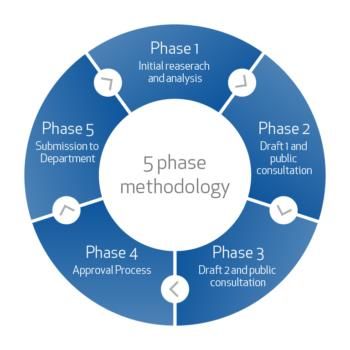
The overall development and consultation process for the MSF Furnishing Training Package review project
is detailed in Appendix 5 and Appendix 6. The process supports extensive engagement opportunities
for industry and other stakeholders throughout the life of the project to inform three drafts prior to
submission of the final product.
The following are highlighted as key components of stakeholder consultation:
• active and ongoing involvement of the Furnishing IRC with regular meetings for discussion of key
project issues and final sign-off for all new and modified content
• establishment of a TAC which met regularly throughout the project, reviewed feedback, provided expert
advice on detailed content, and approved content for consideration by the Furnishing IRC
• two rounds of public consultation and wider industry engagement (in August and October 2018),
through the IBSA Manufacturing website and direct communication with key stakeholders in all states
and territories, including State and Territory Training Authorities.
F u r n i s h in g Ind u s t r y R ef e r en c e Co m m i t t ee ( IR C )
The IRC has been actively involved across the life of the project in the following ways:
• review of the original proposed scope of work and initiation of some minor adjustments to reflect the
latest industry requirements
• oversight of the establishment of the project TAC, including discussion and approval of:
o nomination processes
o eligibility
o terms of reference
o final composition of TAC
• review and approval of all TAC recommendations prior to public consultation periods
• attendance by the Chair, Deputy Chair or IRC sector representative at TAC teleconferences
• specially convened meetings to discuss any contentious issues in response to industry feedback
• final approval of draft components submitted for endorsement.
Refer Appendix 1 for IRC Members and meeting details
Fu r n i s h i n g I RC Ca s e f o r En d or s em en t ( J a n u ar y 20 2 0 )
MSF Fu r n i s h i n g Tr a i ni n g Pa c k a g e Rel ea s e 5 . 017
T e c hn i c a l A d v i so r y C o m m i t te e ( TA C )
The TAC for this project was established to represent each area of work under review:
• interior and exterior commercial and domestic blinds
• awnings
• non-security and security screens and grilles.
TAC members were nominated and selected based on:
• current ‘hands-on’ industry expertise and knowledge in one or more of the above key work areas
• additional specialisation in one or more of the following focus areas:
◦ environmental blinds (solar protection, insulation)
◦ cafe blinds and shade blinds
◦ specialised textiles
◦ roller shutters, louvre shutters, plantation shutters
◦ home automation and improvement products
◦ manufacture, retail and wholesale products and processes
• their individual membership of key related industry associations in order to facilitate and extend project
access to broad industry networks, for example:
◦ Blind Manufacturers’ Association of Australia (BMAA) (David Morris, Jason Lovelock, Jack
McDonald)
◦ Fashionline Group (Adrian Moscheni, TAC Chair)
◦ National Security Screens Association (Shane Hawkins)
◦ Specialised Textiles Association Australia (Ana Drougas).
Regular teleconferences were held during the life of the project commensurate with the scope of the issues
and scope of work.
TAC engagement consisted of:
• Seven (7) TAC teleconferences:
◦ Monday 25 June 2018: Initial teleconference to establish the project, discuss previously
distributed project Briefing Paper, discuss and provide information about current and changing
job roles and skills, and review snapshots of existing content and the extent to which they
reflected current industry practice and national training package requirements
◦ Tuesday 31 July 2018: Review and discuss sample draft material and issues noted in
Feedback Paper
◦ Monday 20 August 2018: review and discuss Draft 1 material, and make recommendations for
Draft 2
◦ Monday 17 September 2018: review collated Round 1 public consultation feedback
◦ Wednesday 24 October 2018: review collated Round 2 public consultation feedback
◦ Wednesday 21 November 2018: review and discuss feedback received from BMAA, Frontline
Group, Australian Blind Industry Training and Employment Initiative
◦ Friday 30 November 2018: review and discuss Draft 2 material, and make recommendations
for final draft
• Teleconferences with individual TAC members to provide input into draft material as required.
• Face-to-face meetings with individual TAC members to discuss project issues:
Fu r n i s h i n g I RC Ca s e f o r En d or s em en t ( J a n u ar y 20 2 0 )
MSF Fu r n i s h i n g Tr a i ni n g Pa c k a g e Rel ea s e 5 . 018
• TAC members available for meetings were; Adrian Moscheni, Shane Hawkins, Wynne Williams, Ana
Drougas
• TAC member review of and responses to project papers:
◦ Briefing Paper (14.6.18) setting out key information on the project, the Case for Change, the
project team, and TAC members’ role.
◦ Discussion Paper (29.6.18) allowing TAC members to match interests and expertise to specific
training product and indicate responses to key high-level questions on the qualification and units.
◦ Feedback Paper (25.7.18) capturing TAC member feedback on early Draft 1 material.
◦ Consultation Papers (13.8.18 and 13.9.18) seeking TAC member feedback on Draft 1 material.
◦ Consultation Paper (21.10.18) seeking TAC member feedback on Draft 2 material
◦ Revised Consultation Paper (21.11.18) integrating late feedback received from BMAA following
feedback close-off period on Draft 2.
◦ Feedback and expressed competing views were dealt with through discussion at TAC meetings
and the resultant TAC recommendations were approved by the IRC.
Refer Appendix 2 for TAC members and meeting details
S t a te a nd Te r r i t o r y T r a i n in g A ut ho r i t i e s
State and Territory Training Authorities (STAs) have been fully briefed throughout the project and were
continually informed of progress throughout the project via face to face meetings and phone calls. They
were also sent email notification at key points.
Refer Appendix 6.1 for State and Territory Authorities and Advisory Bodies consulted.
P u b l i c c on s u l ta t i on a nd w i de r i nd u s t r y en ga ge m e nt
Two drafts of components were made available via the IBSA Manufacturing website in August and October
2018. This included consultation papers highlighting key changes and their rationale.
Stakeholders were alerted to the availability of draft content for public consultation on each occasion as
follows:
• Round One: 29 August to 12 September 2018
• Round Two: 3 October to 17 October 2018
During the period of public consultation, a range of industry consultation meetings and workshops were
conducted by across various states and territories.
Engagement with the Blind Manufacturers’ Association of Australia (BMAA) was undertaken
throughout the project. The development of the Case for Change was guided by BMAA’s Blinds
Awnings and Shutters (BAS) AS National Training Plan 2017-2022. BMAA members were included
on the TAC and the association was also engaged in both rounds of consultation.
Refer Appendix 6.2 Engagement with Blind Manufacturers’ Association of Australia (BMAA)
In Northern Territory (NT) and Western Australia (WA), the respective Industry Training Advisory
Bodies (ITAB’s) conducted industry consultation workshops on behalf of IBSA Manufacturing and
provided industry feedback.
In South Australia (SA) and Tasmania (TAS), the respective State Training Authorities (STA) informed
IBSA Manufacturing that it was a ‘thin market’ and recommended to continue industry engagement via
the industry associations and their members.
Refer Appendix 6.3 for MSF Wider Industry engagement
Fu r n i s h i n g I RC Ca s e f o r En d or s em en t ( J a n u ar y 20 2 0 )
MSF Fu r n i s h i n g Tr a i ni n g Pa c k a g e Rel ea s e 5 . 019 T r a i n i n g pa c k ag e c o mp on en t s ma r k ed f or d e l et i o n This Case for Endorsement proposes the deletion of 5 units of competency. These units are used in the Certificate III in Blinds, Awnings, Security Screens and Grilles only. Deletions have mainly resulted from the need to reduce duplication in the Training Package. It is recommended that these components are deleted at the same time that Release 5.0 of the MSF Furnishing Training Package is published on the national register. C2 Evidence of consultation with relevant stakeholders Furnishing IRC and TAC members support the draft MSF qualification and units of competency and the analysis of the anticipated impact of the change on the industry and on the vocational education and training (VET) sector. IRC members provided extensive direction and assistance in the development of the MSF Version 5 training components. Refer Appendix 4 for IRC Letter of support. Key individual and group stakeholders identified by the Furnishing IRC were consulted in two stages and provided information on the MSF Furnishing Version 5 project and the development of the associated training package components. Refer Appendix 6 for Key Stakeholders Consulted The following diverse consultation strategies were used to ensure that relevant stakeholders were consulted: • face-to-face and telephone meetings and emails to key industry stakeholders • IRC member communications to their relevant industry networks using various methods • emails to State and Territory Training Authorities (STAs) and VET regulators • project progress updates to stakeholders providing information about the progress updates and draft materials posted on the IBSA Manufacturing website throughout the life of the project • TAC meetings – noting that the TAC was made up of 11 members collectively covering the breadth of related skills covered in the Certificate III qualification. The TAC met as a group 7 times in the life of this project, with meeting minutes documented and progressively approved. Note: Despite the above consultation program, late feedback was submitted as a joint response following the final validation of draft MSF training product from BMAA, Frontline Group, Australian Blind Industry Training and Employment Initiative. It expressed concern at limited project consultation and decisions that the Furnishing IRC and project TAC had made with regard to the draft training product. C3 Evidence of engage ment with and a dvice from States and Territories Two comprehensive rounds of industry and RTO consultation was undertaken from 29 August 2018 to 12 September 2018 and 3 October 2018 to 17 October 2018, respectively. Stakeholder feedback was collected, via telephone, face to face meetings and email including sign-off from the Furnishing IRC. State and territory industry stakeholder views were sought on the draft endorsed components and related training and VET policy matters, and all feedback presented to the IRC and TAC during the review and development of the draft endorsed material. All key stakeholder feedback was considered during the consultation periods, and access to draft material was made available to industry stakeholders on the IBSA Manufacturing website project page for industry sector-wide consultation. Five units of competency are being proposed for deletion from the National Register in this Case for Endorsement being submitted to the AISC. They are listed in the Certificate III qualification only. Following the two rounds of industry and RTO consultation, IBSA Manufacturing circulated the MSF Case for Endorsement to all State and Territory Training Authorities on 16 January 2020 for feedback by 30 January 2020. Fu r n i s h i n g I RC Ca s e f o r En d or s em en t ( J a n u ar y 20 2 0 ) MSF Fu r n i s h i n g Tr a i ni n g Pa c k a g e Rel ea s e 5 . 0
20

C4 Co mpeting views
There is a limited number of stakeholders delivering the draft MSF qualification. As detailed below the joint
response from BMAA, Frontline Group, Australian Blind Industry Training and Employment Initiative at
project end was the only alternative view noted in relation to the draft endorsed material during the life of
the project.

C5 Report by E xception
This Report by Exception outlines the concerns of the BMAA, the peak body for the manufacturers of
blinds, awnings, shutters and component suppliers –
The Case for Change to establish this project), was developed in response to the BMAA’s National Industry
Training plan. The plan outlines the need for “the redesign of the Certificate III in BASSG to allow for
greater flexibility and skills integration”; with the plan listing areas like shutter design and automation, as
key areas to be addressed.
Despite this project taking such a responsive approach the BMAA’s documented outline of the industry
need, the President of the BMAA expressed concern that this review of the Certificate III was pre-emptive,
taking place too soon after the last review of the qualification.
It should be noted that the work undertaken in this project was guided by Blind Manufacturers’
Association of Australia (BMAA) National Industry Training Plan. All efforts were taken by IBSA
Manufacturing to address BMAA’s concerns at each stage of the project, as documented in the following
table:

 MSF30919 Certificate III in Blinds, Awnings, Security Screens and Grilles

 TP Component                BMAA                                                IBSA Response
                                                                                 TAC considers the current 18 core and
                             Improve the flexibility of the qualification by     elective units are sufficient to achieve
  1. Total number of
                             maintaining the number of elective units to         the occupational outcomes of this
     required units
                             20, noting a view is for this to eventually be      qualification, and that 18 units are
     for qualification
                             reduced to 15                                       appropriate. No change required to
                                                                                 current qualification packaging.
                             Improve the flexibility of the qualification by
                             reducing the core to 5 units of competency
                             to:
                             • MSFGN3001 Read and interpret work                 No change required to current
                               documents                                         qualification packaging
                             • MSMWHS200 Work safely
                             • MSFGN2001 Make measurements and
  2. Reduce core to
                               calculations
     5 units
                             The below units better reflect the specific
                             learning requirements of individual learners
                             and their employers.
                                                                                 No change required to current
                              • MSMENV272 Participate in
                                                                                 qualification packaging
                                environmentally sustainable practices
                              • MSMSUP102 Communicate in the
                                workplace
                                                                                 TAC reinforced previously confirmed
                             With respect to the configuration of the            decision to remove MSMENV272 should
 3. MSMENV272                current qualification, the industry is              be one of the 5 core units.
    Participate in           especially concerned with the unit
    environmentally          MSMENV272 Participate in environmentally            References to sustainability have been
    sustainable              sustainable work practices:                         embedded in the units as required.
    practices
                             a. It is not in the industry view a core unit       No change required to current
                                                                                 qualification packaging.

Fu r n i s h i n g I RC Ca s e f o r En d or s em en t ( J a n u ar y 20 2 0 )
MSF Fu r n i s h i n g Tr a i ni n g Pa c k a g e Rel ea s e 5 . 0
21
b. It requires students to interpret
environmental laws to identify breaches and
report on environmental incidents.
c. Creating a meaningful consistent outcome
reflective of industry requirements both
d. Current and future based on this unit's
specification is nigh impossible
It is difficult from an instructional design
perspective to create a learning experience
and make it simple and meaningful enough
for learners.
The industry view is for this unit to be
removed from the list of core units, be
retained as an elective unit, and be re-
engineered following effective industry
consultation such as that being undertaken
by the BMAA in relation to other fields of
inquiry and development, e.g. fire rating,
and building standards.
IBSA approved required changes to qual
description:
The qualification description is overly narrow • Add reference to ‘estimate’ in
and restrictive and should read “will provide sentence 1 and delete Sentence 2.
outcomes for those in the window furnishing
industry who required the skills and • Remove reference to ‘interior and
4. Qualification knowledge to design, construct, install and exterior’
Description repair interior and exterior blinds and • Remove reference to ‘for residential
awnings and shutters; and non-security and and commercial premises’
security screens and grilles using a range of
materials, fixtures and fittings for residential • Add reference to ‘shade sails’ in
and commercial premises. sentence 1.
• Remove ‘non-security and security’
before screens and grilles
No change required to current licensing
statement, other than re-ordering the
reference to ‘shade sails’
The current work incorrectly states licensing Wording will be:
5. Licensing
requirements and further understates the
requirements Licensing applies in some jurisdictions
impact of licensing and regulatory change.
for the installation of blinds, awnings,
shade sails, shutters, security screens
and grilles. Local regulations should be
checked for details.
Fu r n i s h i n g I RC Ca s e f o r En d or s em en t ( J a n u ar y 20 2 0 )
MSF Fu r n i s h i n g Tr a i ni n g Pa c k a g e Rel ea s e 5 . 022
Industry advice is for 20 units:
• 3 specialist streams:
• Installation (5 core plus 5 electives)
• Manufacturing (5 core plus 5
6. Change to three electives) No action required to current
streams and total
• Screens and Grilles (5 core plus 5 structure of elective groups
number
electives)
• A generalist stream chosen from 10
relevant competency units relevant
to individual learning requirements
and employee/employer job function
Improve the flexibility of the qualification
7. Include imported units by enhancing the selection and flexibility
No action required to current
in the qualification of packaging of units including from
packaging rules
packaging other qualifications and from other
Training Packages
Ensure the composite skills of the No action required. TAC confirmed
industry are fully articulated including: that current suite of assembly and
i) Manufacturing, making and production installation units cover the required
as opposed to mere assembly skills of industry
No action required. TAC confirmed
that wholesaling, supply and logistics
8. Expand current ii) Wholesaling, supply and logistics
are adequately covered in the
reference to assembly
qualification.
No action required. TAC confirmed
iii) Retail and service including
that retail and service units currently
estimating
listed in qualification are sufficient.
No action required. TAC confirmed
iv) Installation and licensing that current installation units currently
listed in qualification are sufficient.
Increase core units from 5 to 8 to
include:
• MSMENV272 Participate in TAC confirmed its previous decision
environmentally sustainable to remove the 4 listed units
practices (MSMENV272, MSMSUP102,
9. Number of mandatory MEM18001C Use hand tools,
(core) units • MSMSUP102 Communicate in the MEM18002b) from the core.
workplace
No change required to current
• MEM18001C Use hand tools qualification packaging
• MEM18002b Use power tool/hand
held operations
Consider reinstating in core:
TAC confirmed no action required in
• MSMENV272 Participate in relation to MSMENV272,
10. MSMENV272 and environmentally sustainable MSMSUP102.
MSMSUP102 in core practices
No change required to current
• MSMSUP102 Communicate in the qualification packaging.
workplace
Fu r n i s h i n g I RC Ca s e f o r En d or s em en t ( J a n u ar y 20 2 0 )
MSF Fu r n i s h i n g Tr a i ni n g Pa c k a g e Rel ea s e 5 . 0You can also read


