CASTLEMAN DISEASE COLLABORATIVE NETWORK 2019 - 2020 COMMUNITY UPDATE
←
→
Page content transcription
If your browser does not render page correctly, please read the page content below
CA S TLEMA N
DIS EASE
COLL ABOR AT IV E
NET WOR K
2019 - 2020
COMMUNITY UPDATE

                    CDCN 2019-2020 Community Update | 1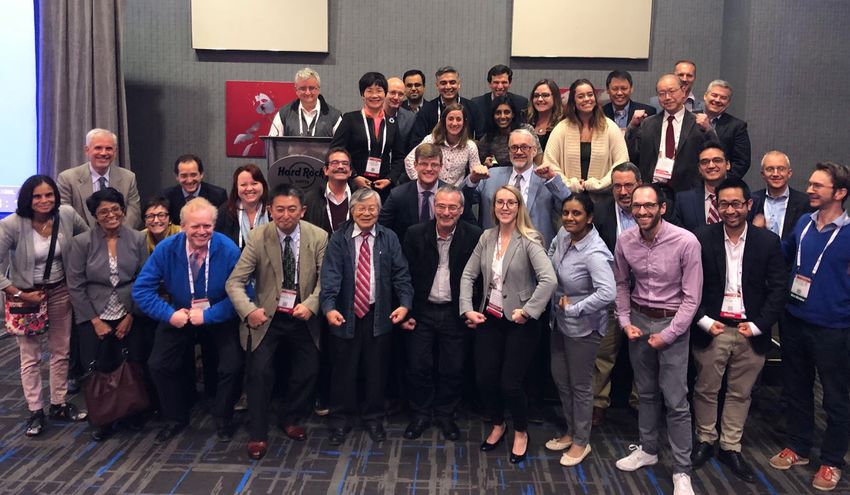
OUR MISSION
The Castleman Disease Collaborative
Network (CDCN) is a global initiative
dedicated to accelerating research and
treatment for Castleman disease (CD) to
improve survival for all patients with CD.
We work to achieve this by facilitating
collaboration among the global research
community, raising funds, strategically
investing in high-impact research, and
supporting patients and their loved ones.

         CDCN 2019-2020 Community Update | 2
DEAR CASTLEMAN DISEASE FAMILY

It is amazing how far we have come together.
When Dr. Frits van Rhee and I started the CDCN in 2012, Castleman disease (CD) was very poorly understood by the medical
community. There were no diagnostic criteria, treatment guidelines, or FDA-approved treatments. And there was no research
infrastructure to change things: no cell lines, registries or biobanks, no federal funding, and no collaborative research network
to advance understanding and treatment.
With support from incredible patients, loved ones, physicians, researchers, volunteers, and donors, we have taken back
momentum in the war against CD. We established the first-ever diagnostic criteria and treatment guidelines for the
most severe subtype of CD (idiopathic multicentric CD, iMCD). We launched a patient registry (ACCELERATE) and
biobank (CastleBank) that allow patients to contribute data and samples and 15 additional high-impact studies that are
using these data and samples. Siltuximab became the first-ever FDA-approved treatment for iMCD in 2014, and CDCN
research recently uncovered ways to identify which patients are likely to improve on it or not. Now, the first clinical trial
for siltuximab non-responders has opened at the University of Pennsylvania and the University of Arkansas for Medical
Sciences. Based on CDCN research, my lab recently received the first-ever federal grant to study iMCD. We continue to
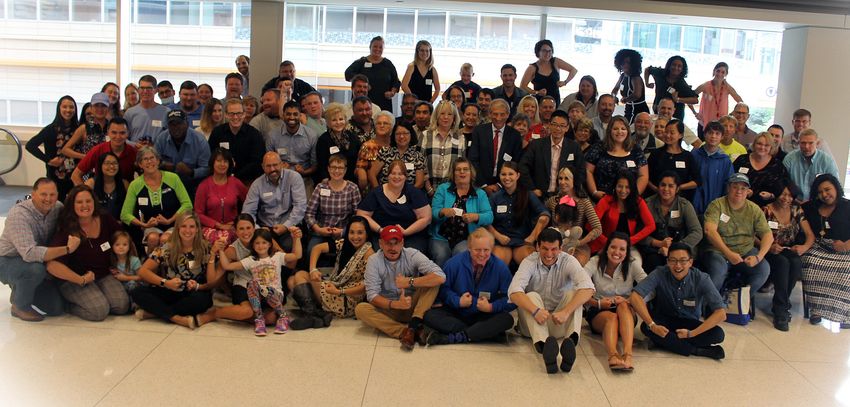
support and connect thousands of patients and loved ones affected by CD through events and online forums. The CDCN’s
innovative “Collaborative Network Approach” and our groundbreaking progress inspired the Chan Zuckerberg Initiative to
partner with the CDCN to spread our approach to other rare diseases.
Despite our progress, much work still remains. Better treatments and cures are urgently needed. And we can’t do it alone.
We need everyone to join together. Patients can fight back by contributing their medical data to the ACCELERATE registry,
giving blood samples for research, and supporting one another. And anyone can donate funding to our life-saving research.
The fight against CD is personal to me—I am also a patient. I was diagnosed with iMCD in my third year of medical
school. I spent 5 months hospitalized in critical condition and had my last rites administered to me when my doctors
thought I wouldn’t survive. While I’ve had multiple life-threatening relapses, with the global CDCN community and
infrastructure, I’m more confident than ever that our work will extend my life and the lives of thousands of others.
Please join us as we spearhead a roadmap to cure CD and other rare diseases and learn more about how your
investment in this cause will help us turn promising research into permanent cures.

Sincerely,

David Fajgenbaum, MD, MBA, MSc, FCPP
Co-Founder & Executive Director, CDCN
Assistant Professor of Medicine, University of Pennsylvania
                                                                                                 CDCN 2019-2020 Community Update | 3
CASTLEMAN DISEASE
               A Complex Puzzle We Can All Help Solve
Every year, thousands of patients suffer from one of the debilitating forms of Castleman disease (CD).
Our focus is on bringing together all those who are working to save and extend the lives of these
patients. The CDCN supports cutting-edge research that is advancing the treatment of this disease on
a global scale. In tandem with this vital research comes the support for those who suffer from CD, as
well as their families and loved ones who are also a part of this journey.

CASTLEMAN DISEASE BEFORE THE CDCN                                      Challenges Within Biomedical Research Community

In 2012, CDCN co-founder Dr. Fajgenbaum returned to medical            • The traditional model for advancing research generally
school after a year of medical leave spent battling CD as a patient.     involves reseach organizations raising funds and then inviting
His first step was to grasp the current state of CD research.            individual researchers to apply to use the funding in any way
He observed major gaps in our knowledge of the disease and               the researchers determine.
uncovered issues that were slowing progress, including:                • Research is not done as part of an overarching strategy.
                                                                       • Projects don’t necessarily build on other projects.
Challenges Within Castleman Disease Research                           • Competition for limited funding prevents collaboration.
                                                                       • Few communication tools exist for researchers to connect
•   Lack of collaboration between physicians and researchers.
                                                                         with one another.
•   Inaccurate information.
                                                                       • Patients are often not included in discussions of research.
•   Absence of consensus criteria for diagnosing CD.
•   Faulty disease model and general misunderstanding of disease.
•   Precious patient samples being stored away in freezers for years   The CDCN strives to create a world where
    with no research.
                                                                       every patient with CD has an effective
Next, Dr. Fajgenbaum studied the rare disease research field           treatment or cure that extends their
alongside Dr. Arthur Rubenstein at the University of Pennsylvania
and found systemic issues within the larger biomedical research
                                                                       survival and improves their quality of life.
community that were also slowing progress for CD research.

                                                                                                    CDCN 2019-2020 Community Update | 4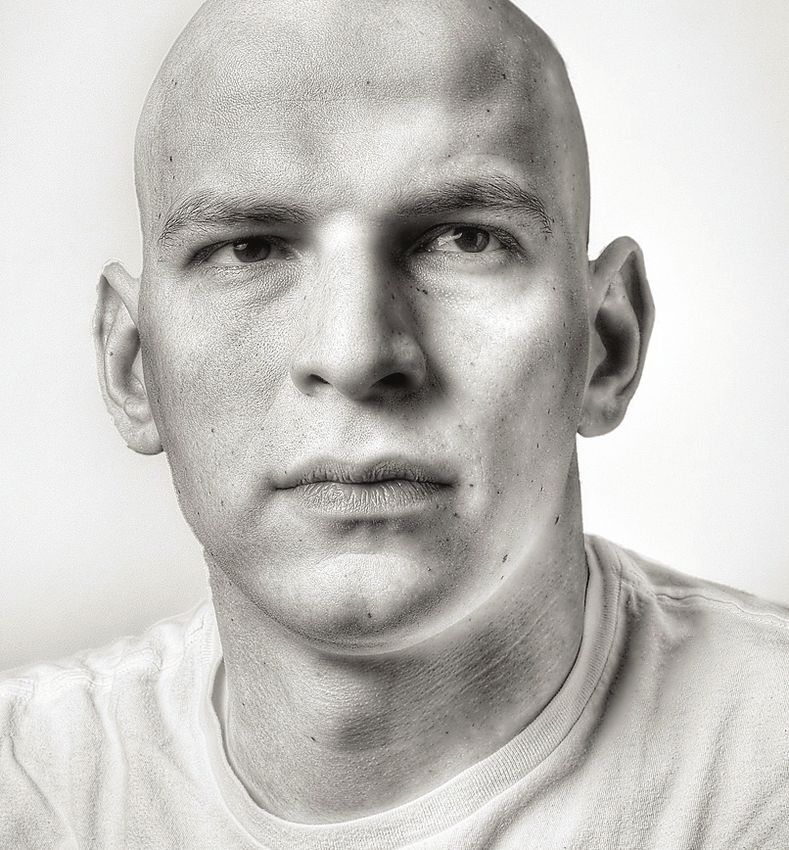
8-STEP APPROACH TO RESEARCH
Out of necessity, focus, determination, and drive, the Castleman Disease Collaborative Network
created an 8-step model that builds community, prioritizes goals, accelerates research, speeds
trials, and disseminates information to patients, specialists, and policymakers. The 8-step
approach to research has served as a model for other grassroots organizations fighting disease.

                                 STEP 1                          STEP 2                       STEP 3
                                 Build A                     Crowdsource/                    Identify Top
                                Community                  Prioritize Research               Researchers

             STEP 8                                                                                                 STEP 4
            Knowledge                                                                                               Fundraise
           Dissemination

                                 STEP 7                          STEP 6                       STEP 5
                               Data Analysis/                      Study                Sample Procurement/
                            Identify Treatments                  Execution               Patient Enrollment

STEP 1: Build A Community                                               STEP 5: Sample Procurement/Patient Enrollment
CDCN has developed a global community of physicians,                    CDCN works with patients and physicians around the world to
researchers, patients, and loved ones to accelerate CD research,        collect the necessary research samples, patient medical data, and/or
treatments, and patient care.                                           enroll patients into drug trials.
• Connected 800+ physicians and researchers                             • Active patient recruitment and participation
• Assembled a Scientific Advisory Board: 30 experts, 7 countries
• Brought together 1200+ patients and loved ones                        STEP 6: Study Execution
                                                                        CDCN assists with all aspects of successful execution of each study.
STEP 2: Crowdsource/Prioritize Research                                 • Establish research agreements
                                                                        • Coordinate contracts among collaborators
CDCN leverages community to crowd-source disease research
                                                                        • Provide project management support
and prioritize studies into the International Research Agenda.
                                                                        • Contribute scientific advice
• Responsive to patient priorities
• Identifies and prioritizes studies
• Supports with funding and resources                                   STEP 7: Data Analysis/Identify Treatments
                                                                        CDCN works with collaborators to ensure rapid analysis.
STEP 3: Identify Top Researchers                                        • Coordinates and synthesizes data
CDCN recruits and engages leading researchers on study                  • Helps generate peer-reviewed papers on study results
priorities.                                                             • Searches for existing drugs that may be effective treatments based
• Aligns researcher skill set with studies                                on research findings
                                                                        • Advances clinical trials of promising drugs

STEP 4: Fundraise                                                       STEP 8: Knowledge Dissemination
CDCN performs targeted fundraising to enable specific studies.          CDCN helps to quickly disseminate findings to researchers,
• Gala events and campaigns                                             physicians, patients and families.
• Individual donations                                                  • Facilitates physician/researcher meetings
• The Castleman Warrior Program                                         • Hosts annual in-person patient summits
• Collaborative foundation and corporate partnerships                   • Shares findings with community, repeating the information cycle

                                                                                                        CDCN 2019-2020 Community Update | 5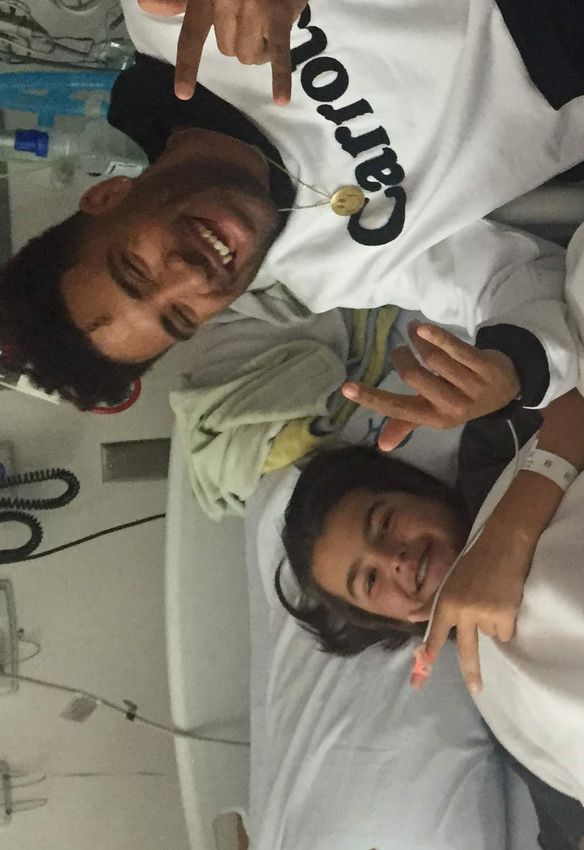
WHAT IS CASTLEMAN DISEASE?
A group of three immune system disorders that share a similar lymph node appearance under the
microscope, but have different symptoms, causes, and treatments.
1. UCD UCD is diagnosed when characteristic features are observed in
a biopsied lymph node and there is only one region of enlarged
unicentric Castleman disease lymph nodes. HHV-8+MCD is diagnosed when characteristic
2. HHV-8+MCD features are observed in a biopsied lymph node, HHV-8 is
detected in the lymph node, and there are multiple regions
HHV-8-associated multicentric Castleman disease
of enlarged lymph nodes. iMCD is diagnosed using the new
3. iMCD CDCN-led criteria (Fajgenbaum et al, Blood, 2017) which
HHV-8-negative/idiopathic multicentric Castleman disease requires characteristic features in the biopsied lymph node,
negative HHV-8 testing, multiple regions of enlarged lymph
nodes, specific clinical abnormalities, and exclusion of diseases
As Deadly As Cancer 5-YEAR MORTALITY RATE that can mimic iMCD.1
MULTICENTRIC HOW IS CASTLEMAN DISEASE
CD
NON-HODGKIN
RELATED TO THE IMMUNE SYSTEM?
LYMPHOMA
MCD A healthy immune system involves a complex and interconnected
network of cells and inflammatory proteins called cytokines
which signal for the immune system to become activated when
HODGKIN needed. Lymph nodes are the home base for immune cells to
LYMPHOMA communicate with one another and coordinate their attack on
BREAST foreign invaders.
CANCER
PROSTATE
CANCER In CD patients, these inflammatory cells become activated and
produce excess cytokines, particularly Interleukin-6 (IL-6). The
35% 30% 14% 11% 1%
excess cytokines can lead to flu-like symptoms, lymph node
enlargement, and dysfunction of vital organs including the liver,
kidneys, and bone marrow.
COMMON CASTLEMAN DISEASE SIGNS AND SYMPTOMS
LIVER DYSFUNCTION FLUID ACCUMULATION
May include an enlarged liver, low albumin, and fluid Low albumin levels cause edema, pleural effusions, and
accumulation ascites (fluid in belly)
FLU-LIKE SYMPTOMS ELEVATED C-REACTIVE PROTEIN LEVELS
Such as fevers, night sweats, fatigue, and weight loss A marker of inflammation and CD activity
ANEMIA VERY LOW PLATELETS OR VERY HIGH PLATELETS
Low red blood cells or low hemoglobin Tiny blood cells that help your body form clots to stop bleeding
KIDNEY DYSFUNCTION LYMPH NODE
Can contribute to low albumin; is reflected by elevated • Enlargement of lymph nodes in multiple regions in MCD
creatinine • Enlargement of lymph nodes in only one region in UCD
HYPERGAMMAGLOBULINEMIA
Elevated antibodies in the blood
CDCN 2019-2020 Community Update | 6
3 SUBTYPES OF CD

                                                       UNICENTRIC                                               HHV-8-ASSOCIATED                            IDIOPATHIC MULTICENTRIC
                                                    CASTLEMAN DISEASE                                           MULTICENTRIC CD                                CASTLEMAN DISEASE
                                                          (UCD)                                                   (HHV-8+MCD)                                        (IMCD)

% OF CASES                                    50%                                                         25%                                              25%

                                              Enlarged lymph node(s) in one                               Multiple regions of                              Multiple regions of
REGIONS AFFECTED
                                              region                                                      enlarged lymph nodes                             enlarged lymph nodes

COMMON AGE OF                                 Mostly children and young adults,
                                                                                                          Can occur at any age                             Can occur at any age
DIAGNOSIS                                     but it can occur at any age

GENDER                                        Slightly more common in females                             More common in males                             Slightly more common in males

                                              Usually has no symptoms, but there                          Wide range from mild flu-like                    Wide range from mild flu-like
                                              can be discomfort associated with                           symptoms to severe episodes of                   symptoms to severe episodes of
SYMPTOMS                                       an enlarged lymph node and                                 sepsis-like, life-threatening organ              sepsis-like, life-threatening organ
                                              occasionally MCD-like symptoms                              failure and death                                failure and death

                                                                                                          HHV-8 triggers the disease, and
                                              Unknown                                                     patients are often already                       Unknown
CAUSES
                                                                                                          immunocompromised (e.g., from
                                                                                                          HIV or organ transplantation)

                                              Surgery. Some patients may require                                                                           Guidelines recommend anti-IL-6
                                              treatments used primarily for MCD                           Can be controlled well with B-cell               therapy (e.g., siltuximab,
                                              if removal of the lymph node is not                         depletion therapy with rituximab,                tocilizumab) with or without che-
TREATMENT
                                              possible. UCD patients with                                 but cytotoxic chemotherapy is                    motherapy (e.g., cyclophosphamide,
                                              paraneoplastic pemphigus need                               sometimes also needed.                           rituximab) and/or immunosuppres-
                                              additional treatments.                                                                                       sants, if needed.4

                                                                                                          With close monitoring, less                      Common, but varies depending on
CHANCE OF RELAPSE                             Rare
                                                                                                          common than iMCD                                 treatment used

                                              With surgical removal, most patients
                                              are cured and will never have a                             None yet. We need your help to                   None yet. We need your help
CURE
                                              recurrence. There are no reported                           find it!                                         to find it!
                                              cases of UCD turning into MCD.

                                                                                                          65%3 - 1 in 3 patients with MCD
                                              95%2 - 1 in 20 patients die within 5                        die within 5 years (study did not
                                                                                                                                                           65%5 - 1 in 3 patients with MCD
                                              years. Most UCD deaths are in                               separate into HHV-8-positive
                                                                                                                                                           die within 5 years (study did not
5-YEAR SURVIVAL RATE                          patients who are also diagnosed                             or negative), but new data shows
                                                                                                                                                           separate into HHV-8-positive or
                                              with paraneoplastic pemphigus                               a 90% 5-year survival rate for
                                                                                                                                                           negative).
                                              or a blood cancer.                                          HHV-8-positive MCD patients
                                                                                                          treated with rituximab.

1 Fajgenbaum DC, Uldrick TS, Bagg A, et al. International, evidence-based consensus diagnostic criteria for HHV-8-negative/idiopathic multicentric
  Castleman disease. Blood. 2017;129(12):1646-1657.
2 Talat N, Belgaumkar AP, Schulte KM. Surgery in Castleman's disease: A systematic review of 404 published cases. Ann Surg. 2012;255(4):677–684.
3 Bower M, et al. Clinical features and outcome in HIV-associated multicentric Castleman’s disease. J Clin Oncol. 2011;29 (18):2481–2486.
4 van Rhee, F., Voorhees, P., Dispenzieri, A. et al, International, evidence-based consensus treatment guidelines for idiopathic multicentric Castleman   CDCN 2019-2020 Community Update | 7
  disease. Blood. 2018;132:2115-2124.
5 Dispenzieri A, et al. The clinical spectrum of Castleman’s disease. Am J Hematol. 2012;87:997–1002.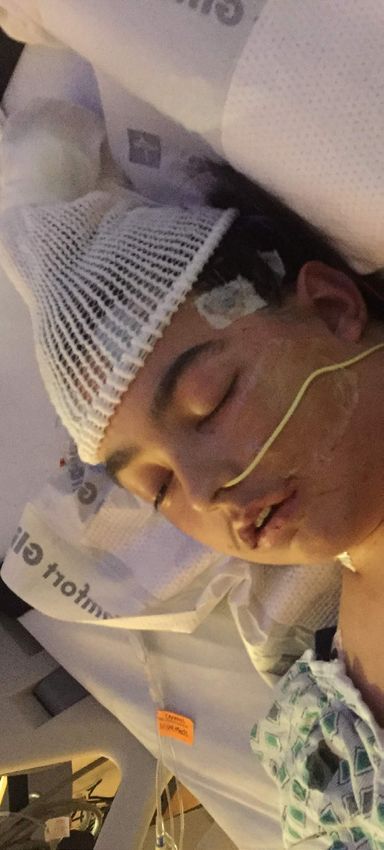
LEADERS AMONG OUR GLOBAL
RESEARCH NETWORK

                         Angela Dispenzieri                                                           Alexander Fossa
                                                                                                      Oslo, Norway
                         Rochester, MN
                                              Elaine Jaffe
                                              Bethesda, MD

                                                                 David Fajgenbaum
                                                                 Philadelphia, PA

   Thomas Uldrick
   Seattle, Washington                                       Frits van Rhee
                                                             Little Rock, Arkansas

OVER    800
CD RESEARCHERS
AND PHYSICIANS

                                                                               CDCN 2019-2020 Community Update | 8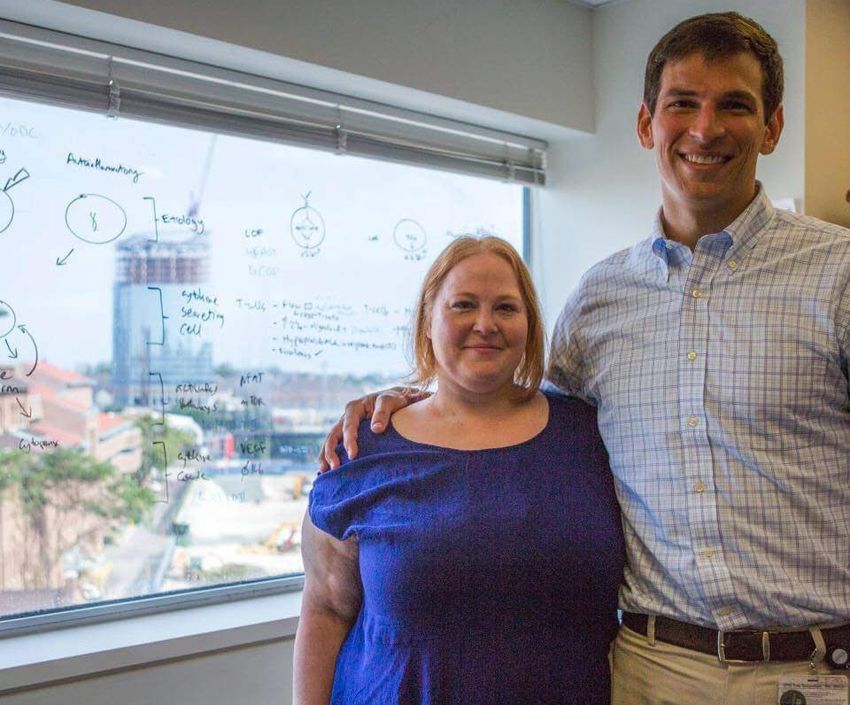
Pier Luigi Zinzani
                     Lu Zhang
Bologna, Italy
                     Beijing, China

                                       Kazuyuki Yoshizaki
                                       Osaka, Japan

                                      IN OVER               64
                                      COUNTRIES ALL
                                      OVER THE WORLD

                                                              David Simpson
                                                              Auckland, New Zealand

                                       CDCN 2019-2020 Community Update | 9
RESEARCH PIPELINE
The causes of Castleman disease are still unknown, but thanks to the CDCN’s global network of
physicians, scientists, and patients, progress has been made to uncover the framework and several
components of Castleman disease. The CDCN continues to study Castleman disease to help uncover what
is occurring in patients to find better treatments and diagnostic tests in order to continue saving lives.

                                  In a healthy person’s body, inflammatory proteins called cytokines are released when an
What is the cause of              infection is detected and return to normal once the infection subsides. In CD patients, there
the immune system                 is an excessive release of cytokines that occurs for an unknown cause. The elevated cytokines
 hyperactivation in               cause immune cells to multiply which leads to CD symptoms. We suspect this immune system
                                  hyperactivation is caused by an inherited genetic mutation, a genetic mutation acquired during
Castleman disease?                the course of life, autoimmune mechanisms, and/or an unidentified infection.

                                  In CD, immune system hyperactivation leads to the release of cytokines. We do not yet
What type of immune               know which immune cells are responsible for prompting the immune hyperactivation. Our
 cells are activated?             early research findings suggest that T lymphocytes, B lymphocytes, and follicular dendritic
                                  cells may be playing important roles in the onset of CD.

                                  In order for immune cells to produce cytokines, communication lines called pathways must
What pathways in the              be activated. We don’t know which cellular pathways are activated in CD, but we are
 cells are activated?             working hard to uncover these dysfunctional cellular pathways.

  What factors are                We know a few cytokines that play an important role in CD, such as Interleukin-6, but we
  released by the                 suspect that other cytokines may also be involved. We are striving to uncover the immune
                                  factors released in CD to ultimately find better treatments and diagnostic tests in order to
 activated immune
                                  save lives.
       cells?

  What treatments                 While we know of a few treatments that are helpful for CD patients, including one
are most effective at             FDA-approved drug for idiopathic multicentric CD (siltuximab), these treatments, unfortu-
                                  nately, do not help all patients. We are working to find new and more effective treatments for
stopping Castleman
                                  CD patients that don’t benefit from existing options.
      disease?

                                                                                           CDCN 2019-2020 Community Update | 10
RESEARCH HIGHLIGHTS
The CDCN has been working hard to prioritize and conduct high-impact research for Castleman
disease since 2012. Check out a few of our recent publications below:
•• The first-ever International Diagnostic Criteria for idiopathic multicentric CD
Published in the journal Blood, 2017
•• The first-ever International Treatment Guidelines for idiopathic multicentric CD
Published in the journal Blood, 2018
•• The SPEED-I (Serum Proteomics Evaluation for Etiology and Pathogenesis Data I) Study
Published in the American Journal of Hematology, 2018
This study examined 1,129 proteins to investigate which ones may play a role in Castleman disease.
•• The discovery of mTOR as a novel therapeutic target in iMCD
Published in the Journal of Clinical Investigation, 2019
This study identified mTOR as a new drug target and sirolimus as a possible new treatment.
RESEARCHER PROFILE
Minji Byun, PhD
Dr. Minji Byun is an Assistant Professor of Medicine at the
Icahn School of Medicine at Mount Sinai who has dedicated
a significant portion of her early career to researching
Castleman disease. Using a special technique called “whole
genome sequencing,” her research looked at the complete set
of genetic material in 14 CD patients to see if there was any
common genetic defect among patients with CD. Her first
publication from her research described a mutation in the FAS
gene in a family who had multiple members with CD. She is
now performing further experiments looking at other genes
identified from her whole genome sequencing data.
In the true spirit of collaborative research, Dr. Byun made the
whole genome sequencing data from the CD patients in her
study publicly available. This means that any researcher, with
proper ethical approval from their institution, can use the data
to conduct their own research to learn even more about CD.
All of the data is de-identified and does not contain personal
information like names, birthdates, or addresses.
Dr. Byun’s research was funded in part by the CDCN’s
Castleman Warriors, a group of CD patients dedicated
to raising money for Castleman disease research. Many
patients and family members also contributed samples to this
research. We hope that studies like this will continue to inspire
researchers, Castleman Warriors, and the greater community
to continue to participate and help in the fight against CD.
CDCN 2019-2020 Community Update | 11FACES OF CD
Katie Repasky, Survivor
Katie has been battling Castleman disease since she was 18 months old. She at times has
had a very difficult battle with her disease, and has undergone several procedures and
hospitalizations including multiple surgeries that attempted to remove the grouping of
affected lymph nodes. At the time of Katie’s diagnosis, there were no clear answers to many
questions and there was not a great deal of in-depth data or research available, making the
battle for a solution very difficult.
Today she is on sirolimus, which has dramatically improved her quality of life and given
her some of her childhood back. The drug is currently being evaluated in a clinical trial as
a possible CD treatment, but so far has dramatically and successfully kept Katie’s favorite
person (Dr. David) in remission for over 5 years. Since starting sirolimus, Katie has
remained relatively stable, though, with a weakened immune system, she remains vulnerable.
Victoria Humphries, Survivor
Victoria was diagnosed with idiopathic multicentric Castleman disease with TAFRO syndrome in
January of 2016. At the time of her diagnosis, she struggled with many overwhelming emotions:
grief, shock, anger, fear, frustration, and loneliness. What scared her the most was a statistic
listing a five-year survival rate for patients with idiopathic multicentric Castleman disease. She
found the CDCN through an initial search for information on Google.
It was not until she was hospitalized that she learned the true value and importance of the
CDCN in her life and battle with CD. Dr. David Fajgenbaum reached out to her family offering
insight, understanding, information, and help that would get Victoria the best care she could
have. Treatment with siltuximab led to a rapid improvement in her health. She has since joined the
Warrior team which gives her a sense of fighting back, doing her part to help find a cure, and the
ability to help other patients.
CDCN 2019-2020 Community Update | 12Yankee McKinnon,
Survivor
Before Yankee was diagnosed with Castleman
disease, she considered herself to be super happy
and carefree. But she had a harder and harder time
keeping weight on, and she felt constantly fatigued.
In early 2018, she became unable to walk and had
a high fever, and she was immediately admitted to
the hospital. Shortly after her diagnosis, she was
connected to the CDCN and Dr. Frits Van Rhee,
who treated her with siltuximab and helped her to
get her life back. With her husband and family at her
side, Yankee says she has the support she needs to
be a Castleman Warrior.
Yankee says that finding the CDCN and the people
associated with the organization was a blessing and
she thinks it’s important for everyone to advocate
for themselves and join the amazing CDCN team.
“We share our good days and bad days,” she says.
“We support each other, laugh and cry. We are not
alone, we are fighting our battles together every
day. I have a mission to be strong and to continue to
support my Warriors—to live! We might lose some
battles, but we will win the war!”
Joey Incorvia, Survivor
Joey was diagnosed with idiopathic multicentric Castleman disease with
TAFRO syndrome in October of 2018. He was hospitalized for almost
3 months at Children’s Hospital of Philadelphia with kidney injury, an
enlarged spleen and liver, fevers, and fluid retention in his abdomen. The
Children’s Hospital team reached out to Dr. David Fajgenbaum who was
able to help them get a definitive diagnosis and advise on a treatment plan
right away, which included sirolimus and led to significant improvement.
Joey’s family was able to connect to the CDCN team within an hour
of Joey’s diagnosis. His parents encourage anyone and everyone to get
involved and provide support to the organization and all the good work they
do. Joey’s family says that the CDCN “continues to be a great source of CDCN 2019-2020 Community Update | 13
information, hope, and comfort for us.”Ryan Hoke, Survivor
When Ryan first became ill, he had lost a lot
of weight and was fighting what appeared to
be a severe lung/sinus infection. He was twice
admitted to the hospital with severe stomach
pain, prompting misdiagnoses from pancreatitis
and fibromyalgia to lymphoma. A battery of
blood tests followed, and he was later informed
that what he was suffering from was Castleman
disease. In searching for answers and more
information about Castleman disease, he found
the CDCN.
He learned about the CDCN patient summit
and decided to make the trip to Philadelphia
to learn more. There he met other patients for
the first time, and witnessing a group of people
working hard to find out more about the disease
gave him a renewed sense of hope. “After my first
patient summit trip, I felt like I would survive this
disease,” Ryan says. “I had hope because I was
taking the steps to fight it and working with an
organization that was fighting alongside me.”
Gary Gravina, Survivor
Before Castleman disease entered his life, Gary was a healthy, active guy, with a
background in the military and 27 years as a carpenter. In just a few days, he says,
Castleman disease had him on a ventilator struggling to breathe and fighting for his life.
The fight from the hospital room back to a life he can enjoy was the hardest he has ever
known. And he credits Dr. David Fajgenbaum and the CDCN as being directly
responsible for the diagnostic criteria that his doctors used to diagnose his CD, which
started him on the path toward treatment and recovery.
“As a former Marine, I know what it’s like to volunteer for something that could kill me,”
says Gary. “What I’d never experienced was volunteering for something that could save
my life, and it was David and the CDCN who first offered me the opportunity to do that.”
CDCN 2019-2020 Community Update | 14CSTL: CASTLEMAN DISEASE CENTER
AT THE UNIVERSITY OF PENNSYLVANIA
Co-Founder of the CDCN, Dr. David Fajgenbaum, recently started the Center for Study & Treatment
of Castleman & inflammatory Lymphadenopathies (CSTL) at the University of Pennsylvania, the first
Center integrating top-notch clinical care, clinical trial opportunities, and basic, translational, and
clinical research. Drs. Adam Cohen and Sunita Nasta provide world-class patient care. The Center is
leading a clinical trial of a new treatment for idiopathic multicentric Castleman disease called sirolimus.
Patients have the opportunity to contribute samples to cutting-edge research through Castlebank and
their data from medical records to the ACCELERATE Registry. Dr. Fajgenbaum is proud to lead the
Center as both a physician-scientist and patient to advance treatments and cures for Castleman disease.
The CSTL includes a number of dedicated researchers at various stages of their careers that dedicate their
time and resources to better understanding and treating Castleman disease. Information about a few of
the immunology researchers in the CSTL currently working on Castleman disease is provided below.
UNIVERSITY OF PENNSYLVANIA RESEARCHERS
Dr. Taku Kambayashi is an immunology expert who became involved with Castleman disease research after the
CDCN was established in Philadelphia. His research has involved helping to find out if there is a common change
in an inflammatory gene among patients with CD and will help learn if there are genetic causes for CD. He also is
investigating the role of a key immune cell called a T-cell in CD.
Ruth-Anne Langan is a PhD student in immunology who is co-mentored by Drs. Fajgenbaum and Kambayashi. Her
exciting research uses a special technique called single-cell RNA-sequencing aimed to identify cell types and pathways
that can be targeted for new treatments.
Ruth-Anne has also been working closely with Dr. Alberto Japp, a postdoctoral immunology researcher who was
inspired to research CD after meeting Dr. Fajgenbaum. His research focuses on autoimmune disorders and about how
the immune system may be playing a role in CD. The CDCN has been excited to see the progress that this collaborative
team has made so far, and hopes that the interdisciplinary Center will continue to inspire collaboration between
researchers across various stages of development.
CDCN 2019-2020 Community Update | 15JOIN THE FIGHT AGAINST CD
Contribute medical data to the
ACCELERATE Natural History Registry
The CDCN launched ACCELERATE, the first-ever global patient registry for CD,
in 2016 to combine anonymous medical data from hundreds of patients to uncover
patterns, better understand CD, and improve treatment. We need more patients to
enroll! Patients can enroll themselves online in 15-20 minutes. Deceased CD patients
can also be enrolled by their surviving family members. For more information and to
enroll online, visit: www.cdcn.org/accelerate or call 215-349-5713.
Donate your samples to research through the
CastleBank
A shortage of blood and lymph node samples from patients is slowing down research.
The CDCN launched CastleBank to make it easy for patients to share their blood
samples or excess lymph node tissue samples (from a clinical procedure) for research
in order to find cures for Castleman disease. The CDCN covers all shipping and all
logistics. Patients consent to providing samples by telephone or email. If you are newly
diagnosed, experiencing active symptoms, or have a lymph node biopsy scheduled,
please email info@castlemannetwork.org or call 267-586-9977. You can also express
your interest in contributing samples in the future at www.cdcn.org/samples.
Donate to the CDCN!
Everyone can join the fight by donating to high-impact research.
• Donate to life-saving research online at www.cdcn.org/donate-here
• Prefer to send a check by mail? Make out to: “CDCN” or “Castleman Disease
Collaborative Network” and send to:
Castleman Disease Collaborative Network
P.O. Box 3614
Paso Robles, CA 93447
• EIN 37-1510354
• Questions? Call 610-304-0696 CDCN 2019-2020 Community Update | 16PATHWAY TO A CURE
The CDCN has several priorities for 2019-2020, which guide the path to a cure for Castleman disease.
1 Patient Engagement
A core mission of the CDCN is to support, empower, and educate patients and loved ones affected by CD. From
our annual Patient Summit that brings together the CD community to our 24/7 patient and loved ones support
phone, we do everything we can to help CD patients.
2 Collaborative Research
The CDCN works to prioritize, facilitate, and execute collaborative research with expert physicians and
researchers from around the world. CD experts are currently spearheading over 15 studies and are collaborating
to write the first-ever diagnostic criteria and treatment guidelines for unicentric CD.
3 ACCELERATE Registry and CastleBank Biobank
Our goal is to enroll 100 patients into the ACCELERATE registry and collect 100 samples from CD patients
each year. Data and samples collected in ACCELERATE and the Biobank are thoughtfully used for high-impact
research studies.
4 Events and Campaigns
We strive to lead events and campaigns to raise $200,000 per year to support CD research. Our campaigns
include World CD day, our annual Quest for a Cure event, and many more.
5 Physician Engagement
The CDCN leads the effort to educate the worldwide medical community about CD and identify experts in CD for our
referral list. We ensure that the most accurate information about diagnosing and treating CD is available on physician
education platforms so that physicians have access to the best medical practices when treating CD patients.
6 Supporting Clinical Trials
In Summer 2019, the University of Pennsylvania launched the first USA clinical trial in over 5 years for a new
treatment for CD, sirolimus. Patients with treatment-refractory idiopathic multicentric CD can enroll at the
University of Pennsylvania and the University of Arkansas for Medical Sciences.
Email CDtrial@pennmedicine.upenn.edu or call 267-586-9977 for more information.
7 Individual and Corporate Partners
We foster relationships with individual donors and corporate partners to raise $200,000 per year for CD research.
We strive to deepen and expand these relationships so that we can continue to fund life-saving CD research.
8 Communications
The CDCN focuses on leveraging communication outlets to support our 2019-2020 goals. We work hard to share our
amazing progress with the community.
9 Volunteer Engagement
Our organization was started and built by an incredible group of hard-working volunteers, and we continue to
recruit and retain top talent and volunteers to support the mission of the CDCN.
10 Expanding the CDCN’s Approach to Other Rare Diseases
The CDCN has partnered with the Chan Zuckerberg Initiative (CZI) to build a set of tools to help share our
Collaborative Network Approach with other rare disease research organizations. We hope that our partnership
and work with CZI will help accelerate research for Castleman disease and other rare diseases.
CDCN 2019-2020 Community Update | 17CDCN
LEADERSHIP
Frits van Rhee
David Fajgenbaum Mary Zuccato MD, PhD
MD, MBA, MSc MBA Co-Founder & Co-Chair of
Co-Founder & Executive Director Chief Operating Officer Scientific Advisory Board
Jason Ruth Mileva
DustinRepasky
Shilling Sheila Pierson Sophia Parente Daniel Arenas
PhD MSPhD MS Chief of Staff PhD
Chief Scientific Officer Chief Patient
Senior & Development
Scientific Advisor Officer Director of Registry Enrollment Biomedical Leadership Fellow Biomedical Leadership Fellow
Raj Jayanthan Colin Smith CDCN 2019-2020 Community Update | 18
Rozena Rasheed Patty Prazenica MD PhD
Caitlin Fajgenbaum
Biobank Coordinator Co-Director of Development Senior Patient Engagement Advisor Director of Collaborative Research Strategic Communications AdvisorBoard of Scientific Advisory
Directors Board
In 2012, the CDCN merged with Castleman’s Awareness & Research Effort The CDCN’s first priority was to assemble the top global experts on CD onto
(CARE), which was founded in 2007 and laid the groundwork for their a Scientific Advisory Board that sets the overall direction of the CDCN and
combined success. The CDCN Board of Directors is led by several members prioritizes research. Currently, the CDCN includes members representing
of the original CARE Board as well as new members: seven countries, including the United Kingdom, United States of America,
Norway, Japan, France, New Zealand, and China.
Greg Pacheco, Co-Founder of CARE & Board President of CDCN; Vice
President of Operations at BH & TF Inc. Greg is a CD survivor. Corey Casper, MD, MPH; University of Washington
JC Diefenderfer, Board Vice President; Winemaker at Hope Family Wines; Amy Chadburn, MD, FCAP; Cornell University
JC is a close family friend of Greg Pacheco’s and was a member of the Shanmuganathan Chandrakasan, MD; Cincinnati Children’s Hospital
founding Board. Angela Dispenzieri, MD; Mayo Clinic
Charlyn Pacheco, Co-Founder of CARE & Board Secretary of CDCN; Kojo Elenitoba-Johnson, MD; University of Pennsylvania
Charlyn is Greg Pacheco’s wife and has helped to lead several CD fundraising David Fajgenbaum, MD, MBA, MSc, FCPP; CDCN, University of Pennsylvania
efforts in Paso Robles, CA. Alexander Fossa, MD, PhD; Oslo University Hospital
Michael Stief, Board Treasurer; Operations Manager at Black’s Hatchery & Makoto Ide, MD, PhD; Takamatsu Red Cross Hospital, Japan
Turkey Farm; Michael is a close family friend of Greg Pacheco’s. Elaine Jaffe, MD; National Institutes of Health
Kim Driscoll, Board Member & Founder of the inaugural ELYSESTRONG Vera P. Krymskaya, PhD, MBA; University of Pennsylvania
Roar for a Cure; Kim is the mother of Elyse Driscoll, who sadly passed away Razelle Kurzrock, MD; UC San Diego Moore’s Cancer Center
battling CD when she was only 13 years old. Mary Jo Lechowicz, MD; Emory University
David Fajgenbaum, MD, MBA, MSc, FCPP; Board member; Co-Founder Megan Lim, MD, PhD; University of Pennsylvania
& Executive Director of the CDCN; Assistant Professor of Medicine in the Ivan Maillard, MD, PhD; University of Pennsylvania
Division of Translational Medicine & Human Genetics at the University of Nikhil Munshi, MD; Harvard University
Pennsylvania; David is a CD survivor. Sunita Nasta, MD; University of Pennsylvania
Bette Jacobs, PhD; Board member; Professor of Health Systems Eric Oksenhendler, MD; Hôpital Saint-Louis in Paris, France
Administration at Georgetown University; Distinguished Scholar and Co- Jean-Francois Rossi, MD, PhD; University Hospital of Montpellier, France
Founder at the O’Neill Institute for National and Global Health Law; Fellow Arthur Rubenstein, MBBcH; University of Pennsylvania
and Visiting Professor at Campion Hall at University of Oxford Jason Ruth, PhD; Director of Translational Research at the CDCN
Kevin Silk, JD; Board member; Associate, Dechert LLP Steve Schey, MD; King's College Hospital
David Simpson, BHB, MBChB, FRACP, FRCPA; North Shore Hospital, NZ
Advisory Council Members Gordan Srkalovic, MD, PhD; Michigan State University
Matthew Streetly, MD; King's College Hospital
Marjorie Raines, Former Executive Vice President and Chief Investment Tom Uldrick, MD, MS; National Institutes of Health
Officer at The Chubb Corporation Peter Voorhees, MD; UNC Comprehensive Cancer Center
Marc Brownstein, President and CEO of the Brownstein Group Frits van Rhee, MD, PhD, MRCP (UK), FRCPath; CDCN, University of
Laura Bessen-Nichtberger, Former Executive at Bristol-Myers Squibb and Arkansas
Medical Doctor Raymond Wong, MBChB, MD, MRCP(UK), FHKCP, FHKAM(Medicine);
Bernie A. Prazenica, President and GM of WPVI-TV/6abc Philadelphia Hong Kong
Ryan Hummel, Executive at Vynamic David Wu, MD; University of Washington
Tony Forte, Partner, Saul Ewing LLC Kazuyuki Yoshizaki, MD, PhD; Osaka University, Japan
Leadership Team
The CDCN has made major strides with the guidance of a leadership team
composed of more than 35 patients, loved ones, medical students, recent MD
graduates, PhD students and recent graduates, and MBA students and recent
graduates.
Special Thanks
Marjorie Raines
Glen de Vries & Medidata Solutions
Elana Amsterdam
Christopher Barillas, Kaarina Mackenzie & Athena Global Advisors
And all of the amazing patients, loved ones, physicians, researchers, and
donors who are part of this fight. CDCN 2019-2020 Community Update | 19CASTLEMAN DISEASE
COLLABORATIVE NETWORK
Registered 501(c)(3) non-profit
CDCN 2019-2020 Community Update | 20You can also read


