Celebrating Polish Culture - Coming Together presents Book Selections & Events: January - April 2019 - Coming Together in Skokie & Niles ...
←
→
Page content transcription
If your browser does not render page correctly, please read the page content below
Coming Together
                                  presents

  Celebrating
Polish Culture
   Book Selections & Events: January - April 2019
HIGHLIGHTED BOOKS
              The Best Polish Restaurant in Buffalo By William Kowalski
              A masterful blend of historical and modern fiction by a best-sell-
              ing, award-winning author, The Best Polish Restaurant in Buffalo
              chronicles a century of life in America for one humble Polish farm
              girl and three generations of her descendants in Buffalo, NY.

              Anna and the Swallow Man By Gavriel Savit
              When her college professor father is sent by the Gestapo to a
              concentration camp, seven-year-old Anna travels the Polish
              countryside with the mysterious Swallow Man during
              World War II.

              The Weight of Water By Sarah Crossan
              Armed with a suitcase and an old laundry bag filled with clothes,
              Kasienka and her mother head for England. Life is lonely for both
              of them. When someone special swims into her life, Kasienka
              learns that there might be more than one way for her to stay
              afloat. The Weight of Water is a startlingly original piece of fic-
              tion: it also tackles the alienation experienced by many young
               immigrants.

              The Glass Mountain: Tales from Poland By Jan Pienkowksi,
              translated by David Walser
              Dragons and kings, frogs and spells, witches and mermaids; all
              the hallmark characters of traditional Polish fairy tales are found
              in this magical collection. Artist Pienkowski draws on a distinctive
              cut-paper technique learned as a child in Poland to produce
              dramatic and vibrant illustrations for eight time-honored stories.

                         Ignaś- The Boy with the Colorful Head By Anna
                         Mycek-Wodecki (English and Polish)
                         This delightful story will introduce children to the Pol-
                         ish language and a touch of Polish history about one of
                         the country’s best known cultural assets.
                         Mycek-Wodecki has written several children's books
                         translated into seven languages: Minutka the Bilingual
                         Dog series as well as How Would It Feel?, which she
                         illustrated.

2 Celebrating Polish Culture
ABOUT THE AUTHOR

            William Kowalski is the best-selling, award-winning
            author of seven novels and seven Rapid Reads (shorter
            works for beginning adult readers of English). His first
            novel, Eddie's Bastard, won the 1999 Rosenstein Award,
            the 2001 Ama-Boeke Prize, and occupied the #5 spot on
            the Times of London bestseller list. He has been nomi-
            nated three times for the Ontario Library Association's
            Golden Oak Award. His books have been translated into
            fifteen languages. He is also the founder of My Writing
            Network (https://mywriting.network), an organization
            dedicated to providing free websites and community
            support to emerging authors of all types and back-
            grounds.

            Visit him online at williamkowalski.com.

EMCEE

            Alan Krashesky has reported and shared major news
            stories with Chicago viewers for more than 36 years.
            The veteran news anchor and reporter co-anchors three
            of ABC 7's top-rated weekday newscasts: 5 PM, 6 PM
            and 10 PM. Krashesky's reporting in Chicago and abroad
            has earned high praise. He is considered one of the top
            reporters in the market to cover major domestic and
            international stories. His local reporting has earned a
            number of Chicago Midwest Emmy Awards. In addition
            to his career accomplishments, Krashesky has a long
            and outstanding history of volunteering his personal
            time to community service. He serves as a mentor for
            students interested in broadcast journalism and is a
            local spokesperson for Alzheimer's disease. He is also
            a member of the Chicago Midwest Chapter of the Na-
            tional Academy of Television Arts and Sciences and the
            Chicago Headline Club Chapter of the Society of Profes-
            sional Journalists.

                                                                  3
WELCOME LETTERS
Dear Community Members,

This year we are thrilled to celebrate Poland and its culture as the focus of this
year’s Coming Together program. The Polish community has made remarkable
contributions to American culture, and Polish people have made such a strong mark
on Chicagoland and on our communities, that we are proud to have Poland in the
spotlight this year.

Coming Together leaders have selected The Best Polish Restaurant in Buffalo by
William Kowalski as the recommended literary selection for adult, young adult and
teen readers, and we are excited that Mr. Kowalski will be visiting in March to
discuss his book. Program leaders also have selected other entertaining and
inspiring books that will provide all age levels with special glimpses into Polish
history and culture.

In addition to the book readings and discussions, organizations throughout Niles
Township will be hosting a wide range of fun and engaging activities for the whole
family over a three-month period. This program book lays out all those events in
detail. We hope you and your friends will attend one or more of these events.

Since beginning in 2010, Coming Together has served as a focus for community
members to learn about and celebrate a different culture each year. In the past
decade, we have highlighted Asian Indians, Filipinos, Greeks, Assyrians, Koreans,
“The Voices of Race”, Latinos/Hispanics, Chinese, and Muslim American Cultures.

More than 60 different governmental agencies and community organizations are
taking part in Coming Together this year. As mayors, and on behalf of our Villages,
we would like to thank the many community partners who make Coming Together
possible. This year we are especially grateful to members of the Polish community
who joined the planning committee to make this year’s program so entertaining and
enlightening.

Witamy — Welcome!

George Van Dusen		                 Andrew Przybylo
Mayor, Village of Skokie		         Mayor, Village of Niles

Barry Bass			                      Dan DiMaria
Mayor, Village of Lincolnwood      Mayor, Village of Morton Grove

4 Celebrating Polish Culture
Dear Friends:

The Polish community in Niles Township is honored to
have been selected as the featured culture for this year’s
Coming Together program. The focus on Poland is espe-
cially fitting since 2018 marks the 100th anniversary of
the end of World War I and the Centennial of Poland’s
regained independence as a nation. Poland plays a unique
role in world history because of its location; as the
geographical center of Europe, through the centuries,
Poland has been home to many different cultures: Jewish, Russian, German,
Muslim, Armenian, and others.

Poland has also played a critical, though not widely recognized, role in American
history. The first Polish immigrants came as craftsmen to the Jamestown colony in
1608, twelve years before the Pilgrims arrived in Massachusetts. Two proud sons
of Poland, Tadeusz Kościuszko and Kazimierz Pułaski, were instrumental in helping
colonial America secure its independence from Great Britain. Three waves of Polish
immigration made Polish Americans the largest group of Slavic origin in the United
States. The first group is called the “za chlebem” (for bread) immigrants because
most were peasants who did not own land in Poland and lacked basic sustenance.
These people came to the U.S. for freedom and the chance to earn an honest living.
They and their descendents contributed to the growth and vitality of many mid-
western and eastern cities, including Chicago, which has become the largest home
to Polish people in the world after Warsaw. Never afraid of hard work, Poles took
many of the hardest jobs in Chicago’s steel mills and meat packing plants, contrib-
uting to the success of the heartland’s industrial success, while also passing on to
their children the desire to educate themselves, work harder, and build a better life
for their own children.

Polonia, Chicagoland’s Polish community, continued to grow with the second wave
of immigration after World War II, and the third wave, after the fall of communism.
Today, new people continue to come here from Poland, moving to America to give
their families a better life.

Our planning committee for Coming Together includes native Poles as well as
second- and third-generation Polish Americans who are proud of their heritage. We
thank the representatives of past Coming Together cultures who continue to remain
active on the committee, and members of the wider Niles Township population
who support this program. We have been working together all year to bring you a
memorable celebration of Polish culture.

So we invite you to take part in our Coming Together events to learn more about
Polish customs and history, while enjoying our amazing food, music and art.

Zapraszamy — Be our guest!

Bernadetta Koryciarz & Agnieszka Sarrafian
                                                                                  5
On behalf of the Polish Community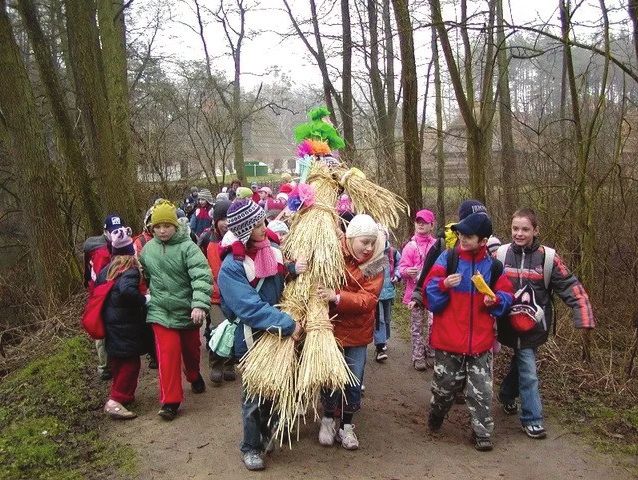
POLISH PHRASES

 Good morning / Good       Dzień dobry              jane DOH-brih
 afternoon
 Good evening              Dobry wieczór            DOH-brih VYEH-choor
 Good night                Dobranoc                 doh-BRAH-notes
 Hi                        Cześć                    cheshch
 Good bye                  Do widzenia              doh vee-DZEN-ya
 Please / Here you are     Proszę                   PROH-sheh
 Thank you                 Dziękuję                 jen-KOO-yeh
 I'm sorry / excuse me     Przepraszam              psheh-PRAH-shahm
 Yes / No                  Tak / Nie                tahk / nyeh
 I don't know               Nie wiem                nyeh vyem
 How are you? (informal)   Jak się masz?            yahk shay mahsh
 I don't speak Polish      Nie mówię po             nyeh MOO-vyeh poh pohl-skoo
                           polsku.
 I don't understand        Nie rozumiem             nyeh roh-ZOO-myem
 Cheers! / Bless you!      Na zdrowie!              nah ZDROH-vyeh
 I love you                Kocham cię               KO-hahm cheh

MARZANNA RITUAL
                                       Niles Township elementary school districts
                                       selected the Marzanna project as a way to
                                       celebrate this year's Coming Together culture,
                                       the Polish culture. They will create and display
                                       Marzanna dolls within their schools, at the local
                                       libraries, park districts and village halls! The
                                       dolls should be displayed in March as March
                                       21st (first day of spring) is when the ritual takes
                                       place. Art teachers or even classroom teachers
                                       can easily talk about this tradition that involves
                                       children and create these dolls with simple
 			                                   materials.

 A popular Polish ritual that occurs every spring is the “drowning of Marzanna,” a
 seasonal rite based on the idea of death and the rebirth of nature. Marzanna is an an-
 cient goddess associated with winter's death and her "death" becomes the rebirth of
 Spring. This is celebrated around the spring equinox (March 21st), and usually school-
 children and young people participate in the celebrations alongside local groups and
 other residents. A procession carries handmade Marzanna to the nearest river, lake or
 pond. The participants sing traditional songs and throw effigies of Marzanna into the
 water. In present-day Poland, the Marzanna ceremony is usually held by the younger
 kids but still brings joy to adults!
6 Celebrating Polish Culture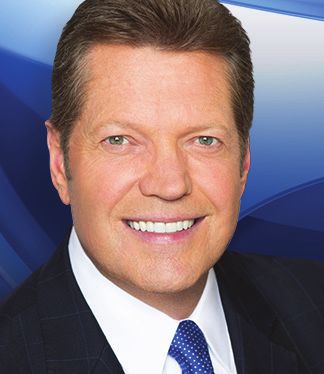
A TIMELINE OF POLISH HISTORY
                 Contributed by Bernadetta Koryciarz with editing from
                   Dr. Anna Mazurkiewicz and Professor Neal Pease

                               The Piast Dynasty 966 - 1370
       The Piast Dynasty was the first and longest reigning royal dynasty in Poland.
                  The Piasts laid the foundation for today's Polish state.

966             Establishment of the Polish state, when Duke Mieszko I converted to
                Christianity. Adopting Christianity strengthened the young country both
                internally and internationally. Poland became a part of the Latin civi-
                lized world, with Mieszko as an equal partner among European rulers.

1025            Boleslaw the Brave was crowned as the first Polish king. He joined the
                initiative of Otto III (Roman Emperor) to renew the Holy Roman Empire
                with Poland playing an important role in this federal concept. The two
                monarchs met at the famous Congress of Gniezno in 1000 at which
                Otto III established the first archbishopric in Poland.
1138            In his last will, Bolesław III Wrymouth divided the country into districts
                administered by his sons in an attempt to reinforce their cooperation
                and maintain the country’s unity. The division instead caused rivalry,
                leaving Poland prey to various foreign invaders.
1226            Konrad of Masovia, one of the regional Piast dukes, invited the Teutonic
                Knights to help him fight the Baltic Prussian pagans; a decision that led
                to centuries of warfare with the Knights.
1320            After a number of earlier unsuccessful attempts by regional rulers at
                uniting the Polish dukedoms, Władysław I Łokietek (The Elbow-high)
                consolidated his power, took the throne and became the first king of a
                reunified Poland.
1333-1370       Casimir the Great (III) is the only Polish king to receive the title of
                “Great.” Casimir started the golden era of the Polish Middle Ages.
                During his reign Casmir the Great built extensively and reformed the
                Polish army along with the country's civil and criminal laws. Casimir III
                realized that the nation needed a class of educated people, especially
                lawyers, who could codify the country's laws and administer the courts
                and offices. Krakow University was founded in 1364. In 1370 Casimir
                the Great died, leaving no legitimate male heir.
                                  The Anjou Dynasty
              1370: Louis I of Hungary - Grandson of Lokietek (the Short)
          1384: His daughter, Jadwiga - Queen of Poland, first female monarch

                         The Jagiellonian Dynasty 1382-1572
 The Jagiellonian dynasty ruled the Polish-Lithuanian state for the next two hundred
 years, creating at one point one of the largest European empires - the Jagiellonians
             ruled in Poland, Lithuania, the Czech Republic and Hungary.
1385            Union of Krewo. Jadwiga married Duke Jagiello of Lithuania. Jagiello
                converted to Christianity and became Władysław II Jagiełło, ruling from
                1386-1434. The union increased Poland's boundaries dramatically and
                created an alliance with Lithuania that lasted for 400 years.
                                                                                             7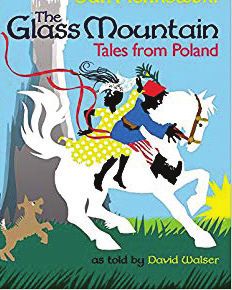
A TIMELINE OF POLISH HISTORY

1410            July 15, Battle of Grunwald, one of the biggest medieval battles where a
                combined Polish-Lithuanian army inflicted a decisive victory against the
                Teutonic Knights.
1454-1466       The treaty of Torun (Thorn) between Poland and the Teutonic Knights.
                Poland at last dominated Prussia and the City of Gdansk (Danzig).

1525            Prussian homage. A significant political event in which Albrecht Hohen-
                zollern, the Duke of Prussia paid tribute and swore allegiance to King
                Sigismund I the Old in Kraków's market square on 10 April 1525.
1569            Union of Lublin. The Polish Kingdom and the Great Duchy of Lithuania
                connected into a Commonwealth. The union made Poland the largest
                country in Europe. The countries shared the ruler (king), and carried
                out joint foreign and defense policy while maintaining separate admin-
                istration, armies, laws and privileges, courts, etc.
1572            The death of Zygmunt II August. The end of the Jagiellonian dynasty.
                              The Royal Republic 1572-1795
       Royal succession was based on elections by the Sejm. In its early phases, the
 Commonwealth was able to sustain the levels of prosperity achieved during the Jagiel-
  lonian period, while its political system matured as a unique noble democracy. From
    the mid-17th century, however, the huge state entered a period of decline caused
   by devastating wars and the deterioration of its political system. Significant internal
  reforms were introduced during the latter part of the 18th century, especially in the
 Constitution of 3 May 1791, but neighboring powers did not allow the reform process
      to advance. The independent existence of the Commonwealth ended in 1795.
1573            The first free election. Henryk Walezy - the first elected king.
1596            Sigismund III Vasa (Zygmunt III), son of John III Vasa (King of Sweden),
                elected King of Poland, moved the Parliament and the court to Warsaw
                to bring himself closer to Sweden and to the center of the kingdom.

1648-1654       Bohdan Chmielnicki (Khmelnytsky) Uprising – Cossack rebellion in the
                Ukrainian lands controlled by the Polish-Lithuanian Commonwealth.

1652            The Liberum Veto introduced – a manifestation of the great freedom
                for Polish nobility. One vote could impede the enactment of any bill in
                the Polish Parliament. The political system found itself in a prolonged
                crisis causing Poland to experiment with the republican form of govern-
                ment.
1655-1660       The Swedish Wars (the so-called “Deluge”) ruined the country's popula-
                tion, culture and infrastructure. Peace was restored in Oliwa in 1660.
1683            The legendary Battle of Vienna (the second siege of Vienna). Polish King
                John III (Jan III. Sobieski) crushed the Turks (Kara Mustafa), saved the
                beleaguered city, and stopped the expansion of the Ottoman Empire.

8 Celebrating Polish Culture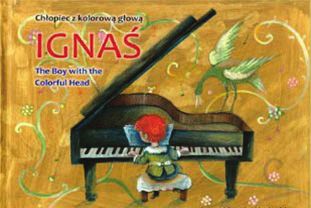
1764-1795   The rule of the last king of Poland: Stanislaus Poniatowski (Stanisław
            Poniatowski). The king attempted an ambitious plan for reforms
            including introduction of a majority vote, creation of central treasury,
            and establishing the Corps of Cadets and the Commission of National
            Education, the first government education authority in Europe.
1768-1772   Bar Confederation – a rebellion against the King who was considered
            pro-Russian. The leaders of the Confederation strove to maintain the
            decentralized, Polish and Catholic character of the country.
1772        The first partition of Poland: the border areas were divided among
            Russia, Prussia and Austria.
1788-1792   The Great Sejm introduced reforms to make the Polish-Lithuanian
            Commonwealth a modern constitutional monarchy. On May 3, 1791
            a Constitution was adopted; the first set of modern supreme national
            laws in Europe. The throne was made hereditary. Military, tax and
            territorial government reforms were introduced. The Liberum veto was
            abolished and people of the cities were granted rights and access to
            careers in administration. The reforms were met with protests of
            powerful magnates and Targowica confederation followed, resulting in
            the Polish-Russian war of 1792-1793.
1793        The Second Partition of the Commonwealth – never a fully central-
            ized state surrounded by absolutist monarchies, the partition left the
            country deprived of so much territory that it was practically incapable
            of independent existence.
1794        Kosciuszko Uprising against Russia and Prussia in an attempt to liber-
            ate the Polish-Lithuanian Commonwealth. The hero of the American
            Revolutionary War, Thaddeus Kosciuszko, mobilized a people’s militia
            promising the peasants (subject to serfdom) in the Proclamation of
            Polaniec substantial civil liberties. The popular uprising was crushed.
1795        The Commonwealth was partitioned a third time, losing its
            independence for 123 years.
1830-1831   November Uprising started by Cadet conspirators led by Lieutenant
            Piotr Wysocki (in Warsaw). The failed uprising resulted in the first Great
            Emigration from the country, composed of political and military lead-
            ers.
1846        Simultaneous uprisings in all three partitions. Free City of Krakow
            (established in 1815 – annexed by Austria). Peasant rebellion in Galicja.
1863-1864   The January Uprising against Russians. The insurgents established
            elaborate structures of the underground state. Civilians mobilized in
            support. Civil disobedience aided the partisans. The uprising failed with
            retributions including exile in Siberia.

                                                                                         9
A TIMELINE OF POLISH HISTORY

In the 20th century Poland regained its independence and the country returned to
the maps of Europe alongside independent Lithuania. Both, as separate, independent
countries were smaller in size, had new borders, and had to deal with the legacy of
decades of colonial exploitation, and different social, administrative, legal systems,
and languages forced upon them. Both experienced world wars followed by Soviet
domination. In the case of Lithuania – as a Soviet republic; in the case of Poland – as
the People’s Republic. Soviet control of Poland ceased in 1989, with the appointment
of the first Polish non-Communist prime minister.
1918          On November 11, Poland was proclaimed as an independent
              country. Marshall Józef Pilsudski became “chief of the state”; Ignacy Jan
              Paderewski returned to Poland and assumed the post of prime minister
              in January 1919.
1919-1921     Polish struggles for maintenance of the country’s borders. Polish-
              Bolshevik War. Poland prevailed and began economic reform programs.
              Port of Gdynia and Central Industrial Region (Krakow, Kielce, Lwow)
              were created. New currency introduced along with national bank, tax
              reform. In 1921 the March Constitution was adopted replacing the
              so-called “Small Constitution” of 1919.
1922          The first president of Poland, Gabriel Narutowicz, was assassinated.
1926          May 12–14. In an effort to stabilize the volatile political situation in
              Poland, Jozef Piludski orchestrated a coup d’etat seizing power in
              Poland. New Constitution was adopted in 1935, the same year that the
              Marshal died.
1939          Germany invaded Poland on September 1. Occupied Poland became
              the site where the Nazis perpetrated most of their genocide aimed at
              extermination of Europe’s Jews. The Holocaust claimed the lives of 6
              million people with Auschwitz alone being the site of murder of over a
              million people. The Soviet Union invaded eastern Poland on September
              17. Thousands of Polish soldiers were interned by the Soviets, many
              sent to gulags in the USSR, over 22,000 officers killed on Stalin’s orders
              in Katyn (April 1940).
1943          April 19-May 16. The Warsaw Ghetto Uprising. It followed mass trans-
              ports of Jews from the Warsaw ghetto to the Treblinka and Auschwitz
              concentration camps. Out of 450.000 people, which had originally been
              squeezed into the small ghetto area, a mere 300 survived. The ghetto
              area was turned into complete rubble by the Nazis.
1944          August 1 to October 3. The Warsaw Uprising against German occupa-
              tion. The city’s inhabitants fought for two months until all resistance
              was violently suppressed. In an act of revenge, the whole city was
              systematically destroyed and completely flattened by the Nazis as the
              Soviet troops stopped their advances westward witnessing the
              onslaught from the opposite banks of the Vistula river which runs
              through Warsaw. Among the 200,000 people who died, 180,000 were
              civilians.

10 Celebrating Polish Culture
1945 Nazi Germany was defeated. The decisions made by the governments
of the Soviet Union, the United States and Great Britain at Yalta led
to Poland’s post-war borders’ shifted to the West, loss of the Eastern
territories to the Soviet Union, and participation of communists in the
post-war coalition government.
1947 Elections in Poland rigged by Communists. The country fell completely
under Soviet dominance.
1956, 1968, Workers’ and students’ anti-Soviet rebellions, strikes, upheavals
1970 resulted in violent clashes with the regime followed by waves of
emigres reaching the West.
1978 The Bishop of Krakow, Karol Wojtyla, was elected as Pope John Paul II,
making him the first non-Italian pope since the 16th century. His
pontificate was marked by attempts to bring the church closer to
people, apostolic pilgrimages and respect to life.
1980 A strike at the Lenin shipyard in Gdansk spread to the whole country.
The Communist government agreed to negotiations with the strikers.
By November the independent, self-governing trade union, Solidarity
(Solidarnosc), was registered by the court, becoming the first inde-
pendent worker’s union in the entire Eastern Bloc. In 1980 Solidarnosc
became a 10 million strong social movement in Poland with support
also coming from abroad. The movement had both political and
economic goals. Its leader was a young electrician, Lech Walesa, who
later received the Nobel Peace Prize in 1983.
1981 On December 13, Martial Law was declared by General Wojciech
Jaruzelski under the auspices of the Military Council of National
Salvation. The army exercised control over the country, a curfew was
introduced and the strong suppressive check on public and social life
in Poland began. The United States imposed sanctions both on Poland
and the USSR in response.
1989 “Round table” negotiations took place and the Communist party was
forced to allow democratic opposition to take part in elections. The
Solidarity-backed candidates won all of the allowed 35% of seats in the
lower house of Parliament, with independent candidates winning all
seats in the entirely free elections to the country’s Senate. In August,
one of the leaders of the democratic opposition, Tadeusz Mazowiecki,
became People’s Poland's first non-Communist prime minister.
1990 Lech Walesa, the leader of Solidarity, was elected Poland’s first post-
Communist president. The Polish government-in-exile (in London since
the Second World War) acknowledged the re-emergence of free Poland
and ceased to exist by submitting its regalia to Warsaw. The Russian
troops began their withdrawal from Poland, where they had been
stationed since 1945.
1999 Poland joined NATO.
2004 Poland joined the European Union.
11CELEBRATING POLISH CULTURE
Sunday, January 27, 2019
Niles West High School
5701 West Oakton Street, Skokie
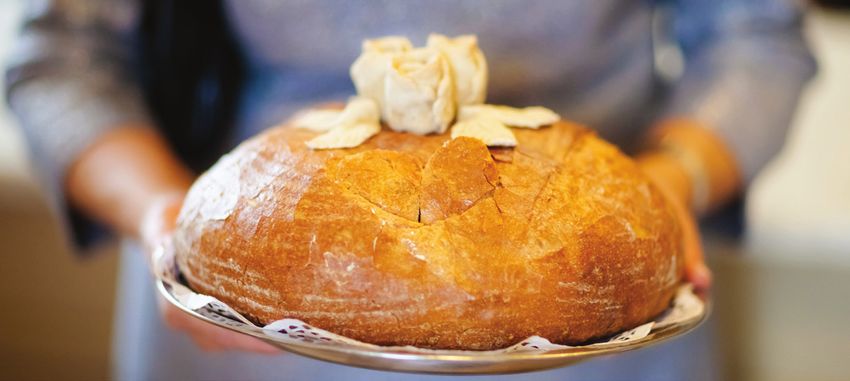
1 p.m. - Traditional Polish Welcome with
bread and salt
- Demonstrations, Art Gallery, Refreshments
2 p.m. - Program Begins in Auditorium
This event is free and open to the public
Join us for this exciting Opening Ceremony to celebrate Polish
Culture. There will be a concert, dance performances, theatre
scenes, singing, an art gallery, and delicious treats from local
Polish vendors.
Emcee: Award-winning ABC 7 Chicago Anchor Alan Krashesky
Skokie Valley Symphony Orchestra
Polonia Ensemble - Whispers Center for Artistic Expression
Niles West Choir - Paderewski Symphony Orchestra
Warsztaty Teatralne “Little Stars”
Artists/Demonstrations:
Aga Kubiak - Agnieszka Markowicz - Grace Bazylewski -
Joanna Kacprzynska - Katarzyna Derda - Lidia Wylangowska -
Patricia Stepniak - Rebecca Gengler - Voytek Glinkowski -
Niles North art students - Ewa Judka - Zamenhof Panel Display
The Women of Independence Display
12 Celebrating Polish CultureBOOK DISCUSSIONS
Please join us for discussions of this year’s highlighted book.
Copies of books are available at your local libraries or through local book sellers.
Book Discussions & Author Appearances:
The Best Polish Restaurant in Buffalo by William Kowalski
Thursday, February 14 10 a.m. Morton Grove Public Library
Tuesday, February 19 7 p.m. Morton Grove Public Library
Tuesday, February 19 7 p.m. Skokie Public Library
Wednesday, February 20 10 a.m. Skokie Public Library
Friday, March 1 1 p.m. Niles-Maine District Library
Thursday, March 7 11 a.m. Oakton Community College, Skokie
Monday, March 18 11:30 a.m. Featured Author William Kowalski
at Lone Tree Manor
Monday, March 18 7 p.m. Featured Author William Kowalski
at Niles-Maine District Library
Tuesday, March 19 9:30 a.m. Featured Author William Kowalski
at Niles West, South Lobby
1:45 p.m. Featured Author William Kowalski
at Niles North, The Commons
Thursday, March 21 7 p.m. Niles-Maine District Library
Tour the Polish Museum of America
The Museum is a recognized resource for materials pertaining to Poland and the
Polish-American community. The Museum is determined to continue its mission
to Polish and Polish-American past for the benefit, instruction and education of
current and future generations. Entry charges apply. $6 members $8.50 students
/seniors $10 adults. Museum Hours: Friday - Tuesday: 11 a.m. - 4 p.m.
Wednesday: 11 a.m. - 7 p.m. Closed Thursday.
13BOOK DISCUSSIONS
The Best Polish Restaurant in Buffalo by William Kowalski
1. How does the author convey what the immigrant experience may have been
like during the 19th century?
2. How does Aniela demonstrate the importance of a lasting family legacy?
3. Aniela’s tale is told in alternating chapters with that of her great-great-grandson
Iggy, who is now managing the family business begun by Aniela all those years
ago. Does this switching in point-of-view allow, hinder or help the flow of the
narrative?
4. “There was a lesson implicit in her [Aniela's] refusal to discuss the past: live in
the moment, and don’t dwell on ancient history. You survive only by moving
forward.” Why do you think the older relatives were reluctant to talk at any
great length about their many hardships in Poland?
5. This family’s story of coming to America in the mid 1800’s, is filled with love
and determination. They all had to work very hard to lift themselves from
poverty. They were mostly uneducated and few spoke any English. Do you feel
that the characters and story were an honest interpretation of these Polish
immigrants and the struggles they faced?
6. Did you admire Aniela and Iggy? Did you find the way the story came full circle
believable, with the past gifting a new hope for the future?
7. Kowalski describes the Polish women, especially Aniela, with such strength
and determination, sound work ethics, and having made many sacrifices
for their family. How are men depicted in the book? Why do you think the
women chose to venture to America on their own, something women did not
normally do during this time?
8. How did you feel about the ending? Did you find it fitting with the rest of the
story or too abrupt and unrealistic? Would you have liked to have continued
on the characters' journey?
9. Do you feel Kowalski did a good job of capturing the setting and mood of
Buffalo? Could this book have been set in any city?
10. How do Iggy’s struggles mirror Aniela’s? Does this book thoroughly define and
explore Aniela’s pursuit of the elusive American Dream? Did either one of
them achieve the American Dream?
14 Celebrating Polish CultureAnna and the Swallow Man by Gavriel Savit
1. The author has described Anna and the Swallow Man as a fairy tale.
Do you agree or disagree? What fairy tale elements do you see in the
text?
2. Think back to when you were seven years old. How would that person
understand Anna’s situation? How does the nature of a seven-year-old
child’s perspective change the story as it unfolds?
3. What does Anna know about the world around her? Of the fate of her
loved ones and companions? What does she understand, and how far will
she suspend her imagination to still believe in goodness?
4. What does Anna learn from the Swallow Man?
5. The Swallow Man continually expresses the world as a very dangerous
place. Why is this message important to impress upon young Anna and
how does this shape her?
6. How does the relationship between Anna and the Swallow Man change
over the course of the book?
7. How are the Swallow Man and Reb Hirschl different from each other? How
are they similar?
8. Anna, the Swallow Man, and Reb Hirschl all make fateful decisions at dif-
ferent points over the course of the story. If you could choose one charac-
ter and have them make a different decision at any key point, who would
you choose, what would you have them do differently, and why?
9. Who do you think the Swallow Man is, or was, before the war?
10. The Swallow Man is a bit of an enigma. It is clear he does not want to
reveal his true identity. Why?
11. The Swallow Man has a passion for birds. This is perhaps one thing about
him that helps Anna trust him. How does this trust serve them both, when
trusting anyone may have been deadly?
12. What do you think of the ending of the book? How would you continue
the story for Anna? For the Swallow Man?
15CALENDAR OF EVENTS
INTERACTIVE
COMING TOGETHER
PERFORMANCES
WORKSHOPS
EVENTS
FILMS KIDS/FAMILY
BOOKS/AUTHORS LECTURES
Join us for a fascinating three month in-depth study of Polish Culture as Coming
Together presents more than 50 programs delving into the history and traditions
of Poland. Presentations are located around Niles Township.
All events are open to the general public. Some events require advance
registration, and they are noted in the program descriptions.
Event Locations:
• American Legion Memorial Civic Center, 6140 Dempster Street, Morton
Grove
• Artorium, 5719 N. Milwaukee Avenue, Chicago
• Devonshire Cultural Center, 4400 Greenwood Street, Skokie
• Emily Oaks Nature Center, 4650 Brummel Street, Skokie
• Golf Middle School, 9401 Waukegan Road, Morton Grove
• Illinois Holocaust Museum & Education Center, 9603 Woods Drive, Skokie
• Lincolnwood Public Library, 4000 West Pratt Avenue, Lincolnwood
• Lone Tree Manor Restaurant, 7730 N. Milwaukee Avenue, Niles
• Morton Grove Public Library, 6140 Lincoln Avenue, Morton Grove
• Niles North High School, 9800 Lawler Avenue, Skokie
• Niles-Maine District Library, 6960 W. Oakton Street, Niles
• Niles West High School, 5701 Oakton Street, Skokie
• Oakton Community College, Des Plaines Campus, 1600 E. Golf Road, Des Plaines
• Oakton Community College, Skokie Campus, 7701 N. Lincoln Avenue, Skokie
• Polish Museum of America, 984 N. Milwaukee Avenue, Chicago
• Skokie Heritage Museum, 8031 Floral Avenue, Skokie
• Skokie Public Library, 5215 Oakton Street, Skokie
• Skokie Village Hall, 5127 Oakton Street, Skokie
Registration is required at some events. Go to the participating
organization's website or visit the Coming Together website at
comingtogether.in
16 Celebrating Polish CultureCALENDAR OF EVENTS
Film: Cicha Noc (Silent Night)
Adam unexpectedly visits his family house at Christmas after a few
years of working abroad. In Polish, will be shown with English sub-
titles. Registration required.
Sunday, January 20
2 p.m.
Niles-Maine District Library
Opening Ceremony: Celebrating Polish Culture
Celebrate this year's Coming Together Opening Ceremony featuring
Polish Culture. There will be a traditional Polish welcome with bread
and salt to begin. There will be a Polish classical music concert,
dance performances, theatre scenes, singing, an art gallery and
delicious treats from local Polish vendors. The emcee for the event is
ABC7 Chicago's Alan Krashesky. Free and open to the public.
Sunday, January 27
1 p.m. Refreshments, Demonstrations & Art Gallery
2 p.m. Program in Auditorium
Niles West High School
Film: Ashes and Diamonds
During the German occupation noble, bourgeois, and worker's
partisan groups lived in peace with another. On the first day of free-
dom they start to fight each other. Woven into these fights is a most
tender love story. Ashes and Diamonds masterfully interweaves the
fate of a nation with that of one man, resulting in one of the most
important Polish films of all time.
Sunday, February 3
2 p.m.
Lincolnwood Public Library
Book Talk: Spotlight on Polish Culture
To support Coming Together: Celebrating Polish Culture in our
community, we'll feature a selection of titles by Polish writers about
Poland, Polish culture and the Polish-American experience.
Wednesday, February 6
1 p.m.
American Legion Memorial Civic Center, Morton Grove
17CALENDAR OF EVENTS
Family Reads Bookclub
For grades K-2 and a parent/caregiver.
Does your family love to read aloud together? Read The Hundred
Dresses by Eleanor Estes together with your family, then bring an
adult with you to this book discussion program to explore the story
with a hands-on activity and a little bit of fun! Registration is
required and begins January 6. Once you have registered, pick up
your FREE copy of the book at the Youth Services Desk.
Wednesday, February 6
6:30 p.m.
Morton Grove Public Library
Polish Folk Art Painting
Join us for a painting workshop led by the Polish artist, Dorota
Tomczyk. She will teach how to paint angels on a reclaimed wood.
Registration required.
Sunday, February 10
1:30 p.m.
Niles-Maine District Library
Lajkonik Song and Dance Ensemble
Celebrate Polish culture through artistic dances, passionate songs
and colorful performances.
Sunday, February 10
2 p.m.
Morton Grove Public Library
Modern Polish Cooking from Qulinarnia
Join Chef Agnieszka Janowska from Qulinarnia, as she demonstrates
how to prepare three signature Polish dishes with a twist. Samples
will be served. Registration required.
Monday, February 11
7 p.m.
Niles-Maine District Library
18 Celebrating Polish CultureMother-Daughter Bookclub (Grades 3-5)
If you are in grades 3-5, bring your mother (or aunt, grandmother,
neighbor, older sister, or teacher) with you for a lively discussion
and activities connected to the book The Hundred Dresses by
Eleanor Estes. Registration is required and begins January 13.
Once you have registered, pick up your FREE copy of the book at
the Youth Services Desk.
Wednesday, February 13
7 p.m.
Morton Grove Public Library
Between the Lines: The Best Polish Restaurant in Buffalo
This book discussion group meets at Morton Grove Public Library.
No registration required. New members are warmly welcome!
Thursday, February 14
10 a.m.
Morton Grove Public Library
World Language Storytime in Polish
Join us to share stories and songs in Polish (with a bit of English).
Craft and a small snack included. Witamy!
Thursday, February 14 (Program repeats March 14)
6:30 p.m.
Niles-Maine District Library
Book Discussion: The Lullaby of Polish Girls
Discussion of The Lullaby of Polish Girls by Dagmara Dominczyk. A
vibrant, engaging debut novel that follows the friendship of three
women from their youth in Poland to their complicated, not-
quite-successful adult lives. Copies of the book will be available
at the 2nd Floor desk at Niles-Maine District Library. Registration
required.
Thursday, February 14
7 p.m.
Niles-Maine District Library
19CALENDAR OF EVENTS
The Zookeeper's Wife Film and Discussion
After Germany invades Poland and World War II begins, many are
in peril. This acclaimed feature film tells the true story of Jan and
Antonina Zabinski, and how they rescued hundreds of Jews from
the Germans by hiding them in their Warsaw zoo. A post-screening
discussion will be led by Dr. Elliot Lefkovitz, faculty member, Spertus
Institute; History Professor Emeritus, Loyola University. Registration
required.
Sunday, February 17
2 p.m.
Illinois Holocaust Museum & Education Center
Co-sponsored by the Skokie Human Relations Commission
Be the Artist
Get creative and develop your art-making skills with our staff
artist. This month, we’re exploring Polish-American art. Drop-in
event for grades 3-5. Registration required.
Monday, February 18
6 p.m.
Skokie Public Library
Film: A Year in the Quiet Sun
Shortly after World War II an American soldier and Emilia, a Polish
refugee, fall deep in love. Eventually he will return to the U.S. and
both expect that she will soon follow him. Cast: Maja Komorowska,
Scott Wilson.
Tuesday, February 19
11:30 a.m.
Morton Grove Public Library
Book Discussion: The Best Polish Restaurant in Buffalo
Join us for a discussion of The Best Polish Restaurant in Buffalo. A
limited number of books will be made available for registrants at the
Skokie Public Library. Registration required.
Tuesday, February 19
7 p.m.
Skokie Public Library
Between the Lines: The Best Polish Restaurant in Buffalo
This book discussion group meets at Morton Grove Public Library.
No registration required. New members are warmly welcome!
Tuesday, February 19
7 p.m.
Morton Grove Public Library
20 Celebrating Polish CultureBook Discussion: The Best Polish Restaurant in Buffalo
Join us for a discussion of The Best Polish Restaurant in Buffalo.
A limited number of books will be made available for registrants
at the Skokie Public Library. Registration required.
Wednesday, February 20
10 a.m.
Skokie Public Library
Mother-Daughter Bookclub (Grades 5-7)
If you are in grades 5-7, bring your mother (or aunt, grandmoth-
er, neighbor, older sister, or teacher) with you for a lively discus-
sion and activities connected to the book The Weight of Water
by Sarah Crossan. Registration is required and begins January 20.
Once you have registered, pick up your FREE copy of the book at
the Youth Services Desk.
Wednesday, February 20
7 p.m.
Morton Grove Public Library
Polish Storytime
Children ages 4 and up are welcome to join us for an evening
storytime to celebrate Polish culture.
Thursday, February 21
6:30 p.m.
Niles-Maine District Library
Guys Read Bookclub
Are you a guy in Grades 3-5 who likes to read? Come along with
your favorite grown-up for discussion and activities featuring
the book Detective Nosegoode and the Kidnappers by Marian
Orloń. Registration is required and begins January 21. Once you
have registered, pick up your FREE copy of the book at the Youth
Services Desk.
Thursday, February 21
7 p.m.
Morton Grove Public Library
21CALENDAR OF EVENTS
Art: Step-by-Step
For grades 2-6. Create a work of art, step by step, with supplies and
materials provided by the Library. Each month we try a new and ex-
citing art project; this month’s project is symmetrical images inspired
by Polish art. You’ll be amazed at what you can make in just an hour.
Friday, February 22
4:30 p.m.
Morton Grove Public Library
Dzika Fitness Workout
Lose yourself in the music during this intense multi-dimensional,
dance-infused workout. Dzika's goal is to help you live stronger,
longer, and more meaningful lives while making friends along the
way. Registration required.
Friday, February 22
5:30 p.m.
Niles-Maine District Library
Polish Folk Tales and Paper Cutting
Join us for a family-oriented evening of Polish folk tales and songs
to learn the history and cultural background of Poland. After the
stories, learn about the Polish art of paper cutting, Wycinanki.
Instructor: Agnieszka Sarrafian. Ages: 10+. Registration is required at
www.skokieparks.org. Registration code: 710171-01. Children must
be accompanied by an adult. Space is limited. Contact (847) 674-
1500, ext. 3000 for more information. All participants must register.
Friday, February 22
6:30 p.m.
Skokie Heritage Museum
Craftin' Around
For grades 3-6. Love to craft? Join us for an evening of craft-tastic
fun; a different project each month! This month, we’re attempting
the art of torn paper, Wycinanki. Registration begins January 15.
Tuesday, February 26
7 p.m.
Morton Grove Public Library
22 Celebrating Polish CultureYA Book Club: Anna and the Swallow Man
Set in Poland during the Nazi regime, Anna is left all alone
when the Nazis take away her father until she meets the
mysterious Swallow Man. Anna and the Swallow Man travel
together seeking salvation while avoiding dangers along the
way. Every book club attendee receives a free copy of the
book. Registration required.
Wednesday, February 27
7 p.m.
Morton Grove Public Library
Kopytka & Kimchi: Connecting & Celebrating the Diaspora
Kopytka are potato dumplings and kimchi are a selection of
fermented vegetables. When these two dishes are eaten to-
gether, it’s a flavor explosion. Join chef Won Kim of Kimski as
he shows us how to make kopytka and kimchi. Hear the story
of how the Marszewski family combined Polish and Korean
cuisine to create their unique restaurant in Chicago’s Bridge-
port neighborhood. Limited to 50 participants. Registration
required.
Thursday, February 28
7 p.m.
Skokie Public Library
Freedom of the Press in Poland
Sergiusz "Sergio" Zgrzebski, a dynamic senior reporter/
anchor with 15 years of major TV market expertise, will in-
troduce the latest developments in the Polish government's
fight against liberal media outlets. Mr. Zgrzebski's back-
ground includes experiences with WPVN Polvision TV, WNVR
1030 AM, WRDZ 1300 AM, 104.7 FM, and Polskie
Radio Chicago. The program will be held at Skokie Village
Hall, in the first floor Council Chambers. Light refreshments
will be served. The event is free and open to the public.
Thursday, February 28
7 p.m.
Skokie Village Hall
23CALENDAR OF EVENTS
Book Discussion: The Best Polish Restaurant in Buffalo
This novel by William Kowalski, chronicles a century of life in
America for one humble Polish farm girl and three generations of
her descendants in Buffalo, NY. Copies of the book will be available
at the 2nd Floor desk at Niles-Maine District Library. Registration
required.
Friday, March 1
1 p.m.
Niles-Maine District Library
Think Art Photography
Are you ready to delve into the magical world of fine art photog-
raphy? Join award-winning photographer Katarzyna Derda for a
talk on how to bring your imagination to life. Katarzyna will share
her unique way of turning a natural setting into a fine art studio as
she discusses her journey and inspiration that keeps her creating
photographs that evoke emotion. Registration required.
Saturday, March 2
10 a.m.
Niles-Maine District Library
Warsztaty Teatralne Little Stars Theatre Workshop
“The Legend of Vavel's Dragon”
Poland is a beautiful country, with spectacular landscapes and
many different cultures. For thousands of years it was led by brave
kings and queens and their grand castles that bear many wonder-
ful legends and still attracts visitors from all over the world. The
most famous is "The Legend of Vavel's Dragon ". The scary dragon
lived long, long ago in the old Polish capital, Cracov, by the biggest
Polish river, Vistula. To find out what terror he brought to the city
and how the fearless Poles solved the problem, come to the free
performance by Chicago based Warsztaty Teatralne “Little Stars”!
We have created and developed the vibrant musical for the entire
family based on this memorable tale. Written
by Piotr Kukula and directed by Agata Paleczny.
Registration required. Visit golf67.net. Event
sponsored by Niles Arts & Culture.
Saturday, March 2
3 p.m.
Golf Middle School Gymnasium
24 Celebrating Polish CulturePolish Presence in American Screen Images
Join Polish American author and educator Joseph Zurawski as he
talks about the history of the Polish images on film and television
screens and how Polish characters have changed through time.
Registration required.
Sunday, March 3
2 p.m.
Niles-Maine District Library
Polish Chicago: Immigrant Group to Middle Class
Author Dominic Pacyga presents a slide lecture on the four major
waves of Polish immigration that have transformed the city and its
suburbs over the last 150 years. Registration required.
Monday, March 4
7 p.m.
Niles-Maine District Library
Movie Monday: Ida
A moving and intimate drama about a young novitiate nun in
1960s Poland who, on the verge of taking her vows, discovers a
dark family secret dating from the terrible years of the Nazi oc-
cupation.
Monday, March 4
7 p.m.
Skokie Public Library
From Independence to Independence
Martin Kozon delivers a lecture on 100 years of Polish indepen-
dence from 1918 to 2018, where he traces the Polish experiment
with democracy, experiences of occupation under two totalitarian
systems, and the responsibilities of becoming a model of success
for post-Eastern Bloc states seeking integration into the 21st cen-
tury's European Union. Event sponsored by the Diversity Advisory
Committee, Skokie Park District.
Tuesday, March 5
6:30 p.m.
Emily Oaks Nature Center
25CALENDAR OF EVENTS
Book Discussion: The Best Polish Restaurant in Buffalo
Thursday, March 7
11 a.m.
Oakton Community College, Skokie Campus, Room C140
1-2-3 Painting: Poppies!
For grades 1-3. This messy, fun program is designed just for kids who
love to create. Children who attend this program will use a number
of different tools and techniques to create wonderfully unique pieces
of art. Appropriate clothing should be worn for getting messy.
Registration begins February 15.
Thursday, March 7
4:30 p.m.
Morton Grove Public Library
Behind-the-Scenes of a Lifestyle Blogger
Polish-American Chicagoland lifestyle blogger, Ela "Liz" Bobak, will
share the ins and outs of life as a lifestyle blogger and vlogger.
Thursday, March 7
7 p.m.
Morton Grove Public Library
Gwiazdy Paper Craft
Create geometric Gwiazdy (star) designs in this traditional paper craft
with roots in the Kurpie and Lowicz regions of Poland.
Friday, March 8
3:30 p.m.
Lincolnwood Public Library
Let's Make Kolaczki!
Learn how to make these scrumptious filled Polish cookies from the
baker Edyta Wydmanski. Bet you can't eat just one! Registration
required.
Friday, March 8
5 p.m.
Niles-Maine District Library
26 Celebrating Polish CultureFilm: Defiance
2008, rated R, 137 min. The extraordinary true story of the Bielski
brothers who turn a band of war defectors into commanding free-
dom fighters. Starring Daniel Craig and Liev Schreiber. Shown with
English subtitles.
Saturday, March 9
2 p.m.
Niles-Maine District Library
The Polish Immigrant Experience
Three Oakton faculty members who immigrated to the U.S., will talk
about their varying experiences as new immigrants. Join us to hear
the different immigrant stories of Aleksandra Majkowska Smith,
Jadwiga Cyparska, and Dorota Zak.
Monday, March 11
4 p.m.
Oakton Community College, Des Plaines Campus, Room 1605
World Exploration: Poland
Join us for a storytime for the whole family as we explore a different
country! We’ll read stories, sing songs, and do activities to help us
learn more about Poland and the people who live there.
Monday, March 11
7 p.m.
Morton Grove Public Library
Festival of Polish Culture
Join Oakton's student clubs and community members for a festival
celebrating Polish culture with food, music, and dance!
Thursday, March 14
12 - 4 p.m.
Oakton Community College, Skokie Campus, A145-152
World Language Storytime in Polish
See program description for February 14.
Thursday, March 14
6:30 p.m.
Niles-Maine District Library
27CALENDAR OF EVENTS
Hearty and Healthy Polish Cooking for Teens and Adults
Chef and author of Hearty & Healthy Polish Cooking, Michael
Niksic will share some new takes on Polish cuisine. Samples of
recipes from his newest cookbook will be featured along with
chef Niksic sharing events from his library of Kitchen Tales. His
programs are fun, casual and very informative. Prepare for a sa-
vory and informative evening! Space is limited and registration is
required. Teens (7th grade and up) and adults are invited.
Thursday, March 14
7 p.m.
Morton Grove Public Library
Book Discussion: Anna and the Swallow Man
Set in Poland during WWII, Anna and the Swallow Man is a story
of survival, love, and sacrifice. Check out a copy from the Teen
Underground to read and discuss together. Registration required.
Friday, March 15
5:30 p.m.
Niles-Maine District Library
Coming Together: Paint Your Story
Polish artist Patricia Stepniak will use the story “How music
wrapped the world in colors” to inspire kids to create their own
picture story, using watercolors, oil pastels, inks and scrapbooking
materials. K-5th grade, children under 3rd grade need to have an
adult caretaker with them. Registration required.
Saturday, March 16
11 a.m.
Niles-Maine District Library
Film: Polish Wedding
1998, rated PG-13, 105 min. The story of a Polish-American family
in Detroit, and the daughter that is eager to experience life. Star-
ring Claire Danes, Gabriel Byrne and Lena Olin. Shown with English
subtitles.
Saturday, March 16
1 p.m.
Niles-Maine District Library
28 Celebrating Polish CultureFilm: The Fourth Partition
This "must-see movie" for Chicago-Polish history won two awards
at Polish film festivals. 2013, 75 min. Registration required.
Sunday, March 17
1:30 p.m.
Niles-Maine District Library
The Best Polish Restaurant in Buffalo with William Kowalski
A small gathering with Polish author William Kowalski (his book
The Best Polish Restaurant in Buffalo) and an authentic Polish
lunch provided at Lone Tree Manor Restaurant. Enjoy conversa-
tions with the author in an intimate setting with a lunch with the
delicious tastes of Poland. The ticket price is $20, space is limited.
Register by emailing kds@vniles.com.
Monday, March 18
11:30 a.m.
Lone Tree Manor Restaurant
An Evening with William Kowalski,
Coming Together Featured Author
Join us for an evening with author William Kowalski, author of
The Best Polish Restaurant in Buffalo and this year's Coming To-
gether selection. He is the best-selling, award-winning author of
seven novels and seven Rapid Reads (shorter works for beginning
adult readers of English). Registration is required and opens on
Feb. 4 at 9 a.m.
Monday, March 18
7 p.m.
Niles-Maine District Library
William Kowalski, Coming Together Featured Author
This year's featured Coming Together author will speak to
students at Niles West and Niles North high schools.
Tuesday, March 19
9:30 a.m. to 11:30 a.m.: Niles West High School, South Lobby
1:45 p.m. to 3:30 p.m.: Niles North High School, The Commons
29CALENDAR OF EVENTS
Book Discussion: The Best Polish Restaurant in Buffalo
This novel by William Kowalski, the showcase book for the 2019 CTIS
initiative, chronicles a century of life in America for one humble
Polish farm girl and three generations of her descendants in Buffalo,
NY. Copies of the book will be available at the 2nd Floor desk at
Niles-Maine District Library. Registration required.
Thursday, March 21
7 p.m.
Niles-Maine District Library
Chat and Chomp with The Weight of Water
Join us for pizza and a great book discussion. Get a copy of Sarah
Crossan's The Weight of Water at the KidSpace desk to read and
discuss. This title is also available in eBook on Axis 360. Please read
the book in advance. Registration required.
Monday, March 25
11:45 a.m.
Niles-Maine District Library
Film: Ida
Ida won the 2015 Academy Award for Best Foreign Language film,
and was the first Polish film to ever win an Oscar. Ida was directed by
Pawel Pawlikowski and written by Pawlikowski and Rebecca
Lenkiewicz.
Monday, March 25
6 p.m.
Oakton Community College, Des Plaines Campus, Room 1608
Art Activities Open House at Artorium
Artorium Inc. is a private family-run arts center in Chicago. It is open
to everyone ages 5 and up. The focus of Artorium is to help students
develop their artistic and creative skills through hands-on interac-
tions with a multitude of art mediums. Each student has a personal-
ized instruction plan that is customized toward their age, experience,
and the ability to handle tools and materials. Students are taught:
painting, drawing, sculpture, printmaking, weaving, digital arts, and
crafts. The center encourages future artists to fulfill their own
aspirations. Each lesson is closely supervised to ensure a safe and
productive learning environment.
Tuesday, March 26
10 a.m. - Noon
Artorium
30 Celebrating Polish CultureStorytime with the Author Join author Anna Mycek-Wodecki to read her biographic picture book Ignaś - The Boy with the Colorful Head - IGNAS Chlopiec z Kolorowa Glowa. This will be an interactive storytime with drawing. Registration required. Thursday, March 28 2 p.m. Niles-Maine District Library Film: Ida Ida won the 2015 Academy Award for Best Foreign Language film, and was the first Polish film to ever win an Oscar. Ida was directed by Pawel Pawlikowski and written by Pawlikowski and Rebecca Lenkiewicz. Thursday, March 28 6 p.m. Oakton Community College, Skokie Campus, Room A152 Polish Youth Showcase Join us to watch area Polish students put on a talent show showcasing their studies. Students from Ignacy Paderewski, Mikolaj Kopernik and Maria Curie-Sklodowska Polish Schools will take the stage to share about the culture and history of Poland. Crafts and snacks will round out the morning. Saturday, March 30 9:30 a.m. Niles-Maine District Library Pisanka Galore Learn to decorate Easter eggs using the popular wax resist tech- nique. This technique involves applying hot beeswax and staining the egg. Participants will use a bi-color style. Registration required. Sunday, March 31 2 p.m. Niles-Maine District Library Book Craft The Glass Mountain: Tales from Poland by David Walser and illustrated by Jan Pienkowski is an engaging collection of tall tales decorated with colorful paper cutouts. Join us to discuss the tales, learn about Polish wycinanki, and create your own pieces of colorful art. Registration required. Sunday, March 31 2 p.m. Niles-Maine District Library 31
CALENDAR OF EVENTS

             Celebrating 10 Years of Coming Together: Panel Discussion,
             Collaborative Pop-up Museum & Art Workshop
             A beautiful evening of discussion and art as the Cultures of
             Coming Together from 2010-2019 celebrate the 10th anniversary
             of the program. Representatives of the Asian Indian, Filipino,
             Assyrian, Greek, Korean, "Voices of Race", Latino/Hispanic,
             Chinese, Muslim American, and Polish cultures will discuss their
             experiences participating in this award-winning program,
             accompanied with pop-up stalls displaying arts and crafts from
             each culture and a collaborative art project with audience
             participation.

             Wednesday, April 3
             6:30 p.m.
             Niles West High School, South Lobby

             Polish Cuisine
             Learn the secret to making authentic Polish food as we explore
             the Polish culture. Join Chef Sam in creating a side dish, a main
             dish and a dessert. Instructor: Samantha Foreman. For Age: 9+.
             Registration is through the Skokie Park District starting 2/15/18.
             Registration code: 111154-01. Register online at
             www.skokieparks.org or at any Skokie Park District facility.

             Saturday, April 6
             1 p.m.
             Devonshire Cultural Center

             Polish Legends and the Art of Cut-Outs
             Please join us for an afternoon of Polish folk stories. Each region
             in Poland brings something different and unique. Like its land-
             scape from meadows through rivers and mountains, the legends
             of Poland are sweet, scary or simply entertaining. From the tale
             about “Dragon in Vavel,” “Torun's Gingerbread” to “Interrupted
             sound of Krakowski's trumpet-call,” the audience will travel not
             only through small, picturesque villages but also through time.
             We will see some folk art as well as traditional cut outs in paper.
             Agnieszka Rynkiewicz-Sarrafian is a story teller, fairy tale writer,
             poet and translator. Sponsored by the Lincolnwood Multi-Cultural
             Task Force. See more: www.lincolnwoodlibrary.org.

             Sunday, April 7
             2 p.m.
             Lincolnwood Public Library

32 Celebrating Polish Culture
You can also read


