Clinical evaluation of a novel oncolytic immunotherapy agent, CAVATAK in combination with immune checkpoint therapy in advanced cancer patients ...
←
→
Page content transcription
If your browser does not render page correctly, please read the page content below
Clinical evaluation of a novel oncolytic immunotherapy
    agent, CAVATAK® in combination with immune
   checkpoint therapy in advanced cancer patients

                    Hardev S. Pandha,
             University of Surrey, Surrey, United Kingdom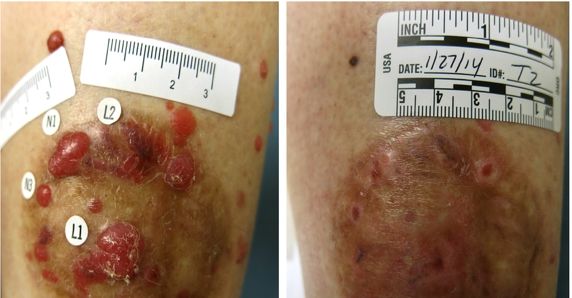
CAVATAK®
           an oncolytic immunotherapeutic agent
•   Proprietary formulation of the bio-selected oncolytic virus,
    Coxsackievirus A 21
•   Not genetically modified positive-strand RNA virus
•   Targeted to specific receptor over expressed on cancer cells
    (human ICAM-1)
•   Rapid cytoplasmic replication
•   Kills local and metastatic cells by oncolytic and
    immunotherapeutic activity
•   Potential application across a range of cancer types
     – Prostate, lung, melanoma, bladder and more
•   Potential application as monotherapy or with other new
    agents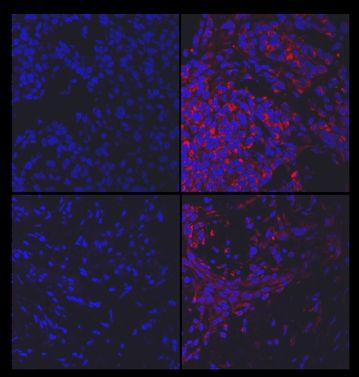
CAVATAK: Oncolytic immunotherapeutic modes of
        action in combination therapy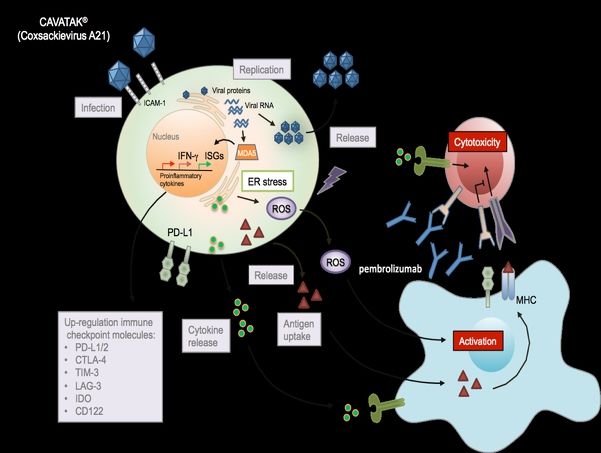
CALM study:
       Phase II
Monotherapy Intratumoral
    CAVATAK in late
   stage melanoma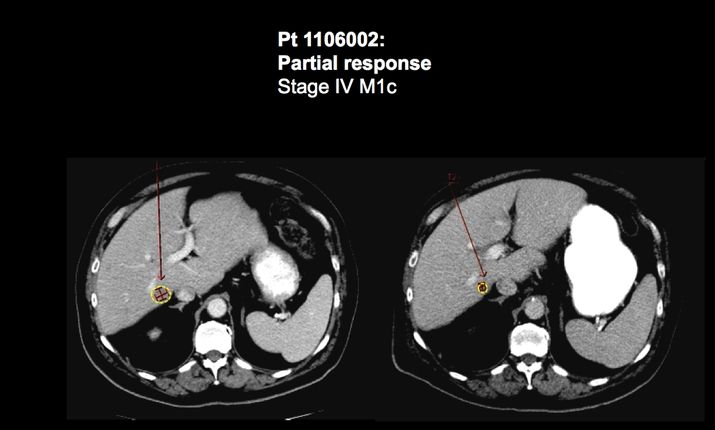
CALM Phase II Trial Design
   (CAVATAK in Late Stage Melanoma)

Phase II CALM extension study
CALM Phase II trial
           LOCAL INJECTED AND NON-INJECTED LESION RESPONSES

          Baseline                               Day 85
                          Injected   Non-injected

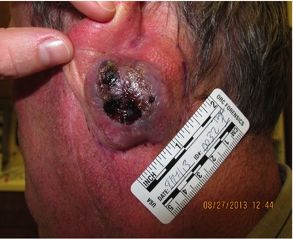
Male with metastatic melanoma to the leg. Injection in leg lesions.

  Courtesy Dr R Andtbacka,
  Lead Study Investigator,
  Huntsman Cancer Institute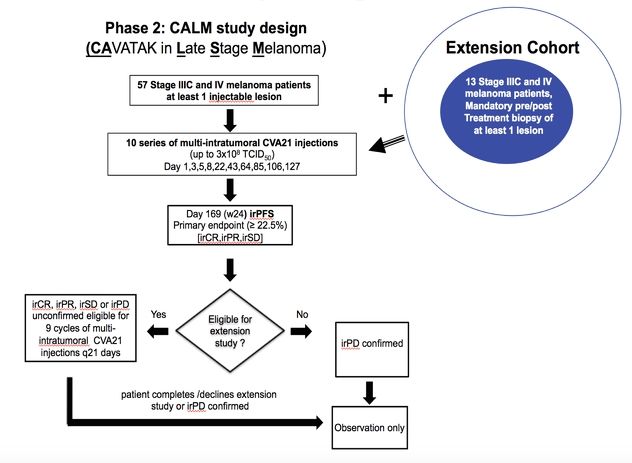
CALM Phase II trial
                   NON-INJECTED DISTANT VISCERAL LESION RESPONSE

                                               Baseline              Day 86
                                   Injected
                                               Non-injected        Non-injected

                                                   1.0 x 0.8 cm        0.5 x 0.2 cm

Male with metastatic melanoma to left
neck and lungs. Injection in left neck.
                                                   1.3 x 0.9 cm        0.6 x 0.5 cm

                    Courtesy Dr R Andtbacka,
                    Lead Study Investigator,
                    Huntsman Cancer
                    Institute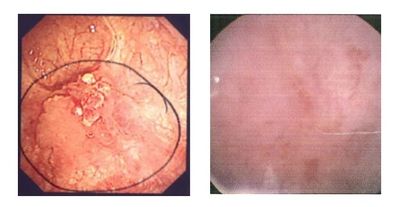
Case 09-005
    CALM Phase II trial
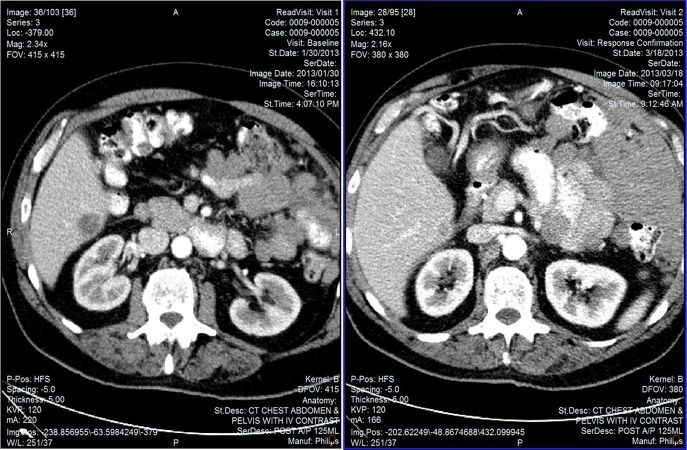
  NON-INJECTED DISTANT LIVER VISCERAL LESION RESPONSE

Baseline                                                 Day 42

               Male with metastatic melanoma to
                        lungs and liver.
1/30/2013                                               3/18/2013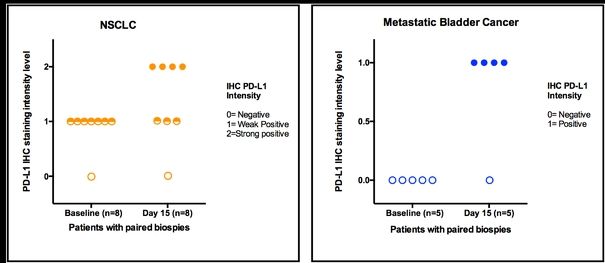
CALM Phase II Trial: Best percentage change in the sum of
                      target lesions*
                                                                                                                                                 IIIC
                                                                                                                                                 IVM1a
 Best percentage change in the target lesions

                                                100                                                                                              IVM1b
    sum of diametres relative to baseline

                                                                                                                                                 IVM1c
                                                 75
                                                          CR, PR or SD = 75.4%
                                                 50
                                                                                                                           CR or PR = 38.6%
                                                 25

                                                  0

                                                 -25

                                                 -50

                                                 -75

                                                -100
                                                       Best Overall Response+ (irRECIST)                             Per irRECIST
                                                       irPFS 6 months (CR+PR+SD)                                   38.6% (22/57 pts)
                                                       Overall response       rate*                               28.1% (16/57 pts)
                                                       (CR+PR):                                                   [8CR + 8PR] #
                                                       Durable response rate+                                     21.1%
                                                       Median Time to response onset                              3.4 months (95%
                                                                                                                  CI: 1.5, 4.2)

                                                       *, Investigator assessed
                                                       #,3 CR responses unconfirmed at time of data cut-off
                                                       +Durable response is a response lasting continuously for ≥ 6 months as assessed by irRECIST 1.1 criteria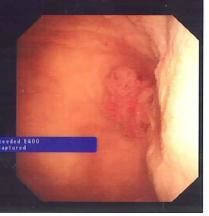
CALM study :
       Biopsy sub-study
           Phase II
Intratumoral CAVATAK in late
       stage melanoma
Phase II CALM-biopsy sub-study:
Best CAVATAK injected lesion response*
Progression
Percentage change from baseline
100
to final tumor measurement
80 Disease control
60 (CR + PR+ SD)
40
20
0
-20
-40
-60
-80
-100
45
10
42
14
43
44
15
48
46
-0
-0
-0
-0
-0
-0
-0
-0
-0
03
12
03
04
03
03
04
03
03
Patient Identification *, First response assessment at day 42Intratumoral CAVATAK increases immune infiltrates
and PD-L1 expression in melanoma lesions
Pt#04&015# Day!0!(pre*treatment)! Day!8!(post*treatment)!
•Female: Stage IIIC
with melanoma to legs
•Prior treatment with ipilimumab
and pembrolizumab
! Pt#04&014#
•Male: Stage IV M1c
with melanoma to the leg and lungs
•Prior treatment with ipilimumab
•and pembrolizumab
!Intratumoral CAVATAK activates RIG-I pathway and increases expression
of immune checkpoint target molecules in melanoma lesions
RIG-I pathway activation Disease Control
Progression
Change in RNA expression, relative units
Change in RNA expression, relative units
CXCL10
1500 CXCL10 CXCL11
at Day 8 compared to Day 0
1500
at Day 8 compared to Day 0
CXCL11 IFIH1
IFIT1
IFIT1
1000 1000 RIG-I (DDX58)
IFIH1
RIG-I (DDX58)
500
500
0
0
0
1
1
1
8)
L1
L1
IH
IT
X5
IF
IF
XC
XC
0
1
1
1
8)
D
L1
L1
IH
IT
(D
X5
C
C
IF
IF
XC
XC
-I
D
IG
(D
C
C
R
-I
Immune checkpoint molecules Patients (n=6)
IG
R
Change in RNA expression, relative units
Patients (n=3)
Change in RNA expression, relative units
400
at Day 8 compared to Day 0
A2AR 400
at Day 8 compared to Day 0
350 A2AR
B7-H3 350
300 B7-H3
300
250 BTLA
250 BTLA
200 CTLA-4 200 CTLA-4
150 IDO 150 IDO
100
LAG3 100
LAG3
50
PD-1 50
0 PD-1
0
-50 PD-L1 PD-L1
-50
-100 PD-L2
-100 PD-L2
TIM-3
PD 1
B7 R
B 3
PD 1
TI 2
-3
-4
CT A
O
3
TIM-3
-
-H
-L
-L
G
A
TL
ID
PD
M
LA
PD 1
AR
3
PD 1
2
-3
-4
A
O
3
LA
A2
-
-H
-L
-L
G
TL
ID
PD
M
LA
LA
A2
B7
TI
B
CT
Patients (n=3)
Patients (n=6)Phase II CALM-ext study: Levels of immune-checkpoint
stimulatory gene expression in progressing and disease control
injected lesions
Change in RNA expression, relative units
Progression
400
at Day 8 compared to Day 0
350 CD27
300 CD28
250 CD40
200 CD40L
150 Hannani et al; 2015, Cell Research 25:208–224
CD122
100
4-1BB
50
0 OX-40 Disease Control
-50 OX-40L
Change in RNA expression, relative units
-100 GITR
ICOS
4- 2
27
28
CD 40
CD L
S
O B
O -40
L
R
CD27
12
40
40
O
1B
IT
CD
CD
CD
IC
X
G
400
X-
at Day 8 compared to Day 0
CD28
350
Patients (n=3) 300
CD40
250 CD40L
200 CD122
150 4-1BB
100
OX-40
50
OX-40L
0
-50 GITR
-100 ICOS
4- 2
27
28
CD 40
CD L
S
O B
O -40
L
R
12
40
40
O
1B
IT
CD
CD
CD
IC
X
G
X-
Patients (n=6)MITCI study: Phase 1b
Intratumoral CAVATAK in
combination with
ipilimumab (anti-CTLA-4)
in late stage melanomaIntratumoral CAVATAK + ipilimumab
(MITCI study : NCT02307149)
CVA21"intralesional""
CAVATAK
70#Stage#IIIC# 3"x108TCID50"Day"1,3,5,8"and"22"then"Q3W"Mll"Day"358""" 1o#end'point#:"
and#IV# Safety"
melanoma# 2o#endpoint:#
pa7ents## Immune# Response"
at#least#1# induc7on#
(irWHO"criteria)."
injectable# Ipilimumab#3"mg/kg"IV"Q3W"x"4"
lesion#
Day"1" Day"22"MITCI Phase Ib trial: Pt1305001 (Stage IIIC)
Complete tumor response
Pre-Treatment Day 30
Prior cancer treatments
(Best response)
1. BCG (PD)
2. Nivolumab (PD)
Pt1305001
Best percentage change in the target lesions
100
cross product relative to baseline irRC
75
50
25
0
-25
-50
-75
-100
50 100 150 200 250 300 350
Study Day
Day 90 Day 180MITCI Phase Ib trial: Pt1304005 (Stage IVM1c)
Partial tumor response
Pre-treatment Day 127
Prior cancer treatments
(Best response)
1. Ipilimumab/Nivolumab (PR)
2. Nivolumab (PD)
3. Surgery (NE)
100 Pt1304005
Best percentage change in target esions
cross product relative to baseline irRC
75
50
25
0
-25
-50
-75
-100
Day 310
50 100 150 200 250 300 350
Study DayMITCI Study: Preliminary Best percentage change in
the sum of target lesions*
Anti-PD-1 naïve+, Anti-PD-1 refractory
lesions cross product relative to baseline irRC
Best percentage change in sum of target lesions
Best percentage change in the sum of target
cross product relative to baseline irRC
100 IIIC
IIIC
100 IVM1a
IVM1a 75
75 IVM1b
IVM1b
50 IVM1c
50 IVM1c
25
25
0
0
-25 -25
-50 -50
-75 -75
-100 -100
*, Preliminary data , investigator assessed
+, 2 patients with clinical progression without post-baseline CT-scans
Per irRC Per irRC
Best Overall Response+ (irRC) Best Overall Response+ (irRC)
n (%) n (%)
Overall response rate 8 (50) Overall response rate 3 (33)
Stable disease (SD) 1 (6) Stable disease (SD) 4 (45)
Progressive disease (PD) 7 (44) Progressive disease (PD) 2 (22)
Disease control rate (CR+PR+SD) 9 (56) Disease control rate (CR+PR+SD) 7 (78)
+,irRC criteria: Preliminary data, investigator assessed
First response assessment at Day 106
11% response rate with ipilimumab alone in advanced 13% response rate with ipilimumab alone in PD1
melanoma refractory advanced melanoma
(Hodi et al., N Engl J Med 2010; 363:711-723) (Long et al .,SMR 2016 Abstract)CAPRA study: Phase 1b
Intratumoral CAVATAK in
combination with
pembrolizumab (anti-PD1)
in late stage melanomaIntratumoral CAVATAK + pembrolizumab
(CAPRA study : NCT02565992)
CAVATAK®"intralesional""
50#Stage#IIIIB/C# 1o#end'point#:"
and#IV# 3"x108TCID50"Day"1,3,5,8"and"22"then"Q3W"Gll"Day"358"""
Safety"
melanoma# 2o#endpoint:#
pa9ents## Immune Response"(irWHO"
at#least#1# induction
criteria)."
injectable#lesion# 2-years
Pembrolizumab##200"mg"IV"Q3W"for"1Kyear"
Day"1" Day"8"CAPRA Phase Ib trial
Non-injected distant lesion responses
Baseline Day 197
lesion upper left lobe
Pt1105003
Stage IVM1c Non-injected lung
Partial response
Baseline Day 113
Non-Injected lymph node lesion
Right internal Obturator region
Pt1106023
Stage IIIC
Partial responseCAPRA Phase Ib trial Non-injected distant visceral lesion response
CAPRA Study: Preliminary Best percentage change in
            the sum of target lesions+
                                                                                       Anti-PD-1 naive
                                                                                                                               IIIB
      Best percentage change in the target lesions   100
                                                                                                                               IIIC
         cross product relative to baseline irRC
                                                      75                                                                       IV M1a
                                                                                                                               IV M1b
                                                      50
                                                                                                                               IV M1c
                                                      25

                                                       0                                                              *                                  *

                                                      -25

                                                      -50

                                                      -75

                                                     -100

                                                      * Prior ipilimumab treatment                                                               Per irRC
                                                                                                    Best Overall Response+ (irRC)
                                                        +, Preliminary data , investigator
                                                                                                                                                  n (%)
                                                           assessed                                 Overall response rate                         16 (59)++
                                                        ++, One patient terminated study prior to
                                                                                                    Stable disease (SD)                            6 (22)
                                                         response assessment due to an              Progressive disease (PD)                       5 (19)
                                                        unrelated-treatment SAE
                                                                                                    Disease control rate (CR+PR+SD)                22 (81)

                                                                                                    +,irRC criteria: Preliminary data, investigator assessed
                                                                                                    First response assessment at Day 50

                                                                                                         33.4% response rate with pembrolizumab alone in
                                                                                                                        advanced melanoma
                                                                                                         (Robert et al. N Engl J Med 2015; 372:2521-2532)
CANON study:
Phase I
Intravesical CAVATAK in non-muscle
invasive bladder cancerPhase I CANON STUDY DESIGN
VLA-012A (Monotherapy)
15 subjects with Non-muscle
invasive Bladder cancer
Study Endpoints
VLA-012B
•Intravesicular instillation of CVA21 in 30 mL (mitomycin-C Primary
saline on Day 1 and/or Day 2
•Transurethral resection (TUR) Day 8-11 combination) Patient safety and tolerability
•Determination of MTD
•Secondary
Cohort A1 Cohort B1 •Evidence of anti-tumor activity
Day 1 Day 1
CVA21 (1x10⁸ TCID50)
•Virus-induced tumor cell
CVA21 (3x10⁸ TCID50) infiltrates and immune response
n=3 +
Day 1 in TUR tissue
mitomycin C (10 mg) •Level of viral replication in TUR
tissue
n=3 •Pharmacokinetics of serum viral
load and anti-CVA21 antibodies
•Viral excretion in blood and urine
Cohort A2
Day 1
CVA21 (3x10⁸ TCID50)
n=3
Cohort B2
Day 1 and 2
CVA21 (3x10⁸ TCID50)
+
Day 1
mitomycin C (10 mg)
Cohort A3
Day 1 and 2 n=3
CVA21 (3x10⁸ TCID50)
n=3CANON Phase I Study: Tumour Response Data
Pre-treatment Post-treatment Day 8
Surface hemorrhage
and inflammation
of the tumor
Cohort 1:
Pt 01-B001
Cohort 3: Complete clinical response
(confirmed by histopathology)
Pt 01-B008CANON Phase I Study : CAVATAK cytoplasmic replication and
viral-induced apoptosis in transurethal resection NMIBC tissue
CAVATAK viral
proteins H&E staining Apoptotic cell staining
Cohort 1:
Pt 01-B004
Cohort 2:
Pt 01-B007
Cohort 3:
Pt 01-B010
CAVATAK viral protein staining, Red=CVA21 proteins ; Blue=Nucleus. H&E stain,
black arrows indicate apoptotic bodies. Apoptotic cell staining, brown cells
represent cleaved caspase-3 staining by IHC.CANON Study : Intravesicular administration of CAVATAK up-regulates
interferon-induced genes and immune checkpoint molecules
within the tumour micro-environment of NMIBC tissue
Untreated NMIBC (n=7) CAVATAK -treated NMIBC (n=12)
RNA expression relative units
RNA expression relative units
4000 4000
CXCL10 CXCL10
CXCL11 CXCL11
3000
Innate immune IFIT1 3000
IFIT1
pathway IFIH1
2000 IFIH1
RIG-I (DDX58) 2000
RIG-I (DDX58)
1000
1000
0
0
0
1
1
1
8)
L1
L1
IH
IT
X5
IF
IF
XC
XC
0
1
1
1
8)
D
L1
L1
IH
IT
(D
X5
C
C
IF
IF
XC
XC
-I
D
IG
(D
C
C
R
-I
IG
R
RNA expression relative units
RNA expression relative units
450 450
PD-L1 PD-L1
PD-L2 PD-L2
300 LAG-3 300 LAG-3
Immune TIM-3 TIM-3
checkpoint IDO IDO
molecules
150 CTLA-4 150 CTLA-4
BTLA BTLA
0 0
1
2
1
2
-3
-3
O
-4
A
O
-4
A
-3
-3
-L
-L
-L
-L
TL
TL
ID
ID
M
M
A
A
G
G
PD
PD
PD
PD
TL
TL
TI
TI
B
B
LA
LA
C
CCANON Phase I Study: Conclusions
• CANON Phase I trial: Proof of concept viral targeting,
replication and tumor cell death following a single or multiple
intravesicular administrations of CAVATAK was achieved in
patients from monotherapy Cohorts 1,2 and 3.
• Clinical activity of CAVATAK demonstrated by complete tumor
response, viral replication (infectious virus increases in urine)
and notable signs of viral-induced tumor inflammation.
• No evidence of systemic spread of CAVATAK or development
of serum neutralizing antibody.
• Intravesicular administration of CAVATAK was generally well
tolerated with no Grade 2,3 or 4 product-related AE’s.
Cytoplasmic replication of CAVATAK
in non-muscle invasive bladder cancer
• The observed tumor targeting and viral replication is likely to
provide a strong signal in generating both a strong local and
systemic anti-tumor immune response that could potentially
enhance that activity of immune checkpoint blockade therapy.KEYNOTE-200 (STORM) STUDY:
Phase 1b
intravenous CAVATAK in
combination
with pembrolizumab
in advanced cancerPhase 1b: STORM (KEYNOTE-200) study design
(SYSTEMIC TREATMENT OF RESISTANT MALIGNANCIES)
Part A / CAVATAK Part B / CAVATAK + pembrolizumab
(Monotherapy) (Combination)
CAVATAK days 1,3,5,8,29,50,71,92,113,134,155 +
Advanced melanoma, prostate, NSCLC
pembrolizumab (200mg) every 3 weeks starting Day 8
or bladder cancer, sero-negative
CAVATAK days 1,3,5,22,43,64,85,106,127,148 Cohort 1 (n= 3)
NSCLC or bladder cancer
CAVATAK (1 x10⁸ TCID50)
+ pembrolizumab
Cohort 1
1 x10⁸ TCID50
n=3
Cohort 2 (n = 3)
NSCLC or bladder cancer
No DLT’s CAVATAK (3 x10⁸ TCID50)
+ pembrolizumab
Cohort 2
3 x 10⁸ TCID50
n=3
Cohort 3 (n = 3)
NSCLC or bladder cancer
CAVATAK (1 x10⁹ TCID50)
Cohort 3 + pembrolizumab
1 x 10⁹ TCID50
Mandatory lesion biopsy (Day 8)
Melanoma , NSCLC, Bladder
And Prostate cancer n=3 each Cohort Expansion Cohort Expansion
NSCLC (n=43) Bladder CA (n=35)
CAVATAK (1 x10⁹ CAVATAK (1 x10⁹
TCID50) TCID50)
+ pembrolizumab + pembrolizumabKEYNOTE-200 Part A: CAVATAK monotherapy: dose escalation –
increasing levels of systemic exposure*
108
(CVA21 RNA copies/ml serum)
AUC 48 hours post-infusion
107
106
105
Cohort 1: Cohort 2: Cohort 3:
108TCID50 3x10⁸TCID50 109TCID50
*Area under the curve (AUC) exposure over 48hr following the first infusion of CAVATAKKEYNOTE-200 Part A: Systemic CAVATAK monotherapy
tumor targeting at day 8 post-viral administration – Cohort 3*
CVA21 RNA copies/mg tumour RNA Prostate Melanoma NSCLC Bladder
106 cancer cancer
Thigh
Liver
Lung
node
iliac
Soft tissue, chest
105
Chest Wall
Abdominal Wall
104
Lymph Node
Bone
Bone
Limit of detection
(1500 copies/mg RNA)
103
01 5
03 6
02 5
03 5
02 6
01 7
03 0
01 2
01 1
09
0
0
0
0
0
0
1
1
1
-0
-0
-0
-0
-0
-0
-0
-0
-0
-0
01
Patient Number
*Day 8 biopsy from Cohort 3 patients administered three infusions of 109TCID50 of CAVATAKKEYNOTE-200 Part A: CAVATAK monotherapy tumor targeting:
biopsy viral protein staining* (day 8) – cohort 3, melanoma
Control Anti-enteroviral protein
Nucleus
Pt 02-005
(IVM1c) Cytoplasmic
CAVATAK viral
proteins
Pt 03-006
(IVM1c)
*Day 8 biopsy from Cohort 3 melanoma patients administered three infusions of 109TCID50 of CAVATAKKEYNOTE-200 Part B: CAVATAK in combination
with pembrolizumab
IV CAVATAK days 1,3,5,8,29,50,71,92,113,134,155 +
IV pembrolizumab (200mg) every 3 weeks starting Day 8
Cohort 1 (n= 3)
NSCLC or bladder cancer Recruitment
CAVATAK (1 x10⁸ TCID50) complete
+ pembrolizumab
Cohort 2 (n = 3)
NSCLC or bladder cancer Recruitment
CAVATAK (3 x10⁸ TCID50) complete
+ pembrolizumab
Cohort 3 (n= 3)
Recruitment
NSCLC or bladder cancer
complete
CAVATAK (1 x10⁹ TCID50)
+ pembrolizumab
No DLT’s
Cohort Expansion Cohort Expansion
Recruitment NSCLC (n=43 Bladder CA (n=35
Recruitment
complete +/- prior checkpoint) +/- prior checkpoint)
complete
CAVATAK (1 x10⁹ TCID50) CAVATAK (1 x10⁹ TCID50)
+ pembrolizumab + pembrolizumabKEYNOTE-200 Part B: Treatment-related adverse
events *
• At present the combination of IV CAVATAK and pembrolizumab has been
generally well-tolerated with no limiting toxicities;
• 8% (7/85) of patients with Grade 3 treatment-related adverse events;
• No Grade 4/5 treatment-related adverse events have been observed.
*,Preliminary analysis, adverse events from 85 treated patients using Common Terminology Criteria
for Adverse Events (CTCAE), Version 4.0, data cutoff 10 March, 2018.KEYNOTE-200: Increases in PD-L1 expression levels (IHC) in tumor cells from paired
biopsies from NSCLC patients displaying negative/weak positive and Bladder
cancer patients displaying negative levels at baseline (Preliminary data)
CVA21#intravenous"
CAVATAK®
1"x109"TCID50"Day"1,3,5,8"and"22"
~40##Advanced# "then"Q3W"Ell"Day"155""" 1o#end'point#:"
NSCLC#and#~40# Safety"
Bladder#cancer# 2o#endpoint:#
Immune#
pa;ents## induc;on# Response"
2 years
Pembrolizumab##200"mg"IV"Q3W"for"1Jyear" (irRECIST)"
Day"1" Day"8" Day"15"
(Biopsy)" (OpEonal"biopsy)"KEYNOTE-200 Preliminary data: Best percentage change in the
Intravenous CVA21+ pembrolizumab
sum of target lesions (irRECIST) +,*
(KEYNOTE-200: NCT02824965)
Best percentage change in the target and new lesions
100
Metastatic Bladder cancer
sum of diameters relative to baseline
75 Non Small Cell Lung Cancer
50
25
0
-25
#
# #
-50
-75
-100
Patients (n=41)
+
, Preliminary data, investigator assessment of best percentage change in target and new lesions of combination treatment in checkpoint
naive patients (irRECIST), Data cutoff 10 March 2018;
*, Not evaluable due to withdrawal of consent, early disease progression and no early termination scan prior to first response assessment
(day 92), 1 NSCLC pts; 1 NSCLC-mutated EGF-R pts; 2 Bladder cancer pts;
, Patient currently on study;
#, Response not confirmed;KEYNOTE-200 Preliminary data: Best percentage change in the
sum of Metastatic Bladder cancer target lesions (irRECIST) +,*
Best percentage change in the target and new lesions
100 Metastatic Bladder cancer prior chemotherapy
75 Metastatic Bladder cancer chemotherapy naive
sum of diameters relative to baseline
50
25
0
-25
# #
-50
-75
-100
Patients (n=25)
+
, Preliminary data, investigator assessment of best percentage change in target and new lesions of combination treatment in checkpoint naive patients
(irRECIST), Data cutoff 10 March 2018;
*, Not evaluable due to withdrawal of consent, early disease progression or no early termination scan prior to first response assessement (day 92), 2
Bladder cancer pts;
, Patient currently on study;
#, Response not confirmedKEYNOTE-200 Preliminary data: Best percentage change in the
sum of NSCLC target lesions (irRECIST) +,*
Best percentage change in the target and new lesions
100
Non Small Cell Lung Cancer
75
sum of diameters relative to baseline
Non Small Cell Lung Cancer-
mutated EGF-R or ALK
50
25
0
-25
++ #
-50
-75
-100
Patients (n=16)
+
, Preliminary data, investigator assessment of best percentage change in target and new lesions of combination treatment in checkpoint naive
patients (irRECIST), Data cutoff 10 March 2018;
*, Not evaluable due to withdrawal of consent, early disease progression or no early termination scan prior to first response assessment (day 92),
1 NSCLC pts; 1 NSCLC-mutated EGF-R pts;
, Patient currently on study;
#, Response not confirmed;
++
, EGF-R/ ALK mutation status unknown.KEYNOTE-200: Pt 40001 EGFRmut relapsed
TKI Tumor response
Baseline Day 92
7 x IV CAVATAK
4 x IV
pembrolizumab
Response
within 3 monthsConclusions: KEYNOTE-200 Parts A and B
• Enrolment in Part A (monotherapy) and Part B is complete with no DLTs
observed
• Successful systemic CAVATAK tumor targeting and findings of potential
secondary CAVATAK replication (Part A)
• The CAVATAK/pembrolizumab combination has been generally well
tolerated. At present 8% (7 of 85) pts have displayed treatment related Gr 3
adverse events. No grade 4/5 treatment related adverse events (Part B).
• Systemic administration of CAVATAK with pembrolizumab has mediated
encouraging clinical signals of activity.
• Prolonged SD have been the best responses observed to date in evaluable
patients previously treated with immune checkpoint inhibitors (n=16).
• Preliminary IHC staining demonstrates a notable intratumoral induction of
PD-L1 at Day 15 relative to baseline in patients with negative/weak positive
baseline PD-L1 treated with CAVATAK and pembrolizumab.Conclusions CAVATAK® Clinical experience
• CAVATAK administered to advanced cancer patients (>250) via
intravenous, intratumoral and intravesicular routes;
• CAVATAK clinical administration: >3000 intratumoral
injections; > 600 intravenous infusions; > 20 intravesicular
treatments as monotherapy or in combination with immune-
checkpoint therapy with no DLT’s;
• Presently, levels of grade 3 or higher treatment-related adverse
events when CAVATAK is used in combination with immune-
checkpoint therapies are appear to be comparable to levels
observed in single agent immune-checkpoint therapy usage;
• Interestingly, clinical studies employing intratumoural,
intravesicular and intravenous routes of delivery of CAVATAK
have highlighted preliminary data suggesting notable up-
regulation of tumour PD-L1 in a number of cancer indications.Acknowledgments • The investigators, patients, and study staff who are contributing to these studies; • Viralytics R&D and clinical teams; • Support for the CALM, MITCI, CAPRA and CANON studies was provided by Viralytics; • Support for the STORM (KEYNOTE-200) study was provided by Viralytics Ltd and Merck & Co.,Inc.,Kenilworth, NJ.
You can also read


