Coles Trip Treasures Patch Program
←
→
Page content transcription
If your browser does not render page correctly, please read the page content below
Coles Trip Treasures
               Patch Program

Activities for Brownie, Junior, Cadette, Senior and Studio 2B
Girl Scouts to explore the unique assets of Camp Coles Trip and
how they relate to us and the Chesapeake Bay Watershed.

                  Girl Scout Council of the Nation’s Capital
                  4301 Connecticut Avenue, NW
                  Washington, DC 20008
                                                       This patch program has been made
                  202-237-1670                         possible in part by a grant from the
                  800-523-7898                         Dillard Foundation and through
                  www.gscnc.org                        family contributions to SHARE.

Coles Trip Treasures                             August 2006                                  Page 1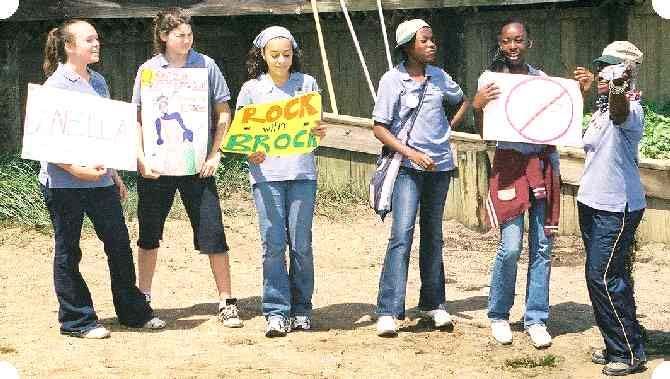
Purpose                                              Program Links

This patch program is designed to be completed over          Brownie Girl Scouts: Earth & Sky, Eco-Explorer,
the course of a weekend at Camp Coles Trip. Some             Watching Wildlife, Water Everywhere, Listening to the
activities can be completed at your campsite, while others   Past
are meant to be done at specific camp locations. After
participating in this patch program, girls should be able    Junior Girl Scouts: On My Way, Traveler, Local Lore,
to                                                           Earth Connections, Outdoor Fun, Water Fun, Wildlife,
    • name three plants and three animals that inhabit       Your Outdoor Surroundings, Rocks Rock, Water Won-
         Camp Coles Trip                                     ders
    • describe two key functions of wetlands and why
         wetlands are important for humans                   Teen Girl Scouts: All about Birds, Digging through the
    • describe how their actions at camp and at home         Past, Eco-Action, From Shore to Sea, Plant Life, Wild-
         affect wetlands                                     life, Camping IPs, Makin’ Waves Focus Book
    • describe what an ecosystem is and what the
         ecosystem at Camp Coles Trip looks like now         All ages: Roots and Shoots Council’s Own Try-It, badge
         or looked like at some point in history             and IP; Water Drop Patch

           Compare this map of Camp Coles Trip in the 1970s to the one from 2006 on page 13.

  Page 2                                          August 2006                                Coles Trip Treasures
Supply List

Most activity supplies are available in a storage shed       only the patch program kit supplies you will need to
near the wetlands boardwalk. Be courteous to the needs       complete your selected activities and discuss how to
of your fellow campers when doing any of these activities:   share supplies and locations equitably so everyone has
do not disturb other campers in their campsites, take        a chance to fulfill the requirements.

 Activity                       Supplies Provided for 15 Girls                    Supplies You Provide
 Wetlands Metaphors             Laminated magazine photos, strainer,              None
                                sponge, antacid, egg beater, coffee filter,
                                cereal box, soap
 Water at Camp                  For each girl: cup, nylon, plastic tie,           Soil to fill cup and 1
                                pencil, eyedropper; for everyone: food            bucket of tap water
                                dye diluted in a cup
 Migration Headache             18 rubber bases                                   None
 Tide Observation               Board with paperclips on string, magnet,          Shoes that can get wet
                                4 dowel rods, long tape measure                   (optional)
 Water Absorption               Stopwatch, 6 plastic drink bottles, 6             1 bucket filled with tap
                                funnels, 6 6” rulers, 6 laminated                 water for each team
                                percolation charts, 6 calculators, 6
                                coffee tins w/ bottom cut out, 7 dry
                                erase markers
 At Home at Camp                Pencils, markers, clipboards                      Paper for each team
 Coles Trip Travel              Pencils, markers for each girl                    Paper for each girl
 Agency
 Shrinking Habitat              Green & blue construction paper, role             Situpons, chairs, tables
                                nametags, 16 rope circles, 3-5 plastic
                                tablecloths
 Deadly Links                   180 popsicle sticks (60 one size, 120             Mess kit bag for each
                                another size), 6 bandannas                        player
 Camping Habits                 Copy of training guide for                        None
                                Camping/Cookout
 Service Projects               None                                              Work gloves, trash bags
 Stair Comparison               For each team: tape measure, protractor,          Paper
                                weighted string, clipboard, laminated
                                observation sheet, dry erase marker
 Coles Trip Role Play           Role play cards, situation sheet,                 None
                                topographic maps and transparencies
                                with proposed nature center
 Are You Me?                    Laminated animal cards                            None
 Optional Animal                Dip nets, binoculars, insect nets, field          Shoes that can get wet
 Observation                    guides, ice cube trays, jars, hand lenses
 Listening Activity             None                                              Notepad & pencil
                                                                                  (optional)
 Log Investigation              Field guides, hand lenses, bug boxes,             Flashlights
                                index cards

Coles Trip Treasures                                 August 2006                                   Page 3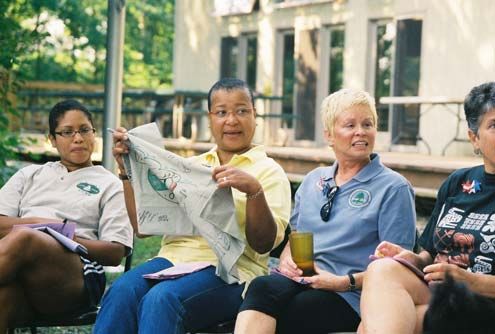
Requirements
Brownie Girl Scouts: Do one activity from each of the four categories below.
Junior Girl Scouts: Do one activity from each category below, plus one additional activity from any category.
Cadette/Senior/Studio 2B Girl Scouts: Do one activity from each category below, plus two additional activities
from any category.

Before beginning activities, please complete the “Before” evaluation on page 20. Complete the “After” questions
upon completion of activities.

Wetland Functions &                                                                           Ecosystems
Importance                                          Wetland Metaphors                         1. At Home at Camp – Discuss
1. Discuss with girls                                                                         with girls the many plants and animals
   the many functions of          sponge = absorbs excess water caused by                     that make their homes at Camp Coles
   wetlands. The                       runoff; retains moisture even after standing           Trip. In order for any plant or animal
   Wetland Metaphors                   water dries up (sponge stays wet after it              to make a place its home, the place
   to the right represent              has absorbed a spill)                                  must contain four things – food,
   the different functions        pillow/bed = resting place for migratory birds              water, shelter and space. Take some
   if your girls need help        egg beater = mixes nutrients and oxygen into                of the girls’ suggestions for animals
   guessing.1                          the water                                              that live at camp and identify
                                  cradle = provides a nursery that shelters,                  specifically where at camp these
2. Explore where our                   protects and feeds young wildlife                      animals might find the food, water,
   Water at Camp                  strainer = strains silt and debris from water               shelter and space they need. Have
   comes from by                       (keeps water supply clean)                             girls split into small groups, each
   creating a model               coffee filter = filters smaller impurities from             selecting an animal (mosquito,
   aquifer. This activity              water (excess nutrients, toxins)                       raccoon, deer, etc.) and sketching the
   is described in the kit        antacid = neutralizes toxic substances                      four habitat elements where they find
   in the shed.                   cereal, rice, picture of garden = provides                  them at camp.2
                                       nutrient-rich foods for wildlife and humans
3. Play Migration                 soap = helps cleanse the environment                        2. Have girls pretend to be travel
   Headache on page 8.            picture of zoo = habitat for diverse wildlife               agents with the Coles Trip Time Travel
                                  picture of resort or motel = resting or                     Agency. Each should design a travel
4. Do an experiment                    wintering place for migrating waterfowl                brochure, poster, radio or TV
   observing the tides                                                                        commercial for a fictional vacation
   (page 17) or water                                                                         package during a time period in the
   absorption for different soils (page 10).                                   history of Camp Coles Trip. Girls can use whatever
                                                                               materials are appropriate and base their vacations
                                                                               on the history and photos of Camp Coles Trip
                                                                               provided in this patch program booklet. If you are
                                                                               doing this activity before or after your trip to camp,
                                                                               encourage girls to refer to encyclopedias, history
                                                                               books, the Internet, former Coles Trip campers or
                                                                               other sources to find out more about the history of
                                                                               the region around Camp Coles Trip.3

                   Photo: GSCNC Archive (photographer unknown)
           Camping in a platform tent at                                3. Play the Shrinking Habitat game (page 12) or the
               Camp Coles Trip.                                            Deadly Links game (page 18).

  Page 4                                                         August 2006                                 Coles Trip Treasures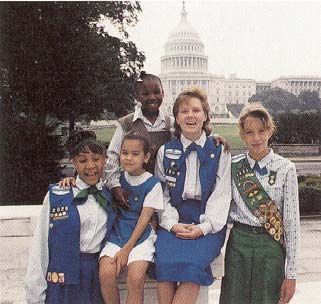
Requirements

Actions at Home & at Camp Affect the Native Plants & Animals
Environment                                               1. Play the “Are You Me?” matching game (page 16).
1. Talk with the girls about the camping habits from
   your camp training that minimize impact on the 2. Choose an area of camp that is relatively distant from
   campground (i.e. staying on paths, running dish water     activity of other campers. Have girls sit quietly with
   through leaves in a bag, making a fire just big enough    their eyes closed to listen to the sounds and note
   for cooking, using only fallen wood, etc.).               what they hear. Can they identify specific
                                                             environmental sounds or animals? After a length of
2. Complete a service project at camp, such as trail         time appropriate to the age group, have them share
   maintenance, litter collection, wood stacking or          what they heard. Come back to the site later in the
   scrubbing the lodges or boats. Contact the Camping        day or at night to repeat the activity and compare
   Department for suggestions and guidelines prior to        the sounds they heard. Are there different sounds at
   your visit.                                               different times of day? 4

3. Compare several staircases throughout camp. The 3. Investigate how fungi, plants and animals convert a
   different designs all have the same goal: get people     tree into soil. Find a fallen and rotting log near a path
   down or up a hill while minimizing their impact on       (or you can use a pile of leaves) and use the critter
   the hill. Together or as small groups, ask girls to      examination supplies to look closely at the many
   observe the factors below. One group should also         decomposers: organisms that digest dead or dying
   examine a steep hill that has a foot path instead of a   plants and animals and convert them to nutrient-rich
   staircase. After exploring these questions, girls should soil. Remind girls to replace everything just as they
   compare their stair and footpath observations,           found it upon arrival – do not tear apart the logs or
   discussing which staircase design seems to do the        pick plants or fungi. Use the guidelines for observing
   best job of minimizing human impact on the hill.         live animals on page 9 and be sure to return
                                                            everything to its home. Ask girls:
   a. Estimate the steepness of the hill. Older girls can
        use the protractor, weighted string and tape        a. How many kinds of creatures can you find on
        measure to gauge steepness accurately.                   the log? How many kinds of plants?
   b. Do you walk on the hill itself or are you on a        b.  What   colors are most of the things on or under
        platform?                                                the log? Are there bright colors?
   c. Are there plants on or near the stairs? Do areas      c. Look at the soil under the log. What is the soil
        with plants have more, less or about the same            made of? How does it feel?
        amount of erosion as bare areas?                    d. Can you tell how these plants and animals are
   d. Do you see evidence of erosion on the hill away            changing the log?
        from the stairs? Close to the stairs? Is there      e. Describe insect holes, tunnels or other signs that
        more, less or the same amount of erosion close           creatures have been moving through the log.
        to and far from the stairs?                         f.   What role does the log play in this natural
   e. Girls should sketch staircases, being sure to              community?5
        include plants and evidence of erosion so they                                      The Boat House has
        can remember what each staircase looked like                                        safely stored canoes,
        when they begin comparing them.                                                    sailboats, windsurfers
                                                                                          and a chase boat since
4. Participate in the Coles Trip Nature Center Role                                               1997.
   Play on page 14.

Coles Trip Treasures                                August 2006                                     Page 5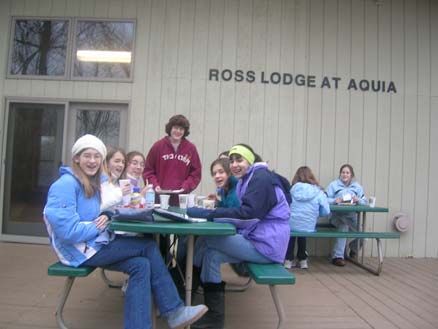
History of Camp Coles Trip

Before People Came                                           of Virginia – the Dogue (also known as the Taux or
When you look around at the fossils at Camp Coles Moyumpse), the Patawomeke and the Piscataway. These
Trip, you may find evidence of sharks, crocodiles, fish, people grew maize (an ancestor of today’s corn), beans
mollusks, small mammals and other coastal animals – and other vegetables.
creatures that lived here 55-60 million
years ago. The mixture of land and                                              In the 1640s Giles Brent built the first
sea creatures tells us that the area was                                        settlement in the area at Brent Point,

                                                                             Mattox Commercial Photography/Debra Blaha
underwater and close to land, with                                              just across Aquia Creek from camp.
rivers carrying and burying the remains                                         When Camp Coles Trip opened in
of coastal land plants and animals.                                             1955, you could still see the house
Geologists suspect that the coast used                                          built by Mr. Brent’s brother across the
to be about where I-95 is today. The                                            creek. The good relationship Mr.
presence of crocodiles tells scientists                                         Brent had with local Native
that the weather here used to be                                                Americans provided the settlers with
warm, like Florida. The abundance of                                            food and helped the small town of
mollusk shells and occasional                                                   Aquia prosper and grow. By the
cemented beds indicate sediment was You can see Aquia Sandstone                 1650s, Brent had been joined by
deposited slowly here. Over time, this      at 15th  Street and Constitu-
                                                                                hundreds of settlers. The main crop
sediment was compressed and tion Avenue, NW, where the                          was tobacco, but Aquia entrepreneurs
eventually formed the sandstone                Capitol Gateposts and
                                                                                also exported sandstone, which was
found at camp.                                 Gatehouse now stand.
                                                                                used to build the Capitol building and
                                                                                the White House in Washington, D.C.
Early Settlements in Stafford County
When the Earth cooled about two million years ago, During the Civil War, the Confederate Army built
much of the world’s water became locked in ice caps fortifications along the Potomac River to fire upon Union
and glaciers, lowering the sea level and turning this area ships trying to supply Washington, D.C. The remains of
into a river valley where mastodon, mammoth and other one of these fortifications, Fort McLean, were still visible
now-extinct species roamed. Humans traveled to the when Camp Coles Trip opened. The Union eventually
area to hunt this big game. Then about 10,000 years broke the blockade, rebuilt the Aquia to Richmond
ago, the temperature rose and water began to fill the railroad the Confederates had destroyed and used it to
river valley, forming what we know today as the carry supplies as they fought in Virginia.
Chesapeake Bay. People turned from hunting and
gathering their food to farming between 1,100 and 3,000 Camp Coles Trip
years ago. With farms to take care of, people began to The Fairfax County Council of Girl Scouts purchased
establish permanent settlements along the waterfront. The 229 acres on Aquia Creek in December 1954 and chose
Chesapeake Bay and the rivers that fed it provided the name “Camp Coles Trip” for their newest resident
transportation, rich soil for farming, fish, oysters, game camp. Camp opened on July 3, 1955 and welcomed
and waterfowl.                                               150 girls and 10 counselors. From 1956 to 1957, a
                                                             winterized lodge, a primitive unit called Pioneer and three
When European settlers came to this area, there were other units were added. Arrowhead Lodge was added
perhaps as many as 100,000 people living in the in 1962. Resident campers in these early years had to
Chesapeake Bay watershed area. Europeans pitch their own tents, cook their food and carry water to
encountered three separate tribes in the northern neck their units from just a few pumps.

   Page 6                                          August 2006                                                           Coles Trip Treasures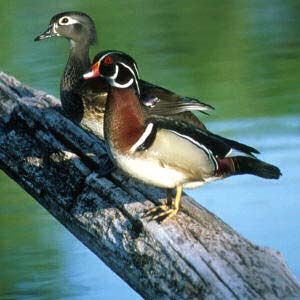
When the Fairfax County                                                      In the early 1990s GSCNC made

                                  Photo: GSCNC Archive (photographer unknown)
Council expanded to include the                                              major renovations at Camp Coles Trip.
City of Falls Church and                                                     The council added three camping units
Quantico Marine Corps School                                                 on the Arrowhead side of camp, docks
in 1958, they changed their                                                  at the waterfront, an access road,
name to the Northern Virginia                                                winterized lodges, a boathouse and a
Girl Scout Council. It was this                                              151-step stairway from the Aquia side
council that joined with four                                                of camp to the waterfront. GSCNC
other local councils on January                                              also renovated Aquia Lodge and the
8, 1963 to form the Girl Scout        Girls  have  pitched tents at Camp     shower house, made units at each camp
Council of the Nation’s Capital Coles Trip for more than 50 years. handicapped accessible, renovated and
(GSCNC). GSCNC kept Camp Coles Trip and began rearranged the White House unit and converted Forest
renovations in 1966, replacing and adding tents and tent Hideaway from platform tents to glen shelters. With all
platforms in Ridge and Forest Hideaway to these changes, girls were able to resume resident camp
accommodate more girls, adding latrines at three units in the summer of 1995. Starting in 1997, a special week
and routing water to Pioneer so girls no longer had to of camp was reserved for Camp CEO, an annual camp
carry water from Arrowhead. Throughout the 1960s, where teen girls camp with local business leaders to learn
Camp Coles Trip was a resident camp where girls from their experiences.
enjoyed sailing, canoeing and the occasional luau.
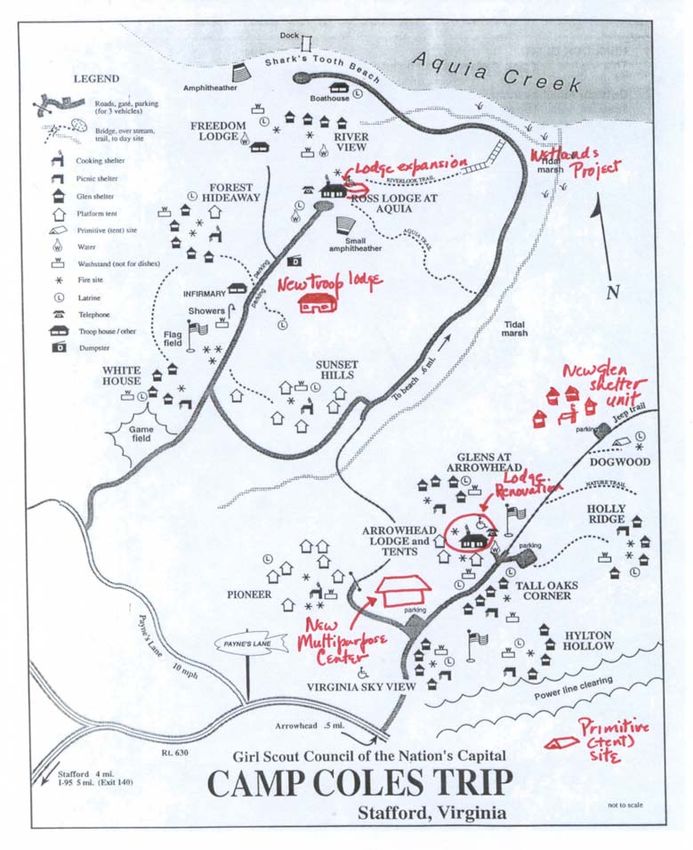
                                                             Another round of renovations is underway as this history
If you look at the map on page 2 from the 1970s, you is written (see map on page 13). Construction has been
will notice that there was a dining hall and the Ridge tent completed to expand Ross (Aquia) Lodge, build a
site at the waterfront. When camp opened, there was a wetland boardwalk and renovate Arrowhead Lodge.
wide sandy beach at the waterfront, but that had slowly There are plans to add a multipurpose center, a new
eroded away, eventually getting too close to the glen shelter unit and a primitive tent site to the Arrowhead
waterfront camp sites. In 1981, the council stopped side of camp and a new troop lodge to the Aquia side of
offering resident camp at Camp Coles Trip as they camp. Though some things stay the same (people have
developed a plan to control waterfront erosion. By 1986 been directed to turn at the fish sign since at least 1974),
the erosion control projects were completed.                 camp is always changing.

                                                                                History Resources
Bourdon, Grimsley, Heim & Weems (updated February                                        “Middle Woodland 500 B.C.–A.D. 900” First People:
2006). Late Palaeocene Sharks & Rays of the                                              The Early Indians of Virginia. Retrieved 5/1/06.
Chesapeake Bay Region. Retrieved 5/1/06.                                                 w w w. d h r. v i r g i n i a . g o v / a rc h _ N E T / t i m e l i n e /
www.elasmo.com/frameMe.html?file=paleo/                                                  middle_wood.htm
index.html&menu=bin/menu_fauna-alt.html
                                                                                         “Native Americans and Europeans” Historic Fort
Mountford, Kent (updated 09/21/99). “In the Beginning”                                   Belvoir. Retrieved 5/1/06. www.belvoir.army.mil/
A Capsule History of the Chesapeake Bay. Retrieved                                       history.asp?id=Native
5/1/06. www.chesapeakebay.net/info/hist1.cfm
                                                                                         Stafford County Tricentennial, August 1-8, 1964, from
Sprouse, Edith Moore. “History of Camp Coles Trip” from                                  the Souvenir Program. Retrieved 5/1/06.
GSCNC Archive.                                                                           www.rootsweb.com/~vastaffo/tricent.htm

(updated 1/4/2005). “Aquia Creek Sandstone” Geology                                      Thanks also to the GSCNC History and Archives
Field Notes: National Mall and Memorials,                                                Committee for allowing the author to use archival
Washington        D.C.       Retrieved      5/1/06.                                      collections of photographs and documents.
www2.nature.nps.gov/geology/parks/nama

Coles Trip Treasures                                                                August 2006                                              Page 7
Migration Headache Game
Appropriate for: Junior/Teen Girl Setup
Scouts 1. At the Field of Dreams, place bases in three parallel rows 20 – 30 feet
apart. Each row should have one base for every three girls. Designate
Objectives: Girls will 1) list factors one of the end rows as the “wintering habitat,” the other end as the
affecting habitats and populations “nesting habitat” and the row in the middle as “stopover habitat.”
of migrating water birds, 2)
describe the effects of habitat loss 2. Explain to the girls that they are water birds and will migrate between
and degradation on populations of these areas at your signal. At the end of each migration, the girls will
migrating water birds and 3) infer have to have one foot on a base in order to “survive.” Only three water
the importance of suitable habitat birds can occupy a base at one time. If they cannot find a habitat with
for migrating water birds. space, they “die” and move to the sidelines temporarily.
Materials: Large playing area; one 3. If you would like, you can chart the number of live birds at each point of
base per girl plus three extra bases the migration to record how population size changes in each round or in
response to changes in the habitats. Be sure to note when habitat changes
Background: Migratory birds occur.
depend on having two or more
suitable habitats: a northern habitat Play
where they nest and raise their 1. Begin the activity with all the girls at the nesting habitat. When you say,
young; a southern habitat where “Start your migration,” girls slowly make their way to the stopover habitat,
they find food in the winter and moving their arms like birds in flight, and land on a base. Explain that
resting and feeding habitats (known most water birds need stopover habitats to rest and eat before continuing
as stopovers) because they travel their migration.
hundreds or thousands of miles
between nesting and wintering 2. Announce “Continue to the wintering habitat” for the girls to complete
grounds. Changes in even one of their journey to the end of the field.
the wintering, stopover or nesting
habitats can affect the survival of 3. Before the girls migrate back “North” to the nesting habitat, remove
migrating water birds. This activity one base from the stopover habitat, explaining that a developer received
demonstrates how changes in these a permit to drain a wetland and build a mall. Instruct the birds to migrate
three habitats might affect water to the stopover habitat. Girls who do not find available habitat “die” and
bird populations. should stand on the sideline. Tell the girls that these birds died as a result
of habitat loss. Remind the girls that when the birds return to the nesting
habitat there may be space for new birds to be born. If there is space,
any girls on the sidelines may re-enter the game as hatchlings.
4. Continue the migrations, inserting one of the habitat scenarios below
periodically. Girls may also suggest their own scenarios.
a. A marsh is dredged to build a marina. Remove one stopover habitat.
b. A landowner agrees to re-flood fields after harvesting, increasing
wetland acreage for wintering birds. Add one wintering habitat.
c. Increased numbers of mink and raccoons (nest predators) reduces
the value of a marsh nesting area. Remove one nesting habitat.
Wood Ducks migrate to the d. Converting bottomland hardwood forests to cropland reduces
southeastern U.S. in winter. wintering habitat. Remove one wintering habitat.
Page 8 August 2006 Coles Trip Treasurese. New legislation restricts motorboat traffic on
several lakes and marshes, reducing human
disturbance to wildlife. Add one stopover habitat.
f. Years of sufficient rain and snow replenish the
water supply, increasing the food supply. Add
one nesting habitat.
5. After the activity, ask the girls to identify factors that
caused water bird populations to decline or increase.
Which factors were human-caused? Which were
natural? What were the short- and long-term effects
of the decline or increase? How are human
Photo credit: Shari Bedker
communities affected by these changes to the
Though ducks migrate South, girls enjoy
habitats? 6
winter programs like this Criminal Science
Investigations Weekend at Coles Trip.
Guidelines for Observing Animals
Leave No Trace Principles13
Remember to follow Safety-Wise guidelines for
• Plan ahead and prepare
wading and for observing animals.
• Travel and camp on durable surfaces
• Dispose of waste properly
• Leave what you find
• Minimize campfire impacts Basic guidelines for amphibians, reptiles, mammals
• Respect wildlife and birds:
• Be considerate of other visitors • Never approach an animal too closely. Each species
has different tolerance levels for interaction with
Basic guidelines for observing insects, spiders humans. In areas where hunting is allowed, animals
and other arthropods: tend to be much less tolerant than areas that are free
• Don’t touch any creatures you don’t know – many of hunting. For a closer view, use binoculars, spotting
insects sting, bite or release poisonous chemicals to scopes or telephoto lenses.
defend themselves. • As you watch animals, look for signs of agitation,
• Keep a safe distance—4-6 feet from solitary stinging aggressive behavior, warning calls or distraction
insects, at least 20 feet from stinging insect homes. techniques. If you see such signs, you are too close,
• Know the endangered creatures and dangerous so back away slowly and quietly. Always keep a
creatures for your area (Black Widow spiders, low profile.
hornets, endangered Tiger Beetles, etc.) so that you • If you come upon a young animal or eggs, whatever
can avoid them. you do — DO NOT TOUCH THEM! The parent
• Invertebrates can feel pain and can suffocate if left may reject the baby if it smells human odors on its
in containers without air holes. Be gentle and ensure young or in the nest.
they have enough air to breathe if you catch them • Never feed or bait wildlife to lure them closer. Many
for closer observation. species can be dangerous if surprised, fed or
• Wash your hands after handling any invertebrates. controlled, not to mention the fact that some species
• Return invertebrates to their homes and leave their carry deadly diseases such as hanta virus, rabies or
homes as you found them. bubonic plague.
Coles Trip Treasures August 2006 Page 9Water Absorption Experiment
Setup
Appropriate for: Junior/Teen Girl Scouts
1. Divide the girls into small groups and ask them to
assign a “pourer,” timer” and “recorder.”
Objectives: Girls will 1) predict and test permeability
2. Distribute supplies to each team.
of different types of soil and 2) relate permeability to
3. Divide test sites between the groups so that two
makeup of the soil.
groups together will have a complete set of results
to share at the end of testing.
Materials: For each team of three girls: stopwatch,
plastic drink bottle, funnel, ruler, laminated percolation
Experiment
chart, dry erase marker, calculator, coffee tin with the
1. Choose flat, level testing spots and clear away
bottom cut out, clean bucket filled with tap water
leaves, etc. Twist the can into the soil up to the 5cm
line on the can. If the ground is hard, sink the can as
Background information: Permeability is the rate at
far as possible or hold it firmly down on the surface.
which water percolates (moves down) through the soil.
Do not bend the can.
In general, the slower the percolation rate, the less
2. Timekeeper begins timing as the pourer pours the
permeable the ground. Though soils contain many
tap water from one plastic bottle into the can.
components (organic matter, pieces of rock and mineral
Recorder writes “5cm” on the chart under “Beginning
deposits), the ratio of sand and clay is what usually
Water Level.”
determines permeability. Water typically percolates
3. The pourer calls out when the water disappears so
faster in soils that are mostly sand than in soils that are
the timekeeper can stop the clock. The recorder
mostly clay. Sand particles are fairly large and irregularly
notes the end time in seconds on the chart. The
shaped, so there are lots of large pore spaces between
“Ending Water Level” is “0.” If the water in the can
them for water to trickle through. Clay particles are
has not drained within 10 minutes, stop timing and
finer and lie closer together, so there are smaller spaces
measure the height of water in the can. The recorder
for water to move through. In addition, wet clay particles
should note the water level in centimeters and the
realign, filling in the pore spaces even more. Soil that
finish time as 600 seconds.
drains quickly is usually not wetland soil, although sandy
4. Record the number of centimeters drained (beginning
soils near the water table are sometimes an exception.
water level minus ending water level). Discuss
specifically where the water went.
The pore spaces in soil near the surface of the ground
5. After each percolation test, dig under the cans with
and several feet above the water table are usually
sticks to investigate the soil and discuss what you
occupied by air and some moisture. When water from
see.
precipitation or runoff percolates into the soil, air is
6. Once finished observing the soil, return the test site
forced out. Water occupies the pore spaces previously
to how it looked before the experiment, replacing
filled by air, reducing the oxygen supply in the soil. The
dirt and leaves. Repeat the experiment once or twice
longer the precipitation or runoff continues, the longer
nearby.
the period of low-oxygen conditions. Plants and animals
7. Move to the next site and switch jobs, performing
living in the soil need oxygen, so those that live in
the test as at the first site.
wetlands, where low-oxygen conditions last for long
8. When you have completed this experiment at all the
periods of time, must have special adaptations for
sites, compare your results and discuss some of your
coping with reduced availability of oxygen.
observations with another team.7
Page 10 August 2006 Coles Trip TreasuresPercolation Chart
Site Trial Beginning Ending # cm drained Percolation Average Average Perc. Rate
# water water time (in perc. time (# cm drained/perc. time)
Coles Trip Treasures
level level seconds) cm/min cm/hr
Bare & 1
compacted 2
3
Grassy, 1
not used 2
3
Forest or 1
garden 2
3
August 2006
Muddy 1
(wetland) 2
3
Gravel 1
driveway 2
3
Sandy 1
2
3
Page 11
Example 5 cm 0 cm 5 cm 15 sec. Average 20 cm/min 1200cm/hr
of trialsShrinking Habitat Game
Setup
Appropriate for: Junior/Teen Girl 1. Divide the girls into four groups: herbivores, carnivores, vegetation and
Scouts land developers. Plan for three times as many herbivores as carnivores,
with a small number of developers in proportion to the other two groups.
Objectives: Girls will 1) describe The amount of vegetation may vary. In a troop of 15 girls there would
some effects of human land be two developers, two carnivores, six herbivores and five trees or
development on plants and animals bushes. Suggest that each girl select a particular kind of Coles Trip
previously living in an area, 2) plant or animal to role-play for the game.
evaluate the importance of suitable
habitat for wildlife and 3) recognize 2. Establish a large area – your campsite, the Field of Dreams or another
that loss of habitat is a critical open space – to simulate the wildlife habitat before development. The
problem facing wildlife today. land developers stay on the sidelines observing the undeveloped land
and its wildlife inhabitants or meet together nearby to make plans for
Materials: For a group of 15 girls: development. They should consider where buildings and roads go.
role nametags, green and blue
construction paper; 16 string Play
circles; tables, chairs, situpons etc.; 1. Provide each herbivore and carnivore with the resources listed below.
three to five tablecloths Ask the herbivores to arrange the food, water and shelter – including
the girls who are vegetation – in a space to represent their habitat. Once
Background information: Review the herbivores have arranged their habitats, ask the carnivores to move
with the girls the elements necessary into the area to establish their lairs and water sources, keeping an eye
for a habitat (food, water, shelter on the herbivores as possible food sources. Each carnivore’s territory
and space arranged suitably for a is equal to the space used by three herbivores. This phase takes about
particular animal). After some 10 minutes, with developers planning while the herbivores and carnivores
discussion to make sure that the arrange their habitats.
elements of habitat are clearly in
mind, tell the girls that in this activity 2. Once all the animals have established their habitats, the developers enter
they will be simulating wildlife in its the picture. The developers have seven minutes to construct their
habitat. Make sure the girls are development, explaining their actions as they take them. They may use
familiar with the terms herbivore = only the space equivalent to three tablecloths. The developers use
plant-eating animal, carnivore = tablecloths to represent their development. They may gently move or
meat-eating animal and omnivore = remove girls representing plants, shelters (represented by string circles),
animal that eats both plants and food and water.
animals.
3. Once they have constructed their development, engage all of the girls in
a discussion of what happened. How did the developers change the
habitats and what were some consequences? Would any animals die?
Could the developers have done anything differently to change the
Herbivore Carnivore
consequences? What would be the effect of developing several
Shelter 2 string 1 string
circles circles scattered small areas instead of one large area, or vice versa? Was
Food 3 green paper 3 herbivores there a different location for the development that might have
Water 1 blue paper 1 blue paper minimized negative consequences for wildlife? Were there positive
Vegetation Some Some consequences to the development? If so, what were they and how
Page 12 August 2006 Coles Trip Treasureswere they achieved? Ask the girls to summarize some of the possible
impacts on wildlife from human activities like land development. Ask
the girls to summarize the importance of suitable habitat for wildlife.
Real Life Application: How is this activity similar to or different from real
life? Are there places in your community where wildlife habitat has been lost
to development? Are there places where wildlife habitat has been enhanced
by human activity? What alternatives, if any, are there to development of
natural areas? What are possible economic, social, ecological and aesthetic
costs of these alternatives? If development does take place, what kinds of
actions can minimize the negative consequences for wildlife, vegetation and
the environment?8
Water is an important
element of habitats.
This 2006 map of Camp
Coles Trip shows existing
sites and plans for new
site construction.
Notice that the sites at
the waterfront in the
1970s no longer exist and
there are now lots more
sites on the Arrowhead
side of camp.
Coles Trip Treasures August 2006 Page 13Coles Trip Nature Center Role Play
Appropriate for: Junior/Teen Girl Scouts Setup:
1. Read the construction proposal to the girls.
Objectives: Girls will 1) describe some of the concerns
that arise with construction proposals and 2) debate 2. Randomly distribute role cards and ask girls to meet
the pros and cons of a construction proposal. for five minutes in groups playing the same role. The
girls with the same roles should discuss the following
Materials: Role play cards (one per girl, reflecting questions:
variety of roles to play), laminated topographical maps a. How will this project affect your group?
and transparencies with proposed nature center b. Would you vote for or against this project?
c. If against, what alterations or revisions would
Background information: make it acceptable?
When companies plan to build near or alter wetland
areas, they must first apply to both state and federal Play:
governments for construction permits. Representatives 1. Split girls into two or more “public hearings” where
of government agencies visit the proposed project site, each hearing has at least one representative from
determine where the wetland boundaries lie and assess each role. An adult acts as a facilitator at each hearing,
the ecological functions and social and wildlife values calling on representatives from each role to make a
of the wetland. Before each agency decides whether one- or two-minute presentation that expresses their
to issue a permit, the project will go out on public notice. concerns about or support for the project.
If any individual requests it, a hearing will be held to
discuss all relevant issues surrounding the project. At 2. After each role has made a presentation, the
the hearing, the involved agencies testify, as do facilitator moderates an open discussion of the
concerned citizens. Citizens’ statements really matter proposal. Anyone in the hearing can participate and
and become part of the public record. Points brought the goal is to debate the proposal and see if there is
out during the hearing will be used by the agencies in a solution acceptable to all interest groups.
their decision-making.
3. After this discussion, all players should come together
out of character to discuss some of the points of
contention and suggestions for revisions from each
forum. 9
The proposal: To build a nature center on the Camp
Coles Trip property, replacing the current Arrowhead
Glens site. The Coles Trip Nature Center will be two
stories tall, with nature exhibits on the lower floor and
open rooms for day use on the upper floor. There will
also be a treetop observation deck on the back of the
A key campaign promise in former GSCNC nature center. The nature center will have flush toilets
President Donella Brockington’s mock run for connected to a septic tank. The septic field will be
Commissioner of Aquia Creek at Camp CEO in covered with native wildflowers and shrubs.
2004 was to remove seaweed clogging the creek.
Page 14 August 2006 Coles Trip TreasuresGSCNC Waterman
Fern Comstock came to GSCNC two years ago so she Ostra Fisher followed in her father’s footsteps and
could share her love of nature with girls. She proposed became an waterwoman more than 25 years ago. When
constructing this nature center to showcase the natural oysters are not in season, she supplements her income
wonders at camp and increase day-use space. A local by taking tourists fishing.
architectural firm used her program ideas to create the Concerns:
proposed nature center design. • Balance amount of sediment and nutrients in
Concerns: water to allow oysters to feed
• Provide nature exhibits to increase appreciation • Prevent pollution carried by runoff from
& awareness collecting in oysters
• Increase camp day-use • Maintain water clarity so tourists can spot fish
• Create adequate space to store activity supplies • Receive compensation if her family has to find
new places to harvest oysters
Girl Scout Leader
Chen Hao is co-leader of a troop of 12 Junior Girl Scouts
in Dumfries, Virginia. One of her responsibilities is to
find a free troop meeting place. She has not had much Audubon Society
luck finding a space that is safe and versatile for troop Jatrice Tanager enjoys watching bald eagles fishing along
activities. Her troop enjoys Camp Coles Trip. Aquia Creek. Each year, she organizes a migratory bird
Concerns: event where residents can learn about the birds who
• Provide a safe place for girls to meet migrate through their area and how to help them on their
• Camp at a site close to where her troop lives journey.
• Keep costs for meeting site and camping low Concerns:
so troop can afford activities • Minimize disturbance from construction on bird
nesting and feeding patterns
Soil Conservation Service • Ensure that future generations can bird-watch
Sandy Ortiz is on the Viginia Soil and Water Conservation in this area
Board. She works most often on construction projects • Minimize disturbance from increased human
along the coast. She helps identify soil types and proper presence at nature center
construction techniques for each kind of soil.
Concerns:
• Control erosion during construction
• Stabilize the sandy soil upon which the nature Waste Management
center will be built Monique Johns owns a waste management company
that services Fauquier and Prince William counties. Her
City Council Member company installs and maintains septic tanks and pit toilets
Raquel E. Perez has served on Stafford City Council for for residential and commercial sites. Ms. Johns wants to
the past four years. She is up for re-election in the fall. expand her business into Stafford County.
Councilwoman Perez, a strong advocate for education, Concerns:
supports partnerships between schools and community • Ensure that human waste does not leak into
organizations. nearby waterways
Concerns: • Manage septic system as nature center use
• Provide afterschool activities for Stafford climbs
students • Secure a waste management contract for Camp
• Ensure that the nature center will cause minimal Coles Trip
damage to the environment
Coles Trip Treasures August 2006 Page 15Are You Me?
Appropriate for: Daisy/Brownie/Junior Girl Scouts Play
1. When all the students have made their choices, let
Objective: Girls will recognize various stages of aquatic the group ensure that the matches are correct. The
animals and match them with corresponding adult leader may show girls the matched images on the
stages. laminated master sheet.
Materials: laminated master sheet, one set of 20 pairs 2. Have all the girls examine the correctly matched pairs.
of animal identification cards Look for
similarities and
Materials for optional animal observation: dip nets, differences in
binoculars, insect nets, field guides, trays, hand lenses how aquatic
and jars animals grow and
change. Also
Background information: Discuss with girls how discuss whether
sometimes a person can look very different when they the habitat
are young compared to when they are older. In this requirements
exercise, girls match young forms of animals with their might be different between the adult and juvenile
adult forms. animals of the same species (for example, the
dragonfly nymph must live in water, but the adult
Setup can fly around dry areas).10
Divide girls into two groups. Designate one group as
“adults” and the other as “young animals.” Give each If girls are interested in observing some of these different
girl a card from the corresponding set of adult and young life stages, they can use a set of dip nets, binoculars,
animal cards. Make sure there is a corresponding match, insect nets, field guides, trays and jars provided in the
adult and juvenile, for each card given. Instruct the girls kit to capture, observe and release critters. Refer to the
to look for their matches by pairing the appropriate adult “Guidelines for Observing Animals” on page 9.
and juvenile forms.
Jan Verhage
Girls who attend programs at camp, like the 1988 October Odyssey (left),
might someday return to camp to mentor girls, like the women in the
photo on the right, who participated in Camp CEO at Camp Coles Trip.
Page 16 August 2006 Coles Trip TreasuresTide Observation Experiment
Activity Appropriate for: Junior/Teen Girl Scouts
1. Review Safety-Wise guidelines for wading, beach
and water activities with the girls prior to visiting the Objectives: Girls will 1) recognize an effect of lunar
beach. In addition, gravitational pull (tides), 2) explain the tidal patterns of
a. Remain within eyesight of the leader and stay two high and two low tides and 3) observe tidal
out of the water movement and how tides affect the shore.
b. Do not walk on logs or other structures
projecting into the water Materials: board with paperclips on a string, magnet,
c. Be aware of where the tide is currently and dowel rods, tape measure, water shoes
whether it is going out or coming in
Background
2. Go to the Gravity is a force that acts on both objects involved –
water line at the the Earth pulls the moon toward it and the moon pulls
beach and have the Earth toward it. It is the attracting forces of the
girls drive a moon and, to some extent, the sun that create our tides.
dowel securely Although the sun is much larger than the moon (27
into the sand at million times larger), its greater distance reduces the
the waterline to sun’s influence to less than 50% of the moon’s influence
help observe on tides.
changes that
Girls sailing on Aquia Creek need occur during As the moon travels around the Earth, it lifts the oceans
to know about tides. your time at the directly below it, creating a high tide. You can use a
beach. magnet and the paperclips on the string to model how
the moon’s gravity (magnet) attracts the ocean water
a. Ebb tide – outgoing tide: Measure the bared (paperclips) toward it. The action of the moon is even
beach from the high tide mark (line of debris left more noticeable when the sun and moon combine
from the receding tide) down to the water line. forces.
b. Flood tide – incoming tide: Measure the depth Most tidal waters have two high and two low tides
of water from the sand to the water level on the every day. One high tide is when the moon is directly
dowel at the start of your beach visit and again overhead, pulling the water toward it. The other high
at the end (or come back later in the day). Water tide is when the moon is on exactly the opposite side of
shoes are advisable as you might get wet Earth – the water is able to flow away from the moon
retrieving the dowel. You can also stick a series because the moon is not there pulling it (see diagram
of dowels into the sand at one foot intervals to below). Tide timing and height changes daily because it
see how quickly the water travels up the beach. takes the moon 24 hours and 50 minutes to rotate
around the Earth. In addition, the moon’s path around
3. Tide comparison – At the same time, have a group the Earth varies over a month’s time.
of girls place a dowel in the marsh and at the beach.
Have the girls check the dowels throughout the day oceans
to see how the water levels changed due to the tide. Earth
Does the water in the marsh rise and fall in the same Moon
way as the water on the beach?11
Coles Trip Treasures August 2006 Page 17Deadly Links Game
Appropriate for: Junior/Teen Girl 2. Hide the craft stick “food” at random throughout a large open space
Scouts while the girls are not looking. Be sure to count how many you put out
so you can ensure they are all found later.
Objectives: Girls will 1) give
examples of ways in which Play
pesticides enter food chains and 2) 1. Eagles and fish sit quietly on the sidelines, while the mosquitoes are
describe possible consequences of allowed to enter the area to collect food into their stomachs (the bags).
pesticides entering food chains. At the end of 30 seconds, tell the mosquitoes to stop collecting food.
Materials: large open space; one 2. Now the eagles sit on the sidelines to watch as the fish are allowed to
bag for each girl; two sizes of craft hunt the mosquitoes — 15 seconds for a small area to 60 seconds on a
sticks, 15 pieces per girl in the large playing field. Each fish should have time to
proportions of 2:1 small:large; catch one or more mosquitoes. Any mosquito
bandannas for “fish” to wear tagged by a fish is “eaten” and must give her food
to the fish and then sit on the sidelines.
Background: Establish with the
girls a working definition of “food 3. The next time period (from 15 to 60 seconds) is
chains.” A food chain is a sequence for the eagles to hunt food. The fish still hunt for
or “chain” of living things in a mosquitoes, mosquitoes hunt the craft sticks and
community, based on one member the eagles hunt fish. If an eagle catches a fish, the
of the community eating the eagle gets the fish’s food and the fish goes to the
member below it and so forth. For sidelines. An eagle cannot capture a fish while the fish is “eating” a
example, mosquito larvae eat mosquito. At the end of the designated time period, ask all the girls to
microscopic plants and animals, fish come together in a circle, bringing their food bags with them.
eat mosquitoes, and eagles eat fish.
4. Ask the girls who have been eaten to identify what animal they are and
Setup what animal ate them. Next, ask any animals still alive to count the
1. Divide the girls into three groups: number of small food pieces and the number of large food pieces they
approximately three times as have in their food sacks. Complete the chart at the bottom of this page.
many fish as eagles and three
times as many mosquitoes as fish. 5. Inform the girls that there is a pesticide (chemical used to intentionally
In a troop of 15, there would be kill an animal) in their habitat. The pesticide was sprayed into the ponds
one eagle, three fish and eleven where the mosquitoes live to reduce the number of mosquitoes and
mosquito larvae. Hand each prevent them from spreading diseases. The large craft sticks represent
player a small bag or other the pesticide. Any uneaten mosquitoes with large craft sticks in their
container to represent its stomachs are killed by pesticide. Any fish with large craft sticks as more
stomach. Have each fish tie a than half of their food supply are also dead. The one eagle with the
bandanna around her arm as highest number of large craft sticks will not die at this time; however, it
identification.
# alive # small food # large food
Mosquito larvae
Fish
Eagle
Page 18 August 2006 Coles Trip Treasureshas accumulated so much of the pesticide in its body
that it will not be able to reproduce at nesting time.
The other eagles are not visibly affected at this time.
Talk with the girls about what they just experienced in
the activity. How did the food chain seem to work and
how can toxic substances enter the food chain. The girls
may be able to give other examples of food chains or
animals that would be affected by pesticide. Ask girls to
Photo: GSCNC Archive (photographer unknown)
predict what would happen if the proportion of pesticide
Where does your dirty dish water go and how will it
to healthy food changed so that there is less pesticide in
affect the waterways?
the environment. Try the activity again to test their
hypotheses.12
References
1. Slattery, Britt. WOW! The Wonders of Wetlands. Eds. 7. Slattery, Britt. WOW! The Wonders of Wetlands. Eds.
Susan H. Higgins and Mark R. Schilling. “Wetland Meta- Susan H. Higgins and Mark R. Schilling. “How Thirsty
phors.” 2003: 85-86. Is the Ground?” 2003: 239-244.
2. Project WILD: K-12 Activity Guide. “Habitracks.” 8. Project WILD: K-12 Activity Guide. “Shrinking
1992: 36-37. Habitat.” 1992: 258-261.
3. Ranger Rick’s NatureScope: Digging into 9. Slattery, Britt. WOW! The Wonders of Wetlands. Eds.
Dinosaurs. Ed. Judy Braus. “Ancient Days Travel Susan H. Higgins and Mark R. Schilling. “Hear Ye!Hear
Agent.” 1992. v. 1 no. 2 p.27. Ye!” 2003: 253-259.
4. Slattery, Britt. WOW! The 10. Project WILD Aquatic: K-
Wonders of Wetlands. Eds. 12 Curriculum & Activity
Susan H. Higgins and Mark R. Guide. “Are You Me?” 2000: 2-
Schilling. “Introducing 7.
Wetlands.” 2003: 73.
11. (Santos, John G. And This
5. Slattery, Britt. WOW! The Our Life: Outdoor Activities at
Wonders of Wetlands. Eds. Nature’s Classroom. “Tides.”
Susan H. Higgins and Mark R. 1981: 294-296.)
Schilling. “Nature’s Recyclers.”
2003: 226-230. 12. Project WILD: K-12 Activity
Guide. “Deadly Links.” 1992:
6. Project WILD Aquatic: K- 270-273.
12 Curriculum & Activity
Guide. “Migration Headache.” 13. “Leave No Trace
2000: 15-18. Principles” Leave No Trace
Looking at the kinds of animals living in a Center for Outdoor Ethics.
stream is one way to tell how healthy it is. Retrieved 8/14/06. www.lnt.org/
programs/lnt7/index.html
Coles Trip Treasures August 2006 Page 19Coles Trip Treasures Patch Evaluation
BEFORE you start working on the Coles Trip AFTER you have completed activities for the
Treasures Patch Program, please complete the Coles Trip Treasures Patch Program, please
following items with the girls. complete the following items with the girls.
Program level (circle one): D B J C S Teen How long did it take to complete the program? Were
you able to complete the requirements during your stay
Name three plants and three animals that inhabit Camp at camp?
Coles Trip.
Name three plants and three animals that inhabit Camp
Coles Trip.
Describe one key function of wetlands and why wetlands
are important for humans.
Describe one key function of wetlands and why wetlands
are important for humans.
Describe how your actions at camp and at home affect
wetlands.
Describe how your actions at camp and at home affect
wetlands.
Describe an ecosystem represented at Camp Coles Trip.
Describe an ecosystem represented at Camp Coles Trip.
What did the girls like best about doing the patch pro-
gram and why?
You can mail this evaluation with your patch order,
leave it at the shop when you purchase patches or
mail it to the address below.
GSCNC, Program Dept. What did they enjoy least and why?
4301 Connecticut Ave, NW
Washington, DC 20008
Use another sheet to describe your service project if
you did one.
Page 20 August 2006 Coles Trip TreasuresYou can also read


