COLORBOND steel Environmental Product Declaration
←
→
Page content transcription
If your browser does not render page correctly, please read the page content below
COLORBOND® steel
Environmental Product Declaration
In accordance with ISO 14025 and EN 15804

AUSTRALASIA

                                            epd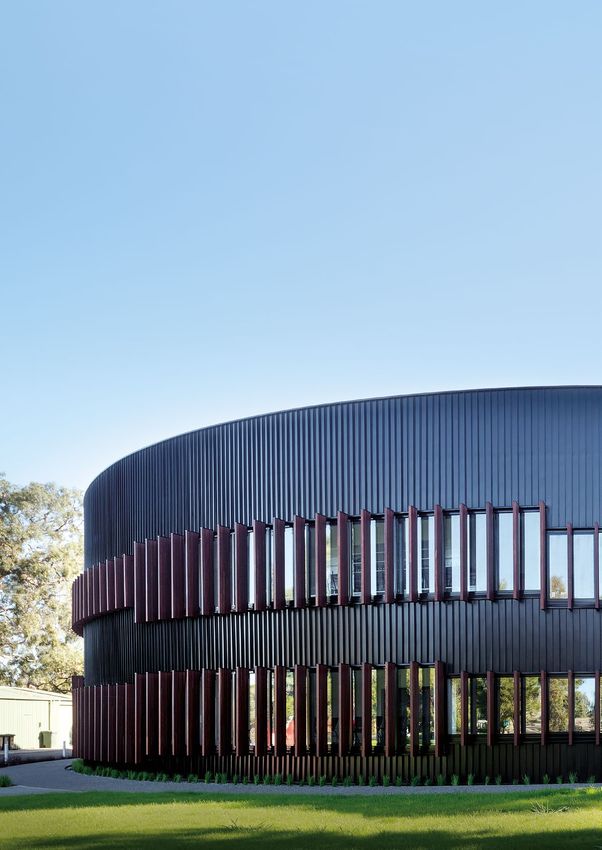
COLORBOND® steel
Environmental Product Declaration

Key Insights
This EPD provides data for COLORBOND® steel at
Base Metal Thickness (BMT) 0.42 and 0.48mm.

  EPD Compliance                                           page
                                                            3
                                                                  Recycled Content             page
                                                                                                6

  –– As per EN 15804                                              25% average recovered
  –– Independently verified                                      content including:
  –– Cradle-to-gate scope                                        –– Post-consumer recycled
      with recycling                                                  content: 8.5%
  –– Product specific                                             –– Pre-consumer recycled
                                                                      content: 6.5%

  Product Content                                          page
                                                            9
                                                                  Recycling                    page
                                                                                               12
  The typical composition of COLORBOND® steel is:
                                                                  –– Recycling steel can
             Element                     Typical Content
                                                                      reduce project costs
               Iron                           >97%
                                                                  –– 100% recyclable steel
            Manganese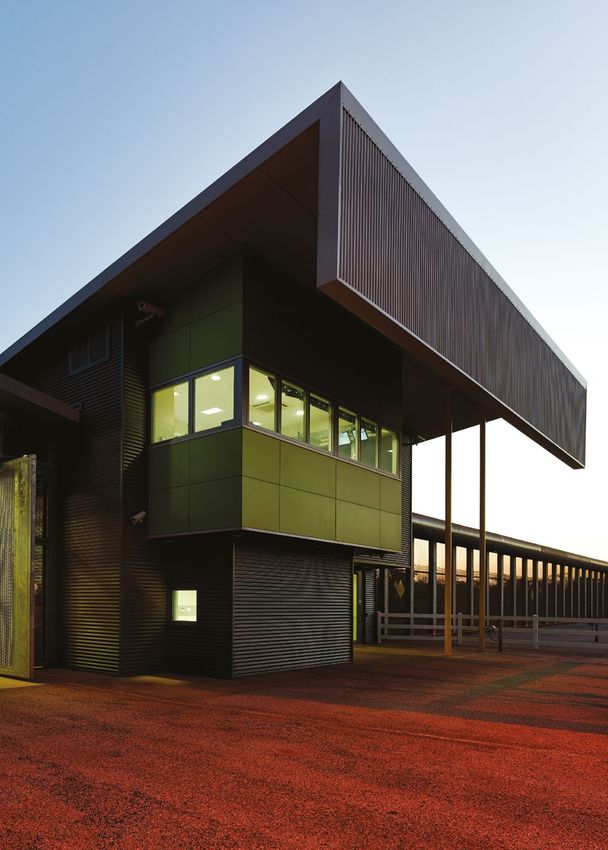
COLORBOND® steel
Provides architects with boundless design possibilities. Below are a few
examples of case studies that showcase COLORBOND® steel’s diversity.
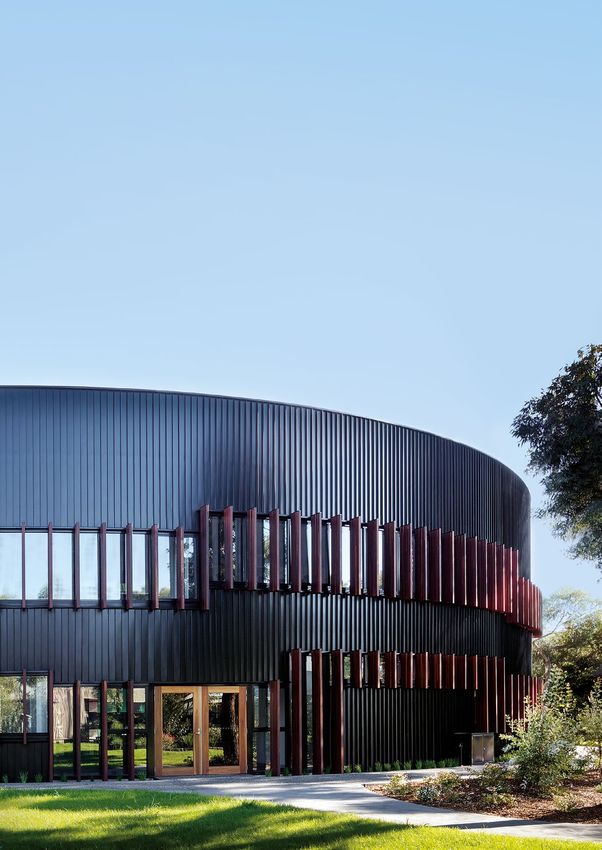
The Canberra College Performing
Art Centre, made from COLORBOND®
steel in the colour Monument®, has
a lightweight and dynamic quality
which feels fit-for-purpose.

1
COLORBOND® steel
Fifty years of Australian research and development has created a range
of technologies that give genuine COLORBOND® steel its long lasting
performance when subjected to some of the harshest Australian conditions.
You can make sure you’re getting the genuine         Whatever you are building with COLORBOND®
article by looking out for the COLORBOND®            steel, it pays to check that you are getting what
steel branding on the product, or its packaging.     you’ve paid for and that the materials used
                                                     are going to live up to the task – especially if
 For roofing and walling, check for the ink
                                                     they are protecting your investment from the
 branding on the reverse side of the sheet.
                                                     Australian elements, which put all building
 On fencing look for laser branding on either side
                                                     materials to the toughest of tests.
 of each panel; it appears at least three times in
 each 2.4m section. For guttering, you can look
 on the inside for ink branding, and, in some
 Australian states, you will find the protective
 wrapping that your COLORBOND® steel arrives
 in, is branded too. Genuine COLORBOND® steel
 garage doors are ink branded. This is an edge
 brand on the reverse side of the sheeting with
”COLORBOND® steel made by BlueScope”.

Victoria’s Deakin University REACH
building reprises the traditional college
with cladding made from COLORBOND®
steel in the colour Shale Grey™.

                                                                                                         Image by Sarah Louise Jackson for Cockram

2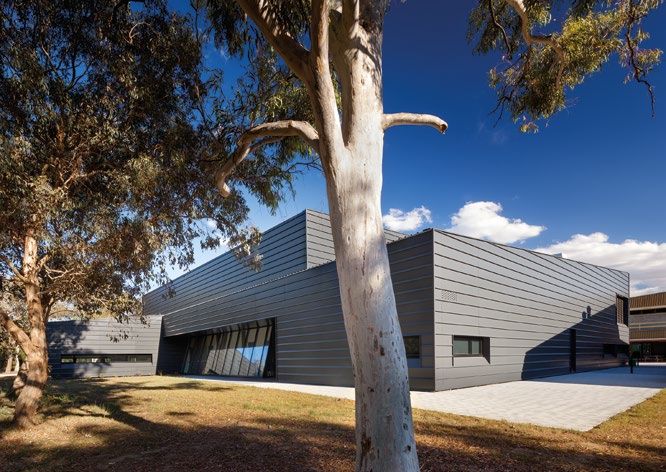
COLORBOND® steel
Environmental Product Declaration

The Versatility of COLORBOND® steel
COLORBOND® steel is manufactured in Australia by BlueScope. Strong and
secure, COLORBOND® steel is tried and tested in Australian conditions and
designed to look great and deliver outstanding, long life performance.
With 22 standard colours in the range, you                         are getting genuine COLORBOND® steel                               of warranties of up to 36 years for roofing
can choose a roof colour that sets the theme                       from BlueScope, make sure you ask for it                           for peace of mind.1
for your whole building, or complements your                       by name, and check for the brand mark
other building material choices.                                                                                                      Supporting a sustainable future
                                                                   on the material.
                                                                                                                                      COLORBOND® steel is durable and resilient
Adapting to the demands of the building                            Designed for the hot Australian sun                                in Australia‘s harsh climate and its long
segment, COLORBOND® steel has changed                              COLORBOND® steel incorporates our unique                           life helps conserve resources and energy
a great deal since its introduction in Australia                   Thermatech® solar reflectance technology,                          that may otherwise be invested in products
in 1966. Not only has the colour range                             designed to reflect more of the sun‘s heat                         with a shorter life span.
evolved, so too has the technology involved                        on hot sunny days. It also benefits from our
in COLORBOND® steel‘s production. Activate®                        industry-leading metallic coating incorporating
metal coating technology was introduced in                         Activate® technology to provide enhanced
2013 and BlueScope holds numerous patents                          corrosion resistance.
on the technology, both in Australia and around
the world. COLORBOND® steel is being used                          Warranties for peace of mind
on roofs for anything from homes all around                        When you purchase COLORBOND® steel
Australia, to large commercial buildings                           you are buying products made and backed
like the Adelaide Velodrome and the                                by BlueScope, one of Australia‘s largest
Margaret Court Arena. To be sure you                               manufacturers. BlueScope offers a variety

“COLORBOND® steel is
 lightweight and durable“

1	Warranties subject to application and eligibility criteria. For full terms and conditions visit bluescopesteel.com.au/warranties.
    Activate® technology is not available for COLORBOND® Stainless steel, COLORBOND® Permagard® steel, and COLORBOND® steel products with a galvanised steel substrate
    (eg. XFP posts and rails, XHI posts and beams, and XIP). Activate® is a registered trademark of BlueScope Steel Ltd. Thermatech® technology is not available in the colour Night Sky®   3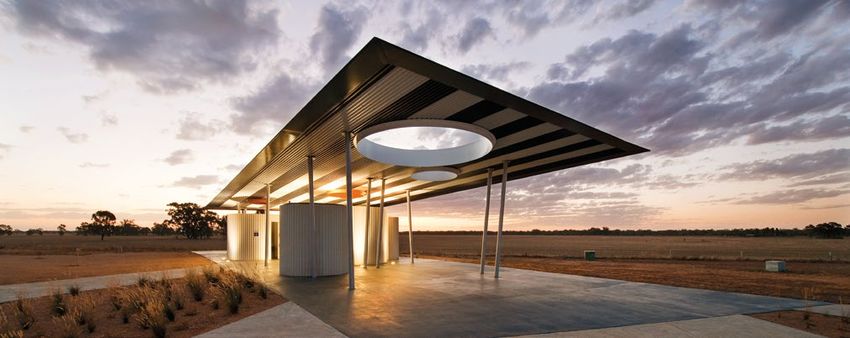
COLORBOND® steel
Environmental Product Declaration

Environmental Product Declaration
COLORBOND® steel
This EPD sets out information on the average        The product range represented by this EPD is         Activate® technology is not available for
COLORBOND® steel standard colour range              the COLORBOND® steel standard colour range.          COLORBOND® Stainless steel, COLORBOND®
product manufactured by BlueScope Australia                                                              Permagard® steel, and COLORBOND® steel
                                                    This EPD is only relevant to COLORBOND®
at its facilities at Port Kembla and Erskine Park                                                        products with galvanised (zinc-coated) steel
                                                    steel products using a steel base coated in
(NSW), Western Port (VIC) and Acacia Ridge                                                               substrate (eg fencing posts and rails, home
                                                    BlueScope‘s aluminium/zinc/magnesium alloy
(QLD). The declared unit presented is one flat                                                           improvement posts and beams) and therefore
                                                    incorporating Activate® technology, which is
square metre (1m2) of standard COLORBOND®                                                                this EPD is not applicable for those materials.
                                                    BlueScope‘s industry-leading metallic coating
steel at 0.42mm and 0.48mm base metal (steel)
                                                    that enhances corrosion performance.                 This is a “cradle-to-gate with recycling“ EPD.
thickness (BMT), in coil form at the outbound
                                                                                                         Other life cycle stages are dependent on how
gate of the manufacturing site.
                                                                                                         the product is used, and should be developed
                                                                                                         and included as part of holistic assessment of
                                                                                                         specific construction works.

Rating Tool                                          Programme:                              The Australasian EPD® Programme
                                                                                             www.epd-australasia.com
EPD Compliance                                       Programme Operator:                     Australasian EPD Programme Ltd

–– As per EN 15804                                   Technical Rules:                        Australasian General Programme Instructions

–– Independently verified                           Product Category Rules (PCR):           Construction Products and Construction Services 2012:01,
                                                                                             Version 2.01, 2016-03-09 (valid until 2019-03-03)
–– Cradle-to-gate scope                             EPD Registration Number:                S-P-00999
    with recycling
                                                     Approval Date:                          2017-03-27
–– Product specific                                  Valid Until:                            2022-03-27

                                                     Revision Date:                          2017-03-27

                                                     Geographical Scope:                     Scope of EPD: Produced using Australian data
                                                                                             Application scope: International

4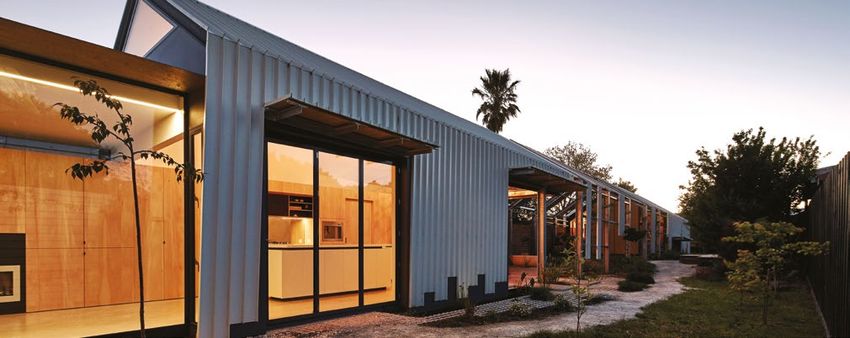
The West Kimberley Regional Prison project made
from COLORBOND® steel in the colour Evening Haze®

                                                    5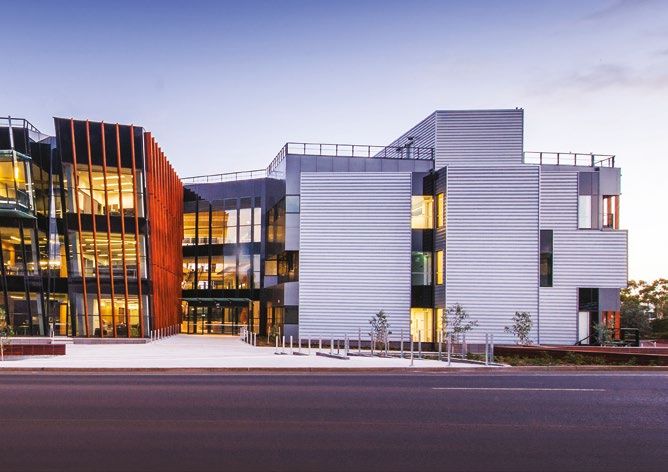
COLORBOND® steel
Environmental Product Declaration

“Declared Unit – This EPD is valid for a declared unit of 1m2
 of COLORBOND® steel with a BMT of 0.42mm and 0.48mm“

COLORBOND® steel Manufacturing
BlueScope manufactures COLORBOND® steel from hot rolled coil steel
in a three-phase process.
Cold reduction involves pickling (acid cleaning)                  leading aluminium/zinc/magnesium alloy          coat, prior to packaging ready for shipment.
the coil, followed by cold rolling, where the                     incorporating Activate® technology.             See the hot rolled coil EPD at www.steel.com.
steel coil is compressed and elongated through                    The metal coated coil is then transferred       au/articles/environmental-product-declarations
rolls to reduce its thickness and increase the                    to a paint line, where it is coated with        for more information on the hot rolling process.
strength of the steel. Following cold reduction,                  a pre‑treatment to improve paint adhesion,
the coil is coated with BlueScope‘s industry-                     followed by a primer and topcoat and backing

Product Content
The typical composition of COLORBOND® steel is:

     Element                   Typical Content                                                                    What is an SDS?
                                                                        Steel by BlueScope – Recycled Content
                                                                                                                  A Safety Data Sheet (SDS) is a document that
       Iron                           >97%                          – 25% average recovered content, including    describes the chemical and physical properties
                                                                    – Post-consumer recycled content: 8.5%        of a product or material and provides safe
    Manganese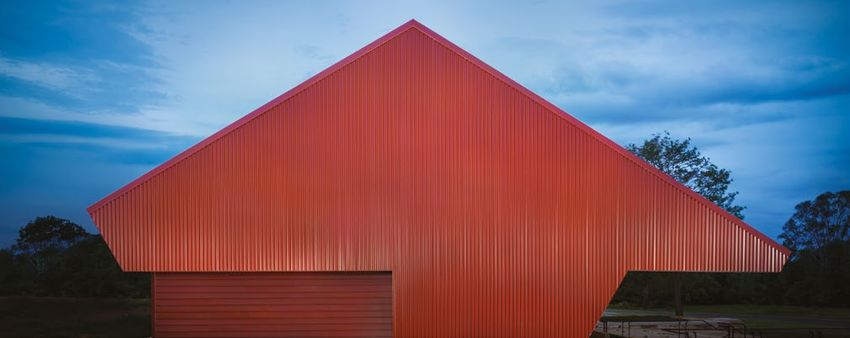
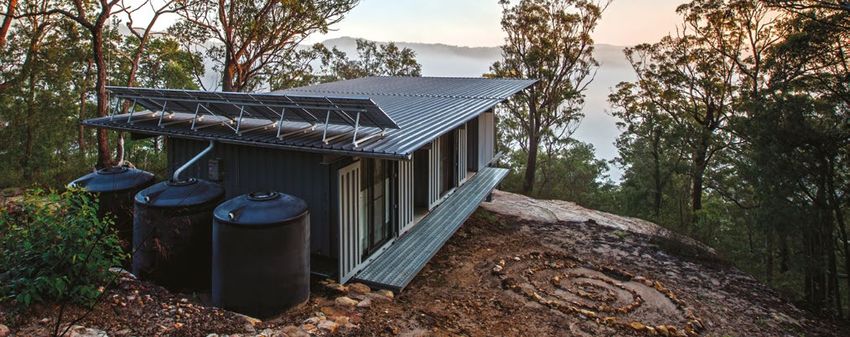
Outpost 7427139 made from COLORBOND® steel
     in the colour Ironstone®

COLORBOND® steel Manufacturing

Iron ore                                     Scrap                                                                  A2
                                                                                                                    Transport
                                                                                                                    Sea, road, rail

             A1
             Raw materials and scrap
             Iron ore, coal, fluxes, scrap

                                                                                                  QLD
                                                                                                  Acacia Ridge                               A3
                                                                                                                                             Manufacturing
                                                                                            NSW                                              From Cokemaking
                                                                                            Port Kembla,                                     to Paint Line
                                                                                            Erskine Park

                                                                                        VIC
                                                                                        Western
                                                                                        Port
                                                                                                                         BlueScope
                                                                                                                         Steelworks at
  D                                                                                                                      Port Kembla
  Recycling

                                                                                                                                                       Hot Strip
                                                                                                             Coke            Iron         Slab
                                                                                                                                                         Mill

                C3
                Scrap Processing
                                                                                                                                          Metal
                                                                                                                             Paint                      Cold
                                                                                                                                         Coating
                                                                                                                             Line                     Reduction
                                                                                                                                          Line

     C4
                                                     “Use“ phase of the product
     Disposal
                                                      Modules A4-5 (construction),
                                                      B1-7 (use) and C1-2 (end of life
                                                      recovery) outside of scope of EPD

     COLORBOND® steel Paint Lines at
     Acacia Ridge and Erskine Park
                                               Steel manufacturing plant and COLORBOND® steel Paint Lines
                                               at Port Kembla and Western Port                                                                                 7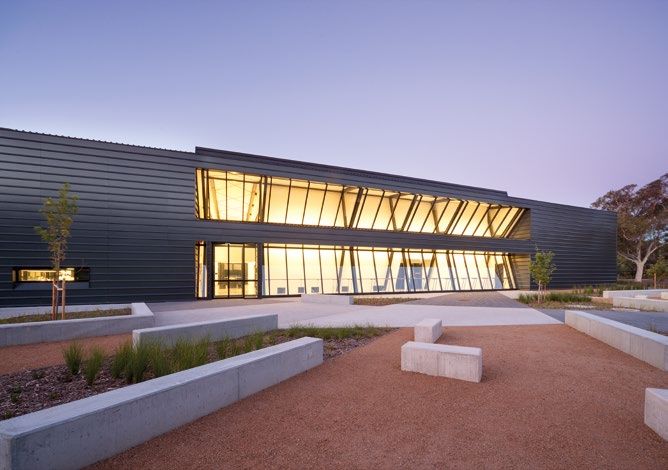
COLORBOND® steel
Environmental Product Declaration

The Strength Behind the Beauty
Manufactured in Australia to Australian Standards (AS1397 and AS/NZS 2728),
COLORBOND® steel has been tested for over a decade by leading scientists
and engineers in laboratories and exposure testing sites throughout Australia,
meaning it is far more than just ”paint on steel“.
Five Layers of Protection                                   4.	A corrosion inhibitive primer is baked onto                COLORBOND® steel one of the world‘s toughest,
The performance of these COLORBOND® steel                       the surface.                                               most advanced building materials.
products comes from five separate layers in
                                                            5.	A topcoat of specially developed, exterior                 The unique composition and microstructure of
the finished material:                                          grade paint is baked on to provide resistance              COLORBOND® steel with Activate® technology
1.	The steel base is manufactured to meet                      to chipping, peeling and cracking and to                   acts in three ways:
    relevant Australian Standards (AS1397 and                   ensure the finish retains its look for longer.
                                                                                                                           1. Magnesium, aluminium and zinc compounds
    AS/NZS 2728), ensuring strict adherence to                  In the standard range, this topcoat contains
                                                                                                                               are strategically positioned in the coating to
    the required grade and strength.                            Thermatech®2 solar reflectance technology
                                                                                                                               provide sacrificial protection.
                                                                designed to reflect more of the sun‘s heat
2.	The base is then coated in BlueScope‘s                      on hot, sunny days.                                        2. Magnesium compounds encourage the
    industry leading metallic coating                                                                                          formation of a more robust barrier slowing the
    incorporating Activate® technology,1 to                 Activate® Technology for
                                                                                                                               rate of subsequent corrosion.
                                                            Corrosion Resistance
    provide enhanced corrosion resistance.
                                                            An industry leading coating technology,                        3. Magnesium compounds also activate the
3.	A thin pretreatment layer is applied to                 enhancing the protective coating of                                metal coating resulting in more effective,
    optimise the adhesion of further coatings.              COLORBOND® steel‘s substrate, making                               longer‑lasting sacrificial protection.

                                                                                                                                        TOPCOAT

                                                                                                                                       PRIMER
                                                                                                                                    PRETREATMENT

                                                                                                                                  METALLIC COATING

                                                                                                                                         STEEL

            1	Activate® technology is not available for COLORBOND® Stainless steel, COLORBOND® Permagard® steel, and COLORBOND® steel products with a galvanised steel substrate

8              (eg. XFP posts and rails, XHI posts and beams, and XIP). Activate® is a registered trademark of BlueScope Steel Ltd
            2	Thermatech® technology is not available in the colour Night Sky®
The Condensery made from COLORBOND® steel in
the colour Manor Red®
Scope of Declaration
The scope of this declaration is for 1 flat square metre of COLORBOND® steel
from cradle to the mill gate, including end-of-life processing and recycling:
Modules A1-A3, C3-C4 and D (according to EN 15804). Modules A4-A5, B1‑B7
and C1-C2 have not been included due to the inability to predict how the
material will be used following manufacture.
The system boundary applied in this study dispatch to customers at the exit gate of the gas and water, and the production of co-product
extends from mining of raw materials such as manufacturing site. materials within the steelmaking process,
iron ore and coal; transport to and within the which have been removed by the use of
manufacturing site; coke, sinter, iron and steel The system boundary also includes manufacture allocation techniques. Wastes and emissions
manufacture; ancillary service operations; hot of other required input materials, transport to air, land and water are also included, as are
rolling of steel products, cold reduction, metallic between processing operations, the production Modules C3 scrap processing, C4 disposal to
coating and coil painting and packaging for of external services such as electricity, natural landfill and D recovery for recycling.
Table 1. Scope of Declaration in EPD
Product stage Construction Use stage End of life stage Resource
process stage recovery
stage
Construction installation
Operational energy use
Operational water use
recycling potential
Waste processing
De-construction
Manufacturing
Refurbishment
Raw materials
Maintenance
Replacement
recovery –
demolition
Transport
Transport
Transport
Disposal
Reuse –
Repair
Use
A1 A2 A3 A4 A5 B1 B2 B3 B4 B5 B6 B7 C1 C2 C3 C4 D
X X X MND MND MND MND MND MND MND MND MND MND MND X X X
X = Module declared; MND = Module Not Declared (such a declaration shall not be regarded as an indicator of a zero result).
9COLORBOND® steel
Environmental Product Declaration
Results of Assessment
Table 2. Life Cycle Impact Assessment Indicators
COLORBOND® steel AM100
Base Metal (Steel) Thickness (BMT) 0.42mm 0.48mm
Declared Unit 1m2 1m2
EN 15804 INDICATORS units A1-A3 C3 C4 D A1-A3 C3 C4 D
Global warming potential kg CO2-eq. 12.8 0.0793 0.0189 -4.07 14.1 0.0795 0.0189 -4.08
Depletion potential of the
kg CFC11-eq. 8.13E-09 0 6.93E-13 0 8.16E-09 0 6.95E-13 0
stratospheric ozone layer
Acidification potential
kg SO2-eq. 0.0502 2.58E-04 5.39E-05 -0.00968 0.0550 2.59E-04 5.40E-05 -0.00970
of land and water
Eutrophication potential kg PO43-eq. 0.00511 2.00E-05 6.58E-06 -0.000267 0.00562 2.00E-05 6.60E-06 -0.000268
Formation potential
of tropospheric ozone kg ethene-eq. 0.00704 2.41E-05 6.02E-06 -0.00216 0.00779 2.42E-05 6.03E-06 -0.00217
photochemical oxidants
Abiotic depletion potential
kg Sb-eq. 2.13E-04 1.23E-08 3.63E-09 1.49E-04 2.13E-04 1.23E-08 3.64E-09 1.49E-04
for non fossil resources
Abiotic depletion potential
MJ 146 1.07 0.270 -42.7 160 1.08 0.271 -42.8
for fossil resources
Table 3. Resource Indicators
COLORBOND® steel AM100
Base Metal (Steel) Thickness (BMT) 0.42mm 0.48mm
Declared Unit 1m2
1m2
EN 15804 INDICATORS units A1-A3 C3 C4 D A1-A3 C3 C4 D
Renewable primary
MJ 3.76 0.00612 0.0192 2.20 3.76 0.00613 0.0192 2.21
energy as energy carrier
Renewable primary
energy resources as MJ 0 0 0 0 0 0 0 0
material utilisation
Total use of renewable
MJ 3.76 0.00612 0.0192 2.20 3.76 0.00613 0.0192 2.21
primary energy resources
Non-renewable primary
MJ 148 1.17 0.281 -42.7 148 1.17 0.281 -42.8
energy as energy carrier
Non-renewable primary
energy as material MJ 0 0 0 0 0 0 0 0
utilisation
Total use of non-renewable
MJ 148 1.17 0.281 -42.7 148 1.17 0.281 -42.8
primary energy resources
Use of secondary material kg 0.426 0 0 0 0.427 0 0 0
Use of renewable
MJ 0 0 0 0 0 0 0 0
secondary fuels
Use of non-renewable
MJ 0 0 0 0 0 0 0 0
secondary fuels
Use of net fresh water m3 0.0407 -0.000168 9.53E-05 0.00127 0.041 -0.000169 9.55E-05 0.00128
10Table 4. Wastes and Other Outputs
COLORBOND® steel AM100
Base Metal (Steel) Thickness (BMT) 0.42mm 0.48mm
Declared Unit 1m 2
1m2
EN 15804 INDICATORS units A1-A3 C3 C4 D A1-A3 C3 C4 D
Hazardous waste disposed kg 1.04E-06 0 1.99E-09 0 1.04E-06 0 1.99E-09 0
Non hazardous waste disposed kg 0.0710 0.00281 0.388 0 0.0711 0.00281 0.389 0
Radioactive waste disposed kg 1.74E-04 0 4.21E-06 0 1.74E-04 0 4.21E-06 0
Components for re-use kg 0 0 0 0 0 0 0 0
Materials for recycling kg 0 2.71 0 0 0 2.72 0 0
Materials for energy recovery kg 0 0 0 0 0 0 0 0
Exported electrical energy MJ 0 0 0 0 0 0 0 0
Exported thermal energy MJ 0 0 0 0 0 0 0 0
Table 5. Green Star Indicators
COLORBOND® steel AM100
Additional
Base Metal (Steel) Thickness (BMT) 0.42mm 0.48mm Green Star
Environmental
Declared Unit 1m2 1m2 Impact
Categories
EN 15804 INDICATORS units A1-A3 C3 C4 D A1-A3 C3 C4 D
Human toxicity cancer effects kg 1,4 DB eq 4.13E-09 4.46E-09
Human toxicity non-cancer effects kg 1,4 DB eq 4.93E-07 5.50E-07
Ionising radiation kg U-235 eq 0.0269 0.0279
Particulate matter kg PM2.5 eq 0.00431 0.00473
Water scarcity m 3
11.1 12.2
Land transformation m2 0.0628 0.0693
Table 6. End of Life for 1m2 COLORBOND® steel
End of life Take Care When Comparing
Issues to consider when comparing EPD data include:
Parameter Unit 0.42mm 0.48mm
– Both EPDs must comply with the comparability requirements
Steel collected separately kg 3.08 3.49 in EN 15804, eg using equivalent methodology and
Steel collected with mixed assumptions such as utilising the same PCR.
kg 0 0 – LCA provides high-level scientific guidance and differences
construction waste
in data should be substantial to be material.
Recovery for re-use kg 0 0 – Understanding the detail is important in comparisons.
Recovery for recycling kg 3.08 3.49 Expert analysis is required to ensure data is truly comparable,
to avoid unintended distortions.
Recovery for energy recovery kg 0 0 – The best way to compare products and materiality of
Disposal to landfill kg 0.381 0.432 differences is to place them into the context of a structure
across the whole life cycle.
Assumptions for scenario N/A N/A
This EPD is compliant with PCR 2012:01 Construction Products
2 and Construction Services, Version 2.01, 2016-03-09 (valid until
.42 = 3.46kg/m .48 = 3.93kg/m 2
2019-03-03).
The numbers have been rounded to three significant numbers
11COLORBOND® steel
Environmental Product Declaration
A focus on design to
maximise recycling is
important to minimise
the whole of life impact of
any construction project.
Recycling
All BlueScope steel products are 100% recyclable into equivalent or
higher quality products – no losses are necessary due to downgrading
of recyclable material.
Steel‘s magnetic properties mean that it can Scrap merchants are available in all major here – but in specific construction projects
be easily separated for recycling. The intrinsic cities. The actual recycling rate of steel at End may range from 0-100%.
economic value of steel results in a high of Life has a significant impact on the cradle to
A focus on design to maximise recycling is
recovery rate of all steel waste. Recycling saves grave results – note that for steel construction
important to minimise the whole of life impact
money for construction projects – ensure that all products, the End of Life recycling rate is likely
of any construction project.
steel is separated and recycled. to be significantly higher than the 89% used
Life Cycle Assessment (LCA) Methodology
This EPD has been produced in conformance “BlueScope EPD Background Report Hot Rolled 89%. This is considered to be a conservative
with the requirements of The Australasian Steel Products – Final“ and the BlueScope Hot estimate for flat steel construction products,
EPD® Programme General Programme Rolled Coil EPD S-P-00557. but was used in the absence of verified higher
Instructions v1.0 (GPI), PCR 2012:01 v2.01 recycling rates.
The secondary data used were procured
Construction Products and Construction Services from the latest GaBi standard databases and Key assumptions made during the study were:
and the Australian Green Star Sustainable hence are less than five years old, with the –– Accuracy of data measurement falls within
Products and Life Cycle Impacts credits. exception of the aluminium dataset, which normal industrial weighing systems accuracy
The Life Cycle Inventory (LCI) data which forms is a combination of a 1998 US LCI data set limits of +/-5%.
the basis of this EPD relates to the Australian with “Australianised“ energy data to ensure
–– Transport of minor materials is insignificant
financial year of 1st July 2014 to 30th June it is relevant and up-to-date for Australian-
to the overall impacts.
2015. Any individual items of data collected manufactured aluminium. The modelled
outside of this time frame, which were very electricity supply was based on the Australian –– Proprietary chemicals and paints can be
few, were assessed carefully for relevance to state-based grid mix, as production sites are sufficiently modelled using guidance from
this time period. All relevant and available data spread throughout NSW, Victoria and Queensland. Safety Data Sheets and conservative
were collected. While cut-off criteria according assumptions on that basis.
Allocation was carried out in accordance
to the PCR section 6.6 were employed, much with the PCR section 6.7, where subdivision –– “Average product“ data is presented – any
data which would have fallen within that scope of processes was not possible. Economic differences in the composition of similar
were included regardless, if available. Use of allocation was not utilised in this study, as the products, with the exception of any change
secondary data was not required within the revenue from sold by-products is insignificant in Base Metal Thickness, is insignificant
gate-to-gate (A3) scope. No carbon dioxide compared to revenue from prime products. compared to the outcomes of the LCA.
offsetting is included in the LCI.
The recycling scenario was based on Hyder Assumptions were sensitivity tested and
Upstream hot rolled steel manufacturing data Consulting Reports1 which indicate that the significant findings are included on the
was obtained from the previous report titled average metals recycling rate in Australia is following page.
12 1 See recycling references section on page 19.Paw Paw house made from COLORBOND®
steel in the colour Surfmist®
Interpretation of Results
COLORBOND® steel is designed to be durable and resilient
in Australia‘s harsh climate.
To maximise the invested environmental value important to recognise that any LCA is not a COLORBOND® steel, a change in the BMT of
of the product, BlueScope recommend it should complete assessment of all environmental or the product made a significant difference to the
be used in structures which are designed for sustainability issues of the product system impacts. This is due to changes in the fraction
long life, resilience and flexibility, with a view to under study. of steel versus coatings in the results. Hence,
optimising the whole-of-life energy efficiency of for comparability between products, it was
Methodology
the building. determined that coated products must have
This product-specific EPD validly represents
Impact Category Results the production process described. The impacts reported on an area (per m2) basis.
The impacts of COLORBOND® steel across all cut-off criterion of 1%, in mass, energy and Once those area-based impacts are known for
reported impact categories follow predictable environmental relevance, (conforming with PCR a specific BMT, the results can be converted
patterns based on the composition and 2012:01 section 6.6) has resulted in a data set to a mass basis if required.
processing of the product. The Base Metal which is robust and all significant contributors to
(steel) Thickness (BMT) is influential in the the LCA results have been captured in this study. Other Sensitivity Analysis Results
areas of Global Warming Potential (GWP), Where available, data which fell within the When similar products are manufactured on
Acidification Potential (AP), Eutrophication cut‑off criteria were included in the data set. different production lines, there is sometimes
Potential (EP), Photochemical Ozone Creation diversity in results. Should production
Upstream data taken from the GaBi database scheduling change significantly, this may be
Potential (POCP) and Abiotic Depletion of Fossil
reflects average or generic production and
resources (ADPF). This illustrates the dominance reflected in changes in the calculated impacts.
therefore does not correspond to BlueScope‘s
of the manufacturing of steel for the substrate. The reason for these differences is the different
actual suppliers.
mix of production routes that contribute to each
In order to control the impacts for these categories,
Allocation of co-products was made using product. Where products are preferentially made
the selection of an appropriate BMT is required.
physical allocation: predominantly mass of at different locations, the differences are most
Where a thicker steel sheet does not contribute to
throughput (eg steel coil) or surface area of the evident. Should production scheduling change
structural integrity, the lighter-weight version of
coil (eg surface coatings). No use of system significantly, this may be reflected in changes in
COLORBOND® steel should be selected.
expansion was made (excepting Module D) as the calculated impacts.
Abiotic Depletion of Elements (ADPE), or mineral per Australasian EPD requirements. Allocation
resource depletion, is heavily impacted by the use was performed according to the PCR section Due to sensitivity analysis indicating
of metallic coating. A combination of aluminium, 6.7, and hence conforms with the comparability material differences, the following variants of
zinc and magnesium for corrosion protection of requirements therein. Choice of allocation COLORBOND® steel are NOT included in this
the steel under the visible paint layer is necessary methodology can change the final results. EPD: CORSTRIP® protective film, COLORBOND®
for longevity of the product; however this result Ultra steel, double-sided topcoats, COLORBOND®
Average Product Assumption –
shows the need to ensure that the metallic Coolmax®, COLORBOND® Metallic steel,
Sensitivity of Results
coating is limited to as much as necessary to COLORBOND® Matt or COLORBOND® Stainless
The LCI model was based on measured
ensure product durability. steel paint finishes. The calculated differences
throughput, generally by mass. Hence, the
While this EPD comprehensively covers initial data output of the model was also on a indicated sufficient impact in at least one
the requirements for reporting in the PCR mass (per kg) basis. However, sensitivity testing category to exceed the 10% threshold for
section 8 and Green Star criteria, it is showed that for coated steel products such as increase in impacts.
13COLORBOND® steel
Environmental Product Declaration
Durability and Resilience
Sustainable Performance: COLORBOND® steel is durable and resilient to
Australia‘s harsh climate and its long life helps conserve resources and energy
that may otherwise be invested in products with a shorter life span.
All COLORBOND® steel contains recycled As steel doesn‘t burn it can be used to increase and As Built and Communities tools. But there‘s
content and is 100% recyclable. In some cases bushfire resistance of structures. another way that COLORBOND® steel can help
it can be reused without reprocessing, saving make your building more energy efficient. Every
COLORBOND® steel roofing, walling, gutters
on energy and resource use. COLORBOND® colour (except Night Sky®) in the standard
steel is a lightweight material which can and downpipes are compliant for use in bushfire
zones, including the most extreme, BAL-FZ COLORBOND® steel range features Thermatech®
mean a lower cost to transport to site and a
(Bushfire Attack Level – Flame Zone) specified solar reflectance technology. Thermatech®
lighter roof structure. And its strength can
in AS3959-2009. technology is designed to reflect more of the
help protect a building in stormy weather.
sun‘s heat on hot sunny days, which can mean
Together, COLORBOND® steel‘s beauty, strength Cool Roofing
and environmental performance combine to less dependence on air-conditioning, plus
Many people know that the colour of your roof
make it a responsible choice for your project, reduced heat stress for your roof. This makes
can make a difference to your cooling bill and no
and the environment. COLORBOND® steel a good choice for your
less than five of the colours in the COLORBOND®
building, your wallet and our planet.
Steel has special capabilities that enable steel range qualify as solar reflective (light
design for resilience and adaptability. coloured) roofing under the Green Star Design
“Cool roofing can contribute to the reduction
of the Urban Heat Island (UHI) effect“
14Calder Woodburn Rest Area made from
COLORBOND® steel in the colours NightSky®
and Surfmist®
Health, Safety, Environment and Community at BlueScope
COLORBOND® steel is manufactured at social responsibilities and strive to continuously where we incur less than one injury resulting
BlueScope‘s Australian facilities at Port Kembla improve our performance in the areas of health, in lost time for every million hours worked, and
and Erskine Park (NSW), Western Port (VIC) safety, environment and community. our efforts have lowered the likelihood of injury
and Acacia Ridge (QLD). The manufacturing “We care for the environment“ is a cornerstone across BlueScope‘s workforce.
facilities are accredited to both ISO 9001 statement in “Our Bond“, which guides the As an Australian manufacturer, we are proud to
(Quality Systems) and ISO 14001 (Environmental decisions we make at BlueScope each day. contribute to local employment and economic
Management Systems). BlueScope is a member We consider the potential impacts that we growth, and to contribute to the wellbeing and
of the World Steel Association Climate Action could make to land, air, water, waste, noise and prosperity of our community.
Programme, which measures and monitors energy as part of our normal business processes.
carbon dioxide emissions. The data collection See Our Bond at
programme is at the core of the steel industry‘s The safety of our people is our number one http://bluescope.com/about-us/our-bond
priority at BlueScope. Across the company, from
global steel sectoral approach to climate change.
our manufacturing and distribution sites to our Find Out More
At BlueScope, we pride ourselves on our role offices, our focus is on Zero Harm. The results Refer to CSE Report at http://bluescope.com/
as a good corporate citizen. We recognise our are very evident – we have now reached a point sustainability
Lower your risk andCOLORBOND® steel
Environmental Product Declaration
LCA Terminology
Cradle to gate Scope of study extends from mining of natural resources to the completed product ready for shipping from
the manufacturing dispatch “gate“, known as Modules A1-A3.
Cradle to grave Scope of study extends from mining of natural resources to manufacture, use and disposal of products at
End of Life, including all Modules A-D.
End of life Post-use phase life cycle stages involving collection and processing of materials (eg scrap) and recycling
or disposal, known as Modules C and D.
BMT Base metal thickness of steel substrate.
Glossary of Terms
Impact Category Units Description Characterisation Method
Global warming kgCO2 equiv Contribution to the greenhouse IPCC AR4
(climate change) potential effect, referred to as CO2e
(carbon dioxide equivalent)
Stratospheric ozone kg CFC-11 equiv Impact on the ozone layer WMO 1999
depletion potential
Acidification potential kg SO2 equiv Emissions which increase the CML
of land and water acidity of the environment
Eutrophication potential kg PO43- equiv Addition of nutrients to a water CML
system resulting in reduction of
the oxygen available to support
aquatic life
Photochemical (tropospheric) kg C2H4 equiv Contribution to air pollution CML
ozone creation potential in the form of smog
Depletion of abiotic resources kg Sb equiv Impact of consuming non- CML
(elements/minerals) renewable mineral resources
Depletion of abiotic MJ net calorific value Impact of consuming non- CML
resources (fossil) renewable fossil fuel resources
Human toxicity1 kg 1,4DB equiv Human health impact of chemical USEtox
emissions
Land use1 land transformation m2 Use of land that could be used UNEP/SETAC Land Use Indicator
or preserved for other purposes Value Calculation in LCA
Resource depletion – m3 water use related to Use of fresh water Water Stress Indicator
water1 local scarcity of water
Ionising radiation1 kg U-235 equivalent to air Radioactive substances Human Health Effect Model
released to the environment
Particulate matter1 kg PM2.5 equivalent Contribution to air pollution which RiskPoll
can have respiratory effects
16 1 Green Star additional impact categories.COLORBOND® steel
Environmental Product Declaration
Programme-related Information and Verification
Programme: The Australasian EPD® Programme
c/o Enviro-Mark Solutions
Level 14 / Prime Property Tower
86-90 Lambton Quay, Wellington 6011, New Zealand
info@epd-australasia.com
New Zealand Phone: 0800 366 733
Australia Phone: 1800 733 560
http://www.epd-australasia.com
EPD Registration Number: S-P-00999
Published: 2017-03-27
Valid Until: 2022-03-27
Revision Date: 2017-03-27
Product Category Rules: PCR 2012:01 Construction Products and CPC 54 Construction Services, v2.01
Product Group Classification: UN CPC 41121 – Flat-rolled products of non alloy steel, not further worked than hot rolled,
of a width of 600mm or more
ANZSIC 2711 – Iron and Steel Manufacturing
Reference Year for Data: 2014-7-1 – 2015-6-30 (majority of data)
Geographical Scope: Scope of EPD: Produced using Australian data. Application scope: International
CEN standard EN 15804 served as the core PCR
PCR: PCR 2012:01 Construction Products and CPC 54 Construction Services, v2.01
PCR review was The Technical Committee of the International EPD® System.
conducted by: Chair: Massimo Marino.
Contact via info@environdec.com
Independent Verification EPD process certification (Internal)
of the Declaration and Data, X EPD verification (External)
according to ISO 14025:
Third Party Verifier,
Approved by The
International EPD® System
Rob Rouwette, start2see Pty Ltd,
Rob.Rouwette@start2see.com.au
Accredited or approved by: The Australasian EPD® Programme
17COLORBOND® steel
Environmental Product Declaration
Mandatory Statements
– This EPD covers life cycle stages A1-A3 plus C3, C4 and D. All other stages are dependent
on the specific application of the product and should be included in a whole-of-life model.
– This EPD is verified to be compliant with EN 15804.
– EPD of construction products may not be comparable if they do not comply with EN 15804.
– EPDs within the same product category but from different programmes or utilising different
PCRs may not be comparable.
Contact Information For further information, contact BlueScope Steel Direct
1800 800 789
www.steel.com.au
BlueScope Steel Limited Level 11, 120 Collins St, Melbourne Vic 3000 Australia
ABN 16 000 011 058
Responsible person: Fiona Robinson, Group Marketing Manager, BlueScope.
EPD Owner Fiona Robinson, BlueScope
fiona.robinson@bluescopesteel.com
LCA Author Nicole Sullivan, BlueScope
[Note: has left the business]
Jeff Vickers, thinkstep
jeff.vickers@thinkstep.com
Gayathri Gamage, thinkstep
gayathri.gamage@thinkstep.com
Programme Operator The Australasian EPD® Programme
info@epd-australasia.com
Product Website http://www.colorbond.com
BlueScope Manufacturing http://steel.com.au/articles/article-25-using-bluescope-products-in-sustainable-building/
ISO 14001 Certificate article-38--green-tools--schemes
Worldsteel Climate Action http://www.worldsteel.org/steel-by-topic/climate-change/members.html
Programme Membership
BlueScope Community, http://www.bluescope.com/sustainability/publications
Safety and Environment Report
BlueScope Community Website http://www.bluescopeillawarra.com.au
18COLORBOND® steel
Environmental Product Declaration
References
General Programme Instructions of the Australasian EPD® Programme
Version 1.0.
PCR 2012:01
Construction Products and Construction Services, Version 2.01, 2016.03.09
BlueScope EPD Background Report: Hot Rolled Steel Products
June 2015
ISO 9001:2008
Quality management systems – Requirements
ISO 14001:2004
Environmental management systems – Requirements with guidance for use
ISO 14021:1999
Environmental labels and declarations – Self-declared environmental claims (Type II environmental labelling)
ISO 14025:2006
Environmental labels and declarations – Type III environmental declarations – Principles and procedures
EN 15804:2012+A1:2013
Sustainability of construction works – Environmental product declarations – Core rules for the product category of construction products
AS/NZS 2728:2013
Prefinished/prepainted sheet metal products for interior/exterior building applications – Performance requirements
AS 1397:2011
Continuous hot-dip metallic coated steel sheet and strip – Coatings of zinc and zinc alloyed with aluminium and magnesium
”Waste and recycling in Australia 2011”
A report prepared for the Department of Sustainability, Environment, Water, Population and Communities by Hyder Consulting, 28 August 2012
http://www.environment.gov.au/system/files/resources/b4841c02-229b-4ff4-8b3b-ef9dd7601d34/files/waste-recycling2011.pdf
”Construction and demolition waste status report”
A report for the Department of Sustainability, Environment, Water, Population and Communities and
Queensland Department of Environment and Resource Management by Hyder Consulting, 20 October 2011
http://www.environment.gov.au/system/files/resources/323e8f22-1a8a-4245-a09c-006644d3bd51/files/construction-waste.pdf
”Water Transformed: Sustainable Water Solutions for Climate Change Adaption – Module A: Adapting to Climate Change”
An online free access textbook developed for the Federal Government’s Department of Climate Change by The Natural Edge Project 2009
http://www.naturaledgeproject.net/Sustainable_Water_Solutions_Portfolio.aspx
BlueScope EPD Background Report: Cold Rolled and Coated Steel Products
September 2016
The 2015 Community, Safety and Environment (CSE)
https://www.bluescope.com/sustainability/reports/
19steel.com.au/colorbond 1800 022 999 To learn more about COLORBOND® steel For more information COLORBOND®, Activate®, Thermatech®, BlueScope®, the BlueScope brand mark and ® colour names are registered trademarks of BlueScope Steel Limited. TM Colour names are trademarks of BlueScope Limited. © 2017 BlueScope Steel Limited ABN 16 000 011 058. All rights reserved.
You can also read


