Community toolkit - Be positive - Think Mental Health
←
→
Page content transcription
If your browser does not render page correctly, please read the page content below

Community toolkit
                                   Campaign assets and resources for you to use in your
                                   community and workplace.

                          Be positive      Be connected                     Be active
LAST UPDATED APRIL 2020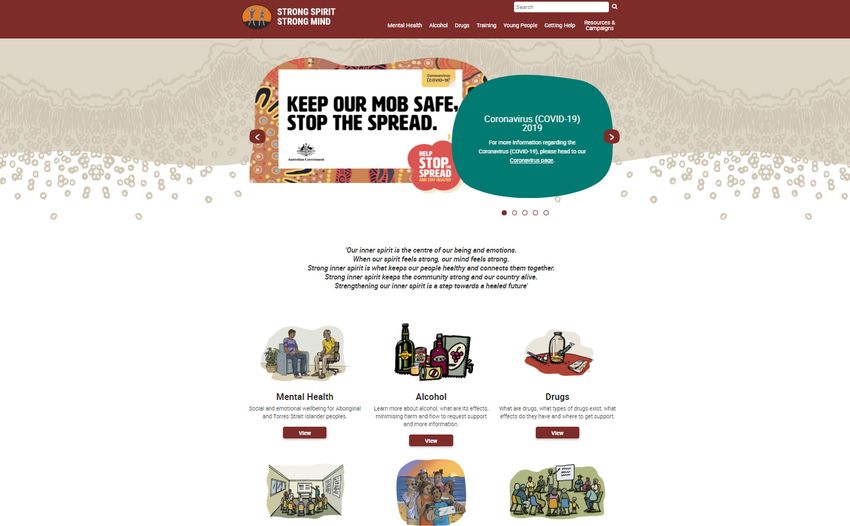
CONTENTS
 04              CAMPAIGN
                 BACKGROUND
                                             CAMPAIGN BACKGROUND
                                             STATEWIDE CAMPAIGN SCHEDULE

 06               CAMPAIGN MATERIALS         TV & RADIO COMMERCIALS
                                             A3 POSTERS
                                             A4 POSTERS
                                                                                   EMAIL SIGNATURE & IMAGES
                                                                                   SOCIAL MEDIA POSTS

 13              WEBSITE CONTENT &           ONLINE TOOLS

                 TOOLS

 15
                                             TARGETED KEY MEDIA MESSAGES FOR USE
                  KEY MESSAGES               IN PUBLIC RELATIONS ACTIVITIES

 17              RESOURCE ORDER FORM

 18              USEFUL CONTACTS

 20              LINKS TO STRONG SPIRIT STRONG MIND
                 CULTURALLY SECURE INFORMATION

THINK MENTAL HEALTH | COMMUNITY ACTION KIT                                                                    2
ABOUT THIS TOOLKIT
This toolkit provides information and campaign materials for professional and community groups in
relation to the Think Mental Health 'Be Positive. Be Connected. Be Active.' campaign.

As a local stakeholder, you may wish to
use one or all of the supplied materials
and strategies. You are in the best
position to determine which activities
work best in your community.
The Mental Health Commission is happy to offer assistance and support to implement the materials
as requested. Please contact the Community Support and Development Programs Team at
communityprograms@mhc.wa.gov.au.

THINK MENTAL HEALTH | COMMUNITY ACTION KIT                                                          3
CAMPAIGN BACKGROUND
About the campaign
The Mental Health Commission’s Think            Campaign strategies will be delivered state-     In addition to paid social media advertising,    Target groups
Mental Health (TMH) program has developed       wide, over a four month period from April        there will also be regular unpaid social media   The campaign targets:
a specialised mental health public education    to July 2020 with a possible extension until     activity on the TMH Facebook and Instagram       • the Western Australian community aged
campaign, to meet the community’s needs         the end of September. The campaign is a          pages. These strategies are supported by a         18 years and over;
in response to the unique position our          collaborative initative between the Mental       new section on the TMH website – ‘Mental         • people with elderly parents/grandparents;
community finds itself in, in relation to the   Health Commission and non-government             Health and COVID-19’ and the promotion of        • parents with younger children;
COVID-19 pandemic.                              organisation partner Cancer Council WA, and      support services for people who need more        • people that live alone; and
                                                is supported locally by the Suicide Prevention   support.                                         • people in financial stress.
The ‘Be positive. Be connected. Be active’      Coordinators and non-government agencies
campaign (the Campaign) will focus on           based in the metropolitan area and across        Mass reach media channels, such as TV, are       Key messages
protecting mental health and wellbeing          regional Western Australia. Campaign             being used to provide widespread exposure to     The key message of the campaign is: ‘be
during these challenging times. Key             delivery is also being supported by major        the key campaign messages across the state.      positive, connected and active to protect your
strategies have been developed on self-         Western Australian media networks.               Supporting media channels such as digital        mental health and wellbeing’.
care and how to protect your mental health                                                       advertising, social media and paid search
and wellbeing; coping with fear, anxiety        A broad range of media channels will deliver     are used to further reinforce key messages       More targeted key messages are outlined
and worry; supporting others; and seeking       campaign messages via state-wide free-to-air     and direct people within the community who       in the Content for Public Relations
professional support if needed.                 TV (see media strategy on page 5), catch-up      are seeking more information and support         Opportunities section on page 16.
                                                TV, GP and pharmacy advertising, digital         through to the TMH website.
                                                advertising, radio, bus back advertising,
                                                social media, music streaming and podcast        As the Western Australian government key
                                                placements, online content pieces and paid       state-wide mental health and wellbeing
                                                search. Campaign activity commenced on           public education strategy, we ask that key
                                                Friday 10 April 2020.                            stakeholders promote the new 'Be positive.
                                                                                                 Be connected. Be active' Think Mental Health
                                                                                                 campaign where relevant.

THINK MENTAL HEALTH | COMMUNITY ACTION KIT                                                                                                                                                 4
STATEWIDE CAMPAIGN SCHEDULE
                                                    APR MAY                                      JUN JUL

                                             2020
                                                    05   12   19   26   03   10   17   24   31   07   14   21   28   05   12   19   26

                      STATEWIDE TELEVISION

                    GP & PHARMACY SCREENS

                    BUS BACKS (PERTH ONLY)

                                     TEN PLAY

                    NINE NETWORK CATCH UP

             CHANNEL 7 & THE WEST DIGITAL

                   DIGITAL & CATCH UP RADIO

                            DIGITAL BANNERS

                               SOCIAL MEDIA

                                 PAID SEARCH

              CONTENT PIECES ON WEBSITES

THINK MENTAL HEALTH | COMMUNITY ACTION KIT                                                                                               5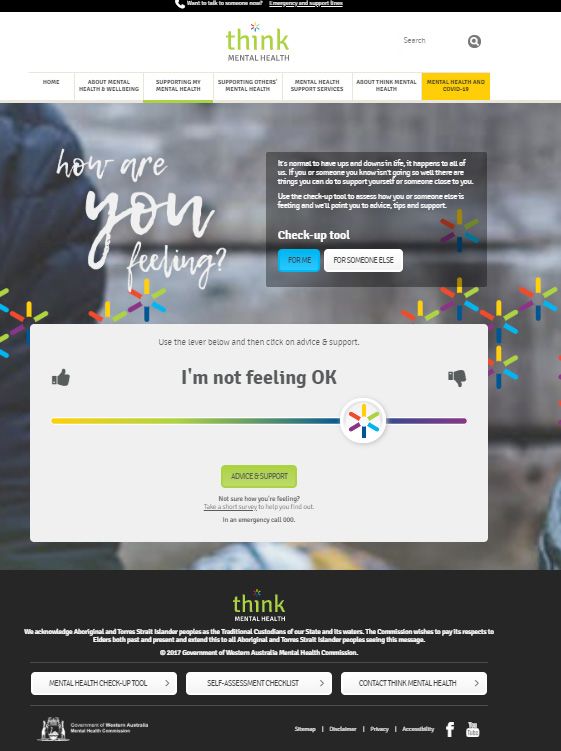
CAMPAIGN MATERIALS
 TV commercials

                                                                                                      TIP!
                                                                                                      Place on your Facebook page
                                                                                                                                                    CLICK THE PLAY ICON
                                                                                                                                                     TO WATCH THE TV
                                                                                                      or website and ask other local                   COMMERCIALS

                                                                                                      organisations to do the same.

  15 SECONDS

  Radio commercials - 30 seconds
       Protect your mental health   Be positive                  Keep in touch with your
       and wellbeing                                             parents

       Be connected                 Check in with grandparents   How to talk to your kids
                                                                 about COVID-19
                                                                                            TIP!
                                                                                            Place the radio ads on your
                                                                                                                                       CLICK THE PLAY ICON TO
                                                                                                                                       DOWNLOAD THE RADIO
                                                                                                                                           COMMERCIALS
                                                                                            telephone holding system to play
       Be active                    Financial distress tips                                 while someone is on hold.

THINK MENTAL HEALTH | COMMUNITY ACTION KIT                                                                                                                           6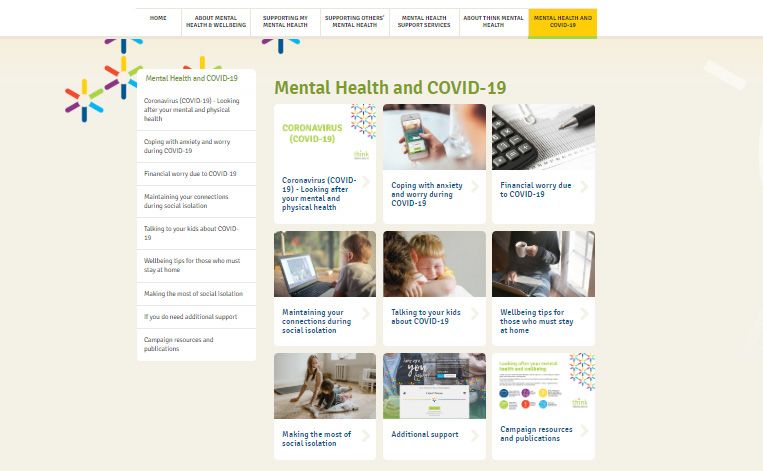
RESOURCES TO USE LOCALLY
A4 posters

                                                                                                                                       TIP!
                                                                                                                                       • Order hard copies from the
                                                                                                                                         resource order form.
                                                                               Things you can do                                       • Download the PDFs and print at
                                                                             when you are in isolation                                   the size that suits you, A5, A3,   CLICK TO DOWNLOAD PRINT
                                                                                                                                                                                READY PDF OF THE
                                                                                                                                         A4 or A2.
    Things you can do to help                                             meditate             read                 call friends       • Place in shopping centres or
                                                                                                                                         other places where they can
                                                                                                                                                                                     POSTERS

    keep yourself mentally well                                                                                                          be seen.

    when you are in isolation
       Exercise - you can still exercise when you’re indoors.           eat and sleep    exercise and                 youtube
       YouTube has great free workouts you can do anywhere                     well           stretch
       at any time.
       Set up games online with family or friends through
       social media or the internet.
       Try some mindfulness meditation - you can                            draw        online games                    music
       access apps through your mobile app store.
       Research, read and learn - learn something new like
       a new language or try an online course.
       It can also be helpful to try to keep some sense or
       normality by forming a daily routine.                              get help      Translator help: 131 450
    Where to get mental health     For alcohol and drug support
                                                                                        tisnational.gov.au
    support                                                                             Mental health support:
                                  Alcohol and Drug Support Line                         beyondblue 1300 224 636 Lifeline 13 11 14
    beyondblue 1300 224 636       (08) 9442 5000                                        MindSpot Clinic 1800 61 44 34
                                  Country Toll-free: 1800 198 024                       Kids Helpline 1800 55 1800
    Lifeline 13 11 14
    MindSpot Clinic 1800 61 44 34 Parent and Family Drug Support Line                   Alcohol and other drug support:
                                                                                        Alcohol and Drug Support Line (08) 9442 5000
    Kids Helpline 1800 55 1800    (08) 9442 5050                                        Country Toll-free 1800 198 024
                                  Country Toll-Free: 1800 653 203

    For more information visit thinkmentalhealthwa.com.au                thinkmentalhealthwa.com.au

THINK MENTAL HEALTH | COMMUNITY ACTION KIT                                                                                                                                                            7
A4 posters A5 posters
Looking after your mental
health and wellbeing
Feeling overwhelmed by Helping your child
Looking after your mental health and wellbeing is just as important as looking after your physical
Seeking support COVID-19 and need some cope with stress
health, even when you are in self isolation.
It’s normal and understandable to feel concerned about the Coronavirus; maintaining a regular
routine each day helps. Looking after your mental health and wellbeing is just as important as looking after your
Looking after your mental health enables you to function well and be able to cope when things
aren’t going so well. Some little things you can do include:
physical health, even when you are in self isolation.
It’s normal and understandable to feel concerned about the Coronavirus (COVID-19).
support? Talk to someone. Respond to your child’s reactions in a supportive way.
Speaking with friends or family to let them know how you feel can help, and they might
also appreciate talking to you about how they feel. Children may respond to stress in different ways such as being
STAY CONNECTED KEEP ACTIVE & GET There are also many digital mental health services that you can access online or contact more clingy, anxious, withdrawing, angry or agitated, bedwetting
WITH FAMILY AND
GET
ENOUGH
OUT IN THE FRESH
AIR BY EXERCISING IN over the phone. Mental health support lines etc.
FRIENDS THROUGH SLEEP YOUR GARDEN OR ON
SOCIAL MEDIA AND
YOUR BALCONY For support during this time contact: Helping Minds provides free emotional support services.
BY PHONE
Lifeline 13 11 14 beyondblue 1300 224 636
You can access three free phone or video counselling sessions with a mental health professional, Children need adults’ love and attention during difficult times.
or visit lifeline.com.au or visit beyondblue.org.au
without the need for a GP referral. Give them extra time and attention. Remember to listen to
TALK ABOUT REDUCE GET YOUR Appointments can be made between 8.30am-4.30pm Mon to Fri. your child, speak kindly and reassure them. If possible, make
HOW YOU ARE ALCOHOL
FEELING WITH INTAKE
HOBBIES OUT Mindspot 1800 61 44 34 Kids Helpline 1800 55 1800 opportunities for your child to play and relax.
YOUR FRIENDS
TO KEEP BUSY
or visit mindspot.org.au or visit kidshelpline.com.au Phone and video counselling appointments are available between 7am and 7pm.
AND FAMILY
REGULARLY Helping minds can be contacted on 1800 811 747 or through their website at helpingminds.com.au Try and keep your child close to you and try avoid separating
them from parents and caregivers. If separation occurs (e.g.
For urgent support contact Lifeline on 13 11 14 hospitalisation) ensure regular contact (e.g. via phone) and
Beyond Blue: 1300 224 636 or beyondblue.org.au re-assurance.
MindSpot Clinic: 1800 61 44 34 or mindspot.org.au
Kids Helpline: 1800 55 1800 or kidshelpline.com.au Keep to regular routines and schedule as much as possible,
or create new ones, including school/learning as well as time
Alcohol and drug support lines for safely playing and relaxing.
Alcohol and Drug Support Line (08) 9442 5000
Country Toll-free: 1800 198 024 Provide facts about what has happened, explain what is going on
and give them clear information about how to reduce their risk
Parent and Family Drug Support Line (08) 9442 5050
of being infected by the disease in words they can understand
Country Toll-Free: 1800 653 203
depending on their age. This also includes providing information
about what could happen in a re-assuring way.
For more information visit thinkmentalhealthwa.com.au
Tips to cope with self isolation Signs and symptoms of mental health issues For more information visit thinkmentalhealthwa.com.au
Looking after your mental health and wellbeing is just as important as looking after
Source: World Health Organization who.int/docs/default-source/coronaviruse/helping-children-cope-with-stress-print.pdf
your physical health, even when you are in self isolation.
Some tips to cope with self-isolation include: Noticeable change in Major changes in
Stay positive Stay in touch usual behaviour. eating habits.
Think of all the positives instead. Like the fact that this Not just with your family and friends (on the phone Feeling down for some time and not Withdrawal from friends
period of self-isolation is only temporary. And that or via video calling) but with what’s happening
your actions are going a long way toward slowing the in the world, too (try and use reputable sources getting better. and activities.
TIP!
spread of this virus. like the Department of Health or the World Health
Organization). Problems sleeping. Increased use of alcohol or other drugs.
Stay active in mind and body
Check out YouTube and you’ll find lots of simple Reach out for help when needed Lack of energy and motivation to do
exercises that can be done in your home. Also, put time If you feel the stress or anxiety you may experience everyday things.
aside to read a book or do mindfullness. as a result of being socially isolated from friends and
family is getting too much, make sure you reach out
for help. If you are feeling anxious or worried, talk to a friend or family member or for more
information or to try the mental health check up tool visit thinkmentalhealthwa.com.au
• Order hard copies from the
resource order form.
• Download the PDFs and print at
the size that suits you, A5, A4, CLICK TO DOWNLOAD
A3 or A2. PRINT READY PDFs OF THE
• Place in shopping centres or POSTERS
other places where they can
Look out for others Little things you can do be seen.
Stay in touch and try to reassure Offer to pick up medications or to Get out of bed at your usual time Set aside time to engage in mindfulness,
people you know who may be worried, change library books. each day. meditation, relaxation, or to get on with
just ringing for a chat can help. Make time for study or work. a hobby.
Organise further assistance if they
Check in with people who you know are become unwell. Go to bed at the same time as usual.
Cook healthy meals.
living alone. Make time to connect with others
Offer to drop off meals or collect each day.
shopping for older neighbours or family
members.
If you are feeling anxious or worried, talk to a friend or family member or for more
By supporting one another and those who are more vulnerable we can all get through this together. information or to try the mental health check up tool visit thinkmentalhealthwa.com.au
THINK MENTAL HEALTH | COMMUNITY ACTION KIT 8
Email signature
The images on the following page can be used
within email signatures. These images can be
changed periodically to deliver varying key
messages.
HOW TO INSERT IMAGE INTO A MICROSOFT
OUTLOOK EMAIL SIGNATURE:
1. Open a new message.
2. Select ‘Signatures’ under the ‘Message’ tab (in
   the ‘Include’ area on the toolbar).
3. From the drop down menu select ‘Signatures’.
4. Click on the image then ‘COPY’ and ‘PASTE’ it
   into the desired section of your signature.
5. Click ‘OK’.
                                                                                  3 tips to look after
If you do not use Microsoft Outlook as your email                                 your mental health
provider, please contact your IT department/staff    thinkmentalhealthwa.com.au
                                                                                  & wellbeing            Be positive   Be connected   Be active

for assistance.

THINK MENTAL HEALTH | COMMUNITY ACTION KIT                                                                                                        9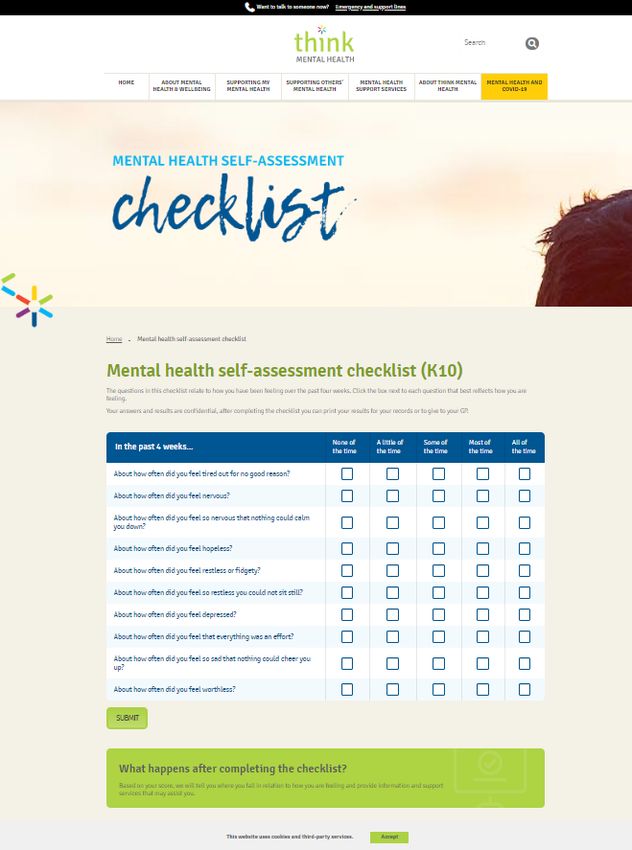
Email signature images

                                3 tips to look after                                                                             If the COVID-19 outbreak is causing you
                                your mental health                                                                               anxiety, seek support if you need it.
                                & wellbeing                Be positive   Be connected   Be active
                                                                                                                                        visit thinkmentalhealthwa.com.au
  thinkmentalhealthwa.com.au

                                Socially isolating? Don’t just stay in,                                                          Be positive, connected and
                                stay healthy. Exercise regularly and                                                             active to protect your mental
                                eat healthy food.                                                                                health and wellbeing.
  thinkmentalhealthwa.com.au                                                                        thinkmentalhealthwa.com.au

                                                                                                                                 Protect your mental health and wellbeing by
                               Make the most of social isolation, take
                                                                                                                                 keeping in touch with friends and family on
                               up a new hobby or build something.
  thinkmentalhealthwa.com.au                                                                        thinkmentalhealthwa.com.au
                                                                                                                                 the phone or via social media.

   TIP!
   Adding an image to the bottom
   of an email signature is an
   easy way to continually remind           CLICK TO DOWNLOAD THE
   people and organisations of the             EMAIL SIGNATURES
   campaign messages.

THINK MENTAL HEALTH | COMMUNITY ACTION KIT                                                                                                                                     10
Social media posts
These are a free method to easily
01 02 03
In stressful In stressful times Worried about
distribute the Think Mental Health
times like these, like these, it’s money and how to
campaign messaging online and
it’s important important to stay afloat? You’re
allow people to quickly find more
to look after our look after our not alone.
information on the Think Mental
mental health mental health and
Health website. Here are a few tips
and wellbeing. wellbeing.
to help:
Use on your organisation’s website
Here are a few Stay connected, eat
or Facebook page. Ask other local tips to help: well, keep your body
organisations to do the same. and mind active and
seek support if you
need to.
CLICK THRU URL: CLICK THRU URL: CLICK THRU URL:
https://www.thinkmentalhealthwa.com.au/ www.thinkmentalhealthwa.com.au/mental- www.thinkmentalhealthwa.com.au/mental-
mental-health-and-covid-19/coronavirus-covid-
health-and-covid-19/coping-with-anxiety-and- health-and-covid-19/financial-worry-due-to-
19-looking-after-your-mental-and-physical-
worry-during-covid-19/ covid-19/
health/
04 05 06
CLICK TO DOWNLOAD THE
SOCIAL MEDIA IMAGES
It's important Keep up your 6 tips to talk to
when we're connections with your kids about
social distancing family and friends COVID-19.
to stay in touch - you might not
with family and pop round to see Click here for tips:
friends. them, but you can
telephone or video
Here are a few call.
tips to help:
Click for more tips:
CLICK THRU URL: CLICK THRU URL: CLICK THRU URL:
www.thinkmentalhealthwa.com.au/mental- www.thinkmentalhealthwa.com.au/mental-health- www.thinkmentalhealthwa.com.au/mental-health-
health-and-covid-19/maintaining-your- and-covid-19/maintaining-your-connections-during- and-covid-19/talking-to-your-kids-about-covid-19/
connections-during-social-isolation/ social-isolation/
THINK MENTAL HEALTH | COMMUNITY ACTION KIT 1107 08 09 10
As we all Some tips to cope Make the most of Socially isolating?
#stayathome, with self-isolation; social isolation, Don't just stay in,
we've pulled stay positive, try a new exercise stay healthy. Try
together loads of stay in touch with regime, build a body and mind
ways to help you others and keep something, workout, eat well
maintain your your body and declutter your & drink at low-risk
mental health mind active. home or nail a levels.
and wellbeing. new recipe.
Click here for more Click here for more
Check out these tips: Click here for tips:
tips: more tips:
CLICK THRU URL: CLICK THRU URL: CLICK THRU URL: CLICK THRU URL:
www.thinkmentalhealthwa.com.au/mental- www.thinkmentalhealthwa.com.au/mental- www.thinkmentalhealthwa.com.au/mental- www.thinkmentalhealthwa.com.au/mental-
health-and-covid-19/wellbeing-tips-for-those- health-and-covid-19/wellbeing-tips-for-those- health-and-covid-19/making-the-most-of-social- health-and-covid-19/coronavirus-covid-19-
who-must-stay-at-home/ who-must-stay-at-home/ isolation/ looking-after-your-mental-and-physical-health/
11 12 13 14
When in self- If your stress Self-care is Working from
isolation try to and anxiety are important home can have an
keep some sense becoming too much especially in such impact on your
of normality by as a result of self- uncertain times. mental health
forming a daily isolation, talking to Why not run and wellbeing
routine. Map someone can help. yourself a bath, particularly if
out your day For more make yourself a you do it for long
to match your information and cuppa, start a new periods of time.
usual everyday to find support book, or take some For tips while
routine as much as services visit: time out relax and working from
possible. enjoy your hobbies. home head to:
CLICK THRU URL: CLICK THRU URL: CLICK THRU URL: CLICK THRU URL:
www.thinkmentalhealthwa.com.au/mental- www.thinkmentalhealthwa.com.au/mental-health- www.thinkmentalhealthwa.com.au/mental- www.thinkmentalhealthwa.com.au/mental-health-
health-and-covid-19/wellbeing-tips-for-those- and-covid-19/coronavirus-covid-19-looking-after- health-and-covid-19/coping-with-anxiety-and- and-covid-19/wellbeing-tips-for-those-who-must-
who-must-stay-at-home/ your-mental-and-physical-health/if-you-do-need- worry-during-covid-19/ stay-at-home/
additional-support/
THINK MENTAL HEALTH | COMMUNITY ACTION KIT 12WEBSITE CONTENT & TOOLS
To ensure Western Australian's have access to information that can protect their
mental health during this time, the Think Mental Health website has a dedicated
section on COVID-19 and mental health. There are new pages, as specified below,
that can help those in the community to remain socially connected during physical
isolation, maintain positive mental health and wellbeing and continue to be physically
active during this time.
Coping with anxiety and worry caused by COVID-19
Tips on how to manage your mental health and wellbeing, particularly if you are
feeling worried or anxious.
Financial worry due to COVID-19
Information on how to deal with financial loss as well as support services available to
assist you with your needs. It is important to seek help and you don’t need to do this
alone.
Maintaining your connections during social isolation
Provides simple measures that can be put in place to look after our mental health and
wellbeing during this period.
Talking to your kids about COVID-19
Tips on how parents and guardians can talk to their children with the answers they
need in an honest and age-appropriate way.
Wellbeing tips for those who must stay at home
TIP!
Provides tips for how to make the most of being in self quarantine/isolation, and for
those working from home.
Making the most of social isolation
Provides lots of ways to stay entertained and stimulated in the home.
Click on the to be taken
to the relevant page on the Support services
Think Mental Health website Links to support services.
THINK MENTAL HEALTH | COMMUNITY ACTION KIT 13The online tools enable people to
assess how they or someone they
know are feeling.
The mental health check-up tool points individuals
to advice, tips and support. Using an easy sliding
scale, the user receives a response based on
where they placed the dial. The response directs
them to the appropriate advice and support.
This tool is supported by the mental health
self-assessment checklist (K10), using the
standardised questions. Upon completion, the
individual is provided with a response that directs
them to tips, support and advice.
TIP!
Click on the to be
taken to the relevant
page on the Think Mental
Health website
Mental health check-up tool Mental health self-assessment checklist
THINK MENTAL HEALTH | COMMUNITY ACTION KIT 14KEY MESSAGES
This content can be used for public relations opportunities such as media statements, interviews or newspaper articles.
General population (aged over 18 years) To prevent financial worry Ways to maintain social connections
• Right now, right around WA, we’re doing what we can to protect • The COVID-19 outbreak is causing severe financial stress to • To help control the spread of COVID-19, we’re all being asked to
ourselves and each other from COVID-19. millions of working Australians. practice ‘social distancing’.
• Things like regularly washing our hands, keeping a safe distance • The loss of financial security can leave people feeling angry, • Whilst it’s vital that we do stay at home whenever possible,
away, and staying safely at home whenever possible. powerless and out of control. this can of course present a number of problems – like being
• In stressful times like this, of course, it’s also important to look • If this includes you, here’s a few practical things to do: separated from our loved ones, having our income reduced, or
after our mental health and wellbeing too. • One: Go online to check out the many financial assistance maybe just feeling bored and frustrated.
• One of the best ways to do this is by keeping in touch with friends measures being offered by our State and Federal governments. • This can create worry for anyone and for those with an existing
and family on the phone or via social media. • Two: If you’re having trouble repaying the mortgage, check with mental health issue it can often be worse.
• We should also make sure that we’re getting enough sleep, your bank or financial institution to see how they might help. • That’s why it’s vitally important to stay in touch with family and
exercising regularly, eating a balanced diet, and if you choose to • Three: Try to stay as positive as you can. Talk to friends and friends on the phone or on social media.
drink, only do so at low-risk levels. family. And if you do become anxious or worried, seek support • And if you do feel the stress or anxiety of social isolation is getting
• Be positive, connected and active to protect your mental health from your GP, health worker or a mental health line. too much, make sure you seek support from your GP, health
and wellbeing. worker or a mental health support line.
For more information visit • Be positive, connected and active to protect your mental health
https://www.thinkmentalhealthwa.com.au/mental-health-and- and wellbeing.
For more information visit
https://www.thinkmentalhealthwa.com.au/mental-health-and- covid-19/financial-worry-due-to-covid-19/
covid-19/coping-with-anxiety-and-worry-during-covid-19/ For more information visit
https://www.thinkmentalhealthwa.com.au/mental-health-and-
covid-19/maintaining-your-connections-during-social-isolation/
THINK MENTAL HEALTH | COMMUNITY ACTION KIT 15Talking to children about COVID-19 Tips for those working from home Making the most of social isolation
• News about COVID-19 is, quite simply, everywhere. • As we continue to distance ourselves from others, or even to self- • Until the COVID-19 outbreak, many of us had never even heard
• Which means there’s little to no chance your children will not isolate as some people must do now, the link between our mental the term ‘social isolation’.
already be well aware of it. and physical health means it’s important to stay active. • Social isolation can lead many of us to become bored and
• When talking to them about the virus, or when answering any • This means exercising as regularly as possible, keeping regular frustrated. But for those with an existing mental health issue it
questions they may have, it’s important to give them the facts in a sleep routines, and eating healthy food. can often cause significant worry and anxiety.
way that is appropriate for their age and temperament. • Try to exercise for at least 30 minutes each day. Keep up your • That’s why it’s important to keep our minds and our bodies as
• Tell them that it’s normal to feel concerned a… nd that you’re all water intake. Get a little fresh air in your garden or on your active as can be.
doing everything you can to avoid anyone in the family from balcony. And keep stock, if you can, of foods from each of the five • Whether it’s learning a new language, doing an online fitness
catching the virus. main food groups. class, playing board games with the kids, or finally getting
• And be sure to help them keep in regular contact, on the phone • Oh, and if you’re working from home, set up a dedicated all those weeds out of the garden, it’s best to use this time as
or social media, with other people they may worry about… like their workspace and give yourself clearly defined working hours and productively as you and your family possibly can.
grandparents, for example. regular breaks, just like the real thing. • And if you need even more inspiration, look online. You’ll find
• And if you do feel the stress or anxiety of social isolation is getting literally thousands of ideas which prove that there’s no such thing
For more information visit too much, make sure you seek support from your GP, health as being ‘stuck in the house with nothing to do'.
worker or a mental health line. • Make sure you seek support from your GP, health worker or a
https://www.thinkmentalhealthwa.com.au/mental-health-and-
covid-19/talking-to-your-kids-about-covid-19/ • Be positive, connected and active to protect your mental health mental health support line.
and wellbeing. • Be positive, connected and active to protect your mental health
and wellbeing.
For more information visit
https://www.thinkmentalhealthwa.com.au/mental-health-and-
For more infromation visit
covid-19/wellbeing-tips-for-those-who-must-stay-at-home/
https://www.thinkmentalhealthwa.com.au/mental-health-and-
covid-19/making-the-most-of-social-isolation/
THINK MENTAL HEALTH | COMMUNITY ACTION KIT 16RESOURCE ORDER FORM
Hard copies of many of the resources featured inside ‘Be positive. Be connected. Be active’
this toolkit are available for order. COVID-19 publication resource order form
A4 posters
‘Be positive. Be connected. Be active’
Click here to access the resource order form. Looking after your mental
health and wellbeing COVID-19 publication resource order form
Seeking support
Looking after your mental health and wellbeing is just as important as looking after your physical
health, even when you are in self isolation.
A4 posters
It’s normal and understandable to feel concerned about the coronavirus (COVID-19) maintaining a
regular routine each day helps.
Looking after your mental health and wellbeing is just as important as looking after your
Looking after your mental health enables you to function well and be able to cope when things physical health, even when you are in self isolation.
aren’t going so well. Some little things you can do include:
It’s normal and understandable to feel concerned about the Coronavirus (COVID-19).
Speaking with friends or family to let them know how you feel can help, and they might
also appreciate talking to you about how they feel.
Check in regularly, as over time more resources may
STAY CONNECTED KEEP ACTIVE & GET
GET OUT IN THE FRESH There are also many digital mental health services that you can access online or contact
WITH FAMILY AND ENOUGH
FRIENDS THROUGH AIR BY EXERCISING IN over the phone.
SLEEP YOUR GARDEN OR ON
SOCIAL MEDIA AND
BY PHONE YOUR BALCONY For support during this time contact:
Lifeline 13 11 14 beyondblue 1300 224 636
TALK ABOUT or visit lifeline.com.au or visit beyondblue.org.au Things you can do
when you are in isolation
HOW YOU ARE REDUCE GET YOUR
FEELING WITH ALCOHOL HOBBIES OUT
Mindspot 1800 61 44 34 Kids Helpline 1800 55 1800
be developed as needed.
YOUR FRIENDS INTAKE TO KEEP BUSY
AND FAMILY
or visit mindspot.org.au or visit kidshelpline.com.au
REGULARLY meditate read call friends
Things you can do to help
Looking after your mental health and wellbeing Seeking support
keep yourself mentally well
when you are in isolation eat and sleep exercise and youtube
well stretch
QTY
QTY
Exercise - you can still exercise when you’re indoors.
10 20 50 10 20 50 YouTube has great free workouts you can do anywhere
at any time.
Set up games online with family or friends through
social media or the internet. draw online games music
Try some mindfulness meditation - you can
access apps through your mobile app store.
Research, read and learn - learn something new like
a new language or try an online course.
It can also be helpful to try to keep some sense or
normality by forming a daily routine. get help Translator help: 131 450
tisnational.gov.au
Where to get mental health For alcohol and drug support Mental health support:
Tips to cope with self isolation Little things you can do support
beyondblue 1300 224 636
Alcohol and Drug Support Line
(08) 9442 5000
beyondblue 1300 224 636 Lifeline 13 11 14
MindSpot Clinic 1800 61 44 34
Kids Helpline 1800 55 1800
Lifeline 13 11 14 Country Toll-free: 1800 198 024 Alcohol and other drug support:
Looking after your mental health and wellbeing is just as important as looking after MindSpot Clinic 1800 61 44 34 Parent and Family Drug Support Line Alcohol and Drug Support Line (08) 9442 5000
your physical health, even when you are in self isolation. Country Toll-free 1800 198 024
Kids Helpline 1800 55 1800 (08) 9442 5050
Some tips to cope with self-isolation include: Get out of bed at your usual time Set aside time to engage in mindfulness,
Country Toll-Free: 1800 653 203
Stay positive Stay in touch
each day. meditation, relaxation, or to get on with
For more information visit thinkmentalhealthwa.com.au
thinkmentalhealthwa.com.au
Think of all the positives instead. Like that this Not just with your family and friends (on the phone Make time for study or work. a hobby.
period of self-isolation is only temporary. And or via video calling) but with what’s happening Go to bed at the same time as usual.
Cook healthy meals.
knowing your actions are going a long way toward
slowing the spread of this virus.
in the world, too (try and use reputable sources
like the Department of Health or the World Health
Organization).
Things you can do in self isolation
Make time to connect with others Little things you can do when isolated inside
Stay active in mind and body each day.
Check out YouTube and you’ll find lots of simple Reach out for help when needed
QTY
QTY
exercises that can be done in your home. Also, put
time aside to read a book or do mindfulness.
Make sure you reach out for help if you feel the
stress or anxiety you may experience as a result of 10 20 50 10 20 50
being socially isolated from friends and family is
getting too much. If you are feeling anxious or worried, talk to a friend or family member or for more
information or to try the mental health check up tool visit thinkmentalhealthwa.com.au
A5 flyers
Tips to cope with self isolation Little things you can do
QTY
QTY
10 20 50 10 20 50
Helping your child
cope with stress
Feeling overwhelmed by Respond to your child’s reactions in a supportive way.
COVID-19 and need some
Look out for others
Children may respond to stress in different ways such as being
Signs and symptoms of mental health issues more clingy, anxious, withdrawing, angry or agitated, bedwetting
support? Talk to someone. etc.
Children need adults’ love and attention during difficult times.
Mental health support lines
Noticeable change in Major changes in Stay in touch and try to reassure Offer Helping
to pickMinds
up medications or to support services. Give them extra time and attention. Remember to listen to
provides free emotional
people you know who may be worried - change your child, speak kindly and reassure them. If possible, make
usual behaviour. eating habits. Youlibrary books.
can access three free phone or video counselling sessions with a
just ringing for a chat can help. mental health professional,
opportunities for your child to play and relax.
Feeling down for some time and not Withdrawal from friends Organise further assistancewithout the need for a GP referral.
if they
getting better. and activities. becomeAppointments
unwell. can be made between 8.30am-4.30pm Mon to Fri.
Check in with people who you know are Try and keep your child close to you and try avoid separating
living alone. Phone and video counselling appointments are available between them from parents and caregivers. If separation occurs (e.g.
Problems sleeping. Increased use of alcohol or other drugs. 7am and 7pm.
hospitalisation) ensure regular contact (e.g. via phone) and
Lack of energy and motivation to do Offer to drop off meals or collect Helping minds can be contacted on 1800 811 747 or through their re-assurance.
everyday things. shopping for older neighbours or website at helpingminds.com.au
family members. For urgent support contact Lifeline on 13 11 14 Keep to regular routines and schedule as much as possible,
If you are feeling anxious or worried, talk to a friend or family member or for more Beyond Blue: 1300 224 636 or beyondblue.org.au or create new ones, including school/learning as well as time
information or to try the mental health check up tool visit thinkmentalhealthwa.com.au By supporting one another and those who are more vulnerable
MindSpotwe can1800
Clinic: all 61
get44through this together.
34 or mindspot.org.au for safely playing and relaxing.
Kids Helpline: 1800 55 1800 or kidshelpline.com.au
Provide facts about what has happened, explain what is going on
Alcohol and drug support lines and give them clear information about how to reduce their risk
Signs and symptoms of mental health issues Look out for others Alcohol and Drug Support Line: (08) 9442 5000 of being infected by the disease in words they can understand
Support services
Country Toll-free: 1800 198 024
Parent and Family Drug Support Line: (08) 9442 5050
depending on their age. This also includes providing information
about what could happen in a re-assuring way.
QTY
QTY
10 20 50 10 20 50 Country Toll-Free: 1800 653 203
For more information visit thinkmentalhealthwa.com.au For more information visit thinkmentalhealthwa.com.au
Source: World Health Organization who.int/docs/default-source/coronaviruse/helping-children-cope-with-stress-print.pdf
Support services Helping your child cope with stress
QTY
QTY
10 20 50 10 20 50
Supporting others
It is important to stay connected to others. Some little things
Where should we send them? Things to consider before you place an
you can do to support other and your community include:
order
CONSIDER YOUR
UTILISE LOCAL
ONLINE GROUPS
SHARE ACCURATE
INFORMATION AND ADVICE.
Name • Please note there is no cost
ACTIONS, THINK
OF OTHERS AND
AND BE A POSITIVE SUPPORT ANYONE WHO IS
involved with ordering these
BE KIND
PART OF YOUR ANXIOUS ABOUT COVID-19
COMMUNITY
Postal address
CONNECT AND
resources.
REACH OUT TO YOUR
NEIGHBOURS, TRY
SUPPORT
VULNERABLE
OR ISOLATED
DONATE TO A
FOODBANK OR Supporting others • Hard copy resources may be
AND CHECK IN WITH
ONE ANOTHER AND
STAY CONNECTED
PEOPLE
LOCAL SUPPORT
SERVICE Suburb/town Postcode ordered for use in WA only.
QTY
10 20 50 • PDF copies of these resources can
Email address be downloaded from here.
• All orders will be shipped within 48
Mobile number hours of receiving this order form.
• Click submit order form or scan
and send this order form to:
Submit order form thinkmentalhealthwa@gmail.com
THINK MENTAL HEALTH | COMMUNITY ACTION KIT 17USEFUL CONTACTS
01
Alcohol, Other Drug and
02
BeyondBlue
03
Alcohol & Drug Support Line
04
Wungening Aboriginal
Prevention Services - Mental Corporation
Health Commission beyondblue provides telephone and For anyone concerned about their own
online chat support service for people, or another person’s alcohol use or drug Wungening Alcohol and other
Get in contact with a Community family or friends who are affected or use. A 24-hour, state-wide, confidential Drug (AOD) Support Services are a
Support and Development Programs are experiencing mental health issues. telephone service. multidisciplinary team who have a
member if you need help to implement They also have a dedicated Coronavirus strong focus on cultural security in
any of the campaign materials. Mental Wellbeing Support Service - Metro callers service delivery for the community.
1300 224 636 (08) 9442 5000 Together the team provide programs
(08) 6553 0600 to Aboriginal youth, families, men,
beyondblue.org.au Country callers only (toll-free) women (and their children), schools
1800 198 024 and community groups and to clients
within prisons.
alcoholdrugsupport@mhc.wa.gov.au
wungening.com.au
THINK MENTAL HEALTH | COMMUNITY ACTION KIT 1805
COVID-19 brief referral guide
This brief referral guide aims to provide appropriate
referral to local services for mental health and
wellbeing, and alcohol and other drug use. This
COVID-19
includes specific crisis information for individuals in Mental health and wellbeing, and alcohol and other drug use
need of immediate support as well as those seeking brief refferal guide
general information. Someone seeking general information Someone requiring support
Western Australian COVID-19 health, information Is it an emergency?
The brief referral guide will be best utilised within and advice
Department of Health - Healthy WA
If someone is at immediate risk of harm or in need of urgent
medical help, call triple zero (000).
workplaces that are likely to receive calls from the 13 COVID (132 68 43)
healthywa.gov.au Beyond Blue
Online and telephone support for anyone feeling anxious or
community seeking mental health, alcohol and other General mental health and wellbeing
depressed.
1300 22 4636
Think Mental Health beyondblue.org.au
drug information and advice in relation to COVID-19. thinkmentalhealthwa.com.au
Beyond Blue
Lifeline
beyondblue.org.au
Support for anyone experiencing a personal crisis.
13 11 14
Coping with isolation
Please note this sheet is a guide only and does not Black Dog Institute
lifeline.org.au
blackdoginstitute.org.au
Suicide Call Back Service
include all sources of information available. Act Belong Commit
actbelongcommit.org.au
Online and telephone counselling for anyone who is:
feeling suicidal, worried about someone else or who has lost
For further services and information please visit Alcohol and other drug harm reduction
someone to suicide.
1300 659 467
suicidecallbackservice.org.au
My Community Directory – Western Australia which
Alcohol and Drug Foundation
adf.org.au
Harm Reduction Australia Alcohol and Drug Support Line
provides information about community organisations harmreductionaustralia.org.au Confidential telephone counselling, information and referral
services for anyone seeking help for their own or another person’s
alcohol or drug use.
Financial support
who provide localised services within Financial Counsellors’ Association of WA 9442 5000 (Metro) or 1800 198 024 (Country)
mhc.wa.gov.au/alcoholanddrugsupportline
financialcounsellors.org
Western Australia. National Debt Hotline
ndh.org.au Kids Helpline
Small Business Development Corporation Counselling for young people aged 5 to 25 years.
smallbusiness.wa.gov.au 1800 55 1800
kidshelpline.com.au
Homelessness
Shelter WA Women’s Domestic Violence Helpline
shelterwa.org.au Support, referral and counselling for people experiencing family
and domestic violence.
1800 007 339
Food security
dcp.wa.gov.au
Food Bank
foodbank.org.au
Mensline Australia
Supports men and boys dealing with family and relationship
Older Australians difficulties.
Department of Health 1300 789 978
health.gov.au
mensline.org.au
Resources for Aboriginal and Torres Strait Islander Please note
This brief referral sheet does not capture all sources of information available and is a guide
peoples only to help navigate community and stakeholder queries. If a mental health and wellbeing,
or alcohol and other drug related issue arises that is not covered on this referral sheet,
CLICK TO DOWNLOAD Strong Spirirt Strong Mind
strongspiritstrongmind.com.au
please visit My Community Directory – Western Australia which provides information about
community organisations who provide localised services within Western Australia. Please
Aboriginal Health Council of Western Australia email MyServices@mhc.wa.gov.au if you have any questions or require further assistance.
ahcwa.org.au
THINK MENTAL HEALTH | COMMUNITY ACTION KIT 19CULTURALLY SECURE RESOURCES
Strong Spirit Strong Mind have developed culturally
secure resources to meet the community’s needs in
response to the COVID-19 pandemic.
The materials focus on improving the social and
emotional wellbeing of Aboriginal peoples and
reduce the impact of alcohol and other drug related
harms on individuals, families, and communities.
You can access these resources and other
information at www.strongspiritstrongmind.com.au
THINK MENTAL HEALTH | COMMUNITY ACTION KIT 20thinkmentalhealthwa.com.au THINK MENTAL HEALTH | COMMUNITY ACTION KIT 21
You can also read


