Consultation Document - Variations to Year Two of the Long Term Plan 2018-28 Including a proposed amendment to the Long Term Plan 2018-28 for ...
←
→
Page content transcription
If your browser does not render page correctly, please read the page content below
Variations to Year Two of
                        the Long Term Plan 2018-28

                        Including a proposed
                        amendment to the
Consultation Document   Long Term Plan 2018-28
                        for Community Housing.
WHAT’S IN THIS
    CONSULTATION
    DOCUMENT
    ngā rārangi take o te uiuinga nei

      Mayor’s Message                             4        Water Supply                          18
      Chief Executive’s Message                   5        Wastewater                            18
      Delivering on our                                    Stormwater and
      Long Term Plan 2018/28                      6        Flood Protection                      19
      The Four Priorities                         7        Solid Waste                           20
      Community Housing Consultation 8                     Environment                           19
      Wakatū Square Consultation                 8        Social                                20
      Iwi and Council Partnership                 9        Parks and Active Recreation           20
      Climate Change and                                 Lifting Council
      our Environment (Priority)                 10      Performance (Priority)                  22
      City Centre                                        The Financials                          23
      Development (Priority)                     15
                                                         Proposal on the Future
      Variations to the 2019/20                          of Council’s Community
      Work Programme                             17      Housing                                 28
        Transport                                18      Consultation Form                    Insert

                                  Watch out for Gabe the Nelson Green Gecko

                                 Look for Gabe as he points out the consultation issues and
                                 other matters we’d like your feedback on.

                                                                                                       //

2    Annual Plan 2019/20 Consultation Document
THE ANNUAL PLAN CONSULTATION
DOCUMENT 2019/20 IS
OPEN FOR SUBMISSIONS
Council’s Annual Plan Consultation Document outlines the main changes to Council plans for
2019/20, compared to what was approved in the Long Term Plan 2018-28.

Supporting information for the Annual Plan Consultation Document is available on our
website at nelson.govt.nz/annual-plan-2019-20

2019 TIMELINE                                            Hearings:
                                                         14, 15 and 16 May
                                                                                        Council adopts
                                                                                        Annual Plan: 27 June

Consultation opens:    Consultation closes:                           Council                Annual Plan
          29 March         5.00pm, 2 May                              deliberations:         comes into effect:
                                                                      4 and 6 June           1 July

      MARCH                  APRIL                     MAY                JUNE                   JULY

    HOW TO HAVE YOUR SAY – IT’S EASY!
    Whakahoki kōrero mai

    Submissions on the Annual Plan 2019/20               All submitters may speak to their submissions at
    Consultation Document can be made online at          the public hearings on 14 – 16 May 2019. Council
    nelson.govt.nz, or using the submission form at      will then write to submitters and provide feedback
    the back of this document. Submissions must be       on any suggested changes.
    received by 5.00pm on 2 May 2019.

    We have popped a feedback form into every copy of this document. You can pick up more from our:

      Customer Service          The public libraries           Online at               Or write your own
     Centre at the corner      in Nelson, Tahunanui          nelson.govt.nz
       of Trafalgar and             and Stoke
        Halifax Streets

 NOTE:        All numbers in this document exclude GST unless otherwise stated.
              All references to the ‘Long Term Plan’ refer to the Long Term Plan 2018-28.

                                                                Annual Plan 2019/20 Consultation Document         3
MAYOR’S
                                                         MESSAGE
    E ngā mana, e ngā reo

    E ngā rau rangatira mā

    Tēnā koutou katoa

    Our Long Term Plan set four key priorities to guide us over the next ten years. These are:
    future-proofing core infrastructure, protecting and enhancing our natural environment,
    developing our City Centre, and lifting Council performance. This Annual Plan Consultation
    Document outlines our continued commitment to delivering a balanced programme of
    projects that support these priorities.

    The Long Term Plan also focussed on the importance         our region, country and the globe. We need to build
    of working in partnership. Throughout the last year        our resilience and harness innovation to ensure we can
    we have continued to work together to strengthen           plan and act in a responsive and responsible way. Given
    our relationship with iwi and the marae. The Council is    the immediacy and scale of the challenge, we propose
    committed to continue working with the eight iwi of        to deliver some new climate change initiatives this
    Te Tau Ihu to progress and strengthen this partnership     year. This includes work to better understand Council’s
    through collaborative engagement and decision              and the community’s emissions profile in order to
    making throughout this next year and beyond.               establish a benchmark and identify opportunities to
                                                               reduce emissions. We are also building resilience to
    The Annual Plan also maintains the financial strategy
                                                               climate-related hazards in the coastal margin where
    that we consulted on through the Long Term Plan.
                                                               many of us live and work. Regular dialogue with
    This includes our commitment to carefully manage rate
                                                               the community, including business, will enable us to
    increases and debt levels within capped levels. These
                                                               build partnerships that advance our mitigation and
    caps were set at a conservative level while ensuring
                                                               adaptation aims.
    that we can continue to invest in our city. Our Long
    Term Plan projection for 2019/20 was 3.9% rates            We also continue our focus on the City Centre. This
    increase and $121.5 million Total Net Debt. Caps were      year we will design and scope a range of projects to
    set at 4.3% for rates and $173.4 million Total Net Debt    support and develop existing precincts and link them to
    for this financial year.                                   Nelson’s outstanding natural and cultural environment.
                                                               We are also working to improve walkability and
    This Annual Plan proposes an average rates rise of
                                                               liveability, and encourage high quality development
    4.2%, which is 0.3% higher than projected, however
                                                               and investment. Building on the success of the upper
    remains within the rates cap. Total Net Debt is forecast
                                                               Trafalgar Street summer closure, a series of trials will be
    to be $91.9 million, which is $29.6 million less than
                                                               undertaken to use laneways, and promote hospitality
    projected in the Long Term Plan.
                                                               and events. This will contribute to the City Centre being
    A strong area of focus for our Annual Plan 2019/20 is      an exciting and attractive place to enjoy throughout
    climate change. Council recognises that climate change     the year. It will also build momentum as we work
    mitigation and adaptation present key challenges for       towards a refreshed City Centre Plan.

                                                                                                                             //

4     Annual Plan 2019/20 Consultation Document
Outside of the City Centre, we are continuing to invest
in the wide range of parks and recreation facilities that
offer so much enjoyment to the community. This includes
ongoing weed control in the Grampians Reserve, and
investigation of an all-weather artificial turf.             CHIEF
Council recognises we need to support all of our citizens,
including the most vulnerable, so a $50,000 increase
in our funds allocation is proposed to support social
                                                             EXECUTIVE’S
                                                             MESSAGE
development partnerships in Nelson.
Many Nelson residents face difficult circumstances
because they can’t find appropriate housing. Council
has participated in two well-attended housing                For some time prior to the development
forums to discuss what can be done by a wide range           of the Long Term Plan Council had been
of organisations and businesses to tackle this issue.        concerned that, although very committed,
Alongside this, Council has been considering the best        our staff were facing unsustainable volumes
way to achieve much needed investment in our own             of work. This had significant implications
community housing portfolio. You’ll see there is an          for their ability to deliver for the
opportunity to give your views on the future of our          community and, in many cases, also for their
community housing on page 36.                                individual wellbeing. Internal surveys told
Council’s ability to deliver a range of high-quality         us that, while staff were proud of Nelson
amenities and services to our community relies on a well-    and want to serve the community, too
resourced and capable Council. The Chief Executive’s         many were dissatisfied with the Nelson City
Message outlines his advice on how we can achieve this.      Council as a place to work. Staff turnover
                                                             rates were consequently high, at 18.7% per
I encourage you to have your say on the proposals            annum. Something needed to change.
outlined in this document and to put forward your ideas
to help us support a thriving Nelson Whakatū. Your          To address this, Council identified lifting
views are essential as we arrive at the right balance of     performance as one of four top priorities in
projects to meet the interests and aspirations of our        our Long Term Plan. We have already set
residents.                                                   about appointing new staff in critical roles,
                                                             addressing pay disparities, and improving
Our region continues to deliver outstanding                  systems to ensure greater delivery and
opportunities to live well but in recent times we have       accountability. However, the process is
also faced some big challenges. I am looking to the          not yet complete. The Long Term Plan
year ahead with renewed confidence and optimism              proposed a three year period to address
that we are up to the challenges. That optimism is           staffing issues, but this Annual Plan is
based on the incredible spirit demonstrated by the           proposing that this work be accelerated.
community in drawing together and supporting each
other during last year’s storm event and this year’s fires   Investing in the retention of existing
and water shortage. That sense of whanaungatanga             staff and recruitment of additional
(connection and working together) bodes very well as         staff is essential if Council is to fulfil its
we look to deliver on this year’s Annual Plan, tackle the    commitments to Nelson and position our
climate change challenge, and maintain our long term         city effectively now and into the future. On
aspirations for this special corner of the world - Nelson    behalf of our community, we want to fully
the smart little city - he tāone tōrire a Whakatū.        capitalise on opportunities to maintain and
                                                             enhance Nelson as a first rate place to live,
Nō reira,                                                   work, and visit. We seek your support in
Tēnā koutou, tēnā koutou, tēnā koutou katoa            enabling us to do so.

                                                             Pat Dougherty
                                                             CHIEF EXECUTIVE

Rachel Reese
MAYOR OF NELSON

                                                              Annual Plan 2019/20 Consultation Document       5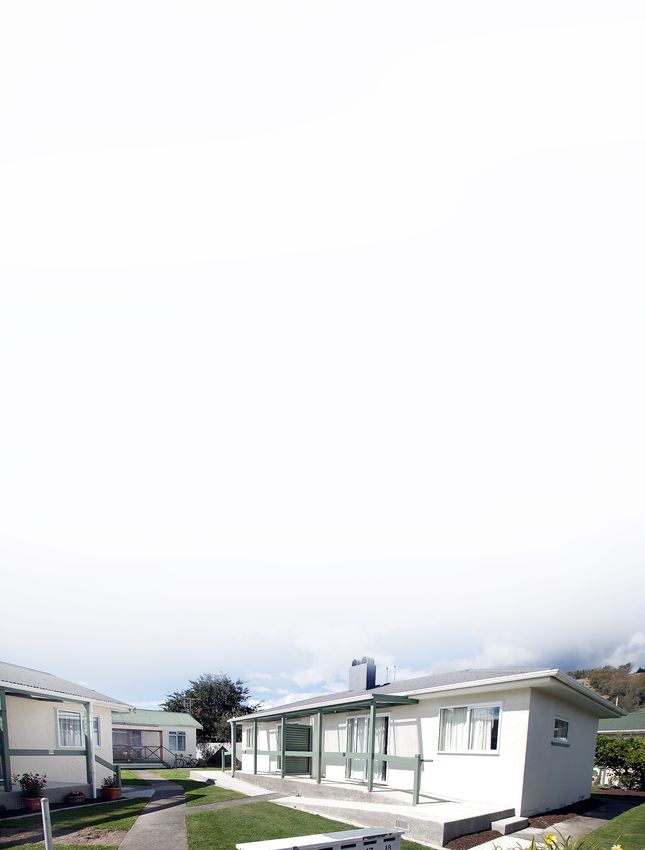
DELIVERING ON
    OUR LONG TERM
    PLAN 2018-28
    When the Long Term Plan 2018-28 was developed and consulted on, Council identified four
    priorities for the ten year period that contribute towards Council’s vision of: Nelson is the
    Smart Little City - he tāone tōrire a Whakatū.

               VISION
               Nelson is the Smart Little City:
               he tāone tōrire a Whakatū

               Nelson is a vibrant place where we are deeply connected with, and
               committed to, our natural, social and cultural environment. Clever
               business and innovation help us thrive. We enjoy living fulfilled lives in
               smart, sustainable communities.

                                                                                                    //

6     Annual Plan 2019/20 Consultation Document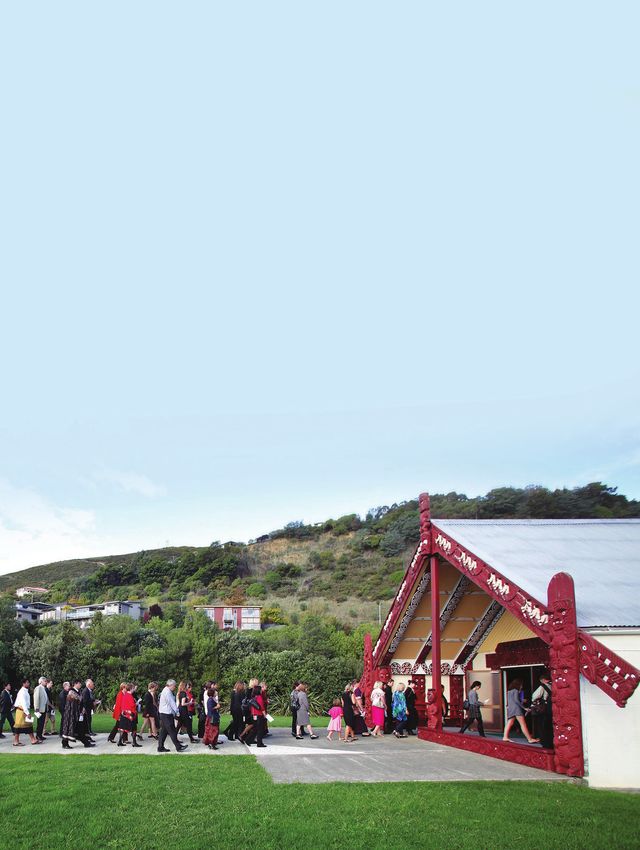
THE FOUR
PRIORITIES
1. INFRASTRUCTURE
           Ko ngā Tūāpapa
           Our city, community and environment all depend on our core infrastructure networks to provide
           safe and smart transport, water, wastewater, stormwater, and flood protection. Council is putting
           essential infrastructure at the forefront to future-proof our city.

2.         ENVIRONMENT
           Ko te Taiao
           Kia whakatu tika te tai ao me te tai ao tiaki te tai ao - if the environment is kept well and strong
           it will look after itself and us. Council recognises investing in the environment is essential for our
           future.

3.         CITY CENTRE DEVELOPMENT
           Whakahou tāone
           Our aim for Nelson’s central business district is for it to be attractive to businesses, residents and
           visitors, with an exceptional mix of events, civic facilities and retail. We are working to build an
           environment that supports commerce, encourages inner city living and is a catalyst for private
           sector investment.

4.         LIFTING COUNCIL PERFORMANCE
           Whakapikinga pūkenga
           To achieve our vision of a Smart Little City, we need a Council team that enables things to
           happen. It needs to provide solutions to cut through the red tape so that real value can be
           delivered to our community.

*
    The Annual Plan 2019/20 section of this document includes two features, Climate Change
    and the City Centre Programme. Both these areas have significant new information since
    the Long Term Plan was approved.

                                                                Annual Plan 2019/20 Consultation Document           7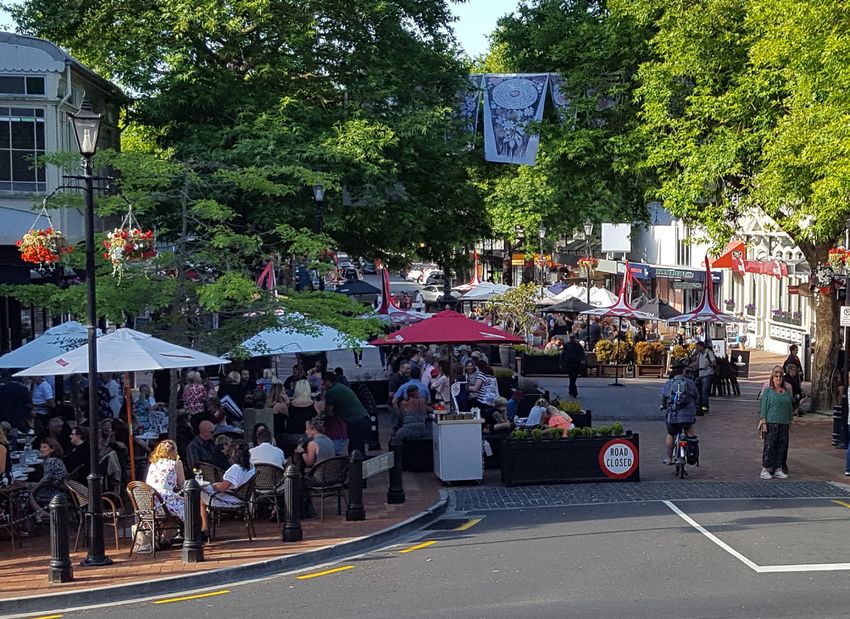
COMMUNITY HOUSING
         CONSULTATION
         This document also includes a proposal to amend Council’s Long Term Plan to
         provide for divesting* Council’s 142 community housing units to a provider who
         can upgrade and expand the housing.
         We recognise the need for social housing continues to grow and is still a very important issue
         to Council. We have looked at how we can enable more social housing and wellbeing in our
         community, and think the best option is to work with organisations that bring specialist housing
         expertise and have opportunities to access government and other funding sources not available
         to Council.
         This proposal also reflects the Council’s desire to work with partners to tackle the big issues
         facing us and leverage available resources to strengthen the city’s position. For these reasons,
         Council is consulting on the proposal to divest some or all of its community housing units and
         the public is invited to submit on the proposal. Details of the proposal can be found on pages
         28 to 39 of this document.

         *What is divesting?
         Throughout this document, the word ‘divest’ is used, which encompasses the
         sale of the assets but also allows for the transfer of the assets from Council
         ownership by other means. For example, Council could sell the bulk of the
         portfolio, but subdivide a portion for smaller partners to develop.

         WAKATU SQUARE
         CONSULTATION
         Council has received an approach from a developer interested in purchasing
         a section of the eastern end of Wakatu Square and Wakatu Lane for the
         development of an integrated shopping precinct.
         Separate consultation on this proposal is being undertaken over the same period as the
         submissions are being sought on the Annual Plan 2019/20 process and community housing. The
         Statement of Proposal for the Wakatu Square consultation is available from Council’s website
         and the customer service centre. Members of the public are invited to make submissions on
         any or all of the consultation processes. For details of the hearings, please refer to page 3.

                                                                                                            //

8   Annual Plan 2019/20 Consultation Document
IWI AND COUNCIL
PARTNERSHIP
Council and iwi are committed to working together.
In 2019/20, the Iwi-Council Partnership Group will meet quarterly to discuss the review of the
joint Memorandum of Understanding between Tangata Whenua o Whakatū and Council, as
well as to develop an Iwi Engagement and Partnership Strategy. The Iwi-Council Partnership
Group includes representatives of each of the eight Te Tau Ihu (top of the south) iwi (Ngāti
Kuia, Rangitāne, Ngāti Apa, Ngāti Koata, Ngāti Rārua, Ngāti Toa, Ngāti Tama and Te Āti Awa),
the Mayor, and three Council elected members.
A work programme that iwi and the Nelson, Marlborough and Tasman Councils have started
to develop for 2019/20, includes economic strategies and applications for funding from the
government Provincial Growth Fund.
A key objective for our work together is to improve the relationship between iwi and Council,
support communication, and implement a genuine partnership between iwi and Council.

                                                             Annual Plan 2019/20 Consultation Document   9
CLIMATE CHANGE
     AND OUR
     ENVIRONMENT
     REGIONAL MITIGATION, ADAPTATION,

                                                                                                                        ENVIRONMENT
     INNOVATION AND RESILIENCE IN THE
     FACE OF CLIMATE CHANGE
     Council recognises that climate change presents key         future generations to manage. The report identified
     challenges for our region, and will drive a need for        Nelson as one of the South Island’s priority areas in
     greater mitigation (reducing net greenhouse gas             terms of the financial implications of sea level rise on
     emissions), adaptation (adjusting to the effects of         water management and on buildings and facilities.
     climate change), innovation and resilience. This year’s
                                                                 In addition, the Ministry for the Environment has
     high temperatures, drought and fires, as well as last
                                                                 identified climate change as the leading environmental
     year’s extreme storm events, have brought into sharper
                                                                 challenge of our time. Projections suggest that in our
     focus the need to accelerate our work to cut emissions
                                                                 lifetime Nelson will experience effects across climate,
     and enhance resilience to the impacts of climate
                                                                 oceans, agriculture, native ecosystems, infrastructure,
     change. In the Long Term Plan we budgeted $58,000
                                                                 health and biosecurity. These include sea level rise,
     for resilience and sustainability initiatives in 2019/20.
                                                                 more severe and frequent weather events including
     We propose to add an additional $42,000 for new
                                                                 both extreme rain and drought, an increase in summer
     climate change initiatives that will commence this year.
                                                                 water-borne and food-borne diseases, a potential
     The case for a stronger focus on climate change is          increase in tropical diseases, greater spread of pests
     supported not only by recent experience, but by a           and weeds, and a more challenging environment for
     range of external sources outlining the significance        agricultural and horticultural production.
     and scale of the issue. This includes Local Government
                                                                 Addressing climate change now, urgently, gives
     New Zealand’s 2019 report on the economic impacts
                                                                 us the greatest potential to manage risks and
     of sea level rise, which makes it clear climate change
                                                                 harness economic opportunities for innovation and
     needs to be a top priority and should not be left for
                                                                 diversification. Research by the Intergovernmental

                                                                                                                                      //

10      Annual Plan 2019/20 Consultation Document
Panel for Climate Change (IPCC) shows that it is levels by 2030, then reducing to net zero emissions
still technically possible to keep average global by 2050. Achieving this will require changes in all
temperatures to 1.5C˚ above pre-industrial levels, (the aspects of society in order to reduce our net emissions
temperature at which the most damaging aspects of (referred to as “mitigation”). We also need to adapt
climate change can be minimised). However, this would to the impacts of climate change (referred to as
require net emission reductions of 45% from 2010 “adaptation”).
KEEPING GLOBAL WARMING TO AN INCREASE OF 1.5%
60
Billion tonnes of CO2 per year
50
42 For a 50% chance of limiting
40 air temperature to a 1.5°C
30 increase, net emissions must be
cut from 2010 levels by 45% by
20 2030 and to net zero by 2050.
10
1980 2000 2020 2040 2060 2080 2100
CLIMATE SCIENCE IN A NUTSHELL
The earth’s atmosphere is made up of oxygen, a large amount of nitrogen and certain other gases,
including a small percentage of greenhouse gases. Greenhouse gases act like a blanket around the
earth. When the balance is right, they trap warmth from the sun and make life on earth possible.
However, increasing the concentration of greenhouse gases in the atmosphere traps too much heat
and causes the climate to change. Increases in concentrations of greenhouse gases, such as carbon
dioxide, methane and nitrous oxide, are largely a result of human activities such as burning fossil fuels,
deforestation and agriculture.
Although the climate changes as a result of natural processes, and we have always experienced periods
of extreme weather, the increase in greenhouse gases is generating changes in global, national and
local climate at unprecedented rates, resulting in:
Sea level Acidification More heavy More frequent Stronger More extreme
rise and warming rainfall and and more severe winds temperatures,
of the oceans flooding droughts with more often
events greater fire risk
Annual Plan 2019/20 Consultation Document 11ADDRESSING CLIMATE CHANGE: JOINING
WORLDWIDE AND SOCIETY-WIDE EFFORTS
We don’t need to tackle this alone. Efforts to address climate change are underway worldwide and at all levels
of society. They involve international organisations, national and local governments, and a wide range of other
stakeholders such as businesses, schools, and community groups. These efforts are generating a range of useful
scientific research and data that will help us to understand where we can be effective in reducing greenhouse gas
emissions, as well as a range of policies, partnerships, and innovations that Council will be able to draw on in the
years ahead. Examples include:
CO2
International science Central government Advice (e.g. guidance Partnerships with
reporting, modelling initiatives (e.g. the One from the Ministry for the other councils (e.g.
and data (e.g. the Billion Trees Programme, Environment for local the Local Government
IPCC), and international the Zero Carbon Bill, and government on how Leaders Climate Change
commitments to the Climate Commission). to manage and adapt Declaration, and Local
reduce greenhouse gas to coastal hazards and Government New
emissions (e.g. the Paris climate change). Zealand’s extensive
Agreement). climate change work
programme) and
collaboration with
neighbouring councils.
A WHOLE OF COMMUNITY
RESPONSE TO CLIMATE CHANGE
Partnerships with Nelson businesses and the wider community will be essential for achieving substantial reductions
in net greenhouse gas emissions and becoming more resilient to the effects of climate change. However, Council
recognises that we will only be credible asking others to take significant actions if we have our own house in
order. Nelson City Council is therefore committed to pursuing the following principles:
CO2
Taking the lead in Reducing our net Being fully informed Demonstrating,
responding to climate greenhouse gas emissions about the expected encouraging and
change, and working as an organisation, effects of climate supporting best practice
together with other including through an change including severe for mitigation across all
local leaders and the audited approach to weather events, sea level sectors in the region.
community to coordinate measuring and reducing rise, economic impacts
a region-wide response. emissions. and biosecurity risks,
and helping to raise
awareness of these issues
amongst the public.
//
12 Annual Plan 2019/20 Consultation DocumentWHAT WE ARE PROPOSING FOR THE NEXT 12
MONTHS FOR CLIMATE CHANGE
(INCLUDING ONGOING WORK AND NEW INITIATIVES)
1. INFRASTRUCTURE INVESTMENTS 4. PARTNERSHIPS WITH THE
The use of extensive computer modelling to help COMMUNITY (INCLUDING
determine the nature and extent of flood hazard
events and sea level rise, and adopting a climate
BUSINESSES) AND COMMUNITY
change framework to guide investment decision- SURVEY
making so that projects are prioritised appropriately Facilitating discussions with the community on how
and solutions fit for purpose. This will be reflected in Nelson can both adapt to climate change, and reduce
reports to Council on specific issues, as well as in the Nelson’s net greenhouse gas emissions. We will seek
2021–2051 Infrastructure Strategy, associated asset feedback through a community survey in 2019/20.
management plans, and in the 2021–2031 Long Term
Plan.
FOR COUNCIL AND THE COMMUNITY CO2
$20,000 EACH
FOR EXPERT ADVICE TO REDUCE CO2
2. MEASURING AND REDUCING 5. ADAPTING TO COASTAL HAZARDS
COUNCIL’S GREENHOUSE GAS Engaging with the public on coastal hazards. We
EMISSIONS started this process in Feburary 2019, outlining step
one of a 10-step decision-making framework for
Measuring Council’s greenhouse gas emissions managing coastal areas which are potentially or
from its own activities using the Certified Emissions already affected by coastal hazards and climate change
Measurement and Reduction Scheme (CEMARS). These effects.
results will be used to identify the most effective
opportunities to reduce emissions, and to then 6. ENVIRONMENTAL AND URBAN
take action. The initial focus will be investigating
opportunities to reduce emissions in the longer PLANNING
term, as well as low-cost but effective actions (‘low- Factoring the need for both climate change adaptation
hanging fruit’). We will also focus on actions which and mitigation into key planning documents, including
have important co-benefits such as to our health, the Nelson Plan and the Future Development Strategy.
energy resilience and local ecosystems. An additional
$22,000 is budgeted in 2019/20 for expert advice to 7. TRANSPORT
help investigate options and develop business cases to
Continuing to diversify and enhance transport
significantly reduce carbon emissions.
options by enabling, promoting and supporting active
transport (in particular cycling), as well as ridesharing,
3. INVESTIGATING COMMUNITY use of public transport, and investigating the adoption
EMISSIONS of new transport technologies, where it is safe and
effective to do so.
Initial investigation of how to effectively work with
the wider community to measure and reduce Nelson’s
greenhouse gas emissions, with an additional $20,000
budgeted for this work in 2019/20. continued overleaf
Annual Plan 2019/20 Consultation Document 138. BIODIVERSITY AND HEALTHY
STREAMS
Your feedback:
Providing ongoing support to Nelson Nature to
protect and enhance biodiversity. This includes • Do you think that putting resources into
factoring the need for climate change mitigation helping our region deal with climate change
and adaptation into planning and implementation of is important? (This includes direct actions
biodiversity protection and restoration. Planting for taken by Council, as well as collaboration
biodiversity restoration and to mitigate hill country with the community on adapting to climate
erosion will contribute to carbon sequestration*. change impacts and reducing our region’s
Under the Healthy Streams programme, we will also greenhouse gas emissions).
pilot riparian carbon forestry models that reduce the • The overall increase in budget for this work
number of grazing animals and sequester carbon, in in 2019/20 is $42,000 (in addition to the
addition to improving outcomes for freshwater. $58,000 outlined in the Long Term Plan) to
*What is carbon sequestration? investigate how Council and the community
The process involved in carbon capture and the long- can measure and reduce greenhouse gas
term storage of atmospheric carbon dioxide or other emissions. Do you support this additional
forms of carbon to mitigate global warming. level of investment?
• If you have other ideas about how Council
9. COUNCIL CONTROLLED (TRADING) can help our region respond to climate
ORGANISATIONS change, please let us know.
Using Statements of Expectation to Council
Controlled Organisations to encourage climate
change responsiveness, including risk resilience,
mitigation and adaptation.
Further information:
If you would like further information on climate change and the action we are currently taking,
you can go to our website where we have included links to other internet sites which have
national and international information on climate change.
http://www.nelson.govt.nz/environment/climate-change
//
14 Annual Plan 2019/20 Consultation DocumentCITY CENTRE
ECONOMIC
DEVELOPMENT
Nelson City is a major centre of
employment for the region and is a popular
destination for visitors. In the past year, we
have hosted four major events that each
attracted over 20,000 attendees.
Our proposed plans include central activation and
an urban park to bring people to the City Centre for
longer periods of time and therefore support local
businesses, including cafes, restaurants and retail.
Our City Centre is relatively compact so it makes
sense to focus on how people move around the city,
ensuring that people can get where they need to
go, easily on foot. These projects will be considered
alongside improved mobility and walking spaces
around the city and public transport options. Our
work programme will focus on the following six
themes:
Fe st iv
al Time!
1. DESTINATION 2. WALKABLE 3. BLUE GREEN
NELSON NELSON HEART
A people-focussed City Centre Well designed areas and laneway Integrating frameworks linking
expressing its unique identity links in order to easily move about Nelson’s City Centre to its iconic
hosting major events, and the City Centre on foot (Upper natural environment in order to
supporting and growing existing Trafalgar, Church Street, Laneway deliver meaningful social spaces
precincts including The Haven/ Circuit and amenity standards). with areas that appeal to all ages
Waterfront, Riverside, Civic, (City Centre Urban Park, Marina
Justice, Medical/Professional, Arts, link, River walk and street trees).
Learning, Shopping/Hospitality.
Annual Plan 2019/20 Consultation Document 15CITY CENTRE PARK / RUTHERFORD PARK
The Long Term Plan included a development in Rutherford Park. As part of
the City Centre Programme, we are proposing to transfer the funding from
this project to incorporate a park in the City Centre.
As enhancement of the City Centre is considered a higher priority, Council
is proposing to reallocate $20,000 from Rutherford Park to the City Centre
Programme for 2019/20.
4. SMART 5. LIVEABLE 6. CLEVER
DEVELOPMENT CENTRE BUSINESS
Attracting and enableing high Trends across New Zealand show Supporting local businesses that
quality development that a desire by some to live in close contribute to Nelson’s identity and
supports our vision and positively proximity to safe urban centres sense of place to attract customers
contributes to the City Centre. that offer a diverse selection and visitors to the City Centre. This
of amenities including retail, year, we are proposing to launch
restaurants and bars, and cultural Meanwhile Spaces, a concept of
and arts facilities. using temporarily vacant buildings
to house arts organisations, start-
ups, community organisations and
charities. An additional $50,000 is
proposed as part of the delivery of
this project in 2019/20.
These themes will be brought
together in a City Centre Vision
and City Centre Plan. This will
serve as a framework to help
prioritise projects in the City
Centre.
Building on the success of the
upper Trafalgar Street summer
closure, we will roll out a series
of trials over the next couple of
years to engage the City Centre
community, use laneways, promote
hospitality and events, celebrate
winter, and build momentum for
future developments.
//
16 Annual Plan 2019/20 Consultation DocumentVARIATIONS
TO THE
2019/20 WORK
PROGRAMME
The following sections cover the significant or material changes in activity areas from what
was stated in Year Two (2019/20) of the Long Term Plan 2018-28. The amounts mentioned in
this section are mostly capital expenditure, and are normally funded by borrowings. Where the
expenditure is operational expenditure, and funded from rates or charges, this is mentioned.
CAPITAL AND OPERATING COSTS
Capital expenditure is generally expenditure on assets that are expected to last more than one year.
An increase in capital expenditure of $1 million increases rates by between $100,000 and $250,000 per
annum. This covers interest, depreciation, maintenance and running costs for the asset. The reason
for the range of increased costs is that depreciation and running costs vary between different assets,
for example, library books wear out much faster than pipes in the ground, which can last for over 80
years before they need to be replaced.
Operating costs include expenditure for items such as staff costs and overheads, asset maintenance,
running costs and depreciation, interest on borrowings, and grants made by Council. An increase of
$100,000 in operating costs increases rates by 0.14%, to put this in context, 1% of rates is $736,000.
So, by considering the impact of increasing or decreasing Council expenditure you can estimate what
effect any changes to our work programme will have on rates.
As part of the process of developing budgets for 2019/20, Council discussed the option of using some
or all of the special dividend of $750,000 received from Port Nelson in 2018/19. This would reduce
rates for one or two years, but then rates would need to increase to continue funding expenditure.
Council’s policy is to use special dividends for debt reduction. Council decided the best option was
not to use the special dividend to reduce the 2019/20 rates.
Annual Plan 2019/20 Consultation Document 17TRANSPORT WATER SUPPLY
The figures below are the cost, before
New Zealand Transport Agency subsidies
WATER RENEWALS
of up to 51% are applied: Some of Nelson’s pipework dates from
the 1950s, and is almost 70 years old.
CROSS-TOWN LINKS Therefore it’s time to continue with upgrading some
of the older cement pipes before they start to fail. We
A cycle link from the Brook and Nelson East to Nelson
will be undertaking a number of upgrades each year,
Intermediate will make it easier to get on your bike.
with work in the 2019/20 year to include:
In 2019/20 we propose budgeting $150,000 in order to
identify the best options, and carry out related public • Completion of Hardy Street
consultation and business case work. • Tui Glen Road
WAIMEA ROAD/HAMPDEN STREET • Annesbrook (Manchester Way – Maire Street)
INTERSECTION The pipe renewal budgets proposed for 2019/20 total
$2,092,000, which compares to $2,038,000 budgeted in
As part of the cycle safety initiative, this project will the Long Term Plan.
be considered alongside the cross-town links project.
For 2019/20, we propose spending $20,000 to identify
a preferred solution to address the site safety issues.
The balance of the $255,500 included in the Long Term
Plan will be allocated once this has occurred. WASTEWATER
WASTEWATER RENEWALS
Relining wastewater pipes has proved
effective in reducing infiltration of groundwater.
WAIMEA ROAD/HAMPDEN STREET This is designed to improve the effectiveness of our
$20,000
wastewater system and lower the risk of faults while
supporting new growth areas. Priority projects for the
2019/20 year include:
TO IDENTITY A SITE SAFETY SOLUTION • Saint Vincent Street
• Bronte Street and Collingwood Street
• Stansell Avenue and Princes Drive
• Halifax Street and Halstead Street
MAIN ROAD STOKE CYCLEWAY – SAXTON The wastewater pipeline renewal budgets proposed
CREEK TO CHAMPION ROAD for 2019/20, total $1,018,000, compared to the
Design work for the cycleway from Saxton Creek to $1,034,000 budgeted in the Long Term Plan.
Champion Road is scheduled for completion in the
2018/19 year, with construction work to follow in THE WASTEWATER MODEL CALIBRATION
2019/20 and 2020/21. The budget has been altered
Calibration and flow monitoring is required with an
from the Long Term Plan, with $18,000 of additional
additional proposed budget of $260,000 in capital
funding in 2019/20, bringing the total 2019/20 budget
expenditure in 2019/20, being partially funded by a
to $100,000.
reduction in the wastewater renewals budget. This
model is an important tool to help improve decision
making around inflow and infiltration, growth, and
MAIN ROAD STOKE CYCLEWAY effects from climate change.
$18,000 AN ADDITIONAL
ADDITIONAL FUNDING
$260,000
FOR WASTEWATER MODEL CALIBRATION
//
18 Annual Plan 2019/20 Consultation DocumentSTORMWATER AND ENVIRONMENT
FLOOD PROTECTION Our amazing environment, including
our hills, rivers, coastlines, and flora
LITTLE GO STREAM UPGRADE and fauna all contribute to making
Nelson a unique and special place for
- RUTHERFORD STREET residents and visitors. However, the maintenance and
Investigations into upgrading the Rutherford Street / enhancement of our environment doesn’t happen
Little Go Stream stormwater system have been re- by itself but is a combination of care, aroha (care,
phased to allow more time for design and easement love), and time and money from individuals, groups,
negotiations and will cost $100,000 in 2019/20. The businesses, Council and iwi engagement as kaitiaki
remaining Long Term Plan budget of $1,433,000 for (guardians) of the environment.
2019/20 will be re-phased over future years.
BIOSECURITY AND REGIONAL PEST
MANAGEMENT PLAN IMPLEMENTATION
SOLID WASTE
As part of our work as a regional council, we
undertake an extensive environmental monitoring and
enhancement work programme. The main changes to
our work programme in 2019/20 include a proposed
funding increase for eradication and control of two
LANDFILL CHARGES – pests, Taiwan Cherry and Sabella (Mediterranean
fanworm).
CONSULTATION
The fees and charges for the York Valley
regional landfill facility are set by the Nelson/
Tasman Regional Landfill Business Unit. The TO CONTROL SABELLA
$20,000
Business Unit takes into account the local
disposal levy required by each Council to
undertake their solid waste activities. In Nelson,
this local disposal levy is used to manage the
Pascoe Street Transfer Station, undertake waste PER YEAR, ONGOING BASIS
minimisation initiatives, green waste disposal
and recycling which in total comes to $2.4
million.
Current issues in international commodity
markets have had an impact on recycling, TO CONTROL TAIWAN CHERRY
$20,000
not only for Nelson, but for the rest of New
Zealand, and many countries worldwide. We
have made the decision to continue to recycle
in the 2019/20 year, recognising the strong
commitment from our community. PER YEAR, UP TO 15 YEARS
In setting the fees and charges, other important
factors are taken into account, such as the costs
to run the landfill and increased costs for the
Emission Trading Scheme (ETS). The cost of effectively controlling Taiwan Cherry in
Nelson is expected to be around $20,000 per year for
Taking all of these factors into account, the
up to 15 years, starting in 2019/20. The cost for Sabella
landfill fee for 2019/20 is proposed to be set at
in Nelson is expected to be $20,000 per year on an
$163/tonne (including GST). The cost in 2018/19
ongoing basis. Therefore, an additional $40,000 is
was $141/tonne (including GST) giving an
proposed in the biosecurity budget for 2019/20.
increase of $22/tonne.
continued overleaf
Annual Plan 2019/20 Consultation Document 19SOCIAL GRAMPIANS WEED CONTROL
Grass and weed control work in the Grampians Reserve
Council works together with the
is continuing with the help of some sheep. They moved
community to deliver facilities and
into their new home in November 2018 and we are
services that support the wellbeing
proposing to keep them there for 2019/20, at a cost of
of Nelson residents. Expenditure to
$50,000 of capital expenditure for improved fencing
support social outcomes is classified as operating
and additional stock.
expenditure.
PROPOSING TO SET ASIDE GRAMPIANS RESERVE
$50,000 $50,000
FOR GRASS AND WEED CONTROL
TO ASSISST SOCIAL DEVELOPMENT
QUEEN’S GARDENS TOILET
COMMUNITY PARTNERSHIP PROJECTS The Queen’s Gardens will receive a much needed
There are opportunities for Council to partner with upgrade in the form of a permanent toilet facility. This
and support the work of community groups to focus will be a welcome addition for visitors to the Queen’s
on community wellbeing. Council values working in Gardens and will be located adjacent to the Suter
partnership with the community and is proposing to Gallery. An additional $140,000 for 2019/20 will be
set aside $50,000 in 2019/20 to assist with funding required, subject to tender, to complete construction.
social development projects. The total cost of this project is now expected to be
$413,000.
COUNCIL AND CIVIC EVENTS
In recent years, Nelson’s profile has significantly TRAFALGAR PARK – LIGHTS AND
increased and we have been fortunate to host overseas
delegations, diplomats and sporting events in the city.
ACCESSIBLE RAMP
In addition, there have been requests to support civic An upgrade of the flood lighting at Trafalgar Park
events. Council is proposing to continue to support is required to seal any gaps and ensure they are
these activities and has therefore set aside funding of waterproof. In 2019/20, $50,000 is proposed to be
$50,000 in 2019/20. spent to complete the required maintenance. This
would enable Council to meet the needs of people
using the grounds, including for sporting and cultural
events. We are also proposing to spend an additional
$15,000 in 2019/20 for an accessible ramp from
PARKS AND ACTIVE Trafalgar Pavilion to the Trafalgar Park main field.
RECREATION
ARTIFICIAL TURF
Feedback from sporting clubs has emphasised the TRAFALGAR PARK TO GET
$50,000
benefits of artificial turf and called for this to be
provided at Nelson sporting grounds. This would
enable more all-weather play and training for
sporting teams, including those involved in national
competitions.
FOR UPGRADE OF FLOOD LIGHTING
To enable a detailed feasibility study and examination
of options and locations for the turf, $50,000 is
proposed to be spent in 2019/20.
//
20 Annual Plan 2019/20 Consultation DocumentNATURELAND WATER SPORTS BUILDING AT THE
In the Long Term Plan 2018-28, it was agreed that MARINA
Council would continue to support Natureland with an A proposed new water sports building at the marina
operating grant of $248,000 in 2018/19 and an annual could be used by a wide range of water sports such
grant of $170,000 per year after this, for 2019/20 as kayaking, waka ama, sea scouts, rowing, and as a
and 2020/21. We have recently received a letter from place to store equipment and operate from. We will
Natureland Wildlife Trust, raising their concerns be working alongside the Water Sports Group to agree
that $170,000 would not be sufficient to continue on the scope of the project, its timeframes and the
current operations as they are currently delivered, and funding partnership.
requesting further funding from Council.
The water sports building at the marina had a budget
If the funding of $170,000 per annum is insufficient for of $600,000 in 2018/19, with Council agreeing earlier
Natureland Wildlife Trust, the following options could in the year to carry forward $555,000 to 2019/20. The
be considered: 2019/20 Annual Plan budget has been reduced to
1. Council increases funding by $78,000 from $170,000 $150,000, to allow for comprehensive design work
to $248,000 per annum. This would be funded and consideration of options to be completed prior to
from general rates and increase rates by 0.1% per decisions being made on this project.
annum.
2. Natureland reduces the services that it provides. For
this option, the funding would remain at $170,000,
and therefore there would be no impact on rates.
3. Council confirms the outcomes it is seeking from
Natureland then seeks expressions of interest or
tenders from other parties to operate the facility.
For this option, the funding would not be more
than $170,000 (and could be less depending on the
outcomes sought), and therefore there would be DETAILED DESIGN AND CONSULTATION
$51,000
no impact on rates.
4. Natureland Wildlife Trust will close down its facility.
If this is the option that is decided, the $170,000
would still be required in 2019/20 to fund costs
associated with closing down. FOR STOKE COMMUNITY YOUTH FACILITY
Council is seeking public feedback on these four
options.
STOKE COMMUNITY YOUTH FACILITY
AN ADDITIONAL Council has been considering a youth facility for
$300,000
Stoke for a number of years. Recent consultation has
identified the need for a facility that appeals to a
broader range of young people in Stoke. A consultant
was commissioned to review previous consultation
FOR RIVERSIDE POOL HEATING SYSTEM carried out by Council and other groups.
This review concluded there is a clear demand for a
youth-centred facility for young people to meet and
RIVERSIDE POOL WATER socialise. Consistent with Long Term Plan funding,
we have allocated $51,000 in 2019/20 for detailed
HEATING SYSTEM design and consultation and $501,000 in 2020/21 for
The Riverside Pool requires an upgrade to the water construction.
heating system to replace the existing heating system
and increase the heating capacity. The cost of this will
be additional capital expenditure of $300,000 within
the 2019/20 year.
Annual Plan 2019/20 Consultation Document 21LIFTING COUNCIL
PERFORMANCE
CORPORATE
In the Long Term Plan, one of Council’s four priorities was to lift council
performance. To enable this, we have increased staffing in critical areas and
implemented new systems of monitoring and reporting on programmes and
projects.
A total of 23.2 Full Time Equivalents (FTEs) were The changes have improved our ability to employ staff
agreed in the Long Term Plan for 2018/19 and in hard-to-fill vacancies and has reduced staff turnover.
2019/20. Most of those have been recruited, with the At the start of 2018, 27% of vacancies under active
remainder anticipated to commence before 30 June recruitment had been vacant for four or more months.
2019. In addition, critical staff shortages, particularly However, by the end of 2018, the proportion of
in capital project management, utilities management positions vacant for four or more months had dropped
and transport and roading have been addressed to 12% of active vacancies. Turnover of permanent
through the recruitment of a small number of staff employees has nearly halved – from 18.7% for the 12
to support the development and maintenance of key months to December 2017, to 10.2% for the 12 months
infrastructure. to December 2018.
We have also started to address the disparities We are already seeing the benefits from these
between our pay structures and those of the wider changes, with improvements to the services that we
market. This Annual Plan has also had to address the provide to businesses and residents, better meeting of
problem that the allowance for the annual wage/salary project timelines, and providing greater accountability
movement in the Long Term Plan for the 2019/20 year to Council and committees.
is too low compared to the latest forecasts.
The investment in people has resulted in a higher level
of resources available to deliver programmed work
and improved Council’s ability to attract and retain
staff. Increased numbers in key areas and higher staff
retention across the organisation directly improves our
ability to deliver the projects planned over the coming
years. Those changes have added approximately
$1.169 million per annum to council expenditure in
2019/20, with approximately $882,000 of that to be
funded from rates.
These additional costs are being largely offset by
savings in lower interest and depreciation costs
forecast for the 2019/20 year. We will of course
continue to seek to further offset these additional
costs through prudent financial management and
pursuing efficiency gains wherever possible.
//
22 Annual Plan 2019/20 Consultation DocumentTHE FINANCIALS
HOW WE PLAN TO FUND $121.5 million projected in the Long Term Plan) at the
end of June 2020. The lower proposed debt forecast
THE 2019/20 WORK reflects proposed sale of community housing, as well as
lower opening debt levels anticipated at 30 June 2019
PROGRAMME compared to the Long Term Plan.
The financial impacts for the 2019/20 Annual Plan
This section of the Annual Plan outlines Nelson City have been calculated on the basis that the sale of the
Council’s Financial Strategy for the next year. Council Community Housing assets will go ahead, reflecting
must, under the Local Government Act 2002, manage Council’s preferred option, half way through the
its assets, expenses, revenues, investments, liabilities financial year. For the purpose of these calculations the
and general financial dealings prudently. It must sale price has been assumed as net book value, with
manage these in a manner that sustainably promotes no gain or loss. If Council does not resolve to sell these
the community’s current and future interests. assets, Council will incur additional costs of $230,000
and net debt would increase by $8.382 million.
KEEPING WITHIN THE Movements in a number of significant operating costs
to Council have resulted in proposed rates being 0.3%
LIMITS SET OUT IN OUR higher than anticipated in the Long Term Plan. This
includes an increase in staff costs and a slower rate of
FINANCIAL STRATEGY growth in rating units than predicted. These have been
offset by lower interest rates and depreciation costs.
Some of the factors to affect the rates increase are as
A key priority for Council is to keep within the rating
follows:
and debt limits that were set as part of last year’s Long
Term Plan. The following table summarises the Annual • Due to the 2017/18 revaluation of fixed assets,
Plan 2019/20 values against those agreed in the Long funded depreciation was higher than expected in
Term Plan. An explanation of those benchmarks can be the Long Term Plan with an increase of $411,000.
found in the supporting information on our website. This amount was offset by a reduction in the rate
funding of roading assets depreciation of $1.3
Benchmark Long Term Plan 2019/20 Met million.
Limit Annual Plan
• The interest rate is lower than anticipated in
Rates affordability benchmark: the Long Term Plan and our total debt is also
• income $105m $77m Yes considerably lower. This combination has led to a
reduction in interest expenditure by $563,000.
• increase 4.3% 4.2% Yes
Debt affordability 100% 104% Yes number of new rating units to be completed in
benchmark 2019/20.
Essential services >100% 154% Yes • Recruiting and filling new positions earlier than
benchmark anticipated in the Long Term Plan has led to an
Debt servicingtotal revenue has also increased, from $128 million in Because of our financial limits Council will need to
the 2019/20 Long Term Plan to $130.3 million. Capital carefully consider any requests for additional services
expenditure is forecast to be $46.8 million, which is or expenditure. If new expenditure is included as a
slightly higher than the Long Term Plan forecast of $46 result of the final Annual Plan, savings will need to be
million. made in other areas.
COMMERCIAL DIFFERENTIAL
The commercial differential recognises the additional commercial areas by 0.5%, subject to reassessing this at
Council services that businesses receive, such as each Annual Plan. Council is proposing to implement
extra rubbish collection, street sweeping, and events the 0.5% reduction again this year. This will mean
to attract visitors. In the Long Term Plan, Council that the City Centre and Stoke City Centre rates will
consulted on reducing the commercial differential by increase by less than they would have without this
0.5% each year for 5 years, to be reviewed annually. change. Residential rates will increase slightly more as
Reducing the commercial differential reduces the rates a result of this change.
collected from the City Centre and Stoke and allows a Council proposes that in 2019/20, 24.1% of total rates
re-balancing of the relative rating contributions from are collected from commercial rates (0.5% reduction).
commercial and residential properties. It also keeps our With less rates collected from those commercial
Central Business District competitive relative to other ratepayers in 2019/20, there will be an increase to
centres that do not have such a charge. residential rates of 0.4% to 0.8%, depending on land
In the Long Term Plan, Council reduced the commercial value.
differential for 2018/19 for the City Centre and Stoke
WHAT HAS CHANGED?
Long Term Plan Long Term Plan Annual Plan Difference to
2018/19 2019/20 2019/20 Long Term Plan
($000) ($000) ($000) ($000)
Total Revenue 122,080 127,980 130,322 2,342
Total Operating Expenditure 108,987 111,880 113,562 1,681
Total Capital expenditure 44,494 45,973 46,830 857
WHAT WILL MY NEW RATES BE?
Council proposes the overall increase in rates required between ratepayers in different proportions than they
for 2019/20 to be 4.2%, plus an allowance for growth. were previously.
Following a community consultation period, Council Generally if the land value for a property has increased
will make decisions about the final Annual Plan by more than the average for the city, the rates on that
2019/20. Any changes resulting from consultation may property will increase by more than the average.
affect the final rates and charges. Further information
on how Council has calculated the proposed rates
Further information:
is available in the draft Funding Impact Statement
and financial information section of the supporting
information on Council’s website. If you’d like to know what the rates increase
The three yearly revaluation of properties was change is for your property, you can find out at
undertaken on behalf of Council in September 2018 www.nelson.govt.nz/rates-search/
by Quotable Value Limited. The revaluation is required For the full set of financial statements, including
under the Ratings Valuation Act 1998. the Funding Impact Statement, please refer to
The new values will be used as the basis for assessing the Supporting Information, which can be found
rates as from 1 July 2019. The revaluation does not, of at www.nelson.govt.nz/annual-plan-2019-20
itself, generate any additional revenue for Council. The
updated base amount means that rates will be spread
//
24 Annual Plan 2019/20 Consultation DocumentAVERAGE ANNUAL
RATES BILL
There are two types of rates: the general rate
based on the land value of a property, and
targeted rates for specific services received,
such as wastewater services.
MAKEUP OF THE AVERAGE ANNUAL RATES BILL ($3,240 INCL GST)
PARKS & ACTIVE
RECREATION
CORPORATE
$62 $502
SOCIAL
WATER SUPPLY
$526
$547
ECONOMIC
STORMWATER
& FLOOD
$68
PROTECTION
$333
ENVIRONMENTAL
MANAGEMENT
$327
WASTEWATER TRANSPORT
SOLID WASTE
$477 $399
$0*
*Solid waste costs are user pays and not rate funded.
Annual Plan 2019/20 Consultation Document 25EXAMPLES OF PROPOSED
RATES FOR 2019/20
To further clarify the rates changes from 2018/19 to those for the 2019/20 rating year a selection of properties
have been shown to provide a guide. The following table is GST inclusive.
EXAMPLES OF TOTAL IMPACT OF GENERAL AND TARGETED RATES ON DIFFERENT
LAND USES AND VALUES (GST INCLUSIVE)
2019/20 Rates
2015 Land 2018/19
Property Type 2018 Land % Land Value General
Value Rates
Value Increase Rate
Residential $90,000 $2,018 $147,000 63.3 $757
(Average LV Change 48.3%) $105,000 $2,127 $160,000 52.4 $824
$125,000 $2,272 $175,000 40.0 $901
$147,000 $2,432 $220,000 49.7 $1,133
$200,000 $2,818 $275,000 37.5 $1,416
$210,000 $2,890 $315,000 50.0 $1,622
$230,000 $3,036 $370,000 60.9 $1,906
$255,000 $3,218 $400,000 56.9 $2,060
$315,000 $3,654 $435,000 38.1 $2,240
$330,000 $3,763 $495,000 50.0 $2,549
$445,000 $4,599 $650,000 46.1 $3,348
$580,000 $5,581 $800,000 37.9 $4,120
Multi Residential (Two flats - Two UAGC & $220,000 $4,169 $320,000 45.5 $1,813
Wastewater Charges) $800,000 $8,610 $1,100,000 37.5 $6,232
Empty Residential Section (Water annual charge $82,000 $1,330 $113,000 37.8 $582
included if water meter is installed) $220,000 $2,531 $295,000 34.1 $1,519
$405,000 $3,876 $560,000 38.3 $2,884
Small Holding (Water annual charge included if $280,000 $2,566 $370,000 32.1 $1,715
water meter installed)
(Average LV Change - 35.85) $385,000 $3,451 $520,000 35.1 $2,410
Rural (Water annual charge included if water $790,000 $4,150 $920,000 16.5 $3,080
meter installed)
(Average LV Change 12.2%) $1,940,000 $9,783 $2,140,000 10.3 $7,164
Commercial - Outside Inner City / Stoke - 1 Unit $365,000 $7,719 $475,000 30.1 $6,695
Commercial - Outside Inner City / Stoke - 1 Unit $355,000 $8,258 $495,000 39.4 $6,976
Commercial - Outside Inner City / Stoke - 1 Unit $335,000 $7,170 $470,000 40.3 $6,624
Commercial - Stoke - 1 Unit $35,000 $1,670 $44,000 25.7 $797
Commercial - Inner City - 2 Units $290,000 $8,699 $365,000 25.9 $6,816
Commercial - Inner City - 2 Units $330,000 $9,683 $415,000 25.8 $7,750
Commercial - Inner City - 1 Unit $1,160,000 $29,582 $1,450,000 25.0 $27,078
Average Residential Property $280,000 $1,442
//
26 Annual Plan 2019/20 Consultation Document2019/20 Rates
Stormwater/ Flood Water Annual Total % increase on $ increase on
UAGC Waste water
Protection Charge Rates 2018/19 2018/19
$435 $332 $475 $202 $2,201 9.05 $182
$435 $332 $475 $202 $2,268 6.61 $140
$435 $332 $475 $202 $2,345 3.19 $72
$435 $332 $475 $202 $2,577 5.93 $144
$435 $332 $475 $202 $2,860 1.49 $43
$435 $332 $475 $202 $3,066 6.07 $176
$435 $332 $475 $202 $3,349 10.32 $313
$435 $332 $475 $202 $3,504 8.89 $286
$435 $332 $475 $202 $3,684 0.82 $30
$435 $332 $475 $202 $3,993 6.11 $230
$435 $332 $475 $202 $4,791 4.17 $192
$435 $332 $475 $202 $5,564 -0.31 -$17
$870 $332 $950 $404 $4,368 4.78 $199
$870 $332 $950 $202 $8,585 -0.29 -$25
$435 $332 $1,349 1.42 $19
$435 $332 $202 $2,488 -1.70 -$43
$435 $332 $202 $3,853 -0.60 -$23
$435 $332 $2,482 -3.28 -$84
$435 $332 $202 $3,379 -2.08 -$72
$435 $3,515 -15.30 -$635
$435 $202 $7,801 -20.26 -$1,982
$435 $332 $119 $202 $7,782 0.81 $63
$870 $332 $238 $404 $8,820 6.80 $562
$435 $332 $119 $202 $7,711 7.55 $541
$435 $332 $119 $0 $1,682 0.73 $12
$870 $332 $238 $202 $8,457 -2.78 -$242
$870 $332 $238 $202 $9,391 -3.02 -$292
$435 $332 $119 $202 $28,165 -4.79 -$1,417
$435 $332 $475 $202 $2,886
This table does not include water charges based on consumption. This is charged at $2.156 per cubic meter and an average
residential ratepayer uses 160 m³ costing $344.96 (GST Incl).
Annual Plan 2019/20 Consultation Document 27PROPOSAL ON
THE FUTURE
OF COUNCIL’S
COMMUNITY
HOUSING
//
28 Annual Plan 2019/20 Consultation Document1. NELSON CITY COUNCIL’S units were built mainly during the 1960s and
70s using low interest loans from central
PROPOSED DIVESTMENT OF government. This was a time when the
government was encouraging councils to
COMMUNITY HOUSING establish community housing for low-income
older people, and close to 90% of councils
1.1 With rising house prices putting increasing took up loans. Over 14,000 community housing
pressure on the community and an rental units were built around the country and
unprecedented demand for subsidised generally operated on a cost-recovery basis
housing, Council is looking for practical ways whereby rents covered the cost of maintaining
it can make a difference. A number of social the housing with no subsidy from ratepayers.
housing¹ providers are interested in developing Community housing is a discretionary activity
Council’s nine community housing² locations to for Council, not required by legislation or
provide more housing for low-income tenants. considered a core activity. However, Council’s
Such providers have opportunities to access community housing portfolio is identified as
government and other funding sources that are a strategic asset in Council’s Significance and
not available to councils, which could be rental Engagement Policy.
subsidies or capital grants for example. 2.2 As with most other councils, Nelson is now
1.2 In addition Council is facing significant upgrade finding that its community housing no longer
costs to bring the community housing units up meets modern expectations in a number of
to modern living standards that tenants would areas, for example around size (many of the
expect. It has also recently started to subsidise units are bedsits); accessible entrances, showers
community housing costs from rates. and interiors; affordable heating etc. Most of
the units are over 40 years old and the original
1.3 Through any divestment of Council’s community
low cost building materials, coupled with the
housing, protection of the wellbeing of the
age of the units, means that maintenance
current tenants would be prioritised. Tenants
demands are increasing over time.
would also benefit from increased investment in
upgrading units. 2.3 Also of concern are the future costs that
ratepayers face. Advice from external
1.4 This consultation document outlines the
consultants provided to Council last year
proposal by Council to divest some or all of its
estimated the upgrade costs spread over the
community housing portfolio to address the
next 20 to 25 years to be around $20 million. The
above issues.
majority of the upgrade cost would be needed
1.5 Throughout this document, the word ‘divest’ is for demolition and replacement of older units,
used, which encompasses the sale of the assets but also includes more general improvement
but also allows for the transfer of the assets work. Routine maintenance costs are also
from Council ownership by other means. For increasing due to the age of the units.
example, Council could sell the bulk of the
2.4 Council is aware of increasing demand for
portfolio, but subdivide a portion for smaller
subsidised housing. Over the last 12 months the
partners to develop.
waiting list for Council units has reached all-time
1.6 The public is invited to submit on this proposal. highs (up to 60) when there are usually about
You can make a submission online at nelson. 12 vacancies a year. Numbers on the Ministry of
govt.nz or in writing by using the submission Social Development’s Public Housing Register
form at the end of this document. Submissions (from which it sources tenants for its social
must be received by 5pm 2 May 2019. housing) show close to a tripling in demand
in Nelson over the last two years (from 46 to
2. INTRODUCTION
123). The Nelson Tasman Housing Trust (which
provides housing for those on low incomes and
with particular needs) has been receiving five
2.1 Council houses around 152 people in its 142
requests for help a week, but averages only five
community housing units at nine locations
vacancies a year.
around Nelson (see map in Appendix 1). The
1 For the purposes of this proposal social housing is defined as housing provided at a reduced (subsidised) rental for people on low
incomes or with particular needs.
2 For the purposes of this proposal community housing is defined as a type of social housing provided by local authorities at a reduced
(subsidised) rental for people on low incomes or with particular needs, most often older adults.
Annual Plan 2019/20 Consultation Document 29You can also read


