Barwon STRATEGIC DIRECTIONS STATEMENT 2018 - Water and catchments
←
→
Page content transcription
If your browser does not render page correctly, please read the page content below
Barwon
STRATEGIC DIRECTIONS
STATEMENT
2018

                       Integrated Water
                       Management Forums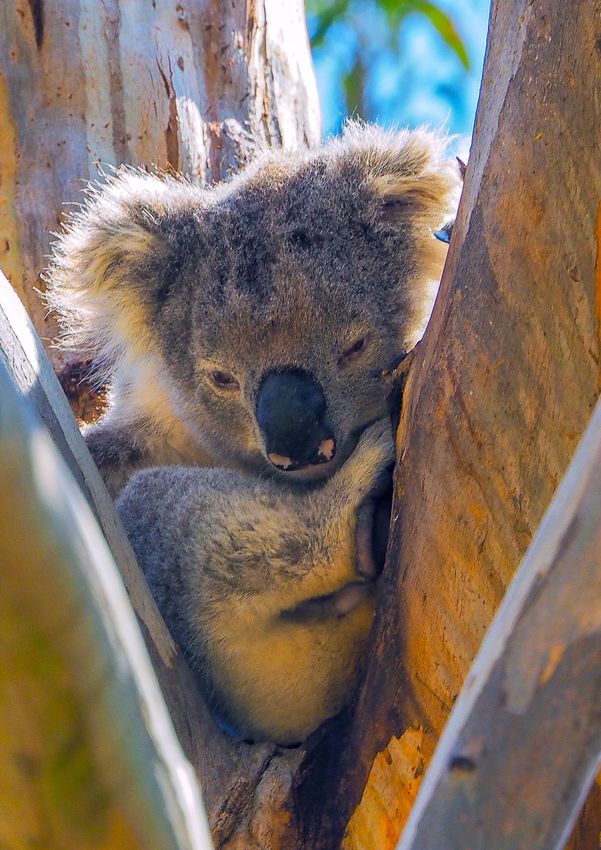
Acknowledgement of Victoria’s Aboriginal communities

The Victorian Government proudly acknowledges Victoria's Aboriginal communities and
their rich culture and pays its respects to their Elders past and present. The government
also recognises the intrinsic connection of Traditional Owners to Country and
acknowledges their contribution to the management of land, water and resources.

We acknowledge Aboriginal people as Australia’s first peoples and as the Traditional
Owners and custodians of the land and water on which we rely. We recognise and value
the ongoing contribution of Aboriginal people and communities to Victorian life and how
this enriches us. We embrace the spirit of reconciliation, working towards the equality
of outcomes and ensuring an equal voice.

© The State of Victoria Department of Environment, Land, Water and Planning 2018
This work is licensed under a Creative Commons Attribution 4.0 International licence.
You are free to re-use the work under that licence, on the condition that you credit the
State of Victoria as author. The licence does not apply to any images, photographs or
branding, including the Victorian Coat of Arms, the Victorian Government logo and the
Department of Environment, Land, Water and Planning (DELWP) logo. To view a copy
of this licence, visit creativecommons.org/licenses/by/4.0/

Printed by Finsbury Green, Melbourne

ISBN 978-1-76077-339-7 – Print format
ISBN 978-1-76077-340-3 – Online (pdf/word) format

Disclaimer
This publication may be of assistance to you but the State of Victoria and its
employees do not guarantee that the publication is without flaw of any kind
or is wholly appropriate for your particular purposes and therefore disclaims
all liability for any error, loss or other consequence which may arise from you
relying on any information in this publication.

Accessibility
If you would like to receive this publication in an alternative format,
please telephone the DELWP Customer Service Centre on 136 186 or email
customer.service@delwp.vic.gov.au or via the National Relay Service on 133 677,
www.relayservice.com.au.

This document is also available on the internet at www.delwp.vic.gov.au

Cover photograph
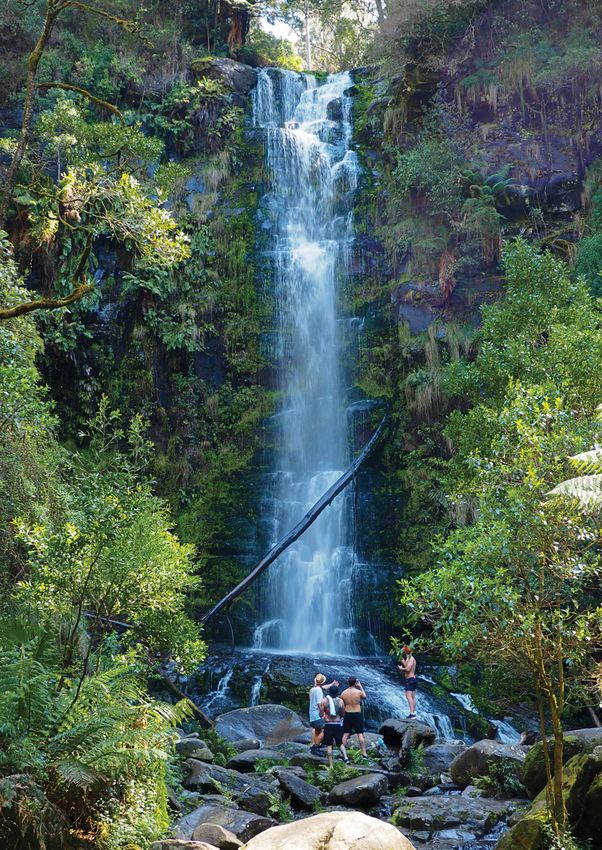
Erskine Falls.
Photographer: Carol Boyle
Integrated Water Management
is a collaborative approach
to water planning and
management that brings
together organisations with
an interest in all aspects
of the water cycle.
It has the potential to
provide greater value to our
communities by identifying
and leveraging opportunities
to optimise outcomes.
Contents
Foreword                                                                 1
Acknowledgements                                                         2

Executive summary                                                        3
IWM strategic pathway                                                    4
IWM opportunities                                                        5

Chapter 1 The way forward                                                6
Introduction                                                             7
Enduring collaboration                                                   8
   Outcome areas for the Barwon IWM Forum                                10
   IWM outcomes                                                          12

Chapter 2 IWM in the Region                                              14
Regional Context                                                         15
   Understanding the needs of our region Vision and Strategic Outcomes   16
   Success stories                                                       26

Chapter 3 IWM opportunities                                              28
IWM opportunities: An overview of projects and strategies                30
Priority Portfolio of IWM projects and strategies                        32

Appendix 1                                                               42
IWM stakeholders – responsibilities, legislation and strategies          42

Appendix 2                                                               46
Overview of local government authorities                                 46
Foreword
The Barwon Region is the fastest growing region
in Victoria, outside of urban Melbourne.

With areas of significant natural           and identifies opportunities which         sources through the development of
beauty, it is an increasingly popular      will underpin the long term strategic     the Regional Recycled Water Plan.
tourist and holiday destination but        plan for water management across          This Strategic Directions Statement
is also known for its quality lifestyle    the Barwon Region. The Forum is           will be reviewed and updated on a
and vibrant economy based on               committed to delivering an integrated     regular basis with other opportunities
high quality food and wine, health         regional water strategy which will        further defined and incorporated
services, education and advanced           ensure a secure and sustainable           and outcomes evaluated over time.
manufacturing. Greater Geelong is          water cycle that supports the long
                                                                                     It is a privilege and honour to Chair
Victoria’s second largest city and         term prosperity of our Region.
                                                                                     the Barwon Region Integrated Water
major economic hub, and will continue
                                           This Strategic Directions Statement       Management Forum and work with
to be so with the state’s largest
                                           has identified a number of                 committed and passionate leaders
growth areas outside Melbourne.
                                           opportunities to progress integrated      and managers who are collectively
Coastal towns and inland centres are
                                           water management at a number of           aiming to achieve best practice in
also growing strongly, including at
                                           scales including taking an integrated     water management. This Strategic
Bannockburn in Golden Plains Shire
                                           approach to planning in townships         Directions Statement is a starting
Council which is the fastest growing
                                           across the Region as well as delivering   point in delivering integrated water
town in the state at 8.5% per annum.
                                           on some opportunities that could          management that supports a long
Water has a critical role to play in all
                                           really transform the Region. The          term sustainable future for the
that attracts people to the Region
                                           Barwon River Parklands project aims       Barwon Region.
including driving population growth,
                                           to create a continuous active travel
supporting economic growth and
                                           pathway extending from Geelong
development and meeting community
                                           to Barwon Heads along the Barwon
needs and expectations.
                                           River and will deliver valuable
The Barwon Region Integrated               cultural, environmental and social        Carol Boyle
Water Management Forum drives              values to the regional community.         Chair of the Barwon IWM Forum
a collaborative and integrated             The Northern and Western Geelong
approach to water management that          Growth Area of Geelong, the largest
enables sustainable environmental,         urban growth project in regional
social, cultural and community             Victoria with a projected capacity
prosperity for the Region. Comprised       of more than 110,000 new Geelong
of regional leaders representing           residents, is taking an integrated
traditional custodians, local              water management approach to
governments, statutory authorities         ensure more sustainable long term
and government agencies, the               outcomes. The Region is also focussing
Forum has developed this Strategic         on maximising use of alternative water
Directions Statement which sets out
the principles, vision and outcomes
for integrated water management

                                                                                     Barwon Strategic Directions Statement    1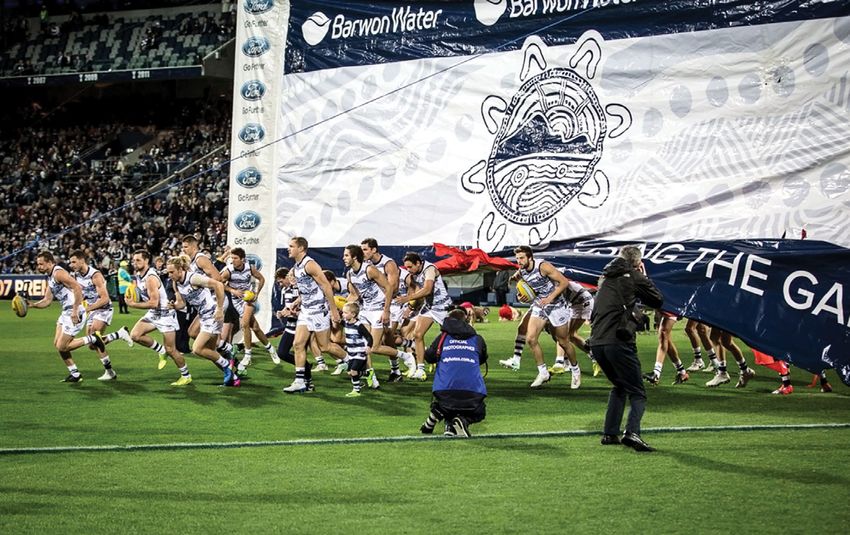
Acknowledgments

The Barwon Region                           Eastern Maar lands extend as far         The Forum area is abundant in
                                            north as Ararat and encompasses          Aboriginal cultural sites with a majority
covers both Eastern                         the Warrnambool, Port Fairy and          of these found near waterways and
Maar and Wadawurrung                        Great Ocean Road areas. It also          the coast. The Forum stakeholders
(Wathaurung) Country,                       stretches 100m out to sea from low       acknowledge these traditional
                                            tide and therefore includes the iconic   custodians who have managed land
whose ancestors and                         Twelve Apostles, while the traditional   and water sustainably over thousands
their descendants                           boundaries of the Wadawurrung            of generations, and maintain
are the traditional                         people span the Painkalac creek,         an active connection to Country.
                                            Aireys Inlet, to Beaufort and
custodians of this land.                                                             This Strategic Directions Statement
                                            Werribee River.
                                                                                     has been developed by the Barwon
                                                                                     Integrated Water Management
                                                                                     Forum (the Forum), which includes
                                                                                     the following organisations:

2   Barwon Strategic Directions Statement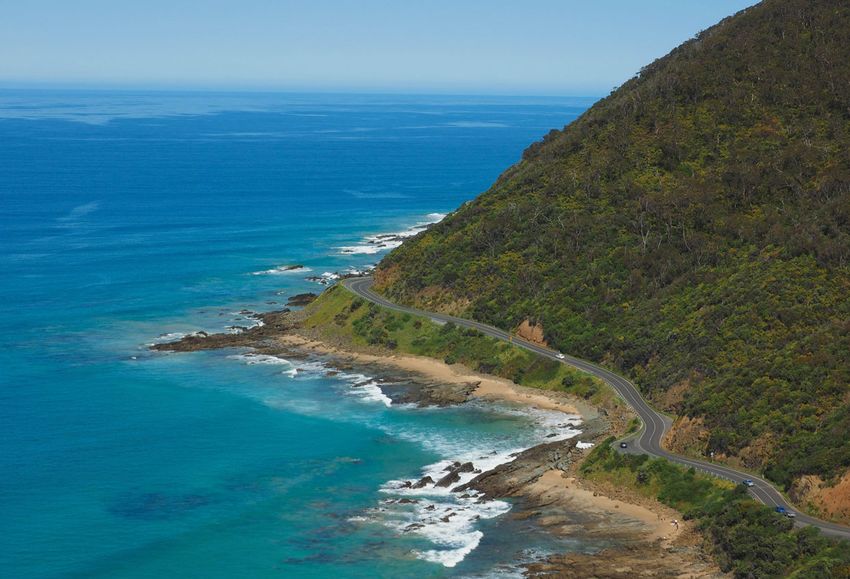
Executive summary

The Barwon Integrated                   Working together to optimise and
                                        integrate our outcomes provides
Water Management                        the best opportunity for efficient,
                                                                                     Vision
Region is located in                    effective and meaningful investment          Integrated, collaborative
regional Victoria, to                   in water cycle management, which             management of the water
                                        also supports community outcomes,            cycle that enables sustainable
the west and south                      bolsters local economy and makes             environmental, social, cultural
west of the Melbourne                   our Region more green and liveable.          and community prosperity
metropolitan area.                      This is known as Integrated Water            for the Barwon Region.
                                        Management (IWM).
The Barwon Region (the Region)
is currently facing a number of         This Strategic Directions Statement
challenges including population         (SDS) has been developed by the          Strategic outcomes
growth, climate change impacts,         Barwon IWM Forum (the Forum) which
changing community needs and            is comprised of regional leaders         1. Safe, secure and affordable
expectations and the continued          representing traditional custodians,        supplies in an uncertain future;
need to support regional economic       local governments, statutory             2. Effective and affordable
growth and development.                 authorities and government agencies.        wastewater systems;
                                        IWM is dynamic in nature and
                                                                                 3. Avoided or minimised existing
The impact of these challenges          consequently it is envisaged that this
                                                                                    and future flood risks;
on the water cycle is complex and       SDS will be a living document which
interrelated and varying across the                                              4. Healthy and valued waterways
                                        will be updated to reflect the Region’s
Region. These challenges include the                                                and marine environments;
                                        current priorities and opportunities.
availability of water in catchments                                              5. Healthy and valued urban,
and changing volume and changing        The Forum has agreed to the following       agricultural, rural and green
quality of stormwater runoff into       vision and strategic outcomes and           landscapes;
waterways and marine environments.      is committed to collaborating and
                                                                                 6. Traditional Owner and community
The impact for the Region is ensuring   working effectively together to ensure
                                                                                    values reflected in place-based
we can continue to sustain the long     we continue to deliver on this vision
                                                                                    planning;
term health and wellbeing of our        and outcomes.
                                                                                 7. Jobs, economic growth
natural assets and our community.
                                                                                    and innovation.
As our Region continues to grow and
prosper, we need to be innovative
to ensure water and wastewater
services are accessible to a growing
region and developing economy.
Multiple local and regional agencies
have responsibilities in managing the
varying aspects of the water cycle,
including stormwater, drinking and
waste water.

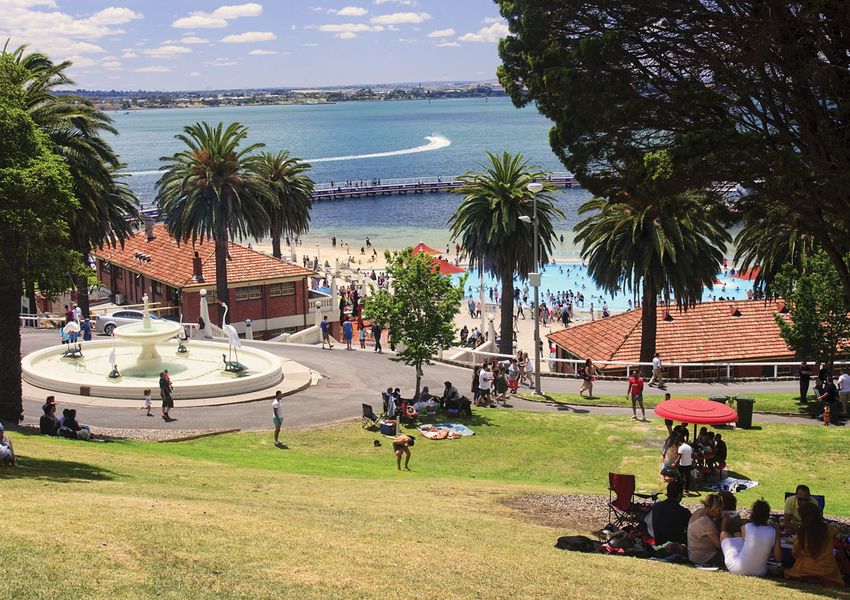
                                                                                          Geelong. Courtesy: Barwon Water

                                                                                 Barwon Strategic Directions Statement   3
IWM strategic pathway
The Barwon IWM                               The Barwon Region IWM Forum (the
                                             Forum) has collectively agreed to
Strategic Directions                         focus on delivery of the following
Statement highlights                         priority opportunities to begin to
the key challenges in                        make some short term inroads into
                                             IWM across the Region and focus
the Region and also                          on responding to issues that require
identifies collaborative                      immediate action.
IWM opportunities that                       There are additional opportunities,
can improve resilience                       detailed in this SDS, that the Forum
and liveability in cities                    has identified as requiring further
                                             scoping and definition.
and towns in the Region.

                                                                                                        Region wide opportunities
                                                                                                          2

                                   Cressy
                                                         Bannockburn 13
                                                                             1
                                                                        Geelong

                                                           6
                                                           Winchelsea                     14
                                                                                          Queenscliff

                                 10         Barwon
                                Colac
                                                                  Anglesea
                           11                    9
                                                     Birregurra
                                             5   Forrest

                                                 Lorne

                                                                                                 Corio
                                      4
                         Apollo Bay                                                               15
                                                                                                Norlane

                                                                                      3
                                                                                               Geelong
                                                                                                                                   7
                                                                                                                         Clifton
                                                                                                                         Springs
                                                                             Waurn   12
                                                                             Ponds
                                                                                                   8
                                                                                           Armstrong
                                                                                             Creek

4   Barwon Strategic Directions Statement
IWM opportunities
Partners of the Forum are committing their best endeavours to ensure priority
projects and strategies are progressed in line with the shared vision and
strategic outcomes of the Barwon IWM Forum. The key IWM opportunities
include (in no priority order):

  1    Barwon River Parklands                   6     Winchelsea IWM Plan                      11    Irrewillepe Stormwater
       Master Plan review                                                                            Basin Upgrade
                                               An IWM plan for Winchelsea, the largest
This project will involve a review of the      inland town in Surf Coast Shire, will help     This initiative will develop a preferred design
existing master plan and reinvigorate          understand the issues and opportunities for    option to upgrade an existing but under-
connections between multiple stakeholders      integrated water solutions across the town     performing retarding basin and include
to create a continuous active travel           and will ensure natural and cultural water     additional amenity and environmental
pathway from Geelong to Barwon                 cycle assets such as the Barwon River          outcomes to transform the basin into
Heads along the Barwon River.                  are a key feature of the town’s future.        a showpiece of water sensitive urban
                                                                                              design (WSUD).

 2     Regional Recycled                        7     Clifton Springs IWM Plan
       Water Plan                                                                              12    Deakin University
                                                An IWM plan for Clifton Springs will aim             Waurn Ponds IWM Plan
This ambitious project will develop a plan     to reorientate all infrastructure around
to reuse 100 per cent of Barwon Water’s        connection to the water cycle. The plan        The Deakin University Waurn Ponds campus
recycled water produced at 10 Water            will include the Bay and existing natural      is growing, and this IWM plan will help create
Reclamation Plants and has the potential       catchment and landscape features.              a sustainable pathway for that growth to
to create significant economic and                                                             ensure resilience to flooding and climate
environmental benefit to the Region.                                                           change and will establish the campus at
                                                8     Sparrowvale Stormwater                  the leading edge of sustainable precinct

       Northern and Western                           Master Plan                             and building design.
 3
       Geelong Growth Areas –                  This project will address stormwater
       IWM Plan                                runoff and flood risk from the Armstrong         13      Bannockburn IWM Plan
                                               Creek growth area to wetlands with high        Bannockburn is the fastest growing town in
An IWM Plan for the Growth Areas will
                                               environmental value, while providing the       Victoria at 8.5% per annum, and this plan
ensure water is considered in an integrated
                                               new community with a useable and high          will ensure that the town is well equipped
way and that these key growth nodes are
                                               quality public amenity.                        to manage that growth in a way that
developed to support a sustainable and
resilient community for years to come.                                                        maximises environmental, social and
                                                                                              economic outcomes using integrated
                                                9     Birregurra IWM Plan                     water management.
 4     Apollo Bay IWM Plan                     This project has arisen due to the need to
An IWM plan for this important coastal town    upgrade the wastewater treatment plant,               Streetscape stormwater
                                                                                               14
                                               which will coincide with investigation of
on the Great Ocean Road will consider                                                                infiltration trial Borough
all aspects of the water cycle system and      water supply upgrade options, as well as
                                               other key aspects of the town’s water cycle.
                                                                                                     of Queenscliffe
identify opportunities to address key issues
including diversification of water sources,                                                    This initiative will respond to localised
fit for purpose reuse and integrating                                                          flooding in Point Lonsdale by developing
water into new urban developments.              10    Colac Botanic Pathway                   a streetscape scale stormwater disposal
                                                      and Green Spine                         process direct to groundwater that could
                                                                                              be transferable to other areas with sandy
 5     Forrest Wastewater                      The project will investigate the creation
                                                                                              soils and good infiltration.
       Investigation                           of a continuous recreational pathway
                                               connecting key natural assets in Colac,
This project will work with the Forrest        such as the Lake and Barongarook Creek,         15    Stead Park Recycled Water
community to investigate opportunities         and will make a major contribution to
                                                                                              This project will ensure that recycled water
for wastewater improvements in the town,       making Colac a more connected and
                                                                                              from Barwon Water’s Northern Water
which is facing significant and widespread      liveable regional city.
                                                                                              Plant can be used on the sports facilities
issues with its current onsite wastewater
                                                                                              adjacent to the plant, by establishing a
system. An improved system could greatly
                                                                                              water use agreement and onsite distribution
benefit the economy and support tourism.
                                                                                              infrastructure to facilitate its use.
The output will be a business case to
support the preferred solution.

                                                                                              Barwon Strategic Directions Statement        5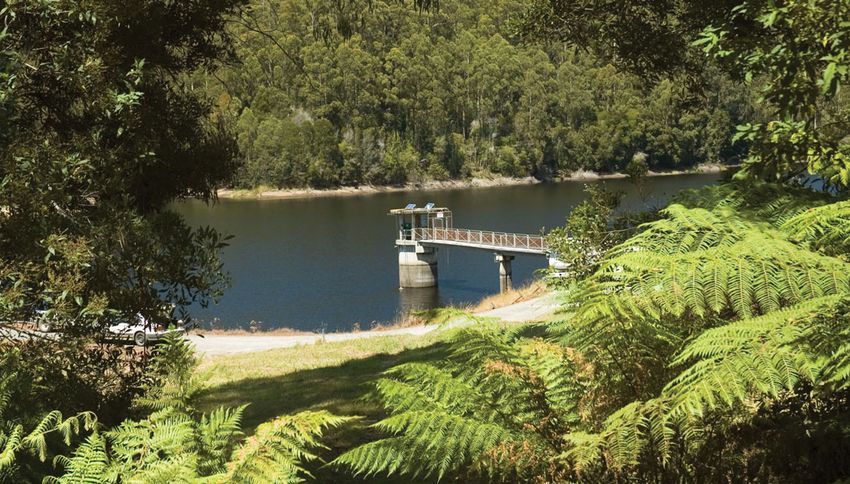
Chapter 1
The way forward
The water cycle system is complex and interrelated,
with many stakeholders having a role to play in
managing its various aspects. Due to its complexity, it
is important we work together and take an integrated,
cross agency management approach to achieve the
desired outcomes agreed to by the Forum to ultimately
plan, manage and deliver better water services.

Geelong Cats AFL indigenous round. Courtesy: Barwon Water
6     Barwon Strategic Directions Statement
Chapter 1

Introduction

This IWM SDS is an agreement between the stakeholders also
known as the Barwon IWM Forum (the Forum). It delves deeper
into the challenges facing the Region, issues requiring action and
opportunities that require a collaborative response for long term
regional prosperity.
The Forum has agreed to the following vision, purpose and principles:

Vision                                   3. Water management includes               The aim of the Forum, set out by
                                            ensuring healthy communities and        an agreed Terms of Reference, is
Integrated, collaborative                   healthy environments exist across       to build on and further develop the
management of the water cycle that          the Region, enabling communities        relationships and capability that
enables sustainable environmental,          to experience, enjoy and actively       exist in the Region. The Forum will
social, cultural and community              participate in outdoor recreation       enable an IWM vision and strategy
prosperity for the Barwon Region.           and cultural practices;                 that will provide direction for priority
                                         4. IWM is underpinned by regional          IWM opportunities and process
Purpose                                     collaboration.                          transformations that can support
                                                                                    resilient and liveable cities and
The purpose of the Barwon IWM
                                         Background                                 towns in the Region into the future.
Forum is to provide a collaborative
platform for overseeing, supporting                                                 The Forum works with the Barwon
                                         The IWM Framework for Victoria,
and, where necessary, facilitating                                                  Integrated Water Cycle Management
                                         released in September 2017, is
water’s contribution to community                                                   (IWCM) Network, an established
                                         designed to help regional stakeholders
prosperity, resilience and liveability                                              collaborative practitioner network
                                         work together, ensuring integrated
in the Barwon Region.                                                               initiated in 2012. The IWCM Network
                                         water cycle management contributes
                                         to the liveability of towns and            has a defined process for IWM
Principles                               cities in Victoria, with communities       across the Region and works
                                         at the centre of decision making.          together to share learnings
The Forum is governed by set of                                                     and deliver regional projects.
                                         Central to the IWM Framework is
principles developed by the Chair
                                         the establishment of high level IWM
and Forum partners:                                                                 In addition, the State Government
                                         forums to help stakeholders work more
                                                                                    has established a Resilient Cities and
1. Water management across the           effectively together in applying IWM
                                                                                    Towns (RCT) Reference Group which
   Region must be sustainable and        in practice within a defined region.
                                                                                    supports the implementation of IWM
   ensure that there will be secure      The IWM forums will identify, prioritise
                                                                                    and planning across the state. The
   supply of quality water available     and oversee the implementation of
                                                                                    Reference Group provides advice to
   to meet environmental, cultural       critical collaborative opportunities.
                                                                                    the Department of Environment, Land,
   and societal needs for the future;    (Further information is outlined in the
                                                                                    Water and Planning (DELWP) on the
                                         IWM Framework for Victoria, available
2. Sustainable management of water                                                  development and implementation
                                         at https://www.water.vic.gov.au/
   will enable economic prosperity;                                                 of key initiatives in relation to policy,
                                         liveable/resilient-and-liveable-cities-
                                                                                    processes or knowledge gaps.
                                         and-towns/iwm-framework.)

                                                                                    Barwon Strategic Directions Statement      7
Enduring collaboration
The Barwon IWM Forum
The Forum comprises of key organizations (Table 1) who manage various aspects of the water cycle and how it contributes
to the liveability of towns and cities across the Region.
Table 1 Barwon IWM Forum members
Organisation Responsibilities
Councils – Councils provide a wide variety of services to their municipalities and enforce various
federal, state and local laws for their communities. These services include stormwater
Borough of Queenscliffe
management, public health, traffic, parking, animal management and land use
City of Greater Geelong planning, reserve and asset management.
Colac Otway Shire
Community infrastructure maintained by councils in Victoria is estimated to be valued
Golden Plains Shire at over $40 billion and includes roads, bridges, drains, town halls, libraries, recreation
Surf Coast Shire facilities, parks and gardens.
Traditional Owner Traditional Owner Corporations hold significant rights to the land and have cultural
Corporations – obligations to manage traditional lands and waters. They are equal partners in
ensuring catchment health. In many cases, Traditional Owners rights over Crown
Wathaurung Aboriginal
land and waterways are recognised in settlement agreements (covering over
Corporation
40 parks and reserves) and governance arrangements to ensure their perspectives,
Eastern Maar knowledge and interests are valued.
Barwon Water Barwon Water (Barwon Region Water Corporation) is Victoria's largest regional
urban water corporation, providing high quality water, recycled water and sewerage
services to urban and rural customers across 8,100 square kilometres. Our water
and sewerage services underpin economic, social and environmental dimensions
of regional prosperity.
Corangamite Catchment The Corangamite CMA’s role is defined in accordance with the CaLP Act 1994 and the
Management Authority (CCMA) Water Act 1989 statement of obligations. Specifically this is to facilitate the planning for
a Regional Catchment Strategy and associated strategies that inform NRM investment
priorities. In partnership, the CMA provide services relating to integrated waterway
management for the protection, maintenance and improvement of river health.
Southern Rural Water The Corporation operates irrigation districts at Maffra, Bacchus Marsh and Werribee,
Corporation manages seven major dams and licences groundwater users and river diverters across
the southern half of Victoria.
Department of Environment, In partnership with its agencies, the Department supports Victoria’s natural and
Land, Water and Planning built environment to ensure economic growth and liveable, sustainable and inclusive
(DELWP) communities. The Department assists the minister, develops and implements state
policies and programs, and oversees the administration of organisations including
catchment management authorities and water corporations.
Department of Health and The Department develops and delivers policies, programs and services that support
Human Services (DHHS) and enhance the health and wellbeing of all Victorians.
8 Barwon Strategic Directions StatementChapter 1
Strategic alignment Role of the Forum • provide a coordinated approach to
inform regional policy and strategies,
The Forum will, where possible, The role of the Forum is to collectively including Sustainable Water
establish relationships with existing provide leadership, authority and Strategies and Long-Term Water
partnerships including the G21 strategic guidance for IWM planning Resource Assessments;
Geelong Regional Alliance and across the Region with a focus on:
the Corangamite Catchment • Provide vision, direction and endorse
• identifying, prioritising and the SDS for the Region for the
Management Regional Partnership to
supporting progress of IWM Minister for Water to be reviewed
maximise collaborative efforts across
opportunities using an agreed at least every two years or as
the Region in realising opportunities.
criteria or process; decided by Forum participants.
The Forum also needs to be aware of
the relevant legislation and regional • discuss and confirm the roles The Forum itself meets 3-4 times
strategies that fit under the IWM and responsibilities of members, per year, and includes the senior
banner and better understand the and identify and invite appropriate executives of each organization.
interrelationships and implications participants from other However, the bulk of the work is
for IWM and the Region’s liveability organisations, when relevant; undertaken at the practitioner
(Refer Appendix – IWM Stakeholders – level by the IWCM Network and
responsibilities, legislation • discuss and confirm the principles
sub working groups, who have been
and strategies). to be adopted for developing IWM
nominated by each organization.
Plans, and resolving resourcing
issues related to IWM planning and
programs including, when necessary,
formal funding agreements;
West Gellibrand reservoir. Courtesy: Barwon Water
Barwon Strategic Directions Statement 9Outcome areas for the
Barwon IWM Forum
The Forum is taking a systems thinking approach to the water cycle.
We need to consider the regional and local perspectives for IWM and
the challenges facing the Region. We have agreed to the following
strategic outcomes and objectives (summarised in Table 2) and are
committed to collaborating and working effectively together for our
Region’s long term prosperity.
Safe, secure Effective and Healthy and
and affordable affordable valued
supplies in wastewater waterways
an uncertain systems and marine
future environments
As the Region continues to develop The Black Rock Water Reclamation With climate change impacting river
and grow, we need to provide safe, Plant is the largest in the Region and lake water quality in addition
secure and affordable water supplies and services the greater Geelong, to treated wastewater discharge
across the Region. There is potential Bellarine and Surf Coast areas. Many via ocean outfalls and runoff from
for alternative water supplies such smaller townships in the Region utilise growing industrial sites, our waterway
as recycled water and stormwater domestic scale septic tank systems. and marine environments are being
to make a significant contribution Municipal councils are responsible impacted. We need to collaborate to
to alleviating medium term threats for regulating domestic wastewater ensure we minimise our impacts on
to drinking water supply security management. Golden Plains Shire, these ecosystems. They provide us
including during peak holiday Colac Otway Shire and Surf Coast immeasurable health and wellbeing
periods (e.g. Lorne, Apollo Bay). Shire are in the process of reviewing benefits and it is critical to clarify
this approach. Lack of sewerage roles and responsibilities around rural
services in some small, yet growing drainage and river management.
towns such as Forrest and Inverleigh
are a challenge for the Region due
to their inability to service growing
populations and the potential impacts
of overflows into the environment.
10 Barwon Strategic Directions StatementChapter 1
Avoided or Accordingly, flood risk is a growing
concern in urban areas, downstream
minimised
land uses and the receiving water
existing and bodies such as the bay, rivers and
future flood lakes. There is potential for urban
risks development areas both greenfields
and brownfields sites through
innovative IWM approaches to minimise
localised flooding risk and contribute
There is increased pressure on local
to catchment based stormwater
government stormwater systems and
strategies to address increases in flood
overland flooding provisions, due to
volume and frequency. An integrated
a range of factors including ageing
approach to stormwater could also
infrastructure, increasing urbanisation
reduce the demand on drainage assets
and impermeable surfaces, urban
(e.g. Colac West – Deans Creek).
consolidation and increasing frequency
of intense rainfall events.
Healthy and Traditional Jobs,
valued urban, Owner and economic
agricultural, community growth and
rural and values reflected innovation
green in place-based
landscapes planning
Recreational and green spaces provide We acknowledge Aboriginal people Water will play a key role in supporting
physical and mental health and as the traditional custodians of the economic growth and development
wellbeing benefits for communities. land and water on which they rely. including industry, a growing
Collaborating to ensure there is The traditional custodians have a agricultural sector and a thriving
sufficient healthy urban spaces is a core strong connection to water as a vital tourism sector. Maintaining the quality
focus. The Region also has highly valued part of their life and culture. They are of aquatic and coastal environments
natural assets which have cultural represented by the five four Aboriginal is core to the tourism industry in the
heritage significance and attract group across the Barwon Region Region. Being innovative in how we
significant numbers of tourists. We need including the Wadawurrung, Kuu Yang ensure water is available for growing
to ensure we work together to sustain Maar, Eastern Maar and Guli-Gad. and diverse industries requires us all
the health of these natural assets. In to work together and collectively
addition, we have a growing agricultural make decisions that result in the
sector which rely on healthy landscapes best outcomes.
and soils to provide productive land.
This outcome supports a growing
economy and a prosperous Region.
Barwon Strategic Directions Statement 11IWM outcomes
Table 2 Summary of outcomes and objectives
Outcomes
Safe, secure and affordable Effective and affordable Avoided or minimised existing Healthy and valued waterways
supplies in an uncertain future wastewater systems and future flood risks and marine environments
Objectives
A diverse range of water Meets public health and Community and property Waterway health is
supplies and resources environmental standards resilience to local flood risk understood and improved
Water quality meets Effective and affordable Prevent the likelihood of Marine environment health is
regulatory standards and sewerage systems contamination via runoff understood and managed
community expectations
Efficiently managed Waste-to-resource Meets best practice water Establish a clear position
water and demand opportunities are maximised quality requirements on roles and responsibilities
including recycled for rural drainage and river
water and energy management including water
quality and security of supply
Secure and diverse water Location and use of Groundwater dependent
supplies for industry, agriculture, retention systems to ecosystems are well managed
health, culture, recreation support re-use initiatives
and economy
Water available to maintain Establish and preserve
valued green community assets overland flow paths
Managing high quality Develop regional urban
groundwater for stormwater management
agricultural purposes policy and strategy
12 Barwon Strategic Directions StatementChapter 1
The outcomes are what we are seeking to achieve over the longer term from the deliberate application of IWM across
the Region. These outcomes have been derived from those articulated in Water for Victoria and the IWM Framework
for Victoria. Each of these seven outcomes will be key in shaping the liveability, prosperity and resilience of our cities
and towns. The outcomes will assist in developing the strategy and prioritising the IWM opportunities for the Region.
Healthy and valued urban, agricultural, Traditional Owner and community Jobs, economic growth and innovation
rural and green landscapes values reflected in place-based planning
Active and passive recreation Aboriginal cultural values associated IWM enables jobs and economic growth
supported by water with waterways acknowledged,
understood, protected and applied
Improved connectivity and Effectively engaging communities Ensuring security and diversity of
access to green and blue spaces to better understand cultural supply to enable economic growth
and community values
Urban landscapes retain moisture Local water related risks and Leveraging knowledge and
for cooler, greener cities and towns issues understood and managed resources to support innovative
and collaborative outcomes
Waterways and coastal environments
accessible as valuable open space
Barwon Strategic Directions Statement 13Chapter 2 IWM in the Region Understanding why an integrated approach to water planning and management is critical for the Barwon IWM Region now and for the future. Great Ocean Road. Courtesy: Carol Boyle 14 Barwon Strategic Directions Statement
Chapter 1

                                              Barwon

POPULATION GROWTH                                              THE REGION
298,780 (2016)                                                  AGRICULTURAL LAND
378,268 BY 2031                                                 & PLANTATIONS 79%
                                                                                                          8,950km2
                               21%                              NATIVE VEGETATION 12%                     CATCHMENT
                               INCREASE                                                                      AREA
                                                                URBAN AREAS 8%
                                                                WATER BODIES 1%

                                                                  TEMPERATURE                  WATERWAYS
                                                                                               BARWON             MOORABOOL
                                                                  AN INCREASE OF

                                                                  0.6-1.2C 57% 45%             IN A ‘MODERATE’
   CHANGE IN RAINFALL                                             IN BARWON SOUTH WEST
                                                                                               STREAM CONDITION
                                                                  BY 2030
   7-8%                        DECREASE
                               BY 2070

Source:

Victoria in future 2016.

G21 Regional Growth Profile 2014.

Climate Ready Victoria – Barwon South West factsheet (2016).

Corangamite Waterway Strategy 2014-2022.

                                                                                         Barwon Strategic Directions Statement    15
Understanding the
needs of our region
Water and the water cycle is a major The local government agencies
aspect of the long term sustainability (detailed in Appendix 2) within this
and prosperity of the Barwon Region. Region are responding to challenges
It is vital in ensuring our natural assets which include meeting the needs
remain healthy and vibrant, and of a growing economy, population
ensuring the long term health and growth, changing community needs
wellbeing of: and expectations and impacts of
climate change. We understand
• our community - ensuring the regional context is constantly
access to water services and changing and will need to be
green and active spaces; reviewed and updated regularly.
• our economy - ensuring
water is available to support
a growing economy;
• our environment - ensuring
our natural assets continue
to remain healthy and vibrant.
Gardening Expo. Courtesy: Barwon Water
16 Barwon Strategic Directions StatementKoala. Courtesy: Carol Boyle
Barwon Strategic Directions Statement 17The following starts to delve deeper into the
challenges we are facing across the Region.
These challenges include:
Population growth • poor urban design practices
contributing to the negative health
It is estimated the population of impact of some communities
the Barwon Region will increase across the Region;
from 298,780 in 2016 to 378,268
by 2031 (VIF2016). Impacts of • urbanisation causing increased
growth on the Region include: runoff volumes and the introduction
of a variety of pollutant sources into
• increased demand waterways and marine environments.
for land and housing;
The Region is a destination for
• increased demand for services national and international visitors
including water, sewerage resulting in a dramatic increase in
and drainage; population during holiday periods,
especially along coastal areas.
• increase demand for recreational
open space, green space,
access to natural areas;
Population growth. Courtesy: Barwon Water
18 Barwon Strategic Directions StatementChapter 2
a. Issues
The Forum has identified a number of issues facing the Region due to population growth over the next five and 10-15 years
(Table 3).
Table 3 Issues in response to population growth
5 years 10 – 15 years
Policy and planning supporting Balancing increasing population growth including new users demand (ie. industry
IWM in practice and agriculture) with decline in water availability and seasonal fluctuations
Aligning regional policy Balancing development yield vs other benefits (eg. environment)
and land use planning
Diversifying water supplies (increasing over time)
Managing changing demand
for water including industry Improving small town sewerage
changes and seasonal All water users need to better understand the value of water and take action
fluctuations in tourism to be sustainable with their water use
Facilitating more peri-urban agriculture
Meeting new infrastructure challenges
b. Opportunities
The Forum and IWCM Network have identified opportunities in response to the issues relating to population growth
(Table 4), some of which are yet to be more clearly defined.
Table 4 Opportunities for responding to population growth
Opportunity Description Status
Plan North and Western Geelong Growth Area – IWM Plan Priority
Policy Integration of IWM with planning and policy To be defined
Build capacity IWM training delivered to build capability in IWM To be defined
planning and organisational change
Investigation Future State report - taking a systems approach To be defined
Barwon Strategic Directions Statement 19Climate change the impacts of temperature rise as • Changes in rainfall patterns
are urban developments that have resulting in more high intensity
The impacts of climate change not accommodated enough green rainfall in urban areas impacting
pose a significant risk for the space to provide shade; urban drainage and increasing the
Barwon Region due to: likelihood of sediment, nitrogen, and
• Reduced rainfall resulting in other pollutant loads into waterways
• Sea level rise and coastal erosion reduced run off into waterways, and marine environments;
will cause infrastructure assets to impacting waterway health as well
be at risk. Sea level is projected as accessibility of surface water for • Importance of minimising flood risk
to increase in the order of 0.08 to provision of drinking water, irrigation through flood mitigation given the
0.18m above the 1986–2005 levels for recreation and supporting a increased intensities from rainfall
(Climate Resilient Communities); growing agriculture sector. The major events, chance of flash flooding
waterways that are of significance and reliance on overland flow
• Temperature rise where warming
across the Region includes the paths to manage the risk;
is projected to be around 0.6 to
Barwon and Moorabool Rivers.
1.2°C above that of 1986–2005 • Significant risks to underground
The majority of stream lengths in the
(South West Climate Change water system infrastructure
Barwon and Moorabool basins are in
portal). Temperature rises will result assets, including drinking water
moderate or poor condition (CCMA
in increased heat-related stress pipes, sewerage and stormwater
Waterway Strategy 2014-2022);
and mortality among aged and infrastructure. It is critical to ensure
‘at risk’ populations as well as a planning and design decisions
higher risk of bush fire. Inland rural ensure these assets are resilient
areas may be most vulnerable to to climate change.
Johnston Park flood. Courtesy: Barwon Water
20 Barwon Strategic Directions StatementChapter 2
a. Issues
The IWM Forum has identified a number of issues facing the Region due to climate change over the next five and 10-15
years (Table 5).
Table 5 Issues associated with climate change impacts
5 years 10 – 15 years
Stormwater management in Responding to the increasing pressure on stormwater infrastructure
Geelong and regional areas, and managing high rainfall events
including potential impacts
on Ramsar sites Clarifying management responsibilities for climate change planning and response
Ensuring adequacy of design for 1:10 ARI storms events given climate impacts
Responding to coastal sea level rise
Ensuring security of supply to industry and impacts on others
(eg. irrigated agriculture and recycled water)
Retaining water at the source, where possible
b. Opportunities
The Forum and IWCM Network have identified opportunities in response to issues relating to climate change (Table 6),
some of which are yet to be more clearly defined.
Table 6 Opportunities in response to the impacts of climate change
Opportunity Description Status
Plan Barwon River parklands master plan review Priority
Investigation State of marine coastal and waterways environment To be defined
report
Plan Sparrowvale stormwater master plan Priority
Project Irrewillepe stormwater basin upgrade Priority
Plan Deakin University (Waurn Ponds) IWM plan Priority
Project Point Lonsdale streetscape stormwater infiltration trial Priority
Barwon Strategic Directions Statement 21Changing community needs and expectations across Region who rated their health as
needs and expectations our Region that we are having excellent or very good ranged from
to continue to review and respond. 52.7% to 59.0% vs 46.6% except in
The Region has a strong indigenous These community needs and Greater Geelong where it was 45.1%.
cultural background and a changing expectations include: Rates of population in all LGAs that
population demographic due to had sufficient levels of physical
national and international people • Acknowledging and protecting activity ranged from 65.6% to 78.3%
migrating to the Region. Water is an our cultural heritage. Water is the vs 63.9%. Physical activity contributes
important aspect of aboriginal culture. lifeblood for Country and the basis of to helping prevent diseases including
We need to ensure communities, many creation stories. Waterways are cardiovascular disease, diabetes,
regardless of their demographics have a historical and ongoing source of some cancers, injury and control
access to recreational, green and food, fibre and medicine, important and the promotion of mental
natural spaces that in turn support place to camp, hunt, fish, swim and health including providing a sense
their physical and mental health. connect with traditional culture and of wellbeing and creating social
stories (CCMA Waterway Strategy connections. Low socio economic
Areas of socio-economic 2014-2022). It is important waterways
regions have generally lower level
disadvantage across the Region are healthy and flowing to maintain
of health and wellbeing. Water is
includes Bell Park, Corio, Norlane, cultural heritage and traditions.
an essential part of mental health
St Leonards, Thomson, Whittington,
• Ensuring we continue to provide for and wellbeing through supporting
Indented Head, St Leonards,
the growing health and wellbeing green open spaces which enable
Portarlington, Winchelsea and Colac.
of our community. The G21 region outdoor activities and connections
The range of diversity in culture,
health profile states that the with the environment.
demographics and socio economic
factors result in varying community proportion of people across the
Traditional smoking ceremony - Wadawurung. Courtesy: Barwon Water
22 Barwon Strategic Directions StatementChapter 2
a. Issues
The Forum has identified a number of issues facing the Region due to changing community needs and expectations
over the next five and 10-15 years (Table 7).
Table 7 Issues arising due to changing community needs and expectations
5 years 10 – 15 years
Clarifying responsibilities for rural drainage Better understanding water's role in building
and river management health resilience into cities and towns
Ensuring the role of healthy urban waterways and Ensuring the cultural and environmental values
connected open space is considered in enhancing of water is acknowledged as strongly as the
the wellbeing and liveability of the Region
social and economic values
Ensuring water is considered as an enabler of broader
Increasing the water literacy across the Region
outcomes
Establishing community water values and future aspirations
regarding water cycle management
Ensuring community concerns regarding extraction
of water from the local environments for use by others
is understood and managed
Ensuring water management and IWM has a greater
focus in the Anglesea Futures process
b. Opportunities
The Forum and IWCM Network have identified the opportunities in response to issues relating to community needs
and expectations (Table 8), some of which are yet to be more clearly defined.
Table 8 Opportunities in response to changing community needs and expectations
Opportunity Description Status
Plan Winchelsea IWM plan Priority
Plan Apollo Bay IWM plan Priority
Plan Birregurra IWM plan Priority
Plan Clifton Springs IWM plan Priority
Project Colac botanic pathway and green spine Priority
Plan Bannockburn IWM Plan Priority
Project Stead Park recycled water project Priority
Plan Anglesea Futures IWM plan To be defined
Barwon Strategic Directions Statement 23Economic growth 17,271. This represents an increase of 826 the Region is expected to rise to
and development businesses (5.02%) from the June 2015 over nine million by 2030. This has
total of 16,445 businesses and compares a significant impact on services in
According to the G21 Economic to an increase of 1,242 businesses (5.29%) coastal towns where populations
Development Strategy, ‘The Region in the Region (Remplan). can triple during holiday periods.
is geographically, economically and
culturally diverse. The Region has The agriculture sector across the Ensuring businesses have access
undergone significant transformation Region is expanding into more intensive to water and sewerage services is
from a major heavy manufacturing agriculture, such as poultry, which essential. In turn businesses will need to
centre over the last 15 years, will enhance existing food processing be efficient in how they use water and
diversifying into higher technology activity in Geelong and Colac have an ability to access affordable
manufacturing, healthcare, education (G21 Regional Growth Plan). To support alternative water sources where
and other sections as well as this development, we need to ensure possible. It is important the practices of
expanding its cultural offering.’ water will be available, seeking businesses do not have a detrimental
alternative supplies to drinking impact on our waterways and marine
The City of Greater Geelong is a major water where possible. environments through pollution runoff.
centre for investment with over 17,000 Coastal towns should have the ability
businesses and a highly skilled labour Tourism is also an important contributor to develop and grow and have access
force of 110,632 (Enterprise Geelong). to the Region’s economy with the to secure water and sewerage services
The total number of businesses in Region home to many tourism assets that support fluctuations in populations
Greater Geelong in June 2017 was and events. The number of visitors to due to tourism.
Tourism and economic growth. Courtesy: City of Greater Geelong
24 Barwon Strategic Directions StatementChapter 2
a. Issues
The Forum has identified several issues facing the Region due to IWM supporting growing economic and development
over the next five and 10-15 years (Table 9).
Table 9 issues arising due to economic growth and development
5 years 10 – 15 years
Developing opportunities for tourism and the arts Ensuring affordability of diverse water supplies to
support economic growth activities and appropriate
Managing water security for coastal communities use of water supplies e.g. recycled water, stormwater
Ensuring a plan is developed to respond to Ensuring security of potable supply
community expectations around Lake Colac
Developing a long term plan for potable and
alternative supplies that supports economic
development and the environment
b. Opportunities
The Forum and IWCM Network have identified opportunities in response to issues relating to economic growth
and development (Table 10), some of which are yet to be more clearly defined.
Table 10 Opportunities in response to economic growth and development
Opportunity Description Status
Investigation Forrest wastewater investigation Priority
Plan Regional recycled water plan Priority
Plan Lake Colac masterplan To be defined
Barwon Strategic Directions Statement 25Success stories
There has been a lot Colac IWCM Plan • Identify opportunities for IWCM
solutions to enhance Colac’s ability
of great work over the The Colac Integrated Water Cycle to become a healthier, greener,
years by state and local Management (IWCM) Plan is a ‘botanic’ city.
strategic blueprint for how the urban
government, regional The plan has led to implementation
water cycle can make a positive
agencies, communities, contribution to Colac’s liveability. of rainwater gardens in the centre of
planning bodies and The plan applies a whole of water Colac and the securing of a grant to
cycle system approach to identify develop detailed designs to upgrade
boards to identify the Irreweillipe Road Retarding Basing.
and develop opportunities to enhance
what we need to do to aspects of the urban water cycle The plan has also informed the Colac
address the challenges to make a positive contribution to 2050 Strategic Planning project to
broader liveability aspirations for the ensure that future growth of Colac
and opportunities in
city. Its primary objectives were to: is undertaken in accordance with
the Region. Three IWM principles.
completed projects • Raise awareness of the role of the
water cycle in achieving Colac’s
are outlined here. future aspirations for liveability,
sustainability and productivity; and
Colac Lake. Courtesy: Barwon Water
26 Barwon Strategic Directions StatementChapter 2
Geelong. Courtesy: Barwon Water
Jan Juc Creek Daylighting undertaken to restore natural habitats. consider water cycle aspects in
Daylighting the Creek enhanced new urban development including
In 2012, the ‘Friends of Jan Juc Creek the biodiversity and public amenity, natural aspects (e.g. waterways and
Reserve’ (FJJCR) community group strengthened the ecological value floodplains), built aspects (e.g. major
presented Council with the idea of of the waterway and improved drainage, land use, open space
reinstating sections of the Creek to stormwater runoff quality. and water sensitive urban design),
a more natural state by removing and servicing aspects (e.g. drinking
underground drainage infrastructure water, sewerage and alternative,
Urban Water Planner
and recreating the Creek channel fit-for-purpose water sources). By
(daylighting). The project involved Integrated Water Cycle Management working with the relevant agencies
decommissioning and modifying (IWCM) is about managing the and incorporating IWCM principles
the existing underground drainage, interaction between the urban early in the process, developers and
returning stormwater flows to the environment and the water cycle. consultants can save time, resources
surface of the Creek, building a The urban water planner provides and money.
sedimentation basin, and reshaping a resource for urban developers,
Creek banks. Extensive replanting consultants and planners to
of indigenous species was also
Barwon Strategic Directions Statement 27Chapter 3 IWM opportunities A portfolio of IWM projects and strategies for which IWM collaborative partners have committed themselves to applying their best endeavours to progress. Recycled water at Torquay. Courtesy: Barwon Water
Thirty-eight IWM opportunities have been identified
with 15 prioritised by assessing the extent of likely impact,
or benefit of the opportunity if achieved and ‘ease
of implementation’ of the opportunity. The IWCM
Network will continue to develop and define the
other opportunities that are not currently priorities.
Once defined, these opportunities will be added
in further reviews and updates of the SDS.
IWM opportunities: An overview
                        verview
of projects and strategies
A summarised list of priority IWM opportunities as endorsed by the Forum
is shown in the table below, with more detail in the following section.

 IWM opportunity                               Strategic outcomes                                                                  Location             Spatial scale
 Barwon River Parklands                                                                                                            Barwon River from    Forum Area
 Master Plan Review                                                                                                                Geelong Ring
                                                                                                                                   Road through to
                                                                                                                                   Barwon Heads

 Regional Recycled Water Plan                                                                                                      At all water         Forum Area
                                                                                                                                   reclamation plants

 North and Western Geelong                                                                                                         Geelong              Region
 Growth Area – IWM Plan

 Apollo Bay IWM Plan                                                                                                               Apollo Bay           Region

 Forrest Wastewater                                                                                                                Forrest              Town
 Investigation

 Winchelsea IWM Plan                                                                                                               Winchelsea           Town

 Clifton Springs IWM Plan                                                                                                          Clifton Springs      Town
                                                                                                                                   and Drysdale

 Sparrowvale Wetland Flood/                                                                                                        Marshall             Precinct
 Stormwater Master Plan

 Birregurra IWM Plan                                                                                                               Birregurra           Town

 Colac Botanic Pathway                                                                                                             Colac                Town
 and Green Spine Project

 Irrewillepe Stormwater                                                                                                            Colac                Town
 Basin Upgrade Plan

 Deakin University Waurn                                                                                                           Deakin University    Town
 Ponds IWM Plan                                                                                                                    Waurn Ponds campus

 Bannockburn IWM Plan                                                                                                              Bannockburn          Town

 Point Lonsdale Streetscape                                                                                                        Point Lonsdale       Precinct
 Stormwater Infiltration
 Trial Project

 Stead Park Recycled                                                                                                               Stead Park, Corio    Lot Scale
 Water Project

The status of each IWM opportunity included in the Priority Portfolio reflects the phase of work to be undertaken in this time period.

Shade scale

No Impact    Impact

30          Barwon Strategic Directions Statement
Chapter 3
Lead Status Links to other strategies
Corangamite Catchment Management Authority G21 Environment Pillar;
Corangamite Catchment
Partnership
Barwon Water Urban Water Strategy 2018
(Barwon Water)
City of Greater Geelong Geelong Settlements Strategy
Barwon Water Barwon Water Strategy 2030
Barwon Water Barwon Water Strategy 2030
Surf Coast Shire Growing Winchelsea;
G21 Planning & Services Pillar
City of Greater Geelong
City of Greater Geelong RAMSAR Management Plan
Colac Otway Shire Colac 2050
Colac Otway Shire Colac 2050;
G21 Planning & Services Pillar
Colac Otway Shire Colac 2050
Deakin University
Golden Plains Shire Bannockburn Structure Plan;
G21 Economic Development Pillar
Borough of Queenscliffe Council Plan 2017-2021, Strategic
Objective 1: Community Wellbeing
Barwon Water Barwon Water Strategy 2030
Project opportunity status
Concept & feasibility Business case Detailed design Implementation Commission Benefit realisation
Strategy opportunity status
Concept Commitment Prepare draft Consult & finalise Implement Evaluate
Barwon Strategic Directions Statement 31Priority Portfolio of IWM
projects and strategies
Barwon River. Photographer: Carol Boyle
ACTION BR1
Plan – Barwon River Parklands Master Plan Review
The Barwon River Parklands is a long-envisioned idea for creating a continuous
Status Endorsed by partners as
active travel pathway extending from Geelong to Barwon Heads along the Barwon
a priority project for the
River. Incorporated as a strategically planned component of the G21 Adventure Trails Corangamite Catchment
Priority Project, the Parklands project builds on the popular recreation opportunities Partnership (CPA)
of the existing trail network through Geelong to create an iconic walking and cycling Agreement.
route along the River which has valuable cultural, environmental and social values to
Lead agency Corangamite Catchment
the regional community. The project would involve a review of the master plan and Management Authority
reinvigorating the connections between multiple stakeholders to identify practical
initiatives and projects that can contribute to achieve the long term vision. There are Location Barwon River from
opportunities to leverage and integrate with other projects such as recreation/amenity Geelong ring road
through to Barwon Heads
upgrades within the Geelong segment and Barwon Water’s land at Aqueduct Park.
Timeframe 5-10 years
Next steps: Partners Parks Vic, Barwon Water,
City of Greater Geelong
Corangamite CMA to hold stakeholder meeting in August 2018. and Regional Development
Victoria
CCMA in conjunction with partners to seek funding.
Scale Forum Area
32 Barwon Strategic Directions StatementChapter 3
ACTION BR2
Plan – Regional Recycled Water Plan
Barwon Water currently reuses 25% of the Region’s recycled water produced at 10
Status In progress
Water Reclamation Plants. In keeping with its commitment to achieve Zero Waste,
Barwon Water is developing a strategic plan to reuse 100 per cent of this recycled Lead agency Barwon Water
water. This ambitious target will require a significant step-change and has the
potential to create significant benefit to the Region supporting healthy green urban,
Location At all water reclamation
rural and agricultural landscapes as well as the potential for jobs and economic
plants
development. The Plan will consider short, medium and long term opportunities
and a strategic framework to accommodate future needs. Timeframe 1-2 years
Partners
Next steps:
Scale Forum Area
Commence development of the recycled water plan.
ACTION BR3
Northern and Western Geelong Growth Areas – IWM Plan
The Northern and Western Geelong Growth Area is the largest urban growth project in
Status In progress
regional Victoria with the potential to welcome more than 110,000 new Geelong residents.
The project will address the long-term growth needs of Geelong, facilitating diverse and Lead agency City of Greater Geelong
affordable housing and employment opportunities for the City over the coming decades.
The Northern Geelong Growth Area, in Lovely Banks, is anticipated to deliver up to
Location Greater Geelong
18,000 new dwellings for a population of approximately 48,000 residents. The Western
Geelong Growth Area, in Batesford, is anticipated to deliver up to 22,000 new dwellings Timeframe 5 years
for a population of approximately 62,000 residents. The Western Geelong Growth Area
includes more than 20 kilometres of river frontage to the Barwon and Moorabool Rivers Partners
and Cowies Creek.
Scale Geelong
An IWM Plan developed for this Region will ensure water is considered in an integrated
way including ensuring sustainable water use, impacts of urban development on
local waterways is managed and the Region supports continued economic growth
and development and supports the health and wellbeing of the community.
Next steps:
Community engagement underway.
Barwon Strategic Directions Statement 33You can also read


