Corporate Strategic Plan 2021-2023 - June 2021 - City of Winnipeg
←
→
Page content transcription
If your browser does not render page correctly, please read the page content below
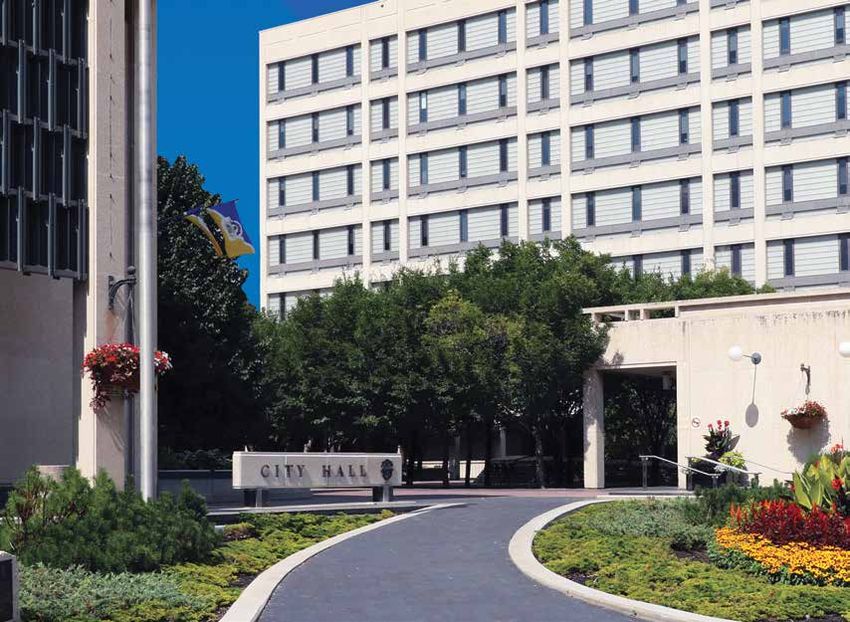
2021-2023

Corporate
Strategic Plan

June 2021
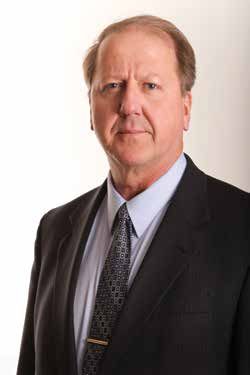
Table of Contents
Executive Summary . .  .  .  .  .  .  .  .  .  .  .  .  .  .  .  .  .  .  .  .  .  .  .  .  .  .  .  .  .  .  .  .  .  .  .  .  .  .  .  .  .  .  .  .  .  .  .  .  .  .  .  .  .  .    4
The City of Winnipeg .  .  .  .  .  .  .  .  .  .  .  .  .  .  .  .  .  .  .  .  .  .  .  .  .  .  .  .  .  .  .  .  .  .  .  .  .  .  .  .  .  .  .  .  .  .  .  .  .  .  .  .  .  .   5
Land & Water Acknowledgement .  .  .  .  .  .  .  .  .  .  .  .  .  .  .  .  .  .  .  .  .  .  .  .  .  .  .  .  .  .  .  .  .  .  .  .  .  .  .  .  .  .  .                            5
Message from the Interim Chief Administrative Officer . .  .  .  .  .  .  .  .  .  .  .  .  .  .  .  .  .  .  .  .  .  .  .                                                             6
City Council & the Public Service .  .  .  .  .  .  .  .  .  .  .  .  .  .  .  .  .  .  .  .  .  .  .  .  .  .  .  .  .  .  .  .  .  .  .  .  .  .  .  .  .  .  .                       7
Alignment with OurWinnipeg .  .  .  .  .  .  .  .  .  .  .  .  .  .  .  .  .  .  .  .  .  .  .  .  .  .  .  .  .  .  .  .  .  .  .  .  .  .  .  .  .  .  .  .  .  .  .                  8
City Of Winnipeg Strategic Planning .  .  .  .  .  .  .  .  .  .  .  .  .  .  .  .  .  .  .  .  .  .  .  .  .  .  .  .  .  .  .  .  .  .  .  .  .  .  .  .                              9
The Strategic Priorities Action Plan .  .  .  .  .  .  .  .  .  .  .  .  .  .  .  .  .  .  .  .  .  .  .  .  .  .  .  .  .  .  .  .  .  .  .  .  .  .  .  .                         10
Vision, Mission, & Values . .  .  .  .  .  .  .  .  .  .  .  .  .  .  .  .  .  .  .  .  .  .  .  .  .  .  .  .  .  .  .  .  .  .  .  .  .  .  .  .  .  .  .  .  .  .  .  .  .       11
Key Strategic Directions & Goals.  .  .  .  .  .  .  .  .  .  .  .  .  .  .  .  .  .  .  .  .  .  .  .  .  .  .  .  .  .  .  .  .  .  .  .  .  .  .  .  .  .  .                     12
     • CULTURE – foster a collaborative, engaged, and value-driven
       organizational culture embodying reconciliation, diversity, and inclusion
     • CONTINUOUS IMPROVEMENT & INNOVATION – drive continuous
       improvement and performance measurement in processes and
       procedures across the organization.  .  .  .  .  .  .  .  .  .  .  .  .  .  .  .  .  .  .  .  .  .  .  .  .  .  .  .  .  .  .  .  .  .  .  .  .                              16
     • COMMUNICATION & ENGAGEMENT – collaborate to improve
       internal and external communication with elected officials, residents,
       employees, and businesses.  .  .  .  .  .  .  .  .  .  .  .  .  .  .  .  .  .  .  .  .  .  .  .  .  .  .  .  .  .  .  .  .  .  .  .  .  .  .  .  .  .  .  .                  17
     • CUSTOMER SERVICE – improve the efficiency, effectiveness, and
       responsiveness of city services.  .  .  .  .  .  .  .  .  .  .  .  .  .  .  .  .  .  .  .  .  .  .  .  .  .  .  .  .  .  .  .  .  .  .  .  .  .  .  .  .                     19
Appendix – Corporate Strategic Plan: Plan on a Page .  .  .  .  .  .  .  .  .  .  .  .  .  .  .  .  .  .  .  .  .  .  .  .                                                          20

CITY CONTACT INFORMATION .  .  .  .  .  .  .  .  .  .  .  .  .  .  .  .  .  .  .  .  .  .  .  .  .  .  .  .  .  .  .  .  .  .  .  .  .  .  .  .  .  .  .  .                         21

                                                                                                           City of Winnipeg | Corporate Strategic Plan 2021-2023                            3
Executive Summary
This corporate strategic plan outlines key administrative The public service is entrusted by Council to be prudent
directions, goals, and priorities for the City of Winnipeg and responsible stewards of the City’s financial, social, and
public service. It establishes a roadmap for the public environmental assets, and is expected to undertake its
service to become more responsive to the needs of work in an apolitical, professional, and efficient manner.
Council and residents. The public service is also responsible for managing, imple-
menting, and operationalizing Council decisions and
It sets four strategic directions for the public service. policies, and for delivering services at Council approved
service levels.
These strategic directions focus on culture, contin-
uous improvement & innovation, communication & This plan sets the administrative direction necessary for
engagement, and customer service. It also establishes the public service to become more resilient and respon-
outcome-based, key performance indicators to drive sive against a backdrop of limited resources, an ongoing
accountability and measure progress against its direc- global pandemic, growing socioeconomic inequality,
tions and many of its goals. and the growing need to become more sustainable in
response to climate change.
In this regard, the plan reflects several “firsts” for the
public service. A public service more resilient and responsive to the
needs of Council and residents will better enable the City
It is the first corporate strategic plan developed specifi-
of Winnipeg to realize its vision of a vibrant, healthy, and
cally for the City of Winnipeg public service. It is the first
inclusive city for all Winnipeg residents.
corporate plan to focus its key performance indicators
primarily on outcome rather than output measures. It
is the first time the City of Winnipeg public service has
adopted and committed itself to achieving diversity and
equity targets, measuring and increasing employee
engagement, achieving workplace health and safety
outcomes, and making financial management, contin-
uous improvement, and innovation key administrative
priorities.
The plan provides directors and senior managers with
direction on corporate administrative priorities when
strategic planning at departmental and operational
levels. It defines the public service’s vision, mission, and
values. Its four strategic directions are consistent with
OurWinnipeg, as well as key goals that align with many of
the leadership and good governance policies outlined and
proposed in OurWinnipeg 2045.
4 City of Winnipeg | Corporate Strategic Plan 2021-2023The City of Winnipeg
The City of Winnipeg is the seventh largest city in Canada About 56% of Manitoba’s population lives within the City of
by population. Winnipeg. The city’s population is forecasted to be about
785,000 in 2021. The census metropolitan area of about
It is located at the junction of the Red and Assiniboine 870,000 residents makes it, and the City of Winnipeg, a
Rivers, almost at the geographic centre of North America. dominant economic, social, and cultural driver within the
With an ethnically diverse population and diversified province.
economy, Winnipeg is characterized by the diversity of
its people and the steady growth of its economy.
Land & Water Acknowledgement
The City of Winnipeg lies within Treaty No. 1 Territory and The City of Winnipeg acknowledges the harms and
the traditional homeland of the Metis. mistakes of the past, and dedicates itself to moving
forward in partnership with Indigenous communities in a
The water we drink comes from Shoal Lake 40 First Nation spirit of truth, reconciliation, and collaboration.
on Treaty No. 3 territory. The City of Winnipeg recognizes
the importance of First Nations, Metis, and Inuit peoples
connected to the founding of the City, and the vibrant,
diverse people who make up Indigenous communities
today.
City of Winnipeg | Corporate Strategic Plan 2021-2023 5Message from the Interim Chief Administrative Officer
The Winnipeg public service is an incredibly passionate organization, and
we should feel proud of the work we do. We do very special jobs – each
one, in its own way, helping build, maintain, and strengthen a city expe-
riencing steady population growth.
Together with Council, we work hard to make Winnipeg a great place to
live, work, invest, build a career, and raise a family. Council looks to us to
manage, implement, and operationalize their policies, deliver services at
levels their constituents expect, and to be careful stewards of the City’s
financial, social, and environmental assets.
Council expects us to undertake our work in an apolitical, professional,
and efficient manner. They look to us for guidance on ways to make our
city better, and to make the services we deliver on their behalf more
efficient, effective, and customer oriented. They rely on us to provide
them with data and insight into our city and its demographics – data
that is valid, reliable, and consistent, lending itself to evidence-based and
informed decision-making that best balances any trade-offs in levels of
service, taxation, risk, and budget priorities.
Michael Ruta, FCPA, FCA, M.S.M. Above all, Council expects us to help them drive and deliver value into
Interim Chief Administrative Officer every service we provide our residents. As public servants, we have the
incredible obligation of carrying this responsibility with us into everything
we do by finding ways to continuously improve our processes to eliminate
waste, improve services, and drive value for residents and businesses.
There is no shortage of challenges facing the public sector today. Financial resources are limited. Human resources
are in high demand. Socioeconomic inequities and sustainability issues have been magnified by the global COVID-19
pandemic, and the manner and processes with which we work have been significantly disrupted. All of these challenges,
compounded by high expectations of Council and residents, underscore the need for us to become a better, stronger,
more efficient, and resilient public service.
This means fostering an organizational culture that is collaborative, aligned, value-driven, and results-oriented. The
Winnipeg public service needs to continuously improve, innovate, and respond to increasingly complex social, health,
environmental, and economic challenges, as well as a growing diversity in what services residents expect from their
local governments.
We need to build a highly-engaged workforce that embodies reconciliation, and better enables us to recruit and retain
top talent in an increasingly competitive and globalized labour market.
And we need to continue strengthening workplace safety and health, because when we look after our employees, keep
them safe, and increase engagement, our employees are better able to look after the services we provide.
By living the values of respect, accountability, trust, and transparency, I believe we can become a more resilient public
service, and one that is more responsive to the needs of Council and our residents. And by doing so, we will get closer
to realizing the vision of a vibrant, healthy, and inclusive city for all Winnipeg residents.
6 City of Winnipeg | Corporate Strategic Plan 2021-2023City Council & the Public Service
The relationship between Council and its professional Council exercises its powers either by bylaw or resolution
public service is critical for the execution of good govern- passed at regular or special meetings. Pursuant to The
ment. These two entities are integrated, but are legally Charter, Council has the authority to establish commit-
distinct with differing roles, responsibilities, and perspec- tees of Council, and Council may delegate a power, duty,
tives. or function to a committee of Council or city employee.
Currently, there are six Standing Policy Committees of
City Council (Council) is the governing body of the City of Council whose chairpersons are appointed by the Mayor.
Winnipeg and the custodian of its powers. Policymaking
at the municipal level is defined and controlled by The City These Standing Policy Committees engage with respec-
of Winnipeg Charter (The Charter), a provincial government tive departments within the public service to scrutinize
statute which provides for the majority of the powers and budgets, service levels, and performance. They provide
authority to the City of Winnipeg. policy advice to Council, and report to Council through the
Executive Policy Committee (EPC) on matters respecting
The roles of Council members and the public service are their areas of jurisdiction.
separate.
The EPC makes recommendations to Council for the
It is the role of Council to govern and lead the City from appointment, suspension, or dismissal of statutory offi-
the perspective of democratically elected politicians. The cers. This includes the appointment and supervision of
role of the public service is to provide Council with policy the Chief Administrative Officer, who is responsible for
advice and recommendations, manage resources, oper- managing the public service.
ationalize Council decisions, and deliver services to the
public in the most efficient and effective way possible at
service levels approved by Council.
Council also relies on the public service to provide them
with data and insight into city operations as well as infor-
mation about residents - data that is valid, reliable, and
consistent so decision-making can be evidence-informed
and best balance any trade-offs in levels of service, taxa-
tion, risk, and budget priorities.
The composition of Council is legislated under Part 3 of
The Charter. Council is comprised of 15 elected Councillors
and the Mayor. Each Councillor is elected by an individual
municipal ward, while the Mayor is elected by a vote of
the city-at-large. The Charter identifies the Mayor as head
of council and chief officer of the city, as well as an ex
officio member of every committee of Council. Members
of Council are democratically accountable to Winnipeg
residents, and hold office for four-year terms.
City of Winnipeg | Corporate Strategic Plan 2021-2023 7Alignment with OurWinnipeg
This strategic plan aligns with key elements of both the The public service has responsibility for fulfilling specific
proposed OurWinnipeg 2045 as well as the current version OurWinnipeg2045 policies including:
of OurWinnipeg.
1.4 Integrated Knowledge and Resources – coordinate
OurWinnipeg is the City of Winnipeg’s overall development inter-departmental systems, projects, and resources,
plan. OurWinnipeg 2045 is an updated development plan making the best use of internal and external exper-
that sets a new 25-year vision for the City. It establishes tise to better understand service needs, find the most
high-level goals and aspirations for the City, and informs appropriate solutions, optimize resources, and maximize
citywide decision making with respect to physical, social, community outcomes.
environmental, and economic policy.
1.5 Evidence-Informed Decisions – invest in data and
This corporate strategic plan reflects the public service’s technology in order to support objective, evidence-in-
responsibility as an apolitical organization in fulfilling key formed decision-making; support open government
OurWinnipeg 2045 goals, objectives, and policies relating and open data principles for collection and sharing; help
to leadership and good governance. It also reflects several coordinate records and information management; and
enabling strategies in OurWinnipeg that support efficient improve process efficiency and results-based service
and focused civic administration and governance. delivery. Residents are entitled to know, understand and
consent to the data collected about them.
The public service, administratively, fulfills a critical role
in meeting many of the leadership and good governance 1.9 Responsive Change Management – monitor and
objectives outlined in OurWinnipeg 2045. As a large public evaluate municipal investment and divestment, activities,
sector employer of approximately 10,000 employees, it risk of action or inaction, and outcomes for effectiveness,
is incumbent on the public service to strengthen inter- through a relevant set of sustainability goal indicators,
departmental coordination, improve communication, benchmarks and targets, and analysis of local and global
build trust with residents and Councillors, and foster an community trends.
organizational culture that is results-oriented, aligned,
and collaborative. 1.18 Responsive, Representative and Resilient Work-
force – provide responsive municipal service delivery,
through an accountable, informed, qualified, competent,
creative, healthy, and productive workforce that is repre-
sentative of the community it serves.
1.19 Equitable Service Access – achieve best practice
standards in equitable customer service and communi-
cations, enabling all community members to understand
and navigate municipal service-delivery systems and
decision-making processes, in the official language of
their choice.
1.20 Succession Planning – provide ongoing employ-
ment, professional, and leadership development oppor-
tunities within the City, including for systemically disad-
vantaged groups.
8 City of Winnipeg | Corporate Strategic Plan 2021-2023City of Winnipeg Strategic Planning
The City of Winnipeg public service does not have a corpo- Strategic plans in the City serve different, but equally
rate strategic planning process separate from the budget important purposes. Generally, strategic plans are used to:
planning process. However, it undertakes a host of stra-
tegic planning activities, and has adopted many different • Set policy & direction – strategic plans help support
strategic plans and policies across the organization. policy development and set direction for a department
or the City. The Winnipeg Fire Paramedic Service Master
Strategic plans and policies can originate differently within Plan, for example, outlines key directions and policies
the organization: necessary to meet service requirements today and into
the future.
• Council direction – many of the strategic plans
currently in place are undertaken at the direction of • Prioritize & align resource allocation – resource allo-
Council. Examples include the Pedestrian & Cycling cation and prioritization are undertaken through the
Strategies and Action Plan as well as the Climate Action City of Winnipeg budget process. The Multiyear Budget:
Plan. 2020 represents the City of Winnipeg’s four-year plan
for revenue, expenditures, and capital investment. The
• Legal requirements – some strategic plans are a legal budget reflects and represents Council’s priorities, and
requirement the Province of Manitoba has for the City its revenue and expenditure policies. It outlines how
of Winnipeg. OurWinnipeg 2045, for example, is legally financial resources such as property tax, business tax,
required of the City. and government grants will be allocated.
• Federal & provincial regulation – other strategic • Educate & inform – departmental strategic plans,
plans are required under provincial regulations. The such as the Corporate Finance Strategic Plan, as well
Biosolids Master Plan as well as the Combined Sewer as issue-specific strategic plans like the Poverty Reduc-
Overflow Master Plan are examples of plans that are tion Strategy, educate and inform residents and City
regulatory requirements of the provincial government. employees about a department’s goals, objectives,
priorities, regulatory environment, risks, and operating
• Governance requirements – the Winnipeg Police
environment.
Service operates under a unique governance structure.
It is governed and overseen by the Winnipeg Police A comprehensive list of existing City of Winnipeg’s stra-
Board and has its own strategic plan, A Culture of Safety tegic plans and policies is available on the City’s website:
for All, 2020-2025, as well as its own annual business winnipeg.ca/interhom/cityhall/strategic-plans-policies.
planning process. stm
City of Winnipeg | Corporate Strategic Plan 2021-2023 9The Strategic Priorities Action Plan
OurWinnipeg 2045 identifies a future need to prepare a Most importantly, it provides an opportunity to establish
Strategic Priorities Action Plan. It is cited as a critical a corporate strategic planning process distinct from the
step toward achieving the long-term, 25-year goals and budget planning process. This would allow Council prior-
objectives of OurWinnipeg 2045. ities and actions to be established before resources are
allocated through the development of the City’s second,
The Strategic Priorities Action Plan will be a detailed list four-year multiyear budget in 2023.
of prioritized outcomes and actions Council wants to
achieve through a four-year term that they feel deliver on Aligning these processes and elements is a recognition
OurWinnipeg 2045’s policy commitments. This plan will that the basis on which Councillors and the Mayor seek
help align and integrate an incoming Council’s priorities election, and the mandates on which they are ultimately
over a four-year term together with existing city services, elected, need to become a shared priority with the public
revenues, service levels, as well as existing city-wide plans service. Historically, this is an element of strategic plan-
and strategies. ning that has been missing.
Year 2021 2022 2023 2024 2025 2026 2027
Term of
Year 3 Year 4 Year 1 Year 2 Year 3 Year 4 Year 1
Council
Four-Year
Year 2 Year 3 Year 4 Year 1 Year 2 Year 3 Year 4
Multiyear Budget
Strategic Priorities Developed
N/A N/A with Incoming Year 1 Year 2 Year 3 Year 4
Action Plan Council
Corporate
Year 1 Year 2 Year 3 Year 1 Year 2 Year 3 Year 4
Strategic Plan
Misalignment of Plans & Alignment of Plans &
Planning Cycles Planning Cycles
This corporate strategic plan reflects the public service’s
administrative responsibility as an apolitical organiza-
tion in fulfilling OurWinnipeg 2045’s Leadership and Good
Governance goal, the outcomes for which the Chief Admin-
istrative Officer can be held directly accountable. The core
administrative priorities and outcomes outlined in this
plan will align with and become an important part of the
Strategic Priorities Action Plan.
10 City of Winnipeg | Corporate Strategic Plan 2021-2023Vision, Mission, & Values
This strategic plan sets the vision, mission, and values for the public service.
An organization’s vision represents its overarching goal; its mission represents its reason for being; and its values repre-
sent the organization’s core beliefs that guide its work and actions.
The vision, mission, and values for the City of Winnipeg’s public service are:
VISION
A vibrant, healthy, and inclusive city for all Winnipeg residents and visitors.
MISSION
Achieve effective and efficient service delivery through a collaborative, engaged, and value-driven organizational culture.
VALUES
Accountability – as stewards of public assets and the work we do
Diversity – in who we are
Respect – for each individual person
Trust – with elected officials and the residents we serve
Transparency – in all we do
City of Winnipeg | Corporate Strategic Plan 2021-2023 11Key Strategic Directions & Goals
The public service is committed to focusing on four stra- STRATEGIC DIRECTION #1:
tegic directions that will better position the organization CULTURE – foster a collaborative, engaged, and
to serve Council and residents. value-driven organizational culture embodying
reconciliation, diversity, and inclusion
• CULTURE – foster a collaborative, engaged, and value-
driven organizational culture embodying reconcilia- As a public sector employer, the public service strives to
tion, diversity, and inclusion. foster employee engagement, keep its employees safe
and healthy, better reflect the residents it serves, manage
• CONTINUOUS IMPROVEMENT & INNOVATION – drive risk in an open and transparent manner, and embody its
continuous improvement and performance measure- commitment to reconciliation, diversity, and inclusion
ment in processes and procedures across the organi- daily.
zation.
GOAL 1.1 – Measure & Increase Employee Engagement
• COMMUNICATION & ENGAGEMENT – collaborate to
Building a highly engaged workforce begins with
improve internal and external communication with
measuring engagement levels across the organization.
elected officials, residents, employees, and businesses.
Employee engagement represents the extent to which an
• CUSTOMER SERVICE – improve the efficiency, effec-
organization’s employees feel passionate about their jobs,
tiveness, and responsiveness of city services.
are committed to the organization and, most importantly,
are willing to put discretionary effort into the work they do.
Organizations with a highly engaged workforce perform
better, are more productive, and can reduce costs
through lower turnover rates.
Measuring engagement levels across the organization
provides the data and strategic insight necessary for
the organization to undertake initiatives to not only
increase engagement levels, but also identify areas
where employees are actively disengaged. It can also
help managers and senior managers identify where in
the organization human talent, energy, and creativity are
missing or underutilized.
Annual engagement surveys will enable the organiza-
tion to assess the effectiveness of any steps taken to
strengthen engagement across the public service.
As a large-scale employer with almost 10,000 employees,
it is critical to implement an enterprise-wide employee
engagement strategy with a goal toward increasing the
percentage of employees actively engaged, decreasing
the percentage actively disengaged, while targeting
annual turnover within the organization to no more than
10% annually.
Key Performance Indicators:
✓ Engagement survey response rate – minimum of 75%
✓ Percentage of employees actively engaged – annual
increase toward 80%
✓ Employee turnover rate – not to exceed 10% annually
12 City of Winnipeg | Corporate Strategic Plan 2021-2023GOAL 1.2 – Embody Reconciliation GOAL 1.3 – Increase Diversity, Inclusion, & Employ-
The public service recognizes the importance of Canada’s ment Equity
original peoples – First Nations, Metis and Inuit – to the Locally and globally, the City of Winnipeg finds itself at
founding of the country and city. Each has contributed a pivotal moment as local residents and people across
culture, values, and vision that continue to be important the world vow to eliminate racism, build greater inclu-
to Winnipeg’s shared future. sion, and achieve social and economic equity. Within
Winnipeg, all residents deserve to be treated with dignity
Winnipeg is also home to the largest Indigenous popu- and respect, and without fear of discrimination. So too for
lation of all major cities in Canada. employees within the public service.
In 2016, 84,300 people identified as Indigenous, repre- As a large public sector employer in Manitoba, it is critical
senting about 12% of Winnipeg’s overall population. the public service strives to better reflect and represent
Winnipeg’s Indigenous population is increasing signifi- the residents it serves. The public service has taken steps
cantly faster than its non-Indigenous population, growing over the past number of years to diversify its workforce in
16.5% between 2011 and 2016 compared to 4.9% for the order to better represent its population, but more work
City’s non-Indigenous population. needs to be done.
Reconciliation must remain a foundational commitment It is essential to recruit from a diverse, well-qualified pool
within the culture of the organization. And it is a commit- of applicants. The public service must collaborate in part-
ment that must be shared by each employee. nership with its unions to actively identify and remove
barriers to employment to better enable full participa-
This means learning about the community’s shared history
tion from its employees. It must also strive to become an
with Indigenous people, seeking out and listening to Indig-
organization whose workforce is better representative of
enous voices, and actively reflecting these perspectives in
the community it serves, at all levels of the organization,
how services and programs are designed and delivered.
with full consideration of intersectionality among equity
The public service will continue to build awareness of groups.
Winnipeg’s Indigenous Accord and increase its signatories.
Key Performance Indicators:
It is committed to increasing the number of employees
who self-identify as Indigenous. And it is also committed ✓ Percentage of employees who self-identify as:
to implementing Truth and Reconciliation Commission of ❒ Women – annual increase toward 50%
Canada Calls to Action relating to municipalities. ❒ Indigenous – annual increase toward 12%
❒❒ Persons with Disabilities – annual increase toward 9%
Key Performance Indicators:
❒ Racialized People – annual increase toward 13%
✓ Signatories to Winnipeg’s Indigenous Accord – annual
✓ Percentage of senior management employees who
year-over-year increase in signatories
self-identify as:
✓ Truth & Reconciliation Commission of Canada Calls
❒ Women – annual increase toward 50%
to Action – ongoing implementation of Calls to Action
❒ Indigenous – annual increase toward 12%
relating to municipalities
❒❒ Persons with Disabilities – annual increase toward 9%
✓ Percentage of employees who self-identify as Indige-
❒ Racialized People – annual increase toward 13%
nous: annual increase toward to 12%
✓ Percentage of senior managers who identify as Indig-
enous: annual increase toward 12%
City of Winnipeg | Corporate Strategic Plan 2021-2023 13GOAL 1.4 – Improve Workplace Safety & Health GOAL 1.5 – Strengthen Financial Management &
The City of Winnipeg committed in April 2018 to becoming Accountability
SAFE Work Certified. This is a voluntary standard for The public service does not have authority to generate
workplace safety and health launched by SAFE Work new revenue nor allocate financial resources without
Manitoba in January 2017. Council approval.
Certification through the SAFE Work program helps orga- Annually, it is Council that approves both operating and
nizations reduce workplace injuries and illnesses as well capital budgets for the City of Winnipeg. Through the
as promote a culture of safety. The standard is built on budget process Council prioritizes city services, service
three essential principles: leadership, hazard control, levels, and city programming for investment or disinvest-
and worker participation. These principles are essential ment. These decisions are reflected in the adopted budget
to reducing accidents, injuries, and occupational illness. which becomes the framework for the financial operations
of the City.
Through the SAFE Work certification process, City of
Winnipeg departments are able to examine details of With the adoption of the City of Winnipeg’s first multiyear
their safety plans to ensure effective systems are in place budget in 2020, the financial framework for the City is
to prevent hazards. Community Services, Winnipeg Fleet adopted through an update that is reviewed by Council
Management Agency, Municipal Accommodations, Prop- on an annual basis.
erty, Planning & Development, and a number of units in
the department of Water and Waste have already achieved The public service is entrusted by Council to manage the
certification. operations and financial resources of the City of Winnipeg
in accordance with the adopted budgets, Council policy,
Achieving SAFE Work Certification across all departments administrative standards, and provincial legislation as it
within the public service is key to the organization’s safety relates to finance, accounting, sinking funds, and other
and health strategy. So too is ensuring employees have financial management requirements.
access to resources necessary to support their mental
health and well-being. The public service is responsible for managing these
resources in accordance with adopted budgets, and for
Key Performance Indicators: ensuring Council approved service levels are being met.
✓ Number of Departments SAFE Work Certified – annual Key Performance Indicators:
increase
✓ Organizational Lost Time Injury Rate – annual reduc- ✓ Departmental operating expenditures – not to exceed
tion Council adopted budgets
✓ Organizational Lost Time Injury Severity Rate – annual ✓ Support services expenditure ratio – not to exceed 5%
reduction of annual operating expenditures
✓ Workplace Illness Reported in Workers Compensation ✓ Value-added audit recommendations implementation
Board Claims – annual reduction – five year rolling implementation rate of 90%
✓ Workers Compensation Board related costs – annual
reduction
14 City of Winnipeg | Corporate Strategic Plan 2021-2023GOAL 1.6 – Expand the existing risk management GOAL 1.7 – Enhance employee development through
framework into a comprehensive enterprise risk regular performance reviews
management program to better identify, understand, Managing employee development and performance is a
and evaluate risk to the organization critical role for managers across the public service.
Managing risk in the public service can often become
synonymous with avoiding or eliminating risk. This can Providing meaningful feedback to employees on work
overly limit the organization’s ability to continuously requirements, goals, and priorities helps increase
improve, grow, and change. There can also be a reluctance engagement levels. It contributes to improved communi-
among employees to take risks out of fear of political cation, understanding, productivity, and trust. It can also
exposure or embarrassment. strengthen employee knowledge, skills, and competen-
cies, and enhance their ability to contribute to depart-
The public service is committed to managing organiza- mental and organizational goals.
tional risk in a way that reduces financial exposure, but
allows for continuous improvement, growth, change, and Key Performance Indicators:
innovation.
✓✓ Employee development and performance review
Through the development of a comprehensive enterprise completion rate – annual increase toward 100%
risk management program, the public service will be
better positioned to identify, understand, and evaluate
risks allowing it to respond with appropriate actions to
measure, prioritize, and manage risk through loss preven-
tion and reduction strategies, insurance programs, and
contractual transfer.
City of Winnipeg | Corporate Strategic Plan 2021-2023 15STRATEGIC DIRECTION #2: • Low cost – continuous improvement success can often
CONTINUOUS IMPROVEMENT & INNOVATION – be achieved with little or no cost. Low cost improve-
drive continuous improvement and performance ments should be prioritized.
measurement in key processes and procedures • Tough on processes, not people – finding ways
across the organization to improve a process, identify and fix problems, or
improve a service must be tough in its rigor and
As stewards of public resources, it is critical all employees
approach to problem deconstruction, but not on
continuously look for ways to improve existing processes
colleagues or employees.
and systems to make service delivery more effective
• Transcend departmental silos – system processes
and efficient. It is also important for senior leadership
and services within the public service often transcend
to promote, encourage, and enable continuous improve-
organizational structures, departments, and divisions
ment efforts at the middle management and supervisory
– so too must the organization’s continuous improve-
levels.
ment efforts.
Continuous improvement, innovation, and perfor- • Transferability – improvements in one department
mance measurement help to not only improve the should be shared and offered for adoption across the
efficiency and effectiveness of existing frontline services, organization.
but also help drive efforts to deliver greater value and
GOAL 2.1 – Identify, review, and improve key city
reduce waste across the organization’s supply chains and
processes across the public service
procurement processes.
GOAL 2.2 – Strengthen linkages between service level
At its core, continuous improvement begins with devel-
goals and their measurements to help communicate
oping a shared, enterprise-wide understanding and
and drive performance
appreciation of the organization’s existing processes and
systems. Equally important is having an organizational Key Performance Indicators:
culture that supports and encourages employees and
senior managers to be open to change. Too often, existing Continuous improvement and innovation efforts across
processes and the status quo are viewed as places of the organization should demonstrate measurable
sanctuary and security which employees can be more improvements in one of the following three ways:
inclined to protect than to change and improve.
✓✓ Service level satisfaction – increased customer satis-
These six principles help guide and enable continuous faction
improvement efforts across the public service: ✓✓ Service delivery efficiency – increased efficiency with
which services are delivered
• Encourage quick wins – continuous improvement ✓✓ Service effectiveness – increased quality of services
efforts can too often fail when they become overly delivered
complex or ambitious. Small, achievable improve-
ments – or “quick wins” – can make a significant differ-
ence by building momentum, confidence, and growing
the space for change within the public service.
• Simplicity before automation – every effort should be
made to simplify processes before adding or layering
information technology solutions.
16 City of Winnipeg | Corporate Strategic Plan 2021-2023STRATEGIC DIRECTION #3: GOAL 3.1 – Improve communication with elected offi-
COMMUNICATION & ENGAGEMENT – collaborate cials across departments
to improve internal and external communication
Key Performance Indicators:
and engagement with elected officials, residents,
employees, and businesses ✓ Responses to the CAO Inquiry Line – 90% of responses
The public service has four primary audiences: demo- provided to members of Council within 72 hours
cratically elected Council members, City of Winnipeg ✓ Council 311 Service – 90% of requests to the Council
residents, businesses, and its own employees. 311 service responded to within 72 hours
All elements of the organization benefit when elected GOAL 3.2 – Improve communication with residents
officials, the public service and its employees, residents, across departments
and businesses collaborate and communicate effectively. The primary channels through which the public service
communicates with residents is 311, the City’s website,
Meaningful and consistent public engagement is also
responses to Freedom of Information and Protection of
important. It improves decision-making. It supports
Privacy Act requests, as well as through social and main-
Council by providing perspectives, opinions, and input
stream media. It is through these tools and channels
from residents and community stakeholders. It also helps
the public service can improve its communication with
strengthen relationships and build trust between Council,
residents.
the public service, and residents.
Key Performance Indicators:
The City’s Open Government Policy provides the frame-
work through which the public service strives to become ✓ 311 wait time – calls to 311 answered within an
more open and transparent. average of 3 minutes or less
✓ Utility Billing Centre wait time – calls answered within
This framework has contributed to significant increases
an average of 3 minutes or less
in the amount of information available to the public. The
✓ Public Engagement – 90% of public engagement
City’s open data portal currently hosts over 160 different
opportunities receive a minimum of two-weeks public
datasets in machine readable format and is updated regu-
notification
larly. The City has designed a host of online dashboards
✓ Open Data Portal – increase the number of datasets
tracking progress on large capital projects as well as open
publicly available on the portal
budget tools to explore capital expenditures.
✓ FIPPA Response Time – 80% of responses to FIPPA
The public service also publishes on its website records requests provided within 45 days
issued in response to requests submitted under The
GOAL 3.3 – Improve communication with businesses
Freedom of Information and Protection of Privacy Act
across departments
(FIPPA), allowing this information to be openly and trans-
parently available to the public. The primary channels through which the public service
communicates with business is through its permits,
land development, and inspection offices, its external
economic development agency (Economic Development
Winnipeg), as well as its external downtown development
agency (CentreVenture). It is through these tools and
channels the public service can improve its communica-
tion with businesses.
City of Winnipeg | Corporate Strategic Plan 2021-2023 17Key Performance Indicators: Key Performance Indicators:
✓✓ Satisfaction with promoting economic development ✓✓ Engagement survey response rate – minimum of 75%
– minimum of 80% ✓✓ Percentage of employees actively engaged – annual
✓✓ Business engagement at the preliminary design stage increase toward 80%
of construction projects – 90% of construction proj-
ects engage affected businesses at the preliminary
design stage
GOAL 3.4 – Improve communication with employees
across departments
Interdepartmental as well as intradepartmental commu-
nication with employees is critical to fostering a collab-
orative organizational culture. Effective communication
between employees and their managers helps build
trust and morale. Equally important is ensuring strong
communication across senior management and their
departments. Open and regular communication can also
contribute to increased employee engagement.
18 City of Winnipeg | Corporate Strategic Plan 2021-2023STRATEGIC DIRECTION #4: GOAL 4.3 – Maintain customer service satisfaction levels
CUSTOMER SERVICE – improve the efficiency, effec- Interacting with residents, businesses, and visitors about
tiveness, and responsiveness of city services the services and programs provided by the City is centrally
GOAL 4.1 – Identify and define customer LOS for existing managed through the public service’s 311 call centre. The
city services 311 service is available 24 hours a day, 7 days a week, 365
days a year. It also works with customer service areas in
The City of Winnipeg delivers 39 different services to resi- the departments of Water & Waste, Transit, Assessment
dents, businesses, and visitors of the city. The level at & Taxation, as well as Property, Planning & Development.
which these services are provided is referred to as levels
of service (LOS). LOS can be either technical in nature 311 offers a single point of entry for information requests
(service life of bridges) or customer in nature (garbage about City services and programs or to make service
pick-up once per week). Customer LOS focus on customer requests. Information requests to 311 can include
outcomes and front-line service delivery, and by policy are requests for transit schedules, enrolment in program-
required to be approved by Council. ming, or library hours. Service requests to 311 can include
requests to fix water main breaks, a bulky garbage pickup,
Key Performance Indicators: building inspections, or to fill a pothole.
✓ Number of service areas with defined levels of service While centrally managed, service requests are routed
– annual increase to and become the responsibility of individual city
departments within the public service who respond
GOAL 4.2 – Increase understanding and transparency of
based on established response times. Last year (2020),
service costs relative to LOS
311 answered 674,011 calls of which 374,623 (55%) were
The public service is responsible for providing Council service related.
with data and insight into existing LOS including its cost,
efficiency, and effectiveness. Providing data that is valid, Key Performance Indicators:
reliable, and consistent, lends itself to evidence-based
✓ Service request overdue rate – 95% of service requests
and informed decision-making that best enables Council
meet defined service level response times
to balance any trade-offs in LOS with taxation, risk, and
✓ Customer service satisfaction – maintain an overall
other budget priorities.
customer service satisfaction rate of 80%
Key Performance Indicators: ✓ Customer service response time – maintain an overall
response time satisfaction rate of 80%
✓ Number of service areas with completed levels of
service costing – annual increase.
City of Winnipeg | Corporate Strategic Plan 2021-2023 19APPENDIX – CORPORATE STRATEGIC PLAN: PLAN ON A PAGE
20
VISION MISSION VALUES
A vibrant, healthy, and Achieve effective and efficient service Accountability – as stewards of public assets and the work we do
inclusive city for all delivery through a collaborative, Diversity – in who we are
Winnipeg residents engaged, and value-driven Respect – for each individual person
and visitors. organizational culture. Trust – with elected officials and the residents we serve
Transparency – in all that we do
STRATEGIC DIRECTIONS STRATEGIC GOALS KEY PERFORMANCE INDICATORS
1. CULTURE – foster a 1.1 – Measure & increase employee engagement • % of employees actively engaged
collaborative, engaged, and 1.2 – Embody reconciliation • Employee turnover rate
value-driven organizational 1.3 – Increase diversity, inclusion, & employment equity • Employee equity targets for women,
culture embodying 1.4 – Improve safety & health Indigenous, disabilities & minorities
reconciliation, diversity, and 1.5 – Strengthen financial management & accountability • SafeWork certification levels
inclusion. 1.6 – Expand risk management framework • Lost time injury rate
1.7 – Enhance employee development & performance • Support services expenditure ratio
City of Winnipeg | Corporate Strategic Plan 2021-2023
2. CONTINUOUS IMPROVEMENT 2.1 – Identify, review, and improve key city processes • Service level satisfaction
& INNOVATION – drive across the public service • Service delivery efficiency
continuous improvement and 2.2 – Strengthen linkages between service level goals • Service effectiveness
performance measurement and their measurements to help communicate and
in processes and procedures drive performance
across the organization.
3. COMMUNICATION & 3.1 – Improve communication with elected officials • 311 wait time
ENGAGEMENT – across departments • FIPPA response time
collaborate to improve internal 3.2 – Improve communication with residents across • CAO inquiry line response time
and external communication departments • Council 311 response time
with elected officials, residents, 3.3 – Improve communication with businesses • Administrative report submission
employees, and businesses. across departments targets
3.4 – Improve communication with employees across departments
4. CUSTOMER SERVICE – improve 4.1 – Identify and define customer level of service (LOS) • Service areas with defined levels of
the efficiency, effectiveness, for existing city services service
and responsiveness of city 4.2 – Increase understanding and transparency of service • Service areas with completed levels
services. costs relative to LOS of service costing
4.3 – Maintain customer service satisfaction levels • Service request overdue rate
• Customer service satisfaction
• Customer service response timeCity Contact Information
Information on the City of Winnipeg is available at winnipeg.ca
Inquiries may also be directed to 311 | Outside of Winnipeg: 1-877-311-4974
City of Winnipeg | Corporate Strategic Plan 2021-2023 21510 Main St. | Winnipeg | Manitoba | Canada | R3B 1B9 | winnipeg.ca
You can also read


