Cost effectiveness of pharmacogenetic-guided clozapine administration based on risk of HLA variants in Japan and the UK
←
→
Page content transcription
If your browser does not render page correctly, please read the page content below
Translational Psychiatry                                                                                                                               www.nature.com/tp

ARTICLE                  OPEN

Cost effectiveness of pharmacogenetic-guided clozapine
administration based on risk of HLA variants in Japan and
the UK
Kohei Ninomiya 1,5, Takeo Saito1,5, Tomo Okochi1, Satoru Taniguchi1, Ayu Shimasaki1, Rei Aoki1, Takeo Hata2, Taisei Mushiroda3,
                                         ✉
Tetsufumi Kanazawa 4, Masashi Ikeda 1 and Nakao Iwata 1

© The Author(s) 2021, corrected publication 2021

    Pharmacogenetics/pharmacogenomics have enabled the detection of risk of human leukocyte antigen (HLA) variants for clozapine-
    induced agranulocytosis/granulocytopenia (CIAG). To apply this evidence to the clinical setting, we compared the cost-effectiveness
    of the proposed “HLA-guided treatment schedule” and the “current schedule” being used in Japan and the United Kingdom (UK)
    (absolute neutrophil count (ANC) cutoff at 1500/mm3); in the “HLA-guided treatment schedules,” we considered a situation wherein
    the HLA test performed before clozapine initiation could provide “a priori information” by detecting patients harboring risk of HLA
    variants (HLA-B*59:01 and “HLA-B 158T/HLA-DQB1 126Q” for Japanese and Caucasian populations, respectively), a part of whom
    can then avoid CIAG onset (assumed 30% “prevention rate”). For the primary analysis, we estimated the incremental cost-
    effectiveness ratio (ICER) of “HLA-guided treatment schedule” and “current schedule” used in Japan and the UK, using a Markov
    model to calculate the cost and quality-adjusted life years (QALYs) over a 10-year time period. Furthermore, as an explorative
    analysis, we simulated several situations with various ANC cutoffs (1000/mm3 and 500/mm3) and plotted the cost/QALYs for each
    option to identify the best, or estimate the next best candidate option applicable in actual clinical settings. The primary probabilistic
    analysis showed that the “HLA-guided treatment schedule” was more cost effective than the “current schedule”; the ICER was
    £20,995 and £21,373 for the Japanese and the UK populations, respectively. Additional simulation revealed that the treatment
    option of ANC cutoff at 500/mm3 without HLA screening was the most cost-effective option; however, several options may be
    candidates to break away from the “current schedule” of ANC cutoff at 1500/mm3. Owing to its cost-effectiveness, we propose such
    pharmacogenetic-guided/pharmacogenomic-guided clozapine treatment for use in the real-world setting, which provides key
    information for optimization of clinical guidelines for high-risk patients for gradual change of clozapine treatment schedule under
    the safety consideration.

    Translational Psychiatry (2021)11:362 ; https://doi.org/10.1038/s41398-021-01487-4

INTRODUCTION                                                                               per the CPMS protocols: patients newly prescribed CLZ must have
Schizophrenia is a chronic mental disorder with a global prevalence                        their WBC count and ANC tested frequently (weekly, every 2 weeks,
of approximately 1% [1]. The outcomes in schizophrenia vary                                or monthly). If the WBC count is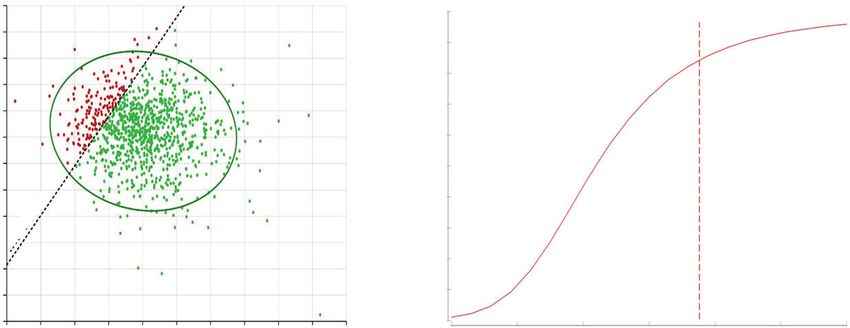
Kohei Ninomiya et al.
                  2
                      clinical use because of (1) its low sensitivity (HLA-B*59:01:            onset, probably due to early “temporary cessation” of CLZ
                      sensitivity = 24% for Japanese population [5]; HLA-B 158T and            treatment to avoid the “complete discontinuation” of the CLZ
                      HLA-DQB1 126Q: sensitivity = 36% for Caucasian population [6])           treatment (e.g., cutoff definition for “temporary cessation”: ANC <
                      and (2) limited clinical resources (i.e., lack of prospective clinical   3000/mm3). Using this hypothesis, we addressed a question
                      studies).                                                                related to the cost-effectiveness of the HLA-guided treatment
                          Therefore, for emphasizing the PGt/PGx findings, a more               schedule compared with the “current treatment schedule” (i.e.,
                      feasible protocol or supporting data applicable in real clinical         “general treatment schedule without HLA test”), which involves
                      setting is essential: one potential simulation is the PGx-guided         blood monitoring without the HLA test. It is noteworthy that our
                      cost-effectiveness analysis (CEA). In a recent paper [7], the authors    study results mainly apply to subjects in Japan and the UK
                      examined the cost-effectiveness of the PGx-guided (i.e., single          because (1) robust risk variants were detected in Japanese and
                      nucleotide polymorphisms [SNPs: HLA-B 158T and HLA-DQB1                  Caucasian populations, and (2) an identical protocol was applied
                      126Q]) strategies and showed that the current monitoring                 for the discontinuation of clozapine treatment based on the ANC
                      schedule might not be more cost-effective than a new schedule            cutoff (
Kohei Ninomiya et al.
3
HLA variants who would develop CIA/CIG (Supplementary Fig. 1), (B) The outcome included the mean cost-per-patient and QALYs-per-
referenced the percentage of the admission rate of patients after the first patient for the calculation of the ICER over a 10-year time period. In
6 months of CLZ initiation (~60%) [10], and (C) simulated the percentage particular, in Japan, the mean age of the patients at the start of CLZ
of subjects for whom CIAG would be prevented using the HLA test. treatment was 40.6 years [12], and antipsychotics were recommended to
Based on this assumption, we set the “CIAG prevention rate” at 30% for be continued. Thus, we assumed that patients with TRS receive CLZ
the base–case scenarios as an acceptable rate, based on previous treatment for at least 10 years, if tolerated. However, for comprehensive
findings [5, 6]. evaluation, we included additional analysis for various time-periods
For example, in cases with ANC threshold at 1500/mm3, if we prevent all (from 3 to 20 years).
instances of CIG in subjects with HLA-B*59:01 or “HLA-B 158T/HLA-DQB1
126Q”, we can obtain a maximum CIAG prevention rate of ~70 and ~77%
in Japan and in the UK, respectively using Bayes’ theorem (Supplementary
Cost estimates and utilities (Supplementary Table 3)
Costs related to medical fees were calculated as per the direct Medical
Fig. 1). Therefore, if we prevent CIG in about 50% of such patients with risk
of HLA variants, a “CIAG prevention rate” of ~30% can be obtained, we Care Expenditure based on the “Medical-fee point” system in Japan and
believe this is a realistic goal. the National Health Service in the UK (as on 1/Apr/2020) [14, 15]. All costs
As a clinical predictor, we propose a clinical cutoff indicator for were converted to Great Britain Pounds (GBP, £) at a conversion rate of
“temporary cessation” of CLZ in patients with high-risk HLA variants; the 132.8 Japanese Yen (JPY) to £1 (as on 1/Apr/2020).
The major costs incurred were as follows:
limitation in attaining this degree of “prevention rate” (~30%) is the fact
that there is no difference in monitoring programs between the two
alternatives presented in the model (“HLA-guided treatment schedule” and (1) Cost of treatment for CIAG: £985.8 and £469.48 for the Japanese and
“General treatment schedule without HLA test,” mentioned below). the UK [15] populations, respectively.
Therefore, we consulted the CPMS of Japan and based on the data [the (2) Cost of CLZ/day—calculated as per the pharmaceutical price of CLZ
ANC trends in CIA (N = 69) and CIG (N = 48)], the onset of CIAG in these (£2.37/100 mg) and daily mean dosage of CLZ186.41 mg [12]: £4.42
subjects was within 6 months of CLZ initiation), we estimated that an ANC for the Japanese population. CLZ (£0.41/100 mg) and daily mean
cutoff ofKohei Ninomiya et al.
4
Table 1. Base–case scenario results.
General treatment schedule without HLA test HLA-guided treatment schedule
Cost per patient/10 years (JPN/UK) £16,487/£4211 £16,552/£4281
Incremental Cost (JPN/UK) £65/£70
Effect per patient/10 years (QALYs: JPN/UK) 6.22608/5.82665 6.22917/5.82990
Incremental effect (QALYs: JPN/UK) 0.00309/0.00326
ICER (JPN/UK) £21,024/£21,343
JPN Japan, UK United Kingdom, QALY quality-adjusted life years, ICER incremental cost-effectiveness ratio.
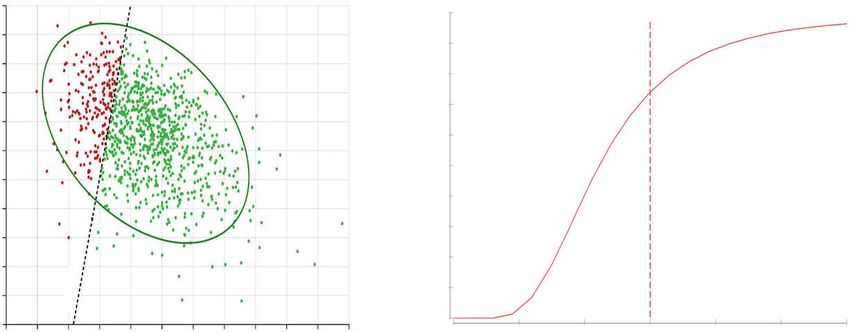
Fig. 2 Base–case scenario analysis in Japan. A Tornado plot of the one-way sensitivity analysis: The black vertical line indicates the
incremental cost-effectiveness ratio (ICER) of the base-case analysis. The red vertical line indicates the cost-per QALY threshold. The numbers
are the ranges used in the sensitivity analysis. The blue shaded bars represent lower parameters than those used in the base–case analysis,
and the red shaded bars represent higher parameters than those used in the base-case analysis. B Scatter plot for incremental cost and
effectiveness: green dots indicate ICERs within willing to pay threshold and red dots indicate out of the threshold. C Cost-effectiveness
acceptability curve, CLZ clozapine, PPV positive predictive value, CIAG clozapine-induced agranulocytosis/granulocytopenia, WTP willing
to pay.
be obtained from this schedule, as discussed below. Whereas, we plotted cost for a 10-year duration under the “HLA-guided treatment
the cost/QALYs relationships for each schedule (cost-effectiveness graph) schedule” was estimated to be £16,552/£4281 (Japan/UK),
to visualize which is the better one compared to the “current schedule,” whereas that of the “general treatment schedule without HLA
because psychiatrists tend to select candidate “next treatment option” as test” was estimated at £16,487/£4211 (Japan/UK), representing an
safety consideration (i.e., this provides important information for selecting
increase of £65/£70 (Japan/UK). The average QALYs under the
gradual shift for better treatment option in the real-clinical setting).
“HLA-guided treatment schedule” was 6.22917/5.82990 (Japan/
UK), while that under the “general treatment schedule without
Sensitivity analyses HLA test” was 6.22608/5.82665 (Japan/UK), indicating a gain of
For the base–case scenario, firstly we conducted one-way sensitivity 0.00309/0.00326 QALYs (Japan/UK). Based on these findings, the
analysis by varying the major parameters in the model within appropriate ICERs for the “HLA-guided treatment schedule” was £21,024/
reliability values or confidence intervals (CIs) to evaluate the robustness of
the results. We varied the following six parameters: (1) the “CIAG £21,343 (Japan/UK) per QALY for a 10-year duration; thus, this ICER
prevention rate”, (2) PPV of the HLA test, (3) cost of CIAG treatment, (4) was lower than the cost-per-QALY threshold of £37,650.6
daily treatment cost of CLZ, (5) daily cost of substitute treatment, and (6) (5,000,000 JPY) and £30,000 (Table 1).
discount rate. However, these parameters are not perfect estimates, The results of the one-way sensitivity analysis for the primary
specifically for the “CIAG prevention rate” and PPV of the HLA. Thus, we analysis, involving the six major model parameters, to assess the
emphasized on the probabilistic sensitivity analysis conducted using a robustness of the model are shown in Figs. 2 and 3 (A) and
Monte Carlo simulation by varying each parameter (95% CIs or clinically Supplementary Tables 4 and 5. Most of the parameters did not
reasonable ranges). We set the number of simulations to 100,000, based on dramatically influence the ICER. In fact, the estimated major factor
randomly assigned parameters and obtained 95% CIs for the cost and
was the “CIAG prevention rate” specifically in the UK; for UK
QALY values (i.e., 0.025–0.975 percentile).
For the explorative analysis to overview the best (or better) scenarios, we samples, less than 23.4% of the “CIAG prevention rate” surpassed
only included one-way sensitivity analysis for “CIAG prevention rate” in the cost-per QALY threshold.
“HLA-guided treatment schedule” ranging 20–80%. Next, we conducted a probabilistic sensitivity analysis and
TreeAgePro software (2019 version, TreeAge Software Inc., MA, USA) was obtained a 95% CI for the cost and QALYs, based on
used to create the model for calculating cost-effectiveness and sensitivity 100,000 simulations. The probabilistic estimate of the total cost
with these analyses. under the “HLA-guided treatment schedule” was £16,551/£4279
(Japan/UK) and that for QALYs was 6.22966/5.82992 (Japan/UK:
Supplementary Table 6). In contrast, the estimates of “general
RESULTS treatment schedule without HLA test” showed that the total cost
Base–case scenario analysis was £16,487/£4210 (Japan/UK) and that for QALYs was 6.22657/
In the primary base–case analysis (“HLA-guided treatment 5.82667 (Japan/UK: Supplementary Table 6). Consequently,
schedule” vs. “general treatment schedule without HLA test”: the average ICER was £20,995/£21,373 (Japan/UK) and the
ANC threshold at 1500/mm3) for the “point estimation”, the total probability (willingness to pay) was 84.2%/74.1% (Japan/UK)
Translational Psychiatry (2021)11:362Kohei Ninomiya et al.
5
Fig. 3 Base–case scenario analysis in the UK. A Tornado plot of the one-way sensitivity analysis: the black vertical line indicates the
incremental cost-effectiveness ratio (ICER) of the base-case analysis. The red vertical line indicates the cost-per QALY threshold. The numbers
are the ranges used in the sensitivity analysis. The blue shaded bars represent lower parameters than those used in the base–case analysis,
and the red shaded bars represent higher parameters than those used in the base–case analysis. B Scatter plot for incremental cost and
effectiveness: green dots indicate ICERs within willing to pay threshold and red dots indicate out of the threshold. C Cost-effectiveness
acceptability curve CLZ clozapine, PPV positive predictive value, CIAG clozapine-induced agranulocytosis/granulocytopenia, WTP willing
to pay.
against the cost-per-QALY threshold, indicating the “HLA-guided The “HLA-guided treatment schedule” aims to prevent CIAG by
treatment schedule” showed the desirable range of ICER, shown in identifying patients with the high risk of HLA variants a priori,
Figs. 2 and 3B, C and Supplementary Table 6. which is specifically effective for Japanese and Caucasian subjects
Finally, we checked the relationships between the ICERs and in the UK and many other countries except the USA. This is
time durations by changing the values (3–20 years) to secure our because ANC thresholds for CIAG are still set at a stringent level,
setting at 10 years as reasonable. In this simulation, we found such as 1500/mm3, indicating that CIG can be prevented in many
higher ICERs over the cost-per-QALY threshold (£37,650.6 and subjects. For the remaining patients who did not have the risk, this
£30,000, for Japanese and the UK patients, respectively) at time- scenario is also acceptable for psychiatrists, as psychiatrists should
horizons of 3-6/3-7 (Japan/UK) years; however, at ≥7/8 (Japan/UK) monitor the ANC in an identical manner, which is done regularly
years, the ICERs were below the threshold (Supplementary Fig. 4 for all patients under the CPMS systems.
and Supplementary Tables 7 and 8). Compared with the scenario or the proposed schedule in this
study, the scenario of the previous CEA (without considering the
Explorative analysis: the better or the best schedule in terms HLA test) in the USA [19] was slightly extreme, indicating that
of cost-effectiveness the current blood monitoring scheme was not as cost effective as
In either analysis for the Japanese and the UK populations, all of the the “no blood monitoring” schedule, mainly owing to the limited
treatment schedules were more effective and less costly compared difference in the mortality attributed to CIAG. In another CEA (also
to the “general treatment schedule without HLA test” with ANC for patients in the USA) that used HLA variants [7], their “HLA-
threshold at 1500/mm3 (Table 2). It implied that this “general guided treatment schedule” was a cost-effective option, consis-
treatment schedule without HLA test” with ANC threshold at 1500/ tent with our results, although monitoring was performed only for
mm3 (current schedule used in Japan and UK) was always worse in those with the risk variants; patients without the risk variant were
terms of cost-effectiveness than “HLA-guided treatment schedules” not monitored at all. However, in the actual clinical setting, even if
with ANC thresholds at 1000/mm3 and 500/mm3. the CEA shows that the “no blood monitoring” or “blood
Also, based on the cost-effectiveness graph, it clearly indicated monitoring only for targeted patients” schedules are cost effective,
that the best schedule was “general treatment schedule without we believe that this is not realistic from the psychological
HLA test” with ANC threshold at 500/mm3 (Table 2), which is viewpoint of the psychiatrists and patients.
completely corresponding the current schedule used in the USA. The sensitivity analyses support our base-case “point-estimate”
In this case, it is obvious that the CEA is not appropriate in the findings as acceptable; they indicate that the “PPV” was the most
comparison between this schedule and any “HLA-guided treat- sensitive to the ICER in Japan; however, it was within the cost-
ment schedule”, because this “general treatment schedule without QALY threshold. Other factors also do not largely impact ICER, and
HLA test (ANC threshold at 500/mm3)” always showed better cost specifically, it is noteworthy that “CIAG prevention rate” (even at
as well as QALYs, indicating no ICER was calculated. 20%) introduces cost-effectiveness to the HLA-guided treatment
schedule in Japan. In fact, we estimated and set this rate at 30% in
the base–case analysis, wherein 30% of the cases of CIAG could be
DISCUSSION prevented, and we believe that this estimate is realistic. In
In this study, we proposed a novel clinically matched schedule for contrast, CEA in the UK revealed that “CIAG prevention rate” was
treating TRS patients with CLZ, an “HLA-guided treatment the major factor (23.4% was the cutoff that surpass the cost-per
schedule”, and found it to be more cost effective than the QALY threshold). Although this did not exert a strong influence on
“general treatment schedule without HLA test” (i.e., the current our results, we can preclude that this treatment schedule is more
treatment schedule) used in Japan and the UK (ANC cutoff at applicable in Japan under the situation, where we used uncertainKohei Ninomiya et al.
6
schedule without HLA test
number” of CLZ treatments for TRS in the future; more patients
should be prescribed CLZ to improve the QOL with a reasonable
increase in the cost. In other words, CLZ treatment is able to
general treatment enhance the patient’s QOL at a lower cost. Further, less anxiety
about CIAG (a type of “intangible benefit”) would improve the
effect on patients with TRS, who have not currently been
5.85459
5.84062
5.82665
prescribed CLZ.
Thus, the best way to increase the “absolute number” of CLZ
3,928
4070
4211
treatments is to apply a relaxed definition of CIAG; in fact, there is
no robust evidence in favor of the application of this cutoff (ANC
at 1500/mm3). Our explorative analysis supported this and
revealed that the best scenario was “general treatment schedule
5.85539 (5.85672–5.85512)
5.84267 (5.84698–5.84198)
5.8299 (5.83533–5.82882)
without HLA test” with ANC threshold at 500/mm3. This is
116,190 (37,712–178,986)
HLA-guided treatment
completely corresponding to the CPMS schedule currently applied
39,512 (8958–63,968)
21,343 (2145–36,715)
JPN Japan, UK United Kingdom, ICER incremental cost-effectiveness ratio, QALY quality-adjusted life year, CIAG Clozapine-induced agranylocytosis/granulocytopenia.
in the USA. This is derived from the followings: (1) all of the CIG
4021 (4008–4023)
4151 (4119–4157)
4281 (4230–4291)
subjects were not discontinued (thereby increasing the QALYs)
and (2) there was no cost for HLA typing. From viewpoint of CEA,
we can conclude this schedule is the most optimal protocol;
schedule
however, due to the psychiatrists’ attitude for safety consideration
for patients, drastic change of protocol from the stringent/safety
UK
protocol (e.g., ANC 1500/mm3) to such a little bit “too relaxed”
protocol is not corresponded to the needs in the clinical setting.
Therefore, our explorative analysis indicated the clinically accep-
schedule without HLA test
table “gradual shift” of the protocol; “HLA-guided treatment
schedule” with ANC threshold at 1000/mm3 may be a candidate
option, because currently used option (corresponding to “general
general treatment
treatment schedule without HLA test” with ANC threshold at 1500/
mm3) was even worse than this HLA-guided schedule with ANC
Costs and effects of changing the ANC cutoff line (500/mm3–1000/mm3–1500/mm3) in Japan and the UK.
threshold at 1000/mm3. Therefore, we have revealed possible
clinical indicator, which is the next protocol, to apply the CLZ
6.27316
6.24967
6.22608
16,173
16,329
16,487
treatment to reduce cost and increase QALY with acceptable
The numbers in the parentheses indicates results from the sensitivity analysis for CIAG prevention rate (80–20%).
clinical sense of psychiatrists.
Our study has certain limitations. First, the “prevention rate”
applied in this study (30%) has not been validated. Although we
307,957 (111,753–464,946)
6.27343 (6.27389–6.27334)
6.25207 (6.25607–6.25126)
6.22917 (6.23434–6.22813)
consider that this estimate is not too optimistic, prospective
HLA-guided treatment
16,257 (16,255–16,258)
16,401 (16,377–16,405)
16,552 (16,517–16,558)
studies on this subject are warranted. Second, we showed
29,836 (7444–47,810)
21,024 (3729–34,920)
the ICERs for patients in Japan and the UK; however, the results
should be interpreted carefully in the context of populations from
other countries. We believe that not enough attention has been
given to the differences in costs and outcomes between the
schedule
Japanese and UK analyses. Clinical differences related to relevant
HLA and the pool of antipsychotics have been considered;
JPN
however, it does not appear that there are any differences
accounted for regarding how health systems may approach
treatment of CIAG. Third, we did not consider other adverse
vs. general treatment schedule without HLA test
vs. general treatment schedule without HLA test
vs. general treatment schedule without HLA test
ICER £/ (QALY): HLA-guided treatment schedule
ICER £/ (QALY): HLA-guided treatment schedule
ICER £/ (QALY): HLA-guided treatment schedule
effects associated with the alternative treatments in this model;
however, the main adverse effect of second-generation antipsy-
chotics is metabolic syndrome, which is also an adverse effect of
CLZ. Fourth, our results can only be applied to Japanese and
Caucasian populations. Further PGx studies and CEA analysis on
different populations are required due to differences like the
Duffy-null genotype, which is associated with decreased ANC in
African population [20].
In conclusion, this study showed that the “HLA-guided
treatment schedule” with CLZ treatment for TRS harboring high
QALYs for ten years
QALYs for ten years
risk HLA may be clinically reasonable and cost-effective compared
QALYs for 10 years
Cost per patient £
Cost per patient £
Cost per patient £
to the protocol currently used in Japan and the UK. Preventing
CIAG and maintaining CLZ treatment contributes to a higher
Cost/QALYs
number of QALYs, thus lowering the ICER with the HLA test. Also,
our finding provided a key to select better protocol based on cost-
effectiveness, for moving next step to select “better” treatment
schedule. Although further prospective/observational studies to
establish definitive parameters are essential, we believe that the
evidence from the present study provides new ideas for
Cutoff line
1000/mm3
1500/mm3
optimizing the clinical guidelines of CLZ treatment in TRS patients.
500/mm3
In addition, being aware of personal “risk HLA” or variants related
Table 2.
to PGx traits is important for the prevention of serious adverse
effects; every person should notice their potential PGx risk a priori,
Translational Psychiatry (2021)11:362Kohei Ninomiya et al.
7
not only with respect to CLZ treatment, opening gate to a new era ACKNOWLEDGEMENTS
of personalized medicine or more broadly precision medicine. To The authors thank all patients who participated in this study. We also thank Dr. Eisuke
do so, obviously, lowering genotype cost is essential. Inoue (Medical Informatics, St. Marianna University School of Medicine) for his
thoughtful comments, the members of SRPBS team, the staff of the Center for
Research Promotion and Support, in Fujita Health University for their assistance in
REFERENCES sample collection, and MARUZEN-YUSHODO Co., Ltd. (https://kw.maruzen.co.jp/
kousei-honyaku/) for the English language editing. This work was supported by the
1. Picchioni MM, Murray RM. Schizophrenia. BMJ. 2007;335:91–5.
Strategic Research Program for Brain Sciences (SRPBS) from the Japan Agency for
2. Dold M, Leucht S. Pharmacotherapy of treatment-resistant schizophrenia: a
Medical Research and Development (AMED) under Grant Numbers JP20dm0107097
clinical perspective. Evid. Based Ment. Health. 2014;17:33–7.
(N.I., M.I., and S.T.); GRIFIN of P3GM from AMED under Grant Numbers
3. Hasan A, Falkai P, Wobrock T, Lieberman J, Glenthøj B, Gattaz WF, et al. World
JP20km0405201 (S.T., N.I., and T.M.) and JP20km0405208 (M.I.); Health and Labor
Federation of Societies of Biological Psychiatry (WFSBP) guidelines for biological
Sciences Research Grant from Ministry of Health, Labor and Welfare under Grant
treatment of schizophrenia—a short version for primary care. Int J Psychiatry Clin
Number 20GC1017 (T.K.); JSPS Kakenhi Grant Numbers JP25293253 (N.I.), JP16H05378
Pract. 2017;21:82–90.
(N.I.), JP26293266 (M.I.), JP17H04251 (M.I.), and JP18K15497 (T.S.); the Private
4. Legge SE, Walters JT. Genetics of clozapine-associated neutropenia: recent
University Research Branding Project from MEXT (N.I.). The funders had no role in
advances, challenges and future perspective. Pharmacogenomics. 2019;20:
study design, data collection and analysis, decision to publish, or preparation of
279–90.
the manuscript.
5. Saito T, Ikeda M, Mushiroda T, Ozeki T, Kondo K, Shimasaki A, et al. Pharmaco-
genomic study of clozapine-induced agranulocytosis/granulocytopenia in a
Japanese Population. Biol. Psychiatry. 2016;80:636–42.
6. Goldstein JI, Jarskog LF, Hilliard C, Alfirevic A, Duncan L, Fourches D, et al. COMPETING INTERESTS
Clozapine-induced agranulocytosis is associated with rare HLA-DQB1 and HLA-B Dr. N. Iwata has received research support or speakers’ honoraria from, or has served
alleles. Nat. Commun. 2014;5:4757. as a consultant to Jansen, Glaxo SmithKline, Eli Lilly, Otsuka, Shionogi, Dainippon
7. Girardin FR, Poncet A, Perrier A, Vernaz N, Pletscher M, F Samer C, et al. Sumitomo, Tanabe Mitsubishi, Daiichi-Sankyo. For the remaining authors none were
Cost-effectiveness of HLA-DQB1/HLA-B pharmacogenetic-guided treatment declared.
and blood monitoring in US patients taking clozapine. Pharmacogenom J.
2019;19:211–8.
8. National Institute of Public Health. Guideline for Preparing-Cost-Effectiveness ETHICS STATEMENT
Evaluation to the Central Social Insurance Medical Council. https://c2h.niph.go.jp/ Written informed consent was obtained from each subject after the procedures had
tools/guideline/guidelineen.pdf (2019). been fully explained. This study was performed in accordance with the World Medical
9. Husereau D, Drummond M, Petrou S, Carswell C, Moher D, Greenberg D, et al. Association’s Declaration of Helsinki, and approved by the Ethics Committees of
Consolidated Health Economic Evaluation Reporting Standards (CHEERS) state- Fujita Health University and Osaka Medical College.
ment. Value Health. 2013;16:e1–5.
10. Novartis Pharma. Clozaril Specific Use Results Survey. https://drs-net.novartis.co.
jp/SysSiteAssets/common/pdf/clo/ts/tsclopmschosa201912.pdf (2019).
ADDITIONAL INFORMATION
11. Freeman GM Jr., Martin BA, Hu RJ. G-CSF dosing to prevent recurrent clozapine-
induced agranulocytosis. Am J Psychiatry. 2016;173:643–643. Supplementary information The online version contains supplementary material
12. Inada K, Oshibuchi H, Ishigooka J, Nishimura K. Analysis of clozapine use and available at https://doi.org/10.1038/s41398-021-01487-4.
safety by using comprehensive National data from the Japanese clozapine
patient monitoring service. J Clin Psychopharmacol. 2018;38:302–6. Correspondence and requests for materials should be addressed to M.I.
13. Myles N, Myles H, Xia S, Large M, Kisely S, Galletly C, et al. Meta-analysis exam-
ining the epidemiology of clozapine-associated neutropenia. Acta Psychiatr Reprints and permission information is available at http://www.nature.com/
Scand. 2018;138:101–9. reprints
14. National Health Service in the UK. Prescription Cost Analysis—England, 2018.
https://digital.nhs.uk/data-and-information/publications/statistical/prescription- Publisher’s note Springer Nature remains neutral with regard to jurisdictional claims
cost-analysis/2018 (2019). in published maps and institutional affiliations.
15. Jin H, McCrone P, MacCabe JH. Stratified medicine in schizophrenia: how accu-
rate would a test of drug response need to be to achieve cost-effective
improvements in quality of life? Eur J Health Econ. 2019;20:1425–35.
16. Heeg B, Buskens E, Botteman M, Caleo S, Ingham M, Damen J, et al. The cost-
effectiveness of atypicals in the UK. Value Health. 2008;11:1007–21. Open Access This article is licensed under a Creative Commons
17. Hatta K, Hasegawa H, Imai A, Sudo Y, Morikawa F, Katayama S, et al. Real-world Attribution 4.0 International License, which permits use, sharing,
effectiveness of antipsychotic monotherapy and polytherapy in 1543 patients adaptation, distribution and reproduction in any medium or format, as long as you give
with acute-phase schizophrenia. Asian J Psychiatr. 2019;40:82–7. appropriate credit to the original author(s) and the source, provide a link to the Creative
18. Patel MX, Bishara D, Jayakumar S, Zalewska K, Shiers D, Crawford MJ, et al. Quality Commons license, and indicate if changes were made. The images or other third party
of prescribing for schizophrenia: evidence from a national audit in England and material in this article are included in the article’s Creative Commons license, unless
Wales. Eur Neuropsychopharmacol. 2014;24:499–509. indicated otherwise in a credit line to the material. If material is not included in the
19. Girardin FR, Poncet A, Blondon M, Rollason V, Vernaz N, Chalandon Y, et al. article’s Creative Commons license and your intended use is not permitted by statutory
Monitoring white blood cell count in adult patients with schizophrenia who are regulation or exceeds the permitted use, you will need to obtain permission directly
taking clozapine: a cost-effectiveness analysis. Lancet Psychiatry. 2014;1:55–62. from the copyright holder. To view a copy of this license, visit http://creativecommons.
20. Legge SE, Pardiñas AF, Helthuis M, Jansen JA, Jollie K, Knapper S, et al. A genome- org/licenses/by/4.0/.
wide association study in individuals of African ancestry reveals the importance
of the Duffy-null genotype in the assessment of clozapine-related neutropenia.
© The Author(s) 2021
Mol Psychiatry. 2019;24:328–37.
Translational Psychiatry (2021)11:362You can also read


