Could fitness trackers solve a murder? - IntelligentInsight - GDPR.Report
←
→
Page content transcription
If your browser does not render page correctly, please read the page content below
Could fitness trackers
solve a murder?

roke.co.uk               IntelligentInsight

Could fitness trackers solve a murder?

                                                                 These numbers probably come as no surprise. Fitness
The wealth of information coming from
                                                                                                                                  Using data to solve crime
                                                                 trackers have a clear consumer application and a price point
connected devices could one day be an
                                                                 that is not prohibitive to mass-market adoption. They’re
incredible resource for fighting crime, but
                                                                 essentially a human black box recorder and one little
a few questions must be answered before
                                                                 wristband can reveal a lot, including how many calories you
this becomes the norm. Roke’s expert in
                                                                 burn, the exercise you do, your heartrate, sleep patterns,
information security, Mark West, explains…
                                                                 location and a whole lot more.
COULD FITNESS TRACKERS SOLVE
                                                                 Using these devices, it’s possible to gather and learn from
A MURDER?
                                                                 your own data, opening up a rich world of insights to the
IIn 1999, British technologist Kevin Ashton came up with the     user. But what happens if that personal information has the
term Internet of Things (IoT) to define a network that not       potential to be used against you? Or becomes the crux of
only connects people, but also the objects around them.          solving a crime?
Since then, the desire to improve personal and organisational    USING DATA TO SOLVE CRIME
efficiency has driven the widespread adoption of the IoT. This
                                                                 Information derived from IoT devices can be applied in all
network of connected devices has grown exponentially year
                                                                 manner of powerful ways, including the ability to understand
on year, with the number of connected devices forecast to
                                                                 a complex situation like a crime scene.
reach 50 billion by 2020.
                                                                 In certain cases, the government or a legal institution could
In its simplest term, the IoT is used to mean devices
                                                                 request your fitness tracker information and then use it
connected to the internet. But today, when we talk ‘IoT’, we
                                                                 against you in a court of law. That’s what happened to Chris
really mean any number of devices that talk to each other to
                                                                 Bucchere, a San Francisco cyclist who struck and killed an
share and gather data, from smartphones, to smart fridges
                                                                 elderly pedestrian. Bucchere was charged with manslaughter,
and connected vehicles.
                                                                 carrying a potential penalty of six years in prison, after
One of the biggest markets for IoT devices is wearables,         prosecutors obtained his data from his GPS-enabled fitness
with the global market expected to be worth 53 billion U.S.      tracker to show he’d been speeding before the accident.
dollars in 2019. The most successful wearables currently on      Bucchere’s own self-monitoring became a piece of evidence
the market are smartwatches and fitness and health trackers      against him.
with analyst firm IDC highlighting that worldwide shipments
                                                                 Sifting data for evidence is nothing new. Police in the UK
of these devices reached 19.7 million units in the first three
                                                                 already identify residential marijuana growers by monitoring
months of 2016 alone – up by 67.2% from 2015.
                                                                 the total energy consumption of a home and comparing it to
                                                                 averages in the area. This approach is made easier by the roll
                                                                 out-out of smart meters, as these remotely-readable devices
                                                                 autonomously collect electricity usage information from
                                                                 residential addresses in the UK.

                                                                 A current strand of academic research is in the use of Non-
                                                                 Intrusive Load Monitoring Algorithms (NILMAs), which make
                                                                 use of the data collected by smart meters. NILMAs are able
                                                                 to split the total energy used by the home into constituent
                                                                 parts and inform observers which devices in the home are
                                                                 being used and at what times.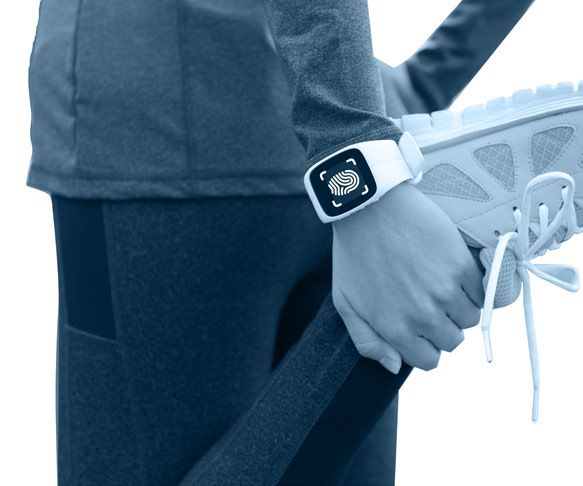
Could fitness trackers solve a murder?

                                                                    Although there are obvious advantages to law enforcement            At the moment, data can be obtained through court on
SO COULD A FITNESS TRACKER
                                                                    agencies being able to access this data, a disadvantage is that,    a case-by-case basis, but this relies on law enforcement
REALLY SOLVE A MURDER?
                                                                    in reality, a large percentage of the processed data is likely to   agencies knowing what data they could get, what they need,
The simple answer is yes, it                                        be uninteresting, but then processed regardless.                    and how to go about asking for it.
could. Yet there are many
                                                                    Another challenge for law enforcement authorities is the            Roke is actively involved in shaping the future of IoT security
challenges to overcome before
                                                                    lack of widely adopted open standards for storing and               through its membership with the Internet of Things Security
we can say with certainty that
                                                                    communicating information on and between IoT devices. This          Foundation (IoTSF), a collaborative, non-profit, international
it actually can.
                                                                    presents the difficulty of analysing data stored in proprietary     response to the complex challenges posed by security in
A fitness tracker can use                                           formats, and the challenges posed from connecting to a              the expansive hyper-connected world. Together, this group
GPS to pinpoint its location,                                       range of devices using proprietary interfaces.                      of organisations is establishing principles for IoT security, to
but that’s not enough to                                                                                                                inform industry, government and legal sectors.
                                                                    Moreover, given the insecure nature of most IoT devices, it is
constitute evidence of a
                                                                    not even possible to determine the provenance of the data,          Whether we are prepared or not, it’s an undeniable fact
person’s location. As well as monitoring location, you need to
                                                                    casting doubt on the credibility of the information from a          that the IoT era is upon us and it’s creating a data-rich
monitor the activity of the fitness tracker itself at that point.
                                                                    forensic perspective.                                               environment for law enforcement. Law enforcement agencies
Was it simply left at home? Painting a full picture and spotting
                                                                                                                                        must now learn how to manage this data to realise its full
patterns of odd behaviour relies not only on accurate data          To solve this will require government and international body
                                                                                                                                        value. The challenge lies not only in developing novel data
collection, but the accurate interpretation of the data.            collaboration to drive the adoption of common interfaces, in
                                                                                                                                        management technologies, but also in law enforcement
                                                                    turn driving competitive efficiencies for the consumer – and
Making use of data of this kind presents many hurdles for law                                                                           agencies being supported in understanding what data is
                                                                    common interfaces for law enforcement authorities
enforcement bodies. Not only do they need to get hold of                                                                                available and having the relevant technical knowledge and
the data, they need to prove it’s the correct data, clean the       Roke is investing in an internal IoT testbed for to understand      skills to realise the full potential of connected devices.
data, process and store the data and - for all of this - they       the opportunities that IoT devices offer. This involves
need the right processes and tools to do this accurately and        extensive research and structural analysis of these devices,
effectively, and within the law.                                    carried out by Roke security experts, to uncover any
                                                                    vulnerabilities and work with the manufactures to
As the IoT environment matures, we’ll see a significant
                                                                    secure them.
increase in the number and variety of IoT devices and
the data these generate. When it comes to analysing                 WHO OWNS THE DATA?
the data from a crime scene, there are a number of                  Analysing such a vast sea of complex data is only one
different approaches to performing analytics on such high           challenge in the world of IoT. There are also several others to
data volumes, and one way would be to utilise big data              overcome when it comes to data privacy.
platforms. The data can then be stored in data centres and
                                                                    In most physical environments, such as your home, workplace
subsequently analysed by police investigating the crime
                                                                    or a train station, multiple individuals will be present and
in question.
                                                                    interacting with the environment, many of whom will not be
                                                                    relevant to an investigation. This results in privacy and data
                                                                    protection constraints.

                                                                    Law enforcement agencies have a responsibility to
                                                                    protect the privacy of individuals other than those under
                                                                    investigation, and in the IoT world that means their data,
                                                                    which may be stored on the same server as a subject of
                                                                    interest.

                                                                    Then there’s the tricky debate about ownership. We already
                                                                    give up a certain amount of data every time we buy a fitness
                                                                    tracker, but who owns this data? Who should have access to
                                                                    it and what constitutes this need?
You can also read


