COVID-19 RISKS OUTLOOK A PRELIMINARY MAPPING AND ITS IMPLICATIONS - INSIGHT REPORT IN PARTNERSHIP WITH MARSH & MCLENNAN AND ZURICH INSURANCE GROUP
←
→
Page content transcription
If your browser does not render page correctly, please read the page content below

Insight Report

COVID-19 Risks Outlook
A Preliminary Mapping and
Its Implications

In partnership with Marsh & McLennan and Zurich Insurance Group
May 2020

                                                                  1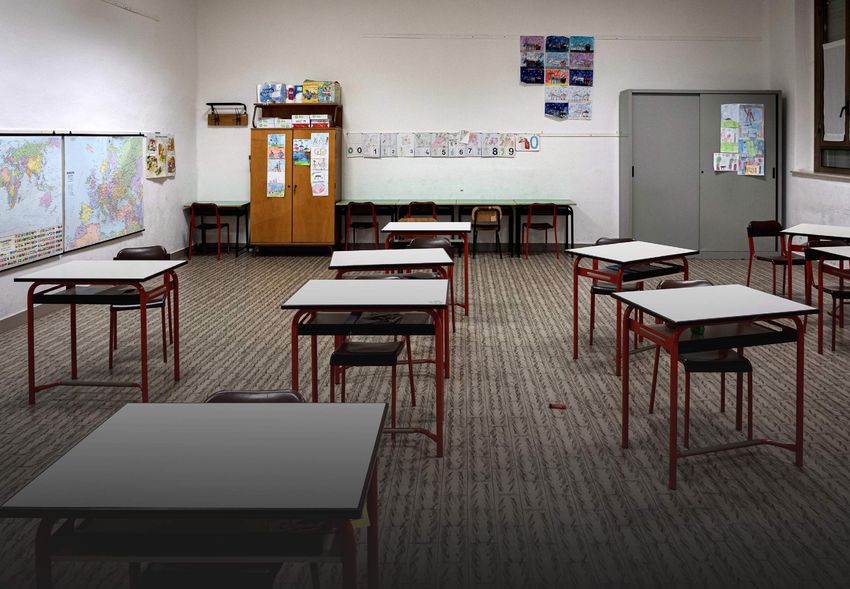
COVID-19 Risks Outlook
                                                                         A Preliminary Mapping and
                                                                         Its Implications

                                                                         In partnership with Marsh & McLennan and Zurich Insurance Group

    World Economic Forum
    91-93 route de la Capite
    CH-1223 Cologny/Geneva
    Switzerland
    Tel.: +41 (0)22 869 1212
    Fax: +41 (0)22 786 2744
    E-mail: contact@weforum.org
    www.weforum.org

    Copyright © 2020 by the World Economic Forum
    All rights reserved. No part of this publication may be
    reproduced, stored in a retrieval system, or transmitted,
    in any form or by any means, electronic, mechanical,
    photocopying, or otherwise without the prior permission
    of the World Economic Forum.
    ISBN-13: 978-2-940631-02-5
    The Report is available at www.weforum.org.

2   COVID-19 Risks Outlook: A Preliminary Mapping and Its Implications                                                COVID-19 Risks Outlook: A Preliminary Mapping and Its Implications   3
Contents
                                                                         06                              44
                                                                         Introduction                    Chapter 5
                                                                                                         Implications for decision-makers

                                                                         14

                                                                         Chapter 1                       50

                                                                         Economic shifts: Emerging       Appendices
                                                                         risks from structural change    Appendix A: COVID-19 Risks
                                                                                                         Perception Survey methodology

                                                                         22

                                                                         Chapter 2                       51

                                                                         Sustainability setbacks:        Appendix B: Survey results and
                                                                         Emerging risks from stalling    sample distribution
                                                                         progress

                                                                                                         56
                                                                         30                              Acknowledgements
                                                                         Chapter 3
                                                                         Societal anxieties: Emerging
                                                                         risks from social disruptions   58

                                                                                                         Endnotes

                                                                         38

                                                                         Chapter 4
                                                                         Technological dependence:
                                                                         Emerging risks from abrupt
                                                                         adoption

4   COVID-19 Risks Outlook: A Preliminary Mapping and Its Implications                                           COVID-19 Risks Outlook: A Preliminary Mapping and Its Implications   5
REUTERS/GUSTAVO GRAF MALDONADO

                                                                         The first global pandemic in over 100 years,   overwhelmed. This triggered an economic
                                                                         COVID-19 spread across the world at an         crisis with dire societal consequences, affecting
                                                                         unprecedented speed. At the time of writing,   the lives and livelihoods of most of the global

           Introduction
                                                                         over 4.5 million cases have been confirmed     population: 500 million people are at risk of
                                                                         and more than 300,000 people have              falling into poverty.3
                                                                         perished.1 Populations in 120 countries have
                                                                         been subjected to lockdowns2 to control the    The crisis has exposed fundamental
                                                                         virus and prevent health systems from being    shortcomings in pandemic preparedness, socio-

6   COVID-19 Risks Outlook: A Preliminary Mapping and Its Implications                                                                COVID-19 Risks Outlook: A Preliminary Mapping and its Implications   7
economic safety nets and global cooperation. Half identified bankruptcies and industry these risks have far-reaching environmental, the pandemic and resulting lockdowns and
Governments and businesses have struggled consolidation, the failure of industries to recover societal and technological implications and shutdowns could have long-lasting effects
to address compounding repercussions in the and a disruption of supply chains as crucial interconnections, also evident in the survey and on people and societies. High structural
form of workforce challenges, disruptions in worries. The third most worrisome fallout for analysed in this report. unemployment – perceived as the second
essential supplies and social instability. They companies is an increase in cyberattacks and most concerning risk for the world – is likely
have had to balance health security imperatives data fraud – according to 50% of respondents Sustainability setbacks: Emerging to exacerbate inequality and affect mental
against the economic fallout and rising societal – as well as the breakdown of IT infrastructure risks from stalling progress health and societal cohesion, in addition to
anxieties, while relying on digital infrastructure in and networks, a top concern for companies its direct economic consequences. Individual
The gravest environmental fallout for the world
unprecedented ways. according to nearly 30% of respondents. and social well-being are also likely to be
is a shortfall of investment in climate action:
Companies are also concerned with geopolitical affected by an accelerated automation of
18% of respondents identified this risk as one
As countries seek to recover, some of the more disruptions to business, with more than 40% the workforce, which 25% of respondents
of the most likely risk outcomes and 16%
lasting economic, environmental, societal and of respondents rating tighter restrictions on the indicated is likely to result from the coronavirus
considered it to be one of the most concerning.
technological challenges and opportunities movement of people and goods among the crisis. One-third of respondents also expect a
Even though industrial production worldwide
are only beginning to become visible. While most worrisome effects from COVID-19. developing economy to collapse in the medium
was cut by lockdowns and shutdowns,
societies, governments and businesses term, which would have dire humanitarian
resulting in a sharp drop in emissions and
collectively grapple with these possibilities, it is Aggregating the results and analysing the consequences as vulnerable groups would
pollution globally, COVID-19 could have
vital to anticipate the emerging risks generated interconnections between them, four key areas suffer the worst impacts. There are also growing
severe post-crisis effects on the planet and its
by the repercussions from the pandemic. The of significant challenges emerge from the survey risks to personal freedom, well-being, and the
species. As countries start to emerge from the
COVID-19 Risks Outlook seeks to provide a as global concerns, outlined below and further educational and wealth prospects of the young
immediate health crisis and work on rebooting
preliminary picture of which familiar risks may detailed in the corresponding chapters of this generation.
their economies, new working practices and
be amplified by the crisis and which new ones report.
attitudes towards traveling, commuting and
may emerge, recognizing that key issues remain
consumption may make it easier to have a
Technology dependence:
to be analysed – health and geopolitics among Economic shifts: Emerging risks lower carbon and more sustainable recovery.
Emerging risks from abrupt
them. This report is an initial mapping that will from structural change But omitting sustainability criteria in recovery
adoption
be supplemented by further work including the
Respondents reckon that economic risks in efforts or returning to an emissions-intensive Technology has been central to the way people,
World Economic Forum’s annual Global Risks
general – a prolonged recession of the global global economy risks hampering the climate- companies and governments have managed
Report.
economy in particular – are the most likely and resilient low-carbon transition. Years of progress the COVID-19 crisis and the contact-free
concerning fallout for the world and companies could be lost through underinvestment in economy may also create new employment
A new emerging risks landscape
over the next 18 months. COVID-19 diminished infrastructure adaptation, withdrawals from opportunities in the post-pandemic world.
This report taps into the views of nearly 350 economic activity, required trillions of dollars previous commitments and weaker climate However, a greater dependence on technology
senior risk professionals who participated in the in response packages and is likely to cause activism. This would give way to a vicious has increased cybersecurity risks. According to
COVID-19 Risks Perception Survey. They were structural shifts in the global economy going cycle of continued environmental degradation, 38% of the risk experts surveyed, new working
asked to take a view on 31 risks across three forward, as countries plan for recovery and biodiversity loss and further zoonotic infectious patterns leading to cyberattacks and data fraud
dimensions: most likely for the world, most revival. A build-up of debt is likely to burden disease outbreaks. are the most likely technological fallout risk for
concerning for the world and most worrisome government budgets and corporate balances the world. The rapid roll-out of new technology
for companies (see Appendix B for the full for many years, global economic relations Societal anxieties: Emerging risks solutions has exacerbated other risks, such
results). could be reshaped, emerging economies are from social disruptions as digital fragmentation, privacy violations
at risk of submerging into a deeper crisis, while and inequality. Thus, COVID-19 is likely to
Another infectious disease outbreak is of
The economic fallout from COVID-19 dominates businesses could face increasingly adverse challenge the relationship between technology
greatest concern among societal risks for
companies’ risks perceptions. Two-thirds of consumption, production and competition and governance, while mistrust or misuse of
the world, according to 40% of respondents,
respondents identified a prolonged global patterns. Although the dominance of economic technology could have long-lasting effects on
with 30% identifying this as a likely outcome.
recession as a top concern for business. concerns in the survey is to be expected, society.
In addition to the dangers to public health,
8 COVID-19 Risks Outlook: A Preliminary Mapping and Its Implications COVID-19 Risks Outlook: A Preliminary Mapping and Its Implications 9
An opportunity to build back                           to the Fourth Industrial Revolution, technology
                                                                                                                               Pandemics in the Global Risks Report series
                   better                                                 has demonstrably helped societies manage the
                                                                          crisis and provided a window into the benefits
                   The method for analysing the data draws from                                                                Pandemics have traditionally suffered from a panic–neglect cycle.
                                                                          of more technology-enhanced ways of learning,
                   15 years of experience on The Global Risks                                                                  Quiet periods see no action, early warnings of an outbreak tend to be
                                                                          working and producing – from telemedicine to
                   Report series, looking at how risks interconnect                                                            overlooked, significant response and funding are late and uncoordinated,
                                                                          logistics to the knowledge economy. There is
                   with and shape each other. The results of                                                                   and valuable lessons from the crisis are not institutionalized. Successive
                                                                          potential for a new era of innovation, growth
                   the survey and the associated analyses are
                                                                          and enhanced technology governance in the            editions of The Global Risks Report have recognized the challenges
                   not intended as forecasts. Instead, they are
                                                                          service of societal and environmental goals.         brought by disease-related risks and sought to raise awareness.
                   a reminder of the need for proactive action
                   today to shape the desired new normal
                                                                          Yet, to ensure positive outcomes from this           Stressing the need for greater global collaboration, the 2016 edition
                   rather than one that may develop if emerging
                                                                          crisis, the immediate and longer-term emerging
                   risks are not addressed. The crisis offers a                                                                recognized that the Ebola crisis would “not be the last serious epidemic
                                                                          risks must be managed. The aim of this report
                   unique opportunity to shape a better world.                                                                 the world faces” and that “public health outbreaks are likely to become
                                                                          is to raise awareness and trigger timely debate
                   As economies restart, there is an opportunity                                                               ever more complex and challenging”.
                                                                          as governments and businesses design post-
                   to embed greater societal equality and
                                                                          lockdown measures. Collaboration between
                   sustainability into the recovery, accelerating
                                                                          the public and private sectors has helped            The 2018 edition took stock of the ongoing struggle to contain
                   rather than delaying progress towards the 2030
                                                                          solve some of the most urgent challenges             antimicrobial resistance, while the 2019 report highlighted the growing
                   Sustainable Development Goals and unleashing
                                                                          associated with the pandemic, opening the            threat from manufactured biological threats (released deliberately or by
                   a new era of prosperity.
                                                                          door to accelerating such approaches further in      accident), against the backdrop of a rising number of naturally occurring
                                                                          the future. The World Economic Forum will use
                   When it comes to the socio-economic agenda,                                                                 infectious disease outbreaks.
                                                                          its unique role as the International Organization
                   there has been a collective re-evaluation of
                                                                          for Public-Private Cooperation to support the
                   who performs “essential work” and a new                                                                     The 2020 report featured a chapter on stretched health systems and
                                                                          global recovery and transformation, through
                   understanding of essential public services such                                                             pointed out fundamental weaknesses in pandemic preparedness
                                                                          purpose-driven communities and platforms
                   as health, education, care and other safety
                                                                          for insight and action, building on its 50 years     across the world. The subsequent pandemic has further highlighted the
                   nets. Countless local and international initiatives
                                                                          of commitment to drive progress through              necessity for more fundamental investment in health and revealed the
                   have spread online and offline to ensure that
                                                                          multistakeholder cooperation.                        need for greater investment in other socio-economic priorities.
                   those in need receive basic goods and services.
                   Despite the grim economic outlook, the
                                                                          As ever, the Forum is grateful to its partners
                   solidarity created by the COVID-19 pandemic
                                                                          Marsh & McLennan and Zurich Insurance Group
                   offers the possibility of investing in building more
                                                                          for their support and collaboration on the Global
                   cohesive, inclusive and equal societies. When
                                                                          Risks Initiative and for bringing their expertise,
                   it comes to the environmental agenda, the
                                                                          networks and insights to bear on this important
                   implementation of green stimulus programmes
                                                                          report.
                   holds the potential to fundamentally change
                   the way economies and industries operate,
                   especially as societal behaviour change may
                   spur more sustainable consumption and
                   mobility habits. For businesses, the opportunity
                   exists to accelerate a transformation towards
                   more sustainable and digital operating models,
                   while enhancing productivity. When it comes

10   COVID-19 Risks Outlook: A Preliminary Mapping and Its Implications                                                                                                          COVID-19 Risks Outlook: A Preliminary Mapping and Its Implications   11
FIGURE 0.1

Most
Most likely
     likely fallout
            fallout for
                    for the
                        the world
                            world

  Prolonged recession of the global economy                                                                                   68.6%

  Surge in bankruptcies (big firms and SMEs) and a wave of industry consolidation                                             56.8%

  Failure of industries or sectors in certain countries to properly recover                                                   55.9%

  High levels of structural unemployment (especially youth)                                                                   49.3%

  Tighter restrictions on the cross-border movement of people and goods                                                       48.7%

  Weakening of fiscal positions in major economies                                                                            45.8%

  Protracted disruption of global supply chains                                                                               42.1%

                                                                              Economic   Societal   Tech   Geopolitical   Environmental

FIGURE 0.2

Greatest
Greatest concern
         concern for
                 for the
                     the world
                         world

      Prolonged recession of the global economy                                                                                58.5%

      High levels of structural unemployment (especially youth)                                                                43.8%

      Another global outbreak of COVID-19 or different infectious disease                                                      40.1%

      Weakening of fiscal positions in major economies                                                                         39.2%

      Failure of industries or sectors in certain countries to properly recover                                                35.4%

      Surge in bankruptcies (big firms and SMEs) and a wave of industry consolidation                                          35.2%

      Tighter restrictions on the cross-border movement of people and goods                                                    34.0%

                                                                              Economic   Societal   Tech   Geopolitical   Environmental

FIGURE 0.3

Most
Most worrisome
     worrisome for your company
               for your company

      Prolonged recession of the global economy                                                                                66.3%

      Surge in bankruptcies (big firms and SMEs) and a wave of industry consolidation                                          52.7%

      Cyberattacks and data fraud due to a sustained shift in working patterns                                                 50.1%

      Failure of industries or sectors in certain countries to properly recover                                                50.1%

      Protracted disruption of global supply chains                                                                            48.4%

      Tighter restrictions on the cross-border movement of people and goods                                                    42.9%

      Another global outbreak of COVID-19 or different infectious disease                                                      35.4%

                                                                              Economic   Societal   Tech   Geopolitical   Environmental

 12      COVID-19 Risks Outlook: A Preliminary Mapping and its Implications                                                               COVID-19 Risks Outlook: A Preliminary Mapping and Its Implications   13
CHAPTER 1

     Economic shifts
     Emerging risks
     from structural
                                                                                                                                                  REUTERS/NASA NASA

                       COVID-19 has forced drastic containment            in the near term, while planning for recovery and
                       measures, diminished economic activity and         revival in the medium to long term.

     change
                       required fiscal and monetary actions worth
                       trillions of dollars to protect jobs and markets   Unsurprisingly, the risk professionals surveyed for
                       while the economy is in hibernation. More          this report found a “prolonged recession of the
                       structural shifts are to come as economies         global economy” as the top risk. This overarching
                       balance between managing the pandemic and          concern is related to a continued perception of the
                       managing the economic fallout of the lockdown      risk of bankruptcies of large and small firms alike,

14                                                                                     COVID-19 Risks Outlook: A Preliminary Mapping and its Implications   15
and the potential failure of certain sectors to fully Reallocating or reducing public budgets may be long markets will reopen. There may also be total of 265 million – yet multiple countries have
recover despite the unprecedented response another option. Through the pandemic, public tighter FDI restrictions, as some economies banned the export of key foods.12
from governments. Similarly, the structural expenditure has been critical to guarantee seek to prevent aggressive takeover deals.10
unemployment this is likely to cause – especially pay for furloughed workers, procure critical Emerging economies – in danger
for youth – and its effects on demand emerge goods and strengthen health systems. Exit As an economically exogenous shock, of submerging into a deeper
among the top 10 concerns. Public debt, the strategies will also depend on large public COVID-19 could also accelerate the reshuffling crisis?
disruption of global value chains and barriers spending, as governments will need to secure of geo-economic influence since impact
COVID-19 has unfolded in a staggered manner
to the cross-border movement of people and tests, therapeutic drugs, vaccinations or and recovery will differ substantially between
around the world, as has the response from
goods round out the key risks. a combination of the above. Any austerity economies. The euro area is anticipated to be
governments, leading to a dissimilar magnitude
measures and reallocation may therefore affect the hardest hit, with China, India and Indonesia
of economic fallout across each country. So far,
Public debt – who will pay the bill other critical areas, including infrastructures, the only G20 countries expected to grow in
emerging economies are expected to contract
and might today’s spending lead non-health scientific research and development, 2020.11 Through April, China, Germany and
by 1.0%, as opposed to 6.1% for advanced
to a new age of austerity? and climate action (see Chapter 2) – all of which Japan had begun returning to normal well
economies, which were already at risk of
have critical long-term benefits for the global before other countries reached peak infections
Public debt in the G20 economies reached a stagnant growth. Although emerging economies
economy, environment and society at large – (Figure 1.1). Such shifts may redistribute global
historically high level of 90% of GDP in 2019, had exhibited higher growth before the crisis,
as well as potentially shifting financial costs to influence and enhance greater regionalization.
which meant that the margin for stimuli through many were affected later than economies in
future generations. Geopolitical rent-seeking, attempts to
higher debt was already narrow.4 As countries the developed world, and the impact could be
concentrate trade and FDI, deteriorating trust
deploy massive assistance and stimulus amplified by vulnerabilities in welfare systems.
packages, public debt is now expected to reach
Global economic relations – can and geo-economic rivalries may not only
new records; in advanced economies alone, it
trade and FDI recover? worsen the impact of the crisis and complicate
Most emerging markets face a twin battle of
global recovery; they could also exacerbate its
is expected to increase from 105% of GDP in Before the crisis, the global economy was weaker health systems and lower capacity to
already dire humanitarian consequences. For
2019 to 122% in 2020.5 Most governments are already under strain from trade tensions, low shore up their economies. At the time of writing,
example, the pandemic has put an additional
likely to face increasingly burdened budgets for investment, weak confidence and high debt. initial responses had remained below 4% of
130 million people at risk of starvation – for a
many years, others Nonetheless, a sudden and deep contraction
may face a structural of the global economy was not on the
weakening of their horizon. Now, the International Monetary Fund
122% of GDP: public fiscal positions, and anticipates world output to drop by 3% in 20207
FFIIGGUURREE 11. .11
Timelineof
Timeline ofpeak
peakconfirmed
confirmeddaily
daily Source: Johns Hopkins University
debt in advanced some could become – much worse than during the 2008/2009
casesof
cases ofSARS-CoV-2
SARS-CoV-2
(JHU), “COVID-19 Dashboard by
the Center for Systems Science and
at risk of defaulting. financial crisis – global trade is predicted to
economies for 2020 (thousands, as of 17 May 2020) Engineering (CSSE)”, USA
collapse between 13% and 32%8 and foreign
40
How governments direct investment (FDI) inflows are estimated to
35
will seek to recuperate public finances, whether fall between 30% and 40%.9 30
they will need to and who will absorb the impact 25
of fiscal imbalances are largely uncertain. Higher Weaker global economic relations are 20
taxes in the future may present one option. expected in a recession, but this crisis is 15
However, since shutdowns have affected most different. In a worldwide lockdown with a halt 10
5
sectors, higher levies are likely to be borne by on non-essential activities and cross-border
the few sectors that have fared well – multiple movements, typical strategies to revive trade
10 Apr
United Kingdom
12 Apr
France
17 Apr
Japan
16 May
India
27 Mar
Germany
24 Apr
United States
13 Feb
China
groceries, pharmaceuticals and software and FDI may not be adequate. Lowering tariffs
companies have already announced large-scale to stimulate affected sectors is contingent on
hiring plans6 – which would risk countering their the normalization of trade, and incentives for
capacity to support the recovery. FDI may only have a partial effect, as investors
face uncertainty on when, which or even how
16 COVID-19 Risks Outlook: A Preliminary Mapping and Its Implications COVID-19 Risks Outlook: A Preliminary Mapping and its Implications 17
FIGURE 1.2
FIGURE 1.2
Fiscal response
Fiscal responseininselected
selectedG20
GDP in many emerging markets, compared to equipment and a possible vaccine against in the global financial system.22 Private debt
G20 economies
economies (% of(% of 14
GDP) GDP)
between 14% and 28% in advanced economies COVID-19, and deeply tied to restoring is likely to increase significantly in the current
(Figure 1.2). COVID-19 thus risks creating
13
consumption, production and employment as context, adding to the risk of bankruptcies and
second-order effects in emerging economies countries come out of lockdowns. unemployment. Mexico
that could significantly worsen the fallout of Turkey
the ongoing crisis – for example, mass youth As businesses look to overcome severe The coronavirus pandemic could also trigger Malaysia
unemployment leading to social unrest, or the disruption from COVID-19 lockdowns through permanent changes in consumer behaviour,
Russia
inability to tend to vulnerable groups such that reshoring and establishing new parallel supply which would pose new challenges to
India
public health is weakened further. chains, these adjustments could solidify into businesses. The current collapse in demand
longer-term standard arrangements. Some of for oil is one example, but data from countries Indonesia
With peak infections yet to come in many this may enhance resilience and create new that have lifted lockdowns also indicates more Brazil
countries and larger fiscal responses likely to local opportunities. But it may also restrict vital widespread changes as consumers reassess
Thailand
be needed, currency and commodity price cooperation and economic flows, particularly their choices: spending less, reducing social
Australia
shocks are already pressuring limited fiscal when nationalistic tendencies have intensified interaction and limiting the use of certain goods
capacities in developing economies by reducing as countries look to safeguard their citizens and and services. Following the financial crisis, USA
revenues and raising the cost of debt. At the economies. For example, many countries have global consumption grew at the slowest pace France
time of writing, the WTI crude oil price had restricted exports of food and medical supplies for any 10-year period on record (Figure 1.3), 23
Japan
fallen by more than 60%, 15
during 2020. In the long term, governments
18
a downward trend that is likely to continue now.
Germany
while the Brazilian real, fearing another outbreak and supply shortages Businesses may also face reputational costs
Mexican peso, Russian could seek to minimize reliance on imports and pushback from consumers depending on
% 5 10 15 20 25 30
2.4% per year: rouble, South African rand through hard barriers to trade. Many countries their behaviours in the current crisis, especially
Source: IMF, “Policy Responses to COVID-19”, 17 May 2020
consumption growth and Turkish lira had on are also seeing a strong push for limiting foreign in relation to employment.
average depreciated over participation in their economies,19 and a mass
during the Great 28%.16 Depreciations, the onshoring of companies20 or whole industries.21 Public sector – from bigger FIGURE 1.3
Recession dependency on imported Global markets are thus at risk of drastically government to bolder Final
F I G U R global
E 1.3 consumption expenditure
goods and the scarcity shrinking, which could put companies of all government? (10-year average percent
Final consumption growth),
expenditure
of key products could also plunge emerging sizes out of business. 1971-2018
(annual % growth)
The current crisis has vastly expanded the
economies into an inflationary spiral, which
role of government in attempting to ensure
would primarily affect vulnerable groups already Even in markets where access is not obstructed
economic hibernation while health systems 1971-1978 4.00
struck by unemployment and the lack of social after shutdowns are lifted, businesses might
battle the pandemic and in managing the
safety nets. face more adverse domestic environments than
societal fallout of the crisis. It has also become
before the pandemic. Widespread bankruptcies
clear that governments that had previously 1979-1988 2.89
Business environment – an end to and industry consolidation – the second most
invested in healthcare, digital infrastructure,
the mass global consumption and worrisome risk for companies in the survey –
safety nets and active labour market policies
production economic model? may introduce new systemic risks, endanger
have fared better than those that did not have 1989-1998 2.60
people’s livelihoods, batter small and medium-
Business confidence is at its lowest since the such systems in place. As they became lenders,
sized enterprises (SMEs) and disempower
financial crisis, as businesses consider the
17
insurers and payers of last resort, governments
consumers. Prior to the current crisis, debt 1999-2008 3.16
long-term impact of the current lockdown on not only have a chance to work towards a more
accumulation was also burdening the private
consumption and production patterns. Global robust national resilience framework, but to
sector. In 2019, corporate debt reached record
supply chains are currently critical to rapidly leverage this moment to place incentives for 2009-2018 2.35
levels in China and the United States and
producing and distributing essential goods more sustainable development together with
was listed by the IMF as a key vulnerability
worldwide, including personal protection their support.24
% 0.5 1.0 1.5 2.0 2.5 3.0 3.5 4.0
Source: The World Bank, World Bank Open Data
18 COVID-19 Risks Outlook: A Preliminary Mapping and Its Implications COVID-19 Risks Outlook: A Preliminary Mapping and Its Implications 19On the one hand, it is possible for stimulus
packages, public work projects, financial
reforms and new regulations to seek to embed
more inclusive and sustainable approaches
across economies. This would enhance and
accelerate the trend towards a “stakeholder
capitalism” that builds into the economic
recovery ways to address critical challenges
such as climate change, societal cohesion,
technology regulation and healthcare provision.
On the other hand, it is possible that the present
moment vastly expands the size and power
of government without introducing positive
directionality – or by exacerbating inequalities
and reducing economic dynamism.
20 COVID-19 Risks Outlook: A Preliminary Mapping and Its Implications COVID-19 Risks Outlook: A Preliminary Mapping and Its Implications 21CHAPTER 2
Sustainability
setbacks
Emerging risks
from stalling
REUTERS/MICHAEL CARONNA
As countries start to emerge from the range of leaders, sustainability-focused stimulus
immediate health crisis and work on rebooting packages by large economies, and potential
progress
their economies, potential divergent trends on changes in production models and consumer
the role of sustainability in those efforts create behaviours may support the sustainability agenda.
emerging risks of a slowing or multi-speed On the other hand, brown stimulus measures,
transition of economies and industries. On cuts in sustainability investment, weaker
the one hand, calls for a green recovery by a commitments to climate and nature action, and
22 COVID-19 Risks Outlook: A Preliminary Mapping and Its Implications COVID-19 Risks Outlook: A Preliminary Mapping and its Implications 23the impact of low oil prices create new risks the immediate health and economic crises, Where food and climate challenges do not time around, the global economy is expected to
of stalling progress. This might tip the world despite the clear lessons to be learned from appear to be directly linked to the COVID-19 contract by 3% in 2020,35 much worse than a
towards a vicious cycle of climate degradation, the pandemic on the importance of resilience recovery, however, there is a risk of losing decade ago, and the pressures for prioritizing a
biodiversity loss and future infectious disease planning. If the issue loses salience in the public public and political attention as well as funding. rapid rebound are high.36
outbreaks – possibly with severe effects on the agenda, some leaders could see an opportunity For example, many parts of Africa have been
broader 2030 sustainable development agenda. to refrain from making what might be unpopular affected by severe droughts, impacting food Failing to embed green policies in COVID-19
decisions. Almost one of every five respondents supply and social stability. In addition, the
28
stimulus packages, maintaining outdated
Public salience – one priority to the survey points to “anger with political continent has been hit by a locust plague subsidy models, perpetuating resource-intensive
among many? elites and distrust of government” as a likely that is expected to return over the summer, business practices and underinvesting in green
outcome of the pandemic fallout, underlining threatening food security and livelihoods. As
29
infrastructure risk a new peak in global energy
Governments, businesses and society have
that governments need to read public opinion global attention is focused on the COVID-19 consumption and greenhouse gas emissions. Oil
become increasingly aware of the risks to
carefully as they develop response strategies. response, aid and development agencies have prices remaining historically low for a sustained
the long-term well-being of the planet. This
However, a recent Ipsos MORI survey in 29 struggled to maintain support to alleviate the period of time could add to this risk, especially
was indicated by the 2019 Global Risks
countries, including all G20 economies, shows catastrophes the continent is facing. in natural resource-dependent economies. A
Perception Survey, in which a multistakeholder
that public support for prioritizing climate risk could therefore emerge around economies
community rated environmental risks as the
top five global risks for the next decade. In the
change and environmental protection in the Restarting the economic engine – opting for a “brown recovery” rather than investing
COVID-19 Risks Perception Survey, conducted
economic recovery from COVID-19 remains heading for a brown recovery? in green growth as they restart their economic
high: 65% of respondents globally support a engines.
in April and considering an 18-month period, The unprecedented lockdown measures to
green recovery and consider it important that
risk professionals contain coronavirus transmission have had
government actions prioritize climate change.26 Some governments have already relaxed or
appeared to be primarily positive short-term effects on the environment.
A reversal to past practices of treating the green suspended environmental protection regulations
concerned with the state They have caused air pollution from industrial,
agenda as a “nice to have” may thus backfire. to ease industrial activity.37 The roll-back of such
of the economy – a commuting and travel activity to reduce
65% of citizens in “sharp erosion of global drastically around the globe. Besides the well-
standards could incur a serious setback in the
the G20 support a decarbonization efforts”
Another risk at the intersection of COVID-19
documented general health risks, the latest
long run, if they are not duly put back into force
and public perception is a potential increase after the emergency state is over. The choices
green recovery does not appear in
in climate scepticism. While a science-based
research also suggests that long-term exposure
made in reviving specific sectors will have a
the top fallout from the to air pollution increases COVID-19 mortality
approach has been crucial to managing long-term impact. Business travel and travel for
current crisis. by up to 15%30 (see also Figure 2.1). Yet, as
pandemic response, some groups have voiced leisure have drastically decreased in the last few
economies restart after the Great Lockdown,
increasing discontent – and disinformation months, and consumer habits may go through a
In a positive interpretation, these results could there is a risk of underinvestment in the green
– about the findings of virologists and the lasting change. While the short-term impact on
indicate confidence that governments and agenda and a prioritization of economic
influence of technocracy. Similarly, populist
27
sustainability has been positive, as the transport
businesses will uphold commitments to reduce recovery “at all costs”.
backlash could emerge as climate sceptics sector makes up for about a quarter of global
emissions. But the risk remains that countries
associate the draconian economic impact of CO2 emissions,38 the jobs impact has been
might reduce support for the renewable Global emissions dropped in the first months
COVID-19 with the level of economic disruption devastating and has created pressure for rapid
energy sector, or not include Paris Agreement of 2020 (in China by 25% - see Figure 2.2)
required to achieve the Paris Agreement targets. recovery. However, demand for travel is likely to
requirements in their recovery programmes and are expected to fall by 8% compared to
Depending on how these tendencies evolve, the bounce back and restarting the global economy
to ease economic activity, protect strategic 2019.32 However, staying on track to meet
vilification of experts and science in the context will be difficult without
industries and jobs.25 the 1.5°C target would require a decrease
of the pandemic could worsen the outlook aviation. The optimism
in global emissions of 7.6% every year until
for climate action. Similarly, renewed trust in regarding emissions
Another interpretation of those results is that
science could help to strengthen action to meet
the end of this decade.33 In 2009, recession
from the transport sector
8%: expected fall
decarbonization and related aspects such reduced global emissions by almost 1%, but in
climate targets. could be short-lived if no in global emissions
as climate change adaptation and resilience the subsequent year emissions rose by 5% as
have become lower priority in the face of economic stimulus measures kicked in.34 This
structural and innovative in 2020
24 COVID-19 Risks Outlook: A Preliminary Mapping and Its Implications COVID-19 Risks Outlook: A Preliminary Mapping and Its Implications 25Improvements in air quality in northern Italy
changes are made to alternative fuels, energyAfter lockdown
shape the
began, the nature of national
concentration recovery
of some pollutants have fallen. Below shows how levels of PM2.5 nitrate fell insustainability
Italy. Nitrate is oneobjectives, putting
of the components a particular
that make up businesses seek to restructure supply chains,
PM2.5, tiny particles, about 3% of the diameter of human hair, that can penetrate deep into the lungs and enter the bloodstream, leading to heart disease, strokes or cancer.
efficiencies or policies and initiatives on carbon efforts, global and regional coordination focus on the role of technology and the redesign manufacturing systems and respond
taxes, credits and other offset schemes. remain necessary for managing emissions, circular economy. However, even in countries to changing consumer demands, global
LOMBARDY PM2.5 LEVELS PM2.5 NITRATE, WEEKLY AVERAGES
environmental
Ground station metrics destruction and meeting the LESS committed
MORE to the EU’s Green Deal, the sustainability could be shaped for years to
Green incentives, investments 160
Sustainable Development Goals. The
WEEK 1 European
WEEK 2 WEEK 3 WEEK 4 WEEK 1 restart
WEEK 2 WEEK may
3 WEEK 4 not be1 solely
WEEK WEEK 2green.
WEEK 3 Some
WEEK 4 have come by the decisions taken today. A recent
and capacity – uneven global Union’s approach of linking its Green Deal to implemented subsidies and credit guarantees World Economic Forum White Paper found that
commitment and coordination? 120
coronavirus recovery plans is an example of
2015-2019 aimed at industries with high emissions, “implementing effective change management”,
Average
seeking to integrate the economic reboot with similar to countries in other regions. And39
“adapting to and embracing new technologies”
Even as public perceptions and local decisions JANUARY FEBRUARY MARCH
80 while managing the jobs impact of the green as well as “lack of resources” rank among the
2020
WEEK 3, JANUARY transition was WEEK
already a concern, this pressure
3, MARCH top eight challenges for business executives
40 has intensified in the current environment, when it comes to transforming their operations
FIGURE 2.1
Improvements in air quality in northern Italy potentially increasing the risk of uneven and post-COVID-1941 – all making a fast transition to
Comparison of average PM2.5 nitrate pollution in GERMANY GERMAN Y
After lockdown began, the concentration of some pollutants have fallen.0 Below shows how levels of PM2.5 nitrate fell in Italy. Nitrate is one of the components that make up uncoordinated efforts globally. more sustainable and digital business models
Bergamo,
PM2.5, Northern
tiny particles, about Italy,
3% of the diameter 2020
of human
30
hair, that can penetrate deep into the lungs and enter the bloodstream, leading to heart disease, strokes or cancer.
JAN. DEC. more difficult. In addition, lower earnings may
AUSTRIA AUSTRIA
LOMBARDY PM2.5 LEVELS LOMBARDY NITROGEN DIOXIDE NITRATE, WEEKLYPM2.5
PM2.5LEVELS – Fine particulate
AVERAGES Similarly, increased public debt and public jeopardize business readiness to invest in more
Ground station metrics Ground station metrics LESS matter
MORE air pollutant
Venice budget cuts are Venice
likely to hamper efforts to sustainable and climate-resilient operations.
160 50 Milan Milan
WEEK 1 WEEK 2 WEEK 3 WEEK 4 WEEK 1 WEEK 2 WEEKSource:
3 WEEK 4 WEEK 1 WEEK 2 WEEK 3 WEEK 4
Reuters, uphold climate resilience and nature protection.
“Improvements in air
40 quality in northern Italy”, As “weaker fiscal positions” materialize, Even as COVID-19 highlights the need for global
120 I TA LY I TA LY
2015-2019 https://pictures.
Average
which ranked among the top risks, lower cooperation to address global challenges,
reuters.com/archive/ Rome Rome
30
JANUARY FEBRUARYCLIMATE-CHANGE- MARCH public investment in sustainability and climate nationalist tendencies are likely to worsen in the
80 CORONAVIRUS-
2020 20 POLLUTION-C-
resilience is probable – a trend that may current environment.
WEEK 3, JANUARY ET1EG4H0MDP32.html
WEEK 3, MARCH unfold differently in emerging and developed Combined with the
40 2020
10 economies, depending on the speed of physical limitations
Treating the
GERMANY GERMANY
learer air inClearer
China air in China recovery. In Brazil, for example, the budget created by the
0 0
After the lockdowns started,pollutants
concentrations of certain
Belowpollutants
shows howhave fell.ofBelow
PM2.5shows
nitratehow levels of PM2.5
Nitratenitrate
is one fell in China. Nitrate that
is one of the
upcomponents that make up for rainforest
T U N Iprotection had already been cut pandemic, they may
sustainability agenda
er the lockdowns started, concentrations of certain have fell. levels fell in China. of the components make TUNISIA SIA
2.5, tiny particles, aboutPM2.5,
3% of tiny particles, of
the diameter about 3% hair,
human of thethat
diameter of human
can penetrate hair,into
deep thatthe
can penetrate
lungs deep
and enter into
the the lungs and
bloodstream, enterto
leading theheart
bloodstream, leadingortocancer.
disease, strokes heart disease, strokes or cancer.
JAN. DEC. JAN. DEC.
in 2019, leading to lower institutional capacity affect the efforts for
UHAN PM2.5
und station metrics
WUHAN PM2.5
Ground station metrics
PM2.5 LEVELS
LOMBARDY NITROGEN DIOXIDE PM2.5
NITRATE, WEEKLY NITRATE, WEEKLY AVERAGES
AVERAGES
LESS MORELESS MORE
AUSTRIA AUSTRIA
and less patrolling staff on the ground to global coordination. as a “nice to have”
Ground station metrics
may backfire
300 Sources: Regional Agency for Environmental Protection (ARPA) Lombardy and Global Modeling and Assimilation Office (GMAO), NASA
WEEK 1
FIGURE 2.2
50
WEEK 2 WEEK 3WEEK 1 4 WEEK
WEEK 2 WEEK
WEEK 1 3 WEEK
WEEK 4
2 WEEK 3 WEEK 1 4 WEEK
WEEK 2 WEEK
WEEK 1 WEEK 4 Venice
2 WEEK
3 WEEK 3WEEK 1 4 WEEK 2 WEEK 3
WEEK
Milan
M. Hernandez, 17/04/2020
WEEK 4
Milan Venice combat illegal deforestation in the Amazon. This For example, this
2014-2019
Average
2014-2019
Average PM2.5 nitrate pollution, weekly averages in China, has immediate repercussions for indigenous year’s UN Climate
January and March 2020
40
people and wildlife. The fires that raged
40
and Biodiversity
200
I TA LY I TA LY
JANUARY JANUARY FEBRUARY FEBRUARY MARCH MARCH
30
Rome Rome through South America and Australia in 2019- conferences were postponed to 2021. In a
2020 also demonstrated the importance of year when these conferences were to give
2020 2020 WEEK 3, JANUARY WEEK 3, JANUARY WEEK 3, MARCH WEEK 3, MARCH
100 WEEK 3, JANUARY WEEK 3, MARCH
2017 2017
20
RUSSIA RUSSIA RUSSIA RUSSIA
Source: Reuters, local ecosystems to the world’s climate and strategic direction and set post-2020 goals,
“Clearer air in China”,
0
2020 https://pictures. biodiversity. As such, should local environmental the delay may impact new commitments and
JAN. JAN. DEC. 10 DEC. reuters.com/archive/
MONGOLIA MONGOLIA MONGOLIA MONGOLIA protection continue to weaken, COVID-19 may make more ambitious targets harder to achieve.
WUHAN NITROGEN DIOXIDE
UHAN NITROGEN DIOXIDE CLIMATE-CHANGE-
und station metrics Ground station metrics
0 Beijing Beijing Beijing Beijing
CORONAVIRUS- have severe second-order effects on global Furthermore, to reach breakthroughs at such
80 TUNISIA POLLUTION-C-
TUNISIA
ET1EG4H0MST33.html
warming, biodiversity loss, livelihoods and conferences, months of diplomatic efforts are
JAN. CHINA
DEC. CHINA
CHINA CHINA
2014-2019 60 2014-2019 Wuhan Wuhan Wuhan Wuhan
health. necessary – and time and resources are at risk
Average
Average
Sources: Regional Agency for Environmental
Chongqing Protection (ARPA) Lombardy
Chongqing and Global Modeling
Chongqing and Assimilation Office (GMAO), NASA
Chongqing of being deviated to other priorities. Finally,
40 M. Hernandez, 17/04/2020 Beyond regulations and policy incentives, the the shift from physical to digital congregation
global private sector will play a crucial role in of climate activist movements worldwide may
20
2020
2020
2017 PHILIPPINES PHILIPPINES PHILIPPINES PHILIPPINES
the cohesion of the international response. As reduce public awareness and scrutiny, and with
2017
0
JAN. JAN. DEC. DEC.
Sources: China
urces: China National Environmental National
Monitoring Environmental
Centre. Monitoring Centre.
Wuhan Environmental Wuhan
Protection Environmental
Bureau, Protection Bureau,
Hubei Environmental Hubei
Protection Environmental Protection Agency.
Agency.
Global
bal Modeling and Assimilation Modeling
Office andNASA
(GMAO), Assimilation Office (GMAO), NASA
26 COVID-19 Risks Outlook: A Preliminary Mapping and Its Implications COVID-19 Risks Outlook: A Preliminary Mapping and Its Implications 27
Hernandez, 17/04/2020 M. Hernandez, 17/04/2020it the impetus for action by governments and
businesses.
Health and the environment
– a new propensity for future
pandemics?
Climate and biodiversity protection are
intimately linked to the vicious circle that runs
the risk of driving future pandemics. Growing
evidence suggests that large-scale infectious
disease outbreaks may become more frequent
as viruses stored in permafrost or polar ice
shields get released due to global warming.
Equally, the loss of biodiversity and wildlife
habitats due to deforestation and agricultural
and urban expansion is a driver of zoonotic
diseases as pathogens spread more easily to
new hosts. On average, one new infectious
disease emerges in humans every four months
and 75% of them come from animals; one of
them was the novel coronavirus.42 The risk of
neglecting climate and biodiversity protection
in the face of COVID-19 would hence not only
be a setback on the sustainability agenda, but
create greater risk of future pandemics. Water
security, too, directly impacts the propensity
for and response to infectious diseases.
Clean and stable water supplies are crucial to
ensuring basic hygiene. Yet globally, billions of
people lack access to safe water, sanitation
and handwashing facilities.43 Tackling this basic
problem will be important to containing the
novel coronavirus – especially in emerging and
developing economies – and one factor helping
to prevent future outbreaks.
28 COVID-19 Risks Outlook: A Preliminary Mapping and Its Implications COVID-19 Risks Outlook: A Preliminary Mapping and Its Implications 29CHAPTER 3
Societal anxieties MARZIO TONIOLO VIA REUTERS
Emerging risks from COVID-19 and the resulting economic crisis
may lead to sustained unemployment, deeper
inequality, generational frictions and continued
levels of structural unemployment” and the
“restricted movement of people and goods”.
The social dimensions of these economic risks
social disruptions
stress on people’s well-being. Two risks with will be felt by people worldwide and create
significant societal effects were identified by substantial societal consequences for the long
the survey respondents as top challenges by term.
likelihood and concern for the world: “high
30 COVID-19 Risks Outlook: A Preliminary Mapping and Its Implications COVID-19 Risks Outlook: A Preliminary Mapping and Its Implications 31Income and wages – a rise in new at-risk workers without access to reskilling, backing health systems and jobs, there is such as freedom of movement, assembly or
and growing inequalities? upskilling and redeployment support, adding
50
concern about their longer-term viability. worship have been limited in many countries,
to a growing digital divide. For those in sectors Additionally, such support in many developing which in turn has unavoidably limited access
The global economic fallout of the pandemic
that do not fully recover, the risk of long-term economies is largely missing and pandemic- to public areas and services that fulfil vital
is expected to leave deep scars on the job
unemployment and poverty is high, especially in related priorities risk disrupting the limited necessities. These measures have proven
market. Unemployment in the US, for instance,
the absence of retraining, income support and funding for other societal imperatives. effective to “flatten the curve of infections” and
skyrocketed to 25% in only seven weeks.44
other active labour market policies. have generally received popular support, as
While extraordinary fiscal measures and safety
In many advanced economies, mounting reflected in soaring approval ratings for many
nets have been deployed in many advanced
Higher demand for “essential workers”, often budget deficits from countries spending
52
country leaders during the early stages of
economies to protect jobs, maintain a link
among the lowest paid, may help improve their aggressively to secure their social protection
53
the pandemic, between February and April.57
between employers and employees through
wages and job quality. However, their continued systems – focusing on healthcare and However, certain restrictions, especially those
furloughs, and provide income support and
exposure to health risks during the current unemployment benefits – coupled with weak relating to technological surveillance, could be
wage-sharing, it remains to be seen if these
pandemic and in future ones could create growth in the medium term could mean less maintained beyond the pandemic,58 challenging
measures can prevent mass lay-offs in the
concern among workers in these roles and funding for security, housing, food, education some core civil liberties. Such constraints on
aftermath of the crisis. The International Labour
discomfort among society more broadly. The or other key social programmes. Beyond
54
personal freedoms
Organization forecasts massive unemployment
rise of remote work for high-skilled workers is the immediate crisis, failure to adequately and could have long-lasting
with SMEs and the informal sector having
likely to further create labour market imbalances permanently fund public healthcare systems effects on people’s
particular difficulty in sustaining or recovering
and a growing premium for those with the most could overwhelm them in some economies. Not social behaviour and Constraints on
business.45 Meanwhile, the sudden freeze in
commercial activity and services has hit the
mobile skills. only does this increase the risk of successive their political activity,59 personal freedom
poorer population disproportionately,46 in many
waves of infections of COVID-19, but also of with potentially a
could have lasting
Finally, employers will need to manage the exacerbating other growing threats, such as bigger shift towards
places forcing households to face the dilemma
psychological effects of the lockdowns on their non-communicable diseases, vaccine hesitancy new ways of exercising
effects on behaviour
of having to choose between going to work to
workforce as they return to work – for example, or the effects of climate change. political and social
generate income for bare necessities, or staying
employees’ low morale following isolation, rights online. This would increase pressure to
home to protect their health and that of their
hyper-stress from confinement or a general fear Additionally, ongoing humanitarian crises and expand e-government and exacerbate exposure
families.47
of large gatherings and face-to-face meetings. military conflicts are in danger of worsening, 55
to the associated cybersecurity risks and citizen
Additionally, hasty public- and private-sector while new ones could emerge. Disrupted global privacy concerns.
In numerous economies
Gender inequalities the shift to remote work
policies run the risk of complicating return supply chains and protectionist measures could
sequencing, which would increase the chances lead to increased food insecurity, particularly Furthermore, ambiguous, contradicting or
may worsen from during the lockdown has
of leaving behind some of the workforce. While in developing countries; 56
forced migration is unreliable information from official channels
cuts and lay-offs been rapid, but it has
some companies prepare to adapt to new likely to increase from worsening conditions about the necessary steps to be taken to
primarily been effective
regulations in offices, others may plan for a for economic advancement; and a decrease contain the virus further – or avoid a second
for – and applicable to –
permanent shift to remote work for parts of in humanitarian aid may follow stressed public wave – and re-launch the economy60 could
white collar work. Many occupations requiring
their workforce or hybrid approaches,51 making budgets – a leading concern for the world, permanently undermine people’s trust in
physical presence are less able to adapt.48
permanent some of the inequalities revealed by flagged by one of every four risk experts institutions and spark anger against government
Gender inequalities may worsen as men and
remote work today. surveyed and among the most likely to occur policies in general, even against policies
women occupy different roles among the jobs
according to one of every five. that aim to ease the economic fallout of
affected by cuts and lay-offs.49 The pressure for
Public services – security, safety the pandemic. Additionally, disagreement
automation and digitalization is likely to increase
nets and public goods under Personal freedom – a long-lasting between varying levels of governments and
from the current shock, even among sectors
pressure? impact on civil liberties? societies could see increased tensions about
that recover, thus exacerbating technology-
the distribution of competencies for future
based job disruptions for which workers are While the short-term efforts in advanced To decrease the spread of the virus,
catastrophes this magnitude.
ill-prepared. This would particularly affect economies have been largely welcomed in longstanding human, civil and political rights
32 COVID-19 Risks Outlook: A Preliminary Mapping and Its Implications COVID-19 Risks Outlook: A Preliminary Mapping and Its Implications 33Public health – a rise in non- perhaps for as long as 2022 according to wealth gap between young and old”.73 Just a “It’s an old people’s disease” is a fundamental
communicable diseases and several studies. On top of the health issue,
67
decade after the 2008/2009 financial crisis, the misperception, as COVID-19 will have lasting
mental health concerns? this could lead to a change of conventional Great Lockdown poses significant educational repercussions on youth. Whereas the elderly
social behaviour that could increase lasting and employment challenges that could bring risk a higher rate of death and pension funding
Uncertainty about the post-pandemic economic
levels of xenophobia, 68
a citizens-only approach about a second lost generation. challenges, young workers and students of
and societal landscapes has already had an
to policy-making or even an intra-national
69
immediate impact on people’s well-being.
communal divide70 if the fear of infection looms
Remote work, while a privilege in comparison to
over daily lives. Feelings of stigmatization,
those wholly at risk of losing jobs, has created
loneliness or abandonment could increase with
additional new stresses for remote workers. FIGURE 3.1
dire effects for those who are unable to adapt to
Tight containment policies have seen individuals Share of 30-year-olds earning more than their parents, US, by year of
FIGURE 3.1
the “new normal”; a recent study in the United
and families being locked in for weeks, and birth, 1940-1985
Share of people at the age of 30 earning more than their parents
States found that social distancing interventions
workers and students alike barred from their
risk increasing suicide rates.71 Mental health
jobs or education. With homeschooling the 100
effects are likely to vary as exposure to
only solution to continued education, the 90
restrictions differs between professions, age
psychological burden is increased on parents
groups and health status. Groups highly 80
and children alike. Early lockdown studies found
vulnerable to COVID-19 could face prolonged
that up to 45% of adults felt adverse effects on 70
preventive lock-ins that can lead to severe
mental health, up to 37% showed signs of
61
fatigue and increased anxiety. Similarly, people 60
psychological distress62 and up to 70% felt this
close to retirement are at risk of being affected 50
period was the most stressful of their careers.63
disproportionally by the crisis, as job insecurity
At the same time, those deprived of social 40
would compound with the stresses of an
1940
1942
1944
1946
1948
1950
1952
1954
1956
1958
1960
1962
1964
1966
1968
1970
1972
1974
1976
1978
1980
1982
1984
interaction reported feeling highly worried about
underperforming economy, reduced pensions,
the impacts of isolation.64 Additionally, there are
an embattled consumption power and not
specific risks for women and girls in particular, FIGURE 3.2
as an increase in domestic violence has been
being able to fully make up for the lost time and Globalyouth
Global youthunemployment
unemployment (%total
(% of of total
labor labour force
force ages ages 15-24),
15-24)
reported across the globe.
income. The pandemic could accentuate the 1991-2019
(Modeled ILP estimate)
risk of increased old age poverty,72 as the UN
16
Secretary-General has warned.
In the long term, health effects from the
15
lockdowns will put additional stress on
With the greater focus on the pandemic, many
healthcare systems. Studies based on earlier 14
other services in healthcare systems, including
lockdowns during pandemics found increased 13
those related to serious non-communicable
levels of post-traumatic stress disorder.65 It is
diseases such as cancer and heart disease, 12
estimated that a 1% increase in unemployment
have been affected and may continue to
leads to a 2% increase 11
suffer from underinvestment in the near future,
in the prevalence of
opening up new sources of societal distress 10
chronic illness.66 While
and public health concerns. 9
80%: students some restrictions will
ease over the following 8
out of school Youth under pressure – a new lost
1991
1993
1995
1997
1999
2001
2003
2005
2007
2009
2011
2013
2015
2017
2019
months, others will most
during lockdowns generation?
likely stay in place for a
worldwide longer period – including A 2018 study showed that “the Great Recession Sources: (top) Chetty, et al., “The fading American Dream: Trends in absolute income mobility since 1940”, Science, 2017, https://science.sciencemag.org/
content/356/6336/398; (bottom) World Bank, “Unemployment, youth total (% of total labor force ages 15-24): (modelled ILO estimate)”, https://data.worldbank.
“social distancing” – and and its aftermath significantly widened the org/indicator/SL.UEM.1524.ZS?end=2019&start=2004
34 COVID-19 Risks Outlook: A Preliminary Mapping and Its Implications 35You can also read


