COVID-19 Update January 13, 2021 - Jorge Mera, MD Whitney Essex, APRN - Indian Country ECHO
←
→
Page content transcription
If your browser does not render page correctly, please read the page content below
COVID-19 Update
                      January 13, 2021
Jorge Mera, MD
Whitney Essex, APRN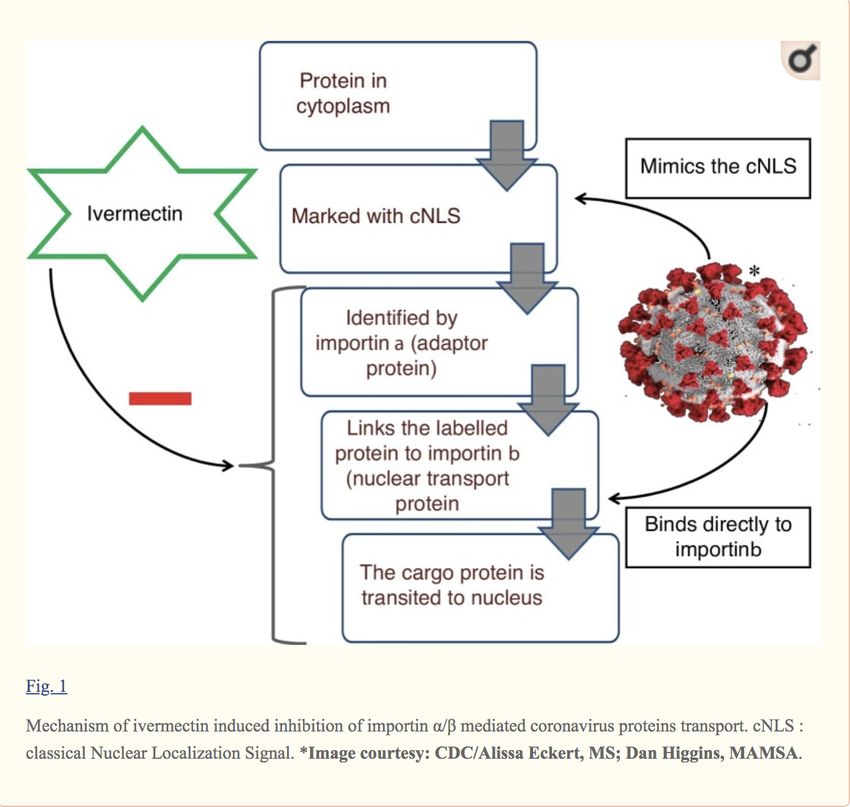
Ivermectin for COVID-19

• Outpatient COVID-19 treatments are lacking

• There is a need for something safe, easy to take as a pill, and
  inexpensive, given within a short time after diagnosis, to a highly
  contagious person.

• A group called the Front Line COVID-19 Critical Care Alliance
  made up of predominantly critical care clinicians. Devotes much of
  its organization’s homepage to ivermectin’s promise for COVID-19
  treatment

                  Paul Sax, Journal Watch, January 2020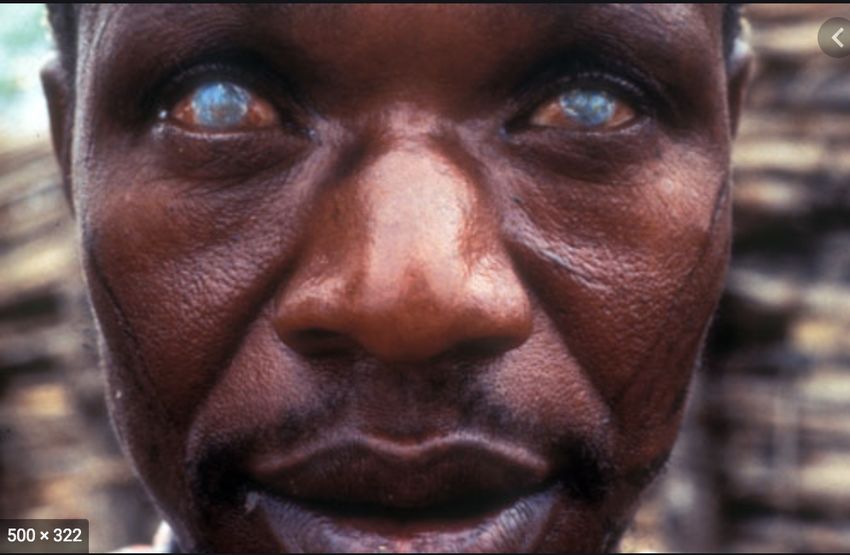
What do We know about
       Ivermectin?

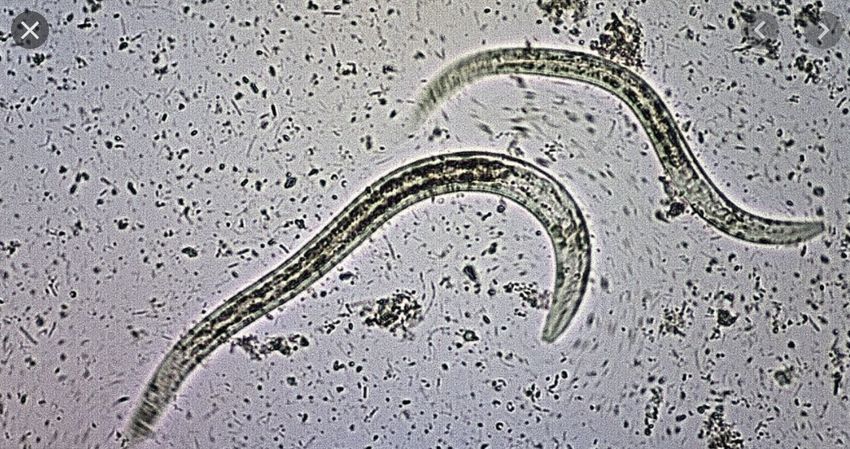
• It is licensed for use against
  strongyloidiasis and Onchocerciasis (river
  blindness)

• Also used off-label use for scabies and
  head lice

• Used in veterinary medicine for pet owners
  as a common de-worming agent.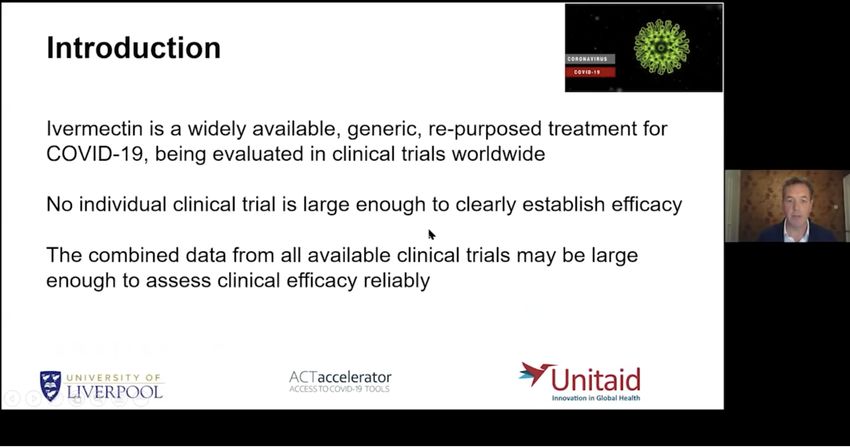
How does Ivermectin Work
Against SARS-CoV-2?

• Importins, a type of karyopherins,
  exemplify a major class of soluble
  transport receptors which are involved
  in nucleo-cytoplasmic transit of various
  substrates.
• The speculated inhibitory action of
  ivermectin on importin α/β mediated
  transport system, Based on this
  conjecture, the role of ivermectin in
  eliminating Covid-19 can be assumed.

 Braz J Infect Dis. 2020 July-August; 24(4): 369–371.
What do We know about Ivermectin
                                  and COVID-19?
                                                               • Metanalysis
                                                                   • The risk-ratio for mortality with ivermectin was 0.17
                                                                     (95% confidence interval 0.08, 0.35), an 83%
                                                                     reduction in risk of dying            .
                                                                   • Outcomes for other endpoints (time to viral
                                                                      clearance, time to clinical recovery, duration of
                                                                      hospitalization) also favored treatment
                                                                      over controls.
                                                               • Limitations
                                                                    •   incompleteness of the data
                                                                    •   Some of the studies were open label,
                                                                    •   Difference in dosing regimens and endpoints.
                                                                    •   Publication bias may play a role
                                                                    •   None of these trials have yet been published in
Ivermectin meta-analysis by Dr. Andrew Hill                             peer-reviewed journals.
https://www.youtube.com/watch?v=yOAh7GtvcOs&feature=youtu.be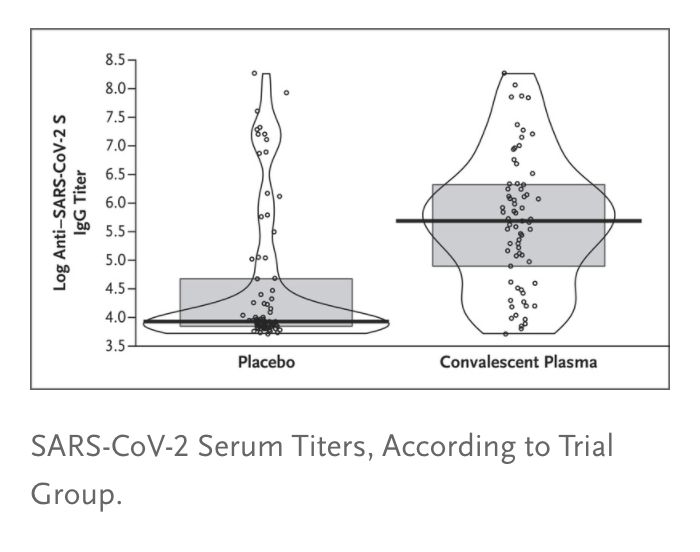
What do We know about Ivermectin
                         and COVID-19?

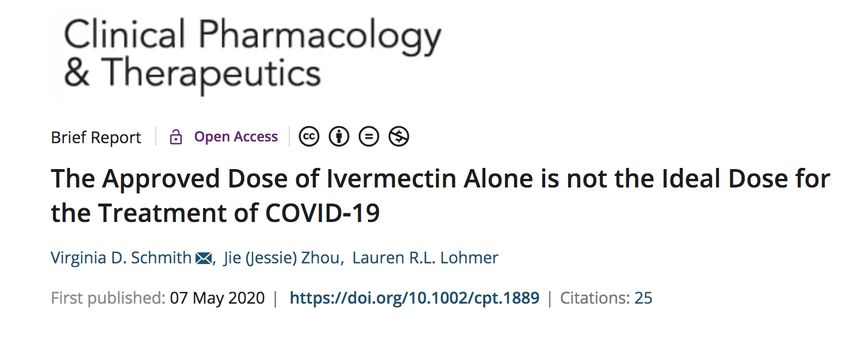
• Pharmacokinetic (PK) data on ivermectin’s antiviral activity.
   • PK studies don’t always correlate with clinical activity, and ivermectin may have
     anti-inflammatory activity

                                                “Ivermectin is unlikely to reach the IC50 of 2 µM in the
                                                lungs after single oral administration of the approved
                                                dose (predicted lung concentration: 0.0873 µM) or at
                                                doses 10× higher that the approved dose administered
                                                orally (predicted lung concentration: 0.820 µM”
Ivermectin for COVID-19
Recommendations
• The clinical trials data for ivermectin look stronger than they ever
did for hydroxychloroquine, but we’re not quite yet at the “practice
changing” level.
• Results from at least 5 randomized clinical trials are expected
soon that might further inform the decision.
• NIH treatment guidelines still recommend against the use of
ivermectin for the treatment of COVID-19
Paul Sax, Journal Watch, January 2020Ivermectin for COVID-19
“But we have to guard against two important biases here.
First, that because we were burned by hydroxychloroquine means
that all other repurposed antiparasitic drugs will fail too.
Second, that studies done in low- and middle-income countries
must be discounted because, well, they weren’t done in the
right places. That’s not just bias, it’s also snobbery.”
Paul Sax, Journal Watch, January 2020Early High-Titer Plasma Therapy to Prevent
Severe Covid-19 in Older Adults
• BACKGROUND
• Therapies to interrupt the progression of early Covid-19 remain elusive
• Convalescent plasma administered to hospitalized patients has been unsuccessful
• METHODS
• Randomized, double-blind, placebo-controlled trial of convalescent plasma with
high IgG titers against SARS-CoV-2 in older adult patients within 72 hours after the
onset of mild Covid-19 symptoms
• The primary end point was severe respiratory disease, defined as:
• Respiratory rate of 30 breaths per minute or more, an oxygen saturation of
less than 93% while the patient was breathing ambient air, or both.
NEJM, January 6, 2021
DOI: 10.1056/NEJMoa2033700Early High-Titer Plasma Therapy to Prevent
Severe Covid-19 in Older Adults
• RESULTS
• A total of 160 patients underwent randomization.
• In the intention-to-treat population, severe respiratory disease developed in
13 of 80 patients (16%) who received convalescent plasma and in 25 of 80
patients (31%) who received placebo
• Rrelative risk, 0.52; 95% confidence interval [CI], 0.29 to 0.94; P=0.03),
with a relative risk reduction of 48%.
• No solicited adverse events were observed.
• CONCLUSIONS
• Early administration of high-titer convalescent plasma against SARS-CoV-2 to
mildly ill infected older adults reduced the progression of Covid-19.
NEJM, January 6, 2021
DOI: 10.1056/NEJMoa2033700Early High-Titer Plasma Therapy to Prevent
Severe Covid-19 in Older Adults
NEJM, January 6, 2021. DOI: 10.1056/NEJMoa2033700
• Time to the Development of Severe
Respiratory Disease Due to Coronavirus
Disease 2019, According to Trial Group in the
Intention-toTreat Analysis.
• Shown are Kaplan–Meier estimates of the
time from the intervention (administration of
convalescent plasma or placebo) to the
development of severe respiratory disease.
The tick marks on the curves represent the
interquartile range in the Kaplan–Meier time-
to-event analysis in the convalescent plasma
and placebo groupsEarly High-Titer Plasma Therapy to Prevent
Severe Covid-19 in Older Adults
NEJM, January 6, 2021
DOI: 10.1056/NEJMoa2033700Q&A • Is there is any guidance on use of COVID-19 vaccines and immunosuppressive medications for patients that are taking such medications? • Any updates on the doctor who passed away two weeks after receiving the vaccine?
You can also read


