Creating markets for climate neutral materials and the role of EU industrial policy High-level virtual conference 11 May 2021 - Working in ...
←
→
Page content transcription
If your browser does not render page correctly, please read the page content below
Working in partnership with

Creating markets for climate
neutral materials and the role of EU
industrial policy

High-level virtual conference
11 May 2021

Working in partnership with

Welcome
Eliot Whittington
Director, CLG Europe

Working in partnership with

                                           Agenda
10.15 Welcome and Setting the scene:   Eliot Whittington, Director, CLG Europe
‘Tomorrow’s markets today’             Dr. Patrick Graichen, Executive Director, Agora Energiewende

10.40 Keynote speech                   Elisabeth Winkelmeier-Becker, Parliamentary State Secretary, Federal
                                       Ministry for Economic Affairs and Energy, Germany

10:55 Business reflections             Peter ter Kulve, President of Home Care, Health & Wellbeing, Unilever
                                       Magali Anderson, Chief Sustainability and Innovation Officer,
                                       LafargeHolcim
                                       Thomas Ingenlath, Chief Executive Officer, Polestar (recorded statement)

11:10 High-level discussion            Elisabeth Winkelmeier-Becker, Parliamentary State Secretary, Federal
                                       Ministry for Economic Affairs and Energy, Germany
                                       Peter ter Kulve, President of Home Care, Health & Wellbeing, Unilever
                                       Magali Anderson, Chief Sustainability and Innovation Officer,
                                       LafargeHolcim
                                       Dr. Patrick Graichen, Executive Director, Agora Energiewende
Working in partnership with

                             Agenda
11.30 Opening remarks    Diederik Samsom, Head of Cabinet for First Vice-President of the
                         European Commission, Frans Timmermans
                         Maria Spyraki, Member of the European Parliament

11.45 Panel discussion   Lars Völkel, Executive Vice President, Wood Products Division, Stora Enso
                         Dr. Oliver Sartor, Senior Advisor, Agora Energiewende
                         Peter ter Kulve, President of Home Care, Health & Wellbeing, Unilever
                         Magali Anderson, Chief Sustainability and Innovation Officer,
                         LafargeHolcim
                         Diederik Samsom, Head of Cabinet for First Vice-President of the
                         European Commission, Frans Timmermans
                         Maria Spyraki, Member of the European Parliament
                         Chaired by Dr. Martin Porter, Executive Chair in Brussels for CISL

12.05 Final thoughts     Claire O’Neill, Managing Director Climate and Energy, WBCSD

12:10 Closing remarks    Eliot Whittington, Director, CLG Europe
Working in partnership with

Presentation of the report
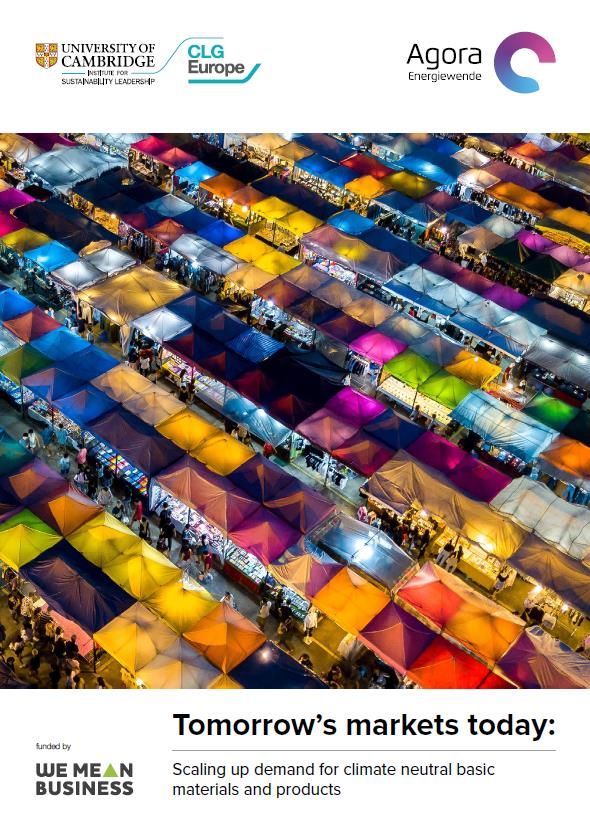
Tomorrow’s markets today: Scaling up
demand for climate neutral basic
materials and products
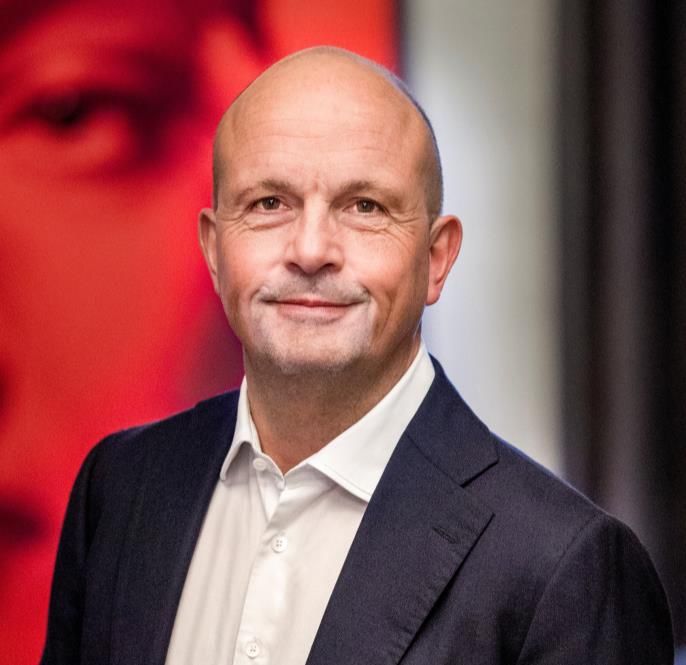
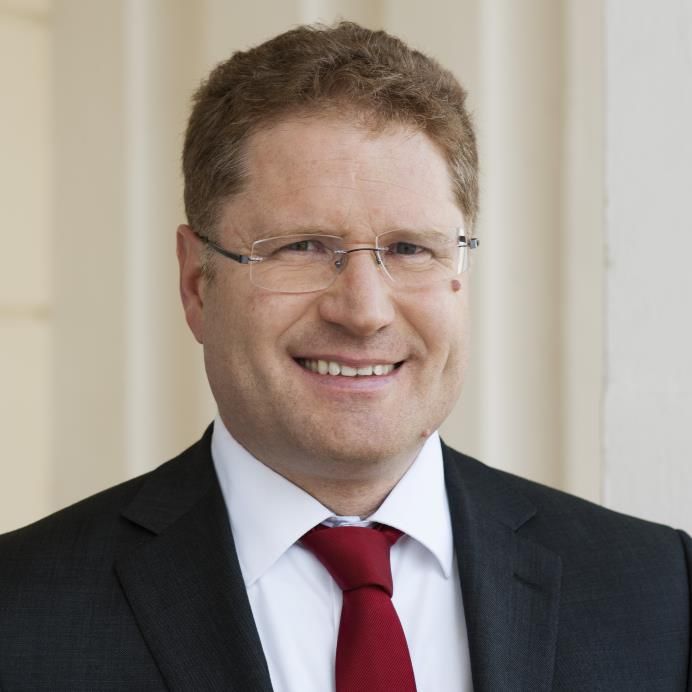
Dr. Patrick Graichen
Executive Director, Agora Energiewende
Working in partnership with

Tomorrow’s markets today:
Scaling up demand for climate
neutral basic materials and products
Report Launch Event 11/05/2021

Dr. Patrick Graichen, Executive Director,
Agora Energiewende
Working in partnership with

1. Project Context
At 16% of annual CO2 emissions, industry is an urgent priority for the
EU climate policy
The European Council has called for the Commission to…

   “propose measures that enable energy-intensive industries to
    develop and deploy new climate neutral technologies while
          maintaining their industrial competitiveness.”

                   - European Council Conclusions, 10-11 December 2020
Working in partnership with

2. Project Aims and Scope
Industry transition must address the full value chain –
 but market demand for climate neutral, material efficient & circular
 solutions is a crucial, still missing, policy component

Upstream                              Midstream                                Downstream

→ Availability of clean energy,       → Competitiveness of climate             → Market demand for climate
  CO2 infrastructure & clean            neutral process technologies             neutral materials, material-
  feed-stocks                           and energy inputs                        efficiency and circular materials

                                  Enhanced recycling and re-use of materials
Industry transition must address the full value chain –
but market demand for climate neutral, material efficient & circular
solutions is a crucial, still missing, policy component
Upstream Midstream Downstream
→ Availability of clean energy, → Competitiveness of climate → Market demand for climate
CO2 infrastructure & clean neutral process technologies neutral materials, material-
H2 Strategy, Carbon Contracts for
feed-stocks and energy inputs efficiency and??
circular materials
Renewable Energy Directive Difference, ETS reform,
3.0 Carbon leakage protection
Enhanced recycling and re-use of materials
Circular Economy Action Plan
2.0Aims of the study: → Explore role of “demand-side policies” in the transition to climate neutral industry → Understand needs of progressive European industrial companies → Identify specific options for policy makers under EU Green Deal
Working in partnership with

3. Business leadership, barriers
faced and the role of EU policy
Basic material and final product producers are looking to develop
climate neutral solutions and supply chains

• Examples:
However, despite impressive voluntary efforts, companies report
barriers to scaling up and aiming for CO2 neutrality
1. Missing business case to scale up climate neutral technologies
   • Suppliers need a broader willingness-to-pay from downstream to scale up deployment
2. Non-cost barriers to purchasing climate neutral materials, e.g.
    • A lack of comparable data from suppliers on embedded CO2
    • Conservatism and risk aversion towards new materials (e.g. construction sector)
    • Outdated product regulations limiting market entry (e.g. concrete standards)
3. Missing incentives to unlock a full set of decarbonisation levers along the value chain, e.g.
   • Material efficient design and manufacture
   • Increased material circularity
   • Use of innovative materials
   • Etc
However, despite impressive voluntary efforts, companies report
barriers to scaling up and aiming for CO2 neutrality
1. Missing business case to scale up climate neutral technologies
• Suppliers need a broader willingness-to-pay from downstream to scale up deployment
2. Non-cost barriers to purchasing climate neutral materials, e.g.
• A lack of comparable data from suppliers
Important:
on embedded CO2
• Conservatism and risk aversion towards new materials (e.g. construction sector)
• Outdated product A regulations limiting
higher carbon market
price entry
does not(e.g. concrete standards)
address
3. Missing incentives to unlock a many
full setof
ofthese barriers. levers along the value chain, e.g.
decarbonisation
• Material efficient design and manufacture
• Increased material circularity
• Use of innovative materials
• EtcWorking in partnership with 4. Policy priorities and options
Three policy priorities to address three key barriers…
→ Priority 1. Put limits on embedded life cycle emissions in material-intensive
  final products and reduce over time..

→ Justification: unlocks demand for full set of decarbonization options (material efficient
  design, circular and low-CO2 virgin materials) without distortions of intermediate product
  markets.
Priority 1 (cont.) Cost of climate-neutral materials would be a small fraction of
final product prices for consumers, but pays upstream green premium
Priority 1 (cont.) Cost of climate-neutral materials would be a small fraction of
final product prices for consumers, but pays upstream green premium
Priority 2. Require reporting of embedded carbon data for key value chains and
create standardised CO2-rating labels for basic materials

• Justification: For limits on embedded carbon to work, downstream purchasers
  must have transparent and comparable data
Priority 2. Require reporting of embedded carbon data for key value chains and
create standardised CO2-rating labels for basic materials

                     How could this be implemented?

                  → EU Sustainable Products Initiative
                    (2021/22)
                     → E.g. Constructions Products Regulation
                     → E.g. reinforced Product Environmental
                       Footprinting standards

• Justification: For limits on embedded carbon to work, downstream purchasers
  must have transparent and comparable data
Priority 3. Targeted policies to overcome specific barriers to market entry for innovative or circular solutions • Justification: Effective competition between climate neutral and circular materials requires a portfolio of solutions. • In some cases, targeted supply or demand side policies needed to overcome these barriers. • Solutions can include Carbon Contracts for Difference, public procurement requirements or circular material quotas. • Must be targeted, time-limited to avoid long-term distortions
Priority 3. Targeted policies to overcome specific barriers to market
entry for innovative or circular solutions
                    How could this be implemented?
• Justification: Effective competition between climate neutral and circular materials
                    → CCfDs
  requires a portfolio       (reformed ETS Innovation Fund)
                        of solutions.
• In some cases, targeted
                  → Recycled    material
                            supply       quotasside
                                   or demand      under wasteneeded to overcome
                                                     policies
  these barriers.    legislation (Circular Economy Action Plan)
                     (2021-23)
• Solutions can include Carbon Contracts for Difference, public procurement
  requirements or circular material quotas.
                  → Public Procurement Requirements via
• Must be targeted, relevant   sectoral
                     time-limited       legislation.
                                   to avoid  long-term distortions
Summary: three mutually reinforcing policy interventions
Source: Agora-Energiewende,
CLG Europe & WBCSD (2021)Working in partnership with 4. A comment on the updated EU industrial strategy
The updated EU industrial strategy

→ The updated Strategy identifies a need for demand side policies to make a business case for
  scaling investment in climate neutral materials production.

→ However, the Strategy does not point to any concrete legislative measures to do so. It
  mentions supply side policies like EU-level CCfDs, etc. Good, but not sufficient…

→ The accompanying Steel Sector Analysis suggests that the Ecodesign and Construction
  Products Regulation could be revised to include embedded carbon standards for steel.

    → But it is not clear if regulatory limits on embedded CO2 emissions are intended, or
      simply reporting standards (i.e. better data). We will need both.
Working in partnership with Thank you for your attention Dr. Patrick Graichen Executive Director, Agora Energiewende 11/05/2021
Working in partnership with

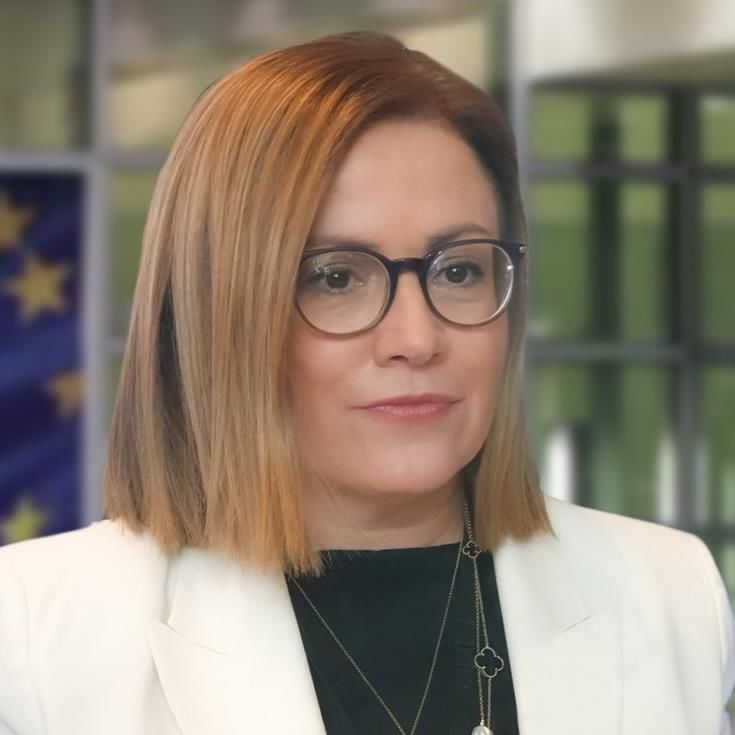
                    Keynote speech
                    Elisabeth Winkelmeier-Becker
                    Parliamentary State Secretary, Federal Ministry for
                    Economic Affairs and Energy, Germany

© Rene Schwerdtel
Working in partnership with Business reflections Peter ter Kulve President of Home Care, Health & Wellbeing, Unilever
Working in partnership with

Business reflections
Magali Anderson
Chief Sustainability and Innovation Officer,
LafargeHolcim
Working in partnership with

Business reflections
Thomas Ingenlath
Chief Executive Officer, Polestar
Working in partnership with

                                   High-level discussion
 © Rene Schwerdtel

Elisabeth Winkelmeier-Becker      Magali Anderson                 Peter ter Kulve       Dr. Patrick Graichen

Parliamentary State Secretary, Chief Sustainability and        President of Home         Executive Director,
Federal Ministry for Economic    Innovation Officer,             Care, Health &         Agora Energiewende
 Affairs and Energy, Germany       LafargeHolcim               Wellbeing, Unilever
Working in partnership with Further reflections
Working in partnership with

Opening the section ‘Further
reflections’
Dr. Martin Porter
Senior Strategic Adviser to CLG Europe and
Executive Chair in Brussels for CISL
Working in partnership with

                              Agenda
11.30 Opening remarks     Diederik Samsom, Head of Cabinet for First Vice-President of the
                          European Commission, Frans Timmermans
                          Maria Spyraki, Member of the European Parliament

11.45 Panel discussion    Lars Völkel, Executive Vice President, Wood Products Division, Stora Enso
                          Dr. Oliver Sartor, Senior Advisor, Agora Energiewende
                          Peter ter Kulve, President of Home Care, Health & Wellbeing, Unilever
                          Magali Anderson, Chief Sustainability and Innovation Officer,
                          LafargeHolcim
                          Diederik Samsom, Head of Cabinet for First Vice-President of the
                          European Commission, Frans Timmermans
                          Maria Spyraki, Member of the European Parliament

12.05 Final thoughts      Claire O’Neill, Managing Director Climate and Energy, WBCSD

12:10 Closing the event   Eliot Whittington, Director, CLG Europe
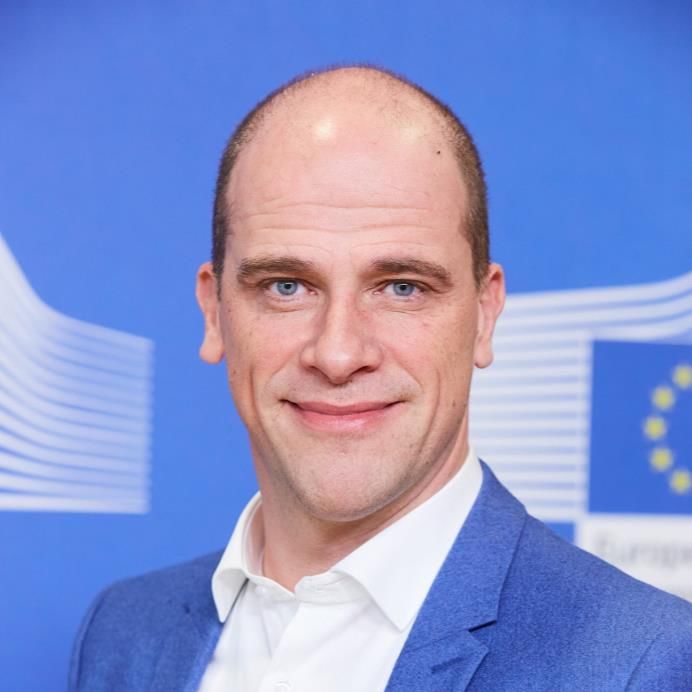
Working in partnership with Opening remarks Diederik Samson Head of Cabinet for First Vice-President of the European Commission, Frans Timmermans
Working in partnership with

Opening remarks
Maria Spyraki
Member of the European Parliament
Working in partnership with

             Panel discussion

       Lars Völkel                       Dr. Oliver Sartor

Executive Vice President,             Senior Advisor, Agora
Wood Products Division,                  Energiewende
       Stora Enso
Working in partnership with
Panel discussion
Peter ter Kulve Magali Anderson Diederik Samsom Maria Spyraki
President of Home Chief Sustainability and Head of Cabinet for First Member of the
Care, Health & Innovation Officer, Vice-President of the European Parliament
Wellbeing, Unilever LafargeHolcim European Commission,
Frans TimmermansWorking in partnership with Final thoughts Claire O’Neill Managing Director, Climate & Energy, WBCSD
Working in partnership with

Closing remarks
Eliot Whittington
Director, CLG Europe
Working in partnership with

Thank you.
You can also read


