FUNDING OF ENERGY INFRASTRUCTURE ENERGY INDABA - 2017 November 2017
←
→
Page content transcription
If your browser does not render page correctly, please read the page content below
FUNDING OF ENERGY
  INFRASTRUCTURE

 ENERGY INDABA
      2017
    November 2017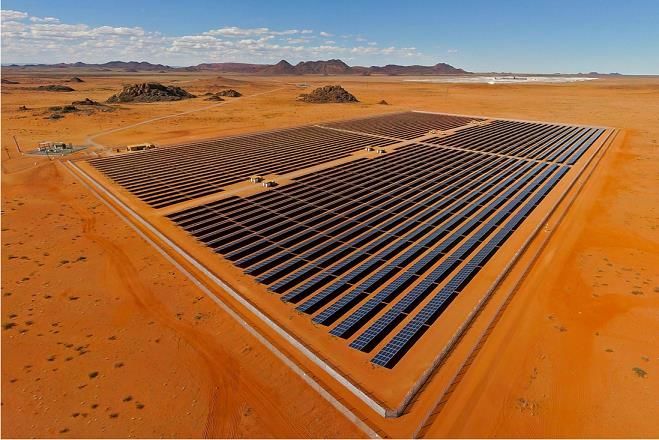
2 Business Overview
BioTherm Snapshot
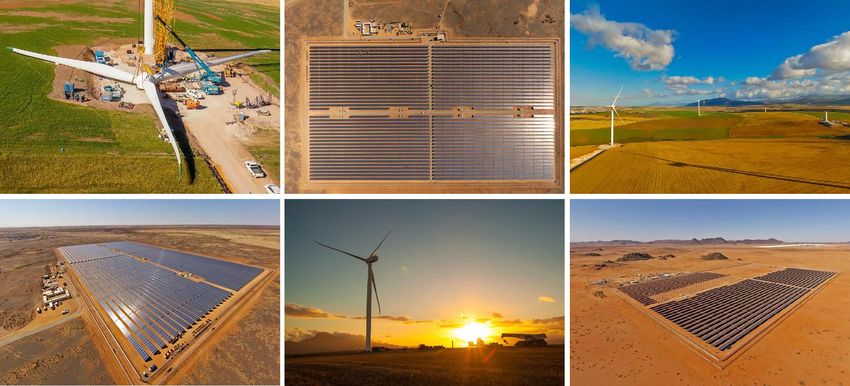
BioTherm Energy (“BTE”) is the leading African renewable energy project developer with a focus on wind and solar
power development
• BioTherm develops, finances, owns, and operates both wind and solar power plants to provide long-term clean
electricity in South Africa (“RSA”) and Rest of Africa (“RoA”)
South Africa: 27 MW 11 MW 4.2MW
11 MW
Klipheuwel Wind Konkoonsies Solar PetroSA Waste Gas
Projects Project
Aries Solar Project
Project Project
In Operation N.Cape
W. Cape N.Cape W.Cape
South Africa: 45 MW 86 MW 33 MW
120MW Golden
Projects Aggeneys Solar Konkoonsies II Solar Excelsior Wind
Valley Wind Project Project
Approaching E. Cape
Project Project
Financial Close N. Cape N.Cape W.Cape
Shortlisted 250MW
4 Solar PPAs Winner of 34MW of Shortlisted in 20MW
Rest of Africa: wind and 200Mw
Awarded Solar Projects Solar PV Bid
Successes Zambia Burkina Faso Ghana
solar
Egypt
>3,000 MWs fully permitted, bid ready in South Africa
Over 9 GW under >250MW’s of PPA’s in rest of Africa in the process of being secured
development Secured two of the largest private PPA’s in South Africa
Attractive C&I portfolio with expansion into the off-grid sector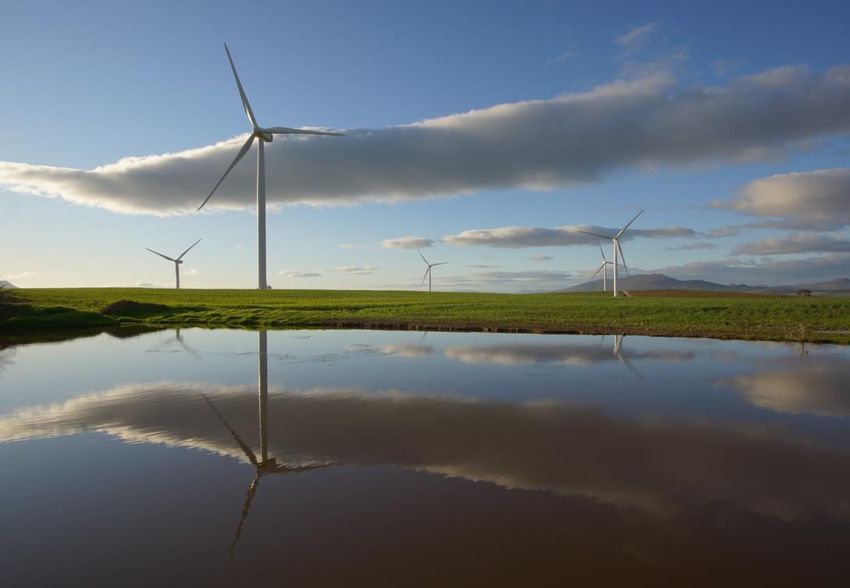
3 Our presence across Africa –
utility large scale projects
Outside of South Africa, BioTherm is increasing its footprint in the rest of
Sub-Saharan Africa through ground mount and rooftop projects.
BioTherm has been awarded projects in:
Burkina Faso: 2 solar projects (38 MW), FC in Q2 2018
Ghana: 1 solar project (20 MW), FC in Q2 2018
Both projects have been awarded a US$ 1m USTDA grant.
BioTherm was also prequalified in the following countries:
Ethiopia: 2 solar projects (200 MW)
Senegal: 2 solar projects (60 MW)
DRC: 1 solar project (100-200 MW)
Egypt: 1 solar project (200 MW) and 1 wind project (250 MW)
Ivory Coast: 1 solar project (25 MW)
Cameroon: 2 solar project (25 MW)
Countries where greenfield/direct negotiations are taking place: Operational plants/ awarded projects
Ghana (60 MW) Countries where BioTherm is prequalified
Zambia (80 MW) Greenfield / direct negotiations
Mozambique (30 MW)Funding of Energy Infrastructure in
5
Africa
Opportunity is Our continent needs close to $300bn of investment in energy to fuel development.
ripe
A balanced Huge emphasis on clean energy to meet 2030 Climate targets but a balanced energy
energy mix mix is the ideal solution
To attract any form of investment into energy infrastructure, be it from local investors or
foreign direct investors, ensure that we hold all stakeholders to account
Broaden the
shareholder base Ensure that investments in Africa’s energy sector does not enrich the few at the expense
of the many. In short, broaden the shareholder base with active participation while
ensuring that there is a obligation towards skills transfer and job creation.
In 2008, only 6% had access to electricity – 4x growth in under 9 years.
Rwanda RDC – Development of energy infrastructure as one of 6 pillars in its Vision 2020 – a
detailed and well implemented strategy framework through partnerships.Opportunities to grow the economy
6
Domestically Regionally
Civils Electricals
Electricals Export Opportunities for locally
produced or assembled products
Local Assembly (learn from our motor
industry – BMW in particular) Services industry
Services Industry Developer/IPP’s
Legal
Technical
Operations and Maintenance
Avoid manufacturing of complex
equipment – focus on components
that can serve multiple markets
Focus on job creation rather than
local content targets
But to ensure a thriving local industry,
policy certainty is a must7 Constraints
Policy:
must be long term in nature,
must be implemented in succession and with consistency
“stop start” strategies kill local supply chains
Requires buy in at the highest levels with implementation frameworks that form
part of the National Development Plan
Skills:
Invest in relevant (and transferable) skills development – this should not be an
obligation on just the private sector, government must work with the private
sector to implement well funded training programs
South Africa lacks a risk taking/entrepreneurial environment. Use of grant
mechanisms/match funding
Develop local capacity to attract foreign direct investment (not the other way
around)
Skills transfer should be an obligation and not just a commitment.Typical Project Model
8
Equity
Investor One
40% 60%
Investor Two
100%
Development Capital – risky!!
PPA & IA Direct
Agreement
Construction
Governments Management &
Developer/IPP
regulator O&M
Agreement
PPA & IA Direct
Agreement
AM Service
Agreement
PPA Agreement
Electricity public
Maintenance &
utility
Distribution Availability
Distribution Agreement Guarantee
Direct Agreement
Agreement O&M Contractor
Financing Documents
Joint Lenders Debt Funding Project Company
EPC Consortium
Debt EPC Contract9 Funding as a constraint
Funding:
Development is costly – huge sunk costs before you see any returns.. Ideally
suited to those with large balance sheets – to create and grow a local
developer supply chain, invest in people.
BUT there is no shortage of capital for a well developed project.
Manage both lender and equity investor expectations.
Targeting the lowest tariff does not solve for all of South Africa’s problems
especially when we want to promote inclusive growth, skills development, and
job creation. It all comes at a cost.10 The unknown successes of REIPPPP
Job Creation
Socio Economic development
Enterprise Development
Management control
Skills Development11
BioTherm Energy Group
Building 1 Ground Floor
Design Quarter, Leslie Ave East
Fourways, 2055
South Africa
Email: jnyker@biothermenergy.com
Tel: + 27 11 367 4600
Website:You can also read


