Delivering Water for Victoria - PROGRESS REPORT - Water and catchments
←
→
Page content transcription
If your browser does not render page correctly, please read the page content below
Delivering
Water
for Victoria
PROGRESS REPORT
© The State of Victoria Department of Environment,               Accessibility
Land, Water and Planning 2018.
                                                                 If you would like to receive this
                                                                 publication in an alternative format,
This work is licensed under a Creative Commons                   please telephone the DELWP Customer
Attribution 4.0 International licence. You are free to re-       Service Centre on 136 186, or email
use the work under that licence, on the condition that
you credit the State of Victoria as author. The licence          customer.service@delwp.vic.gov.au, or
does not apply to any images, photographs or branding,           via the National Relay Service on 133 677,
including the Victorian Coat of Arms, the Victorian
Government logo and the Department of Environment,
                                                                 www.relayservice.com.au.
Land, Water and Planning (DELWP) logo. To view a copy            This document is also available on the
of this licence, visit creativecommons.org/licenses/             internet at www.delwp.vic.gov.au
by/4.0/
Printed by Finsbury Green
ISBN 978-1-76077-277-2 (print)
ISBN 978-1-76077-278-9 (pdf)
Disclaimer
This publication may be of assistance to you but the
State of Victoria and its employees do not guarantee
that the publication is without flaw of any kind or is
wholly appropriate for your particular purposes and
therefore disclaims all liability for any error, loss or other
consequence which may arise from you relying on any
information in this publication.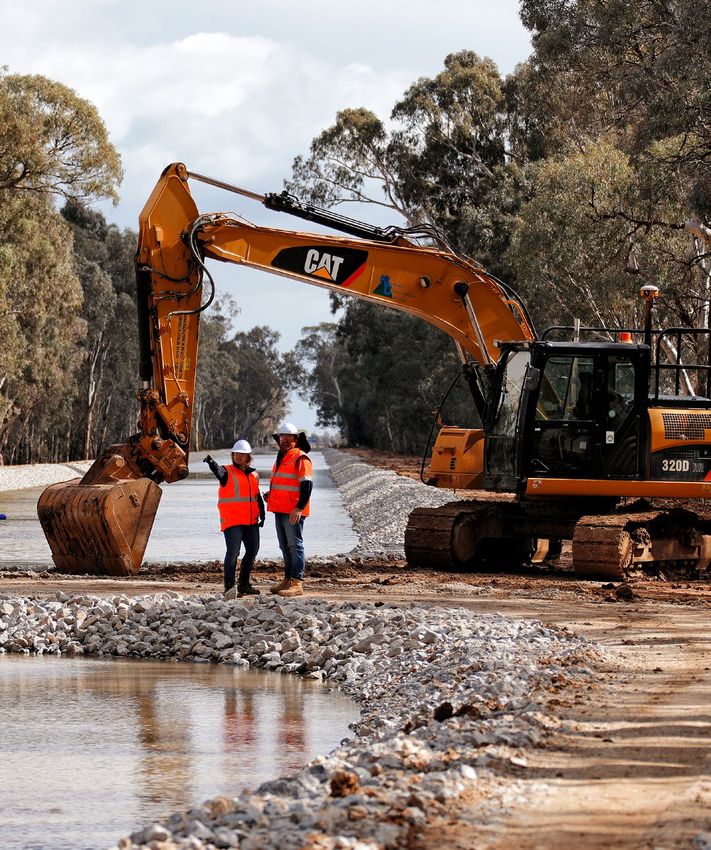
Cover photo: Aspendale Gardens Primary School
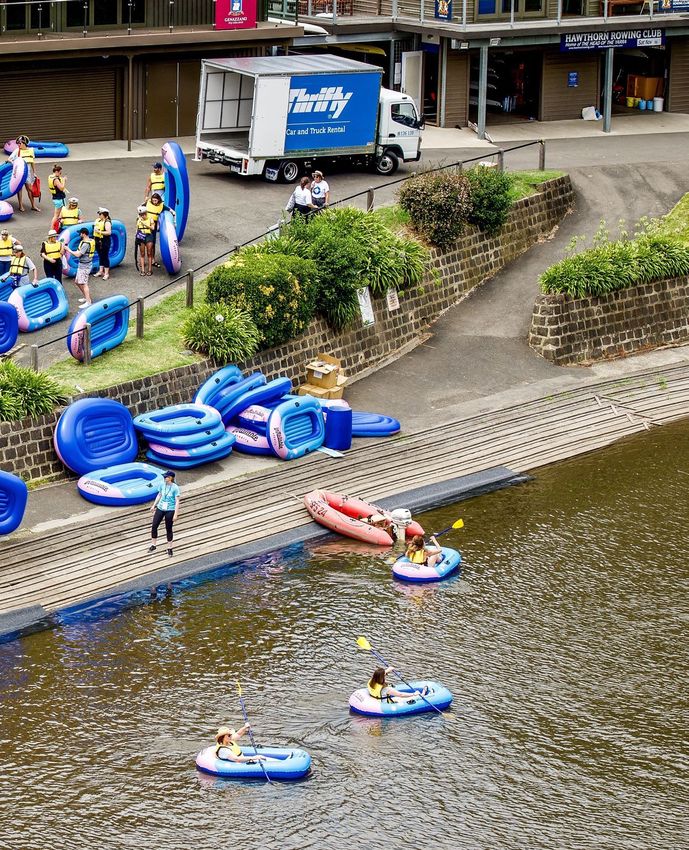
students using the SWEP app.
MINISTERIAL FOREWORD

                              Two years ago, the         We are supporting farming communities to make
                              Victorian Government       informed changes, identify actions and agree on
                              launched Water for         priorities as they shift to a future with less inflows
                              Victoria, our strategic    and available water.
                              plan for managing
                              water to support a         We have continued to deliver on our Murray
                              healthy environment,       Darling Basin Plan commitments while ensuring
                              prosperous economy         balanced water recovery. This includes standing
                              and thriving               up for Victoria’s northern food bowl to ensure that
                              communities now and        any further water recovered does not come at the
                              for the future. Victoria   expense of Victorian communities.
has a solid history of effectively managing our          The main themes emerging in our progress report
water resources, and the devastating Millennium          that will continue to guide future actions include:
Drought tested the state’s water security and
validated many reforms made over a long period.          • Success in keeping water affordable for
                                                           Victorians while water corporations deliver
Water for Victoria recognised that with                    high-quality services.
accelerating changes in climate, population
growth and water demands we must continue to             • Integrated management actions, such as
plan and act for a future with less water.                 stormwater and recycling, to protect the
                                                           environment in our cities and towns and rural
This Progress Report shows the many advances               Victoria.
with actions in all aspects of the strategy since
2016. It lists the achievements and foundations for      • On-ground actions to connect communities and
further work and offers a snapshot of actions              improve water security, by expanding and
across Victoria’s regions.                                 modernising the water grid and creating access
                                                           to water trading and the market the benefits
The Government has been working in partnership             accruing through transforming the water sector
with water and land managers, the water sector,            to better reflect our diverse Victorian
key stakeholders and communities to identify               communities.
local challenges and put important projects
into action.                                             • Progress in building knowledge, understanding
                                                           and planning to effectively share the benefits of
Our communities have higher expectations for               our water between different users, including
how water will be managed to meet their diverse            recreational, environmental, and agricultural
needs and values. Victoria’s water sector is               users.
changing to reflect community diversity, and a
more collaborative approach is bringing                  This report shows that we are making real
community voices and ideas into our planning to          progress with actions to benefit each community,
build resilience in the face of a drier future. For      our industries and economy, quality of life and our
example, we have achieved 50 per cent gender             natural environment.
diversity on water corporation and Catchment
                                                         We look forward to continuing our work together
Management Authority boards, and over 50 per
                                                         to sustain reliable water supplies as we adjust to a
cent of chairs are now female.
                                                         future with less water.
Our water sector is adapting its operations to
deal with climate extremes, including responding
to drought and flood in the last three years.

Land and water managers, communities and
Traditional Owners are bringing their knowledge
and experience to improve care for waterways             The Hon. Lisa Neville MP
and Country.                                             Minister for Water

                                                                                                                  1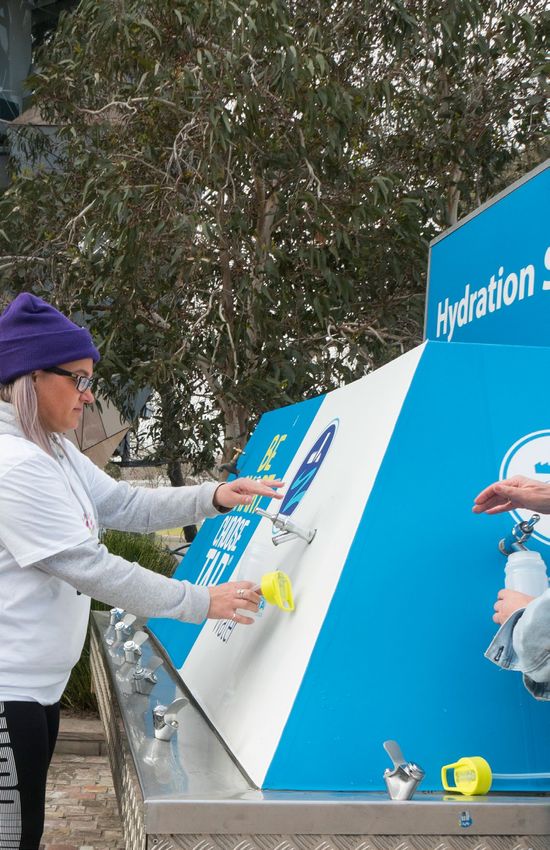
ABORIGINAL ACKNOWLEDGEMENT

The Victorian Government proudly
acknowledges Victoria’s Aboriginal
community and their rich culture and
pays respect to their Elders past and
present. We acknowledge Aboriginal
people as Australia’s first people and
as the Traditional Owners and
custodians of the land and water on
which we rely. We recognise and
value the ongoing contribution of
Aboriginal people and communities
to Victorian life and how this enriches
us. We embrace the spirit of
reconciliation, working towards the
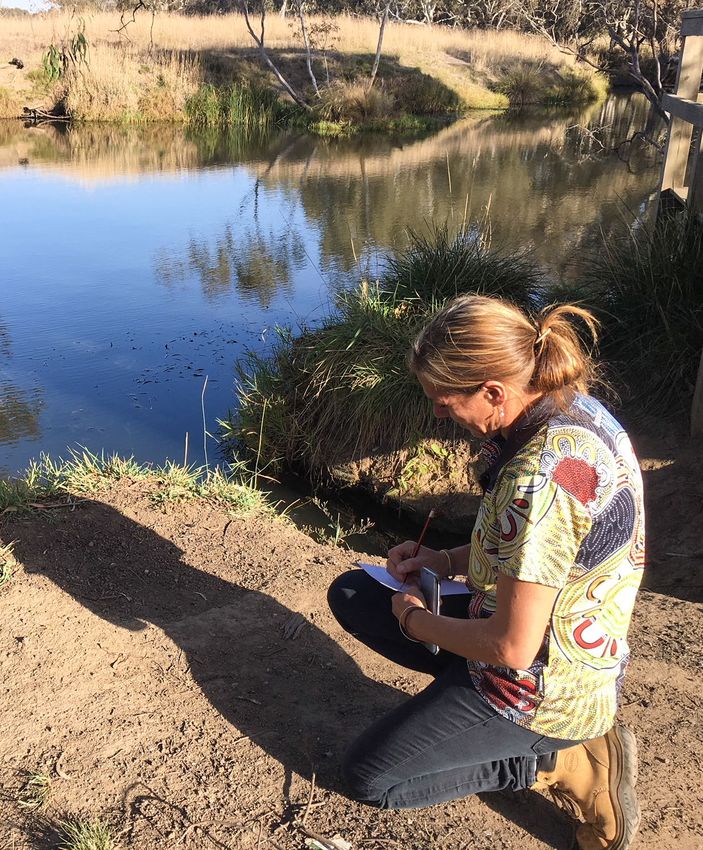
                                          Photo: Aunty Esther Kirby. Courtesy Victorian Environmental Water Holder.
equality of outcomes and ensuring
an equal voice.

Photo above: Powlett River
estuary wetlands. DELWP.

2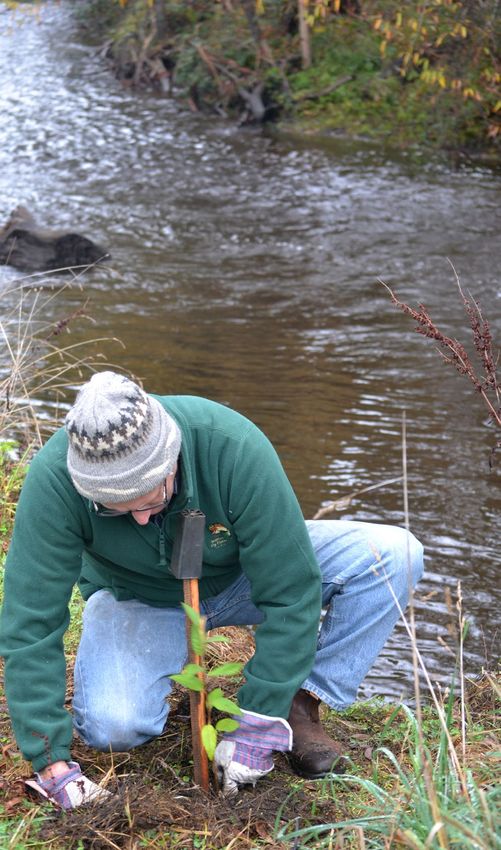
CONTENTS

Chapter 1    Victoria's regions		                         6

Chapter 2    Climate change		                            22

Chapter 3    Waterway and catchment health			            26

Chapter 4    Water for agriculture				                   30

Chapter 5    Resilient and liveable cities and towns		   34

Chapter 6 Recognising and managing
			for Aboriginal values				       38

Chapter 7    Recognising recreational values			          42

Chapter 8    Water entitlements and planning			          46

Chapter 9    Realising the potential
			          of the grid and markets				                 50

Chapter 10   Jobs, economy and innovation			             54

Appendix     Action status and highlights 			            58

                                                              3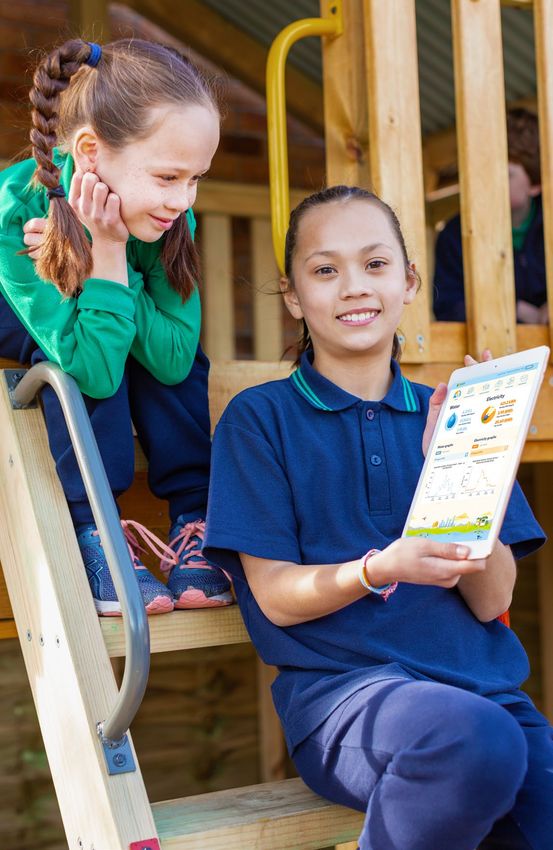
At a glance

The Victorian                 Many new works and projects       We are working in partnership
                              have been advanced in the two     with water corporations,
Government is                 years since the plan was          catchment management
investing more                launched. These range from        authorities, the Victorian
                              flagship waterway projects that   Environmental Water Holder,
than $537 million
                              are protecting and restoring      Traditional Owner groups, local
in delivering                 waterway health, to supporting    government and community
Water for Victoria.           farmers’ resilience with new      partners.
                              infrastructure and skills, and
                              building understanding of
                              Aboriginal ecological knowledge
                              in water management.

                 Our largest ever investment
                 of $222 million to improve
                  the h
                       ealth of waterways                           $59.6 million supporting
                  and catchments.                                   irrigation modernisation
                                                                     projects and helping farmers
                                                                     improve on-farm water use.

                                                    $28 million for planning on how
                                                    to use all available water
                      $28 million to prepare        sources efficiently such as
                      Victorians for floods         harvesting stormwater and
                      and emergencies.              create sustainable living
                                                    urban spaces for communities.

4
Our approach focuses on              This report details many of the significant
strengthening local relationships    achievements made since 2016.
and putting community at the
centre of decision making and
the delivery of priority water
projects for Victoria’s cities,
                                       Overall Action Status
towns and regions.                     Work is underway on all 69 actions.

A strong system of planning,                  10 x complete and             4 x complete
governance and reporting is in                now business as
                                              usual                         7 x in progress with
place to make sure that the
                                                                            revised timeframe
actions under Water for Victoria              48 x in progress
sustain and secure our water
supply for the future.

               Over $146 million toward upgrades                 Building knowledge about the values,
               to rural water systems in places like             uses and economic potential of water
               Wedderburn, Werribee, Bacchus                     for Traditional Owners and Aboriginal
               Marsh, Lance Creek, MacAlister,                   Victorians with $9.7 million being
               Mitiamo and East Grampians.                       invested.

                                              Pledging to achieve net zero
                                              emissions in the water sector
                                              and investing $5.7 million in
 $93 million to make the best                 climate science research.
 use of the water grid and
 markets and strengthen
 entitlements and planning.                                  Delivering projects to better manage
                                                             our waterways and surrounds so that
                                                             our communities can enjoy them more,
                                                             supported by $7.9 million investment.

                                                                                                         5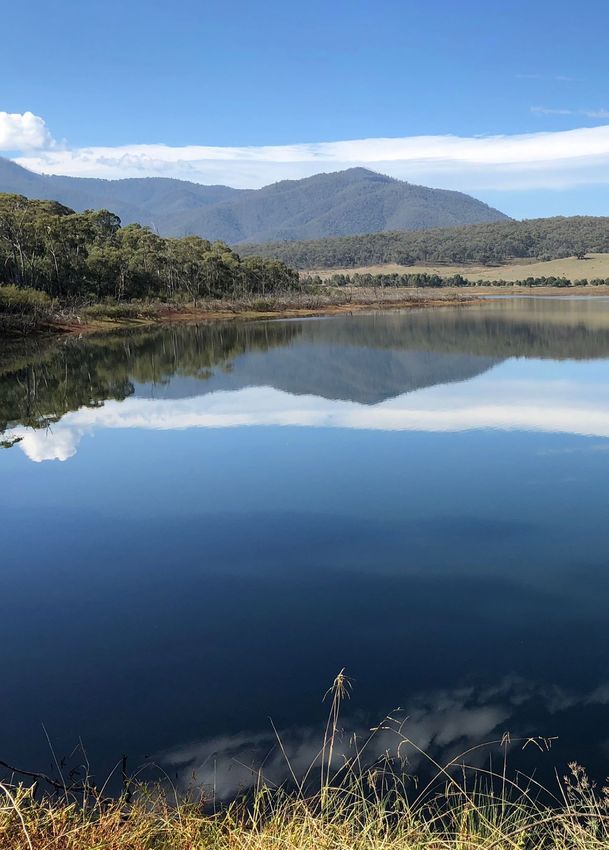
1

6
Find out what's
                                               been happening
                                              in your region

Photo: Dartmouth Pondage is a regulating
storage for the Darmouth Dam Power Station.
Courtesy VRFish.

                                                                  7
VICTORIA'S REGIONS
This chapter presents snapshots of Public forums across the state are giving local
communities a role in helping to identify
some of the many projects and
challenges and to plan water projects, while work
actions that have been happening by Traditional Owners and Aboriginal Victorians is
across Victoria’s regions since Water building our knowledge to assist recognition of
for Victoria was launched in 2016. Aboriginal values of water.
These include works to restore the
You can find out more about projects in your
health of our natural environment, to region by contacting your local water corporation
rejuvenate recreation sites and to or catchment management authority.
improve water security. There have
also been exciting initiatives by water
corporations and catchment
management authorities to reduce
greenhouse gas emissions and
programs that deliver shared
community benefits such as
improved amenity.
Figure 1.1
Urban water corporations
Mildura
Lower Murray
Water (Urban)
Swan Hill
Kerang
Grampians Wimmera
Mallee Water
(Urban) Wodonga
Echuca
Wangaratta
Coliban Water Shepparton
North East Water
Horsham Goulburn Valley
Bendigo
Water
Seymour
Central
Highlands
Water Western East Gippsland Water
Water Mallacoota
Yarra Valley
Ballarat Water Central Bairnsdale
Wannon Water Melbourne Gippsland
Barwon South East Water
Water Water
Warrnabool Geelong
Colac Traralgon
Portland
South Gippsland
Water Melbourne Water
City West Westernport
Water Water
8Figure 1.2
Rural water corporations
Mildura
Lower Murray
Water
(Rural)
Swan Hill
Kerang
Grampians Wimmera
Mallee Water
Echuca Wodonga
(Rural)
Wangaratta
Shepparton
Horsham Goulburn-Murray Water
Bendigo
Seymour
Ballarat
Southern Rural Water
Melbourne Bairnsdale Mallacoota
Geelong
Warrnabool
Colac Traralgon
Portland
Figure 1.3
Catchment management authorities
Mildura
Mallee
Swan Hill
Kerang
Echuca Wodonga
Wimmera North Central Wangaratta
Shepparton
North East
Horsham
Bendigo Goulburn Broken
Seymour
Ballarat
Port Phillip and East Gippsland
Glenelg Hopkins Western Port
Bairnsdale Mallacoota
Melbourne
Corangamite
West Gippsland
Warrnabool Geelong
Colac Traralgon
Portland
9GREATER MELBOURNE
Sunbury
Baccus
Marsh
Melbourne Lilydale
Werribee
Dandenong
Case study 1
A plan for the iconic Yarra River for future generations
The release of the plan was followed by landmark
legislation to protect the Yarra River for future
generations. Under the Yarra River Protection
(Willip-gin Birrarung Murron) Act 2017 , a holistic
Yarra Strategic Plan, which will coordinate
Melbourne Water and local government
authorities, along with other public entities along
the river corridor, is being prepared with
community input. Melbourne Water has asked the
public to share their values, anecdotes and future
vision for the river and surrounding land. A two-
day community assembly in May 2018 helped
develop four visions and a 50-year community
vision for the river. We are also working with
Wurundjeri Elders to find the best model for
including their input on the plan’s implementation.
The river is of great spiritual and cultural
The Yarra River Action Plan, released in February significance for Aboriginal communities.
2017, comprises 30 actions designed to protect
This community-led approach is being extended
the river and its parklands over the long term.
to Western Melbourne. A new Ministerial Advisory
When fully implemented, the plan will coordinate
Committee has been established with
and integrate the Yarra River’s existing plans,
communities and Traditional Owners to develop
regulations and investment programs and
a Waterways of the West Action Plan.
support the community vision for the river and its
landscape.
Photo: Yarra River Community Assembly.
Courtesy Melbourne Water.
10Case study 2
Greens Bush to Arthurs Seat Biolink
This project is one of 19 integrated catchment
management projects being delivered under the
Victorian Government’s Our Catchments Our
Communities strategy. The project is restoring
indigenous vegetation to strengthen the nature
link between Greens Bush and Arthurs Seat, two
of the Mornington Peninsula’s largest parks. It is
being delivered by the Port Phillip and
Westernport Catchment Management Authority
(CMA) and the Mornington Peninsula Landcare
Network.
Port Phillip and Westernport CMA brought , local
landholders and community members came
together in April 2018 to develop the project’s
vision, and revegetation works are now being
undertaken on remnant bushland on 20 private
properties. The work will help local threatened
Photo: OCOC Mornington Greens Bush and Arthurs Seat Biolink. Courtesy
Port Phillip and Westernport CMA. animals including the Powerful Owl, White-footed
Dunnart, Lewin's Rail and the Swamp Skink. It will
also contribute to healthier waterways in the
Drum Drum Alloc Creek and Splitters Creek
catchments.
Case study 3
Turning waste into energy
neighbouring sewage treatment plant and, at full
capacity, covers 25 per cent of Yarra Valley
Water’s annual electricity demand. Current and
planned ReWaste facilities will make a large
contribution to Yarra Valley Water’s ability to
generate all its own energy by 2025. The facility is
located on the northern outskirts of Melbourne
and became fully operational in 2017.
Victoria produces more than two million tonnes of
organic waste annually. Organic waste in landfill
leads to vermin, odour and broader pollution.
In a first for the water industry in Australia, Yarra
Taking organic waste from landfill extends the
Valley Water’s ReWaste facility is diverting 33,000
lifetime of landfill sites and gives waste a useful
tonnes of organic waste from landfill every year
purpose.
and converting it into renewable energy using an
anaerobic digestion process. The facility powers a
Photo:ReWaste facility in Wollert, to the north of Melbourne.
Courtesy Yarra Valley Water.
11Mildura
Robinvale
NORTH WEST VICTORIA
Ouyen
Case study 1
Levy removed as irrigation practices improve in the Mallee
Photo: Doerings Basin. Courtesy Mallee CMA.
An incentive scheme aimed at improving irrigation practice. Removing the fee recognises
irrigation practices in the Mallee region has been the efforts irrigators have made and the success
discontinued after 25 years – not due to its failure, of investments by the Victorian Government in
but to its success. The 50 cents-per-megalitre on-farm improvements in the region. Over 95 per
salinity levy was removed on 1 July 2018, and will cent of farmers are now using efficient,
save Mallee irrigators an average of $200 per pressurised irrigation systems and understand
year each. how to effectively meet the water needs of their
crops.
Since the fee was introduced in 1993, it has been
used to improve irrigation management and The current salinity impact zoning framework and
reduce the impact of salinity on the environment associated charges will continue to support
through education, training and irrigation salinity management in the Mallee and offset
incentives. Irrigators in the Mallee region have salinity impacts on the Murray River from new
invested significantly to improve and adopt best irrigation developments.
12Case study 2
Restoring the Merbein Common
The project is increasing the extent of native
vegetation across the reserve and improving the
connectivity and water quality of the wetlands.
This will support the site’s many waterbirds and
other wildlife, such as the nationally threatened
Murray Hardy Head and Growling Grass Frog.
Other works include the construction of new
visitor facilities, the planting of over 5000 trees
and the installation of new infrastructure to
Merbein Common is a floodplain reserve nestled enable more successful delivery of water for the
in a bend of the Murray River just north-west of environment. These early achievements have
Mildura, and is one of 36 large-scale waterway been widely welcomed with highly positive results
restoration projects to be established through from a recent community satisfaction survey. A
Water for Victoria. video of the new canoe ramp received 23,000
views on social media.
A bold community-endorsed vision for long-term
restoration across the site is now being realised,
with works to improve the environmental and Photo: Merbein Common Cowanna Bushwalk.
recreational benefits well underway. Courtesy Mallee CMA.
Case study 3
Mallee Floodplain Management Strategy
Development of the now- accountabilities for the
finalised strategy was led by a Victorian Floodplain
steering committee that Management Strategy at a
included representatives from regional and local level. This
local government, VicSES, water allows local communities to
corporations and the Mallee better understand and plan the
CMA. Other partner agencies, level of flood risk they are
Traditional Owners and prepared to live with, and to
community members also work out how much they are
The Mallee Floodplain provided input. willing to invest to mitigate flood
Management Strategy 2018-28 risks in their areas.
Regional floodplain
provides the Mallee region with
management strategies have
a single regional planning
been developed for each of the
document and a rolling three-
Victorian catchment regions.
year works program to guide
The strategies apply the
future investment priorities. Photo: Cardross Flood 2011.
policies, actions and Courtesy Mallee CMA.
13NORTHERN VICTORIA
Swan Hill
Kerang
Echuca Wodonga
Wangaratta
Shepparton
Bendigo
Case study 1
Goulburn Valley Water recognising Aboriginal values
Four portraits of outstanding Yorta Yorta people
— created as part of the Aboriginal Street Art
project — are now displayed and celebrated on
the walls of GVW’s Shepparton office.
Collaborators on this project included Yorta Yorta
Nations, Rumbalara Co-op and the City of
Greater Shepparton.
In 2017 an Emerging Leaders Program between
GVW and a local Indigenous group gave seven
emerging leaders the opportunity to exchange
knowledge of the water sector and Yorta Yorta
history and culture. A range of projects will evolve
from this program, including cultural awareness
initiatives and mapping GVW towns and assets in
As part of its commitment to recognising Yorta Yorta language.
Aboriginal values and engaging with Indigenous
communities, Goulburn Valley Water (GVW) is
promoting greater involvement of Aboriginal
people in water management and providing
education and training opportunities for staff.
In 2016 GVW joined the Algabonyah Employment
Partnership Program. This involved a commitment
to increase Aboriginal representation in the GVW
workforce to two per cent. GVW is also working
closely with the Kaiela Institute in Shepparton to
create inclusive opportunities for Aboriginal Photo: Aunty Margaret Tucker (MBE) and Nanny
employees. Nora Charles mural at GVW's Shepparton office.
14Case study 2
$320 million to be invested in new environmental projects
Together, these projects will without creating large floods
water 14,000 hectares of that can damage rural
high-value Murray floodplain. property.
The projects will use These projects are specifically
infrastructure such as pipes, designed to maintain the health
pumps and flow regulators to and resilience of the sites
divert relatively small volumes through drought and climate
of water for the environment change. Work is currently
from the river to water wetlands, underway to finalise funding
red gum and black box arrangements with the
Nine new environmental works
communities. This will create Commonwealth Government for
projects worth an estimated
better breeding conditions for pre-construction activities,
total of $320 million have been
waterbirds and improve habitat including detailed design and
agreed to by ministers from the
for fish, turtles and other regulatory approvals.
Murray Darling Basin Plan
aquatic species. This approach
states in June 2017, as part of
also delivers positive
the Sustainable Diversion Limit
environmental outcomes
adjustment package.
Case study 3
Fishing returns to Dartmouth
Pondage
A section of the Dartmouth Pondage in north-east
Victoria has been re-opened for fishing for the
first time since 2013. And in a boon for local and
visiting anglers, the pondage has been stocked
with 20,000 trout to accelerate the fishery’s
development. In years past the pondage was
known to grow trophy trout to three kilograms,
Photo: Dartmouth Pondage fish restocking.
and often boasted the winning fish in local angling
Courtesy VRFish. competitions.
Water-based recreation, including fishing, makes
Photo (top): Environmental water being pumped into Nyah Forest to
save stressed and dying red gums during the Millennium Drought.
an important contribution to regional economics
Environmental works are planned for this site to support future as people who visit often stay overnight and buy
environmental watering, ensuring this site can be protected in the
future. Courtesy Mallee CMA.
fuel, fishing tackle and food locally. The re-
opening of Dartmouth Pondage in May 2018 is a
great example of government agencies
collaborating with the community to achieve great
recreation outcomes with flow-on benefits to the
local community.
15WESTERN VICTORIA
Birchip
Horsham
Edenhope
Stawell
Case study 1
Bringing water back to Green Lake
Photo: Green Lake works. Courtesy Coburns Earthmoving.
Rejuvenation works at Green Lake, near Ouyen, being lost through seepage. By compacting the
mean Western Victorians can once again enjoy lake bed, Green Lake will once again be a valued
one of the region’s favourite recreation sites for community retreat and important visitor
years to come. The project will see topsoil destination.
removed from the lake bed, and sub-surface soils
compacted to form a solid, impervious clay layer Led by the community, this $2 million project is
at the base of Green Lake. The newly compacted being delivered by the regional water agency,
lake bed will help reduce seepage and water loss. GWM Water, with support from the Department of
Environment, Land, Water and Planning and
Although Green Lake has been connected to the Buloke Shire on behalf of the Green Lake
Wimmera Mallee Pipeline system since 2008, Committee of Management.
almost all the water delivered to the lake was
16Case study 2
Water security a step closer for the East Grampians
West Wimmera community
will be constructed, covering up investing in equipment. A more
to 530,000 hectares of land in secure supply will improve
the Grampians region. The agricultural production and
pipeline will supply water to diversity, increase economic
agricultural areas surrounding prosperity and support local
Ararat and some sections of the jobs.
Pyrenees and Northern
Grampians shires. Until the remaining $32 million
is secured, GWM Water will
Farms and businesses that construct the pipeline across a
As part of its 2018-19 Budget,
have traditionally relied on their smaller area to maximise
the Victorian Government
own dams and carting water project benefits with the
committed $32 million towards
will benefit from a more secure funding available.
the $85.2 million East
supply. The project will create
Grampians Water Supply
greater certainty and the ability
Project. When fully funded,
to make long-term decisions
approximately 1600 kilometres
about planting more crops,
of stock and domestic pipeline Photo: Mount Langi Ghiran Winery, Grampians.
buying more stock and Courtesy Visit Victoria.
Case study 3
Wimmera platypus found surviving and thriving
found new juvenile platypus (1-2 years old) in the
MacKenzie River, and platypus DNA has been
detected in areas of the river where it was
previously unrecorded. The new DNA tests are
highly sensitive and more efficient at discovering
platypus.
Releasing water for the environment in the lower
section of the MacKenzie River has helped
maintain platypus habitat, particularly in dry
times. The discovery of the DNA shows the river
system is providing sufficiently good quality
habitat to not only sustain the platypus
population, but allow it to grow and even move
After disappearing during the Millennium Drought, downstream into new areas.
a small and fragile platypus population in
Western Victoria is re-establishing itself in the Anyone can report sightings of platypus via
Wimmera River system. Recent monitoring has www.playtpusspot.org or the platypusSPOT app.
Photo: Wimmera Catchment Management Authority surveys in the MacKenzie River 2017, with wildlife ecologist Josh Griffiths. Courtesy Paul Carracher,
The Weekly Advertiser.
17SOUTH WEST VICTORIA
Hamilton Ararat
Ballarat
Heywood
Portland Geelong
Warrnambool
Colac
Case study 1
New Barwon River environmental
entitlement
The Upper Barwon River Environmental
Entitlement, established in April 2018, is being
used to improve flows in the Barwon River. The
entitlement provides a long-term average of 1000
megalitres of water per year for the Barwon River
and will be stored in the West Barwon Reservoir,
near the top of the Barwon River catchment.
The Corangamite Catchment Management
Authority (CMA) will be managing the new
environmental entitlement on behalf of the
Victorian Environmental Water Holder. The
community can get involved in planning for and
managing environmental water through the Upper
Barwon Surface Water Advisory Group,
established by the Corangamite CMA.
Photo: Barwon River at Buckley Falls, Highton.
18Case study 2
Hamilton Treatment Plant's solar upgrade benefits community
and environment
A new solar power system has A total of 344 high-efficiency
been installed at Hamilton’s solar panels placed on the roof
Water Treatment Plant as part of the clear water storage tank
of Wannon Water’s commitment will reduce the plant’s demand
to help tackle climate change. on the electricity grid by 25 per
It is believed to be the first cent and reduce greenhouse
large-scale solar system gas emissions by about 150,000
installed on the roof of an kilograms each year.
Australian water utility tank,
showing the future potential for Wannon Water has pledged to
this type of installation in the achieve net-zero emissions by
water sector. 2050, with an interim target of a
40 per cent reduction by 2025.
Photo: Hamilton Treatment Plant solar panels.
Courtesy Wannon Water.
Case study 3
Budj Bim Connections: ancient heritage secured for future generations
The Budj Bim project has developed a long-term
vision for the restoration of Budj Bim’s waterways,
in partnership with the Gunditj Mirring Traditional
Owners, local landholders and the broader
community. More than 137 participants have been
involved in the project over the past year. The
project will improve the connectivity and
condition of Budj Bim’s waterways and reinstate
flows to the wetlands. This will enable the
Traditional Owners to reinstate cultural practices
such as eel harvesting.
The on-ground action program (fencing and
weed management) is already underway to
reduce threats to Budj Bim waterways. These
Extending from Budj Bim (formerly Mt Eccles) to works will enhance recreational opportunities and
the sea, and encompassing a series of waterways benefit rare and threatened species such as the
including Lake Condah, Darlot Creek and the Australasian Bittern, Growling Grass Frog, Yarra
Fitzroy River and estuary, is the Budj Bim Pygmy Perch and Glenelg Spiny Crayfish.
Connections Project, one of 36 large-scale
Photo: Gunditjmara Traditional Owners, local landholders and staff from
waterway restoration projects established Glenegl Hopkins CMA at launch of Budj Bim Connections Project.
through Water for Victoria. Courtesy Glenelg Hopkins CMA.
19GIPPSLAND
Bairnsdale
Mallacoota
Warragul
Sale
Traralgon
Wonthaggi
Leongatha
Case study 1
Supporting the health of the iconic Gippsland Lakes
Photo: Gippsland Lakes. Courtesy Visit Victoria.
The Ramsar-listed Gippsland Lakes are an Twenty projects and integrated programs worth
important environmental, social, cultural and $7.78 million are already underway. The projects
economic asset of Victoria. A total of $10 million involve more than 20 regional delivery partners
is being invested through the Gippsland Lakes including the Traditional Owners of the Gippsland
Coordinating Committee to improve the health of Lakes — the Gunaikurnai people — and all key
the Gippsland Lakes. This will fund the delivery of land and waterway managers. A further $1 million
on-ground works and community engagement. has been allocated for 26 community projects to
The investment is being guided by the Gippsland deliver fencing between farmland and waterways,
Lakes Priorities Plan, and focuses on maintaining revegetation, erosion control and research to
and restoring habitat, protecting fauna, improve the health and management of the
managing nutrients and sediments, and Lakes.
managing water regimes.
20Case study 2
Landmark Gunaikurnai agreement
A ground-breaking partnership and waterways in the
agreement with the traditional culture of the
Gunaikurnai Land and Waters Gunaikurnai, and will form the
Aboriginal Corporation framework for land and water
(GLaWAC) has been signed by initiatives in the region.
13 natural resource agencies
and organisations across The multi-agency approach
Gippsland. recognised that Traditional
Owner groups often don’t have
Photo: Signing of the Gunaikurnai Agreement.
Courtesy Southern Rural Water.
The agreement was proposed the resources or time to
through the Gippsland negotiate separate agreements
Environmental Agencies with individual agencies. The
Alliance, and includes Victorian GLaWAC management team
Government departments, worked together with Gippsland
water corporations, catchment Environmental Agencies to
management authorities and create a common set of
other non-profit organisations. objectives. A working party is
The agreement recognises the now implementing action plans
vital importance of healthy land to meet those objectives.
Case study 3
Endangered frog found at restored wetland
West Gippsland Catchment Tadpoles of the Golden-Bell
Management Authority has Frog — another nationally
made a rare discovery of two endangered amphibian with an
new sites with resident Growling estimated 400-600 individuals
Grass Frogs in the Gippsland in the Gippsland Lakes — were
Lakes. Only 40-60 of the spotted during surveys in
threatened frogs are estimated another newly enhanced
to exist in the whole Gippsland wetland site. Knowing the frogs
Lakes area, making the are using the newly restored
discovery of at least 10 more springs and were breeding in
frogs in recently restored them during a dry summer
wetland areas very significant. (which makes conditions highly
It shows how conservation unfavourable) is extraordinary.
Photo: Growling Grass Frog discovered at Clyde efforts can lead to amazing There is no better way to
Bank. Courtesy West Gippsland CMA. results. Works are creating new measure the success of
habitat and these threatened on-ground work.
frog species are using it. To
have a species respond like this
is just outstanding.
212 Climate change
The latest scientific insights and guidance on how to assess
climate change impacts are helping Victoria’s water sector
plan and adapt to a future with less water, more intense
rainfall and storms, and sea level rise. The new Victorian
Water and Climate Initiative research program,
conducted by experts on climate and hydrology, will
produce more advanced information for water
managers and for sewerage, drainage and floodplain
services.
The water sector is dealing with changes in
climate, population and water demands by
adapting its operations, reducing greenhouse
gas emissions, investing in energy
efficiencies and planning for reliable and
affordable water, sewerage, drainage and
floodplain services for the future.
Photo: Wonthaggi Wind
Farm with the Wonthaggi
Desalination Plant in the
foreground.
22Project 2.1
Emissions reductions projects underway
Victoria’s 19 water corporations have collectively buy renewable energy. Four of the water
pledged to reduce their carbon emissions by corporations are already on track to fulfil
approximately 350,000 tonnes — or 42 per cent commitments to reduce their emissions by 100
— by 2025. These pledges have been ratified in per cent through investing in solar infrastructure
each water corporation’s Statement of and other initiatives. The new Victorian Water and
Obligations, demonstrating how the sector is Climate Initiative will improve our understanding
taking genuine action to mitigate climate change of past and future changes in climate and the
and move towards net zero emissions. impacts on water resources, which will ensure that
Victorians can make informed decisions about
Victoria’s water corporations will continue to managing our water resources.
develop and implement projects that reduce their
emissions, along with investigating how they can
Photo: Altona Treatment Plant. This system generates 206 MWh of sustainable electricity each year – enough
to power 17 homes for one year and reduce CO2 emissions by 227 tonnes each year, and the equivalent of
taking almost 50 passenger cars off the road, each year. Courtesy City West Water.
23Climate change
Project 2.2
Using the latest climate science to inform water security planning
Rainfall decile ranges
Highest on record
Very much
10
above average
8-9 Above average Image: Southern growing season
(April–October) rainfall deciles from
4-7 Average 1996 to 2015. A decile map shows where
rainfall is above average, average or
2-3 Below average below average for the recent period, in
comparison with the entire rainfall
1 Very much record from 1900. Source: Bureau of
below average
Meteorology.
Lowest on record
Rainfall has been very low over
parts of Australia during the
southern growing season.
The State Government has developed Guidelines systems that are vulnerable to climate change,
for Assessing the Impact of Climate Change on and have already used them to develop Urban
Water Supplies in Victoria using the latest findings Water Strategies.
from the Victorian Climate Initiative, including
modelling from the CSIRO and Bureau of The government has also developed a new
Meteorology. The guidelines project long-term Victorian Water and Climate Initiative program of
changes in temperature, potential evaporation, research based on feedback from the water
rainfall, runoff and recharge, and will be used by sector, and has entered into research agreements
water corporations across Victoria to model the with the University of Melbourne, the Bureau of
impact of climate change on water supplies. Meteorology and CSIRO. The initiative will provide
the water sector with a new and more refined
The guidelines will help to secure Victoria’s water understanding of changes in rainfall, runoff and
supply by guiding preparations for hotter and streamflow and how this may affect water
drier conditions. Victorian water corporations will availability.
use the guidelines when planning for supply
24Project 2.3
Reducing emissions through
revegetation
The Catchment Carbon Offsets Trial, completed in
May 2018, shows how revegetation projects can
reduce emissions, deliver climate resilience and
improve catchment management outcomes.
Under the statewide initiative, opportunities were
sought for catchment management authorities
(CMAs) to revegetate catchment areas to deliver
carbon sequestration and environmental, social
and water quality benefits, with water
corporations funding the works.
To test the concept, Wannon Water, Corangamite
CMA and Glenelg Hopkins CMA collaborated on a
case study. The study showed that as well as
offsetting carbon emissions, such projects can
deliver additional benefits to local communities,
the environment and water quality.
Photo: Friends of Darebin Creek revegetation works.
Courtesy Melbourne Water.
Chapter 1 x complete
2 x in progress
Action Status and now BAU
$5.7M On track 350,000 tonnes of C02
invested to zero emissions emissions reductions pledges
• Release new research findings on • Develop new tools, guidance and
catchment runoff across Victoria capability building to enhance the
resilience of the water sector.
• Apply research findings and improve
Next projections of future water availability
• Water corporations continue to deliver
projects that reduce greenhouse gas
emissions
253 Waterway and
catchment health
The Victorian Government is protecting the rivers and
landscapes that people love and use by involving groups
across the state in flagship projects to restore waterway
health, improve the environment and support agriculture
and recreation. Land and water managers, local
communities and Traditional Owners are bringing their
knowledge and experience to improve care for
waterways and Country.
Strengthened partnerships are supporting
collaboration across our catchments. We are
investing in activities to restore and enhance our
waterways and to water our environment, so
that Victorians can enjoy and share the
benefits of their local waterways and
catchments now and into the future.
The government has supported
community involvement in citizen
science through the WaterWatch and
EstuaryWatch programs, and has
continued to ramp up the River
Detectives program in schools
across the state.
Photo: Steavenson River Tree
Planting Day - Angler
Riparian Partnerships
program. Courtesy: John
Douglas VFA.
26Highlights
Completed 10 new
This year's annual
Catchment Partnerships Glenelg Estuary catchments summit focused
Agreements that outline
and Discovery on strengthening
partnerships and provided
how regional partners will
work better together for
Bay is named as over 200 delegates from
across the catchment and
regional communities with a Australia’s water sector the opportunity
total of 135 signatory newest Ramsar to showcase projects,
discuss new ideas and share
partners and an additional site in 2018. knowledge.
87 non-signatory partners.
Project 3.1
Accelerating on-ground riparian management works
Healthy riparian land – the land In its third year of
beside rivers and wetlands — is implementation, the plan is
critical for healthy waterways. accelerating and producing
great on-ground benefits.
The Regional Riparian Action Catchment management
Plan is a five-year plan (2015- authorities have been working
2020) to accelerate works to with over 760 landholders,
improve the health of riparian Landcare groups and other
land along Victoria's regional partners. Over 1500 kilometres
rivers, estuaries and wetlands. of waterways and over 26000
Photo: Angler Riparian Partnerships program
Works include fencing to hectares of riparian land (61%
habitat mapping. Courtesy Mallee CMA/
Sunraysia OzFish manage stock, revegetation and 92% respectively of the
programs, weed management 5-year action plan targets) have
and construction of off-stream been protected or improved
watering systems. since the plan began in 2015.
27Waterway and catchment health
Project 3.2
Water for the environment producing results
Photo: Gunbower Forest before and after environmental watering. Courtesy NCCMA.
Victorians are passionate about their rivers and At Hattah Lakes, increased flows have resulted in
wetlands — 95 per cent of us use them for a tremendous increase in small-bodied native
activities like camping, birdwatching, swimming, fish. In 2012-13, monitoring recorded a total of 381
boating and fishing. fish across five species. By 2016-17 the number
had increased to 41,550 fish across six species.
Studies show that environmental watering is These included the threatened Murray
producing outstanding results in places like the Rainbowfish and Unspecked Hardyhead.
Goulburn and Campaspe Rivers, where for the
first time in 10 years Silver Perch has returned. In 2017-18, the Victorian Environmental Water
The fish were found to undertake long-distance Holder watered all of the state’s nineteen systems
migration in response to increased environmental that are able to receive environmental water,
flows, with a total of 9800 of the species recorded benefitting ecosystems in 43 rivers and creeks
moving through the Torrumbarry fishway over the and 85 wetlands.
last two years.
"We are in an ongoing
relationship to work towards
getting our river frontage fully
fenced... There are many benefits
to be enjoyed, from both a
productive and environmental
perspective. We are pleased with
the work we have done on our
property. It will benefit
generations to come."
Les Pearce - recipient of riparian
incentive grant from North East
CMA.
28Project 3.3
Transforming the Dandenong
Creek corridor
The Dandenong Creek corridor runs through a
dense urban landscape and provides a vital
haven and biolink for native flora and fauna, as
well as for the region’s human inhabitants. Work is
needed to strengthen some environmentally
significant sections of natural bushland.
The $1 million, Transforming the Dandenong Creek
corridor into a world-class urban Living Link
project will transform 22 kilometres of the creek
between Bayswater North and Dandenong. The
Port Phillip and Westernport Catchment
Management Authority, Melbourne Water, Parks
Victoria and five local councils are working
together on the project.
Environmental works are being carried out across
38 priority sites, and working bees, citizen science
monitoring activities and educational events are
increasing public use and appreciation of the
corridor.
The project is being delivered through the Living
Links program. In 2017-18 it completed 18 hectares
Photo: Living Links community event at Dandenong Creek.
Courtesy Port Philip and Westernport CMA.
of revegetation, 23.7 hectares of weed control and
engaged and educated close to 600 local
residents.
Chapter 6 x in progress 3 x in progress with
Action Status revised timeframe
Delivered 1600 GL of Over 9000 people engaged Works at 288 sites to
water for the environment to increase understanding of improve stream health
over two years waterway management
• Deliver more integrated catchment • Ramp up large-scale waterway
management through 19 key projects restoration projects across the state.
that focus on on-ground works with the
community and other partner agencies
Next • Strengthen the environmental water
framework and continue to
demonstrate the benefits of water for
the environment
294 Water for agriculture
The Victorian Government is supporting farming communities
to make informed changes, stay resilient and thrive as they
shift to a future with less water. We are investing in
infrastructure projects across Victoria — in areas such as
Gippsland, Werribee and South West Loddon — to secure
a sustainable and productive water future for our
farmers. The successful reset of the $2 billion
Connections Project has ensured that the future
prosperity of Victoria’s northern food bowl is
supported by a modern delivery system, providing
economic stimulus for irrigated farming and
industries in the Goulburn-Murray Irrigation
District.
We are working to achieve balanced
outcomes from implementing the Murray-
Darling Basin Plan. As farmers across
Victoria deal with the effects of climate
change, reduced inflows and less
available water, our approach has
been to put communities at the
centre of issues to discuss and
identify actions and agree on
priorities. For example, we have
developed the popular
Plan2Farm — a tool to work
with farmers for long-term
business decisions to
support their decision
making.
Photo: Gunbower
connections work.
Courtesy GMWCP.
30Highlights
Contemporary Victoria continues to
Rural Drainage achieve 100 per cent
Strategy to be compliance for salinity
under various Murray-
finalised in Darling Basin agreements.
late 2018.
Project 4.1
Unlocking the future of agriculture and horticulture
Feasibility investigations undertaken by water
corporations since 2016 have played an important
role in identifying infrastructure needs for our
future water security. The 2018-19 Victorian
Budget committed $42.2 million towards the
construction of the East Grampians Water Supply
Project and Mitiamo and District Reticulated
Water Supply Project. These projects, alongside
the $80 million South West Loddon Rural Water
Supply Project already underway, will continue the
extension of the water grid and improve water
security to rural communities.
The government continues to look for
opportunities to bridge funding gaps for the
Construction is underway on projects that will Werribee and Bacchus Marsh modernisation
ensure the Macalister, Werribee and Bacchus projects, as well as the East Grampians and
Marsh irrigation districts operate more efficiently Mitiamo pipeline projects. This will enable the full
and are resilient in a drier climate. These projects suite of project benefits to be realised.
are securing the future for Victoria’s high-value
agriculture and horticulture, while also protecting
Photo: Balancing storage (dam) created during the $32M Phase 1A in 2016/17
the environment. Water savings generated from modernisation works. Named “Willang Yarn” meaning “rain water” by the
these projects will support agricultural Gunaikurnai Traditional Owners. Courtesy SRW.
productivity in the region and enhance
environmental outcomes in the Werribee River.
31Water for agriculture
Project 4.2
Helping farmers make more informed decisions
Whole-of-enterprise planning means farmers
make better decisions around farm water use,
long-term water requirements, business planning,
modernisation agreements with the Connections
Project, and land use practices.
This approach provides environmental, social and
economic benefits within GMID irrigation
communities, helping irrigators to adapt to rapid
change and reduced water availability.
The program is coordinated by North Central
Photo: Kevin and Jeanette Burge, Tyntynder. Courtesy NCCMA. Catchment Management Authority and delivered
Plan2Farm provides personalised and specialised in alliance with Goulburn Broken Catchment
support to farmers in the Goulburn-Murray Management Authority, North East Catchment
Irrigation District (GMID) to help them understand Management Authority, Agriculture Victoria, GMW
their business needs and make decisions that Connections, Rural Development Victoria and
align with their vision for the future. Murray Dairy.
“Through Plan2Farm we set goals and then ticked them off. Even if we had a bad day we knew that
tomorrow would be a new day and we could start again on our list. When we progressed through all
of our goals we made more!” Kevin and Jeanette Burge, Tyntynder
Murray Darling Basin Plan
Victoria is on track with its Work to ensure that the Basin • Developing infrastructure
Basin Plan water recovery Plan delivers balanced projects to meet Victoria’s
target, with over 800 gigalitres outcomes has continued contribution to recover 62 GL
(GL) of Victoria’s 1,075 GL target including: by June 2019 to bring the full
recovered or contracted to be 605 GL supply adjustment
recovered. We know that water • Undertaking socioeconomic
into effect.
recovered is already delivering analysis to better understand
for the environment, with the impacts of water recovery • Progressing our water
improved vegetation, fish on farming communities. resource plans and improving
populations, and waterbird basin wide compliance
• Progressing projects under
breeding (see www.water.vic. through a compliance
the Basin Plan’s 605 GL SDL
gov.au/reportcard for more compact.
adjustment mechanism worth
information). an estimated $320 million - Victoria will continue to focus on
without these projects, the achieving environmental
future of important outcomes and ensuring any
environmental sites like further water recovery does not
Gunbower Forest is uncertain. come at the expense of our
communities.
32Project 4.3
The Connections Project — securing the future of the Goulburn-Murray
Irrigation District
Photo: New channel lining. Courtesy GMWCP.
The Connections Project — the largest irrigation The project will recover 429 gigalitres of water
modernisation project in Australia — is ensuring savings and is a key part of Victoria’s
the future prosperity of Victoria’s northern food contribution to the Murray Darling Basin Plan.
bowl, centred on the Goulburn-Murray Irrigation
District (GMID). The $2 billion federal and state- The project’s Reset Delivery Plan is ensuring its
funded project will create a sustainable future success with each consecutive milestone target
for productive agriculture in northern Victoria, achieved or exceeded since it was established.
and the prosperity of the GMID for future As at 30 June 2018, the project had installed
generations. The modernisation of the irrigation almost 7300 outlets, decommissioned more than
infrastructure is benefiting irrigators, local jobs, 1130 kilometres of channels and fully treated
community and the environment, and will result assets servicing almost 5800 customers.
in long-term water security for the GMID
agriculture sector.
Chapter 3 x complete 1 x in progress with
and now BAU 1 x complete 6 x in progress revised timeframe
Action Status
241 grants for whole 141 on-ground farm Over 1340 farm
farm plans covering over irrigation upgrades funded engagement events with
17,844 hectares over 13,800 hectares landholders and industry
• Continue to deliver rural infrastructure • Finalise the Delivery Share Review
projects on time and budget
• Continue to work with communities to
Next • Continue to seek opportunities to
complete partially funded water
achieve balanced outcomes from
implementaion of the Murray Darling
infrastructure projects Basin Plan.
335 Resilient and liveable
cities and towns
Community voices and ideas are coming to the table to help
conceive and plan inventive water projects to help Victoria’s
cities, towns and regions adjust to population growth and a
future with less water. The process includes planning for
how to use all available water sources efficiently and
manage sewerage and stormwater to create more
sustainable living urban spaces for communities.
People from local government, land and water
management agencies and Traditional Owner
groups have been meeting in forums to identify
local challenges, and to plan, package and put
into action important projects for their
environment and communities.
Photo: Be Smart Choose Tap —
City West Water water bubbler
at A Walk in the Park 2018,
Fed Square.
34Project 5.1
Local voices central to Integrated
Water Management
The Integrated Water Management Framework
has been developed to help government, the
community and the water sector work together to
plan, manage and deliver water in Victoria’s towns
and cities. The goal is to deliver greater
community value and look at innovative solutions
such as stormwater harvesting and recycled
water.
Photo: IWM Practitioners meeting in Wonthaggi. DELWP.
We have created Integrated Water Management
Forums across metropolitan and regional Victoria,
placing local voices at the centre of decision
making.
The forums bring water corporations, catchment
management authorities, local government and
Traditional Owner groups together to identify
barriers, tackle problems, share ideas and develop
a shared vision and priorities for their region to
“Having been connected to become more water resilient. Fourteen forums are
School Water Efficiency now established and coming up with local
Program for less than a month, projects, acknowledging regional differences and
it’s reasonable to say that engaging with local stakeholders.
we’ve saved the cost of the
program already. It’s
highlighted to us the
importance of properly
inspecting our facilities
regularly“
John, Wodonga Senior
Secondary School
35Resilient and liveable cities and towns
Project 5.2
Innovative water saving features in new developments
Photo: Aquarevo project. Courtesy South East Water.
Victoria’s water corporations are working with New homes at the site will be plumbed with three
developers to demonstrate the benefits of water- types of water — drinking, recycled, and rainwater
saving technologies. A stand-out example is — to show the possibilities for harnessing all
Aquarevo, a unique collaboration between South available sources of water. Earthworks have
East Water and Villawood Properties on a started at the development and almost half the
residential development in Lyndhurst, south-east number of planned lots have been sold, with all
of Melbourne, where homes will feature a range of released stages selling out almost immediately.
unprecedented water savings features.
36Project 5.3
Investing in community assets
Photo: Eastbank Lake project artists impression. Courtesy Spiire.
Projects underway across Victoria are concrete drain into a more natural state and a
demonstrating the benefits of Integrated Water community space, with walking paths, wetlands
Cycle Design, incorporating elements such as and a revegetated creek bed. Similarly, at the
recycling water and stormwater harvesting into Eastbank Lake project in Shepparton, a
the design of parks and community spaces to stormwater harvesting and re-use system will
achieve community and environmental benefits. provide a new and attractive community-focused
area on a section of the Goulburn River, and use
The Upper Stony Creek transformation project at treated stormwater to irrigate local parks and
Brimbank, in Melbourne’s west, is transforming a gardens.
Chapter 1 x complete 1 x in progress with
6 x in progress
Action Status and now BAU revised timeframe
1100 schools now registered for the Pilot Community Housing Retrofit
Schools Water Efficiency Program. Program has helped over 260
They saved 5.2 gigalitres of water community housing organisations to
which equals savings of $15.5 million save around 22 million litres
• Continue to help the community to use • Deliver Strategic Directions Statements
water more wisely through the Schools from each of the Integrated Water
Water Efficiency Program, Target 155 Management Forums, which will
and Target Your Water Use campaigns identify place-based projects for
Next • Examine recommendations from the
co-investment.
Improving Stormwater Management
Advisory Committee
376 Recognising and managing
for Aboriginal values
The Victorian Government is supporting Traditional Owners
and Aboriginal Victorians to take an active role in the
management of the state’s water resources. By building
knowledge and understanding about the values, uses and
economic potential of water for Traditional Owners and
Aboriginal Victorians, we can recognise and support
these values in how we plan, manage and deliver water.
The Water for Country Project Control Group is
guiding investment in projects that use Aboriginal
traditional ecological knowledge and Aboriginal
assessments of waterways, and that employ
Aboriginal Water Officers to work with water
managers in Victoria’s catchments.
Improving access for Aboriginal people to
water for economic development is
another new and emerging area being
explored and developed.
Photo: Wadawurrung Traditional
Owner Tammy Gilson conducting
site assessments for the Upper
Barwon and Yarrowee-Leigh
FLOWS study. Courtesy:
Corangamite CMA.
38You can also read


