Draft Integrated Water Strategy - Te Wai Ora o Tāne HAVE YOUR SAY
←
→
Page content transcription
If your browser does not render page correctly, please read the page content below
HAVE YOUR SAY

Te Wai Ora o Tāne
Draft Integrated
Water Strategy
Ōtautahi Christchurch and Te Pātaka o Rākaihautū Banks Peninsula
Consultation open until Sunday 14 July 2019
 ccc.govt.nz/ourwater
Rārangi ūpoko
                                                                                                                                  Contents

                                                                                                                                  Whakarāpopototanga whakarae Executive summary.............................................i

                                                                                                                                  Te tuatahi Part one:
                                                                                                                                  Tāhuhu korero Technical and background information...................................... 1

                                                                                                                                  1. Kupu Whakataki Introduction................................................................................. 2

                                                                                                                                  Te tuarua Part two:
                                                                                                                                  Te Rautaki The Strategy.................................................................................................. 7

                                                                                                                                  2. Te kaupapa matua Purpose...................................................................................... 8

                                                                                                                                  3. Te whakakitenga Vision............................................................................................. 8

                                                                                                                                  4. Ngā mātāpono arataki Guiding Principles........................................................... 9

                                                                                                                                  5. Ngā take rautaki Strategic Issues.......................................................................... 10

                                                                                                                                  6. Ngā whāinga Goals.................................................................................................... 18

                                                                                                                                  7. Ngā paetae Objectives............................................................................................. 21

                                                                                                                                  Te tuatoru Part three:
Image above: Gathering raupo – Photo courtesy Te Rūnanga o Ngāi Tahu
                                                                                                                                  Whakatinanatanga Implementation......................................................................... 39
Cover image: Kayaking on the Ōtākaro Avon River – Kelvin McMillan
                                                                                                                                  8. Te whakatinanatanga Stepwise and parallel Implementation................40

                                                                                                                                  9. Ngā rauemi me ngā āheinga Resources and capability.............................41

                                                                                                                                  10. Te aroturuki me te arotake Monitoring evaluation and review...............42

                                                                                                                                  Appendix A Legislative and policy context............................................................... 44
How to give feedback
                                                                                                                                  Appendix B References.................................................................................................. 48
You can provide your feedback in a number                                     Email your feedback and any
of ways:                                                                      attachments to:
           Fill out the submission form at:                                   engagement@ccc.govt.nz
           ccc.govt.nz/OurWater
                                                                              with ‘Water Strategy’ in the subject line. Please
                                                                              make sure you include your full name and
           Mail your feedback to:                                             address with your submission.
           Freepost 178
           Attention: Tessa Zant                                              Deliver to:
           Integrated Water Strategy
                                                                              Civic Offices, 53 Hereford Street, or at drop-in
           Public Information & Participation Unit
                                                                              sessions (see back cover for details)
           Christchurch City Council
           PO Box 73016, Christchurch 8154                             Submissions must reach us before consultation closes on
           Postage is free (you don’t need a stamp)                    Sunday 14 July 2019
Whakarāpopototanga whakarae
                                                 Executive summary

                                                 Water supply, wastewater, stormwater, surface water and         The strategy recognises and incorporates the Urban Water
                                                 groundwater form a fundamental part of the life of the          Principles - Ngā Wai Manga recommended by central
                                                 community. Christchurch City Council has a responsibility       government’s Urban Water Working Group:
                                                 to ensure that its water services, infrastructure and water
                                                 taonga are managed in a manner that supports the                • Papatūānuku – Our relationship with the land –
                                                 environmental, social, cultural and economic wellbeing            papatūānuku – will pre-determine our relationship
                                                 of current and future generations. In this regard we work         with water
                                                 with Environment Canterbury, which has responsibilities         • Ngā wai tuku kiri – Our waters are a gift of life
                                                 for environmental resources management. The broader               provided to us by our tupuna
                                                 legislative and policy context is described in Appendix A.
                                                                                                                 • Tāngata – Our environments are places of human
                                                 Our vision to guide that management is:                           occupation
                                                                                                                 • Te hāpori me te wai – The community’s love and care
                                                 Te wai ora o Tāne Water for Life                                  for water is enduring

                                                 Valuing water and water services for                            • Tiakina mō apōpō – In building future resilience, our
                                                                                                                   connectedness with the environment is our strength
                                                 people and the environment
                                                                                                                 This draft strategy addresses eleven key strategic issues,
                                                 The vision recognises the importance of water, as taonga,       relating to managing wastewater discharges, ensuring
                                                 to the life of the community of Ōtautahi Christchurch,          long term water supply, responding to stormwater
                                                 while also recognising the significant cultural values          management, flooding, and potential sea level rise
                                                 associated with water. Achieving the vision will mean that      issues, improving water quality and waterway health, and
                                                 Christchurch’s water resources and taonga are managed           ensuring that the community values its many different
                                                 in an integrated way to provide people, communities             types of water resources
                                                 and future generations with access to safe and sufficient
                                                 water resources, maintain the integrity of freshwater           1. Different perceptions of the ‘value’ of the waters
                                                 ecosystems and manage hazards from flooding and sea             2. Poor state of some waterways
                                                 level rise.
                                                                                                                 3. Vulnerability of Christchurch’s groundwater source to
                                                 An Integrated Water Strategy will both recognise and               contamination
                                                 support the ongoing recovery activities following the
                                                 earthquakes, and set a path for our future management           4. Wastewater overflows and effects on surface water
                                                 of our water resources and water services and associated
                                                                                                                 5. Treated wastewater discharges into Akaroa Harbour
                                                 infrastructure.
                                                                                                                 6. Stormwater discharges and effects on surface water
                                                 It will establish the strategic direction for our sustainable
                                                 long-term management of water resources and related             7. Flooding and flood management
                                                 infrastructure. The draft strategy focuses on water supply,
                                                 wastewater and surface water including stormwater and           8. Responding/adapting to the anticipated effects of sea
                                                 flood management.                                                  level rise on water resources and related infrastructure

                                                 Principles that have guided the development of the draft        9. Long term availability of water for water supply
                                                 strategy are: integration, longevity, touchstone, place-
                                                                                                                 10. Long term sustainable wastewater treatment and
                                                 making, flood management, international best practice,
                                                                                                                    disposal
                                                 efficiency and kaitiakitanga.
                                                                                                                 11. Infrastructure efficiency and resilience

Avon River Antigua boatsheds – Kelvin McMillan

                                                                                                                 Te Wai Ora o Tāne | Draft Integrated Water Strategy        i
To address these strategic issues, the draft strategy • Recognising the importance of robust data • Infrastructure efficiency and resilience – by utilising
contains four goals, 11 objectives and some suggested management and modelling to demonstrate a risk based approach, proactive monitoring, and the
approaches to achieve the vision. The goals align with the performance. implementation of intelligent technology.
2018-28 Community Outcomes , as well as the ’strategic
• Managing resources collaboratively. Water resources
priorities’ identified in our Strategic Framework2. Goal 3: The effects of flooding, management is complex and requires collaborative
In summary, the goals and general approach to achieving climate change and sea level rise are integrated work programme across Council units and
each of the goals of the draft strategy is as follows. understood, and the community is between stakeholders.
assisted to adapt to them To guide actions to meet the goals and vision of the draft
Goal 1: The multiple uses of water are • Understanding the extent, effect and risk of flooding,
strategy eleven objectives have been identified as follows.
Note that objectives are not listed in any order of
valued by all for the benefit of all and managing effects and adapting to flooding risks – priority.
• Increasing awareness – to encourage and engage the by continuing the existing programme of investigations
community to value and respect the multiple uses of and physical works in the interim, while developing, Objective 1 Awareness and engagement
our water resources through advocacy and outreach communicating to the community and then
Increase awareness and engage with the community and mana whenua regarding the multiple uses and values of
programmes, demonstration projects that highlight implementing a risk based approach to managing the water.
the values of water, and considering the water effects of flooding using options appropriate to specific
situations. Objective 2 Efficient and resilient infrastructure
services charging structure and the way information is
conveyed to the community. Ensure efficient use of three waters infrastructure through a completely integrated management structure and
• Understanding risks due to sea level rise and
ensure the resilience of entire networks (including natural waterbodies) to future environmental, social and/or
• Enhancing natural and cultural values (including consequences resulting from climate change, and cultural changes and natural hazard risks over the long term through timely asset renewal and/or better alternative
ecology, amenity, recreation, heritage and landscape) developing an adaptive response. solutions.
– through initiatives such as demonstration projects, Objective 3 Enhancement of ecological, cultural and natural values
protection of existing waterway and wetland systems, Goal 4: Water is managed in a
Enhance the ecological, cultural and natural values (including amenity, recreation, customary use, heritage and
encouraging and facilitating wetlands, waterways sustainable and integrated way in line landscape) of the waterways within the Christchurch urban area and settlements.
enhancement and naturalisation, addressing stream
depletion, facilitating the adoption of water sensitive
with the principle of kaitiakitanga Objective 4 Water quality improvement
design and promoting water conservation. • Managing assets across all disciplines in an integrated Improve the water quality of surface water resources to protect ecosystem health and provide for contact recreation,
manner to maximise attributes such as place making, food gathering, mahinga kai and cultural values.
Goal 2: Water quality and ecosystems collaborative benefits, eco-system service harmonies Objective 5 Wastewater overflows management
which may not be realised when assets are developed
are protected and enhanced in isolation for a single discipline.
Reduce and work towards eliminating the effects of wastewater overflows.
• Improving water quality and enhancing the natural, Objective 6 Flood risk
• Managing stormwater collectively wherever practicable
cultural and ecological values of waterways – through Understand the likely extent and effects of flooding, and the risk posed by flooding.
in order to maximise efficiency, cost effectiveness
continuing the existing Stormwater Management
and ease of maintenance. Encouraging on-site Objective 7 Flood management and adaptation
Plan approach to management of stormwater quality,
stormwater management using water sensitive design Manage and adapt to the effects of flooding using natural systems, planning tools, community adaptation and
increasing focus on sediment control measures,
where collective stormwater management is not infrastructure solutions.
implementing source control and water sensitive
feasible (such as areas where urban intensification
design, wetlands and waterways enhancement and Objective 8 Sustainable wastewater systems
and redevelopment of industrial and business land is
naturalisation, and where possible retrofitting water Manage the effects of the wastewater systems to meet community needs for environmental, social, cultural and
prevalent).
quality mitigation for existing developed areas. economic sustainability over the long term.
• Managing wastewater systems to meet community
• Reducing the effects of wastewater overflows – by Objective 9 Groundwater protection
needs – including through reviewing and revising trade
network upgrades, targeting efforts to address Advance source protection of groundwater recharge areas and surface water supply sources for all drinking water
waste and biosolids management and developing long
overflows and reducing inflow and infiltration. supplies.
term solutions for Christchurch’s future growth and
• Understanding groundwater sources and their for the disposal of treated wastewater from the Akaroa Objective 10 Improvement in understanding of aquifer system
vulnerability to contamination – through targeted Harbour communities. Understand the vulnerability, transit times and extent of confining layers of the Christchurch aquifers as well as the
investigations, further implementation of source link to surface water quantity and quality.
• Managing water sources to meet reasonable demands
protection, and restrictions on excavation below Objective 11 Safe and sustainable water supply
– by improving understanding of water sources and
groundwater level.
water use, implementing demand management Manage the water sources for drinking water supplies to meet the forecast reasonable demands over the long term
projects and securing access to water supplies and ensure efficiency of water use, and ensure demonstrably safe drinking water without the need for residual
disinfection.
1
Christchurch City Council (2018). Community Outcomes https://ccc.govt.nz/the-council/how-the-council-works/20182028-vision/community-outcomes
2
Christchurch City Council (2018). Strategic Framework (August 2018) https://ccc.govt.nz/assets/Uploads/2018-Strategic-Framework.pdf
ii Te Wai Ora o Tāne | Draft Integrated Water Strategy Te Wai Ora o Tāne | Draft Integrated Water Strategy iii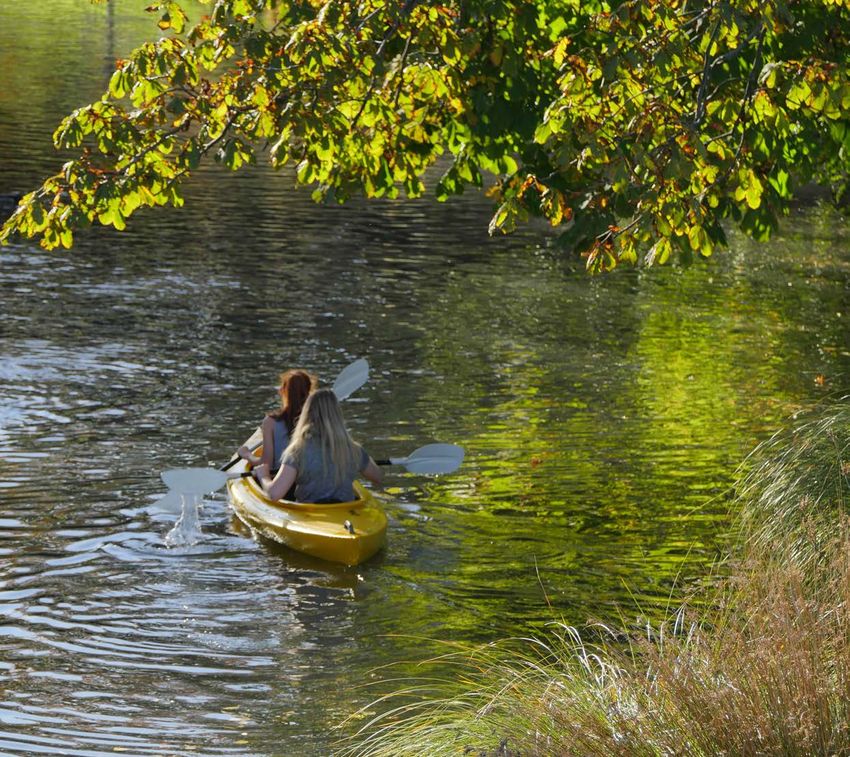
A suite of approaches to support the objectives and goals are put forward and are listed below.
Option Objective(s) to be addressed
7.6-2 Biosolids management with multiple paths for beneficial 8. Sustainable wastewater systems
Option Objective(s) to be addressed
reuse
7.1-1 and 7.3-1 Advocacy and Outreach 1. Awareness and engagement
7.6-3 Develop a long term wastewater treatment and collection 8. Sustainable wastewater systems
3 and 4. Enhancement of ecological, cultural and natural values solution to accommodate Christchurch’s future growth
and water quality improvement
7.6-4 Reduce the generation of wastewater at source 8. Sustainable wastewater systems
7.1-2: and 7.3-2 Demonstration Projects – waterway 1. Awareness and engagement
naturalisation 7.6-5 Agree with community on a long term solution for the 8. Sustainable wastewater systems
3 and 4. Enhancement of ecological, cultural and natural values
treated wastewater discharges into Akaroa Harbour
and water quality improvement
7.7-1 and 7.8-4 Support research and monitoring programmes to 9 and 10. Groundwater protection and improvement in
7.1-3 Facilitate Water Sensitive Design 1. Awareness and engagement
better understand groundwater vulnerability to contamination understanding of aquifer system
7.1-4 Improve public understanding of the cost of water services 1. Awareness and engagement and Improve the understanding of groundwater sources 11. Sustainable water supply
7.1-5 and 3-7 Waterways and wetlands enhancement and 1. Awareness and engagement 7.7-3 Restrictions on excavating and filling below groundwater 9 and 10. Groundwater protection and improvement in
naturalisation 3 and 4. Enhancement of ecological, cultural and natural values level understanding of aquifer system
and water quality improvement 11. Sustainable water supply
7.2-1 Proactive risk-based asset renewals 2. Efficient and resilient infrastructure 7.7-4 Partner with Environment Canterbury and neighbouring 9 and 10. Groundwater protection and improvement in
7.2-2 Proactive monitoring of condition 2. Efficient and resilient infrastructure district councils understanding of aquifer system
11. Sustainable water supply
7.2-3 Intelligent technology 2. Efficient and resilient infrastructure
7.8-2 Source protection 9 and 10. Groundwater protection and improvement in
7.2-4 Continuing to manage for 6 core values for stormwater and 2. Efficient and resilient infrastructure
understanding of aquifer system
flood management
7.8-1 Improve understanding of water use and develop a water 11. Sustainable water supply
7.3-3 Continue and enhance the implementation of the current 3 and 4. Enhancement of ecological, cultural and natural values
demand management programme
approach to stormwater management and water quality improvement
7.18-2 Implement pressure management zones 11. Sustainable water supply
7.3-4 Increased sediment control 3 and 4. Enhancement of ecological, cultural and natural values
and water quality improvement 7.8-3 Implement ‘smart’ water network operation 11. Sustainable water supply
7.3-5 Waterway vegetation management 3 and 4. Enhancement of ecological, cultural and natural values 7.8-5 Secure access to the Christchurch groundwater supplies 11. Sustainable water supply
and water quality improvement
7.8-6 Enable reuse and harvesting 11. Sustainable water supply
7.3-6 and 7.5-1 Wastewater and stormwater network upgrades 3 and 4. Enhancement of ecological, cultural and natural values
7.8-7 Enhance management of below-ground well heads 11. Sustainable water supply
and real time control technology and water quality improvement
5. Wastewater overflows management 7.8-8 Collaboration with other territorial authorities to retain 11. Sustainable water supply
control of public infrastructure
7.3-8 Appropriate policy and plan provisions for water sensitive 3 and 4. Enhancement of ecological, cultural and natural values
design and water quality improvement
7.3-9 Development of stormwater discharge standards 3 and 4. Enhancement of ecological, cultural and natural values
and water quality improvement The draft strategy recognises the various roles of local,
7.4-2 Effects based network consent 5. Wastewater overflows management regional and national governments as well as public and
private organisations and the general public, and how
7.4-3 Reducing inflow and infiltration to the public network 5. Wastewater overflows management each can contribute to realising the draft strategy’s vision.
7.4-4 Repair/renewal of private sewer laterals 5. Wastewater overflows management
The draft strategy also supports the implementation
7.5-1 Continue the current approach for flooding and flood 6 and 7. Flood risk and flood management and adaptation of the Canterbury Water Management Strategy, in
management particular with respect to the following targets: ecosystem
7.5-2 Continue to develop a risk based approach to flood 6 and 7. Flood risk and flood management and adaptation health and biodiversity, kaitiakitanga, drinking water,
management recreational and amenity opportunities, water-use
efficiency and environmental limits.
7.5-3 Communicate a risk based approach to the community and 6 and 7. Flood risk and flood management and adaptation
foster community support
7.5-4 Implement options tailored to address flood management 6 and 7. Flood risk and flood management and adaptation
in specific circumstances
7.6-1 Trade waste management 8. Sustainable wastewater systems
iv Te Wai Ora o Tāne | Draft Integrated Water Strategy Te Wai Ora o Tāne | Draft Integrated Water Strategy v
Te tuatahi Part one:

                                                             Tāhuhu korero
                                                             Technical and background
                                                             information

Ōtākaro Avon River reflections in autumn – Kelvin McMillan

                                                                                    Te Wai Ora o Tāne | Draft Integrated Water Strategy   1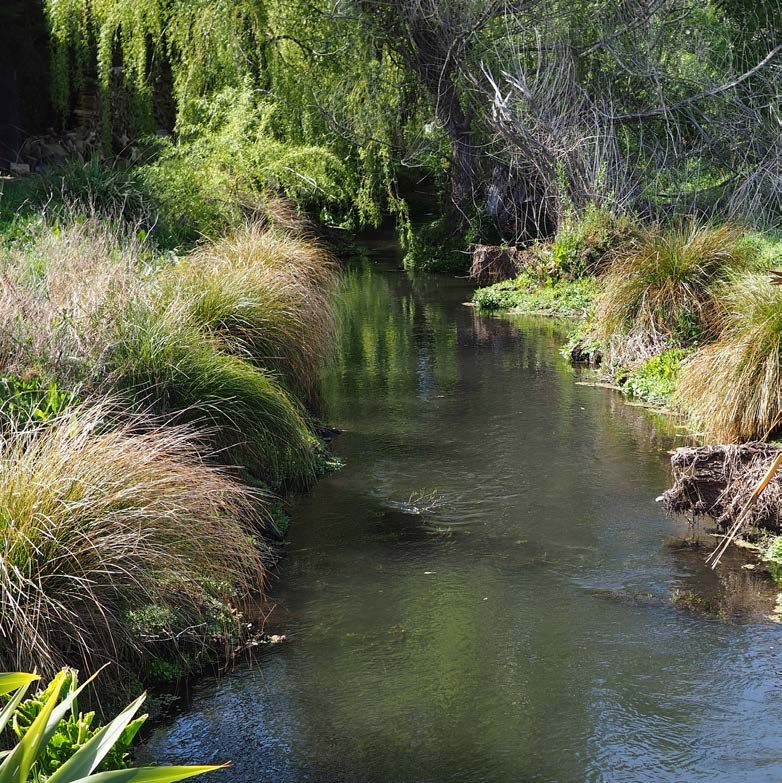
1. Kupu whakataki
Introduction
1.1 Why develop an Integrated 1.2 Our water resources development of each of the existing water-related
strategies, the extent to which this could be achieved
Water Strategy? Christchurch’s freshwater resources include springs, was relatively limited. This has led to the development Situational
Water resources play a fundamental part in providing streams, rivers, lakes, wetlands, lagoon, estuaries of the Integrated Water Strategy. analysis
and high-quality groundwater. These water resources
for the needs of, and shaping the community. The report
Christchurch City Council provides water supply, are an important part of the unique culture and the The Integrated Water Strategy will sit within the context
natural values of the area, shaping the landscape and of the work being undertaken by the Canterbury Stakeholder (current state)
wastewater and stormwater services and infrastructure
throughout the District. Waterways and coastal waters Christchurch’s heritage. community under the Canterbury Water Management workshops
also form a fundamental part of both the landscape and Strategy. The strategy will also sit within the work being & hui
Water is fundamentally important to Ngāi Tahu, highly undertaken to fulfil requirements under the Freshwater
lives of the community. valued by the community for recreation, and crucial to NPS, and the establishment of Te Hononga, a joint
The Draft Integrated Water Strategy (the draft strategy) is a the health of the environment in which the community Council-Ngāi Tahu initiative and work programme.
Issues &
high level overarching strategy developed to consider all lives. options
of these different water resources, values and demands, report
Christchurch’s water infrastructure includes: 1.4 Scope
and set a framework to help us manage them in an
integrated way over at least the next 100 years. The • groundwater and surface water sources for community The draft strategy covers respect and stewardship Internal External
strategy also provides for the requirements of working drinking water supply and the infrastructure that of the water resources within Christchurch through
workshops reviews
with manawhenua under the National Policy Statement conveys water from source to end-user, including the sustainable and integrated management of
on Freshwater 2014 (Freshwater NPS) and other statutory treatment where necessary Christchurch’s water supply (including its groundwater Working
and non-statutory plans, polices and strategies. sources), wastewater and surface water (including draft
• wastewater collection, treatment and discharge
stormwater and flooding).
The draft strategy recognises our responsibilities to network strategy
Also included within the draft strategy is an overall Public
ensure water services and infrastructure support • stormwater collection, detention, treatment and
environmental, social, cultural and economic well- approach for addressing impacts of sea level rise consultation
conveyance and disposal network.
being of current and future generations. In fulfilling on waterways, stormwater management and flood & hearings
these responsibilities we work with the community and The actual and potential adverse effects of discharges of management. The draft strategy also covers working
with Environment Canterbury, which is responsible for stormwater (and sometimes wastewater) to the streams, relationships with Ngāi Tahu. Draft
environmental resource management. rivers, estuaries, harbours and into land in Christchurch strategy
need to be managed, as do any effects of flooding. The draft strategy primarily considers matters over for consultation
which we and/or the local community can manage
The potential effects of climate change will also need to or influence. Matters pertaining to water resources
be responded or adapted to over the duration of the draft on a regional or national level are managed through
strategy. a variety of other policy and regulatory instruments,
such as the Canterbury Water Management Strategy,
Integrated
1.3 Integration the Land and Water Regional Plan, the Resource
Water
Management Act, national environmental standards
Three Council strategies relating to the sustainable and national policy statements. Strategy
management of Christchurch’s water resources were
adopted by the Council between 2009 and 2013:
1.5 Development of the Draft Figure 1 1. Development Process; Integrated Water Strategy
• Water Supply Strategy 2009 – 2039
Integrated Water Strategy
• Surface Water Strategy 2009 – 2039
The draft strategy has been developed as part of our
• Wastewater Strategy 2013 Healthy Environment strategies programme. The
process for developing the strategy is outlined in Figure
Although efforts to take account of other water resources
1-1. The next step for this draft is public consultation.
and their inter-relationships were made during the
A hinaki full of tuna - Photo courtesy Te Rūnanga o Ngāi Tahu
2 Te Wai Ora o Tāne | Draft Integrated Water Strategy Te Wai Ora o Tāne | Draft Integrated Water Strategy 3
The relationship of the Integrated Water Strategy to 1.6 Legislative and policy context • Canterbury Regional Policy Statement
other Council plans, strategies and policies is shown in
There are a series of legislative and policy drivers for the • Regional Coastal Environment Plan for the Canterbury
Figure 1-2.
preparation of the draft strategy, including: Region
The relationship of the Integrated Water Strategy to other Council Plans, Strategies and Policies
• Canterbury Land and Water Regional Plan
• Te Tiritiisorepresented diagrammatically
Waitangi Treaty of Waitangi in Figure 1-2.
• Christchurch District Plan
• Resource Management Act 1991
• Waimakariri River Regional Plan (2004, as amended)
Community • Local Government Act 2002
National and Regional Policy Statements & Plans
• Canterbury Water Management Strategy
Outcomes • Health Act 1956, as amended
• Mahaanui Iwi Management Plan 2013 A summary outline of relevant legislative and policy
National Legislation & Regulations
drivers is contained in Appendix A.
• National Policy Statement for Freshwater Management,
as amended The work of the zone committees and other parties
• National Environmental Standard for Sources of in implementing the Canterbury Water Management
Long Term Plan/ Integrated Water District Human Drinking Water Strategy will be relevant to implementing the Integrated
Annual Plan Plan Water Strategy.
Strategy • New Zealand Coastal Policy Statement 2010
Infrastructure IWS
Strategy Implementation
Plans
Activity Asset
Management Management
Plans Plans
Operations
Figure 1 2. Relationships of the Integrated Water Strategy within Council
Statutes and policies influencing water management
4 Te Wai Ora o Tāne | Draft Integrated Water Strategy Te Wai Ora o Tāne | Draft Integrated Water Strategy 5
Te tuarua Part two:

                                                     Te Rautaki
                                                     The Strategy

Te Waihora Lake Ellesmere sunset – Kelvin McMillan

                                                                           Te Wai Ora o Tāne | Draft Integrated Water Strategy   7
2. Te kaupapa matua 3. Te Whakakitenga 4. Ngā mātāpono arataki
Purpose Vision Guiding principles
The purpose of the draft strategy is to provide strategic We developed the following principles to guide the improvement, using comparable examples with
direction for: Te wai ora o Tāne - preparation of the draft strategy: relevant drivers to demonstrate where strategy
outcomes have been achieved successfully elsewhere
• sustainable and integrated management of water
resources and taonga and guardianship of that asset
Water for life • Kaitiakitanga – Kaitiakitanga “entails an active
exercise of responsibility in a manner beneficial to
to demonstrate that they are achievable, pragmatic
and worthwhile.
the resource” in which responsibility is two-fold:
• integrated management of related infrastructure and
services
Valuing water and water “ultimate aim of protecting mauri” and “the duty to • Efficiency –there is a need to rationalise the three
existing water-related Council strategies, to respond
• managing the effects of water infrastructure on services for people and the pass the environment to future generations in a state
which is as good as, or better than, the current state”. in the short-term to the effects of the earthquakes
surface, coastal and groundwater resources
environment This guiding principle, of actively seeking to protect
our water resources and improve their state for future
and to maximise the cross-benefits when considering
replacement or new assets.
• guiding Council decision making including how we will
involve, work with, and reflect manawhenua values generations, is the keystone of the strategy. The Urban Water Working Group, led by the Ministry for
and community interests in freshwater management Achieving the vision means that Christchurch’s water • Integration – the strategy needs to provide guidance the Environment, developed five key principles that have
and decision making. resources are managed in a sustainable, adaptive and to other Council strategies and plans, and provide an also informed the draft strategy:
integrated way to: opportunity to integrate the management of water
The draft strategy is a high-level long term strategy. A • Papatūānuku – Our relationship with the land –
series of short, medium and long term goals have been services, other Council infrastructure, in particular
• provide people, communities and future generations papatūānuku – will pre-determine our relationship
identified to allow the community, manawhenua and the parks and roading, and water resources.
with access to safe and sufficient water resources with water. This principle incorporates protection and
Council to meet the strategy’s vision. • Longevity – the strategy should not be time bound, enhancement of ecosystem health through integrated
• maintain the integrity of freshwater ecosystems
but will be intergenerational, while also being planning; ‘green infrastructure engineering and
• manage hazards from flooding and sea level rise. aspirational yet pragmatic, affordable, ‘real’ and mitigating impacts on waterbodies at or near source.
achievable.
• Ngā Wai Tuku Kiri – Our waters are a gift of life
• Touchstone – an Integrated Water Strategy is provided to us by our tupuna. This principle recognises
fundamental to our activities serving and benefiting the whakapapa and relationship that mana whenua
the community. It will be a tool to be used in have with the waters in their rohe.
discussions internally within the Council and in
• Tāngata – Our environments are places of human
interactions with the public.
occupation. The two-pronged focus of this principle
• Place-making – the strategy needs to be cognisant of is recognition of community aspirations and values
the concept of place-making (bringing the community for their urban spaces along with the consideration
with the Council into the development of spaces, of full life cycle costs and benefits in building and
recognising community values, liveability, cultural infrastructure investment decisions.
values and amenity) and integrating the use of green
• Te Hāpori Me Te Wai – The community’s love and
space and open space assets with water management.
care for water is enduring. Underpinning this principle
• Flood management – the strategy acknowledges that ate growing and nurturing kaitiakitanga of water
surface water and floodplain management will become ecosystems, along with providing for meaningful and
increasingly important to provide the community quality information to support decision-making and
with liveable spaces and for addressing the effects behaviour change.
of ongoing environmental changes such as climate
• Tiakina Mō Apōpō – In building future resilience, our
change, sea level rise and changes to groundwater.
connectedness with the environment is our strength.
• International best practice – the strategy must Included within this principle is the need for improving
draw on appropriate international experience and community resilience and conserving our water
best practice to facilitate and advance continuous resources
3
As expressed in the Mahaanui Iwi Management Plan 2013.
4
Urban Water Principles - Ngā Wai Manga, in Urban Water Principles: Recommendation of the Urban Water Working Group. Ministry for the Environment, October 2018
Te Wai Ora o Tāne | Draft Integrated Water Strategy 95. Ngā take rautaki 5.3 Vulnerability of Christchurch’s
groundwater source to contamination
Rising levels of nitrates in groundwater in the Waimakariri
zone would influence the source of Christchurch’s
Strategic issues
drinking water, raising concerns about future risk
The Christchurch metropolitan drinking water source is to human and ecosystem health. A recent Danish
high quality groundwater. However, there are emerging epidemiological study found that at nitrate-nitrogen
trends in relation to the potential risk of contamination of levels in drinking water at or above 0.87 mg/L there was
Christchurch’s groundwater sources in shallow aquifers, a statistically significant increase in risk of colorectal
which need to be better managed. Following the 2016 cancer.5
Eleven key strategic issues have been 5.2 Poor state of waterways outbreak of campylobacteriosis in Havelock North
The level at which groundwater ecosystem health may
identified. Surface water catchments in the urban area and rural there has been greater scrutiny of ‘secure’ groundwater
be maintained has been assessed at anywhere from 3.9
settlements are subject to contamination from a sources, greater rigour with which drinking water sources
are assessed for security and questions raised about mg/L to protect 90% of aquatic species6 to an annual
The following discussion briefly outlines each of the key combination of stormwater, wastewater overflows and
reliance on ‘secure’ groundwater status for untreated median of no more than 0.55 mg/L nitrate-nitrogen
issues (in no priority order), highlighting why they are key other inputs such as sediment and animal and waterfowl
drinking water supplies. as the appropriate level to protect stygofauna in the
strategic issues. This gives context to the development of contamination. groundwater at Te Waikoropupū Springs.7
the goals, objectives and preferred options encompassed
Generally, in Christchurch, poorer waterway health Recent groundwater studies in the Waimakariri and
in the draft strategy.
Christchurch-West Melton groundwater zones indicate
is recorded in urban areas of the district, and better 5.4 Wastewater overflows and effects
waterway health is recorded in rural areas. Receiving that groundwater in deeper aquifers north of the
5.1 Different perceptions of the ‘value’ Waimakariri River flows under the river and into the on surface water
waterbodies, such as Te Ihutai, Te Waihora, Wairewa and
of the waters the bays and harbours of the Peninsula also have water deeper aquifers in the Christchurch-West Melton Without exception, wastewater networks around the
quality issues that require improvement. groundwater zone. Models show that the movement of world have overflows. Christchurch is no different. This
The community has different and often conflicting groundwater is likely to result in a slow increase in nitrate has been exacerbated by damage to the wastewater
perceptions of the ‘value’ and appropriate associated Cultural Health Assessments of the Te Ihutai levels in the deeper aquifers in the Christchurch-West network caused by the 2010/2011 earthquakes.
uses of the waters. During the engagement workshops Avon-Heathcote Estuary and Pūharakekenui Styx Melton zone over 50 to 100 years.
prior to the preparation of the draft strategy, the catchments show that these water bodies are in a state Overflows of wastewater are an ongoing concern for the
‘wonderful, clean water’ within the District was identified. of poor cultural health, and on the whole do not meet Ecosystem health in groundwater is also affected by community, particularly manawhenua who seek the
For some members of the community, the way water is basic standards for cultural use. The protection, and contaminants. Tiny invertebrates living in groundwater elimination of overflows to provide for safe cultural use,
used does not match the high quality and value of the indeed enhancement, of instream values are essential in (stygofauna) are thought to ‘purify’ the water in which including mahinga kai. Therefore continually working
resource. providing for these basic health and safety needs. they live, by feeding on organic matter and maintaining towards solutions to manage, minimise and potentially
void spaces in the groundwater systems in a clean eliminate overflows is critical.
Ngāi Tahu have a longstanding relationship to water condition to maintain porosity (to enable flow) and
resources, including specific rights, interests and values Why is it a key issue?
oxygen. Stygofauna can be adversely affected by Why is it a key issue?
that are fundamental to ongoing identity and wellbeing. Good waterway health (i.e. water quality and habitat) contaminants such as nitrates, pesticides and heavy
Water is considered a taonga first and foremost and is necessary for the protection of public health and metals. Wastewater network overflows can adversely affect
something to be protected in its natural state. This covers safety, to safeguard the life-supporting capacity and the water quality and ecology of waterways, can cause
all forms of water, including water conveyed by drains. ecosystems of surface water bodies, and in recognition of a public health risk, and are culturally unacceptable.
Why is it a key issue?
the need to provide for Māori cultural values. There is an However the actual effects are often less than might be
Why is it a key issue? increasing focus nationally on freshwater quality, and the The general public perception appears to be of a perceived by the community due to the events being
community has clearly identified aspirations for improved well-protected aquifer system, however the degree of temporary and sporadic in nature and occurring at the
Understanding the multiple uses and values of water protection varies. Not all of the Christchurch metropolitan
waterway health throughout Christchurch. time of higher flow and greater dilution in the receiving
is essential for driving change. If all uses of water are area lies above well-protected confined aquifers. The waters. There is a challenge therefore in managing
understood and valued, particularly surface waterways availability of high quality groundwater for public wastewater network overflows to address the community,
and sources of potable water, this will enable the draft water supply is an extremely valuable natural resource cultural and ecological concerns, without unnecessarily
strategy’s vision to be achieved. Furthermore, we are for Christchurch, and potentially significant health, devoting large amounts of funds that could be used
committed to working with iwi and hapū to identify economic and environmental effects could result from elsewhere to improve water quality.
and provide for manawhenua values and interests in contamination if groundwater is not appropriately
freshwater management. protected.
5
Jorg Schullehner et al, Nitrate in drinking water and colorectal cancer risk: A nationwide population-based cohort study, International Journal of Cancer, 2018. Note that the
study referred to 3.87 mg/L nitrate, which is equivalent to 0.87 mg/L nitrate-nitrogen.
6
From the National Policy Statement on Freshwater as updated in 2017. Note that that the NPS addresses surface waters only, not groundwater.
Shopping carts in the Avonhead area, Ōtākaro Avon River Diesel pollution in a portion of Addington Brook, June 2006 7
Expert panel consensus to the Te Waikoropupū Springs Water Conservation Order Special Tribunal.
10 Te Wai Ora o Tāne | Draft Integrated Water Strategy Te Wai Ora o Tāne | Draft Integrated Water Strategy 115.5 Treated wastewater discharges 5.6 Stormwater discharges and effects 5.7 Flooding and flood management Why is it a key issue?
into Akaroa Harbour on surface water The main rivers in the Christchurch metropolitan area – Flooding ranges from nuisance flooding such as on roads
the Ōtākaro Avon, Ōpāwaho Heathcote, Huritini Halswell or private property which may limit access or cause
Two wastewater treatment plants at Akaroa and The quality of stormwater has a significant effect on
and Pūharakekenui Styx – have spring-fed base flows inconvenience, to flood water affecting infrastructure
Duvauchelle discharge treated wastewater into Akaroa surface water quality. Stormwater from urban catchments
which originate from the shallow aquifers underlying and entering dwellings, causing significant damage
Harbour. There is a dual issue for these discharges – the contains a wide range of contaminants ranging from
the area. These rivers have relatively small surface water or threatening life safety. Under the Health Act 1956,
concern of the community and Ōnuku Rūnanga about suspended sediments, nutrients and micro-organisms
catchments which respond quickly to local rainfall, and the Christchurch District Drainage Act and the Local
ongoing discharges to the harbour (notwithstanding the to chemical contaminants, metals and synthetic
cause flooding beyond the river and tributary channels Government Act, we have a responsibility to provide for
wastewater is treated to reasonably high levels), and the hydrocarbons. Untreated stormwater entering streams
from time to time. the health and safety of the community and maintain a
issue for the Council of the feasibility, practicality and cost during the first flush of rain following a dry period
duty of care with respect to managing drainage, and the
of land disposal or land contact of the treated wastewater. typically contain high concentrations of contaminants. The hill suburbs of Christchurch and the short, steep effects of flooding. Flooding and flood management are
These discharges impact on both instream ecology and stream catchments of Te Pātaka o Rākaihautū Banks also clearly linked to the issue of the effects of sea level
Why is it a key issue? water quality as well as community use, recreation and Peninsula receive a higher annual average rainfall than rise, groundwater level rise and the anticipated effects
customary and cultural uses. the flat lands, and experience higher intensity rainfalls as
Discharging treated wastewater to the harbour is of climate change. It is also important to consider the
offensive to members of the community. The discharge well. This, combined with the steep terrain, can result in need to provide for flood management areas and devices
Why is it a key issue? high velocity flood flows, soil erosion, landslips and short such as retention basins, wetlands and swales that can
is particularly offensive to Ōnuku Rūnanga, whose
preference is for the treated wastewater to be taken out Ongoing management of stormwater is essential and term flooding. help provide solutions for integrated flood and water
of the harbour and irrigated onto land. We need to find necessary to protect the quality of the groundwater and management
The 2010/2011 earthquakes have also affected flooding.
a solution that balances the concerns of the community surface water resources of Christchurch. However, the
An increase in the incidence of flooding is most evident
and Ōnuku Rūnanga, and environmental effects with design, development and installation of stormwater
in areas close to waterways, and where soft ground
appropriate use of ratepayer funds. treatment can be expensive and complex, particularly
has settled and thus become more flood prone. The
in already developed areas where retrofitting devices is
earthquakes also had a significant effect on the capacity
the only feasible option. In addition, ‘hard’ infrastructure
of surface waterways to convey floodwaters, as lateral
alone is not likely to achieve a degree of contaminant
spread has narrowed channels and so reduced their
reduction needed for substantive surface water quality
capacity.
improvements. Other ‘source control’ initiatives, such as
behaviour change (e.g. switching to copper-free brake In some areas, groundwater is very close to the ground
pads and being more vigilant on sediment discharge from surface and inhibits the infiltration of floodwaters into
construction sites) will be needed as well. the soil. This increases runoff, which may worsen
flooding and sometimes leads to prolonged standing
surface water.
Signage near Akaroa wastewater outfall Retention basin drainage covers at Wigram Skies - Kelvin McMillan Ōtākaro Avon River flooding, March 2014
12 Te Wai Ora o Tāne | Draft Integrated Water Strategy Te Wai Ora o Tāne | Draft Integrated Water Strategy 135.8 Responding/adapting to the Such areas have already experienced prolonged spells 5.9 Long term availability of water 5.10 Long term sustainable wastewater
of standing water. The frequency and extent of these
anticipated effects of climate change issues is likely to increase with climate-change induced
for water supply treatment and disposal
and sea level rise shallowing of groundwater levels. The Christchurch metropolitan area has an abundant Wastewater treatment and disposal needs for the
Sea level rise has significant implications for the district source of very high quality groundwater. However, the Christchurch metropolitan area have been addressed
(in terms of increased coastal inundation, shallower Why is it a key issue? exact capacity and availability of the overall aquifer for the next 20 years at least. As the Christchurch
groundwater, higher flooding levels (including river is unknown, and the alternative water sources (e.g. metropolitan area expands to the north and southwest,
Sea level rise and associated coastal erosion will pose Waimakariri River) would be significantly more expensive the cost of conveying wastewater from these growth
flooding) and accelerated coastal erosion. Increased a risk to water services infrastructure in coastal areas
salination of freshwater resources as well as potential than the current supply. In addition, several Te Pātaka areas to the Christchurch Wastewater Treatment Plant
in Christchurch. Wastewater pipelines, pump stations o Rākaihautū Banks Peninsula schemes already have in Bromley will increase. Beyond 2040, Christchurch’s
changes to ecology, including subsequent changes to and other critical utility infrastructure in low lying
mahinga kai resources are also issues. limited water sources. Catchment and groundwater wastewater treatment and disposal system may require
coastal areas will potentially be affected by sea level protection may not be adequate, particularly in Te Pātaka changes to accommodate these growth areas.
Coastal areas in the east of the Christchurch metropolitan rise. Stormwater networks in low-lying areas may suffer o Rākaihautū Banks Peninsula, which could lead to future
area, low lying land in the mid to lower Ōtākaro Avon from backwater effects, raised groundwater levels and water quality and availability issues. Also a concern The immediate challenge for managing the wastewater
River catchment and lower Ōpāwaho Heathcote River impeded drainage. Roading pavements, which are for the community is the extent to which large-scale systems is to provide a long term solution to the treated
catchment, and low lying areas in the main Akaroa designed assuming normally dry ground conditions, will water takes from the same aquifers as those used for wastewater discharges into Akaroa Harbour that
Harbour settlements are particularly vulnerable. Sea level deteriorate quickly where groundwater is very shallow. Christchurch’s public water supply may affect our ability addresses the concerns of the community and the Ōnuku
rise and shallowing of groundwater level in some areas, There is a significant reduction in pavement strength to acquire additional water takes to respond to future Rūnanga.
combined with extreme storm events will exacerbate due to the ingress of water, which damages and weakens demand.
the risk of inundation, and also increase the likelihood supporting subgrade layers, and can cause, for example, Why is it a key issue?
of the Ōtākaro Avon and Ōpāwaho Heathcote Rivers increased number and size of potholes.
Why is it a key issue? We are developing long term wastewater treatment and
overtopping their banks, which since the earthquakes, Current planning is based on current predicted sea-level disposal solutions that can accommodate future growth
now happens on a king tide along the lower Ōpāwaho Access to high quality drinking water is important and
rise. The Council and the community need to be mindful high quality drinking water should be used appropriately while balancing lifecycle costs of new assets against
Heathcote River. Pūharakekenui Styx River is also that predictions may change and future sea-level rise community and cultural concerns and environmental
vulnerable from tidal flooding overtop of the existing to ensure the long term availability of the existing water
may be greater than currently forecast. Development of sources, to support guardianship of our drinking water effects. There is the opportunity to develop more
sand dunes bordering Brooklands Lagoon. dynamic adaptive planning pathways will be required in integrated solutions in the long term along with multiple
sources particularly in light of the impacts of climate
In some instances, shallowing of groundwater has order to inform decisions in light of the uncertainty with change. There are also significant social, health, cultural, paths for beneficial reuse of biosolids. Further, as disposal
resulted in the water spilling out at the surface and sea-level rise predictions. environmental and economic costs of not providing of treated wastewater directly into waterbodies is not
preventing floodwaters from soaking into the soil. a reliable and safe source of water supply to the acceptable to manawhenua we are actively collaborating
community. with Papatipu Rūnanga to develop appropriate solutions
for wastewater management.
Storm waves in the estuary at South Brighton, 2009 Aylmers Stream intake
14 Te Wai Ora o Tāne | Draft Integrated Water Strategy Te Wai Ora o Tāne | Draft Integrated Water Strategy 155.11 Infrastructure efficiency and Additionally there are other initiatives affecting three Emerging contaminants are another area which can
waters services present challenges for manage water resources. Emerging
resilience contaminants are substances have not been commonly
There have been increased water and wastewater pipe • A review of the manner in which water supply, monitored but may have the potential to cause adverse
failures compared to pre-earthquake due to both age wastewater and stormwater services are delivered effects on human health or ecosystem health.
related deterioration as well as earthquake damage. in New Zealand is underway. Proposals include a
A significant number of assets created in post-war separate national regulatory body to direct and
Why is it a key issue?
construction booms are reaching the end of their lives oversee provision of the three waters services and
and will require renewal. Significant infrastructure possible ‘supra-regional’ public drinking water In addition to earthquake damage, there is an
repairs are also underway to address the effects of the suppliers. We remain committed to local control approaching ‘bow wave’ of aging pipes and associated
earthquakes. over three waters services integrated with all other infrastructure that need renewal due to historic city
community services. growth patterns leading to large lengths of pipes needing
We want to increase the resilience of the three waters renewal over a similar time period. The additional
• Ministry of Health has updated drinking water
infrastructure. We need to further develop a proactive renewal requirements have the potential to impact on the
standards and is reviewing the regulatory framework
risk based approach to asset management that balances affordability of rates and innovative solutions are required
for drinking water.
long term affordability for the ratepayer against the cost to improve efficient use and renewal of infrastructure.
of managing the asset risks. There is also a need to look Another issue for parts of Christchurch has to do with
at environmental infrastructure that provides additional small settlements that are not serviced with a public For the groundwater-sourced public water supply to
services in relation to flood management, stormwater water supply. For some of these communities drinking remain untreated, both the source and the infrastructure
retention and treatment as well as ecological and cultural water is provided through a private scheme. Residents that deliver the water must be deemed ‘secure’. The
outcomes. in other settlements rely on their own bores or rainwater challenge for us is to ensure that Christchurch’s drinking
as their drinking water source. Consideration of whether water is demonstrably safe and does not require residual
A Board of Inquiry investigation into the 2016 to provide a public reticulated supply to currently treatment.
campylobacteriosis outbreak in Havelock North unserviced settlements will require consideration of
highlighted the need for greater oversight of the safety There is also the need for us to develop and retrofit
benefits afforded to those settlements against the costs additional stormwater, flood and wastewater treatment
and security of both the source of community drinking of providing a public water supply, which can be high for
water supplies and the infrastructure that delivers infrastructure. We need to ensure that infrastructure
more remote settlements. types are fit for purpose in the long term and to consider
drinking water to customers.
non-asset solutions where practical. Involving the
community and in particular manawhenua in the design
and development of water infrastructure is critical.
Wastewater pipe damaged in February 2011 earthquake
16 Te Wai Ora o Tāne | Draft Integrated Water Strategy Te Wai Ora o Tāne | Draft Integrated Water Strategy 176. Ngā whāinga • Reducing the effects of wastewater overflows – by
network upgrades, targeting efforts to address
Goals
overflows and reducing inflow and infiltration.
• Understanding groundwater sources and their
vulnerability to contamination – through targeted
investigations, further implementation of source
protection, and restrictions on excavation below
groundwater level.
There are four goals for achieving the services charging structure and the way information is
conveyed to the community.
strategic vision, which align with the Goal 3: The effects of flooding,
• Enhancing natural and cultural values (including
2018–28 Community Outcomes8 as well ecology, amenity, recreation, heritage and landscape) climate change and sea level rise are
as the ‘strategic priorities’ identified in – through initiatives such as demonstration projects, understood, and the community is
our Strategic Framework9. protection of existing waterway and wetland systems,
encouraging and facilitating wetlands, waterways
assisted to adapt to them
enhancement and naturalisation, addressing stream The Christchurch metropolitan area is naturally flood
Goal 1: The multiple uses of water are depletion, facilitating the adoption of water sensitive prone, much of it is formed on vast areas of drained Eel grabbing a morsel
valued by all for the benefit of all design and promoting water conservation. swamps and wetlands, and there are significant flood
plains within its boundaries. Managing high flows in
All life depends on water. Good quality water is essential • Understanding risks due to sea level rise and
for quality public health and wellbeing. Water is also
Goal 2: Water quality and ecosystems urban waterways and stormwater from new and existing
consequences resulting from climate change, and
developments and reserving space for the natural flow of
valued for many other reasons, including its ecological are protected and enhanced the waterways are necessary to reduce the risk of flooding developing an adaptive response.
function and role in maintaining biodiversity, its core Achieving a high standard of water quality in to the community – in other words, ‘making room for the
relationship to Ngāi Tahu culture and identity (including Christchurch’s surface and groundwater is essential for river’. In Te Pātaka o Rākaihautū Banks Peninsula, the Goal 4: Water is managed in a
mahinga kai), its landscape, amenity, recreational value,
and its role in supporting agriculture and industry.
improving the ecosystem health of water resources, shorter steeper catchments present their own challenges sustainable and integrated way in line
protecting and restoring Ngāi Tahu values associated in terms of managing flooding in the small settlements.
with surface water resources and supporting a range of The ongoing management of lake, estuary and coastal
with the principle of kaitiakitanga
For Ngāi Tahu, the relationships and obligations of
recreation activities on and around waterways. Good lagoon openings and levels (including Te Roto o Managing water in a sustainable and integrated way is an
people to place are fundamental and are held and passed
water quality adds to the amenity value of surface Wairewa Lake Forsyth and Te Waihora Lake Ellesmere) in over-arching goal that covers the long term sustainability
down by whakapapa. Present generations hold the
waterways, and is essential in the Te Pātaka o Rākaihautū conjunction with manawhenua, affecting landowners and of the water supplies and the wastewater treatment and
responsibility of being kaitiaki and for ensuring that the
Banks Peninsula streams and rivers and the Christchurch the community are also important. disposal systems. This also encompasses the integration
essential elements of life are passed on in an equal or
aquifers which supply drinking water to the Christchurch of the waters and the renewal of aging infrastructure.
improved state of health. This can only be achieved by Sea level rise has implications for the district in terms of
community. The principle of kaitiakitanga requires Council to take a
strong rules, policies, strategies we enforce which protect increased coastal inundation, shallower groundwater, long term and balanced approach to water management
the taonga status of waterbodies and provide for ongoing Springs, streams, rivers, lakes and associated wetlands particularly in coastal areas and along tidal stretches with a focus on solutions and cultural and community
customary and cultural use. provide important ecosystem values, and are essential of the rivers, higher flooding levels and erosion. It is outcomes, including recreation and mahinga kai. It also
to the existence of plants, invertebrates, fish and birds. therefore necessary to take a long term view and have highlights the important connection between water
Within the community, people have different perceptions
The estuaries, coastal lagoons (hāpua), harbours and the a flexible approach to the management of flooding and quantity (managing abstraction and recharge) and water
of the ‘value’ of all types of water, including stormwater
coastal marine area connected to these waterbodies are sea level rise that enables the community to understand quality (treatment and discharge) and the natural flows in
and wastewater resources. This includes different
also important and must be protected and enhanced. the risks and make timely adaptations when pre-defined the surface waters.
priorities and understanding of the value the multiple
conditions or triggers are met.
uses of the city’s water resources e.g. ecology, recreation,
food gathering, receiving environment for discharges. The key elements of this goal are: The key elements of this goal are:
The key elements of this goal are:
• Improving water quality and enhancing the natural, • Managing assets across all disciplines in an integrated
The key elements of this goal are: cultural and ecological values of waterways – through • Understanding the extent, effect and risk of flooding, manner to maximise attributes like place-making,
continuing the existing Stormwater Management and managing effects and adapting to flooding risks – collaborative benefits, eco-system service harmonies
• Increasing awareness – to encourage and engage the
Plan approach to management of stormwater quality, by continuing the existing programme of investigations which may not be realised when assets are developed
community to value and respect the multiple uses of
increasing focus on sediment control measures, and physical works in the interim, while developing, in isolation for a single discipline.
our water resources through advocacy and outreach
implementing source control and water sensitive communicating to the community and then
programmes, demonstration projects that highlight • Managing stormwater collectively wherever practicable
design, wetlands and waterways enhancement and implementing a risk based approach to managing the
the values of water, and considering the water in order to maximise efficiency, cost effectiveness
naturalisation, and where possible retrofitting water effects of flooding using options appropriate to specific
quality mitigation for existing developed areas. situations. and ease of maintenance. Encouraging on-site
stormwater management using water sensitive design
8
Christchurch City Council (2018). Community Outcomes https://ccc.govt.nz/the-council/how-the-council-works/20182028-vision/community-outcomes
9
Christchurch City Council (2018). Strategic Framework (August 2018) https://ccc.govt.nz/assets/Uploads/2018-Strategic-Framework.pdf
18 Te Wai Ora o Tāne | Draft Integrated Water Strategy Te Wai Ora o Tāne | Draft Integrated Water Strategy 19You can also read


