Determination of Waters of National Tourism Significance and Associated Water Quality Status - September 2009
←
→
Page content transcription
If your browser does not render page correctly, please read the page content below
Determination of Waters of
National Tourism Significance and
 Associated Water Quality Status

                      September 2009
Determination of Waters of National Tourism Significance and Associated Water Quality Status   Fáilte Ireland

                                                           Scott Wilson
                                                           Beechill House
                                                           Beechill Road
                                                           Belfast
                                                           BT8 7RP

                                                           Tel 02890 705111
                                                           Fax 02890 795651
                                                           www.scottwilson.com

                                                           Judith A Annett Countryside
                                                           Consultancy
                                                           Old Forge Ballyardle
                                                           KILKEEL
                                                           County Down
                                                           BT34 4JX

                                                           Telephone 028 4176 3262
                                                           www.countryside-consultancy.co.uk

                                                                                               1
Fáilte Ireland      Determination of Waters of National Tourism Significance and Associated Water Quality Status

Contents
1.0        Introduction and Objectives                                                                                    3

2.0        Ireland’s Waters and their Tourism and Recreational Use                                                        5

3.0        International Best Practice – New Zealand                                                                      8

4.0        Developing a Methodology for Ireland                                                                          10

5.0        Determination of Waters of National Tourism Significance                                                      18

6.0        Water Quality in Ireland’s Waters of National Tourism Significance                                            23

7.0        List of Consultees                                                                                            32

8.0        References                                                                                                    33

Appendix I             Methodology Options Paper                                                                         34

Appendix II            Checklist of Activity Types Contributing to Scoring                                               35

Appendix III Summary Water Quality Table                                                                                 36

Appendix IV Background to Water Quality Assessment in Ireland                                                            46

Map Insert:            Waters of National Tourism Significance in Ireland

                   2
Determination of Waters of National Tourism Significance and Associated Water Quality Status   Fáilte Ireland

1.0 Introduction and Objectives
1.1     Introduction:
1.1.1   This report was prepared by Scott Wilson and Judith A Annett, Countryside Consultancy, on behalf
        of Fáilte Ireland.

1.1.2   Fáilte Ireland was established by the Irish Government in May 2003 to guide and promote the
        development of tourism as a leading indigenous component of the Irish economy. To this end,
        Fáilte Ireland, working in partnership with the tourism industry, provides a range of support
        services and business solutions to develop and sustain Ireland as a high-quality and competitive
        tourism destination.

1.1.3   Ireland’s coastal and inland waters constitute a significant part of what makes Ireland attractive
        as a holiday destination for both domestic and overseas visitors. Securing the protection and
        integrated management of these natural resources is, therefore, critical to the future sustainability
        of Ireland’s tourism industry. Water based activities feature strongly in Fáilte Ireland’s Tourism
        Product Development Strategy 2007-2013, which provides the blueprint for capital expenditure on
        water-based tourism infrastructure under Ireland’s National Development Plan. This investment
        includes moorings, jetties and water sports centres, as well as the development of walking and
        cycling routes adjacent to water bodies.

1.1.4   The Visitor Attitudes Survey undertaken by Fáilte Ireland in 2007 included a number of questions
        specifically relating to water quality in Ireland. Overall results indicated that 72% of visitors perceive
        Ireland as a clean and environmentally green destination. This was a drop of 7% on 2006. A potential
        threat to the credibility of Ireland’s image was signalled by the fact that 19% of holidaymakers
        surveyed stated that they had found evidence of either pollution in the sea (and or coastal waters)
        or on the beach with 17% stating that they had evidenced pollution in a river or lake. According
        to the Environmental Protection Agency (EPA), Ireland’s waters are coming under increasing
        environmental and development pressures, which may be exacerbated by predicted climate change.

1.1.5   Taking these issues into account, it is important that the quality of water based tourism assets in
        Ireland is protected. However in order to do this, the water bodies of greatest tourism significance
        need to be determined and their vulnerability to water quality pressures in particular identified.

1.1.6   This report documents the process of determination of these waters and associated water quality
        status.

1.2     Objectives
1.2.1   The main objective of this project was to identify waters with a significant tourism value in order to:
        n   Advocate their protection from harmful and potentially polluting activity, including over
            development or development of an inappropriate nature;
        n   Contribute in an informed way to River Basin Management Plans being prepared under the
            requirements of the EC Water Framework Directive;
        n   Identify characteristics that contribute to the tourism value of a waterbody and enable the
            development of knowledge of good practice in this respect; and
        n   Inform future Fáilte Ireland funding and research in relation to water based attractions and
            activities.

                                                                                                                    3
Fáilte Ireland    Determination of Waters of National Tourism Significance and Associated Water Quality Status

1.3       Definitions
1.3.1     This report uses definitions as follows:
          n     “Waters” refers to the following: rivers; lakes (including turloughs); canals; wetlands; coastal
                waters and transitional waters (estuaries, lagoons and salt marshes).

          n     “National Tourism Significance” refers to those waters that make a significant contribution
                to the national (Republic of Ireland only) tourism economy by virtue of one or more of the
                following:
                l   Market visibility and performance
                l   Provision of activities
                l   Economic and/or community benefits
                l   Scenic value and status
                l   Strategic tourism status and linkages
                l   Development potential
                l   Cultural and heritage associations

                4
Determination of Waters of National Tourism Significance and Associated Water Quality Status   Fáilte Ireland

2.0 Ireland’s Waters and their Tourism and
    Recreational Use
2.1     Ireland’s Waters
        Ireland is fortunate in the number and variety of inland and coastal waters and the length and
        quality of its rivers.

        The varied topography of the Irish coastline ranges from 600 metre cliffs on the spectacular
        Atlantic Coast to gentle estuaries with salt marshes. The west coast in particular is studded with
        islands, and characterised by sheltered coves nestled between dramatic headlands.

        Fast flowing rivers fall quickly to the coast from the rocky mountain areas of the west, dark with
        peat from the many upland and lowland bogs. Elsewhere the basin shape of Ireland collects waters
        into the River Shannon which runs for just under 400 kilometres from the Shannon Pot near
        Dowra to the estuary at Limerick.

        Ireland has over 400 significant lakes, of which some of the largest are Lough Allen, Lough Ree,
        Lough Derg (all within the Shannon System); the so called ‘Great Western Lakes’ of Corrib, Conn
        and Cullin and the Midland lakes of Ennell, Owel and Derravaragh. Counties such as Cavan,
        Monaghan and Mayo have very high densities of lakes including lakes of a significant scale such as
        Lough Gowna and Lough Oughter.

2.2     Water Based Tourism and Recreation
2.2.1   General
        Ireland’s coastal and inland waters constitute a major part of Ireland’s attraction as a holiday
        destination for both domestic and overseas visitors. A significant part of Ireland’s tourism offering
        comprises water based recreation (including bathing activities), and generates significant benefits
        to the Irish economy.

        The west coast supports some of Ireland’s most important activity products such as sea angling,
        surfing and sailing, whilst the spate rivers provide salmon angling opportunities. Specialist cruisers
        and both coarse and game anglers make extensive use of the inland waters, with the Shannon and
        its connected waterways being world renowned. Over 130 sites in Ireland, both coastal and inland
        are designated as bathing waters and this underpins both a domestic and overseas tourism market
        interested in swimming, beach holidays and watersports.

        Ireland’s waters are also well used by Irish people with boat registrations on the Shannon and boat
        ownership having increased significantly in the years 2004-2008. Holidays by the sea and close to
        water remain an important and popular part of both domestic and overseas tourism.

2.2.2   Domestic Participation in Water Based Activity
        The Economic and Social Research Institute (ESRI) carried out research in 1996 and 2003, for the
        Marine Institute, to establish participation in water based activity amongst people resident in
        Ireland. This identified that around half of all adults take part in a water based activity each year.
        Just over 100,000 of these took part in sailing or boating at sea, with just over one third in their
        own boats. This is the most up to date data currently available for domestic participation.

                                                                                                                   5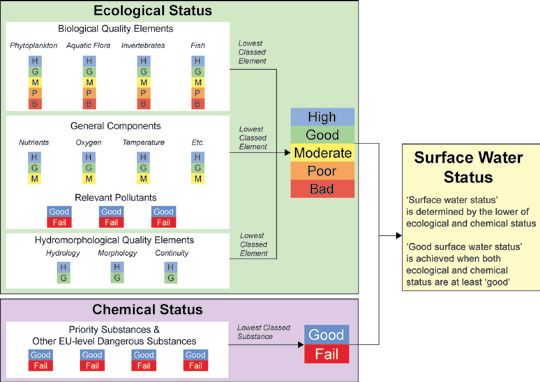
Fáilte Ireland     Determination of Waters of National Tourism Significance and Associated Water Quality Status

        Activity                                                          1996                   2003             TREND
                                                                          Total                  Total
                                                                   participants           participants
                                                                         (000s)                 (000s)
        ANGLING
        Freshwater angling for coarse fish                                  66.2                    66.5 slight increase
        Freshwater angling for game fish                                    76.4                    80.5 slight increase
        Sea angling from the shore                                          53.6                    74.1        increase
        Sea angling from a boat                                             34.3                    53.0        increase
        Sailing at sea                                                      49.9                    58.8        increase
        Boating at sea in row boats, canes etc                                 *                    32.1
        Boating at sea in power boats etc                                      *                    24.6
        Cruising or boating on inland waterways                             30.1                    42.8        increase
        Water skiing, jet skiing                                               *                    19.2
        Surfing, sail boarding                                                 *                    17.8
        Scuba diving, Snorkelling                                              *                     9.1
        Other sea sports                                                       *                     7.3
        Swimming in the sea                                                538.8                   353.5       decrease
        Whale and dolphin watching                                          15.9                     9.6       decrease
        bird watching in coastal area                                       31.2                    12.4       decrease
        Visiting nature reserves etc in coastal areas                       84.6                    43.5       decrease
        Other trips to the beach or seaside                               1047.8                  1134.6        increase
        Other trips to the islands                                             *                    33.2
        % of adults in population undertaking any                           56%                     49%        decrease
        kind of water based leisure activity

       *comparable figures not available in the 1996 survey
       Source ESRI for Marine Institute 2004

       Domestic Holidaymakers
       In 2008, 24% of Domestic holidaymakers in Ireland took part in watersports (the second most
       popular activity along with visiting National Parks and Visiting Houses). 6% took part in angling.

        Domestic Holidaymakers                                                                     2007            2008
        (Percentage participating in activities)
        National Parks                                                                                 28            26
        Houses/Castles                                                                                 26            25
        Watersports                                                                                    24            26
        Hiking/Walking                                                                                 21            25
        Visits to Spas                                                                                 20            24
        Gardens                                                                                        19            20
        Heritage/Interpretative Centres                                                                17            15
        Museums/Art Galleries                                                                          16            14
        Golf                                                                                           10            11
        Angling                                                                                         8             6
        Cycling                                                                                         6             6
        Equestrian Pursuits                                                                             3             4

             6
Determination of Waters of National Tourism Significance and Associated Water Quality Status Fáilte Ireland
2.2.3 Overseas Markets
In 20071 Fáilte Ireland’s Survey of Overseas Travellers identified that 140,000 overseas visitors
took part in watersports2 during their stay in Ireland. Other activities engaged in and recorded in
the survey included:
Overseas Tourist Activities 2007 2008
(numbers participating)
Hill walking 511,000 517,000
Golf 194,000 141,000
Watersports 140,000 n/a
Cycling 102,000 120,000
Equestrian Pursuits 50,000 50,000
The second most visited site in Ireland by overseas visitors in 2007 (the most recent published
survey) was the Cliffs of Moher with 940,455 visitors. This illustrates the importance of certain
parts of the coastline to tourism in Ireland.
1 Most recent figure available at July 2009
2 Watersports included Fishing, Sailing, Inland Cruising, Waterskiing, Scuba -diving, Surfing, Canoeing and other water based
activities (excluding swimming for which there is no question)
7Fáilte Ireland Determination of Waters of National Tourism Significance and Associated Water Quality Status
3.0 International Best Practice – New Zealand
Waters of national tourism significance have not previously been identified in a systematic way
in Ireland. As a first step in this project, therefore, it was important to identify best practice from
around the world in order to inform a methodology for the current project.
This initial step found that there are a number of systems for the classification of coastal and
inland waters and such approaches are increasingly used across the world. The basis of most
classification however is nature conservation importance or national importance for drinking water
or irrigation water. Such approaches include the identification and designation of Ramsar sites
(Wetlands of International Importance), Marine Protected Areas and European Natura 2000 sites
which include marine and inland waters.
An extensive literature review of best practice internationally identified only one other country
which had sought to classify waters for recreation and tourism value. This was carried out in New
Zealand as part of an integrated approach to managing its inland waters.
In 2004 New Zealand’s Department of the Environment undertook a survey based assessment of
the importance of some of its waters for recreation. The Department also undertook a separate
assessment of tourism as part of its wider Sustainable Water Programme of Action, which is a
policy programme aimed at improving freshwater management under the Resource Management
Act 1991 (RMA). It seeks to ensure that fresh water is managed in ways that support New
Zealand’s long-term sustainable development.
The Sustainable Water Programme of Action3 is a cross-government initiative led by the Ministry
for the Environment and the Ministry of Agriculture and Forestry. The Programme is comprised of
three key work streams, which respectively aim to ensure that:
n Freshwater is allocated and used in a sustainable, efficient and equitable way;
n Freshwater quality is maintained to meet all appropriate needs; and
n Water bodies with nationally significant values are protected (e.g. Industry and domestic uses;
Irrigation; Recreation and Tourism).
Currently the Government is in a process of identifying a list of the most important waters taking
into account all of the aspects of importance, not just tourism and recreational value. The final
comprehensive listing for the country has not yet been produced.4
3.1 Recreation and Tourism Importance
3.1.1 Recreation
In order to identify waters of recreational value, the New Zealand Ministry for the Environment
completed three strands of research into recreational activities associated with water bodies:
n a national telephone survey to determine how and where freshwater is used for recreation by
the general public in New Zealand;
n an internet-based online survey targeted at recreational organisations with an interest in
freshwater; and
3 The Sustainable Water Programme of Action discussion document can be accessed at: http://www.mfe.govt.nz/publications/
water/wpoa-hui-report-jul05/
4 Jason Holland – Senior Advisor – Ministry of the Environment New Zealand – Pers Comm.
8Determination of Waters of National Tourism Significance and Associated Water Quality Status Fáilte Ireland
n a review of existing information including National Institute of Water and Atmospheric
Research angling surveys (2002, 1994), Wetlands of National Importance (1978), Wild and
Scenic Rivers of National Importance (1982), Freshwater Recreation in New Zealand (2003),
Water Conservation Orders, and anecdotal information about white-baiting (fishing).
A candidate list of water bodies was generated from the three different sources of information. The
numbers of responses within each recreation category were ranked for the telephone and internet
survey information. The top water bodies for each of the existing information sources were
identified, along with the water bodies subject to Water Conservation Orders. The water bodies
have not been ranked in the final listing.
Coastal waters were not identified in the report other than river estuaries.
3.1.2 Tourism
The New Zealand Ministry of Tourism led the tourism sub-project to identify a potential list of
water bodies nationally important for tourism in New Zealand. Data from the 2002 International
Visitor Survey was used to provide information on water-based tourism activities undertaken by
visitors to New Zealand. The total number of people who reported undertaking any freshwater
activity in each location was determined to identify the top eight destinations of importance for
international visitors.
The Domestic Travel Survey 2001 data was used to provide information on water related activities
undertaken by domestic tourists. The total number of people who reported doing any freshwater
activities in each location was determined to identify the top 10 locations.
A total of 81 water bodies of national importance for tourism were derived from those
locations. In addition, 16 water bodies were identified as potentially nationally important for
tourism due to their significant scenic value. This was in addition to the survey data.
3.2 Limitations of the listings and the data in the New Zealand Survey
The Ministry of Tourism in New Zealand identified the following limitations in the methodology:
n Both the tourism and recreation listings are based on the relative numbers of visits rather
than on any assessment of the economic value of the visits – no economic value of tourism to
these waters was determined.
n There may be no correlation between the number of people who visit a water body and its
value for recreation. This approach inherently undervalues very special and remote places.
9Fáilte Ireland Determination of Waters of National Tourism Significance and Associated Water Quality Status
4.0 Developing a Methodology for Ireland
4.1 Identifying an Appropriate Methodology with which to determine
Waters of National Tourism Significance
To assist in developing an appropriate methodology with which to determine waters of national
tourism significance, Fáilte Ireland established a Steering Group comprising Fáilte Ireland,
Waterways Ireland, Shannon Development, the Irish Marine Federation and the Irish Boat Rental
Association. In addition, Fáilte Ireland’s Advisory Group on the Environment was also consulted on
the draft report as were a number of other consultees, as listed in Section 7 of this report.
The first stage in developing a methodology was to generate options for the type of scheme to be
provided: Three main types of scheme were identified and the strengths and weaknesses of each
scheme were considered.
The three main types of scheme considered at the outset were:
1. A threshold level scheme where a numerical standard would be applied and all waters that
reached or exceeded this would be considered nationally significant.
2. A rank ordered scheme where a ranking would be given to each water based on how well
they met a set of agreed criteria
3. A market-based scheme where waters would be judged on their capacity to attract and
retain visitors from Ireland’s main target markets.
Option 2, a rank ordered scheme was selected due to the data limitations for a threshold
scheme and the difficulties of achieving a reliable and objective method of scoring a market based
scheme. Refer to Appendix I for the full comparative analysis of the three schemes.
4.2 Identifying finalised criteria and scoring charts
The second stage involved determination of the types of data available and the criteria options
upon which the ranking scheme was to be based.
Clearly, since New Zealand had based its tourism research on surveys of domestic users and
overseas tourists, this approach, based on a single indicator, was an option to be considered
at the outset. However, Fáilte Ireland visitor surveys currently provide no information about
waters visited. A simple count based on a sample of visitors or domestic holiday makers was not,
therefore, considered to be a feasible option. In the same way visitor counts are not currently
available for lakes, rivers or coastal waters in Ireland.
The project Steering Group considered a wide range of data options to establish the criteria for
tourism significance. These included a number of measures based on visitor numbers or counts of
usage. All were ruled out due to the lack of data or only partial data being available.
The criteria used in the assessment of national significance, were finally determined based on
what quantitative information was readily available and accessible, and which covered both the
participatory (activities based) and non-participatory (scenic and cultural) values of Irish waters.
The criteria finally chosen covered seven distinct areas as follows:
10Determination of Waters of National Tourism Significance and Associated Water Quality Status Fáilte Ireland
n Market visibility and performance – waters which have a high profile both internationally and
domestically;
n Activity provision – the number of activities available on/ adjacent to the water;
n Economic and community benefits;
n Scenic value and status;
n Strategic tourism status and linkages – in national and regional plans;
n Potential for sustainable development – (only if contained in a plan/ strategy) and;
n Cultural heritage associations with the water.
A full explanation of each of these criteria, and how each was scored is provided below.
CRITERIA 1 – MARKET VISIBILITY AND PERFORMANCE
Criterion 1a Visibility and importance within Tourism Ireland (TI) and Fáilte Ireland (FI)
promotions (general market materials e.g. aimed towards sightseers and culture
seekers)
The scoring of this aspect – used as a proxy for visitor numbers due to the fact that this
information was not available – was based on a trawl through all Tourism Ireland, Fáilte Ireland
(national and regional), and other national agency tourism promotional materials towards
volume markets, recording all mentions of waters in Ireland and the profile they are awarded. The
rationale for this is that these are the waters considered to have most appeal to overseas and
home holiday visitors. The scoring guidance below shows how scores were allocated. If the water
had a high profile in overseas promotions (i.e. a significant picture and position in the main text)
it was awarded a score of 5 whilst if it just received a listing in a national or regional tourism
brochure a score of 1 was awarded.
Scoring guidance
5 High profile in TI and FI, Waterways Ireland (WI) or Shannon Development overseas promotion
4 Mention in TI or FI overseas promotion (main text)
3 High profile in FI or regional tourism brochure for home holiday market
2 Main text in FI or regional tourism brochure
1 Listing in tourism brochure
0 No mention
Criterion 1b Visibility and importance within TI and FI, WI, or Shannon Development
specific product promotions
The scoring of this aspect of market visibility focussed on product promotions such as angling,
cruising, surfing, adventure, etc. In a similar way to criteria 1a a higher score was awarded to those
waters named within brochures and promotions aimed at the overseas market.
Scoring guidance
5 High profile in TI and FI overseas product promotion
4 Mention in TI or FI overseas product promotion (main text)
3 High profile in FI or regional product brochure for home holiday market.
2 Main text in FI or regional product brochure
1 Listing in product brochure
0 No mentions found
11Fáilte Ireland Determination of Waters of National Tourism Significance and Associated Water Quality Status
Criterion 1c Reputation outside Ireland for specialist activity
Reputation outside Ireland was based on web searches of independent specialist sites and on
use of specialist activity publications. Searches were undertaken for all forms of angling, surfing,
sailing, cruising, watersports, sub aqua etc. to establish the best sites from an activity practitioner
point of view, and to establish their status when viewed from outside Ireland.
Scoring guidance
5 Identified as one of best world or European sites for an activity
4 Best site for the activity in Ireland
3 One of top 5 sites for an activity in Ireland
2 One of top 10 sites for activity in Ireland
1 Listed as good for the activity
0 No mentions found
CRITERIA 2 – ACTIVITY PROVISION
Criterion 2a Level of provision for water based tourism
This criterion recorded usage of each water for activities and was based on the knowledge
of Regional Tourism Development Officers (RTDOs), the local knowledge of the study team,
literature searches and web searches. A simple scoring procedure was used reflecting the number
of activities known to take place on the water. A checklist was used to guide the searches for
activities (see Appendix II). Initially this criterion was designed to provide a qualitative element
(i.e. how well the activities were provided for) but the availability of data across all of the
waters was poor and a numerical score was used to provide a higher degree of reliability and
repeatability.
Scoring guidance
5 Known to provide for 5 or more water based activities (see checklist Appendix II)
4 4 water based activities
3 3 water based activities
2 2 water based activities
1 1 water based activity
0 No known water based activities
Criterion 2 b Level of facility provision for waterside activity
In a similar way to criterion 2 the number of activities taking place at the waterside was recorded.
This allowed for both activities such as walking beside the water and for more formal provision of
waterside activity such as family fun parks and water parks, maritime heritage centres and aquaria
to be included (see Appendix II). Again a numerical count was used to provide as objective a score
as possible.
Scoring guidance
5 Known to provide for 5 or more water-side activities
4 4 water side activities
3 3 water side activities
2 2 water side activities
1 1 water side activity
0 No known waterside activities
12Determination of Waters of National Tourism Significance and Associated Water Quality Status Fáilte Ireland
CRITERIA 3 – ECONOMIC AND COMMUNITY BENEFITS
Criterion 3a Number of activity businesses located by the water
This criterion used a geographical plot of the Fáilte Ireland Tourism Content Scheme database to
establish the relationships of activity businesses to waters identified in the long list for the study.
A simple numerical count was used reflecting the number of activity businesses included in the
TCS. The activity business assessment was checked by RTDOs based on local knowledge because
of concerns about the comprehensiveness of the TCS and because of the weight placed on this
criterion in the overall score. It could be argued that recording activity businesses only under
reports economic impact and that accommodation businesses should also be included. However,
the success and occupancy of many accommodation businesses beside water may not always
bear a relationship to the appeal of the water or to the activity on it.
Scoring guidance
5 5+ activity businesses
4 4 activity businesses
3 3 activity businesses
2 2 activity businesses
1 1 activity business
0 No known activity businesses
CRITERIA 4 – SCENIC VALUE AND STATUS
Criterion 4a Landscape Status
A planning review was undertaken of the 26 County Development Plans. In some cases this
included a review of Local Area Plans and Landscape Character Assessments (LCA) which form
an integral part of the Development Plan process. With regard to landscape classification, waters
on or beside a National Park, UNESCO World Heritage Site or Geopark received the highest
score. Slightly lower were waters associated with a Special Amenity Area Order or a Landscape
Conservation Area (Ireland’s only national planning designations for landscape protection). A
lower score was given to those waters situated within the highest landscape category within a
Development Plan or a Landscape Character Assessment. A score of 1 was given to waters within
scenic views listed within a Development Plan. No score was given to waters which are not
associated with any of the above landscape designations.
Scoring guidance
5 Within a National Park or UNESCO WHS or Geopark site
4 Within Special Amenity Area Order or Landscape Conservation Area (national designation)
3 Highest landscape designation within County Development Plan
1 Area with scenic views identified in County Development Plan
0 Water not associated with a special landscape
13Fáilte Ireland Determination of Waters of National Tourism Significance and Associated Water Quality Status
Criterion 4b Status in Scenic Tours
Scenic Route classification was determined by consideration of two key documents ‘Views
from the Wheel – A Collection of Some of Ireland’s Best Drives’ and ‘Touring Ireland by Car’, both
published by www.discoverireland.com. A review of scenic routes formally listed within either
a County Development Plan or the current AA Touring Map was also undertaken. Only 2 scores
were awarded. The higher score was given to those waters in, on or within the environs of touring
routes listed on the Discover Ireland website . The lower score was given to waters on or near to
scenic routes listed in either County Development Plans or the AA Touring Map.
Scoring guidance
4 Located on or close to TI or FI promoted scenic driving route
2 Located on or close to AA scenic route or county development plan scenic route
0 Water has no association with formal scenic route
CRITERIA 5 – STRATEGIC TOURISM STATUS AND LINKAGES
Criterion 5a Status within national and regional tourism strategies and product
development plans
Consideration was given to any waters considered as ‘significant’ for their tourism and recreational
potential in both National and Regional Tourism Strategies. A high score (4) was given to waters
regarded as significant within Regional Tourism Strategies produced by Fáilte Ireland and Shannon
Development. The lower score (2) was given to those waters mentioned in County Development
Plans under tourism and/or recreation but not regarded as significant.
Scoring guidance
4 Water identified as top priority in national strategies and plans, including Loughs Agency and
Waterways Ireland, or identified in Fáilte Ireland or Shannon Development regional plans
2 Identified at County Development Plan level
Criterion 5b Physical or product linkages with other waters
This score based on physical or market linkages was designed to recognise the additional or
critical mass importance of a cluster of water bodies together, either linked physically such as in
the Shannon Lakes or in marketing terms such as the East Clare Lakes or Lakelands and Inland
Waterways. Where market approaches based on clusters of waters exist, such as the Centres of
Excellence (approach taken by Fáilte Ireland and Central Fisheries Board) this is also recognised.
Scoring guidance
5 Physically linked to other water bodies which together generate overseas interest
4 Close to other waters that together generate overseas interest
3 Strong product marketing links with other waters generating overseas interest
2 Product marketing links which generate home holiday market interest
1 Some product marketing links to other (distant) waters
0 No discoverable physical or market links of interest to tourism
14Determination of Waters of National Tourism Significance and Associated Water Quality Status Fáilte Ireland
CRITERIA 6 – POTENTIAL
Criterion 6a Established potential for further sustainable development of tourism
interest and services
In the case of some waters where there is great potential and plans for their realisation but little
current activity ( for example waters identified in the Sail West Interreg programme for Donegal,
Northern Ireland and West of Scotland), it was felt to be important to provide a way of reflecting
this potential in the score. Scoring was based on the existence of plans and documents identifying
potential rather than on a subjective assessment.
Scoring guidance
5 Well advanced nationally endorsed plans for development aimed at excellence in overseas
market
4 Well advanced regionally endorsed plans for development aimed at overseas markets
3 Well advanced nationally endorsed plans for development appropriate to home holiday market
2 Well advanced regionally endorsed plans for development appropriate to home holiday markets
1 Known potential but no firm plans
0 No identified potential or plans
CRITERIA 7 – CULTURE AND HERITAGE ASSOCIATIONS
Criterion 7a Extent of culture or heritage associated with the water
In some cases the attraction of a particular water owes more to its cultural associations or
heritage than to scenic beauty or to the level of activity taking place on the water. This type of
significance was also able to contribute to the score. One example is Lough Gur, which is of major
historical significance but where no activity takes place on the water. Another is Lough Gill where
the Yeats association brings many visits to the shores.
Scoring guidance
5 Name of water has a significant cultural/heritage association for general tourists
4 Significant cultural or heritage attraction for general tourism located on or beside water
3 Cultural attraction or association of interest to a niche market
2 Cultural or heritage attraction of regional interest
1 Minor heritage feature
0 No culture or heritage association found
4.3 Other Criteria Considered
Other criteria such as community gain from tourism, quality of water based and waterside activity
provision and the seasonal spread of operation of visitor activities and services were considered as
relevant indicators, but also ruled out due to lack of available data.
15Fáilte Ireland Determination of Waters of National Tourism Significance and Associated Water Quality Status
4.4 Weighting the criteria
Some of the criteria were considered by the Steering Group to be more important than others. It
was therefore decided that a weighting should be placed on each according to its importance in
the assessment of national importance.
Relative importance was agreed as follows:
Topic area Combined topic weighting
to be used
Market Visibility 120
Activity provision 110
Economic and community benefits 105
Scenic value and status 90
Strategic tourism status and linkages 85
Potential 45
Culture and heritage associations 45
As a number of topics were made up of several criteria the final weighting and scoring method
agreed for use was as follows:
Criterion Measure Individual Combined
Weight weight
Market Visibility and Visibility and importance in attracting
performance sightseers and culturalists 40
Visibility and importance in attracting
specialist markets 40
Reputation outside Ireland for
specialist activity 40 120
Activity provision Number of activities taking place on
water 55
Number of waterside activities 55 110
Economic and Number of activity businesses
community benefits associated with the water 105 105
Scenic value and status Landscape quality and designation 45
Role in scenic drives 45 90
Strategic tourism Status in national and regional
status and linkages tourism strategies 45
Physical or product links 40 85
Potential Established potential for further
sustainable development of tourism
interest and services 45 45
Culture and heritage Extent of heritage associated with
associations the water 45 45
600 600
In the final score sheet for each water, the individual weight and the score are multiplied to create
a total for each measure. The overall total is then calculated – i.e. the sum of the weighted scores
for each measure.
16Determination of Waters of National Tourism Significance and Associated Water Quality Status Fáilte Ireland
4.5 Identifying a Relevant Set of Waters for Screening for Tourism
Significance
Options for generating a list of tourism waters to apply scores to were considered at the outset.
A list based on the EC Water Framework River Basin Districts was considered but rejected as
this would mean each water having to be assessed irrespective of whether it played any current
tourism role.
The final list of waters was compiled from two sources:
n Fáilte Ireland provided county lists of potential and known tourism waters and waters known
for specialist activities such as watersports, cruising, angling, surfing etc.
n The consultancy team prepared a list of angling waters in Ireland based on the centres of
excellence and their associated waters agreed between the Fisheries Boards and Fáilte Ireland
for the promotional e-brochures for sea angling, salmon angling, wild brown trout angling and
coarse angling.
These lists were then compiled to make a comprehensive county by county listing of waters with
any tourism significance.
A total of 328 waters were eventually scored following some reduction of lists through removal of
any waters which evidently had only local significance, or through combining waters. An example
of the latter was the combination of several locations around the Dingle Peninsula into one named
‘Waters around Dingle Peninsula’.
A score sheet was then prepared for each of the waters. Initial scores were provided to the Steering
group and to RTDOs for comment and in some cases adjustments were made based on new
information provided. The results are set out in section 5.
17Fáilte Ireland Determination of Waters of National Tourism Significance and Associated Water Quality Status
5.0 Determination of Waters of National Tourism
Significance
All of the 328 waters were scored and placed in rank order according to their score.
This allowed the top 100 tourism waters to be identified as follows based on the criteria, weights
and scores outlined in the previous section (in fact there are 104 waters in the list as the final 5
had identical scores).
The threshold of 100 waters was considered an adequate representation of waters of national
tourism significance, as it constitutes a significant portion of the 328 water bodies assessed (as
obviously all water bodies could not be nationally significant) and identifies a substantial amount
of waters nationally where Fáilte Ireland resources such as advocacy, research, and funding etc, can
be focussed most meaningfully to ensure the quality of the water-based tourism assets in Ireland
is protected. Furthermore, it is considered that the values associated with these water bodies are
of national significance in that they are nationally representative and/or have an attraction value
for both international and national tourists.
The following waters, arranged by county, represent the top 104.
Map Ref Name of Water County Tourism Activity
(** = No of Blue Flag
Beaches/Marinas in area)
1. Lough Oughter Cavan Coarse fishing, watersports, events,
walking, kayaking
2. Cliffs of Moher (waters Clare Sea fishing, boat trips, wildlife watching,
around) and Liscannor Bay* extreme surfing, jet skiing.
Includes lahinch beach.
3. Mullaghmore Turlough Clare Nature study, landscape enjoyment.
(Burren National Park)
4. Loop Head (waters around) Clare Swimming, watersports, wildlife
and Kilkee Bay* watching, sailing, surfing, diving.
Includes kilkee beach
5. Shannon Estuary*** Clare, Sea fishing, boat trips, wildlife watching,
Limerick, swimming, sailing, watersports, cruising
Kerry
6. Lough Derg** Clare, Coarse fishing, game fishing, sailing,
Tipperary, watersports, cruising, walking, heritage,
Galway bird watching
7. Glandore Harbour and Union Cork Sailing, watersports, festival, summer
Hall school, cruising, rowing
8. Kinsale Harbour Cork Sailing, cruising, sea fishing, diving,
watersports
9. River Blackwater (Munster) Cork Coarse fishing, game fishing
10. Youghal Bay and Estuary Cork Sea fishing, swimming, maritime
heritage, boat trips
11. Ballycotton Bay* Cork Deep sea, shore and coastal fishing,
walking. Watersports, swimming
12. Clonakilty Bay* Cork Deep sea, shore and coastal fishing
13. Courtmacsherry Bay** Cork Sea fishing, shore fishing, kayaking,
dinghy sailing, adventure activities
18Determination of Waters of National Tourism Significance and Associated Water Quality Status Fáilte Ireland
Map Ref Name of Water County Tourism Activity
(** = No of Blue Flag
Beaches/Marinas in area)
14. Bandon river and estuary Cork Sea fishing, shore fishing, game fishing
15. Barleycove* Cork Surfing, sea fishing, swimming
16. Cork Harbour Cork Sea fishing, sailing, watersports, boat
trips, events, cruise ships, ferries
17. Beara Peninsula Cork Sea fishing, diving, watersports, kayaking
(waters around)
18. Bantry Bay Cork Sea fishing, coastal cruising, watersports,
diving, shore fishing
19. Baltimore Harbour, Clear and Cork Deep sea fishing, shore fishing,
Sherkin Island, Schull and watersports, cruising, walking, island
Roaringwater Bay visits, diving
20. River Bandon Cork Game fishing
21. Lough Hyne and Tragumna Cork Canoeing/kayaking
Bay*
22. Sheephaven Bay** Donegal Sea fishing, watersports, swimming,
jetskiing, shore angling, kite sports
23. Arainn Mor (waters around) Donegal Sea fishing, island trip, watersports,
and Burtonport cruising, sailing, shore fishing
24. Toraigh (Tory Island) (waters Donegal Island ferry, swimming, surfing, diving,
around) inc Magheroarty, walking, bird watching
Inisbofinne
25. Lough Swilly** Donegal Sea fishing, sailing, shore fishing,
watersports, swimming
26. Culdaff Bay* Donegal Sea fishing, shore fishing, swimming,
watersports
27. Lough Beagh (Glenveagh Donegal Game fishing, walking, wildlife watching
National Park)
28. Lough Foyle* Donegal Walking, sailing. Sea fishing, watersports,
kayaking, maritime museum visits, ferry
29. Donegal Bay***** Donegal, Sea fishing, waterports, diving, surfing,
Sligo boat trips, beach horse riding, shore
fishing
30. Dublin Bay* Dublin Sailing, cruising, diving, watersports
31. River Liffey (tidal section) Dublin Cruise ships, events, sailing, trip boats,
ferry
32. Malahide Estuary Dublin Swimming, marina, sailing club, waterside
walk, sea fishing
33. Dun Loaghaire, Scotsmans Dublin Sailing, cruising, watersports
Bay and Seapoint
34. Portmarnock, Howth, Dublin Swimming, walking, sailing, events, kayak,
Carrigeen Bay kitesports
35. River Liffey Dublin, Game fishing, canoeing, events, walking
Kildare,
Wicklow
36. Aran Islands and waters Galway Sea fishing, diving, swimming, scenic
around Ceathra Rua** touring, walking
37. Lough Corrib Galway Game fishing
38. Costello-Fermoyle (Casla) Galway Game fishing
39. Ballynahinch Fishery inc Galway Game fishing
Derryclare and Inagh Lakes
19Fáilte Ireland Determination of Waters of National Tourism Significance and Associated Water Quality Status
Map Ref Name of Water County Tourism Activity
(** = No of Blue Flag
Beaches/Marinas in area)
40. Cleggan –Inisbofin Galway Sea fishing, island visits, cruising
41. Clifden Harbour Galway Kayaking, sailing, sea fishing, waterside
walking, scenic touring
42. Galway Bay****** Galway, Scenic touring, swimming, surfing,
Clare watersports, coastal cruising,
43. Dingle Bay**** Kerry Sea fishing, coastal cruising, diving,
sailing, nature tourism
44. Lakes Of Killarney Kerry Scenic viewing, inland cruising, game
fishing, canoeing, kayaking
45. Dingle Peninsula (waters Kerry Sea fishing, swimming, whale and
around) Blasket Sound and dolphin watching, sailing, watersports,
the Blasket Islands** walking,
46. Portmagee, Skelligs and Kerry Boat trips, sea fishing, sea kayaking,
Valentia Island (waters sailing, cruising
around)
47. Kenmare Bay/River and Kerry Sea fishing, coastal cruising, sailing,
Derrynane Bay* watersports, diving, canoeing/kayaking
48. Tralee Bay*** Kerry Sea fishing, swimming, kitesports, shore
fishing, riding, walking
49. Lough Currane Kerry Game fishing, waterside walking,
waterway heritage visits
50. Cashen/Feale Kerry Game fishing, festivals, walking
51. Doulus Bay, Valentia Harbour Kerry Deep sea fishing, coastal fishing, sailing,
and Valentia River* watersports, cruising
52. Ballinskelligs Bay* Kerry Shore fishing
53. Caragh Lake Kerry Game fishing, canoeing, sailing, wind
surfing
54. River Laune and Flesk Kerry Game fishing, kayaking
55. River Barrow and Barrow Kildare, Watersports/boat hire/river cruise/coarse
Navigation Carlow, fishing/scenic/heritage
Kilkenny,
Laois
56. The Grand Canal Laois, Offaly, Cruising, boat trips, coarse fishing,
Kildare, cycling, walking, canoeing
Dublin
57. Shannon Erne Waterway Leitrim, Coarse fishing, cruising, canoeing, walking
Cavan
58. River Drowes Leitrim, Game fishing, canoeing
Donegal
59. Lough Allen Leitrim. Cruising, watersports, events, fishing,
Sligo, walking
Roscommon
60. Lough Melvin Leitrim/ Game fishing, watersports, canoeing,
Cavan sailing, events, boat hire
61. River Shannon (Lower Limerick Cruising, coarse angling, walking,
-Killaloe to Limerick) kayaking
62. River Shannon (Upper – Longford, Cruising, coarse fishing, scenic, water
Carrick on Shannon to Roscommon activities
Lanesborough)
20Determination of Waters of National Tourism Significance and Associated Water Quality Status Fáilte Ireland
Map Ref Name of Water County Tourism Activity
(** = No of Blue Flag
Beaches/Marinas in area)
63. Lough Gowna Longford, Coarse fishing, kayaking, jet skiing
Cavan
64. Lough Ree* Longford, Coarse fishing, cruising, watersports,
Roscommon, sailing, walking, wildlife watching
Westmeath
65. River Inny Longford, Coarse fishing, kayaking,
Westmeath
66. The Royal Canal Longford, Cruising, coarse fishing, water activities,
Westmeath, walking, events
Kildare,
Meath,
Dublin
67. Boyne and tributaries Louth, Watersports/boat hire/river cruise/game
Meath, fishing/scenic/heritage
Kildare
68. Carlingford Lough Louth/NI Walking, sea fishing, sailing, watersports,
scenic
69. River Moy Mayo Game fishing “salmon capital of ireland”
70. Clew Bay**** Mayo Sea fishing, sea trips, yachting, surfing
71. Loughs Mask and Carra Mayo Game fishing, scenic touring, gaeltacht
area
72. Loughs Conn and Cuillin Mayo Game fishing, walking
73. Achill Island (waters Mayo Sea fishing, sea trips, yachting, surfing
around)*****
74. Delphi Fishery Mayo Game fishing, scenic route
75. Blacksod Bay Mayo Sea fishing
76. Broadhaven Bay** Mayo Sea fishing
77. Killary Harbour Mayo, Scenic touring, adventure/walking, sea
Galway fishing
78. Roonah, Inishturk, Clare Mayo/ Sea fishing, sea trips, yachting, surfing
Island (waters around)* Galway
79. Killala Bay and the Moy Mayo/Sligo Sea fishing, swimming, watersports,
Estuary* kite sports, shore fishing, game fishing,
thallasotherapy
80. Lough Sheelin Meath, Game fishing
Westmeath,
Cavan
81. Lough Muckno Monaghan Coarse fishing, canoeing, watersports
82. Lough Boora Lakes Offaly Coarse & pike fishing, wildlife watching,
nature study, walking
83. Lough Key Roscommon Inland cruising, walking, scenic touring,
swimming, kayaking, watersports, coarse
fishing
84. River Suck & Tributaries Roscommon, Mixed fishing, inland cruising, walking,
Galway
85. Rosses Point Sligo Swimming, sailing, cruising, sea fishing
86. Lough Gill Sligo/Leitrim Game fishing
87. River Suir Tipperary Game fishing, rowing, walking route,
canoeing
21Fáilte Ireland Determination of Waters of National Tourism Significance and Associated Water Quality Status
Map Ref Name of Water County Tourism Activity
(** = No of Blue Flag
Beaches/Marinas in area)
88. River Nore Tipperary, Game fishing
Laois,
Kilkenny
89. Dungarvan Harbour* Waterford Sea fishing, sailing, water sports
90. Tramore Beach Waterford Sea fishing, water sports,
91. Copper Coast ( waters off)* Waterford Scenic, visitor attraction/heritage
92. Blackwater River Waterford Game fishing, river trips, water sports
93. Ardmore Waterford Sea fishing
94. Waterford Harbour and the Waterford, Cruise ship visits, water sports, tall ships
tidal sections of the Suir and Wexford race
Barrow
95. Lough Ennell Westmeath Coarse fishing, game fishing, watersports,
family fun
96. Lough Owel Westmeath Fishing, scenic and water based activities
97. River Shannon (Mid) Westmeath, Coarse fishing, cruising, sailing,
Offaly watersports, bird watching, heritage
98. Kilmore Quay and Saltee Wexford Deep sea fishing, shore fishing, coastal
Islands* fishing, water sports, scenic, bird
watching, coastal cruising, island visit,
boat trips
99. Courtown Harbour and Wexford Sailing, sea fishing, water sports
Beaches*
100. Hook Beaches Wexford Sea fishing, water sports,
101. Wexford Harbour, Wexford Wexford Sailing, sea fishing
Bay and Rosslare Bay**
102. Glendalough Wicklow Scenic, walking, historic
103. Blessington Lakes Wicklow Fishing, watersports, wildlife watching
104. Brittas Bay** Wicklow Scenic, beach, water activities
The overall list of waters once compiled using the project criteria was then compared to the list of
blue flag beaches for 2009, as blue flag beaches are considered especially important to domestic
tourism. It was found that only 12 of the 77 beaches (2009) were not included in the list of
tourism waters. These 12 were not included as they did not constitute waters of national tourism
significance when considered on their own i.e. they were not contained within the boundaries
of larger water bodies considered nationally significant and were not on their own considered
nationally significant. Appendix III clearly identifies which waters contain blue flag beaches within
their boundaries.
These top 104 waters were then mapped for their extent and this map (see insert) was used as a
basis for extracting data to assess their water quality and the water quality issues associated with
them. The results of this assessment are set out in Section 6.
22Determination of Waters of National Tourism Significance and Associated Water Quality Status Fáilte Ireland
6.0 Water Quality in Ireland’s Waters of National
Tourism Significance
6.1 Introduction
This Section gives an overview of the aims, methods and results of the water quality review for
Ireland’s Waters of National Tourism Significance.
The purpose of this exercise was to identify water quality status for each of the waters of national
tourism significance, using published and readily available water quality classifications and grades.
This information will then be available for use in subsequent discussions to focus attention on
water bodies that are impacted or (using the WFD Risk Assessment), those that may be impacted
in future by a given pressure.
In addition to this review, more detailed work could be conducted to collate additional information
for water bodies of particular interest. For example, in some cases, underlying datasets for specific
chemical or biological parameters may be desirable to support a more detailed assessment of
water status. In other circumstances, there may be published reports on water quality issues for a
given water body. In both cases, it was not appropriate to review such a potentially vast range of
information under this project, but some pertinent comments are provided from readily available
sources in the full spreadsheet that has been provided to accompany this project. A summary of
this spreadsheet is presented in Appendix III of this report.
Water quality monitoring is in a state of transition in EU Member States, as new methods required
by the Water Framework Directive (WFD) are introduced. For this reason, the water quality
standards reported in this project made use of historical water quality summary data, and data
reported under the draft WFD assessment. For each waterbody, the classification of pressures was
also collated and provided. For a more detailed overview of the WFD and how it impacts on water
quality monitoring in Ireland, the reader should refer to the report – Ireland’s Environment 2008.
Chapter 5: The Water Framework Directive – A New Management Approach (Kilroy, 2008).
6.1.1 Water Framework Directive (WFD)
The EU Water Framework Directive is the primary legislation governing water management in the
EU. This major Directive, which came into force on 22 December 2000, aims to promote common
approaches, standards and measures for water management on a systematic and comparable basis
throughout Europe. It establishes a new, integrated approach to the protection, improvement and
sustainable use of Europe’s waters, managed on the basis of natural geographical areas called river
basin districts (RBD), of which there are eight in Ireland.
The WFD requires classification of ecological status for all European surface waters. Water bodies
based on five quality classes (high, good, moderate, poor, bad). The determination of class for each
waterbody is based on the Ecological Quality Ratio (EQR), which is a ratio between reference
conditions (defined as those conditions a waterbody of similar characteristics would be expected
to achieve if it was not impacted) and measured status of the biological quality elements.
Classification of ecological status is achieved using several quality elements, biological
(phytoplankton, macroalgae, benthos and fishes), hydromorphological and physico-chemical, and
the status of a site is determined by the lowest value of the respective parameters (Figure 6.1).
23Fáilte Ireland Determination of Waters of National Tourism Significance and Associated Water Quality Status
The overall requirement of the directive is that all water bodies must achieve “good ecological
status” (GES) by 2015 unless there are grounds for derogation. This is the fundamental WFD
measurement of water status, and is the main standard reported here when discussing the WFD
in relation to water quality in Ireland’s tourism waters.
Existing monitoring and classification systems are being used to support the classification, though
some may be modified, alongside new methods. In short, water quality monitoring is in a transition
T H E w A T E R F R A M E w O R k D I R E c T I V E – A N E w M A N A g E M E N T A P P R O A c H 71
phase between historical and WFD methods. For a review of the relationship between recent water
quality monitoring and new WFD methods, refer to Kilroy (2008).
Figure 6.1
Overview of how results for different quality elements combine within WFD Ecological Status,
Figure 5.3 Overview of How Results for Different Quality Elements are combined to classify Ecological
Chemical Status
Status, chemical and and
Status Overall Surface
Overall Water
Surface waterStatus
Status classifications.(Source: Kilroy, 2008)
Artificial and heavily modified waters (e.g. canals, ports, canalised rivers) may not be able to achieve
phytobenthos in rivers. For marine and metals that, if discharged in objectives regulation by applying the
natural conditions due to their modifications (weirs, locks etc). Instead the target for these waters is
waters, classification systems are significant quantities to surface available classification systems and
‘good ecological potential’ (GEP).
available for chlorophyll in coastal This is also measured on the scale
waters, are required to be considered high, good,tomoderate,
EQS values poor and
the initial monitoring
bad.
watersThe
andchemical status
for macroalgae in of these water bodies is measured
in the classification in the same
of these waters. way as natural water bodies
results.
transitional and coastal waters. Certain priority substances (Annex X)
Work isare
There progressing on the
eight River andinother
Basin Districts pollutants
Ireland, (AnnexinIX)Figure
as shown have 6.2. As of December 2008, a
remaining classification systems. New been identified in the WFD as being
River Basin Management Plan (RBMP) has been drafted for each RBD How
to bewill the inStatus
finalised 2009. The
assessment systems for determining of significant risk to the aquatic of groundwaters be
RBMPs set out the environmental environment.
objectives for the district, and the measures that will be required
hydromorphological status in surface The standards for these Determined?
in order
waters areto achieve
being the objectives.
developed and The main
priority objectives
substances are to of
be each
set by RBD will be to:
Groundwater bodies will be classified
some are being tested through field the EU Commission and, to date,
n Achieve protected
trials in Ireland.
area objectives 5
draft standards have been issued for
using two parameters:
n Prevent deterioration
Environmental Quality Standardsof goodconsideration.
water quality It has been decided
status n quantitative status (good or poor
to recommend these provisionally as depending on the groundwater
(EQSs), which set limits on the thedoes
values thatexist
will form
n Restore good status where this not and the basis for level regime)
amounts of certain pollutants in the Irish regulations for the priority
the aquatic environment n chemical status (good or poor
n Reduce chemicalinpollution.
order substances.
to protect the flora and fauna and depending on the conductivity
public health, are being developed The EPA will provisionally classify and concentrations of pollutants).
5 While all water bodies are important, some require greater protection because they contain sensitive habitats or wildlife, are
for Irish waters. The WFD identifies surface-water bodies in the RBMPs
sources of drinking water, used for bathing, or for harvesting shellfish Included in these objectives is the
groups of specific relevant pollutants according to the forthcoming
need to protect associated surface
(Annex VIII) such as pesticides surface-water environmental
waters and wetlands that are
24You can also read


