Domestic Animal Management Plan 2017-2021 (Revised 2020) - Banyule City Council Animal Management
←
→
Page content transcription
If your browser does not render page correctly, please read the page content below
Domestic Animal Management Plan
                              2017-2021
                          (Revised 2020)
                             Banyule City Council
                             Animal Management
Table of Contents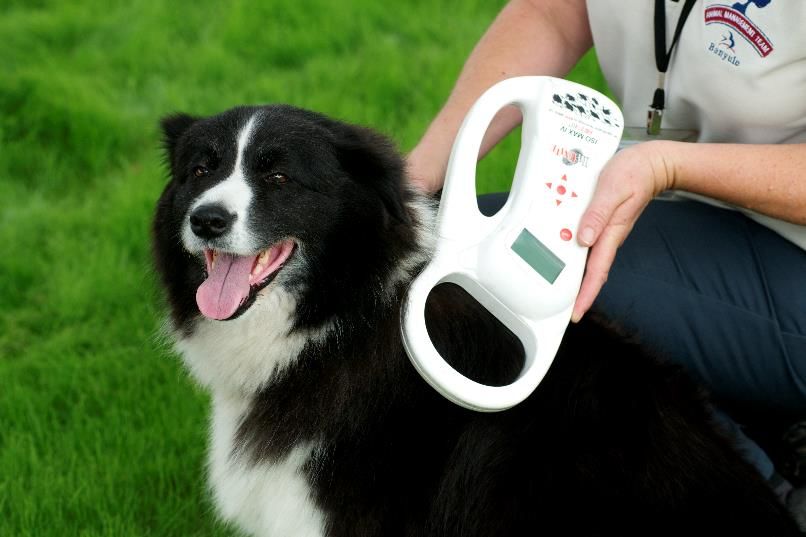
Domestic Animal Management Plan 2017-2021 (Revised 2020)

Table of Contents

Table of Contents ...................................................................................................... 2
Domestic Animal Management Plans ...................................................................... 3
Introduction ............................................................................................................... 6
Demographic and Banyule Profile ........................................................................... 7
Current Programs and Services............................................................................... 8
SECTION 1 – Training of Authorised Officers......................................................... 9
SECTION 3 – Nuisance Complaints ....................................................................... 15
SECTION 4 – Dog Attacks and Dog Confinement ................................................ 24
Summary .................................................................................................................. 24
SECTION 5- Dangerous, Menacing and Restricted Breed Dogs ......................... 27
SECTION 6 – Overpopulation and High Euthanasia............................................. 30
SECTION 7 – Domestic Animal Businesses ......................................................... 34
SECTION 8 – Other Matters .................................................................................... 36
SECTION 9 – Review of Plan and Annual Reporting ............................................ 40
Bibliography/References ........................................................................................ 41

Banyule City Council Domestic Animal Management Plan 2017-2021                                  (Revised 2020)                   2

Domestic Animal Management Plan 2017-2021 (Revised 2020)
Domestic Animal Management Plans
Section 68A of the Domestic Animals Act requires Council to prepare a domestic animal
management plan:
       (1)    Every Council must, in consultation with the Secretary (of the Department of
              Economic Development, Jobs, Transport and Resource), prepare at four year
              intervals a domestic animal management plan.
       (2)    A domestic animal management plan prepared by a Council must -
              (a)    set out a method for evaluating whether the animal control services
                     provided by the Council in its municipal district are adequate to give effect to
                     the requirements of this Act and the regulations; and
              (b)    outline programs for the training of authorised officers to ensure that they
                     can properly administer and enforce the requirements of this Act in the
                     Council's municipal district; and
              (c)    outline programs, services and strategies which the Council intends to
                     pursue in its municipal district -
                    (i)      to promote and encourage the responsible ownership of dogs and
                             cats; and
                     (ii)    to ensure that people comply with this Act, the regulations and any
                             related legislation; and
                     (iii)   to minimise the risk of attacks by dogs on people and animals; and
                     (iv)    to address any over-population and high euthanasia rates for dogs
                             and cats; and
                     (v)     to encourage the registration and identification of dogs and cats; and
                     (vi)    to minimise the potential for dogs and cats to create a nuisance; and
                     (vii)   to effectively identify all dangerous dogs, menacing dogs and
                             restricted breed dogs in that district and to ensure that those dogs are
                             kept in compliance with this Act and the regulations; and
              (d)    provide for the review of existing orders made under this Act and local laws
                     that relate to the Council's municipal district with a view to determining
                     whether further orders or local laws dealing with the management of dogs
                     and cats in the municipal district are desirable; and
              (e)    provide for the review of any other matters related to the management of
                     dogs and cats in the Council's municipal district that it thinks necessary; and
              (f)    provide for the periodic evaluation of any program, service, strategy or
                     review outlined under the plan.

Banyule City Council Domestic Animal Management Plan 2017-2021       (Revised 2020)                 3
Domestic Animal Management Plan 2017-2021 (Revised 2020)
       (3)    Every Council must -
              (a)    review its domestic animal management plan annually and, if appropriate,
                     amend the plan; and
              (b)    provide the Secretary with a copy of the plan and any amendments to the
                     plan; and
              (c)    publish an evaluation of its implementation of the plan in its annual report.

Statutory Compliance
Council is required to provide an animal management service to ensure that community amenity
and safety is not compromised by animals, customer requests and complaints are responded to,
and that all relevant Acts, Regulations and Local Laws are enforced. In doing so, Council must
comply with the following Acts and Regulations:
   • Domestic Animals Act and Regulations 1994;
   • Impounding of Livestock Act 1994;
   • Prevention of Cruelty to Animals Act 1986;
   • Infringements Act 2005; and
   • Local Government Act 1989.

And have regard to applicable guidelines and standards including:
  •    Code of Practice for the Management of Animals in Shelters and Pounds;
  •    Code of Practice for the Operation of Pet Shops;
  •    Code of Practice for the Operation of Breeding and Rearing Establishments;
  •    Code of Practice for the Operation of Boarding Establishments;
  •    Code of Practice for the Operation of Dog Training Establishments; and
  •    Code of practice for the Operation of Greyhound Establishments.

Banyule City Council Domestic Animal Management Plan 2017-2021      (Revised 2020)                   4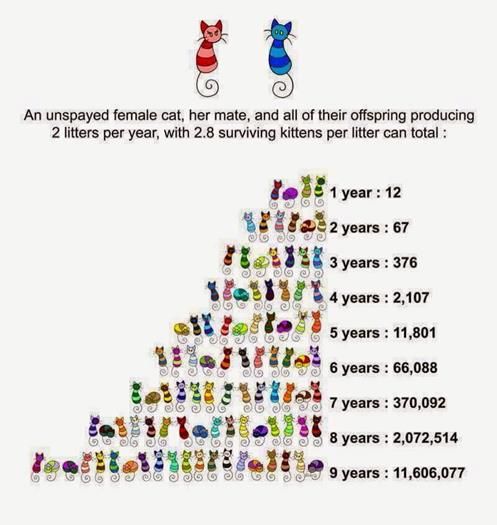
Domestic Animal Management Plan 2017-2021 (Revised 2020)

                                       Council
                                              Chief Executive
                                                  Officer

                                              Director City
                                              Development

                                                 Manager
                                             Environment and
                                                   Place

                                            Co-ordinator Local
                                                  Laws

                                             Senior Municipal
                                               Laws Officer

                                            2 x EFT Multiskilled
                                             Municipal Laws 1
                                              EFT Contractor
                                              Support Officer

                                             Shared afterhours
                                            animal service with
                                              Melbourne Pet
                                            Ambulance and EFT

Banyule City Council Domestic Animal Management Plan 2017-2021     (Revised 2020)   5
Domestic Animal Management Plan 2017-2021 (Revised 2020)

Introduction
Companion animals play an important role in today’s society, be it for companionship, work,
entertainment or sport, and Council wants people to enjoy them.
Pets that are well managed cause few problems and rarely come to the attention of Council.
Unfortunately, when animals are acquired with little forethought or for the wrong reasons, or
when they are left unsupervised, problems occur.
The State Government introduced the Domestic Animals Act in 1994 which, with subsequent
amendments has a significant impact on the responsibilities of individual pet owners, including
the way cats and dogs are housed and controlled. The Act and its Regulations also make it
compulsory for owners to register all dogs and cats over three months of age, and control animal
businesses such as pet shops and breeders.
While some in the community think of Animal Management Officers as simply ‘dog catchers’,
this is a term that fails to capture the significant, diverse and often dangerous work of these
officers.
On a daily basis, their work in responding to calls requires compassion, effective communication
and patience as they provide advice, education and assistance. Where necessary, they also
enforce the Act, which may result in criminal charges. For the most part, residents are happy to
assist officers and will confine stray animals for collection, knowing that they will be humanely
treated and wherever possible returned to their owners, or rehoused in a good home by
Council’s service provider, rescue groups or other stakeholders.
While council has the responsibility of administering the Act, it recognises the need to promote
responsible pet ownership, provide supportive programs and meet community expectations.
This plan is a base for Council to provide high quality animal services and programs now and
into the future.
This Plan was developed by Banyule Council’s Animal Management Officers (AMOs) in
consultation with key stakeholders.

Banyule City Council Domestic Animal Management Plan 2017-2021     (Revised 2020)                  6
Domestic Animal Management Plan 2017-2021 (Revised 2020)
Demographic and Banyule Profile
Context
The Domestic Animals Act 1994 establishes a legislative requirement for Local Government to
prepare, implement and annually report on its Domestic Animal Management Plan.
Banyule Council’s Plan has been prepared in consultation with Councillors, Council Officers and
the community and seeks to balance the competing needs of animal owners, the broader
community and the animals that share people’s lives. Council recognises the positive health and
wellbeing benefits that arise from pet ownership.

Demographic and Banyule Profile
The 20 suburbs of Banyule cover 63 square kilometres, located between 7 and 21 kilometres to
the north-east of Melbourne’s CBD.
Banyule comprises the suburbs of Bellfield, Briar Hill, Bundoora, Eaglemont, Eltham North,
Greensborough, Heidelberg, Heidelberg Heights, Heidelberg West, Ivanhoe, Ivanhoe East,
Lower Plenty, Macleod, Montmorency, Rosanna,
St Helena, Viewbank, Watsonia, Watsonia North and Yallambie. Banyule is mainly residential in
character, with pockets of industrial and commercial development, as well as a number of major
facilities such as the Austin, Repatriation and Warringal hospitals, and major shopping centres at
Heidelberg, Ivanhoe and Greensborough with smaller shopping centres in Watsonia, Rosanna,
Eaglemont and East Ivanhoe. This balance of land use helps maintain economic viability and
employment.
Three major waterways traverse Banyule, with the Yarra River in the east, Plenty River in the
centre and Darebin Creek on its western boundary, each with their own characteristics and
environmental significance. The lay of the land varies from relatively flat plains to steep hills.
The 2016 Census recorded 121,865 Banyule residents (118,304 in the 2011 Census), with
48.6% male and 51.4% female and a median age of 39. Banyule’s indigenous population is
0.6% of the total population.

Purpose of the Domestic Animal Management Plan
The purpose of this Plan is to detail the arrangements that Council has to help manage domestic
animals and work towards improved animal management in Banyule.
The aim of the Plan is to:
  •    Support and facilitate the benefits that animal ownership and companionship has on the
       health and wellbeing of residents.
  •    Educate residents about accepted standards of animal welfare, including the care,
       feeding and physical wellbeing of domestic animals.
  •    Manage nuisance complaints about animals, which are impacting on other residents.
  •    Ensure that the keeping of domestic animals does not compromise accepted standards of
       public health or safety.

Banyule City Council Domestic Animal Management Plan 2017-2021      (Revised 2020)                   7
Domestic Animal Management Plan 2017-2021 (Revised 2020)
Current Programs and Services
Council currently has the following generic animal management programs and services:
Program/Service Service Level
Identification and registration of dogs • Annual registration renewals sent in
and cats March
Enforcement of registration • Regular reminders in the Banyule
requirements Banner and local newspapers
• Annual reminder notices and text
messages for reminders to all
registered pet owners
Investigation of nuisance animal • Initial response within 5 days
complaints • Follow up as required
Investigations of dog attacks and • Within 30 minutes if occurring and 1
dangerous/menacing dog complaints hour of reporting
Dogs wandering at large • Within 30 minutes if considered an
emergency and otherwise within 1
hour
Declared dog property inspections • Conducted annually
Cat De sexing Program • Twice a year
Domestic animal business • Conducted annually, renewal due 10
inspections April
Pound open for collection of animals • Cat Pound 7 days a week
• Dog Pound 5 days a week (excludes
weekends)
Excess Animal Permit renewals and • Annually on 31 May
new permit inspections
Promotion of responsible animal • Media releases, Banyule Banner,
ownership social media and other promotional
channels
Cat trapping • Cat trap cages available
Customer Service • Ongoing updates throughout the year
to Laws Customer Service buddy to
keep staff informed of new processes
After hours emergency service for • Runs 365 days 24 hours a day
animals
Banyule City Council Domestic Animal Management Plan 2017-2021 (Revised 2020) 8Domestic Animal Management Plan
SECTION 1 – Training of Authorised Officers
Summary
It is critical that all staff involved in animal management have the knowledge and skills needed to carry out their work as well as having
the necessary authorisations and delegations.
Current Situation
The current training of officers include:
Officer Cert IV Cert IV in ATC – ATC – ATC – Diploma of Canine Anatomy
in Government/Statutory Investigation and Frontline and Identification
Municipal Law Prosecutors
Animal Compliance Case Management Management Training
Enforcement or Advanced
Control
Prosecutors
1. (j) x x x x x
2. (m) x x x x x x
3. (s) x x x x
4.(c) x x x x
Other training includes:
Customer Service Training, including dealing with difficult people RSPCA Conferences
Manual Handling training OHS Dog Bite Prevention- CSI
Dog Breed Identification Training Stress Management Training
Pets in Domestic Violence Managing Potentially Violent Clients
Banyule City Council Domestic Animal Management Plan 2017-
2021
9Domestic Animal Management Plan 2017-2021
Future Plans
Objective 1: To ensure all staff involved in animal management have the knowledge
and expertise to carry out their duties and functions of Council.
Activity Responsible When Evaluation
Officer
Conduct annual Coordinator/ Annually Employee Development
performance reviews and Senior Reviews complete for all
identify further training Municipal EFT officers achieved by
needs for individual Laws Officer September 2020
officers
Objective 2: To successfully induct and manage new staff.
Activity Responsible When Evaluation
Officer
Monitor performance and Coordinator/ Ongoing Council Induction and
provide guidance to Senior Performance
employees where needed Municipal management
Laws Officer
SECTION 2- Registration of Dogs and Cats
Summary
Identifying and registering domestic animals is seen as the cornerstone of a
successful animal management program.
Pet registration also helps us get your dog or cat home. The chief frustration of
Municipal Laws Officers is when an animal is micro chipped but the owners have
moved and not updated their details. If a dog or cat is not registered with Council and
its microchip details are incorrect, it makes it very difficult for us to let an owner know
where their animal is if it gets out.
Identification of animals is also critical in investigating complaints.
We will be attempting to increase the numbers of registered animals in
Banyule, particularly in relation to cat registrations, by using a variety of
methods.
Banyule City Council Domestic Animal Management Plan 2017-2021
11Domestic Animal Management Plan 2017-2021
Current Situation
As at 1/7/2020, Banyule has 9,353 dogs and 4,094 cats registered, a decrease on
the previous year, with an extension given to residents to allow for COVID and
customer service counter being closed. The total amount of registered pets has
increased as at 2 December 2020:
• Dogs- 13,576
• Cats – 6,121
2019/2020 2018/2019 2017/18 2016/17
Registered dogs 9,353 13,047 12,718 13,013
Registered cat 4,094 5,769 5,535 5,198
Council Policies and Procedures
A fixed reduced registration fee for de sexed and microchipped animals have been
set for the current financial year. This fee is reviewed and adjusted annually in line
with all of Council’s fees and charges.
During the second half of the registration period from 10 October, half yearly fees
apply for new registrations.
Current Activities for Registration
Our current activities for pet registration, including actions from our previous plan,
include:
• Providing for online registration/renewal.
• Promoting the benefits of registration and identification, chiefly being able to
reunite a lost animal with its owner.
• Using Council’s website/ social media to provide information to residents on
registration.
• Providing, in conjunction with local vets, subsidised de sexing - (supplying
owners with Australian Veterinary Association de sexing vouchers).
• Distributing registration and identification brochures, factsheets and other
materials to pet owners.
• Issuing annual registration renewal notices and following up non-renewals,
including by sending additional letters, calling owners, and by targeted visits to
properties.
• Ensuring that information about sold/rehoused animals from domestic animal
businesses (pet shops, shelters) is followed up for registration.
• Ensuring that registration and identification compliance are checked as part of
managing complaints about animals.
Banyule City Council Domestic Animal Management Plan 2017-2021
12Domestic Animal Management Plan 2017-2021
• Ensuring that registered dogs and cats are returned home after hours, with
unregistered pets impounded, with compulsory registration prior to leaving the
pound.
• Ensuring all authorised officers have a microchip scanner in vehicles.
Keeping records of animals impounded and found, including injured or dead animals,
and notifying owners of injured or dead animals to seek veterinary treatment or help
provide ‘closure’ for those that have died. Banyule’s Cleansing Department also has
a microchip scanner to scan dogs and cats when they are called to pick up an animal
killed on roads.
• Ensuring that pet shops, breeders, shelters, vets are provided with information
on registration and identification (for example, microchipping) responsibilities
under the Act.
• Regularly updating/auditing Council’s registration database to ensure
information is current (for example, amending data to reflect notifications of
deceased animals, changes of address, changes of owner) to ensure owners
are not distressed or annoyed by receiving unnecessary or incorrect renewal
notices, or no renewal notice.
• Ensuring that owners are charged the correct State Government levy on each
registration after Council has determined its own fees.
• Promoting registration and the wearing of registration tags via Council
publications and other media. This is done using ’good news’ stories about
pets being returned to owners because they were microchipped and
registered.
• Having a reduced fee category in the registration fee structure for dogs and
cats under 6 months old. Some vets do not believe that pets should be de
sexed until they are 6 months old, so this strategy still encourages pet owners
to register their pets without paying a full fee for the first year.
Banyule City Council Domestic Animal Management Plan 2017-2021
13Domestic Animal Management Plan 2017-2021
Objective 1: To increase dog and cat registration rates by 5% each year via
education and promotion.
Activity Responsible When Evaluation
Officer
Continue supplying de Coordinator Ongoing Number of vouchers
sexing vouchers to low redeemed
income earners
Include registration, Municipal Laws January- Number of promotional
identification and renewal Officers March activities undertaken
information in rates yearly
notices, newsletters, on
the web and via social
media
Include Responsible Pet Communications Ongoing All requested new
Ownership Brochure, in resident kits contain pet
kits for new residents information
Promote registration and
the wearing of registration
tags via appropriate
Council communication
Municipal Laws
channels, particularly by
Officers / Ongoing Number of promotions
using ‘good news’ stories
Communications
of pets being returned to
their owners because of
microchipping and
registration
Automatic registration up
until next renewal period Municipal Laws Twice a Number of cats
of cats being de sexed via Officers year registered each year
Council’s program
Banyule City Council Domestic Animal Management Plan 2017-2021
14Domestic Animal Management Plan 2017-2021
Objective 2: To increase pet registration by 5% via compliance initiatives
Activity Responsible When Evaluation
Officer
Ensure all animals Municipal Ongoing All details are recorded
identified from a complaint Laws Officers on Customer Service
are registered Requests when AMOs
deal with the complaint
Ensure a 5% increase in Coordinator Yearly 5% annual increase
dogs and cats
registrations are entered
on system each year
Use text messaging for Municipal Yearly Increase in number of
pet registration renewal Laws/ registration renewals
reminders Administration
Pet registration renewals Coordinator Yearly Number of email
emailed to residents who renewals sent and
opt in response rate
Objective 3: To increase pet registration rates by 5% each year using improvements
in technology.
Activity Responsible When Evaluation
Officer
Increase use of Municipal Daily via laptop Increased
mobile technology, so Laws Officers number of
AMOs can, for animals
example, search pet identifiable by
registration and registration and
customer request recorded on
databases to identify CRM
properties where
animals are not
registered
Provide online Municipal December 2021 Number of
registration for pets Laws Officers residents using
/IT/Coordinator online
registration
SECTION 3 – Nuisance Complaints
Summary
Banyule City Council Domestic Animal Management Plan 2017-2021
15Domestic Animal Management Plan 2017-2021
The most common nuisance complaints received by Council relate to barking dogs.
(Dog at large and dog attacks are dealt with under Section 4 of this plan as they are
not categorised as nuisance complaints.)
The majority of time AMOs spend dealing with complaints relates to barking dogs
and it is therefore critical that AMOs strategies and activities are in place to reduce
the number of complaints from the public. Barking dog complaints require far more
time for the AMO to resolve given the need to substantiate the complaint, which can
often lead to frustration by the complainant and dog owner.
Current Situation
Between 1 July 2019- 30 June 2020, Council received the following number of
complaints
Complaint type 2019/20 2018/2019 2017/18 2016/17
Nuisance Cats 212 162 225 221
Responsible Pet Ownership 326 403 541 284
Animal Special Requests 156 119 120 163
Barking Dog 312 374 340 319
Found Dog 352 420 497 518
Found Cat/Cat in Cage 138 161 204 185
Lost Cat Reports 101 81 104 99
Lost Dog Reports 106 139 161 216
Stray Livestock/Farm Animal 3 7 2 2
Dog Attack 98 92 83 73
Dog at large/ Rushing/ Menacing 235 216 261 256
Our current Orders, Local Laws, Council Policies and Procedures
Dogs and Cats in Public Places Orders
Banyule City Council Domestic Animal Management Plan 2017-2021
16Domestic Animal Management Plan 2017-2021
In line with its statutory powers under section 26 of the Act, Council has an existing
Order for Dogs and Cats in Public Places which was adopted by Council in 1998.The
Order requires that dogs are to be kept on leash when on a Council road or footpath
and within 5 metres of a designated shared footway, children’s playground or
barbeque area.
Dogs and cats are prohibited from entering environmentally sensitive areas as
designated by signs in the following parks and reserves:
Brown’s Nature Reserve, Greensborough (as per existing covenant)
Banyule Flats Wetland and Banyule Billabong, Heidelberg
Horseshoe, Reedy and Bailey Billabongs in Wilson Reserve, Ivanhoe
See Amendment *
Warringal Swamplands, Heidelberg
Yandell Reserve (within already fenced areas), Greensborough
St Helena Bush Reserve (within already fenced areas), St Helena
Rockbeare Park, Ivanhoe
For the purpose of any order made under section 26 of the Domestic Animals Act
1994, within the City of Banyule and as a guide for implementation, a dog shall be
deemed to be under effective control of its owner if;
(a) it is within 75 metres (clear and unobstructed) of its owner; and
(b) will return to its owner upon command.
Local Laws
Banyule City Council General Local Law Number 1 was reviewed in 2014 and was
adopted formally by council, with effect on 15 April 2015. Part 10 of the Local Law
Number 1 deals with the keeping and control of animals within Banyule. The main
objectives are to control the number and type of animals and to control animal
behaviour to minimise adverse impact on other residents.
It is an offence to keep more than a prescribed number of animals without the written
consent of Council via a permit.
As at 30 June 2020, there were 96 households with active excess animal permits
registered. This figure changes regularly due to residents moving in and out of
Banyule. These permits are renewed annually on 31 May.
2019/20 2018/19 2017/18 2016/17
Number of Excess Permits 96 81 89 86
issued/current
Banyule City Council Domestic Animal Management Plan 2017-2021
17Domestic Animal Management Plan 2017-2021
The table below lists the maximum number of animals allowed to be kept without the
need for a permit. Permits are also required for goats, horses, roosters and other
animals.
Type of Animal Maximum Allowed
Dogs 2
Cats 2
Poultry 10
Pigeons and/or Domestic Birds 20
Guinea Pigs 4
Rabbits 4
Rooster 0
The conditions in which excess animals must be kept are:
(a) The ground surrounding the place where the animal is kept is free from dry grass,
weeds, refuse, rubbish or other material capable of harbouring rodents or
vermin;
(b) The place where the animal is kept and the surrounding area is well drained;
(c) All food for consumption by the animal is kept or stored in a vermin proof
receptacle;
(d) Any area where the animal is kept is thoroughly cleaned as often as necessary to
keep the area clean and sanitary at all times;
(e) All manure, excrement, refuse or rubbish produced or accumulated by the animal
is disposed of, as soon as practicable, so that it does not cause a nuisance or
create a condition which is offensive or dangerous to health.
Control of Noisy Animals and Birds
An owner or occupier of any land where an animal is kept or allowed to remain must
not allow the animal to make noises or sounds which will create a nuisance that may
unreasonably or adversely affect:
(a) The peace and comfort of any person; or
(b) The amenity of any other land.
Banyule City Council Domestic Animal Management Plan 2017-2021
18Domestic Animal Management Plan 2017-2021
Council Policies and Procedures
Current Activities
Our current educational, promotional and compliance activities include:
All nuisance complaints
• Provide information on Council’s website and in its newsletters relevant Local
Laws and Orders, types of nuisance and how to report and record ongoing
nuisance (for example via a barking dog diary, cat trespass) to support
complaints.
• Provide one on one advice, education and assistance to animal owner.
• Distribute relevant brochures, factsheets and other materials regarding
nuisance issues.
• Record all nuisance complaints on the Customer Request Management
system.
• Investigate nuisance complaints effectively.
• Ensure nuisance investigation timeframes are as short as possible to reduce
complainant’s frustration.
• Review Council policies and procedures relating to nuisance.
• Ensure notices to comply, notices of objection, infringements, and
prosecutions are in line with Council policies, procedures and guidelines.
Cat Trespass Complaints
The major issue of concern about cats are unowned or stray cats that roam the
Neighbourhood fighting with other cats over territory, and generally creating a
nuisance by spraying and defecating on private property.
Throughout the kitten season, which is generally in spring but can go longer
depending on weather, Council receives many complaints about cats with kittens
taking up residence on private property. In many cases, residents feel sorry for the
animals and start leaving food for them, which can exacerbate the problem. Cats are
a large concern for Banyule and there needs to be more cat awareness and
education.
Current activities relating to cat trespass:
• Strongly encouraging desexing of pets to reduce wandering and organising
desexing on the owners behalf, along with free animal transport to the vet if
required.
• Actively encouraging cat owners to confine their cats to their property to
enhance animal welfare and reduce the incidence of nuisance.
Banyule City Council Domestic Animal Management Plan 2017-2021
19Domestic Animal Management Plan 2017-2021
• Providing cat cages, and requirements relating to trapping, to local residents
to trap cats trespassing on their property in order to reduce the impact of
stray/unowned cats.
• Ensuring the cat trapping program is undertaken in the most humane way,
with cats picked up as soon as practicable after capture to reduce animal
distress. Council recommends that all residents set traps before going to bed
at night and call Council first thing in the morning for a pick up.
• Continuing to issue excess animal permits to reduce the possibility of
nuisance complaints.
• Investigating nuisance cat complaints to mitigate ongoing complaints,
including letterbox drops to homes surrounding that of the complainant.
• Work with residents experiencing mental illness/animal hoarding to reduce the
number of pets they have and ensure those they keep are healthy,
manageable and registered.
• Work with the Department of Housing to ensure compliance in relation to their
properties and known hoarders.
Council Officers will:
• Supply cat traps to residents’ properties and collect any trapped cats within as
short a time as possible to minimise distress to the animal;
• Assist the resident to take formal ownership of stray cats by organising and
paying for micro chipping, desexing and registration through Council’s
desexing program.
Banyule City Council Domestic Animal Management Plan 2017-2021
20Domestic Animal Management Plan 2017-2021
Barking Dog Complaints
Barking dog complaints are the most common type of complaint and take the most
time to resolve variety of methods. Common reasons for dogs barking include:
• Wrong choice of dog breed
• Lack of exercise
• Boredom, loneliness and frustration
• Feeling under threat (another dog, or loud noise such as thunder or fireworks)
• Poor living conditions
• Multi-unit developments (closer living conditions)
• Ill health
Complainants who contact Council about a barking dog will be asked to speak to the
dog’s owner in the first instance to open the line of communication between the
parties and to see if anything can be done to stop the dog barking.
Complainants are mostly reluctant to discuss issues of barking dogs with
neighbours, but Council recognises that communication is critical to resolving issues.
Current activities relating to barking dogs:
• Constantly reviewing processes regarding neighbourhood complaints about
nuisance barking.
• Providing information on the causes of excessive barking, including
separation anxiety, boredom, external stimuli, territorialism, communication
with other dogs etc.
• Encouraging owners of barking dogs to seek advice from Council/professional
dog trainer/animal behaviourist on how to reduce their dog’s barking.
• Encouraging complainants to contact owner of a barking dog and advise them
of their concerns as a first step in resolving the issue before starting the
investigation process.
• Including mediation through the Dispute Settlement Centre as part of a new
process to open lines of communication, with the hope that residents can work
together on a solution.
Banyule City Council Domestic Animal Management Plan 2017-2021
21Domestic Animal Management Plan 2017-2021
Dog litter complaints
Under Local Law 10.6 Dog Excrement, a dog owner must:
(a) Remove and dispose of faeces deposited by their dog; and
(b) Carry a litter device and must produce such litter device upon request of any
Authorised Officer, in any public place.
Current activities relating to dog litter activities currently undertaken:
• Advising dog owners of the legal requirements relating to cleaning up dog
litter by distributing educational materials (see ‘All nuisance’ section for
methods) and, during patrols in parks and public places, providing dog
walkers doing the right thing with information, dog ‘pooch pouches’ and leads.
• Continuing to enforce the collection and disposal of dog litter by the
owner/person in charge of the dog as well as the requirement to carry a
suitable collection means.
Dog Parks
• In 2007, the Municipal Laws Offer’s investigated the possibility of including a
fully fenced dog park in Banyule, incorporating this into the Public Open Space
Strategy, which led to funding for a feasibility study. This early work was
successful, with Banyule now having four fenced dog parks:
• Price Park, Lyon Road, Viewbank
• Ford Park, Banksia Street, Bellfield
• Malahang Reserve, Oriel Road, Heidelberg West
• Malcolm Blair Reserve, Karingal Drive, Eltham
These parks are fully fenced off-lead exercise areas with park benches, dog waste
bins and drinking fountains with dog bowls. They are fully maintained and serviced
by Council’s Parks and Gardens Department.
Objective 1: Reduce the number of nuisance complaints via education
Activity Responsible When Evaluation
Officer
Provide more Municipal Laws Only if both Feedback on the
information to residents Officer parties mediation from both
about the Dispute agree to
Banyule City Council Domestic Animal Management Plan 2017-2021
22Domestic Animal Management Plan 2017-2021
Settlement Centre and, handling the the parties and reduction in
where necessary, investigation mediation ongoing complaints
organise mediation,
providing a summary of
the issue to the
mediators with details of
both parties with their
consent.
Park Patrols Municipal Laws Ongoing Number of park patrols
Officers and and compliance and
increased awareness increased
during during COVID
COVID
Review enforcement Municipal Laws Ongoing Number of policies and
policies and procedures Officers procedures reviewed to
ensure compliance with
legislation
Provide information Municipal Laws Ongoing Reduction in number of
about cat enclosures Officers nuisance cat complaints
and cat nuisance issues and impounded cats
to cat owners
Promote fully fenced dog AMOs Ongoing Number of promotions
parks within Banyule undertaken
Develop a new Barking Municipal Laws June 2021 Completion of Barking
Dog Process Officers / Dog Process
Coordinator
Objective 2: Reduce the number of nuisance complaints using compliance
Activity Responsible When Evaluation
Officer
Continued implementation Municipal Running Number of cats
and promotion of the cat Laws Annually desexed/microchipped
desexing program in Officers/ vs how many we
Banyule Coordinator impound
Letterbox drop areas around Municipal Each Reduction of the
cat trespass complaints prior Laws CRM number of cats
to trapping to promote Officers received impounded
registration, identification
and education.
In conjunction with residents, Municipal Ongoing Increase in cat
trap semi owned/owned cats Laws registrations, fewer cat
in response to trespass Officers trespass complaints
complaints
Banyule City Council Domestic Animal Management Plan 2017-2021
23Domestic Animal Management Plan 2017-2021
and reduction in cats
impounded
Ensure complaints are dealt Municipal Ongoing KPI reporting for city
with effectively, efficiently Laws Development Monthly
and satisfactorily Officers Report
Objective 3: Use technology to assist in reducing and resolving nuisance
complaints
Activity Responsible When Evaluation
Officer
Investigate web-based Municipal Laws December Online complaints
online complaint Officers / 2021 launched and number
lodgement, including Coordinator/ of online complaints
providing better Communications received
information about what
constitutes a nuisance
SECTION 4 – Dog Attacks and Dog Confinement
Summary
A critical role for Council is to minimise the number of dog attacks due to the
potential damage that dogs can inflict on other animals and people.
It is important that Council raises community awareness on how to reduce the risk of
a dog attack.
The identification of animals, including declared dogs, is important as is ensuring
dogs are contained to their property at all times.
Current Situation
Customer Service Requests for dog attacks include those causing minor injury to
those causing serious injury. Analysis of the data shows that most attacks were
rushes by dogs with minor injuries eventuating.
Total Total Total Total
Complaint type 30 30
Banyule City Council Domestic Animal Management Plan 2017-2021
24Domestic Animal Management Plan 2017-2021
June June 30 30
2020 2019 June June
2018 2017
Dog Attack 98 92 83 73
Rushing/Wandering at Large and
Menacing dogs 235 216 261 256
Dog Found/Containment 352 420 497 518
Current Activities
Our current educational, promotional and compliance activities include:
• Raising awareness of the risk of dog attacks in the home, in the street and in
parks, and reducing these risks by:
- distributing brochures, factsheets and other materials regarding dog
attacks;
- providing information with registration renewals and in new resident
packs
• Promoting effective confinement and control of dogs.
• Promoting desexing of dogs to reduce aggressive tendencies and wandering.
• Promoting early socialisation of dogs with other animals and humans.
• Promoting regular exercise of dogs.
• Responding to dog attack reports within 1hour (the top priority for Municipal
Laws Officers).
• Responding to dog wandering complaints.
• Providing an afterhours number for the community to report dog attacks.
• Prosecuting owners for breaches of the Act.
• Ensuring all reported dog attacks are recorded and investigated, meeting all
points of proof provided in the Act, seizing dogs and prosecuting owners in
accordance with the Animal Act 1994.
• Introduced more fully fenced dog parks within Banyule
• Produced a brochure on ’Victims of dog attacks’ to provide information on
what Council can and can’t do under the legislation.
Future Plans – Dog attacks and Dog Confinement
Banyule City Council Domestic Animal Management Plan 2017-2021
25Domestic Animal Management Plan 2017-2021
Objective 1: Reduce the incidence of wandering dogs and dog attack in the
community through education.
Activity Responsible When Evaluation
Officer
Provide residents with Municipal Laws Ongoing Reduction in number of
information on Officers dog attacks
implications for their dog
and themselves if their
dog attacks a person or
animal
Promote the importance Municipal Laws Ongoing Reduction in number of
of training, socialising and Officers dog attacks
de sexing dogs at an
early age
Encourage and provide Municipal Laws Ongoing Amount of information
residents with information Officers / available via a range of
on how to report dog Communications channels
attacks whether on public
or private property
Objective 2 - Reduce the incidence of wandering dogs and dog attack in the
community through compliance.
Activity Responsible When Evaluation
Officer
Patrol and identify Municipal Ongoing Increased compliance
properties where Laws Ensure reported via CRM
containment may be an Officers and follow up done with
issue owner and registration
Concentrate patrols in high Municipal Ongoing Increased compliance
risk areas Laws
Officers
Objective 3: Reduce the incidence of wandering dogs and dog attacks in the
community through technology.
Activity Responsible When Evaluation
Officer
Use Council’s social Municipal Ongoing Number of social media
media to educate the Laws Officers posts
community on the effects
Banyule City Council Domestic Animal Management Plan 2017-2021
26Domestic Animal Management Plan 2017-2021
of wandering dogs and
dog attacks
SECTION 5- Dangerous, Menacing and Restricted Breed
Dogs
Summary
A restricted breed dog is defined as a dog that fits the Approved Standard for
Restricted Breed Dogs in Victoria. These may be pure or cross bred American Pit
Bull Terriers (or Pit Bull Terriers), Perro de Presa Canarios (or Presa Canario), Dogo
Argentinos, Japanese Tosas, or Fila Brasileiros.
While restricted breed dogs may not have attacked a person or animal or displayed
signs of aggression, they are considered a higher risk to community safety than
other breeds.
Only the American Pit Bull Terrier (or Pit Bull Terrier) and one Dogo Argentino is
known to be in Victoria. Cross breeds of restricted breeds are also considered a
restricted breed dog.
The Parliamentary Inquiry into restricted breed dog legislation was established in
2015. The Economy and Infrastructure Committee undertook a detailed investigation
into the management of different breeds of dog, and into dog attacks, their causes
and prevention strategies. The Inquiry received 502 written submissions and heard
from 16 organizations and individuals at public hearings. The Inquiry's report was
published in March 2016, with 31 recommendations.
The State Government agrees or agrees in principle with 25 of the Inquiry's
recommendations, including that the Domestic Animals Act 1994 (Act) be amended
to allow the registration of restricted breed dogs, while retaining all other restrictions
related to restricted breed dogs.
The proposed amendment to the Act allows for the registration of restricted breed
dogs but does not change any of the strict controls applying to restricted breed dogs
that are currently in place. Restricted breed dogs will still be required to:
• be desexed;
• be kept on a leash and muzzled at all times when in public;
• securely confined to their owner’s back yard; and
• Wear a red and yellow striped collar at all times.
Properties containing a restricted breed dog must display a specific turquoise
warning sign at the entrance to the property indicating that a restricted breed dog is
housed there. Bans on breeding, adopting or transferring the ownership of restricted
breed dogs will also remain in place.
A dangerous dog is a dog that has attacked a person or animal or which, in the
opinion of a Council, has caused serious injury to a person or another animal.
Banyule City Council Domestic Animal Management Plan 2017-2021
27Domestic Animal Management Plan 2017-2021
The owner of a dangerous dog has to meet stronger control provisions, including
erecting an approved housing enclosure meeting the requirements of the Domestic
Animal Regulations 2015
A dog is said to be a menacing dog if the dog causes a non-serious bite injury to a
person or animal. This is in addition to the existing power to declare a dog to be
menacing if it rushes at or chases a person.
A ’Rush’ means that a dog has approached a person within 3 metres in a menacing
manner, including by displaying aggressive behaviour such as snarling, growling and
raising the hackles.
A menacing dog declaration can be upgraded to a dangerous dog declaration if the
owner of the menacing dog has been issued with two infringement notices for failing
to comply with requirements, such as leashing or muzzling their dog while in public
places.
It is important that the properties where these dogs reside are inspected regularly to
ensure that all requirements of keeping a declared dog are being met. These dogs
have the potential to cause great harm so it is important from a community safety
perspective that they are kept in accordance with the Act and Regulations.
Current Situation – Dangerous, Menacing and Restricted Breed Dogs
• All dogs that have been declared a menacing dog, restricted breed or
dangerous dog are inspected annually. The inspections are to ensure that the
animal is being housed in accordance with the legislative requirements under
the Act and regulations.
• All declared dogs are registered on the Victorian Declared Dog Registry
Our current Orders, Local Laws, Council Policies and Procedures
Current Activities
Our current educational, promotional and compliance activities include:
• Ensuring that all owners of declared dogs are aware of their obligations under
the Act regarding identification and keeping these dogs by providing them with
relevant sections of the Act, brochures and factsheets (information kit).
• Ensuring all declared dogs are accurately registered on the Victorian Declared
Dog Registry and that details regarding change of owner, change of address,
death of dog are updated as soon as possible (www.ddvic.registry-
service.com).
• Ensuring that declared dog registration information on the Victorian Declared
Dog Registry and Council’s Register is the same.
• Performing annual inspections of all properties with declared dogs to ensure
compliance with the Act and regulations.
Banyule City Council Domestic Animal Management Plan 2017-2021
28Domestic Animal Management Plan 2017-2021
• Following-up any non-compliance issues until the dog owner complies.
• Responding to complaints regarding declared dogs within 30 minutes.
• Ensuring the necessary enforcement action is taken for known problem dogs
and, where necessary, they are declared to minimise the risk of future
occurrences.
Future Plans- Dangerous, Menacing and Restricted Breed Dogs
Objective 1: Identify all declared dogs in Banyule using education.
Activity Responsible When Evaluation
Officer
Ensure the owners of Municipal As Number of owners
known problem dogs are Laws Officers required advised as a result of a
advised of legal complaint
implications, where
necessary, to minimise risk
Objective 2: Identify all declared dogs in Banyule using compliance.
Activity Responsible When Evaluation
Officer
Prosecute where Municipal Ongoing Increase in number of
necessary any breaches of Laws successful prosecutions
the Act Officers
Ensure that all declared Municipal Annual Number of inspections
dogs are inspected on a Laws reported annually
schedule but Officers
annual/random inspection
Objective 3: Identify all declared dogs in Banyule using technology.
Activity Responsible When Evaluation
Officer
Banyule City Council Domestic Animal Management Plan 2017-2021
29Domestic Animal Management Plan 2017-2021
Investigate the availability Municipal Annually Available products
of relevant products which Laws identified
may assist in the safe Officers
keeping of declared dogs,
such as enclosures, signs
etc.
Report on the Department Municipal Ongoing Reports on surrendered
of Economic Development Laws dogs due to aggression
Jobs, Transport and Officers
Resource Declared Dog
Database any dog that has
been surrendered for
aggression issues.
SECTION 6 – Overpopulation and High Euthanasia
Summary
Banyule Council contracts the Cat Protection Society in Greensborough and the
Nillumbik Regional Shire pound as our cat and dog pounds respectively.
Current Situation - Our current data
The following impound data from the Cat Protection Society and Nillumbik Regional
Shire Pound is detailed below:
Dogs Dogs Dogs Dogs Cats Cats Cats Cats
19/20 18/19 17/18 16/17 19/20 18/19 17/18 16/17
Impounded 182 515 213 220 152 141 248 281
Released to 141 456 190 165 30 24 38 37
owner
Rehoused 29 48 17 48 98 76 144 166
Euthanized 8 11 6 7 24 41 66 78
Banyule City Council Domestic Animal Management Plan 2017-2021
30Domestic Animal Management Plan 2017-2021
Most cats impounded are usually semi-owned strays or semi-feral cats with no
microchip details.
Our current Orders, Local Laws, Council Policies and Procedures
Council Policies and Procedures - Current Activities
Our current educational, promotional and compliance activities include:
• Promoting the benefits of de sexing – no surprise litters, fewer unwanted
animals in the community, fewer animals euthanized, reduced aggression,
reduced wandering.
• Continuing registration and microchipping programs to ensure pet cats and
dogs can be returned to their owners to reduce euthanasia rates.
• Promoting confinement of animals to owner’s premises to prevent straying.
• Investigating reports of animal hoarding.
• Investigating Customer Request Management reports of unauthorised
‘backyard breeders’ to ascertain whether they should be registered as a
domestic animal business.
• Providing cat cages to local residents for trapping cats trespassing on their
property.
• Impounding trapped cats at the Cat Protection Society where the animal will
be assessed for its suitability for adoption or euthanized.
• Impounding dogs without identification at Nillumbik Shire Pound where the
animal can be assessed for its suitability for rehousing.
• Encouraging formal adoption of unwanted cats by assisting the ’carer‘ to have
the cat microchipped and desexed under the Australian Veterinary
Association’s desexing voucher scheme and providing free registration for
newly registered cats.
• Reducing the dumping of unwanted animals by accepting surrendered
animals.
• Assisting residents to take responsibility for microchipping new cats and
providing desexing vouchers to help control unwanted breeding.
• Providing a link on Banyule Council’s website to the Nillumbik Pound’s page
that has photos of impounded animals where no owner has been able to be
contacted.
In the 2007 Domestic Animal Management Plan, Council identified that it had a cat
overpopulation issue, which created a workload equivalent to a Full Time Officer,
with the impound rate at the Cat Protection Society in excess of 800 cats/kittens.
Council introduced a free cat de sexing/microchipping program in August 2013, with
60 cats/kittens desexed. The first program specifically targeted owners who had cats
Banyule City Council Domestic Animal Management Plan 2017-2021
31Domestic Animal Management Plan 2017-2021
that produced numerous litters that were surrendered to Animal Management
Officers, with some cats having up to seven or more litters.
Banyule is committed to reducing the number of unwanted cats and kittens in
Banyule. To 30 June 2017, Council has run eight desexing sessions, with
approximately 60 cats desexed and microchipped at each session – 480 cats in total.
This program assists in achieving full ownership of cats, less straying and critically
reducing the number of unwanted litters and therefore euthanasia.
The chart below outlines the impact of just one female cat reproducing.
Future Plans
Objective 1: Reduce the amount of euthanasia rates at Council Pound
(feral/unowned cats excepted) and increase the percentage of desexed animals on
Council’s database through education.
Activity Responsible When Evaluation
Officer
Continue with the Municipal Ongoing Reduction in
rehousing/adoption Laws euthanasia rates
program to assist in Officers
reducing euthanasia
rates
Banyule City Council Domestic Animal Management Plan 2017-2021
32Domestic Animal Management Plan 2017-2021
Continue to promote Coordinator/ Annually Number of cats
the free cat desexing Laws desexed and
program Officers microchipped
Promote desexing Laws Daily The number of
during all animal Officers desexed dogs and cats
request contacts on Council’s
registration database
Involve breed clubs and Laws Ongoing Links with clubs and
rescue services to Officers rescue services and
assist in rehousing number of animals
animals, particularly rehoused by them
surrendered animals
Provide vouchers for Laws Ongoing Number of vouchers
subsidised de sexing Officers used
with registration
Objective 2: Reduce euthanasia rates at Council Pound, through compliance.
Activity Responsible When Evaluation
Officer
Promote microchipping, Laws Ongoing Increase in registration
registration and desexing Officers rates and decrease in
with pet owners and euthanasia rates
ensure compliance
Objective 3: Reduce percentage of non desexed animals on database through
identification with technology
Activity Responsible When Evaluation
Officer
Ensure pound processes All Municipal Ongoing Links to Nillumbik Shire
are followed to ensure all Laws Pound on the Banyule
dogs with no ID or chip Officers website and number of
are photographed so they impounding animals reclaimed and
can be posted on registered
Nillumbik’s Website and
Facebook page to
increase reunification
rates
Offer free registration for Municipal Bi-annually Increase in number of
newly adopted cats Laws through animals on the
through our service Officers the registration database
provider and to residents desexing
Banyule City Council Domestic Animal Management Plan 2017-2021
33Domestic Animal Management Plan 2017-2021
using Council’s cat program
desexing program. NOTE: and
Registration only applies throughout
until the annual the year
registration renewal date for
of April 10 adopted
cats/kittens
via Cat
Protection
Society
SECTION 7 – Domestic Animal Businesses
Summary
Banyule has nine domestic animal business (DAB) registrations.
In the six months to June 2017, there were a number of enquiries in relation to the
start-up processes, relevant codes and legislation around doggy day care
businesses. Animal Management Officers worked in conjunction with Planning
Investigators to ensure consistent information.
Council will continue ensuring all new businesses are registered and that it works
with proprietors to ensure all standards relating to the Act and code of practice are
met.
Current Situation
Council audits all businesses once a year and there have been no significant issues
with compliance. There is one shop selling rescue cats and kittens in Banyule.
Domestic Animal Businesses are inspected at registration renewal time annually and
documented on a register for auditing purposes.
Our Current Activities
Our current educational, promotional and compliance activities include:
• Providing a relevant mandatory Code of Practice to proprietors/staff of existing
and proposed domestic animal businesses.
• Ensuring all relevant Domestic Animal Businesses are advised and involved in
any review of the mandatory Code of Practice for their type of business.
• Registering all identified Domestic Animal Businesses within Banyule,
including:
o Breeding and rearing establishments
o Pet shops
o Shelters and pounds
o Boarding establishments
Banyule City Council Domestic Animal Management Plan 2017-2021
34Domestic Animal Management Plan 2017-2021
o Dog training establishments
• Inspecting Domestic Animal Businesses annually to ensure compliance with
the Code.
• Following-up non-compliance issues with information on required actions and
timeframes for resolution, further inspections, and prosecutions where
necessary.
• Reinforcing the requirement for Domestic Animal Businesses to notify Council
of any animals sold or given away, as required under S13 of the Act.
Future Plans
Objective 1: Ensure, through education, that all Domestic Animal Businesses
operating in Banyule are identified, registered and complying with the Code of
Practice.
Activity Responsible When Evaluation
Officer
Provide advice to other Municipal As All legislative
Council unites when Laws required requirements are
planning applications for Officers achieved
domestic animal
businesses are received to
ensure appropriate
conditions are placed on
construction, operation, etc
Provide owners with Municipal As All legislative
information on updates to Laws required requirements are
the Code of Practice and Officers achieved
other information where
necessary
Ensure Council provides Municipal When All current Domestic
all Domestic Animal Laws permit is Animal Businesses
Business details to Pet Officers issued by comply with legislation
Exchange Register Council and have source numbers
provided
Objective 2: Ensure, using compliance, that all Domestic Animal Businesses
operating in Banyule are identified, registered and are complying with Code of
Practice.
Activity Responsible When Evaluation
Officer
Identify and register all Municipal Ongoing Ensure all Domestic
Domestic Animal Laws Animal Businesses are
Businesses within Banyule Officers registered and renewed
each year
Banyule City Council Domestic Animal Management Plan 2017-2021
35You can also read


