Drummond/North Elmsley Tay Valley Fire Rescue Fire Master Plan 2020 - Enter Client Marketing Line
←
→
Page content transcription
If your browser does not render page correctly, please read the page content below
Enter Client Marketing Line

    Drummond/North Elmsley
    Tay Valley Fire Rescue
    Fire Master Plan
    2020

© The Loomex Group 2020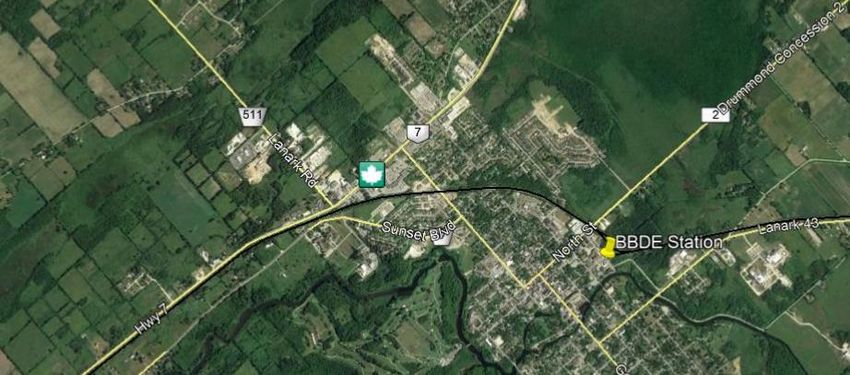
Drummond/North Elmsley Tay Valley Fire Rescue                      Fire Master Plan

Table of Contents

Executive Summary                                                                     v
Summary of Recommendations                                                           vii
       Introduction                                                                   1
       Approach and Methodology                                                       2
       Overview of the Townships                                                      5
       Township of Drummond/North Elmsley                                             5
       Tay Valley Township                                                            5
       Drummond/North Elmsley Tay Valley Fire Rescue History                          6
       Legislation, Bylaws, and Agreements                                            9
       Municipal Liability Policy vs. Operational Decisions for Fire Protection       9
       Legislation                                                                   10
       Bylaws                                                                        11
       Agreements                                                                    12
       Recommendations                                                               15
       Strengths, Weakness, Opportunity, and Threats (SWOT)                          16
       Recommendations                                                               17
       Occupational Health and Safety                                                18
       Firefighter Wellness                                                          19
       Post Traumatic Stress Disorder (PTSD)                                         19
       Firefighter Response                                                          20
       Recommendations                                                               20
       Fire Prevention and Public Education                                          21
       Legislation                                                                   21
       Fire Prevention                                                               22
       Public Education Activities                                                   23
       Smoke/Carbon Monoxide (CO) Alarm Program                                      23
       Inspections and Compliance                                                    24
       Vulnerable Occupancies                                                        24
       Fire Investigations                                                           24
       Simplified Risk Assessment                                                    25
       Community Risk Assessment (CRA)                                               26
       Recommendations                                                               28
       Training                                                                      29
       Training Committee Structure                                                  30

                                                                                  Page i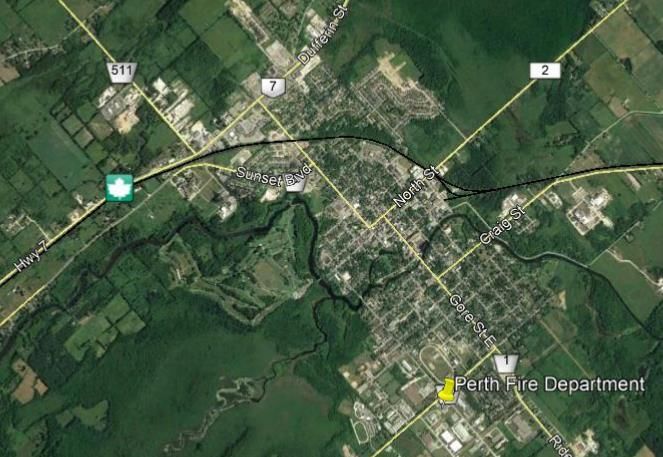
Drummond/North Elmsley Tay Valley Fire Rescue           Fire Master Plan

       Recruit Training                                                 30
       In-Service Training                                              31
       Officer Development                                              31
       Recommendations                                                  32
       Current Department Organization                                  33
       Department Overview                                              33
       Fire Chief                                                       33
       Administrative Assistant/Treasurer                               34
       Station Chiefs                                                   34
       Public Education and Code Enforcement                            35
       Training                                                         35
       Suppression Division                                             35
       Volunteer Recruitment and Retention                              37
       Department Challenges                                            40
       Fire Chief                                                       40
       Administrative Assistant/Treasurer                               41
       Station Chiefs                                                   42
       Public Education and Code Enforcement                            42
       Training                                                         43
       Future Department Organization                                   44
       Recommendations                                                  47
       Response Times and Resource Deployment                           48
       Department Statistics                                            48
       Response Times                                                   49
       Resource Deployment                                              51
       Fire Station Locations                                           54
       Fire Station Location Considerations                             54
       Private Laneways                                                 57
       Rural Homes or Estate Subdivision                                57
       Recommendations                                                  59
       Water Supply                                                     60
       Recommendations                                                  60
       Fire Apparatus and Equipment                                     61
       Apparatus Inspection, Testing, and Maintenance                   61
       Fleet Renewal and Rationalization                                62
       Fire Equipment                                                   63

                                                                    Page ii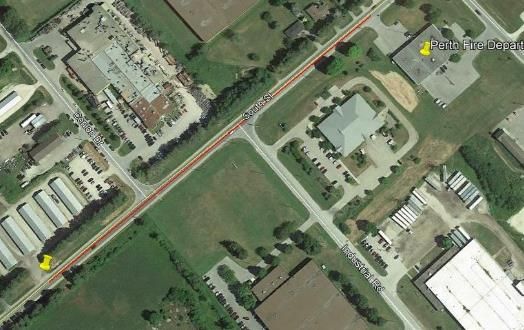
Drummond/North Elmsley Tay Valley Fire Rescue                    Fire Master Plan

         Recommendation                                                               64
         Fire Stations                                                                65
         Recommendations                                                              66
         Policies and Standard Operating Guidelines (SOGs)                            67
         Recommendation                                                               67
         Emergency Management                                                         68
         Recommendation                                                               69
         Statistics and Records Management                                            70
         Recommendations                                                              71

List of Tables
Table 1: Volunteer Retention and Recruitment Root Causes                              39
Table 2: Types of Fire Responses                                                      49
Table 3: Outline of Controllable and Non-Controllable items                           49
Table 4: BBD&E Average Times of Assembly, Travel and Response                         50
Table 5: SS Average Times of Assembly, Travel and Response                            51
Table 6: Response Calls over 10 km                                                    51
Table 7: Effective Fire Ground Staffing Chart                                         52
Table 8: BBD&E Station Vehicle Replacement Schedule                                   63
Table 9: South Sherbrooke Station Vehicle Replacement Schedule                        63

List of Figures
Figure 1: Fire Prevention Effectiveness Model per OFMA Public Service Guideline       22
Figure 2: Fire Chief Responsibilities                                                 33
Figure 3: Department Organizational Chart Per E&R Bylaws                              36
Figure 4: Current Organizational Structure                                            37
Figure 5: Breakdown of Administrative Assistant / Treasurer Time                      42
Figure 6: Recommended Organizational Chart                                            46
Figure 7: New Responsibility Chart                                                    47
Figure 8: Total Emergency Responses 2015 - 2019                                       48
Figure 9: Service Call, Types and Percentages 2015-2019                               48
Figure 10: Time/Temperature Relationship                                              50
Figure 11: Comprehensive Fire Safety Effectiveness Model                              52
Figure 12: SS Station                                                                 54
Figure 13: BBD&E Station south of the railway (black line)                            54
Figure 14: BBD&E Station                                                              54

                                                                                  Page iii
Drummond/North Elmsley Tay Valley Fire Rescue                        Fire Master Plan

Figure 15: Example of new station sites on Hwy #7                                   55
Figure 16: Example of a station site north of the Town of Perth’s Station           56
Figure 17: Perth Fire Department proximity to Tay Valley property                   56
Figure 18: Example of a Concealed Residential Fire Sprinkler                        58
Figure 19: SS Station                                                               65
Figure 20: BBD&E Station                                                            65
Figure 21: SOG Process from Creation to Issuance                                    67

List of Appendices
Appendix A Legislation and Reference Documents

                                                                                Page iv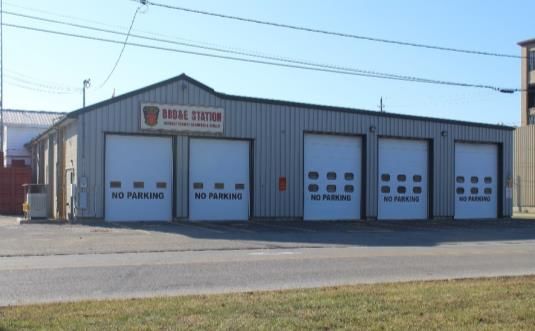
Drummond/North Elmsley Tay Valley Fire Rescue                       Fire Master Plan

Executive Summary
The intention of the Fire Master Plan (Plan) is to provide the Drummond/North Elmsley
Tay Valley Fire Board (Fire Board) and the Drummond/North Elmsley Tay Valley Fire
Rescue (Department) with the information needed to make better-informed decisions
regarding life safety services for the Township of Drummond/North Elmsley and Tay
Valley Township (Townships), now and for the future.

While the Department provides high-quality services to residents, businesses, and visitors
to the Townships, its goals should be to build upon existing strengths, improve
efficiencies, and be proactive in responding to anticipated needs to serve the
communities effectively.

There are many factors to consider when developing a Fire Master Plan. Each
municipality and fire department in the province has unique differences in the community
makeup, economic conditions, population, demographics, building stock, fire service
delivery and capabilities. The Department is unique in that it responds to two individual
townships, each with its variations.

Emergency services are considered an essential service for the Townships, and due to
the nature of the work, workers' safety is at a higher risk for impact than other service-
type occupations. Therefore, it is vital to protect the volunteer firefighters in smaller
communities by ensuring that appropriate and safe equipment is available for service
when needed for the Townships’ residents, businesses, and visitors, on a 365/24/7 basis.
It is also essential to ensure that the volunteer firefighters are respected, reasonably
compensated, and provided with appropriate benefits for their service. The Townships,
their respective Councils and the Fire Board should continue to see volunteer firefighters
as an investment in the future and the services they provide as cost-effective and cost
avoidance.

The Plan development process reviewed all aspects of the Department. It considered
how the services and resources available would align with the service demands and risks
present in the Townships. Unfortunately, there is no easy solution to reduce costs
meaningfully while maintaining sufficient protection from fires and other emergencies for
the residents, businesses, and visitors; however, there are opportunities to adjust and
revise components of the Department to improve effectiveness and implement cost
efficiencies.

The Plan provides recommendations to the Fire Board to consider, including policies and
procedures to meet legislative requirements, management and administrative support,
and infrastructure changes to prepare the Department for current and future needs and
associated hazards expected for the Townships.

                                                                                    Page v
Drummond/North Elmsley Tay Valley Fire Rescue                        Fire Master Plan

The Fire Board commissioned The Loomex Group to examine the Department and
provide recommendations for the current and future operations to help manage future
legislative pressures and the increased community demands for service. The Loomex
Group's methodology and approach included:
•   A review of the Department organization structure,
•   An analysis of the community's current needs, and,
•   An assessment to determine if the Department can continue to provide an appropriate
    level of service.

The Plan has a total of 28 recommendations that resulted from this comprehensive
review. These recommendations are based on an analysis of several factors, including
current legislation and suggestions for updates to bylaws, agreements, suggested
proactive changes to the organizational structure, and Fire Prevention and Training
programs.

The review includes a section on how the Department is operating today and
recommendations for operating in the future. Included as a recommendation is an
organizational structure change that would add a Deputy Fire Chief and additional
financial and administrative support for the Administrative Assistant/Treasurer. The
advantages of this approach are discussed in the Plan, but one of the contributing factors
for the change is the lack of available time from the current Fire Chief and Administrative
Assistant/Treasurer to manage the requirements for meeting the legislative needs of the
Department.

The Fire Board, Fire Chief, Administrative Assistant/Treasurer, Station Chiefs, officers,
firefighters, and Emergency First Responders (EFRs) can all be proud of the service they
provide to the Townships. With some investment and a few necessary changes in the
next number of years, they will continue the strong traditions they have upheld and will be
better able to manage the growing demands of the fire service in the Townships.

The Plan was successful due to the support of several key individuals, including:
•   Fire Chief Greg Saunders
•   Administrative Assistant/Treasurer Megan Moore

The Plan is a living document that should be reviewed and adjusted annually as the
Townships’ needs and circumstances change and should be completely updated every
five years. Every effort has been made to ensure the information provided is accurate and
comprehensive.

                                                                                    Page vi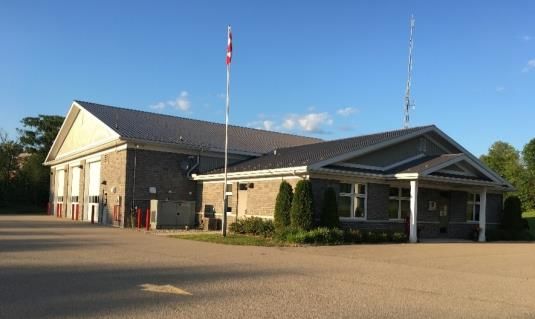
Drummond/North Elmsley Tay Valley Fire Rescue                       Fire Master Plan

Summary of Recommendations
IM: Immediate (0-1yr), ST: Short Term (1-4 yrs.), LT: Long Term (5-10 yrs.),
OG: Ongoing

 Legislation and Bylaws                                                        Budget
                                                Mandatory Term Approval
 Recommendations Section 4.5 Page 15                                           Impact

    The Establishing and Regulating Bylaws
    be reviewed and updated as required to
    reflect the current level of service and
    submitted to the Fire Board for                 ✓          IM        ✓
    consideration and approval. Final
    adoption by both Townships Council is
    needed.

    The Fire Chief review and update as
    required all fire service bylaws and
    agreements to ensure they reflect the                     ST         ✓        ✓
    current level of service provided or
    received.

    The Fire Chief establishes a regular
    schedule to review a few fire service                     ST
    bylaws and agreements annually

    In consultation with the Fire Board and
    Township CAOs, the Fire Chief review
    applicable legislation and update the
    Joint Fire Board Agreement, including
                                                    ✓          IM        ✓        ✓
    clarifying each stakeholder's roles and
    responsibilities.

 SWOT Recommendation                                                           Budget
                                                Mandatory Term Approval
 Section 5.1 Page 17                                                           Impact

    The Fire Chief, Station Chiefs and
    Officers review the SWOT Analysis
    results and determine how to incorporate                   IM
    comments and suggestions into future
    Department strategic planning.

                                                                               Page vii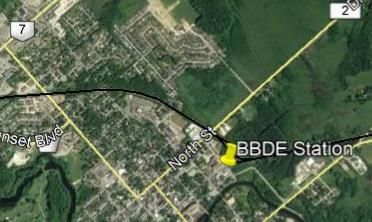
Drummond/North Elmsley Tay Valley Fire Rescue                   Fire Master Plan

Occupational Health & Safety                                              Budget
Recommendations Section 6.4 Page 20             Mandatory Term Approval
                                                                          Impact

   The Fire Board continues to support the
   Departments’ Firefighter Wellness,
   Critical Incident Stress Management and         ✓      OG
   Post Traumatic Stress Disorder
   Programs

   The Fire Chief and Station Chiefs review
   the current procedure of responding to
   an emergency scene on a fire apparatus
                                                   ✓       IM                ✓
   as it relates to wearing PPE.

   The Fire Chief and Station Chiefs should
   review the procedures of firefighters that
   respond directly to an emergency scene
   without PPE and, at a minimum, develop
                                                   ✓       IM                ✓
   SOGs to set the expectations of the
   firefighters.

Fire Prevention & Public Education                                        Budget
                                                Mandatory Term Approval
Recommendations Section 7.10 Page 28                                      Impact

   The Department develop and implement
   a standardized Public Education
   Program for the Townships to ensure
                                                   ✓       IM      ✓         ✓
   compliance with the FPPA.

   A Smoke/CO Alarm and Home Escape
   program is developed, formalized, and
   adopted through bylaw to ensure
                                                   ✓       IM      ✓         ✓
   compliance with the FPPA.

   A Fire Prevention Bylaw be developed
   for both Councils to consider setting
   regular inspection frequencies based on
                                                           ST      ✓
   occupancy type and best practices.

   The Fire Chief annually review and
   update the requirements of the FPPA to                  ST
   ensure compliance.

                                                                          Page viii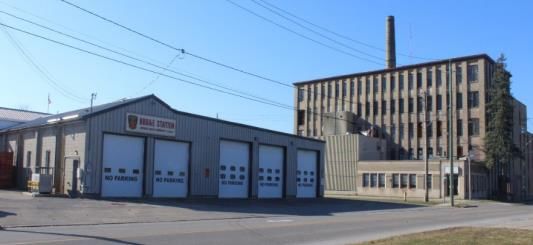
Drummond/North Elmsley Tay Valley Fire Rescue                    Fire Master Plan

Training Recommendations                                                   Budget
                                                 Mandatory Term Approval
Section 8.5 Page 32                                                        Impact

   The Department should continue to
   participate and support the Countywide
   recruit training program to ensure a                    OG
   viable recruit base and reduce individual
   department recruit costs.

   The Department establishes a Training
   Committee to ensure compliance with
   NFPA certifications and provincially
   mandated training. The Committee
                                                            ST
   should also be responsible for ensuring
   there are qualified instructors, developing
   lesson plans, and that Job Performance
   Reviews for skills sign-off is used

   The Department improve the Records
   Management System to monitor and
   track completed and mandatory training                   ST
   for compliance, including a yearly review
   of volunteer performance.

   An Officer Development program be
   established to ensure a bank of Officers
   and Instructors are meeting the                  ✓       ST               ✓
   requirements of NFPA and the definition
   of “Supervisor” under OHSA.

   A review of the South Sherbrooke
   Training Site is completed, and options
   explored to expand the footprint to
   provide shared resources for the BBDE
                                                            ST
   Station and Countywide departments in
   the area. There is an opportunity for cost
   recovery through site sharing with
   neighbouring departments.

                                                                           Page ix
Drummond/North Elmsley Tay Valley Fire Rescue Fire Master Plan
Future Department Organization Budget
Mandatory Term Approval
Recommendations Section 11.1 Page 47 Impact
The Fire Board approves hiring a Deputy
Fire Chief to manage the Training and
Fire Prevention Programs and support
IM ✓ ✓
the Fire Chief's role.
The Department implements a new burn
permit system that is efficient and
requires fewer hours for the
Administrative Assistant/Treasurer to
IM ✓ ✓
manage and includes using the “Who’s
Responding” Program.
The Fire Board reviews the proposed
considerations to reduce the
Administrative Assistant/Treasurer's
workload either by supporting the IM ✓ ✓
position with additional staff or
reallocating duties to one or both
Township Offices.
Response Time & Resource Deployment Budget
Mandatory Term Approval
Recommendations Section 12.8 Page 59 Impact
The Fire Chief conducts a Station
Location Study that includes a response
time analysis for relocating the BBD&E
LT ✓
Fire Station.
The Fire Chief approaches the Perth Fire
Department Chief to develop an
Automatic Aid Agreement for structure ST ✓ ✓
fires in areas where the Perth Fire
Department can respond faster.
The Fire Board adopts the Rural Home
and Estate Subdivision Standard for new ST ✓
construction.
Page xDrummond/North Elmsley Tay Valley Fire Rescue Fire Master Plan
Water Supply Recommendation Budget
Mandatory Term Approval
Section 13.1 Page 60 Impact
No recommendations for the Water Supply Section.
Fire Apparatus & Equipment Mandatory Term Approval Budget
Recommendation Section 14.4 Page 64 Impact
1. The Fire Chief explores the possibility of
entering an agreement with the Town of
Perth to use an aerial device when
ST ✓ ✓
required.
2. The Fire Chief should develop a lifecycle
replacement plan for all fire equipment, ST
based on the Asset Management Plan.
Fire Stations Recommendations Budget
Mandatory Term Approval
Section 15.1 Page 66 Impact
The Fire Chief conduct a feasibility study
on the BBD&E fire station to determine
the most cost-effective solution to meet
LT ✓
the Department's future needs.
Policies & Standard Operating Guidelines Budget
Mandatory Term Approval
Recommendation 16.1 Page 67 Impact
The Department creates a SOG
Committee responsible for reviewing
SOGs annually to ensure they are ST
current and reflect the Department's
operations.
Page xiDrummond/North Elmsley Tay Valley Fire Rescue Fire Master Plan
Emergency Management Budget
Mandatory Term Approval
Recommendations Section 17.1 Page 69 Impact
Each Township updates its Emergency
Response Plan to the Provincial Incident ST ✓ ✓
Management System Model.
Each Township reviews its Emergency
Management Program and explores
ways to streamline the process to ensure ST
compliance and reduce the Fire Chief's
time commitment.
Statistics and Records Management Budget
Mandatory Term Approval
Recommendations Section 18.1 Page 71 Impact
The Administrative Assistant/Treasurer
receives training on the current Records
Management System program and its
ST ✓
functions, including reports.
Align Stations’ technology via the
Records Management System to
improve data sharing, and assist with
completing training records, allow for a ST ✓
transparent approach to information
while improving training records and
remuneration reports.
The Administrative Assistant/Treasurer
review the OFMEM’s Standard Incident
Reporting manual to ensure that data is ✓ IM
being coded correctly for statistical
purposes.
As of January 1, 2021, the Department
correctly codes responses for the
OFMEM’s Standard Incident Reporting
✓ IM
system.
The Department review applicable ✓ IM
provincial legislation to ensure they are
Page xiiDrummond/North Elmsley Tay Valley Fire Rescue Fire Master Plan
Statistics and Records Management Budget
Mandatory Term Approval
Recommendations Section 18.1 Page 71 Impact
meeting the requirements for Records
Management.
Page xiiiDrummond/North Elmsley Tay Valley Fire Rescue Fire Master Plan
Introduction
The Plan provides a framework for Councils, the Fire Board, and the Department
administration to make policy, organizational, capital, and operational decisions
affecting the Department for the immediate (0-1 year), short-term (1-4 years) and long-
term (5-10 years).
The Plan reflects the requirements of the Fire Protection and Prevention Act, 1997
(FPPA) and other regulations and standards, including the Occupational Health and
Safety Act, Ministry of Labour Fire Service Section 21 Guidance Notes, National Fire
Protection Standards and the Fire Underwriters Survey and Ontario Fire Marshal's
Public Fire Safety Guidelines.
Section 2 of the FPPA identifies the responsibility for fire protection services as follows:
"Every municipality shall, (a) establish a program in the municipality which must include
public education with respect to fire safety and certain components of fire prevention;
and (b) provide such other fire protection services as it determines may be necessary in
accordance with its needs and circumstances."
Further, in Section 2.6.3, the FPPA defines the Fire Chief's responsibility to Council as
follows: "A fire chief is a person who is ultimately responsible to the council of a
municipality that appointed him or her for the delivery of fire protection services."
The Fire Board is the body that determines the type and level of fire protection services.
The Fire Chief's responsibility is to ensure the delivery of the services and provide
recommendations to Council for services required to comply with regulations and
standards and meet the community's needs.
As a third-party consultant, The Loomex Group has made recommendations in the Plan
based on consultations with the CAO’s, the Department’s administration, officers,
firefighters and EFRs, and by reviewing applicable legislation, standards, best practices,
and the Ontario Fire Marshal’s Public Safety Guidelines. The Loomex Groups' role was
to provide comments and recommendations on current and potential issues. The
recommendations may or may not be supported by the Departments’ administration,
some of which may require additional study and consideration.
Councils and community residents expect the fire service to run effectively and
efficiently and need to know the fire service's capabilities and limitations given the
resources provided. This Plan considers the current and future resources needed to
provide the Fire Board approved services and to identify benchmarks to measure
service efficiencies. The review also examines the primary functions of the fire service
and specific fire department operations, changes that have taken place, and provides
recommendations for modifications or improvements, if applicable. An accumulative
summary of recommendations is located after the Executive Summary in the Plan.
Page 1Drummond/North Elmsley Tay Valley Fire Rescue Fire Master Plan
Approach and Methodology
The Loomex Group brought together a Project Team expressly suited to complete the
Plan for the Department. The Project Team included experts with direct experience
managing emergency and fire services departments, conducting organizational reviews,
and developing strategic plans. Their expertise, knowledge, dedication, and
commitment to community life safety is apparent throughout this document.
The Loomex Group's approach and methodology to the work scope included a
background review of documents and maps, direct observation of the environment, and
Department and Townships staff engagement. This approach is essential for developing
the Plan, and The Loomex Group believes that stakeholder engagement is an
instrumental component of the Fire Master Plan process. The following list outlines the
steps that led to the development of the final plan.
Establish Terms of Reference
Stakeholder Engagement
Strengths, Weaknesses, Opportunities and Threat (SWOT) Analysis
Data Collection, Review and Analysis
Completion of Community Risk Assessment
Fire Master Plan
Establish Terms of Reference
The Loomex Group met with the Fire Chief and the Administrative Assistant/Treasurer
for the Department to review the scope of work and establish the terms of reference for
the project. It is critical to ensure that everyone understands the scope of work,
timelines, and deliverables at the project start. The Project Team developed a
framework to meet the Plan's requirements reviewed and approved by the Fire Chief.
Stakeholder Engagement
The initial engagement session was conducted by meeting with the Fire Board, the Fire
Chief, the Administrative Assistant/Treasurer, the Station Chiefs and the department's
officers, firefighters and EFRs.
The goal of the meeting was to:
Introduce the project team,
Present the framework for the project and,
Outline the role of each member of the project team and their contributions to the
plan.
Page 2Drummond/North Elmsley Tay Valley Fire Rescue Fire Master Plan
Following the initial meeting, the Project Team conducted further stakeholder
engagement sessions with the Chief Administrative Officer’s (CAOs) from the
Townships, the Fire Chief, Station Chiefs, Training Officers, and the officers, firefighters,
and EFRs from the stations.
Strengths, Weaknesses, Opportunities and Threat (SWOT) Analysis
An essential part of the work and analysis scope was the SWOT sessions. Members of
the Project Team met with the two Station Chiefs and conducted a series of sessions
with each station’s officers, firefighters, and EFRs. During the sessions, the Project
Lead asked a series of questions related to the Department's strengths, weaknesses,
opportunities, and threats. Those unable to attend a session could provide input and
feedback through an online survey or a face-to-face meeting.
Data Collection, Review and Analysis
The Loomex Group worked with the CAOs, the Fire Chief, and the Administrative
Assistant/Treasurer to review and analyze numerous documents that provided relevant
and historical information. It is essential to understand the framework and development
of current operations to provide recommendations for the Plan. Documents reviewed
included:
• Applicable Bylaws
• Asset Management Plans
• Response Protocols
• Operating and Capital Budgets
• Firefighter Compensation
• Applicable Agreements
• Organizational Structure
• Mapping of municipal boundaries, station locations and response data
• Population, development data and studies
When reviewing the data, the Project Team maintained an open-minded approach when
examining how the Department conducts business, identifying synergies, and
determining opportunities for shared services and cost-savings or cost avoidance
recommendations. The areas of analysis include:
• Governance and Applicable Legislation and Bylaws
• Operation and Capital Budgets and Purchasing
• Community Risk Profile
• Community Growth
• Fire Protection Agreements
• Best Practices Per NFPA 1710 & 1720 and Ontario Fire Marshal's Public Fire
Service Guidelines
• Administration
Page 3Drummond/North Elmsley Tay Valley Fire Rescue Fire Master Plan
• Human Resources, Job Descriptions and Succession Plans
• Recruitment, Retention, and Compensation
• Firefighter Training and Education Program
• Fire Stations, Apparatus and Equipment
• Fleet and Equipment Maintenance
• Fire Prevention Programs (Public Education and Code Enforcement)
• Fire Suppression
• Dispatch and Radio Systems
• Technology and Future Needs
In addition to data collection and stakeholder engagement, the Project Team spent time
in the community, observing and reviewing, first-hand, all areas and aspects of the
Townships.
Community Risk Assessment
The Loomex Group also completed a Community Risk Assessment as part of the
process for both Townships. This document identified risks based on the review of the
following profiles:
Geographic Profile
Building Stock Profile
Critical Infrastructure Profile
Demographic Profile
Hazard Profile
Public Safety Response Profile
Community Services Profile
Economic Profile
Past Loss and Event History Profile
Fire Services Master Plan
Meeting with the Fire Chief and Administrative Assistant/Treasurer regularly helped to
review the Plan on an ongoing basis. When completed, the draft document was
provided to them and Townships’ CAOs for comment. After reviewing all comments and
updating the Plan, The Loomex Group issued the finalized version to the Fire Chief and
presented highlights and recommendations to the Fire Board and the respective
Township Councils.
Page 4Drummond/North Elmsley Tay Valley Fire Rescue Fire Master Plan
Overview of the Townships
Township of Drummond/North Elmsley
Located in the heart of Lanark County, Drummond and North Elmsley Townships
amalgamated in 1998. The Township includes the communities of Armstrong Corners,
Balderson, Beveridge Locks, Cook's Shore, Craig Shore, Drummond Centre, Ebbs
Shore, Elmgrove, Ferguson Falls, Glenview, Innisville, McCreary's Shore, McCulloughs
Landing, McNaughton Shore, Port Elmsley, Prestonvale, Richardson, Rideau Ferry,
Robertson's Shore and Wayside. Ottawa, the closest city, is 55 km to the west and the
Town of Perth abuts the western boundary. Neighbouring towns of proximity include
Smiths Falls and Carleton Place. The historic Rideau River is to the south and the
Mississippi River in the northwest.
The Township’s area measures 25,921 hectares, and the Statistics Canada 2016
Census notes a population of 7,773, representing a 3.8% growth since 2011. In the
summer months, the seasonal population adds a count of 4,000.
The natural landscape includes many lakes and rivers within the rolling hills and
farmlands. The outlying towns of Smiths Falls and Perth provide access to shopping
and businesses. As noted on the Economic Development webpage, “the Township is
considered the southern gateway to Lanark County’s Maple Syrup Trail.”
Tay Valley Township
In 1998, the Tay Valley Township amalgamated Bathurst, South Sherbrooke, and North
Burgess. The Township is the southwest corner of Lanark County in eastern Ontario
and includes the communities Balderson, Armstrongs Corners, Brooke Valley, and
Rokeby. The Tay River, the namesake of the Township, is a tributary of the Rideau
River that runs through the Township. There are also many other lakes and rivers
throughout. Ottawa is slightly 80 km to the northeast, and the Kingston border is 70 km
to the south.
The 2016 Census notes Tay Valley Township has a population of 5,665, which is a
slight increase of 1.7% from 2011. Seasonal residents comprised mainly of cottage
owners increase the Township’s population to an estimated 10,000. The Township’s
total land area measures 550 square kilometres.
Page 5Drummond/North Elmsley Tay Valley Fire Rescue Fire Master Plan
Drummond/North Elmsley Tay Valley Fire Rescue History
Bathurst, Burgess, Drummond, and North Elmsley Townships (BBD&E)
In the early years, fire protection for the Townships was contracted to the Town of Perth
for an hourly fee or for less severe fires; residents would form a bucket brigade to fight
the fire. In 1953, the Reeve of Drummond Township, George Smith, approached Norm
Hogan to create a new fire department to serve the Townships. Mr. Hogan agreed to
form the department and became the first Fire Chief for the BBD&E Fire Department.
A new fire truck was ordered at the cost of $12,717. Chief Hogan had difficulty
recruiting volunteer firefighters in the early years until a grass and brush fire that
happened on Otty Lake raised the Department's profile due to saving many cottages
from being destroyed by fire.
Initially, the department was housed in the Perth Fire Hall but moved to a building on
Herriott Street in 1960 and remained there until a new fire station opened in 1967 at its
current location on Sherbrooke Street.
As the calls for service grew for the department over the years, so did the need for fire
prevention; under Chief Darou's direction, the department began doing more fire
prevention. Chief Darou’s saying was, “The biggest part of firefighting is preventing a
fire.” This progressive thinking was not the norm in the late ’60s and early ’70s for many
departments, and the concept continued throughout the years for the Department,
including starting an inspection and pre-planning program under the direction of Chief
Jordon.
As with many volunteer fire departments, firefighters for the department spent many
hours raising funds to purchase equipment or work on the fire hall or fire apparatus to
build a brush truck.
In 1985, the BBD&E department became part of the County of Lanark Rescue Units,
where twenty firefighters were trained in advance rescue operations. Today, this
program is still in place with a Rescue Vehicle housed at the BBD&E station to provide
service throughout the County.
Since the formation of the BBD&E department, there were many significant events,
including the Ice Storm of ’98, followed by flooding the same year in the spring, but one
of the momentous events was forming the Drummond/North Elmsley Tay Valley Fire
Rescue in 2006. While the Townships of Bathurst, North Burgess and South
Sherbrooke and Drummond North Elmsley had amalgamated in 2002, it took years of
discussion and meetings to implement the new Department.
Page 6Drummond/North Elmsley Tay Valley Fire Rescue Fire Master Plan
South Sherbrooke
Before 1972, the Township of South Sherbrook purchased fire protection from the Town
of Perth for an hourly fee, like the Townships of BBD& E. In 1972, a group of individuals
approached Council about forming a fire department, and the first Fire Brigade started
under the guidance of Chief Hubert Warwick.
The department owned a Hale portable pump, some hard suction and a little bit of hose
and stored it in the Township Hall basement. Chief Warwick’s wife ran the switchboard
to make long-distance calls, so it was only natural the firefighters were notified from
there when there was a fire.
Once notified to respond to a fire, the pump and hose were loaded in one of the
firefighter’s trucks and transported to the fire location, where they looked for a water
source to hook up the pump.
In 1975, Council officially adopted through bylaw the South Sherbrooke Fire
Department. Harry Moore was named the first Fire Chief, and a dedicated group of
people joined the new department. Council also approved a new Pumper truck that
year, which arrived for service in 1976. A few years later, an additional tanker truck was
purchased, and the vehicles were stored in the Roads Garage in Maberly. Five fire
phones were also put into place in various locations to answer the resident's emergency
calls.
Early in 1990, the department moved to its new locations on the corner of Hwy 7 and
Bolingbroke Road. The existing building was a restaurant, garage and gas station and
significant renovations converted it to a fire station. The station housed a pumper,
tanker and equipment van and remained in service until 2011 when the department
moved into its new location on Hwy 7.
Over the years, many members served the South Sherbrooke station; however, the
department is fortunate to have Captain Bob Ritchie, one of the founding members,
actively serve his community for over 49 years.
Page 7Drummond/North Elmsley Tay Valley Fire Rescue Fire Master Plan
In 2006 the BBD&E and South Sherbrooke departments amalgamated together to form
the new Drummond/North Elmsley Tay Valley Fire Rescue. Credit goes to the Fire
Chiefs, who helped guide the original two departments and the amalgamated
Department, for their vision and dedication to the community over the years.
BBD&E Fire Department South Sherbrooke Fire Department
Norm Hogan Hubert Warwick
Harry Smyth Harry Moore
Arnold Darou Doug Tysick
Harold Jordon Gord Thompson
Eldwin Tysick Jay DeBernardi
Rick Hannah Reg Norris
Drummond/North Elmsley Tay Valley Fire Rescue
Jay Langley
Greg Saunders
Page 8Drummond/North Elmsley Tay Valley Fire Rescue Fire Master Plan
Legislation, Bylaws, and Agreements
Municipal Liability Policy vs. Operational Decisions for Fire Protection
In the 1989 case of Laurentide Motel vs. Beauport (City) 1, the Supreme Court of
0F
Canada (SCC) found that the Town of Beauport, Quebec, was liable for a significant
portion of the fire loss at the Laurentide Motel which occurred in 1972. This case was
precedent-setting in that until this time, municipalities and fire departments were largely
considered free from civil liability for firefighting efforts. An important aspect was the
issue of “Policy Decisions vs. Operational Decisions” in determining liability. The
Supreme Court of Canada’s decision announcement in 1989 cost the City of Beauport
over five hundred thousand dollars plus interest.
“A client's negligence led to a fire that damaged appellants' hotel complex in the City of
Beauport. As soon as they arrived, the firefighters sprayed water from the fire truck onto
the fire, but the water soon ran out owing to the impossibility of connecting with the
hydrants. The latter, which were difficult to reach and covered with snow, were unusable
because they were frozen or broken. It was not until some forty minutes later that water
was finally obtained from the hydrants. The appellants brought an action for damages
against the person who had set the fire and the respondent, alleging fault by the latter in
fighting the fire, namely that its equipment had not been maintained and did not function
properly, as well as fault by its employees in the performance of their duties.”
A summary of this case is included as necessary for the Council to consider when
making fire protection services decisions. Both water supply and negligence in
firefighting operations were issues. There is no question that a client in the motel was
responsible for causing the fire. However, the City's failure to maintain and operate
effective fire protection services (water supply and firefighting) resulted in them being
partially responsible and were allocated most of the costs.
In the ruling, the court determined that a “policy decision” made by Council would be
mostly free from liability, as an elected body made it in a manner that the citizens would
be aware of (bylaws, council minutes, news reports, etc.). If the citizens were unhappy
with the Council's decisions, they had the opportunity to elect different councillors at the
next election.
With operational decisions made by departments/employees, the public may not know
those decisions and may have limited or no opportunity to question or change the
decisions that could adversely affect them.
1
Judgements of the Supreme Court of Canada - Laurentide Motel vs. Beauport (City) http://scc-
csc.lexum.com/scc-csc/scc-csc/en/item/436/index.do
Page 9Drummond/North Elmsley Tay Valley Fire Rescue Fire Master Plan
As a result of this Supreme Court decision, many municipalities have revised and
updated bylaws relating to fire protection to ensure services and policies are included as
a Council's decision rather than the fire department's operational decisions. These
bylaws include the “Establishing and Regulating” Bylaw, specifying services provided,
service level, fire prevention bylaws, including open burning, false alarms, fireworks, fire
routes, and service agreements such as Mutual Aid and Automatic Aid.
Legislation
The Department is guided in its operations by provincial legislation, industry standards
(best practices), municipal bylaws, agreements, and policies. The following is a list of
the primary legislation and standards:
• Fire Prevention and Protection Act, 1997 (FPPA)
• Ontario Fire Marshal’s Public Safety Guidelines
• Emergency Management and Civil Protection Act (R.S.O. 1990)
• Ontario Building & Fire Codes
• National Fire Protection Association (NFPA) Standards
• Occupational Health & Safety Act (OH&S) and Section 21 Committee Guidelines
• Municipal Bylaws
• Corporate Policies and Guidelines
• Department Policies and Standard Operating Guidelines
• Highway Traffic Act
• Municipal Act
• Municipal Freedom of Information and Protection of Privacy Act (MFIPPA)
One of the primary legislations the Townships must comply with is the Province of
Ontario's Fire Protection and Prevention Act, 1997 (FPPA). This Act outlines and
mandates minimum standards that must be adhered to for providing life safety systems
to a municipality. The following are the minimum standards:
• A simplified risk assessment
• A smoke alarm program
• Distribution of fire safety education materials
• Participating in inspections upon complaint or when requested to assist with fire
code compliance
• Vulnerable Occupancy Program meets Provincial Regulations
Due to the Department's operating structure under the governance of a Fire Board, it
must manage and comply with provincial legislation like the Municipal Act and MFFIPA.
A review should be conducted to ensure compliance with any legislation typically
managed by municipal staff.
Page 10Drummond/North Elmsley Tay Valley Fire Rescue Fire Master Plan
Bylaws
To meet the FPPA regulations and other legislation, each Council approves through an
Establishing and Regulating (E&R) Bylaw, based on the Chief Fire Official's
recommendations, the established level of service to be provided to residents, business,
and visitors. The E&R Bylaw for the Township of Drummond/North Elmsley is Bylaw No.
2012-54, and Bylaw No. 2012-042 for Tay Valley Township. These bylaws form the
Department's foundation and structure, how it operates, and which services it offers.
As per the bylaw, each Council approves the following core services for the Department
to provide:
• Emergency Response
• Fire Prevention and Public Education
• Fire Administration
• Training and Education
• Maintenance
• Support Services
Upon reviewing these bylaws, they appear to be very comprehensive and applicable to
the Department's services; however, to ensure they are current with today's services
and reflect any legislation and liability changes, they should be reviewed and updated if
required.
A listing of the other bylaws that affect the Department is outlined below, categorized by
Township.
Drummond/North Elmsley
• Bylaw No. 2005-61 Execution of an Agreement with Tay Valley
• Bylaw No. 2006-29 Fire Permit Bylaw
• Bylaw No. 2006-30 Tay Valley and Rideau Lakes Fire Protection Services
• Bylaw No. 06-50 Fire Protection Services Agreement with South Frontenac
• Bylaw No. 2001-27 Fire Protection Services Agreement with Smith Falls
• Bylaw No. 2012-008 False Alarm
• Bylaw No. 2013-060 Fire Protection Service Agreement with Central Frontenac
• Bylaw No. 2013-059 Automatic Aid Agreement with Lanark Highlands
• Bylaw No. 2015-047 Fees and Charges
Tay Valley Township
• Bylaw No. 2001-27 Fire Protection Services Agreement with Smith Falls
• Bylaw No. 05-069 Execution of an Agreement with Rideau Lakes
• Bylaw No. 05-100 Execution of an Agreement with Drummond/North Elmsley
• Bylaw No. 06-050 Execution of an Agreement with South Frontenac
Page 11Drummond/North Elmsley Tay Valley Fire Rescue Fire Master Plan
• Bylaw No. 06-53 Open Air Fires
• Bylaw No. 2011-059 False Alarm
• Bylaw No. 2013-079 Automatic Aid Agreement with Lanark Highlands
• Bylaw No. 2013-78 Fire Protective Services Agreement with Central Frontenac
• Bylaw No. 2015-053 Fees and Charges
The review demonstrated that these bylaws are current for the most part; however, the
Department should undertake a comprehensive review to confirm. Developing a
scheduled review and update of each bylaw will ensure they remain current.
The study also noted that since the Department provides services to both Townships,
there is a duplication of bylaws, creating additional work for both the Fire Chief and
Administrative Assistant/Treasurer.
Agreements
Under the authority of the FPPA and municipal bylaws, a municipality is permitted to
enter into an agreement to either provide or receive a service from another municipality.
There are several differences in the requirements, as detailed in the Ontario Fire
Marshal’s Public Fire Safety Guidelines (PFSG) that are outlined below.
Mutual Aid Plan
Ontario Fire Marshal’s PFSG 04-05-12 states that Mutual Aid plans allow a participating
fire department to request assistance from a neighbouring fire department authorized to
participate in a plan approved by the Fire Marshal.
Mutual Aid is not immediately available for areas that receive fire protection under an
agreement. The municipality purchasing fire protection is responsible for arranging an
acceptable response for back-up fire protection services. In cases where the emergency
requirements exceed those available through the purchase agreement and the backup
service provider, the Mutual Aid Plan can be activated for the agreement area.
Under FPPA and the Fire Marshal’s direction, Fire Coordinators establish and maintain
a Mutual Aid Plan under which municipalities that serve the designated area agree to
assist each other in the event of an emergency. Section 7 of the FPPA states, (1) the
Fire Marshal may appoint fire coordinators for such areas as designated in the
appointment.
Section 2 outlines duties: A Fire Coordinator shall, subject to the instructions of the Fire
Marshal,
(a) establish and maintain a mutual aid plan under which the fire departments that serve
the designated area agree to assist each other in the event of an emergency; and
(b) perform such other duties as may be assigned by the Fire Marshal.
Page 12Drummond/North Elmsley Tay Valley Fire Rescue Fire Master Plan
A Mutual Aid Plan should include the following components:
1. Activate mutual aid during a major emergency where the home fire department is
committed and/or the situation cannot be contained or controlled with available
resources.
2. Activate the provincial CBRN or HUSAR response system.
3. Activate a county, district, or region automatic aid program (optional).
4. Activate a county, district, or region hazardous materials support response
(optional).
5. Activate a county, district, or region extrication support response (optional).
6. Activate a county, district, or region specialized rescue support response (optional).
Automatic Aid
Ontario Fire Marshals PSFG 04-04-12 Automatic Aid states that Automatic Aid
Agreements are generally considered in municipal areas to provide first response to a
location that has another fire department closer, regardless of municipal boundaries.
The concept of automatic aid is to ensure the closest available assistance is dispatched
to an incident to provide the residents with the quickest response to their needs.
Automatic Aid reduces the critical element of time between a fire's commencement and
an extinguishing agent's application to the fire and possibly minimizing property loss and
maximizing residents’ protection.
Fire Protection Agreements
Ontario Fire Marshals PSFG 04-09-12 Fire Protection Agreements states that Fire
Protection Agreements are contracts between participating municipalities approved by
Council to provide or receive fire services at a cost. A municipality may enter into a Fire
Protection Agreement for several reasons, including services provided without
establishing a fire department, specialized equipment, services, staffing, public
education or code enforcement, or the option for multiple departments operating and
managing a fire department jointly.
The Department participates in the County of Lanark Mutual Aid Plan and has several
Fire Protection Services and Automatic Aid Agreements with other municipalities and
organizations to supply or receive services. The main agreements are:
• Fire Protection Services Agreement (Automatic Aid) with South Frontenac
• Fire Protection Services Agreement with Smith Falls
• Fire Protection Services Agreement with Lanark Highlands
• Fire Protection Services Agreement (Mutual Aid) with Central Frontenac
• Fire Protection Services Agreement with Rideau Lakes
• Automatic Aid Agreement with Lanark Highlands
Page 13Drummond/North Elmsley Tay Valley Fire Rescue Fire Master Plan
Lanark County Medical Assist Response Program
The Department participates in the Lanark County Medical Assist Response Program,
commonly known as Tiered Medical Response, through an agreement between the
County of Lanark Paramedic Service and the Lanark County Fire Departments. The
contract's basis is to ensure the timely availability of staff and resources to safely and
efficiently mitigate a life-threatening medical or public safety incident.
The criteria for tiering the Department for a medical incident is as follows:
When a patient has no vital signs, is unconscious, has a compromised airway or has
chest pains.
When the Paramedic Services response to the incident is greater than 20 minutes.
For the Department, 11.30% of the total calls from 2015 -2019 were Tiered Medical
responses.
Rescue Services Agreement
The Department also participates in a Rescue Services Agreement with the County of
Lanark to provide Rescue Services to a designated area within the County. The
Department offers a location for a rescue vehicle, maintains the vehicle and equipment,
and provides the workforce to respond to any rescue type calls that meet the criteria.
There are additional rescue vehicles in the Townships of Mississippi Mills and
Montague. This agreement is a long-established program that has been in place since
1985 with the County of Lanark.
Joint Municipal Service Board Agreement
The Joint Municipal Service Board Agreement for the Establishment and Operation of
the Fire Board is important and outlines the Fire Board's operations and governance.
The agreement outlines the following:
• Establishment and Procedures of the Fire Board
• Purpose and Authority of the Fire Board
• Budget and Financial Management of the Fire Board
• Insurance and Indemnification
The review of these documents showed them to be comprehensive and applicable to
the Department and the Fire Board's operations. However, there is some confusion
about where responsibility lies between the three stakeholders (Townships, Fire Board,
and the Department). It would be beneficial for Department operations to review this
agreement, including both from a legal and liability perspective, and create a section
that clearly identifies each of the stakeholders' roles and responsibilities.
Page 14Drummond/North Elmsley Tay Valley Fire Rescue Fire Master Plan
Recommendations
From the review and assessment of legislation, bylaws, and agreements, it is
recommended that:
The Establishing and Regulating Bylaws be reviewed and updated as required to
reflect the current level of service and submitted to the Fire Board for consideration
and approval. Final adoption by both Townships Council is needed.
The Fire Chief review and update as required all fire service bylaws and agreements
to ensure they reflect the current level of service provided or received.
The Fire Chief establishes a regular schedule to review a few fire service bylaws and
agreements annually.
In consultation with the Fire Board and Township CAOs, the Fire Chief review
applicable legislation and update the Joint Fire Board Agreement, including clarifying
each stakeholder's roles and responsibilities.
Page 15Drummond/North Elmsley Tay Valley Fire Rescue Fire Master Plan
Strengths, Weakness, Opportunity, and Threats (SWOT)
As part of the Fire Master Plan process, a Strengths, Weaknesses, Opportunities,
Threats (SWOT) Analysis was completed. A SWOT Analysis is a structured planning
method that evaluates an organization's strengths, weaknesses, opportunities, and
threats. Furthermore, it provides both internal and external information concerning
helpful and harmful analysis to achieving the Fire Services objectives.
The analysis included facilitated engagement sessions with the Station Chiefs, officers,
firefighters and EFRs at the stations in small groups to ensure compliance with the
COVID-19 restrictions. Members unable to attend a session could provide input through
an online survey. Overall, the response was good for all sessions.
Nine questions were asked of each group to stimulate a discussion on the past, present,
and future of their stations and the Department. The results demonstrated that all
members are very dedicated and care about serving their community. The following is a
list of common themes that were evident from the SWOT Analysis.
• Officers, firefighters and EFR’s are very dedicated and forthcoming about providing
professional emergency services for residents in need. They are passionate about
providing a high level of emergency services to all residents, seasonal and year-
round.
• A strong community bond is evident and reflected in overall participation in
community events and prevention activities supporting local businesses and
schools.
• There was a consensus that the Department could improve on fire inspections and
identifying vulnerable areas. In addition, it was realized that the annual smoke/CO
alarm program provides an excellent opportunity to interact with the community and
if the program was enhanced, there is even a greater opportunity for this interaction.
• Overall, the analysis revealed there is an excellent satisfaction by the firefighters
with both the apparatus and personal equipment that is provided by the Department.
• Generally, Station Chiefs, officers, firefighters and EFRs feel the Fire Board fairly
compensates them. However, a more transparent attendance system, which
includes a detailed breakdown of each individual annual compensation amount,
would be appreciated by the firefighters.
• The NFPA standards provide excellent guidelines for the Department; however, it
requires greater time commitment by Training Officers, which could be reduced if
there were improvements to the current technology and staff support.
• A more consistent approach is needed to review/follow current or missing Standard
Operating Guidelines (SOGs) to ensure consistent training objectives and
administration.
Page 16Drummond/North Elmsley Tay Valley Fire Rescue Fire Master Plan
Recommendations
From the review and assessment of the SWOT Analysis, it is recommended that:
The Fire Chief, Station Chiefs and Officers review the SWOT Analysis results and
determine how to incorporate comments and suggestions into future Department
strategic planning.
Page 17Drummond/North Elmsley Tay Valley Fire Rescue Fire Master Plan
Occupational Health and Safety
The Departments are governed under the Ontario Occupational Health and Safety Act
(OHSA) (Ministry of Labour, 2020), known as the Green Book and the Ministry of
Labour (MOL) Ontario Fire Service Health and Safety Advisory Committee, formed
under Section 21 of the OHSA.
The Department has an active Joint Health and Safety Committee (JHSC) with both
management and worker representatives. The Department representative is responsible
for attending Joint Health and Safety meetings, conducting monthly inspections on the
fire stations, and represents either the employer or employee for health and safety
issues that arise in the workplace.
In addition to meeting the applicable OHSA requirements, the Department’s operations
must align with the Section 21 Guidance Notes. Recognizing that the nature of
firefighting work can put a worker at risk of injury, illness, or death, the MOL established
an Ontario Fire Service Health and Safety Advisory Committee in 1989 to handle health
and safety issues specific to the fire service. The objective of the committee is to make
safety recommendations for firefighters across Ontario. To date, the committee has
made over seventy (70) best practice recommendations to reduce the risk to firefighters.
The intent is to integrate these recommendations into training programs and procedures
for fire scenes or stations and include recommended equipment.
The review discovered that the Department and members take health and safety
seriously. For the most part, members feel they are being looked after by the employer,
including their need for personal protective equipment (PPE).
The Departments’ JHSC between the two stations consists of three workers and two
management representatives from each station. The JHSC meets a minimum of four
times a year, and the Fire Chief attends at least two of those meetings. Some
committee members fill similar roles in their full-time occupations and have received
Health and Safety (H&S) training, including certification.
The workplace is inspected quarterly and documented, and the Fire Chief addresses
most issues in a timely fashion. The Fire Chief and/or the H&S Committee also updates
all H&S matters at the monthly association meetings. Minutes of the meeting and the
workplace inspections are posted in the stations and emailed to the members.
Another program recognized over the last several years in the fire service is the
firefighters' wellness. Many departments have initiated a Firefighter Wellness Program
that promotes fitness, nutrition, and health awareness. The program should also include
cancer awareness and prevention due to the high risk of cancers with firefighters,
Critical Incident Stress Management (CISM), and Post Traumatic Stress Disorder
(PTSD) awareness.
Page 18Drummond/North Elmsley Tay Valley Fire Rescue Fire Master Plan
Firefighter Wellness
Firefighter wellness programs have significantly increased for members of fire
departments. In the past years, wellness programs were not discussed, accepted, or
adequately funded, especially in volunteer fire departments. The Fire Board is liable
when a firefighter is injured or dies in the line of duty, but has an even larger obligation
and benefit to look after its employees. Promoting wellness and good health among
firefighters is also a new concept that can be used for recruitment and retention.
A beneficial wellness program would include:
• Medicals for firefighters
• Access to fitness facilities (internal or public)
• Education and awareness on healthy behaviours, and injury prevention and
rehabilitation
• Collecting data
Post Traumatic Stress Disorder (PTSD)
Firefighters deal with the same life issues as all other Township employees; however,
they are exposed to events involving trauma, death, and loss regularly throughout their
careers. Occupational stress experienced by firefighters can lead to PTSD. It is a
mental health issue that some firefighters develop after experiencing or witnessing a
life-threatening event, natural disaster, or traumatic events like car accidents or fire.
PTSD can also increase firefighters' risk of developing additional mental health
conditions like depression, substance abuse, or eating disorders. Most fire departments
have had one or more of their members affected by PTSD and sometimes with
devastating results.
PTSD is prevalent among firefighters and the fire service since the start of fire
departments; however, only recently has the service implemented programs to educate
and support its members. Furthermore, the Workplace Safety and Insurance Board
(WSIB) now recognizes PTSD as a workplace injury.
The Department recognizes the importance of firefighter wellness, CISM and PTSD
programs. Several resources are available for the firefighters, including those offered
through a 3rd party service. There is also an initiative with the County of Lanark
departments to develop a Peer Support Group for CISM in the coming year.
The Fire Board and the Fire Chief need to support these programs to help firefighters
manage mental health issues. The program will also assist with the recruitment and
retention of firefighters for the Department.
Page 19You can also read


