ECREEE Praia, Cabo Verde November 5, 2013
←
→
Page content transcription
If your browser does not render page correctly, please read the page content below

Cabo Verde: 100% RE Project

    Build a safe, efficient and sustainable
Energy Sector without dependence on fossil fuels

                                                                                 ECREEE
                                                                     Praia, Cabo Verde
                                                                     November 5, 2013

                                                                   Eng. José Brito
                                                                   josebrito1944@gmail. com
Potenziale erkennen!   Prozesse optimieren!   Mehrwert schaffen!      ©2010 Institut für angewandtes Stoffstrommanagement (IfaS)
OUTLINE

                         Fossil Fuel:
                       Business as usual

                                                                                                    Energy Mix
                                                                                                 Wind / Solar/Waste
                                                                   Capacity Building/
                                                                      Research
                            100%+X%                                                                    Storage
                             Concept                                                                Short/Long Term

                                                                                                     Use Oversupply

                             Institutional
                             Framework

Potenziale erkennen!   Prozesse optimieren!   Mehrwert schaffen!                        ©2010 Institut für angewandtes Stoffstrommanagement (IfaS)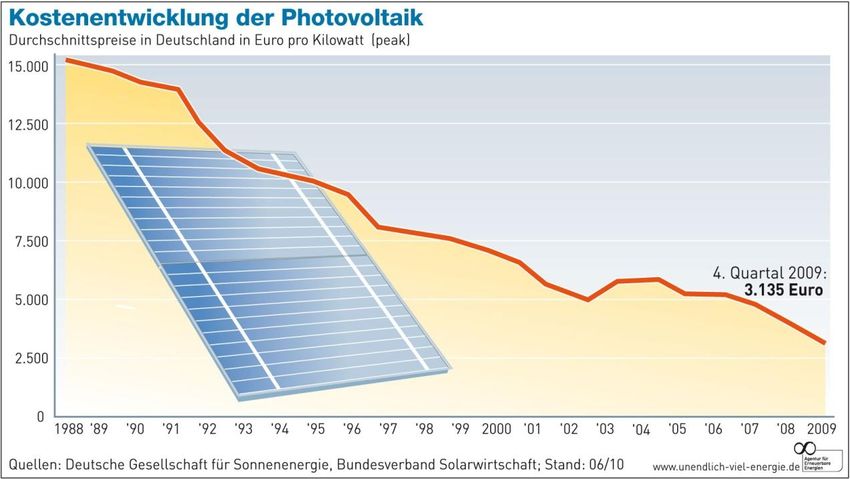
OUTLINE

                                                                                                    Energy Mix
                                                                                                 Wind / Solar/Waste
                                                                   Capacity Building/
                                                                      Research
                            100%+X%                                                                    Storage
                             Concept                                                                Short/Long Term

                                                                                                     Use Oversupply

                             Institutional
                             Framework

Potenziale erkennen!   Prozesse optimieren!   Mehrwert schaffen!                        ©2010 Institut für angewandtes Stoffstrommanagement (IfaS)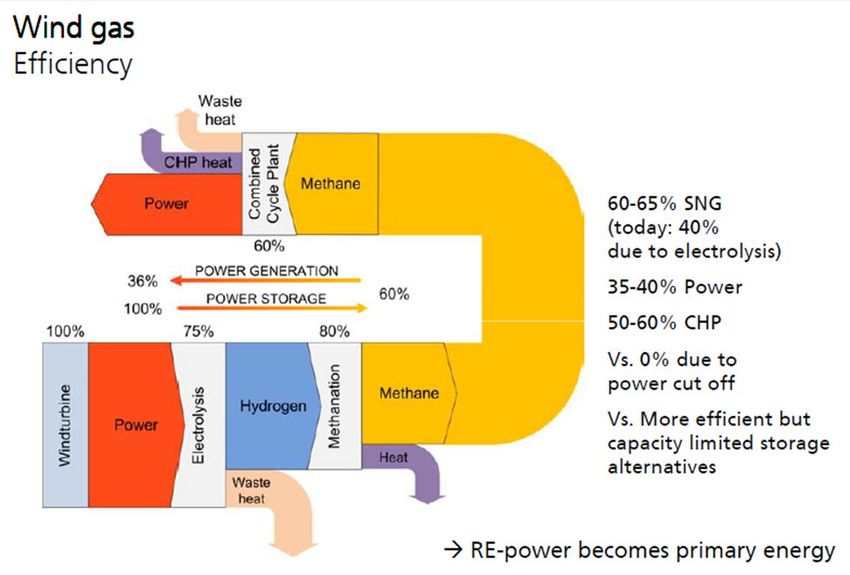
Fossil Fuel: Evolution of the Energy Cost

                                                          increase rate: 10,9 %/a

                                                                                  increase rate: 10,3 %/a

                                                                                             increase rate: 6,3 %/a

source
tables “Energia Nacional”

            Potenziale erkennen!   Prozesse optimieren!      Mehrwert schaffen!                             ©2010 Institut für angewandtes Stoffstrommanagement (IfaS)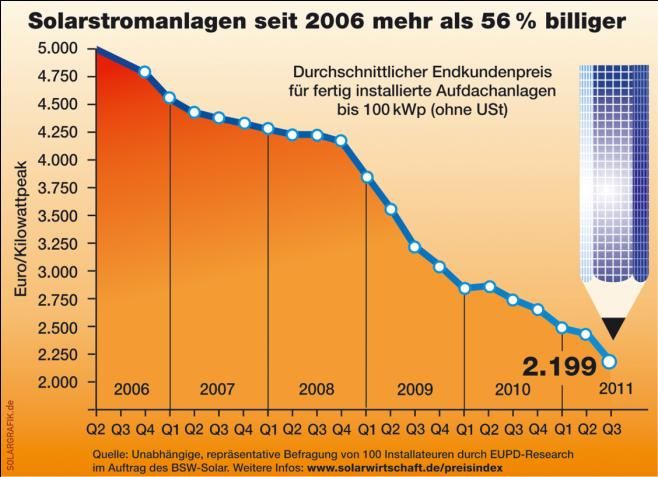
Fossil Fuel: Imports Evolution

                                                                               factor 12 in 11 year period

source:
tables “Energia Nacional”

            Potenziale erkennen!   Prozesse optimieren!   Mehrwert schaffen!     ©2010 Institut für angewandtes Stoffstrommanagement (IfaS)
Fossil Fuel: Cost Development
                               If the power demand and fossil fuel price increase would continue
                               for the decade to come, the import expenditures would increase by
                               a factor of 18 until the year 2022

assumptions
• average increase
  rate for fuel:
  10,3 %/a
  (from historic values
  2002-2012)
• demand increase
  derived from Gesto’s
  figures for 2020

       Potenziale erkennen!   Prozesse optimieren!   Mehrwert schaffen!   ©2010 Institut für angewandtes Stoffstrommanagement (IfaS)
Fossil Fuel: LCOE

assumptions
• investment figures
  from Gesto study
• efficiency figures by
  fuel consumption
  and power
  production (Sal)
• fuel cost for 2012

        Potenziale erkennen!   Prozesse optimieren!   Mehrwert schaffen!    ©2010 Institut für angewandtes Stoffstrommanagement (IfaS)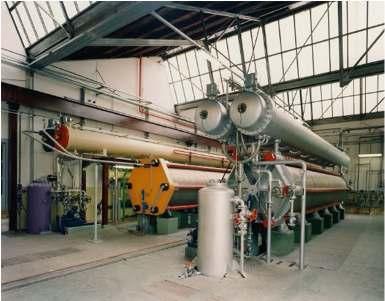
Fossil Fuel: Levelized Cost

assumptions
• fuel cost
  starting with
  fuel cost of 2012

• HFO 180
  cost    0,73 €/kg
  Diesel
  cost    0,91 €/l

       Potenziale erkennen!   Prozesse optimieren!   Mehrwert schaffen!   ©2010 Institut für angewandtes Stoffstrommanagement (IfaS)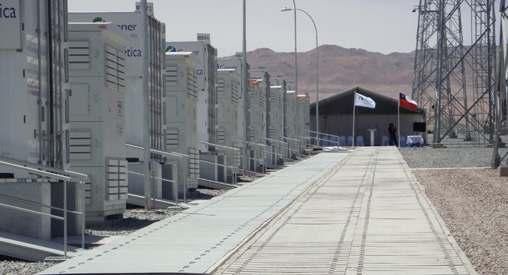
Fossil Fuel: Levelized Cost

assumptions
• fuel cost
  starting with
  fuel cost of 2012

• HFO 180
  cost    0,73 €/kg
• Diesel
  cost    0,91 €/l

       Potenziale erkennen!   Prozesse optimieren!   Mehrwert schaffen!   ©2010 Institut für angewandtes Stoffstrommanagement (IfaS)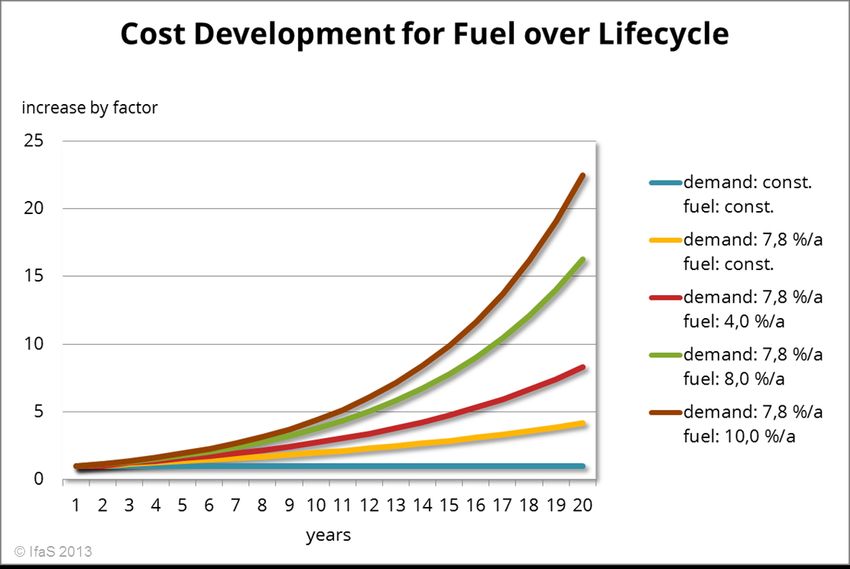
Scenario 50% RE: Power Production/ Costs
Assumptions
PV 3.400 €/kW
Wind 2.200 €/kW
Thermal Group 1.000 €/kW
Efficiency 30 %
Fuel Cost (act.) 0,71 €/l
Diesel Cost 1,09 €/l
Increase rate 15 %/a
8,5 %/a
Electr, Prod. 300 700 GWh/a
RE 20 50 %
Timeframe 2012 2020
Results:
• Pressure on
Balance of
Payment
• High domestic
electricity and
water prices
Potenziale erkennen! Prozesse optimieren! Mehrwert schaffen! ©2010 Institut für angewandtes Stoffstrommanagement (IfaS)Renewable Potentials: Wind /Solar
Potential by Island Cape Verde: demand vs potential
source: Gesto
Potenziale erkennen! Prozesse optimieren! Mehrwert schaffen! ©2010 Institut für angewandtes Stoffstrommanagement (IfaS)Decrease in Photovoltaic Price
Cost Decrease for Photovoltaic Systems
since 2000 - 75 %
since 2008 - 50%
until 2016 - 50% - on top on 2012 level
- 75 - 50 % - 50 %
%
0,135 €/kWh
2011 2016
0,068 €/kWh
Source: Agentur für Erneuerbare Energien,
BMU
Potenziale erkennen! Prozesse optimieren! Mehrwert schaffen! ©2010 Institut für angewandtes Stoffstrommanagement (IfaS)100% + X% Concept
Fossil Fuel:
Business as usual
Energy Mix
Wind / Solar/Waste
Capacity Building/
Research
Storage
Short/Long Term
Use Oversupply
Institutional
Framework
Potenziale erkennen! Prozesse optimieren! Mehrwert schaffen! ©2010 Institut für angewandtes Stoffstrommanagement (IfaS)100% RE Concept
Due to the nature of renewable energy technologies
Through the Cabo Verde will need to generate surplus energy
implementation of ranging from 241GWh (Scenario of Synthetic Methane
100% renewable
Storage) up to 553GWh (Scenario of Pumped Hydro
energy strategy
Cape Verde will Storage) Much more than needed for the
reduce the coverage of the energy demand in 2020.
reliance on
This tremendous overcapacity of cheap electrical work
imported food.
offers a unique opportunity for other, much needed
Cabo Verde will developments on the Cabo Verde islands. Energy can
be able to offer be turned into:
cost efficient
- some 140 million cubic meter of cheap desalinated
harbor and
terminal services water re-vitalizing local agricultural structure,
creating - or 2.2 billion passenger kilometer of electric mobility,
an additional - or into 1,4 million bottles of cooking gas.
attraction for
international Converting additional electricity into water and
investment in agriculture, into methane and fuel for cars or into
logistics and international competitive cold storage service gives
storage facilities
Cabo Verde a unique chance for sustainable economic
and industrial development.
Potenziale erkennen! Prozesse optimieren! Mehrwert schaffen! ©2010 Institut für angewandtes Stoffstrommanagement (IfaS)100% + X% Concept: the VISION
VISIONARY, AMBITIOUS but FEASIBLE
Storage
Energy
.
.
.
Capacity Building
Saving 100 % on imported fuel, Building an high efficiency agriculture,
Building a modern cooling logistics for fishery and vegetables,
Building a modern engineering and training society based on Renewable Energy,
Exporting Know-how to other African State and
Building a green tourism economy
Potenziale erkennen! Prozesse optimieren! Mehrwert schaffen! ©2010 Institut für angewandtes Stoffstrommanagement (IfaS)Storage: Short and Long Term
Fossil Fuel:
Business as usual
Energy Mix
Wind / Solar/Waste
Capacity Building/
Research
100%+X%
Concept
Use Oversupply
Institutional
Framework
Potenziale erkennen! Prozesse optimieren! Mehrwert schaffen! ©2010 Institut für angewandtes Stoffstrommanagement (IfaS)Storage Systems
Need for Storage Systems * Although often stated,
Supply from Fluctuating Resources compressed air is not a
renewable option, since
it requires fossil fuel to
run a gas turbine as
integral part.
Long term
fluctuations, induced by
seasonal variations of
solar irradiation and
appearance of
wind
Short term
fluctuations, induced by
single events not to be
addressed by weather
reports like single
clouds or turbulences
resulting from single
gusts
Potenziale erkennen! Prozesse optimieren! Mehrwert schaffen! ©2010 Institut für angewandtes Stoffstrommanagement (IfaS)Short Term Storage
1. - Large battery systems covering some megawatts of power
and some megawatt-hours of storage capacity are foreseen
to balance short term fluctuations and provide some reserve
energy before backup from seasonal storage has to be
considered.
- An energy management system made by an electrical
Battery Farm in grid that uses information and communications technology to
Substation gather and act on information, such as information about the
Different battery behaviors of suppliers and consumers, in an automated
technologies (sodium
sulfur, NaS; lithium fashion to improve the efficiency, reliability, economics, and
ions Li and vanadium redox sustainability of the production and distribution of electricity
Va) show distinct properties
in terms of energy-density - A sophisticated inverter technology and control software, will
and power to energy ratio.
Lithium based respond automatically to changes in grid frequency in
technologies prove their millisecond range – faster than any rotating mass, which
performance for
10,000 cycles. Suppliers introduces inertia, only.
already warrant for life
cycles of 20 years.
Sodium sulfur type
batteries are in use for
Battery and energy management system to ensure a
more than a decade stable operation of the grid without the need of a
running diesel generator
Potenziale erkennen! Prozesse optimieren! Mehrwert schaffen! ©2010 Institut für angewandtes Stoffstrommanagement (IfaS)Long Term Storage
Pumped
hydro
storage
Sterner, 2009 Fraunhofer
Potenziale erkennen! Prozesse optimieren! Mehrwert schaffen! ©2010 Institut für angewandtes Stoffstrommanagement (IfaS)Long Term Storage
Production and Use of Synthetic Methane
Hydrolyzer
(3.5 MW)
Hydrolyzer
Sterner, 2009 Fraunhofer
(3.5 MW)
Potenziale erkennen! Prozesse optimieren! Mehrwert schaffen! ©2010 Institut für angewandtes Stoffstrommanagement (IfaS)Pumped Hydro: Energy Mix
seasonal storage
• pumped hydro
assumptions
• storage power
peak demand
• storage capacity
> 1 day reserve
• battery power
50 % peak demand
• installed power
least installed power
to meet given
storage reserve
Potenziale erkennen! Prozesse optimieren! Mehrwert schaffen! ©2010 Institut für angewandtes Stoffstrommanagement (IfaS)Pumped Hydro: Investment by Island
seasonal storage
• pumped hydro
• operating cycle: 40
yrs
assumptions
• storage power
peak demand
• storage capacity
> 1 day reserve
• battery power
50 % peak demand
• installed power
least installed power
to meet given
storage reserve
Potenziale erkennen! Prozesse optimieren! Mehrwert schaffen! ©2010 Institut für angewandtes Stoffstrommanagement (IfaS)Synthetic Methane: Energy Mix
seasonal storage
• synth. methane
assumptions
• storage power
peak demand
• storage capacity
> 1 day reserve
• battery power
50 % peak demand
• installed power
least installed power
to meet given
storage reserve
Potenziale erkennen! Prozesse optimieren! Mehrwert schaffen! ©2010 Institut für angewandtes Stoffstrommanagement (IfaS)Synthetic Methane: Investment per Island
seasonal storage
• synth. Methane
• operating cycle: 20
yrs
assumptions
• storage power
peak demand
• storage capacity
> 1 day reserve
• battery power
50 % peak demand
• installed power
least installed power
to meet given
storage reserve
Potenziale erkennen! Prozesse optimieren! Mehrwert schaffen! ©2010 Institut für angewandtes Stoffstrommanagement (IfaS)Power generation and storage infrastructure
A combination of battery
and new inverter were
Necessary renewable energy capacities to be installed [including
defined as short term short-term storages (vital for grid stability) and seasonal storages]
storage facility as the
combination of both are
delivering vital grid
stability function and are
installed power power generation and storage infrastructure
commercially available.
photovoltaic wind battery seasonal storage
For seasonal storage (up
to 7 days of full load) the Boavista 35 MW 35 MW 9 MW 1.600 MWh
two technical options of
pumped hydro storage Brava 2 MW 1 MW 1 MW 70 MWh
(PHS) and power-to-gas
were evaluated. While Fogo 10 MW 7 MW 2 MW 550 MWh
PHS is a mature
technology (but requiring Maio 10 MW 3 MW 1 MW 280 MWh
certain topographical
conditions) the power-to-
Sal 39 MW 17 MW 9 MW 1.200 MWh
gas technology is
currently undergoing the
Santiago 168 MW 112 MW 30 MW 7.700 MWh
commercialisation (in Santo Antão 12 MW 3 MW 3 MW 250 MWh
particular in Germany)
and yet has to prove its São Nicolau 3 MW 2 MW 1 MW 110 MWh
applicability on the
magnitude foreseen on São Vicente 64 MW 16 MW 10 MW 900 MWh
Cape Verde.
total 343 MW 196 MW 66 MW 12.660 MWh
Potenziale erkennen! Prozesse optimieren! Mehrwert schaffen! ©2010 Institut für angewandtes Stoffstrommanagement (IfaS)Total Investment per Island
total
investment
• pumped
hydro
ca. 1.3
billion €
• synth.
methane
1 billion €
Potenziale erkennen! Prozesse optimieren! Mehrwert schaffen! ©2010 Institut für angewandtes Stoffstrommanagement (IfaS)Levelized Cost of Energy: Average for all Islands Potenziale erkennen! Prozesse optimieren! Mehrwert schaffen! ©2010 Institut für angewandtes Stoffstrommanagement (IfaS)
LCOE – Related to Energy Demand

assumptions
• demand
  according to
  Gesto Study,
  “business as
  usual” scenario
  for 2020

       Potenziale erkennen!   Prozesse optimieren!    Mehrwert schaffen!   ©2010 Institut für angewandtes Stoffstrommanagement (IfaS)
LCOE – Related to Total Energy Production
assumptions
• production
according to energy
mix, assuming
flexible additional
demand
Potenziale erkennen! Prozesse optimieren! Mehrwert schaffen! ©2010 Institut für angewandtes Stoffstrommanagement (IfaS)Macro-Economic Effect
Keeping current trends
assumptions
• demand
demand of 2020
(constant)
• fuel cost
starting with
fuel cost of 2012
• HFO 180
cost 0,73 €/kg
increase 10,3 %/a
(period 2002-2012)
• Diesel
cost 0,91 €/l
increase 10,9 %a
(period 2002-2012)
Potenziale erkennen! Prozesse optimieren! Mehrwert schaffen! ©2010 Institut für angewandtes Stoffstrommanagement (IfaS)Macro-Economic Effects
assumptions
• demand
demand of 2020
(constant)
• fuel cost
starting with
fuel cost of 2012
• HFO 180
cost 0,73 €/kg
• Diesel
cost 0,91 €/l
Potenziale erkennen! Prozesse optimieren! Mehrwert schaffen! ©2010 Institut für angewandtes Stoffstrommanagement (IfaS)NAMA Potentials by 100% RE
100% RE electricity supply equals to min. up to
6.0 Mio. tons of CO2e / 21years (Fossil Fuel
Switch)
Assumption 0,9 kg CO2e/kWh (in 2012)
declining to 0.1 CO2e / kWh in 2020
100% RE Water Supply (25.000m3/day/21years)
equals up to 1.2 Mio. tons CO2e / 21years (Fossil
Fuel Switch)
100% Waste-to-Energy Recovery equals to min.
1.0 Mio. tons CO2e / 21years (Avoided LFG)
Potenziale erkennen! Prozesse optimieren! Mehrwert schaffen! ©2010 Institut für angewandtes Stoffstrommanagement (IfaS)Emission Reductions by 100 Renewable Supply
assumptions
• demand of 2020
from Gesto study,
“business-as-usual”-
scenario
• estimated figures,
only
• further increase of
emissions by
enhancement of
installed power will
be reduced by
additional shares of
renewable supply of
up to 80% in 2050
Potenziale erkennen! Prozesse optimieren! Mehrwert schaffen! ©2010 Institut für angewandtes Stoffstrommanagement (IfaS)Excess Energy Use
Fossil Fuel:
Business as usual
Energy Mix
Wind / Solar/Waste
Capacity Building/
Research
100%+X% Storage
Concept Short/Long Term
Institutional
Framework
Potenziale erkennen! Prozesse optimieren! Mehrwert schaffen! ©2010 Institut für angewandtes Stoffstrommanagement (IfaS)Use of oversupply
Total Production:
100% + X% Load
shaded area represents “over
production” – to be used for additional
water production, hydrogen production
(incl. synth. methane), storage
purposes, …
Oversupply represents a valuable resource by itself; new businesses with temporal switchable load
may be developed. In addition, making use of this resource may lead to different models for electricity
market itself:
· temporal switchable loads may be subject to special low tariffs, enabling agricultural cultivation by
desalinated sea water (actually energy cost for desalinization are prohibitive for irrigation purposes)
· additional revenues from switchable loads may be used for cross-subsidization and thus lead to
lower electricity production cost
· a mixture of these proposals
Potenziale erkennen! Prozesse optimieren! Mehrwert schaffen! ©2010 Institut für angewandtes Stoffstrommanagement (IfaS)Excess Energy Use
Surplus Energy could be utilized as:
Water and electricity (Cooling) for an agricultural production
• 1.000ha of irrigation
100GWh of energy
Creating Synergy 300.00 Mio Investment
New intelligent 200.000t food production (export) and 5.400 jobs
RE consumer Annual Profit of 38 Mio EUR (at 0,15 EUR/kWh)
relieving grid
Lower domestic water and electricity price
instability by Production of synthesized methane (36.5 GWhtherm can
stand-by produce 3.650.000m3 of methane )
consumption
• Substitution for cooking gas
New employment • Substitution of diesel (transportation)
options
• Used as diesel substitute in tri-generation processes at tourism
Sharing financial facilities for hot water, decentralized electricity and cooling
burdens of RE energy
expansion Grey water Re-use (Industry, Tourism, Municipality)
Brownfield and Greenfield Applications (100% Tourism)
Fishing and Fish Processing
• Cooling for Ice and Refrigeration
• Thermal for Canning
Potenziale erkennen! Prozesse optimieren! Mehrwert schaffen! ©2010 Institut für angewandtes Stoffstrommanagement (IfaS)Excess Energy Use: Cost Structure –
RO based Desalination
Current Freshwater Production
Costs per m3 are around 3,00 EUR
Current Average Sales Prices vary
between 2,98 EUR to 4,98 EUR per
m3
Current Energy Costs vary between
1,00 to 1,50 EUR/m3
Yield per ha is only about 50% of
(European) standard
Domestic selling prices are above
import prices
Renewable Energy Costs
(for excess energy) of
averaged 0,10 EUR/kWh
could decrease the water
production costs up to 30%
Potenziale erkennen! Prozesse optimieren! Mehrwert schaffen! ©2010 Institut für angewandtes Stoffstrommanagement (IfaS)Transforming Excess Energy in Food
The underlying 100% renewable energy
Agriculture is supply is not only ensuring energy security; it
an interesting
option to also has the potential to ensure the water and
utilise excess food security, too!
energy
The 100+X% The tremendous overcapacity of cheap
strategy will
re-vitalize
electrical work offers unique opportunities to
agricultural transform the excess electricity into water via
structures desalination processes (as a kind of
which had
been
secondary storage and dispatchable
abandoned consumer option) since it will be technically
due to high and economically easy to establish a water
water prices.
storage facilities for 15 days of irrigation
Potenziale erkennen! Prozesse optimieren! Mehrwert schaffen! ©2010 Institut für angewandtes Stoffstrommanagement (IfaS)Transforming Excess Energy in Food
Investing in RE is an highly lucrative
investment option since is:
creating more investment in agriculture
Enhancing food security and creating new export options
maintaining local jobs and creating significantly new
employment options
Creating in the mid-and long term development
perspectives, new industrial clusters and agricultural
production processes and products
Potenziale erkennen! Prozesse optimieren! Mehrwert schaffen! ©2010 Institut für angewandtes Stoffstrommanagement (IfaS)Excess Energy:
Green Agriculture and New Added Value Process
:
Zero Discharge Seawater Desalination: Integrating the
Production of Freshwater, Salt, Magnesium, and
Bromine
Domestic production of fertilizer based on renewable
energies.
Ecological Agriculture
Storage of excess energy in nitrogen, phosphorous
and potassium + trace elements by:
• Haber-Bosch Synthesis Option (12,5kWh/kgN)
• Ammonium-Magnesium-Phosphat Precipitation
from sewage sludge and waste water
• Potassium extraction from brine of reverse osmosis
Potenziale erkennen! Prozesse optimieren! Mehrwert schaffen! ©2010 Institut für angewandtes Stoffstrommanagement (IfaS)OUTLINE
Fossil Fuel:
Business as usual
Energy Mix
Wind / Solar/Waste
100%+X% Storage
Concept Short/Long Term
Use Oversupply
Institutional
Framework
Potenziale erkennen! Prozesse optimieren! Mehrwert schaffen! ©2010 Institut für angewandtes Stoffstrommanagement (IfaS)Education for the energy transition
Despite the
Knowledge and soft skills are necessary:
“hardware” for
the On craftsmen level
implementation In the initial phase it is necessary to identify and evaluate
of the ambitious the existing craftsman educative programs in both,
energy transition structure and content.
strategy towards
100% renewable In the mid and long term it is suggested that at Cabo
energy, it will be Verde the structure of dual practical and theoretical
crucial for the apprenticeship is in close cooperation with the companies
success to and state owned vocational training schools
establish an On academic level capacity building strategy will be the
intensive establishment of a Zero-Emission University network
capacity building
and knowledge-
entitled as “Collaborative Tertiary Education and
creation- Applied Research Center in 100% Renewables and
process, as well Zero Emission System Design in the long-term. The
as its Zero-Emission University network will be located at
appropriate Cape Verde associated to a Cape Verdean University
structures.
Potenziale erkennen! Prozesse optimieren! Mehrwert schaffen! ©2010 Institut für angewandtes Stoffstrommanagement (IfaS)Education and Research: Network
Academic Non-
Training Academic
Training
Jean
Piaget Cluster das
Energias
Renováles
Political
Vocational
Training ECREEE Support
IEFP
Potenziale erkennen! Prozesse optimieren! Mehrwert schaffen! ©2010 Institut für angewandtes Stoffstrommanagement (IfaS)Institutional Framework
Fossil Fuel:
Business as usual
Energy Mix
Wind / Solar/Waste
Capacity Building/
Research
100%+X% Storage
Concept Short/Long Term
Use Oversupply
Potenziale erkennen! Prozesse optimieren! Mehrwert schaffen! ©2010 Institut für angewandtes Stoffstrommanagement (IfaS)Institutional Framework
The major The master plan proposes a mixture of local
obstacle for a and international funding in strong proximity
quick with a change in the organization of the public
implementation of
the 100% utility ELECTRA.
renewable energy
master plan lies in
the organization Key concern in the area of money allocation
of the investment. must be the creation and protection of
Just exchanging
regional and national added value. The first
the import of fossil interest should be to create capital values for
energy by the Cape Verde before offering the investment
import of external
technology and
opportunity to external lenders. And in all
money will not be cases ownership of the energy system must
the solution to be in the realm of stakeholders from Cape
Cabo Verde´s
structural
Verde.
problems.
Potenziale erkennen! Prozesse optimieren! Mehrwert schaffen! ©2010 Institut für angewandtes Stoffstrommanagement (IfaS)Long-Term Concessional Loans “Lost Grants”
100% RE
Direct Investment Holding Direct Investment
Related (e.g. Pension Fund) (Share Exchange)
Government
Cabo
Entities INPS) Verde
Due Diligence
and Asset
IFI & Government Assessment ELECTRA
Guarantee Donor &
Sovereign of Cabo Holding
Wealth (existing) Foundations
Verde
Funds
Discounted
Credits
(Capital
Finance
NAMA
Carbon
Costs < 5%)
Climate
Funds
n.Equity Mezzanine
Corporate Tax (Preferential Interest) National
100% State Owned CE Fond
15-20% for Cape
Holding 100% RE EQUITY 100% RE Verdeans
Equity Interest Holding Investment
& Annuity Cabo Company
Verde Equity Capital
Government Dividends (Limited Interest
of Cape ( >5% < 10%)
Verde “Dividend
Capital”
Project
IFI & FDI
Development Sovereign Wealth
Donors & and Equity Funds &
International Circular RE Funds
Foundation Economy 100%
Foundation RE
CE Debt Capital
Intellectual Project CE
Project (Concessional &
Property Right s Project
s Market-based
s
Interest
Social Capital &
Funding
Application of
CV Circular Economy Social, Community CE Technology
Research & Education and Efficiency Projects Research
Results
n.Advisory Service and Coaching
Supervision of
Tendering and
PPA & System Design
Governm 100% RE Technical
Regulation Payment
ent of Investme Consultancy Fee Assistance
Cape nt (in ‰ of Investment) (Independent
Verde Company Institution)
Money Transfer
Service & Transmission Fees
Information &
Regulation Agency Tender Bid
Technical
ELCTRA Units Evaluation &
EPC Contract
Supervision
ELECTRA Technolog Construction
Costumer Turn-Key Phase
Service & Billing Constuction y Provider
ELECTRA RE
Grid
Project
Management & (Production, Monitoring,
Engineering Storage, Awareness and
(North / South) Transmission) Research
ELECTRA
RE Operation & Cooperation and
CV Circular Joint Research & Education
Maintenance Economy Research
(North / South) & Education Transfer to ECOWAS
n.ROAD MAP to 2020
Mid Term Objective Long Term Objective
Short Term Objective until End of 2017: until End of 2020:
until End of 2014: Installation of new Installation of
Detail Engineering renewable energy seasonal storages
Concepts and production and and additional
implement first short-term storages renewable energy
at all islands. production sites
Potenziale erkennen! Prozesse optimieren! Mehrwert schaffen! ©2010 Institut für angewandtes Stoffstrommanagement (IfaS)ROAD MAP to 2020
• Objective: create immediate solutions enhancing current renewable energy
production (penetration) and grid stability.
• Detailed engineering studies for new renewable energy production sites and their
grid integration as well short term storage and grid stability measures (battery
Short packs and inverters) will be initiated based on the 100% study (and partly the site
pre-evaluations done in the GESTO study). The detail engineering studies - if
Term done cost effectively parallel for all islands and predefined sites – require an initial
investment of approximately 10.0 Mio. EURO.
• On all islands new renewable energy installations as well as short-term storage
(up to 12 hours of full load) and grid stability measures are implemented
maximising the renewable energy penetration to an economic interesting point
possible without seasonal storage concepts.
Mid-Term • In parallel, different seasonal storage (for up to 7 days of full load) technologies
are evaluated in detailed engineering studies.
• The energy transition towards 100% Renewable shall be completed until 2020
with the construction of seasonal storage technologies based on the expected
mature technology and international experiences.
• The detailed engineering concepts are an important pre-requisite for the tendering
Long Term process and business planning
Potenziale erkennen! Prozesse optimieren! Mehrwert schaffen! ©2010 Institut für angewandtes Stoffstrommanagement (IfaS)ROAD MAP to 2020: necessary conditions
• Careful considerations have to be performed for each of the islands.
Strategies shall cover the utilization of oversupply by dispatchable loads.
• Implementation phase requires strong governance to follow a systemic
approach covering supply and grid related issues jointly.
• Step-by-step implementation has to be developed making use of existing
fuel driven generators which can play a vital role as long term (seasonal)
storage device in a transition phase while related constructions are on the
way. Even as backup they are valuable assets.
• Grid stabilizing by the introduction of battery storages has to be
highlighted as one of the first steps for implementation at short term. As a
matter of course the design of storage hardware and control shall
consider future enhancements to 100 % regenerative supply. Thus
renewable production from existing photovoltaic systems and wind
turbines may be enhanced to their capabilities without the need for
today’s power reductions.
Potenziale erkennen! Prozesse optimieren! Mehrwert schaffen! ©2010 Institut für angewandtes Stoffstrommanagement (IfaS)Proposed Project Design for Sal Island
The project aims to develop the technical engineering design as a pre-requisite for a designated tender
process for:
1. Wind Park with 7.65-8,5MW nominal power capacity with suitable inverter;
2. PC Park with 2,5MW nominal power capacity with suitable inverter;
3. Battery with 9MW/9MWh and Grid Management System (SCADA System) :
The detailed engineering concept for the positions 1) and 2) include:
• all relevant measurements,
• planning and permitting assessment,
• grid connection design,
• geological survey and environmental impact assessment
• logistics planning.
The detailed engineering concept for position 3) includes:
• Power flow analysis for estimation of grid extension and cross section
• Adoption grid safety concept/selectivity study
• Design concept energy management system/SCADA
• Design of interface to wind park(s) / Design of interface PV plant(s) / Design of control system for
existing thermal plant and grid
• Planning/permitting for battery plant
• Infrastructure Specification of the battery inverters
• Preparation of climatisation concept & analysis of fire protection requirements
Requested Funding
The requested funding for the detailed engineering concepts sum up to 1.05 Mio EUR (3% of the
Potenziale
designated erkennen!
project Prozesse
value optimieren!
of 35.0 Mehrwert schaffen!
Mio EUR). ©2010 Institut für angewandtes Stoffstrommanagement (IfaS)ROAD MAP to 2020: Conclusions
100 % are by far achievable by existing potentials
100 % will cause challenges:
grid capacity
grid Management
storage capacity
high investments for power plants, grid, storage
and grid management
high prices for regulating energy
BUT 100 % are feasible and cost-effective
Potenziale erkennen! Prozesse optimieren! Mehrwert schaffen! ©2010 Institut für angewandtes Stoffstrommanagement (IfaS)OBRIGADO THANK YOU! Potenziale erkennen! Prozesse optimieren! Mehrwert schaffen! ©2010 Institut für angewandtes Stoffstrommanagement (IfaS)
You can also read


