Eidos corporate overview - Art | ATTRwt-CM patient - Eidos Therapeutics
←
→
Page content transcription
If your browser does not render page correctly, please read the page content below

Eidos corporate overview
Q3 2020
                           Art | ATTRwt-CM patient
Eidos forward-looking statements

This presentation contains forward-looking statements about Eidos Therapeutics, Inc. (“we,” “Eidos,” or the “Company”). All
statements other than statements of historical facts contained in this presentation are forward-looking statements,
including the statements about the potential therapeutic and clinical benefits of acoramidis (AG10), its potential to become
a best-in-class treatment for ATTR-CM, future clinical milestones of acoramidis, including the completion of enrollment in
and the availability of potential top-line data from the ATTRibute-CM trial, the initiation of the planned Phase 3 ATTRibute-
PN trial, the timing of these events, the indications we intend to pursue, our clinical or other business strategies and our
financial position, including our cash runway. These forward-looking statements are subject to a number of risks,
uncertainties and assumptions, including, but not limited to: our limited operating history and historical losses, our liquidity
to fund the development of acoramidis through current and future milestones, the effects of the COVID-19 pandemic on
our clinical development plans and business operations, our ability to raise additional funding to complete the development
of acoramidis, our dependence on the success of acoramidis, our ability to enroll patients in the ATTRibute-CM trial and
other planned clinical trials of acoramidis, results from our clinical trials and pre-clinical studies and those of third parties
working in the same area as our product candidate, our ability to advance acoramidis in clinical development in
accordance with our plans, and our dependence on third parties in connection with our manufacturing, clinical trials and
pre-clinical studies. In light of these and other risks, uncertainties and assumptions, the forward-looking events and
circumstances discussed in this presentation may not occur and actual results could differ materially and adversely from
those anticipated or implied in the forward-looking statements.
These and other potential risks and uncertainties that could cause actual results to differ from the results predicted are
more fully detailed in our Quarterly Report on Form 10-Q for the quarter ended June 30, 2020, and our other periodic
filings with the SEC. It is not possible for our management to predict all risks, nor can we assess the impact of all factors
on our business or the extent to which any factor, or combination of factors, may cause actual results to differ materially
from those contained in any forward-looking statements we may make. Except as required by law, we undertake no
obligation to update publicly any forward-looking statements for any reason after the date of this presentation to conform
these statements to actual results or to changes in our expectations.

 2

Eidos at a glance

       Addressing large and growing unmet need in transthyretin (TTR)
       amyloidosis (ATTR), a fatal disease with limited treatment options

       Targeting the disease at its source by stabilizing TTR; validated
       mechanism designed to mimic naturally occurring rescue mutation

       Advancing acoramidis (AG10), a potential best-in-class,
       disease-modifying small molecule therapy

       Executing Phase 3 study in ATTR-CM with top-line data expected in
       late 2021 or early 2022. Phase 3 study in ATTR-PN to initiate in 2020

3
Company is led by proven team with expertise in genetic
and cardiovascular medicine

 Led by industry veterans with over 30 INDs and more than 10 approved drugs

 Neil Kumar, PhD, CEO

 Jonathan Fox, MD, PhD, President & CMO

 Uma Sinha, PhD, CSO

 Matt Outten, CCO

 Cameron Turtle, DPhil, CBO

 Board of Directors and senior advisors with proven business experience and clinical expertise
 Neil Kumar                                      Ali Satvat
 (Director)                                      (Director)

 William Lis                                     Uma Sinha
 (Director)                                      (Director)

 Suzanne Hooper                                  Charles Homcy
 (Director)                                      (Senior Advisor)

 Duke Rohlen                                     Robert Zamboni
 (Director)                                      (Chem Advisor)

4
Disease background and
therapeutic hypothesis
                         Len | ATTRm-CM patient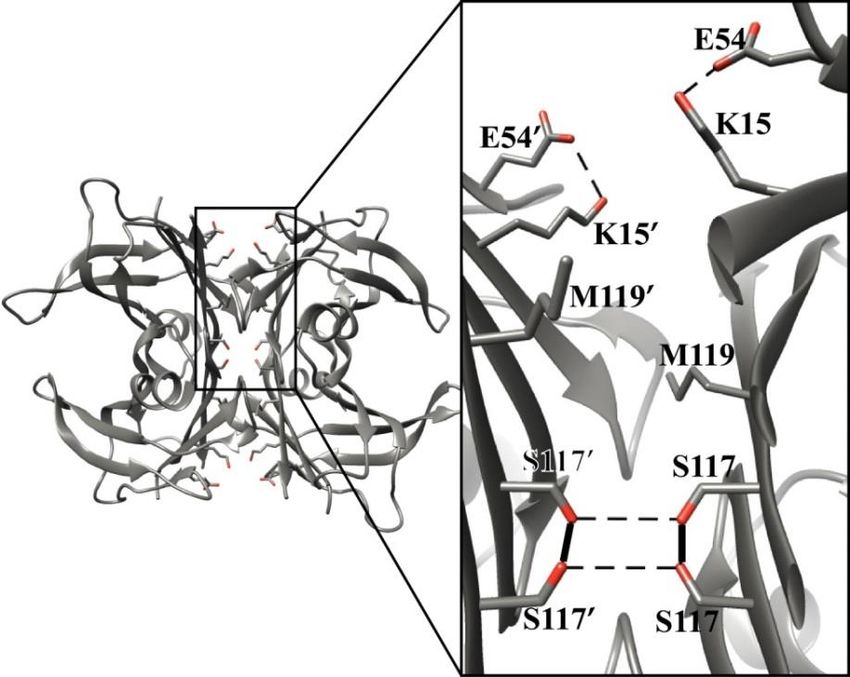
Transthyretin (TTR) amyloidosis (ATTR) is a systemic
   disease with multiple manifestations
Central nervous system
                                  Ocular                ATTR wild-type cardiomyopathy (ATTRwt-CM)
                                                        ▪ Deposition of wild-type TTR amyloid in the heart,
                                                          leading to predominantly diastolic heart failure
                                                        ▪ Likely affects 400K+ worldwide, majority undiagnosed
                                                        ▪ Late onset (age 50+), progressive and fatal (median
                                                          survival of 3-5 years)
                                                        ATTR mutant CM (ATTRm-CM)
                                     Nephropathy        ▪ Deposition of mutant (e.g., V122I) TTR amyloid in heart
  Gastrointestinal
                                                        ▪ Likely affects 40K+ worldwide, majority undiagnosed
                                                        ▪ Late onset (age 50+), progressive and fatal (median
                                                          survival of 3-5 years)
                                     Carpal tunnel

                                                        ATTR polyneuropathy (ATTR-PN)
                                                        ▪ Affects ~10K worldwide, primarily in EU and Japan
Systemic disease
with high burden                                        ▪ Exclusively caused by mutant TTR (e.g., V30M)
                                                        ▪ Onset between ages of 30 and 50, progressive and fatal
                                                          (median survival of 5-10 years)

     6
         Source: Grogan, M et al. JACC 2016, 68:1014-20; Planté-Bordeneuve, V. and Said, G. Lancet Neurol 2011, 10:1086-97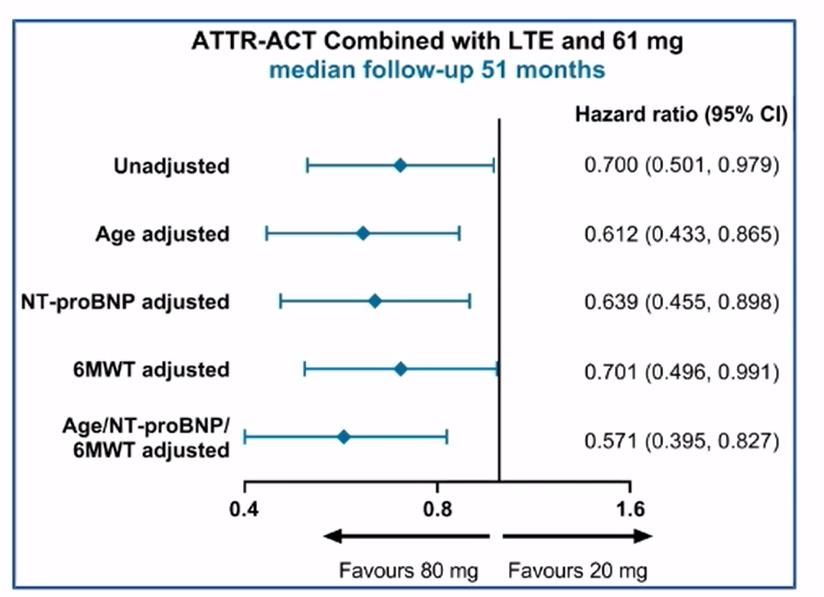
Opportunity in ATTR-CM growing as patients identified in
broader cardiology populations

                  Potential to be best-in-class compound in a large, genetic disease market

           13-19%                                                                                               16%
of heart failure with preserved                                                                    of TAVR with “low gradient”
     ejection fraction1,2,3                                                                              aortic stenosis4

              8%                                          ATTR-CM                                               3.4%
of idiopathic bilateral carpal
       tunnel release5
                                                      Likely >400k                                   of African-Americans are
                                                                                                     at risk (V122I genotype)6
                                                       worldwide,
                                                         majority
              5%                                      undiagnosed                                              1-2%
 of suspected hypertrophic                                                                               of 99mTc scans for
      cardiomyopathy7                                                                                   noncardiac reasons8

      1.   Gonzalez-Lopez, E. et al. European Heart Journal 2015.   5.   Sperry, B.W. et al. JACC 2018.
      2.   Mohammed, S.F. et al. JACC: Heart Failure 2014.          6.   Jacobson, D.R., et al. Amyloid 2015
 7    3.   Horvath, S.A. et al. Circulation 2018.                   7.   Damy, T., et al. Eur Heart J 2015
      4.   Castano, A., et al. Eur Heart J 2017.                    8.   Longhi, S., et al. J Am Coll Cardiol Img 2014.
Acoramidis is designed to treat TTR amyloidosis
  at its source

              Native TTR circulates                  Dissociation into      Monomers aggregate,
              in blood as a tetramer                monomers initiates        causing disease
                                                      pathogenesis
                                   ~130 known
                                   destabilizing
Disease                             mutations
mechanism

                                       Protective
                                         T119M
                                       mutation

Therapeutic                               Acoramidis stabilizes TTR tetramers, preventing
hypothesis                                dissociation and halting disease progression

   8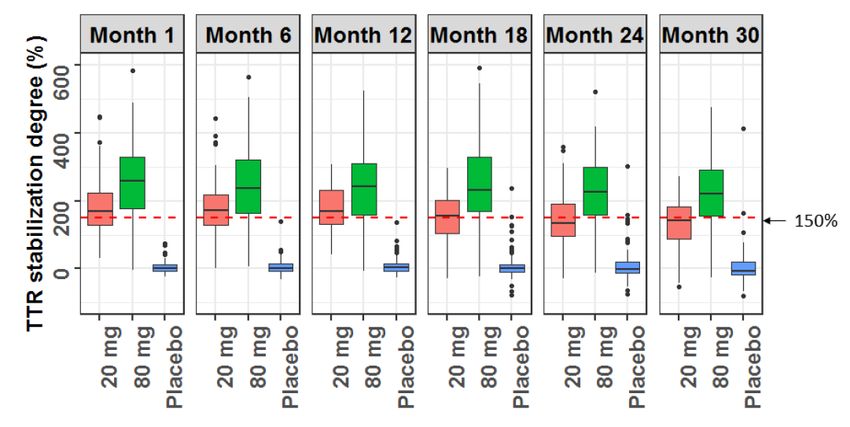
Higher dose of TTR stabilizer (tafamidis) demonstrated greater
clinical benefit in ATTR-ACT + long-term extension
Phase 3 ATTR-ACT study tested two doses of tafamidis (20 mg & 80 mg) vs. placebo
▪ In an analysis of ATTR-ACT combined with long-term extension (LTE), benefit of tafamidis
  80 mg vs. 20 mg was evident on all-cause mortality1
▪ At baseline, ATTR-ACT participants treated with 80 mg of tafamidis were older and had more
  severe evidence of disease than those treated with 20 mg of tafamidis1
▪ Participants receiving 80 mg of tafamidis (vs. 20 mg) exhibited greater TTR stabilization2

                  TTR stabilization2                                                       All-cause mortality1

     Increased levels of TTR stabilization may translate to improved clinical outcomes in ATTR-CM

      1 Damy, T., ESC Heart Failure Association Discoveries 2020. “The Tafamidis in Transthyretin Cardiomyopathy Clinical Trial.”
 9    2 FDA CDER Clinical Pharmacology and Biopharmaceutics, Clinical Review (Vyndaqel/Vyndamax), 2019; Fourfold increase in tafamidis dose did
      not lead to a fourfold increase in TTR stabilization due to non-linear pharmacokinetics
Clinical benefit was correlated with extent of TTR
stabilization or knockdown in ATTR-PN clinical studies
                                                                                        Placebo               Stabilizer              Knockdown
% peak stabilization/knockdown                          Clinical outcome in corresponding ATTR-PN Phase 3 trial

Tafamidis
                                                         NIS-LL                                                    52% slowing
(20 mg qd)                   ~45%

Diflunisal                                                                                                         71% slowing*
                             ~75%                             NIS
(250 mg bid)

Inotersen
                             ~75%                       mNIS+7                                                    77% slowing*
(1wk SC)

Patisiran
                             ~85%                       mNIS+7                                                    121% slowing*
(3wk IV)                                                                                                          Weeks
                                                                                      1y                    2y
                                                                                    Duration
     * Statistically significant improvement on primary endpoint
     Note: Direct cross-study comparisons may suggest misleading similarities or differences. The values shown are directional and do not report
     robust comparative analysis. These data are based on cross-trial comparisons and not based on any head-to-head clinical trials. As a result, the
     values shown may not be directly comparable, are “directional” and do not report robust comparative analyses.
     NIS=Neuropathic Impairment Score; NIS-LL=NIS of Lower Limbs; NIS+7=NIS plus 7 nerve tests; mNIS+7=modified NIS plus 7 nerve tests
10   Source: Coelho, T. et al. Neurology 2012; 79:785–792; Berk, J.L. et al JAMA. 2013; 310:2658-2667; D. Adams, A. et al. N Engl J Med
     2018;379:11-21; Benson, M.D., et al. N Engl J Med 2018;379:22-31.
Human genetics suggest TTR stability is associated
with disease severity
Relative TTR tetramer stability
kdiss, WT / kdiss, mutant
0.0 0.2 0.4 0.6 0.8 1.0 37.2 Disease severity
Carriers nearly 100% likely to develop ATTR, highly
L55P 0.1 pathogenic form of disease
Carriers exhibit increased ATTR penetrance, earlier
V122I 0.5 onset, and more rapid progression than WT
WT 1.0 Low ATTR penetrance, late onset with slow progression
T119M 37.2 Carriers protected against ATTR
▪ Greater TTR destabilization correlates with earlier disease onset, increased disease severity
▪ ATTR-protective mutations stabilize TTR tetramer, preventing dissociation
11 kdiss = dissociation constant
Source: Hammarstrom, P. et al. PNAS 2002, 99:16427-16432Stabilizing TTR may be protective beyond ATTR
Prospective studies of 68,602 participants, 32 year mean follow up, in Denmark:
Higher circulating TTR concentration Protection against vascular diseases
p = 0.007 Condition HR p
Transthyretin concentration
Cerebrovascular
0.45 0.008
disease
Ischemic
cerebrovascular 0.47 0.02
(µg/mL)
disease
Vascular disease 0.70 0.03
Hemorrhagic
0.31 0.24
stroke
Cardiovascular
0.85 0.39
disease
WT T119M
Median life expectancy in T119M carriers is 5-10 years longer than the general population
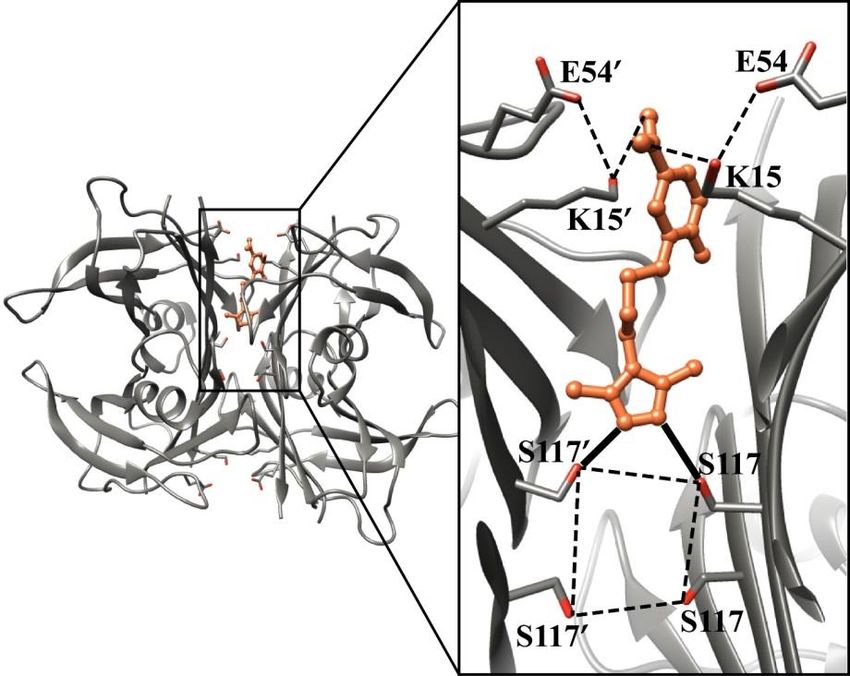
12 Source: Hornstrup, L.S. et al. Arterioscler Thromb Vasc Biol 2013 33:1441-1447Acoramidis structurally mimics disease-protective
T119M mutation
Disease-protective T119M mutation Acoramidis-bound TTR
Strong inter-monomer H-bonds observed via X-ray crystallography
Unique binding mode vs other stabilizers
13Phase 2 results
Phil | ATTRwt-CM patientPhase 2 ATTR-CM trial provided randomized
28-day and 15-month open label data
SCHEMATIC OF ACORAMIDIS PHASE 2 STUDIES4 OUTCOMES
49 Patients underwent randomization Secondary and
Primary Exploratory
Random-
ized portion Acoramidis Acoramidis Safety and tolerability Pharmacokinetics
17 Placebo 16 400mg 16 800mg
28 days ▪ Adverse events
▪ Clinical events and vital Pharmacodynamics
signs
2 Declined1
▪ Clinical laboratory
parameters Echocardiographic
47 (96%) Continue onto open label extension (OLE)2 parameters
6 discontinued
Open label • 3 died Two analyses to date:
extension • 1 received heart
• Randomized 28-day study3
transplant
Ongoing
• 2 other • Open label extension analysis as of 8/31/2019,
median 65 weeks from AG10-201 (Randomized)
initiation, median 53 weeks on acoramidis4
41 Continue on study
1 Both declined participation due to geographical constraints regarding study visits
2 Median rollover period of 72 days (range 41-152 days)
15 3 Judge, D.P. et al. JACC Vol. 74, No. 3, 2019:285 – 95
4 Judge, D.P. et al. American Heart Association 2019Baseline characteristics highlight advanced disease
stage of trial participants
Pooled
Placebo Total
acoramidis ATTRm-CM
n = 17 n = 49
n = 32 variants (n)
Age, median (range) 72 (60-85) 74 (60-86) 73 (60-86)
Male, n (%) 17 (100%) 28 (88%) 45 (92%)
V122I (11)
ATTRm, n (%) 3 (18%) 11 (34%) 14 (29%)
NYHA Class II, n (%) 12 (71%) 23 (72%) 35 (71%)
NYHA Class III, n (%) 5 (29%) 9 (28%) 14 (29%) T60A (2)
NT-proBNP (pg/mL)1 3151 ± 2704 3483 ± 2869 3368 ± 2789
TnI (ng/mL)2 0.18 ± 0.33 0.15 ± 0.20 0.16 ± 0.25
V30M (1)
TTR (mg/dL)3 23.4 ± 5.5 21.3 ± 5.3 22.0 ± 5.4
1NT-proBNP = N-Terminal pro B-type Natriuretic Peptide, normal range = 0 – 449 pg/mL
16
2TnI= troponin I, normal range = 0 – 0.02 ng/mL
3TTR = transthyretin (prealbumin), normal range = 20 – 40 mg/dLFewer adverse events occurred in acoramidis-treated participants
than placebo-treated participants during randomized portion
Summary of adverse events Most frequent AEs
Number of subjects (%) (all groups, n ≥ 4 subjects)
▪ Atrial fibrillation
Placebo Pooled acoramidis ▪ Muscle spasms
N = 17 N = 32
▪ Constipation
Any Adverse Event 15 (88%) 21 (66%) ▪ Diarrhea
Mild 6 (35%) 11 (34%)
Moderate 8 (47%) 9 (28%)
Severe 1 (6%) 1 (3%)
Any Serious Adverse Event 2 (12%) 1 (3%)
AF and CHF 1 (6%)1 0
Leg cellulitis 1 (6%) 0
Dyspnea 0 1 (3%)
17 AF = Atrial Fibrillation; CHF = Congestive Heart Failure
1 Subject experienced 2 SAEs of AF and CHFAcoramidis treatment increased serum TTR
concentrations in a dose-dependent manner
Serum TTR concentration ATTRwt-CM ATTRm-CM
Δ from baseline to day 28 (%)
Below normal TTR at Day 281
150%
1.5
120%
1.2
90%
0.9
60%
0.6
30%
0.3
0%
0
-30%
-0.3 Placebo 400 mg acoramidis 800 mg acoramidis
Mean = -7% Mean = 36% Mean = 50%
-60%
-0.6 Median = -3% Median = 28% Median = 43%
p < 0.0001 p < 0.0001
▪ Dose-dependent increase in serum TTR concentrations in acoramidis-treated subjects
▪ Greater treatment effect observed in ATTRm subjects – final TTR concentrations
normalized to comparable levels as treated ATTRwt subjects
1 Normal reference range for serum TTR 20-40 mg/dL (3.6-7.3 µM)
18 Note: Serum TTR concentrations not available at baseline for one 400 mg subject and at Day 28 for one 400 mg and one placebo subject
Source: Judge, D.P. et al. J Am Coll Cardiol. 2019;74(3):285-295.No safety signals of clinical concern
identified during open label extension
Summary of treatment-emergent adverse events Summary of treatment-emergent severe adverse events
Number of participants (%) Number of participants (%)
Any Adverse Events 46 (97.9) Any Serious Adverse Events 19 (40.4)
Most common Adverse Events (≥ 5) Number of subjects who died 3 (6.5)1
Any Cardiovascular Serious Adverse Events 12 (25.5)
Fall 12 (25.5)
Most common Serious Adverse Events (≥ 2)
Cardiac failure congestive 7 (14.9)
Cardiac failure congestive 5 (10.6)
Dyspnoea 6 (12.8)
Acute kidney injury 4 (8.5)
Acute kidney injury 6 (12.8)
Atrial fibrillation 2 (4.3)
Fluid overload 5 (10.6)
Cardiac failure 2 (4.3)
Gout 5 (10.6) Fall 2 (4.3)
Pneumonia 5 (10.6) Dehydration 2 (4.3)
Acoramidis was generally well tolerated with a pattern of adverse events consistent with
underlying disease severity, concurrent illnesses, and age of participants
1 Includes 2 subjects who had SAEs with an outcome of death (1 disease progression; 1 cervix carcinoma); 1 subject died due to
19 heart failure 86 days after the last dose of study drug
Data reported as of 8/31/2019 in conjunction with annual regulatory reporting and reviewNear-complete stabilization of TTR maintained
throughout Phase 2 study
Stabilization of TTR Occupancy of TTR
by Western blot assay by Fluorescent Probe Exclusion assay
TTR stabilization at steady-state trough level TTR occupancy at steady-state trough level1
%, mean ± SEM %, mean ± SEM
140 140
120 120
100 100
80 80
60 60
40 40
20 20
0 0
14 45 90 180 14 45 90 180
AG10-202 (OLE) Visit Day AG10-202 (OLE) Visit Day
20
1 Reported occupancy >100% caused by background protein fluorescenceSerum TTR levels increased upon acoramidis treatment
and were maintained throughout study duration
Serum TTR concentration
mg/dL, mean ± SEM Acoramidis WT1
+39%
35 Acoramidis Variant1
30 OLE baseline +56%
Placebo WT
25 Placebo Variant
20
15 Lower limit of
OLE baseline
normal = 20 mg/dL2
10
5
0
1 14 28 1 14 45 90 180
N WT 35 35 34 35 35 33 33 32 AG10-202 (OLE)
N Variant 13 14 13 12 11 12 12 10 Visit Day
AG10-201 (R) Rollover AG10-202 (OLE)
21 1 400mg and 800mg BID acoramidis groups pooled during randomized portion
2 Defined as the lower limit of the reference interval for the serum prealbumin (TTR) clinical laboratory assayBelow normal serum TTR concentrations were
associated with poorer survival in ATTR-CM patients
Survival probability stratified by baseline TTR concentration
“Our data showed a significant association between
lower levels of TTR and shorter survival, as well as a
correlation to worsening cardiac disease,
suggesting that TTR concentration is an indicator of
disease progression and outcome in ATTRwt.”
– Hanson 2018
“The results suggest the use of serum transthyretin
as a biomarker to evaluate disease progression and
response to treatment.”
– Nativi-Nicolau 2018
Regression model suggested that each additional 1 mg/dL of serum TTR
associated with 7-11% reduced risk of mortality
Source: Hanson, J.L.S. et al. Circ Heart Fail 2018 11:e004000; Nativi-Nicolau, J. Circ Heart Fail. 2018;
22 11:e004802. DOI: 10.1161/CIRCHEARTFAILURE.118.004802NT-proBNP and TnI were unchanged in acoramidis-treated
participants throughout OLE
NT-proBNP TnI
pg/mL; 95% confidence interval, quartiles, median ng/mL; 95% confidence interval, quartiles, median
1 14 45 90 180 270 1 14 45 90 180 270
AG10-202 (OLE) Visit Day AG10-202 (OLE) Visit Day
23Echocardiography parameters were unchanged in
acoramidis-treated participants throughout OLE
Left ventricular mass Left ventricular stroke volume index
g; 95% confidence interval, quartiles, median mL/m2; 95% confidence interval, quartiles, median
1 90 180 270 1 90 180 270
AG10-202 (OLE) Visit Day AG10-202 (OLE) Visit Day
24Participants in the acoramidis Phase 2 study had similar
baseline characteristics as those in the ATTR-ACT study
Baseline characteristics from ATTR-ACT study and acoramidis Phase 2 study
ATTR-ACT Ph 3 study ATTR-ACT Ph 3 study Acoramidis Ph 2 study
Tafamidis group1 Placebo group1 All groups2
Age, median (range) 75 (46-88) 74 (51-89) 73 (60-86)
Male, n (%) 241 (91%) 157 (89%) 45 (92%)
ATTRm, n (%) 63 (24%) 43 (24%) 14 (29%)
NYHA Class
Class I, n (%) 24 (9%) 13 (7%) 0 (0%)
Class II, n (%) 162 (61%) 101 (57%) 35 (71%)
Class III, n (%) 78 (30%) 63 (36%) 14 (29%)
Race
White, n (%) 211 (80%) 146 (83%) 35 (71%)
Black, n (%) 37 (14%) 26 (15%) 10 (20%)
Other, n (%) 16 (6%) 5 (3%) 4 (8%)
25 1 Maurer, M.S. et al. N Engl J Med. 2018;379:1007–16
2 Judge, D.P. et al. JACC Vol. 74, No. 3, 2019:285 – 95Deaths and CV hospitalizations reported in acoramidis Phase 2 OLE
were lower than in placebo-treated ATTR-ACT participants
All-cause mortality at 15 months Cardiovascular hospitalizations at 15 months
Participants died or receiving transplant (%) Participants with ≥1 CV hospitalization (%)
-44% -39%
15.3% 41.8%
25.5%
8.5%
Placebo AG10 Placebo AG10
ATTR-ACT Phase 3 Phase 2 OLE ATTR-ACT Phase 3 Phase 2 OLE
1 Based on routine adverse event reporting
26 Note: These data are based on a cross-trial comparison and not a randomized clinical trial. As a result, the values shown may not be
directly comparablePhase 3 trial and company catalysts Ivan | ATTRwt-CM patient
Two-part trial design includes 12-month and 30-
month registrable endpoints
ATTRibute-CM study schematic

                                           12 month primary endpoint: 30 month primary endpoint:
     Key inclusion criteria                    Change in 6MWD            Mortality and CV hosp

 ▪     Subjects with
       diagnosed ATTR-                          800 mg acoramidis twice daily
       CM (WT or mutant)
                                                          Target N ~ 340
 ▪     NYHA Class I-III                                                                                       800 mg
 ▪     Positive biopsy or                                                                                     acoramidis
       99mTc scan                                                                                             twice daily
                                                              Placebo
 ▪     Negative serum/
       urine light chain if                               Target N ~ 170
       dx by 99mTc scan

        Screening and
                                             Part A                        Part B1                       Open label extension
        randomization

Secondary endpoints include: Kansas City Cardiomyopathy Questionnaire, serum TTR, TTR stabilization
1As local standard of care evolves, concomitant use of approved, indicated therapies may be allowed

         6MWD = Six minute walk distance; NYHA = New York Heart Association;
         99mTc = Technetium labeled pyrophosphate (PYP) or bisphosphonate (e.g., DPD); dx = diagnosis;
28
         CV hosp = cardiovascular-related hospitalizations
ATTRibute-CM Phase 3 study is expected to provide
top-line data in late 2021 or early 2022
ANTICIPATED
Update Expected timing
ATTRibute-PN Phase 3 initiation 2H 2020
CC
ATTRibute-CM Part A top-line data Late 2021 / Early 2022
ATTRibute-CM Part B top-line data 2023
We believe the company is well capitalized for the ATTRibute-CM trial with
$175M in cash (6/30/2020)
29Thank you
Art | ATTRwt-CM patientYou can also read


