EMERGING TRENDS IN REAL ESTATE CLIMATE OF CHANGE - EUROPE 2020 - PWC
←
→
Page content transcription
If your browser does not render page correctly, please read the page content below

Emerging Trends in Real Estate®
           Climate of change
           Europe 2020

32131 - Emerging Trends in Real Estate_v15.indd 1   12/11/2019 11:31
Emerging Trends in Real Estate®
          Europe 2020
          Climate of change
          A publication from PwC and
          the Urban Land Institute

          Front cover image:
          La Défense, Paris, France

                                                    Image: Milan, Italy

32131 - Emerging Trends in Real Estate_v15.indd 2                  12/11/2019 11:31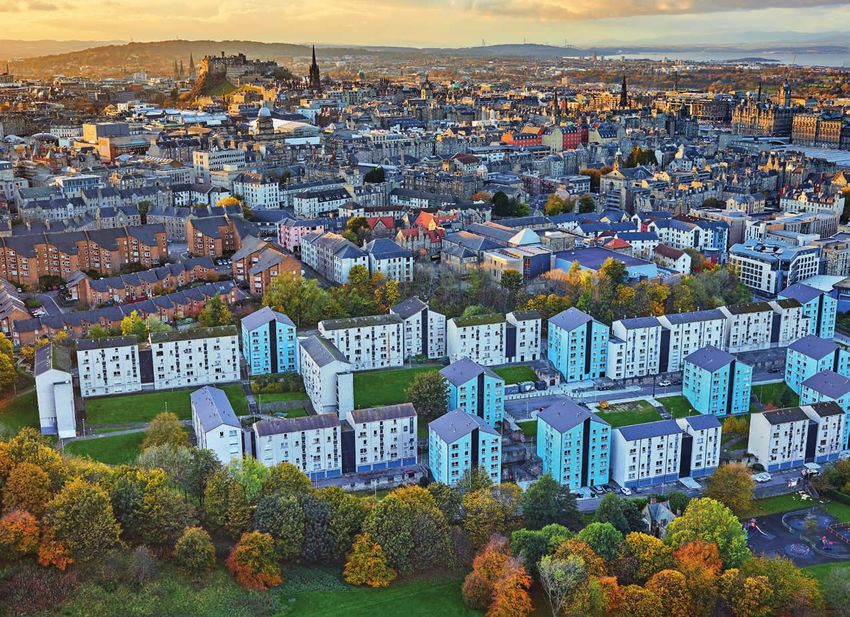
Contents

                                                         4    Business environment

                                                         22    Real estate capital markets

                                                              34        Markets to watch

                                                    74        Getting smart about mobility

          We are doing more of what we think of as low
          risk – more on the core-plus and value-add side
          rather than opportunistic. But markets are active,
          liquid and functioning quite well.
          Director, global investment bank

                                                                                             1

32131 - Emerging Trends in Real Estate_v15.indd 1                                        12/11/2019 11:31
Executive summary
          “You have still got equity markets signalling a           Europe’s property leaders remain resolute
          reasonable level of investment returns. But bond          in their belief in real estate as an attractive
          markets are signalling a collapse into recession. The     investment asset class despite strong
                                                                    political and economic headwinds.
          two just don’t reconcile. So, I think Europe represents
          significant challenges.”                                  The threat of a global recession,
                                                                    escalating trade tensions between the US
          Director, global investor                                 and China, and continuing uncertainty
                                                                    over Brexit have all clouded sentiment
                                                                    among Emerging Trends in Real
                                                                    Estate® Europe’s survey respondents
                                                                    and interviewees.

                                                                    There are consequently question marks
                                                                    against the European economic outlook
                                                                    for 2020 although the industry draws
                                                                    comfort from central banks’ decision
                                                                    to maintain or cut interest rates – a

                                                                    year’s report and already a big boost
                                                                    to investment.

                                                                    The shift in monetary policy has led to

                                                                    logistics markets during 2019 and raised
                                                                    the possibility of further value increases
                                                                    to come in 2020. But secure, stable
                                                                    income remains the guiding light for the
                                                                    majority of the industry, especially this
                                                                    late in the cycle.

                                                                    With interest rates set to stay lower
                                                                    for longer and bond yields in many
                                                                    European countries in negative territory,
                                                                    real estate income retains its broad
                                                                    appeal to investors. Equity and debt are
                                                                    expected to remain plentiful for most real
                                                                    estate sectors. The notable exception
                                                                    is retail, still struggling in the face of
                                                                    online competition.

                                                                    Yet there is little evidence of complacency
                                                                    given the inherent risks in a late-cycle
                                                                    market where values are above historic
                                                                    levels. Market participants are therefore
                                                                    being more careful than ever about how
                                                                    and where they deploy capital, which for
                                                                    many means focusing on cities that offer
                                                                    liquidity and connectivity.

          Image Apple Store, Piazza Liberty, Milan,
          Italy (Nigel Young / Foster + Partners)

          2          Emerging Trends in Real Estate® Europe 2020

32131 - Emerging Trends in Real Estate_v15.indd 2                                                             12/11/2019 11:31
At the same time, rising labour and       In terms of sectors, logistics once        In traditional real estate speak, this
          material costs have added to the risk     again tops the rankings for investment     means that increasingly the industry
          associated with development – the         and development prospects. Though          believes operational risk is one worth
          primary industry concern for 2020 is      some industry players are put off by       taking to achieve target returns. The
          the cost of construction.                 high values here, the majority favour      latest survey and interviews suggest a
                                                    this sector where supply cannot            blurring of sector boundaries as part
          Political risk is a constant concern      keep up with the changing patterns         of a bigger investment picture in which
          for interviewees, but environmental,      of consumer demand. There is still         mixed-use assets, improved transport
          social and governance (ESG) issues        seen to be lots of room for growth in      connectivity, greater use of technology
          have perhaps shown the biggest            e-commerce in continental Europe.          and smart mobility solutions are all
          move up the industry agenda over                                                     seen as integral to the economic
          the past 12 months. While ESG has         The same bullish sentiment holds true      growth of Europe’s cities and the
          been an important reference for years,    of residential despite a new regulatory    investment potential of real estate.
          this survey and interviews suggest        threat to rental housing – rent controls
          a meaningful change of tone. Most         – in several cities across Europe. Acute
          obviously, this change has come from      supply shortages are still proving a
          the pressure exerted by institutional     compelling reason to deploy capital
          investors through their ESG investment    into residential, which in its various
          criteria. But it has also come via        forms dominates the investment
          developments at the product end of        rankings for 2020.
          the business – as we see opportunities                                               Uncontrollable events
          emerge in response to changing            With a number of real estate sectors       like Brexit or escalating
          customer demand for real estate that
                                                    change it is hardly surprising that        trade tensions can
          provides a better overall impact.
                                                    many interviewees regard investing         make meeting target
          Against all of those criteria, Paris      in “anything related to a bed” as a
          is ranked Number 1 for its overall        sound, defensive strategy at this
          real estate prospects in 2020. The        point in the cycle, supported as they      in these scenarios all
          Grand Paris project, Europe’s largest     are by long-term urbanisation and          investors are in the
          transport scheme, is widely lauded as     demographic trends.
          a game-changer for the French capital,
                                                                                               same boat. We expect
          setting it apart from the competition.    As Emerging Trends Europe has              to be net buyers: in
                                                    highlighted over the past few years,
          Berlin, Frankfurt, Munich and             these sectors are at the forefront of
                                                                                               the continuing low-
                                                    the industry’s transformation into         bond-yield world real
          fundamentals of these markets are         becoming a service industry. There is      estate allocations
          judged “quite healthy”, overriding        a recognition that, for all the inherent
          concerns over Germany’s economy.          self-protectionism that the traditional    are increasing.
          Similarly good supply/demand              view of real estate supports, the
          dynamics are working in the favour of     industry sector that funds, builds and     Real estate head, global
                                                                                               investment manager
          other top 10 cities, such as Amsterdam    operates the space in which we live,
          and Madrid.                               work and play, is starting to embrace
                                                    complexity and respond to its true role
          At Number 4, London’s prospects           as part of society’s infrastructure.
          are highly rated, too. The interviews
          indicate a large volume of capital
          waiting for a Brexit resolution before
          moving in, although there are lower
          expectations for the UK’s smaller,
          regional cities.

                                                                                                                                            3

32131 - Emerging Trends in Real Estate_v15.indd 3                                                                                        12/11/2019 11:31
Chapter 1

          Business environment
          “The market is something of a paradox. The world is not a
          happy place at the moment, but it might not be such a bad
          place for investors and real estate.”

          Director, global investment manager

                                                                      Image: Pedestrian walkway to Granary
          4          Emerging Trends in Real Estate® Europe 2020      Square, King’s Cross, London, UK

32131 - Emerging Trends in Real Estate_v15.indd 4                                                            12/11/2019 11:32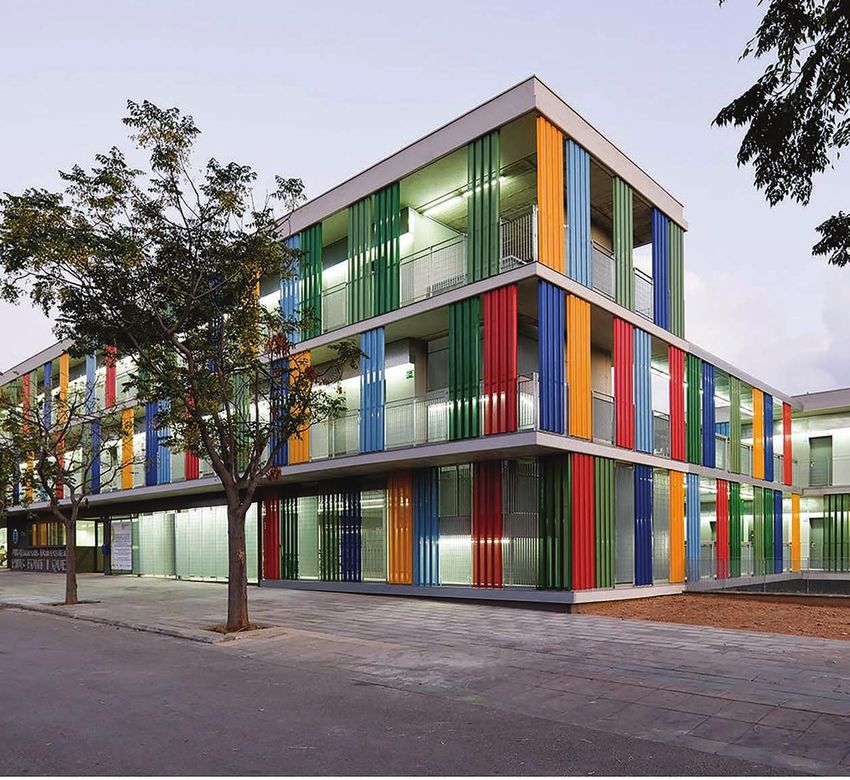
Political and economic                              Central banks have responded by
          uncertainty clouds the outlook                      reversing the rising interest rate policy
          for Europe in 2020, and yet                         of a year ago – for many interviewees
          investors remain drawn to the
                                                              last year’s report. This lower-for-even-
          income-generating attributes
                                                              longer monetary phase has been,
          of real estate.                                     as one private equity player says, “a
                                                              shot in the arm” for real estate capital
                                                                                                              Values are high, but the
          For many of Europe’s real estate                    markets, with the notable exception             underlying European
          leaders, the sector’s continuing                    of retail. A global fund manager adds:          economy is still doing
          attraction over other investment                    “Last year, investors hesitated; this year
          asset classes is the determining                    they come with more conviction.”
                                                                                                              very poorly. As a result,
          force for good. However, there is an                                                                you have to have high
          undeniable mood of caution across                   On the other hand, counters another             capital values to access
          the industry given the darkening                    global player: “Values are high, but the
          macroeconomic picture.                              underlying European economy is still
                                                              doing very poorly. As a result, you have
          The survey and interviews for Emerging              to have high capital values to access
          Trends in Real Estate Europe have been
          conducted amid an escalating trade war              thing is what’s going to trigger a
          between the US and China, continuing                realignment of the market?”
          uncertainty over Brexit and the major
          European economies struggling for
          growth. Expectations of a global
          economic slowdown are widespread.

          Figure 1-1 Business prospects in 2020

                 Business confidence
          2020             21                                 63                              15          %

          2019               25                                    62                             13      %

                 Business profitability
          2020                    31                               49                        20           %

          2019                         37                               48                     15         %

                 Business headcount
          2020                          41                                   50                     9     %

          2019                              45                                46                    9     %

                    Increase            Stay the same   Decrease

                 Source: Emerging Trends Europe survey 2020

                                                                                                    Emerging Trends in Real Estate® Europe 2020      5

32131 - Emerging Trends in Real Estate_v15.indd 5                                                                                                 12/11/2019 11:32
Chapter 1: Business environment

          The possibility of a recession or
                                                         Figure 1-2 Social issues in 2020
          downturn is never far from the thoughts
          of interviewees and respondents to                    International political instability
          Emerging Trends Europe’s survey,
                                                                            23                                   58                             11             7           1%
          underlining the sober, late-cycle mood
          across the industry. Their cautious                   Environmental issues
                                                                            23                              44                        22                  9            2    %
          headcounts is little changed from last
          year, but they are expecting a marked                 National political instability
                                                                        21                            38                    14             19                  8            %

                                                                Housing affordability
          With the European Central Bank
          returning to quantitative easing from                        17                             44                         22                  14            3        %
          November 2019, capital is expected
                                                                European political instability
          to continue targeting European real
                                                                       15                                  55                         17                  12           2 %
          estate in 2020 but without removing
          the industry’s doubts over the                        Mass migration
          underlying economy.                                      8               29                             34                       24                      5        %

          “There are plenty of huge question                    Social equity/inequality
          marks on the macroeconomic side,”                        9                       41                          25                   19                     6        %
          says one pan-European adviser.
          “But in terms of real estate, we have                    Very concerned               Somewhat concerned      Neither/nor
          never seen so much liquidity in the                      Not very concerned           Not at all concerned
          market in Europe. It’s very strange and
                                                                Source: Emerging Trends Europe survey 2020
          slightly dangerous because it seems
          there is little correlation between
          economic fundamentals and the level
          of uncertainty on one hand, and the
          volume of activity.”

          Nor has the monetary policy shift
          alleviated the industry’s prevailing
          preoccupations for several years – the
          increasingly challenging search for

          core assets and correspondingly high
          pricing. All of this is playing out uneasily
          over a prolonged late property cycle.

          6

32131 - Emerging Trends in Real Estate_v15.indd 6                                                                                                                          12/11/2019 11:32
Political risk rises                        “One of the things that has me most
                                                                                                worried is politics,” says a pan-
                                                                                                European fund manager. “Populism
                                                    Politics also looms large across the        leads to a lot of unpredictable and
                                                    market. “From our conversations             ultimately potentially self-harming
                                                    with investors we know that political
          We don’t believe we’re at                 uncertainty in the form of growing
                                                                                                actions. But many of them are short-
          the end of this investment                populism is weighing on their minds,        United States. You don’t need to
          cycle, but we do think it                 even if it hasn’t affected long-term        have a long-term perspective if you’re
                                                    values,” says a global investment
          makes sense for most                      manager. “We don’t believe we’re at the
                                                                                                a populist.”

          investors to look for more                end of this investment cycle, but we do     This is true of public policy on housing
          defensive positions.                      think it makes sense for most investors     shortages across Europe. Industry
                                                    to look for more defensive positions.”      concerns over housing affordability are
                                                                                                rising, but the interviews also reveal
                                                    When it comes to social/political issues    widespread frustration with state and
                                                    in 2020, international and European         local authorities imposing rent controls
                                                    political instability are rated key         as a way of dealing with the problem.
                                                    concerns by 81 percent and 70 percent       In the eyes of many interviewees this
                                                    of survey respondents respectively.         is counter-productive, adding political
                                                    Nearly 60 percent are concerned             risk to the sector while discouraging
                                                                                                new investment.
                                                    last year.
                                                                                                As one global investor warns:
                                                    It is impossible to dissociate politics     “Regulation is always a risk even
                                                    from another critically important subject   though it has been shown to suppress
                                                    – the environment – which has, as one       the supply of housing and make the
                                                    investment manager puts it, “moved          shortages worse, not better. It’s popular
                                                    to a different level of risk” since last    with politicians because it’s this freebie
                                                    year’s report. Over two thirds of survey    handout that they can give to their
                                                    respondents are concerned about the         current constituents, who are renting
                                                    impact of environmental issues on           apartments. But it will impact the
                                                    their business in 2020. “We have talked     growth of their cities.”
                                                    about climate change for some time,
                                                    but the risk has become more severe,”       As expected, Brexit and trade wars
                                                    says a German CEO. “It affects how you      remain major issues, widely seen to
                                                    build, how sustainably you build. What      have far-reaching consequences for
                                                    is your energy cost?”                       European real estate. “Scrappy politics
                                                                                                is creating uncertain, deteriorating
                                                    The political backdrop to investment        economics,” says a pan-European
                                                    has been on the minds of Europe’s           player, perfectly summing up the
                                                    property leaders for years. The             industry view of the UK and the lack of
                                                    difference now is that political issues
                                                    are acting as a drag on economic and        gutsy to invest in London over the
                                                    real estate performance as well as

                                                                                                                                           7

32131 - Emerging Trends in Real Estate_v15.indd 7                                                                                      12/11/2019 11:32
Chapter 1: Business environment

          Facing up to Brexit
          Some 70 percent of Europe’s                    Figure 1-3 Business impact of Brexit in 2020
          senior property professionals
          believe that the UK’s ability                                                                          %
          to attract international talent                Business
                                                         relocations
          will fall following Brexit,                    to the rest
                                                                                                         1 3     24                65              7
          while the same proportion                      of Europe
          expect business relocations
          to continental Europe will
          increase in 2020.                              The UK’s
                                                         ability to
                                                         attract               18              52                25    41
          Though marginally better than last             international
          year’s, these numbers nonetheless              talent

          economy that the industry shares with
          the wider business community.                     Decrease substantially           Decrease somewhat          No significant impact
                                                            Increase somewhat                Increase substantially
          The survey was conducted in mid-2019
          when the industry was bracing itself           Source: Emerging Trends Europe survey 2020
          not just for the UK’s departure from the
          European Union but the prospect that           The interviews suggest that Boris                 However, not everyone is convinced
          a hard Brexit might turn into a no-deal        Johnson taking over from Theresa May              that the European Union as a whole
          Brexit. Though the possible departure          as UK Prime Minister in the summer                will emerge unscathed from Brexit.
          has been put back until January                has done nothing to alleviate the largely         “Even though the political uncertainty
          2020, the majority of respondents              “risk off” attitude to UK real estate.            is certainly focused on London and
          from both the UK and the rest of               “Earlier this year there was an attitude          the UK at the moment, to think that
          Europe nonetheless believe Brexit              of, ‘let’s just get on with it’, because          continental Europe is without its
          will have a negative impact on the UK          we’ve been facing that uncertainty now            challenges is just simply being naïve,”
          property industry.                             for a couple of years,” says a London-            says one global investor. “Europe
                                                                                                           has economic challenges, political
                                                         as if there’s increased concern with              challenges. It certainly has long-term
                                                         more political upheaval and a change              issues to do with the euro, long-term
                                                         in administration. People are pausing             issues to do with competitiveness, and
                                                         a bit longer in terms of committing to            values are high.”
                                                         doing transactions.”
                                                                                                           Indeed, Brexit is a “lose-lose situation”,
                                                         For some continental cities, there have           according to one German-based
                                                         been no such doubts. After the 2016
                                                         Brexit referendum, Amsterdam, Dublin,             centre would actually take over
                                                         Frankfurt, Luxembourg and Paris all               London’s position in general. With
                                                         seemed set to win business in one form            London outside the largest single
                                                         or another from London and the UK.                market in the world, not only is the UK
                                                         The latest interviews indicate the same           losing its title as the world’s leading

                                                         some extent – with more business likely           Union won’t have the world’s leading
                                                         to come their way in 2020.

          8          Emerging Trends in Real Estate® Europe 2020

32131 - Emerging Trends in Real Estate_v15.indd 8                                                                                                 12/11/2019 11:32
In fact, the industry is concerned for
Figure 1-4 Issues impacting business in 2020
Germany, too. Already on the brink of
recession, Europe’s biggest economy Construction costs
is heavily dependent on exports and as
25 42 20 10 3 %
such is considered most vulnerable to
the potential fall-out from the trade war Availability of suitable assets/land for acquisition and development
between US and China extending to %
21 41 22 13 3
Europe. “You don’t feel the impact yet,
but if you speak to bankers, investors, European economic growth
even in this real estate industry, 11 55 19 14 1%
that’s the biggest concern,” says a
German CEO. Currency volatility
9 29 31 22 9 %
One global investment manager
Cybersecurity
believes that as “the narrative in Europe
8 42 30 16 4 %
and exporting prowess is being rapidly Asset obsolescence
undermined by events”, then the more
7 25 37 25 6 %
domestically focused, consumer-
based economies of France, Spain and Global economic growth
the Nordics stand to gain – “like mini 7 54 21 16 2 %
versions of the US”.
Interest rate movements
According to another global player, 6 25 20 41 8 %
however, the wider impact of trade
Inflation
tensions is “something that we’re
just beginning to accept as part of 4 16 31 38 12 %
the landscape. And I don’t think the Availability of finance
markets are pricing it into most of the
4 15 17 43 12 %
assets that we’re dealing with, which
is probably also a commentary on just
Very concerned Somewhat concerned Neither/nor
how much capital remains out there to
Not very concerned Not at all concerned
invest in real estate”.
Source: Emerging Trends Europe survey 2020
9
32131 - Emerging Trends in Real Estate_v15.indd 9 12/11/2019 11:32Chapter 1: Business environment
Either way, fears over European and But this is also because of the scarcity
global economic growth are up sharply of suitable assets – a perennial issue
on last year, signalling a testing period for survey respondents. “For a large
for all occupier markets, not just in part, lower investment volumes are Occupier decisions are
due to the fact that the product that is
taking a little longer
Nordic interviewee says: “Typically, the available is often not what the investors
occupier market lags behind the overall want. I wouldn’t say only prime but than they were last year.
economy, but we are already starting good-quality product is increasingly
to hear that occupier decisions are
taking a little longer than they were last European investment manager.
about where economies
year or earlier this year. There is more are going.
uncertainty about where economies However, the primary concern for
are going.” 2020 is the cost of construction. It is
another long-standing issue, especially
Though the monetary policy shift has for developers directly bearing the
boosted investment, the downbeat rising costs of labour and materials.
economic forecasts have helped keep This year’s survey suggests that the
a lid on the volume of commercial cost problem is coming into view
property transactions – just 1 percent for the wider property industry, as
up across Europe in the year to 30 many more investors adopt develop-
September 2019, according to Real to-core strategies as a means of
Capital Analytics.
Figure 1-5 European business environment in next 3–5 years
7 8 12 17 18 10 9 11 7 8
36 38 39 34 39 52 55 57 61 70
57 54 49 49 43 38 35 32 32 22
Global European Availability Construction Cyber- Cost of Currency Interest rate Asset Inflation
economic economic of suitable costs security finance volatility movements obsolescence
growth growth assets/land for
acquisition and
development
Improve Stay the same Get worse
Source: Emerging Trends Europe survey 2020
10
32131 - Emerging Trends in Real Estate_v15.indd 10 12/11/2019 11:32Interest rate boost Figure 1-6 Interest rates and inflation in 2020
For all the political and economic
uncertainty clouding European real 1% 2% 1% 3%
10% 18%
estate, for some in the industry this 24% 13%
32%
has been offset by central banks’
37%
move to maintain or cut base rates –
Inflation Short-term Long-term
interest rates interest rates
yet for the underlying economy. “It
is hard to express strongly enough
46%
what an extraordinary turnaround 57% 56%
that has been. The cycle feels like it
is going to go longer. Nothing seems
to be overheating,” says a global Increase significantly Increase somewhat Stay the same
investment manager. Decrease somewhat Decrease significantly
Source: Emerging Trends Europe survey 2020
Nearly three quarters of respondents
expect short-term interest rates to
stay the same or reduce in 2020,
Figure 1-7 Eurozone property yields and interest rates, 2010–2019
will hold steady. In the eyes of most
6
interviewees this monetary environment
has reinforced real estate’s attraction 5
relative to bonds and equities. As one 4
private equity player says, “There’s 3
%
2
in growth to really undermine the
fundamental value proposition that 1
real estate provides, given a negative 0
interest rate environment.” -6
2009 2010 2011 2012 2013 2014 2015 2016 2017 2018 2019
EURIBOR Eurozo e bo d yie ds Eurozo e ro erty yie ds Fi e-year swa rate
Source:
Figure 1-8 UK property yields and interest rates, 2010–2019
8
7
6
5
%4
3
2
1
0
2009 2010 2011 2012 2013 2014 2015 2016 2017 2018 2019
LIBOR bo d yie ds UK ro erty yie ds Fi e-year swa rate
Source:
11
32131 - Emerging Trends in Real Estate_v15.indd 11 12/11/2019 11:32Image: Harbour, Hamburg, Germany
European real estate has been “brought As oneFigure
global1-10
investment manager Figure 1-11
back into focus for a lot of investors Returns targeted inwealth
observes, this “incredible 2020 of Returns targeted
Figure 1-9 compared to previous year
Appetite for European versus other asset classes”, and many capital going into the market pushed
real estate in 2020 – but importantly, not everyone – in the down cap rates in2% logistics
2%
and in some 4%
industry expect capital to keep being 11% 9%
17% deployed. Just over half of respondents points” during 2019.
53%
say they expect to be net buyers of real 53%
estate in Europe in 2020, and nearly Even in highly priced but economically
a third are buying and selling in equal challenged Germany, there is the
32% of more to come. “Since 21%
possibility
30% interest rates are unlikely to rise and
economic uncertainty in this late-cycle may even go down, we see even
market and the risk of a geopolitical Significantly
further yield higher says one
compression,” 0-5%
shock to the system. Somewhat higher 5-10%
A net buyer Same 10-15%
Buying and selling
similar amounts
“The insurance companies, the Somewhat lower 15-20%
A net seller open-end funds and high-net-worth Significantly lower 20%+
individuals will continue to seek yield
in the real estate sector,” says one
of the more bullish pan-European
It just feels as if we’re
Source: Emerging Trends Europe survey 2020
in a lower return
rate – that force – will drive continued environment for a longer
high allocations to real estate. There’s
a lot of business to be done, still, just
period of time. If there’s
allocating money into core real estate.” no underlying growth
in the markets, rates will
stay low.
12
32131 - Emerging Trends in Real Estate_v15.indd 12 12/11/2019 11:32Even so, few are relying solely on On a cautionary note, one fund “I’m not totally uncomfortable buying
cap-rate compression. Sustainable manager adds: “This is an environment very core assets at very high prices,
income has been the key objective some institutional players still have to
for institutional investors for several accept because they have their pay- 10, 15, 20 years. They will still have a
years, and 2020 will be no different. out requirements based on historical value depending on cycle, depending
“And that will mean the overall return is higher returns.” on the quality of our management.
But they will be okay,” says one pan-
seen over the last three, four years If anything, the interviews indicate there European manager.
because the income return component is no pre-eminent means of achieving
will come back to something between attractive risk-adjusted returns at this Another pan-European player is even
point in the cycle. “Europe still offers more trenchant in support of core:
the sector,” says one pan-European a huge amount of complexity, a huge “We’ve been unremittingly disciplined
investment manager. amount of diversity,” a global fund on asset quality because most of the
manager suggests. “That means skilful threats to real estate today, when it
Return expectations have been scaled investors can extract higher returns. I comes down to it, are on product that
down over successive Emerging Trends just think you have got to be honest to for one reason or another is going to
Europe surveys, and once again a third your investment committee and your become obsolete. People say core is
of respondents are targeting lower investors about the risks you are taking too expensive, and that may be true.
returns compared with a year ago. Two so they then have the opportunity to But when the market turns, I’d rather be
thirds are pencilling in up to 10 percent offset those elsewhere.” holding the better assets, for so many
risk-adjusted returns in 2020. reasons, than the secondary assets.”
Last year, core-plus and value-
“It just feels as if we’re in a lower return added strategies seemed to prevail There are counter arguments. Investing
environment for a longer period of as investment managers and fund in “everything but core”, one global
time. If there’s no underlying growth managers sought to squeeze higher player says: “These are good times
in the markets, rates will stay low. We returns on behalf of their clients. for people who actually work their real
don’t see that really moving out in the This year, the monetary policy shift estate, who know how to do real estate,
has helped spark, as one global who are not just expecting cap-rate
investment banker. manager puts it, “a recovery in investor compression and easy money to
enthusiasm for core real estate”.
Figure 1-10 Figure 1-11 Figure 1-12
Returns targeted in 2020 Returns targeted in 2020 Time horizon for holding
compared to previous year investments
2% 2% 4% 7%
11% 9%
21%
53% 23%
32% 21% 38%
44% 33%
Significantly higher 0-5% 1-3 years
Somewhat higher 5-10% 3-5 years
Same 10-15% 5-10 years
Somewhat lower 15-20% 10+ years
Significantly lower 20%+
Source: Emerging Trends Europe survey 2020
13
32131 - Emerging Trends in Real Estate_v15.indd 13 12/11/2019 11:32Chapter 1: Business environment
And when it comes to development, For others, alternative real estate
investment has been one of the notable
interpretation. The develop-to-core defensive strategies. The survey and
strategy has been a feature of the interviews indicate that the less cyclical
European market for the past few income from the likes of purpose-built
years. Many interviewees still see it student accommodation, healthcare
as a prudent way of securing quality and senior living will remain highly
coveted in 2020.
and given the secular trends, it’s the Though trending upwards, alternative
right thing to be doing,” says a pan- real estate is still a minority play from a
European manager. short-term capital perspective. “Despite
all of the zeitgeist around alternative
But one global investor active in Europe assets,” says one pan-European
is less sanguine: “In order to get a good investor, “the most liquid product in
margin, in a lot of cases at the moment the real estate sector in Europe today
you have to do development. There
is no question it’s riskier. That is what building in a gateway market in a
happens in every cycle: you can no fantastic location. That is where liquidity
longer buy income at measurable levels, resides. I can always sell that building.”
and you are forced into a position where
you have to go up the risk curve. I don’t
like it, but that’s the reality.”
14 Emerging Trends in Real Estate® Europe 2020 Image: Dumbiedykes residential area, Edinburgh, UK
32131 - Emerging Trends in Real Estate_v15.indd 14 12/11/2019 11:32Mobility matters Thus, it is little surprise that Paris tops There is also a reasonable expectation
the 2020 city rankings; the Grand Paris that smart mobility, just like big-
project, Europe’s largest transport ticket infrastructure, can be a catalyst
Many in the industry believe returns – as
scheme, is repeatedly praised by for urban regeneration. “Low-cost
well as market liquidity – can improve
interviewees. Says one: “It will change mobility solutions can make areas that
if they take account of the bigger
the way the city works for good. It is a are currently underserved by public
urbanisation and demographic trends
tangible example of how transportation transport once again accessible,
and attempt to invest through the cycle.
especially to younger people, and
To that end, the boundaries between incubator for new markets.” thus bring additional stock of spaces,
traditional and alternative real estate often more affordable, back to the
are being blurred, as highlighted by One global player and long-time Paris market,” says one interviewee. “This
Emerging Trends Europe in recent investor adds: “Every single decision has the effect that increased interest
we make when we look at an emerging will attract investment and provoke a
real estate is not simply the capital location in Paris is about how the gradual rejuvenation of areas that may
it attracts but the way it has helped new train or metro system will impact be considered unattractive by end
advance the idea of real estate as a users today.”
service, and turn practitioners into, residential? Or are we going to create a
as one says, “operators as opposed Right now, as one pan-European
to asset allocators”. At the same time manager says: “Mobility is one of the
a blurring of the boundaries between For many of the industry leaders key considerations for the locations in
real estate and real assets – especially canvassed for Emerging Trends Europe, which we invest.”
transport infrastructure – is encouraging the opportunities extend beyond
investors to examine more closely how large-scale public infrastructure. The
their buildings will be used and how consensus is that they need to factor
cities may develop.
cultural changes that are already
Speaking for many interviewees, one “transforming urban mobility”. They
pan-European manager says: “We are also acknowledge that, further out,
trying to bring the infrastructure thought
process and investment activity closer adoption of electric and autonomous
to what we are doing in real estate.” vehicles. “Smart mobility will change
our behaviour when it comes to moving
around quite substantially in the future,”
says a German asset manager.
15
32131 - Emerging Trends in Real Estate_v15.indd 15 12/11/2019 11:32Chapter 1: Business environment
Top trends
Environmental The interviews suggest the growing Indeed, 26 percent of respondents
public outcry over the effects of climate do not see any material impact from
tipping point climate change on their portfolio
the industry. That public pressure is
Climate change is seen as having the translating into a general tightening of it is already leading to greater capital
biggest impact on real estate over the environmental, social and corporate expenditure, higher operational costs
next 30 years, but it is clear that some governance (ESG) requirements among and faster obsolescence.
industry leaders are already rising to the institutional investors.
challenge, not least because they bear “Global climate change is reducing
some responsibility. This tougher ESG regime is in turn the amount of land that’s viable for
being imposed on the real estate habitation and occupation,” concludes
“We have reached a tipping point specialists in those organisations, their one pan-European investor. “Some of
around environmental issues generally, external investment managers and on our most valuable agglomerations of
and 40 percent of global emissions publicly quoted companies. “People are real estate value are in global cities,
are from real estate,” says a pan- waking up to the world’s environmental places that are hugely exposed to
European investment manager. “We issues. Shareholders enquiring about those risks and being transformed on
have ambitious targets around going the environmental impact of our the basis of those risks. And the real
net carbon neutral that will impact how estate market is only just beginning to
buildings are built, used and managed.” UK REIT director. evaluate that.”
Almost half of survey respondents say Some investors are also responding to
the risk of climate change has increased national emissions reduction targets
in their portfolio, and 73 percent expect imposed under the Paris Agreement.
that risk to become greater over the For them, making their assets “Paris-
proof” overrides short-term political
Shareholders enquiring
and economic concerns. As one about the environmental
Dutch investor says: “The biggest risk impact of our buildings
for us is more the long-term risk – is
your property good enough to deal
with the Paris treaty? But I don’t think
every institutional investor shares our
concerns over sustainability, at least
not yet.”
16
32131 - Emerging Trends in Real Estate_v15.indd 16 12/11/2019 11:32image: Bosco Verticale, Milan, Italy
Figure 1-13 Current climate change Figure 1-14 Climate change risk on
risk on portfolio portfolio in the next 5 years
3% 11% 3% 1%
23% 26%
49%
37%
47%
Increased significantly Decreased somewhat Increase significantly Decrease somewhat
Increased somewhat Decreased significantly Increase somewhat Decrease significantly
Stayed the same Stay the same
Source: Emerging Trends Europe survey 2020
Figure 1-15 Climate change impact on portfolio
No material impact 26%
More capital expenditure 22%
Higher operational expenses 20%
Faster obsolesence 18%
Higher insurance premiums/non-insurabiility 6%
Declining values 5%
Lower liquidity 2%
Increased number of sales 0%
Source: Emerging Trends Europe survey 2020
17
32131 - Emerging Trends in Real Estate_v15.indd 17 12/11/2019 11:32Chapter 1: Business environment
Regulatory risk “That is why we think that residential Similar measures are expected in other
could be potentially exposed to a German cities and beyond. Residential
for residential certain yield shift ... to move out and regulation is one of the common talking
points for interviewees active in markets
A lack of affordable housing has been risks investors are facing,” says an as diverse as France, the Netherlands,
highlighted by Emerging Trends Europe investment banker. the Nordics, Spain and the UK.
as a serious problem in many European
cities for years, and there is no let-up A French CEO puts it more bluntly: Though much more wary of the
in sight. “When not enough people have enough regulatory pitfalls than before,
wealth, the easy way to get votes is experienced residential investors still
Some 61 percent of survey respondents to stop rent increases, so politicians inherently believe the long-term supply/
are concerned about housing do it and mess up the market. demand dynamics make housing
affordability in 2020 – sharply up on last Political decisions don’t go with good relatively secure and “defensive on
year – and half believe the problem will management a lot of times.” the downside”.
So far, Berlin has made the biggest “Rent control is an issue, but it will
With the supply/demand imbalance headlines with a plan to introduce a
acknowledged as long-term, it is no investment,” says a pan-European
coincidence that the industry has already hit sentiment. “The story of player. “If you want to have a real policy
responded by deploying increasing that city is really strong, and we have in residential you know that quite an
amounts of capital into various forms of assets there. But it’s just un-investable important part of your value is not in
rental housing. at the moment, so we’re going to yield but in capital gains, which means
manage what we’ve got and watch for you have to be patient.”
However, several governments across a resolution,” says one longstanding
Europe – mainly at a city rather than residential investor in Berlin.
national level – are also responding now
to the affordability issue with proposals
to set rent controls.
Image: Dortheavej Residence affordable housing
18 Emerging Trends in Real Estate® Europe 2020 project, Copenhagen, Denmark (Bjarke Ingels Group)
32131 - Emerging Trends in Real Estate_v15.indd 18 12/11/2019 11:32Construction costs Two thirds of respondents nonetheless For those intent on development, the
believe that (re)development is the
developers dear most attractive way to acquire prime crisis, too – is squeezing margins.
assets. But as one Dutch investor “If yields cannot continue to come
says: “Development has become down, then obviously, you have to be
Emerging Trends Europe, construction more expensive due to the fact that prepared to have a lower return on your
capacity has been thrown into sharp construction costs have increased investment,” says a German CEO. A
focus this year by those who would dramatically, and buying land is also pan-European investment manager is
pursue a late-cycle, develop-to-core an issue. Develop-to-hold is still a “insisting” on pushing the cost risk back
strategy were it not for rising costs. feasible business model. But let’s say, on to the contractors, but even so “the
percentage-wise, it’s lower today than it vendors are having to understand that
More than two thirds of survey used to be.” this is impacting on site valuations”.
respondents – a higher proportion
than last year – cite increasing A private equity player points to a few An investment manager with a long
construction costs as having the development hotspots around Europe, European development track record
biggest impact on their business in such as Berlin, before adding: “All we concludes: “We are quite cautious at
2020. Interviewees across Europe point generally see are very low vacancy this point in the cycle, especially with
to labour and material costs combining rates but no development response.
And part of that is because there’s not a in many markets. We are more
this sector. huge amount of construction capacity.” likely to reduce risk and unlikely to
pursue speculative development.
Achieving target returns will require a widening of the definition of traditional real estate to
This is a dilemma for investors, who
include real assets and related service businessesWe like income. The bar is higher for
Nor is there much debt, which means
Achieving target returns will require a widening of the definition of traditional real estate to
developers must rely on equity. “For risk development at this point.”
include real assets and related service businesses
over-supply has disappeared, much transactions, whether it’s development,
stock needs modernising and sourcing
suitable standing core assets is as
refurbishment, speculative, lending
23%
into vacant or a building that you 48% 21% 8%
expensive as ever. With constraints on 23%
know is going to go vacant, the debt
Agree
48% 21%
Neither/nor
8%
Disagree
1%
1%
Disagree
the development pipeline, however, market remains cautious and Agreerelatively
strongly strongly
there is reassuringly little sign of a new selective. ThereAgree the sponsor is Neither/nor Disagree Disagree
strongly Agree strongly
over-supply emerging. extremely important, and
Use this as "bubble diagram" in Ch 1 - inthe providers
the final section of the main piece - ie near the crosshead "Mobility matters for real estate
are not that many,” says another private
Use this as "bubble diagram" in Ch 1 - in the final section of the main piece - ie near the crosshead "Mobility matters for real estate
equity investor.
(Re)development is the most attractive way to acquire prime assets
(Re)development is the most attractive way to acquire prime assets
We are quite cautious
21% 47% 23% 7%
cycle, especially with 21%
Agree
47% 23%
Neither/nor
7%
Disagree
1%
1%
Disagree
construction costs strongly
Agree
Agree
Neither/nor Disagree
strongly
Disagree
strongly Agree strongly
Use this as "bubble diagram" in the construction costs Top Trend
Use this as "bubble diagram" in the construction costs Top Trend
Prime assets are overpriced
Prime assets are overpriced
18% 47% 23% 11%
18%
Agree
47% 23%
Neither/nor
11%
Disagree
strongly Agree
Agree Neither/nor Disagree
strongly Agree
Use as "bubble diagram" in chapter one, with Construction costs Top Trend
Use as "bubble diagram" in chapter one, with Construction costs Top Trend
Source: Emerging Trends Europe survey 2019
Source: Emerging Trends Europe survey 2019
19
32131 - Emerging Trends in Real Estate_v15.indd 19 12/11/2019 11:32Chapter 1: Business environment
Technology boost Figure 1-16 Proptech investment / Figure 1-17 Proptech investment /
for business usage in the past year usage in the next 3–5 years
1%
18% 12%
you will need to be faster and smarter,
39%
and being digital is the key to being fast
and smart,” says the director of a pan- 37%
European lender. The industry is largely
following this advice.
48%
44%
Nearly two thirds of survey respondents
have increased the use of technology Increased significantly Decreased Increase significantly Decrease
in their operational businesses over the somewhat somewhat
Increased somewhat Increase somewhat
past year. Nearly 90 percent indicate it
Stayed the same Decreased Stay the same Decrease
will carry on trending upwards over the
significantly significantly
Source: Emerging Trends Europe survey 2020
These results bear out what Emerging
Trends Europe has signalled in previous
years when many interviewees hailed Many industry leaders view technology Two thirds of respondents may be
technology as a critically important users, but they are not actually investing
gains, not just for their business in technology despite the perceived
is natural that such sentiment would but in the work they undertake for improvements it can bring to real estate.
sooner or later turn into day-to-day use. clients and occupiers, whether it is Like one Polish investment manager,
building information modelling used they are “wary of spending a lot of
The survey reveals two main ways by architects and developers or data money on something which will be
of harnessing technology – a third of management tools used by investors old in three, four years”. Some believe
respondents are buying products from and asset managers. their scale of operation is too small
third-party suppliers, while a quarter to warrant investment. Others are put
are investing or partnering with start- Expressing a common view, one global off by the confusing array of proptech
manager says: “We are investing start-ups out there.
we had was to invest in start-ups and internally in democratising access to
get a return on our money. Now we see our own data and creating operational
this as learning money to keep track of over jobs. As one German lender says:
what’s happening in different segments as better decision-making. Most of “People talk about jobs lost from Brexit,
of the market. All this is part of our core our focus, however, is on our real but a bigger impact will be the role tech
business now,” says one enthusiast estate portfolio and how we can plays and the number of support staff
from the Baltics. use technology within it to drive
user experience, sustainability and, redundant. That space might be taken
ultimately, investment performance.” up by the tech companies themselves.”
In any event, there is a consensus that
real estate is nearer the start than the
end of its “digital transformation”. But it
is gathering momentum.
20
32131 - Emerging Trends in Real Estate_v15.indd 20 12/11/2019 11:32Figure 1-18 Methods of proptech investment
Buying proptech products from
third-party suppliers 32%
To be a winner in the next
Investing in/partnering with proptech
businesses/start-ups directly
24%
be faster and smarter, and
Investing in proptech businesses/start-ups
5%
being digital is the key to
via the company’s venture capital provider
being fast and smart.
Investing in proptech businesses/start-ups
3%
via a third-party venture capital provider
Not investing 36%
Source: Emerging Trends Europe survey 2020
Image: EDGE Suedkreuz Berlin project, Germany (EDGE Technologies) Emerging Trends in Real Estate® Europe 2020 21
32131 - Emerging Trends in Real Estate_v15.indd 21 12/11/2019 11:32Chapter 2
Real estate capital markets
“We’re investing with a recognition that this does all
end. And even if we can’t say when or how, we should be
experienced enough to understand the consequences and
what happens in the unwind when that process begins.”
Chairman, private equity firm
Image: Student accommodation in Castelldefels, Spain
22 Emerging Trends in Real Estate® Europe 2020 (AXA Investment Managers – Real Assets)
32131 - Emerging Trends in Real Estate_v15.indd 22 12/11/2019 11:32With interest rates set to stay Between a quarter and a third think
lower for longer and bond equity and debt will increase in the
yields in many European next 12 months, which is about the
same proportion as predicted for last
countries in negative territory,
year’s increase.
equity and debt for real
estate are expected to remain “There is never going to not be a
plentiful for most of 2020. demand for real estate,” one very
bullish global investor says. “There
That said, market participants are being is $31 trillion of negative yield debt
more careful than ever about how and
where they deploy that capital. They are Consequently, on an overall basis, the
acutely aware that this real estate cycle weight of capital might actually cause
is now more than a decade old and values to rise in prime markets.
prices in many countries and sectors are
at record highs. “When German cap rates compressed
to three percent, everyone felt it would
More than half of survey respondents be hard for them to go much lower, but
believe that equity and debt for in the last six months they have,” one
investment manager says. “Can it keep
same in 2020 as in 2019. going? Look at Japan.”
Figure 2-1 Availability of equity and debt in 2020
2% 3% 1% 2% 4% 3% 1% 3%
15% 19% 28%
26% 23% 20%
36%
26%
40%
55% 51% 42%
Equity for refinancing Debt for refinancing or Debt for development Equity for development
or new investment new investment
Increase significantly Increase somewhat Stay the same Decrease somewhat Decrease significantly
Source: Emerging Trends Europe survey 2020
Emerging Trends in Real Estate® Europe 2020 23
32131 - Emerging Trends in Real Estate_v15.indd 23 12/11/2019 11:32Chapter 2: Real estate capital markets
Yet there is little evidence of complacency
Figure 2-3 Impact of Brexit on real estate in 2020
among investors about the risks inherent
in a market where values are above %
historic norms. “The fact is we are
probably getting slightly lower returns
UK 25 51 15 7 1
from the same level of risk,” a private Real estate
equity investor says. “On balance, I am investment
not going to go for more risk at this stage Rest 1 13 43 41 3
to juice returns.” of EU
Not all markets are equal when it comes
to availability of capital. Following a
decline in UK investment volumes in
2019, there is a clear belief among UK 19 60 17 3
three quarters of respondents that the Real estate
downward trend will continue in 2020 as a values
result of Brexit. Rest 1 8 61 31 1
of EU
“People are risk-off on the UK at the
moment for everything except residential, Decrease substantially Decrease somewhat No significant impact
and a lot is going to have to change for Increase somewhat Increase substantially
investors to feel more comfortable again,”
one global investor says. From the point Source: Emerging Trends Europe survey 2020
of view of lenders: “Those assets that
people feel strongly enough to support
are being bid aggressively, but as soon as
you move a few yards from the centre of
the fairway, the brakes go on.”
Figure 2-2 Country transaction volumes Q4 2018–Q3 2019 (€bn)
Finland 7
Norway 6 Sweden 14
3 Russia
Other 4
Denmark 4
Ireland 6
UK 53 Netherlands
20
Czech
Republic 7 Poland
67
3
Belgium 3 2 Hungary
Germany
France 41 Austria 9
2 Luxembourg
Switzerland 6
Spain 20 10 Italy
Portugal 4
Source: Real Capital Analytics
Note: Countries with transactions over €1 billion.
24
32131 - Emerging Trends in Real Estate_v15.indd 24 12/11/2019 11:32However, the UK is still among the largest With pricing high for existing core assets, “In 2018, 60 percent of our investments
markets in Europe. There is an underlying investors are increasingly willing to look were forward funding,” another
feeling that even in the event of a hard or institutional fund manager says. “There
no-deal Brexit, there is so much capital in The fact that survey respondents feel is a smaller competitive set of players for
the world that values would be supported there is more likely to be an increase in those deals. We do get a premium, but
in the UK by opportunity funds and other equity compared to debt for development even that has eroded to around 25–40
investors quickly stepping in, looking highlights two trends, one cyclical, one basis points at best.”
for bargains. secular: the willingness of institutional
investors to adopt a build-to-core The steady march of alternative real
“For a lot of investors, the UK has been strategy and the pullback of traditional estate sectors has been charted in detail
off limits for a while, but some of the by Emerging Trends Europe for the
private equity guys who have not invested
here before are starting to hire teams,” them. are keen to highlight the fact that, with
one adviser says. “If you don’t have a values high almost across the board,
legacy UK book, now is not a bad time to “We are going up the risk curve; we are sectors with demographic support, such
start looking.” supporting development, but we don’t as rented residential in all its forms, are
call it development, we call it build-to- increasingly appealing.
“We are very active in the UK today, and core,” one pension fund investor says.
not everyone is,” one more optimistic “I don’t want to say we are riding up the This thesis is spreading beyond the equity
debt fund manager says. “We are risk curve, but we are looking for resilient sphere and into debt, where lenders
underwriting things that would still be assets and operators that can pick
okay and survive if the UK dropped out good locations.” of mainstream real estate. More than
40 percent of respondents think niche
sectors would see the biggest increase in
Figure 2-4 Access to senior debt in 2020
Niche sectors
We are going up the risk
11 32 48 8 1%
curve; we are supporting
Value-added real estate
development, but we
8 29 51 10 1 %
don’t call it development,
Core real estate
we call it build-to-core.
7 31 54 8 0%
Operating businesses
6 23 62 8 1%
New investment
5 30 53 10 1 %
Development finance
4 25 53 17 1%
Refinancing
3 19 67 10 0 %
Increase significantly Increase somewhat Stay the same
Decrease somewhat Decrease significantly
Source: Emerging Trends Europe survey 2020
25
32131 - Emerging Trends in Real Estate_v15.indd 25 12/11/2019 11:32Chapter 2: Real estate capital markets
“We are very cautious on retail, and
mandate for a while, which is continuing we would only lend to clients who are
to grow for anything with a bed,” one already active in the sector and only
on high street units,” says one bank, We are very cautious on
speaking on a pan-European basis. “We
retail, and we would only
are not lending on shopping centres or
senior debt will increase in availability for retail in the regions.” lend to clients who are
core real estate. Lenders are continuing already active in the
to back assets with values which on the “A lot of lending institutions have red-
whole are likely to be supported by the lined retail, and that makes it harder to
sector and only on high
benign interest rate environment that has wade in,” one UK adviser says. street units.
in core markets. In terms of where debt will come from,
survey respondents expect the long-
The exception is retail. Survey term shift away from banks towards
debt funds and institutional lenders like
about the sector, but interviewees pension funds and insurers to continue.
report that lenders are far less willing More than 70 percent believe alternative
to lend on shopping centres and retail lending platforms will increase their
parks, particularly in the UK, where the lending in the next 12 months, more
sector is facing precipitous falls in both than three times the 22 percent who
income and capital values. expect banks to lend more.
Figure 2-5 Sources of debt in 2020
Alternative lending platforms
17 54 21 6 1 %
Non-bank institutions
12 49 30 7 1 %
Other non-bank lenders
12 52 29 7 1%
Issuance of commercial mortgage-backed securities
5 30 51 12 1 %
Banks
1 21 42 32 3 %
Increase significantly Increase somewhat Stay the same
Decrease somewhat Decrease significantly
Source: Emerging Trends Europe survey 2020
26
32131 - Emerging Trends in Real Estate_v15.indd 26 12/11/2019 11:32Image: The planned Key West mixed-use development, Brussels, Belgium (Henning Larsen)
Figure 2-6 Cross-border capital into European real estate in 2020
1% 4% 1% 4% 4% 9%
12% 14% 19%
21%
33%
32%
41% 21%
42% 52% 41% 51%
The Americas Europe Middle East and Africa Asia Pacific
Increase significantly Increase somewhat Stay the same Decrease somewhat Decrease significantly
Source: Emerging Trends Europe survey 2020
Like investors, banks are reacting When it comes to cross-border capital
to the increased competition with into Europe, 2020 looks very similar to
caution. “We are more focused on 2019: the biggest increase is expected
the risk side now, and for that reason
we will not conduct the same amount percent of respondents predicting a
of transactions as in 2018,” one rise. Ever-growing savings in Asian
lender says. countries, combined with a long-term
outlook, are likely to keep the capital
27
32131 - Emerging Trends in Real Estate_v15.indd 27 12/11/2019 11:32Chapter 2: Real estate capital markets
Japanese institutional investors are However, some feel this could be Housing opportunities
something of a bubble. “There is a
real estate, with the country’s As for the sectors into which capital
Government Pension Investment Fund the moment,” another manager says.
(GPIF) handing out a multi-billion-dollar “That can be a bit concerning in some dominates the upper echelons
mandate last year. But capital from situations. On some deals the top four of Emerging Trends Europe’s
GPIF and its peers will be in the form investment rankings, taking six
of indirect investment in funds rather managers. The exchange rate has led of the top 10 slots. Retirement or
than direct assets. “Japan Post Bank to them becoming aggressive bidders, assisted living, affordable housing,
and Japan Post Insurance have also and that situation can’t go on forever.” rented residential and student
given out big indirect mandates,” one accommodation are operationally
fund manager says. “Those are several European institutional capital should more complex than traditional
hundred million commitments, and stay strong, with roughly the same real estate. Co-living and, to a
the original GPIF commitment is in the proportion of survey respondents lesser extent, serviced apartments
billions. So, the money’s there, and it’s forecasting an increase in domestic are nascent when it comes to
capital as last year. There is a slight
uptick in expectations of an increase But all these sectors are seen
Investment from China is expected to in North American capital coming to as being underpinned by strong
remain moribund due to government Europe in 2020, with the cycle on the demographic demand.
capital controls, but South Korean other side of the Atlantic even further
capital is plentiful, particularly in advanced. The large value-add and
“We are diversifying into alternative
continental Europe. “Korean money has opportunistic fund managers from
sectors – you could call it the beds
gone to Europe because of the currency the US are the vehicles of choice for
and sheds strategy,” one global
play with the euro versus the pound,” investing in Europe. “There is still a lot
investor says, underlining a growing
one fund manager says. of broken real estate in Europe and
trend across Europe. “Even though
money willing to invest if you can take
that and turn it back into core product,”
in those sectors, we still think these
one value-add investor says.
are young markets, particularly the
beds sector. We are a core, long-
term investor, so we look at it on a
Figure 2-7 Capital raised by Europe-focused relative basis. The overall population
private equity funds Q4 2018–Q3 2019 trend is what gives us our long-
term view. Beds are a good long-
Fund of funds 0.3
Secondaries 0.1 term strategy.”
Debt 1.6
Core 6.3
Affordable housing rises up the
ranks this year, from 11th place to
Core-plus
ninth for investment prospects and
€bn 1.0
from 12th to fourth for development
Opportunistic Value prospects. Housing affordability
17.6 added 4.8 is clearly a pressing issue for
European real estate professionals:
61 percent are concerned about
Source: Preqin
its impact on business in 2020 and
50 percent expect the problem to
has been a sector which traditional
commercial real estate investors
have avoided until recently, but the
prolonged low interest rates make
the relatively low returns here more
palatable. And the overwhelming
need for affordable housing makes it
28
32131 - Emerging Trends in Real Estate_v15.indd 28 12/11/2019 11:32You can also read


