Ali - Environmental Apocalypse Lesser Kestrel nesting boxes ChooNa - volunteers for nature - LIPU-UK
←
→
Page content transcription
If your browser does not render page correctly, please read the page content below
ali       Lega Italiana Protezione Uccelli
          Conservation News from Italy

• Environmental Apocalypse

• Lesser Kestrel nesting boxes

• ChooNa – volunteers for nature

• The Great Extinction – insects       Summer   2019
                                        Ali Summer 19
                                              Page 1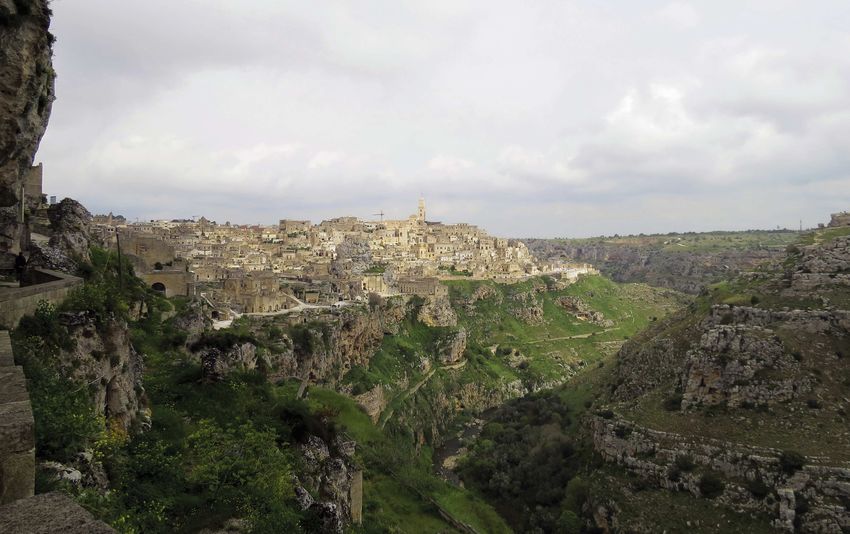
The symbol of LIPU
           an “interview” with the Hoopoe can be found on page 28                                              Thank you

                                                                                            Dearest Members,

                                                                            Editorial

                                                                            Fulvio Mamone
                                                                                            A    s you know, this is my last editorial, after
                                                                                                 eight years as your president. And there is no
                                                                                            better way of greeting you than in remembering
                                                                            Capria, LIPU    the extraordinary AGM held in Milan in May.
                                                                                            There were many of us there to discuss nature
                                                                                            and celebrate our association: members, delegates,
                                                                                            friends, authorities, technicians who delivered quality
                                                        © David Lingard
                                                                                            content. The many young volunteers from Life
                                                                                            Choose Nature paid close attention when, Guiseppe
The excellent photograph of a Barn Swallow on the cover captures all                        Guzzetti, president of the Fondazione Cariplo (our
the appeal of the bird and is © Riccardo Trevisani.                                         partner in several projects), spurred them into going
                                                                                            ahead with passion. Also encouraging were the words
The Kentish Plover (below) is being helped in Sardinia, thanks to LIPU-                     of the Minister of the Environment, Sergio Costa,
UK and is described in the piece about ChooNa in Sicily on page 25                          supporting the Habitat and Birds directives and the
                                                                                            young as a resource for the future. A special event
                                                                                            then, that in Milan, which spoke of the future – ours
                                                                                            and that of the planet.

                                                                                            Can we change things? Can we win against global
                                                                                            warming and the biodiversity crisis? Luca Marcalli,
                                                                                            a guest at the Meeting, said that action was needed
                                                                                            immediately to stop the relentless aggression of
                                                                                            civilized man towards the Earth. The director
                                                                                            general, Danilo Selvaggi, spoke of the article
                                                                                            immediately following, thus like Laura Silva and
                                                                                            Federica Luoni putting the topic of the decline in
                                                                                            insects at the centre of the debate.

                                                                                            We hope that the renewed European Parliament will
                                                                                            turn towards environmental politics, agricultural,
                                                          © David Lingard
                                                                                            economic and cultural, emphasising sustainability

Ali Summer 19                                                                                                                        Ali Summer 19
Page 2                                                                                                                                      Page 3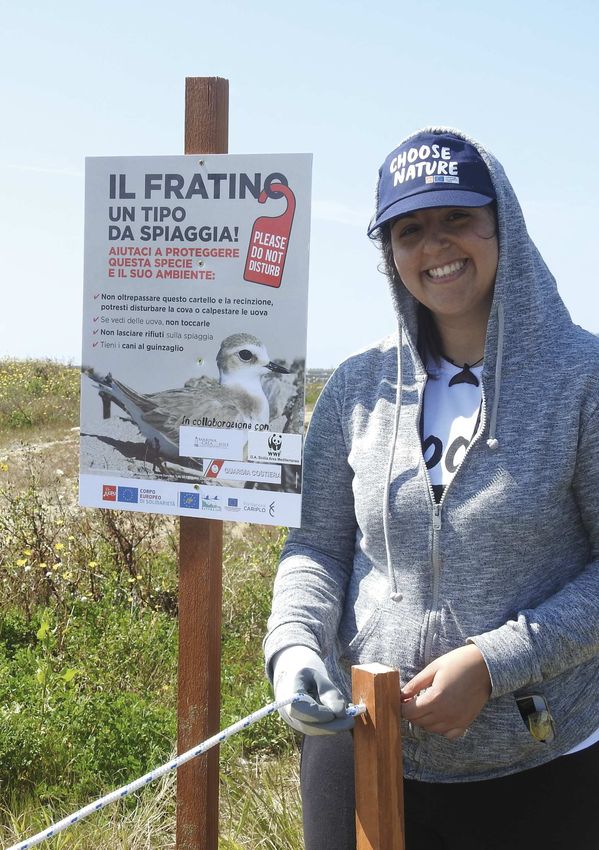
and technological innovation, reducing pollution,              thought that the future is without hope. Is it still
                eliminating waste and rewarding virtue in agriculture          possible to do something? The answer is yes, as long
                by friends of biodiversity. The Europe that we want is         as we set in motion a global transformation in our
                that of courage, that which reduces noxious emissions          ways of living, producing and thinking, for a new
                into the atmosphere, safeguards Nature 2000, follows           direction for the planet and human society.
                the LIFE projects agreed with LIPU and safeguards
                species and habitats at risk. We can do it, and so can         “It is too late. There is no time left”. The old fellow
                LIPU, our extraordinary, dependable, association,              in a red cap looks at the children with the air of
                that also, thanks to its wonderful members, always             an old-time head of the house who does not want
                contributes to the cause of nature, and of which for           the truth to be revealed. In spite of his somewhat
                eight years, I have had the honour of being president.         peremptory judgement he has a kindly bearing.
                                                                               Smiling, the children respond in kind. They do not
                My deepest gratitude goes to all of you, faithful              agree but it does not matter. The streets of the centre
                Members, for the continuity and the love with                  of Rome are swamped by a sea of adolescents, with
                which you support us. A love that starts with the              the spring sun shining down. Italy’ first climate strike
                volunteers in every part of the country, as well as            is a success. Flags, colour, chants and music. A party,
                the more peripheral where it is difficult to defend            but one that speaks of serious issues. Among the
                nature, and to the staff who manage an enormous                crowds can be seen a line of LIPU’s young members,
                technical task. To the new management board and to             some wearing the red Hoopoe T-shirt, and some
                the next president, my best wishes, in order that our          with the white shirt of Choose Nature, holding up
                association continues to grow and train citizens in            a huge banner on which is a line by Gary Snyder,
                the respect of beauty, birds and life. I will stay, as ever,   the Californian poet who dedicated his work to the
                close to LIPU and as a volunteer will do my best to            defence of the Earth with the words: “Nature is not a
                save our winged friends. Together with you, in this            place to visit. It is home”
                amazing community that is called LIPU. Good Luck,
                Happy Summer and Long Live LIPU!                               Indeed, there is something of the Californian, of the
                                                                               power of the imagination in this great line of people
                                           ***                                 that asks for the planet to be treated with respect.
                                                                               There is the same desire to change the world, the
                           BEFORE THE APOCALYPSE                               same youthful enthusiasm. There is also the result
                                                                               of decades of environmentalism and the attempt to
                Danilo Selvaggi, LIPU Director General                         convince governments, industry and the public of the
                                                                               destructiveness of the present model.

                S   tudies tell us that the environmental crisis is
                    approaching the point of no return. Habitat
                destruction, extinctions, global warming and the
                                                                               A young couple comes past, she fair and he dark-
                                                                               haired, holding hands. The girl carries a white
                excessive consumption of resources lead to the                 placard with a drawing of a planet in flames, with

Ali Summer 19                                                                                                            Ali Summer 19
Page 4                                                                                                                          Page 5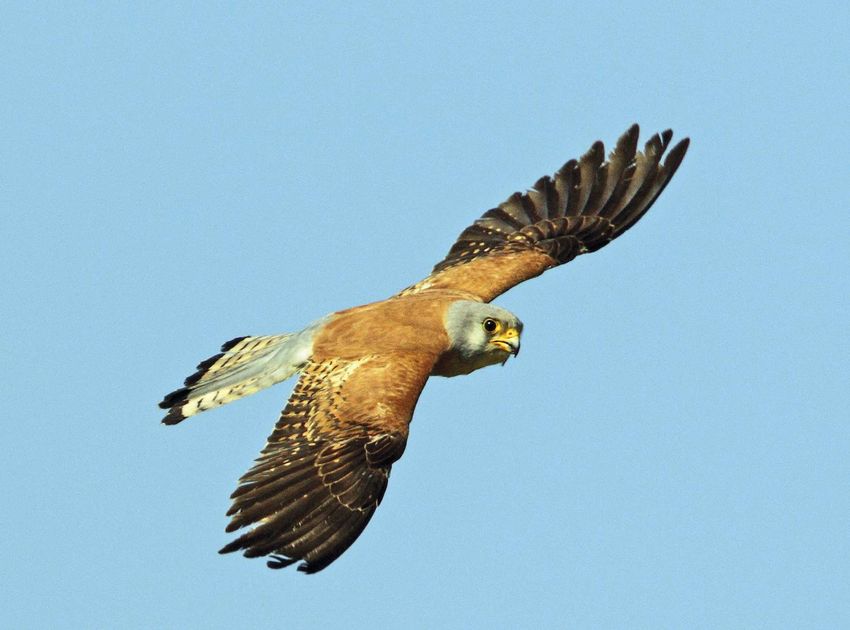
written on it in blue the words “You are turning          yet unknown, such as to threaten the very existence
                Paradise into Hell” It seems almost to prove the old      of the human race”
                fellow in the red cap right. Is the hope in the streets
                of Rome only an illusion? Is it already too late?         It was 1950. Osborn received many accusations of
                                                                          scaremongering and lack of scientific rigour. “We are
                Two Wars                                                  not in any danger” was the mantra of both scientists
                                                                          and politicians, according to which the progress of
                Humans have always had the capacity to see Hell           humankind, which would continue forever, and was
                on Earth and to tell tales of it. It has been done in     also the best guarantee of being able to carry on as
                part to exorcise it, as if by talking of the apocalypse   before, without the slightest fears.
                it could be avoided. It is a sort of psychological
                sleight of hand, related to the so-called Fallacy of      The road to apocalypse
                Optimism, that everything will work out of itself
                in the end, or of the Fallacy of Tradition, that what     The series of early environmental disasters, from
                worked in the past will go on working in the future.      the smog deaths in London in 1952, to those
                The twentieth century brought a series of upheavals:      from mercury in Minamata in 1956, from the
                the catastrophe of the two world wars, then the cold      Torrey Canyon oil spill in 1967 to the Bhopal and
                war that followed, with the risk of global destruction,   Chernobyl catastrophes of 1984 and 1986, did not
                and finally the advent of the ecological crisis, with a   change attitudes, Even while our imagination was
                combination of critical features which have begun to      becoming saturated in uncertainty, that has found its
                change the narrative of the apocalypse, abstract and      way into stories, novels and cinematic works which
                therefore harmless, into something more immediate         have begun to tell of the destruction of the planet.
                and real.                                                 Scenes of desertification, the disappearance of the
                                                                          natural world, of plants and trees gone to dust, the
                In Our Plundered Planet, one of the first ever works of   lack of animal life, and an oppressive sensation of
                environmentalism, the American zoologist Fairfield        the absence of a future, and the humans, where they
                Osborn tied the notion of war in the strict sense to      have survived, ask: how did it come to this?
                that of the “war” over the environment: “The im-
                pulse to write this book came towards the end of the      Emblematic, to give but one example, is the desolate
                Second World War. It seemed to me in those days           novel, The Road, by Cormac McCarthy, which tells of
                that humanity was engaged in two major conflicts.         a planet in ruins and of the journey of a man and his
                There was the war, the echoes of which were heard         son towards a future that waits to be created. Which
                everywhere, and the other, silent war, un-noticed but     is to say: the road we are on now is bringing us to
                all the more deadly for it, that of man against nature.   ruin. We must look to find another. But all of this has
                The final outcome of this second war, if we do not        not made us change course. We have continued along
                put a remedy to our actions in place, will create suf-    the same road.
                ferings for human beings of an extent and nature as

Ali Summer 19                                                                                                      Ali Summer 19
Page 6                                                                                                                    Page 7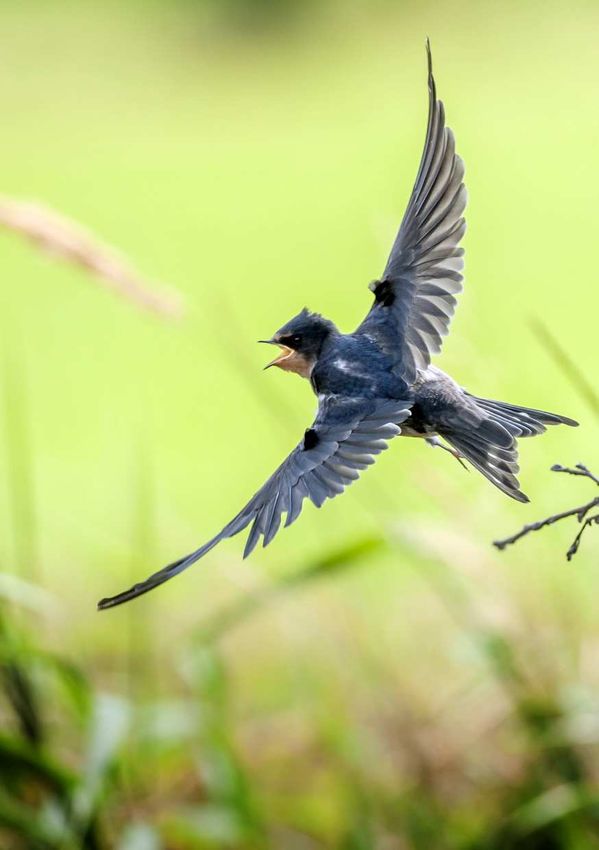
Today the environmental crisis is a given. It is a crisis   and one which we are exhausting. It means that we
                that is all-encompassing, interconnected and already        are plundering the Earth, like a box of ever more
                well advanced, with at least three modalities: a crisis     fragile treasures that we call biodiversity.
                of consumption, (the using up of resources at a rate
                higher than the planet can provide) a crisis of nature,     A million species
                (the destruction of other forms of life), and a crisis of
                climate (the overheating of the Earth with all that it      Published at the beginning of May, the 2019 Report
                brings in its wake).                                        of the Intergovernmental Platform on Biodiversity
                                                                            and Ecosystem Services (IPBES), gave us an up-to-
                A three-headed monster, it is hard to stand up against,     date account of the gravity of the situation for the
                and even harder to overcome.                                world’s biodiversity. From the 1500 pages and more
                                                                            of the report, contributed to by 132 countries, we
                Earth Overshoot Day                                         find that a million species are at risk of extinction
                                                                            in the next few decades, among which are 10% of
                It arrived this year in mid-May, now seven months           insects, 30% of marine mammals, 33% of reef corals,
                early. The overshoot day is the day on which we in          and 40% of vertebrates. Human activity has radically
                theory come to the end of our annual allocation of          altered 75% of the land surface, and through it we
                the Earth’s resources and go into “debt” eating into        have lost 20% of natural habitats, with many others
                our reserves for the future. The first year in which it     soon also to be lost.
                was calculated, in 1971, the average day of overshoot,
                that is to say, averaged out between the different          The Report on biodiversity of the UN
                countries of the world, was December 21st, a mere           Food and Agriculture Organisation
                ten days of overshoot. Ten years later in 1981, it fell     echoes that of IPBES, analysing
                on the 12th of November, with the day of falling into       the situation above all from the
                the red coming 49 days early. In 1995 it was 87 days,       point of view of the services it
                coming in October 5th, and on September 23rd 2000           provides to humankind: out
                it had reached 99. Only last year. 2018, it came on         of about four thousand wild
                August 1st, but by this year as we have noted above,        species considered essential
                it had leapt to May 15th. What does this mean? It           for the sustenance of a large
                means that by the middle of last month our allowance        part of the world’s population,
                of natural resources for the year had already been          about a thousand are at risk.
                spent. It means that as a result of our excessive           The situation is particularly serious when it comes
                consumption of water, trees and other resources,            to insect pollinators such as wild bees, bumble bees
                we are from that day on going into ecological debt,         and butterflies (for which see the later article), on
                which will have to be paid for, and which some are          which three quarters of the fruits and grains used by
                already paying. It means that we want to have an extra      humans depend.
                planet at our disposal where we only have the one,

Ali Summer 19                                                                                                        Ali Summer 19
Page 8                                                                                                                      Page 9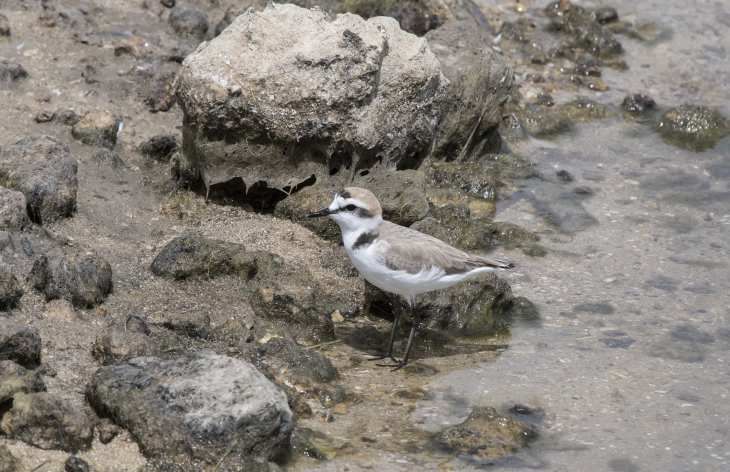
Revontulet                                                 fires were a sign of the eternal beauty of the world.
                                                                           With the glaciers falling apart already and the fox
                And then there is the climate emergency, perhaps the       losing its habitat even as we speak, the display of the
                most far-reaching of all. It is an extremely complex       Revontulet has taken on another meaning. More
                phenomenon, yet it may easily be summed up:                than an aurora, it is the fire at the end of all things.
                the enormous release of greenhouse gases into the
                atmosphere caused by human activities (industry,           Denying the existence of a problem, and
                transport, agricultural intensification, domestic          standing in the way of a solution
                consumption) is causing an un-natural rise in the
                temperature of the Earth. The forecasts, above all         For a long time, warnings about the environment
                those of the IPCC, the international organisation that     were simply ignored. More than that, contradicted,
                occupies itself with the theme tell us that without        through a form of scientific denial intended – by
                remedial action, by implementing the Paris Accords         means of specious arguments – to show that this
                in full and containing the warming to no more than         environmentalism amounted to a baseless prophesy
                1.5 degrees, the consequences for the planet will          of doom, and that hardly any of the fears being
                be devastating: the disintegration of glaciers, sea-       expressed were realistic. Time has shown the
                level rise, coastal flooding, desertification, extreme     opposite to be true, shattering the credibility of
                weather, incalculable damage to human societies and        the denial of the science but not the force of the
                to life on earth. Something very similar indeed to         opposition, and accordingly the denial has changed
                the apocalypses we have read about and seen in films       from a scientific to a cultural one. If we cannot
                and novels. The recent UN report on the climate            deny the problem (yes, there is an environmental
                emergency in the Arctic, Global linkages, has put it in    crisis), let us oppose the philosophy behind it. Why
                no uncertain terms, with projections forecasting that      should people have to compromise their well-being?
                not even the Paris Accord would be sufficient: winter      What would we gain? If we must pay the price of
                temperatures in the Arctic could rise by three to five     progress, well then, let’s pay it! We can limit the
                degrees by 2050, then by as much as eight by 2080,         damage through technology, without any change
                with all that entails for the region and the planet as     in behaviour. The solutions being put forward by
                a whole, so that the Arctic, a place of dreams and         the environmentalists are socially unsustainable and
                magic, could be transformed into a hell, a true hell of    culturally unacceptable and have to be avoided.
                our own creation.
                                                                           Here then is the heart of the problem, a political one.
                Legend tells that the Aurora Borealis, one of the          Science has understood what is happening, but now
                most astonishing of all natural spectacles, that in        it is up to the politicians, now it is up to the public.
                Finnish is called Revontulet - glacier fire - is created   If the crisis comes out of the model of development,
                by the tail of the Arctic Fox, which, brushing the         the model must needs be changed, and profoundly, as
                glaciers of the High Arctic as it runs alongside them,     must the culture that supports it. There is no room
                makes them glow. The native peoples thought these          for doubt: a revolution is needed.

Ali Summer 19                                                                                                         Ali Summer 19
Page 10                                                                                                                     Page 11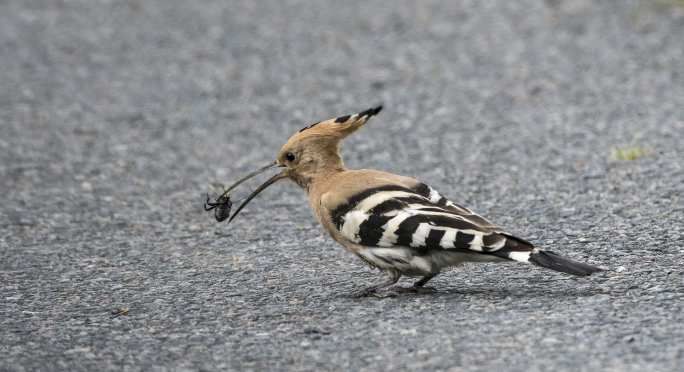
Economy versus nature                                       the advanced technologies delivering ever less of a
                                                                            shock to the system, to make the change easier to
                Of what would this revolution consist? A global             assimilate. We must have definitive plans drawn up
                change in our ways of living and consumption,               and even put into statute such as the 17 objectives
                beginning out of the need to stay within what Johan         in the Sustainable Development Goals contained
                Rockström of the Stockholm Resilience Centre                in the Agenda 2030 for sustainable development,
                has defined as the planetary boundaries. In Big             of the UN, that has put the things that must be
                World, Small Planet, Rockström seeks not only to            done into the ring. We must have at our disposal
                demonstrate the limits, which include, among others,        the competences and the programmes for the
                biodiversity, land use, water consumption and the           conservation of nature and the better management of
                excess of nitrogen and phosphorus in fresh water, but       resources. We must have the funds for investment,
                has made it clear that by it is still possible by staying   for if only 5% of the more than 100 thousand billion
                within the limits to have a happy and prosperous way        dollars that governments will spend in the next
                of life, and that to change it does not mean a change       few years was dedicated to nature and to beneficial
                for the worse.                                              technologies, we could change the world in no
                                                                            time. More than that, we must make use of another
                The central plank of the necessary change is the            key instrument: the realisation that even from a
                overcoming of the enduring opposition of nature and         socio-political perspective, the current model is
                the economy. “Today – writes Rockström – we live in         unsustainable: it produces social inequality, it leads
                a way in which nature stands on one side and society        to wars over resources, it is the cause of human
                on the other. Environment against development,              migration, it produces never-ending tensions. Maybe
                with no contact between the two. Well that era is           yesterday this was acceptable, but not any more.
                over. There has to be a new paradigm. The only              Today it is the road to apocalypse. It will serve no-
                thing holding us back in the end is the obsolete and        one. Instead of conflict there must be cooperation.
                remarkably stubborn belief that what worked for us
                yesterday will work well tomorrow”.                         The Great Balancing of the Books between economy
                                                                            and environment also corresponds to a rethinking
                                                                            of how to relate to others and to nature. We must
                The Great Balancing of the Books                            be attentive as to the rightness of our daily actions,
                                                                            to what we do even in the little things at home, but
                The enormous difficulty of the transformative work          more generally to align our lives with that of others,
                to which humanity is called by the environmental            our happiness with that of others. Seen from a moral
                crisis must not be underestimated. It means                 perspective we must rise above the level of egotism
                changing the systems of production and culture,             and insular communities to that of altruism and
                and even the very mentality that have been with us          a planetary outlook. We have to reconcile what is
                for decades, even for centuries. Today, however, we         useful with what is right. There is no other course
                have available the knowledge, the knowhow and               than to take this moral leap.

Ali Summer 19                                                                                                        Ali Summer 19
Page 12                                                                                                                    Page 13
Home landscapes full of beauty. People meeting, talking,
helping, loving. The home of all.
The year 2020 will be for the planet, a year of
crucial due dates and new departures: the Global It is late but not too late. There is still time.
Biodiversity Strategy, a multitude of objectives for
the 2030 Agenda for Sustainable Development, the
Paris Accords on climate change, the new agricultural Bibliography:
policy for the EU. We will know what the true
intentions of governments are, how much courage Fairfield Osborn, Our Plundered Planet, Faber 1950
and intelligence they will have. But it is also up to Johan Rockström, Mattias Klum, Big World, Small
us to press them, to make them understand that we Planet, Yale 2015
are setting more store by this than by anything else. Kate Raworth, Doughnut Economics, Random House
LIPU will do this, in every action, in every way we 2017
can. It is a decisive moment in history and we must Luca Mercalli, Non c’è più tempo, Einaudi 2018
not fail. Elizabeth Kolbert, The Sixth Extinction. An Unnatural
History, Bloomsbury 2015
Meanwhile, our young continue to file past in Marco Gustin, Claudio Celada, Mattia Brambilla,
the sun. Singing, kissing each other, glowing with Conoscerli, proteggerli, LIPU 2019
innocence and commitment to the task. Their Cormack McCarthy, The Road (novel), Picador 2006
parents follow some distance back, proud but
with a slightly penitent air. Where were we before ***
yesterday? What did we do before yesterday? It is late,
but there is still time. Time for nature, that is not a THE GREAT EXTINCTION
place to visit but our home. Time for the planet, that
is not a place to ill treat, but is home. Laura Silva and Federica Luoni, LIPU Nature
The home of all. Conservation Dept
The Ptarmigan puts on its
best clothes for the
winter. The Skylark
I t has been talked of for many years, and is now
a confirmed scientific fact. At a world level,
40 percent of wild-bee and butterfly species face
sings in the clear extinction. Much of the blame lies with intensive
air of summer agriculture and the use of agrochemicals. LIPU has
morning. The wind whispers in the luxuriance of published a new report, and is urgently appealing for
the rain forest. The tail of the Arctic Fox brushes the sustainable agriculture.
glacier and colours the sky, in a new dawning of the
world. The depths of the ocean are free at last from Let’s close our eyes and imagine a typical summers
being poisoned by plastic. Welcoming cities, and day. Sunshine, a brightly-coloured landscape, singing
Ali Summer 19 Ali Summer 19
Page 14 Page 15birds, flowers spreading perfume, and insects that for species of wild bees and butterflies. Not even
visit them, busily. In our collective imagination the domestic honey bee is safe from this decline.
summer is the season of abundance: the time for The case of so-called colony collapse disorder is
gathering the fruit of our labours in the fields, with widely reported, and in 2016 caused the loss of 30 to
wildlife at its peak. But if we re-open our eyes, we 40 percent of bee colonies in the United States. In
find ourselves in a different world altogether: before Europe too the loss of bee colonies in recent winters
our eyes a static and monochrome expanse, the has been 20 percent on average, with peaks of 53
acrid smell of fertilisers and chemical treatments. A percent in some countries according to COLOSS, an
landscape from which the beauty has vanished and NGO dedicated to the study and prevention of losses
wildlife is marginalised. in bee colonies.
Continued decline of bees and insects The causes
Our impressions are confirmed by scientific When studying complex natural phenomena we
research. An article recently published in Biological usually find multiple causes, some of which are
Conservation, analysing all available studies of known, some unknown, some acting individually,
arthropods such as insects and spiders, reveals that some acting in combination. Destruction and
at a global level 40 percent of species are in decline, alterationof habitats is undeniably one of the main
and in some cases have become extinct. It is even causes, even though some scholars stress that this
more shocking to learn that 2.5 percent of total insect is not the main factor. The biggest single cause is
mass is lost each year. Since insects outweigh humans in fact intensive agriculture, and particularly the
by a factor of 17, it is as if nearly half of our species use of chemicals which affect species both directly
disappeared each year. and indirectly. Consider that the European farming
industry purchases some 374 thousand tons of
The most noticeable decline affects pesticides every year (Eurostat data) and that around
pollinators such as wild bees, bumble 500 active substances are sold throughout Europe.
bees, butterflies and moths, which
are not only key to the reproduction of Many of these substances are systemic insecticides,
wild plants, but also play a crucial role in which act not only on the target species seen as
agriculture. A recent study carried out in harmful to agriculture, but on potentially useful
Great Britain by the Wallingford Centre for Ecology species as well. The commonest active components
and Hydrology shows that a third of these species are belong to the so-called neonicotinoids, neuro-active
in decline. On the international scale, the 2016 report insecticides which have a harmful effect on bees,
of IPBES (a panel of scientists from 124 countries even in small doses. This has been documented by
who study the loss of biodiversity and ecosystem many scientific studies, including the 2017 survey
services), revealed that 16 percent of wild pollinators commissioned by Greenpeace from the University
are at serious risk of extinction, rising to 40 percent of Sussex. These results confirmed the EFSA 2013
Ali Summer 19 Ali Summer 19
Page 16 Page 17conclusions, and have led to a European Union decreased on average by 40% during the last 20 years,
ban on the use of three neonicotinoid insecticides, reaching as much as 60 percent for species such as
starting from this year. Stonechat and Skylark.
It is not only insecticides which cause the loss Given the services that pollinators provide to
of pollinators and other invertebrates, but also ecosystems, such as helping food production,
fungicides and herbicides which pollute water, it is easy to see how their disappearance would
soil, and vegetation. Soil monitoring studies in cause considerable economic damage to the global
Europe show that more than 20 percent of soil economy. A whole chapter of the Natural Capital
is contaminated by glyphosate, one of very many report on Italy is devoted to analysing these services
herbicides on the market. The most recent analysis and provides estimates of their monetary value. In
of Italian water by ISPRA reveals that more than 60 2012 the total value of Italian agricultural production
percent of Italian rivers and groundwater of apples, pears, and peaches was 473.48 million
are polluted with pesticides. The euros, and the pollination valuation for this same
use of pesticides and fertilisers sector was 56.96 million euros, 12 percent of the
in agriculture is also a source of total. In some regions of Europe, North America,
greenhouse emissions, and East Asia, the value of pollination can reach 1,200
responsible for climate euros per hectare, corresponding to a global figure
change, and a second key factor of 200 to 600 billions a year. This is a fact, and not
in the death of insects. This is just theory. Due to the scarcity of wild pollinators,
giving many insect populations a hard American farmers have become heavily dependent
time, particularly as temporal shifts between the on paid “itinerant”pollination to obtain a crop. In
periods of flowering and insect reproduction make it the almond season when the trees start to bloom,
harder for both species to survive; the same as we see beekeepers from all over the country transport their
in many species of birds. 1.5 million hives to California. Average charges are
140 euros per hive. On the other side of the earth, in
Why we must protect pollinators the Chinese province of Sichuan, workers are paid to
pollinate fruit trees manually.
It is easy to imagine how a drastic reduction in the
number of insects, which form the base of the food To this total we must add several hundreds of
chain, can affect the whole ecosystem. The Farmland million euros a year for medical treatment of human
Bird Index is an indicator adopted at a European level diseases, whether in acute or chronic form, caused
for estimating the health of bird species that live in by exposure to agrochemicals. This is clearly shown
agricultural areas, and indirectly the general state of in the 2018 report Change the Earth, published
the habitats in which they live. The Italian survey, by a coalition led by Federbio of which LIPU is a
conducted by LIPU for the Ministry of Agriculture member.
found that the farmland bird populations have
Ali Summer 19 Ali Summer 19
Page 18 Page 19Last but not least, even the latest report of the new plan is going to public consultation for review,
United Nations Food and Agriculture Organisation and LIPU will make three recommendations for
emphasises that without protection for biodiversity, improvement: greater protection for Natura 2000
food for human beings cannot be guaranteed in areas, with legal controls forcing the reduction and
future, anywhere in the world. even the ban of pesticides; the creation of pesticide-
free areas in public urban spaces, and of pesticide-
What can we do? free buffers near organic fields; and finally a strong
commitment to organic farming
Halting this catastrophe involves a radical change in
the way farming is managed, a move from an agro- 40% of species of bee and butterfly are at risk
industrial system towards an agro-ecological system,
2.5% fewer insects every year
of which organic agriculture is among the most
advanced examples. Organic agricultural practices 25% mortality for bees in Europe
include the drastic reduction, and often the complete 10% fewer farmland birds in Italy
elimination, of chemicals; the presence of wildlife 200-600 bn Euro value from pollination each year
areas within the agro-ecosystems; the sustainable use
of water and soil resources, and the use of alternative
techniques to protect and improve soil quality and ***
health. And for those of us who are not farmers?
All of us, as consumers, can deeply influence THANKS, GLORIA
agricultural practices. By choosing seasonal, organic,
and preferably local food, we can help the process of Marco Dinetti, LIPU department of Urban Ecology
change. As citizens, we can urge our representatives
to support this transition through agricultural The importance of helping Swallows, Swifts and
policy at a European, national and local level. If we House Martins to nest.
all contribute, the world could regain its colour. A
place for listening to the song of birds, a place to
intoxicate ourselves with the smell of flowers, a place
to enjoy the flight of bees and insects, the legitimate
A s we all know, birds nest mostly in the months
of April, May and June. In this respect,
ornithologists speak of the “nesting calendars”
inhabitants of this much-abused planet. although some species begin to build nests as early
as March while others prolong nesting into July and
In 2009 the EU adopted the 2009/128/EC directive August. Outside this period, nesting attempts are an
for regulating the use of agrochemicals, and achieving occasional event or concern particular species.
the sustainable use of pesticides. Italy’s first National
Action Plan for the sustainable use of agrochemicals Francesca Manzia, in charge of the LIPU Wildlife
was adopted in 2014 and expired on 12 February Rescue Centre in Rome, told me the story of the
this year. This plan had serious shortcomings. The Swallows which thanked Gloria. Gloria lives in
Ali Summer 19 Ali Summer 19
Page 20 Page 21Rome and last year she witnessed the destruction PROJECTS
of all the swallows’ nests in the garage by very
insensitive neighbours. At the sight of such Chiara Spallino and Ilaria Moschini, Life Choona
destruction, Gloria and her husband went to the Comunication Group
police to report the event because knocking down
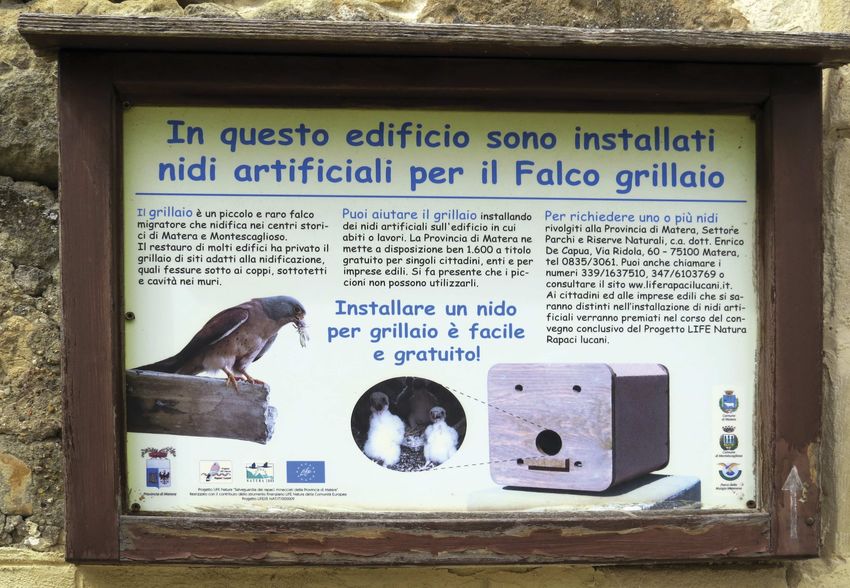
nests is a criminal offence. They then went to LIPU’s Society and the Lesser Kestrel
rescue centre in Rome to buy an artificial nest and
last spring they had a wonderful surprise: a pair of
swallows had brought up their own family in that
man-made nest.
T he Communication Group of the Life Choose
Nature (ChooNa) project is committed
to telling in words and pictures how 312 young
volunteers are working to protect species at risk.
To help nesting Swallows, Swifts and House Martins,
which are in decline in Italy and in the rest of Europe Spring is migration time. Not only for birds which
(see “Spec” and the Red List), the appropriate in the last few weeks have crossed seas and straits
artificial nest can be to land safe and sound on the Italian peninsula. It’s
installed in attics, garages also the time for 115 young volunteers to arrive at
and porches. A ledge Milan Central Station and at airports in Lombardy
under the nest avoids the from the whole of Italy to participate in Birds 2019.
small inconvenience due They are some of the 312 volunteers participating in
to the fall of droppings. LIPU’s Life ChooNa project, which is financed by
Doing this the swallows will European Union Life and sponsored by the Cariplo
“repay” you by letting you be a Foundation.
spectator of their comings and
goings and catching a large number of We want to tell you of a special event which involved
mosquitoes and flies. volunteers working their term of service with the
European Solidarity Corps throughout the whole
A practice to be spread widely. And one to be of Italy. In the spring of this year many ChooNa
supported, as has done Paola Ascani, an activist groups undertook to prepare for the moment when
of LIPU’s Livorno section, who has promoted a their target species arrived to nest. Hundreds of
campaign to “reward” people who look after swallows young people concentrated on catching sight of the
nest in their houses with a special certificate and a first signs of the return of a protected bird, from
sticker. the spectacle of a harrier over the Strait to the flight
of pairs of Kentish Plovers across the dunes. This
important project involved not only the volunteers
working in the field but also those volunteers from
the Comunication Group of Cesano Maderno who
use a computer or a smartphone to spread the news
Ali Summer 19 Ali Summer 19
Page 22 Page 23about what others are doing to protect everyone’s there are new nesting sites or roosts, and make sure
heritage. This team forms the launch pad for the that these sites are not compromised. “
stories of colleagues’ experiences, which appear
on web and newspaper pages telling of a constant The same watchful attitude was alive in Sicily, as
fight for a better future. Instead of putting nests Davide Pepi can testify: “During the 2019 breeding
into attics or cleaning beaches, the writers spent the season the Fratino Sicilia group started their own
spring months organising the events of Birds 2019, work in March, organising three ecological days in
the LIPU gathering for this year and making Milan order to provide a clean and healthy beach for the
as welcoming as possible for those who assembled birds when they arrived. We also started creating the
there. first area for nesting pairs in Licata, being careful
not to disturb the birds, and installed information
The evidence collected by the young people came panels. It’s a great achievement for ChooNa, because
from all over the peninsula. In Puglia, anyone who it’s the first time something like this has been done.”
is involved in the protection of Lesser Kestrels The work focused on creating an equilibrium which
speaks fervently about those days: “First of however fragile and temporary would allow nature to
all our ChooNa volunteers protected the restore little by little its own beautiful domain:
Lesser Kestrel by monitoring, protecting “We are satisfied and happy to
nests, restoring and installing continue monitoring the
artificial nests,” says volunteer Kentish Plover in the Bay
Grazia Margherita. “We of Gela. Think how much joy
put the nesting platforms there was when we found a pair
on the rooftops of our incubating eggs on a beach where
city, adapting them to the we had observed none the
spaces on the buildings, according to the advice of previous year, and we are
our coordinators. At last the first Lesser Kestrels hoping to find even more
arrived and some pairs chose our nests. And we this year than last.”
even rescued and helped some wounded ones.”
Then she adds: “At the beginning of March we were Meanwhile, further north, the Communication
eagerly looking forward to the arrival of our little Group was sending emails and tweets, choosing
migratory falcon. The Murgia and Matera regions photos and stories, organising the details of the
of Puglia host the most important populations in AGM in Milan, deciding on systems and strategies to
Italy, because the Lesser Kestrel has often chosen to send the evidence of ChooNa as far as possible. Just
come in to the urban areas and nest on our buildings. like the impatient wait for the bird migrations, the
Now our challenge is to raise awareness in our local means of encouraging volunteers are care, attention,
community by means of excursions and school surprise, respect and team spirit. An inspiration
lessons, about how best to co-exist with raptors. expressed perfectly by the co-ordinator Tiziano
Whenever we walk round we always check whether Milazzo: “ Fieldwork is very important, but it is just
Ali Summer 19 Ali Summer 19
Page 24 Page 25as important to know how to recognise and celebrate A SEA OF PLASTIC
that effort: the purpose of the Communication
Group is to show other people that young,
committed people, who love nature, really exist, and
that they are recognised and thanked. It is essential
I n thirty five years the oceans could contain more
plastic bottles than fish. An alarm bell has sound-
ed rung by researchers and scientists, according to
to enable volunteers to meet together, especially which 32% of plastic objects at a global level escape
considering their direct impact on the safeguarding collection systems and end up abandoned in nature.
of fauna and the welcoming of migratory birds. This Scientists calculate that in the seas by 2050 there will
is why the Communication Group is so important: be dumped every minute a quantity of plastic equal
it provides opportunities for explaining to ordinary to that transported by four lorries full of rubbish.
citizens the value of these people who are working The result of this will be an compromised ecosystem,
with ChooNa.” which will strike at fish and birds without sparing,
naturally, man himself. Different studies confirm
Good communications therefore enable volunteers what is playing out in our seas. Turtles, whales, seals,
to share experiences and emotions, and strengthen birds and fish are ending up trapped, suffocated or
bonds between them. This was confirmed by the poisoned while many of them die of hunger despite
participants in Birds 2019. And at the end everyone having stomachs full – of plastic. Research from
left for railway stations and airports, with an upward Imperial College London has revealed that 99% of
glance to find their bird friends and the intention to marine birds, in a not-too-distant future (the predic-
search for them again as soon as possible on beaches, tion is 2050) will have in their bodies plastic objects
in fields and near houses, looking forward to a future which will bring about their deaths.
fruitful summer season caring for nature.
To face up to the really serious problem of refuse in
ChooNa Figures: the sea, in April the Council of Ministers approved
the Save the Sea bill. This measure represents an
important step forward but it is certainly not decisive.
312 active volunteers Acting in advance, the European Union has ap-
36,491 hours of voluntary work proved a directive which provides for the banning of
19 volunteer groups many single use plastics in 2021; Italy, from the 1st
2 years of projects of January last has forbidden the production and the
sale of plastic-based cotton buds, which represent,
42 days work per volunteer
because of their incorrect disposal, 9% of refuse on
our beaches. Reducing plastic waste, starting with
bottled water, is the greatest help that we can give to
***
our seas.
***
Ali Summer 19 Ali Summer 19
Page 26 Page 27THE IMPOSSIBLE INTERVIEW And today, how are you doing?
by Andrea Mazza, LIPU Press Officer Not badly, but you still know very little about us and
our state of conservation is still unknown.
Name: Hoopoe
What can human beings, and in particular us at LIPU, do
Scientific name: Upupa epops to help you?
What does it mean? Considering that we are your symbol, you should
try to understand why our friends who live in
The name is onomatopoeic, suggesting the territorial the Alps are worse off than those who live in the
song of Up-Up-Up. Mediterranean or continental areas.
What relationship do you have with other species in Italy? What advantages can you offer us in return?
None. I am the only representative of my family. A graceful and flickering flight, a subdued and
I have eight “cousins” that are found scattered in repeated song, an aid in controlling the many insects
Africa and Asia. Our cousin called “African” has been that so annoy you in the summer.
considered a separate species for some years.
***
Do you come and visit us every spring?
LIPU IN ACTION
Some of us have the habit of wintering in your
southern regions, but most come from mid-March The Peregrine Falcon Dome
to mid-April to build nests, often in cavities or nest
boxes.
Is it a long journey?
F our chicks have hatched from the new peregrine
falcon’s nest on the bell-tower of the Church of
St. John the Evangelist in the historic centre of Par-
ma. Great delight for the Parma LIPU volunteers, led
Yes, this is because many of us spend the winter in by the delegate Michele Mendi, who had followed
South Africa or in Asia the nesting. Also involved were the Carabinieri
– State Forestry Corps group of Parma, co-ordinated
What do you feed on? by Commander Pier Luigi Fedele, the Head of Spe-
cies for LIPU, Marco Gustin and the long-serving
Large insects, locusts in the desert areas and in the LIPU volunteer, Mario Pedrelli.
oases where we rest during the journey, frogs, geckos,
lizards, and many insects.
Ali Summer 19 Ali Summer 19
Page 28 Page 29Sardinia, Volunteers remove 1200 traps
Matera in Puglia (above) is a breeding
A young Kestrel just a day or two after leaving the nest
stronghold of the Lesser Kestrel and,
V olunteers have scoured the woods of the Cagliari
region of Sardinia to find and remove traps and
take down nets. It has been a very busy time for the
thanks to LIPU, nest boxes are offered to
residents free of charge, see page 23.
15 LIPU volunteers from this new anti-hunting
camp established in collaboration with the Carab-
inieri. They have removed 1119 traps, the majority
designed to catch birds for the illegal restaurant and
meat trade. As well as preventing this trade LIPU
is working to educate and raise awareness with our
project Against Bird Crime. We have held classes at 8
schools around Cagliari on migration and the threats
birds face on their journey. Among the volunteers
participating in the camp were young people from
© David Tompkins
the Chose Nature project.
***
TAIL FEATHERS
A Corn Bunting photographed in spring in Catalonia
I am grateful to the RSPB for the use of line
drawings and to the photographers whose copyright
is acknowledged.
This issue of Ali was produced with the help of my
translation team and my thanks go to: Barbara Avery,
Joanna Bazen, Gill Hood, Caterina Paone, Peter
Rafferty, Lesley Tompkins and John Walder.
LIPU-UK DELEGATE
David Lingard
Finally, at the end of another business year I am
Fernwood happy to be able to you tell that it has been the most
Doddington Road
Whisby successful yet – more news in the next edition of Ali.
Lincs
LN6 9BX
Tel: 01522 689030 ***
www.lipu-uk.org
mail@lipu-uk.org
© Michele Mendi
Ali Summer 19 Ali Summer 19
Page 30 Page 31ChooNa – Choose Nature
A LIPU volunteer fencing part
of a Sicilian beach to protect
nesting Kentish Plovers
Ali Summer 19
Page 32
© Davide PepiYou can also read


