Our commitment to Sustainability - easyJet
←
→
Page content transcription
If your browser does not render page correctly, please read the page content below
SUSTAINABILITY

     Our commitment
     to Sustainability

At easyJet we want to lead the
decarbonisation of aviation, and
ultimately achieve zero-emissions
flying across Europe.

We are fully committed to the UK                 across easyJet, so we can better                 Beyond our carbon emissions, we are also
Government and EU targets of net zero            understand emissions throughout our              making further progress. Due to the action
emissions by 2050 and believe that               value chain and how to tackle them.              we have taken to reduce the amount of
European aviation should aim to reach                                                             plastic associated with the food and drink
                                                 Alongside our continued efficiency efforts,
net zero earlier than this.                                                                       sold on our flights, we have already
                                                 we believe that radical action to address
                                                                                                  removed over 27 million individual items
This year has been very significant in the       the impact of climate change on society
                                                                                                  of plastic from our inflight retail operation.
development of easyJet’s approach to             and nature is also needed now. Last year
sustainability. Despite the impact of            we became the only major airline worldwide       I am also particularly pleased to say that
the pandemic, sustainability remains a           to offset all our organisation’s direct carbon   easyJet’s long-term work with our charity
fundamental part of our business and of          emissions (Scopes 1 and 2), through              partner Unicef, whom we have supported
significant importance to our customers.         programmes that plant trees or avoid the         through onboard collections since 2012, has
                                                 release of additional carbon dioxide. Since      contributed to the achievement this year of
In November 2019 we established our
                                                 then, we have already retired 3.1 million        the eradication of wild polio in Africa. The
new Sustainability Strategy, focused on
                                                 carbon credits from high-quality projects        efforts of our cabin crew and the
driving down our environmental impact.
                                                 to provide carbon-neutral flights to our         generosity of our customers have helped
Our strategy has three pillars: tackling
                                                 customers at no additional cost to them.         Unicef deliver the work needed to achieve
our carbon emissions; stimulating carbon
                                                 We remain committed to our approach on           this important milestone.
innovation; and going beyond carbon.
                                                 carbon offsetting and have continued to
                                                                                                  While easyJet and the aviation industry
To deliver on our strategy we have also          offset all our flights through the pandemic.
                                                                                                  face many challenges from the pandemic,
significantly strengthened our Sustainability
                                                 Offsetting can only be an interim solution,      we remain absolutely committed to
governance this year. Both the plc Board
                                                 however, while the zero-emissions                sustainability. We will continue to take the
and the Airline Management Board
                                                 technology that we need is developed             lead in tackling our own carbon emissions
regularly discuss sustainability issues and
                                                 to reinvent aviation. We are collaborating       and helping to drive the technological
we have established a Sustainability
                                                 with several industry leaders to support         changes necessary to decarbonise aviation
Steering Committee to direct the strategy,
                                                 technological step-change: working with          in the critical decades ahead.
with a new dedicated sustainability team
                                                 Wright Electric in their development of
working across the business.
                                                 ‘Wright 1’ – an all-electric 186-seater; and
We continue to operate a fleet of modern,        a strategic partnership with Airbus in their
fuel-efficient aircraft, including our Airbus    ambition to develop a zero-emissions
A320 / 321 neo aircraft which are 15% more       commercial aircraft by 2035.
fuel-efficient than equivalent previous-
                                                 We are excited to see the growing                JOHan lundgren
generation aircraft, and we are always
                                                 momentum behind disruptive technologies          Chief Executive Officer
looking for ways to be even more fuel-
                                                 such as all electric, hybrid-electric and
efficient and emit less carbon. This year
                                                 hydrogen. There is significant potential
we commissioned The Carbon Trust to
                                                 for these technologies, particularly on
complete a carbon footprint assessment
                                                 short-haul networks such as our own.

36       easyJet plc Annual Report and Accounts 2020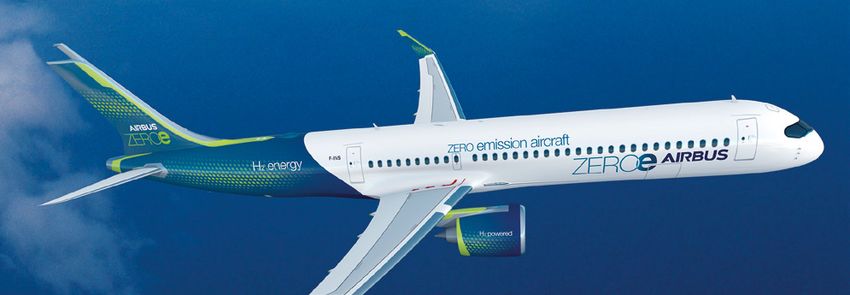
STRATEGIC REPORT
  Our Sustainability Strategy
                                            TO LEAD AND CHALLENGE
                                      GLOBAL AVIATION TOWARDS NET ZERO
                                   EMISSIONS WHILE POSITIVELY IMPACTING OUR
                                         COMMUNITIES AND OUR PEOPLE

            TACKLING CARBON                          STIMULATING CARBON                              GOING BEYOND
               EMISSIONS                                 INNOVATION                                     CARBON

        We are the world’s first major             We are supporting the development           We are working in a range of ways
        airline to operate carbon-neutral          of new technologies to reinvent             to take action on sustainability,
        flying across our entire network,          aviation as quickly as possible             beyond our carbon impact
        and continue to work tirelessly
                                                   • Champion and collaborate on               • Commit to waste and plastic
        to minimise carbon across
                                                     development of hybrid, electric             reduction at easyJet and
        our operations
                                                     and hydrogen aircraft                       within our supply chain
        • Fly carbon-neutral by offsetting         • Be an informed adopter of                 • Create a culture where
          CO2 from fuel and operations               sustainable aviation fuels and              employees can champion
        • Continuously reduce the carbon             advanced carbon capture                     sustainability
          intensity of our flying                    technologies when available               • Diversity, Inclusion and
                                                     and commercially viable                     Wellbeing Strategy
        • Advocate smarter regulation
          for aviation that rewards                                                            • Focus our charitable efforts
          carbon efficiency                                                                      on environmental sustainability

                                        IMPROVING OUR UNDERLYING CAPABILITY
         Initiatives include: recruiting a dedicated Sustainability team; increasing the scope of environmental reporting;
         development of an ISO14001-compliant Environmental Management System; additional oversight through committees
         and working groups, such as on business integrity and modern slavery

UNITED NATIONS SUSTAINABLE                     The strategy also includes working in an        • We set minimum expectations for
DEVELOPMENT GOALS                              honest and fair way with partners. Outlining      accommodation suppliers in respect of
                                               minimum standards to be met, to ensure            this which are included as a mandatory
Our strategy will contribute towards
                                               the sustainable delivery of holidays, and         clause in our contracts.
the achievement of the United Nations
                                               supporting destinations that rely on the
Sustainable Development Goals.                                                                 Positive for our planet
                                               positive impact of tourism. This has been
                                                                                               • We believe in minimising our carbon
EASYJET HOLIDAYS – A FOCUS                     reinforced by the impact the COVID-19
                                                                                                 impact throughout the entire
ON SUSTAINABLE TOURISM                         pandemic has had on the way we travel
                                                                                                 holidays journey
                                               and holiday.
The new easyJet holidays business                                                              • We believe we can play a role in
launched in November 2019 and                  Positive for our partners                         managing waste and resources.
sustainability has been a key part of the      • We believe in upholding labour standards,
strategy in the founding of the business.        promoting health, safety and wellbeing,       Positive for our destinations
Despite the challenging environment due          and respecting equal pay rights               • We believe tourism can be a force for
to the COVID-19 pandemic, the holidays                                                           good and we support our many and
                                               • We work with our partners to ensure
business has continued to focus on its                                                           much-loved destinations that rely
                                                 these high standards are maintained
sustainability programme. A full materiality                                                     on tourism
                                                 across our supply chain, adding value in
assessment was conducted and climate                                                           • We support sustainable tourism in all our
                                                 our communities and for the people we
change has been identified as a key focus                                                        destinations, while celebrating the local
                                                 work with
area. easyJet holidays will soon set out                                                         elements that make each of them unique
further plans for reducing the carbon          • We encourage all our direct hotel partners
                                                 to actively work towards certification that   • We also believe we can play a role in
impact of customers’ entire holiday journey,
                                                 meets the Global Sustainable Tourism            helping holidaymakers choose more
aligned to and building on the work of
                                                 Council (GSTC) standards                        diverse locations to visit and explore
the airline on its carbon footprint.
                                                                                                 lesser known areas through our
                                                                                                 ‘Undiscovered’ range.

                                                                                                                  www.easyJet.com         37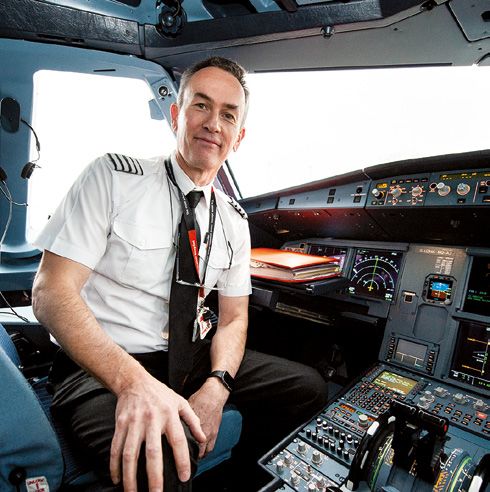
SUSTAINABILITY CONTINUED

how we manage
sustainability
PLC BOARD AND AIRLINE                              SUSTAINABILITY TEAM                                  RISK
MANAGEMENT BOARD                                   This year we have established our first              For a detailed explanation of our
Both the plc Board and the Airline                 dedicated Sustainability team, led by the            sustainability risks, including climate-
Management Board have regularly                    Sustainability Director, who is responsible          change-related risks, please refer to
discussed sustainability issues this year.         for working with management across the               the Risks section on page 71.
This has included considering and                  business to develop and implement the
approving the new Sustainability Strategy          Sustainability strategy across the airline and       CDP CLIMATE CHANGE
and the introduction of carbon offsetting          works alongside the easyJet holidays team            We have again participated in the CDP
to address all our organisational emissions        on their Sustainability activities. The team         Climate Change programme this year.
(Scopes 1 and 2 emissions).                        also comprises specialists with responsibility       The results of this assessment are expected
                                                   for covering the carbon impact of our                to be published by CDP later in 2020.
The Group Markets Director is responsible
                                                   operations and reporting our progress as
within the Airline Management Board for                                                                 REMUNERATION TARGETS ON
                                                   well as driving carbon innovation across the
ensuring that an impactful sustainability                                                               CLIMATE CHANGE
                                                   business, and implementing Environmental
strategy for the airline and easyJet holidays
                                                   Management System improvements to                    Climate change-related personal targets
is implemented to mitigate risk and create
                                                   waste management and recycling, as well              were agreed to form part of the
opportunity through environmental and
                                                   as ensuring the minimisation of single use           remuneration package for all members
social sustainability principles, considering
                                                   plastics and Sustainability in procurement.          of the Airline Management Board for this
the differing challenges and priorities
                                                                                                        financial year.
across our business.                               BUSINESS KPI ON CARBON
NEW SUSTAINABILITY                                 EMISSIONS                                            These targets focused on successfully
                                                                                                        maintaining and delivering our carbon
STEERING COMMITTEE                                 Our ‘carbon emissions per passenger
                                                                                                        offsetting programme, through which
                                                   kilometre’ KPI remains one of the business’s
In 2020 we established a dedicated                                                                      we offset the carbon emissions from fuel
                                                   six KPIs and is the responsibility of our
Sustainability team, led by a new                                                                       used on all our flights and in our ground
                                                   Director of Flight Operations. The Director
Sustainability Director. The Sustainability                                                             operations, and on driving and achieving
                                                   of Flight Operations also leads our work in
Director reports to the Group Markets                                                                   carbon efficiencies.
                                                   developing partnerships with organisations
Director and the team ensures that
sustainability thinking is embedded across
                                                   and on internal initiatives to implement             TASK FORCE ON CLIMATE-
                                                   innovative fuel and carbon-saving solutions.         RELATED FINANCIAL
the business in line with the strategy,
where necessary leading and delivering                   MORE INFORMATION ON OUR LATEST                 DISCLOSURES
                                                         PERFORMANCE ON THIS KPI IS ON PAGE 32
projects and programmes to manage
                                                                                                             OUR TASK FORCE ON CLIMATE-RELATED
risk and deliver solutions. This includes          NEW ENVIRONMENT POLICY                                    FINANCIAL DISCLOSURES TABLE IS
developing targets, commitments, policies                                                                    AVAILABLE ON PAGE 52

and appropriate KPIs.                              A new Environmental Policy has been
                                                   developed for the business, setting out our
We have also established a dedicated               approach to managing and minimising our
Sustainability Steering Committee.                 environmental impacts, and covering the
The Committee has met six times this               activities of all who work for and on behalf
financial year and attendees include               of easyJet. Our Environment Policy is
the Chief Financial Officer, the Chief             available at http://corporate.easyjet.com/
Commercial Officer, the Group Markets
Director, the Director of Flight Operations,
the Group General Counsel and the
Sustainability team.

     PLC                      AIRLINE                                       SUSTAINABILITY                                SUSTAINABILITY
     BOARD                    MANAGEMENT BOARD                              STEERING COMMITTEE                            TEAM
     The plc Board            The Chief Executive Officer                   The committee, which includes                 The team ensures that
     regularly considers      chairs the Airline Management                 Airline Management Board                      Sustainability thinking
     sustainability           Board (AMB), which ensures                    members, is collectively responsible          is embedded across the
     issues and               that decisions made are                       for driving the performance of the            business in line with the
     has approved             actioned across the business.                 airline against strategic KPIs.               strategy, where necessary
     the easyJet              The Chief Executive Officer is                                                              leading and delivering
     Sustainability           responsible for updating the                                                                projects and programmes
     Strategy.                plc Board, where decisions                                                                  to manage risk and
                              about our Sustainability                                                                    deliver solutions.
                              strategies are agreed.

38         easyJet plc Annual Report and Accounts 2020
Our material
STRATEGIC REPORT
sustainability issues
In 2019 we undertook our first formal The result was a materiality matrix that
materiality assessment for our airline plots stakeholder prioritisation against
business. business impact for each topic. Topics in
the top right of the matrix were identified
The assessment was carried out by an
as the most material to easyJet’s business.
independent sustainability firm in
consultation with easyJet, and involved This matrix shows the output of the
a desktop review of internal and external materiality assessment on sustainability
information sources to produce a long list issues for easyJet. However, some issues
of potential sustainability issues, followed which are important to the business as
by in-depth interviews with key stakeholders a whole may not be prioritised in this
carried out by the consultancy and shared matrix. This materiality assessment took
with easyJet without attribution. place in summer 2019 before the COVID-19
pandemic, so the importance of some
Those interviewed were based across
issues may have changed since this
Europe and included: plc Board members,
assessment. The sustainability team are
investors, suppliers, regulators, corporate
planning to re visit this during the 2021
customers, employee representative
financial year.
groups and trade unions, and Non-
Governmental Organisations (NGOs).
Customer and employee surveys were
also used to identify and rank the most
important issues for these groups.
MATERIALITY MATRIX
PRIORITY
Higher
ISSUES
Employee
health and safety
CLIMATE CHANGE
Employees Climate
change (including carbon
Waste and plastic emissions, climate
reduction change adaptation,
fuel types and
efficiency)
IMPORTANCE TO STAKEHOLDERS
Security EMPLOYEES
Emergency (including decent
preparedness work and labour
Customer relations, employee
satisfaction
engagement)
Diversity and Data protection
Economic inclusion
performance WASTE AND
Training and
development PLASTIC REDUCTION
Human
Customer Local air quality rights and Wellbeing
accessibility Ethical supply chain human Aircraft noise EMPLOYEE HEALTH
management trafficking
AND SAFETY
Tax practices
Corruption
Over-tourism
Economic
contribution Charitable giving and community programmes
Wildlife conservation Track
Actively monitor
Lower
Prioritise
IMPORTANCE TO THE BUSINESS
Lower Higher
www.easyJet.com 39
SUSTAINABILITY CONTINUED

Areas of focus
     CARBON OFFSETTING
     The global scientific community has clearly stated the
     need for the world to reach net zero CO2 emissions
     by 2050 in order to limit global warming to 1.5°C and
     to reduce the destructive impacts of climate change
     on human society and nature.
     This is particularly challenging for sectors such as
     aviation where scalable zero-carbon technologies
     will not be available in the short-term. To help inform
     a plan for our own ‘net zero’ pathway, easyJet is
     engaging with a Science-Based Targets Initiative
     (SBTi) project to develop a decarbonisation trajectory
     and target-setting tool specific to the aviation sector.
     Conservation and restoration of nature is increasingly
     recognised as a way to achieve emissions reductions
     while simultaneously helping build resilience to
     climate change.
     Whilst our ultimate aim is to achieve zero emissions
     flying in the UK and across Europe, easyJet’s Board
     decided at the start of the 2020 financial year to
     invest in the most effective immediate measure we
     could take to mitigate our carbon impact – namely
     to offset, via investment in high-quality carbon credits,
     100% of easyJet’s CO2 footprint (Scopes 1 and 2).            EFFICIENT OPERATIONS
     We have invested exclusively in Gold Standard and
     Verified Carbon Standard (VCS) carbon credits, with          We continue to operate our aircraft as efficiently as
     around 20% from renewable energy projects but                possible but nevertheless are always looking for efficiency
     the majority comprise of nature-based credits – e.g.         improvements. This includes adjusting standard operating
     reforestation, afforestation, and avoided deforestation,     procedures, which helps to reduce fuel usage and therefore
     including borehole rehabilitation and cookstoves             carbon emissions.
     projects – in some of the most intense deforestation
     hotspots around the world. Not only are these projects       All measures are taken only when safe and practical to do
     effective in reducing deforestation, but they also work      so, within the constraints of the operational environment.
     with local communities to deliver programmes for             Initiatives include:
     alternative income generation which incentivises the
                                                                  • The use of single-engine taxi on arrival and departure
     protection of forests over the long term.
                                                                  • Reducing the use of aircraft flaps on the approach
     Whilst the voluntary carbon offset market is                   to landing, to reduce drag
     increasingly recognised as having major potential to
     contribute towards limiting global warming, it remains       • Using advanced weather information to improve
     relatively small and unregulated. For this reason we           navigation performance in-flight, which optimises routing
     were pleased to be invited to join the Taskforce               by avoiding poor weather and headwinds
     on Scaling Voluntary Carbon Markets, an initiative           • The use of engine washing to remove debris, which
     launched by Mark Carney, the former Governor of the            improves the air turbine efficiency. This year we carried
     Bank of England, in September 2020, and sponsored              out approximately 300 engine washes
     by the Institute of International Finance. This initiative   • Reviewing and optimising the amount of discretionary
     aims to facilitate the rapid scaling and maturing of           fuel uplifted on each flight. This financial year we have
     this market.                                                   reduced the amount of discretionary fuel on each flight
     Our customers also support our offsetting work. There          by an average of 14kg compared to the 2019 financial
     are higher satisfaction rates and brand preference for         year. Captains always have the final decision on the fuel
     easyJet among those customers who are aware that               required for flight and safety remains the highest priority
     the fuel emissions from their flights have been offset.      • Optimisation of the climb speed on takeoff to get to
                                                                    cruise altitude, which facilitates reaching a more fuel-
                                                                    efficient phase of flight sooner
                                                                  • The use of ground power by our aircraft when on-stand
                                                                    at airports, reducing the use of the aircraft’s auxiliary
                                                                    power unit (APU) to cut noise, fuel and emissions.

40        easyJet plc Annual Report and Accounts 2020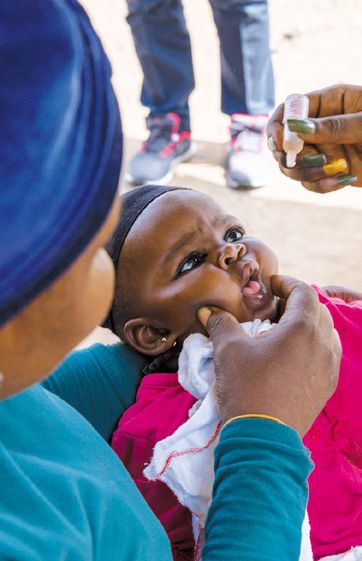
STRATEGIC REPORT
WORKING WITH AIRBUS ON ZERO-EMISSION AIRCRAFT
In 2019 we created a formal partnership    Airbus’ ambition is to develop a zero-             combustion, hydrogen fuel cells,
with Airbus to discuss hydrogen and        emission commercial aircraft for entry into        or a combination of the two.
electric aircraft concepts, and how they   service by 2035. In September 2020 they
                                                                                              To meet the ambitious 2035 target,
might fit into the easyJet model.          announced three concept aircraft under
                                                                                              Airbus will need to mature the ZEROe
The project aims include promoting         the name ‘ZEROe’: a 100-seat turboprop,
                                                                                              technology by 2025, to allow sufficient
government and industry understanding      a 200-seat turbojet and a futuristic-looking,
                                                                                              time to create a full-scale prototype
of the operational and infrastructure      blended wing design.
                                                                                              by the end of the decade and then
opportunities and challenges of zero-
                                           All three concept aircraft would be                complete all airworthiness and
emission aircraft.
                                           powered by hydrogen as a fuel, and will            certification trials.
We commenced a series of workshops         produce no carbon emissions. Propulsion
with Airbus in early 2020 and this         may take the form of hydrogen
collaboration is continuing.

                                                SUPPORTING UNICEF’S WORK
                                                TO ERADICATE POLIO IN AFRICA
                                                Since 2014, we have raised funds                country on the continent to be
                                                through onboard collections for our             certified wild poliovirus-free.
                                                charity partner Unicef, which have
                                                                                                Unicef and partners in the Global Polio
                                                supported the charity’s work within
                                                                                                Eradication Initiative — which include
                                                the Global Polio Eradication Initiative.
                                                                                                Rotary International and the Bill &
                                                £14.8 million has been raised since
                                                                                                Melinda Gates Foundation — have
                                                the partnership started.
                                                                                                worked together to end polio
                                                In August 2020 the World Health                 worldwide. Since 1988, polio cases
                                                Organization officially declared Africa         have decreased by 99.9%. With
                                                wild poliovirus-free. This is a significant     the African region’s wild-polio-free
                                                achievement in the journey to the               certification, five of the six WHO
                                                global eradication of polio.                    regions are now free of the wild
                                                                                                poliovirus.
                                                The initiative has involved the
                                                immunisation of hundreds of millions            The poliovirus continues to circulate
                                                of children across the 47 countries             in parts of Pakistan and Afghanistan,
                                                in the WHO African region with polio            the last two polio-endemic countries
                                                vaccines, as well as strengthened               in the world. Unicef and its partners
                                                surveillance networks to detect and             continue to work towards the global
                                                immediately respond to any lingering            eradication of the disease.
                                                traces of the virus. Nigeria was the last

                                                                                                                  www.easyJet.com         41
SUSTAINABILITY CONTINUED

Tackling
Carbon Emissions
OUR APPROACH                                     The introduction of offsetting has also       The 2020 financial year carbon mapping
                                                 enhanced our relationship with our            work estimated that 99.96% (2019: 99.97%)
We have been focused on reducing our
                                                 customers. Between December 2019              of easyJet’s organisational (Scopes 1 and 2)
carbon emissions for a long time. We have
                                                 and September 2020, those customers           carbon emissions was as a result of the use
been transitioning our fleet to increasingly
                                                 surveyed who were aware that their flight     of aircraft fuel.
more modern, fuel-efficient aircraft,
                                                 was carbon-offset were on average
flying them in ways which maximise fuel                                                        In addition to our existing carbon emissions
                                                 6.8 percentage points more satisfied
efficiency, and optimising passenger loads                                                     reporting included in previous years’ Annual
                                                 with easyJet than customers who were
as much as possible.                                                                           Reports and Accounts, we have this year
                                                 unaware of the offsetting initiative.
                                                                                               extended our carbon emissions reporting
We nevertheless believe that airlines need
                                                 CARBON MAPPING                                to meet the additional requirements of
to take further action now, which is why last
                                                                                               the new Streamlined Energy and Carbon
November we became the only major airline        This year we also commissioned a global       Reporting regulations, 2019.
worldwide to offset all our organisational       climate change and sustainability
emissions (Scopes 1 and 2 emissions).            consultancy, The Carbon Trust, to
Carbon offsetting is an interim measure          complete a full carbon mapping and
while new technologies are developed, but        calculation exercise to retrospectively
at the moment we believe it is the best way      review our the 2019 financial year carbon
we have to address our carbon emissions          footprint and to help us establish an
and, through targeted messaging, to              enhanced process for the 2020 financial
educate our customers about these issues.        year and future footprinting.                 It is important
                                                 Our measurement and reporting work            today for companies to
CARBON OFFSETTING                                are aligned to the European Union’s           consider environmental
We employ a rigorous process to select the       Emissions Trading System (EU ETS),
schemes we buy credits from. Our portfolio       the Greenhouse Gas (GHG) Protocol
                                                                                               impacts across their whole
of projects all meet either the Gold Standard    and the recommendations of the The            value chain. Our work with
or VCS (Verified Carbon Standard)                Task Force on Climate-Related Financial       easyJet has helped them
certification, which are globally recognised     Disclosures (TCFD).
and respected for their standards of                                                           to understand and measure
                                                 In the 2020 financial year, our carbon
offsetting. Their certifiers check projects
                                                 footprint is calculated and expressed as a    these impacts beyond those
to ensure the carbon reductions they are
claiming would not have happened without
                                                 suite of carbon dioxide equivalent (CO2e)     directly related to flying.
                                                 figures in metric tonnes.
the project, and that by reducing carbon                                                       Working to reduce these
emissions in one place they do not               The GHG Protocol categorises emissions
inadvertently increase them elsewhere.           in three scopes:
                                                                                               impacts will ensure a focus
                                                 • Scope 1 – direct emissions from
                                                                                               on sustainability is
In developing our carbon credit portfolio,
we partnered with Climate Focus, an                owned and leased assets (typically          maintained across the Group
international advisory company with                combustion of fossil fuels)                 and with its suppliers.
more than 20 years of experience in              • Scope 2 – indirect emissions from
climate finance, carbon markets (supply            imported energy used in owned assets
and demand) and climate policy. Climate            (typically grid electricity)
Focus acted as our adviser on selecting
                                                 • Scope 3 – all other indirect emissions
reliable projects and partners.
                                                   resulting from upstream and
Since we began offsetting on 19 November           downstream business activity, e.g. supply
                                                                                               Myles McCarthy
2019, we have retired 3.1 million carbon                                                       Director, Carbon Trust
                                                   chain, business travel, aircraft, etc.
credits. This has included high-quality
forest conservation projects in Peru and         Our carbon footprint work included
Ethiopia, and projects which deliver             calculating Scope 3 (in addition to Scope 1
additional social and economic benefits          and 2) for the first time. We looked at
for local communities.                           every geographic location where we
                                                 operate using the appropriate and
‘Retiring’ a carbon credit means it is taken     up-to-date location-based emission
off the market — never to be traded again.       factors issued by competent authorities
Carbon Clear Ltd (Eco Act) procured these        (UK Government departments including
credits on our behalf; and the related           DEFRA and BEIS). We used the operational
retirement certificates are available at         control approach for the calculation of our
http://corporate.easyjet.com/.                   greenhouse gas emissions.

42       easyJet plc Annual Report and Accounts 2020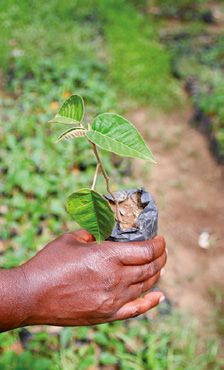
STRATEGIC REPORT
GREENHOUSE GAS EMISSIONS
                                                                                              FY20                                                                FY19
                                                                                             Global                                                          Global
                                                       Global               UK            emissions            Global                      UK             emissions
GHG performance summary                              emissions       emissions*           (excl. UK)         emissions              emissions*            (excl. UK)
Scope 1 – tonnes of CO2e                            4,247,159         2,177,784        2,069,375           8,324,525                5,138,165            3,186,360
Scope 2 – tonnes of CO2e                                   976              833                 143              1,456                       913                  543
Total Scopes 1 & 2 – tonnes of CO2e                 4,248,135         2,178,617           2,069,518         8,325,981               5,139,078            3,186,903
Scope 3 – tonnes of CO2e                             1,145,845                                              2,112,047
Total carbon footprint – Scopes 1, 2 &
3 tonnes of CO2e                                   5,393,980                                              10,438,028
Total energy use (kWh) – Scopes 1 &2 17,142,470,929 8,791,550,918                  8,350,920,011       33,605,118,594 20,742,284,794 12,862,833,800
Carbon offsets** – tonnes of CO2e                    3,146,196                                         Not applicable
*UK emissions in the GHG Table include those emissions from flights operated under our UK airline AOC, i.e. not just flights to and from the UK
**Carbon credits retired to account for the tonnes of CO2e emitted by the use of aviation fuel and non-aviation fuels (scope 1 & 2) for the period 19.
November 2019 to 30 September 2020
                                                                                                         FY20                                        FY19 (restated)
                                                                            easyJet plc            easyJet plc               easyJet plc                easyJet plc
Intensity metric                                                             gCO2/RPK              gCO2e/RPK                  gCO2/RPK                  gCO2e/RPK

Carbon emissions/revenue passenger km                                             70.77                  71.48                       70.41                        71.12

INTENSITY METRIC                                      CARBON PERFORMANCE                                    In the 2020 financial year our carbon
                                                                                                            dioxide emissions per passenger kilometre
We use an intensity metric based on                   The carbon intensity of our flying, based
                                                                                                            was 70.77g, compared to 70.41g in 2019.
the carbon efficiency of our airline. This            on carbon dioxide emissions per passenger
                                                                                                            In addition to the stable carbon intensity
is expressed as grams of carbon dioxide               kilometre, has remained relatively
                                                                                                            target, due to the significantly reduced
equivalent (gCO2e) per revenue passenger              unchanged year on year, despite the
                                                                                                            flying this year our total carbon dioxide
kilometre (RPK). However, for on-going                impacts of the COVID-19 pandemic.
                                                                                                            equivalent emissions from the fuel used
comparability purposes, we have also                  Although lower load factors, as we have
                                                                                                            in our flights was 4,264,435 tonnes.
included grams of carbon dioxide (gCO2)               experienced in the 2020 financial year,
                                                                                                            A reduction of 49% on the previous
per revenue passenger kilometre (RPK).                would normally increase the emissions per
                                                                                                            financial year primarily due to the reduction
                                                      passenger, we have been able to largely
This year we have had our intensity metric                                                                  in flying as a result of COVID-19. Since
                                                      avoid this effect by prioritising the use of
verified by a third-party specialist auditor,                                                               2000, we have improved our carbon
                                                      our more efficient A320 / A321 neo aircraft.
Verifavia. Verifavia provided an independent                                                                emission per passenger kilometre efficiency
verification audit using a reasonable                 This year we reviewed and updated our                 by over one third.
assurance approach to review easyJet’s                carbon intensity calculation methodology,
                                                                                                            The impact of the COVID-19 pandemic,
2020 financial year aircraft fuel burn, RPK           so that it aligns more closely with
                                                                                                            including aircraft deferrals and future load
and associated output CO2 and CO2e KPIs.              established industry methodologies
                                                                                                            factors, will affect progress towards our
                                                      (e.g. ICAO and EU ETS reporting).
Verifavia’s detailed assurance statement                                                                    carbon intensity target. We will continue
                                                      As a result we have restated our CO2
is available at http://corporate.easyjet.com/.                                                              to monitor these effects and our trajectory
                                                      per passenger kilometre KPI for the years
Whilst this verification approach only                                                                      towards the target.
                                                      of the target (2016 to 2019 financial year)
focuses on our airline emissions, these               and used the new methodology to
equate to 99.96% in the 2020 financial year           calculate the 2020 financial year.                    EMISSIONS PER PASSENGER
of our Scopes 1 and 2 carbon footprint.                                                                     KILOMETRE SINCE 2016
                                                      While the baseline number has changed
                                                      from 80g to 74g, the target previously                 2020           70.77
                                                      stated as 72g has now also been reduced
                                                      to 66.6g. Therefore the target remains a                2019       70.41
                                                      10% reduction in carbon dioxide emissions
                                                      per passenger kilometre from our flights
                                                                                                              2018                  71.56
                                                      by 2022, compared to our 2016 figures.                  2017                           72.46
                                                                                                              2016                                        73.96

                                                                                                                                      www.easyJet.com                43
SUSTAINABILITY CONTINUED
ENERGY AND CARBON We also updated our New Build and These new generation aircraft currently
EFFICIENCY ACTIVITY Retrofit Fit-Out Guide to include minimum make up over 15% (2019: 11%) of our overall
energy-efficiency standards we expect fleet and will make up a larger proportion in
We have focused on a variety of ground-
our buildings to include. the future as both older aircraft leave our
based energy efficiency schemes this year.
fleet and the size of the fleet reduces.
We rolled out new, improved and upgraded This is in addition to our work to increase
During the period of reduced utilisation
lighting controls for the LED fittings the operational fuel and carbon efficiency
due to the COVID-19 pandemic, storage
(super-efficient lights), completing this of our aircraft operations.
and parking of aircraft has been focused
work at our largest site, Hangar 89 at
London Luton Airport. We also progressed EFFICIENT AIRCRAFT on older A320ceo family aircraft, with the
result that a higher proportion of the active
the deployment of these controls at We operate a fleet of modern, efficient
aircraft in this period have been neo-type
another of our large office premises that Airbus A320 family aircraft. In 2017 we
aircraft, our more fuel efficient aircraft.
forms part of our Luton Campus. started to operate our first Airbus A320neo
(New Engine Option) aircraft, equipped All future aircraft deliveries from easyJet’s
We optimised the existing plant and
with LEAP-1A engines and in 2018 we also order book will be new, more efficient
equipment that provides heating/cooling at
started operating the larger Airbus A320neo and A321neo aircraft.
our Luton Campus and our London Gatwick
A321neo aircraft.
Airport base with thermostatic controls and NUMBER OF AIRCRAFT BY TYPE
timers during the second half of the year. The Airbus neo aircraft (A320 and A321) Percentage
We will continue to roll these out across are 15% more fuel efficient per seat and Aircraft type Number of fleet
our base portfolio in the 2021 financial year. 50% quieter during takeoff and landing A319 122 36%
than their equivalent previous generation
A320 169 49%
aircraft (A320ceo and A321ceo – Current
A320neo 37 11%
Engine Option).
A321neo 14 4%
Total 342 100%
SOME OF THE PROJECTS EASYJET HAS
INVESTED IN TO OFFSET ITS
ORGANISATIONAL CARBON FOOTPRINT
UGANDA ETHIOPIA
ACTIVITIES
TIST TREE BALE MOUNTAIN REDD+
PLANTING Implementing a Participatory Forest Management framework for
the Bale region, which is home to Africa’s largest alpine forest, an
CERTIFICATIONS area of high biodiversity and ecological importance. This helps local
communities and government to manage the responsibility and
A combined tree planting, benefits of the forest together and gain economic incentives from
development and carbon the sale of carbon credits for avoiding deforestation.
programme. Smallholder
and subsistence farmers
organise themselves into
community groups to plant
trees on their degraded
land, improve their
livelihoods and reverse
environmental degradation.
CERTIFICATION CERTIFICATION
Verified Carbon Standard Verified Carbon Standard
The Climate, Community & Biodiversity Alliance certifications The Climate, Community and Biodiversity Alliance certifications
SDGS
44 easyJet plc Annual Report and Accounts 2020STRATEGIC REPORT
SUSTAINABLE AVIATION FUELS We have been a long-term supporter of We also believe that where aviation taxes
the EU Emissions Trading System (EU ETS) exist or are introduced in the future, these
We believe Sustainable Aviation Fuels
scheme and all easyJet flights within the should be designed to incentivise efficient
(SAFs) will be part of our decarbonisation
European Economic Area, which make up flying. Currently taxes are often linked to
pathway, as and when they become more
the majority of all our flights, are covered individual passengers, which means a flight
widely available and affordable. However,
by the scheme. with more passengers – which will create
we do not see SAFs as a long-term
less carbon per passenger journey – is
decarbonisation solution for short-haul The new global framework for managing
taxed more highly. Instead any taxes should
aviation, since current pathways are not aviation carbon through offsetting is the
be linked to the overall emissions of a flight,
zero carbon and total projected emissions Carbon Offsetting and Reduction Scheme
including the length of the flight and the
savings remain limited. for International Aviation (CORSIA). The
efficiency of the aircraft used.
baseline year for the scheme has recently
In the long term they are best suited to
been changed, which has reduced the
long-haul flying where there may not be
likelihood of airlines having to pay to offset
alternatives to using SAFs. We support
any CO2 at all for the initial years (2021 to
the development of genuine zero emissions
2023 pilot phase).
technologies for short-haul, such as electric
or hydrogen-powered flight. We have therefore challenged all airlines
to join us in offsetting their carbon dioxide
PUBLIC POLICY emissions. Until this happens, easyJet’s
We continue to engage with policy makers offsetting position is a strong differentiator
across Europe on how public policy can help during this crucial next decade for the
airlines to address their carbon emissions. planet and for aviation technology.
We also continue to engage with EU policy
makers on the future of EU Emissions
Trading System. We believe aviation within
the EU should remain in the EU ETS and
flights to destinations outside the EU
should remain in CORSIA to support global
efforts, but with an obligation equivalent to
that of EU ETS.
PERU BULGARIA INDIA
ACTIVITIES
MADRE DE DIOS SVILOSA BIOMASS BREATHING SPACE
Dramatically reduces deforestation in the
Peruvian Amazon, the threat of moving
A programme which demonstrates the
viability of biomass as an alternative
IMPROVED
communities and illegal logging, by
increasing surveillance in the conservation
sustainable energy, improving local
livelihoods and air quality, and stimulating
COOKING STOVES
area and establishing sustainable forest sustainable energy technology in the region. This programme reduces the greenhouse
management practices. The project uses available waste biomass gas emissions from the burning of
residues; by-products of wood processing at non-renewable biomass for cooking by
the Svilosa pulp processing plant as an enabling the distribution of fuel-efficient and
energy source. improved cook stoves. The cook stoves
reduce fuel consumption by circa 50 to 80%,
helping families to cut their spending and to
save time on collecting wood fuel and
reduce indoor air pollution.
CERTIFICATION CERTIFICATION CERTIFICATION
Verified Carbon Standard Gold Standard Gold Standard
The Climate, Community and Biodiversity
Alliance
SDGS
www.easyJet.com 45SUSTAINABILITY CONTINUED
Stimulating Carbon Innovation
OUR APPROACH
We remain committed to decarbonising aviation and
helping the world achieve net-zero emissions before 2050.
We are collaborating in several partnerships to support
technological step change.
In 2019 we established a joint research
project with Airbus. The project is
intended to grow the industry’s
understanding of the operational
and infrastructure opportunities and
challenges of plug-in hybrid and full
electric and hydrogen aircraft.
We are working with Airbus on three
distinct work packages set to define
the impacts and the requirements
necessary for the large-scale
introduction of next generation
sustainable aircraft on infrastructure
and everyday commercial aircraft
operations. Airbus’ ambition is to
develop a zero-emission commercial
easyJet has been supporting Wright Electric over the last three years in aircraft by 2035.
its aim to produce an all-electric 186 seat commercial aircraft, the Wright
1, which could be used for short-haul flights.
Wright is currently engineering electrical systems at the megawatt scale
which will be necessary for commercial aircraft. It is building a 1.5 MW
electric motor and inverter at 3 kilovolts. These components will form
the power plant of Wright’s revolutionary Wright 1 aircraft. Wright intends
to conduct ground tests of its motor in 2021 and flight tests in 2023. Airbus is delighted
The motor development program is the latest step towards building its to be collaborating with
narrow-body class aircraft. Wright will be simultaneously conducting
aerodynamic tests on its fuselage, which will inform the propulsion design.
easyJet in the ZEROe
The company expects entry into service of its flagship Wright 1 in 2030. programme. easyJet’s
A number of government agencies in the United States are aiding research passion to decarbonise
by providing funding into electric aviation including US Department of
Energy’s Advanced Research Projects Agency aviation and ultimately
remain competitive in a
changing world, is shared
by Airbus. Together we
Wright Electric is dedicated to bringing low- have the opportunity to
emissions 186 seat electric planes systems to educate and challenge
market. Wright Electric’s mission is to make governments and
commercial aviation greener, and our megawatt industry to create
engine program is the next step in making our supporting technology
mission a reality. We are pleased to have easyJet and infrastructure
as a partner to support this goal. needed for the
introduction of zero-
emissions aircraft.
Jeffrey Engler
Chief Executive Officer of Wright Electric
Glenn Llewellyn
VP Zero Emissions Technology
Airbus
46 easyJet plc Annual Report and Accounts 2020STRATEGIC REPORT
Captain David Morgan Working with partners
EASYJET’S LEAD ON CARBON INNOVATION towards net zero
Captain David Morgan, Director of Flight Operations, is We are working with a range of other partners in leading the
leading our work on innovation to support the development aviation industry towards net zero:
of new technologies to decarbonise aviation. This includes
• UK Jet Zero Council – Our Chief Executive Officer, Johan
our partnerships with aerospace companies such as Airbus
Lundgren, has been appointed a member of the UK
and Wright Electric on innovative aviation technology
Government’s Jet Zero Council, which has been tasked
(see separate case studies).
with making net-zero emissions possible for future flights
David is currently part of a series of industry initiatives: • Science-Based Targets Initiative – We are involved in a
• Member of the Technology Advisory Group, Aerospace technical working group to develop a decarbonisation
Technology Institute: promotes transformative technology trajectory specific to aviation which aligns with The Paris
in air transport, creates the technology strategy for the UK Agreement. This is due to include the pilot testing of a
aerospace sector and funds research and development new target setting tool for airlines. The process is being
guided by Boston Consulting Group, WWF and ICCT
• Member of the Advisory Group, UK Future Flight
(International Council for Clean Transportation)
Challenge: aims to revolutionise the way people, goods
and services fly; it will support the development of new • Sustainable Aviation – easyJet is a member of Sustainable
technologies from freight-carrying drones to urban air Aviation, the UK body which aims to use the collective
vehicles to hybrid-electric regional aircraft; as well as approach of UK aviation to achieve goals on climate
develop the supporting ground infrastructure, regulation change, noise and local air quality
and control systems, required to use these new aircraft • EU Clean Sky hydrogen project – We have contributed
practically and safely to a study led by McKinsey, on behalf of the EU Clean Sky
• Steering Committee Member, Airspace Change Organising hydrogen project, evaluating hydrogen as a
Group: to coordinate the redesign of airspace in the UK, decarbonisation option for aviation. Its clear conclusion
which is expected to reduce the carbon emissions of is that hydrogen has the potential for a major role in
aviation in the UK aviation’s future technology mix. The study will inform
the EU on ways to achieve its objective of net carbon
neutrality across all sectors and states by 2050
www.easyJet.com 47SUSTAINABILITY CONTINUED
going
beyond carbon
OTHER ENVIRONMENTAL WASTE MANAGEMENT WILDLIFE CONSERVATION
IMPACTS Management of onboard waste is complex easyJet does not carry any commercial
and challenging due to waste handling and freight, which means we do not carry live
AIRCRAFT NOISE
treatment regulations in different countries, animals – with the exception of assistance
The noise from our aircraft can affect varying capability to accept recycling at dogs travelling with customers – or any
those who live near airports or under flight many airports, complexity of third parties parts of deceased animals, including
paths. We work with individual airports involved in waste handling, restricted space ‘hunting trophies’, on our flights. We also do
and air traffic control teams to implement within the cabin and short aircraft not promote attractions with live mammal
noise mitigation activities that best fit turnaround times. The interpretation and animals, such as oceanariums with dolphins
each location. Our pilots also use flying enforcement of International Catering and whales.
techniques that reduce the impact Waste (ICW) legislation at both the local
of aircraft noise, such as continuous airport and national policy level often EMPLOYEE ENGAGEMENT ON
descent approaches. means that all waste generated is deemed SUSTAINABILITY
The new generation Airbus A320neo and as ICW upon arrival, meaning that materials This year we have continued to discuss
A321neo aircraft are 50% quieter during are being sent to incineration or deep sustainability with our employees. This has
takeoff and landing than the equivalent landfill when they could be recycled. included regular updates from our Chief
previous generation aircraft. Over the next year we plan to work in Executive Officer and leadership team
partnership with our largest airports, on sustainability initiatives, including the
We have also carried out a retrofit
ground handling and cleaning contractors establishment of our Sustainability
programme to address a sound, associated
and our cabin crew to improve our Strategy and the introduction of our
with A320 family aircraft of all airlines, due
recycling rates. carbon offsetting.
to the airflow under the wing.
We have also used our internal online
PLASTICS REDUCTION ENVIRONMENTAL MANAGEMENT forum ‘Workplace’ to create a dedicated
To help reduce the amount of single-use SYSTEM sustainability forum to ask for feedback
plastic used on our flights, we have To manage our environmental impacts, and suggestions on sustainability issues,
focused on changes to our inflight food performance and compliance obligations, including from our cabin crew on ways to
and drink products and service. we will be implementing an Environmental reduce plastics and waste from the inflight
Management System (EMS). This will assist retail range.
We have prioritised our actions using
us in meeting our Environment Policy
the following principles:
commitments in a structured, systematic, CHARITABLE ACTIVITY
• Reduce the number of plastic items and documented way. CHARITY COMMITTEE
that are used
We are joining the IATA Environmental Our Charity Committee makes donations
• Replace plastic items with non- Assessment Programme (IEnvA), an to support charities nominated by easyJet
plastic alternatives Environmental Management System employees. This is to ensure that the
• Reduce the amount of plastics used specifically developed for the airline sector. causes we support help the communities
in items The programme was developed by airlines, in which we operate and have personal
IATA, and leading experts in the aviation meaning to easyJet employees.
The initial changes have been to the ‘dry environmental sustainability industry.
store’ items which are used to serve food IEnvA follows the requirements set Any employee can submit a nomination
and drink products and by doing so we by ISO14001:2015, an international for an award for a charity of their choice.
have already eliminated over 27 million Environmental Management System Nominations are considered anonymously
individual items of plastic. standard. Over the next year we will be and 12 charities are selected each month
engaging with colleagues across the for a flight voucher for two people, or a
Changes made include:
business to implement and embed the financial donation of £250 / €300.
• Replacing a plastics drinks stirrer with EMS into day-to-day activities. This financial year we made 40 awards
a wooden alternative – 9.2 million
between October and January, before the
individual items of plastic eliminated
impact of COVID-19 which meant we had
• Removing plastic spoons – 10.1 million to pause these awards.
individual items of plastic eliminated
• Introducing a new hot drinks cup which
is now made of sustainably sourced
cardboard, except for a plant-based
plastic lining, and that is compostable
• Introducing a new hot drinks lid derived
from plant sugars that is compostable
– replacing over 5.8 million items
of plastic
• Replacing the plastic cups given to
customers to put their used tea bags in
with a small plant-based bowl – saving
over 2.4 million individual plastic items
48 easyJet plc Annual Report and Accounts 2020STRATEGIC REPORT
UNICEF AUSTRALIAN FIRES 2020 INCREASE THE MIX
We have a pan-European charity In January 2020 we launched an Ensuring the employee mix reflects our
partnership, Change for Good, with Unicef, emergency onboard collection to support customer base
the world’s leading children’s organisation. the Australian Red Cross’ response to the
• We have improved our performance in
Our cabin crew make onboard appeals for bushfires across Australia. The cause was
the Hampton Alexander report, year on
customers to donate spare change and particularly important to our cabin crew
year, our gender pay gap has reduced,
unwanted foreign coins at certain times of community, who led the collections
and most recently increased our
each year. Since 2012 the partnership has onboard and were able to help raise
representation at Board level too
raised £14.8 million. over £231,000 for the charity.
• We have made changes to our HR
This year our collections on flights DIVERSITY, INCLUSION & systems in order to be able to capture
during December and January were WELLBEING more diversity data, where our
again in support of Unicef’s vaccination colleagues are comfortable to share this.
programmes, as part of the global initiative This year we have made further progress
on our new Diversity and Inclusion strategy, In future this will enable us to have much
to eradicate polio, which has been running more information about our people
since 1988. Since it began, the initiative has which was introduced in 2019.
across our business to support better
contributed to protecting children against
FIRM FOUNDATIONS decision making
polio, decreasing cases by 99%. Today,
the wild polio virus is found in only two Embedding Diversity & Inclusion into
policies and processes TRAINING AND DEVELOPMENT
countries: Afghanistan and Pakistan.
(See separate case study on page 41 about Upskilling leaders to support cultural
• We have completed functional
Africa being certified as ‘wild polio free’ change and maintain a welcoming
engagement sessions across the
in August 2020). employee experience
business and our internal engagement
By the end of 2019, the partnership had measure for inclusion remains • We have built and delivered 10 training
helped vaccinate 5.3 million mothers and consistently strong modules (including e-learning) across
babies against deadly diseases and protect • We have launched a communication our Management & Administration team
more than 30 million children against polio, channel on our internal Workplace for • We have rolled out frontline modules
as well as supported the procurement and colleagues to share experiences and to support inclusive behaviours in our
distribution of 2,600 cold boxes, 6,000 stories, which has been hugely popular operating environments
vaccine carriers and 22,280 ice packs, with significant levels of participation • We have created a virtual hub with
and the installation of 44 solar refrigerators across our communities leader and colleague content to support
to improve vaccine safety and storage • We ran several campaigns across the health and wellbeing in a COVID-19 world
capacity. In March 2020, owing to strict year to ‘educate and celebrate’ including
COVID-19 infection-control measures, polio our overarching ‘You Matter’ programme
vaccination campaigns were put on hold. and a virtual ‘Pride in Europe’
Since July, vaccination campaigns have
• We have worked on our Customer terms
been slowly resuming, and Unicef
and conditions to ensure any type of
anticipate that the funds already raised by
discrimination is not tolerated, alongside
easyJet will help protect more children
our internal bullying and harassment
against polio and reach more communities
policies
towards our goal of ending polio for good.
Our partnership with Unicef would normally
include further collections on flights over
the Easter and summer travel periods.
However, we were not operating flights in
April 2020, when our Easter collection
would normally take place. As our focus for
the summer was on the safe resumption of
flying, we and Unicef agreed that the
planned summer collection would also not
take place.
This means that this year over £513,000
was raised for Unicef through the
partnership, from the inflight collections on
World Polio Day (October 2019) and during
our winter collection period for 2019/20.
www.easyJet.com 49SUSTAINABILITY CONTINUED
PARTNERSHIPS: GENDER Sophie Dekkers, our newly appointed
Gender makeup of easyJet employees as Customer Director, will take responsibility
Sourcing expert input and support to help
at 30 September 2020; for special assistance customer policy
guide activities;
issues and will work closely with Lord
• In the UK Glassdoor Employee’s Choice Blunkett and ESAAG.
PLC BOARD
Awards, we were named amongst the
Best Places to Work in 2020, ranked at 45% (5) 55% (6) BUSINESS ETHICS AND SUPPLY
16th place, up from 26th in 2019 AIRLINE MANAGEMENT BOARD CHAIN
• Over the next year we plan to strengthen 33% (3) 67% (6) ETHICS POLICIES AND
our partnership with Stonewall, to focus ALL EMPLOYEES OVERSIGHT
our practices and communications 41.9% (5,989) 58.1% (8,308) We have in place ethical and compliance
• We also plan to sign up to the Race at policies, covering topics including bribery
Work Charter to help further improve FEMALE MALE
and corruption, gift giving, fraud, human
our understanding how we can support rights and modern slavery. These policies
our people and our commitment to the Human Rights
DISABILITY – RECRUITMENT AND statement are available to employees on
Our future focus is to deepen our
EMPLOYMENT the easyJet intranet.
foundation knowledge now, put action
into practice across all teams through the As part of our commitment to Diversity All new entrants to easyJet receive
Trailblazer team and line managers, and and Inclusion, we treat every applicant in mandatory ethics training during the
help our people thrive during this COVID-19 our recruitment processes equally, onboarding process. All employees are also
recovery period. including disabled people. We also support required to complete annual online
employees who are or become disabled. refresher training on ethics, anti-bribery
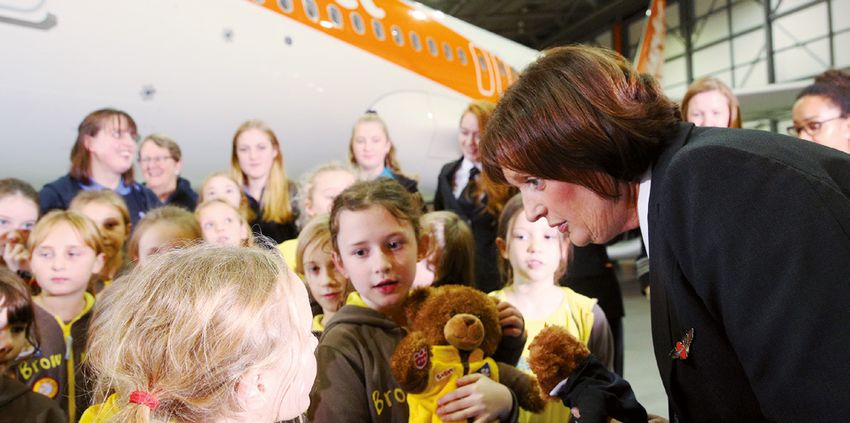
FEMALE PILOTS This includes offering flexibility and making and corruption.
Since 2015 we have been working to reasonable adjustments to the workplace
to ensure they can achieve to their full In 2019 a Business Integrity Committee
address the significant gender imbalance
potential. However, for easyJet’s two was established as a management forum
in the pilot community across aviation
largest communities, pilots and cabin for ethics policies and management
through the easyJet Amy Johnson
crew, there are a range of regulatory and this has continued to meet this
Initiative, named after a pioneering British
requirements on health and physical ability year. The committee receives reports of
female pilot. Activity during the programme
with which all applicants and current suspected unethical behaviour, identifies
since 2015 has included:
employees must comply. Group-wide trends, and monitors follow
• Visits by pilots to schools, youth and up. The committee’s remit includes
aeronautical organisations ACCESSIBLE TRAVEL disciplinary issues or grievances raised
• Sponsorship of the Aviation Badge for We believe that travel should be easy with HR, environmental concerns and
Brownies, the UK Girlguiding organisation and affordable for everyone, including suspected fraud.
for 7 to 10 year old customers who need some additional
WHISTLEBLOWING
• Offering loan underwriting for cadet help when they are travelling.
All employees of easyJet and our suppliers
pilot programmes working with training We continue to provide our special should feel able to raise concerns about
partners to offer scholarships assistance service for customers, in any safety, legal or ethical issues. If they
• Highlighting female easyJet pilots partnership with airports and their special feel unable to report these concerns
in the media and through customer assistance providers on the ground. to a manager, we also provide a
communications such as the Customer satisfaction amongst special whistleblowing process.
inflight magazine assistance customers this financial year
was 83.6%, compared to 75.2% for all The ‘Speak Up, Speak Out’ service is run
We had reached our target that 20% customers (2019: 82.3%, 74% for all independently of easyJet and reports can
of the new entrant co-pilots we attract customers). This is the seventh successive be made confidentially and anonymously.
should be female by 2020, up from 5% year that satisfaction is higher among The service is available by phone, website
when we started the initiative in 2015. customers who need special assistance and using a mobile app.
However our planned pilot recruitment than the average across all customers. All reports are investigated and followed up
and cadet pipeline was then affected by as necessary by an easyJet senior manager
Since 2012 we have received expert advice
the COVID-19 pandemic. responsible for business integrity. The
on special assistance issues from the
Although the aviation industry is not easyJet Special Assistance Advisory Group Board oversees the whistleblowing process
predicted to reach previous levels of (ESAAG), made up of members from key with the assistance of the Audit
demand until at least 2024, which means easyJet markets with experience of special Committee. In addition, the Business
we will not be recruiting in the same assistance issues. The Group continued its Integrity Committee is a management
numbers as pre-pandemic, we are work through the first half of the 2020 forum on whistleblowing. It receives
committed to looking at the best ways financial year and met in December 2019. summaries of all reported concerns; it
we can make the pipeline of future aviation While the Group has not met since the monitors any ongoing concerns and
talent more diverse. pandemic began, we are working with the ensures that the proposed outcomes of
Chair of the Group, Lord David Blunkett, on investigations are fair, transparent and
the best way to resume the process of robust, with root causes identified and
consultation and advice with the group. remedial actions agreed.
50 easyJet plc Annual Report and Accounts 2020You can also read


