PLANNING GUIDE - whakatane.com
←
→
Page content transcription
If your browser does not render page correctly, please read the page content below
EVENTS
  PLANNING GUIDE

whakatane.com
Contents
     Planning your event..................................................3
     A four step plan to organising a successful event

     Things to consider.................................................... 6
     Some things to think about when planning your event

     Marketing and promotion.................................... 10
     Some websites and guides to help you get the word out

     Booking a venue ...................................................... 11
     The right venue for your event

     Event consents........................................................ 15
     Licenses, plans, permits, bylaws and consents and how:
     Building consents.......................................................................................... 15
     Busking.............................................................................................................16
     Fairground and amusement devices......................................................16
     Weddings. . ........................................................................................................16
     Wild Foods.. ...................................................................................................... 17
     Food stalls........................................................................................................ 17
     Liquor licensing.............................................................................................18
     Noise management.......................................................................................18
     Special effects and pyrotechnics............................................................19
     Hire of a mobile stage.. ................................................................................19
     Event parking................................................................................................ 20
     Temporary billboards.. ................................................................................ 20
     Temporary road closure and traffic management plans................ 21

     Health and Safety Planning................................ 22
     New updates to the Health and Safety Work Act 2015
     require careful consideration of hazard identification.

2   // EVENT PLANNING MANUAL - WHAKATĀNE, NEW ZEALAND
Planning your event
Many organisations, sports clubs and groups are responsible for coordinating and delivering one-off and
ongoing programmes and events, ranging from a social function at a local club, a conference, or hosting a
domestic or national event.

There are four simple steps that can help you develop and run a successful event or programme: planning,
preparation, presentation and evaluation. About 80 percent of the work in any project is in the planning
and preparation stages, but time spent on evaluation following the event will help ensure future projects
will run even better.

                         PLANNING:
   STEP
                         Think it through
        1                •
                         •
                             Bring all your ideas together (brainstorm)
                             Determine the purpose of the event
                         •   Time line the procedures required
                         •   Identify resources: staff, equipment, facilities (do a site check)
                         •   Examine the costs (budget)
                         •   Define your goals
                         •   Consider what evaluation methods you will incorporate
                         •   What is to be achieved?
                         •   Who is it for?
                         •   Who can help?
                         •   What is it called?
                         •   How much does it cost?

                                                  EVENT PLANNING MANUAL - WHAKATĀNE, NEW ZEALAND //         3
STEP                 PREPARATION:
           2                 Organise all that you need

    •    Organise and plan your funding and sponsorship         on the same day and bookings can overlap one
    •   Make any bookings required                              another. It is best to book your venue early (at least
                                                                six months prior) to ensure availability, particularly
    •   Make any phone calls required
                                                                during the summer season.
    •   Write any letters required
    •   Confirm all bookings and arrangements                   It pays to consider the date carefully and take into
                                                                account the audience you would like to attract.
    •   Confirm all manpower – staff and volunteers
    •   Work to a budget!                                       •    Will the event attract locals or visitors?
    •   Apply for consents and permits                          •    Consider the shoulder seasons (Sept-Nov
    •   Confirm: facilities, equipment, transport                    and March-April) for targeted audiences that
                                                                     will travel specifically for the event to ensure
    •   Identify guests and VIPs
                                                                     they can get accommodation.
    •   Finalise PR and promotion
                                                                •    Or will the event provide entertainment or
    •   Confirm Risk Management and Health and Safety plans          activities for tourists in the area during the
    Allow plenty of time for planning and event preparation.         busy summer months.
    This is the long and tedious part of the exercise, where    Make sure you read through the ‘Event Consents’
    most of the work is done. Attention to detail during the    section of this manual and ensure you leave
    “preparation” stage can make or break your event or         adequate time to apply for any permits you
    programme.                                                  require for event day. Some consents take up to
    Many events are held in the Whakatāne District throughout   three months to process and this needs to be
    the year with the majority being held in the summer         planned for in advance.
    months. Sometimes there are a number of events planned

4   // EVENT PLANNING MANUAL - WHAKATĀNE, NEW ZEALAND
STEP   IMPLEMENTATION:
 3     Conducting the event
       The event should run smoothly if adequate time and effort has been put
       into the planning and preparation stages. Minor problems may arise,
       however these should be insignificant if preparation has been thorough.

       Make sure you:
       •   Brief your team well
       •   Plan for contingencies

STEP   EVALUATION:
 4     Celebrate successes, identify issues
       Evaluating all aspects of your project and making recommendations can
       aid any future events. Ask yourself:
       •    Where did we go wrong?
       •    What were our successes?
       •    How can we improve?
       •    Did the event achieve its goal and/or purpose?

                                     EVENT PLANNING MANUAL - WHAKATĀNE, NEW ZEALAND //   5
Things to consider...
Event management
The event manager plays a critical role in the planning,
coordination and subsequent success of any event. This is often
a complex task incorporating many roles. The success of events
is often assessed against economic, community, social, health
and safety measures. The measurements generally include the
impact the event has on patrons, event staff, police, emergency
services and the community. There is increasing government
and community awareness of the legal responsibilities of event
managers, specifically in relation to duty of care, negligence and
workplace health and safety issues. Event managers need to be
aware of these responsibilities and, as much as possible, ensure
that their event management plans account for the health,
safety and comfort of event patrons and staff, and minimise any
disruption or harm to the community.
                                                                      Briefing –
Consultation with                                                     Before event
Key Stakeholders                                                      Once the planning has been done it is
                                                                      essential to call all participants together
It is essential that events are developed and reviewed in             to conduct a pre-event briefing. Issues of
consultation with identified key stakeholders. All these key          communication, timetabling, responsible
people need to be contacted about the event well in advance.          service of alcohol, security and emergency
Apart from the police, emergency services, local council and          procedures should be clarified at this time.
security personal, it is helpful to brainstorm with the organising
committee to generate a list of other groups that could be
considered stakeholders. Involve those who may be affected by         Debriefing -
the event, they will appreciate the contact and will often be more
cooperative and supportive if they are involved during the initial    After event
planning stages.
                                                                      A debriefing should be conducted with
It is important that a record of contact with various stakeholders    the key stakeholders after the event when
is kept on file. These details are useful in the planning phase of    information about the event, including
the event as well as being useful for any future events. The log      attendance and incident data as well as
can be kept in a diary or a separate book and should include the      staff and patron feedback, is available. This
date, organisation, contact person and details of the conversation.   should be completed as soon as possible to
A series of planning meetings should be conducted with the key        ensure that all information is documented
stakeholders well in advance of the event to allow sufficient time    while fresh in the minds of the stakeholders.
for any planning changes.                                             An event evaluation will be useful to
                                                                      determine what worked, what didn’t work,
Police and first aid                                                  and why. See the Evaluation section for
                                                                      more info on how to complete this.
Contact Police and first aid professionals such as St Johns to
inform them of your event and seek further advice about whether
they need to be present at your event.

6   // EVENT PLANNING MANUAL - WHAKATĀNE, NEW ZEALAND
Site plan
                                                                A site plan is a map of the event and an essential tool
Venue selection                                                 in event planning and management. Firstly, as a way of
                                                                communicating during the planning of the event, the site
The selection and design of the venue will have significant     plan can be distributed for comment, and any problems
impact on all components of the event planning and on the       or conflicts can be sorted out early in the planning
overall safety and success of the event.                        phase. It may be that some stakeholders have not been
During the selection process, consider the following:           to the venue before and a detailed site plan may help
                                                                them in their organisation.
•   Services and equipment hired
•   Movement of people in, out and around the venue             Secondly, a site plan is invaluable in the event of an
•   Crowd regulation and overspill areas                        emergency. Security staff, police, first aid personnel and
•   Access for service and emergency vehicles if required       emergency services should carry a copy of the site plan.
•   Hazards in and around the area                              The site plan can quickly determine the exact location of an
                                                                incident or emergency thereby assisting in speedy responses.
•   Potential impact on local environment
•   Road access
•   Traffic flows/parking                                       Remember:
•   Provision for disabled people                               •   For the site plan to be most useful it should be set
•   Agreement of key stakeholders on selection of route             out clearly in grid format
                                                                •   Surrounding landmarks and streets will help to
The Whakatāne District Council has a number of beautiful
                                                                    identify the venue layout
parks, reserves and open spaces for outdoor events, or if you
are looking for an indoor venue, consider using one of our      •   Entrances, exits, vendor locations, first aid posts;
community halls, Te Kōputu a te whanga a Toi - the Library          toilets, phones, security and licensed areas should
and Exhibition Centre, or the i-Site.                               be numbered, and/or indicated by a symbol
                                                                •   Include a legend explaining all symbols and numbers
For a list of our reserves and halls visit our website
                                                                •   Check the Hazardous Activities and Industries List
whakatane.govt.nz
                                                                    (available from the Whakatāne Regional Council)
Conferences and other venues                                        and identify any contaminated land on the site.
                                                                    Include this in your site plan.
in Whakatāne                                                    •   All access roads and pathways should be clearly
Whakatāne has a range of quality accommodation and can              marked to indicate use by patrons; vendors,
easily cater for conferences of several hundred people. Visit       performers and emergency service vehicles
whakatane.com for a list of conference venues.

                                                            EVENT PLANNING MANUAL - WHAKATĀNE, NEW ZEALAND //                  7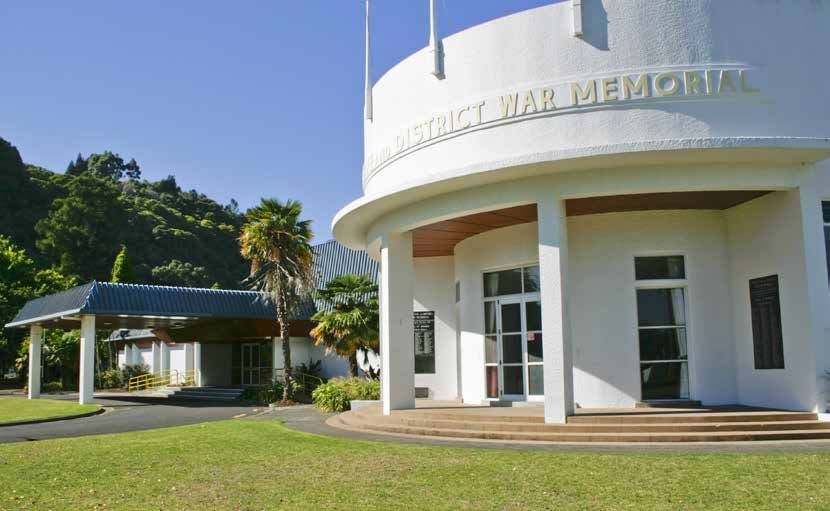
Informational                                                  Weather
signage at the event                                           For outdoor events in particular, the prevailing
                                                               weather conditions should be a major factor in
Clear and simple signage should be used to indicate the
                                                               choosing the date and time for a venue. Adequate
following.
                                                               space, freely available water and shade need to be
•    Information tent/stand and toilet facilities              provided before, during and after the event. Make a
•    Sponsors                                                  contingency plan for rain or hotter temperatures. If
•    Map of the event site                                     you need to cancel or change any arrangements, how
                                                               will the public be notified? If hiring a venue pencil in a
•    Food and drinks
                                                               wet weather back up date.
•    Event in progress (outside the event area and
     surrounding roads)
•    Parking                                                   Information centres
Signs should be strategically placed so patrons are informed
before entering the event. This minimises conflict and         and communications
congestion at entry and exit points. Signs must be displayed   For large events a well-identified, well-located, and
at all licensed areas.                                         well publicised information centre on site, serviced by
Further information on signage related to events can be        knowledgeable volunteers, can provide a full range of
found in 'Marketing and promotions' (page 10) and              information services to patrons. Remember to mark
'Event consents' (page 15).                                    the location of the information centre on the site plan.
                                                               Communication between event staff is vital to ensure
                                                               safety and security for both staff and patrons. Consider
Event promotion                                                how you will communicate, as the organiser of an
                                                               event, with the patrons in emergency situations such
and ticketing                                                  as the need for an evacuation or lost children.

A clear and well-sequenced promotion and media strategy
can significantly influence the expectations and subsequent    Event waste and
behaviour of patrons.

Pre-event messages should promote:
                                                               litter control
•    The focus of the event                                    Most events generate waste of some form. An event
                                                               waste management plan is now a requirement
•    Safe drinking practices
                                                               for hiring halls or reserves through council. Under
•    Availability of food                                      Council’s Waste Minimisation and Management
•    Entertainment and transport                               Bylaw, an Event Waste Management Plan must
•    Times and venue                                           be submitted for any event where 1000 people or
                                                               more are expected to attend. However, it is a good
Tickets can also be an important means to                      idea to create a plan for an event of any size. You
disseminate quality information such as:                       need to identify how event waste will be managed
•    Maps                                                      and reference this in your event specific plan. Key
•    Patron information regarding restrictions                 considerations include:
•    Services and their location                               •    Waste collection throughout the site
•    Safe drinking information                                 •    Hazardous waste
•    Transport arrangements                                    •    Manual handling of waste (weight, availability of
                                                                    mechanical aids, personal protective equipment)
•    Gate opening and closing times
                                                               •    Waste storage on site
•    Personal health and safety warnings e.g. water,
     sunscreen and hats                                        •    Fire risk and management
                                                               •    Recycling

8   // EVENT PLANNING MANUAL - WHAKATĀNE, NEW ZEALAND
•   Pests
•   Portaloos
The cost of cleaning is often a component of the total
                                                                  Fees and insurance
venue hire cost. Added costs generally come when the              Even if you do everything right, there is always the
venue has not been properly cleaned to the state of               chance that something could go wrong. Public liability
when it was found. Check with the Whakatāne District              insurance covers the event management if a stakeholder
Council Venue Staff regarding your cleaning requirements          or member of the public was to suffer loss or injury at, or
and any costs associated with the provision and                   as a result of, an event and that person makes a claim for
collection of bins and cleaning.                                  compensation. The insurance covers any compensation
                                                                  and legal payments.
For Council venues, on-site rubbish bins are not sufficient
for events and will not be emptied during an event. We            Public Liability Insurance is required for all Commercial
highly advise you organise a waste management plan                and Community events. A minimum cover of $2,000,000 is
specific to your event.                                           required.
Whakatāne District Council                                        Council holds its own insurance to cover its liability. The
Nigel Clarke, Nigel.Clarke@whakatane.govt.nz                      activities of community organisations, groups, businesses
                                                                  and individuals that hire Council owned facilities are NOT
Waste Management              Foote Bins
                                                                  protected by Council’s insurance.
44 Te Tahi St,                PO Box 318, Whakatāne
Whakatāne                     paul@footebins.co.nz                The Hirer is responsible for arranging Public Liability
Ph: 07 308 9190			            Ph: 027 229 8123                    Insurance cover which is required for medium to high risk
                                                                  events to protect the hirer against claims made by third

Sustainability                                                    parties for damage to people or assets. There may also be
                                                                  a bond and fees payable.
Events can not only generate a lot of waste but can also
have other negative impacts on the environment. As a
minimum you should recycle any waste that you can and             Notifiable events
be sure that our precious water isn’t wasted – especially         A notifiable event is a death, notifiable illness or injury,
in summer when there are restrictions in place.                   or notifiable incident occurring as a result of work. Only
If you are running a large event consider contracting             serious events are intended to be notified. WorkSafe
professionals to manage all your recycling, site clean-up         New Zealand must be notified when certain work-related
and toilets. Toilet waste must be properly managed and            events (notifiable events) occur. Visit the worksafe
if you are using portaloos these should be marked out on          website for information about what a person conducting a
your Site Plan.                                                   business or undertaking (PCBU) needs to do if a notifiable
                                                                  event occurs: What Events Need to be Notified.
The Ministry of Environment has a lot of information
about minimising the effects on the environment.
Download a copy of the Greener Event Guide for an
action plan.

                                                              EVENT PLANNING MANUAL - WHAKATĀNE, NEW ZEALAND //             9
Marketing
		and promotion
There are numerous websites and                                   Depending on the event the Whakatāne District Council
guides to help you market your event.                             has a number of ways to help you promote your event.
                                                                  Including:
Here are just a few tips and tricks.
                                                                  •   Social media (whakatane.nz, whakatane.com)
•    Word of mouth - still one of the most powerful               •   Visitor Information Centre
     selling tools because it also comes with a reliable,
                                                                  •   Digital noticeboards
     credible endorsement
                                                                  •   Event banners
•    Posters and shop windows are great for
     community events. Put together an eye-catching design        Council has two digital noticeboards, which are available
     with the event details, and stick them up around town,       to the public for the promotion of community events and
     but remember to ask permission from shop owners              activities within the Whakatāne District. These digital
•    Signs - Many local sign writing companies have               noticeboard screens for public promotion are located in the:
     billboards around town that are available for hire at a      •   Whakatāne Visitor Centre
     reasonable price                                             •   Te Kōputu a te whanga a Toi -
•    ‘What’s on’ columns in local and regional newspapers,            Whakatāne Library and Exhibition Centre
     as well as online portals or sites, often publicise
     information about upcoming events                            Submit your event to our events page on
•    Newspapers may also accept a pitch for a story on            www.whakatane.com/event/add-your-event
     your upcoming event
                                                                  Or contact:
•    Radio – local or community radio stations are more
                                                                  Dermott Sweeney
     likely to give a locally-based event the best coverage
                                                                  Social Media, Public Affairs Officer
•    Television                                                   Dermott.Sweeney@whakatane.govt.nz
     TV news needs footage to illustrate a story, so they         Ph: 306 0500
     tend to report on things that have already happened
     rather than things due to happen. Your group will have
     to work hard to “sell” a station on your story – including
     setting up an attractive or striking picture opportunity,
     or TV stunt that they can’t resist. Invite the TV stations
                                                                  Event promotion
     to the event when it happens, which may be no good
     for selling tickets in advance, but may result in getting
                                                                  signage
     footage to air, which can be invaluable in generating        Council has event banner poles that are available to the
     interest in your group and any future events it holds.       public for the promotion of community events and activities
                                                                  at various locations throughout Whakatāne and Ōhope.
Create a Facebook event
If you haven’t already done this you can create an event          For further information, contact
on your Facebook Page – note that it’s important to do this       Law Creative
as your page (for e.g. Whakatane.nz) not as an individual         Contact: office@lawcreativegroup.co.nz
profile. Here’s a quick guide from Facebook on doing this:        Ph: 07 308 0095
facebook.com/help/116346471784004                                 For Bookings and install.
once you have created the event let us know and we will
add it to our Facebook Event Page:
facebook.com/whakatane.nz/events

10   // EVENT PLANNING MANUAL - WHAKATĀNE, NEW ZEALAND
Booking a venue
The Whakatāne District Council has a number of The main features of our three venues are outlined
beautiful and sizeable venues available for your event below, and for more information you can contact:
including public halls, gardens, reserves and beaches. Open Places and Spaces
Whakatāne District Council
Large or small, fully enclosed or with some indoor/
Private Bag 1002
outdoor flow, and for an intimate gathering or to really
Whakatāne, 3080
put on a show; the Whakatāne District Council has a
P: 07 306 0500
venue for you. From the Whakatāne War Memorial Hall
openplacesadmin@whakatane.govt.nz
and its surrounding sports facilities, to a venue like the
centrally located Visitor Information Centre with river
For application forms to hire a Council venue go to
views and outside court yard, we have something to suit
Organise an Event on whakatane.govt.nz
all occasions, budgets and requirements.
EVENT PLANNING MANUAL - WHAKATĀNE, NEW ZEALAND // 11The Whakatāne War Memorial Hall
The largest of the District’s venues is the Whakatāne District War Memorial Hall, which is situated in Rex Morpeth
Park and is approximately 1km from the central business district of Whakatāne. The Hall is a versatile facility with four
distinct areas that can be hired separately or in combination, and each area of the Hall has a separate entrance. The
Park also accommodates athletics fields, tennis courts, the Whakatāne District Aquatic Centre, croquet and soccer
facilities, and is virtually adjacent to Rugby Park; extensive parking is in place and seating and tables are also available.
The facility is comprised of the following:
The Little Theatre Reception Lounge
Located within the War Memorial Hall, the Little The Lounge has a total floor area of 280m2 and features
Theatre seats 271 people and was designed for a parquet dance floor of 30m2, which makes it ideal for
recitals, seminars, conferences and live theatrical functions like weddings where a large space is needed with
productions, but it has also become a popular choice some room to celebrate. When combined with the Foyer it is
for awards nights and public meetings. A rehearsal suitable for up to 300 people in theatre-style seating or up to
area of 114m2 with male and female dressing rooms 250 people when tables and chairs are used. When booked
is located behind the stage, and the theatre itself as a stand alone venue, it has a seating capacity for up to 200
can accommodate wheelchair users and has facilities (chairs only) or 150 with tables and chairs, and a standing
for the hearing impaired as well as heating and air capacity of 288. It has a kitchen with a commercial gas-
conditioning. powered stove that supplies four surface gas hobs, a side hot
plate and full oven, zip, dishwasher, fridge and food warmer.
Facilities: Theatre, lighting, piano, orchestra pit,
backstage toilets, lectern, and 10 tables available for The Reception Lounge Bar contains a fridge/chiller and zip;
use within the theatre area. please note that a special license is required for the sale and
supply of liquor.
12 // EVENT PLANNING MANUAL - WHAKATĀNE, NEW ZEALANDHall
M emorial
āne War
Whakat
Foyer
The large foyer entrance provides access to the Little
Theatre, Reception Lounge and Stadium, but also has a
bar and ticketing facilities so can be turned to wide variety
of standalone uses. It has a floor area of 167m2 and can
be divided from the Reception Lounge by sound-proof Ōhope Hall
sliding doors. Under normal circumstances the Foyer
area provides access to the Little Theatre and Reception
Lounge.
If exclusive use of the foyer is required, the Theatre AND Ōhope Hall
the Reception Lounge must be booked.
The Ōhope Hall was built in 2000 and is primarily
Sports Stadium a sports hall used for indoor netball, indoor bowls,
badminton, aerobics, karate and indoor soccer, but
The Stadium has a floor area of 1050m2, configurable as it also plays host to a regular market and can be
either eight badminton courts, two basketball courts, one adapted to galas or private functions. The hall has
international court, three volleyball courts, or one large fixed seating for up to 550 people, storage space, and
indoor bowling arena. In addition to use as a sports facility, indoor and outdoor toilet and changing facilities.
the Stadium has also played host to ballet performances
A small kitchen consisting of fridge/freezer, household
and concerts; if you are planning something big and need
oven, microwave and pie-warmer is available, and 16
space and plenty of parking, the Stadium is an excellent
plastic trestle tables and 100 plastic folding chairs are
choice.
also available for use. Neighbouring the Ōhope Hall is
There is permanent raised seating for 320 and the Stadium
Bluett Park, a well-maintained football field and the
can accommodate moveable seating for up to 700 people;
Ōhope Charter Club. 40 parking spaces are available
it also features a public address system, four male and four
around the Hall, three spaces for disabled users, and
female toilets, changing rooms, a small kitchenette, and a
46 spaces in the adjoining Bluett Road.
variety of tables and seating is available.
Go to whakatane.govt.nz for all you need to know
Go to whakatane.govt.nz for all you need to know about about the Ōhope Hall.
the War Memorial Hall.
EVENT PLANNING MANUAL - WHAKATĀNE, NEW ZEALAND // 13Visitor
Information Centre
The VIC is a stunning building in a great location that
is right in the heart of the Whakatāne CBD. It can
accommodate up to 60 people inside and is available for
after-hours events; it has a semi-covered courtyard that
looks out over the river and away to Whale Island and
is perfect for smaller events like information evenings,
receptions or work functions.
For more information and to book, contact:
Rangi Wharepapa
Whakatāne Visitor Information Centre
Rangitahi.Wharepapa@whakatane.govt.nz
Ph: 07 306 2030
Te Kōputu a te
whanga a Toi
At Te Koputu there are two smaller venues – The Atrium
and Little Orchard Activity Room – that are available for
smaller events of around 20 people. These spaces are
more suited to educational events like lectures or club
meetings, and though they are available in the evenings
are usually utilised during the day when the surrounding
Library venue is staffed.
For more information or to book, contact:
Tangimeriana Rua,
Whakatāne Library and Exhibition Centre
tangimeriana.rua@whakatane.govt.nz
Ph: 07 306 0509
Other Council venues
There are numerous parks, gardens and reserves dotted around Whakatāne with beautiful walkways
connecting them that are available for hire from Whakatāne District Council. Council maintains these open
spaces, gardens and parks to a very high standard and takes pride in providing well-kept facilities like toilets,
playgrounds and barbecue areas.
These areas include: Bookings
• Sports Fields and swimming pools, For further information or to book, contact:
• Parks, gardens, reserves, walkways Open Places and Spaces
• Coastal reserves and beaches Whakatāne District Council
openplacesadmin@whakatane.govt.nz
For further information and to view a full list of the parks Whakatāne, 3120
and reserves; and halls available, visit whakatane.com Ph: 07 306 0500
14 // EVENT PLANNING MANUAL - WHAKATĀNE, NEW ZEALANDEvent consents
Now that you have planned out the event, it is time to make sure all the appropriate permits, consents and licenses
are gained. You may need a resource consent if you’re hosting an event on private land, a building consent if you’re
erecting a structure like a stage or marquee/gazebo bigger than 100sqm, a licence if there is alcohol involved, a Traffic
Management Plan and/or a Temporary Road Closure and there are a host of other considerations like noise control,
waste management, health and safety and food licensing. These permits take time to go through the relevant processes,
so to avoid disappointment ensure you apply ahead of time.
The following is a list of permits the Whakatāne District Council requires event organisers to obtain prior to the event.
• Building Consents • Wild Food • Ground Penetrations
• Busking • Liquor license • Event Parking
• Fairground and Amusement Devices • Noise Management • Temporary Billboards
(including Land-borne Inflatables) • Waste Management Plan • Temporary Road closure
• Weddings • Special Effects and and Traffic Management
• Food Vendors on Open Public Land Pyrotechnics Plans
• Food Stalls • Hire of a Mobile Stage
There are conditions spelled out clearly with the permits you obtain. Ensure you have read the fine print and understand
the legal obligations, and that you adhere to the conditions of the agreement to avoid penalties or potential disaster.
Building consents
Any structure, including tents/ marquees/ scaffolding/ stages/fences/signs, that is higher than one metre off the ground requires a
building consent/ permit. Entrances and exits to any building/gathering area are required to be approved by a building inspector.
Use of temporary structures as places of public assembly
It is necessary to obtain a building permit for a marquee or tent exceeding 100 As part of your building consent form
square metres in floor area; or when it is to be used for a period of more than you will be required to provide the
one month. If a marquee is required the applicant will need to apply for a Simple following information:
Building Consent (Form 2) and complete a Marquee Vetting Form. If the marquee • A site plan showing the location of
is to be erected outside of normal Council working hours, the applicant will be the marquee to the nearest two legal
responsible for the following conditions: boundaries and other buildings on site
• a building consent is • Safety officers are to be appointed to • A floor plan showing the layout of the
required and the site ensure the safe use of the marquee, marquee seating arrangements etc. A
location has been approved to ensure that furniture and fittings do minimum of two exits must be shown.
not block exit ways, and in the event (Exits must be to a clear place)
• marquees are erected by
experienced erectors of an emergency, control and guide • Name/s of designated safety officer/s
occupants to safety. NOTE: Designated For an application form and fees please
• portable handheld fire
officers should wear some form of contact:
extinguishers to be available
identification Building Services
at all times and their
locations signed • If the marquee is to be used outside of Whakatāne District Council
sunset EMERGENCY LIGHTING as well Ph: 07 306 0500
• Signs to be two metres from info@whakatane.govt.nz
as normal lighting is to be installed
ground level
EVENT PLANNING MANUAL - WHAKATĀNE, NEW ZEALAND // 15Busking Fairground and
Permission to busk in the CBD must be obtained from
shop owner/s outside which you wish to busk and the
amusement devices
Whakatāne District Council. For approval to be granted, Fairground and amusement devices, including Land borne
a letter needs to be written to the Regulations and inflatables (bouncy castles, inflatable slides) can present
Monitoring Team outlining the date, time and location significant health and safety risks to their users if installed
of the proposed event including written permission from and used incorrectly or when the necessary guarding or
shop owners outside whose premises you wish to busk. electrical isolations have been removed. The age of the
equipment can be a contributing factor to the level of risk.
General Conditions For all amusement devices, you must apply for a ‘permit
• The busker is to operate in a manner that does not to operate’ issued by the Whakatāne District Council.
contravene the following Whakatāne District Council Each amusement device in use must be accompanied by
Consolidated Bylaw 2007 - Public Places: Except with a certificate, issued by WorkSafe NZ with a detailed risk
the prior permission of the Council or an authorised assessment, and be maintained and fit for use.
officer, and in accordance with any conditions that
may be required, a person shall not: The equipment will need to be constructed and operated in
such a way as to be safe to users and a site inspection will
a) Create a public nuisance by singing, busking, or be required by the Council’s Building Control Officer, with
playing a musical instrument. construction completed, to ensure safety standards are
met before you may operate. Amusement device operators
b) Create a public nuisance by using any loud speaker have to adhere to very strict guidelines and must be able
or other broadcast system or similar device. to present their compliance documentation to the Building
• If you are too loud or the Council receives a justified Control Officer when asked.
complaint about the sound level, you will be required
to turn it down or cease busking Land-borne inflatables are not currently defined as an
Amusement Device in regulations and therefore are not
• That any instruments/gear will not inhibit or obstruct
required to be registered. However by design and intent
the normal flow of pedestrians using the public
of their use they provide amusement for members of the
footpath
public. WorkSafe outlines the duties of those operating
• Emergency services must be given unrestricted right these devices in the Land-borne Inflatable Device
of way at all times Operating Requirements Bulletin on their website.
• At all times during the operation, a notice must be
displayed stating your organisation and the purpose For more information, contact:
of the fundraising event Geoff Winship, Senior Building Control Officer
geoff.winship@whakatane.govt.nz
• All the equipment and litter associated with your
Ph: 07 306 0500
operation must be removed at the end of each
session
• You must comply with any directions given by the
Council’s General Inspectors Weddings
The Whakatāne District is an exceptional place to hold
For further information, contact: a wedding, with some amazing backdrops for your
Graeme Lewer, Animal Control and Parking Department photographs and some great venues to choose from.
Whakatāne District Council
graeme.lewer@whakatane.govt.nz If you would like to get married on one of our beaches or
Ph: 306 0500 reserves you will need to contact Council and fill out an
application form.
16 // EVENT PLANNING MANUAL - WHAKATĀNE, NEW ZEALANDFood vendors on Food stalls
open public land Fundraising food stalls are limited to a maximum of
twenty (20) events each year under section 31 of
As the event organiser you need the food traders to provide the Food Act 2014. Under the Act trading in food is
you with copies of their current food certificates. Please permitted for profit once a year for those that do not
forward this information to the Environmental Health Officer normally trade in food. Whakatāne District Council
at Whakatāne District Council for any follow up. If you have needs to record fundraising and similar food stall
a large number of food sellers at your event, it is possible to activity in its district as part of its work under the new
book a Health Officer to talk to your food sellers all together food rules.
about what standards are required when selling food in
To help us do this, please complete a food stall permit
public.
and provide a copy to Council’s EHOs. You can find this
The type of food certificates can vary as the new food rules application at whakatane.govt.nz.
phase in and the old food rules phase out. Under the new
If planning to have a food stall on the street outside
Food Act 2014, food businesses will register their operation
retailers or other businesses etc, then written
of a Food Control Plan or a National Programme with the
permission from the business owner(s) outside
Registration Authority (RA). The RA might be the local
whose premises you wish to hold your stall must be
authority such as Whakatāne District Council, and if this is
obtained. See the part of the form that allows for this
the case, we can readily confirm the operators’ registration
endorsement by the business owner or manager. If
status. Or the RA might instead be the Ministry for Primary
planning to have a food stall at a planned organised
Industries (MPI) if the food business operates at multiple
event or similar (not on the street, i.e. at a hall or on
sites and in more than one district, e.g. mobile food vendor.
a hired Council Reserve etc) then this endorsement is
This may also need to be confirmed by an EHO.
not required.
Wild foods General matters for food
Hunting and gathering wild food from is a traditional part
stalls holders:
of New Zealand life for many. Wild food caught or gathered • Food is safe and suitable for human consumption
by you for you and your immediate family’s consumption • At all times during the operation, a notice is
is also known as ‘recreational catch’. Recreational catch is displayed stating the purpose of the food stall
classed as non-commercial. There are risks from eating wild • The use of any loud-hailing or amplification
food or recreational catch. For this reason it is illegal to sell equipment is not permitted
recreational catch. If planning a wild food event, then ensuring
the hunters supplying the meat are certified by MPI is needed. • Public must not feel obliged to give or purchase
Similarly, it is also necessary that those people processing the the product. Avoid aggressive solicitation.
wild food or recreational catch are also certified by MPI. • The stall and related equipment must not impede
the normal flow of pedestrians
Hunters must be certified if • Emergency services must be given unrestricted
supplying wild animal meat right of way at all times
Find out more about becoming a certified supplier of wild • All equipment and litter associated with operation
or game estate animals or a listed recreational catch service must be removed at the end of operation
provider by visiting MPI’s website: mpi.govt.nz • Comply with directions given by Council’s Officers
Sale of recreationally caught fish • Take reasonable steps to prevent damage of land
and property etc
is illegal
• That a groundsheet/mat is placed over the
It is illegal to sell recreationally caught fish. pavement/footpath under any barbecue or cooker
Whitebait is the only exception. etc in such a way as to prevent cooking oils/fats,
For further information for food vendors, from staining/soiling the pavement surface
food stalls please contact and EHO:
Environmental Health Officer For application forms and more information please
Ph: 07 306 0500 visit: whakatane.govt.nz
EVENT PLANNING MANUAL - WHAKATĀNE, NEW ZEALAND // 17Liquor licensing that catered for in the District Plan for the relevant zone),
then an assessment of the likely noise effects and how this
If you want to supply alcohol at your event, you will need may be best managed by a Noise Management Plan might
to obtain a special license. According to the Sale and be needed. If needing to know more about District Plans,
Supply of Liquor Act 2012, anyone supplying or selling resource consents, and where some events are catered for
liquor outside of their residential property (e.g. outdoor under the District Plan in terms of noise, then please talk with
spaces and community halls) requires a special license. a Consents Planning Officer at Whakatāne District Council.
The Whakatāne District Licensing Committee can also be An example of a useful strategy that might be found in a
contacted to obtain up-to-date information on any current Noise Management Plan (or any management plan) is the
Liquor Bans. provision of key event management contact telephone
A special license is required if: numbers to Whakatāne District Council before the event.
Then, if needed Council staff and/or contractors’ can use
• Liquor is to be supplied or sold at any function where
these phone numbers to contact the key event people during
there is no existing on-license or club license in force
the event if/when a concern or matter needs to be resolved.
• Liquor is sold or supplied at any function on any
unlicensed premises (local hall, parks/reserves) where For further information contact:
the caterer does not have an endorsed off- license Monitoring Officer (Planning), Consent Planning Officers,
• Liquor is sold or supplied at a function in club or Environmental Health Officer, Whakatāne District Council
premises to persons other than club members or Ph: 07 306 0500 whakatane.govt.nz
guests
• Liquor is to be sold or supplied outside the hours Special effects and
indicated in an existing on-license or club license
• There is a function with ‘ticket sales’ – i.e., the cost pyrotechnics
of liquor may be included in the proceeds from the
For events that include special effects it is the event organiser’s
ticket sale
responsibility to meet all relevant requirements for the use of
If you intend to serve and supply alcohol at your event special effects, for example community fireworks. The event
please contact the Whakatāne Licensing Inspector for organiser is the person in charge for the purposes of the
advice and Special Alcohol licensing forms. Hazardous Substances and New Organisms Act, 1996 (HSNO
Roger McQuilkan, Licensing Inspector Act) and its associated regulations.
Regulation and Monitoring Services
Copies of applicable approved handler licenses, approvals,
Whakatāne District Council
evidence of notifications to relevant authorities, risk
roger.mcquilkan@whakatane.govt.nz
assessments and insurances must be included in the event
Ph: 306 0500
safety plan and held on site.
For application forms visit whakatane.govt.nz
In some instances special effects and pyrotechnics are subject
Noise management to specific laws and regulations. These special effects may
require a Display Test Certificate to be issued by a test certifier.
Events often generate noise, be it during event set-up, Failure to obtain the Display Test Certificate will mean that the
close-down and/or during the event itself. The Resource special effect cannot be permitted at the event.
Management Act 1991 seeks to control noise and places
a requirement on District Councils’ to respond to noise The Display Test Certificate must be held with the
complaints (under the excessive noise provisions in documentation at the event site and if requested a copy must
the Act) and also to formulate District Plans. District be provided to Whakatāne District Council.
Plans aim to safeguard people from ‘unreasonable’ or
The fire risk associated with the use of pyrotechnics and how
‘excessive’ noise, while also recognising the rights of
you will manage this risk must also be detailed in the fire
people and industry to make some amount of noise.
management section of your event health and safety plan.
Any event planned that falls outside the criteria set in the
For more details Worksafe NZ can be contacted on 0800
District Plan for permitted activities might need resource
376 234 and has information on their website relating to
consent. In the event resource consent is needed (e.g.
pyrotechnics.
because noise from the event is likely to be greater than
18 // EVENT PLANNING MANUAL - WHAKATĀNE, NEW ZEALANDHire of a mobile stage Event parking
When hiring Whakatāne District Council’s mobile stage, If you require advice on matters concerning parking areas
please ensure it is used as intended and: for the event or need to find out what parking is available
• Do not overload the stage you will need to contact the Whakatāne District Council’s
Parking Department.
• Make sure when setting the stage up that it is on flat
ground You may need to have vehicles in parking spaces for longer
• Ensure the trailer connection is on properly before than the stated time, to allow access for setting up and
transporting it packing down. There are a few options to consider when
• Take all practicable steps to install or use the stage so planning the parking for your event.
that it is safe for its intended use
Parking for public:
• Report any faults with the stage to Council
Parking restrictions will not be changed for the purpose
See below for Whakatāne District Council contact. of providing free parking for those attending the event.
However, some options for public parking are:
Ground penetrations • Arrange to use local schools, churches, halls etc.
• Advertising local parking lots as part of event
It is the responsibility of the event organiser to ensure
promotion
that prior to any ground penetration (for example: tent
pegs, activities during the event or pack-in and pack- • ‘Park ‘n’ Ride’ options if parking is far from the event
out that may penetrate the ground) that underground • Use of charter buses
services such as electrical cables, gas lines, water
Parking for event employees/participants:
pipes have been properly located. Visit Before you Dig
and speak to Whakatāne Regional Council about the • Arranging parking on nearby private properties
Hazardous Activities and Industries List (HAIL) for further • Special ‘event’ parking area (these require a parking
information. pass and marshals to staff the area)
It is important to obtain written consent from the • Use of charter buses
landowner before performing these operations. • Parking permits and/or temporary resolution (see
below)
For more information on Ground penetrations and the
mobile stage, contact: As a general rule, the Whakatāne District Council does not
Open Places and Spaces, Whakatāne District Council provide parking concessions. Some concessions may be
openplacesadmin@whakatane.govt.nz available for goods vehicles (e.g. cars, vans or trucks that
P: 07 306 0500 are loading/unloading equipment etc.) for a specific event.
For any event it is suggested that you contact and keep
Council’s Parking Department fully informed of possible
parking problems or requirements. This will ensure
that you are aware of your responsibilities as an Event
Organiser and will reduce the number of embarrassing
parking fines after your event.
For further information and advice, contact:
Graeme Lewer, Animal Control and Parking Department
Whakatāne District Council
graeme.lewer@whakatane.govt.nz
Ph: 306 0500
EVENT PLANNING MANUAL - WHAKATĀNE, NEW ZEALAND // 19Temporary billboards
Letting people know about your event and where to find To apply for permission to place a sign within Whakatāne
it can be a crucial aspect to its success. regarding your event include the following information:
Along with online notifications, radio and newspaper • Organisation name
advertising, you will probably want to use some signs • Contact person
or banners. It is important to realise that there are a • Address
number of Council requirements that relate to when and
• Phone, Fax and email
where you can place signs, and how big they can be.
• Size of the sign
Generally, people want to stay away from having to • What information will be in the sign (example or
get resource consent for their signs but if you have a sketches)
big event then doing so can give you a lot of flexibility.
• How they are built and the materials used
If it is important for you to have signs larger than 3m2
(1.5m x 2m for example, or say larger than the standard • Proposed location
2.4m x1.2m sheet size), to have signs on display at many • How they are to be fixed to the location desired
locations, or to put the signs up a long time before the
event, then you should consider getting a resource For further information, contact:
consent. Gary Searle, Monitoring Officer Planning
Whakatāne District Council
Speak to the Duty Planner at the Whakatāne District gary.searle@whakatane.govt.nz
Council early in the planning stages of your event and Ph: 306 0500
they can help you with this decision.
If you can stay within the rules that permit temporary There are a few businesses around Whakatāne that
signs, you won’t need any resource consents. These offer billboard space around town and this is controlled
rules are quite detailed and they seek to make sure your through a booking service with the company.
signs do not endanger drivers or the public and do not • Law Creative
look untidy or visually dominate the landscape. • Simply Graphics
• Temporary signage • Julian’s Berry Farm
• Allow signs of 3m or less, but
2
Types of signage that the Whakatāne District Council can
• Have restrictions on small lettering size (they have help you with include:
to be easy to read)
• Event Banners in the CBD
• Overly distracting signs are prohibited
• Street flagpoles
(like those that flash or rotate)
• Cannot be placed near traffic signs (intersections For further information on WDC event signage, contact:
and roundabouts are out) or otherwise obstruct a Julie Allerby, Marketing coordinator
driver’s view Whakatāne District Council
• Can only be put up 30 days before your event Julie.Allerby@whakatane.govt.nz
Ph: 306 0500
The best person to speak to about temporary signs is the
RMA (Resource Management Act) Monitoring Officer at For Event Banner bookings contact:
Council. Law Creative
office@lawcreativegroup.co.nz
Ph: 308 0095
20 // EVENT PLANNING MANUAL - WHAKATĀNE, NEW ZEALANDTemporary road closure Event Waste
and traffic management Management
plans Events can create a lot of waste. If you
are organising an event, you will need
Contact the Transportation division of Council if you are to ensure that all the waste is properly
organising an activity or event that may: managed and disposed of appropriately.
• Affect vehicle or pedestrian traffic Council litter bins are designed for day-
to-day use and will not be sufficient to
• Increase traffic to a specific area
handle the waste from an event.
• Require a road or footpath to be partially or fully closed
• Require signage next to a road Under Council’s Waste Minimisation and
Management Bylaw, an Event Waste
If an activity or event is likely to change/impact the normal use of the
Management Plan must be submitted for
road and/or footpath then the event holder is required to obtain and
any event where 1000 people or more
submit an approved traffic management plan.
are expected to attend. However, it is a
Typical types of events/activities that require permissions are: good idea to create a plan for an event
• Parades, street celebrations or cultural events of any size. Below is a link to a template
• Educational i.e., conferences, awards you can use to create your Event Waste
Management Plan. Remember, you should
• Sports events – races, walking, tournaments
think about how you will separate your
• Markets
waste types and reuse or recycle as much
• Protest, rally or march etc. as possible.
If you are unsure if your activity and/or event will have an impact,
PLEASE come and discuss with us. Event Waste Management Template
Traffic Management Plans must be provided by a suitably qualified Event Waste Management Template -
person authorised (STMS qualified) to submit plans. Council can Microsoft Word version
assist with providing contacts of STMS qualified persons. Traffic
management professionals can also advise on: Council can also provide some support
and advice for managing the waste at your
• What resources are required
event. We have a number of waste event
• Whether the use of volunteer marshals is acceptable
stations available for free use (conditions
• Sourcing the required signage apply), and you can discuss your plan with
• Sourcing barriers and high visibility clothing the Council’s Solid Waste Manager.
For an event that may require a road closure, Council requires a
written application at least 12 weeks prior to the activity to satisfy
legislative requirements.
Permission to close a road is not guaranteed and dependent on:
• The nature of the event
• Locations of closure (impact to the public)
• If objections are received from the community
If your event/activity is on a State Highway you will also need to contact
the New Zealand Transport Authority. www.nzta.govt.nz
There are costs associated with traffic management plans and temporary
road closures, which the event organiser will be required to pay.
For further information or an application form, contact:
Chris King-Hazel, Transportation, Whakatāne District Council
chris.king-hazel@whakatane.govt.nz Ph: 306 0500
EVENT PLANNING MANUAL - WHAKATĀNE, NEW ZEALAND // 21Health and
Safety Planning
Events are a workplace for some and a leisure activity for others. They range from family days in the local park to musical
events, festivals, fireworks displays, carnivals, sporting events, street parades, and exhibitions and so on. As an event
organiser, it is your responsibility to ensure the health and safety of everyone at your event and therefore you need to show
how you will meet the requirements of the Health and Safety at Work Act 2015 (HSWA).
The new Health and Safety Reform bill came into force in April 2016. When you run an event on public land, you have a
“duty of care” towards all people on your event site: whether they are members of the public, event participants, workers, or
volunteers; and you must prepare a Health and Safety Plan to manage any hazards to the people working at the event, and
members of the public attending.
Your Health and Safety Plan needs to be appropriate for the level of risk related to the event. So, if you are holding a cross
country sporting event your requirements will differ to a festival held in the centre of ton with food vendors and stall holders.
Regardless, of the type of event you are holding,
here are some points to consider adding to your written
Health and Safety Management Plan:
1. A description of the event See page 24 of this manual for a
2. Medics and First Aid Health and Safety Planning checklist.
3. Crowd control
4. Electrical Sound and lighting
5. Emergency Procedures ONLINE HELP
6. Environmental effects on people Vist worksafe website to view a quick
reference guide (HSWA Quick Reference
7. Events team Guide) that summarises the key
8. Stakeholders - staff/ contractors/ components of the Health and Safety at
volunteers and sponsors Work Act 2015 (HSWA), including the roles
and responsibilities of businesses, officers,
9. On the day communications workers and others in managing workplace
10. Temporary staging and structures health and safety. It specifically focuses
on health and safety risk management and
11. Stallholders/ vendors how HSWA concepts support businesses with
12. Traffic management and parking managing their risks.
13. Emergency vehicles All levels of Health and Safety planning will need
to identify what the hazards are in each aspect of
14. Waste Management the event and how they will be managed.
15. A site map
22 // EVENT PLANNING MANUAL - WHAKATĀNE, NEW ZEALANDAssessing risks
The best way to do this is with a risk analysis-based safety
and hazards plan. A hazard is anything with the potential to cause harm.
Risk analysis is the process by which you determine the
Event organisers should be able to identify hazards likelihood of these things could happen.
present (or potentially present) at their event and take
steps to eliminate, isolate or minimize these. Everyone Potential hazards could include
involved in the event should be informed and aware (but are not limited to):
of the risk management process. The event team and • Fire risks, equipment or procedures
organisers, contractors, volunteers, participants and
• Slipping, tripping or falling
spectators all have a role to play in risk management
and event organisers need to inform all those involved • Equipment/machinery/vehicles
of their roles and responsibilities. • Chemicals or hazardous substances
• High noise levels
Here are some important
• Electrics or cables
points to consider: • Alcohol/drugs (participants, volunteers, staff)
1. That you have a system in place for the • Insufficient light, heating or ventilation
identification, assessment, control and review of
• Heavy lifting and moving or equipment
hazards before and during the event. To help you
with your safety plan and risk assessment you may • Venue location (proximity to roads etc.)
wish to use the safety plan template provided by • Weather
Council.
Some steps to hazard
2. That Health and Safety responsibilities are
assigned to designated staff including volunteers.
management are:
3. That all staff working at the event location have 1. Identify hazards and their causes
the necessary knowledge and skills to perform 2. Identify controls for each hazard
their job adequately, or will be adequately
3. Perform a risk analysis (is it a high, medium or low risk)
supervised.
4. Evaluate the hazards
4. That a plan is in place to inspect the event location
to ensure that the venue is safe prior to the event. 5. Write a risk management plan (including who is
responsible)
5. That an accident register is kept on site.
6. Implement and communicate the risk management plan
6. That an Emergency Plan designed for the event is
in place for dealing with a variety of emergencies. 7. Monitor (during pack in, the actual event and pack out)
7. That a Health and Safety briefing is carried out 8. Review
with staff (including volunteers) prior to each
If you are hiring a Council hall or reserve you are required
session of the event and is documented.
to produce a Health and Safety Plan which includes a Risk
8. That a system is in place with the collaboration of management form. Whakatāne District Council has a risk
all partners and suppliers to ensure the public is not management template that may be helpful.
endangered by activities carried out at the event
venue.
EVENT PLANNING MANUAL - WHAKATĀNE, NEW ZEALAND // 23You can also read


