Exploring the links between international business and poverty reduction
←
→
Page content transcription
If your browser does not render page correctly, please read the page content below
Exploring the links between international
business and poverty reduction
The Coca-Cola/SABMiller value chain impacts in Zambia and El Salvador
By Oxfam America, The Coca-Cola Company, and SABMiller
2 Exploring the Links Between International Business and Poverty Reduction
Contents
1    About the organizations                                                                                      4

2    Letters from our leadership                                                                                  8

3    Executive summary                                                                                            12

4    Introduction                                                                                                 20

5    Setting the scene                                                                                            26

6    The Coca-Cola/SABMiller value chain                                                                          30

7    Value chain: Macroeconomic impacts                                                                           36

8    Value chain: Livelihoods                                                                                     44

9    Value chain: Empowerment                                                                                     54

10   Value chain: Security and stability                                                                          58

11   Value chain: Diversity and women’s participation                                                             60

12   Local environmental impacts: Focus on water and recycling                                                    64

13   Products and marketing                                                                                       70

14   Enabling policies and institutions                                                                           74

15   Conclusion                                                                                                   78

     Methodology                                                                                                  80

16   Acknowledgments                                                                                              82

     Endnotes                                                                                                     84

                                            Exploring the Links Between International Business and Poverty Reduction 3
1
        About the organizations

    The Coca-Cola Company is the world’s largest nonalcoholic ready-to-drink beverage company, with the world’s
    most recognized brand. Its products are available in more than 200 countries, and nearly 1.7 billion servings
    of its products are consumed each day.
    The Coca-Cola system is defined as the Company and its more than 300 bottling partners worldwide.

        The Coca-Cola Company sustainability platform

       Three years ago, The Coca-Cola Company launched Live
                                                                                   Energy  Efficiency and Climate Protection: Aim to be the
       Positively™/Live For A Difference, a systemwide sustainability              beverage industry leader in energy efficiency and climate
       framework that is embedded in every aspect of the                           protection.
       Coca-Cola business. Through Live Positively the Company

                                                                                   Sustainable Packaging: Aspire to make our packaging a
       strives to create a positive difference in the world. Live
                                                                                   valuable resource for future use.
       Positively™ focuses on seven core areas key to business
       sustainability, with the following measurable goals and metrics
                                                                                   Water  Stewardship: Work to safely return to nature and
       for the Company and the Coca-Cola system:                                   communities an amount of water equivalent to what we use
                                                                                   in our beverages and their production.

          Beverage    Benefits: Strive to offer beverages for every
          lifestyle and occasion while providing quality that consumers
                                                                                   Workplace:   Create diverse, healthy, and safe work
          trust.                                                                   environments aligned with internationally respected human
                                                                                   rights principles.

          Active Healthy Living: Support active healthy lives through
          product variety, nutrition education, and physical activity            Progress on these commitments can be found in the Company’s
          programs.                                                              annual Sustainability Review.

          Community: Foster sustainable communities through
          economic development, philanthropy, and the creation of
          economic and social opportunities.

    4 Exploring the Links Between International Business and Poverty Reduction
The Coca-Cola Company sustainability commitments

   The Coca-Cola Company collaborates with its bottling                          This includes assurance processes in place to ensure
   partners and local communities in support of its mission to                   that the required standards are being upheld in bottling
   foster sustainable communities.                                               plants and the bottlers’ suppliers’ facilities. Many of The
                                                                                 Coca-Cola Company’s bottling partners also have their
   According to its 2009/10 Sustainability Review,
                                                                                 own sustainability goals and requirements, which are
   The Coca-Cola Company sets global goals and
                                                                                 implemented at the bottling plant level.
   requirements in a number of areas, including water
   stewardship, sustainable packaging, marketing to children,
   and workplace rights, and it works with bottlers to implement
   these standards.

SABMiIIer is an international brewer and one of the                          The Coca-Cola Company and SABMiller recognize
world’s largest bottlers of Coca-Cola products. For                          that responsible behavior has a positive impact on
the purposes of this study, the Coca-Cola/SABMiller                          profitability and economic growth. Both
value chain refers to The Coca-Cola Company and                              companies aim to secure economic benefits
SABMiller’s bottling operations in Zambia and El                             for the local communities where they operate,
Salvador. This report covers SABMiller’s business                            and also for their respective shareholders, who
with The Coca-Cola Company only.                                             benefit from a sustainable business and a return
                                                                             on their investment.

   SABMiller sustainability commitments

  SABMiller believes that a robust approach to sustainable development underpins both its ability to grow and its license to operate.
  To achieve competitive advantage—and ultimately better profitability—sustainable development needs to be part of what a company
  does every day. It needs to be integrated into decision-making and the way the business is run. SABMiller guides the management
  of its business in line with four strategic priorities. One of these is “to constantly raise the profitability of local businesses, sustainably.”
  This strategic focus is underpinned by 10 Sustainable Development Priorities, which define the material issues for the business and
  have been developed through extensive consultation internally and also with external stakeholders:
      Discouraging irresponsible drinking
      Making more beer but using less water
      Reducing our energy and carbon footprint
      Packaging, reuse, and recycling
      Working toward zero-waste operations
      Encouraging enterprise development in our value chains
      Benefiting communities
      Contributing to the reduction of HIV/AIDS
      Respecting human rights
      Transparency and ethics in reporting our progress
  Each SABMiller operating business, including the operations in Zambia and El Salvador, reports their progress against these 10
  priorities transparently online through the Sustainability Assessment Matrix (SAM). To see the current scores for each of these
  businesses, including the challenges they face and their case studies of success, please visit www.sabmiller.com/sam.

                                                                          Exploring the Links Between International Business and Poverty Reduction 5
Oxfam America is an international relief and
development organization that creates lasting
solutions to poverty, hunger, and injustice. Together
with individuals and local groups in more than 90
countries, Oxfam saves lives, helps people overcome
poverty, and fights for social justice. Oxfam America
is one of the 14 affiliates in the international
confederation, Oxfam International.
Oxfam America is keenly aware that the private
sector’s real power lies not in its philanthropy, but in
its core business practices, which may have positive
or negative consequences for communities. Oxfam
America engages with companies seeking to leverage
their resources, creativity, and influence to pro-poor
ends. Oxfam America also aims to raise awareness
around corporate impacts, empower communities
to engage companies effectively, and strengthen
government oversight.

   Oxfam believes that companies should:

   Take responsibility for their economic, political, and
   social impacts on poverty across their value chains and
   spheres of influence.
   Avoid negative impacts, including the infringement of
   human rights, with a particular focus on women and
   vulnerable communities.
   Assess and report on their impacts in a transparent
   and participatory manner.
   Build participatory and accountable processes with
   stakeholders throughout their operations and value chains.
   Where appropriate, and transparently, use their full range
   of influence to promote best practices and pro-poor policies
   with government and industry.
   Seek opportunities to bring local suppliers into their
   value chains, empower women, and innovate new
   products, services and ways of doing business to address
   development challenges.

                                                                             As part of an international confederation, Oxfam works
                                                                             in more than 90 countries including Mali, shown here.

6 Exploring the Links Between International Business and Poverty Reduction
Exploring the Links Between International Business and Poverty Reduction 7

This report contains certain forward-looking statements in respect of poverty reduction and sustainability. Such statements involve a number of uncertainties because they
relate to events and depend on circumstances that will, or may, occur in the future. As a result, actual results may differ from those anticipated in this report, depending on a
number of factors, including, for example, consumer demand, local taxation policies, worldwide as well as local economic conditions, changes in laws and regulations, and
the introduction of new technology.
The information contained in this report is proprietary and may not be reproduced or commercialized without consent from The Coca-Cola Company, SABMiller, and Oxfam
International. Oxfam America is keenly aware that the private sector’s real power lies not in its philanthropy, but in its core business practices, which may have positive or
negative consequences for communities. Oxfam America engages with companies seeking to leverage their resources, creativity, and influence to pro-poor ends. Oxfam
America also aims to raise awareness around corporate impacts, empower communities to engage companies effectively, and strengthen government oversight.
2
        Letters from
        our leadership

    8 Exploring the Links Between International Business and Poverty Reduction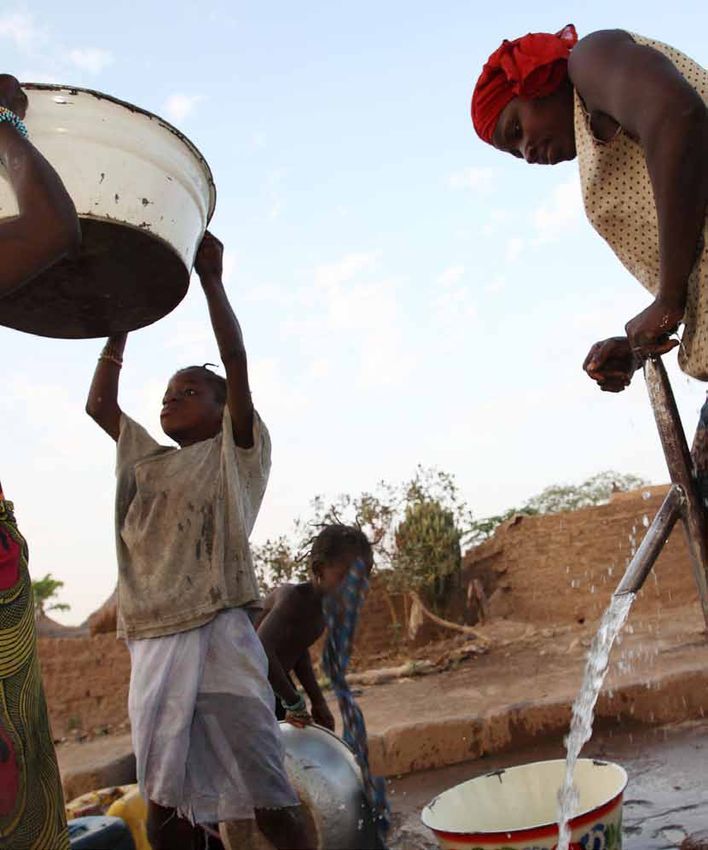
Muhtar Kent
   Chairman and Chief Executive Officer
   The Coca-Cola Company

More than ever it is clear that the world’s most
pressing social problems—from poverty to health to
education—cannot be solved by government alone.
Government, civil society, and business must stand
together and build innovative partnerships to create
lasting solutions to these difficult challenges. The
Coca-Cola Company is proud to be at the forefront
of these kinds of partnerships, building models of
public-private collaboration that push the boundaries
of development thinking.
As stewards of the world’s most recognized and
valuable brand, we recognize that the success and
sustainability of our business is inextricably linked to
the success and sustainability of the communities            While this partnership may not have beneficiaries in
in which we operate. The strength of our brands              the traditional sense, the insights gained from this
is directly related to our social license to operate,        report may ultimately benefit many people in our
which we must earn daily by keeping our promises             supply chain around the world. Through this work,
to our customers, consumers, associates, investors,          Oxfam’s development experts have helped identify
communities, and partners.                                   areas where our business could bring more benefit
To this end, we have created a number of ground-             to more people. We take the content of this report
breaking partnerships around issues of watershed             seriously, and we will consider its recommendations
management, access to clean water, recycling, small          with our bottling partner, SABMiller, and our
business development, and disaster relief. These             stakeholders, as we strive to create sustainable
partnerships are developed through our systemwide            businesses in El Salvador and Zambia.
initiatives to create positive change in the world in        For the reader, this report is a unique opportunity
four key areas: Water; Packaging and Recycling;              to see the inside of our business through the eyes
Climate; and Community.                                      of development practitioners. We hope you find it
This report represents a new kind of partnership;            interesting and thought-provoking.
one built on intellectual cooperation. By opening            Muhtar Kent
our doors to Oxfam America, one of the world’s
most respected nongovernmental organizations
(NGOs), The Coca-Cola Company and SABMiIIer
have raised the bar for corporate transparency
and contributed to building trust between civil
society and the private sector.

                                                           Exploring the Links Between International Business and Poverty Reduction 9
Raymond C. Offenheiser
    President
    Oxfam America

Oxfam America has long served as an unwavering                                these commitments and ask vital questions: How do
advocate for the world’s poor. As such, we have                               billion-dollar corporate value chains affect individuals
often viewed and exposed multinational companies                              living on less than $2 per day? What impact do the
as a threat to poor communities and, historically,                            decisions made in corporate headquarters have upon
our relationships with the private sector have                                on the health, security, and livelihoods of workers
focused more on campaigning than collaboration.                               in the field and in the factory? How can traditional
Accordingly, we recognize that this partnership with                          markets evolve to reduce poverty better? We
The Coca-Cola Company and SABMiller may raise                                 wanted to frame the report as broadly as possible to
the eyebrows of loyal supporters. However, we are                             contemplate significant poverty impacts—labor, water,
convinced that today’s extraordinary social and                               nutrition, livelihoods, gender. That breadth comes at
environmental challenges will not be solved by civil                          the cost of depth. Where the report only manages to
society and government alone. While companies                                 scratch the surface around some essential issues, we
must be held to account for their negative impacts,                           trust that it will spur further inquiry and discussion.
we recognize they can also drive innovation, job
                                                                              We do not aspire to provide definitive answers
creation and economic growth in the developing
                                                                              but view this collaboration as one step in a longer
world. Market-based approaches alone can scarcely
                                                                              process of change. We developed this report to
eradicate poverty, but under the right conditions,
                                                                              raise awareness and provide information to a broad
they can help achieve the type of lasting and people-
                                                                              range of stakeholders about corporate practices and
centered change that is needed.
                                                                              encourage them to use this information to engage
Companies are beginning to recognize that their                               around new markets, supply chain and workforce
long-term prospects are intrinsically linked to the                           practices, responsible use of resources, and economic
prosperity and well-being of the poor countries in                            development in communities that desperately need it.
which they operate. However, exactly how large                                Oxfam believes that transparency and engagement
companies influence development is surprisingly                               by civil society, governments, and the private sector
mysterious to companies and stakeholders alike.                               represents the greatest long-term hope for
Whereas private sector environmental impacts have                              sustainable solutions to poverty. While the report
been well documented, private sector social impacts                            is a useful milestone, we will ultimately measure
have not. Instead, narrow metrics, such as the number                          the success of this effort by the extent to which it
of jobs generated or philanthropic dollars contributed,                        contributes to new collaborations and progressive
have become incomplete measures of the potential                               reforms along the companies’ value chains and in
benefits and opportunities companies bring to the                              relevant markets.
table. Similarly, only some of the negative effects of
corporate operations are visible in the absence of                            This effort combined the resources, intellect, and
rigorous analysis. Oxfam is developing the Poverty                            determination of three unique organizations and
Footprint Methodology as a means to understand the                            a wide range of stakeholders and supporters. We
full range of impacts multinational corporations have                         thank and recognize all who were involved for their
on poor communities and to provide a platform for                             hard work in the preparation of this document and
engagement around those impacts.                                              the development of this process to increase business
                                                                              contributions to poverty alleviation.
The Coca-Cola Company and SABMiller have
each made far-reaching public commitments to                                  Raymond C. Offenheiser
sustainability. Oxfam’s collaboration with these two
companies presented an opportunity to explore

10 Exploring the Links Between International Business and Poverty Reduction
Graham Mackay
Chief Executive
SABMiller
We believe that the most effective way for SABMiIIer markets than if we worked in isolation. We encourage
to meet its sustainable development objectives is by our businesses to work directly with NGOs,
maximizing the success of the business. We are clear governments, and communities to develop specific
that our business is not something separate from partnership projects that will protect or enhance their
society. It is, at one and the same time, an employer, ability to operate or create new value for society
a customer, a supplier, and a taxpayer. The interests and for their business. Working with these groups
of SABMiIIer and the wider community are therefore often provides us with additional insight and local
inextricably linked. A well managed and growing knowledge that enable us to be more effective.
business is good for wider economic development,
This is why I welcome the opportunity to work with
leading to greater employment, more taxes paid, and
both The Coca-Cola Company and Oxfam America
greater investment in local economies and communities.
on this partnership focused on our soft drinks value
Our activities provide high-quality products that chains in Zambia and El Salvador. The very different
society wants and enjoys. As long as markets are poverty lens that Oxfam has brought to our value
free and competitive, our business will succeed if chains has provided some constructive insights
we manage our relationships well, use resources into what we are getting right, and some good
efficiently, and meet the needs of our consumers and recommendations for how we can work together
the communities in which we operate. in the future.
We recognize that by building strong and equitable Graham Mackay
partnerships we can create more value for our
business and make a greater difference in our
Exploring the Links Between International Business and Poverty Reduction 113
Executive summary
The World Bank estimates that about 1.4 billion Over the past 30 years, the private sector has
people live below the international poverty line of been a primary driver of economic growth and
$1.25 a day, which is roughly equivalent to a quarter has contributed significantly to poverty reduction.
of the developing world’s population.1 Businesses provide vital jobs and services and pay
It is estimated that the recent global financial crisis taxes, which help fund public services. The positive
has left 64 million2 more people than anticipated and negative impacts of business in developing
in extreme poverty this year, underscoring the countries continue to be debated, but increasingly
importance of private sector activity and investment the development community has recognized the
at a time when governments’ ability to provide aid and significant contribution the private sector can
foster development has come under pressure. make when business and social benefits align
and when leading global businesses promote
A recent UN conference refocused the world’s
high social and environmental standards
attention on the need to scale up efforts to meet
throughout their value chains.
the Millennium Development Goals (MDGs) 2015
deadline. The recent financial, fuel, and food crises At the same time, as companies gain a deeper
have slowed the progress made by many developing understanding of their impact on poverty reduction,
countries toward the MDGs. Although aid flows they recognize that their own success is often
reached record highs in 2009, there remains a directly linked to the success of the communities
funding shortfall of approximately $20 billion relative in which they operate. This recognition has driven
to the aid targets agreed upon by the Group of Eight some companies to take a more strategic approach
(G8) five years ago.3 While public investment is only to development. Many are investigating how to
one part of a much more systemic problem, the transfer knowledge and skills to low-income people
impact of this funding gap is particularly concerning along their value chains in a more inclusive manner.
for the world’s least developed countries. Small enterprises and large multinationals alike are
creating innovative new products and services that
simultaneously satisfy the needs of people at the
12 Exploring the Links Between International Business and Poverty Reductionbase of the pyramid, achieve a development impact,4 Key findings
and create new consumer markets.
Macroeconomic impacts
Furthermore, businesses are increasingly working An examination of the Coca-Cola/SABMiller value
in partnership with governments and civil society chain’s macroeconomic impacts reveals that its gross
organizations to find multi-stakeholder solutions to value added (GVA) in 2008 was approximately $21
common challenges. Economic growth requires an million in Zambia and $83 million in El Salvador.
enabling environment, including good governance, In addition, the Coca-Cola/SABMiller value chain
robust regulation and enforcement practices, and supported an estimate of at least 3,741 formal
clear accountability mechanisms. Together these and informal jobs in Zambia and 4,244 formal jobs
elements provide a framework for governments in El Salvador.
to lead on poverty reduction in partnership with
business and civil society. This study aims to bolster In both countries, the formal jobs linked to the Coca-
that sort of collective problem solving. Cola/SABMiller value chain are in nonfarm supplies,
bottling, distribution, and sales. However, as in many
This report is one such instance. This study is the developing countries, the majority of jobs in the
output of a multiyear collaboration among The value chain are in the informal sector, either in
Coca-Cola Company (all references to The Coca- sugar harvesting or in retailing Coca-Cola products.
Cola Company refer also to any direct or indirect The system supports a sizable small-scale retail
subsidiaries that are relevant for purposes of this sector in both countries, with approximately 64,000
report), Oxfam America, and SABMiIIer to apply outlets in El Salvador and approximately 25,000
Oxfam’s Poverty Footprint Methodology to the in Zambia.
Coca-Cola/SABMiIIer value chain in Zambia and
El Salvador. This methodology, which was originally Owing to the relatively small size of the economies
developed and applied to Unilever’s operations in and weak supply bases, in some circumstances,
Indonesia, is designed to help companies understand supply purchases in both countries are made either
and improve their poverty impacts and provides a regionally or internationally.
platform for dialogue, innovation, and accountability.
Zambia and El Salvador were chosen for this study
Recommendations for follow-up action
because of their sociopolitical diversity and their
significant sugar industries, which allowed visibility
into the entire Coca-Cola/SABMiller value chain, from Convene community stakeholders
agricultural producers to bottlers to local consumers. and business partners in focused
Industrias La Constancia (ILC) in El Salvador and discussions on the barriers to local
Zambian Breweries in Zambia are the names of the sourcing and options to address
local SABMiller operations in each country. these barriers.
Both countries have very high levels of poverty.
Create a process to capture and share
Despite recent economic growth, Zambia is one of best practices among small and medium
the poorest countries in the world, characterized enterprises (SMEs) in the Coca-Cola
by low life expectancy, high HIV/AIDS infection system to more broadly foster continual
rates, and a poorly diversified economy. Among the improvement among local businesses
poorest countries in Latin America, El Salvador is still and contribute to the development of
recovering from a decade-long civil war and extreme local industry.
exposure to natural disasters.5
ngage with NGOs and financial groups
E
Recommendations are made at the end of each to discuss providing microcredit to SMEs
section of this report for The Coca-Cola Company in the Coca-Cola system, perhaps with a
and SABMiller’s consideration going forward. These particular focus on women.
recommendations should be seen as guiding
principles and suggestions for action and not as Engage with Zambia Sugar, El Angel
formal commitments made by either The Coca- and Central Izalco to explore providing
Cola Company or SABMiller. Both organizations are technical assistance, training and
committed to engaging with key stakeholders in each financing to sugar growers.
country to begin to address these important issues.
Exploring the Links Between International Business and Poverty Reduction 13Livelihoods
The Coca-Cola/SABMiller value chain supports
thousands of jobs in both countries, but the quality of
these jobs varies significantly. Formal-sector jobs in
the value chain, particularly at the SABMiller bottling
plants, are comparatively good in terms of stability,
pay, and benefits.
Jobs in the informal sector within the value chain are
unregulated and often characterized by seasonal
availability, low wages, and no benefits. However,
these provide vital livelihood opportunities because
formal employment opportunities are scarce.
The Coca-Cola Company hires independent third-
party audit firms and NGOs to assess whether its
supplier and bottling partner workplaces uphold
recognized and legally applicable workplace and
environmental standards, as outlined in its Supplier
Guiding Principles. In 2008, The Coca-Cola Company
audited 1,818 of 4,224 total suppliers. Sugar
farms are not audited as a part of The Coca-Cola
Company’s formal audit program.
Sugarcane harvesters and their helpers are among
the most vulnerable workers in the Coca-Cola/
SABMiller value chain in both countries. Workers
in some smallholder sugar cane farms often lack
formal contractual arrangements, and employment is
seasonal. These workers urgently need the income
they receive, but the lack of public oversight means
that, in some cases, they fail to earn even the
minimum wage. Many also lack access to medical
facilities for the treatment of injuries they may sustain
when not using protective clothing.
The distribution and retail of Coca-Cola products
supports vital self-employment and employment
opportunities in both countries. Retail provides
opportunities to groups who are traditionally excluded
from employment, such as women and the elderly.
However, employees in some distribution channels
and small-scale retailers are informal, and their
incomes are often close to the local minimum
wage or less.
The Coca-Cola Company and SABMiIIer seek to
build capacity at certain points in the value chain
through the provision of technical assistance and
credit programs. For example, Zambian Breweries
has launched a program to boost entrepreneurial
skills at retail outlets, in which sales representatives
mentor retailers to improve business skills. Similarly,
in El Salvador employees at the sugar mills and the
ILC bottling plant receive technical training, while
retailers receive training to run their businesses.
14 Exploring the Links Between International Business and Poverty Reductionthis study found mixed views among employees at
Recommendations for follow-up action SABMiller’s bottling plants on how necessary it is
to have a union. Where unionization exists in the
Coca-Cola/SABMiller value chain in these countries,
ork collaboratively with local
W employees reported improved working conditions.
communities and workers to identify In some cases, where employees are not unionized,
living wage benchmarks and consider for example, at the Central Izalco sugar mill in El
making living wages a component of Salvador, workers still reported satisfaction with their
supplier audits. workplace conditions.
ind opportunities to improve productivity
F Oxfam believes that the lack of formal industrial
that increase wage levels without relations between workers and management at
extending the workweek. various points in the value chain may result in limited
onsider whether commercial factors
C scope for dialogue or collective action to alter policies
(such as price negotiations) undermine the and practices to ensure that labor standards are
ability of business partners to pay a living properly enforced.
wage, and work toward integrating living
wage principles into buying practices,
including rewarding suppliers that pay a Recommendations for follow-up action
living wage.
ncourage rigorous and regular
E Ensure the rights of freedom of
monitoring to ensure existing labor association and collective bargaining.
standards are met.
Take a deeper look into any cases of failed
mploy a “wage ladder” to benchmark
E factory grievance and dispute resolution
progress in wage improvements over time. systems and, if appropriate, address
Investigate the constraints facing small- breakdowns with the relevant union of
scale retailer and distributor partners employee representatives.
in the Coca-Cola system to identify
opportunities to address economic and
other barriers to successful growth.
ngage with stakeholders to advocate for
E Security and stability
improved legal protections, health care, Security is essential to ensure the well-being of
and capacity building and training for people living in poverty.
those in the informal sectors of the value
Physical security is often a risk for sugarcane
chain, and opportunities to move informal
harvesters, whose work requires the use of machetes
workers to formal employment.
to cut large stalks of cane. Many sugarcane workers
interviewed in El Salvador reported that they faced
potential safety hazards, including burns and
Empowerment injuries, on a regular basis. One worker cited a risk
Empowerment is a difficult concept to measure but that workers could be poisoned by exposure to the
an important dimension of development. Empowered agricultural chemicals used.
people participate in the processes that affect their Endemic crime in El Salvador affects people
lives by voicing their views and influencing decision throughout the value chain. Extortion is common,
making. Empowering people living in poverty is an and organized gangs routinely intimidate people.
essential way to ensure that people benefit from
business-led economic growth. In Zambia, road accidents are a common cause of
death, largely due to poor road quality.6 Independent
Individuals working in the informal sector rarely have truck drivers face potential risks of death or injury due to
an opportunity to organize themselves in order to working extended hours on hazardous roads. The study
advocate for their interests. Sugarcane workers and has not attempted to connect how crime and accidents
independent distributors and retailers in the Coca- represent specific risks to the Coca-Cola/SABMiller
Cola/SABMiller value chain are no exception. value chain or system employees in particular but has
Unions in general have been weakening for a number taken a broader, contextual approach.
of years in both countries, and the researchers for
Exploring the Links Between International Business and Poverty Reduction 15Formal jobs in the value chain are dominated by men,
Recommendations for follow-up action and there is gender segmentation by occupation,
type of activity, and level of seniority. Several factors
have led to this imbalance, including the perception
ngage sugar farmers and producers to
E that jobs in the beverage industry are more suited
improve safety and health of sugarcane to men due to the requirement of physical strength
harvesters. and the lack of security for workers who travel long
Investigate why independent truck drivers distances to work.
in Zambia work more than eight hours Women do play a significant role in the Coca-Cola/
per day and discuss with drivers potential SABMiller value chain at the retail level. Of the
mechanisms to ensure safe driving. approximately 64,000 retail outlets in El Salvador,
an estimated 76 percent8 are owned by women. In
Zambia, an estimated one third of the approximately
25,000 retail outlets are owned by women. Both
Diversity and women’s participation
bottling plants offer training workshops for small
Women represent a large proportion of the world’s retailers; however, limited access to credit often
poor and face unique barriers when seeking limits business expansion.
education, employment, and health care. Women
are more likely than men to be denied basic rights; Local environmental impacts:
they often have a limited role in decision making and Water and recycling
are more vulnerable to violence. Investing in gender Climate change threatens water access in many
equality can help drive economic growth. Studies countries, and it is vital that water is responsibly and
have shown that when women’s incomes increase, strategically managed. The greatest use of water
family health, education, and well-being improve.7 in the Coca-Cola/SABMiller value chain occurs in
Women involved in sugar growing and harvesting sugar production. This is consistent with the fact that
face traditional gender biases, hindering their ability agriculture in general uses approximately 70 percent
to earn an income, own land, access credit, and build of freshwater globally, compared with the 20 percent*
skills. Women are often dependent on men and have used by industry. Sugar fields are often irrigated via
limited economic opportunities in both countries, flood irrigation, and sugarcane processing requires
although in El Salvador the circumstances are water for cleaning.
slightly more positive. In both Zambia and El Salvador, significant parts of
Despite formal antidiscrimination policies at the the value chain are located near water sources that
SABMiller bottling plants in both countries, women serve multiple purposes—domestic, agricultural,
remain underrepresented, a challenge consistent with and industrial. The main issues characterizing the
manufacturing employment statistics the world over. water debate are access in Zambia and scarcity in
El Salvador. In Zambia, water usage associated with
increasing sugarcane production is leading to conflict.
Recommendations for follow-up action In both countries, this study revealed the paramount
importance of open and transparent dialogue with
communities about water. Both ILC and Zambian
stablish focused business training and
E Breweries engage in regular dialogue on this
support for women in the Coca-Cola/ topic with communities surrounding SABMiller’s
SABMiller value chain to work toward more bottling plants.
equal employment opportunities. Efforts are under way through The Coca-Cola
ake further efforts to recruit women
M Company’s participation in Bonsucro, formerly
for nontraditional and senior called the Better Sugarcane Initiative, to develop a
management jobs. production standard and certification scheme for
sustainable sugar and ethanol from sugarcane.
onsider ways to increase women
C In addition, The Coca-Cola Company has teamed
business partners’ access to credit, taking up with sugarcane producers to launch pilot projects
into account the unique circumstances aimed at benefitting both the producer and the
women face when running businesses environment, including in El Salvador.
in these communities.
SABMiller’s bottling plants in both countries are
esearch how operations and practices
R engaged with communities on water issues. The
in the value chain empower or undermine full treatment of wastewater by both bottling plants
small women farmers. has been well received by their communities,
particularly in El Salvador, where municipal water
treatment plants are lacking. The discussion on
*http://www.unesco.org/water/iyfw2/water_use.shtml
16 Exploring the Links Between International Business and Poverty Reductionwastewater treatment with the community includes purchase sparkling beverages rather than alternatives
not only water but also other local issues, such as offered, but consumers in El Salvador have a growing
reforestation, community funding needs, and local preference for juices.
hiring at the bottling plant. In Zambia, the bottling
In general, consumers in both countries tend to
plant has provided standpipes with free clean water
associate the brand with a successful lifestyle.
to community members.
Retailers interviewed in Zambia pointed out that
While the bottling plants and many suppliers in the value Fanta is popular with children. The Coca-Cola
chain have recycling programs in place, their reach Company has a Global Responsible Marketing
is limited. SABMiller’s bottling plants are proactively policy in place to ensure the product is marketed
seeking to spur local recycling industries; for example, responsibly and not to children under the age of 12.
Zambian Breweries has proposed to the Environmental
Plans are in place to include all nutritional information
Council of Zambia that it establish an organization to
on the majority of Coca-Cola product packages
begin recycling on a more systematic basis.
worldwide by 2011, but products sold in returnable
glass bottles (70 percent of hectoliters sold in
Zambia and 35 percent in El Salvador) do not
Recommendations for follow-up action currently feature this information. Interviews with
consumers in both markets indicated that many do
not understand the caloric or nutritional content of
ublish independent analyses indicating
P Coca-Cola beverages.*
the safety of water discharged from the
bottling plants on a regular basis.
ncourage water-intensive suppliers to
E
implement best practice policies and Recommendations for follow-up action
practices on water through its sustainable
agriculture program.
Explore the feasibility of introducing
arry out a comprehensive analysis of
C micronutrient supplementation
water impacts along the value chain in programs in these markets, working with
both countries along the lines of water government, health, and civil society
footprint work that has been carried out in experts. Consider how a micronutrient-
other parts of the world. enhanced product’s promotion, pricing,
distribution, and service practices
onduct analysis to ensure that water
C
could increase community purchasing
use does not negatively impact local
and health.
water availability, and evaluate whether
improved pricing for water may address Ensure that The Coca-Cola Company’s
demand issues. global Advertising and Marketing to
Children Policies are being effectively
dvise other companies, the government
A
and consistently implemented at a
and the local community to collectively
regional level.
tackle water pollution by reducing
dumping and improving cleanup of the Leverage marketing messages to educate
San Antonio River in Nejapa. consumers on the value of proper
nutrition, a balanced diet, and regular
se marketing to promote increased
U
physical activity.
consumer recycling, and work with
suppliers and retailers to encourage Investigate how to provide nutritional
better recycling in the marketplace and information to consumers at point of sale
implement global sustainable packaging and through other methods, given the wide
best practices. use of glass bottles without labels and low
levels of literacy in some areas.
Collaborate with independent health
Products and marketing experts, civil society, and governments to
explore whether additional guidance or
The Coca-Cola Company has over 500 beverage action is needed to educate consumers on
brands and more than 3,300 products globally, but nutrition and health.
its product portfolio in Zambia and El Salvador is
limited. The Coca-Cola Company’s data show that
the vast majority of consumers in both countries
*The content of the interviews did not make clear whether
this was a result of consumers’ inability to understand
the nutritional information or inability to locate it.
Exploring the Links Between International Business and Poverty Reduction 17Enabling policies and institutions
The Coca-Cola Company engages with governments
around the world on a broad range of issues.
Alongside environmental and health-related
initiatives, excise taxes and sugar tariffs are two
key areas of policy engagement in Zambia and
El Salvador. SABMiller’s bottling subsidiaries in both
countries (ILC in El Salvador and Zambian Breweries
in Zambia) take the lead on engaging in public policy
dialogue with governments. Both The Coca-Cola
Company’s and SABMiller’s bottlers also make
regular social investments in both countries.
Recommendations for follow-up action
nsure that public policy engagement is in
E
alignment with sustainability objectives.
ngage with local stakeholders to ensure
E
transparent communication of policy
initiatives.
C
ollaborate with civil society and
government on public policies that align
with sustainability goals and local priorities.
Engage
with trade bodies, partners
and government agencies around
relevant issues, including regulatory and
enforcement gaps around water and labor.
Conclusion
Recommendations have been made above and
at the end of each section of this report for
The Coca-Cola Company’s and SABMiller’s
consideration going forward. The report reflects the
three organizations’ ambitious attempt to provide
insights into the impacts of the Coca-Cola/SABMiller
value chain on local communities. It was driven by
a determination to collaborate more strategically
and create greater transparency around business
impacts on poverty. The project aimed to shine a
light on issues that both business and development
audiences want to understand better and, by doing
so, to inspire both local action and other companies
to embark on a similar journey. The initiative sought
to put people at the center of this process and forge
a new partnership between the private sector and
civil society to share expertise and build a common
agenda on these issues.
18 Exploring the Links Between International Business and Poverty ReductionExploring the Links Between International Business and Poverty Reduction 19
4
        Introduction

    The development challenge: Focus on the                                       Although many countries have made progress against
    Millennium Development Goals                                                  the MDGs in the last 10 years, the development
    With only four years left until the 2015 deadline to                          challenge continues to loom large, not least due to the
    achieve the Millennium Development Goals (MDGs),                              setbacks suffered as a result of the financial crisis—
    it is critical to renew efforts to address the needs of the                   a downturn of such proportions that it is estimated to
    world’s poorest people. The MDGs are broad in scope                           have left 64 million more people in poverty in 2010 than
    and range from halving extreme poverty to halting the                         previously anticipated.9 At a United Nations summit
    spread of HIV/AIDS to providing universal primary                             held in September 2010, the attention of world leaders
    education. The MDGs deserve serious and unwavering                            was once again focused on the MDGs and, particularly,
    attention from all development stakeholders, including                        the need to accelerate progress in the least developed
    government, business, and civil society, as part of an                        countries, where more than 400 million people live
    ongoing commitment to rid the world of poverty.                               below the poverty line.

    Government leadership will be crucial. But more than ever before, we depend on the
    resources and capacities of the private sector to make things happen. Business is a
    primary driver of innovation, investment and job creation. There is no longer any doubt
    that business plays an integral role in delivering economic and social progress.
    United Nations Secretary-General Ban Ki-Moon, Private Sector Forum on
    the Millennium Development Goals, New York, September 2010

    20 Exploring the Links Between International Business and Poverty Reduction
The role of business in development While the private sector makes a vital contribution
The private sector has been a primary driver of to poverty reduction, it must do so in cooperation
economic growth and contributed significantly to poverty with other stakeholders. Economic growth requires
reduction.10 Private enterprises provide 90 percent of an enabling environment, in part created by good
jobs, goods, and services and are the main source of governance, robust regulation and enforcement
the tax revenues which fund vital public services, practices, and clear accountability mechanisms.
such as health and education. In the 1990s, economic Together these elements provide a framework for
growth rates in the developing world outpaced those governments to lead on poverty reduction in partnership
in the developed world for the first time.11 with business and civil society. However, the framework
for consistent, stable growth is not robust in many
However, while overall poverty rates in many developing developing countries, and poverty is often widespread.
countries have decreased. Inequality for certain groups,
such as women, has increased. Even in economically The World Bank estimates that about 1.4 billion people
dynamic countries where great strides have been live below the international poverty line of $1.25 a
made, many people continue to live in poverty. day. This figure represents roughly a quarter of the
developing world’s population. With increased pressure
For overall growth to contribute toward poverty placed on international aid budgets during the economic
alleviation, it must be converted into income for the decline, private sector investment and activity in the
poor, where individuals have access to good jobs developing world has become even more important.
with acceptable rates of pay.12 This underscores the The scale of the development challenge requires all
importance of driving inclusive economic growth actors, including business, to collaborate
to ensure that its benefits reach all social groups, on an unprecendented scale.
particularly the poorest members of society. Growth
must be underpinned by improvements in education
and health, gender equality, and environmental
protection in order for it to really make a difference in
the lives of the poor.13
The Coca-Cola Company’s Human Rights Policy
The reputation of The Coca-Cola Company is built on trust and respect. Our employees and those who do business with us around
the world know we are committed to earning their trust with a set of values that represent the highest standards of quality, integrity,
excellence, compliance with the law and respect for the unique customs and cultures in communities where we operate.
Our Company has always endeavored to conduct business responsibly and ethically. We respect international human rights
principles aimed at promoting and protecting human rights, including the United Nations Declaration of Human Rights and the
International Labor Organization’s Declaration on Fundamental Principles and Rights at Work, and we actively participate in the
United Nations Global Compact.
Our acknowledgment of these international principles is consistent with our dedication to enriching the workplace, preserving
the environment, strengthening the communities where we operate and engaging with stakeholders to pursue progress
toward these goals.
In our workplaces and the communities in which we operate, we believe that a serious commitment to human rights is fundamental to
the way we conduct our business. We treat our employees with dignity, fairness and respect, and we are guided by our shared values
of integrity, collaboration and accountability.
Our commitment is formalized and manifested through various policies including our Workplace Rights Policy, our Code of Business
Conduct and our environmental governance and management systems. While these policies apply to The Coca-Cola Company and
all of the entities that it owns or in which it holds a majority interest, the Company is committed to working with and encouraging our
independent bottling partners to uphold the values and practices that these policies drive.
The Coca-Cola Company and its bottling partners jointly understand that the true measure of a well-managed business is
not just whether it is financially successful, but how it achieves that success. As our system does business around the world touching
so many different and distinct local cultures, we know that it’s not enough to be profitable, we must also be responsible. This
is best achieved in The Coca-Cola Company’s unique business system when the Company and bottlers work together toward
our shared goals.
We have expressed these shared goals in a global framework for good corporate citizenship and local accountability called
Citizenship @ Coca-Cola. The framework consists of a commitment to embrace a shared set of principles across our global system
and is designed to measure and drive improvement in four areas of operation: workplace, marketplace, community and environment.
We expect the individual companies that belong to our system to accept the accountability to live up to this commitment and apply
these principles to every facet of their local operations.
Through our Supplier Guiding Principles Program (see page 45), we work with our direct suppliers to ensure that they uphold laws
and regulations in the workplace and conduct their business ethically and responsibly.
Exploring the Links Between International Business and Poverty Reduction 21The global population is predicted to reach 9 billion climate change threatens to reduce agricultural yields in
by 2050,14 with the vast majority of population growth many African countries over the next decade.16
occurring in the developing world. This will cause a
By simultaneously delivering economic, social, and
much greater concentration of people living in cities in
environmental benefits—the so-called triple bottom
the world’s poorest countries, increased immigration,
line—businesses make an important sustainable
and a widening gap in incomes. The development
contribution to development. Companies that take a
challenge is set to reach new heights at a time when
more strategic approach to providing “sustainable
the old models of economic development are no longer
value,”17 both in terms of shareholder returns and a
sustainable.15 The world’s natural resources are being
broader societal and environmental legacy, are forging
depleted, vital ecosystems have been disrupted, and
a new path for the private sector. This reflects a trend
SABMiller’s commitments to respect human rights
With operations in over 60 countries in five continents, SABMiller is aware of the many diverse national cultures and differences in
laws, norms and traditions which must be acknowledged and respected in the course of conducting business. As a multinational
company, we have a duty to respect and promote the values of the international community, notably the United Nations Universal
Declaration of Human Rights (UDHR) and other internationally recognized human rights instruments. SABMiller’s human rights
principles apply to all employees, contractors and temporary workers at our operations and cover:
Freedom of Association and Recognition of the Right of Collective Bargaining
Prohibition of Forced and Compulsory Labor
Abolition of Child Labor
Intolerance of Discrimination
Establishing Fair and Competitive Wages and Benefits
Providing Safe and Healthy Work Environments
Employee Security
Community Commitment
Supplier Guiding Principles
Further detail on each of these principles and case studies of our programs around the world can be found at
www.sabmiller.com/humanrights.
22 Exploring the Links Between International Business and Poverty ReductionIt is projects such as this that could lead to a paradigm shift in the
way businesses and NGOs work together. Huge gains can be made
[for development] by these parties working together.
Director General of the Citizen Economic Empowerment Commission, Zambia
in which a growing number of companies recognize
UN Framework on Business and
that they are an integral part of the communities in
Human Rights
which they operate and that their long-term business
success is directly connected to the success of the
In 2008, the United Nations Human Rights Council
country as a whole.18 unanimously adopted a framework for business and
human rights that recognizes that all corporations have the
Many companies are now closely monitoring their “responsibility to respect” human rights. This responsibility
value chains to ensure responsible practices and requires that companies do not infringe upon human rights
through either their activities or relationships with other
to transfer knowledge and skills in a more inclusive actors (business partners, suppliers, government bodies).
approach to their overall business. Through To meet that obligation, companies must adopt human rights
microfinance opportunities and training, for example, policies, undertake regular evaluations of human rights
local entrepreneurs are given a greater opportunity concerns in their operations and along their value chain,
engage with relevant stakeholders, and put in place systems
to develop successful businesses that can boost to avoid negative human rights impacts and to address
their household income. This is particularly relevant grievances from victims. The UN Framework serves as
for women, who in many developing countries form an umbrella for a range of other normative standards and
the majority of small-scale entrepreneurs in rural voluntary commitments made by companies covering issues
like labor, livelihoods, water, health, and sustainability.
areas19 and set up their own enterprises as the
only means by which they can make a living.
There is also an appetite among many companies The Oxfam America, The Coca-Cola Company,
to create innovative business models, products, and SABMiller partnership
and services that recognize the needs of those
As businesses gain a deeper insight into the impact of
at the base of the pyramid and that have a
their operations on poverty and local communities, they
measurable development impact.20 Providing
are increasingly collaborating with governments and civil
diverse products and services at affordable prices
society to find multistakeholder solutions to common
can both unlock new consumer markets for the
challenges. All stakeholders are affected by issues such
private sector and empower poor people.21
as nutrition, education, lack of regulation, and taxation
and must therefore act together to address them.
Increasingly, companies set high standards on
corporate sustainability and transparency, partly in In 2008, The Coca-Cola Company, Oxfam America,
response to calls from civil society organizations to and SABMiIIer—one of The Coca-Cola Company’s
communicate their practices clearly and with greater major bottling partners and an integral part of the
regularity. Furthermore, there is a growing commitment value chain—agreed to study The Coca-Cola/
to partnerships, which has led the private sector to work SABMiller value chain impacts on communities in two
directly with civil society and governments to tackle developing country markets: Zambia and El Salvador.
communities’ most pressing challenges. Companies The partnership was aimed at understanding how
that have an improved understanding of their impacts communities are impacted by the Coca-Cola/SABMiller
on communities are better positioned to support their value chain and to identify the opportunities
“license to operate” and to accelerate both economic for enhancing positive impacts and mitigating
growth and poverty alleviation where it is most needed. negative impacts.
Oxfam developed the Poverty Footprint Methodology
to help companies understand their impacts, make
greater contributions to poverty reduction, and provide
a platform for dialogue, innovation, and accountability.
Because Coca-Cola® is the world’s most valuable
Exploring the Links Between International Business and Poverty Reduction 23brand and The Coca-Cola Company is a business
The Poverty Footprint Methodology* partner of millions of small distributors and
retailers, a collaboration with the Company and
SABMiller promised great potential insights around
he framework analyzes poverty in five
T
opportunities and challenges in poverty reduction.
company impact areas:
acroeconomy: How a company’s economic contributions,
M The Coca-Cola Company is a franchise leader, and
including distribution of profits, shareholder dividends, its system represents a significant global supply
investments, taxes, and employment, support the countries chain with, for example, purchases of aluminum,
where they operate.
polyethylene terephthalate (PET), crates, sugar, and
alue chains: How a company’s procurement, manufacturing,
V bottles. SABMiller is an independently owned and
and distribution practices influence how easily poor people managed company responsible for the procurement
can find good-quality employment, earn a living wage,
sustain a business, or participate in the market. of sugar and all in-country manufacturing and
distribution activities. As such, SABMiller shares
ocal environmental practices: How a company’s
L The Coca-Cola Company’s strong interest in better
environmental practices affect the livelihoods and health
of poor people in communities where they operate. This understanding its community impacts along the value
includes the communities’ own access to natural resources chain. The Coca-Cola Company and SABMiller are
and the risks they face from natural disasters. particularly interested in exploring how businesses
roduct development and marketing: How a company’s
P can make decisions differently in order to increase
products and services affect the health and well-being of their development impact.
consumers and communities and their overall ability to
overcome poverty. In preparation for the Poverty Footprint research,
Oxfam America, The Coca-Cola Company, and
olicies and institutions: How a company’s lobbying
P
and relationships with other institutions (such as trade
SABMiller agreed on four objectives to guide their
associations) affects government policies and oversight joint work:
relevant to poverty issues—trade, finance, labor, essential
services, etc. To build transparency around and public
awareness of the Coca-Cola/SABMiller
Through five dimensions of poverty: value chain community-level effects.
Livelihoods: Good-quality jobs, training, research and To provide a platform for engaging business, civil
development, access to credit, markets that support
adequate livelihoods, and a predictable and stable income. society and government in dialogue about the role
of the system in fostering sustainable communities.
ealth and well-being: Health care, education, and social
H
services are essential to general well-being. To recommend opportunities for enhancing
positive effects and mitigating negative impacts
iversity and gender equality: Equal access to jobs,
D
training, advancement, benefits, and other rights for of the Coca-Cola/SABMiller system in the
women and minorities, as well as opportunities to maintain two focus countries.
cultural identity.
To develop joint organizational learning through
Empowerment: Having a voice in decisions, policies, and the collaboration.
practices affecting poverty.
This study builds on extensive work already
ecurity and stability: Access to resources that help
S
people endure shocks to their livelihoods, personal disasters undertaken by The Coca-Cola Company and
(such as job loss or illness), weather-related disasters, war SABMiller to integrate sustainable development
crimes, and violence. objectives into their core business strategies and
day-to-day activities by identifying further steps that
might be taken in local operations.
What is a Poverty Footprint analysis?
Since the publication of its Poverty Footprint report
with Unilever, Oxfam has been refining and testing
its methodology for these types of studies. Today’s
Oxfam Poverty Footprint Methodology (OPFM) is a
tool that Oxfam uses with companies to assess and
understand their relationships within society and the
impact that company policies and practices have on
the lives of people living in poverty.
* Poverty Footprints look comprehensively across a company’s value
chain at all significant poverty impacts. However, given resource
and other constraints, not all issues will be covered in depth.
24 Exploring the Links Between International Business and Poverty ReductionYou can also read


