Fast Strategic Plan 2017 2020 - Finglas Addiction Support Team - Finglas Addiction Support ...
←
→
Page content transcription
If your browser does not render page correctly, please read the page content below

Finglas Addiction
      Support Team

Fast Strategic Plan
     2017 - 2020
Delivering Our Ambition:
Recovery for a Better Life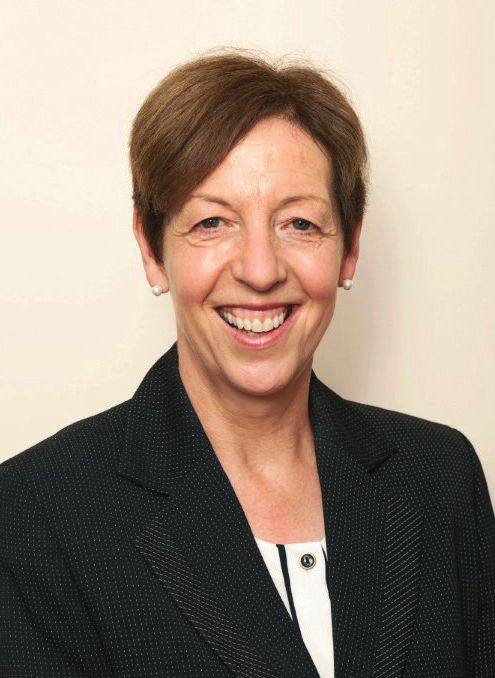
Table of Contents
Foreward from Finglas Addiction Support Team Chairperson....................................................... 2

Introduction........................................................................................................................................... 3

Our Strategic Plan: An Overview......................................................................................................... 4

Our Values.............................................................................................................................................. 5

FAST Organisation Chart...................................................................................................................... 6

FAST Strategic Priorities and Objectives............................................................................................ 7

Strategic Priority 1: Sustainability ...................................................................................................... 8

Strategic Priority 2: Innovation and Growth..................................................................................... 11

Strategic Priority 3: Collaboration and Communication ................................................................ 17

Appendix 1: The Consultation Process................................................................................................ 20

Appendix 2: Abbreviations................................................................................................................... 25

Appendix 3: List of Staff and Board Members.................................................................................. 26

Finglas Addiction Support Team Strategic Plan | 2017-2020                                                                                                    1
Chairperson’s Foreward
Delivering our ambition: Recovery for a better life sets out the details
of Finglas Addiction Support Team’s (FAST) strategy for the period
2017-2020. Focusing on sustainability, innovation and growth, the
strategy is supported by a strong desire to collaborate and communicate
with our partners, and highlights our increased emphasis on aligning
our strategic priorities with the relevant local, regional and national
stakeholders. The strategy reflects a broad consultation process -
inclusive of public representatives, staff and participants, as well
as community representatives and FAST’s board of directors. We are
confident that it will continue to build on our progressive work to
ensure that FAST is a centre of excellence.

Our values underpin our work and they are interwoven in the strategy.
Dignity, integrity, empowerment and quality ensure that we are commit-
ted to achieving excellence in our work, for the benefit of participants,
their families and our staff. We aim to adapt an innovative approach
within the context of the overall vision and mission of the organisation.
This approach has already been acknowledged by a number of awards.
We were shortlisted in the Healthcare Innovation Awards for our innova-
tion in quality of service delivery in the community. We have also won
awards for the best community garden in the Dublin region and the DCU
President’s special merit award for civic engagement.

To progress our strategy and realise our vision, we wish to build on our
reputation and nurture new relationships within the environment we
operate. To achieve this, we must continue to work effectively with our
funders, other key stakeholders, participants and staff. A key challenge
will be to communicate the extent and impact of our work to a wider
audience; we will be seeking additional resources and expertise to assist
us in this regard during the course of the strategy.

I wish to acknowledge the efforts of my fellow board members, who
contribute their time on a voluntary basis, the CEO and her staff, FAST
participants, their families and our other partners, who have worked
together to articulate their vision for FAST’s future.

Mary Flanagan
Chairperson

2                                                      Finglas Addiction Support Team Strategic Plan | 2017-2020
Introduction
The focus of our new strategy is dynamic and interactive. It emphasises
what is currently being done in FAST and what we wish to progress over
the next three years. Some of the key features of the strategy are:

• Its strategic approach: It is realistic, effective and timely;

• It proposes a vision and method of delivery to which each
  of its stakeholders can subscribe;

• It ensures that proposed actions are sustainable and that
  they will complement other local, regional and relevant
  national strategies.

Finglas Addiction Support Team Strategic Plan | 2017-2020                 3
Our Strategic Plan
The scope of this strategic plan is to set out our vision, our mission, and
our values for the next three years, 2017 – 2020. It also outlines our areas
of activity, and identifies the key strategic issues that will help us achieve
our objectives.

FAST operates a number of core services:
Counselling Service
Aftercare
Polydrug Use Service
FAST Family Service
Recovery Social Group
CARE Project

FAST has identified three strategic priorities that address a number
of distinct but related areas of responsibility.

Sustainability
Innovation and Growth
Collaboration and Communication

Each of these three strategic priorities is supported by a number of
objectives and actions, delivered through annual action plans, which
will be overseen by the Directors of FAST.

This Strategic Plan will be reviewed and updated on an annual basis.

4                                                         Finglas Addiction Support Team Strategic Plan | 2017-2020
Our Values
VISION
Leading an innovative centre of excellence where people can recover and have
fulfilled lives in their community.

MISSION
We will provide accessible quality services for those affected by drug and
alcohol use and mental health issues.

VALUES
The following values underpin our work:

Dignity: We create a respectful, supportive and confidential environment for
people who use our services, for our staff and for our volunteers.

Integrity: We demonstrate integrity, transparency, and accountability in our
practices, organisational systems and structures.

Empowerment: We support participants to achieve their personal recovery
goals and to connect positively with their families and their communities.

Quality: We are committed to evidence-based practice and continuous
improvements in service delivery.

Finglas Addiction Support Team Strategic Plan | 2017-2020                      5
Fast Organisation Structure

6                    Finglas Addiction Support Team Strategic Plan | 2017-2020
Fast Strategic Priorities & Objectives
• Strategic Priority 1:
    Sustainability

• Strategic Priority 2:
    Innovation and Growth

• Strategic Priority 3:
    Collaboration and Communication

Finglas Addiction Support Team Strategic Plan | 2017-2020   7
Strategic Priority 1: Sustainability Ensuring FASTS’s sustainability and safeguard- FAST’s strong organisational structures ing our future viability is core to our approach. underpin its activities; we are confident We are committed to investing in our partici- that our processes are robust and supported pants, staff, management structures and sys- by regular monitoring and evaluation. tems. We wish to maintain the delivery of high Our voluntary board, drawn from a variety of quality services that achieve the best possible representative sectors, exercises its collective outcomes for our participants. We will ensure responsibility and is charged with oversee- our service is widely available to individuals, ing the delivery of the organisation’s strategic families, carers and the wider community of direction and objectives. Our policies meet the Finglas. A key challenge for FAST during the requirements of the Charity’s Regulatory life of our strategy will be to provide the neces- Authority. Our expert, skilled staff and team sary financial and human resources. Continuing of volunteers are committed to a culture of professional development will be critical continuous improvement, and demonstrate to enable our staff to deliver on our existing resilience as they work with participants from and new services. Building the evidence about early engagement through to recovery. the demand for our services will demonstrate our impact and effectiveness, and enable us Our combined unity of purpose demonstrates articulate a persuasive case about the resources our intention to sustain our vibrant and required to meet the growing need. This will dynamic organisation to deliver on this strategy. facilitate a more focussed debate with our funders and ensure that our discussions are informed by solid data. Meeting the expectations of our participants will require a responsive service where every engagement counts towards a meaningful individual recovery experience. We have high expectations of what our staff and participants can achieve together. We have a culture of listening and responding to our participants and the wider community, so that we can im- prove our services, experiences and outcomes. We demonstrate this through our values and our ways of working with our participants. FAST’s pragmatic and understanding approach enables participants address their challenges to develop practical solutions to enhance their life experience. 8 Finglas Addiction Support Team Strategic Plan | 2017-2020
Strategic Priority 1
 Sustainability
 Enhanced governance, resources and organisational effectiveness
 Objective 1.1              Ensure that resources are in place to underpin current and future services

 Actions                    Indicators                         Resources                      Timeframe/
                                                                                              Status
 1.1.1                      Service Level Agreement and      Lead: CEO                        Twice yearly
 Secure resources           reports satisfactorily completed Support: Various departments
 to appropriately
 finance the delivery
 of our existing and        Funding sought for existing    Management and Board               Ongoing
 new services               and new services via a rolling
                            programme of funding applica-
                            tions

 1.1.2                      EU grant schemes and potential Management and Board               Q3 2018
 Seek new funding           EU partners identified
 streams                    Corporate partners identified

 1.1.3                      Revenue income from building       Lead: Head of Finance          Q4 2017
 Increase revenue           maximised                          Support: Administrative team
 from existing build-
 ing resource               Number of external community                                      Ongoing
                            meetings held

 1.1.4                      Number of relationships            Lead: Management and Chair     Ongoing
 Develop and main-          established
 tain relationships
 with relevant grant
 giving bodies and
 relevant funders

 1.1.5                      Dedicated proactive independ-      Lead: Board                    Q2 2018
 Establish an               ent fundraising committee,
 independent fund-          including board representa-
 raising committee          tion, established with a regular
                            reporting mechanism

                            Minimum of one fundraising
                            event per year organised

Finglas Addiction Support Team Strategic Plan | 2017-2020                                                    9
Objective 1.2 Ensure that best practice governance is maintained and monitored
throughout the organisation
Actions Indicators Resources Timeframe/
Status
1.2.1 Financial policies reviewed and Lead: CEO Ongoing
Continue to adopt updated Support: Board
and refine our proc-
esses for governance, Compliance with charity Lead: CEO Q2, Q3 annually
financial manage- regulatory authority and annual Support: Board
ment and perform- report returned
ance measurement
consistent with best Annual Work Plan for organisa- Lead: CEO and Staff Q2, Q4 annually
practice tion being implemented
SORP compliant Lead: Head of Finance Annually
QUADs policies and procedures Lead: Management Annually
are reviewed and updated Support: Board
Governance code compliance Lead: Board Annually
maintained
Review and update of strategic Lead: Management Q3 2018
plan Support: Staff and Board
Risk register updated & Lead: Board Q3 2017
monitored on a regular basis Support: Management
Objective 1.3 Ensure that FAST has a supportive culture, robust organisational structure
and suitable competencies
Actions Indicators Resources Timeframe/
Status
1.3.1 Robust performance review Lead: Management Q2 annually
Nurture and develop processes in place for salaried Support: Staff
staff competencies staff
in line with service
demands Skilled and competent staff Lead: Management Ongoing
recruited
Minimum of 3 team develop- Lead: Management Ongoing
ment days annually
Ongoing professional develop- Lead: Management Ongoing
ment in place for staff
1.3.2
Identify the role of Appropriate volunteer model Lead: Management Q4 2018
volunteers within identified and developed Support: Staff
FAST’s structure
10 Finglas Addiction Support Team Strategic Plan | 2017-2020Strategic Priority 2:
Innovation & Growth
FAST has grown significantly since it was Our new Dual Diagnosis service will facilitate
established in 2004. We continuously strive participants with substance misuse problems
to develop our service in different ways and lead and other mental health issues to be seen and
the way in addiction treatment where we have treated simultaneously under the one roof.
pioneered the recovery coach programme - the We will continue to base our service around
first of its kind in Ireland. We attempt to address person-centred principles, where families
unmet societal challenges through innovation. are also supported, and where participant
Our initiatives are driven by evidence-based feedback enables us to respond appropriately
practice and supported by interagency models with improved treatment pathways. Our
of work. research partnerships with third level and
other partners will strengthen not only our
Our new strategy anticipates growth and knowledge base, and inform our collation
further development of our core services of data and local trends, but will also reinforce
in line with growing demand. We will provide our advocacy and our case-making capability.
additional counselling, introduce a transitional Additionally, our local evidence will assist us
programme to our aftercare service, create in our endeavours to influence national policy.
partnerships with other local agencies to assist
participants on their journey to recovery, and
increase our support for families.
We support participants along their individual
recovery pathways through our ongoing devel-
opment of recovery services. The recovery social
group and recovery coaches facilitate peer sup-
port and mentoring as well as providing social
and wellbeing activities, and encourage people
to make long-term changes in maintaining
healthy lives.
We want people with mental health and
addiction issues to get the right kind of treat-
ment when they initially present. ‘To put it
in the simplest terms, if someone has multiple
problems you make treatment more difficult
by treating each problem in isolation’ (Fr Peter
McVerry). Many of our participants would
benefit from a Dual Diagnosis service: our
experience indicates that mental health
and addiction are often two sides of the same
coin; ideally, they should be treated together.
Finglas Addiction Support Team Strategic Plan | 2017-2020 11Strategic Priority 2
Innovation and Growth
Development of new and integrated approaches to service delivery
Objective 1 Apply appropriate growth strategies to existing service level
agreement objectives
Actions Indicators Resources Timeframe/
Status
2.1.1 Counselling Additional counselling hours Lead: CEO Q2 2018
Increase counselling initiated to make current post Support: Counselling Service
provision to meet fulltime
local demand
Specialist skills training Lead: Management Q2 2018
obtained to deal with trauma
and mental health
Master student placements Lead: Counselling Service Q2 2018
in place
Clear referral criteria developed Lead: Counselling Service Q4 2017
and implemented
Increased number of evening Lead: Counselling Service Q4 2017
counselling appointments
2.1.2 Aftercare Additional external speakers Lead: Aftercare Ongoing
Review and improve incorporated into programme Support: Management
aftercare programme
Links with other similar type As above End Q2, Q4
groups enhanced
Bi-yearly review – evaluation
completed
Number of joint activities with As above Ongoing
recovery social group
Increased budget on social As above Q2 & 4 2018
aspect of programme
2.1.3 Protocols for employment Lead: Management Q3 2018
Create partnerships opportunities via DNWAP Support: Staff
with other local established
agencies to further
develop participant CDETB and SEETEC As above Q3 2018
progression pathways collaborative opportunities
explored and established
2.1.4 Increased 1-1 support Lead: Polydrug use team Q2 2018
Polydrug use Support: Staff
Develop polydrug use Mindfulness manual developed
service and marketed
Clear referral criteria to PDU As above End Q4 2017
services
Development of continuum Lead: Polydrug use team Q3 2018
of care support group
12 Finglas Addiction Support Team Strategic Plan | 2017-2020Objective 1 Apply appropriate growth strategies to existing service level
agreement objectives
Actions Indicators Resources Timeframe/
Status
Staff training in Trauma Lead: Management Q4 2018
Support: Staff
Exploration of support for 16-18 As above Q4 2019
year olds
2.1.4.1
Case management with Novas Lead: Staff Ongoing
Provide support to
and De Paul
participants in Abigail
Centre
Increase in shared care plans Lead: Staff Ongoing
Development of women’s group As above Ongoing
Development of women’s As above Q3 2018
programme
2.1.5
Full time family support post Lead: Management Q1 2018
Fast Family Service
in place Support: Staff
Increase family
support provision
Number of family support Lead: Staff Q2 2018
to meet local demand
groups increased
Participants accessing CDETB Lead: Staff Ongoing
training opportunities
Relevant staff trained in CRAFT Lead: Staff End Q4 2018
and Triple P completed and
implemented
2.1.6 Recovery social group link to Lead: Staff Q4 2017
Recovery Social counselling and aftercare
Group services increased
Provide additional
social supports to Participants trained to facilitate Lead: Management Ongoing
FAST participants groups
Feasibility of CE support worker Lead: Management Q4 2017
explored
Number of joint activities Lead: Staff Ongoing
with Aftercare group
Increased social activity Lead: Staff and participants Q2 & 4 yearly
opportunities
Finglas Addiction Support Team Strategic Plan | 2017-2020 13Objective 2 Develop recovery focused integrated care pathways to better meet the
needs of participants with dual diagnosis
Actions Indicators Resources Timeframe/
Status
2.2.1 Needs analysis completed Lead: CEO Q4 2018
Conduct a needs Support: Management
analysis re dual
diagnosis prevalence
2.2.2 Case-manage participants in Lead: Staff Ongoing
Develop interagency partnership with other services Support: Management
work/collaborate and
co-ordinate with key Increased number of referrals Lead: Staff
stakeholders from external agencies
Relationships developed and Lead: Staff & Management
strengthened with mental
health services
Increased liaison with GPs and Lead: Staff & Management
Primary Care teams
Increased liaison with Mental Lead: Staff & Management
Health teams
2.2.3 Clinical Nurse Specialists (CNS) Lead: CEO Q3 2019
Establish dual recruited Support: Staff
diagnosis team
Clinical Lead identified Lead: Board Q3 2019
Staff trained in dual diagnosis Lead: Management Q4 2018
2.2.4 Clinical governance Lead: Board Q3 2019
Establish clinical subcommittee established
governance structure
2.2.5
Develop community CARE project re-established Lead: CEO Q1 2018
based alcohol
treatment services
to increase access and
support for people
with primary alcohol
use/misuse issues
2.2.6 FAST participants referred Lead: Staff Q2 2018 and ongoing
Implement the to CARE project
CARE project as a core
element of integrated Relationships with emergency Lead: Staff Q1 2018 and ongoing
community-based medicine departments
services developed
Clinical Nurse Specialists (CNS) Lead: CEO Q1 2018
recruited
14 Finglas Addiction Support Team Strategic Plan | 2017-2020Objective 2 Develop recovery focused integrated care pathways to better meet the
needs of participants with dual diagnosis
Actions Indicators Resources Timeframe/
Status
Increase liaison and referral Lead: Staff Q2 2018 and ongoing
from GPs
Increased liaison with primary Lead: Staff & Management Ongoing
care and mental health teams
Objective 3 Continue to increase knowledge of evidence-based practice in addressing
drug and alcohol use and mental health
Actions Indicators Resources Timeframe/
Status
2.3.1 Range and quality of research Lead: Board Ongoing
Cultivate a research
culture with a strong
evidence-based Data collected and reviewed Lead: Staff & Management Q4 2017/18/19
framework
Data inputted to local and Lead: Management Ongoing
national research and policy Support: Staff
in the areas of addiction and
mental health
2.3.2 Relationships consolidated with Lead: Board Q4 2018
Build research DCU, NCI and John Moores Support: Staff
partnerships with University, Liverpool
appropriate third
level and other Research papers published Ongoing
partners. to include dual diagnosis
Finglas Addiction Support Team Strategic Plan | 2017-2020 15Objective 4 Maintain a keen focus on the health and wellbeing of our participants,
staff and wider community
Actions Indicators Resources Timeframe/
Status
2.4.1 Increased levels of awareness Lead: Management Ongoing
Introduce health and re health and wellbeing Support: Staff
wellbeing programme
to participants and
wider community
2.4.2 Active participation in Healthy Lead: CEO Ongoing
Develop wellness at Ireland Network
work programme
Minimum 1 participant social Lead: Staff Annually
event organised per annum
Participation in Finglas Wellness Lead: Staff & Management Q3 2018
week
2.4.3 Interagency approach with Lead: Management Q2 2019
Explore the develop- Finglas Youth agencies, NCI Support: Staff
ment of a resilience and Local Drugs and Alcohol
and leadership Task Force
programme for young
people in association
with other agencies
16 Finglas Addiction Support Team Strategic Plan | 2017-2020Strategic Priority 3:
Collaboration & Communication
This FAST plan recognises the value in raising Our strategy 2017-2020 seeks to put a compre-
the positive profile of our locally placed drug hensive communications plan in place and to
and alcohol service. We want to communicate utilise as many channels as possible to influence
a number of inspiring messages to potential public opinion and to promote the good work
users of the service, and to people living within that we do. Alongside this, we will continue
the local community who see the FAST building, to liaise, network and communicate with our
but do not know what goes on behind its doors. agency partners, our participants, their families,
our staff and our other stakeholders to highlight
Family, friends and the wider community can the value of our work and address the powerful,
often carry negative feelings about drug use negative perceptions commonly associated with
or behaviour. They may even use derogatory addiction and mental health issues.
terms; these thoughts, feelings, and labels
can create and perpetuate stigma. Stigma is
a major cause of discrimination and exclusion.
It is a public health issue, which contributes
to high rates of death, incarceration, and mental
health problems among people with drug and
alcohol problems. Stigma has the potential
to negatively affect a person’s self-esteem,
damage relationships with loved ones, and
prevent those suffering from addiction from
accessing treatment. Unfortunately, people who
experience stigma regarding their drug use are
often less likely to seek treatment.
Therefore, community based interventions
and community based services are not usually
supported by the public, and are erroneously
believed by some to facilitate and encourage
drug use. In FAST, we believe that assumptions
and preconceptions about individuals with
drug and alcohol problems should be chal-
lenged, highlighted and corrected. We want to
reduce the negative impact of stigma in Finglas
through education and positive communication.
Finglas Addiction Support Team Strategic Plan | 2017-2020 17Strategic Priority 3
Collaboration and Communication
Enhanced stakeholder engagement and effective inter-agency collaboration
Objective 1 Influence attitudes and behaviours locally to reduce stigmatisation and
marginalisation of people with addiction and mental health problems
Actions Indicators Resources Timeframe/
Status
3.1.1 Links with local and national Lead: Management Ongoing
Develop strategic services developed and Support: Staff
alliances with other consolidated:
agencies HSE
Finglas Cabra Local Drug and
Alcohol Task Force
Dublin City Council
An Garda Síochána
NCI
DCU
GPs
Primary Care services
Mental Health services
Acute Services
3.1.2
Work with the Finglas Numbers of inputs at Finglas Lead: Management Quarterly
Safety Forum to Safety Forum meetings
improve information Numbers of times that FAST
channels about FAST’s inputs to the Finglas Safety
work Forum newsletter
3.1.4
Increased use by local groups Lead: Management Ongoing
Share the facility
as a hub for local Support: Administration
community groups
18 Finglas Addiction Support Team Strategic Plan | 2017-2020Objective 2 Promote and raise awareness about the work of FAST within the community
Actions Indicators Resources Timeframe/
Status
3.2.1 Communications support Lead: CEO Ongoing
Secure resources function in place Support: Management & Staff
to develop a commu- Number of articles in
nications and market- newspaper Additional staff resources Q1 2019
ing strategy for FAST required
Website redesigned and brand
re-imagined
Social media plan developed
and being implemented
Enhanced local stakeholder
engagement with FAST service
Increased website traffic
Annual staff and participant
survey feedback on
communications
Number of new Facebook
followers
Raised profile through increased
numbers of referrals
Finglas Addiction Support Team Strategic Plan | 2017-2020 19APPENDIX 1
Fast Strategy: The Consultation Process
1 Approach
Our approach to the consultation process was framed by the knowledge
that consultation with stakeholders is a key component of any new
strategy. It is important to ensure that all those who may be affected
by changes in strategic direction are informed and, where possible,
included in decision making. As part of the Finglas Addiction Support
Team’s 2017-2020 strategic planning process, a live and evolving
consultation phase was undertaken to facilitate the gathering of
information about the environment in which FAST operates. We wished
to glean the experience and expertise of the internal and external
stakeholders, who would be affected by future changes taking place
within FAST, and within the services, it offers to the Finglas community.
The structure for consultation was an on-going process which was open
to change and which was reviewed regularly. The key consultation
principles adopted were firmly grounded in a spirit of partnership,
co-ownership and information sharing. Stakeholders engaged in
coordinated discussion to reach consensus.
1.1 Our initial purpose was to:
h Create a consultation process to find a shared and common
understanding of what is possible in a new strategy
h Develop a consultation framework that met the requirements
of FAST’s many stakeholders
h Create a meaningful consultation process to stimulate equally
meaningful responses
h Leverage existing stakeholders and networks to make the best
use of time and resources available
h Through empathetic listening, inspire trust and confidence
in a partnership approach that would find a shared and common
understanding and deliver tangible outcomes
h Provide reassurance that the strategy would be monitored,
reviewed and evaluated regularly
1.2 As part of the information gathering process, a series of face-to-face
consultation meetings were conducted with key stakeholders.
These key stakeholders included:
• The Chairperson and Board of Directors of FAST
20 Finglas Addiction Support Team Strategic Plan | 2017-2020• Management and staff of FAST
• Finglas Cabra Local Drug and Alcohol Task Force
• An Garda Síochána
• Participants and ex-participants of the various services provided
by FAST
• Public representatives
• Community representatives
• Local peer community organisations
• Strategic partners
• Dublin City Council staff and management
• Finglas Community Safety Forum co-ordinator
As well as an analysis of the internal and external working and living
environment of Finglas, the consultation phase included a full review
of the vision and mission of FAST together with a full exploration of
organisational values and strategic priorities.
2 Internal Consultation
The internal consultation process involved a series of face-to-face
meetings with key managers and a number of workshops were carried
out with the directors, staff and volunteers of the centre.
The board of directors were asked to do an initial review of the vision,
mission and values of FAST as well as identification of their priorities
as directors of the service.
Interviews with management focused on the development of the
organisational vision, and values, emerging strategic priorities,
organisational culture, and the overall profile of the organisation.
Workshops with staff examined vision, mission, and organisational
culture as well as what the service has achieved to date, how success
is currently measured, what challenges have been faced, and what they
as staff of FAST would like to do differently in the future. Strategic priorities
and time bound actions were identified during this part of the process.
Throughout the strategy development process, the CEO, the board of
directors, staff and volunteers were given status updates on progress.
Staff and board members were asked to input their opinions and
comments on the strategy as it progressed through its various stages
of development. A number of ‘interim’ feedback sessions fine-tuned
emerging strategic priorities and associated actions.
Finglas Addiction Support Team Strategic Plan | 2017-2020 212.2 External Consultation
Consultation with people living in the local community and other
important stakeholders and partners has been a key component
in the development of this strategy.
A number of interviews took place with priority stakeholders, including
local political representatives, the local authority, The Finglas Safety
Forum, local GPs and individuals working in the Finglas community.
Additionally, submissions were invited from a selection of community
and voluntary organisations. A number of questionnaires were also
completed by local residents.
The participant’s voice was captured through the medium of a vibrant
focus group through which we connected with the local community,
giving local participants and their families the opportunity to voice their
priorities for improvements in service delivery of the FAST programme in
Finglas. This involved in-depth discussion on how FAST’s service could be
more innovative.
2.3 Through these engagements, we examined a number of different
issues including:
• An audit of experiences and perceptions of addiction service
provision in the Finglas area
• The strengths and weaknesses of the existing services offered
by FAST
• The unmet local need for addiction support and mental health
services in the area
• People’s awareness of the services available locally for people
with addiction problems and mental health issues
• How to improve addiction services in Finglas in a measured,
targeted and sustainable way
2.4 Data and information was collated from the interviews, workshops,
focus groups and questionnaires. The feedback we received highlighted
a number of emerging themes, which assisted in identifying the strategic
priorities, along with the objectives and actions for the strategic plan.
We asked a number of local GPs to focus in particular on identifying some
of the challenges faced by their patients with addiction and mental health
issues in the Finglas area. We also sought information from them about
how well their patients’ needs are met at local level, and how they think
that FAST services could be enhanced to meet the needs of their patients.
22 Finglas Addiction Support Team Strategic Plan | 2017-20203 Findings Local organisations and residents provided in-depth knowledge and feedback about the local environment in which FAST is operating. Participants and community representatives recognised that the causes of addiction are complex. Some issues that participants and local residents mentioned included: • Drug misuse causes many problems in Finglas and that the behaviour of people who are using or selling drugs in the area often causes real distress for local people. • Many people do not know what is needed, or what is available to help them and their families. • Most people have never heard of the good work undertaken in the area by FAST. • It is not easy keeping families together when there are so many external pressures nowadays – but that strong families can make a community feel much safer and happier. • There is not enough focus on supports for younger people under 18, who often fall in between two stools. 3.1 Respondents identified a number of aspects, which could be improved, in particular relating to family support, service profile and accessibility of the service. 3.1.1 Strengthen the service for families of people with addiction problems 3.1.2 Respondents were keen to point out that more work needs to be done to help families tackle things together and that the community needs to take more responsibility for supporting families who are finding it difficult to cope. 3.1.3 In addition, building improvements in the public profile of FAST would enable people to access support services more easily. Finglas Addiction Support Team Strategic Plan | 2017-2020 23
4 Consultation Participants

     FAST Board of Directors

     FAST Chief Executive Officer: Barbara Condon

     Managers of FAST: Leanora Wilkinson, Michael Williams

     Staff of FAST

     Volunteers

     Participants

     Noel Rock TD

     Dessie Ellis TD

     Dublin City Council North West Area elected members

     Community Representatives

     Finglas Cabra Local Drugs and Alcohol Task Force Coordinator:
     John Bennett

     Dublin City Council Area Manager: Aidan Maher

     Dublin City Council North West Area Coordinator: Larry Dooley

     Dublin Northwest Area Partnership CEO: Michael Bowe

     Finglas Safety Forum: Jackie Phelan

     Cremore Clinic: Dr Iain Morrison GP

     Dr James Kirrane GP

     Garda Inspector John Burke, An Garda Síochána

Consultant: Aibhlín McCrann, Communiqué International

24                                                    Finglas Addiction Support Team Strategic Plan | 2017-2020
APPENDIX 2 Abbreviations CARE: Community Alcohol Response and Engagement CDETB: City of Dublin Education Training Board CE: Community Employment CRAFT: Community Reinforcement and Family Training CNS: Clinical Nurse Specialist DCU: Dublin City University DWNAP: Dublin North West Area Partnership FAST: Finglas Addiction Support Team HSE: Health Service Executive NCI: National College of Ireland PDU: Poly Drug Use QUADs: Quality in Alcohol and Drug Services SORP: Statement of Recommended Practice Triple P: Positive Parenting Programme Finglas Addiction Support Team Strategic Plan | 2017-2020 25
APPENDIX 3
Fast Staff & Board Members
Staff Members
CEO                                        Barbara Condon
Head of Services                           Michael Williams
Head of Finance and Operations             Leanora Wilkinson
Project Worker                             Natalie Carr
Project Worker                             In Recruitment
Addiction Counsellor/Psychotherapist       Andy Robertson
Family Support Service/Poly Drug Service   Linda Phillips
Polydrug Use Service Co-ordinator          Tom Bissett
Administrator                              In Recruitment
Caretaker                                  Jimmy Dixon
Aftercare Worker                           Loraine Giltrap
Receptionist                               Bernadette Nerney
Receptionist                               Patrick Donohue
Recovery Coach/Volunteer                   Martin Smullen
Recovery Coach/Volunteer                   Sharon Dawson
Acupuncturist                              Dave Shipsey
Reiki & Massage (Volunteer)                Joyce Butler

Board members
Chairperson                                Mary Flanagan
Treasurer                                  Debra Kearns
Secretary                                  Debbie Delaney
                                           Garda Inspector John Burke
                                           Janis Maxwell
                                           Denise Proudfoot
                                           Greg Langan
                                           Denise Gillen
                                           Dr James Kirrane

26                                                   Finglas Addiction Support Team Strategic Plan | 2017-2020
Notes: Finglas Addiction Support Team Strategic Plan | 2017-2020 27
Notes:

28       Finglas Addiction Support Team Strategic Plan | 2017-2020
2a Wellmount Road
                             Finglas
                            Dublin 11

                         Tel: (01) 811 0595
                        Web: www.fastltd.ie

Company Reg. Number: 378645 | CHY: 17626 | Charity Number: 20066017

    FAST is funded by the Finglas/Cabra Local Drug & Alcohol Task Force
      and the HSE as part of the National Drug and Alcohol Strategy
You can also read


