Fleckvieh friends - WSFF
←
→
Page content transcription
If your browser does not render page correctly, please read the page content below
Dear Simmental                                                           Dear Simmental-
    -Fleckvieh friends,                                                     Fleckvieh Breeders,
   The holiday season is upon us and we                                      Dear Colleagues,
have much to be thankful for:

1. A very successful 2018 World Simmental                                    Traditionally, during the last days of the
   Congress in Ft Worth, Texas; held on                                  year you are getting the WSFF E-Journ@l
   the exact same day that the Founding                                  to your email inbox. The year 2018 brought
   Fathers of the World Simmental Fleckvieh
                                                                         us many interesting events and highlights.
   Federation met and organized the WSFF
   in Zagreb, Croatia. The Congress was attended by some 170             The WSFF Congress took place in Fort Worth, Texas, USA, an
   delegates and breeders of Fleckvieh Simmental cattle from 19          iconic place for many beef breeders from the US. Fort Worth was
   of the 25 member countries.                                           developed thanks to the cattle drives. Millions of heads of cattle
   Plans are now being made for 24th World congress is Austria in        were driven north to the market along this trail. Fort Worth had
   2020 and the 25th World congress to be held in Mexico.                become the center of the cattle drives and later the ranching
   Plans are now under way for the Technical meetings and the
                                                                         industry. Therefore, it was given a nickname of Cowtown. No
   Conference of Americas to be held in Guapiles, Costa Rico
   September 17-21, 2019.                                                wonder that American Simmental Association invited the whole
2. Other successful Flecvieh Simmental events were held in               Simmental-Fleckvieh world to this place and hosted the Congress
   countries around the world maintain the continued success and         with the motto “From Cattle Drives to Genomics”. The Congress was
   demand for Fleckvieh Simmental cattle both in the milk and            a great opportunity to learn more about the modern beef industry
   meat fields of production.
                                                                         in the USA, to get more information about all recent techniques,
3. Registrations continue to grow in all societies of the Fleckvieh
   Simmental & Simbrah breeds around the world, giving these             e.g. ovum-pick up, IVF and obviously the genomic testing, used in
   societies needed funds to support their breeders with innovative      their everyday working life. The presentation about the most recent
   ideas and marketing of these breeds of cattle.                        system of multi-breed genetic evaluation and BV estimation done
4. The use and collection of genomic data continues to gain in           with the BOLT system in the USA was indeed impressive. All the
   popularity and our cattle have set the standards of excellence        presentations, as well as photos, are available on www.wsff.info
   that many breeds strive to match.
                                                                         web site.
5. The collaboration of breed societies has increased the
   effectiveness and use of genomic data while cutting cost due to           Based on the constitutions of the WSFF, congresses and
   non- duplication of research and testing.                             technical meetings should rotate between different continents and
6. Plans are now in process for the sequencing of the complete           places around the globe. I would like to appreciate the gentleman’s
   genome of a Fleckvieh Simmental animal that will be available         approach of Peter Wenn. Thanks to his diplomacy and withdrawal
   to all Fleckvieh Simmental breed societies to use in in their quest
                                                                         of the Australian’s invitation, the next world congress will be hosted
   for superior genetic improvement through genomics.
                                                                         by the Mexican Simmental Association.
     I believe the list could go on and on and each member country           The good old Europe is offering a couple of reasons for visiting
would have individual accomplishments that will surely set the stage     the cradle of our cattle. Among the highlights of the next year will
for a very successful year in 2019 for the Fleckvieh Simmental
                                                                         definitely be the “Bundesfleckviehschau”, organized on March
breed.
     I would like to thank the board of directors of the WSFF for all    23rd and 24th in Miesbach, Bavaria, Germany. Also, make a note
their hard work and especially Peter Wenn, for his diplomacy in          into your calendar for the first week of September 2020 - the World
with drawing the Australian bid for the 2022 Congress. It is not often   Simmental-Fleckvieh Congress in Austria.
that one see’s this type of selfish diplomacy for the betterment of          It is important to mention the fact that by EU adopting the
the organization.                                                        rules on conditions for breeding, trade-in and imports into the EU
     I also want to thank all those that attended the Congress in Ft
                                                                         of breeding animals and their genetic material - the regulation
Worth Texas for it is you that made the congress successful.
     I would be remised if I did not thank the ladies that made this     2016/1012 took effect in November 2018. The revised rules
event run smoothly and achieve the goals of success that was             regulate various aspects, among other things - the recognition
had. Thanks Kimberly Reneau, Emily Lockner, Denisse Almaguer             of breeding organizations and private undertakings, the approval
Wong and Stacy Felkar for a job well done. Also a special thanks to      of their programmes, the entering of animals in specific breeding
Jill Harvie, Jim Ligon, Heinrich Bruwer and Dr. Thomas Grupp for
                                                                         books and registers, performance testing and genetic evaluation,
judging the and Grahman Blagg and others for a great set of sale
cattle. Also a special thanks to all the guest speakers: Dr. Wade        and the content of the unified zootechnical certificates and last but
Shafer, Dr. Bruce Golden, Dr. Joe paschal, Dr. John Patterson, Dr.       not least the requirements for the trade with non-EU countries.
Josef (Nader) Deeb, Matt Barten and Dr. Mark Allen.                          Dear Simmenal Fleckvieh Friends, let me express my thanks
     A finale thank you to all the sponsors especially the American      and gratitude for your work in favor of the best breed world-wide.
Simmental Association, PJ Budler and MR. Steve Murrin that                   At the same time, I would like to send you my own greetings.
played such a vital role in the success of this event.
                                                                         May peace and happiness be yours. Merry Christmas and Happy
     Wishing all of you a very Merry Christmas a happy and
prosperous New Year and let’s make 2019 even better than                 New Year.
2018.

                                            Fred Schuetze                                                             Josef Kučera
                                            WSFF President                                                            ESF President
Double goal in Czech Republic
ESF Council Meeting and National Show                                  report about the project FoKUHS which
Dr. Georg Röhrmoser, Hedwig Strobl, AH                                 has just started. The publishing of an
                                                                       annual multilingual Simmental journal was
    The European Simmental Federation’s Council Meeting                discussed but wasn’t a clear vote for it.
combined with the meeting of the working group conformation took       In 2020 the ESF Meetings will take place
place in Radesinska Svratka, in the middle of the Czech Republic       within the World Congress at the beginning
from 11th to 13th September, 2018.Focal point was the ESF              of September in Austria.
Council Meeting, chaired by President Dr. Josef Kucera (CZ) with           The final was the well known 14th
delegates from ten member countries. After the activity reports        National Show with the Day of the Czech
from president and general secretary Dr. Georg Röhrmoser, rules        Fleckvieh in Radesinska Svratka. 60 cows in four classes were
and regulations for the working group Simmental beef with a base       presented altogether. The gradually breed progress in dual purpose
contribution for better financial facilities were approved.            was distinguished several times by judge Jose Smolinger from
    Bernd Luntz, ITZ Grub represents furthermore the interests         Slovenia. An Indy daughter which also became Grand Champion
of Simmental in the ICAR working group. In 2017 Turkey and             Young won the group of first calving cows because of her excellent
Romania became members of ESF. Currently the Bulgarian                 udder. Indy is a Czech son of Ilion out of Altai. Place two and three
breeding association has interest to receive ESF membership.           got daughters from Passion and Raffzahn. Champion of second
In the technical part, the implementation of EC zootechnical           calving cows became a daughter of Golli. He is also a Czech bull
legislation, projects for cow genotyping and the projected issue       with the parentage of Hutmann x Ruap. Daughters from Hurikan
of an international Simmental journal in several languages were        (Malint x Regio) and Galileo (Osmium x Levier) followed. In the group
treated.                                                               of cows with three and four calvings daughters from Waldbrand,
    To implement the EC zootechnical certificate in the member         Zapfhahn and Rave reached the podest. A Valvin JB cow, followed
countries, there are still differences in time as also in form and     by Round Up
content. In all countries both purposes are registered as one breed,   and Briliant
mostly in separate but open herdbooks. Austria gave a detailed         won the old
                                                                       cow’s group.
                                                                       G r a n d
                                                                       Champion
                                                                       Old became
                                                                       a daugther
                                                                       from Wald-
                                                                       brand (MF:
                                                                       Horror).

                                                                                                                      Grand Champion Young
                         ESF Council Meeting

                                           Doppelsieg in Tschechien
EVF-Ausschusssitzung und Nationalschau                                     Den Abschluss bildete die renommierte 24. Nationalausstellung
Dr. Georg Röhrmoser, Hedwig Strobl, AH                                 mit dem Tag des Tschechischen Fleckviehs in Radesinska
                                                                       Svratka. Insgesamt 60 Kühe wurden in vier Kategorien ausgestellt.
    Tschechien - Vom 11. bis 13. September 2018 fand                   Preisrichter Jose Smolinger aus Slowenien hob mehrfach den
die Ausschusssitzung der Europäischen Vereinigung der                  erneuten Zuchtfortschritt in der Doppelnutzung hervor. Bei den
Fleckviehzüchter in Verbindung mit dem Treffen der EVF-                Erstkalbskühen siegte eine euterstarke Indy-Tochter, die auch
Arbeitsgruppe Exterieur in Radesinska Svratka im Herzen                Gesamtsiegerin jung wurde. Indy ist ein tschechischer Ilion-Sohn
Tschechiens statt. Im Fokus stand die Ausschusssitzung der             aus Altai. Auf Platz zwei und drei folgten Töchter von Passion
EVF unter Leitung von Präsident Dr. Josef Kucera (CZ) mit              und Raffzahn. Siegerkuh bei den Zweitkalbskühen wurden eine
Delegierten aus zehn Mitgliedsländern. Nach den jeweiligen             Golli-Tochter, Golli ist ebenfalls ein tschechischer Bulle mit der
Tätigkeitsberichten von Präsident und Generalsekretär Dr. Georg        Abstammung Hutmann x Ruap. Töchter von Hurikan (Malint x
Röhrmoser wurde für die Arbeitsgruppe Fleckvieh Fleischnutzung         Regio) und Galileo (Osmium x Levier) folgten. Bei den Kühen
eine Geschäftsordnung mit einem Sockelbeitrag zur besseren             mit drei und vier Abkalbungen standen Töchter von Waldbrand,
Finanzausstattung beschlossen.                                         Zapfhahn und Rave auf dem Siegerpodest und bei den alten
    In der ICAR Arbeitsgruppe Exterieur werden die                     Kühen siegte eine Valfin JB-Kuh vor Round Up und Briliant.
Fleckviehinteressen weiterhin von Bernd Luntz, ITZ Grub                Gesamtsiegerin alt wurde eine Waldbrand-Tochter (MV: Horror).
vertreten. 2017 sind die beiden Mitgliedsländer Türkei und
Rumänien aufgenommen worden, aktuell hat der Zuchtverband
aus Bulgarien Interesse an einer Mitgliedschaft angemeldet.
Bei den technischen Themen standen vor allem die Umsetzung
der EU-Tierzuchtverordnung, Projekte zur Kuhtypisierung und
die mögliche Ausgabe einer internationalen, mehrsprachigen
Fleckviehfachzeitschrift auf dem Programm.
    Bei der EU-Tierzuchtbescheinigung hat sich gezeigt, dass
in den Mitgliedsländern sowohl zeitliche als auch inhaltliche und
gestalterische Unterschiede bestehen. In allen Ländern werden
beide Nutzungsrichtungen als eine Rasse, zumeist in getrennten,
aber offenen Herdbüchern geführt. Österreich hat ausführlich über
das kürzlich gestartete Projekt FoKUHs berichtet. Die Herausgabe
eines mehrsprachigen Fleckviehmagazins wurde diskutiert,
hierzu konnte kein klares Votum erzielt werden. 2020 findet die
Versammlung im Rahmen des Weltkongresses Anfang September
in Österreich statt.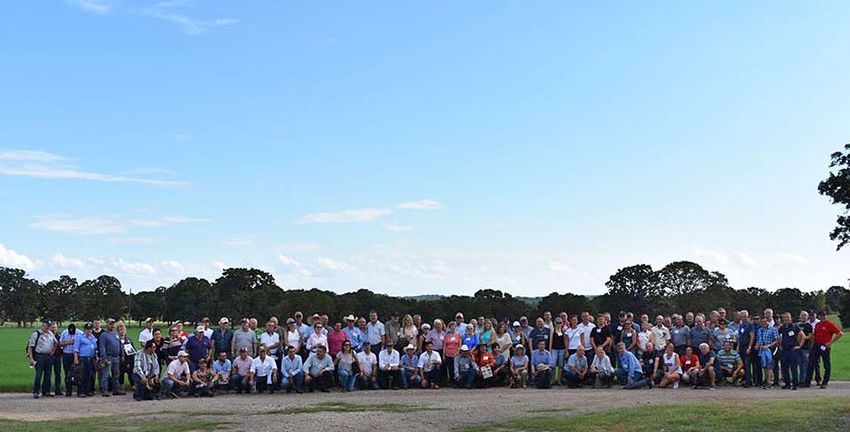
Training Camp „Conformation“
                                              Specialists met in Czech Republic
Rinderzucht Fleckvieh: Bernhard Luntz/LFL                                 development, but also to support the awareness to intensify the
                                                                          cooperation between the country populations. Already much was
     Czech Republic - This year’s meeting took place in Lisek/Czech
                                                                          achieved in the past in this point. The meeting in 2019 will take
Republic before the National Fleckvieh Show. Representatives
                                                                          place in Slovakia.
from nine European countries took part and reported about the
current state of conformation data registration in their regions.
Meantime the system Fleckscore is established everywhere and
approved. There are still some differences in the mean values of
the specific main traits between countries. But it is also noticeable,
that the mean values assimilate, not least because of the exchange
of the best Simmental genetic.
     The countries which participate at the common breeding value
estimation run a continuous monitoring. Dr. Dieter Krogmeier
was able to demonstrate a very good correlation between these
countries. It is a pleasure that now Italy also records the standard
traits with 100 percent. In a further presentation the introduction
of the new trait “rear teats position” was discussed. The member
                                                                          Working group conformation of the European Simmental Federation
countries are requested, to adapt the electric equipment. Further
items for harmonization were the classification of milkability and
the introduction of the common trait conformation.
     This time the practical part of the meeting was in the foreground.
On a farm with more than 300 Simmental cows, six cows were
prepared excellent and were ready for comparison evaluations.
Each participant had to make his evaluation on the website www.
fleckscore.com by smartphone for the first time. There a personel
correlation is possible and in the next step the data analysis. The
results reach a host system at once and can be processed in a very
short time. So strengths and weaknesses can be demonstrated
individually.
     In a debriefing, the conspicuous fields were reviewed at the cow
and the right grading system justified. Overall the meeting got once      Diskussion between the European participants about the evaluation of cow traits.
                                                                          The briefing was hold by Hubert Anzenberger (r.), Gerald Pollak and Gebhard
again a very positive reaction. It is not only positive for personnel     Kitzmüller.

                                        Im Trainingslager „Exterieur“
                         Experten für Exterieurbeurteilung treffen sich in Tschechien
Rinderzucht Fleckvieh: Bernhard Luntz/LFL                                 die Einstufungen zum Melkverhalten und die Einführung der
                                                                          Gesamtnote für Exterieur.
     Tschechien - Das diesjährige Treffen fand in Lisek/Tschechien
                                                                              Der praktische Teil der Tagung stand diesmal im Vordergrund.
statt und war der nationalen Fleckviehschau vorgeschaltet.
                                                                          Auf einem Betrieb mit über 300 Fleckviehkühen wurden sechs
Vertreter aus insgesamt neun europäischen Ländern nahmen
                                                                          Kühe bestens vorbereitet und standen für Vergleichsbewertungen
daran teil und berichteten zunächst über den aktuellen Stand der
                                                                          bereit. Erstmals musste jeder Teilnehmer die Bewertungen mittels
Exterieurdatenerfassung in ihren Regionen. Mittlerweile ist das
                                                                          Smartphone vornehmen, auf der Plattform der Internetseite
System Fleckscore überall eingeführt und anerkannt. Es zeigen
                                                                          www.fleckscore.com, welche eine Zuordnung nach Personen
sich noch Unterschiede in den Mittelwerten der länderspezifischen
                                                                          erlaubt und in einem nächsten Schritt eine Auswertung der Daten
Hauptnoten. Es ist aber auch festzustellen, dass sich die Mittelwerte
                                                                          ermöglicht. Per E-Mail kommen die Ergebnisse sofort an einem
zunehmend angleichen, nicht zuletzt durch den Austausch der
                                                                          zentralen Rechner an und können in relativ kurzer Zeit verarbeitet
besten Fleckviehgenetik.
                                                                          werden. Somit können Stärken, aber auch Schwächen individuell
     Die Länder mit Beteiligung an der gemeinsamen
                                                                          aufgezeigt werden.
Zuchtwertschätzung unterliegen einem laufenden Monitoring.
                                                                              In eine Nachbesprechung wurden die auffälligen Bereiche an
Dr. Dieter Krogmeier konnte eine sehr gute Übereinstimmung
                                                                          der Kuh besprochen und die richtige Notenvergabe begründet.
zwischen diesen Ländern aufzeigen. Sehr erfreulich ist, das auch
                                                                          Insgesamt fand das Treffen auch diesmal wieder eine positive
Italien die Standardmerkmale zu 100 Prozent erfasst. In einem
                                                                          Resonanz. Es dient nicht nur der persönlichen Weiterentwicklung,
weiteren Vortrag wurde die Einführung des neuen Merkmals
                                                                          sondern soll auch dazu beitragen, das Bewusstsein für
„Strichplatzierung hinten“ behandelt. Die Länder sind aufgefordert,
                                                                          eine Intensivierung der Zusammenarbeit zwischen den
hierfür die Anpassungen in den elektronischen Erfassungsgeräten
                                                                          Länderpopulationen zu fördern. Hierbei wurde in der Vergangenheit
vorzunehmen. Weitere Punkte zur Harmonisierung waren
                                                                          bereits viel erreicht. Das Treffen 2019 findet in der Slowakei statt.
“From Cattle Drives to Genomics”
By: Emily Lochner                                                       and Fleckvieh cattle with simple goals:
                                                                        consistent quality, uniform cattle, high fertility
    “From Cattle Drives to Genomics” not only served as the week-
                                                                        and growth. The final stop of the ranch tours
long theme of the World Simmental Fleckvieh Congress, but was
                                                                        found the group in Athens, Texas welcomed by Bill
taken literally as Congress delegates watched longhorns paraded
                                                                        and Jane Travis of Pine Ridge Ranch. Bill and Jane
down Exchange Avenue moments after learning from breakthrough
                                                                        delighted in showcasing their thirty-year project of
presentations given by the world’s leading bovine geneticists’ and
                                                                        raising a legacy of Simbrah cattle. After enjoying a
researchers. The World Simmental Fleckvieh Federation (WSFF),
                                                                        local ice cream treat, it was back to the stockyards
is an organization made up of 25 country associations around the
                                                                        for the delegates to enjoy an evening at a Fort Worth icon: Joe T.
world of Simmental, Fleckvieh and Simbrah cattle breeders. Every
                                                                        Garcia’s. The outdoor patio and exquisite service was the perfect
other year, the Congress rotates hosts for business meetings,
                                                                        evening to enjoy the family-owned since 1935 Tex-Mex meal.
ranch tours, learning and fellowship. The 2018 WSFF Congress
                                                                             Wednesday began the WSFF board meeting section of the
was held in Fort Worth, Texas, only the second time to be held in
                                                                        event for committee updates and voting matters. Appointed country
the United States since the first in 1992. The Congress boasted
                                                                        voting delegates met at the remarkable River Ranch to conduct
nearly 170 appointed delegates from 19 countries, making the
                                                                        official WSFF meetings. Meanwhile, the remaining participants
event the largest WSFF gathering in the past decade.
                                                                        and spouses made a rainy dash, or shall we say splash, over to
                                                                        Cavender’s Western Wear. Store representatives met the group at
                                                     Black Oak Ranch
                                                                        the door with a smile and a welcome bag of Fort Worth goodies as
                                                                        they showed off their extensive array of clothing, boots, hats and
                                                                        shoes. After an hour of perusing the ranch-owned, family-owned
                                                                        outfit, delegates were met with a unique surprise from Steve Murrin,
                                                                        the unofficial mayor of Cowtown. At 10 AM on a Wednesday when
                                                                        nothing but gloomy rain clouds and puddles filled the brick streets,
                                                                        “Uncle Steve” opened the doors to Billy Bob’s and dazzled the group
                                                                        from China to Colombia with a personal, behind-the-scenes tour of
                                                                        many iconic mainstays in the Stockyards; even giving rides in his
                                                                        personal vehicle to those evading the rain.

                                                                         Pine Ridge Ranch

    The event kicked off Monday, September 24 in the historic
Stockyards with a cocktail party and welcome reception hosted by
M.L. Leddy’s. Hand laid brick streets led delegates back in time to
a store, more so a brand, established in 1918 set deep in Texas
heritage. Opening Leddy’s door, delegates found what promised to
be “a rough-hewn world of knotted pine with pressed tin ceilings, and
the unmistakable smell of leather” as thousands of handmade boots
lined time-worn shelves. The Leddy’s family graciously entertained
guests with Texas-made Shiner beer, hearty hors d’oeuvres, and
personal tours of the hand-crafted saddle making process.

    Delegates saw the sun rise on Tuesday morning from the inside
of a double decker bus on their way to tour ranches surrounding
the Dallas-Fort Worth metroplex. Their first stop unloaded in Grand         Wednesday afternoon kicked off the technical portion of the
Saline, Texas at Red River Farms. Red River Farms is owned by           Congress when delegates heard from Dr. Wade Shafer, Executive
Bob and Michael Mullion of Blythe, California and managed locally       Vice President of the American Simmental Association; and Matt
by Greg Burden. Red River is committed to breeding the best cow         Barten, owner of Embruon, LLC, a company specializing in pre-
families in the business; with a focus on producing solid, functional   implanted bovine embryo analysis. Later that evening, Chef Joe
Simmental, Angus and Sim-Angus cattle that perform for the              at River Ranch impressed with a beef and pork dinner while Jolie
cattleman and excel in the show ring. The next stop on the tour         Holliday and Sonny Burgess performed an authentic acoustic
was located in Mineola, where a sprawling 700-acre Black Oak            experience, filling the room with a down-home George Strait, Garth
Ranch and K5 Rafter Top Simmentals welcomed the internationals.         Brooks, Reba, Dolly atmosphere.
Kenneth and Rhonda Airheart proudly showcased their Simbrah
                                                                            Thursday morning held the WSFF General Assembly followed
                                                     Red River Farms    by the continuance of the speaker portion of the event where
                                                                        delegates heard from: Dr. Bruce Golden, Co-Founder and CEO
                                                                        of Theta Solutions, LLC; Dr. Joe Paschal, Beef Cattle Specialist
                                                                        for Texas A&M AgriLife Extension; Dr. John Paterson, Territory
                                                                        Manager for Neogen Genomics; Dr. Mark Allen, Director of Genetic
                                                                        Technology for Trans Ova Genetics; and finally Dr. Joseph (Nader)
                                                                        Deeb, Technical Director of Genetics and Genomics for Sexing
                                                                        Technologies. Essentially, a schedule packed full of presenters
                                                                        focused on explaining how to incorporate the bovine technology of
                                                                        the future into the present.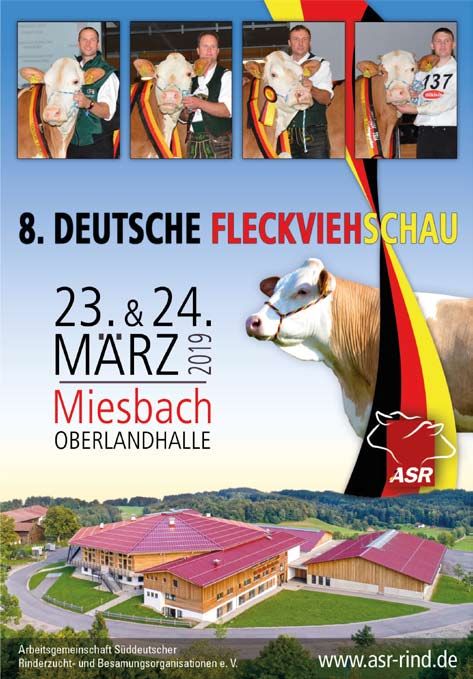
first presented three donation items tagged for the American
                                                                        Simmental Foundation raising nearly $5,000 for scholarships
                                                                        and research. The sale didn’t slow down from there: 16 flush
                                                                        opportunities averaged $4,371, 2 live lots averaged $6,060, 589
                                                                        units of semen averaged $138/unit, and 92 embryos averaged
                                                                        $719/embryo selling to twelve domestic states, four Canadian
                                                                        provinces, Guatemala, Mexico and Australia.
                                                                             After a few hours to rest and relax, participants returned to
                                                                        the Fort Worth Coliseum, erected in 1908 presenting the world’s
                                                                        longest and most consistent rodeo every Friday and Saturday
                                                                        night, 52 weeks a year. After bull riding, sheep wrangling, and
                                                                        entertainment for all, the crowd relocated to Billy Bob’s Dance Hall,
                                                                        the World’s Largest Honky Tonk.
                                                                             The event was an honor for the United States to host. It was
                                                                        an honor to welcome Australia, Austria, Brazil, Canada, China,
                                                                        Colombia, Czech Republic, Germany, Guatemala, Hungary, Italy,
                                                                        Mexico, Netherlands, Poland, Romania, South Africa, Switzerland,
                                                                        Venezuela and of course delegates from the United States to the
                                                                        historic Fort Worth Stockyards. It was an honor to showcase the
                                                                        way Simmental, Fleckvieh and Simbrah cattle are raised in the
                                                                        USA. And it was an honor to showcase everything from cattle
                                                    Fort Worth, Texas   drives to genomics in the great state of Texas.

    Thursday evening ended with what proved to be the highlight of
the Congress at Buzzard Hollow Ranch (BHR) in Granbury. Fred
Schuetze, WSFF President and the Coordinator of the 2018 Congress
opened the doors of BHR for a once-in-a-lifetime evening under the
stars of Texas. From the World Champion Fiddler serenading in the
background to the truly Texas bar-be-que to tequila shots and Blue
Bell ice cream, it’s safe to say the delegates won’t soon forget the
lone star hospitality and beauty at BHR.

    Friday came all too quickly for those enjoying the old-time
Texas pace. The Fort Worth Coliseum held the WSFF Congress
cattle show, where Kearns Cattle Company of Rushville, Nebraska
received Supreme Champion Animal with their Purebred
Simmental Female, KCC1 Havana 83E, a March 2017 daughter
of Mr TR Hammer 308A ET. Immediately following the show,
Innovation Ag Marketing, LLC hosted the “Welcome to the World”          From left to right: Kristyna Skopalova (CZ), Sebastian Auernig (AT), Fred Schuetze
sale. Auctioneer Jered Shipman and sale manager Graham Blagg            (USA), Peter Wenn (AUS), Georg Röhrmoser (DE)

                  Bericht vom Welt-Simmental-Fleckvieh-Kongress
Maximilian Putz, Georg Röhrmoser                                            Die Exkursion führte zu drei Betrieben ins Umland von Dallas:
                                                                        Red River Farm in Grand Saline: Hier werden vorwiegend
    Ende September trafen sich rund 150 Teilnehmer aus 17
                                                                        Black Simmental gezüchtet. Diese sind durch Einkreuzung von
Nationen zum 22. Welt-Simmental-Fleckvieh-Kongress in Fort
                                                                        Angus entstanden und sollen die Vorteile von Simmental und
Worth, Texas, USA. Der Kongress fand auf dem Gelände des
                                                                        von Angus in sich vereinen. Der Betrieb verfügt über einen mit
historischen Viehmarkts statt, das mehr als 100 Jahre lang ein
                                                                        großen Ventilatoren ausgestatteten Schauraum, halbklimatisierte
bedeutendes Zentrum der berühmten Viehtriebe gewesen ist. In
dieser Zeit wurden dort insgesamt 6 Mio. Rinder vermarktet. Ein         Weideunterstände und über eine eigene Auktionshalle. Dort wird
Teil der ehemaligen „National Stockyards“ wird heute touristisch        zweimal im Jahr eine Zuchtviehauktion durchgeführt.
und für kulturelle Veranstaltungen genutzt.                                 Black Oak Ranch: Es werden auf rund 300 ha etwa 150
    Das Kongressprogramm umfasste zahlreiche Fachvorträge,              Mutterkühe insbesondere für die Simbrahzucht, aber auch einige
interessante Betriebsbesichtigungen, mehrere Sitzungen von              Fullblood-Fleckviehtiere gehalten. Simbrahtiere zeichnen sich
Arbeitsgruppen und Ausschüssen sowie die Generalversammlung.            durch eine besonders gute Hitzetoleranz und Resistenz gegen
Als wichtigste Themen wurden behandelt:                                 tropische Krankheiten aus. Der Betrieb wird von einem Manager
- Genotypisierung und genomische Zuchtwertschätzung bei                 sowie Aushilfskräften bewirtschaftet.
    American Simmental                                                      Pine Ridge Ranch von Jane und Bill Travis in Athens: Sie
- Nutzung der genomischen Zuchtwerte für die Selektion im               umfasst 400 Mutterkühe auf 450 ha Land. Seit mehr als 30 Jahren
    Betrieb                                                             werden dort Simbrah-Bullen gezüchtet. Viele davon werden nach
- Weltweite Nutzung von Fleckscore (online in 8 Sprachen                Mexiko, Mittelamerika und Südafrika exportiert.
    verfügbar)                                                              Der gastgebende Verband - die American Simmental
- Embryonentypisierung                                                  Association (ASA) - hat 5.500 Mitglieder und 3.500 Juniormitglieder.
                                                                        Im letzten Jahr wurden über 75.000 Geburten im Zuchtbuch
   Zudem konnten die Besucher eine kleine Tierschau und eine
                                                                        registriert. Die amerikanischen Simmental-Züchter erzeugen in
Auktion verfolgen und bei einem Rodeo die traditionelle Cowboy-/
                                                                        erster Linie Deckbullen für die kommerziellen Mutterkuhbetriebe.
Western-Atmosphäre erleben.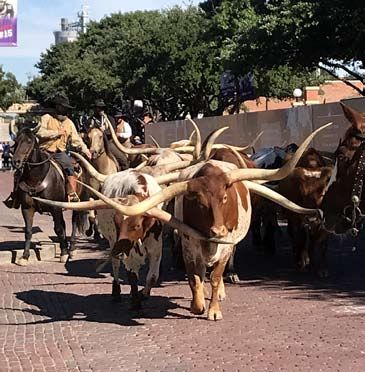
Bild 1: Im Anschluss an die Schau wird die frisch gekürte schwarze „Miss WSFV-      Bild 3: Im Hintergrund die Fahnen der teilnehmenden Länder, vorne
Kongress“ der Öffentlichkeit präsentiert. Links und rechts die Saloons im           Vorstandsmitglieder während der Generalversammlung (v.l.n.r. Bruce Holmquist,
historischen Teil der Stockyards.                                                   Daniel Espinosa, Josef Kucera, Georg Röhrmoser, Imre Füller).

                                                                                    großen Wert auf Information und Ausbildung der Farmer, damit
                                                                                    die Akzeptanz für genomische Anwendungen verbessert wird
                                                                                    und zur Steigerung der Wirtschaftlichkeit der Herden beiträgt. Im
                                                                                    Themenblock Embryotransfer ging es um die Methode der Firma
                                                                                    „Embruon“ zur flächendeckenden Typisierung von Embryonen
                                                                                    mit anschließender Selektion der besten zur Übertragung. ET gilt
                                                                                    als Kernindustrie und wird bereits extrem früh bei 7 Monate alten
                                                                                    Rindern zur Senkung des Generationsintervalls eingesetzt, wie ein
                                                                                    Vertreter von TransOvaGenetics berichtete. In der abschließenden
                                                                                    Präsentation „Genomik und sonstige gute Dinge“ gab Dr. Joseph

Bild 2: Vier Preisrichter aus drei Kontinenten hatten die ehrenvolle Aufgabe, die
rund 30 Schautiere zu reihen und zu kommentieren.

Entsprechend den Markterfordernissen werden neben den 100-
prozentigen (fullblood) Simmentaltieren auch Black Simmental
(mind. 7/8 Simmental) sowie Simbrah (Simmental x Brahman)
gezüchtet.                                                                          Bild 4: Auf der Black Oak Ranch in der Nähe von Dallas werden vorwiegend
                                                                                    Simbrahs, aber auch Fullblood Simmentaler gezüchtet. Beeindruckend war das
Genomik im Fokus                                                                    sehr gute Weidemanagement.
    Wie ein roter Faden zogen sich die Themenfelder Genomische
                                                                                    Deeb einen Einblick in die Unternehmensphilosophie von Sexing
Selektion und Big Data durch die Vortragsveranstaltung. Im
                                                                                    Technologies ST mit ihrem umfassenden Biotechnikportfolio
Einführungsreferat betonte der Direktor der ASA, Dr. Wade Shafer
                                                                                    von Samensexing, Eizellenproduktion, Laborservice, genomisch
die grundlegende Bedeutung der Nutzung von Daten. Daten seien
                                                                                    basierte Zuchtprogramme bis hin zur Leistungsprüfung auf
„das Lebenselixier jeglicher genetischer Verbesserung“. Die ASA
                                                                                    Futtereffizienz in konzerneigenen Testbetrieben und Zuchtwerten
betreibt in Kooperation mit rund zehn weiteren Rasseverbänden aus
                                                                                        Der Kongress hat den Teilnehmern einen guten Einblick in die
USA und Kanada die weltweit größte Datenbank für Fleischrinder.
                                                                                    amerikanische Simmentalzucht und deren Rolle in der mächtigen
Die Zuchtwertschätzung wird rasseübergreifend und wöchentlich
                                                                                    Fleischwirtschaft ermöglicht und den Informationsaustausch
für rund 17 Millionen Tiere durchgeführt. Über den Erfolg dieses
                                                                                    zwischen Fleckviehzüchtern aus fünf Kontinenten gefördert.
Mehrrassemodells berichtete Dr. Bruce Golden von der Firma
                                                                                        Wichtiger Hinweis: der nächste Weltkongress wird Anfang
Theta Solution.
                                                                                    September 2020 in Österreich stattfinden.
    Dr. Joe Pascal und Dr. John Paterson widmeten sich der
praktischen Seite. Der Texanische Beratungsdienst Agrilife legt

                                                                                                                                          Congress participants
Big interest in dual purpose breeds
                                       Visit at dedicated cattle breeders in Peru

Dr. Georg Röhrmoser, ESF and                                            own beef production doesn’t suffice, another argument for the
Johanna Kampschulte, GGI-Spermex                                        Simmental genetic boom.
    Peru - The interest on dual purpose breeds also raises in Peru.
                                                                        Field event and Simmental Show
Brown Swiss is already established for longer time, Simmental is
                                                                             Cattle events and conformation trainings are very important for
becoming interesting since several years. Georg Röhrmoser, ESF
                                                                        the rural population. The field event on the Lapel farm in more than
General Secretary and Johanna Kampschulte from the Export
                                                                        3.000m altitude was booked up in short time. Dr. Georg Röhrmoser
company GGI-Spermex assured themselves recently on-site.
                                                                        explained the linear description and the evaluation of the main
Beside conferences about Simmental and Brown Swiss breed,
                                                                        traits on the basis of three cows. The realisation into practice
where also province governments and universities were included,
                                                                        took place at the 3rd National Simmental Show in the Northern
a special Brown Swiss event took place near Huancayo. Highlight
                                                                        of Peru in about 2.800m. Nearly 200 Simmental cattle from the
of this promotion tour was the 3rd National Simmental Show in
                                                                        region and farer areas competed. The best five out of 17 groups,
Cutervo. The feedback was excellent and the interest in German
                                                                        from calf to senior cow, from young to sire bull, has to be chosen
genetik is enormous.
                                                                        and commentated. With selected animals judge Röhrmoser was
                                                                        able to demonstrate the application of the system Fleckscore.
Cattle breed in Peru
                                                                        The visitors were enthused and acknowledged the demonstrators
     The cattle population in Peru is about 5,1 Mio. animals,
                                                                        and breeding cattle with applause. Also without catalogues and
therefore are about 900.000 dairy cattle. The leading part optains
                                                                        pedigree information it was possible to stage the advantages of the
zebu breeds like the autochthon Criollo and und crossbreds with
                                                                        modern Simmental genetic.
dairy and dual purpose breeds. The allocation is very differently.
The milk recording is hardly developed and limited on only few
bigger farms. Similar for the breeding value estimation. Herdbooks
only consist for important breeds. These are partly operated
by breeding assotiations, but mostly by national or university
institutions. Mostly there is done natural insemination, the rate for
artificial insemination is about 50%. There are a public plus four
private insemination stations, but no testing programmes. Each
year about 250.000 semen doses, mainly from the USA as well as
from Germany and Austria are imported.
     The most cattle, about 79 percent are located in the mountain
range of the Sierra up to 4.200 m. They are kept by extreme
production circumstances in small private farms. But there are
also specialized family companies. The natural breed Criollo is
dominant, often by crossbreed. The feed basis are pasture land
and forage production up to an altitude about 3.500m, especially
whole maize plants in all variations. The milk is sold or processed
into cheese directly on the farms. Therefore the milk content is very   Picture 1:
                                                                        The Champion of the 3rd National Fleckvieh Show 2018 in Cutervo, Peru is
important.                                                              celebrated by the breeder family.
     60 percent of the Peruvian country are in the Amazonas
rain forest region with only 10% of the cattle population. The
crossbreed from Zebu breeds with Holstein and Brown Swiss is
there predominant for milk production. Otherwise Zebu breeds
and crossbreds are kept for beef production. In this regions of the
Sierra, Simmental is established the last years and gets increasing
demand.
     At the coastal area, where 11% of the Peruvian cattle are
kept, a specialized intensive dairy production in huge companies
with up to 1.500 dairy cattle in outdoor barns takes place. They
are mainly Holsteins, partly also Jersey and Brown Swiss. The
feeding basis is maize silage, brewer’s grains, elephant grass and
a lot of concentrate allowance. The milk production is between 20
and 25kg per cow and day. Only Browns Swiss bull calves and
newly Simmental are demanded – they are sold as stock bulls at
exceptionally high prices into the Andes. The complete Peruvian
milk is consumed in the own country. Moreover about 40% are
                                                                        Picture 2:
covered by imports. The current milk price is among 30 cent per         The older cow class was able to convince by lots of caliber and body, correct food
                                                                        and legs and performance.
liter, the market is dominated by the dairy group Gloria. Also the
An Zweinutzung interessiert
                                 Zu Gast bei engagierten Rinderzüchtern in Peru

Dr. Georg Röhrmoser, ASR und                                          bei Rindfleisch reicht die Eigenproduktion nicht aus, was für den
Johanna Kampschulte, Spermex                                          Aufschwung der Fleckviehgenetik spricht.

    Peru - Das Interesse an Zweinutzungsrassen steigt auch in         Feldtag und Fleckviehschau
Peru. Braunvieh hat sich dort schon vor längerer Zeit etabliert,         Tierschauen und Exterieurschulungen genießen sehr hohe
Fleckvieh ist nun seit einigen Jahren im Kommen. Davon                Wertschätzung in der ländlichen Bevölkerung. Die Plätze beim
überzeugten sich Georg Röhrmoser, EVF-Generalsekretär und             Feldtag auf dem Betrieb Lapel auf über 3.000m Höhe waren im
Johanna Kampschulte von Spermex erst kürzlich vor Ort. Neben          Nu besetzt. Anhand von drei Kühen erklärte Dr. Georg Röhrmoser
Vortragsveranstaltungen zu Fleckvieh und Braunvieh, in die auch       das System der Linearen Beschreibung und die Bewertung der
die Provinzregierungen und Universitäten einbezogen waren,            Hauptmerkmale. Die Umsetzung in die Schaupraxis fand auf der
fand bei Huancayo ein Braunvieh-Feldtag statt. Höhepunkt der          3. Nationalen Fleckviehschau im etwa 2.800m hoch gelegenen
Informationsreise war die 3. Nationale Fleckviehschau in Cutervo.     Norden Perus statt. Fast 200 Fleckviehkühe aus der Region
Die Resonanz war ausgezeichnet, das Interesse an deutscher            und aus weiter entfernten Gebieten traten im Wettbewerb an.
Genetik ist enorm.                                                    Aus insgesamt 17 Gruppen, vom Kalb bis zur Altkuh und vom
                                                                      Jung- bis zum Altstier waren die fünf Besten zu platzieren und
Rinderzucht in Peru                                                   zu kommentieren. Anhand ausgewählter Einzeltiere konnte
    Die Rinderpopulation in Peru umfasst rund 5,1 Mio. Tiere, davon   Preisrichter Röhrmoser die Anwendung des Systems Fleckscore
werden etwa 900.000 Kühe zur Milcherzeugung herangezogen. Die         demonstrieren. Die Zuschauer waren mit Begeisterung dabei
Hauptrolle spielen zebuine Rassen wie die einheimischen Criollo       und zollten Vorführern und Zuchttieren viel Applaus. Auch ohne
und Kreuzungen mit Milch- oder Zweinutzungsrassen, die Verteilung     Katalogdaten und Pedigreeinformationen gelang es die Stärken
dabei ist äußerst unterschiedlich. Die Milchleistungsprüfung          moderner Fleckviehgenetik in Szene zu setzen.
ist nur spärlich entwickelt und auf wenige größere Betriebe
beschränkt. Ähnliches gilt für die Zuchtwertschätzung. Eine
Herdbuchführung gibt es nur für wichtige Rassen, diese wird
zum Teil von Verbänden, zumeist aber von staatlichen oder
universitären Einrichtungen durchgeführt. Es wird viel Natursprung
betreiben, die Besamungsdichte liegt bei etwa 50%. Es gibt eine
staatliche sowie vier privat geführte Besamungsstationen, aber
keine Prüfprogramme. Pro Jahr werden rund 250.000 Dosen
Importsperma, vorwiegend aus den USA sowie Deutschland und
Österreich eingeführt.
    Mit Abstand der größte Teil der Rinder, rund 79 Prozent, findet
sich in den Gebirgszügen der Sierra auf bis zu 4.200m Höhe. Die
meisten werden unter extensiven Produktionsbedingungen in
privaten Kleinbetrieben gehalten. Es gibt aber auch spezialisierte
Familienbetriebe. Vorherrschend ist hier die einheimische Rasse
Criollo, wobei häufig eingekreuzt wird. Die Futtergrundlage bilden
Weidegras und Futterbau bis auf etwa 3.500m Höhe, insbesondere
Maisganzpflanzen in allen Variationen. Die Milch wird verkauft oder
direkt auf dem Betrieb zu Käse verarbeitet, weshalb hier auch viel    Bild 1:
                                                                      Die Siegerkuh der 3. Nationalen Fleckviehschau 2018 in Cutervo, Peru wird von
Wert auf Milchinhaltsstoffe gelegt wird.                              der Züchterfamilie gebührend gefeiert.
    60 Prozent des Landes Peru liegen in der Amazonas
Regenwald-Region mit nur rund 10% der Rinderpopulation.
Vorherrschend sind hier für die Milchproduktion Kreuzungen
von Holstein und Brown Swiss mit zebuinen Rassen. Ansonsten
werden zebuine Rassen und Kreuzungen zur Fleischproduktion
gehalten. In diesen Gebieten der Sierra hat sich in den letzten
Jahren Fleckvieh etabliert und erfährt eine steigende Nachfrage.
    In der Küstenregion, wo 11% der peruanischen Rinder gehalten
werden, findet eine spezialisierte intensive Milchproduktion in
großen Betrieben mit bis zu 1.500 Kühen in Freiluftställen statt.
Hauptsächlich handelt es sich hierbei um Holsteins, zum Teil auch
Jerseys und Brown Swiss. Die Fütterung basiert auf Maissilage,
Biertreber, Elefantengras und viel Kraftfutter. Die Produktion
liegt zwischen 20 und 25kg pro Kuh und Tag. Nur Stierkälber der
Rasse Braunvieh und neuerdings auch Fleckvieh sind gefragt –
sie werden zu sehr guten Preisen als Deckstiere in die Anden
verkauft. Die gesamte Milch, die in Peru produziert wird, wird im
eigenen Land konsumiert. Darüber hinaus werden rund 40% durch
Importe gedeckt. Der Milchpreis liegt aktuell unter 30 Cent pro       Bild 2:
                                                                      Die ältere Kuhklasse konnte durch viel Kaliber und Körper, korrekte Fundamente
Liter, der Markt wird von der Großmolkerei Gloria dominiert. Auch     sowie Leistungsbereitschaft überzeugen.
Simmental France has a new president
Rinderzucht Fleckvieh                                                   stand for election any longer after his 18
                                                                        year’s presidency. Bernard was together
    France - Laurent Vial was elected as the new president of           with Jean Thurel the driving force to found
the French breeding association Simmental France at the end             Simmental France in 2008. He is well known as renovator of the
of August. Vial is originated in the Departement Isère, situated        breed, so that the Simmentals got again a boom at least. He has
in the south-east of France, in the Auvergne-Rhône-Alpe region.         united Simmental breeders independently of farming systems in
There manages he a Fleckvieh-Simmental-farm together with               an ambitioned breeding program and has therefore pushed the
his wife and an employee. His antecessor Jean Bernard didn’t            breed genetically in the last decade.

                             Neuer Präsident bei Simmental France
Rinderzucht Fleckvieh                                                   Bernard stellte sich nach 18-jähriger Präsidentschaft nicht mehr
                                                                        zur Wahl. Bernard war gemeinsam mit Jean Thurel die treibende
   Frankreich - Ende August wurde Laurent Vial zum neuen                Kraft zur Gründung von Simmental France im Jahr 2008. Er gilt als
Präsidenten des französischen Zuchtverbandes Simmental France           Erneuerer der Rasse, was dazu führte, dass die Rasse Fleckvieh
gewählt. Vial stammt aus dem Departement Isère, das im Südosten         zuletzt wieder einen Aufschwung erlebte. Er hat Fleckviehzüchter
von Frankreich in der Region Auvergne-Rhône-Alpe liegt. Er führt        unabhängig vom Betriebssystem in einem ambitionierten
dort einen Fleckvieh-Simmental-Betrieb gemeinsam mit seiner             Zuchtprogramm vereint und somit die Rasse im vergangenen
Frau und einem Nicht-Familienangehörigen. Sein Vorgänger Jean           Jahrzehnt genetisch vorangebracht.

   Welcome to the 8th German Simmental-Fleckvieh Show
     Germany - The next International Simmental-Fleckvieh               Programme
Show takes place in the Oberlandhalle Miesbach on 23rd and               Friday, March 22, 2019
24th of March, 2019. About 200 excellent German Simmental-
                                                                                           ESF Council and Member’s Meeting
Fleckvieh cattle are going to compete for the winner’s podium.
The competition of the 120 top cows on Sunday will attract a lot         Saturday, March 23, 2019
of visitors. There are also quite a lot of genetic polled Fleckvieh      13:00–16:00       International FleckScore-Cup
cows in the collection, which meanwhile can definitely match in
                                                                         17:00             International Welcome reception
performance and conformation.
                                                                         17:45-19:15       Young Breeders‘ Cup (single)
     Already on Friday, March 22nd, the members of the European
Simmental Federation have their Council and Member’s Meeting.            19:30-20:45       Opening ceremonyProgeny presentation

The official programme starts on Saturday, March 23rd, 13:00             20:45-21:30       Young Breeders‘ Cup (group), Internat. FleckScore-Cup
by the international FleckScore-Cup. In the young breeders’ cup          21:30-22:00       Elite Sale
participants from Baden-Württemberg, Bavaria and Hessen attend           from 22:00        Get together, Young Breeders‘ Party
in single and group competitions. Afterwards the opening ceremony
will start at 19.30 and then the progeny of actual bulls of different    Sunday, March 24 2019
insemination stations are going to be presented.                         09:00-15:00       Competition
     At 20:45 the young breeders programme is continued by the           between           Welcome speeches, presentation young breeders and
group competition. The final highlight is the elite sale at 9:30. Up                       progeny, winners ceremony

to ten highly genotyped female cattle and young bulls with best          15:00             Tombola of the young breeders
pedigree are going to be auctioneered.
     The main competition starts on Sunday, March 24th at 9:00
o’clock. The Austrian judge Reinhard Scherzer judges and comments                                 Anfahrtsskizze
the best representatives of the German Simmental-Fleckvieh breed
in several classes. Afterwards welcome speeches, presentations of
different kategories and the award ceremony will follow. Also the
young breeders get once again the chance to present them. Also
the progeny groups are going to be introduced again.

    For group visitors, on-site visits can be organized along the
route. For further information please contact the ASR office by
rinderzucht@t-online.de, www.asr-rind.de.

For room reservation please contact:
Tourist Office Miesbach
Schlierseer Str. 16
83714 Miesbach
Tel.: +49 (0) 8025 – 7000-0
Internet: www.miesbach.de
e-mail: info@waitzinger-keller.de
Willkommen zur 8. Deutschen Fleckviehschau
Deutschland - Am 23. und 24. März 2019 findet die nächste Am Sonntag, den 24. März startet ab 9.00 Uhr der
Bundesschau in der Oberlandhalle des Zuchtverbandes Miesbach Hauptwettbewerb. Die Top-Vertreter der Rasse Fleckvieh werden
statt. Rund 200 Spitzentiere der deutschen Fleckviehzucht werden am Vormittag vom Österreicher Reinhard Scherzer in mehreren
um Siegerlorbeeren und erste Preise konkurrieren. Besuchermagnet Klassen gerichtet und kommentiert. Nach dem Preisrichten
wird das Preisrichten der 120 Top-Kühe am Sonntag sein. In der folgen Grußworte, Präsentationen verschiedener Kategorien und
Schaukollektion ist auch eine stattliche Anzahl natürlich hornloser die Siegerehrung. Auch die Jungzüchter erhalten nochmals die
Fleckviehkühe vertreten, die mittlerweile in Leistung und Exterieur Gelegenheit, sich dem großen Publikum zu präsentieren. Ebenso
eine Konkurrenz nicht mehr scheuen brauchen. sollen die Töchtergruppen nochmals kurz vorgestellt werden.
Die Mitglieder der Europäischen Vereinigung der
Fleckviehzüchter tagen bereits am Freitag, den 22. März Für Besuchergruppen können auf Wunsch Betriebsbe-
(Ausschuss und Mitglieder-versammlung). sichtigungen entlang der Fahrtroute organisiert werden. Für
Das offizielle Programm beginnt am Samstag, den 23.März ab weitere Informationen wenden Sie sich bitte an das ASR Büro
13.00 Uhr mit einem internationalen FleckScore-Wettbewerb. Beim unter rinderzucht@t-online.de, www.asr-rind.de.
Jungzüchtercup messen sich baden-württembergische, bayerische Für Zimmerreservierungen wenden Sie sich bitte an:
und hessische Jungzüchter im Einzel- und Gruppenvorführen. Fremdenverkehrsamt Miesbach
Im Anschluss folgen ab 19.30 Uhr die Eröffnung und die Schlierseer Str. 16
Präsentation der Nachzuchten von aktuellen Bullen verschiedener 83714 Miesbach
Besamungsstationen. Tel.: +49 (0) 8025 – 7000-0
Ab 20.45 Uhr wird das Jungzüchterprogramm mit dem Internet: www.miesbach.de
Teamwettbewerb fortgesetzt. Als Höhepunkt zum Abschluss e-mail: info@waitzinger-keller.de
findet ab 21.30 Uhr eine Eliteauktion statt, bei der bis zu zehn
hoch genotypisierte weibliche Tiere und Jungbullen mit bestem
Pedigree versteigert werden.
Programm
Freitag, 22. März 2019
Sitzung von EVF
Ausschuss und
Mitglieder-versammlung
Samstag, 23. März 2019
13:00–16:00 Uhr Internationaler
FleckScore-Wettbewerb
17:00 Internationaler Empfang
17:45-19:15 Uhr Jungzüchtercup,
Einzelwettbewerb
19:30-20:45 Uhr AuftaktPräsentation
der Nachzuchten
20:45-21:30 Uhr Jungzüchtercup,
Teamwettbewerb,
Internat.
FleckScore-Wettbewerb
21:30-22:00 Uhr Eliteauktion
Ab 22:00 Uhr Gemütliches
Beisammensein,
Jungzüchterparty
Sonntag, 24. März 2019
09:00-15:00 Uhr Richtwettbewerb
dazwischen Grußworte, Präsentation
Jungzüchter und
Nachzuchten,
Siegerehrung
15:00 Uhr Verlosung
der JungzüchterDouble Aptitude Italian Simmental (PRI) Genetics:
Adaptation and Productivity of hybrids triggers
demand, and Impulse for Improved
production in Cameroon.
By Willington Bessong Ojon who have sought after a suitable breed for
beef fattening after a very long time. The
Africa is experiencing a massive
fast growing male calves are excellently
demand for beef and dairy products.
suitable for successful cattle fattening and
This demand is driven by a growth
provide dairy farmers with an important supplementary income
in human population, rising incomes,
stream. The outburst in the current sustained growth in the poultry
continuing urbanisation and changing food
meat production sector triggered by the availability of suitable day-
preferences. This calls for urgent changes
old chicks solicited a similar scenario in the beef sector and the
in the production, processing, retail and consumption of livestock
potential of Simgoud terminal crosses seem to be delivering this in
products.
the beef fattening sector in Cameroon. The female bloodlines are
Cameroon is a strategic crossroad for livestock trade in
generally continuously being upgrade for PRI towards dairy ends.
the Central Africa subregion and welds huge natural resource
potentials for ruminant production in all its four main agro-ecologic
zones. There is a huge internal market as well as demands from
Gabon, Central Africa Republic, Congo, Equatorial Guinea and
especially Nigeria.
To size up with the needs of appropriate genetic materials for
beef fattening and milk production a growing number of livestock
farms are going in for the Italian Simmental genetics thanks to
the excellent blend in beef, milk, and fitness traits under low input
extensive systems of its hybrid bloodlines in Cameroon.
The national herd-size of crossbreeds, of the indigenous Zebu
Gouadli (Bos Indicus) and the Double Aptitude Pezzata Rossa
Italiana (PRI), is estimated slightly above 2000 in various bloodline
categories under controlled breeding schemes in Cameroon.
These hybrid bloodlines, or what is now commonly referred to as
SIMGOUD by farmers promoting the virtues of this genetics, targets
improvement of production yields among young entrepreneursThe Italian Simmental genetics was first introduced into cooperative le Berger (Mbanjock; Centre Region), Jakiri Livestock
Cameroon in the year 2007 as a spinoff of the EDULINK-LIVE Station (Northwest region, and Ndokayo ranch (East Region).
project, a collaborative effort of some Italian universities under the There is a very high demand for heifers and young bulls derived
flagship of Università Degli Studi Di Udine (UNIUD) and a network from the crosses among farmers. The main challenge now are to
of universities in the Central Africa Sub region with a quest to have an improved access to affordable cryogenic supplies and to
improving quality controls for foods of animal origin. Since then intensify breeding for female calves in order to have a significant
ANAPRI and UNIUD has been able to extend the strengths of the breeding base for growth and export of the genetics to available
PRI to Cameroon’s livestock industry in the form of germplasms markets in the west and central Africa market. Simmental genetics
and biotechnological support. Activities have yielded fruits mostly holds a flagship role in controlled indigenous stock improvement
on trainings on assisted-reproduction biotechnologies; notably, programs in this region.
artificial insemination, embryo transfer and use of ultrasound in the
management of reproductive health in cattle.
Semen imports from ANAPRI and recently embryos of world
class Simmental genetics are currently being used by some
stakeholders in the livestock industry in Cameroon. Besides the
spread of some heads of crossbred to small family herds, eight
(08) important crossbred seedstock multiplier activities have
emerged in the recent past year. These champions are; Dumbo
Ranch (Northwest Region), Faro Ranch (Adamawa Region),
Cooperative Nomad du Litoral (Moungo Southwest Region),
Centre for Agricultural Excellence and Promotion of Environmental
Resilience (CAEPERFARMING; Betika Southwest Region),
Simmental Australia News
Felicity Reeves, Simmental Australia Our country has also been in the grips
of a widespread drought. We won’t know
Simmental Australia had a contingent of 15 people attend the
until mid 2019 the impact it is having
WSFF Congress in Forth Worth, Texas in September. We very much
on our maternal herds. That being said,
enjoyed the Ranch visits and the presentations on genomics were
Simmental has had an amazing year in the
very informative. Being able to meet and speak with people face-to-
show ring promoting the breed, by winning
face is invaluable to our respective associations as we strengthen
the Champion of Champions at Beef, Rockhampton. We were very
ties and move towards the sharing of data between us.
happy to meet those international visitors able to visit our shores
Australia has been forging ahead in our building of a genomic
and look forward to meeting you all again soon.
database and it’s very important to us that we can tie our cattle to
If any of the WSFF members would like to discuss our genomics
their countries of origin to map that genetic linkage. We very much
further, then please contact Peter Wenn, Vice President of the
appreciate those countries who have shared their data with us and
WSFF and our Australian representative by emailing
hope to be as valuable to those in return.
pinaroohills@hotmail.com or myself at
eosimmental@abri.une.edu.au.
Photos: https://simmental.com.auNew Zootechnical Rules from
November 2018 in force
REGULATION (EU) 2016/1012 OF THE EUROPEAN
PARLIAMENT AND OF THE COUNCIL
Model Forms for Zootechnical Forms/Muster für Tierzucht-
of 8 June 2016
bescheinigungen:
on zootechnical and genealogical conditions for the breeding, trade
in and entry into the Union of purebred breeding animals, hybrid https://eur-lex.europa.eu/legal-content/EN/
breeding pigs and the germinal products thereof and amending TXT/?uri=CELEX:32017R0717
Regulation (EU) No 652/2014, Council Directives 89/608/EEC
and 90/425/EEC and repealing certain acts in the area of animal This certificate is ‘portrait’ style and is different from current
breeding (‘Animal Breeding Regulation’) ‘landscape’ style certificates.
VERORDNUNG (EU) 2016/1012 DES EUROPÄISCHEN
PARLAMENTS UND DES RATES
vom 8. Juni 2016
über die Tierzucht- und Abstammungsbestimmungen für die Zucht,
den Handel und die Verbringung in die Union von reinrassigen
Zuchttieren und Hybridzuchtschweinen sowie deren Zuchtmaterial
und zur Änderung der Verordnung (EU) Nr. 652/2014, der
Richtlinien des Rates 89/608/EWG und 90/425/EWG sowie
zur Aufhebung einiger Rechtsakte im Bereich der Tierzucht
(„Tierzuchtverordnung“)
https://eur-lex.europa.eu/legal-content
/EN/TXT/?qid=1545035149394&uri=CELEX:32016R1012
New requirements include a new zootechnical certificate for cattle,
pigs, sheep and goats and a new equine certificate.
COMMISSION IMPLEMENTING REGULATION (EU) 2017/717
of 10 April 2017
laying down rules for the application of Regulation (EU) 2016/1012
of the European Parliament and of the Council with regard to the
model forms of zootechnical certificates for breeding animals and
their germinal products
DURCHFÜHRUNGSVERORDNUNG (EU) 2017/717 DER
KOMMISSION
vom 10. April 2017
mit Bestimmungen für die Anwendung der Verordnung (EU)
2016/1012 des Europäischen Parlaments und des Rates im
Hinblick auf die Muster für Tierzuchtbescheinigungen für Zuchttiere
und deren ZuchtmaterialYou can also read


