Genome Organization of Covid-19 and Emerging Severe Acute Respiratory Syndrome Covid-19 Outbreak: A Pandemic
←
→
Page content transcription
If your browser does not render page correctly, please read the page content below
DOI: 10.14744/ejmo.2020.96781
EJMO 2020;4(2):107–115

Review
Genome Organization of Covid-19 and Emerging Severe
Acute Respiratory Syndrome Covid-19 Outbreak:
A Pandemic
    Hanuman Singh Dagur,1             Saurabh Singh Dhakar2
Department of Biotechnology, Jaipur National University, Rajasthan, India
1

Deparmant of Biosciences and Bioengineering, Indian Institute of Technology, Bombay, India
2

            Abstract
            The World Health Organization (WHO) announced Covid-19 disease as a pandemic caused by SARS-CoV-2 which has
            reached 204 countries and territories. Around 15 lakh people are infected and about 1 lakh have died till April 8, 2020.
            A global social and economic stress have been observed. SARS-CoV-2 is a rapidly evolved zoonotic single strand, posi-
            tive sense RNA virus belonging to the genus betacoronavirus which contains structural and nonstructural proteins. It
            transmits through airborne droplets and rapidly spreads through person-to-person contacts in the human population.
            It causes both upper and lower respiratory tract disease to be associated with more severe illnesses, such as bronchitis,
            bronchiolitis, pneumonia, organ failure and respiratory distress syndrome. The symptoms of Covid-19 are fever, tired-
            ness, dry cough, sore throat and difficulty in breathing. 5-10% people require critical care subjected to ventilation.
            Medicines are being used in combinations worldwide to overcome the disease. On the basis of research findings, we
            hypothesize that antimalarial drugs, regular BCG vaccination and higher temperature may reduce the infectivity of
            Covid-19. Physical distancing is a potential way to control community transmission of the pandemic. Vaccination is
            required to mitigate Covid-19 virus, while vaccine development is subject to further research.
            Keywords: COVID-19, physical distancing, transmission

            Cite This Article: Dagur HS, Dhakar SS. Genome Organization of Covid-19 and Emerging Severe Acute Respiratory Syn-
            drome Covid-19 Outbreak: A Pandemic. EJMO 2020;4(2):107–115.

T   he World Health Organization (WHO) announced Co-
    vid-19 disease as pandemic. It is a novel infection with
serious clinical manifestations, including death, and it has
                                                                            diverse with single-strand, positive-sense RNA. It has been
                                                                            shown that coronaviruses can be found around the world
                                                                            in bats, birds, cats, dogs, pigs, mice, horses, whales, and hu-
transmitted over 204 countries and territories (Fig. 1). About              mans.[3] SARS-CoV-2 is the third zoonotic coronavirus which
sixteen lakh people are infected (Fig. 2) and about one lakh                has created a frightening crisis around the world on human
people have died till April 08, 2020 (Table 1).[1] Covid-19 is              health.[4,5] Initial cases of covid-19 occurred in Wuhan, Hu-
contagious and highly progressive infectious which can af-                  bei Province, China, in December 2019 and mushroomed
fect healthy persons after trivial contacts.[2] It has been es-             over the globe. Human-to-human transmission has been
tablished that Covid-19 is caused by severe acute respirato-                observed during covid-19 infection since the middle of
ry syndrome virus known as SARS-CoV-2. Coronaviruses are                    December 2019. Mostly older people (mean age 45 year)

Address for correspondence: Hanuman Singh Dagur, Department of Biotechnology, Jaipur National University, Rajasthan, India
Phone: +91 8349572145 E-mail: hanumansinghdagur1996@gmail.com
Submitted Date: April 11, 2020 Accepted Date: April 14, 2020 Available Online Date: April 15, 2020
©
 Copyright 2020 by Eurasian Journal of Medicine and Oncology - Available online at www.ejmo.org
OPEN ACCESS This work is licensed under a Creative Commons Attribution-NonCommercial 4.0 International License.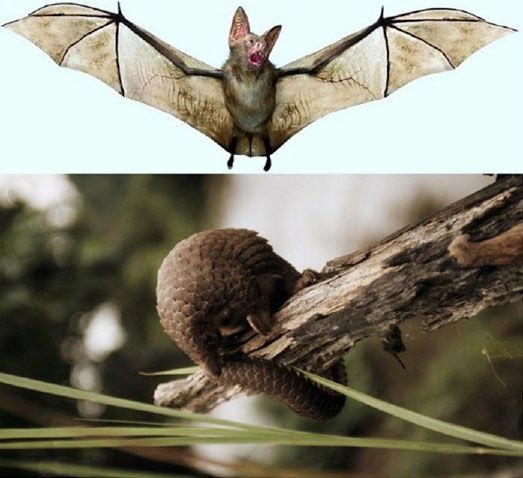
108 Dagur et al., SARS-CoV-2: A Pandemic / doi: 10.14744/ejmo.2020.96781
5.00.000 Infected person number
4.50.000
4.00.000
3.50.000
3.00.000
Infected person
2.50.000
2.00.000
1.50.000
1.00.000
50.000
0.0
United States
Turkey
Canada
Brazil
Austria
Israel
Spain
Italy
Germany
France
China
Iran
Ireland
India
Czech Republic
Poland
Ecuador
Peru
Pakistan
Japan
The Philippines
Luxembourg
Indonesia
Mexico
Serbia
United Arab Emirates
Finland
Thailand
Panama
Qatar
Dominican Republic
Colombia
United Kingdom
Nethedands
Malaysia
South Korea
Denmark
Sweden
Chile
Belgium
Switzerland
Australia
Romania
Russia
Saudi Arabia
Portugal
Norway
Figure 1. Data shows Corona patient numbers in different countries till 08 April, 2020.
1200000 get more infected as compared to younger one. The basic
Active Corona Virus Cases
reproductive number (Ro) is estimated to be 2.0 (95% CI,
1000000
1.4 to 3.9) and Covid-19 doubles in size approximately ev-
Number of Cases
800000 ery 7.4 days. (2020_10). The WHO has estimated mortality
600000
rate to be ~3.48 for Covid-19. Evidences showed that SARS-
CoV-2 can survive from 3 hours in aerosol up to 72 hours
400000
on plastic, stainless steel, copper and cardboard surfaces.[6]
200000 In March, 2003 an outbreak was observed in Hong Kong,
0 causing a large amount of death due to respiratory disease
22-Jan
29-Jan
5-Feb
12-Feb
19-Feb
26-Feb
4-Mar
11-Mar
18-Mar
25-Mar
1-Apr
8-Apr
which was named as SARS by the World Health Organiza-
tion (WHO). In SARS, the neutrophil count and lactate dehy-
Date/Day
drogenase enzyme level were used as disease identification
Figure 2. Date wise increasing numbers of active cases are depicted markers.[7] A similar outbreak was caused by Middle East re-
on the Y-axis till 08, April 2020. spiratory syndrome coronavirus (MERS-CoV) in September
2012[8] which was not transmissible among humans like the
Table 1. Worldwide Covid-19 infected cases in various stages SARS-CoV epidemic in 2003.[9] Serologic and genomic data
confirmed that camels and bats act as intermediate hosts
Attributes Cases (In Numbers) Percentage (%)
for human MERS-CoV and SARS-CoV, respectively.[10, 11] Re-
Currently Infected 1.137.187 71.74 cently, various kinds of studies were conducted worldwide
Case with Outcome 447.795 28.26 which indicate that Malayan pangolin is the closest inter-
Mild Condition 1.088.244 96 mediate host (Fig. 3) for SARS-CoV-2 after Bat.[12]
Recovered/Discharge 353.075 79 The most common symptoms of COVID-19 are fever, tired-
Serious/Critical 48.953 4 ness, and dry cough. Body temperature more than 38 de-
Deaths 94.720 21 gree Celsius (high fever) has been observed in covid-19
Total = Infected + Case Outcome, Outcome = Death + Recovered, Mild infected patients. Different case studies have shown that
condition % = Non Critical/Currently Infected X 100, Recovered Patients % 20-25% people don’t develop any symptoms and don’t
= Recovered/Case with Outcome X 100, Death % = Patients Died/Case with show any symptoms while they are infected, consequently
Outcome X100. Serious = Critical Cases/Currently Infected X100.
they promote community transmission. Clinical investiga-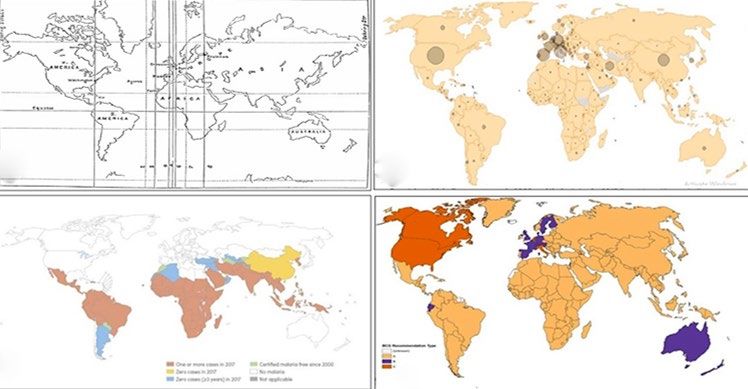
EJMO                                                                                                                                 109

  a

  b

                                                                      Figure 4. Taxonomic classification of Covid-19 (SARS-CoV-2). It be-
                                                                      longs to the subgenus sarbecovirus of genus betacoronavirus.

                                                                      population.[5, 20, 21] Zhang, Wu et al. conducted metagenom-
                                                                      ic study and established that Malayan Pangolin coronavi-
                                                                      rus (SARS-CoV2-like) show 91.02% and 90.55% similarity at
                                                                      genomic level to SARS-CoV-2 and BatCoV, respectively. This
                                                                      study has revealed the Pangolin-CoV as the most closely re-
Figure 3. Potential intermediate host of novel coronavirus named as
SARS-CoV-2.
                                                                      lated CoV to SARS-CoV-2 after BatCoV. In Pangolin-CoV and
                                                                      SARS-CoV-2 five conserved amino acid residues interact
tions have revealed that most of the people recover from              with human ACE2, but in Bat-CoV mutations are present in
the disease.[13] Researchers showed interest in the presence          four amino acid. A putative furin recognition sequence mo-
of virus in feces but no evidence has been found yet.[14] Na-         tif at the S1/S2 cleavage site was observed in the Covid-19,
sal, throat swab and sputum samples are being used for                which was absent in both Pangolin-CoV and BatCoV.[12] The
diagnostic purposes by health specialists. The data so far            genome of Covid-19 has been sequenced and deposited
suggest that the virus has a case fatality risk around 1%;            to NCBI reported from different laboratories across the
this rate would make it many times more severe than typi-             world. Updated sequence information has been provided
cal seasonal influenza, putting it somewhere between the              in the Table 2. It has been found that covid-19 has a single,
1957 influenza pandemic (0.6%) and the 1918 influenza                 positive, sense stranded RNA. It contains 29.811 bp longs
pandemic (2%).[15] The Covid-19 pandemic caused world-                nucleotides (cDNA) broken down as follows: 8.903 (29.86%)
wide shortage of hospital beds, ICU beds, and ventilators.            adenosines, 5.482 (18.39%) cytosines, 5.852 (19.63%) gua-
The SARS-CoV-2 has a large economic and social impact                 nines, and 9.574 (32.12%) thymines. Five mutations have
on the human population. As still no potential therapy has            been identified including T8782C (in ORF1a, codons AGT
been developed so lockdown has been implemented by                    to AGC, silent mutation), T9561C (in ORF1a, codons TTA to
different countries to weaken the viral spread.[16]
                                                                      Table 2. List of genomes sequenced by different countries
Classification
                                                                      Accession Number                        Strain/Origin
2019-nCoV named as SARS-CoV-2 by considering its taxo-
nomic and genomic relationships with the species of se-               MN988668                             2019-nCoV WHU01
vere acute respiratory syndrome-related coronaviruses.[17]            NC_045512                               Wuhan-Hu-1
Phylogenetic studies have established that SARS-CoV-2                 MN938384.1                     2019-nCoV_HKU-SZ-002a_2020
was distinct from SARS-CoV in a phylogeny of the com-                 MN975262.1                     2019-nCoV_HKU-SZ-005b_2020
plete RNA-dependent RNA polymerase (RdRp) gene and                    MN988713.1                        2019-nCoV/USA-IL1/2020
virus belongs to the subgenus Sarbecovirus (Fig. 4).[18] The          MN994467.1                       2019-nCoV/USA-CA1/2020
genome of the SARS-CoV-2 showed similarity with bat-                  MN994468.1                       2019-nCoV/USA-CA2/2020
derived coronavirus strains, bat-SL-CoVZC45 and bat-SL-               MN997409.1                       2019-nCoV/USA-AZ1/2020
CoVZXC21, including the virus that caused the SARS out-
                                                                      MN985325.1                       2019-nCoV/USA-WA1/2020
break of 2003.[19]
                                                                      MT072688                    SARS0CoV-2/61-TW/human/2020/NPL
Structure and Genome Organization                                     MT106054                         2019/nCoV/USA-TX1/2020
                                                                      MT012098.1                    SARS-CoV-2/human/IND/29/2020
In the past two decades, covid-19 is the third rapidly
                                                                      MT050493.1                   SARS-CoV-2/human/IND/166/2020
evolved zoonotic RNA coronavirus, emerged in the human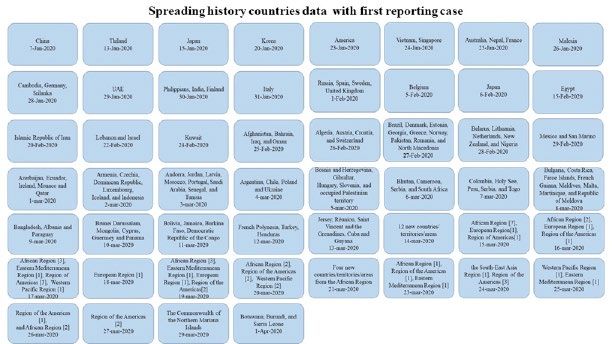
110                                                                            Dagur et al., SARS-CoV-2: A Pandemic / doi: 10.14744/ejmo.2020.96781

TCA, non-silent mutation), C15607T (in ORF1b, codons CTA                  5) and two conformations, closed and open deduced via
to TTA, silent mutation), C28144T (in ORF8b, codons TCA                   cryo-electron microscopy deposited to the protein data
to TTA, non-silent mutation), and T29095C (in Nucleocap-                  bank with pdb id 6VXX and 6VYB, respectively. It has been
sid, codons TTT to TTC, silent mutation).[22] Different types             suggested that SARS-CoV polyclonal antibodies may in-
of protein sequences have been identified in the viral ge-                hibit SARS-CoV-2 spike mediated entry into cells.[27] It has
nome which code for various structural and nonstructural                  been found that the S1 domain of spike protein mediates
proteins. Structural proteins include RNA dependent RNA                   an initial high-affinity association with their ACE2 receptor.
polymerase (RdRp), Spike protein (S), Envelope protein (E),               [28, 29]
                                                                                   Walls et al and Zhou et al. have demonstrated experi-
Membrane protein (M), Nucleocapsid protein, 5' UTR and                    mentally that SARS-CoV-2 uses ACE2 (human angiotensin-
3' UTR. Nonstructural proteins such as ORF3a, ORF7a, and                  converting enzyme 2) to enter inside the target cell and
ORF8 function as accessory proteins playing a role in viral               shows a similar affinity towards ACE2 as SARS-CoV.[30] Con-
pathogenesis.[23] In a few studies, it was shown that muta-               sequently, the spike protein has been considered a viral tar-
tion in SARS CoV-2 was present at nucleotide level in gene                get. The Mechanisms of viral entry may include membrane
S, nsp1, nsp3 and nsp15 but not at amino acid level.[24, 25]              fusion upon receptor binding and induced conformational
In addition, the SARS-CoV-2 strain found in the US, the                   changes in spike protein followed by cathepsin L (CTSL)
Nucleocapsid (N) protein gene has three mutations                         proteolysis which leads to activation of membrane fusion
(28881G>A, 28882G>A, and 28883G>C). Studies have re-                      within endosomes.[31, 32] Yadav et al. demonstrates that the
vealed that the N protein of SARS-CoV is responsible for                  SARS-CoV-2 shares approximate 96% whole genome iden-
the formation of the helical structure during virion assem-               tity with a BatCoV (RaTG13), from Rhinolophus affinis from
                                                                          Yunnan Province.[33]
bly. The N protein has potential value in vaccine develop-
ment because it may cause immune response. Also, muta-                    Transmission
tions associated with spike glycoprotein have been found.
The significant SNP mutation (23403A>G) occurred in the                   The epidemic of 2019 novel coronavirus (now called
gene encoding spike glycoprotein (S protein: D614G). The                  SARS-CoV-2, causing the disease Covid-19) has expanded
mutation D614G is located in the putative S1–S2 junction                  from Wuhan throughout China and is being exported to
region near the furin recognition site (R667) for the cleav-              a growing number of countries (Fig. 6),[13] some of which
age of S protein when the virus enters or exits cells.[26] Spike          have seen onward transmission.[34] It has been seen in the
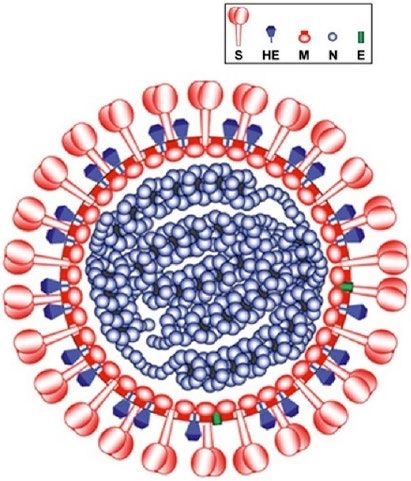
glycoprotein structure was predicted in SARS-CoV-2 (Fig.                  transmission of sars-cov-2 in Thailand, where taxi driver get
                                                                          infected from close contact of Chinese tourists who wore
                                                                          masks, which indicates asymptomatic transmission.[35] Lo-
                                                                          cal transmission has been identified as a case of locally
                                                                          transmitted infection in Taiwan from a wife (who returned
                                                                          from Wuhan, China) to her husband.[36] Research findings
                                                                          have been shown that the potential cause for spreading
                                                                          of covid-19 infection is human to human transmission by
                                                                          close contact via airborne droplets generated by cough-
                                                                          ing and sneezing (Fig. 7).[37] Tedros Ghebreyesus, director-
                                                                          general of the WHO, said that 41% of the Covid-19 cases in
                                                                          Wuhan resulted from hospital-related transmission.[38] Also,
                                                                          it has been observed that during this pandemic, the im-
                                                                          portant thing is to separate clinicians providing care from
                                                                          those making triage decisions.[39] Subclinical symptomat-
                                                                          ic[40] or asymptomatic persons are being considered poten-
                                                                          tial sources of Covid-19 infection may warrant a reassess-
                                                                          ment of transmission dynamics of the current outbreak.[41]
                                                                          Study conducted in various countries demonstrates that
                                                                          Covid-19 shows sustained transmission and supports the
                                                                          implementation of physical distancing measures to rapidly
                                                                          control the outbreak. Worldwide data of infected persons
                                                                          established that older people (mean age 45 year) get more
                                                                          infected as compared to younger one (Table 3).[42] Also,
                                                                          case studies have been confirmed that Covid-19 occurred
                                                                          in children, causing moderate-to-severe respiratory illness,
                                                                          in the early phase of the SARS-CoV-2.[43, 44] It has been found
Figure 5. Schematic structural representation of Covid-19 (SARS CoV 2).   that transmission of SARS-CoV-2 is affected by high tem-
EJMO                                                                                                                                           111

Figure 6. Transmission history of SARS-CoV-2 across the world.

                                                                      Table 3. Death rate among different age groups

                                                                      Age (in years)                                           Death Rate (%)

                                                                      80+                                                        14.80
                                                                      70-79                                                         8
                                                                      60-69                                                       3.60
                                                                      50-59                                                       1.30
                                                                      40-49                                                       0.40
                                                                      30-39                                                       0.20
                                                                      20-29                                                       0.20
                                                                      10-19                                                       0.20
                                                                      0-9                                                     No fatalities

                                                                      Death Rate = (number of deaths/number of cases) = probability of dying
                                                                      if infected by the virus (%). This probability differs depending on the age
                                                                      group. The percentages shown in the table do not have to add up to 100%,
                                                                      as they do NOT represent the share of deaths by age group. Rather, it
                                                                      represents, for a person in a given age group, the risk of dying if infected
                                                                      with COVID-19.

                                                                      perature, antimalarial drugs and regular BCG vaccination
                                                                      (Fig. 8).[45–47]
Figure 7. Local transmission among the human population. (a)
Droplets containing coronavirus, (b) Person in droplet contact,       Diagnosis
(c) Virus entry in person through mouth and nasal route, (d) Virus
infected person, (e, g) Infected person spread the virus through      Covid-19 is pandemic in the human population and causes
sneezing or coughing, (h) Person to person transmission of virus      both upper and lower respiratory tract disease to be asso-
through arial droplet, (f) Infected person transfers the viral load   ciated with more severe illnesses, such as bronchitis, bron-
on the surface.                                                       chiolitis, pneumonia, exacerbations of asthma, organ fail-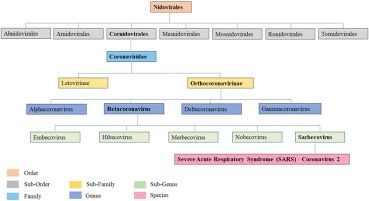
112                                                                                Dagur et al., SARS-CoV-2: A Pandemic / doi: 10.14744/ejmo.2020.96781

  a                                b
                                                                        gies for diagnosis of viruses are in the public domain such
                                                                        as RT-PCR based methods, paper-strip tests associated
                                                                        with CRISPR, viral RNA genome sensing based techniques.
                                                                        Researchers have revealed that the antibody based algo-
                                                                        rithms should have been implemented for SARS-CoV-2 in
                                                                        samples collected from throat swabs and serum.[53] World-
  c                                d
                                                                        wide clinical studies have suggested the use of oseltamivir
                                                                        and oxygen therapy, mechanical ventilation, systemic glu-
                                                                        cocorticoids to severe patients.[54]
                                                                        Treatment and Prevention
                                                                        Physical distancing is an alternative way to restrict the
Figure 8. The outcome of comparative study among Malaria, BCG           viral spread, applied by various countries. It includes iso-
vaccination and Corona infected cases; (a) Geographically world         lating ill persons (including voluntary isolation at home),
map (b) Corona infected cases depicted by circle (c) Malaria infected   quarantine suspected people, school closures, and tele-
cases (denoted by red color) (d) BCG vaccination distribution (Yellow   commuting where possible. In public health practice,
color). From a and b, higher temperature with less patients infect-     “quarantine” refers to the separation of persons (or com-
ed to Covid-19. From (a, c), Malaria infected countries reported less   munities) who have been exposed to an infectious dis-
Covid-19 cases. From (a, d), regular BCG administration shows less      ease and “Isolation,” in contrast, applies to the separation
number of Covid-19 cases.                                               of persons who are known to be infected.[55] Researchers
                                                                        have suggested potential drug therapies including anti-
ure and respiratory distress syndrome. The virus could also
                                                                        viral medication of interferon-1β, the RNA polymerase in-
invade CNS primarily through the olfactory route which is
                                                                        hibitor remdesivir, chloroquine, and a variety of tradition-
yet to be subject for further clinical investigation.[48, 49] Mo-
                                                                        al medicine. Doctors have treated covid-19 patients with
lecular and physiological studies have revealed that SARS-
                                                                        combination of drugs being used in HIV, Swine flu and
CoV-2 grows better in primary human airway epithelial                   malaria; lopinavir–ritonavir (200 mg and 50 mg, respec-
cells.[20] Increased level of C-reactive protein (13.9 mg per           tively) twice a day for 14 days, Oseltamivir, Chloroquine
liter) was observed in covid-19 examination in patients re-             are used in swine flu and malaria treatment, respectively.
ported from China.[50] Research findings have shown that                [56, 57]
                                                                                 In- silico methods should be employed for the devel-
lymphocytopenia was present in 83.2% of the patients in-                opment of vaccines and potential targets are subjected
fected with coronavirus.[51]                                            to find out.[58] Day by day case dynamics has revealed that
The 14 days period is the incubation time (Table 4) of SARS-            the most problematic situation will be the urgent require-
CoV-2.[40] The incubation time was defined by WHO as the                ment of mechanical ventilation. So far, data on case fatali-
interval between the potential earliest date of contact of              ties have shown that 5%-6% patients require ventilators.
the transmission source (wildlife or person with suspected              [59]
                                                                              Telemedical innovations and electronic intensive care
or confirmed case) and the potential earliest date of symp-
tom onset (i.e., cough, fever, fatigue, or myalgia). Based on
worldwide clinical data it has been established that only
5-15% of infected people face severely ill conditions and
develop difficulty breathing. Research findings have shown
                                                                            Ability to contain emerging virus in absence

                                                                                                                                  Fatal
that older age people with high blood pressure, heart
problems or diabetes etc are more likely to develop seri-
                                                                                         of counternmesures

ous illness and seek medical attention.[52] Scientific strate-

Table 4. Incubation time for different coronaviruses including
                                                                                                                                 Severe
COVID-19

Virus Name                                  Incubation Period
                                          (Typical Cases) in Days

COVID-19                                            2-14                                                                   Mild or asymptomatic
SARS                                                2-7
MERs                                                2-14
Swine Flu                                           1-4
                                                                        Figure 9. Surveillance Pyramid and Its Relation to Outbreak Con-
Seasonal Flu                                        1-4
                                                                        tainment.
EJMO 113
unit (e-ICU) monitoring programs are ideal to fight Co- SG, Smith DB. Virus taxonomy: The database of the Interna-
vid-19.[60] Epidemiologic investigations, risk assessment, tional Committee on Taxonomy of Viruses (ICTV). Nucleic Ac-
surveillance, rapid diagnostic tests and vigilance (Fig. ids Res 2018;46(D1):D708–17.
9) are required by all countries to combat the potential 4. Li Q, Guan X, Wu P, Wang X, Zhou L, Tong Y, et al. Early Trans-
outbreak.[61] In this pandemic, specific recommendations mission Dynamics in Wuhan, China, of Novel Coronavirus-In-
have been suggested for allocating medical resources fected Pneumonia. N Engl J Med 2020;382:1199–207.
such as maximize benefits, prioritize health workers, be
5. Munster VJ, Koopmans M, van Doremalen N, van Riel D, de Wit
responsive to evidence and recognize research participa-
E. A novel coronavirus emerging in China - Key questions for
tion.[62]
impact assessment. N Engl J Med 2020;382:692–4.
Conclusion 6. Patients L, Taylor D, Lindsay AC, Halcox JP. correspondence
Niacin Compared with Ezetimibe. N Engl J Med 2020;0–3.
Both N and S proteins are the most abundant proteins in 7. Nelson Lee, David Hui, Alan Wu, Paul Chan, Peter Cameron, et
SARS-CoV-2 and can be potential targets of covid-19. Com- al. A Major Outbreak of Severe Acute Respiratory Syndrome in
bined studies on antimalarial drugs, regular administration
Hong Kong. N Engl J Med 2003;1986–94.
of BCG vaccine, and geographical variation in temperature
8. Assiri A, McGeer A, Perl TM, Price CS, Al Rabeeah AA, et al. Hos-
can help researchers to find potential solutions to combat
Covid-19. The Covid-19 pandemic caused worldwide short- pital outbreak of middle east respiratory syndrome coronavi-
age of hospital beds, ICU beds, and ventilators. More and rus. N Engl J Med 2013;369:407–16.
more epidemiologic studies are needed to address risk 9. Memish ZA, Zumla AI, Al-Hakeem RF, Al-Rabeeah AA, Ste-
factors for infection, severity of disease and the efficacy of phens GM. Family cluster of middle east respiratory syndrome
infection-control measures. These types of studies should coronavirus infections. N Engl J Med 2013;368:2487–94.
help us refine and focus our efforts to control and treat 10. Azhar EI, El-Kafrawy SA, Farraj SA, Hassan AM, Al-Saeed MS, et
Covid-19. The SARS-CoV-2 has a large economic and social al. Evidence for camel-to-human transmission of MERS coro-
impact on the human population. Several aspects of the navirus. N Engl J Med 2014;370:2499–505.
covid-19 outbreak are not yet fully understood, including 11. Cui J, Li F, Shi ZL. Origin and evolution of pathogenic coronavi-
transmission dynamics and the full spectrum of clinical ill- ruses. Nat Rev Microbiol [Internet]. 2019;17:181–92. Available
ness. We need to save lives now while also improving the
from: http://dx.doi.org/10.1038/s41579-018-0118-9
way we respond to outbreaks in general. Governments
12. Zhang T, Wu Q, Zhang Z. Probable Pangolin Origin of SARS-
and industries will need to come to an agreement: during
a pandemic, vaccines and antivirals can’t simply be sold to CoV-2 Associated with the COVID-19 Outbreak. Curr Biol [In-
the highest bidder. Prevention is the ultimate solution for ternet]. 2020;1–6. Available from: https://doi.org/10.1016/j.
saving lives from such a pandemic. cub.2020.03.022
13. Coronavirus [Internet]. [cited 2020 Apr 10]. p. 1. Available
Disclosures from: www.who.int/health-topics/coronavirus#tab=tab_3
Peer-review: Externally peer-reviewed. 14. Drosten C, Günther S, Preiser W, Van der Werf S, Brodt HR, et
Conflict of Interest: None declared. al. Identification of a novel coronavirus in patients with severe
Acknowledgement: We acknowledge Mr. Kaushal Singh acute respiratory syndrome. N Engl J Med 2003;348:1967–76.
Dhaked (Master of Fine Art) for designing figure of local trans- 15. Gates B. New engla nd journal. 2020;1–3.
mission among the human population. We would like to thank 16. Duan H WS& YC. Coronavirus: limit short-term economic dam-
Mr. Prem Pal Singh (PhD in Electronics at JNU, Jaipur), Mr. Chan- age. Nature [Internet]. 2020;7796. Available from: https://
dra Pal Uikey and Ms. Pooja Dhaker for their support. We dedi- www.nature.com/articles/d41586-020-00522-6
cate this review article to the health community for fighting 17. Gorbalenya AE, Baker SC, Baric RS, de Groot RJ, Drosten C, et al.
against SARS-CoV-2. The species Severe acute respiratory syndrome-related coro-
navirus: classifying 2019-nCoV and naming it SARS-CoV-2. Nat
References Microbiol 2020;5(March).
1. Coronavirus Update (Live): 1,621,771 Cases and 97,185 Deaths 18. Ren L-L, Wang Y-M, Wu Z-Q, Xiang Z-C, Guo L, Xu T, et al. Iden-
from COVID-19 Virus Pandemic - Worldometer [Internet]. [cit- tification of a novel coronavirus causing severe pneumonia in
ed 2020 Apr 9]. p. 1. Available from: www.worldometers.info/ human. Chin Med J (Engl). 2020;1.
coronavirus/ 19. Lu R, Zhao X, Li J, Niu P, Yang B, et al. Genomic characterisa-
2. Antonio GE, Wong KT, Hui DSC, Lee N, Yuen EHY, Wu A, et al. tion and epidemiology of 2019 novel coronavirus: implica-
Imaging of severe acute respiratory syndrome in Hong Kong. tions for virus origins and receptor binding. Lancet [Internet].
Am J Roentgenol 2003;181:11–7. 2020;395:565–74. Available from: http://dx.doi.org/10.1016/
3. Lefkowitz EJ, Dempsey DM, Hendrickson RC, Orton RJ, Siddell S0140-6736(20)30251-8114 Dagur et al., SARS-CoV-2: A Pandemic / doi: 10.14744/ejmo.2020.96781
20. Perlman S. Another Decade, Another Coronavirus. N Engl J Infection in Taiwan. N Engl J Med 2020;382:1068–70.
Med 2020;382:758–60. 37. Kumar D. Corona Virus: A Review of COVID-19. Eurasian J Med
21. David M. Morens, M.D., Peter Daszak, Ph.D., and Jeffery K. Oncol 2020;4:8–25.
Taubenberger, M.D. PD. Escaping Pandora’s Box — Another 38. Rose C. Am I Part of the Cure or Am I Part of the Disease? Keep-
Novel Coronavirus. N Engl J Med 2020;1–3. ing Coronavirus Out When a Doctor Comes Home. N Engl J
22. Ranjit Sah AJR-M. Complete Genome Sequence of a 2019 Med 2020;1–3.
Novel Coronavirus (SARS-CoV-2) Strain Isolated in Nepal. Am J 39. Rosenbaum L. Facing Covid-19 in Italy — Ethics, Logistics,
Microbiol 2020;9:169–20. and Therapeutics on the Epidemic’s Front Line. N Engl J Med
23. Zhu N, Zhang D, Wang et al. A novel coronavirus from patients 2020;1–3.
with pneumonia in China, 2019. N Engl J Med 2020;382:727– 40. Sebastian H, Holger R, Annemarie B, Kortenbusch M, et al. Cor-
33. respondence Evidence of SARS-CoV-2 Infection in Returning
24. Wen F, Yu H, Guo J, Al E. Identification of the hyper-variable ge- Travelers from Wuhan , China. N Engl J Med [Internet]. 2020;1–
nomic hotspot for the novel coronavirus SARS-CoV-2. J Infect. 3. Available from: https://www.nejm.org/doi/pdf/10.1056/
2020;27–9. NEJMc2001899?articleTools=true
25. Maier HJ, Bickerton E, Britton P. Coronaviruses: Methods and 41. Rothe C, Schunk M, Sothmann P, Bretzel G, Froeschl G, Wallr-
protocols. Coronaviruses Methods Protoc 2015;1–282. auch C, et al. Transmission of 2019-NCOV infection from an as-
26. Yin C. Genotyping coronavirus SARS-CoV-2: methods and ymptomatic contact in Germany. N Engl J Med 2020;382:970–1.
implications. 2020;19:1–12. Available from: http://arxiv.org/ 42. Coronavirus Graphs: Worldwide Cases and Deaths - Worldome-
abs/2003.10965 ter [Internet]. 2020 [cited 2020 Apr 8]. p. 1. Available from: www.
27. Walls AC, Park YJ, Al E. Structure, Function, and Antigenicity of worldometers.info/coronavirus/worldwide-graphs/#countries-
the SARS-CoV-2 Spike Glycoprotein. Cell [Internet]. 2020;1–12. cases
Available from: https://doi.org/10.1016/j.cell.2020.02.058 43. Jiaxin Zhou, Peng Wu. Correspondence Detection of Covid-19
28. Bonavia A, Zelus BD, Wentworth DE, Talbot PJ, Holmes K V. in Children in Early January 2020 in Wuhan, China. N Engl J
Identification of a Receptor-Binding Domain of the Spike Med 2020;2019–21.
Glycoprotein of Human Coronavirus HCoV-229E. J Virol 44. Molinaro GA, Lee P, Lee DA. c or r e sp ondence Rotavirus Vac-
2003;77:2530–8. cines. J Infect Dis 2006;1747–51.
29. Taguchi F, Kubo H, Suzuki H, Yamada YK. Localization of neu- 45. Wiebe A, Longbottom J, Gleave K, Shearer FM, Sinka ME,
tralizing epitopes and receptor-binding site in murine corona- Massey NC, et al. Geographical distributions of African malaria
virus spike protein. Adv Exp Med Biol 1995;380:359–65. vector sibling species and evidence for insecticide resistance.
30. Zhou P, Yang X Lou, Wang XG. A pneumonia outbreak as- Malar J 2017;16:1–10.
sociated with a new coronavirus of probable bat origin. Na- 46. RENKEN E. Map: How Many Cases Of Coronavirus Are There
ture [Internet]. 2020;579(7798):270–3. Available from: http:// In Each U.S. State? : Shots - Health News : NPR. 2020 Apr
dx.doi.org/10.1038/s41586-020-2012-7 8;1. Available from: https://www.npr.org/sections/health-
31. Simmons G, Gosalia DN, Rennekamp AJ, Reeves. Inhibitors shots/2020/03/16/816707182/map-tracking-the-spread-of-
of cathepsin L prevent severe acute respiratory syndrome the-coronavirus-in-the-u-s
coronavirus entry. Proc Natl Acad Sci USA. 2005;102:11876– 47. Zwerling A, Behr MA, Verma A, Brewer TF, Menzies D, Pai M.
81. The BCG world atlas: A database of global BCG vaccination
32. Kuhn JH, Li W, Choe H, Farzan M. Angiotensin-converting en- policies and practices. PLoS Med 2011;8.
zyme 2: A functional receptor for SARS coronavirus. Cell Mol 48. Netland J, Meyerholz DK, Moore S, Cassell M, Perlman S. Se-
Life Sci 2004;61:2738–43. vere Acute Respiratory Syndrome Coronavirus Infection
33. Pragya D. Yadav, Varsha A. Potdar, Manohar Lal Choudhary, Causes Neuronal Death in the Absence of Encephalitis in Mice
Dimpal A. Nyayanit MA, Santosh M. Jadhav et al. Full-genome Transgenic for Human ACE2. J Virol 2008;82:7264–75.
sequences of the first two SARS-CoV-2 viruses from India. IN- 49. Desforges M, Le Coupanec A, Dubeau P, Bourgouin A, Lajoie L
DIAN J MED RES 2020;21:1–9. et al. Human coronaviruses and other respiratory viruses: Un-
34. Holshue ML, DeBolt C, Lindquist S, Lofy KH. First case of derestimated opportunistic pathogens of the central nervous
2019 novel coronavirus in the United States. N Engl J Med. system? Viruses 2019;12:1–28.
2020;382:929–36. 50. Faure E, Kipnis E, Bortolotti P, Salik J. Importation and Hu-
35. Pongpirul WA, Pongpirul K, Ratnarathon AC, Prasithsirikul W. man-to-Human Transmission of a Novel Coronavirus in Viet-
Journey of a Thai Taxi driver and novel coronavirus. N Engl J nam To. N Engl J Med [Internet]. 2020;9:382. Available from:
Med 2020;382:1067–8. nejm.org
36. Ying-Chu Liu C-HL. A Locally Transmitted Case of SARS-CoV-2 51. Guan W, Ni Z, Hu Y, Liang W, Ou C, et al. Clinical CharacteristicsEJMO 115
of Coronavirus Disease 2019 in China. N Engl J Med 2020;1–13. ia.indiatimes.com/city/jaipur/city-docs-cure-corona-patient-
52. WHO | Novel Coronavirus [Internet]. 2020 [cited 2020 Apr 10]. with-hiv-drugs/articleshow/74584859.cms
Available from: www.who.int/csr/don/archive/disease/novel_ 58. Seema M. T Cell Epitope-Based Vaccine Design for Pan-
coronavirus/en/ demic Novel Coronavirus 2019-nCoV. Chemrxiv [Internet].
53. Drosten C, Meyer B, Müller MA, Corman VM, Al-Masri et al. 2020; Available from: https://chemrxiv.org/articles/T_Cell_
Transmission of MERS-coronavirus in household contacts. N Epitope-Based_Vaccine_Design_for_Pandemic_Novel_
Engl J Med 2014;371:828–35. Coronavirus_2019-nCoV/12029523
54. Mitjà O, Clotet B. Use of antiviral drugs to reduce COVID-19 59. Robert D. Truog, Christine Mitchell, R.N., and George Q. Daley
transmission. Lancet Glob Heal [Internet]. 2020;2019–20. Avail- MD. The Toughest Triage — Allocating Ventilators in a Pan-
able from: http://dx.doi.org/10.1016/S2214-109X(20)30114-5 demic. N Engl J Med 2020;1–3.
55. Rothstein MA, Coughlin CN. Ensuring compliance with quar- 60. Judd E. Hollander, M.D., and Brendan G. Carr MD. Perspective:
antine by undocumented immigrants and other vulner- Virtually Perfect? Telemedicine for Covid-19. 2020;1–3. Avail-
able groups: Public health versus politics. Am J Public Health. able from: NEJM.org
2019;109:1179–83. 61. Zaki AM, Van Boheemen S, Bestebroer TM, Osterhaus ADME,
56. Cao B, Wang Y, Wen D, Liu W, Wang J, Fan G. A Trial of Lopina- Fouchier RAM. Isolation of a novel coronavirus from a man with
vir–Ritonavir in Adults Hospitalized with Severe Covid-19. N pneumonia in Saudi Arabia. N Engl J Med 2012;367:1814–20.
Engl J Med 2020;1–13. 62. Emanuel EJ, Persad G, Upshur R, Thome B, Parker M et al. Fair
57. The Times of India. Rajasthan doctors cure coronavirus patient Allocation of Scarce Medical Resources in the Time of Co-
with HIV drugs. 2020;1–21. Available from: https://timesofind- vid-19. N Engl J Med 2020;1–7.You can also read


