Global Opportunity Explorer 2019 - Insights
←
→
Page content transcription
If your browser does not render page correctly, please read the page content below

Global
Opportunity
Explorer
2019

Insights
Interactive publication
Scan the QR codes to explore
more on goexplorer.org

Global
Opportunity
Explorer
2019

Insights

GLOBAL OPPORTUNITY EXPLORER
STEERING COMMITTEE

BJØRN KJÆRAND HAUGLAND
Executive Vice President & Chief
Sustainability Officer, DNV GL                     Foreword
                                              05   From climate risks to climate
SVEN MOLLEKLEIV                                    opportunities, by Remi Eriksen,
Senior Vice President Sustainability,
                                                   Lise Kingo & Rasmus Schjødt Pedersen
DNV GL

LISE KINGO                                         Executive summary
CEO & Executive Director,                     06   The biggest market disruptor
UN Global Compact
                                                   Introduction
OLE LUND HANSEN
                                              08   How to win the climate game, by
Chief, Local Networks,
UN Global Compact
                                                   Erik Rasmussen, Founder of Sustainia
                                                   & Co-Founder of the Global Opportunity
RASMUS SCHJØDT PEDERSEN                            Explorer
CEO & Senior Partner, Sustainia
                                              12   A principle-based approach to
EDITORIAL TEAM
                                                   climate change, by Lise Kingo, CEO
ERIK RASMUSSEN                                     & Executive Director of United Nations
Publisher, Sustainia                               Global Compact

RASMUS SCHJØDT PEDERSEN
Publisher, Sustainia

MICHAEL KREMER
Head of Digital & Design, Sustainia

ANNE SOFIE BENDTSON
Art Director, Sustainia

ANDERS NOLTING MAGELUND
Chief Researcher, Sustainia

ANNA FENGER SCHEFTE
Editor & Journalist, Sustainia

JACK ROBINSON
Solutions Editor, Sustainia
                                              16   Guide
DIDA MARIE HARTVIG JØRGENSEN
Solutions Editor, Sustainia                   17   Why these solutions

RALITSA VASSILEVA                             18   A world of solutions
Contributing Journalist, Sustainia

KELLY LYNCH
                                                   Meet the explorers
Partner Manager, Sustainia                    20   Paul Polman. CEOs must be activists

JETTE VINTHER                                      Connectivity
Digital Content Specialist, Sustainia         22   Using connectivity for doing good
FREDERIK MØLLER HENRIKSEN
Research Assistant, Sustainia
                                              24   Telenor CEO: IoT is our great opportunity
                                                   maker
HARRIET SCANDOL
Research Assistant & Proofreader,
Sustainia

CAMILLA SAGER
Research Assistant, Sustainia

© DNV GL & Sustainia 2019

REVIEWERS AND ADVISORS
Solutions on the Global Opportunity
Explorer are vetted and verified by
experts with sector-specific expertise.

Full list of reviewers
goexplorer.org/reviewers

                                          2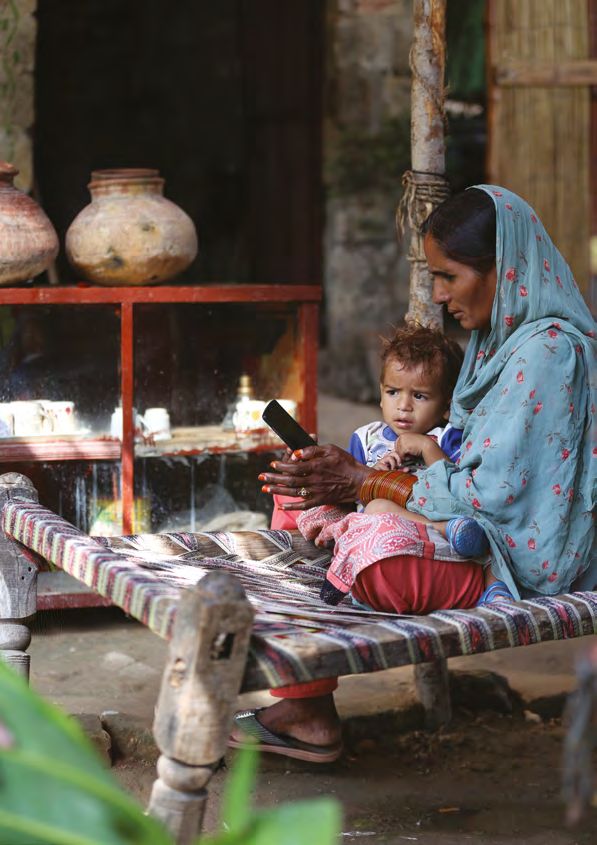
26   Connectivity solutions                               Mobility
                                                     68   Driving sustainably into the new market reality
     Meet the explorers
36   Connie Hedegaard. Five tips for climate 			     70   Bertrand Piccard. “Business explorers can
     change profits                                       move us forward”

     Energy
38   Fueling change

40   Six highlights from the DNV GL Energy
     Transition Outlook 2018

                                                     72   Mobility solutions

                                                          Food
                                                     80   Opportunities not to be wasted

                                                     82   Furniture giant.
                                                          How we are fighting food waste
41   Energy solutions

     Meet the explorers
46   Thomas Friedman. “We need greedy
     leaders”

                                                     84   Food solutions

                                                     91   Partners

                                                     92   Sources
     Finance
48   Financing our future

52   Finance solutions

     Built environment
58   New building blocks for a climate-safe
     sector

60   Mark Watts. “Sustainable cities are important
     market makers”

62   Built environment solutions

FOREWORD

From climate risks
to climate opportunities

           G
                    lobal Opportunity Explorer 2019 Insights      companies have turned climate risks into
                    celebrates the ongoing activities on the      climate opportunities.
                    Global Opportunity Explorer, which is
           now the world’s leading open ecosystem for             You too can take part in this work. It is free
           sustainable solutions. The platform is the first       for anybody to submit solutions to the Global
           of its kind that identifies, verifies, and presents    Opportunity Explorer, in the form of products
           high-quality solutions that exist in the market.       or services, and in turn have them vetted and
                                                                  verified by Sustainia’s experts, if qualified. The
           Where others regularly examine the risks               platform is a tool for those looking for in-
           that threaten our businesses, societies, and           vestments, new employees, special advice, or
           everyday lives, the Global Opportunity Explor-         partners, in an era where sustainable solutions
           er is a testament to those who turn risks into         are urgently needed.
           opportunities. We are not blind to the need to
           manage risks. Far from it. But instead of merely       Having reached 1,000 available, scalable and
           curbing or avoiding risks, exploring their inher-      financially viable sustainable solutions, we
           ent opportunities can be truly transformational.       now wish to expand the Global Opportunity
                                                                  Explorer to include thousands of new solu-
           This year we focus on climate change, which            tions that address climate change.
           is considered one of the most urgent risks to
           be tackled, and is already determining how             This kind of growth is much needed for us
           markets are evolving. Factors like new con-            to address climate change effectively and to
           sumer preferences, new regulations, changing           turn a ‘state of emergency’ into a ‘state of
           investor focus, and market prices, will increas-       emerging innovation’. We hope this selection
           ingly favour the climate, and create a new kind        of insights - and the Global Opportunity
           of pressure on companies. To understand this           Explorer - will inspire you to bring new
           new reality of the business world, we inves-           solutions to the table, and help turn climate
           tigate six sectors and analyse how selected            risks into climate opportunities.

           Remi Eriksen                          Lise Kingo                         Rasmus Schjødt Pedersen
           Group President & CEO                 CEO & Executive Director           CEO & Senior Partner
           DNV GL                                UN Global Compact                  Sustainia

                                             5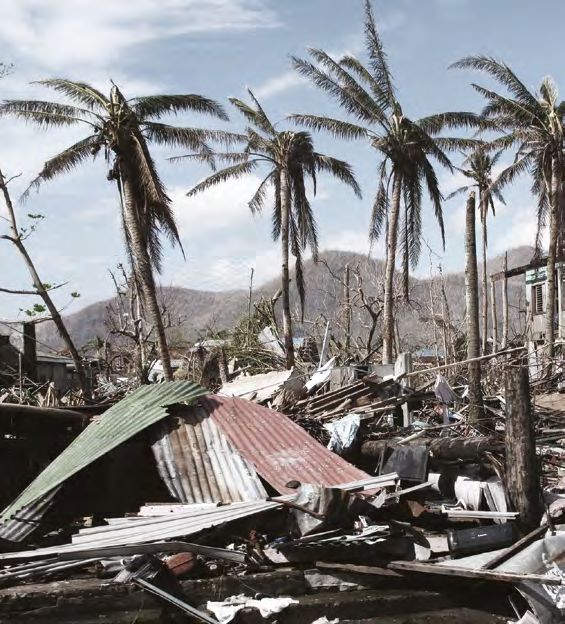
Executive summary

The biggest market
disruptor

N
       ot only is our physical climate changing,   from new competitors offering ‘climate-safe’
       but so is the business climate. Climate     alternatives, pressure to implement new tech-
       change is placing increased pressure on     nology, pressure from investors increasingly
businesses from multiple stakeholders, mak-        looking for sustainable investments, and final-
ing climate change the most significant mar-       ly, time pressure, given that most businesses
ket disruptor in the years to come. Climate        need to transform within 1,000 days.
change will challenge established businesses
and sectors and create a wide range of new         Six sectors documented
business opportunities, market possibilities,      Global Opportunity Explorer 2019 Insights
and business alliances. Companies not able to      zooms in on six sectors that are among the
seize the opportunities or respond to the risks    most influential for the future of the climate.
and pressures will lose. Others will prosper and   The companies contained within these six
confirm why climate change is one of the big-      sectors are in a unique situation to change
gest opportunities in generations - potential-     their businesses, as determined by their ability
ly ever. But winning the climate game is not       to turn climate risks into climate opportunities.
about your business sector or the size of your     We analysed these sectors to understand their
turnover, but more a question of mindsets -        potential to reinvent themselves and thrive
how business leaders understand and respond        under the conditions of the new market reality
to the new market reality.                         of climate change. They are: connectivity,
                                                   energy, finance, built environment, mobility,
A new climate-driven market reality                and food.
In Global Opportunity Explorer 2019 Insights,
we argue that this new reality will demand a       Meet the climate leaders
dynamic shift in business mindsets. Business-      Winning the climate game is basically about
es will have to move away from the ambition        mindsets and leadership. Throughout this
of being best in the world, to being best          publication we feature thought leaders, climate
for the world, representing two sides of the       change experts and leading business CEOs
same coin in the new climate-driven market.        who are pioneering the transition to the new
Given the time pressure imposed by climate         market reality. Together, they tell the story of
change, a rapid shift is vital. The sooner com-    the mindset, strategies, and leadership needed
panies realise this, the greater the chances       in the coming years. We open the series of in-
are that they will be able to gain from all the    terviews with an announcement from the CEO
business opportunities available in the new        & Executive Director of the United Nations
market reality.                                    Global Compact Lise Kingo who invites global
                                                   companies to build stronger partnerships and
Seven ‘cross pressures’ effectuated by climate     push for a low-carbon economy.
change will determine future markets
Global Opportunity Explorer 2019 Insights          Global Opportunity Explorer 2019 Insights
has identified seven ‘cross pressures’ brought     looks into the solutions, strategies and mind-
about by climate change that will change the       sets of the companies and leaders that have
rules of the game on how businesses operate.       understood the rules of the game of the new
Businesses will have to adjust to these new        market reality. They have turned climate risks
pressures from all stakeholders: pressure from     into climate opportunities and can serve as
new regulations, new consumer preferences,         best practice examples, demonstrating how to
pressure from resource shortages, pressure         make the seemingly impossible possible.

                                                                  6

INTRODUCTION

                       How to win the
                        climate game
    Climate change is placing seven ‘cross pressures’ on businesses, which
   makes it the biggest market disruptor in the years to come. This will create
    a new market reality with new winners and losers. Winning the game is
       about innovative solutions, daring strategies, and new mindsets.

                                                          By Erik Rasmussen
                                                    Founder of Sustainia & Co-Founder
                                                    of the Global Opportunity Explorer

E
     xpect that the next 1,000 days will          systemic cross-sector solutions. Neither     The market revolution
     decide if you win or lose the climate        the private or public sector can solve       The market for climate solutions is
     game - the game that might be the            complex challenges like climate change       huge and difficult to measure by exact
biggest business disruptor for genera-            alone. It takes new partnerships and mar-    numbers. The need for developing and
tions to come. 1,000 days to transform            ket clusters. 2) Climate change is a risk    implementing fast solutions was strongly
a company or change strategies is not a           multiplier, strongly interconnected with     documented over the past year. Not only
proven and scientific fact, it just illustrates   all other Sustainable Development Goals.     by new heat records, but through a series
the accelerating turbulence in global             Even if climate action is just number 13     of scientific analyses and reports, all stat-
markets. A fast glance over the past few          among the global goals it interferes with    ing that we might have lost the battle for
years with new digital breakthroughs, es-         the remaining 16. Successfully realising     a 2°C temperature rise but are heading for
calating political and financial turmoils,        all of the goals fundamentally depends       3-4°C. DNV GL’s latest Energy Transition
threatening climate changes, and our              on the outcome of the climate war.           Outlook predicts that even with a fast
commitment to fulfilling 17 Sustainable                                                        transition to renewables, we will most
Development Goals indicates what is               One thing is that the physical climate       likely end up with a 2.6°C increase above
ahead of us. We are facing a period with          is facing dramatic changes. But so is        pre-industrial levels by the close of this
exponential changes - changes that will           the business climate. Climate change is      century. Other credible scenarios predict
challenge our basic ideas on how to de-           already challenging and even ‘endan-         a truly catastrophic 4°C, or even higher.
velop societies and run businesses. Some          gering’ the future of many businesses
sectors and corporations may not have             and sectors. But at the same time,           Challenges of this magnitude call for
1,000 days to adjust.                             climate change is creating a range of        new approaches. We have to reinvent
                                                  new business opportunities, market           business models and public-private part-
Global Opportunity Explorers 2019                 possibilities, and business alliances - it   nerships, scale up research and devel-
Insights argues that climate change will          is a game with new winners and losers.       opment, and motivate governments and
be the biggest market disruptor in the            It all depends on how fast each corpo-       businesses to interact closely to develop
coming years - for a couple of reasons:           ration “translates” the signals of climate   innovative regulations to support new
1) Climate change calls for urgent and            change in due time.                          types of solutions. These kind of part-

                                                                      8
Introduction
nerships are convincingly spelled out in But the ticket to these market opportu- example water and food. In many cases
the UN Global Compact’s new initiative nities is a new business approach. Any we might experience a lack of various
“Ambition Loop”. See article by Lise Kingo company and executive has to under- resources, making prices surge and
page 12. The perspective is not only stand and react to seven cross pressures forcing businesses to look for new kinds
interesting, it is crucial. Without govern- that will change the rules of the game. of resources.
ments’ support and the development of
stable and long-ranging frameworks we Seven cross pressures 3) New consumer and employee pres-
cannot win the climate battle. The new market reality is defined by sure: Consumer choices are becoming
seven pressures: increasingly ethical and climate-con-
In this publication we have looked into scious, and that trend will only grow as
six sectors which are strongly affected by 1) New political pressure: To achieve the the climate challenge is more broadly
climate changes. They include connec- commitments of the Paris Agreement, understood and accepted. Talent will
tivity, energy, finance, built environment, most governments will increasingly, in increasingly be attracted to jobs and
mobility, and food. We outline why each some cases drastically, introduce new companies that are operating sustainably
sector can be a market game-chang- regulation favouring more sustainable and with a purpose, shown clearly by the
er - and are all supported by a number business and market growth. These millennial generation’s job preferences.
of concrete solutions. The estimates of regulations will increasingly favour
the total market value of the six sectors climate-friendly business. Some coun- 4) New market pressure: Alternative and
exceeds trillions of dollars - economic tries are setting deadlines to phase out new ‘climate-safe’ products and markets
opportunities that can be realised over a fossil fuels, or incentivise sales of electric are emerging everywhere, with a rapid
relatively short number of years. It might vehicles. rate of innovation. These new alterna-
foster new types of climate entrepreneurs tives are developed by incumbents as
and companies, and turn the old mar- 2) New resource pressure: The demand well as start-ups.
ket structures upside down - unleash- for many crucial resources is growing
ing what could be remembered as a rapidly, and climate change is putting a 5) New technological pressure: Digi-
climate-market revolution. great strain on natural resources - for talisation is one of the most disrupting
9Introduction
“To win or lose the climate game
is a question of mindsets and the
innovation power in the boardrooms
and executive suites”
factors in the 1,000 days to come. It and decades to come. The most obvi- them and encourage the other half to
might too be the most rapid and efficient ous examples comes from the fossil fuel follow suit. ‘The winner takes it all, and
weapon in the climate war deciding who industry – the companies working with the loser stands small’ - or disappears.
will win and who will lose. coal, oil and gas. Here we are already wit-
nessing new political regulation, investors It is all about mindsets
6) New investor pressure: Sustainability is pulling back their allocations, and new There is no doubt that climate change
gaining ground in the minds and wallets industries and technologies challenging is the biggest challenge ever and no
of investors. The trend is that they will the market with renewable alternatives - doubt either, that it can be turned into
gradually steer away from the environ- and looking ahead this pressure will only the biggest opportunity ever. It is all a
mentally harmful sectors and businesses, grow if you take the global political com- question of mindsets. Numerous reports
as these will increasingly be perceived as mitments for face value. Thus, companies and analyses document both challenges
risky territory. within this sector face a stark choice of and potentials. To win or lose the climate
working progressively to diversify, or face game is a question of mindsets and the
7) New time pressure: Companies need inevitable long-term decline. innovation power in boardrooms and
to adapt to the new market reality within executive suites. When sustainability
a very short time frame. New companies But the fossil fuel companies are just became a hot issue, many of the large
will arise and prosper faster than ever, and one example out of many. There are a companies hired sustainability officers,
old, well-established companies will fade number of business sectors and com- established sustainability departments,
and fold faster than ever. The difference panies next in line - those who are also and issued sustainability reports - and the
between a risk and an opportunity is how not prepared for imminent political company could demonstrate its sus-
soon you discover it. And the climate regulation, still putting great pressure on tainable profile and brand. But that was
game is a fast game. global resources, and not looking closely yesterday. Today and tomorrow climate
enough at the development of consumer change and the 17 Sustainable Devel-
This market reality will no longer be driv- demand trends. opment Goals have to have top board
en only by the traditional and well-es- priority and decide the overall strategy of
tablished markets. All corporations must The elimination race is already hap- the company and its core values.
rethink their missions, strategies, prod- pening. A series of new companies fit
ucts, and services in order to thrive in to grow in the climate-driven markets Any company failing to meet these
climate-disrupted times. are mushrooming and new solutions, criteria will be among the losers. And
alliances, and markets are starting to any company embracing this concept is
The elimination race see the green light. Many of the world’s a potential winner. Therefore conquer-
The sectors, industries, and compa- biggest companies are already trying to ing and benefitting from the expanding
nies not able to respond to the risks adjust themselves to the new market climate markets will not be a competition
brought about by climate change will reality. Today nearly half of the Fortune between types of companies but types of
lose - maybe not tomorrow, but they 500 companies have set clear energy executives and mindsets. Here only the
will lock themselves into a trajectory that targets or greenhouse gas reduction right mindsets can turn climate risks into
will make them disappear in the years goals. Now the challenge is to fulfill climate opportunities.
10Introduction
Join the most important
mission of our time
The Global Opportunity Explorer 2019 Insights ex- In 2019 Sustainia celebrates our 10-year anniver-
emplifies the work of Sustainia’s mission of turning sary as the catalyst for turning risks into opportuni-
global risks into new opportunities. This past year ties and solutions. We have served that purpose by
we focused on climate change for obvious reasons. building the world’s largest platform with sustain-
It is not only the biggest and most urgent global able solutions, already featuring 1,000 sustainable
challenge right now, it is also sending out the loud- breakthrough solutions.
est call ever for new breakthrough solutions, new
mindsets and new ways of organising the entire Here we present a selection of insights, we demon-
global community. strate and communicate best practice and how
selected sectors deal with the climate change risks
It will be the ultimate test of how the world can form - and why it demands new business models and
alliances that within a few years, can turn this chal- mindsets. We introduce outstanding climate leaders
lenge into a safe and sustainable future for mankind. whom we have interviewed within the past months
This will without any doubt demand that we bring and who all signal the mindset needed to kickstart
about and complete a new industrial revolution. But revolutions.
this revolution must be different from all past indus-
trial revolutions. It has to be value-based, extensive, Sustainia will continue to focus on how these great
planned, and global - and it has to be the fastest in cases can be part of a global ecosystem that inno-
history. No less. And businesses have to play a key vates systemic solutions to growing complex glob-
role in this by setting the course, providing the solu- al challenges. That is how we will play our part, and
tions, and creating the new markets. we invite you to join us | sustainiaworld.com
11“We will need
far more
corporate
leadership”
12Introduction
A principle-
based approach
to climate
change
Climate change has become the new reality. It is forcing businesses
to build strong partnerships and push for a low-carbon economy.
Frontrunners are already proving that multi-stakeholder partnerships
are key for sustainable, inclusive and principle-based solutions.
By Lise Kingo
CEO and Executive Director
of United Nations Global Compact
T
he recent report by the Intergovern- ny on its own. Climate change is the de- the Paris Agreement. One-fifth of Global
mental Panel on Climate Change fining challenge of our time. Yet, it is still Fortune 500 companies have now com-
(IPCC) sent a stark reminder of both possible to limit warming to 1.5°C and mitted to set science-based targets. The
the immense challenge of climate change the ambition is there. At COP24, mem- New Climate Economy report suggests
and the dramatic scale and pace of the ef- ber states reaffirmed the timeline agreed that all Fortune 500 companies set sci-
fort required to keep our world safe. In or- in Paris for countries to submit national ence-based targets by 2020.
der to hold global warming to an increase climate commitments by 2020.
of 1.5°C above pre-industrial levels, the As these companies recognize that
report says, we have to slash greenhouse Governments know it, companies know greater ambition reaps greater bene-
gas emissions by about 45% in 12 years. it: Climate action is also the mega driver fits, some are now also pursuing 1.5°C
to achieve the 2030 Agenda for Sustain- aligned emissions reductions targets and
No easy task, but climate change is a able Development. Or, in other words, committing to be net-zero by 2050.
daily reality, affecting every country on urgent action to halt climate change and
every continent. It is disrupting national deal with its impacts is integral to the Moving up the agenda
economies and affecting lives, across successful implementation of all 17 of the Climate change is the highest priority
peoples, communities and countries Sustainable Development Goals. ESG issue facing investors today. We
- with the world’s poorest and most have seen an upward trend of major
vulnerable people affected the most. The private sector has a critical role to investors that are making serious efforts
play and every reason to do its part. Last to manage the risks and capture the op-
We face enormous challenges that can’t year we saw an unprecedented rise in portunities that climate change presents.
be solved by any country or any compa- the number of companies aligning with Companies are acting because these
13Introduction
investors, their employees, and consum- Opportunity for a great “Ambition Loop” corporate leadership to help assess the
ers expect them to capture new market The deep changes needed to achieve implications of climate change, integrat-
opportunities and prepare for risks in a the Paris Agreement and the Sustainable ing their climate commitments into pol-
changing climate. Over 400 investors Development Goals will require trans- icy positions and providing constructive,
representing $32 trillion call for a carbon forming value systems, establishing a responsible input to government.
price between $38-100 by 2030. culture of integrity and aligning business
practices with universal principles. In this spirit, the UN Global Compact
The world requires more urgency and far will mobilize businesses everywhere to
more ambitious corporate and govern- With hundreds of businesses pursuing support the UN Secretary General’s call
mental action to cut emissions by half by bold climate change solutions and hun- for raised ambition and leadership, and
2030 and reach net zero emissions by dreds of countries updating their national create the “tipping points” needed to
2050. All companies need to align their climate plans, the opportunity for greater make climate action business as usual.
business strategies with what the science ambition abounds. Businesses now have
says is needed to avoid the worst impacts the opportunity to send strong signals Together with the London-based think-
of climate change. This will take unprec- to government and build commercial thank Volans, we will mobilize leading
edented changes in all aspects of society. demand with bold targets to invest in companies to commit to building a new
climate change solutions. Responsible carbon economy and come forward
New forms of inclusive multilateralism business leaders do so in a manner that with new breakthrough solutions where
We live in a critical time in human history. inspires, and can be replicated in the businesses are sequestering more carbon
While geopolitical issues remain chal- world around them. through their operations than they emit.
lenging, we need new forms of cooper-
ation and a new networked multilater- From carbon pricing to science-based Leading up to the UN Secretary General’s
alism, with the UN at its centre, but with targets, commitments by the private Climate Summit in September 2019, the
closer links with the private sector, civil sector at the global level have informed Caring for Climate initiative and the UN
society and other stakeholders. Network- policy shaping at the country level. Global Compact Action Platform on Path-
ing and being inclusive is essential in the These global commitments are encour- ways to Low-Carbon & Resilient Devel-
shift toward a net-zero world so that aging governments to ramp up their opment will serve as an incubator to help
we can bring about an economy-wide Nationally Determined Contributions companies around the world to provide
transformation on a scale we have never (NDCs) towards the Paris Agreement ambitious and meaningful contributions.
seen before. implementation.
Let’s work together to transform busi-
This call for an inclusive multilateral- When businesses set ambitious public ness models and spark breakthrough
ism requires raised ambition, and is an commitments, governments have more innovation. There is still time to secure
opportunity for every business leader to political support and confidence to pass the world that we know. We are at a
take climate action based on a princi- ambitious climate policies. When govern- critical juncture, where every day climate
ples-based approach that places human ments set effective, clear policies that fa- change is moving faster than we are,
rights at the centre of their strategy. vor innovations to reduce greenhouse gas and where every half degree of global
emissions, businesses have greater cer- warming will make a world of differ-
At the UN Global Compact, we continue tainty and incentives to invest. This is an ence. Although the window is closing
to be at the forefront of mobilizing and Ambition Loop: bold business leadership fast, there is still time to change course
challenging the international business supports bold policy action, that in turn and move toward a 1.5°C pathway. We
community to do its part to help create accelerates action and investment, and have the technology, the tools, and most
the world we all want. As businesses unlocks further opportunities with clear importantly we know the actions that are
around the world are rising to the chal- benefits to people and natural ecosystems necessary to close the emissions gap.
lenge of building a low-carbon econo- while limiting global warming to 1.5°C.
my and accelerating action on climate Together we can take urgent action to
change, we can no longer call isolated Mobilising businesses everywhere combat climate change and its impacts
corporate climate action ‘leadership’. It Governments looking to speed pro- and send strong market signals, accel-
remains vital that all climate action and gress on climate and development goals erating pathways to low-carbon and
corporate operations are interlinked will need to find champions among resilient development. By catalyzing
with the achievement of the Sustainable those companies with shared interest in multi-stakeholder dialogues and partner-
Development Goals and promotion of policies that limiting global warming to ships, we can create more sustainable,
human rights. 1.5°C. To this end, we will need far more inclusive and principle-based solutions.
14“We are
part of the
solution”
Inge Jan Henjesand,
President of BI Norwegian Business School
BI has made the conscious decision to be a part of the solution rather than the
problem. We are working to integrate the UN’s sustainable development goals
in all our programs, research and operations. Our ambition is to contribute to a
sustainable societal development by equipping students with skills and a mindset
to face future challenges in a sustainable way.
15Introduction
Guide
Interact with the solutions, strategies,
and mindsets for a new market reality.
The Global Opportunity Explorer 2019 Insights showcases how
to turn climate risks into climate opportunities.
New breakthrough solutions are vital in moving us towards a
climate-safe future. Within six sectors - and selected among
1,000 solutions on the Global Opportunity Explorer - we fea-
ture examples that clearly show how climate change risks are
fostering new business innovations and possibilities.
To gain a better hold of the strategies necessary to thrive in the
new market reality, we have also included examples of why,
and how, some of the world’s most innovative companies act,
and their business case for doing so.
New mindsets drive companies towards the new market real-
ity. Here, and on the Global Opportunity Explorer, we feature
thought leaders, climate change experts, and pioneering CEOs
who are leading this transition.
Explore more
Scan the QR codes and continue on goexplorer.org where you
can find more information about the solutions, see how they
impact the Sustainable Development Goals, connect directly
with the solutions or explore how they relate to other sectors
or challenges.
We highlight solutions across the following six sectors:
Connectivity Energy Finance
Built Mobility Food
Environment
16Why these solutions
To determine whether or not a solution is qualified to
claim a spot on the Global Opportunity Explorer,
we use six assessment criteria:
1
Readily available
Global Opportunity Explorer solutions must be more than just vague ideas or
blueprints. Candidates must be or have concrete projects that are making an
impact in societies and markets. They must be readily available products or
services, meaning they have already done something before and are able to
do the same again.
2
Commercially viable
Financial sustainability of projects is a key quality for solutions, which should
not completely rely on a funding or donation-based business model.
3
Positive environmental impact
Global Opportunity Explorer solutions must have a direct positive impact on
climatic or environmental factors, at some scale. There can be challenges
and trade offs associated with all companies but overall it must be deemed
the solution has a net positive benefit.
4
Improve quality of life
Global Opportunity Explorer solutions are assessed on their ability to deliver
a better and more sustainable life for the people impacted by the solution.
Solutions should enhance well-being either at an individual or societal level.
5
Innovative
Global Opportunity Explorer solutions should have a certain je ne sais quoi
– they should provoke excitement and intrigue through their uniqueness or
innovative nature. Innovation is a notoriously difficult property to measure
and it is rare to find a product or service that is truly unique, but solutions that
offer a product or service that is common-place may not be featured on the
Global Opportunity Explorer.
6
Other exclusion criteria
Being part of the following industries: tobacco, weapons, pornography,
gambling, drugs.A world
of solutions
Taking Root | Canada | Connectivity Bluetown | Denmark | Connectivity
Building Livelihoods Wireless Internet Stations Connect
Through Reforestation The Unconnected
Geotab | Canada | Mobility Everimpact | Denmark | Built Environment
Intelligent Transport Monitoring Real-Time Emissions and
Supports Safer Cities Air-Quality Data for Cities
Brisk Synergies | Canada | Mobility Beyond Coffee | Denmark | Food
Machine Learning To Improve Farming Mushrooms with
Road Safety Coffee Grounds
Engaged Tracking | UK | Finance
Regen Network | USA | Connectivity Leveraging Decarbonisation
Ecological Blockchain For Agricultural Through Investment
Regeneration
Snact | UK | Food
Consensys, LO3 & Siemens | USA | Energy A Delicious Protest Against
Brooklyn’s Blockchain-Enabled Energy Food Waste
Microgrid
Agility Fuel Solutions | USA | Energy
Storage Cylinder Innovation Unlocks
Potential for Biogas in Transport
Ecovative | USA | Built Environment
Magic Mushrooms: Using Mycelium to
Create Packaging and Building Materials
Golden Gate Zero Emission Marine Ignitia | Ghana & Sweden | Connectivity
& Hydrogenics | USA | Mobility SMS-Based Weather Forecasts For
Pioneering Hydrogen-Powered Ferry Tropical Farmers
ReGrained | USA | Food
Crafting New Uses For Brewery Byproducts
Aqutonix | USA | Food
Water Efficiency Gives More Crop Per Drop
Leafy Green Machine | USA | Food
High-Tech Hydroponic Urban Farming
in Shipping ContainersScan and explore a selection of solutions across six sectors telling the stories
of how climate change risks can be turned into business opportunities
Telenor | Norway | Connectivity
Birth Registration Using
Smartphones
DNV GL | Norway | Connectivity
Digital Mapping Tool Aids
Disaster Management
Enersize | Finland | Energy Storebrand | Norway | Finance
Software Drives Compressed Sustainable Asset
Air Efficiency Management
Loudspring | Finland | Finance Ecosubsea | Norway | Mobility
Financial Capital Can Boost Ship Cleaning Robots Cut
Natural Capital Emissions And Costs
Climeon | Sweden | Energy
Utilising Waste Heat to
Generate Power
Ubitricity | Germany | Mobility Climate Recovery | Sweden | Built Environment
Intelligent Charging For Electric Vehicles Fresh Approach to Indoor
Air Ventilation
Sustainer Homes | The Netherlands | TRINE | Sweden | Finance
Built Environment Crowdfunded Solar Investments for
Rethinking Construction with Modular the Global South
Wooden Homes
Studio Roosegaarde | The Netherlands |
Built Environment
Diamonds from the Dust: Miniwiz | Taiwan | Built Environment
Rethinking Particulate Pollution Putting Waste To The Test To Create
New Materials
SHV Energy & Neste | The Netherlands
& Finland | Mobility
Europe’s First Bio Liquid Petroleum Gas Telenor & Yoma Bank | Norway & Myanmar| Finance
Mobile Money Opens Doors for the Unbanked in
Myanmar
Futurepump | Kenya | Food
Solar Irrigation Pumps For Smallholder
Farmers
Bombora Wave Power | Australia | Energy
Making Waves in Renewable Energy
Generation“De-risking the political process is the new CEO agenda”
Meet the explorers

                                                 Paul Polman

                         CEOs must
                         be activists
            CEOs play a key role in tackling climate change and the entire
             sustainability agenda. This is the clear message from former
                              Unilever CEO, Paul Polman.

“CEOs have to step up to de-risk the political process.” That is          a very important role in delivering the landmark Paris Agree-
the new CEO agenda for the next 1,000 days, says Paul Polman.             ment on climate change: “We’ve seen an enormous accelera-
He has just retired as CEO for Unilever and has in recent years           tion, once that signal was given, the green bond market started
been one of the most prominent leaders and speakers on sus-               to move, the vestiture market started to move, people started
tainable capitalism.                                                      to call for a price on carbon. The disclosure of financially-relat-
                                                                          ed risks is happening now, so we saw an acceleration because
Paul Polman is calling on business leaders to step into a                 the financial market came on board,” he points out.
leadership void and take lead in the climate change battle and
the sustainable transformation. Polman argues that post-war               For Polman, the Paris Agreement showed that we can succeed
institutions built for an economy dominated by US and Euro-               in transforming the world by acting together.
pean wealth are losing the battle for the global agenda, set a
little more than 1,000 days ago. Though many institutions are             Sustainable CEOs are respected
adapting by reaching out to the private sector, the world is              An important part of Paris’ success was a new model of busi-
seriously behind.                                                         ness leadership based on a wider purpose than just economic
                                                                          gain: “Your company must be here for a purpose other than
“We are 15% on the way in the first 1,000 days since the adop-            shareholders,” says Paul Polman.
tion and frankly the plane hasn’t taken off the runway yet… We
have to accelerate,” Polman says.                                         According to the former Unilever CEO, business leaders also
                                                                          have to become activists because their customers expect it. This
He still supports the work of international organisations like the        is supported by research that shows that despite the low trust in
UN Global Compact that he is currently Vice Chair of, but insists         executives, millennials believe CEOs have a responsibility to take
that business must be in the driver’s seat to speed up the climate        a stand on sustainability issues. A majority would pay more for
change and sustainability agenda. CEOs must take responsibility.          ethical brands. Doing good benefits the bottom line as well.

“The political system that has been designed to deal with global          With Polman as CEO, Unilever’s sustainable business model
issues dates from the time of Bretton Woods…This was in 1944              generated a 300% shareholder return over the last 10 years,
when 80% of the global wealth was in Europe and the US…                   double the rate of the market. In 2017 the consumer products
Now we can be cynical about politicians, we can be mad about              giant’s sustainable brands delivered 70% of its growth.
them, we can laugh at them but that doesn’t serve anything,
we have to fill that void,” says Polman.                                  “While trust in companies is low and trust in CEOs is sometimes
                                                                          lower, the citizens of this world still see the private sector as a
De-risking politics                                                       solution provider to many of the problems. And the CEOs that
Polman wants CEOs to step in and de-risk politics like they               have a point of view, that speak up, are actually well appreciated”
managed to do in Paris in 2015, when the private sector played            says Paul Polman.

                                                                     21
CONNECTIVITY
Using
connectivity for
doing good
A
s much as connectivity tech is the connectivity sector is expected to have a steep
beating heart of changing the future, yearly growth rate of six to nine percent in a
it is also a double-edged sword. On business-as-usual scenario. At this rate it is es-
one hand, the sector is deeply engulfed in timated to make up for well over 10% of global
vast energy consumption, massive e-waste electrical energy consumption in 2030.
and raw material depletion for manufactur-
ing purposes. On the other hand, the sector The increased global online activity is al-
continues to deliver innovative solutions ready having effects on the climate. Today,
that enable significant emissions reductions it accounts for more than two percent of
across sectors, as well as better climate anthropogenic carbon emissions. To put this
change adaptation. And this market opportu- into perspective, if the sector’s total energy
nity will only get bigger, as the need for new consumption was a country, it would be the
breakthrough climate change solutions rises. third largest energy consumer, only surpassed
by China and the US.
But to tap into the many opportunities
requires bold leadership and long-term strat- Data centers alone consume more than
egies - and the sector will have to rethink its two percent of the world’s electricity. As
role in society. It will have to become a much consumers, companies, and governments’
more visible social actor and actively take demand for data increases in the coming
part in mitigating climate change, as well as years, an additional 290 hyperscale data
helping the world’s most vulnerable people centers will be constructed between 2016
adapt to the effects of climate change. and 2021 worldwide - making the sector an
even bigger electricity consumer.
The risks of growing
Overconsumption is a growing pressure con- On the manufacturing side, there are also
fronting the connectivity tech sector. As the risks of overconsumption. One example: The
deployment of connectivity tech is experienc- production of one smartphone uses at least
ing dramatic development, and connectivity 62 different raw materials, many of which are
between humans as well as between devices precious and scarce. The sector is thus a great
(Internet of Things) increases almost exponen- contributor to the depletion of scarce natural
tially, the energy consumption of the entire resources.
22Even though stronger regulations have not yet
hit the sector in terms of energy and material
use, it must be expected within the coming
years, given the sectors current and rising
consumption level. Furthermore, the sector is
experiencing pressure from a growing politi- KEY FIGURES
cal and consumer demand for more socially
responsible and ethical use of data and digital
technologies.
Connectivity as a force for doing good About 8–10% of the world’s
The human and natural worlds are changing electricity production
radically due to climate change. Connectiv- is used by Information
ity providers must understand they have a and Communication
key role in driving connectivity-dependent
climate mitigation and adaptation solutions.
Technologies.
In particular, when it comes to providing data
that can help communities vulnerable to
climate change, connectivity providers have Electricity consumed
the capabilities to provide data for mini-grids
by digital devices and
and blockchain solutions in communities
without internet access. Access to weather infrastructures is growing
information through telecommunications, for faster (7% per year) than
instance, can help farmers use smarter farm- global electricity demand
ing methods. Mobile technology can provide itself (3% per year).
access to financial services for unbanked
populations. And the list goes on.
This is not only a moral or social obligation Billions of internet-
for the connectivity sector. It is a great market connected devices could
opportunity. When it comes to achieving the produce 3.5% of global
17 SDGs and responding to the climate change
challenge, the possibilities of using connectiv-
emissions within 10 years
ity solutions and data seems almost endless. and 14% by 2040.
There is thus an estimated $2.1 trillion revenue
opportunity for the digital industry by 2030 by
delivering solutions with positive SDG impacts -
Consumers, companies,
a figure that is 60% higher than current levels.
and governments will install
Roughly $400 billion of that potential is coming more than 40 billion IoT
from increasing connectivity, while the remain- devices worldwide through
ing $1.7 trillion lies in deploying digital solu- to 2023.
tions, such as e-commerce, e-work, telehealth,
smart buildings, e-government and e-learning.
Other substantial benefits for the sector include
increasing agricultural crop yields by 30%,
safeguarding over 300 trillion litres of water and
saving 25 billion barrels of oil per year.
It is estimated that connectivity solutions
will generate over $11 trillion in sustainable
economic benefits across sectors per
year until 2030, while also enabling a 20%
reduction of global CO2 emissions by 2030.
In essence, this means that the negative
trade-off between economic prosperity and
environmental protection can be avoided,
and connectivity tech could be the key to
decoupling economic growth from emissions
growth while empowering the vulnerable.Meet the explorers
Telenor CEO
IoT is our great
opportunity
maker
Data is vital if we are to turn climate risks into new opportunities. For
major telecompany Telenor, this is an opportunity to simultaneously
secure future growth and to do good for the world. This is the key
message from Telenor CEO, Sigve Brekke.
W
hen it comes to mitigating When it comes to climate change, the to those not already paying attention.
climate risks and tapping into possibilities of applying more data are As climate change worries and aware-
opportunities, data has massive enormous - in close to all sectors and ness of consumption both skyrocket in
potential as a positive game changer. businesses. The SMARTer 2030 report society, a wave of mobile-driven people
The mobile industry and smart servic- has identified a number of sectors live and consume more smartly than
es through the Internet of Things (IoT) where the enabling potential of ICT can ever. In 2019, this wave will reach its
have the potential to cut global carbon deliver significant carbon emissions much needed crest,” says Sigve Brekke.
emissions, reduce resource intensity, reduction – up to 20% by 2030 and
stimulate economic growth and deliver close to ten times the ICT industry’s The business of doing good
substantial social benefits. own direct emissions. This places ICT For decades, the telecompany has been
as one of the key instruments for the working towards the ambition to bring
This notion is an important driver for one achievement of the climate commit- connectivity for the many, not just the
of the biggest telecompanies in North- ments undertaken in Paris in 2015 and few. The company is thus committed to
ern Europe, the Telenor Group. The the implementation of related national responsible business conduct and driven
company bases its future growth on the action plans. by the ambition of empowering socie-
fundamental notion that they can and ties. That’s why sustainability is - and has
should try to drive positive change. For Telenor this is a business opportu- long been - an integrated part of how
nity that they expect will only grow in they do business.
“We all have a responsibility to ensure the coming years.
that our activities drive equitable and “Telenor fully supports the UN Global
inclusive growth in the markets we “We believe that a virtuous cycle in Compact Principles, and together with
serve. Doing so in a sustainable way, green consumption, awareness and customers and partners we are well
leaders must become ambassadors of green tech development will take shape positioned to help deliver on the UN
change. Now is the time to move from in 2019, given a boost in large part by Sustainable Development Goals,” says
words to numbers to impact,” says mobile technology. The UN’s Intergov- Sigve Brekke.
Sigve Brekke, CEO President and CEO ernmental Panel on Climate Change’s
of Telenor Group. late 2018 report came as a wake-up call As part of this work, Telenor have chosen
24Meet the explorers
to focus particularly on the SDG #10, constructive collaboration across sectors Telenor expects IoT including the LPWA
“Reduced Inequalities” – since it is one and industries,” says Sigve Brekke. ecosystems stems to blossom this year,
of the global goals that is trending in the enabling larger industrial applications
wrong direction and needs more focus, A focus on partnerships is not some- which to date haven’t matured quickly
and is one of the challenges where thing that is new to Telenor. Over the enough.
increased connectivity and data is an years, the company has engaged with
important part of the solution. the industry, customers, organisations – “We can expect to see industries start to
such as GSMA - and industry partners to roll out large scale IoT, particularly within
Working across sectors embrace new opportunities. the arenas of smart cities, industrial
To catalyse positive change when it manufacturing and process industries
comes to the UN Sustainable Develop- Approaching mainstreaming IoT as well as shipping, traffic and transport
ment Goals, Sigve Brekke believes it is Today Telenor is a top-10 global player monitoring, and fisheries. In short, IoT is
necessary to work across sectors and in IoT connectivity, with more than 12 going industrial in 2019,” says Brekke.
partner with a wide range of stakeholders. million SIM cards deployed and about
160 experts dedicated to IoT across the
This is also very much defining for Group. As it is a major growth area for
Telenor. In October 2018, Sigve Brekke the telecoms and data industries, this
joined a group of Nordic-based CEOs to is also high priority for Telenor, and in
announce a joint initiative to speed up 2019, IoT will be one of the strategic
About Telenor
the realisation of the SDGs. priorities of the group.
Telenor Group is one of
the world’s major mobile
“Technology creates new opportunities “We think 2019 will be the year when companies across Scan-
to solve massive challenges connect- industrial IoT customers crack the tran- dinavia and Asia. Today
ed to health, education and inequality. sition from proof-of-concepts, which they have more than 173 million customers
Businesses and the public sector play a we’ve seen in recent years and months, and 20.000 employees worldwide. The com-
key role in facilitating positive impact on to large-scale commercial deploy- pany was founded in 1855 and builds on over
society – that’s why we need close and ments,” says Telenor’s CEO. a 160 years of telecom experience.
25Solutions
TELENOR | NORWAY | CONNECTIVITY
Birth registration using
smartphones
Telenor has developed an android app for mobile birth registration, giving
millions of children an official identity and a passport to education and
health services, crucial in the aftermath of climate-related disasters.
Telenor Pakistan has partnered with the Pakistani government registers the child using the app and submits the registration
and UNICEF to develop a smartphone app for birth registra- to the relevant authorities. Once the registration is approved,
tion. The rapid proliferation of mobile phones amongst the the family will receive an official birth certificate. Using the data
population of Pakistan provides a suitable platform for birth collected from the programme, stakeholders can also identify
registration that prevents families from having to undertake the most critical areas, and use a more targeted approach to
costly and time-consuming travel to registration offices, as door-to-door registrations.
well as overcoming lack of awareness of the importance of
official registration. Pakistan is expected to see an increase in frequency and sever-
ity of flooding under even the mildest climate change scenari-
Registration takes place either through door-to-door regis- os. Improving birth registrations can help reunite families in the
tration drives, or a family can alternatively approach a Digital aftermath of natural disasters, helping communities become
Birth Registration franchise, where a nominated facilitator more resilient to climatic changes.
Scan
to explore
26Solutions
IGNITIA | GHANA & SWEDEN | CONNECTIVITY
SMS-based weather forecasts
for tropical farmers
Ignitia delivers SMS-based, as accurate as conventional forecasting systems, with 84%
accuracy, because they are specifically tailored to the different
short-term weather forecasts to weather conditions in tropical regions.
smallholder farmers in tropical
Tropical weather patterns are challenging to predict accurate-
areas. Regular, accurate weather ly – in higher and lower latitudes, weather patterns are influ-
forecasting helps farmers to make enced by large scale temperature and pressure changes, but
in tropical areas the weather is driven by convective processes
well-informed decisions and that happen on a much smaller scale and much more quickly.
optimise their farming practices. Therefore, conventional forecasting systems, which analyse
weather in 50 km grids often miss these small, rapid changes
and deliver inaccurate predictions. Ignitia’s forecasting mod-
Ignitia uses highly localised weather forecasting models to els analyse weather patterns in three kilometre grids, allowing
deliver timely, accurate weather forecasts to farmers in tropical them to identify the development of tropical storms and more
areas. They collect high-resolution weather data using remote accurately predict weather.
sensing technology and satellites, due to the lack of quality
data available from ground monitoring stations in Sub-Saharan The service was developed in Ghana and has now been ex-
Africa. The data is processed remotely in Stockholm, and then tended to a number of West African countries. Ignitia estimates
each morning, a GPS-specific 48-hour forecast is delivered that they have already delivered over 8.5 million localised
to farmers by SMS. They estimate these forecasts to be twice weather predictions to date.
Scan
to explore
28Solutions
REGEN NETWORK | USA | CONNECTIVITY
Ecological blockchain for
agricultural regeneration
Regen Network is a global data to an immutable blockchain system, then choose to share
or sell that data with other network users. Smart contracts
community and platform focused can then be used to pay farmers for regenerative practices,
on ecological monitoring and according to a number of ecological protocols developed
collaboratively by network users and scientists.
regeneration. The company aims
to catalyse the regeneration of Regenerative land management practices can lead to dra-
matic increases in biodiversity, water retention, and carbon
ecosystems. sequestration. For example, tilling is an agricultural practice
that contributes to greenhouse gas emissions and the loss of
soil nutrients. It is also something that can be monitored by
Using a combination of monitoring technologies such as open-source satellite technology. Farmers choosing not to
satellites and ground sensors, Regen Network aims to provide till their fields can be verified by the satellite technology and
a global picture of ecosystem health, and provide incentives rewarded for contributing to a more sustainable and regenera-
for regeneration across the many degraded landscapes. Thirty- tive agricultural industry. Other examples of good practice that
seven percent of the Earth’s surface is used for agriculture in can be tracked and incentivised relatively easily include: urban
some way, so the company has chosen to focus on farmers as tree planting, agroforestry practices, and collections of ocean
change makers for the system. Users are able to input ecological plastic waste.
Scan
to explore
29DNV GL | NORWAY | CONNECTIVITY
Digital mapping tool aids
disaster management
30Solutions
DNV GL has developed a
digital mapping tool to aid
communities vulnerable to
natural disasters such as
floods or earthquakes.
The emergency management system is a cloud-
based platform called CEP MAP (Capacity,
Emergency, and Post-emergency Management And
Preparedness). It has three mapping applications
– capacity, emergency, and post emergency –
that operate by centralising information from
multiple sources and making it readily accessible
for anyone with a hand-held, internet-connected
device. The data-driven solution provides an
overview of disaster risks, for example the extent
of fires or flooding in an area, alongside small
details for decision-makers to make effective plans
and preparations, and to effectively respond and
recover from emergency situations.
It is a data-led solution for managing disaster risk
with intelligent, interactive, integrated, and real-
time digital maps. During its development, with the
Norwegian Red Cross and the Philippine Red Cross,
CEP MAP was tested on the ground in Caloocan,
the third largest town in the Philippines, which is
exposed to storm surges and vulnerable to post-
cyclonic floods.
Scan
to explore
31You can also read


