Global Review 2016 - us.org
←
→
Page content transcription
If your browser does not render page correctly, please read the page content below
Global Review 2016
Our vision:
        A world where
                                    Contents
        animals live free
        from suffering.
                                    Moving the world in numbers                             5
       Our mission:
       We move the world            Moving the world together                               6
       to protect animals.          Protecting animals in communities                       8
                                    Protecting animals in the wild                        14
                                    Protecting animals in farming                        20
                                    Protecting animals in disasters                      26
                                    Inspiring partnerships                                32
                                    Financial summary                                    34
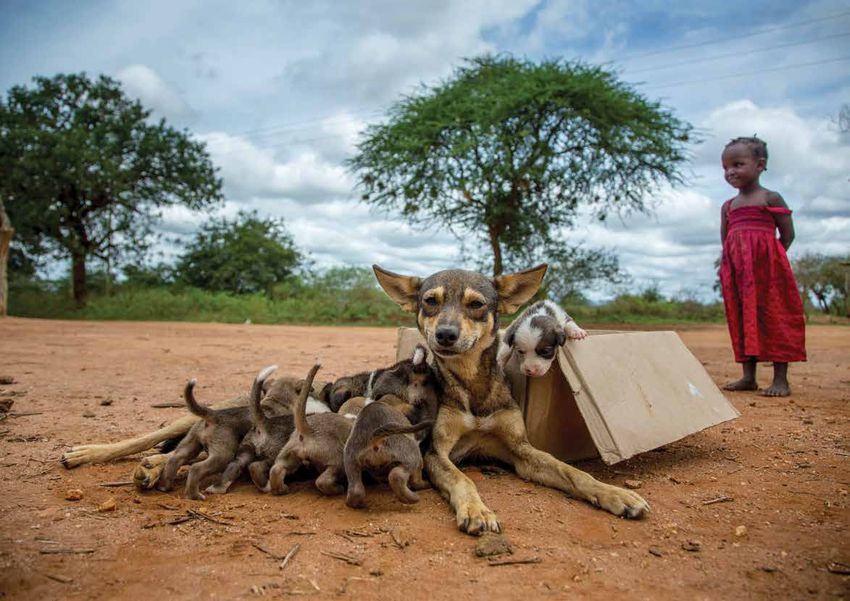
About the cover: Puppies brought
to a rabies vaccination drive,      Looking forward                                      36
overseen by our Africa team,
in Makueni county, Kenya.
                                    Thank you                                            38
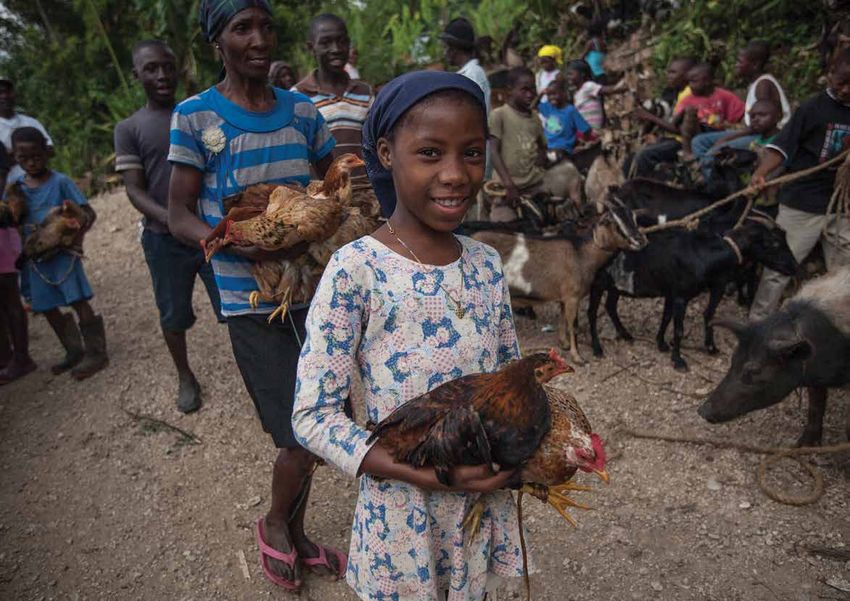
Opposite page: People queue
to get their animals checked
by our disaster response team
near Port au Prince, Haiti, after
Hurricane Matthew.

                                                                         Global Review 2016 Contents 3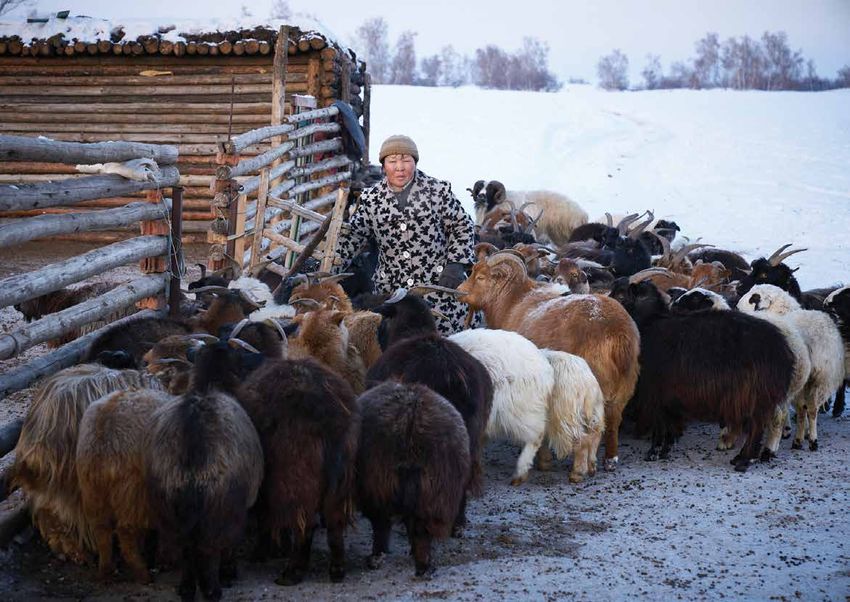
Moving the world
in numbers
In 2016 we…
Helped create better lives for more than              Freed   8   bears from bear baiting                Convinced 70 more tour operators to

100 million                                                                                              stop offering tours to places offering elephant

                                                                         558,000
                                animals                                                                  rides and shows, bringing the total to

    7
Welcomed        cruelly-treated and abused
                                                      Moved more than
                                                      people to ask TripAdvisor to stop selling tours
                                                      to cruel wildlife attractions
                                                                                                         158
                                                                                                                             300,000
captive bears to the Romanian bear sanctuary

Saved more than   606,000                             Supported projects in  6     countries to remove
                                                      ghost fishing gear from their seas and shores
                                                                                                         Inspired more than
                                                                                                         people to ask high profile fast food retailers
                                                                                                         to give chickens better lives
animals from disasters in 10 countries

Revealed the world’s  10      cruellest wildlife
                                                      Celebrated our  1 millionth
                                                      rabies vaccination for dogs
                                                                                                         Opposite page: An adult
                                                                                                         northern gannet struggles
                                                                                                         to free itself from ghost
attractions in our ‘Checking out of cruelty’ report                                                      fishing gear.

                                                                                                                    Global Review 2016 Moving the world in numbers 5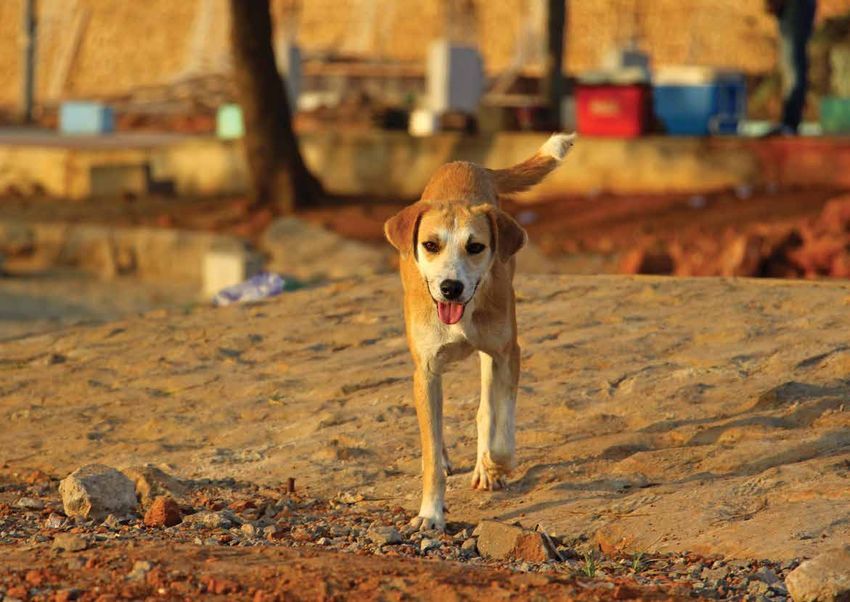
Moving the world
     together
      I
          n 2016 we became bolder and more challenging to move the world                 We also gained the support of several leading organisations in our mission to
          for millions of animals. And we are delighted to report that this approach     improve farm animal welfare and were awarded a substantial grant as a result.
           has been responsible for some momentous successes. One of the most
      notable was mobilising more than half a million people to convince                 Our work to give the world’s dogs better lives – to save them from the
      TripAdvisor, the world’s largest travel site, to stop endorsing and promoting      persecution and cruel culls so often carried out in the name of rabies – achieved
      cruel wildlife venues.                                                             a great milestone in 2016. We marked our millionth rabies vaccination in projects
                                                                                         around the world in Kenya in June.
      Through this achievement and others, we have succeeded in positioning
      ourselves and our supporters at the forefront of the animal welfare and            This was a critical year in driving international policy to protect animals.
      protection movement. We are a change organisation creating better lives            Our recommendations regarding the importance of recognising animal
      for animals on a huge scale. Supported by our strong digital presence and          welfare in the implementation of the UN’s Sendai Framework for Disaster
      influence in the media we are mobilising thousands upon thousands of               Risk Reduction were adopted. This is an unprecedented achievement.
      champions for animals.
                                                                                         We also celebrated another enormous step forward when our policy team
      We are determined to open the eyes of the world to the plight of farm animals      succeeded in having animal welfare and its connection with ending human
      which has traditionally attracted less support than the challenges faced by wild   hunger incorporated into the UN’s Sustainable Development Goals.
      or pet animals. Yet, the scale of farm animal suffering is enormous, measured
      in billions and on a truly industrial scale.                                       To increase our impact and influence to protect more animals than ever before,
                                                                                         and make best use of our funds, we changed the way we worked during 2016.
      During the year we powerfully campaigned to improve conditions for chickens        This included removing the regional management layer across our organisation.
      reared for meat. We galvanised more than 300,000 people to petition fast           Such a change places us closer to the front line of animal protection and even
      food giants and supermarkets to improve conditions in their supply chains.         closer to our country offices where we raise our funds and deliver our work.

6 Global Review 2016 Moving the world together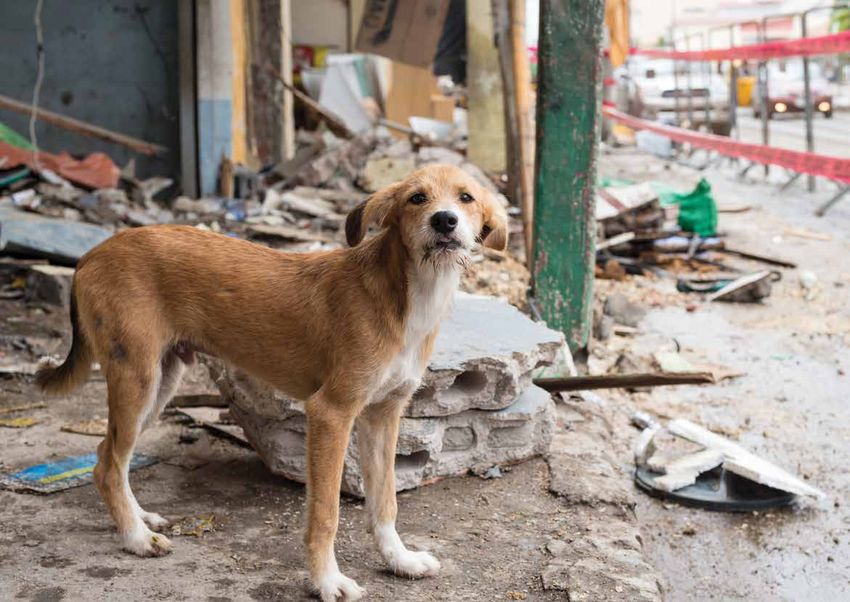
We’re ensuring our programmes leadership reflects the global need of animals.
Another key change was the shift of our disaster management operations hub
and leadership from London into the field, to our Costa Rica base.              Board of trustees
Our intention is to improve our response rates – moving towards having          (who are directors for
people on the ground protecting animals within just two days of a disaster      Companies Act purposes)
occurring. This is an exciting chapter for our disaster teams who operate
with incredible passion and professionalism in bringing relief to millions of
animals and owners in need.                                                     Paul Baldwin, Chair
                                                                                Nesta Hatendi, Deputy chair
We hope you enjoy reading about our successes and how you have helped           Dominique Bellemare
us move the world to protect animals. What we do would not be possible          Sarah Ireland
without you. Thank you for your support.                                        Anna Lemessany
                                                                                Christine Lloyd
Paul Baldwin      Steve McIvor                                                  Carter Luke
Chair             Chief executive                                               Mwikali Muthiani
                                                                                Joseph Nhan-O’Reilly
                                                                                Mark Watts

Paul Baldwin                                 Steve McIvor

                                                                                             Global Review 2016 Moving the world together 7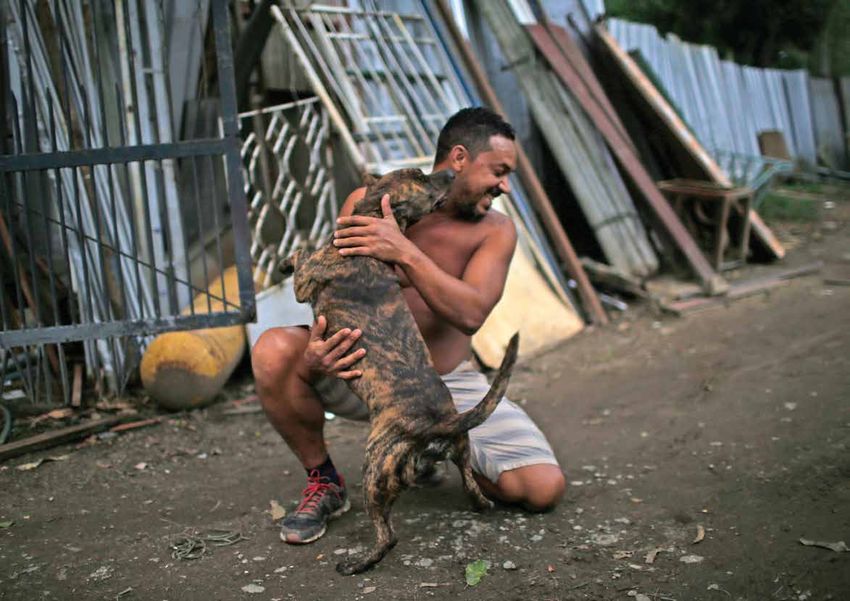
Protecting                                                                             In 2016 we…

     animals in
                                                                                            	Celebrated our millionth rabies vaccination in June. Bruno, a five-month-old much
                                                                                              loved family dog in Kenya, helped us mark this global milestone in our work.
                                                                                              Since 2011, vaccinations have been given to dogs in seven countries including
                                                                                              China, Bangladesh, the Philippines and Indonesia.

     communities
                                                                                            	Inspired the organisers of the Rio Olympics to protect wild and domestic
                                                                                              animals around all Olympic sites. With our training and support, local authority
                                                                                              and Olympic staff were trained in humane animal handling. More than 200
                                                                                              cats and dogs were rescued and given veterinary care and treatment. And
                                                                                              63 wild animals including capybaras, marmosets and alligators were rescued
                                                                                              and released after straying into Olympic areas.

                                                                                            	Handed over our rabies vaccination work in Zanzibar to the island’s
                                                                                              government; our vaccination programme, started in 2013 with their support,
       Dogs are our loyal protectors and companions. Worldwide they make incredible           has ended the inhumane culling of Zanzibar’s roaming dogs. The government
       contributions to people’s health and wellbeing, security and livelihoods. Yet          now has the capacity and resources to give regular vaccinations themselves
       around 490 million are at risk of unimaginable cruelty and suffering; and an           and keep the island rabies-free.
       estimated 10 million are inhumanely killed because of rabies or other perceived
       conflicts with communities every year. Electrocution, shooting, gassing, poisoning   	Continued our vital rabies prevention work in Kenya by vaccinating more than
       and beating are just some of the intensely cruel methods used.                         79,000 dogs. We also trained 59 teachers, four senior education officers and
                                                                                              four veterinary and livestock officers in Makueni county on dog bite prevention,
       Thankfully we can change all this. By using science-based and sustainable              rabies elimination and responsible dog ownership. This work is vital in meeting
       techniques, working with governments and local people, and through                     the Kenyan government’s national strategy to eliminate rabies from the country
       responsible pet ownership projects, we will give millions of dogs better lives         by 2030 and to show that it can be done without culling. The Makueni
       by 2020.                                                                               example will be used in other Kenyan counties to help meet the 2030 target.

       Right: Two boys from Makueni
       county, Kenya bringing their
       puppies to be vaccinated
       against rabies.

8 Global Review 2016 Protecting animals in communities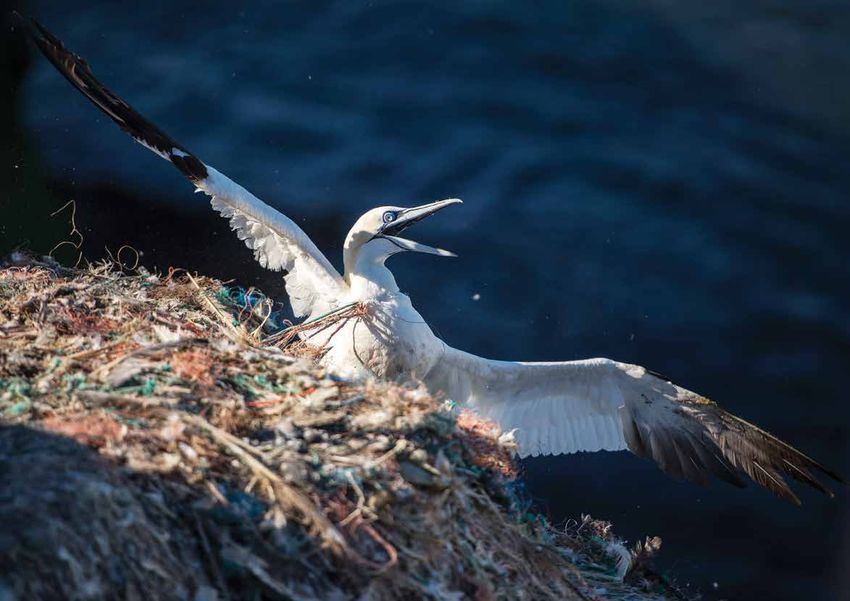
Introduced our Better Lives for Dogs campaign in Sierra Leone to establish firm
  foundations for our long-term project in the country. In total 1,013 dogs were
  vaccinated against rabies and on World Rabies Day we promoted humane
  dog population management on three television and five radio programmes.
  Our events and activities in three areas of Freetown encouraged more than
  10,000 people to give dogs better lives.

	Convinced the city of Constanta in Romania to stop catching and killing
  stray dogs. Constanta’s local authority promised to introduce a humane dog
  management programme after receiving our rapid response petition, signed by
  more than 60,000 people, in September.

	Gained Romanian government approval for ‘Let’s learn about animals’, our
  national responsible dog ownership education programme. This means the
  programme is available for any school in the country to use, with the potential
  to reach hundreds of thousands of children.

               “The world has set a target date of 2030 to eliminate
                rabies from the face of the earth. This cannot be achieved
                if we leave a country like Sierra Leone behind.”
                Tennyson Williams, World Animal Protection Africa director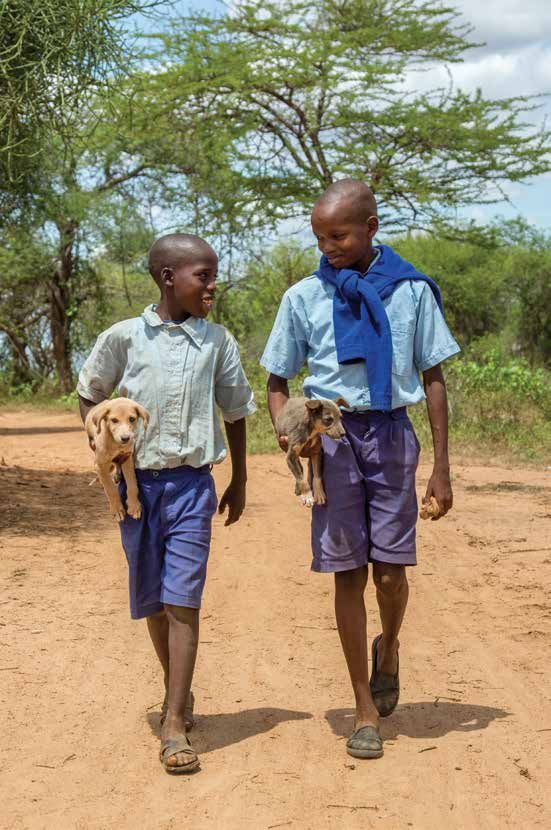
Focus on… Rosangela Ribeiro

                                                          W
                                                                         hen Rosangela Ribeiro received emails in     be used on the site. So, we organised specialised teams
                                                                         October 2015 from people concerned           to rescue them before and during the games.”
             “The absolute highlight of                                  about animals being removed for a clean-
              our involvement with the                     up for the Rio Olympics 2016, she quickly contacted the    Working partners
              local Olympic committee                      event’s local organisers.                                  Rosangela also organised partnerships with local vets
                                                                                                                      to spay, neuter and vaccinate the cats and test them
              was their decision to
                                                          Within weeks, her compelling arguments and solutions        for disease.
              manage all animals – wild                   inspired a partnership that was to protect hundreds of
              and domestic – humanely                     animals ranging from cats to capybaras living in and        Specialist teams were formed and trained to humanely
              and to put a lot of money                   around Olympic venues. By April 2016, Rosangela, our        rescue and care for any animals that strayed on to the
              and effort into it.”                        Veterinary Programmes Manager, was responsible for the      Olympic sites. Particular worries were dogs causing
                                                          first technical cooperation agreement ever to be signed     accidents by straying across the paths of marathon
                                                          between World Animal Protection and an Olympic              runners and cyclists, and caimans putting golfers off their
                                                          organising committee.                                       stroke. But thanks to the planning, training and the skills
                                                                                                                      of the animal management teams no problems occurred.
                                                          “I was very concerned about the animals for the Olympics
                                                          – we have a lot of stray dogs and cats in Rio. We were      Rosangela also saw the Olympics as an ideal time to
                                                           going to be getting around 1 million extra people, new     promote dog adoptions and publicise responsible dog
                                                           roads, buildings, security structures. There was huge      ownership through a series of fun events.
                                                           potential for problems to emerge.”
                                                                                                                      “These were very challenging and difficult to organise in
                                                           One of the biggest challenges, she explains, was dealing    all of the hub-bub of the Olympics, but we got owners for
                                                           with the cats living in and around the Maracanã Stadium     more than 85 dogs…it was very rewarding for all of us –
                                                          – the site of the opening ceremony.                          our amazing volunteers and World Animal Protection staff.”

                                                          “We were worried they would get injured and killed by       Opposite page: A dog owner
                                                           the generators, tractors and other machinery that would    at an Olympic construction site.

10 Global Review 2016 Protecting animals in communities
Spotlight on… Sierra Leone
S
tanding nervously on busy street corners, hiding, Piloting protection
injured under cars, dying in gutters…stray dogs Despite the best efforts of a few committed local
and their puppies are everywhere in Freetown, people and organisations, only a small number
Sierra Leone. The country has the densest stray dog of the city’s dog population has been vaccinated
population in Africa. But with only four vets nationally, against this distressing disease.
impoverished local authorities and people reeling from
the effects of the Ebola outbreak and civil wars, dog To tackle the situation, we signed agreements with
welfare is not a priority. national and local government and community partners
to start a pilot project in September 2017 to manage
Worsening the situation for both animals and people is the city’s dog population humanely. This involves
the ever-present fear of rabies in a city which has one vaccinating dogs against rabies, training government
of the highest rates of death from the disease in the staff in vaccination and neutering techniques and
world. Most people cannot afford either the injections motivating local people to support the project.
or trips to the overstretched hospitals where often these
life-saving vaccines may have run out. By July 2018 we expect the pilot to extend from
Freetown’s Constituency 109 to the whole city,
protecting 100,000 dogs from rabies. We will also
develop a national rabies elimination strategy for the
country with Sierra Leone’s National Livestock Animal
Welfare and Rabies Control Taskforce. Our successful
work in Kenya, to produce the first national rabies
Opposite page: A stray dog elimination strategy, will form the basis for this.
on the streets of Freetown,
Sierra Leone.
Right: Few dogs and puppies
are vaccinated against rabies
in Sierra Leone.
Global Review 2016 Protecting animals in communities 13Protecting In 2016 we…
animals
Extended the Global Ghost Gear Initiative’s (GGGI) impact. We convinced
the UN General Assembly to recognise ghost gear’s serious and increasingly
pervasive economic, social and environmental impacts. The Assembly called for
urgent preventative action and removal, by all member states, of the 640,000
tonnes of ghost gear that injure and kill millions of marine animals annually.
in the wild
Increased GGGI membership to 80 members. The membership represents
50 organisations and includes fishing industry, academia and government
representatives. It is dedicated to finding solutions to the ghost gear problem
and encourages preventative action.
Persuaded more than 140 countries in the UN Committee on Fisheries to
develop and adopt global guidelines for marking fishing gear – an essential
first step in protecting animals. Marking makes the gear easier to trace and
Our world’s precious wildlife needs protection. Every day wild animals face improves fishing practices so that less gear is lost.
a distressing catalogue of cruelty. They are trapped, traded and trained
to perform for tourists or exploited and slaughtered for their body parts. Funded sea-changing projects worldwide, including a triage centre for Marine
Mammals of Maine (USA), and renovations and equipment for the Hillswick
Marine animals are at risk of entanglement in the thousands of tonnes Wildlife Sanctuary in Shetland (UK). We also supported tonnes of ghost gear
of ghost fishing gear left like death traps in our oceans. removal in six countries and marine mammal disentanglement training with the
International Whaling Commission (IWC).
But it doesn’t have to be like this. With the help of our supporters we are
moving industry, governments and local communities to develop powerful Mobilised thousands to save botos – pink river dolphins – from being killed for
solutions to end this unnecessary suffering for good. fishing bait in the Amazon. More than 292,000 people in Latin America and
globally have now joined our Boto Guardian movement. In the Amazon region,
48 schools joined our education programme; 90 teachers have been trained
and are inspiring more than 5,000 students to protect botos.
Opposite page: A bear
freed from cruel captivity
enjoys winter at the Romanian
Bear Sanctuary.
14 Global Review 2016 Protecting animals in the wildSaved seven brown bears from captivity and brought them to join 73 other
bears in the Romanian Bear Sanctuary run by our partner AMP – Millions of
Friends. Funded largely by our supporters, the sanctuary is a beacon of animal
welfare and responsible tourism and receives nearly 25,000 visitors every year.
Protected eight bears from the horrors of bear baiting by providing alternative
livelihoods so their owners could hand them over to our Balkasar Sanctuary.
The campaign to stop baiting, run with our partner, the Bioresource Research
Centre of Pakistan, has been a resounding success. No public baiting events were
held in the country during 2016 and six out of 19 covert events were stopped.
Worked with our partners in Vietnam, South Korea and China to end the
suffering of around 25,000 bears farmed for their bile. Our research with
a Chinese government-sanctioned think tank recommended a breeding ban
starting in 2020 and a phase-out of the industry in 20 years. We also tested
a micro-chipping programme in Vietnam to ensure bear farmers comply with
existing laws stopping bear bile production.
Persuaded the UK government to continue funding the London-based National
Wildlife Crime Unit (NWCU) for the next four years after it was threatened with
closure. NWCU works closely with Interpol to combat the illegal wildlife trade
estimated to be worth up to £14bn a year. London is an international hub for
the trade.
“Sometimes we felt like we were in a Tom and Jerry game
– cat and mouse – to find the bear baiting events and stop
them. Sometimes we felt like we were failing but then
after failure would come a series of victories that gave
us great strength. And now we have achieved what
was almost unimaginable…”
Madeeha Manzoor, Balkasar Bear Sanctuary, PakistanFocus on… Jan Schmidt-Burbach
O
ur wildlife technical expert Jan Schmidt-Burbach Rewarding work
“Elephants are unique has worked to improve the lives of elephants His research and expertise is central to our respected
animals – you really get throughout most of his 12-year veterinary career. and scientifically-based reports on captive cruelty. These
a sense for their intelligence He is passionate about protecting all wild animals from reports – including ‘Wildlife on a tightrope’, ‘Tiger selfies
exploitation in captivity and is currently focused on those exposed’ and ‘Checking out of cruelty’ – have been vital
and emotional capacity
used for tourist entertainment. to our successful Wildlife – not entertainers campaign.
when you are around them.”
Exposing the myth of ‘domesticated’ elephants is “Monkeys, tigers and orangutans performing shows and
something that Jan is particularly keen to do. having to pose for holiday selfies… elephants performing
and being ridden…The misuse of those animals is hard
“Elephants are not domesticated full stop…There is not the to bear especially when you see the conditions they are
sort of selective breeding over generations for life with kept in as well. Personally, I find it rewarding to tackle this
humans you get with domestic animals, such as dogs or cruel exploitation. Seeing our strategy fall into place and
cows. The cruel training and breaking of their spirits has become reality is really amazing,” says Jan.
‘tamed’ them not domesticated them. Biologically they
are identical to their counterparts living in the wild. This
is something that is very commonly misunderstood.”
“The cruel training and breaking
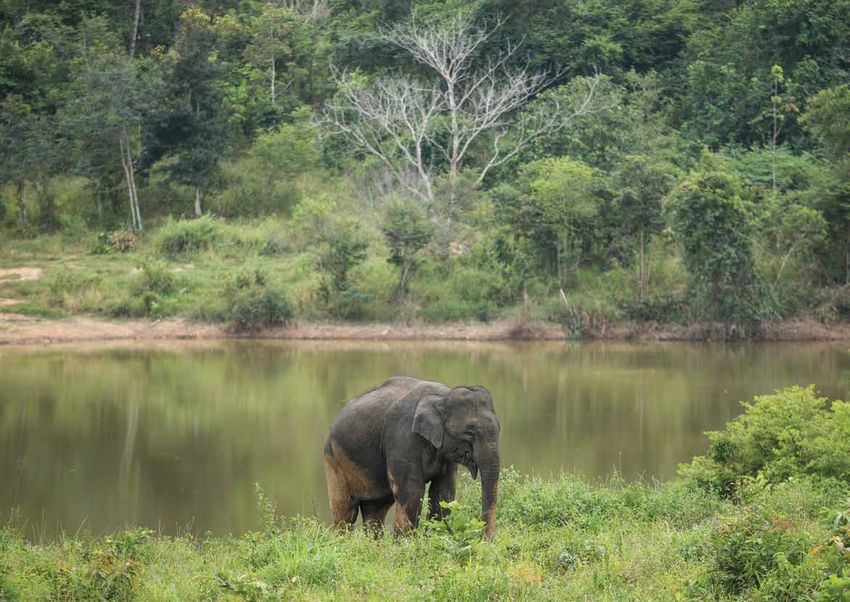
Opposite page: A female
of their spirits has ‘tamed’ them elephant in Kui Buri National
not domesticated them.” Park, Thailand.
16 Global Review 2016 Protecting animals in the wildSpotlight on… Wildlife – not entertainers
O
ur Wildlife – not entertainers campaign We also grabbed worldwide media attention in July
captured the hearts and minds of hundreds with our report ‘Tiger selfies exposed’, uncovering the
of thousands of people globally throughout fast-growing tiger entertainment industry in Thailand.
2016. Together, they helped us move the world to The captive tiger population has increased in the
protect animals abused for tourist entertainment. country by one third in just five years. And after Thai
authorities confiscated all 147 tigers at the infamous
More than 558,000 people joined us and called for Tiger Temple we presented them with a 32,000-strong
TripAdvisor to stop promoting and profiting from cruel petition urging them to shut down other cruel tiger
wildlife entertainment. And our ‘Checking out of cruelty’ entertainment venues.
report launched in February, made a strong media
impact, exposing the global scale of the problem Reducing demand
and the world’s ten cruellest wildlife tourist activities. Working with the travel industry to stop offering and
As a result, TripAdvisor has announced that it will no promoting tourist activities causing animal suffering is
longer sell any wildlife experiences that involve direct central to our campaign and critical in reducing demand
contact with animals. They will also launch an online for cruel wildlife entertainments. By the end of 2016
education portal to help millions of tourists learn the we inspired an additional 70 travel companies including
facts behind the scenes that wild animals face for Contiki, TUI and Abercrombie and Kent to stop offering
tourist entertainment. tours to venues offering elephant rides and shows.
This brought the total to 158.
We also worked with leading travel associations
in Germany (DRV) and the Netherlands (ANVR) to
Opposite page: More tigers produce information, guidelines and training for their
are living in captivity in members, focusing on the cruelty of captive wildlife
Thailand than ever before.
entertainment. This will influence nearly 4,300 tour
Right: An elephant endures operators and travel agents in these countries.
tourist selfies.
Global Review 2016 Protecting animals in the wild 19Protecting In 2016 we…
animals
Improved the welfare of 63,423,491 farm animals by working with Thai
producer Betagro. More than one in ten of the company’s sows now have more
space to behave naturally through group housing systems we have promoted.
And more than one million Betagro chickens are experiencing better living
conditions. The company has also built new higher welfare sow farms where
in farming
sows no longer give birth in farrowing crates that restrict their movement. Other
improvements include enrichment for growing pigs to reduce the frustration and
boredom that these highly intelligent animals often feel.
Challenged eight of the world’s largest fast food retailers to improve the lives of
chickens after our investigations revealed the shocking conditions in which the
animals are raised. In response to our campaign McDonald’s publicly stated their
commitment to being cage-free for chickens. And we collected almost 100,000
signatures asking KFC, Burger King, Pizza Hut, Domino’s, Starbucks, Nando’s
Intensive farming means intensive daily suffering for billions of animals worldwide. and Subway to do the same. Nearly 200,000 supporters also petitioned KFC to
give the chickens better lives, calling for more space, enriched environments and
Tightly packed in their thousands into sheds, indoor pens and cages, the most natural light.
intensively farmed animals never get the chance to behave naturally. Their natural
desires – to explore, to perch, or simply turn around – are largely ignored Worked with North American businesses like IKEA US and Canada, Nestlé US and
causing them physical and psychological suffering. Some have been bred Canada, and grocery members of the Retail Council of Canada (RCC) to only use
to grow at such a rate that their body cannot even support their own weight. cage-free eggs. IKEA sells more than 900 million breakfasts in North America every
year and in November 2016 they started using eggs from cage-free hens only.
We are moving the world to give them better lives. Through our work with farmers, Our partner Nestlé has committed to use only cage-free eggs in North America
retailers, consumers and governments we are showing how ending farm animal by 2025 as have RCC members, who sell 90% of retail table eggs in Canada.
suffering can bring significant benefits to animals, people and business productivity.
Found that 75% of consumers in four major Chinese cities believe pig welfare is
Opposite page: This newly-introduced important and more than 70% said they would pay more for higher welfare pork.
fibre dispenser – part of Betagro’s
group housing system – encourages
These results were launched on World Animal Day (4 October) with a video to
pregnant sows to move more freely educate businesses and consumers about pig welfare. The video has gained
and socialise as they feed. more than 100,000 views.
20 Global Review 2016 Protecting animals in farmingHarnessed consumer support against the rise of intensive, indoor dairy farms
in the UK through our Full Fact Milk campaign. Thousands of people petitioned
their supermarkets asking for labelling to guarantee that the milk they sell is from
cows grazed on grass for at least six months of each year. Marks & Spencer and
Waitrose issued statements saying that their milk comes from cows that graze for
at least 100 days a year.
Supported one of the world’s largest food producers – BRF – to improve
the welfare of pigs, on their farms in Brazil. Improvements include banning
unnecessary teeth clipping or grinding for pigs; pain relief when surgical pig
castration is necessary and adopting group pig housing on a number of farms.
More than 20% (around 75,800) of BRF sows have been moved from
stalls to group housing after two years of work with us. BRF is also trialling
enrichments to allow pigs, chickens and turkeys to behave more naturally.
Once fully implemented these improvements will mean better lives for 43
million birds every year.
Gained the commitment of the three largest food companies in Brazil –
JBS, BRF and Aurora Alimentos – to phase out sow stalls over the next nine
years. This means 48% of all sows in the country will no longer be kept in cruel
systems based on rows of metal cages which stop them turning around and
behaving naturally.
“All three chicken farms to which we gained entry
were claustrophobic, deafening and shocking in
the level of suffering. The barns overwhelmed us
with the clamour of the massed and miserable birds,
the artificial roaring of the vents and fans, and the
horrendous smell of the chickens’ waste.”
World Animal Protection investigator 2016Focus on… Victor Yamo
K
enyan senior veterinary surgeon and poultry expert Farming challenges
Victor Yamo has worked with African farm animals But whatever the farming method, all present animal
“Our chickens campaign and their owners in commercial and subsistence welfare challenges. Poor nutrition is a shared challenge.
is helping bring the settings for more than 20 years. Since joining World This is because of a maize-based feed dependency
whole animal production Animal Protection in 2015, he has driven forward our which creates competition between animals and humans
chicken campaign at a local level. as many African people also depend on maize for
industry together. There is
their food. Consequently, chickens are often fed lower
no organisation in Africa, Victor’s role currently focuses on eastern Africa, quality maize by-products which negatively affect their
other than World Animal encouraging governments, the chicken industry and the wellbeing and productivity.
Protection, dealing with public to protect chickens farmed for meat.
animal welfare on farms.” Other animal welfare challenges include ensuring good
“More than 130 million meat chickens are farmed ventilation in their shelter, improving biosecurity measures
commercially, intensively or semi-intensively within and providing environmental enrichment for nesting,
the region annually. But most chickens in Africa are perching and dustbathing.
indigenous chickens, known as ‘Kienyeji’ – they run
around people’s backyards in free-range production Victor is working with the Kenyan government to update
systems,” explains Victor. outdated legislation and with the industry to develop
standards for farm animals with expected completion
in 2018.
“Because of our experience and knowledge we are seen
as the experts and governments and industry are happy
to work with us.”
Opposite page: A 19-day-old
meat chicken being farmed
commercially in Africa.
22 Global Review 2016 Protecting animals in farmingSpotlight on… India
India’s first National Code of Practices
for Management of Dairy Animals
is a major success for our India team.
D
espite their sacred and protected status, To tackle the problem, Khushboo and World Animal
many dairy cows in India have a harsh life – Protection’s India team have pressed for better lives
particularly those kept in packed urban areas. for India’s dairy animals for more than four years.
Their success includes the introduction of India’s first
Up to 50 million dairy animals – cows and buffaloes National Code of Practices for Management of
– suffer in unacceptable conditions. They are kept in Dairy Animals.
legal and illegal, large and small local dairies located
in cities and suburbs. The code covers housing requirements, space
allowance, good practices for providing water for the
“They barely get to move, roam or rest and are animals and the type and frequency of feed. It was
often seen tethered all day, helplessly standing over endorsed by the Ministry of Agriculture and Farmers
their own urine and faeces. The situation is even Welfare in 2016 and subsequently recommended
worse in illegal dairies as there is no monitoring to India’s state animal husbandry departments. It will
of the animals and their conditions,” says Khushboo also be distributed to CEOs of livestock development
Gupta, our humane and sustainable agriculture boards, state agricultural and veterinary university
project manager. information centres for farmers at village level.
She explains that animals kept in this way suffer “This will help ensure that current and future
from malnutrition, are not sheltered from the sun and veterinarians, dairy scientists and farm personnel
rain and don’t have access to proper breeding and will understand dairy animal welfare issues and
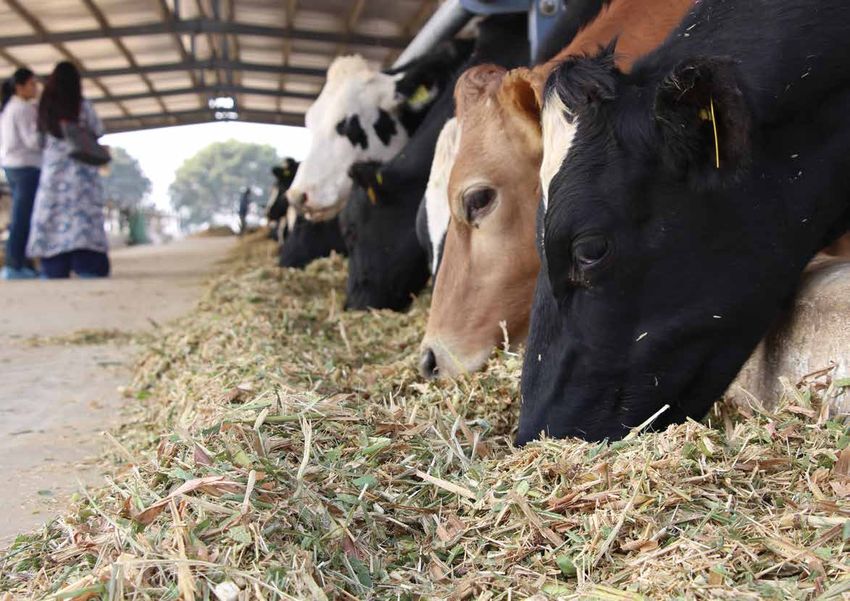
healthcare facilities. methods to improve it,” says Khushboo. Opposite page: Binsar Dairy
on the outskirts of Delhi rears
Building better lives its 305 cows in high welfare
“Those in the illegal urban dairies do not even have conditions.
basic amenities like food, water and shelter. Their food Above: Many cows in India
comes from garbage dumps and household community are kept in unacceptable
leftovers. Grass is unlikely to be on the menu at all.” conditions.
Global Review 2016 Protecting animals in farming 25Protecting In 2016 we…
animals
aved more than 606,000 animals from suffering in ten disasters in ten countries;
S
an additional 265,700 were helped indirectly – through our training, funding
and equipment.
Celebrated a world first by convincing the international community that
in disasters
animals matter in disasters. In November, as part of the implementation
of the UN’s Sendai Framework for Disaster Risk Reduction 2015-2030,
UN member states agreed with our recommendations, to measure the global
impact of disasters. This means that for the first time ever, countries are expected
to reduce the risks animals face from disasters, and show the benefits of
protecting them in hard figures.
Protected wild animals in drought-stricken Ethiopia from dehydration and
death by working with the Ethiopian Wildlife Conservation Authority to give
Disasters devastate animal lives – inflicting severe injury, disease and death. access to water in Yangudi Rassa National Park.
We move quickly to protect animals in crisis. We bring back hope by reducing Gave life-saving clean water and important minerals to 12,888 cattle
their suffering and by helping governments and the world’s most vulnerable in Chiang Mai province, Thailand – an area affected by the worst drought
communities recover, rebuild and prepare for future catastrophes. in 10 years. The 40 water tanks and eight mineral block compression machines
we provided in March were vital in helping them survive the harsh conditions.
We are the only animal protection organisation with full-time staff strategically
placed around the world, dedicated to disaster response and management. Protected 250,000 Mongolian farm animals – including sheep, cattle and
We have more than 50 years’ experience in these vital areas. goats – from extreme freezing conditions in Mongolia. Herders were supplied
with emergency shelter materials for more than 160,000 animals; 94,000
animals were also given milk and vitamins to make them stronger to survive
the cold.
Opposite page: A Soemmerring’s
gazelle in the parched landscape
of Yangudi Rassa National Park,
Ethiopia.
26 Global Review 2016 Protecting animals in disastersVaccinated more than 100,000 animals against anthrax and Newcastle
disease after Hurricane Matthew tore through Haiti in September. These highly
contagious diseases cause great suffering, can kill infected animals and spread
to people too.
Equipped 30 local vets, paravets and livestock officers in the Philippines with
our emergency veterinary kits in the aftermath of Typhoons Sarika and Haima
during October. Thanks to our training in the use of the kits they treated more than
79,000 animals and protected them from disease.
Provided veterinary medicines and vitamins for more than 23,000 pets, farm
animals and horses stranded in the floods that devastated Argentina’s Villa
Parancito region in April. This treatment protected them from the digestive and
respiratory infections carried by stagnant flood water.
Worked with our local partners – the Police Regional Canine Training Center
and Rescate Animal Ecuador foundation – to give 20,550 earthquake-stricken
animals in Ecuador food and veterinary care.
Helped more than 11,000 animals in six villages affected by flooding in India’s
Golaghat district in Assam. We supplied mobile veterinary clinics and training
in preventative care techniques that indirectly helped 20,000 more animals.
Cared for more than 97,850 cattle, pigs, poultry and pets suffering in Costa
Rica in the aftermath of November’s Hurricane Otto by giving them much
needed veterinary assistance and food.
“Animals are a critical source of livelihood.
The loss of animals has a significant social and
economic impact on people, especially on those
with lower resources and in rural areas.”
Juan Carlos Murillo, disaster response managerFocus on… Gerardo Huertas
N
o one else in the world has more experience He explains that using disaster liaison officers will be
saving animals from the devastating effects of key in making the most impact.
“We want to move towards disasters than Gerardo Huertas.
helping animals after a “We are going to seek reputed veterinarians in their
disaster from two weeks “I stopped counting after the 200th disaster I was country that will want to volunteer when a disaster
deployed to…It’s very scary at times but there is no other strikes home. They will spearhead our work; assessing
to two days…Before we
job like it. You get to save animals from certain death. the situation, analysing the need, and starting to treat
get to the airport I want There is nothing more gratifying than that,” he says. the animals before we can get there.”
local teams on the ground
protecting animals before Gerardo’s career spans 35 years at World Animal Gerardo explains risk reduction – helping communities
we arrive.” Protection and includes disasters such as the Indian to prepare to protect animals before disasters strike –
Ocean tsunami in 2004 and the Haiti earthquake of will also be a priority for his team. He points out that the
2010. Millions of animals owe their lives to him and ground-breaking work by our policy team with the UN
our dedicated disaster team. on the Sendai Framework for Disaster Risk Reduction
has given such preparation global recognition.
Saving one million
Towards the end of 2016 Gerardo became our global “This framework is an incredible step forward. Countries
programme director for animals in disasters. From his are now expected to reduce the risks animals face
Costa Rica base he is in charge of our disaster team from disasters. It’s so exciting… We can move the world
of 13 and has a target of saving one million animal with this.”
lives every year. To do this he says our work must be
quick, focused and largely triggered by humanitarian
organisation deployment.
“If the International Federation of Red Cross and Red Opposite page: One of the dogs
Crescent (IFRC) deploys we know animals will be at cared for by our team after an
risk too.” earthquake hit Ecuador.
28 Global Review 2016 Protecting animals in disastersSpotlight on… Mongolia
W
hen the severe drought of 2015 and harsh Building strength
winter conditions of 2016 created climate Our support helped animals regain their strength and
conditions known locally as a dzud, the mortality rates within the herds dropped significantly.
Mongolian livestock started dying in their thousands. Such improvements meant the herders could move
Their owners, terrified for the future, wondered how their animals to the summer pastures more quickly than
both they and their animals – their sole source of usual. This movement improved their health and welfare
income – would survive the harshest winter on record. even further.
We responded to this distressing situation by providing Mrs Ouyandalai, a mother of three children, was
life-saving emergency shelter materials – including heartened by how much better her animals were
tarpaulin sheets – to protect more than 160,000 feeling just three days after receiving a World Animal
animals in February and March. Protection tarpaulin. She was using it as a wind break
for her five sheep and five cows to protect them from
We also gave 750 of the worst-affected households the coldest hours of the -38oC nights. She was also
in Dudgovi Province a one-month nutrition emergency expecting two of her cows and three of her sheep
pack. This response directly helped more than 94,000 to give birth shortly.
animals – including cows, goats and sheep.
“We can’t survive without our animals and we’re doing
The pack included a milk supplement for new-born everything we can to look after them. But it is so cold
animals – to build their strength and lessen the burden and the wind so fierce I have been frightened they
on their weakened mothers. It also included mineral would die. The tarpaulin has given us all a fighting
blocks to provide nutrients for adult sheep and goats. chance,” she said.
Supporting families:
Mrs Ouyandalai (above) and
Mrs Soronzonbol (left) were
given emergency aid to protect
their animals.
Global Review 2016 Protecting animals in disasters 31Inspiring partnerships
Working with Open Philanthropy
“We’re excited that World Animal Protection An exciting grant of half a million dollars from the
influencing the government to implement higher
is focusing on farm animal welfare in China, US-based Open Philanthropy Project will make a step welfare standards
given the huge number of animals affected change in our work to improve the lives of intensively
by farming standards there. We’re also farmed pigs in China. Around 700 million of these
educating the public about the suffering of pigs
impressed by the relationships that World highly intelligent animals are reared and slaughtered in low welfare systems and raising consumer demand
Animal Protection has built in China, and the in the country each year. Most are kept in cramped, for higher welfare pork products.
collaborative approach it’s taking to working barren conditions and never see daylight; sows are
with farmers and regulators to improve confined to narrow stalls for most of their lives where “We are delighted with this investment in our work by
animal welfare.” they can’t even turn around. the Open Philanthropy Project. This grant will be critical
Lewis Bollard in developing the use of higher welfare systems and
Open Philanthropy Project The Open Philanthropy grant will add significantly to giving millions of pigs a better quality of life. It’s also
our existing work to change pigs’ lives for the better. good news for businesses and for improving the bond
Together we will be: of trust between consumers, retailers and producers,”
says Jonty Whittleton, acting director for our animals
piloting and promoting higher-welfare pig farming in farming programme.
solutions with leading Chinese pork producers
persuading food retailers to improve the welfare
Opposite page: Tero, a former
baited bear, is now living happily of the pigs in their supply chains
at our Balkasar Sanctuary.
32 Global Review 2016 Protecting animals in disastersGiving truly and sincerely “Our donation is given with a lot of love and consideration. We want it to be used for good and fair causes that can make a difference for animals. We give truly and sincerely from our hearts and out of our very intense love for animals.” For longer than she can remember Karin and her husband Gerard* have donated regularly to World Animal Protection and eagerly follow the progress we make for animals worldwide. She explains that the couple, who live in the Netherlands, initially supported our work to help bears farmed for their bile and those cruelly used for baiting and dancing. “But although bears attracted us first, we also like the broadness of World Animal Protection’s work,” she says. “You have so many projects, all of them are necessary and helpful. We like the aspect that the organisation is international and has many different focus areas, so our donations are used for multiple projects. Animal protection and welfare is very important to us.” “All situations where animals are in need are heart- breaking – they touch us deeply. Animals cannot speak for themselves and as humans we need to treat every living creature with respect,” she says. *Not their real names. Karin and Gerard would like their donations to remain anonymous.
Financial summary
      I
         n 2016, World Animal Protection secured US $61.6m1 of income –                      and Change for Chickens campaigns, and our work to mobilise the public
         an increase of more than $1.8m compared to 2015. Legacy income was                  to support our Wildlife – not entertainers campaign.
         one of the most significant drivers of this increase, with $13.3m in bequests
      provided by generous individual supporters. This represents an increase of             Disaster management programme expenditure decreased in 2016 compared
      $3m, or 28%, compared to 2015.                                                         to the previous year. This was partly because there was no single disaster on
                                                                                             the scale of those responded to previously.
      Gifts in kind from companies in the United States, which helped raise
      awareness of World Animal Protection’s work, also contributed to our                   We had a larger than expected surplus in 2016 for two main reasons. The
      strengthened income position this year. Finally, donations from trusts and             operating model changes slowed expenditure in the last quarter of the year.
      foundations rose slightly from $2.6m in 2015 to $2.9m this year. Regular               We also received large unexpected legacies in the UK and US. This resulted
      donors continue to provide the greatest proportion of our income to achieve            in a surplus of nearly $5m.
      our global mission to improve the lives of animals at scale.
                                                                                             The trustees take responsibility to balance the long-term sustainability of the
      We changed our global business model in late 2016, simplifying our                     organisation with the need to make the greatest impact from the income we
      organisational structure and making improvements in the way we work.                   receive. Consequently we decided to designate $11m of our historic reserves
      These changes will enable effective decision making and efficient business             to support longer-term activities. These will extend our organisation’s reach and
      management. They will also ensure that we have sufficient operational capacity         grow our animal protection movement. The board and staff of World Animal
      in locations important to fulfilling our global animal protection strategy.            Protection are grateful for the generosity of our donors, who make our mission
                                                                                             to move the world to protect animals possible.
      The changes incurred costs of $1m in 2016 which will be recovered in less than
      12 months. These costs will result in significant efficiencies in the years to come,   Kim Bowden
      allowing us to maximise the funds so generously entrusted to us by our supporters.     Global director of finance and performance

      During 2016, our expenditure rose to $56.6m, and direct spend on our
      charitable activities accounted for 74% of total organisational spend. Spend
      across all but one of our thematic campaign areas increased during the                 1 These figures represent the figures of all World Animal Protection entities, whether branches/
      year. This is due to meeting our global milestones for Better Lives for Dogs           subsidiaries or affiliates and are not audited. Consolidated audited financial statements for
                                                                                             the World Animal Protection UK charity will be available on our website by June 2017.

34 Global Review 2016 Financial summary
Our financial review at a glance Income 2016
4%
Income 2016 FY 2016 FY 2015 22%
US$’000 US$’000
Donations from individuals 43,083 44,575
Partnership giving 2,927 2,669
5%
Legacy gifts 13,271 10,261
Investments and other 2,300 2,212
70%
61,580 59,717
Expenditure 2016 FY 2016 FY 2015 Expenditure 2016
US$’000 US$’000
Animals in communities 4,714 3,232
Animals in farming 9,372 8,566 3% 8%
Animals in disasters 5,969 5,346
Animals in the wild 14,011 15,013 24%
17%
Global advocacy 7,178 9,114
Fundraising 13,472 13,120
Organisational support 1,878 1,816
56,595 56,207 11%
13%
FY 2016 FY 2015
US$’000 US$’000 25%
Surplus 4,985 3,510
Global Review 2016 Financial summary 35Looking forward
In 2017…
With your
support we’ll
be moving the We will protect animals in farming by… We will protect animals in the wild by…
world to give
Telling the story of their suffering in bold new ways – Influencing the UN, governments and the seafood
more animals
building a sense of urgency for farm animal welfare and fishing industry to commit and take real action
and encouraging people to move the world for them. to tackle the problem of ghost gear, saving millions
better lives than
of marine animals from suffering.
Rallying a vibrant global movement of people to
influence the food industry and secure commitments Inspiring even more people and travel companies
ever before. to improve the lives of millions of chickens, pigs and
dairy cows.
to demand an end to tourism that exploits animals.
Securing lasting changes in Asia to stop bears being
Collaborating with livestock producers around cruelly abused for entertainment and for their bile.
the world to develop and expand higher welfare
farming systems.
36 Global Review 2016 Looking forwardWe will protect animals in communities by… We will protect animals in disasters by…
Creating better lives for dogs and communities in Taking our emergency relief and response work
Kenya, Sierra Leone, Brazil, China, Romania and where it’s needed the most, to save 5 million
Costa Rica though promoting national and local animals from suffering by 2020.
humane dog population management programmes.
Working with global organisations, including the “We are a change
Supporting and working with global organisations International Federation of Red Cross and Red organisation creating
including the World Health Organization and the Crescent Societies, in emergencies to develop and better lives for animals
World Organisation for Animal Health to push for promote best practice procedures for animals. on a huge scale”
rabies to be eliminated humanely.
Continuing our work at UN level pressing for animals, Steve McIvor,
Galvanising people worldwide to stop dogs being their protection and welfare to be included in regional, Chief executive
cruelly killed for city clean-ups and disease control. national, local and personal disaster preparedness
plans worldwide.
Global Review 2016 Looking forward 37Thank you
Australia Estates Beryl Thompsosn Lush Estates
Individuals Margaret K Balchin Elizabeth C Williams Macquarie Finance George M Barr
Ceilidh Anderson Cathy E Bax Margaret Willson Marini Ferlazzo Robert CD Bowkett
Rita Andre Anna Boydell Patricia A Woollam National Australia Bank Alison D Cotter
Elaine Bragg Rhoda Cullen Ritchie’s IGA Leigh J Douglas
Trusts and Foundations
Denis Brophy Pauline Davies Rufus & Coco Shirley MJ Jeppe
Duchen Family Foundations Pty Ltd
Leith Brown Cecily A Dignan Telstra Lillian Kidson
Gaywest Family Bequest
Ivy Cheah Peter A Dodd Westpac Alma Langley
Hunter Hall International
Gillian Dahlsen Judith Galagher Charitable Trust Westpac Matching Reginald Langley
Gifts Program
Ruth Eisner Fredrick Howard Melissa Foundation Marg-Rose Linder
Charitable Trust
Wayne Fitzherbert Pamela Jaup Nine Links Foundation Canada
Edna GJ Maben
Catherine Gray Maureen Jones The Doves Nest Foundation Hallward Fund at the
Toronto Foundation Helen J Nicholls
Peter and Barbara Hoadley Eva Joy The Jean, Juliette & Gilberte
Leman Trust World Expeditions Teodora Palmieri-Chuck
Patricia Huntley Marion A Kingston
The Rona Ellis Foundation Marijke Pritchard
Alison Kennan Dorothy E Lange Denmark
Doris C Reed
Craig Maclean Diana Heather Mackintosh Corporates Qato Fonden
Roy & Marie Sainsbury
Leonie Martin Jean E Morrison Australian Securities Fonden af 24 december 2008
Charitable Trust
Mary O’Sullevan Michael L Nolan Australian Taxation Office
New Zealand Sheila M Trainer
Alice Simpson Elaine Phillips Ecolab
Individuals Annemarie Treadwell
Gilvray Smith Katherine T Powers Havaianas
Annette Babajan Nigel Tyler
Meridy Taite Juliette P Prasad Intrepid Travel Group
Reiko Sugiyama
Majorie Wallace Elaine Rowe Lion Nathan
Annabel Williamson Joan E Sturzaker Lion Pty Ltd
38 Global Review 2016 Thank youThailand Estates USA Nina Purdon Charitable Foundations
Foundation
Amarin Printing and Publishing Mary Calder Estates A Kinder World Foundation
Public Co., Ltd. Susan S Ripley
Laurence Goodall Charlotte Anderson The Baobab Fund
Central Embassy Charles Saunders Charitable Trust
Patricia Graves Sylvia Askin Cape Cod Five Trust and
Praew Magazine Flavia Sayner Asset Mgmt
John Grice Joan M Axelson
Harold Schessler Cecil B DeMille Foundation
Margaret Heath Marlow and Barbara Baar
Community Foundation
UK Betty Kirtley Edith A Baumgart Corporations
Santa Cruz County
Betty and Stanley Abbett Michael Lingwood Winifred A Caldwell AmazonSmile
The Goodnow Fund
Charitable Trust
May Lloyd F Marino D’Amato – Meriden The Benevity Fund
The H English and Ermine Carter
Mr and Mrs Ashwell Foundation
Mary Mathews Biogen Robinson Foundation
Paul Dane Eleanor K Decker
Gillian Morrice Echoage Hollomon Price Foundation
Paul Davis Madge C Fairfax Trust
Shirley Read Facebook Josephine Peiser Charitable
The Dischma Charitable Trust Amaryllis C Garello Foundation
Elizabeth Sharp Google
Al Fayed Charitable Foundation Georgette Haigler Jones Trust The New York Community Trust –
Alma Simmons IBM LW Frohlich Charitable Fund
Lady Annabel Goldsmith Betty Jacobs
Aline Steele Local Independent Charities Silcon Valley Community
Nestlé Mary Janvrin of America Foundation – The Acton
Margaret Warner
The Persula Foundation Natalie Janvrin Wiggins Microsoft Family Fund
Francesca Quint Cathy M Larsen PayPal Silicon Valley Community
Foundation – Open Philanthropy
The Turney Charitable (Animal Richard H Long Qualcomm Charitable Foundation Project
Welfare) Trust
Byron Mason World Bank Fund Washington Foundation Fund
Joan M and John J O’Connor Jr William & Charlotte Parks
Fund, Rhode Island Foundation Foundation
Thank you to our other generous
supporters who have chosen to Bill Pauline Trust
remain anonymous
Global Review 2016 Thank you 39Individuals Ram Challa Dr Ricarda Franco Kathleen C Johnson Carter J Luke Frank and Joann Randall Dr Brian Sullivan
Veronica Acosta Leslie S Harriette M Frank Bill Johnston Pamela M Lunny Robert Rapp Jan, Susan and Karen
Houghtlen Christodoulopoulos Suwinski
Marilyn French Jennifer Josephy Eloise Lynagh Patricia and Charles
Shubber Ali Darby Conley Reber Lynette and Gerard
Sandra P Fricke Kathleen Josey Linda J Macintyre
Szydlowski
Edith M Allen Linda Conti Holly Reynolds
Mr and Mrs Lionel Morne Joubert Julie Maday
Margaretta Taylor
Ann B Anderson Derek K Cunningham Friedberg Ann T Richards
Peggy Kavookjian and Francesco Maino
Pamela K Teeter
Holly Averyt Christine L Dale Justine Frischmann David Nora Steve Rodgers
Tatiana Mandel
Marlene G Titus
Ann Bacon Ilana D’Ancana Joshua Furey Karen M Kehoe Eva Rodriguez Tlusti
Angelina Mauldin
Karen Turnbull
Graciela Barrera Pam Day Ute D Gannett Jeanie and Murray Anthony M Roncalli
Susan McAllister
Kilgour Fay and Peter Vale
Maxine Beige Alexandra Denman Hilda Geber Sharon Rush
Ryan McCall
Abner and Diana Dean Vanech
William Bennett Dr Joan E Denton Rudolf Genewsky Sheryl Ryan
Kingman Mary M McCracken
Cesar Vargas
Terry Berk Jayen Desai Marilyn Gilhuly Josh and Michael Sacora
Natalie Kirkland Patricia McGinnis
Karen H Waldron
Martin Bernstein and Carolyn Deuel Julie and Scot Gillespie Tina Saenger
Crista Klayman Gilbert Meehan
Pamela Oxenberg Lorraine J Walker
Vincent Diblanda Dr George Goldner C Lorraine Schieve
John Klein Dr Maya Meux
Dr G M Bertucci Robert and Diane Weeks
Devra Doiron Maria Gonzalez Tara Seidenberg
Sandy Knudsen David G Milner
Isabel Beteta de Cou Mr and Mrs Weinberger
Thomas and Nephele Kenneth and Vicki Green Dr Karolyn Senica
Zhanna Koch Phillip S Mitchell
Adam Bierman Domencich Mark Whelan
Craig and Yolanda Gross Helen A Shockey
Yanni Kouskoulas Carol Moore
Cynthia Biestek Panna Doshi Karin F Whittemore
Karin Hakanson Teresa Silva
Barbara Kowalsky Dr Alan J Morris
Aurolyn R Boda Richard Drakkir Brian K Widell and
Laura Louise Hawkins Carla M Skinder
Marilyn R Kudisch Lanie Mossey Dr Jennifer Casey
Alan E Boles, Jr Ram Duriseti
Linda Hayes Gerry Smith
Steve Kuo John J Norman Nevin G Williams
Ilka Boogaard Gloria Eddie
Sylvia and William Hays Zoya Soane
Diane Lamb Laura Oberfeld Calderon Richard Winrod
Faith Bowie Harv Eker
Donald H Henley Eugenie
Dr Catherine Lannon Leslie O’Loughlin James and Beth
Andrea Brands Mary Ellis Sotiropoulos-Foss
Alexander Herrey Wintersteen
Madeleine Larsson Christopher Osgood
Lois Brounell Joann Fechner Craig Stevenson
Olivia Hu Dr Clive Wood
Stacy LeBaron Maureen Osolnik
Kathryn Brown Kathryn Feig Frances W Stevenson
Leah B Hunt Michael N Wood
Glen Li Karen Outland
Ambreen and Tristan Brian Field Jane and Dan Streek
Didi Hunter Anna Lou Wooldridge
Brown Judith Lidsky Linnea Peterson
Final Touch Moulding Amanda and Andrew
Joan Hyra Yi Fang Wu
Audrey B Buyrn & Cabin Jodi Ann Lien Raymond Picciano Street
Caroline Ioannou Michael and Patricia
Janeil Byrne Rae Finan Schumacher Deborah and Peter Lisa Pollione Jody Stroh
Young
Dr Richard Ivey Lipman
Kathryn P Casey Diana Fiori Vernon Pomfrey Dana S Stuart-Bullock
Jacquelyn W Zehring
Greg Janusz Sofia Logue
Richard Chalfen Stefanie Frame Caroline Ramsay Merriam
40 Global Review 2016 Thank youWe would like to thank the following high-profile
supporters for their help in 2016
Marc Abraham Joanna Lumley OBE
Gurdeep Ahluwalia Evanna Lynch
Candice Batista Nick Maxwell
Kristin Bauer van Straten Deborah Meaden
Brian Blessed OBE Emma Milne
Mike Bradwell Jodi Picoult
Ruth Bratt Susie Porter
Dominic Brunt Simon Reeve
Mark Charnock Andrew Reid
Jenny-May Clarkson Kristen Renton
Carla Collins Hayley Roberts
Alesha Dixon Gaby Roslin
David Dixon Loretta Schrijver
Peter Egan Jasper Smit
Jennifer Ewbank Ian Somerhalder Foundation
Anthony Farnell Aliya-Jasmine Sovani
Ricky Gervais Tracey Spicer
Tessa Gobbo Tanya Streeter
Dr Jane Goodall DBE Amy Williams MBE
Taylor-Ann Hasselhoff Liisa Winkler
Sir John Hurt CBE – Karman Wong
in respectful memory
Ronnie Wood
Lady Anwen Hurt
Ryan Yerbury
Natalie Imbruglia
Asher Keddie
Tono Pakin Kumwilaisuk
Leona Lewis Right: Joseph Mutui and his
dog Bruno from Makueni county,
Eleanor Logan Kenya. They helped us celebrate
our 1 millionth rabies vaccination.You can also read


