GOLDEN DETOUR The hidden face of the gold trade between the United Arab Emirates and Switzerland
←
→
Page content transcription
If your browser does not render page correctly, please read the page content below

GOLDEN DETOUR
The hidden face of the gold trade between
the United Arab Emirates and Switzerland

                          1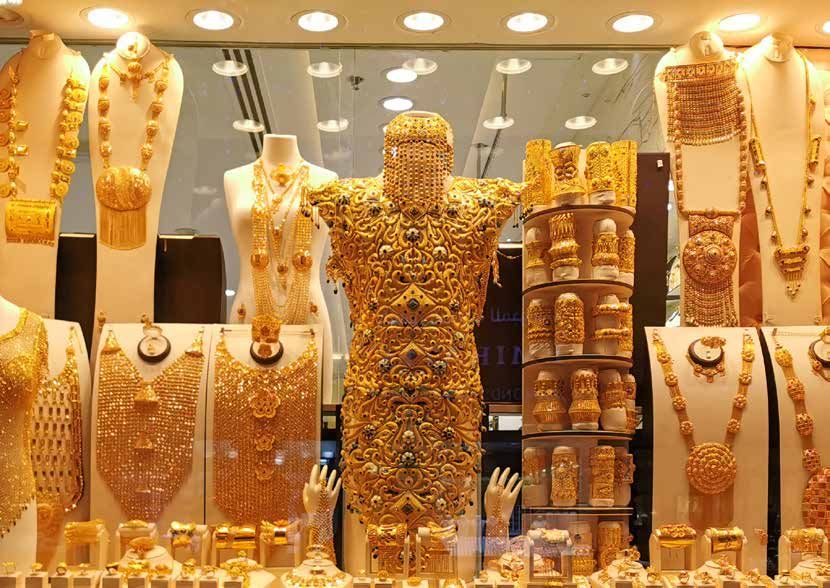
Table of contents
 3   Abbreviations
     Credits         AbC         3 Methodology                 4   Introduction            6   Key Results

                            8 The United Arab Emirates: a hub for risky gold
                                 8 Dubai: a gold trading centre
                                 11 Weak customs controls
                                 12 The Dubai gold souk: a gateway for illegal gold
                                        13 Gold laundering
                                        13 The example of conflict gold laundering in Dubai
                                 15 Dubai refineries
                                        16 DMCC Dubai Good Delivery certified refineries
                                        17 Non-DMCC Dubai Good Delivery certified refineries
                                 19 Laxist and fragmented legislation

     21 Kaloti: a high-risk gold empire
         21 The story began with selling jewellery
                 22 Kaloti, a family story
                 22 Two Dubai refineries owned by the Emirati leader
         24 The first revelations and removal from the DMCC standard
         25 Kaloti’s questionable sourcing issues
                 26 The Kaloti purchasing office in the souk
                 28 Kaloti, Sudan and its conflict gold
                 32 Kaloti in Suriname: a refiner that arouses suspicion
                 34 Kaloti in the USA: bankruptcy linked to dubious practices
         35 Inaccessible audit reports
         36 Kaloti: a tarnished reputation and a partner to be avoided in the sector

                         37 Switzerland: a key destination for dubious gold from the UAE
                             37 Swiss refiners: a variety sourcing practices
                             40 Valcambi is the main Swiss importer of gold from the UAE
                                    43 Analysis: Valcambi’s due diligence is defective
                                    46 The measures Valcambi should take based on the OECD Guidance document

     		47                 The LMBA standard and its audits
     		50                 Analysis of buyers at the end of the supply chain
                                                                                                               Cover Photo: © REUTERS - stock.adobe.com

     		53                 Swiss gold trade legislation

         58     Recommendations                61        Notes                    79   SWISSAID

                                                           2
Abbreviations           AbC                                           Methodology
 •   AGR: African Gold Refinery                                       This study is the result of a survey and analysis conducted by
 •   AMLA: Anti-Money Laundering Act                                  SWISSAID in Switzerland and the United Arab Emirates be-
 •   COPM: Central Office for Precious Metals Control                 tween October 2019 and July 2020. Many gold sector stake-
 •   DMCC: Dubai Multi Commodities Centre                             holders were interviewed during a trip to Dubai at the begin-
 •   DGD: Dubai Good Delivery                                         ning of 2020. The survey was also supplemented by a number
 •   DRC: Democratic Republic of the Congo                            of visits and interviews in the famous gold souk. The British
 •   EPMR: European Partnership for Responsible Minerals              non-governmental organisation Global Witness also carried out
 •   EY: Ernst and Young                                              a parallel survey on the gold trade.
 •   FARC: Fuerzas Armadas Revolucionarias de Colombia
     (Revolutionary Armed Forces of Colombia)                         After extensive documentary research, the researchers inter-
 •   FATF: Financial Action Task Force                                viewed more than a hundred people active in the gold trade:
 •   FCA: Federal Customs Administration                              refiners, trading companies, assayers, shipping firms, auditing
 •   GDL: Good Delivery List                                          companies, government representatives, watch and jewellery
 •   IPMR: International Precious Metal Refiners                      groups, experts from the academic world, journalists, represent-
 •   KML: Kaloti Metals Logistics                                     atives of civil society, banks, as well as international organisa-
 •   KSMH : Kaloti Suriname Mint House                                tions and associations such as the OECD and the LBMA. The
 •   KYC: Know You Customer                                           research is also based on Comtrade and Swissimpex statistics
 •   KYP: Know Your Product                                           along with international databases on the gold trade.
 •   LBMA : London Bullion Market Association
 •   OECD: Organisation for Economic Co-operation                     Finally, the investigators analysed the responses to question-
     and Development                                                  naires sent to some 30 stakeholders: refiners, banks, trading
 •   PGR: Premier Gold Refinery                                       companies, technology companies and jewellers. The main re-
 •   PMCA : Precious Metals Control Act                               sults of the study were sent to several companies and organisa-
 •   PMCO: Precious Metals Control Ordinance                          tions concerned to enable them to respond to the issues raised.
 •   RCOI : Reasonable Country of Origin Inquiry
 •   RGG: Responsible Gold Guidance                                   This report is divided into six parts. The first focuses on the
 •   RJC: Responsible Jewellery Council                               gold trade in the United Arab Emirates. The second deals with
 •   RMAP: Responsible Minerals Assurance Process                     the activities of the Kaloti Group. The third examines the situa-
 •   RMI: Responsible Minerals Initiative                             tion of Swiss refineries. The fifth focuses on buyers at the end
 •   RSF: Rapid Support Forces                                        of the supply chain and the sixth analyses Swiss legislation.
 •   SBGA : Swiss Better Gold Association
 •   SFAO: Swiss Federal Audit Office
 •   SFS : Centre for a Secure Free Society
 •   SRO: Self-Regulatory Organisation
 •   STP: Society for Threatened Peoples
 •   UAE: United Arab Emirates

Credits
“Golden detour – The hidden face of the gold trade between the United Arab Emirates and Switzerland”
SWISSAID research paper published in July 2020
Author: Marc Ummel, Programme Officer Raw Materials, SWISSAID, m.ummel@swissaid.ch, 031/350 53 60.
Contributions: Eliane Beerhalter, Inès Blondel, Karin Diennet-Schnider, Delphine Neyaga, Wangpo Tethong, Anaelle Vallat.
Layout: Joséphine Billeter
Photography: Cover photo and photo p. 29: REUTERS - stock.adobe.com. Others: SWISSAID, Joséphine Billeter

For any reproduction, kindly first obtain the author’s consent.
The original French text is the authoritative version.

                                                                  3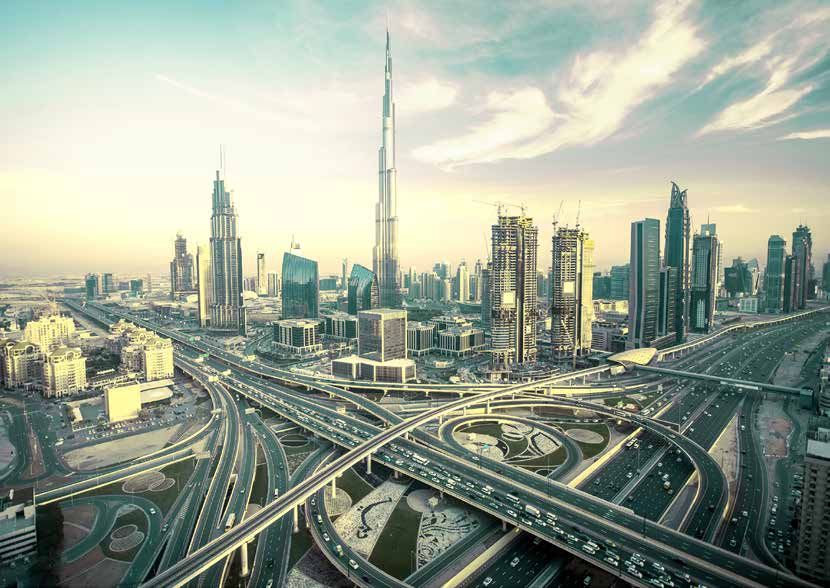
Introduction
December 2019, at the premises of the Swiss adminis-          In the gold sector, everyone knows the historical
tration in Bern. One year after the publication of the        and questionable relationship between Kaloti and
Federal Council’s gold report, a meeting of the most          Valcambi. Following several scandals, including the
important players in the gold sector is to take place.        loss of Dubai’s standard of good practice, the Emirati
Everyone is present: authorities, civil society, aca-         group has lost a great deal of credibility in the eyes
demics, international organisations, global industry          of gold industry players. A large majority has now
associations as well as the world’s largest gold refin-       turned its back on it, but not everyone.
eries based in Switzerland. After hours of discussion,
a question suddenly interrupts the hitherto courte-           Valcambi, Switzerland’s largest refiner and world
ous debate:                                                   leader in the industry, has never officially announced
                                                              that it is terminating its relationship with Kaloti. Bar-
“Who still imports gold from Kaloti?”                         ricaded behind the padlocked information of the
                                                              customs authorities and under cover of confidential-
The question is followed by a lengthy moment of si-           ity, Valcambi, based in Ticino, has continued to oper-
lence. The uneasiness is palpable, particularly among         ate with impunity.
refinery representatives. For once, no one takes the
floor to repeat the endless refrain: “For confidenti-         Through numerous testimonies and documents, this
ality reasons, we cannot provide information about            study uncovers the reality on the gold trade between
our customers and suppliers”. Yet Kaloti, the global          the United Arab Emirates and Switzerland and looks
giant in precious metal refining in Dubai, is not just        in part at this questionable relationship. It denounc-
any supplier. No one wants to be officially associat-         es the hypocrisy of a system in which stakeholders
ed with its dubious sourcing and deplorable image.            resort to intermediaries to conceal the origins of the
The fact that the refiners present prefer to keep quiet       gold, rather than sourcing it directly. Yet these prac-
is because they nurture doubts about their competi-           tices fuel the worst human rights violations...
tor’s practices. They will never, however, make them
public. The moderator puts an end to the tense at-
mosphere by noting that there will be no answer. The
representative of the world’s largest precious metals
refinery has just had a narrow escape.

                                                          4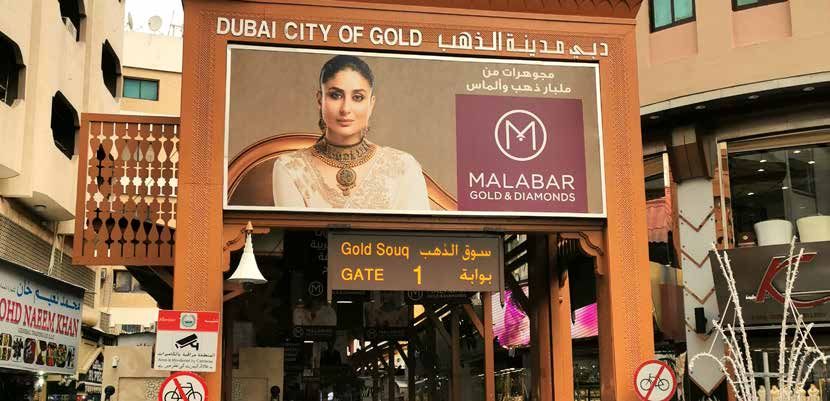
Apple, HP, Samsung
Gold transactions between the UAE and
Switzerland (quantities refer to the years 2018 and 2019)
Switzerland
Quantities
UAE exporters CH importers
(tonnes)
Credit Suisse UBS
Ashoka Argor-Heraeus 0.5
Vintage Bullion DMCC Argor-Heraeus 2
International
Argor-Heraeus > 0.5
Commodities DMCC Valcambi Argor Heraeus
Ashoka Valcambi 7.5
Vintage Bullion DMCC Valcambi 5.5
International
Valcambi 10
Commodities DMCC
Intl FC Stone Valcambi 3
Kaloti Jewellery 16 (2018) ;
Valcambi
International Group 4 (2019)
Dijllah jewellery FZCO Valcambi 1
Trust One Financial 19 (2018) ;
Valcambi
Service 44 (2019)
Axiom Limited Valcambi 2.5
Emperesse Bullion Valcambi > 0.5
Vintage Bullion DMCC Credit Suisse 5
* In the absence of a round figure, the quantities mentioned in
this table have been rounded down to the lower 0.5.
Kaloti Jewellery int. T1FS *** Trading Societies
** According to information obtained by SWISSAID, the
44-tonne transaction in 2019 is thought to come either in Dubai
directly from the UAE or from the UK.
*** The fact that Trust One Financial Services belongs to the
Kaloti Precious Metals group has not been established,
but there are extremely close personal ties between these
two companies. Dubai
Other sources
Refineries in Dubai
Refineries of Kaloti in Dubai
Soudan Central Bank
Mines controlled by
armed groups
Purchasing offices Gold traders in
of Kaloti in the Souk the Souk of Dubai
African gold mines
Africa
5
Key results
As the main hub of the international gold trade, Switzerland refines and processes two-thirds of the world’s precious metals and
maintains intensive trade relations with the United Arab Emirates (UAE). The UAE was the largest gold exporter to Switzerland
in 2019 (in terms of value), last year, for example, sending 149 tonnes of gold worth 6.8 billion Swiss francs to be refined in here.
From smartphones to gold mines controlled by armed groups in Sudan, SWISSAID has retraced several supply chains involving
Swiss refineries. For the first time, this study reveals the identity of the companies behind the gold trade between the UAE
and Switzerland, shedding light on a seemingly unthinkable relationship between certain Swiss refineries certified by the in-
ternational standard of best practice in the industry (London Bullion Market Association – LBMA) and Emirati companies with
dubious practices and sourcing linked to conflict gold.
Swiss refineries: very different procurement
practices that raise questions
• Valcambi, the world’s largest refiner of precious
metals, is based in Ticino and is the main Swiss
importer of gold from the UAE. A large proportion
of its imports come from questionable suppliers
Dubai
such as Dijllah and the internationally active Kaloti
group.
• Argor-Heraeus, located in Ticino, also imports
gold from the UAE. However, the group explains
that it is going to reassess certain business rela-
tionships after warnings from several interlocu-
tors, including SWISSAID. It acknowledges that
it is sometimes difficult to know the origin of this
precious metal and that there is a risk of importing
questionable gold from the Dubai souk.
• PAMP, also in Ticino, imports only gold bars cer-
tified by the LBMA international standard via the
UAE.
• Metalor, in the Canton of Neuchâtel, categorically From Africa through Dubai to Switzerland,
refuses to source from the UAE as it is unable to the myth of “recycled” gold
trace the origins of the metal and believes that
there is a risk of importing illegal gold. • The Valcambi refinery, and to a lesser extent Ar-
gor-Heraeus, imports gold from Dubai-based trad-
ing companies such as Ashoka and Intl FC Stone.
Massive loopholes in Swiss legislation While these refineries claim to import only recycled
gold from the UAE, the study shows that some of
In Switzerland, there are significant shortcomings this gold is believed to come from African mines
in the control of gold imports and in the supervision and the Dubai souk. The gold is processed by re-
of refiners. The latter are not required to ensure that fineries in the UAE with which the Swiss companies
the gold has been produced without violating human have no direct links, which makes it impossible for
rights. Customs statistics definitely lack transparency them to trace its origin and ensure that it its mining
and do not make it possible to determine the real origin takes place under acceptable conditions.
of gold imported into Switzerland via Dubai. • In 2018, half of the gold transiting through Dubai
came from the African continent (402 tonnes).
Much of this gold is exported illegally from Af-
rican countries before being declared in the UAE.
6
Key Results
Valcambi-Kaloti: a dubious relationship and
defective due diligence
• Valcambi obtains its supplies each year (16.5
tonnes in 2018 and four tonnes in 2019) directly
from Kaloti, a group that has been accused of sup-
plying illegal gold. In 2015, the Emirati group was
removed from the DMCC standard in force in Dubai
for its questionable practices discovered during
the Ernst & Young cover-up audit case.
• Trust One Financial Services (T1FS) is the larg-
est supplier of gold from the UAE to Valcambi (19
tonnes in 2018 and 44 tonnes in 2019). It has very
close personal links with Kaloti, with one of its Dubai: platform for high-risk gold
executives also a director within the UAE group.
• Controls by the customs authorities in the emir-
Kaloti’s questionable sourcing has not been ate are very weak, with gold carried in hand lug-
discontinued gage remaining common practice. It would there-
fore still be easy to pass through UAE customs
• In the UAE, the Emirati group has a purchasing with gold of illegal origin.
office in the gold souk from which it imports large • The gold souk is still an entry point for illegal
quantities of gold from Africa. Our on-site inves- gold, with traders still readily accepting gold of
tigation shows that through this office, Kaloti ex- dubious origin without due controls. The on-site
poses itself to very significant risks, thereby open- investigation shows that it is easy to launder con-
ing the door to potentially risky gold imports. flict gold.
• Several trading companies and refineries in Du-
• In Sudan, Kaloti has been the main client of the bai have questionable practices, some of them
Central Bank and the Khartoum refinery for sever- sourcing from suppliers linked to gold from the
al years. The UN Panel of Experts clearly mentions conflicts in the DRC.
that this bank buys gold from the conflicting par- • UAE gold stakeholders are subject to lax and
ties in Darfur. Sudanese armed militias, implicated fragmented legislation. The Dubai Multi Com-
in war crimes and human rights abuses, have sold modities Centre is a powerless regulator faced with
gold from the mines they control to the govern- a conflict of interest.
ment institutions from which Kaloti sources its
supplies. Shortcomings in the due diligence of
stakeholders at the end of the supply chain
• In Suriname, Kaloti has a refinery (KSMH) jointly
owned with a high-risk government. Five years af- • Banks, technology industries, jewellers and watch-
ter its inauguration, the KSMH does not refine gold making groups apply very different due diligence
and may never do so. The contradictions between procedures. The vast majority of the 15 companies
the interests of the Emirati group and the man- analysed do not have the necessary procedures
dates of the Suriname government raise questions in place to avoid having potentially problematic
about the actual practices of this “refinery”. It has gold in their supply chain.
been accused of being linked to money laundering
and dubious gold certification activities. . Industry self-regulation is insufficient
• In the United States, the Emirati group’s affiliate • The audits to which refineries are subject are not
company went bankrupt in 2018 because it could sufficiently transparent. The London Bullion
no longer obtain bank loans. Banks were unwill- Market Association (LBMA) has limited powers
ing to take the risk of financing transactions that and is not able to identify suppliers to its member
could be linked to illegal gold. This firm was sourc- refineries.
ing gold in Latin America from several dubious
suppliers.
7
THE UNITED ARAB EMIRATES:
a hub for risky gold

Dubai: a gold trading centre

Dubai, nicknamed the “City of Gold“, is a central hub        tries. Drawn to these infrastructures and a favourable
for the international gold trade. Thanks to attractive       tax system, more than 4,000 companies are active in
legislation and the establishment of good physical,          the gold sector in Dubai.6 According to a recent report
financial and commercial infrastructure, between             from the emirate of Dubai, 2,498 companies are active
25%1 and 40%2 of the world’s gold passes through Du-         in the gold jewellery sector; 1,184 in gold trading; 392
bai. According to Comtrade statistics, the United Arab       as goldsmiths; and less than ten in refining activities.7
Emirates (UAE) imported 923 tonnes of gold in 2018
worth 27 billion USD.3 Of these imports, 402 tonnes of       In order to overcome its historical dependence on oil
gold arrived from African countries (see chart 1).4          and become one of the most important international
                                                             trading centres in the world, more than 37 free zones
The largest city in the UAE enjoys an excellent ge-          have been created in Dubai.8 The largest is the Dubai
ographical position and is equipped with excellent           Multi Commodities Centre (DMCC). This was estab-
infrastructure. Its airport, one of the largest in the       lished in 2002 by Sheikh Mohammed bin Rashid Al
world, plays a central role in this trade5 with direct       Maktoum, Emir of Dubai and also Prime Minister of
connections to the majority of gold exporting coun-          the UAE. In order to make the emirate a central loca-
                                                             tion for global gold trading, the founding of the DMCC
                                                             was accompanied by the creation of the Dubai Gold
                                                             and Commodities Exchange (DGCX), highly secure
                                                             gold vaults and a standard for refineries.9 Today, the
                                                             DMCC is home to 17,000 companies and more than
                                                             60,000 employees.10

                                                         8
The United Arab Emirates: a hub for risky gold

Dubai: gateway to the international market for African artisanal gold
Over the past ten years, exports from African countries          While artisanal gold mining can be the source of the worst
to the UAE have risen sharply, as shown by chart below.11        violations, it can also have a very positive socio-eco-
Several reports have demonstrated that some of this              nomic impact when carried out in a responsible man-
gold has been produced in violation of human rights and          ner. With the development of the OECD Due Diligence
the environment and has been used by armed groups                Guidance for Responsible Supply Chains of Minerals
in the financing of conflicts, such as in the DRC, Sudan         from Conflict-Affected and High-Risk Areas (hereafter
and Burkina Faso.12 Much of this gold is illegally export-       OECD Guidance)14, the OECD was the first organisation
ed from African countries before being declared in the           to openly support the artisanal mining sector. When
UAE.13 This results in very significant loss of income for       asked about the benefits of buying gold from artisanal
producer states that do not benefit from the wealth of
their subsoil mineral assets.

United Arab Emirates gold imports from African countries between 2008 and 2018.
Quantity (Tonnes)                                                                                       Source: UN Comtrade
500

450
400
350

300
250
200
150

100

 50

  0
      2008     2009       2010         2011      2012        2013         2014       2015        2016        2017      2018

        Other Countries   Uganda    Togo     Tanzania   Sudan South Africa        Senegal   Nigeria     Madagascar   Mali
        Morocco     Libya   Liberia    Kenya     Guinea   Ghana   Egypt          Cameroon   Burundi     Benin

                                                             9
The United Arab Emirates: a hub for risky gold

miners, the OECD responds in its booklet as follows: “In                not come from Africa but in most cases from scrap gold,
producing countries, responsible production and sourc-                  such as old jewellery.16 While these assertions turn out
ing of ASM gold has the potential to foster sustainable                 to be partly untrue, as the current study shows, these
economic development in mining communities, increase                    refineries forget that the gold in these jewels could have
public revenues, reduce the share of gold that financ-                  been found just a few months earlier in an African gold
es conflict, human rights abuses and illicit activities of              mine controlled by a jihadist group.
armed groups (…)”.15

Based on these statements, the world’s largest gold re-                 The refineries being called out are not the only players in
fineries should source their gold directly from artisanal               the supply chain that need to be held accountable. Banks,
mines in order to participate in local economic develop-                the technology industries and the major watch and jewel-
ment and fight human rights violations. However, the re-                lery groups cannot assume that they are being supplied
ality is quite different, as shown by the chart below.                  with “ethical” gold. They must commit themselves finan-
                                                                        cially to the formalization of artisanal and small-scale gold
Only a few tonnes of African artisanal gold are export-                 mining (ASM). Michael Mesaric, CEO of Valcambi, the
ed directly to LBMA-certified refineries, the industry                  world’s largest precious metals refinery based in Switzer-
benchmark standard. The vast majority of this gold                      land, emphasizes this point: “To engage in ASM, we need
goes to Dubai, where some Swiss refineries obtain their                 to have the commitment of the buyer. The LBMA does not
supplies, thus avoiding complicated due diligence work                  understand this. If I would be paid 60 mio dollars to legiti-
on the African continent. This demonstrates a certain                   mate and formalized ASM miners, in 5 years’ time 40 to 50
hypocrisy on the part of these Swiss companies in pro-                  % of all ASM miners could have access to the international
claiming loud and clear that there is no African arti-                  market and would be formalized”.17
sanal gold in their supply chain when they are in fact
sourcing “recycled” gold from Dubai. When questioned
on the subject, they generally reply that this gold does

 350

 300                                        Artisanal gold processed by LBMA refineries

                                                 Artisanal gold production
 250                                             Artisanal gold processed directly by LBMA-certified refineries

 200

  150

 100

  50

   0                                                                                       Source: LBMA

Tonnes         AFRICA                   AMERICA                         ASIA

                                                                   10
Dubai
Weak customs controls
Despite being criticized for many years, the controls in 2017, the UAE authorities stated that individuals
performed by customs authorities in Dubai remain carrying gold in their luggage must provide their ad-
very weak. The ease of customs clearance is a key dress and a copy of their passport, declare the iden-
factor in encouraging the importation of gold from tity and address of the exporter and give the name
illegal origins. The UAE allows gold to be imported in of the consignee of the goods.22 For their part, the
two forms: by cargo (freight), entrusted to a freight industry players questioned by S WISSAID say that, in
agent; or in a passenger’s hand luggage. addition to a passport, they simply have to present a
certificate from the country of origin and an original
Concerning the importation of gold in hand luggage, invoice.23 If a fine is paid, it would even be possible to
the UAE customs authorities do not provide expla- be exempt from presenting a certificate of origin.24
nations regarding the procedures.18 In Dubai, such Numerous false passports or falsified certificates are
gold is generally declared as there is no incentive to also said to be in circulation.25 All the actors inter-
smuggle.19 Hand luggage is X-rayed and there is no viewed, particularly in the Dubai gold souk, claim
tax.20 According to a United Nations report dated 2016, that passing through customs is never a problem.26
the name of the country of origin is simply checked
with the boarding pass and no other documents are Transporting raw gold
required.21 In a response letter to the UN Panel of Ex-
perts on the Democratic Republic of Congo (DRC)
Transporting raw gold in hand luggage is one
of the most common
in hand luggage is one methods of bringing
of the most common illegal gold to Dubai.27
The numerous flights
methods of bringing from African countries
illegal gold to Dubai. to Dubai and the le-
nient visa policy fuel
these practices.28 The
UN Group of Experts on the DRC states that “the
easy access for gold smugglers in Dubai’s market
is the consequence of the loopholes in the United
Arab Emirates control system and legislation for
hand-carry gold”.29 The report also denounces UAE
law which “does not consider smuggling activity to
be a crime”.30
11The United Arab Emirates: a hub for risky gold
In response to these criticisms, the UAE has recent- to the UAE, there were no seizures or confiscations in
ly introduced new procedures for screening gold this regard”.32 It would therefore still be easy to pass
in hand luggage, particularly from the DRC. But ac- through UAE customs with gold of illegal origin.
cording to the 2019 UN Group of Experts’ report, “not
all procedures have been fully implemented”.31 The Once declared at the airport, precious metal trans-
FATF (Financial Action Task Force) intergovernmen- ported by cargo is usually transported directly to the
tal body’s report, published in April 2020, states that refineries and any transported in hand luggage is
“the value of seizures is likely lower than would be overwhelmingly destined for the souk.
expected in the UAE, which is one of the major tran-
sit points for gold internationally. While open sources
report that gold is being smuggled from West Africa
The Dubai gold souk:
a gateway for illegal gold
A central element in Dubai’s gold trade, the souk is Based in the Deira souk, Arakkal Bullion, Burashed
a major market point of entry for illegal gold. In the Jewellery LLC, Amaan Jewellery Trading LLC and
course of its investigation, SWISSAID found that retail- Fast Bullion Jewellery Trading LLC have explained
ers still accept gold of dubious origin without any con- to SWISSAID that they accept gold from all countries
trols. These practices, which have been denounced by without any problems.34 The vast majority of the ten
several reports in the past, are still ongoing. or so retailers interviewed do not require any specific
documents and simply recommend that their suppli-
The main gold souk is located in the historic district ers have the necessary papers for customs clearance
of Deira and represents a must for tourists. Composed in Dubai.35 Fast Bullion Jewellery Trading LLC is the
of several alleys lined with shops filled with sparkling only company met with to require a KYC (Know Your
jewels, it houses more than 380 retailers.33 You can Customer) document from their suppliers. After dis-
find ingots and jewellery in all shapes and colours, but cussing the issues, it is SWISSAID’s understanding
you can also sell your gold very easily. Located in a that this document serves primarily to avoid receiv-
more air-conditioned setting, the “Dubai Gold & Dia- ing gold of dubious quality (i.e. being deceived regard-
mond Park” is another important souk. It is adjacent ing the purity of the gold) and not to ensure the legal
to the jewellery manufacturing plants where hun- origin of the gold. The company has told S WISSAID
dreds of employees work in harsh conditions. that it has no objection to the import of illegally ex-
12The United Arab Emirates: a hub for risky gold
ported gold.36 Burashed Jewellery, on the other hand,
says that it obtains a large part of its supplies from
Africa.37 A few years ago, this retailer used to collect
gold directly from the countries where it was mined,
particularly from armed groups in the DRC. But due to
various problems, however, they now prefer to wait
for the brokers to deliver the gold to them. Several re-
ports confirm that illegally exported African artisanal
gold is easily sold in the Dubai souk.38 A UN report also
mentions that the Group of Experts met in this souk
with people from the Great Lakes region who admit-
ted having helped smugglers to sell their gold illegally
in Dubai.39
Gold laundering
A falsified certificate of origin
In the course of its interviews, SWISSAID observed
that it is possible to obtain gold of dubious origin and
to “launder” it into gold certified by a recognised in-
ternational standard. This relatively simple practice The example of conflict gold
is particularly prevalent in the souk and is said to be laundering in Dubai
quite common.40 The broker brings the “problematic”
gold to a retailer in the souk. On his side, the retailer
pays cash for an ingot that is LBMA or DMCC DGD (Du- By posing as a simple buyer, S WISSAID discovered that
bai Good Delivery) certified on the market. The retail- it is easy to obtain gold from conflict regions via Dubai.
er gives the certified gold to the customer in exchange A gold trader in Kampala, Uganda, who was contacted
for the doubtful gold brought by the broker and the explains that he obtains most of his gold from armed
payment of a premium. The premium for LBMA cer- groups in the DRC. The interest of the DRC lies mainly
tified gold bullion would be USD 4 per ounce.41 The in- in the very attractive prices. While the profits are high-
terest value of this practice for the buyer lies in the er and he has long-term relationships with these peo-
extremely attractive price, well below the market rate, ple, the trader acknowledges that it is not easy to work
paid for the “problematic” gold. The problematic gold with these armed groups.
is said to be sold on the local market or sent to In-
dia. LBMA or DMCC DGD certified refineries thereby The process is simple. The trader drives with his secu-
find themselves inadvertently implicated in this gold rity team to the eastern DRC to collect gold from dif-
laundering through their ingots. When questioned on ferent mines owned by armed groups. The gold easily
the subject, they acknowledge the problem without crosses the border and is refined in Kampala. The trad-
being able to control it.42 In selling their ingots, the er then flies to Dubai with it in his hand luggage. The
refineries control the first buyers where the transac- passage through customs is straightforward because
tions are recorded, but subsequently lose track. For he has a certificate from the country of origin and a
contract signed with the buyer of this gold in Dubai,
usually located in the gold souk. As can be seen in the
photo above, the certificate of country of origin comes
from South Africa. While the trader refuses to disclose
the process involved in falsifying this document, he ex-
DMCC standards plains that he always uses this same country to export
his gold, without any problems. When questioned re-
Stakeholders in the gold sector in Dubai can voluntarily garding having this gold certified by an international
affiliate to DMCC certifications. Launched in 2014, the standard, he suggested using the procedure described
“Responsible Market Participant” is open to all players below. The old bids shared by the trader specify that
in the gold market, including traders, jewellers and ag- the deal involved gold “nuggets”, a type widely used
gregators. The “Dubai Good Delivery (DGD)”, founded in mines located in conflict zones of the eastern DRC.
in 2005, and the “Market Deliverable Brand (MDB)”,
created in 2014, are specifically intended for refineries.
The MDB has recently been taken over by the DGD and
there is now a single standard for refineries in the UAE.
13example, S WISSAID checked that it is not possible to While it is obvious that questionable gold does in-
buy ingots in cash from the PAMP office in the Deira deed enter the souk, the question is where it is tak-
souk. A few offices further away, however, White Lily en thereafter? According to the testimony gathered,
Gold and Diamond LLC sell PAMP gold ingots that can there are several smelt-
be paid for in cash. Above and beyond the problem- ers inside the souk and
atic gold laundering, the ability to easily buy certified
All the refineries some even speak of a
gold in cash paves the way for to money laundering. based in Dubai are full-fledged refinery.45
sourcing gold from Certain retailers also
Several gold blending operations are also said to take have their own found-
place within the souk. According to a report by the
the Deira Souk. ries located on the floor
Partnership Africa Canada (PAC) organisation, gold above their offices, like
from countries declared problematic, such as the Fast Bullion. After melting down all the gold collected,
DRC, is sometimes mixed with gold mined in coun- the merchants use it for their own jewellery making,
tries considered acceptable, such as South Africa and selling it to refineries or offices that deal directly with
Ghana.43 Similarly, mined gold is thought to be mixed the former.
with scrap gold on occasion and sold to refineries
without detection.44 Several sources confirm that all the refineries based
in Dubai obtain their gold supplies from the Deira
Souk.46 Refineries that are not “Dubai Good Delivery”
(DGD) certified are thought to use much larger quan-
tities of gold from the souk than DGD certified refin-
eries which are more concerned about the origin of
the gold.47
14The United Arab Emirates: a hub for risky gold
Dubai refineries
Refineries play a central role in the gold trade. They
obtain their supplies from various sources and refine
the precious metal to a very high degree of purity to
produce ingots, medallions and coins. Once refined,
the provenance of the gold cannot be physically
traced. Refineries therefore have a particular respon-
sibility in the supply chain.
It is difficult to know the exact number of refineries
operating in Dubai. There is little information avail-
able and the DMCC and UAE authorities have not re-
sponded to SWISSAID’s requests. Based on interviews
in Dubai and information from the UAE commercial
register48, a non-exhaustive list of refineries has been
compiled. It is divided into three categories according
to the assessments that S WISSAID can make based on
the information in its possession:
Active refineries
Refineries that are active but where there is doubt about Former
their real refining activity Name Certification
certification
Emirates Gold DMCC DGD, LBMA
Refineries that may have ceased operations associate
member, RMI
Al Etihad Gold Refinery DGD, RMI,
These refineries are based in Dubai and Sharjah (north DMCC RJC
of Dubai), although some of their headquarters, such
IPMR (International Precious DGD
as that of IPMR, are in Abu Dhabi. Metals Refiners) LLC
Al Kaloti Jewellers Factory DGD (2010-2015)
This table shows that currently none of the refineries
LTD
located in Dubai are LBMA certified, i.e. registered on
the Good Delivery List (GDL) of the London-based as- MTM&O Gold Refinery
sociation. Emirates Gold is an “LBMA associate mem- DMCC
ber”49, which means that it is audited according to Sam Precious Metals FZ LLC RJC
LBMA criteria but is not recognized as a GDL member. Gulf Gold Refinery FZE MDB (2015-2017)
Only three refineries have DMCC Dubai Good Deliv- Dijllah Gold Refinery FZC DGD (2017-2018)
ery (DGD) certification. The others have no certifica-
Al Rawais Gold Refinery
tion, with the exception of Sam Precious Metals. The
analysis of these key actors in the gold trade in Dubai Fujairah Gold FZC MDB (2014-2019)
can thus be divided into two categories: DGD-certified Premier Gold Refinery LLC
refineries and non-certified refineries. Kaloti and MT- Motiwala Gold refinery
M&O are analysed in part 2 of the report. Part 3 will Ary Gold Factory &refinery
deal with the relationships of some of these refineries
Agor Precious Metals
with Swiss companies.
Gulf Gold Refinery Services
Kamana Gold Refinery
TG Gold Refinery DMCC
AL Ghurair (Giga Gold) DGD (2008-2010)
Refinery
Al Gaith Gold Refinery DGD (2009-2012)
ICON Gold Refinery FZCO
15Hier Bild von Prozess?
DMCC Dubai Good Delivery certified refineries
Al Etihad Gold Refinery, IPMR (International Precious where they require a large number of documents ena-
Metal Refiners) and Emirates Gold are the three UAE bling the provenance of the gold to be traced. Most of
refineries registered with the DMCC DGD. The latter the time, they refuse newly mined gold from the souk
was founded by Swiss citizen Mohamad Shakarchi in and accept recycled gold, while scrupulously verify-
1992.50 SWISSAID has had informal discussions with ing that this gold is not mixed with newly mined gold.
some of these refineries and their customers. These refineries explain that their due diligence work
is complicated by the circulation of fake documents.55
Based on the information gathered, SWISSAID is not
able to judge the due diligence procedures of these re- The three refineries did not wish to share the quan-
fineries. These companies claim to be doing a particu- tities of gold they process. On its website, Emirates
larly important job in tracing the gold supply chain Gold claims to process more than 200 tonnes of gold
and acting in case of doubt. In its 2018 audit report, annually.56 However, the respondents believe that the
Emirates Gold, for example, states that it stopped refinery in question actually processes much less.57
three supply chains in West Africa because it did not An IPMR audit report indicates that the company pro-
obtain the necessary information from suppliers.51 cessed 95.4 tonnes of gold in 2018 from 33 suppliers.58
Several LMBA-certified refineries nonetheless ex- This is supposedly only recycled gold.59
plained in confidence to S WISSAID that they harbour
doubts regarding the DGD standard and the practices Some DGD-certified refineries have explained that
of these refineries.52 Apple also decided to remove Al they refuse large quantities of gold because they are
Etihad and IPMR from its supply chain as of Decem- unable to trace its provenance.60 The standards and
ber 31st 2019, while maintaining Emirates Gold.53 The audits to which they are subject do not allow them
brand briefly explains that any such removal of refin- to accept this type of gold. As a result, they believe
eries was due either to audit-related issues or because they are losing important markets because suppliers
they were initially erroneously or unintentionally re- prefer to turn to less vigilant refineries that are not as
ported by suppliers. But even in the latter case, Apple demanding in terms of due diligence. The DGD refin-
has taken steps to ensure that these refineries will not eries thus feel that they are facing unfair competition
re-enter its supply chain in the future. from other refineries in Dubai, which are not subject
to any controls and are fuelling the well-known issues
Most of the gold sourced by DGD refineries is recycled, plaguing the gold trade.
but some also comes from African or South American
artisanal mines. They have little access to industrial
mines, reserved almost exclusively for LBMA-cer-
tified refineries.54 DGD refineries acknowledge that
they also obtain their supplies from the Dubai souk,
16The United Arab Emirates: a hub for risky gold
Non-DMCC Dubai Good Delivery certified refineries
In addition to the three DGD-certified refineries, the werp.69 They were given an 18-month suspended
table identifies 14 refineries (including those where prison sentence for the fraudulent activities of
there are doubts about their refining activity) that the Belgian Tony Goetz refinery, one of their many
are not subject to the DGD standard. Among them, companies. Although the AGR refinery is now
Sam Precious Metal is the only one to be affiliated to blacklisted, it continues to export gold to Dubai.
a standard: the Responsible Jewellery Council (RJC)
Code of Practices (COP)61, a minimum standard.62 Sev- Founded in 2006, Agor is a company registered in
eral players in the gold sector (refineries, trading com- Dubai and co-owned by Alain Goetz.70 On its web-
panies and transport companies) have told S WISSAID site, it offers refining and trading activities and
that they categorically refuse to work with these mentions its links with NV Tony Goetz.71 Accord-
uncertified refineries because they are suspicious of ing to “The Sentry”, Agor imported 1.4 tonnes of
their practices63. Some of these refineries adopt dubi- gold worth 56.5 million USD from the AGR refinery
ous practices and organise their sourcing from prob- between 2015 and 2016.72 It is well worth noting
lematic suppliers. that Agor has the same address and phone num-
ber in Dubai as Goetz Gold LLC. Goetz Gold LLC
By refusing to be affiliated to a standard, these refin- imported 14.6 tonnes of gold from AGR between
eries are not subject to an external audit. However, 2016 and 2017.73
they are perfectly eligible to adhere to the DMCC DGD
standard. Indeed, several of them have obtained it in Premier Gold Refinery (PGR) LLC was established
the past: Kaloti, Dijllah, in 2014. On its website, it states that its due dili-
Al Ghurair Giga Gold and gence is based on the standards of the LBMA,
By refusing to be Al Gaith.64 Fujairah Gold OECD and DMCC.74 However, there is no record
affiliated to a standard, and Gulf Gold Refinery of any audit, despite this being required by the
these refineries are were members of the afore-mentioned standards. S WISSAID found out
MDB standard.65 There from the UAE Commercial Register that the com-
not subject to an is no public explanation pany is also owned by Alain Goetz.75 The refinery
external audit. as to why these refin- reports that it accepts mined gold from many local
eries were delisted or and international suppliers.76 In the course of its
chose not to join. investigations, SWISSAID discovered that a trad-
ing company, PGR Gold Trading LLC, imported
Most of these refineries belong to larger corporations gold in October 2019 from the problematic AGR
active in trading and finance, as well as the produc- refinery in Uganda.77
tion and sale of jewellery. In fact, the history of these
companies often began with the manufacture of jew- Dubai is also home to Motiwala Gold Refinery. The
ellery before the refining activities were launched. An latter does not have a website, but several sources
actor in the gold sector in Dubai told SWISSAID that have confirmed that it is active.78 Five companies
some groups have set up their own refineries in order are registered in Motiwala’s name in the Dubai
to conceal the true provenance of their gold.66 In addi- commercial register.79 The links between Motiwala
tion, many of these refineries have trading offices or Gold Refinery and Motiwala Jewellers seem obvi-
subsidiaries in the gold souk. ous. Muhammad Ayaz indicates that he is a part-
ner in both companies.80 The Sentry’s report states
The purpose of this chapter is not to analyse the prac- that Motiwala Jewellers imported gold from the
tices of all these refineries, but rather to show a few AGR refinery in 2017.81 According to the Swiss NGO
examples illustrating the legitimate doubts regarding ‘Society for Threatened Peoples’ (SPM), Motiwala
these companies. Jewellers also received dubious gold from the DRC
in 2014.82 Documents reveal that Motiwala is one
Refineries’ links with conflict areas in the DRC of Kaloti’s main suppliers. Transactions of USD 527
Agor, Premier and Motiwala all imported gold of ques- million in cash took place between the two parties
tionable origin from Uganda.67 This gold comes from in 2012.83 A former manager of an LBMA refinery
the African Gold Refinery (AGR), created by Belgian told SWISSAID that there is a high probability that
Alain Goetz. Published in 2018, a report by “The Sen- Motiwala is still working with Kaloti.84
try” NGO shows that AGR has imported large quanti-
ties of gold from the conflict zones in the DRC.68 In
early 2020, Alain Goetz and his brother were convict-
ed of money laundering and fraud by a court in Ant-
17The United Arab Emirates: a hub for risky gold
“Refinery” companies that are ity. In addition, the report explains that USD 17 mil-
not really what they claim to be lion100 was paid in cash for gold purchases and USD
Above and beyond the problematic links of these 61 million101 was received in cash as a result of sales.102
three refineries with AGR and the dubious gold from
the DRC, other companies presenting themselves as The same audit report states that five cases of
“refineries” have questionable practices. The address non-compliance with medium risk were reported in
of Kamana Gold Refinery, registered in the commer- relation to risk identification and supply chain man-
cial register since 2018, refers to a simple warehouse agement.103 These issues apparently did not prevent
and the email address is unprofessional.85 TG Gold Re- the refinery from being DGD certified one year after
finery has a website where the published certificates this critical audit. The continuation of these practic-
and email address do not match the company name.86 es is questionable as the certification that had been
TG’s initials strangely match those of Tony Goetz, but obtained ended one year later. When asked about the
there is no evidence that he is behind this company. reasons for delisting, Dijllah simply replied that it had
not applied for certification for 2019.104 The Aptiv com-
Gulf Gold Refinery Services (GGRS) is owned by TLI pany, active in the automotive sector, states in its re-
Global Group, whose holding company is based in port published in 2019 that there is reason to believe
Mauritius.87 The British-owned group has mining that the Dijllah refinery obtains its supplies from the
concessions in Africa and South America88. Under DRC or neighbouring countries.105 For its part, Apple
the “Refinery Services” section of their website, decided to remove the Dijllah refinery from the list of
the group explains that it has a production capaci- its suppliers in 2019.106
ty of 100 tonnes and the possibility of refining gold
to 999.9.89 However, in an email reply to SWISSAID, These few examples demonstrate that some refiner-
CEO William Mckeag states that their refinery is un- ies based in Dubai have questionable practices and
der construction and that they are currently working are indirectly linked to human rights violations and
with partner refineries.90 A special note on their web- the financing of conflicts. Gaining an understanding
site confirms this.91 of how these companies can operate in Dubai with-
out any control involves looking at the legislation in
Importing gold in hand luggage seems to be a com- force as well as questioning the actions and role of the
mon practice of this company. In a document dated DMCC.
2019, it explains the procedures to be followed for the
import of gold in hand luggage.92 The CEO explained
to SWISSAID that the group imports more than 500 kg
of gold per week from East Africa, particularly from
the DRC and Uganda, without any problems93. He also
mentioned working with several refineries in Dubai,
including Kaloti and Motiwala. The Al Etihad refinery
told SWISSAID, backed by supporting evidence, that it
had categorically refused to work with this company.94
A former manager of an LBMA refinery confirmed the
problematic practices of Gulf Gold Refinery.95
Dijllah’s doubtful practices
The Dijllah Group says it has several companies: Di-
jllah Jewellery FZCO, Dijllah Jewellery DMCC and Di-
jllah Gold Refinery FZC.96 Some of these entities are
located in the Deira Gold Souk. With a production ca-
pacity of 400kg of gold per day,97 the refinery was DGD
only certified between December 2017 and December
2018.98 Adherence to a standard for such a short period
raises several questions. A 2017 audit report indicates
that Dijllah received 33.7 tonnes of gold for refining
in 2016, of which 5.2 tonnes (15%) was mined gold.99
The report states that Dijllah did not receive this gold
directly from the mines but that all its supply comes
from its customers based in Dubai. Buying mined gold
that does not come directly from the mine involves
significant risks, particularly in terms of its traceabil-
18SWISSAID attempted to contact
the DMCC in Dubai.
Laxist and fragmented legislation
How can one explain the laxity of the authorities on the measures concerning traceability are not clearly
the activities of these refineries? Several reports and defined and seem far from being the priority of this
various interviews confirm the lack of measures reg- new policy.
ulating the gold trade in Dubai.107 Above and beyond
the problems related to customs controls and the The Dubai authorities’ relevant powers include the
possibility of easily importing gold carried in hand competence to create free zones within their terri-
luggage, the rules to which the refiners are subject tory,114 which increases the risk of attracting illicit
are inadequate. S WISSAID has tried to contact the financial flows. These zones provide opportunities
DMCC and representatives of the UAE government for unregulated and virtually unmonitored trading
on several occasions without success. Their lack of platforms.115 Companies based in these free zones
commitment is evidenced by the fact that the UAE is are regulated by their own framework. They benefit
not one of the countries that has committed itself to from special tax regimes and are exempt from UAE
the implementation of the OECD Guidance.108 federal company law.116 The free zones also house
warehouses, the
The first problem lies in the legislative framework surveillance of
governing the gold trade in the UAE. It is fragmented “The UAE are exposed to which can be
between the federal level, the different emirates and certain inherent money problematic. In a
the free zones. At the UAE level, trade in precious US State Depart-
metals is regulated by Federal Law No. 11 of 2015.109
laundering and terrorist ment report, the
This law contains a loophole, as it stipulates that ‘un- financing risks.” 118 gold trade in the
wrought articles’ are not covered by the hallmarking FATF, 2020 UAE is explicitly
provisions.110 The legislation on security and com- cited as vulner-
modity trading111 states that all transactions must be able to money
reported on a daily basis. Although this means the laundering. The FATF report states that the UAE is
117
government should have a detailed view of possible considered a “cash-intensive economy”, which expos-
problematic transactions, there are no known public es the country to “certain inherent money laundering
cases in which this was addressed.112 In October 2019, and terrorist financing risks”.118 The FATF has identi-
a new policy was adopted to strengthen the UAE’s fied issues in the supervision of certain high-risk sec-
competitiveness in the gold market.113 This policy in- tors in the UAE, such as gold dealers.119 According to its
cludes the establishment of a UAE international gold report, as a major global financial centre trading hub,
standard and the establishment of a federal platform the UAE must take urgent action to effectively stop
for gold trading and tracking its sources. However, the criminal financial flows it attracts.120
19The United Arab Emirates: a hub for risky gold
DMCC: a powerless regulator
with suspected conflicts of interest
Above and beyond the various levels of legislation,
the role of the DMCC is problematic in that it faces
a conflict of interest. On the one hand, it is respon-
sible for promoting and facilitating the gold trade,
while on the other hand it is supposed to regulate
and control it. A former manager of an LBMA refiner
explained that the problem is well known in the in-
dustry and that discussions have been going on for
years to separate the DMCC into two entities.121 In the
case between the auditor Amjad Rihan and his for-
mer employer EY, the High Court in London referred
to this conflict of interest in its April 2020 approved
judgment. The judge concluded that the DMCC was
“obviously not impartial and unbiased” and that it
had pressured EY to conceal or minimise Kaloti’s
misdeeds.122 The judge found that “The DMCC was
trying to manipulate the process and to manipulate
EY Dubai for the purpose of promoting Dubai’s gold during risk assessment and risk mitigation activities;
refining industry and cloaking its darker side”.123 clarifying with DMCC refiners and auditors that on
the ground risk assessments should always be under-
Another important shortcoming is the affiliation to taken on red-flagged supply chains.132
the DMCC DGD standard. As demonstrated in the
previous part of this document, only three refiners About 2,000 companies active in the trade of gold and
adhere to this standard while the others operate with precious metals are based in the DMCC free zone in
impunity. The DMCC is thus significantly deficient in Dubai.133 These companies are not obliged to imple-
its role as a regulator of the gold sector. ment the DMCC Rules, but simply to sign a Letter of
Undertaking.134 This letter commits the companies
In 2016, the DMCC Rules for Risk Based Due Dili- to putting in place a responsible sourcing policy; to
gence in the Gold and Precious Metals Supply Chain observe all relevant national and international laws
(“DMCC Rules”)124 were developed to replace the pre- and regulations; and to acknowledge that they have
vious DMCC Guidance125 introduced in 2012.126 Based received a copy of the DMCC Rules (formerly DMCC
on the OECD Guidance, these provisions include the Guidance).135 The OECD report states that to date the
establishment of a supply chain management system, DMCC has not taken any follow-up or enforcement
supply chain risk identification and assessment, third actions.136 While the OECD acknowledges that this
party audits and annual reporting.127 These rules are is an important first step in raising awareness in the
mandatory only for accredited members of the DGD gold industry, a simple “Letter of Undertaking” is woe-
standard128 and the effectiveness of the implementa- fully inadequate for these companies to implement
tion of these measures depends on the DMCC and not the DMCC Rules. In addition, refineries located in the
on the UAE authorities.129 Emirate of Sharjah are not even required to sign this
letter.
In a study published in 2018, the OECD estimated that
in 2016, only 45% of the DMCC Guidance and 29% of The Kaloti group perfectly illustrates the problem.
the implementation of these rules were fully aligned It has its headquarters and a refinery in the DMCC
with the five-step due diligence framework required free zone and a second refinery in Sharjah. Since it is
by the OECD.130 Following these initial criticisms, not DGD certified, the group can operate freely and is
a new assessment in 2018 showed that the DMCC not obliged to respect and implement “DMCC Rules”.
rules were now 84% aligned, but without providing Nonetheless, in light of the next chapter and chap-
any information on implementation.131 Despite this ter “Non-DMCC Dubai Good Delivery certified refin-
progress, significant gaps remain and the OECD has eries”, it is urgent that these rules be made legally
made several recommendations, in particular: en- binding.
hancing the vetting and capacity building of auditors
to strengthen audit consistency and rigour; providing
more explicit clarification to DMCC refiners and audi-
tors that all Annex II risk areas should be considered
20KALOTI:
a high-risk gold empire
The story began with selling jewellery
Kaloti is a global group with a history that perfectly il- group have been created in Peru and in Bolivia.146 In
lustrates the problems associated with the gold trade the course of its research, S
WISSAID also discovered
in Dubai. After being removed from the DGD stand- that Kaloti has extremely close ties with a discreet
ard list by the DMCC,137 the Emirati group has become company registered in London: Trust One Financial
much more discreet, as evidenced by its website, Services (see part 3).
which has been partially frozen since 2016.138 More
than five years after the events, a closer look at the Kaloti is now an integrated group with a presence
family business reveals that some of its practices re- across the entire value chain. From financing, trad-
main as questionable as ever. ing, logistics, gold analysis and refining to jewellery
manufacturing, it has its
Having started as a simple jewellery seller, Munir own companies operat-
Ragheb Mousa Al Kaloti (Munir Kaloti for short) cre- Kaloti is now an ing worldwide.147 Kaloti’s
ated one of the largest international companies active integrated group with head office is located
in the gold sector. Forced to leave Jerusalem due to
the Israeli-Palestinian conflict, he fled to the UAE in
a presence across the in Dubai in the famous
Almas Tower, home of
1968.139 At a time when there was no gold trade in Du- entire value chain. the DMCC.148 This tower
bai, he began producing and selling jewellery in 1988. also houses the financial
Together with his son-in-law Monzer Medakka, who wing of the company,
had just returned from Italy with a jewellery diplo- headed for a time by Jeffrey Rhodes, a leading figure
ma,140 they founded the Kaloti Jewellery International in Dubai’s gold trade.149 The Bullion Office of Kaloti
Group. and Kaloti Jewellery LLC are to be found in the Gold
Souk, located in the Deira district of Dubai.150 Kaloti
After the construction of a gold refinery in the emir- has also created its own shipping company named
ate of Sharjah in 1991141, the family group was running Kaloti Trans DMCC.151 In a brochure, the Emirati
the largest jewellery factory in the UAE by the mid- group indicates that it has its own armoured security
1990s.142 In 2000, the business developed into gold vehicles.152
bullion trading143 and the group registered its first
company in the DMCC free zone in 2004.144 It then
expanded rapidly with the establishment of subsidi-
aries in Hong Kong (2007), Turkey (2009), Singapore
(2010), an affiliate in Miami (2011) and a refinery in
Suriname (2015).145 Representative offices for the
21You can also read


