HANDBOOK MIDDLE SCHOOL PROGRAMS - BENTLEIGH SECONDARY COLLEGE
←
→
Page content transcription
If your browser does not render page correctly, please read the page content below
HANDBOOK
M IDDLE SCHOOL PROGR AMS

        ‘Optimum Esse Vos Esse’

BENTLEIGH SECONDARY COLLEGE
Conte nts

Welcome..............................................................................5           Electives – Technology.................................................27
Gifted and Talented Program..............................................6                            Design and Technology — Textiles........................27
Sports Academy..................................................................7                     Design and Technology — Woodwork...................27
Sport Years 7 & 8.................................................................8                   Design and Technology — Food............................28
                                                                                                      Information Technology..........................................28
YEAR 7
     Introduction..................................................................10        General Information...........................................................29
     Transition......................................................................10          House System..............................................................29
     Learning Program ........................................................ 11                Lockers.........................................................................29
     Curriculum ................................................................... 11           Library..........................................................................29
                                                                                                 Electronic Devices........................................................29
YEAR 8
                                                                                                 Student Leadership......................................................29
     Introduction..................................................................13
                                                                                                 The Positive Education and Wellbeing Team...............29
     Learning Program.........................................................13
     Inquiry Based Learning (IBL)........................................14                  Communication..................................................................30
     Subject Selection Process...........................................14                      A critical part of the
     Electives – Arts.............................................................15             home/school partnership.............................................30
          Art...........................................................................15       Year Level Assembly....................................................30
          Drama ....................................................................15           Student Reports and Parent Teacher Interviews.........30
          Media......................................................................15          Promotion Policy..........................................................30
          Music......................................................................16
          Visual Communication and Design........................16
     Electives – Technology................................................. 17
          Design and Technology — Food............................ 17
          Design and Technology — Textiles........................ 17
          Design and Technology — Woodwork................... 17
          Information Technology.......................................... 17
     Electives – Other..........................................................18
          Music — Advanced................................................18

YEAR 9
     Introduction..................................................................21
     Learning Program.........................................................21
     The City Search Program.............................................22
     School For Student Leadership...................................22
     Subject Selection Process...........................................23
     Learning Journey Program...........................................24
     Advance........................................................................24
     Electives – Arts.............................................................25
          Art...........................................................................25
          Drama.....................................................................25
          Media......................................................................26
          Music......................................................................26
          Visual Communication and Design........................27

                                                                                                                                         MIDDLE YE ARS HANDBOOK                        3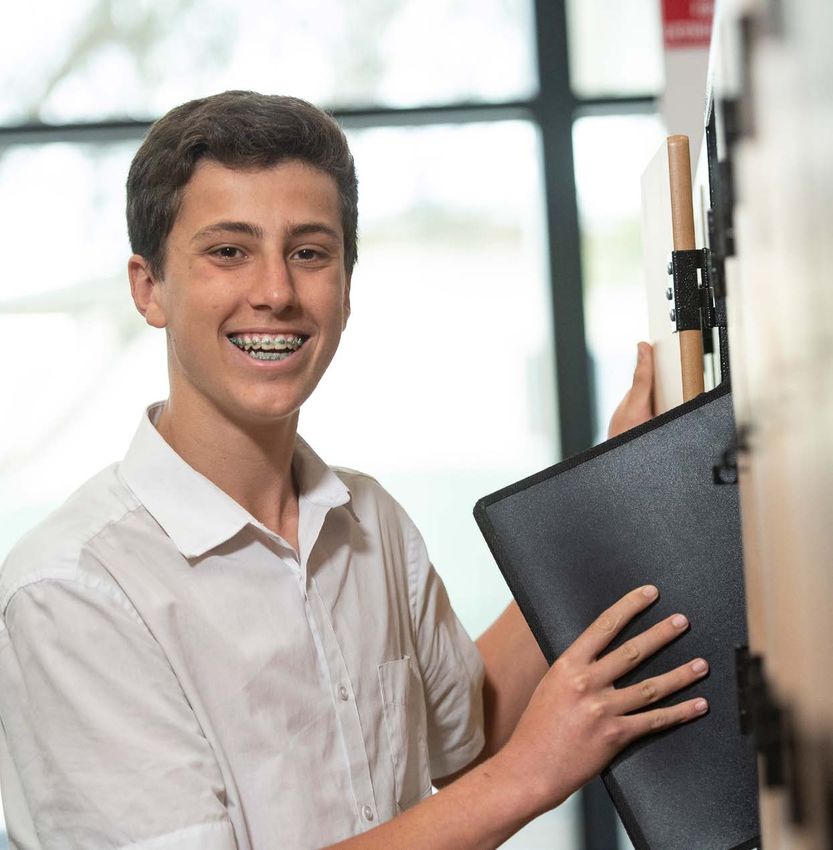
‘Optimum Esse Vos Esse’

4   BE NTLE IGH SECONDARY COLLEGE

We lcome

Excellence in Education

The greater danger for most of us is not that our aim
is too high and we miss it, but that it is too low and
we reach it
                         — Michelangelo (1475-1564)

Bentleigh Secondary College places great emphasis on
students working to achieve their very best, and on students
challenging themselves. We all dream of things we want to
accomplish during our lives. The difference between those
whose dreams come true and those whose don’t, can be
summed up in one word, ‘effort’. Effort is the demonstration
of hard work and achievement. We believe that the college
motto, “Optimum Esse Vos Esse” is something everyone
in our school community must aspire to by raising their
own expectations.

Our new purpose-built da Vinci Centre has been
designed with state-of-the-art spaces to deliver Science,
Technology, Engineering, Arts and Mathematics (STEAM).
The inspiring facility with light-filled dynamic learning
spaces and courtyards includes Visual Art studios, an Art
gallery and Technology rooms. The new Sports stadiums
will encourage increased student participation in sports
and physical activity and become home to our Sports
Academy. The Sports Academy will encourage positive
educational and career outcomes for students, providing
access to high performance training and coaching whilst
participating in a comprehensive academic program. Our
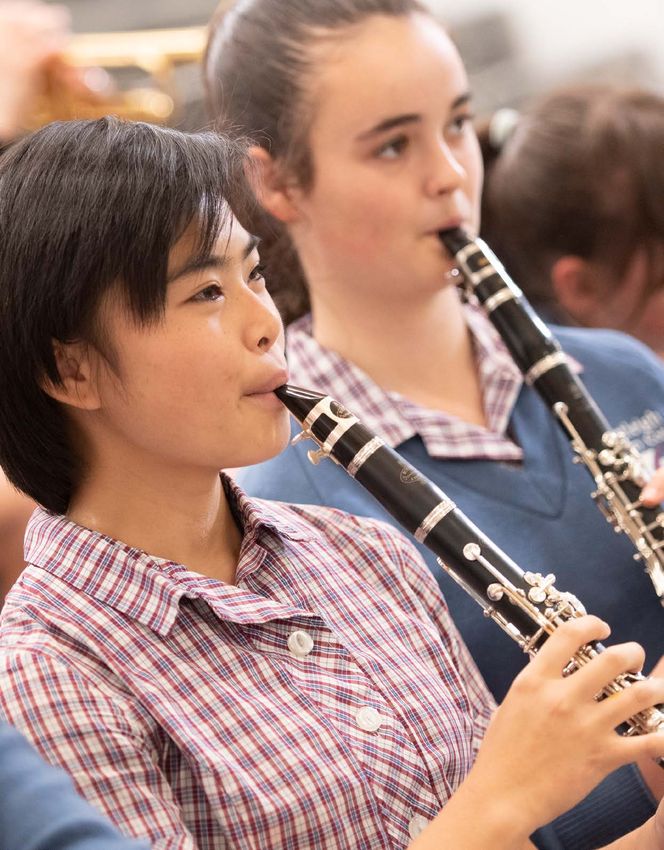
co-curricular programs offer outstanding opportunities
in the Performing Arts, Instrumental Music, Leadership,
Sustainable Practice and Sport. Positive relationships are
the cornerstone of our inclusive college. Students are
encouraged to be actively involved in decision making
through School Council, Student Focus Groups and SRC.

At Bentleigh Secondary College, we invite students on an
educational journey where they can develop their potential in a
supportive environment, challenge themselves to be the best
they can be whilst fostering resilience and social awareness.

Ms Helene Hiotis
College Principal

                                                                  MIDDLE YE ARS HANDBOOK   5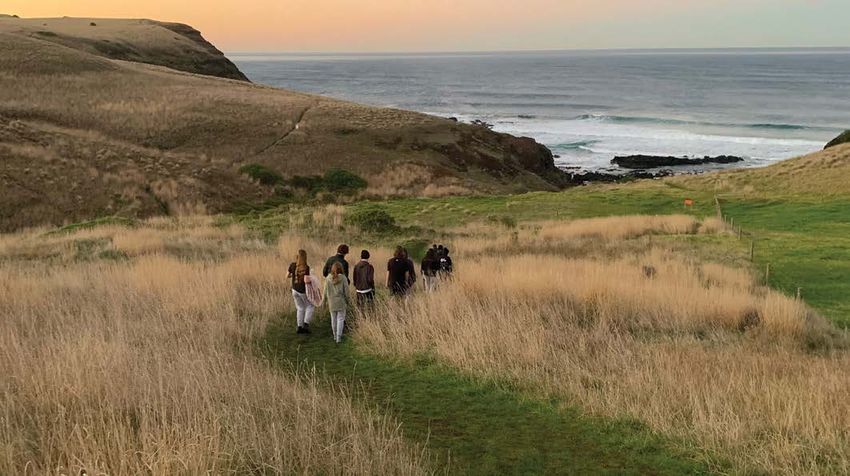
G if ted and Tale nted Program

    Bentleigh Secondary College is committed to delivering         Students gain entry to the Gifted and Talented Program
    a learning experience that challenges all students. The        through a selection process. Grade 6 students are invited
    Gifted and Talented Program is designed to nurture the         to apply to undertake the HAST selection test. Outstanding
    development of students who are identified as having           students will be offered a position in the program.
    exceptional educational ability, to ensure they are provided
    with the opportunity to develop to their full potential. The   There is also an interview process and analysis of PAT data.
    program focuses on teaching students the same work as
    other classes in greater depth.

6   BE NTLE IGH SECONDARY COLLEGE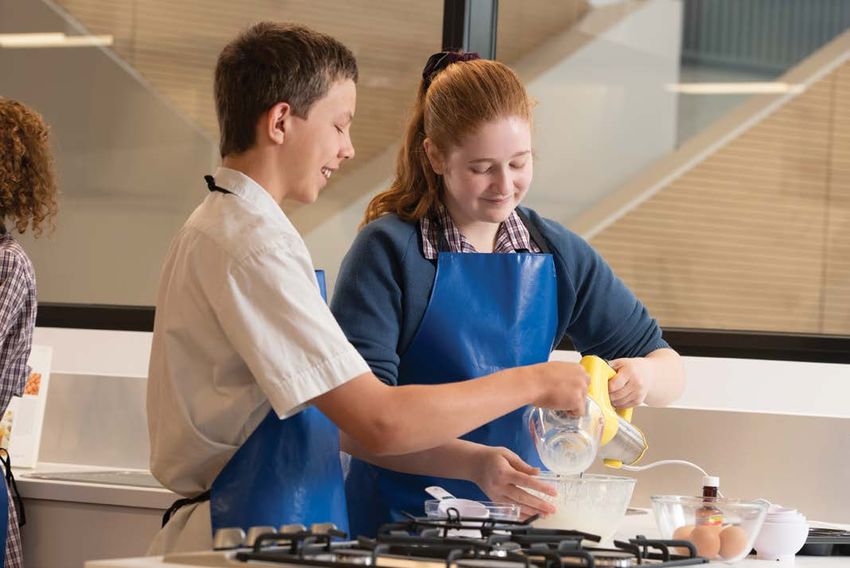
Spor ts Ac ade my

The Sports Academy at Bentleigh Secondary College offers
access to high performance training and coaching whilst
participating in a rigorous and comprehensive academic
program that opens up pathways into VCE. It is an elective
for Years 8 and 9. The Year 7 Sports Academy program
involves outside school hours classes and some withdrawal
from normal classes.

Through the Sport Academy program students have the
opportunity to be coached by a sport specific coach and
have access to physio services and strength and conditioning
services throughout the school day. This elective runs for the
whole school year with 3 sessions per week.

Sports Academy fees must be paid prior to acceptance
in the program.

SPORTS OFFERED

                        PROGRAMS

                           Netball

                             AFL

                            AFLW

                           Soccer

                         Basketball

Active Lifestyle take care of all our training needs, students
have access to a strength and conditioning coach that comes
into the school and oversees all the training programs.
Students learn the mechanics of movement that will allow
them to perform exercises efficiently and effectively to
enable them to get the most out of their training and their
bodies. A large component of the strength and conditioning
sessions is to ensure students learn about how their body
works so they can take good care of it.

We are very excited to have MyPhysio East Bentleigh
providing physiotherapy services for our athletes. MyPhysio
will be working closely with our coaches in order to assess
any injuries, determine the best course of treatment and
advise time frames for return to full activity where required.
They will also be providing pre-season injury screening
tools and educational sessions. MyPhysio have introduced
the Netball Knee program to reduce any injury risk and to
develop strong, stable, efficient bodies.

                                                                 MIDDLE YE ARS HANDBOOK   7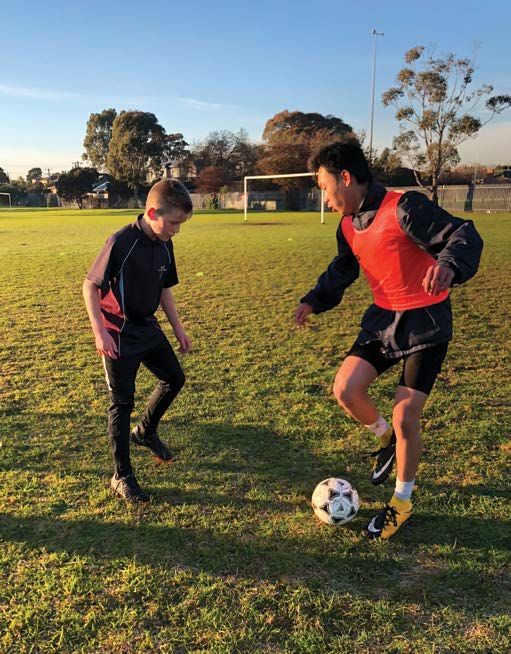
Spor t for Ye ars 7 & 8

    Sport Education in Year 7 and 8 involves student selection
    of specialised sports and participation on a weekly
    basis. Most sports involve competitive inter-school
    matches against other schools in the Kingston Division.
    Non-competitive movement based sports are also offered
    each term.

    Students will select a different sport each term, practise
    and then play competitive matches for the remainder of
    the term. If their sport is successful in the weekly Kingston
    Division, students are able to progress to the Southern
    Metropolitan and State finals.

    TERM BY TERM PROPOSED SPORT OPTIONS:

     TERM 1:                         TERM 2:                        TERM 3:            TERM 4: ALL GALA DAY’S

     Baseball Boys                   AFL                            Basketball Boys    Ultimate Frisbee
     Softball Girls                  Soccer Boys                    Basketball Girls   Softcrosse
     Cricket                         Soccer Girls                   Futsal Boys        Lawn Bowls
     Volleyball Girls                Badminton Girls                Touch Football     Super 8s Cricket
     Volleyball Boys                 Badminton Boys                 Table Tennis       Handball
     Tennis Boys                     Netball Girls                  Hockey Boys
     Tennis Girls                                                   Hockey Girls
     Non-competitive                 Non-competitive                Non-competitive    Non-competitive
     1. Dance (Instructor)           1. Cheerleading (Instructor)   1. Tabletennis     1. Gymnastics (Instructor)

     2. Squash (Coach) (Yr8 Only)    2. Martial Arts (Instructor)                      2. Golf

8   BE NTLE IGH SECONDARY COLLEGE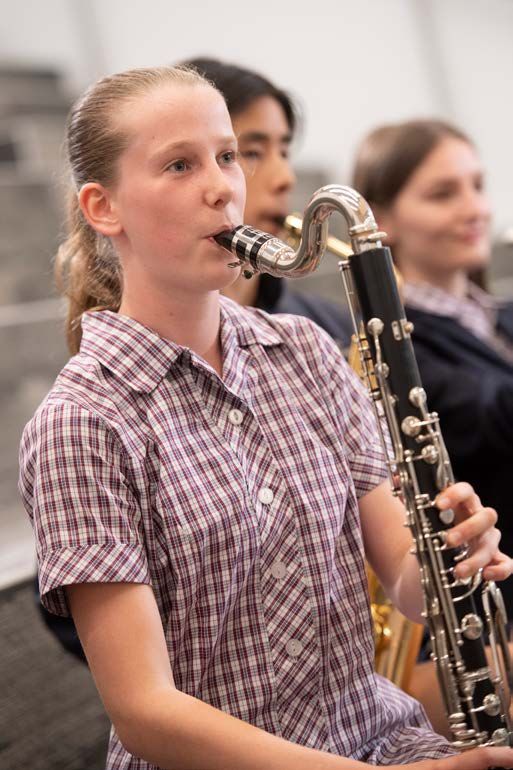
YEAR 7

     MIDDLE YE ARS HANDBOOK   9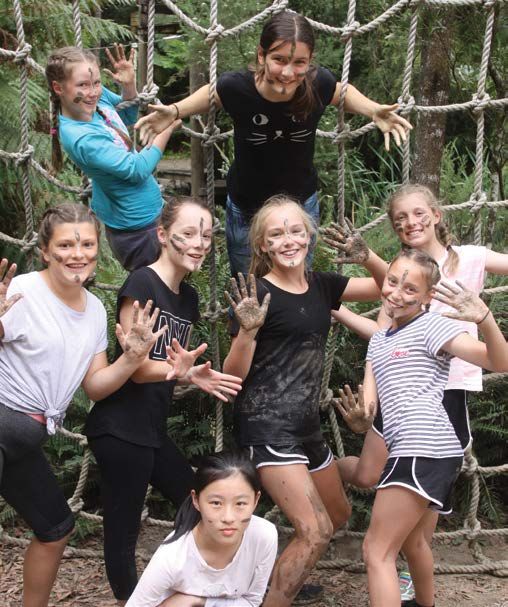
YE AR 7

     Introduction

     Moving from primary school to secondary school is a             To assist with the transition to a secondary school
     challenge, an opportunity and above all, a very exciting        environment, the college has a dedicated Year 7 Learning
     experience. The move is often from a small school to a          Precinct. This precinct has specialist classrooms, an enclosed
     larger school, where there are more subjects, teachers and      and secure locker area and staff offices. Many of the classes
     facilities. At Bentleigh Secondary College, we manage and       that are a part of the Year 7 curriculum are taught in the
     organise the transition to secondary school in a careful,       Year 7 Learning Precinct. This helps create a sense of
     respectful and thoughtful way.                                  belonging and security which is critical for a successful move
                                                                     from primary to secondary school.
     Our motto is one that all of our community can aspire to:
                                                                     Cybersafety is a key focus in Year 7 and external speakers
               ‘Optimum Esse Vos Esse’                               from Optus Digital Insights and Cyber Busters help educate
                   ‘Being the best you can be’                       our students.

     Transition

     At Bentleigh Secondary College, our Transition Plan is based    HOME GROUP SUPPORT
     around the following:
                                                                     All students at Bentleigh Secondary College begin their
                                                                     school day by meeting in their home group. Each class has
     THE TRANSITION CAMP
                                                                     their own home group teacher, who works closely with them
     The Year 7 transition camp will be held early in Term 1.        to support their academic progress and wellbeing. All Year 7
     The camp is held in Marysville, and is an excellent             classes are allocated a home group teacher who also
     opportunity for students and staff to get to know each other,   teaches them for at least one other class.
     build positive relationships and understand the importance
     of everyone working co-operatively.

     PEER SUPPORT
     The Peer Support program involves Year 10 leaders
     working with groups of Year 7 students to assist them with
     their transition to secondary college. Year 10 students
     lead activities that promote connectedness and foster the
     building of positive relationships between Year 7 students.
     In addition to these benefits, the program also allows Year 7
     students to connect with Senior School students.

     Year 10 students doing the sports coaching elective also
     work with Year 7 students during sport.

     MINDFULNESS MEDITATION
     As part of the college’s focus on Mindfulness Meditation,
     all Year 7 students participate in a program that introduces
     them to the practice. The Meditation and Indigenous Cultural
     Centre, located within the college grounds, provides the
     perfect environment for Year 7 students to engage in
     meditation, and learn how to improve their focus and better
     manage their emotions.

10   BE NTLE IGH SECONDARY COLLEGE
YE AR 7
Le ar ning Program
The timetable at Bentleigh Secondary College has 6 periods each day and runs on a two-week cycle.
THE PROGRAM FOR ALL YEAR 7 STUDENTS CONSISTS OF:
YEAR 7 LEARNING PROGRAM
English 10 periods/cycle
Maths 10 periods/cycle
Science 6 periods/cycle
Humanities (History/Geography) 6 periods/cycle
LOTE 6 periods (Japanese or French)/cycle
Physical Education/Health 6 periods/cycle
Sport 4 periods/cycle
Art/IT 4 periods/cycle - one semester each
Textiles/Food Technology 4 periods/cycle - one semester each
Drama/Music 4 periods/cycle - one semester each
Total per cycle 60 periods/cycle
Cur r iculum
FL I P – F u tu re L ear n er s Inq ui ry P roj e c t
The focus learning inquiry project provides students with an their own city/town and proposal. Presentation evening
opportunity to undertake exploration of an individual learning allows student to showcase their project and allows them
program within the faculties of English and Humanities. to dress up as a character from their city/town. Students
Students explore urban planning by investigating how city/ are assessed on inquiry based learning and encouraged to
town planners address the physical features, population develop personalised learning goals and skills to become
dynamics and liveability of city/town designs and create independent learners.
MIDDLE YE ARS HANDBOOK 11YEAR 8 12 BE NTLE IGH SECONDARY COLLEGE
YE AR 8

Introduction

The Year 8 curriculum is designed to provide students        The Year 8 curriculum provides students with the
with engaging learning experiences and skill consolidation   opportunity to study four elective subjects (two per
as outlined by the Victorian Curriculum.                     semester), in addition to the core subjects of English,
                                                             Mathematics, Humanities, Science, Language, Health and
Positive relationships are enhanced in Year 8 through        Physical Education and Sport.
external speakers such as Click Against Hate, Power to
Persist and the Bentleigh Buddies program.                   Sports Academy is a full year elective on the timetable.

Le ar ning Program

THE PROGRAM FOR ALL YEAR 8 STUDENTS CONSISTS OF:

                        SEMESTER 1                                                   SEMESTER 2

          English                    10 periods/cycle                  English                    10 periods/cycle

       Mathematics                   10 periods/cycle               Mathematics                   10 periods/cycle

        Humanities                   6 periods/cycle                 Humanities                    6 periods/cycle

         Science                     6 periods/cycle                   Science                     6 periods/cycle

     Japanese/French                 6 periods/cycle              Japanese/French                  6 periods/cycle

        Elective 1                   6 periods/cycle                  Elective 3                   6 periods/cycle

        Elective 2                   6 periods/cycle                  Elective 4                   6 periods/cycle

    Health and Physical                                          Health and Physical
                                     6 periods/cycle                                               6 periods/cycle
        Education                                                    Education

          Sport                      4 periods/cycle                    Sport                      4 periods/cycle

      Total per cycle             60 periods/fortnight             Total per cycle               60 periods/fortnight

                                                                                           MIDDLE YE ARS HANDBOOK        13
YE AR 8
Inquir y Base d Le ar ning (IBL)
During Terms 2 and 3, Year 8 students will use a more Term 3 IBL focuses on Sustainability, and is run with internal
flexible approach to embark on a program of Inquiry Based staff over a three week period, and also includes Science.
Learning that will immerse them in an area of study. Students
will develop their project plan that they use as the basis for At the conclusion of both IBL projects, there is a night of
their own inquiry. presentations from the students where parents get the
opportunity to engage with students regarding their project
Term 2 IBL will focus on enterprise education, with an and celebrate their work.
external speaker running a workshop on starting up a
Smoothie Bar. Over the course of the three week project,
students will consider what goes into setting up a business
during Maths, English and Humanities classes.
Subje ct Se le ction Proce s s
Ye a r 8 s t uden ts will s tu dy t w o e l e c t i v e s p e r se me st e r.
SELECTION RULES
1. Music Advanced and Sports Academy are full year subjects and count as two electives.
2. Students are required to select one elective from Arts and one elective from Technology.
3. Students are required to select a further two electives. These can be chosen from any of the learning areas
(students are permitted to select additional electives from Arts and/or Technology).
4. Students will be required to nominate further preferences. Students may be allocated these preferences on the
occasion that one of their first preferences is unavailable.
ELECTIVE SUBJECTS OFFERED AT YEAR 8
ARTS TECHNOLOGY OTHER
Students must choose Students must choose
at least one Arts Subject at least one Technology Subject
Art Design and Technology — Textiles Music Advanced*
Drama Design and Technology — Wood Sports Academy
- Netball
- AFL
Media Design and Technology — Food
- AFLW
- Soccer
Music Information Technology - Basketball
Visual Communication and Design
* Music Advanced is compulsory for those students in the Year 8 band.
14 BE NTLE IGH SECONDARY COLLEGEYE AR 8
Ele ctive s – A r ts
STUDENTS MUST CHOOSE AT LEAST ONE ARTS ELECTIVE.
Art Me d i a
This semester based elective focuses on the design, This subject is an introduction to visual communication
development and completion of a folio of highly finished, two through popular media technologies. The major area of study
dimensional artworks. Students will initially be given a range is video production, involving a range of creative projects
of starting points that involve an element of research, drafting where students develop production skills and explore visual
and refinement of ideas as a foundation for folio work. codes and conventions from a practical perspective. Other
areas of study include digital photography, radio plays and
An understanding and consideration of aesthetic qualities
print media.
will be developed as an important aspect of both the design
and finish of artwork. A range of materials, tools, equipment Working in production teams, students work on a range
and artistic processes will be explored as part of this of practical, creative projects. They write scripts or create
elective. Students will be expected to maintain a sketchbook
storyboards before taking cameras out of the classroom to
for ideas, designs and written annotations.
shoot footage for their projects. Students edit this footage;
Areas of Study adding voice-overs, music, text, images and graphics as
needed to create their projects. Finally, they will learn to
– Dry Media – graphite, charcoal, conté, coloured pencil, water
soluble pencil, oil pastel, soft pastel, fine liner, markers enhance their products through the use of filters and refined
editing techniques.
– Wet Media – ink, acrylic, gouache, watercolour
– Research Report – selected Australian artist
Areas of Study
– Film construction – learning filming techniques and
D ra m a conventions to construct effective media texts.
The study of Drama focuses on the creation and – Visual codes – constructing Silent Movies to learn
performance of characters, narratives and stories. Students visual literacy and narrative techniques.
draw on a range of content and use role and expressive – Audio Refinement – using creative projects focussed
skills to create, embody and present dramatic works. on audio and quality of audio. Projects may include
They analyse the development of their performances and mock TV commercials, instructional videos and radio
explore the actor–audience relationship. Students develop plays.
an understanding of dramatic elements, stagecraft and
– Literacy – script writing and concept development.
theatrical conventions appropriate to performance styles
from a range of cultural contexts. – Teamwork, group work and creative collaboration.
– Use and knowledge of Media Technologies and
Areas of Study
general IT.
Exploring dramatic styles and practices, students will create,
– Print Design – through projects such as film posters or
perform and analyse dramatic pieces. They will look at the
comic books.
way characters are presented to add depth to a performance.
Students will also work with dramatic conventions and
expressive skills in units of Italian Commedia del ‘arte as well
as create performances based on physical characterisations
and gesture for performance.
MIDDLE YE ARS HANDBOOK 15YE AR 8
Ele ctive s – A r ts
Mu s i c V i sua l Communi c a t i on
The Year 8 Music class is designed to give students who are a nd D e si gn
not learning an instrument a broad knowledge of music. This
wide ranging subject is not necessarily a pathway into VCE Visual Communication and Design introduces students to
music curriculum. the diverse approaches that can be used to communicate
ideas and information visually. Students develop
practical skills in drawing, researching, organizing and
Areas of Study selecting information, and developing and refining ideas.
The aim of this subject is to deliver a practical music These skills are developed over the semester as they
education. This will include performance skills in guitar, work through the design process to produce a variety of
piano, and African drums. It will also encompass aural visual communications.
(listening) skills, and knowledge of music throughout history.
Areas of Study
– Two Dimensional drawing – Design developments,
orthogonal drawing, symbols.
– Three Dimensional drawing – both freehand and using
technical drawing instruments.
– Illustrations.
16 BE NTLE IGH SECONDARY COLLEGEYE AR 8
Ele ctive s – Te chnolog y
STUDENTS MUST CHOOSE AT LEAST ONE TECHNOLOGY ELECTIVE.
D es i g n a nd Tech n olo gy D e si gn a nd Te c hnol ogy
— Food — Wood w ork
This subject focuses on the practical side of cooking. This subject is a one semester elective which you can select
Students have the opportunity to learn about food for Semester 1 or 2. The aim is to extend students skills in
preparation and presentation. investigating, designing, producing, analysing and evaluating
a wooden product when working from a design brief.
Areas of Study
– Food safety and kitchen hygiene Areas of Study
– Meal preparation Student participate in a range of learning activities which
– Menu planning include the following:
– Food labelling and food additives
– Investigating issues and needs
– International cookery
– Herbs and spices – Developing design proposals and alternatives using
CAD software
– Producing various wooden products demonstrating
Students MUST bring a container each week to take
their practical skills
their products home
– Analysing and evaluating outcomes against set criteria
D es i g n a nd Tech n olo gy
— Te xt i l es Informa t i on Te c hnol ogy
To keep in step with the ever-changing world of IT and the
Areas of Study
changing needs of students, this course offers a variety
This subject emphasises engagement in investigating, of software experiences.
designing, creating, analysing and evaluating processes
and products. Students enjoy the practical based/hands on Areas of Study
format of the course where they learn to work independently Students’ progress by devising planned approaches to
and in groups to achieve set tasks. problem solving. This involves documenting the order of,
As an introduction to the course, students design and and time allocation for individual tasks within extended
produce a simple product as a skill building exercise. They projects. Students use a wider range of ICT tools, techniques
then design and produce a pair of shorts, following the and functions to support their thinking processes, to model
design process. All activities are documented in a folio. systems, to solve problems and to create information
products for a variety of purposes.
Areas of Study
– Investigating and testing They use the equipment’s operating system and software
functions to manage their files. Students become more
– Generating design ideas
proficient in the use of Internet research tools to locate and
– Production tasks
download information from a range of sources, and they
– Evaluations
judge the quality of information, based on set criteria.
– Planning and managing
MIDDLE YE ARS HANDBOOK 17YE AR 8
Ele ctive s – O the r
Mu s i c — Advan ced
Advanced Music is a class specifically for students learning
an instrument at Bentleigh Secondary College. To enhance
their learning, it is compulsory for all students learning an
instrument to choose this elective in Year 8. This subject
may be the beginning of a pathway for students who are
interested in continuing towards VCE music.
Areas of Study
During this class, students will learn composition techniques,
performance skills and solo instrumental studies. The
development of theory and aural (listening) skills will include
studying AMEB grade 2 theory equivalent material. Students
will also undergo regular concert band rehearsals as part of
this subject.
18 BE NTLE IGH SECONDARY COLLEGEYE AR 8 MIDDLE YE ARS HANDBOOK 19
YEAR 9

20   BE NTLE IGH SECONDARY COLLEGE
YE AR 9

Introduction

The Year 9 curriculum is designed to develop Life Skills, Leadership and Resilience. This is done through City Search, an
increase in Leadership opportunities and external speakers running REACH workshops.

Le ar ning Program

THE YEAR 9 CURRICULUM CONSISTS OF:

                        SEMESTER 1                                                     SEMESTER 2

          English                    9 periods/cycle                     English                    9 periods/cycle

       Mathematics                   9 periods/cycle                  Mathematics                   9 periods/cycle

         Science                     6 periods/cycle                    Science                     6 periods/cycle

        Humanities                   6 periods/cycle                   Humanities                   6 periods/cycle

   Health and Physical                                             Health and Physical
                                     6 periods/cycle                                                6 periods/cycle
       Education                                                       Education

   Japanese or French                6 periods/cycle               Japanese or French               6 periods/cycle

        Elective 1                   6 periods/cycle                    Elective 3                  6 periods/cycle

        Elective 2                   6 periods/cycle                    Elective 4                  6 periods/cycle

    Learning Journey/                                               Learning Journey/
                                     6 periods/cycle                                                6 periods/cycle
        Advance                                                         Advance

      Total per cycle             60 periods/fortnight               Total per cycle              60 periods/fortnight

                                                                                            MIDDLE YE ARS HANDBOOK          21
YE AR 9
T he Cit y Se arch Program
The City Search Program provides Year 9 students with through formal presentations. These student-led projects
the opportunity to develop a broader understanding of promote the development of 21st century skills, such as
their home city of Melbourne. problem solving and critical thinking.
The program involves students spending four days visiting Student feedback consistently rates the City Search
significant sites within the city and investigating social and program as an enriching and engaging educational
environmental issues that impact those who work, visit experience. Students value the opportunity to learn
and live in Melbourne. Students are required to engage outside of the traditional classroom, and build their
with the public to gather data, opinions and feedback on confidence, independence and resilience.
their selected issue, which they then share with their peers
School For Stude nt Le ade rship
The School for Student Leadership is a Victorian DET Students interested in attending the School for Student
initiative offering a unique residential education experience Leadership will be invited to submit an application and
for Year 9 students. The curriculum focuses on personal attend an interview for placement.
development and team learning projects sourced from
students’ home regions. There are four campuses in iconic The application should outline:
locations across Victoria:
– the student’s interest in the placement
- The Alpine School Campus in Dinner Plain – the reasons why he/she would like to attend
- The Snowy River Campus in Marlo (East Gippsland) – ideas for the Community Learning Project
- Gnurad-Gundidj near Camperdown (Western Victoria) – what he/she believes will be brought back to
- Don Valley in Yarra Valley (opening 2021) the college
Applications should also include supporting references.
Bentleigh Secondary College applies to send six Year
9 students to The School for Student Leadership each Costs for the term are required to be paid upfront.
year. If successful, students spend a term at one of the
campuses. They return to the college with a “Community Applicants will be interviewed by an Assistant Principal, the
Learning Project” they have developed and work on Head of Middle School and the Head of Year 9.
completing in the following term. This is an amazing and unique opportunity for the successful
applicants. Students who have attended the School for
Student Leadership have been very enthusiastic about their
experiences. Further reminders, with application dates will
be made in the newsletter and the student daily bulletin.
22 BE NTLE IGH SECONDARY COLLEGEYE AR 9
Subje ct Se le ction Proce s s
Ye a r 9 s t uden ts will s tu dy t w o e l e c t i v e s p e r se me st e r.
SELECTION RULES
1. Students are required to select one Self Development subject which runs for Semester 1 and 2.
2. Students are required to continue studying the language studied in Years 7 and/or 8 (Japanese or French).
3. Students are required to select one elective from Arts and one elective from Technology.
4. Students are required to select up to four other electives. These can be chosen from any of the learning areas (students
are permitted to select additional electives from Arts and/or Technology).
5. Sports Academy is a full year subject, equivalent to two electives.
6. Students will be required to nominate second preferences. Students may be allocated their second preferences on the
occasion that one of their first preferences does not run.
ELECTIVE SUBJECTS OFFERED AT YEAR 9
SELF SPORTS
LANGUAGE ARTS TECHNOLOGY
DEVELOPMENT ACADEMY
Optional
Design and
Learning Journey Japanese Drama Technology — Netball
Textiles
Design and
Advance* French Media AFL
Technology — Wood
Design and
Music AFLW
Technology — Food
Information
Art Soccer
Technology
Visual
Communication Basketball
and Design
* Advance is capped at two classes (48 students).
Sample Program for a Year 9 student doing Sports Academy:
English, Maths, Science, Humanities, Health & PE, French, one of Advance or Learning Journey (all year) and one elective
per semester.
Sample Program for a Year 9 student not doing Sports Academy:
English, Maths, Science, Humanities, Health & PE, Japanese, one of Advance or Learning Journey (all year), Sports Academy
(all year) and two electives per semester.
MIDDLE YE ARS HANDBOOK 23YE AR 9
Le ar ning Jour ney Program
Throughout the full year Learning Journey program, students assist in the development of students’ confidence and
will have the opportunity to lead a range of community-based leadership skills. Examples of experiences offered through
programs. Each activity is based around giving students the Learning Journey program are: ‘Community Leadership
the chance to experience real-world learning outside the Through Mindfulness Meditation’, ‘Community Service’,
classroom environment. ‘Healthy Body, Healthy Mind’ and ‘STEAM Entrepreneurs
and Engineers.’
The Learning Journey program has established strong
community links, providing students with opportunities The aim of each unit is to help students develop their
to engage and work with kindergartens and primary schools confidence, responsibility and awareness, while enabling
in the local area. These experiences are rewarding and them to engage in interesting and worthwhile activities.
Ad vance
Advance is a full year program that is partly funded by abseiling, high ropes course, canoeing, mountain bike riding,
the Victorian Government. Advance students develop orienteering and more. The ‘Life Saving Victoria Bronze
Leadership and Teamwork qualities in a range of settings Medallion Award’ is also a component of the course and
and environments outside classroom walls. allows the students to become competent swimmers whilst
developing their life saving and resuscitation skills.
The program sees students undertake the ‘Bronze Duke
of Edinburgh Award’, which requires participation in
recreational pursuits, voluntary community work and two
overnight expeditions. The overnight bushwalks are usually
considered highlights of the program. The students also
participate in a week long camp at Bogong, undertaking
a number of outdoor activities such as rock climbing,
24 BE NTLE IGH SECONDARY COLLEGEYE AR 9
Ele ctive s – A r ts
STUDENTS MUST CHOOSE AT LEAST ONE ARTS ELECTIVE.
Art D ra ma
Students explore a variety of approaches to art making in The emphasis in this unit will be placed on performance
Year 9 Art. The subject focuses on developing their visual and communication skills. Students will explore play making
and analytical skills through a variety of mediums. Creative techniques such as character development, physical
approaches to the subject matter are encouraged and theatre, script writing, naturalism and non-naturalism and
students do not have to possess advanced artistic skills to how they can be used to develop performances. Students
benefit from the subject. A creative approach to art making will be expected to actively participate in classes where
is encouraged. new ideas and approaches are practised and discussed.
Encouragement will be given to new writing, clear critical
Areas of Study analysis of others’ work, as well as developing some
understanding of the history of dramatic ideas and placing
Students use a multitude of resources as their starting
them in the context of their times.
point for creating artworks. They trial artworks throughout
the design process developing their skills and techniques
using a variety of mediums. They develop their drawing, Areas of Study
painting and ICT skills whilst investigating given themes and – Script Writing.
topics. Students analyse and evaluate their own and others’
– Performance Techniques.
artworks to produce informed written responses.
– History of Theatre
(eg: Aboriginal and Greek Theatre styles).
– Modern Media Performance analysis and creation
using modern technology.
– Application and understanding of Expressive Skills in
performance.
MIDDLE YE ARS HANDBOOK 25YE AR 9
Ele ctive s – A r ts
Me d i a Musi c
This subject is an extension of Year 8 Media but can be taken This subject has been developed to enhance student
independently. The emphasis in Year 9 Media is on creative instrumental and performance skills. While this is a largely
collaboration and communication through media tools and performance-based subject, it is not necessarily limited
techniques. Through practical, ‘hands-on’ projects, students to students learning an instrument. This subject could be
learn to refine their media productions and to use creative a stepping-stone for students wanting to continue to VCE
visual techniques aimed at communication and expression. music curriculum.
There is a focus on visual literacy; the codes and conventions
Areas of Study
of narrative and visual media, such as how to frame images
to get more affective footage and how to utilise editing to The aim of this subject is to deliver a practical musical
enhance that footage, creating continuity, flow and impact. education. This will include instrumental performance skills
determined by the student. It will also encompass theory
Students work collaboratively at all times in either pairs or and aural (listening) skills.
production teams. Progressively, they develop their concepts
through scripts or storyboards before taking cameras out
of the classroom to shoot their footage. They will then edit
this footage; adding voice-overs, music, text, images and
graphics as needed, to create their projects. Finally, they will
focus on enhancing their product through the use of filters
and refined editing techniques.
Areas of Study
- F
ilm construction – using video techniques and
conventions to construct creative media texts.
- V
isual codes – constructing Music Videos to learn
advanced visual literacy and techniques.
- N
arrative and Representation – using advanced media
production techniques, codes and conventions.
- Literacy – script writing and concept development.
- Teamwork, group work and creative collaboration.
- Use and knowledge of Media Technologies.
- T
ools of Persuasion – exploring media techniques of
persuasion and influence.
26 BE NTLE IGH SECONDARY COLLEGEYE AR 9
Ele ctive s – A r ts
Visual Communication Areas of Study
– T
wo Dimensional drawing – Design developments,
and Design orthogonal drawing, symbols.
– T
hree Dimensional drawing – both freehand and using
Visual Communication and Design introduces students to the
technical drawing instruments.
diverse approaches that can be used to communicate ideas
and information visually. Students develop practical skills in – Illustrations.
drawing, researching, organising and selecting information,
and developing and refining ideas. These skills are developed
over the semester as they work through the design process to
produce a variety of visual communications.
Ele ctive s – Te chnolog y
STUDENTS MUST CHOOSE AT LEAST ONE TECHNOLOGY ELECTIVE.
D es i g n a nd Tech n olo gy D e si gn a nd Te c hnol ogy
— Te xt i l es — Wood w ork
This subject emphasises engagement in investigating, This subject is a one semester elective which you can select
designing, creating, analysing and evaluating processes for Semester 1 or 2. The aim is to extend students’ skills in the
and products. Students enjoy the practical based/hands on woodwork room where they work safely with a range of tools
format of the course where they learn to work independently and equipment. They manage materials and processes to
and in groups to achieve set tasks. produce a wooden product when working from a design brief.
As an introduction to the course/skill building exercise,
students design and produce a simple product. They Areas of Study
then design and produce a garment of their own choice, Students participate in a range of learning activities which
developed from their design brief, following the heading include the following:
“Party Wear”.
– Investigating issues and needs.
All activities are documented in a folio. – D
eveloping design proposals and alternatives using
CAD software.
Areas of Study – P
roducing various wooden products demonstrating
– Investigating and testing their practical skills.
– Generating design ideas – Analysing and evaluating outcomes against set criteria.
– Production tasks
– Evaluations
– Planning and managing
MIDDLE YE ARS HANDBOOK 27YE AR 9
Ele ctive s – Te chnolog y
D es i g n a nd Tech n olo gy Informa t i on Te c hnol ogy
— Food Students use ICT to manage individual and collaborative
projects. They initiate and engage in real and virtual teams
This subject focuses on the practical side of cooking. and collaborative problem solving in local and global
Students have the opportunity to learn about food environments.
preparation and presentation, using a variety of key foods.
Areas of Study
Areas of Study
Students use a range of ICT tools and techniques to assist in
– Methods of cooking monitoring, reflecting on and refining their thinking strategies
– Food safety and hygiene when addressing complex issues and solving complex
– Basic knife skills and cutting techniques problems.
– Food presentation Students understand the need to protect data and they use
ICT tools to protect their files and control access to them.
They share ideas with others through a range of electronic
media. They demonstrate and discuss appropriate ethical
and social behaviours for users of ICT and analyse the
impact of ICT in society.
28 BE NTLE IGH SECONDARY COLLEGEYE ARS 7-9
G e ne ral Infor mation
Hou s e Sy s tem Mob i l e , Ca me ra P hone s
Our House system is used as the basis for many intra- & O t he r El e c t roni c D e v i c e s
school competitions such as athletics, swimming, cross
country, chorals, debating and Bentleigh’s Got Talent. Mobile phones/other electronic devices are brought to
We have four houses, Fawkner (Red), Dendy (Green), the college at the owner’s risk. The college does not have
Wickham (Gold) and Hawker (Blue). All students are insurance cover for lost electronic devices. Phones are to be
allocated to a house. Our house names are based on those kept in lockers throughout the day.
used by the two schools that were previously Moorabbin
Technical School and Bentleigh High School.
S t ud e nt Le a d e rshi p
From Moorabbin Technical School: Students are provided with many opportunities to develop
Hawker (Blue) – One of Australia’s greatest airmen. He came their leadership including Middle School Captains, Student
from Moorabbin, went to Worthing Road Primary School, Representative Council (SRC), Class Captains, House
built and designed the ‘Sopwith Talbot’ and founded H.G. Captains, Sustainability Captain, Debating Captain and
Hawker Engineering Company. Environmental Officers. Students are encouraged to
develop their public speaking skills through forums such
Wickham (Gold) – F.D. Wickham was the original owner as Whole School and Year Level Assemblies, Student
of the land where Moorabbin Technical School stood Representative Council, and inter-school debating.
(now Holmesglen TAFE) in 1853.
From Bentleigh High School: The P osi t i v e Ed uc a t i on a nd
Fawkner (Red) — Established the first settlement in
Melbourne. Opened a store and hotel, issued the ‘Melbourne
We l l b e i ng Te a m
Advertiser’, one of Melbourne’s first councillors. The team supports all students across the school in assisting
with learning and social and emotional development
Dendy (Green) — Came from England and purchased domains. Support is intended to increase a student’s
5,120 acres south of the Yarra in 1841. The area purchased learning opportunities and success with their studies.
was the boundary by the bay, North Road, South Road and
Boundary Road. Therefore the original owner of the land A range of programs are offered to student’s including
where Bentleigh High stood and we now stand. mentoring, supporting students with learning differences,
proactive social skills groups and managing challenges.
Lock e r s Our approach is strengths based and focuses on the
student in a holistic and supportive way. All students are
All students are issued with a locker and combination lock. welcome to drop by our wonderful Moorooboon Positive
Year 7 lockers are in the Year 7 Learning Precinct. Years 8-11 Education Centre.
lockers are in Houses. The winning Houses choose their
locker locations each year.
Lib r ar y
The Library is open between 8:15am and 4:30pm.
The Library provides a wide range of print, audio-visual and
electronic resources to assist students to complete their work
requirements. The Library is a quiet study and research area
and students have to respect the rights of others when using
this wonderful facility. Students accessing the computer
network must do so appropriately at all times.
MIDDLE YE ARS HANDBOOK 29YE ARS 7-9
Communic ation
T he ho m e/s ch ool P romot i on P ol i c y
p ar t n er s hip ELIGIBILITY CRITERIA
At Bentleigh Secondary College we value the partnership we In order for students to gain automatic promotion from one
have with our parent community, and the important role that year level to the next, they must satisfy the following criteria.
communication plays in facilitating this.
Weekly newsletters are distributed via email to all parents 1. Demonstrated personal learning qualities
from the Heads of Year Level. This newsletter provides – Positive commitment to the Bentleigh Secondary
parents with important information and reminders regarding College principles underlying our Code of Conduct.
upcoming events for the cohort. Whole school newsletters These are:
are regularly provided to the school community via Compass
• The right to learn
and can be located on the College website.
• The right to be treated with respect
Parents are encouraged to familiarise themselves with • The right to be safe
the Compass portal, as it is the main communication tool
used. Parents are able to monitor student progress and – Regular attendance and punctuality
communicate with staff via the portal. A unique username – Positive relationships with staff and peers
and password is issued to parents as part of the enrolment
– Positive contribution to curricular and co-curricular
process, which provides access to the Compass portal.
activities
2. Academic record
Ye a r L ev el As s embly Satisfactory demonstration of ELBs in their reports.
Students will also attend a Year Level Assembly once
a week during home group time, in the Performing Arts NOTE: Students who do not meet these eligibility criteria
Centre (PAC). may be required to present a case to the Promotions
Committee. This will normally involve the student, parents,
Year 7 - Tuesday the Head of Year Level and an Assistant Principal.
Year 8 - Friday
Year 9 - Thursday
St u d en t Repor ts an d
Pare nt Teach er In ter views
Cyclic Reports are released every five weeks. The report
provides feedback on Effective Learning Behaviours
(ELBs) and their progress in accordance with the Victorian
Curriculum Standards. Students use this feedback to help
set their learning goals.
There are numerous opportunities for parents to meet with
teachers and discuss their child’s progress.
– Year 7 Meet and Greet – late Term 1
– Years 7-12 Parent Teacher Interviews
12.00pm-8.00pm – early Term 2
– Year 11/12 Unit 4 Parent Teacher Interviews
3.30pm-5.30pm – early Term 3
– Years 7-11 Parent Teacher Interviews
12.00pm – 8.00pm – mid Term 3
30 BE NTLE IGH SECONDARY COLLEGEVivien Street, East Bentleigh Vic 3165
“Optimum Esse Vos Esse”
PO Box 186, East Bentleigh Vic 3165
CRICOS Provider Code: 00861K
P 03 9579 1044 F 03 9579 2720 HANDBOOK
E bentleigh.sc@edumail.vic.gov.au MIDDLE SCHOOL PROGRAMS
www.bentleighsc.vic.edu.auYou can also read


